Handle Materials
Selection Guide
Choose the right scales for your folding knives, fixed blades, and multi-tools—balancing grip, weight, durability, weather resistance, and cost.
How to Choose
Grip & Texture
Secure handling in dry/wet environments and with gloves. Consider surface texturing and material properties.
Durability & Weight
Impact resistance and carry comfort; balance with blade mass for optimal handling characteristics.
Weather & Cost
Moisture/chemical resistance, machinability, and budget considerations for production efficiency.
Quick Picks by Use Case
Material Overview
At-a-glance comparison of popular handle materials
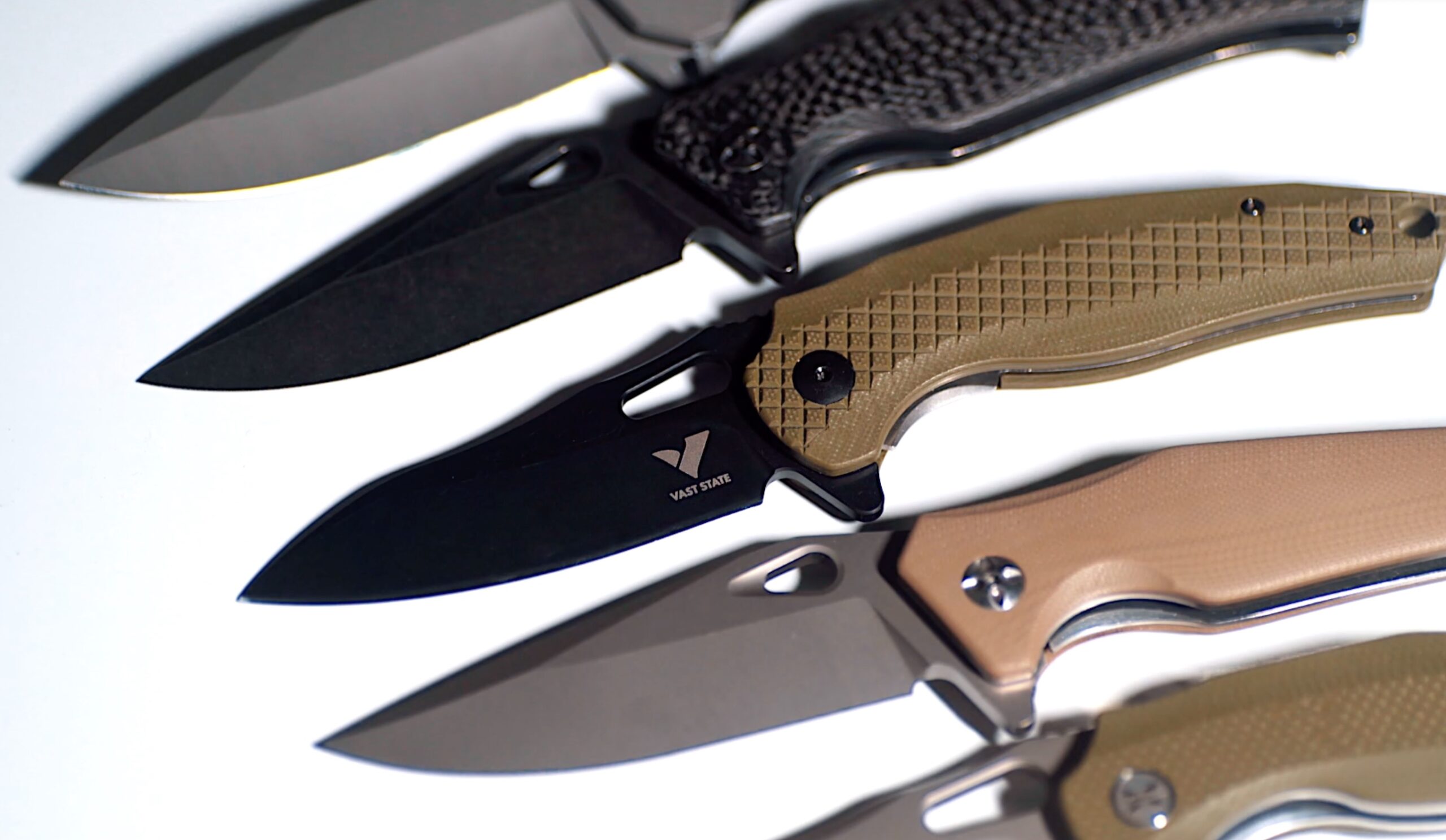
G10
- • Glass-fiber laminate; very stable and durable
- • Easy to texture (peel-ply, CNC milling)
- • Great value, wide colorways
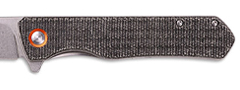
Micarta
- • Warm hand feel; grips better when damp
- • Classic look; can patina with use
- • Strong and stable; easy to finish
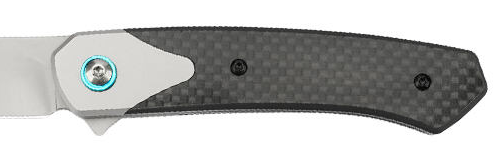
Carbon Fiber
- • Ultra-light and stiff; premium look
- • Needs texture or contouring for grip
- • Higher cost; careful machining required
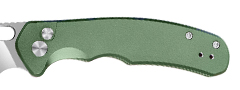
Aluminum
- • Light, strong, cost-effective
- • Anodizing for colors; may show scratches
- • Cool touch; add texture for grip
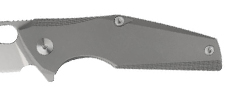
Titanium
- • Premium, corrosion-proof, light
- • Beautiful machining/anodizing options
- • Higher cost; tool wear consideration
FRN / Glass-Filled Nylon
- • Light, tough; injection-mold efficiency
- • Texture molded in; great value
- • Broad color choices
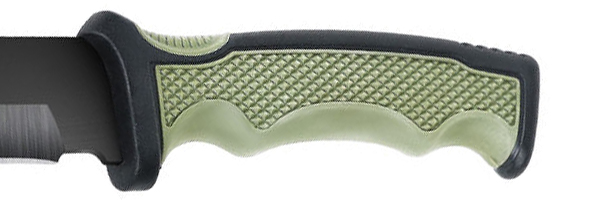
Rubber / TPR Overmold
- • High wet grip; impact damping
- • Soft-touch cosmetics; choose durometer
- • Great for rescue/outdoor tools
Stabilized Wood
- • Warm, unique grain; stabilized for durability
- • Finish options: oil, varnish, CA
- • Great for premium/outdoor if sealed
Bone / Horn / Stag
- • Traditional, collectible look
- • Requires careful finishing and care
- • Texture can improve grip
Comparison Matrix
Qualitative ratings; real performance depends on geometry, texturing, and assembly.
| Material | Grip | Weight | Durability | Weather Res. | Machinability | Cost |
|---|---|---|---|---|---|---|
| G10 | ▲ | ● | ▲ | ▲ | ▲ | ● |
| Micarta | ▲ | ● | ▲ | ● | ▲ | ● |
| Carbon Fiber | ● | ▲ | ▲ | ▲ | ● | ○ |
| Aluminum | ● | ▲ | ● | ● | ▲ | ● |
| Titanium | ● | ▲ | ▲ | ▲ | ● | ○ |
| FRN / GF Nylon | ● | ▲ | ● | ▲ | ▲ | ▲ |
Finishes & Textures
CNC Patterns & Peel-Ply
Checkering, milling, chamfers, and peel-ply textures for enhanced traction and grip security.
Anodizing & Coatings
Dyed aluminum/titanium, bead-blast, stonewash, and Cerakote applications for durability and aesthetics.
Inlays & Hybrids
CF, wood, acrylic inlays; CF+G10 hybrids combining performance with visual appeal.
Frequently Asked Questions
G10 vs Micarta—what's better in wet conditions?
Both perform well in wet conditions. Micarta tends to feel grippier when damp due to its organic composition, while G10 can be textured aggressively for similar traction. G10 offers more consistent performance across all conditions.
How to improve carbon fiber grip?
Use contouring, milled patterns, or peel-ply textures on carbon fiber surfaces. Consider mixed CF+G10 laminates that combine the lightweight properties of carbon fiber with the grip characteristics of G10.
Best value materials for large OEM runs?
FRN/Glass-Filled Nylon and aluminum offer the strongest value proposition for high-volume production with scalable manufacturing processes and consistent quality control.
Ready to Spec the Right
Handle for Your Line?
OEM/ODM support from concept to delivery. Our material experts will help you select the optimal handle solution for your specific requirements.