Many people use the words “penknife” and “pocket knife” interchangeably, but they describe two distinct concepts with different histories, designs, and uses.
A penknife is typically a small, non-locking slipjoint folder from its quill-cutting origins, while a pocket knife can include locking mechanisms, multiple blade types, and broader EDC utility designs.
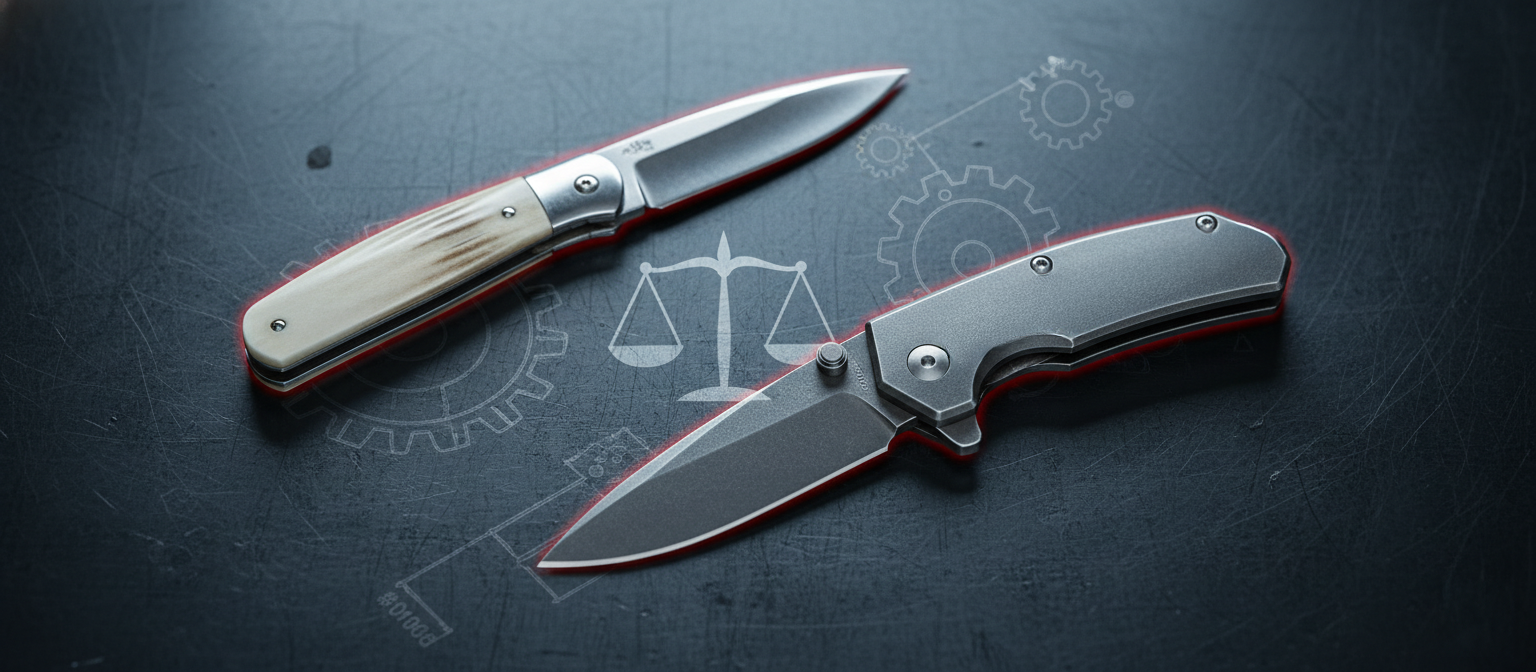
I often help brand buyers choose between penknife-style folders and modern pocket knives for their catalog. The difference isn’t only mechanical—it’s about usage culture and even regional legal nuance.
Quick Answer: Penknife vs. Pocket Knife in One Minute?
If you need a fast distinction without diving into history:
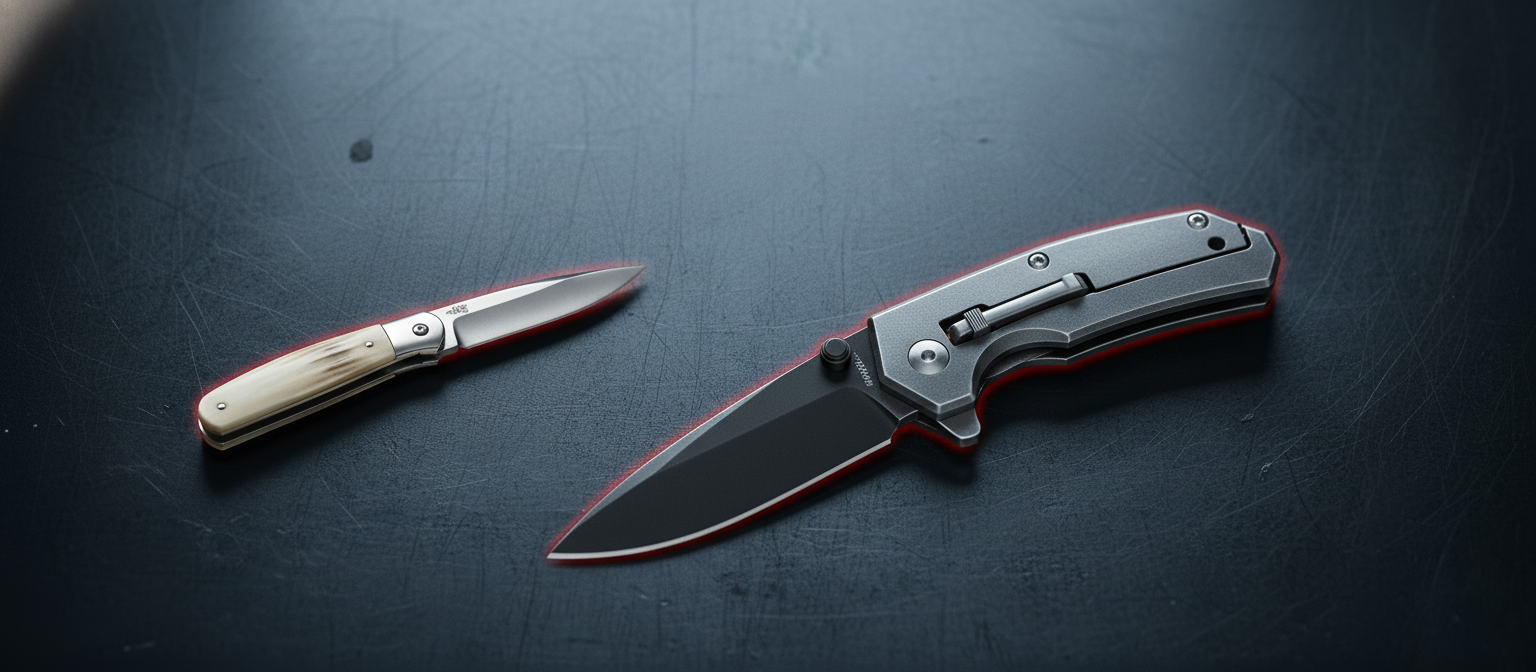
Penknives are usually small, slipjoint folders without locks. Pocket knives can be locking or non-locking, often larger, and designed for general utility beyond fine tasks.

Penknives remain popular in places where non-locking knives are preferred or required. Pocket knives span the spectrum from small multi-blades to heavy-duty locking folders for outdoor use.
A Brief History: From Quill-Sharpeners to Modern EDC?
The term “penknife” comes from its original role sharpening quills for writing.
Penknives began as small folding knives with short, fine blades to trim and shape feather quills. Modern versions keep the compact form but use them for crafts and light EDC.
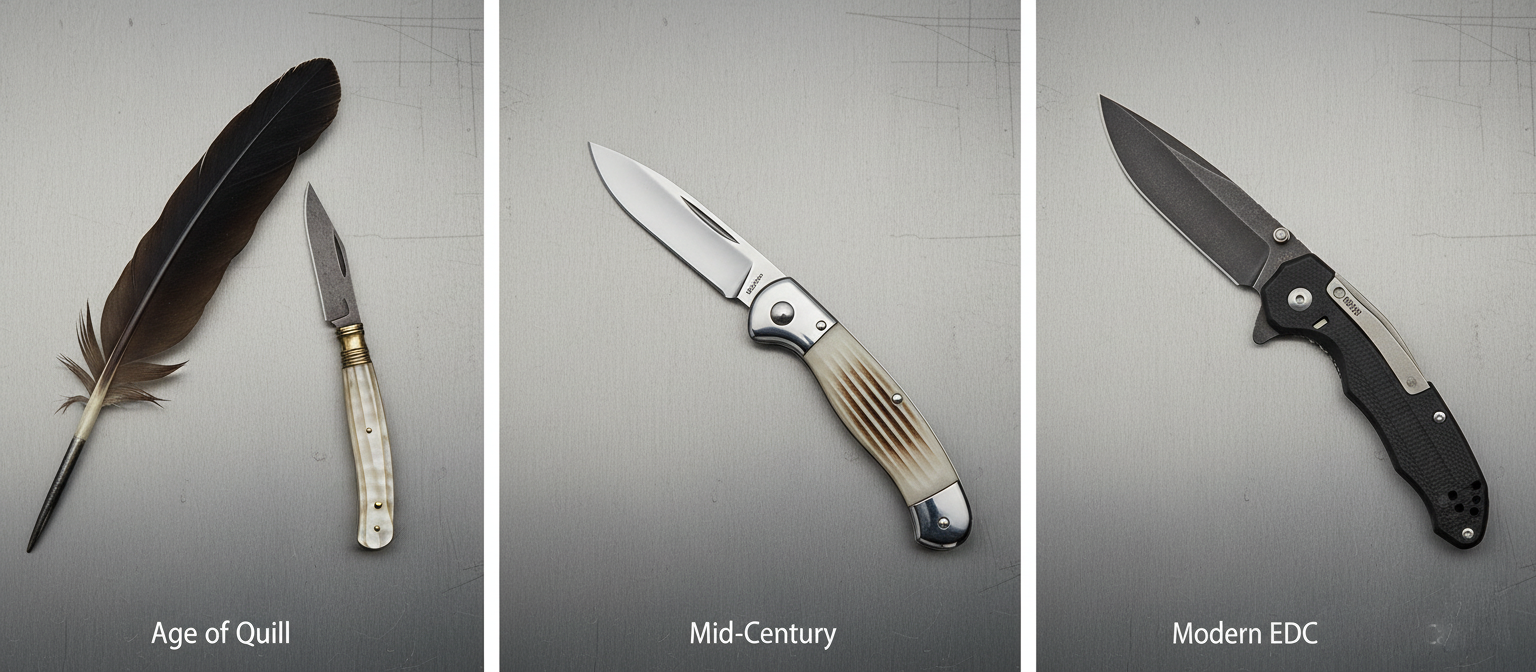
Pocket knives grew from utility needs rather than writing tools. By the industrial age, they became multipurpose carry items—used in trades, outdoors, and everyday household tasks.
Today, penknives often retain traditional patterns and materials, while pocket knives evolve with tactical designs, synthetic scales, and advanced locking systems.
Mechanisms 101: Slipjoint Penknives vs. Locking Pocket Knives?
Mechanics shape how these knives feel and function.
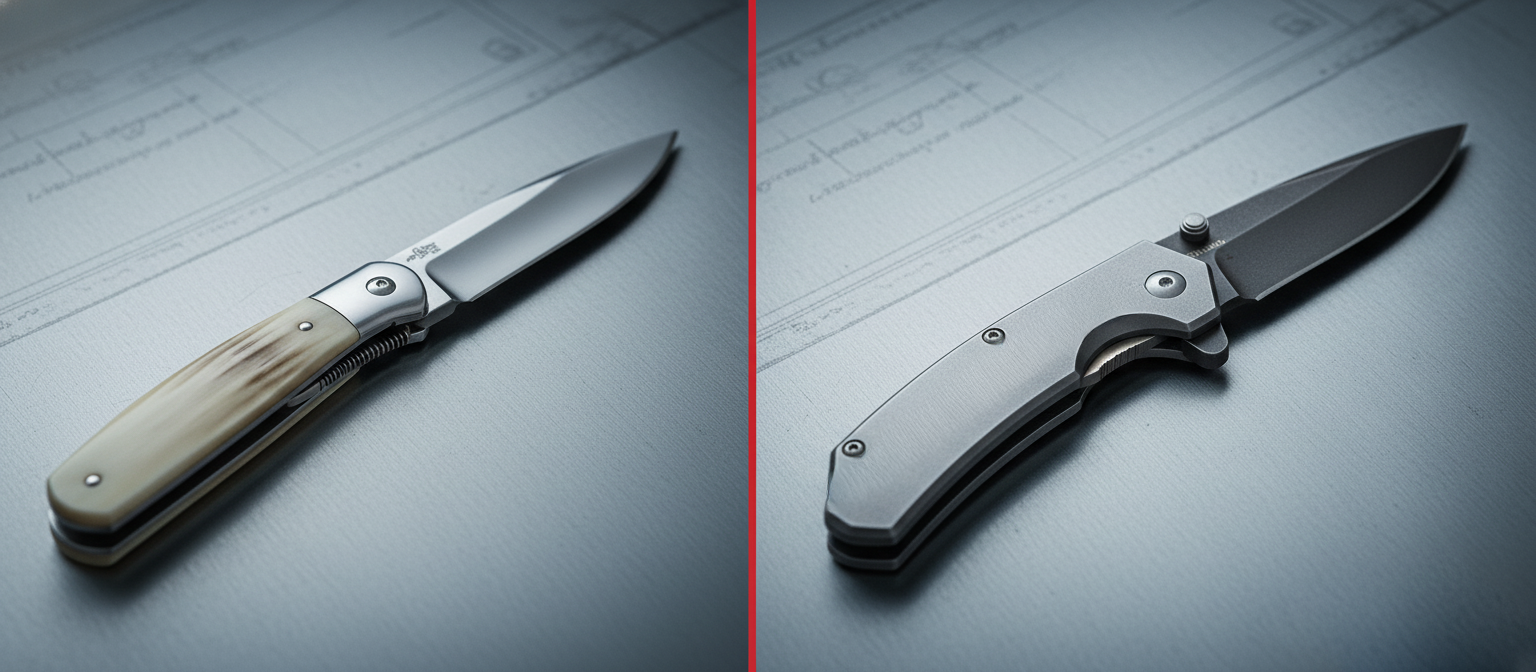
Penknives use slipjoint springs to hold the blade open without a lock. Pocket knives can be slipjoint or have liner, frame, crossbar, or lockback mechanisms for safety under heavier loads.
| Mechanism | Typical Use | Safety Level |
|---|---|---|
| Slipjoint | Light cutting | Moderate |
| Lockback | Outdoor/heavy | High |
| Liner lock | EDC/tactical | High |
| Frame lock | Premium folders | High |
| Crossbar/button lock | Balanced utility | High |
Slipjoints require users to apply controlled pressure to prevent blade closure during use. Locking mechanisms allow more force without risk of accidental closure.
Size & Blade Profiles: Typical Dimensions, Single vs. Multi-Blade Setups?
Size often reflects intended tasks.
Penknives average 2–3-inch blades, slim profiles, and often feature two small blades in one handle. Pocket knives range from 2 to over 4 inches, sometimes with thicker spines and broader tips for mixed-duty use.
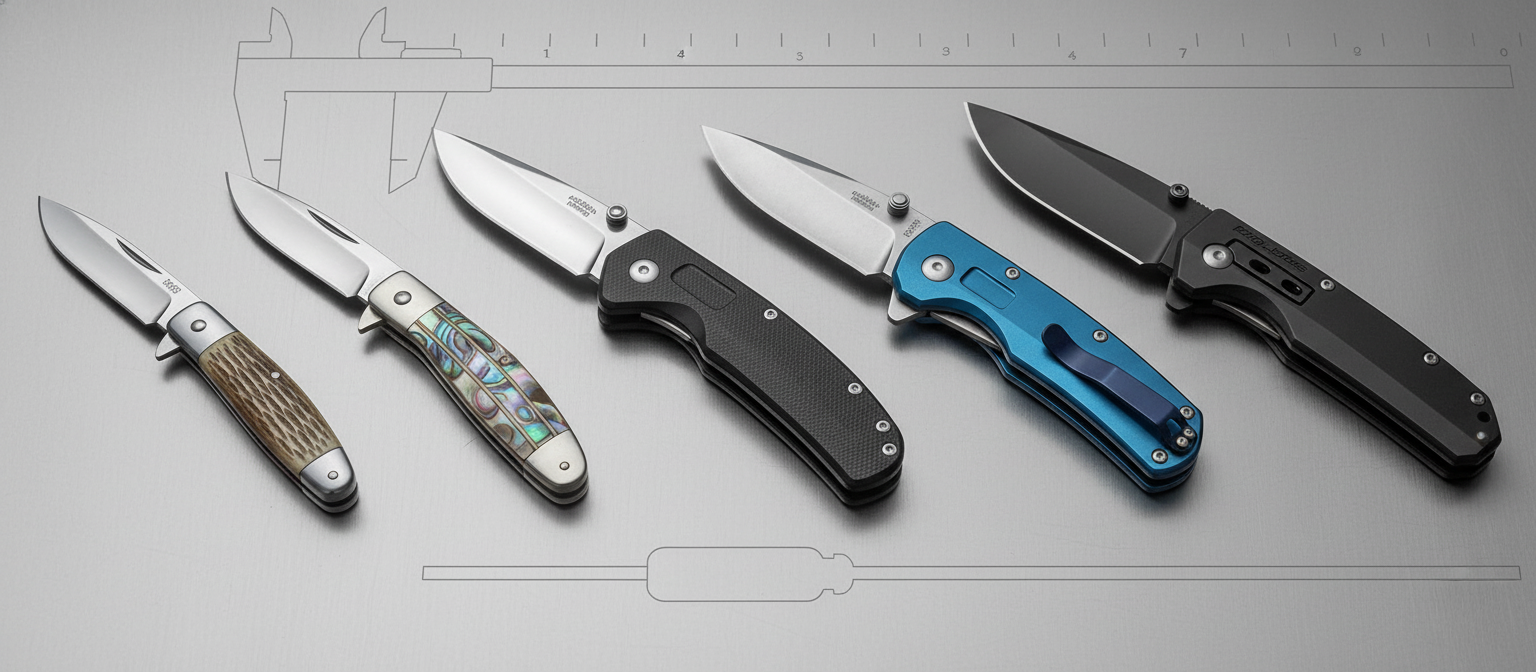
Penknife layouts favor finer points and narrow edge profiles for precision work. Pocket knives can have drop points, clip points, sheepfoot, or specialized blades depending on purpose.
Multi-blade penknives (e.g., with pen and spear blades) excel at light trimming tasks and general small utility. Modern pocket knives might have single, robust blades or include tools like screwdrivers, bottle openers, or saws.
Use-Cases Compared: Office/Precision Tasks vs. Daily Utility & Outdoor Chores?
Matching knife type to activity avoids frustration and damage.
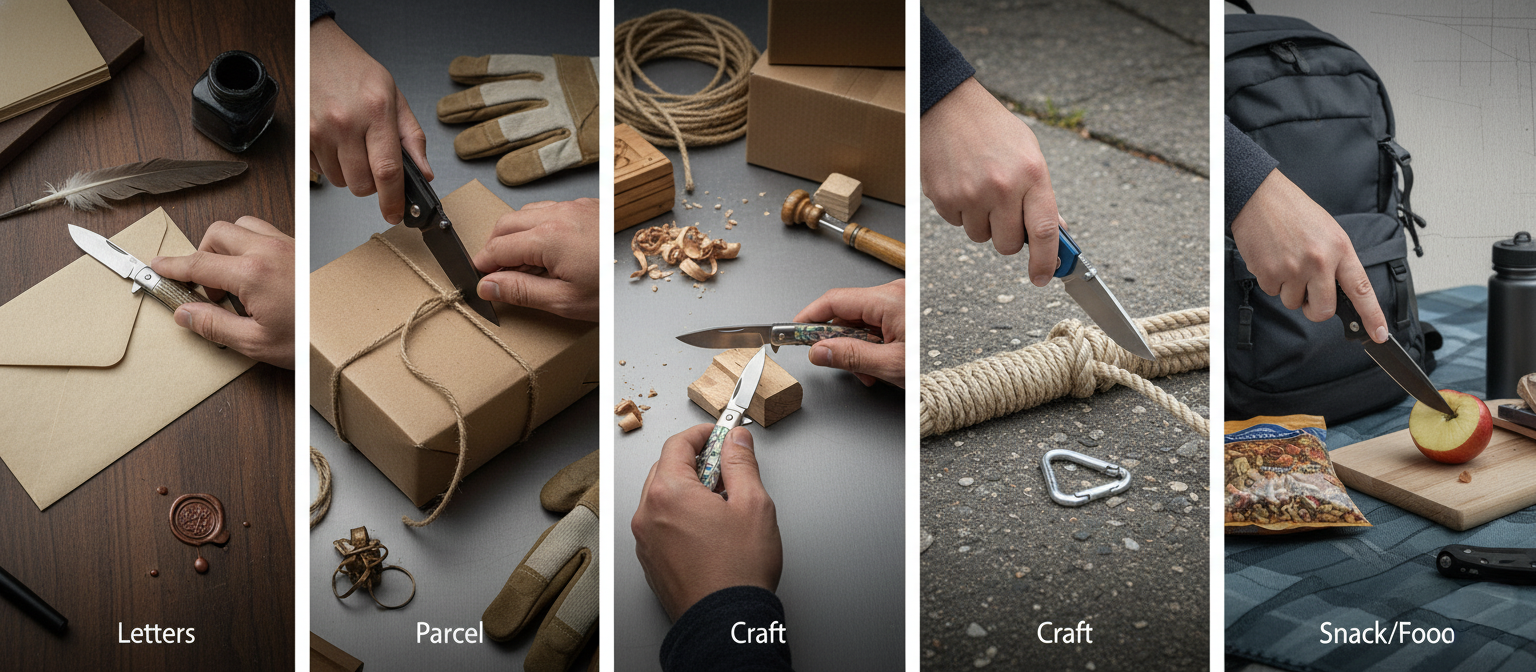
Penknives shine for precision cutting—opening letters, trimming wood, small craft tasks. Pocket knives handle a mix of daily chores, packages, light food prep, and outdoor cutting.
| Use Case | Penknife | Pocket Knife |
|---|---|---|
| Letter opening | Excellent | Good |
| Parcel cutting | Good | Excellent |
| Craft trimming | Excellent | Good |
| Outdoor rope cutting | Limited | Excellent |
| Food prep outdoors | Limited | Good |
I’ve recommended penknives for corporate gift sets—they’re safe, legal in more places, and align to desk-bound users. Pocket knives fit outdoor brands needing utility and reliability in tougher tasks.
Materials & Build: Steels, Handle Options, and How They Affect Performance?
Build quality affects maintenance and lifespan.
Traditional penknives often use stainless steels like 3Cr13, 420J2, or carbon steels (1095) with bone or wood handles. Pocket knives adopt wider steel ranges and synthetic handles for weather resistance and grip.
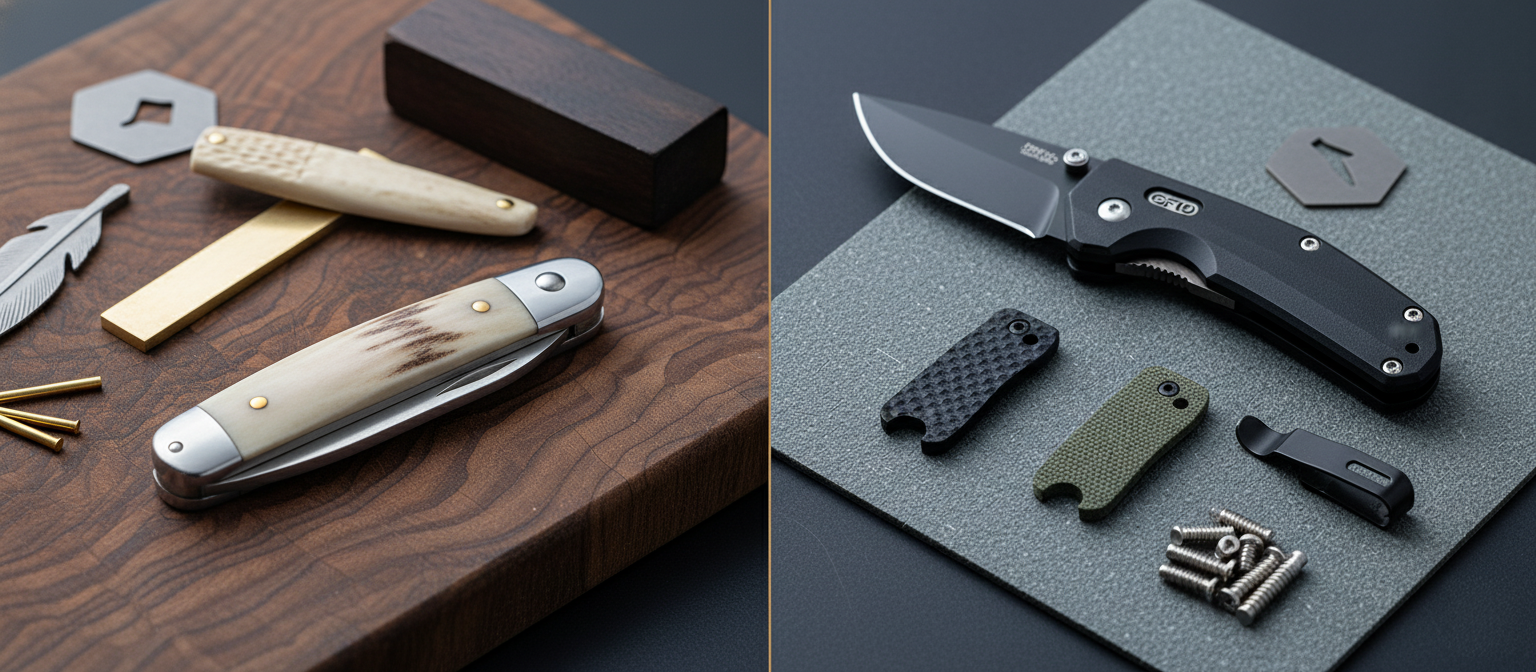
Pocket knife buyers now expect upgraded steels (8Cr13MoV, D2, Sandvik 14C28N) and ergonomic synthetics like G10, FRN, or micarta. Penknives win buyers with heritage finishes—polished brass liners, jigged bone, inlaid wood.
Safety & Maintenance: Deployment, Closing Discipline, Angles, and Touch-Ups?
Using a non-locking knife safely requires awareness.
Slipjoint penknives demand lighter cutting angles and palm pressure behind the blade’s spine. Pocket knives with locks still need controlled closure and regular edge care.
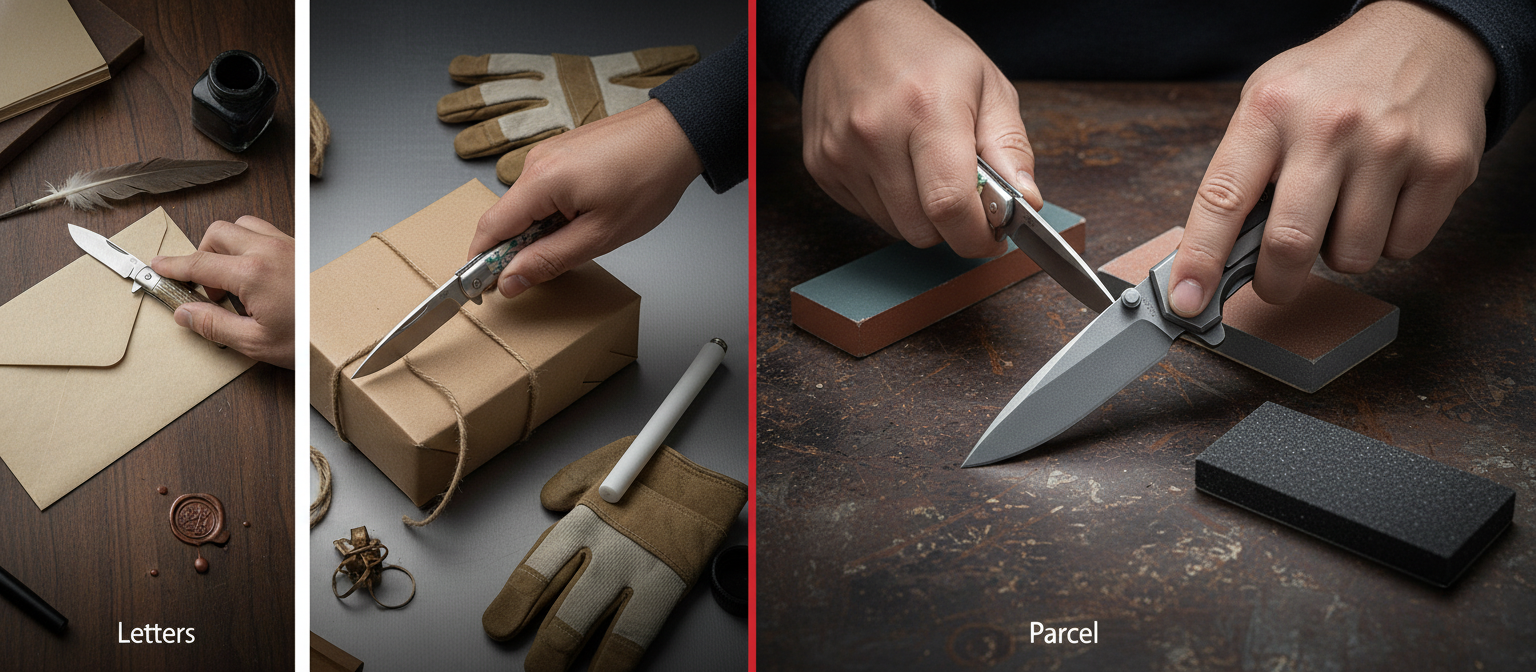
Penknives sharpen easily due to simple small blades and softer hardness. Pocket knives might need more time on stones for harder steels.
I teach customers that with either type, maintenance rhythm is key—small touch-ups prevent big regrinds.
Regional Language & Legal Nuance: US vs. UK/EU Naming and Non-Locking Rules?
Names change with location.
In UK/EU law, “penknife” often means any small non-locking folder. Non-locking blades under certain lengths (often 3 inches) can be carried without a reason. US usage varies—pocket knives include both locking and non-locking types.
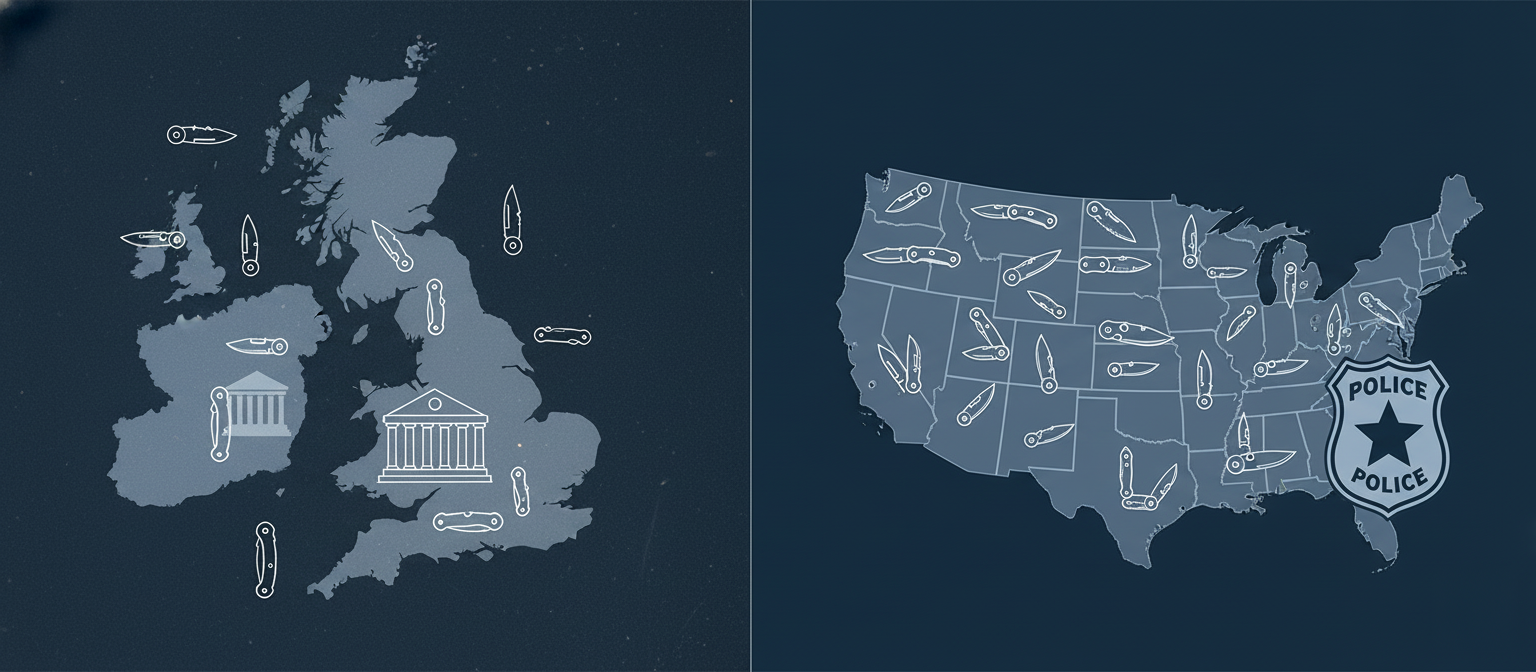
This affects branding and compliance. A “penknife” marketed in the US may need clearer label as “non-locking folder” if sold in regions with locking restrictions.
(Plain-English note: This section is educational only—not legal advice. Check local laws before carry or sale.)
When to Choose Each: Buyer Scenarios and Decision Checklist?
I work with buyers by understanding their end user’s world.
Choose penknife designs for markets prioritizing tradition, gift appeal, or stricter knife laws. Choose pocket knives for versatility, outdoor brands, or EDC partnerships.
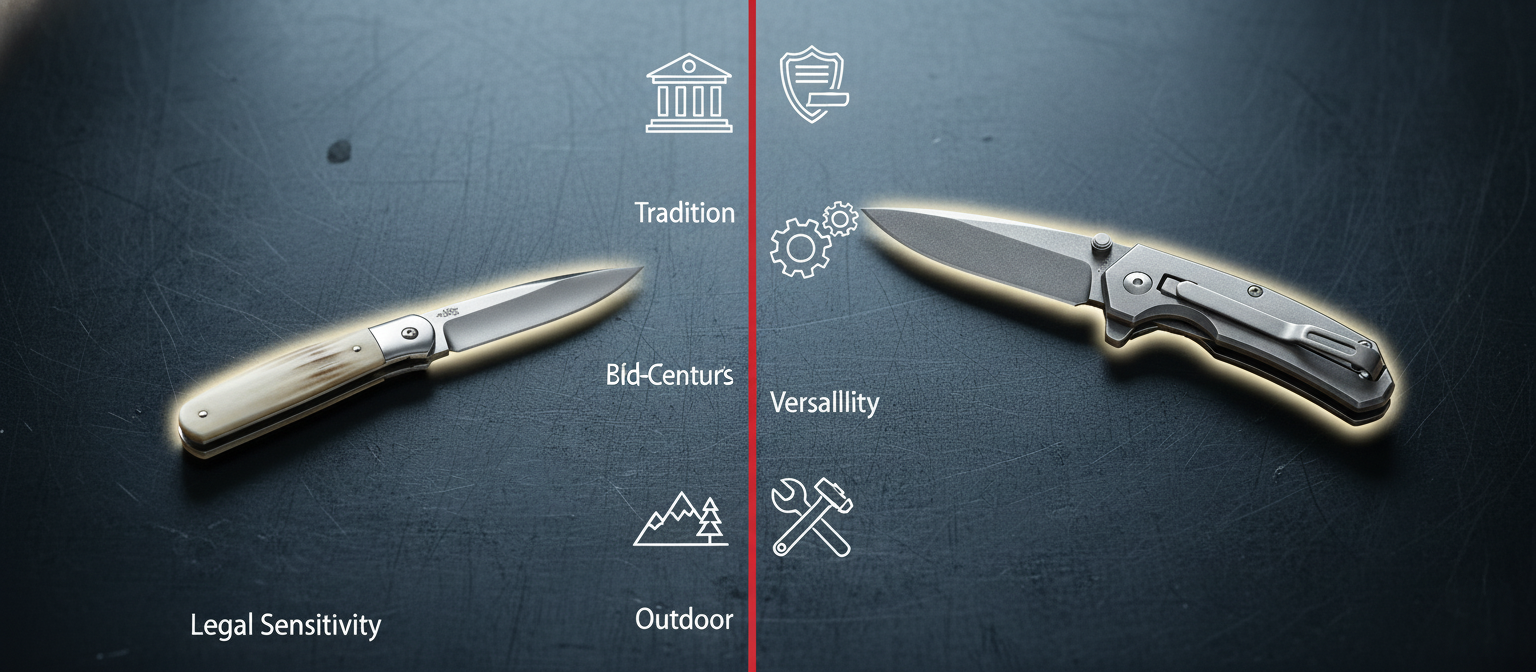
Checklist:
| Factor | Penknife Wins | Pocket Knife Wins |
|---|---|---|
| Legal sensitivity | ✔ | |
| Traditional aesthetic | ✔ | |
| Versatility needs | ✔ | |
| Outdoor market | ✔ | |
| Heavy cutting tasks | ✔ |
Alternatives Worth Considering: Small Multitools, Keychain Folders, and Compact Fixed Blades?
Some buyers blend both concepts.
Small multitools can cover penknife roles with added functions. Keychain folders give EDC utility in legal lengths. Compact fixed blades are strong but typically require sheaths and more legal oversight.
These options often slot alongside knives in catalogs—appealing to customers needing something between heritage and modern.
OEM/ODM Notes for Brands: Spec Tips (Locks, Springs, Tolerances) and Compliance Cues?
Production details turn designs into compliant, shippable products.
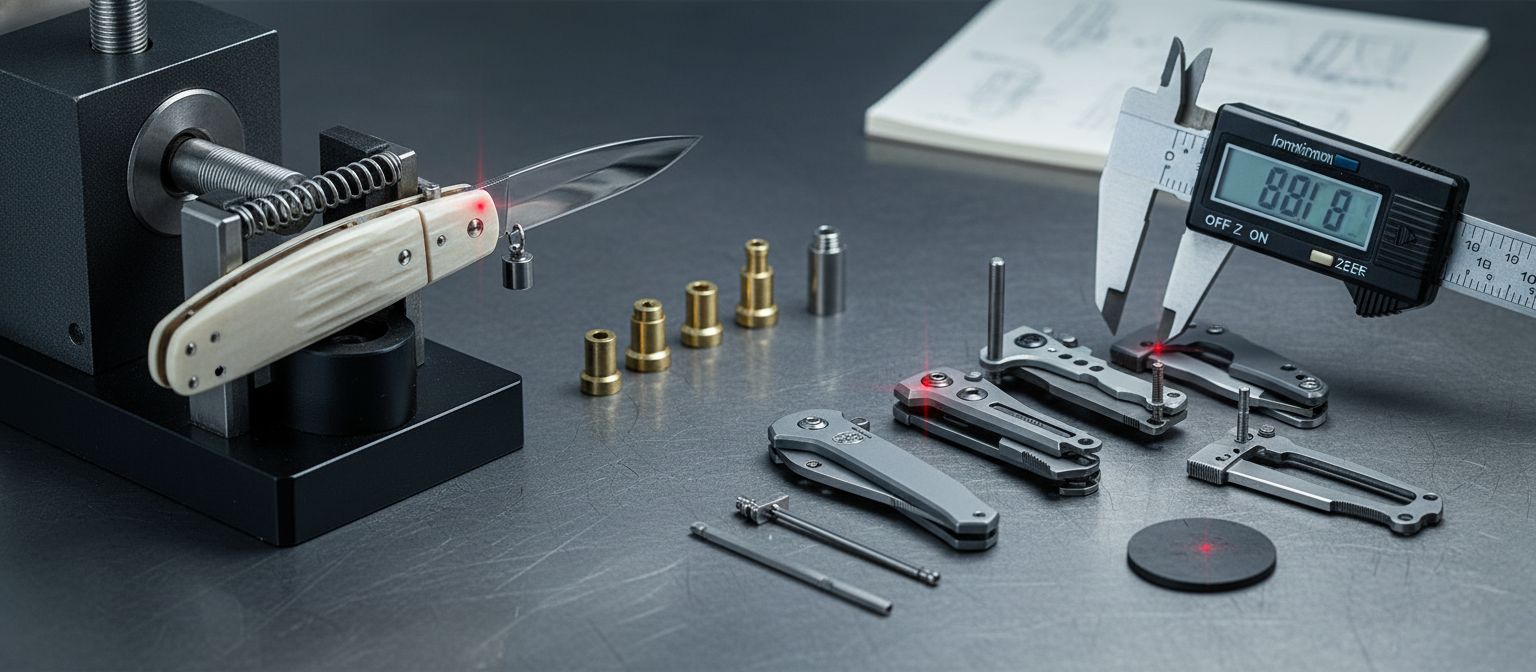
For penknives, spec reliable slipjoint spring tension and polished pivots for smooth opening. For pocket knives, clarify lock type, blade length tolerances, and rust-proof metallurgy.
Compliance cues:
- Non-locking slipjoints for markets with restrictions
- Blade length specs within legal limits
- Material documentation for customs clearance
Where This Fits on Your Site: Internal Links and Next-Step CTAs?
For site structuring:
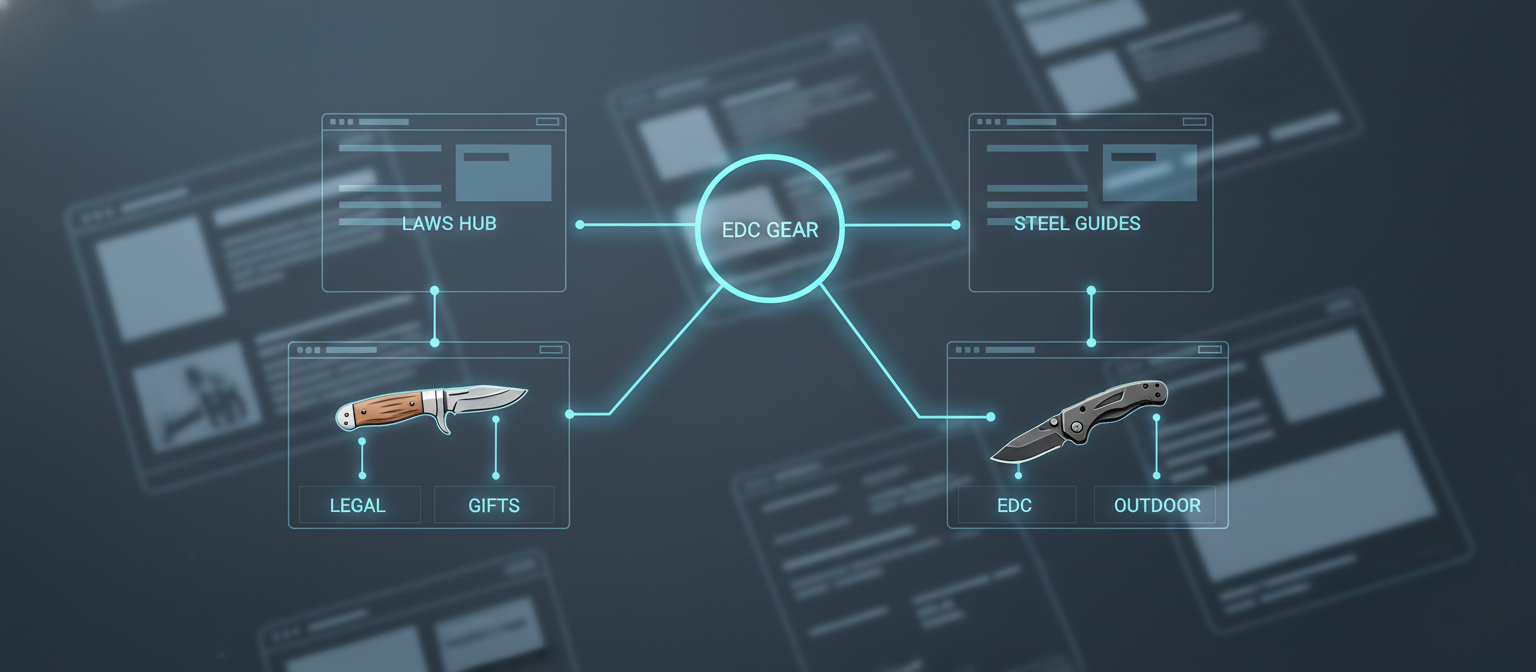
Link penknife guides to legal articles, gift-buying content, and traditional knife care tips. Link pocket knife guides to EDC gear pages, outdoor use case posts, and steel selection resources.
Cross-link both to a “Knife Laws by State/Country” section to keep traffic engaged.
Conclusion
Penknives and pocket knives serve different traditions, mechanics, and use profiles. Matching design to user needs—and sometimes local law—ensures buyers get the right tool.