
Knife owners in Virginia face both simple statewide rules and complex local variations. Understanding the legal basics helps you carry and use your pocket or folding knife without trouble.
Virginia allows most pocket and folding knives to be owned and carried openly, but concealed carry rules, location restrictions, and intent can change what’s legal in specific situations.
Over the years building OEM knives for brands that sell in Virginia, I’ve seen how misunderstandings about local regulations cause problems for end-users. This guide gives you clear, practical information—paired with caution to always verify the latest laws.
Who This Guide Is For (and a Plain-English Legal Disclaimer)?
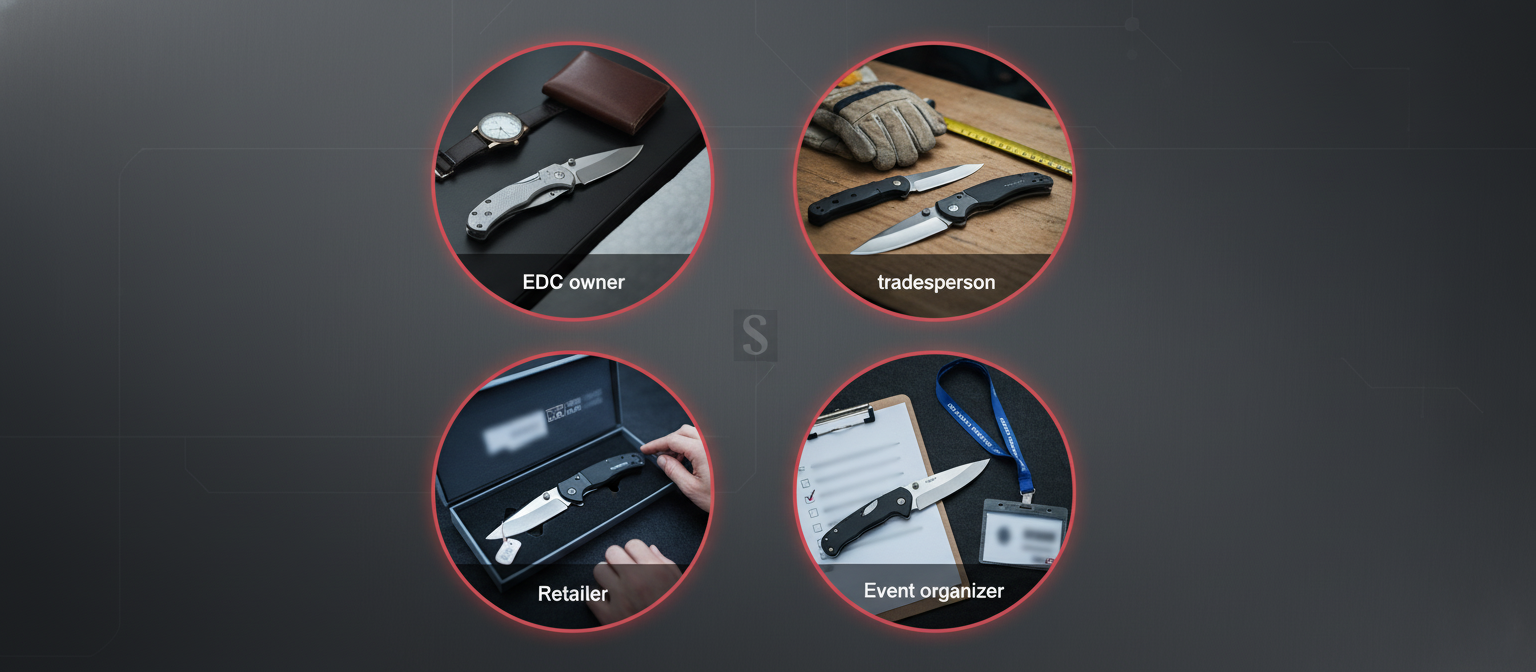
This guide helps knife owners, EDC enthusiasts, tradespeople, and retailers operating in Virginia understand basic legal boundaries for pocket and folding knives.
This guide shares educational information about Virginia knife laws for lawful carriers—it is not legal advice. Always consult a licensed attorney for case-specific interpretations.
Knife policies can change through legislative updates or local council actions. While this guide outlines key points as of the latest known rules, you must check official sources before carrying or selling a knife.
If you face criminal charges or need advice for a specific event or workplace rule, ask a lawyer experienced in Virginia weapon laws. Penalties for violations can include fines, confiscation, or criminal records.
How Virginia Regulates Knives: Statewide Statutes vs. Local Ordinances?
Virginia’s knife regulations start at the state level but allow local control in certain areas.
State law governs broad rules for possession and carry. Local ordinances can add restrictions, especially regarding concealment or knife types in public spaces.
The main statute to review is the Code of Virginia, Title 18.2 (Crimes and Offenses Generally), particularly sections around weapons definitions and concealed carry restrictions.
Localities sometimes enact specific rules for events, public parks, or building access. For example, a city may ban knives at festivals, regardless of blade type or carry method.
| Level | Applies Where | Common Examples |
|---|---|---|
| State | All counties/cities | Concealed carry limits |
| Local | Within city/county | Park/event restrictions |
| Property rules | Private venues | Stadium or workplace bans |
Understanding both layers is essential if you move between towns or attend public events.
Definitions That Matter: Pocket Knife, Folding Knife, Assisted Opening, Multi-Tool?
Legal interpretation starts with how the knife is defined.
In Virginia law, “pocket knife” often means a folding knife carried in a pocket, while assisted-opening knives are generally treated the same unless classified as prohibited switchblades.
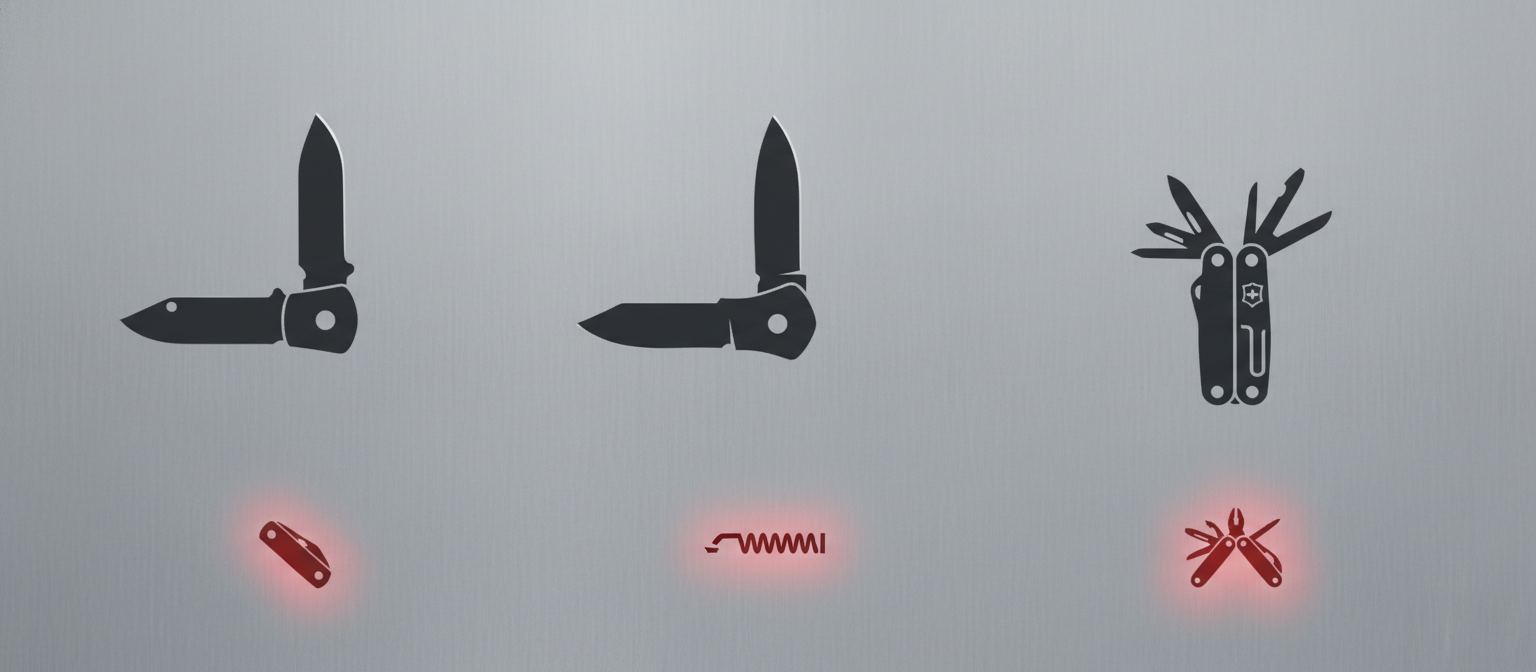
Common definitions:
| Type | Legal Standing |
|---|---|
| Pocket knife | Legal to own/carry (open) |
| Folding knife | Same as pocket knife |
| Assisted-opening | Legal unless meets switchblade definition |
| Multi-tool with blade | Treated as pocket knife in most contexts |
The “switchblade” term is tightly defined—spring-activated blades opening automatically by a button or switch within the handle can be restricted for carry, especially concealed.
“Own” vs. “Carry” vs. “Use”: Possession, Transport, and Intent in Everyday Life?
Not every owned knife can be carried everywhere—intent matters.
Virginia law generally permits owning most knives at home, carrying openly in public, and transporting in vehicles, but concealed carry of certain types is restricted and unlawful intent can escalate charges.
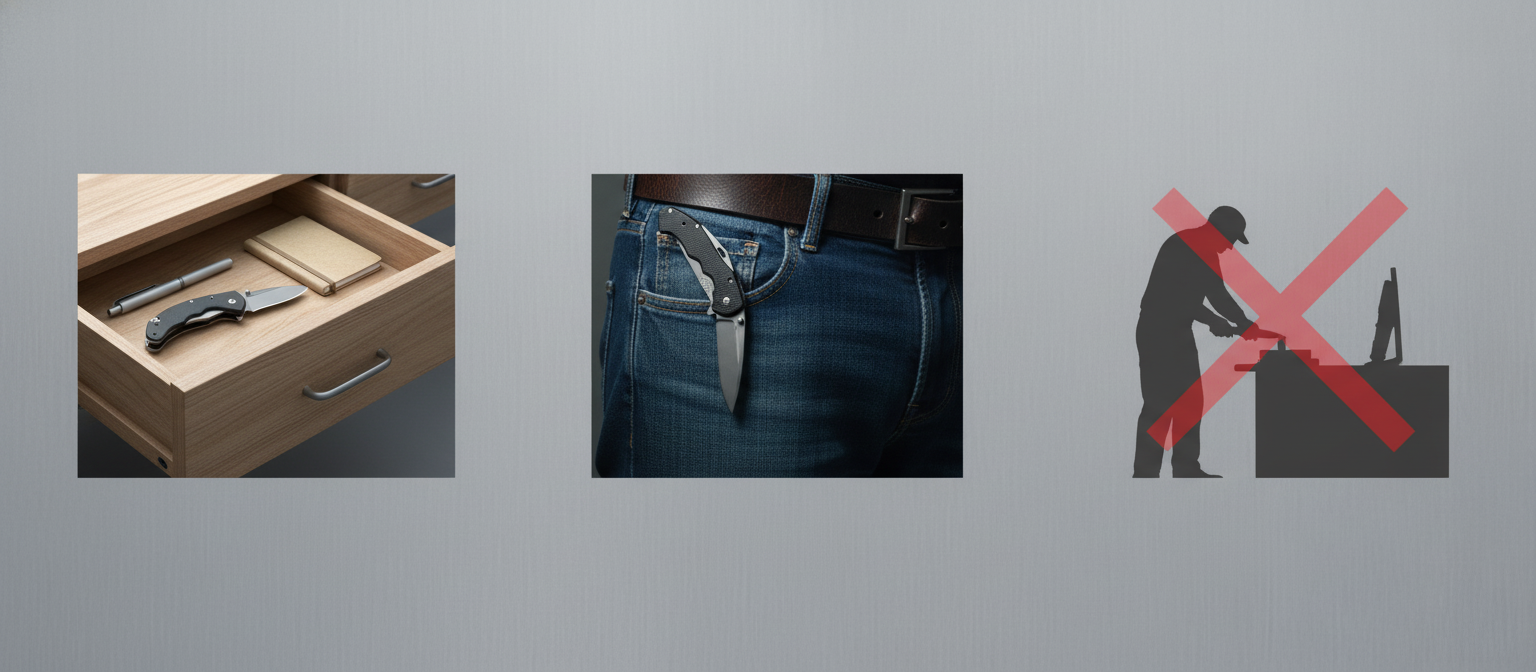
Key distinctions:
| Action | Legal Status |
|---|---|
| Ownership | Broadly legal |
| Open carry | Legal for most types |
| Concealed carry | Restrictions apply |
| Use in crime | Illegal regardless of knife type |
Transport methods matter—keeping a knife in a visible belt sheath differs from concealed under clothing.
Intent changes legal perception—a utility knife in hand for work is different from the same knife drawn during an argument.
Open Carry vs. Concealed Carry: Practical Differences for Pocket Knives?
Visibility determines carry classification.
In Virginia, most pocket knives can be carried openly without issue. Concealed carry restrictions target certain knife types, especially bowie knives, switchblades, and similar defined weapons.
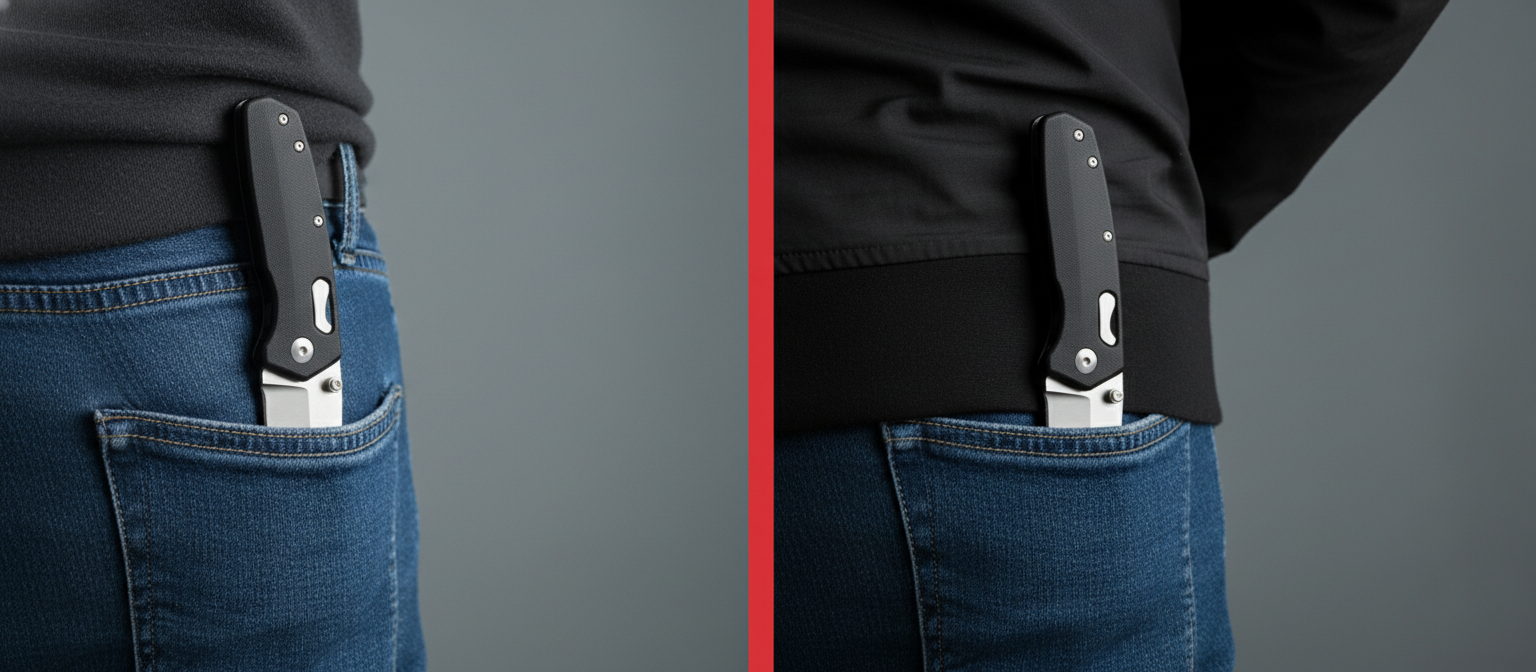
Open carry is legal for typical folding pocket knives—belt clips with visible knife portions count as open if obvious to a casual observer.
Concealed carry definitions hinge on whether the knife is hidden from view, regardless of size. If the knife qualifies as a prohibited concealed weapon under the code, carrying it concealed can be a misdemeanor or felony.
Restricted Places & Situations: Vehicles, Schools/Campuses, Government Buildings, Events?
Some locations override general carry legality.
Virginia generally prohibits knives in schools, courthouses, and certain government buildings. Local event ordinances may create temporary bans in public areas.

Restricted areas:
| Location | Knife Policy |
|---|---|
| Schools (K–12, campus buildings) | No knives |
| Courthouses | No knives |
| Certain government offices | No knives |
| Local events | Possible bans |
Parking lots on restricted grounds can have rules about knife possession in vehicles.
Workplace & EDC: Contractors, Outdoor Workers, Chefs—Tool-of-Trade Considerations?
Many knives serve as tools, not weapons.
For jobs requiring knives—construction, landscaping, food prep—carry is generally allowed on-site, subject to workplace rules and safety protocols.
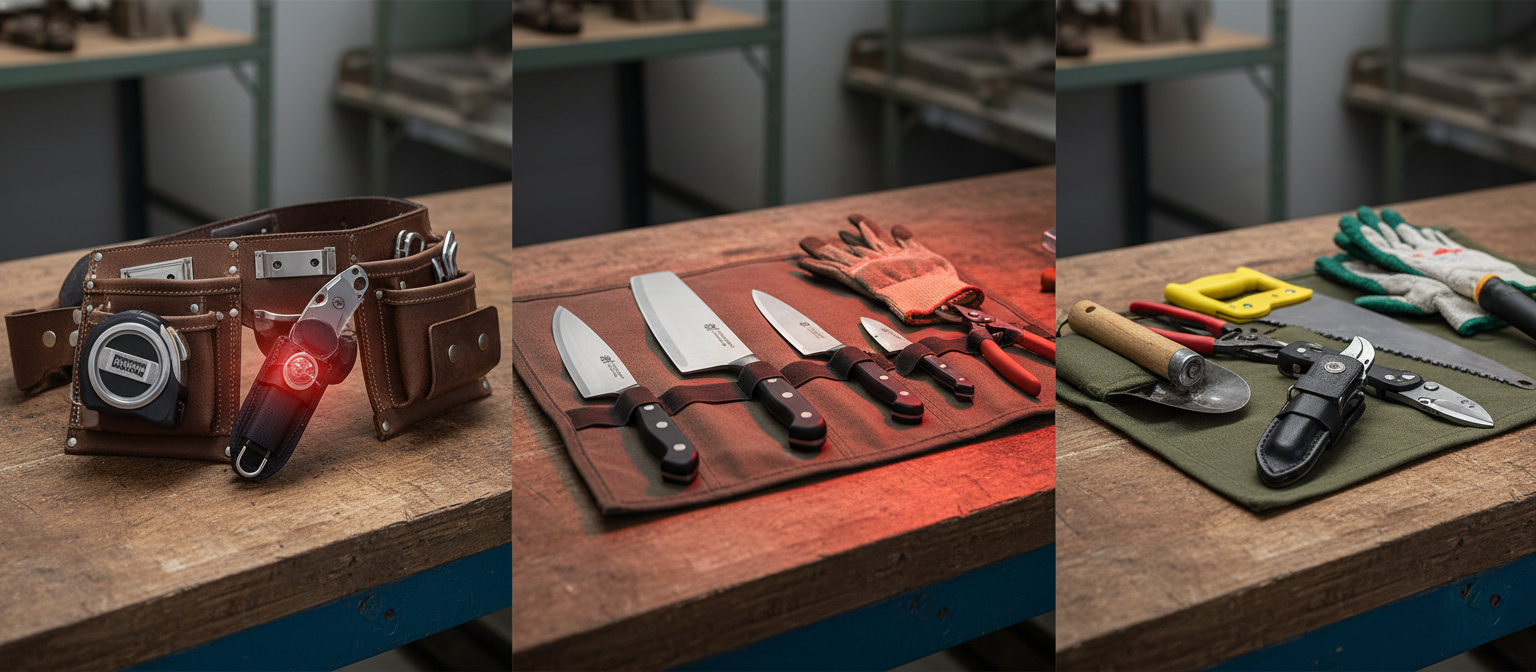
Employers can set stricter rules than state law, including blade length limits or mandatory storage when not in use.
A professional chef’s folding knife stored in a roll bag has different context from a folding knife clipped to pants in a corporate office.
Traveling Within Virginia: Crossing City/County Lines and Checking Local Rules?
Local rules can change as you move around.
Traveling in Virginia with a knife means checking both statewide laws and any local ordinances, especially before entering parks, events, or municipal buildings.
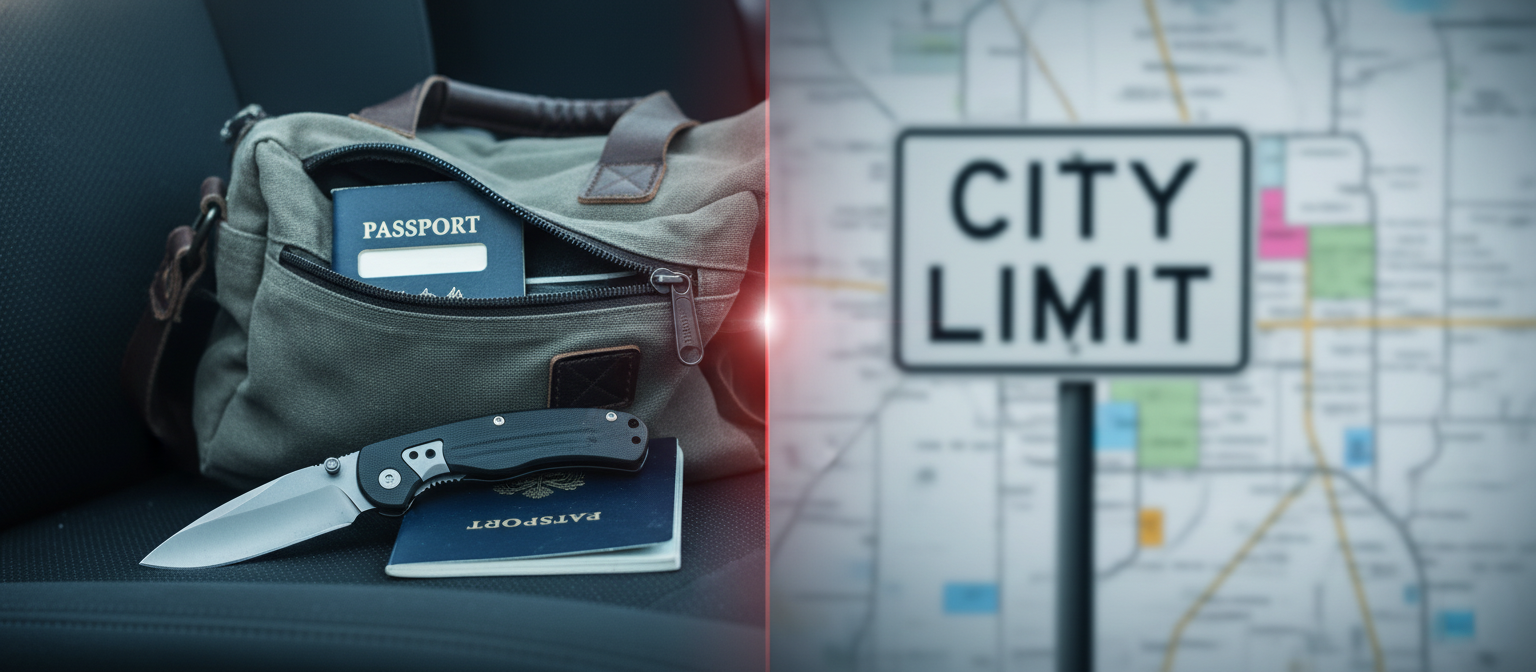
Some counties restrict knives at fairs or public celebrations even if they are legal statewide. Always look for posted rules or check city/county websites.
Buying, Gifting, and Selling: Age Policies, Labeling, and Responsible Marketing?
Retail and gifting can carry responsibilities.
Virginia sets no universal age restriction for buying knives, but vendors often use 18+ policies for liability reasons. Proper labeling avoids confusion about knife type and legality.
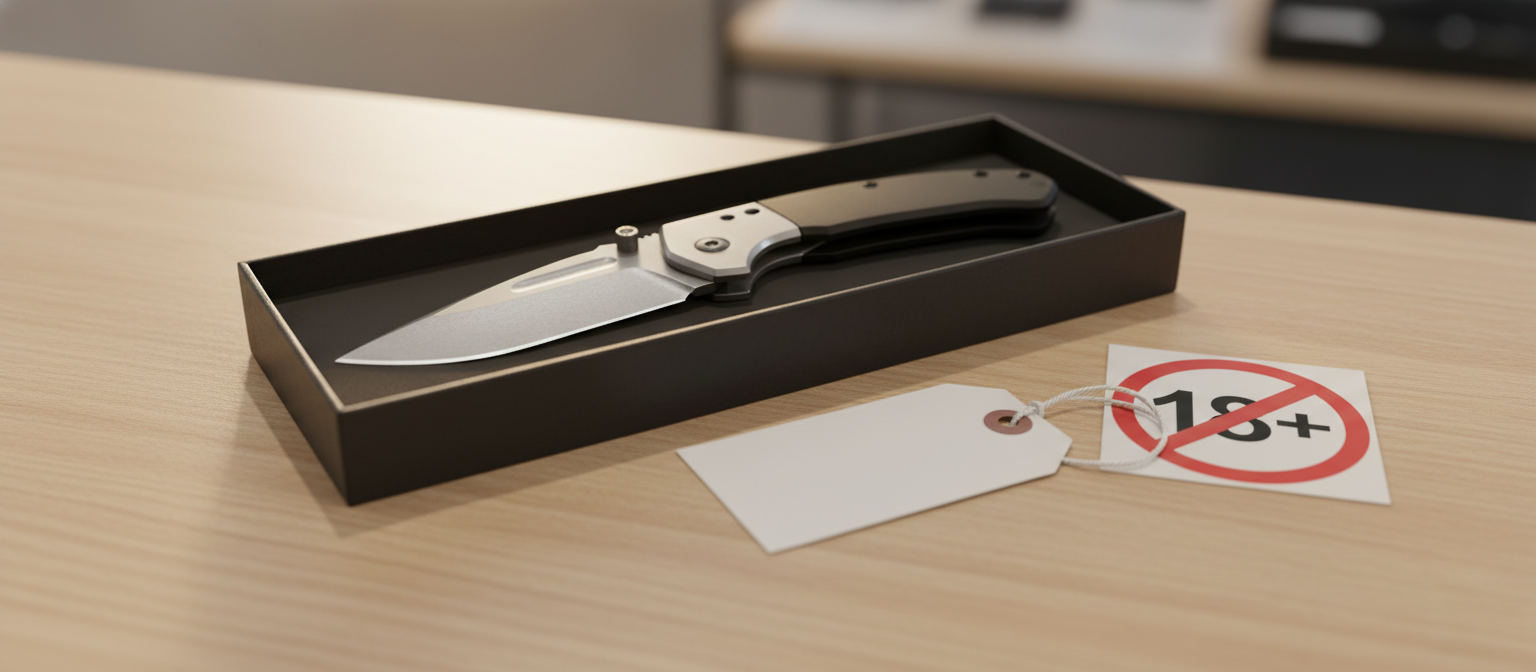
Responsible practices:
| Action | Benefit |
|---|---|
| Age policy | Reduces risk |
| Accurate product type description | Avoids misuse |
| Safety pamphlets | Boosts brand trust |
Gifting to minors should be handled carefully, especially for knives with locking mechanisms or large blades.
Compliance Self-Check Before You Carry (Quick Checklist)?
I give my clients a short checklist for Virginia carry:
Check knife type, carry method, destination, and local rules before leaving home.
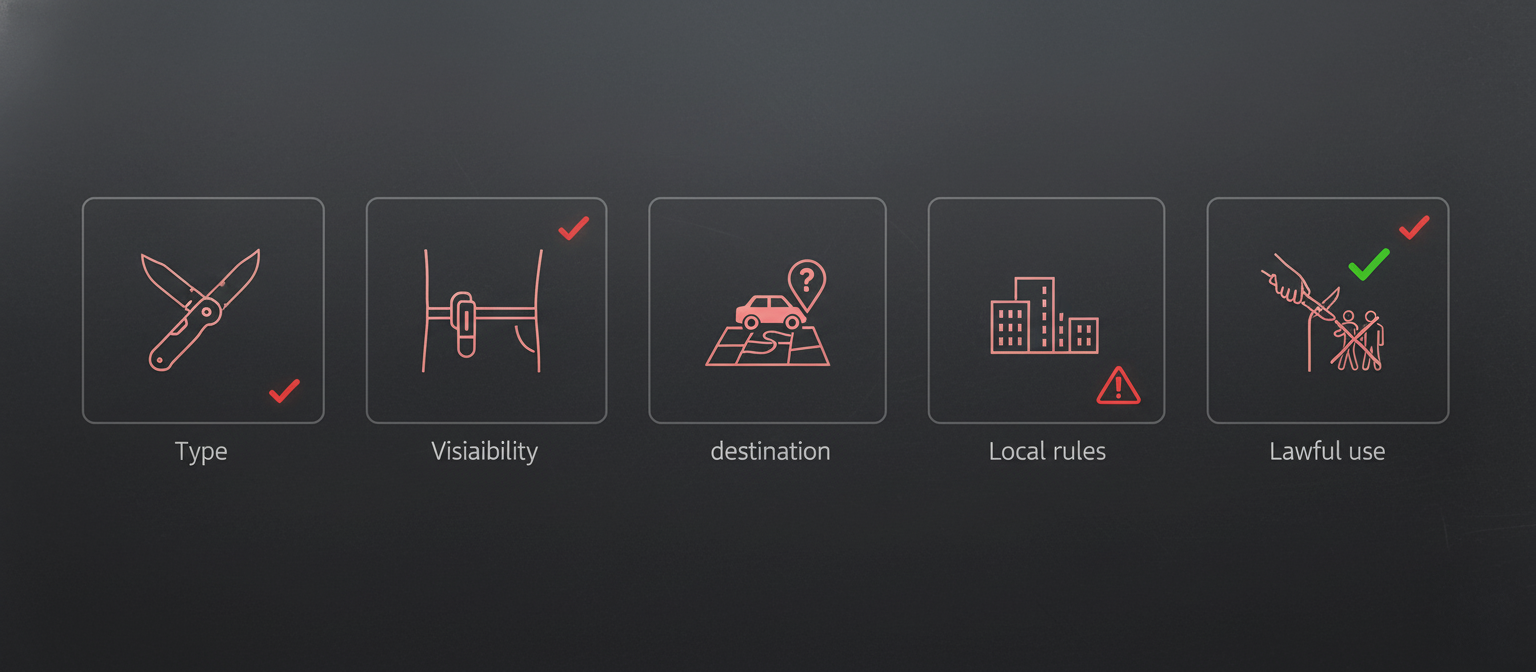
Checklist:
| Step | What to Ask |
|---|---|
| 1 | What type of knife is it legally classified as? |
| 2 | Is it visible (open carry) or concealed? |
| 3 | Am I entering a restricted facility or event? |
| 4 | Do local ordinances add extra rules? |
| 5 | Am I using it in a lawful, safe context? |
Safety & Storage Basics: Conflict Avoidance, Maintenance, and Secure Transport?
Legal compliance is useless without safe handling.
Avoid carrying knives into conflicts, keep them sharp for clean cuts, and store them securely in vehicles or bags when traveling.
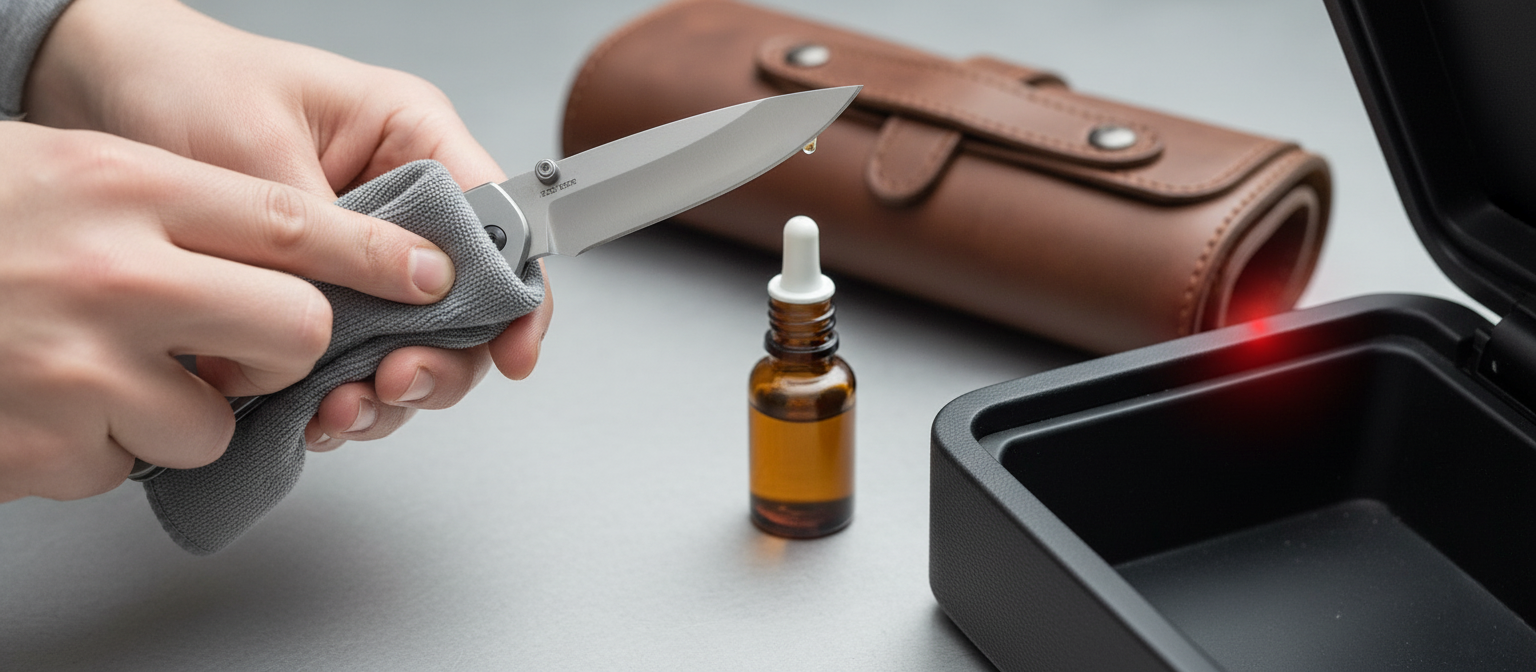
Open-carry folding knives should remain closed when not in use. Vehicles should have knives stored where they are secure and visible if needed for lawful use.
Where to Verify and Stay Current: Official VA Code Pages and Local PD Resources?
Virginia’s official resources include:
- Code of Virginia (Title 18.2) – Virginia General Assembly website
- Local government municipal codes – Via city/county websites
- Police department FAQs – Many include weapon law summaries
Use these before major events or trips across the state.
Conclusion
Virginia knife laws for pocket and folding knives focus on state rules for carry and local ordinances for specific areas and events. Knowing knife type, carry method, and destination keeps you compliant and safe.