
Washington state’s knife laws combine state-level rules with local variations that can impact everyday carry. While many knives are legal to own, where and how you carry them matters just as much.
Washington allows ownership of most knives, but restricts carry of certain types like automatics and fixed blades in specific contexts. Local ordinances and intent play a major role in determining what’s legal.
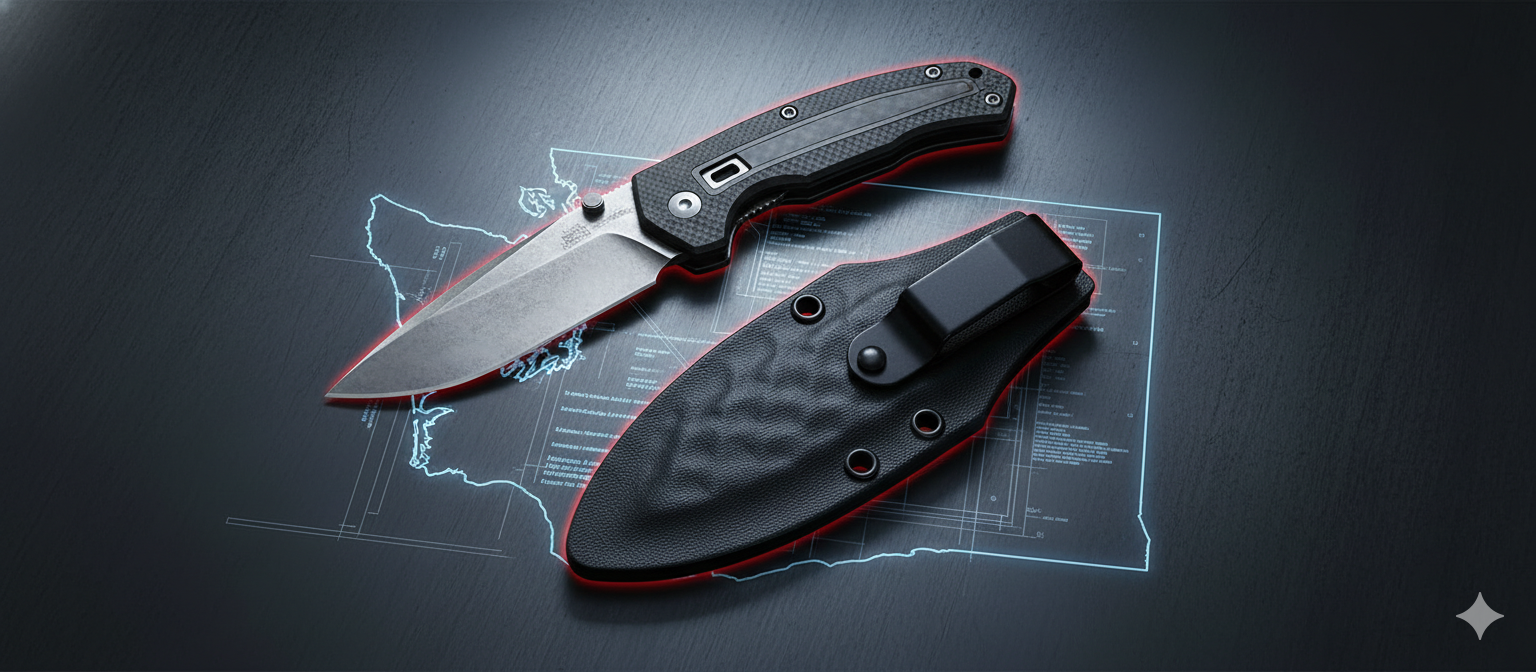
Over my years manufacturing knives for brands that sell in Washington, one common thread emerges: carriers often misunderstand which restrictions apply statewide versus what’s enforced locally. Getting it wrong means risking fines or charges.
Who This Guide Is For (and a Plain-English Legal Disclaimer)?
This guide is meant for knife owners, outdoor enthusiasts, workers, and retailers who need to understand Washington’s knife laws.
This guide offers educational insights into Washington’s knife statutes for lawful carriers, professionals, and businesses. It is not formal legal advice—consult a licensed attorney for specific cases.
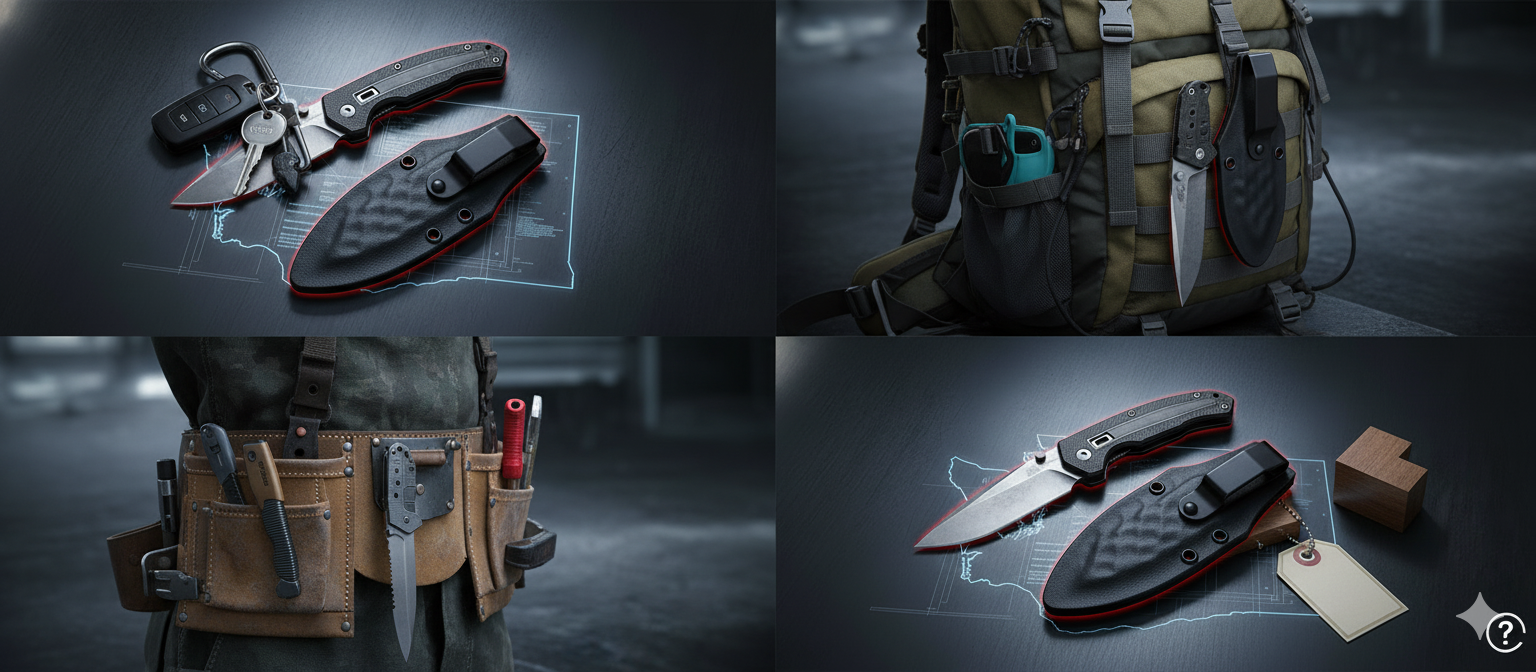
I prepare compliance recommendations for brands selling in Washington. With multiple cities enacting their own ordinances, navigating the system without a plan can cause problems. This guide should act as your starting point.
State laws can change through legislation or court rulings. Local rules can shift quickly as well, sometimes without much news coverage. That’s why it’s important to make the final check before you carry.
If you face criminal charges or special circumstances, you must get advice from an attorney. Washington treats weapon violations seriously, and penalties can include jail time, fines, and permanent criminal records.
How Washington Law Is Structured: State Statutes vs. Local Rules?
Washington’s knife regulations are set primarily at the state level, but cities may apply additional rules—especially around blade length and carry locations.
Revised Code of Washington (RCW) defines statewide knife rules. Local governments can add restrictions, particularly for public spaces and events within city limits.
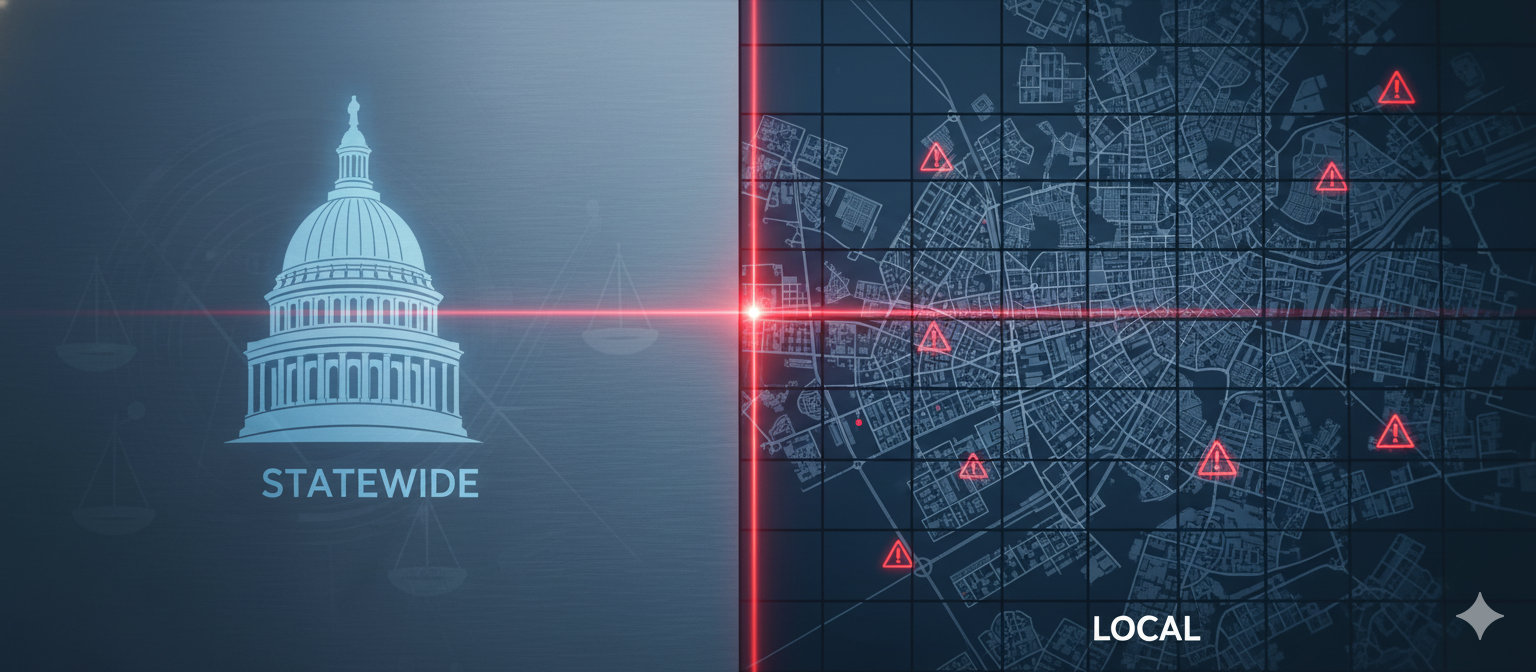
The RCW sections most often cited about knives are RCW 9.41.250 and related provisions. They address things like possession and carry of certain blade types—especially “spring blade knives” (automatics) and fixed blades concealed on your person.
Local governments can introduce tighter controls. For example, Seattle historically enforced a 3.5-inch blade limit in public spaces. Other municipalities have similar rules.
| Level | Coverage | Examples |
|---|---|---|
| State law | Applies statewide | Automatic knife prohibition |
| Local rules | City or county | Blade length limits, carry bans during events |
| Property policies | Private venues | No knives allowed inside stadiums or malls |
Knowing the distinction is key, as a knife allowed under state law could still get you in trouble inside city parks or at local festivals.
Knife Categories in Washington: Fixed, Folding, Assisted, Multi-tools?
The way Washington categorizes knives influences how those laws are enforced.
Washington generally treats fixed blades and folding knives differently for concealed carry purposes. Automatic (“spring blade”) knives are restricted under RCW, while assisted openers and multi-tools are typically allowed.
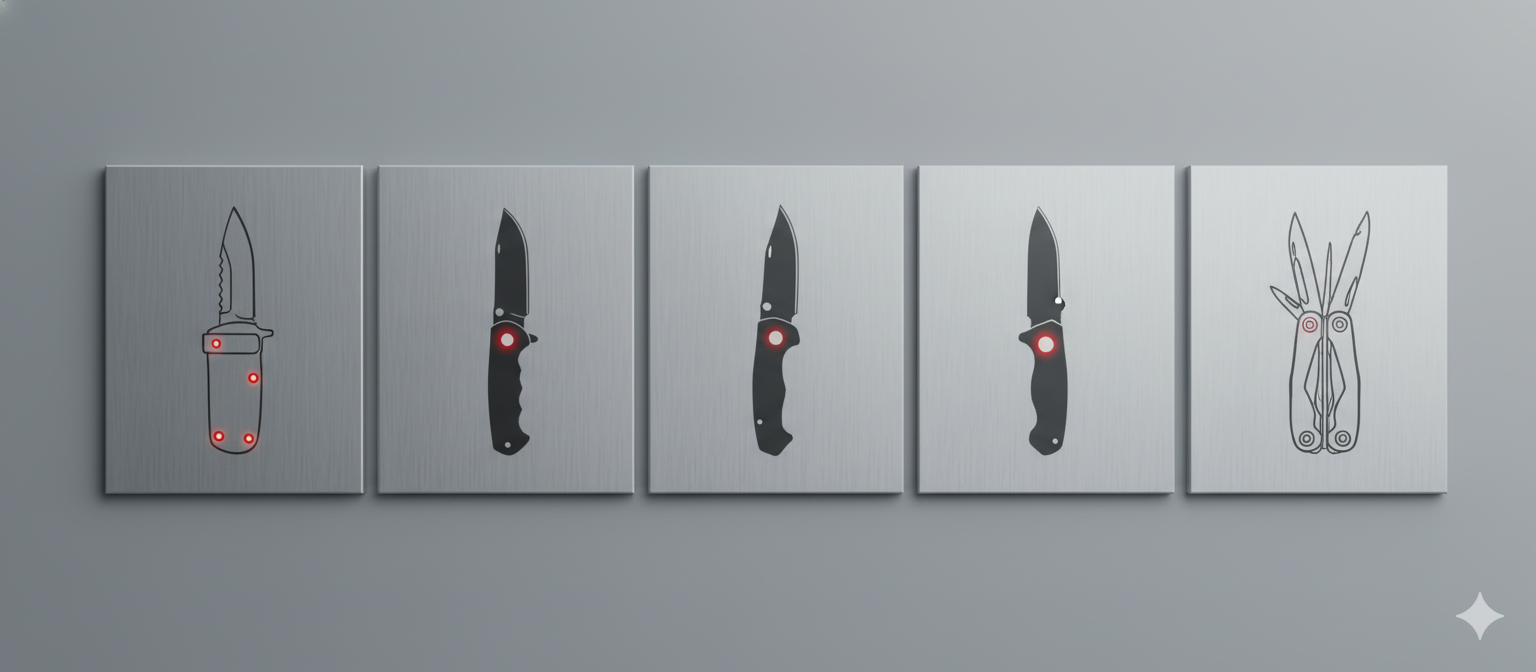
Fixed blades include any knives that do not fold, such as hunting knives, kitchen knives, or tactical knives. Concealing a fixed blade on your person can be illegal under state law.
Folding knives are legal to own and carry, but blade length can matter locally. Assisted openers that require manual pressure on the blade before opening are treated as legal folders rather than automatics.
Spring blade knives—where a button or similar mechanism in the handle opens the blade automatically—are prohibited for possession, with limited exceptions for law enforcement or certain collectors.
Multi-tools with blades are generally treated as folding knives, and because their primary function is utility, they rarely trigger enforcement unless carried in prohibited places.
| Type | Statewide Legal Status | Notes |
|---|---|---|
| Fixed blade (open carry) | Allowed | Concealment restricted |
| Folding knife | Allowed | Blade length limits locally |
| Assisted opening | Allowed | Must meet manual-start test |
| Automatic knife | Prohibited | Exceptions limited |
| Multi-tool blade | Allowed | Generally considered utility device |
Own vs. Carry: Possession, Transport, and Intent in Washington
Not all knives you can legally own can be carried everywhere.
In Washington, owning most knives at home is legal, but carrying them—especially concealed—has more restrictions. Intent matters if law enforcement suspects the knife is for use as a weapon rather than as a tool.
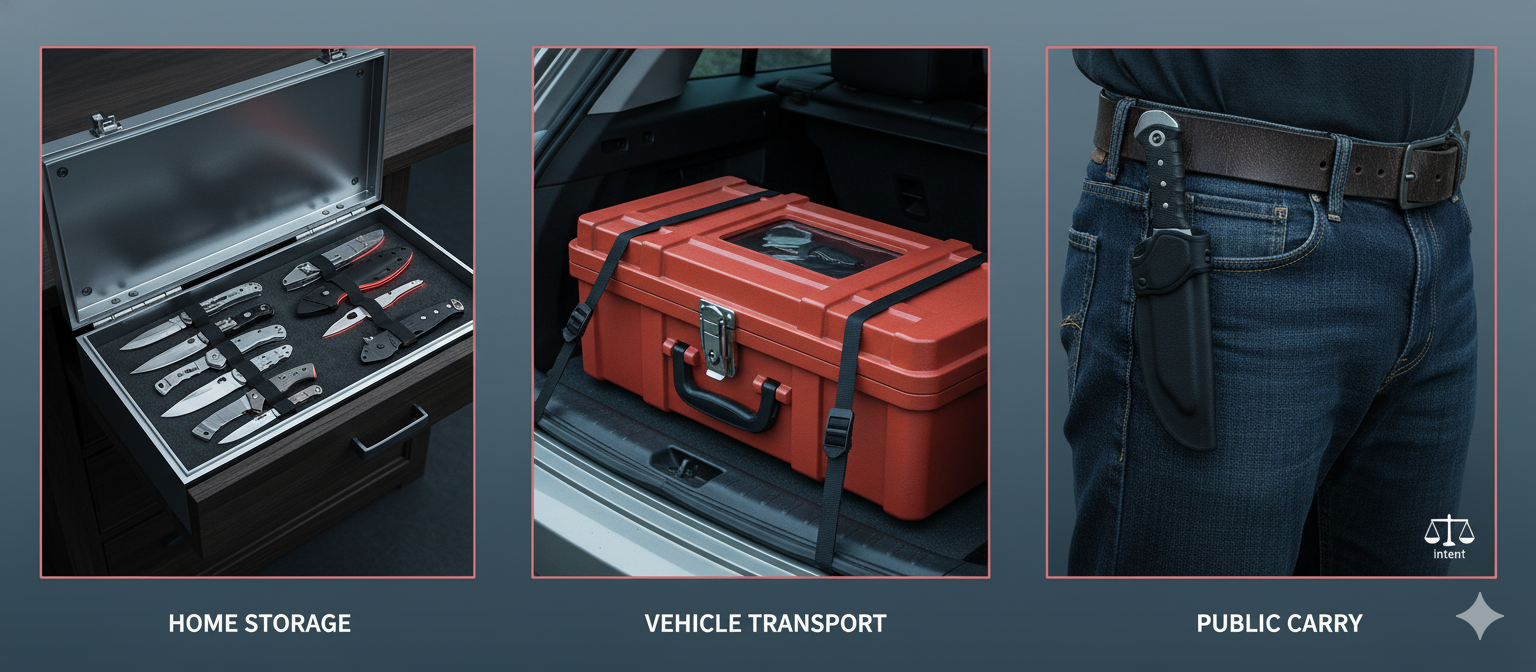
Ownership rights are broad for most knife types (except banned automatics), while carrying in public is where most violations occur.
Transporting a knife in a vehicle is generally legal, but accessibility matters. A fixed blade in a locked toolbox is seen differently than the same blade tucked under a seat.
Intent can shift an otherwise legal situation into trouble. A large, aggressive-style blade carried downtown without clear utility purpose could be interpreted as possessing a dangerous weapon.
| Situation | Legal Status | Key Considerations |
|---|---|---|
| Home possession | Legal | Except automatics |
| Work transport | Legal if job-related | Secure storage preferred |
| Public carry | Blade type + concealment rules | Intent can matter in court |
| Vehicle storage | Legal | Accessibility impacts perception |
Open vs. Concealed Carry in Washington: Key Differences
Washington law creates a significant divide between carrying openly versus carrying concealed.
It’s generally legal to openly carry most knife types, but concealing certain knives—particularly fixed blades—can be prohibited under state law.
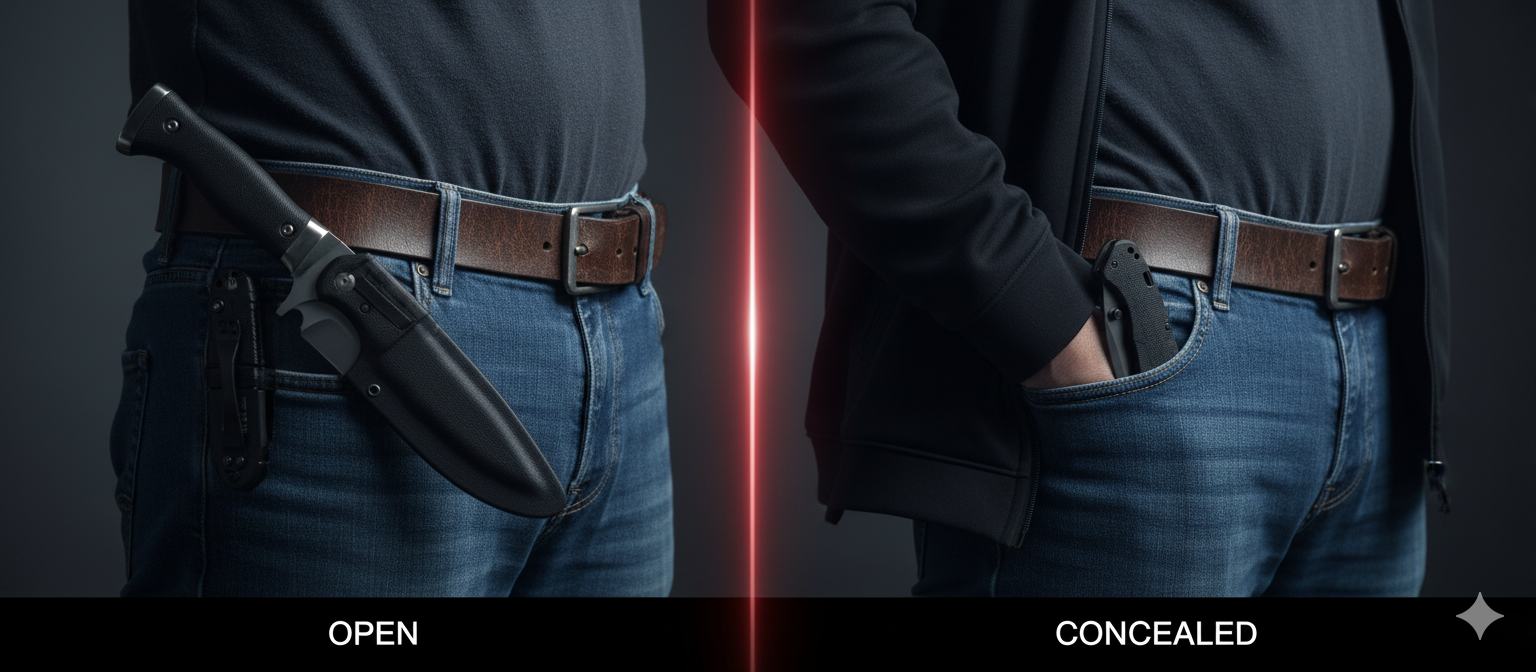
Open carry means the knife is visible—either in a sheath on a belt or clipped to a pocket. Concealed carry means hidden from plain sight.
RCW 9.41.250 targets concealed carry of certain prohibited knives, including dirks, daggers, and other fixed blades when not visible. Concealing them could result in a misdemeanor or felony depending on context.
Folding knives are generally fine to carry concealed unless local blade length restrictions apply.
Common pitfalls include thinking a pocket clip showing counts as “open carry”—it may not, if the blade itself isn’t visible.
| Carry Method | Legal Status | Notes |
|---|---|---|
| Open carry (fixed) | Allowed | Sheath visible |
| Concealed carry (fixed) | Often prohibited | Check RCW definitions |
| Open carry (folder) | Allowed | Local limits possible |
| Concealed carry (folder) | Allowed | Blade length limits locally |
Places with Special Rules in Washington
Some locations prohibit knives entirely, regardless of type or length.
Washington law and property policies restrict knives in schools, courthouses, government buildings, and certain events. Federal properties like airports have absolute bans beyond state law.
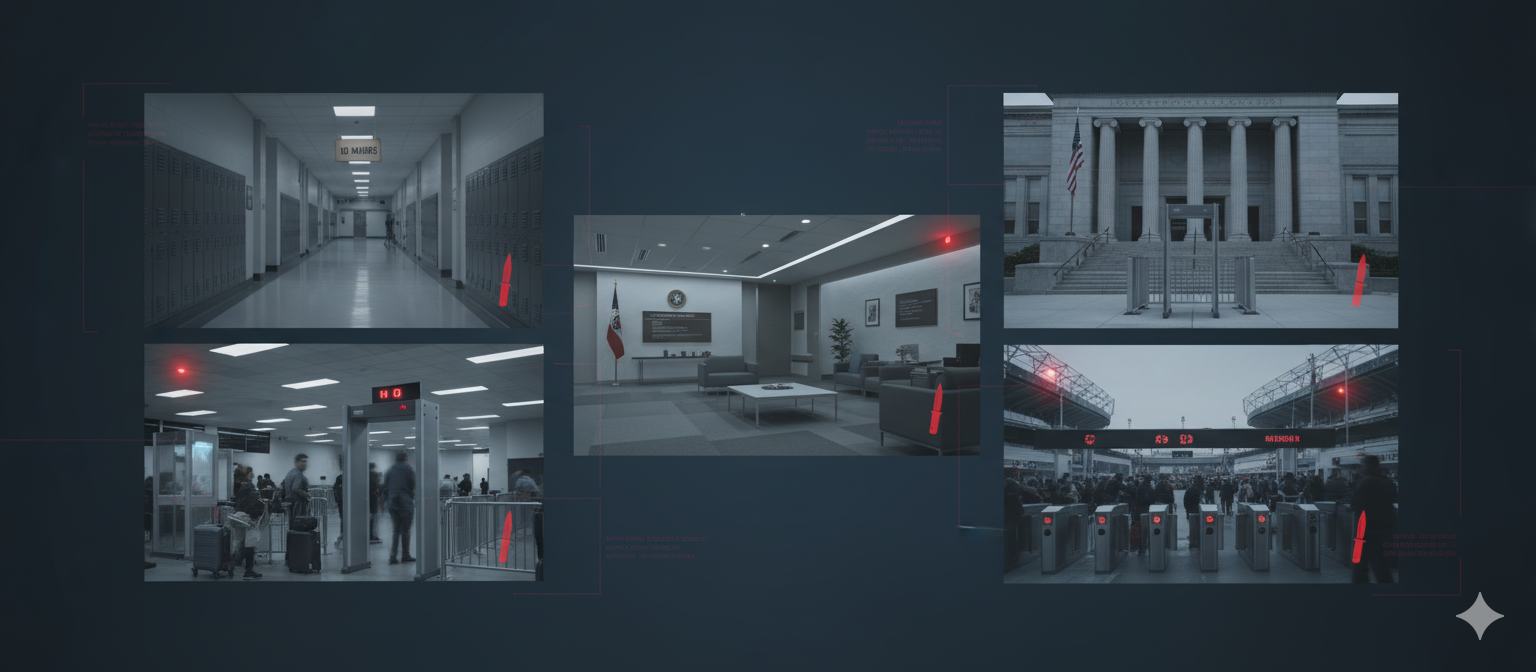
Restricted places often include:
| Location | Restriction | Notes |
|---|---|---|
| Schools | No knives | Includes K–12 grounds |
| Courthouses | No knives | Security screening |
| Airports (TSA) | No carry-ons | Checked luggage rules apply |
| Events | No weapons | Local ordinances can enforce bans |
| Private venues | Owner rules | Stadiums, malls, bars may restrict |
Even lawful carriers can violate rules by entering posted “weapon-free zones.” In addition to public places covered by law, private property owners can enforce their own policies.
Vehicle parking on restricted grounds (e.g., school or courthouse lots) can also be subject to rules about weapons in cars.
Compliance Checklist Before You Carry in Washington
I tell my customers to follow a quick self-audit before carrying a knife in Washington:
Check knife type, local blade limits, carry method, and destination restrictions before going out.
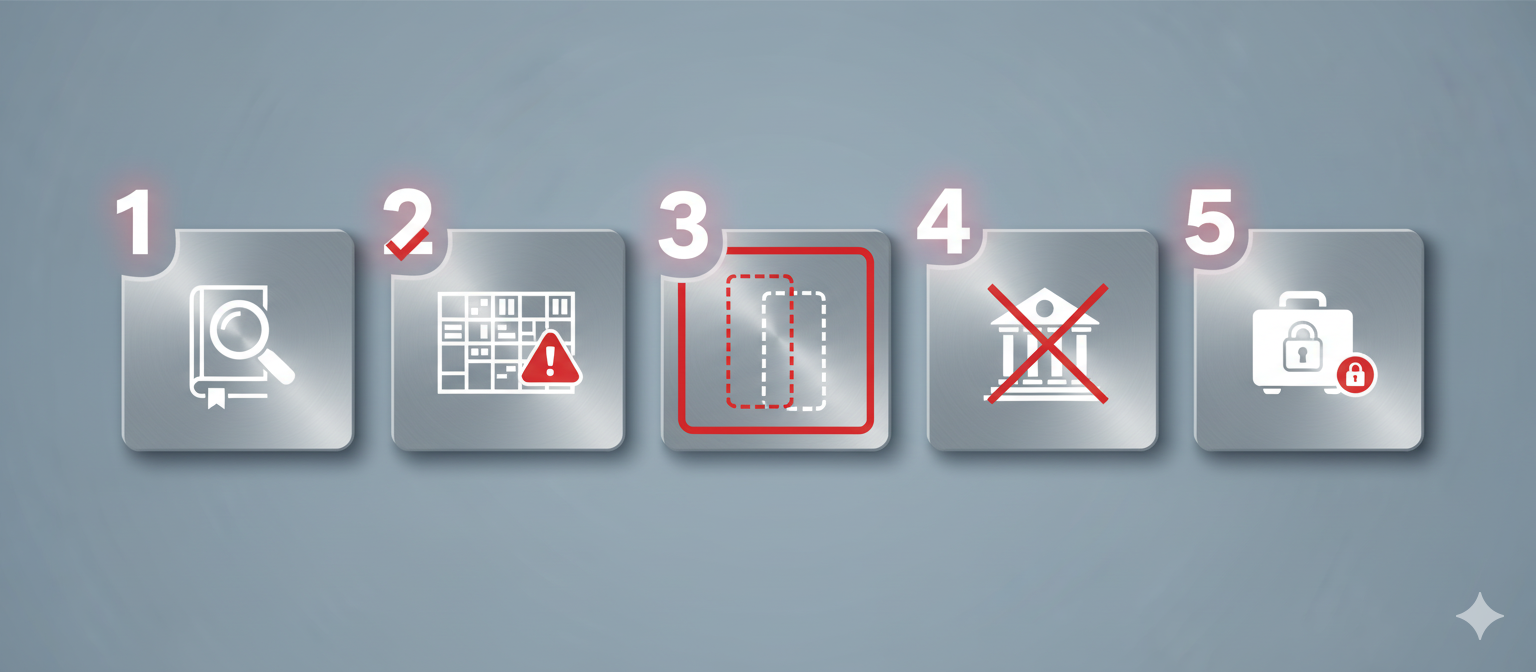
Quick checklist:
| Step | What to Check |
|---|---|
| 1 | Knife type versus RCW 9.41.250 bans |
| 2 | Local ordinances for city/county destination |
| 3 | Carry method (open vs concealed legality) |
| 4 | Destination rules (schools/events/government) |
| 5 | Secure storage if traveling through restricted zones |
Responsible Ownership in Washington
Staying within the law also means handling knives safely and avoiding unnecessary conflicts.
Responsible ownership means proper storage, not carrying in risky situations, and using knives only for lawful purposes.
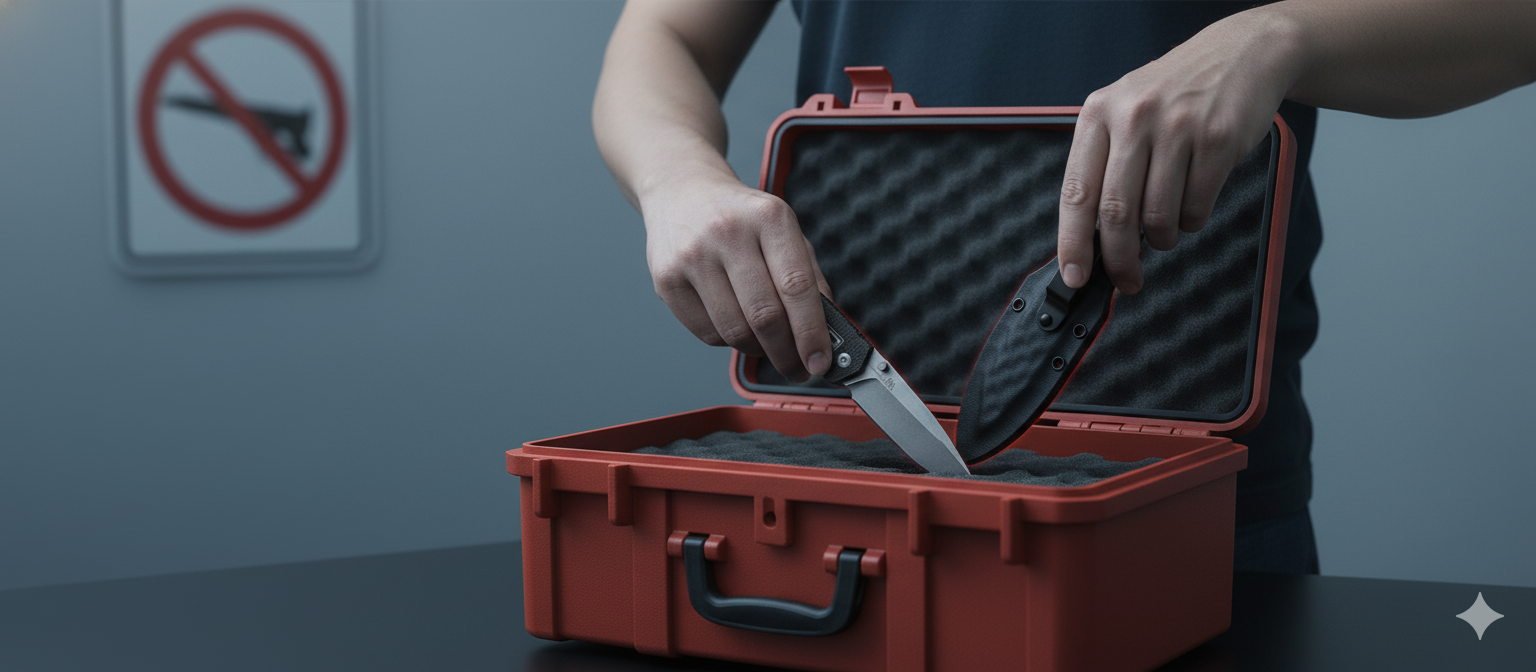
Avoid situations where a knife could be misinterpreted as a weapon. Keep work knives stored securely outside of use. Follow signage, respect property rules, and use good judgment about when and where to carry.
Where to Verify and Stay Current
Washington’s official resources include:
- RCW 9.41.250 and related sections – Washington Legislature website
- Local city/county municipal codes – Accessible via government portals
- Law enforcement public FAQs – Many PD websites have weapon law summaries
Regularly check updates. Knife laws can change through legislative acts or local decisions.
Conclusion
Understanding Washington knife laws means knowing the RCW, local ordinances, and restricted places. The safest carriers plan their route, select compliant knives, and stay informed using official resources.