Quote
Skip to content
Technical Guide

Lock Mechanisms
Selection Guide

Understand the mechanics, strengths, and ideal applications of common knife locks to make informed OEM/ODM decisions for your product line.

Technical Specifications

LOCKING SYSTEMS

Engineered for safety and performance. We manufacture a comprehensive range of locking mechanisms to suit diverse operational requirements and global legal standards.

Liner Lock Mechanism Diagram

Liner Lock

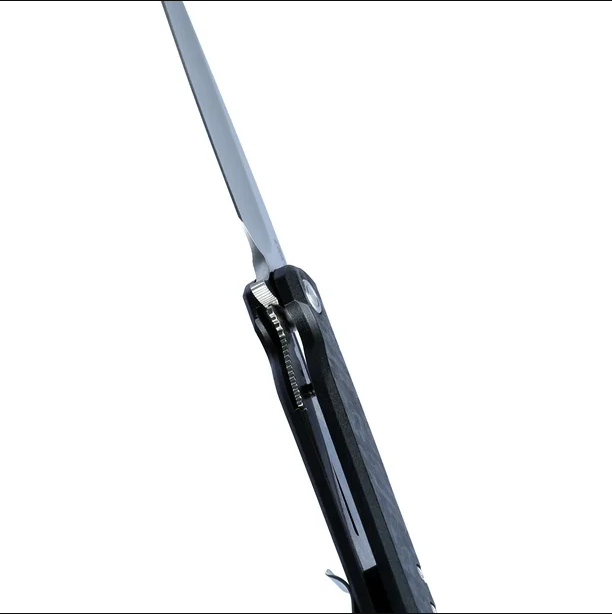
The industry standard for folding knives. A leaf spring cut from the handle liner engages the blade tang. Offers a slim profile and easy one-handed operation.
Most Popular
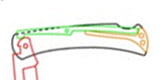
Frame Lock Mechanism Diagram

Frame Lock

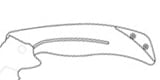
A robust evolution of the liner lock where a section of the handle frame itself acts as the lock bar. Provides superior strength and grip security for heavy-duty use.
High Strength
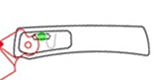
Back Lock Mechanism Diagram

Lockback

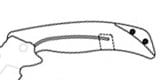
A classic, ambidextrous mechanism featuring a rocker arm on the spine that hooks into the blade tang. Renowned for reliability and self-closing safety.
Ambidextrous
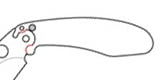
Crossbar Lock Mechanism Diagram

Crossbar Lock

A modern steel bar slides in slots across handles to block the blade tang. Fully ambidextrous, extremely strong, and allows for safe one-handed closing.
Tactical
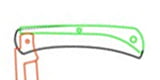
Button Lock Mechanism Diagram

Button Lock

Utilizes a spring-loaded plunger to lock the blade open or closed. Operated by a simple push-button, offering fluid action and keeping fingers out of the blade path.
Fast Action
Slip Joint Mechanism Diagram

Slip Joint

A non-locking mechanism that uses spring tension to hold the blade open. Traditional, safe for light use, and legally compliant in most strict jurisdictions (e.g., UK, Germany).

Global Legal

QUICK PICKS BY USE CASE

Optimized recommendations for common market segments.

Balanced EDC
Liner Lock Button Lock Bar-style
Heavy-duty / Work
Frame Lock Lockback Bar-style
Budget Volume
Liner Lock Lockback
Gloves / Rescue
Button Lock Bar-style Lockback
Global Compliant
Slipjoint Friction Collar Lock
Gentleman's Carry
Slipjoint Integral
Technical Deep Dive

LOCK MECHANISMS OVERVIEW

Engineering details, advantages, and OEM considerations.

Liner Lock

01
  • Leaf spring from inner liner engages blade tang directly.
  • Most economical; supports thin handles and wide design variety.
  • Requires precise detent tuning for safe retention.

Frame Lock

02
  • Locking leaf is integral to the handle frame; high strength.
  • Ideal for premium Titanium builds with hardened steel inserts.
  • Grip pressure can affect opening action.

Button Lock

03
  • Spring-loaded plunge pin blocks tang; push-button release.
  • Superior fidget factor and safety (fingers out of blade path).
  • Complex machining; reliant on spring integrity.

Bar-style Lock

04
  • Crossbar cams onto tang via omega springs; fully ambidextrous.
  • High strength and smooth, drop-shut action.
  • Springs are a wear item; grit can affect travel.

Lockback

05
  • Rocker bar engages notch on tang spine; extremely robust.
  • Self-closing bias; highly resistant to debris/grit.
  • Slower two-hand closing typically required.

Slipjoint

06
  • Non-locking; relies on backspring tension and half-stops.
  • Legal in most restrictive jurisdictions (UK/EU friendly).
  • Not suitable for heavy piercing tasks.

COMPARISON MATRIX

High / Excellent
Medium / Good
Basic / Low
Lock Type Strength One-hand Ambi Grit Res. Maint. Cost
Liner Lock
Frame Lock
Back / Lockback
Button Lock
Bar-style
Slipjoint

* Ratings are general qualitative estimates. Final performance depends on specific materials and tolerances.

QC & TUNING CHECKLIST

Ensuring premium feel and safety. Our OEM process includes rigorous checks for these critical parameters.

View Manufacturing Process →

Lock Engagement

  • Lockup contact: 20-60% engagement
  • Zero "Lock Rock" (vertical play)
  • No "Lock Stick" upon release

Action & Safety

  • Dead-center blade seating
  • Crisp detent break (no light shake-out)
  • Hardened steel inserts for Ti frames

COMMON QUESTIONS

Which lock mechanism is the strongest?
While marketing often claims one superior lock, real-world strength depends heavily on geometry, material selection, and heat treatment. Generally, well-executed Frame Locks, Lockbacks, and Bar-style locks offer the highest resistance to failure under heavy spine load.
What is best for sandy or dirty environments?
Simple mechanisms like Lockbacks and Liner Locks are often easier to flush out. Complex internal spring systems (like some bar locks or button locks) can jam if fine grit enters the housing, though open-back designs help mitigate this.
Can you manufacture patented lock types?
Many classic locks (Liner, Frame, Back) are public domain. For patented mechanisms (like the Axis-style bar lock where patents have expired, or others that are active), we ensure full compliance with IP laws. We can also develop proprietary variations for your brand.

READY TO ENGINEER YOUR NEXT BESTSELLER?

From concept to mass production, our team ensures the perfect lock mechanism for your target market and budget.

HTML; ?>