
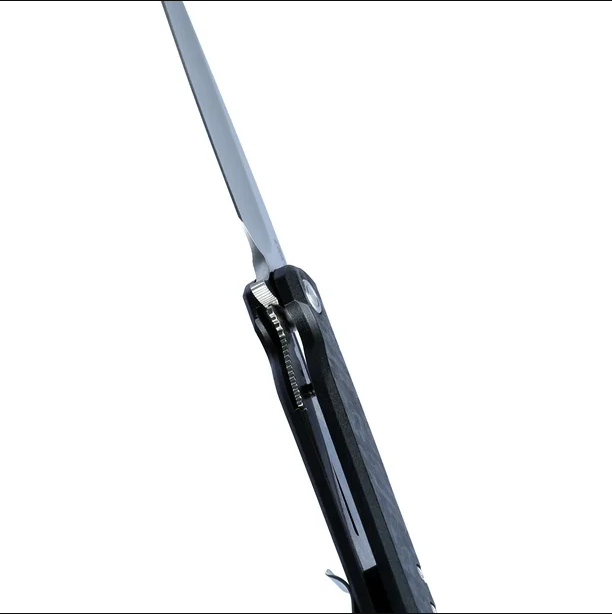
Liner Lock
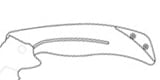
The industry standard for folding knives. A leaf spring cut from the handle liner engages the blade tang. Offers a slim profile and easy one-handed operation.
Most Popular
Understand the mechanics, strengths, and ideal applications of common knife locks to make informed OEM/ODM decisions for your product line.
Engineered for safety and performance. We manufacture a comprehensive range of locking mechanisms to suit diverse operational requirements and global legal standards.
The industry standard for folding knives. A leaf spring cut from the handle liner engages the blade tang. Offers a slim profile and easy one-handed operation.
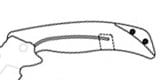
A robust evolution of the liner lock where a section of the handle frame itself acts as the lock bar. Provides superior strength and grip security for heavy-duty use.
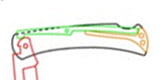
A classic, ambidextrous mechanism featuring a rocker arm on the spine that hooks into the blade tang. Renowned for reliability and self-closing safety.
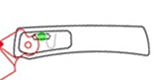
A modern steel bar slides in slots across handles to block the blade tang. Fully ambidextrous, extremely strong, and allows for safe one-handed closing.

Utilizes a spring-loaded plunger to lock the blade open or closed. Operated by a simple push-button, offering fluid action and keeping fingers out of the blade path.

A non-locking mechanism that uses spring tension to hold the blade open. Traditional, safe for light use, and legally compliant in most strict jurisdictions (e.g., UK, Germany).
Optimized recommendations for common market segments.
Engineering details, advantages, and OEM considerations.
| Lock Type | Strength | One-hand | Ambi | Grit Res. | Maint. | Cost |
|---|---|---|---|---|---|---|
| Liner Lock | ||||||
| Frame Lock | ||||||
| Back / Lockback | ||||||
| Button Lock | ||||||
| Bar-style | ||||||
| Slipjoint |
* Ratings are general qualitative estimates. Final performance depends on specific materials and tolerances.
Ensuring premium feel and safety. Our OEM process includes rigorous checks for these critical parameters.
View Manufacturing Process →From concept to mass production, our team ensures the perfect lock mechanism for your target market and budget.