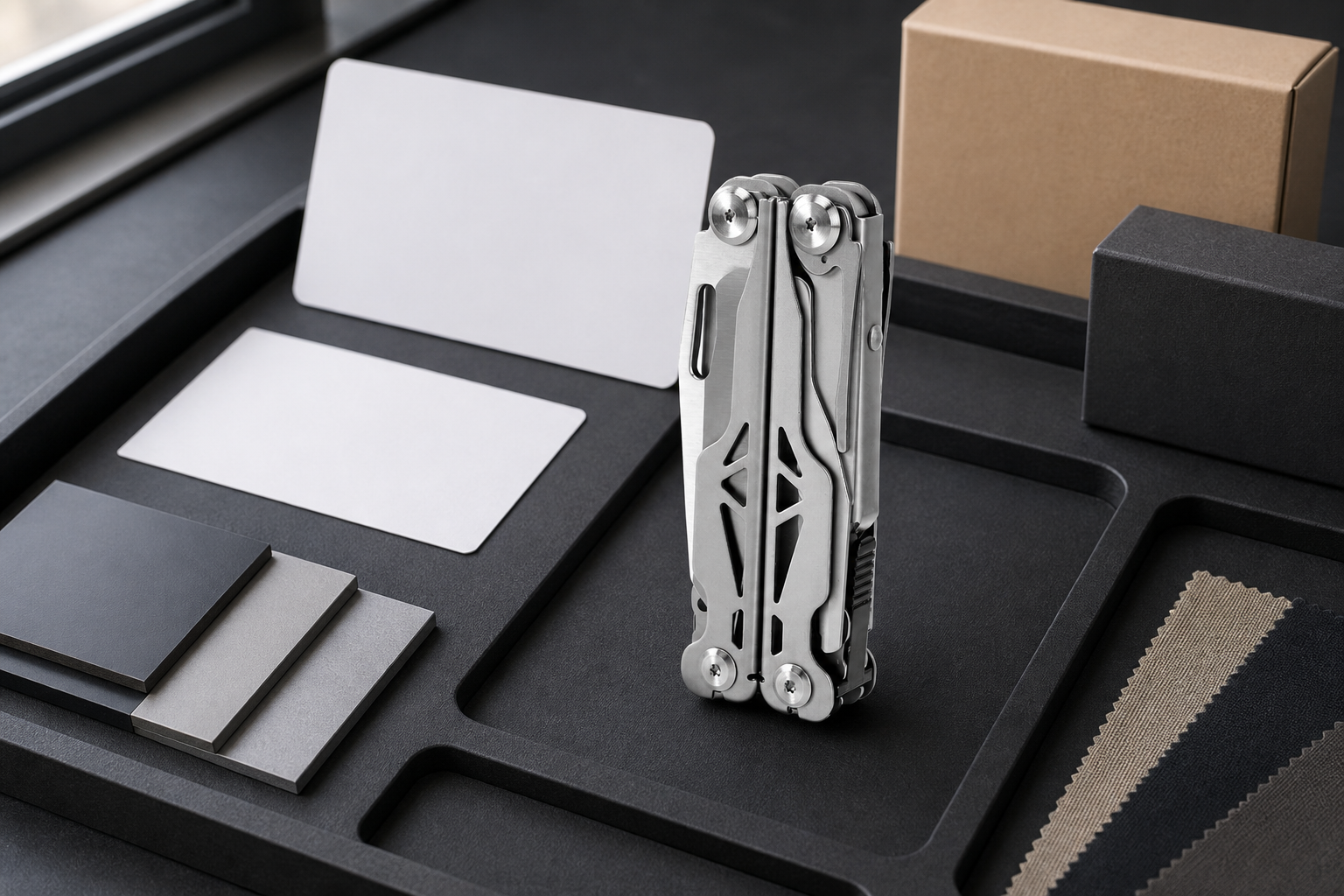
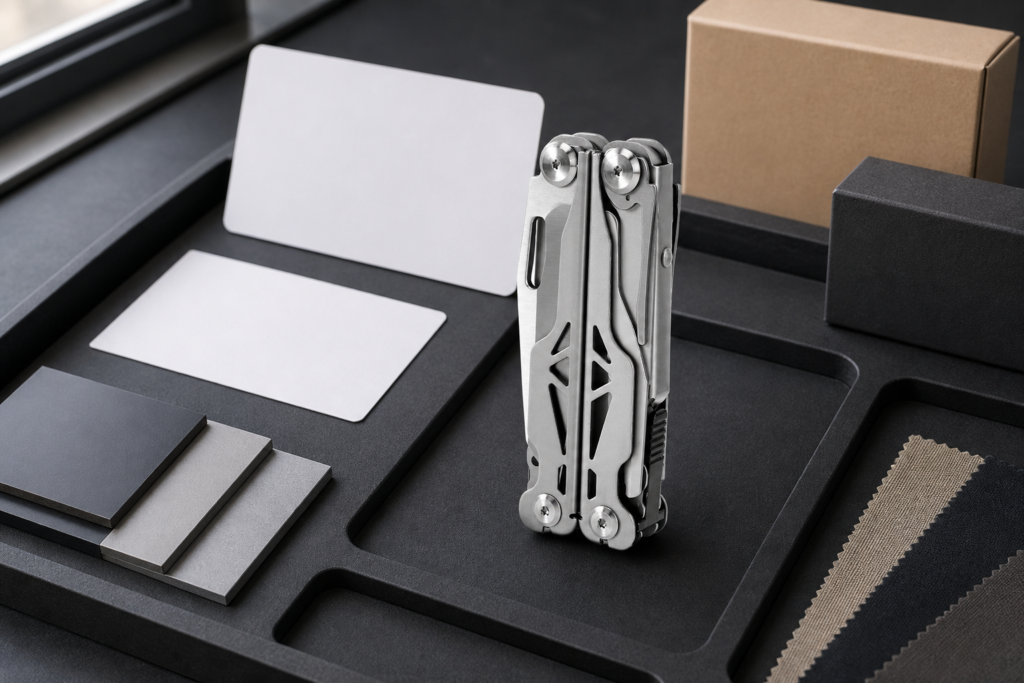
An EDC multi-tool can look useful, then become too heavy, too thick, or too weak for daily carry. Customization needs restraint.
Buyers should customize an EDC multi-tool by defining the target user, daily tasks, size limit, core functions, materials, tool access, safety requirements, branding, packaging, cost target, and QC standard. A suitable EDC multi-tool should be carried often and used easily, not overloaded with rarely used features.
Quick buyer brief:
- Answer: A suitable EDC multi-tool usually balances compact carry, practical functions, reliable action, safe sharp-tool handling, corrosion resistance, comfortable grip, clear packaging, and repeatable production.
- Buyer context: This guide is for EDC brands, outdoor brands, tool brands, importers, wholesalers, distributors, private label buyers, and sourcing managers.
- Key checks: Target user, main tasks, folded size, weight, function priority, plier option, blade option, scissors, drivers, bit system, opener, pocket clip, lanyard hole, lock type, handle material, finish, logo method, packaging, MOQ, target price, and QC checklist.
Planning a custom multi-tool project?
Send your function list, reference photo, target quantity, and budget range. Vast State can review materials, tooling, assembly, inspection, and packaging options.
When I develop an EDC multi-tool with a buyer, I do not try to add every possible tool. Everyday carry is a habit. If the product is too heavy, too thick, too hard to open, or too weak in the main functions, the user will stop carrying it. This is why customization starts with a practical question: what does the user need often enough to keep this tool in a pocket, pouch, bag, vehicle, or work kit?
Why Should EDC Multi-Tool Customization Start With Carry Habits?
EDC products fail when they are designed for a feature list instead of a real pocket, bag, or daily workflow.
EDC multi-tool customization should start with carry habits because size, weight, access, comfort, and daily task frequency decide whether users actually keep the tool with them.
I Design for the Carry Decision First
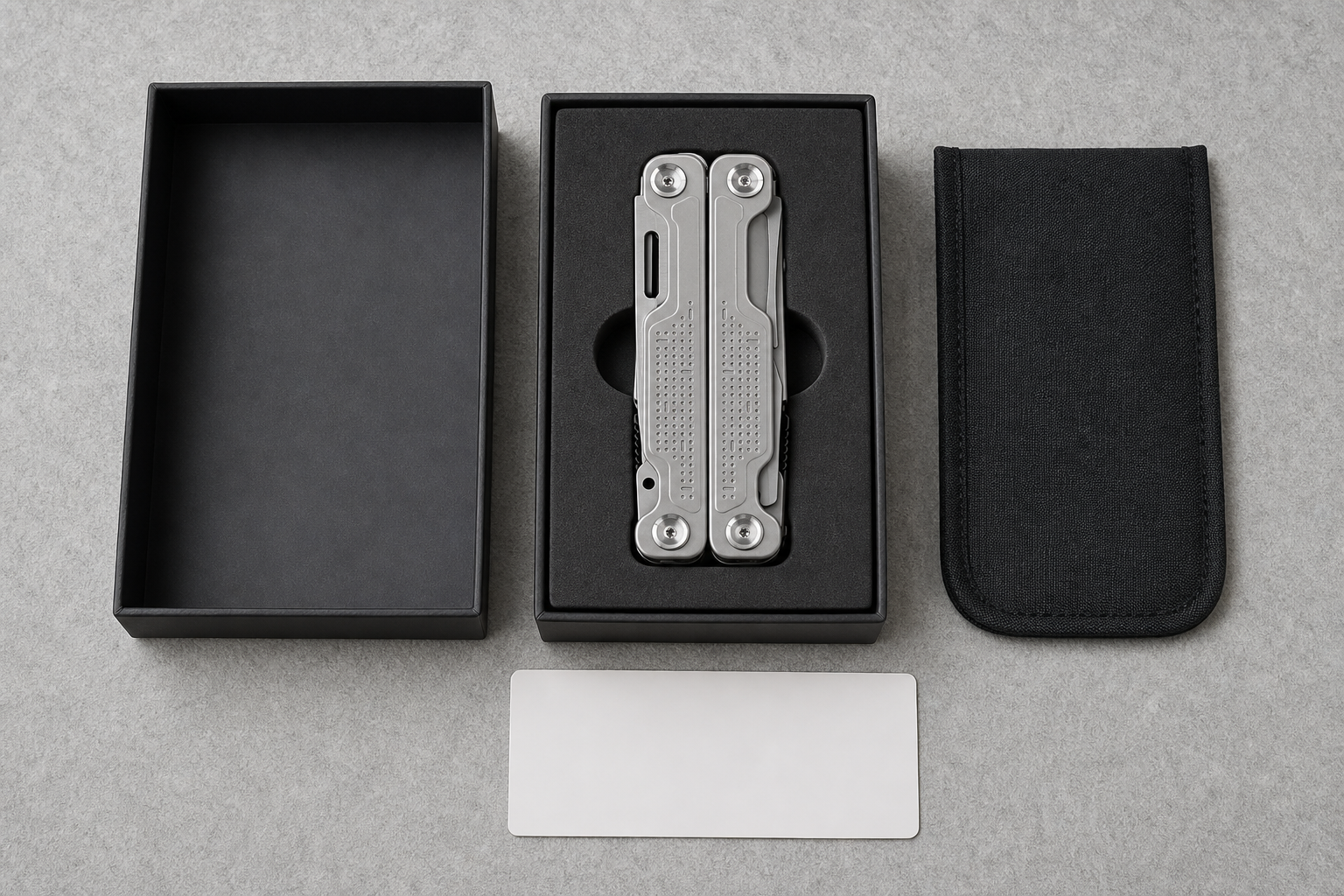
Everyday carry is about repeated choice. The user decides each morning whether the tool is worth carrying. A tool can have many functions, but if it is bulky, sharp at the edges, heavy in the pocket, or hard to access, it loses that daily decision. This is why I ask buyers to define where the product will live. Will it clip to a pocket? Sit in a pouch? Stay in a vehicle kit? Hang from a keychain? Go into a backpack?
The ISO page for ISO 9241-11:2018 describes usability as a framework for products and services in relation to users, goals, and context. I apply that idea directly to EDC tools. The tool should fit the user's context, not only a catalog function count.
Carry habits also affect structure. A pocket-clip tool needs clean outer surfaces and good clip strength. A pouch tool can be slightly larger. A keychain tool must be much lighter and safer in closed position. A work-kit tool may allow more weight if the functions are strong. Once the carry habit is clear, feature selection becomes easier.
| Carry style | Design priority | Buyer decision |
|---|---|---|
| Pocket clip | Slim profile and smooth edges | Limit thickness and snag points |
| Pouch carry | More function space | Add sheath or pouch quality |
| Keychain | Very low weight | Reduce tool count |
| Vehicle or work kit | Function strength | Allow larger frame if needed |
OEM/ODM RFQ Checklist
Prepare these details to help Vast State review your project and provide a more accurate quotation.
| RFQ Field | What to Prepare |
|---|---|
| Project type | OEM from drawing / ODM private label / wholesale catalog |
| Product category | Folding knife / fixed blade / multi-tool / outdoor tool |
| Design status | Idea / sketch / 2D drawing / 3D CAD / physical sample |
| Target price | Ex-factory target price or retail price range |
| MOQ expectation | 500 / 1,000 / 3,000 / 5,000+ pcs |
| Logo method | Laser engraving / etching / printing / molded logo |
| Packaging | Standard packaging / custom retail box / Amazon-ready |
| Market | USA / EU / Japan / Korea / Middle East / other |
| Compliance needs | Buyer-specified testing / documentation / labeling |
| Timeline | Sample deadline / mass production deadline |
Which Functions Should Be Core in a Custom EDC Multi-Tool?
Feature overload is tempting. But too many functions can weaken the product and confuse the buyer's market.
Core EDC functions should be selected by frequent use. Buyers should compare pliers, blade, scissors, screwdrivers, bit driver, opener, file, awl, ruler, clip, and lanyard options by real task value.
I Rank Functions Before Adding Them
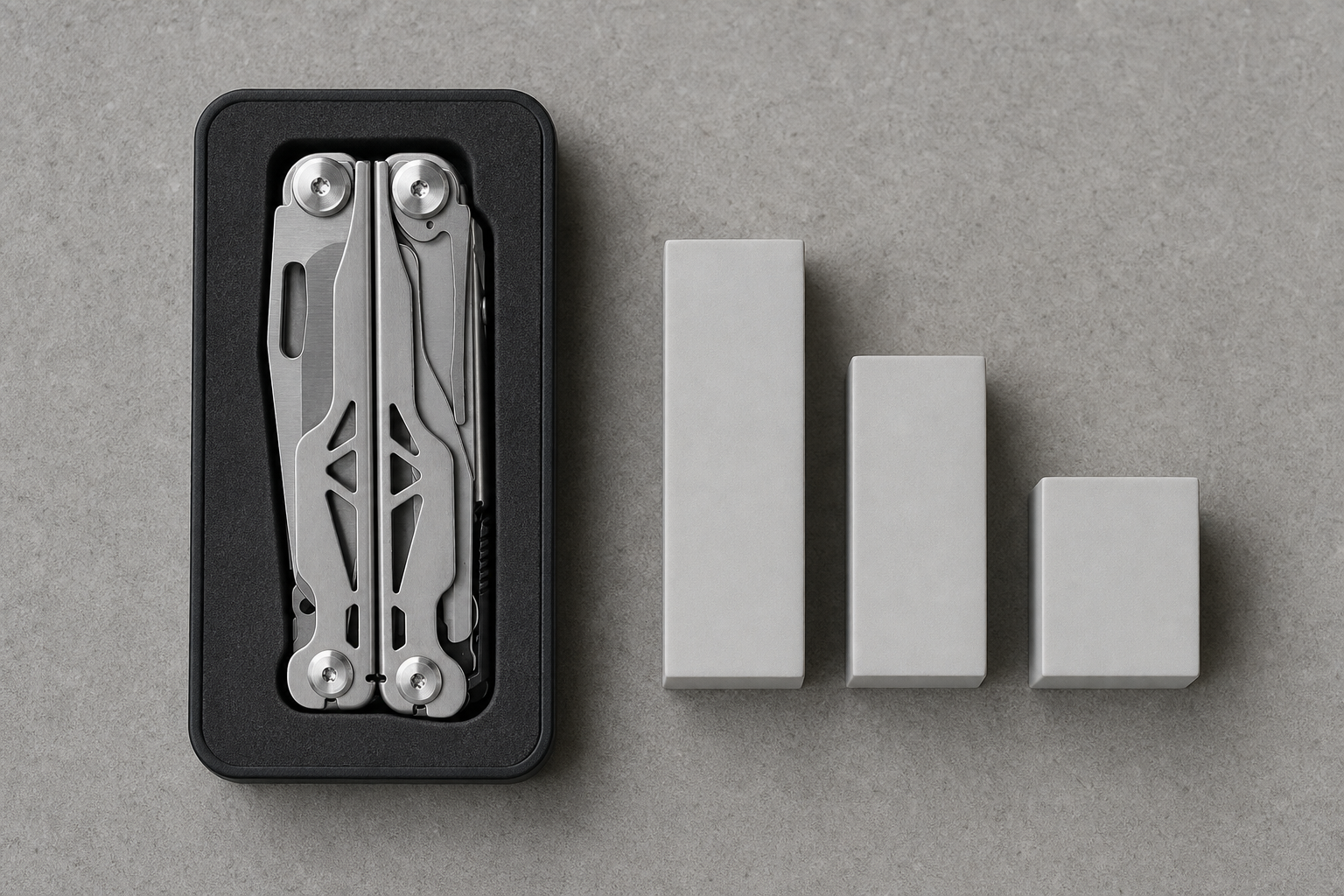
I like to divide EDC multi-tool functions into core, support, and optional functions. Core functions are the reason the user buys the tool. Support functions add convenience but should not make the tool bulky. Optional functions are nice only if they do not damage size, cost, or reliability.
For a plier-based EDC tool, pliers should be strong enough and comfortable enough to justify the frame. For a compact pocket tool, scissors, drivers, opener, and a small utility blade may matter more. For a repair-focused tool, driver access and bit retention can be more important than a saw. For an outdoor EDC line, a small saw or file may help, but only if the buyer accepts extra thickness.
The CCOHS page on general hand tool operation advises choosing the right tool for the job, using tools correctly, and inspecting tools. That principle applies to customization. A weak feature added only for marketing can encourage users to treat the product as something it is not.
| Function type | Examples | Buyer question |
|---|---|---|
| Core | Pliers, blade, scissors, drivers | What will users use weekly? |
| Support | Openers, file, awl, ruler | Does this add real convenience? |
| Carry | Clip, pouch, lanyard hole | How will users carry it? |
| Optional | Extra specialty tools | Does it justify thickness? |
How Should Buyers Balance Size, Weight, and Tool Count?
Many multi-tools become worse when buyers keep adding features. The product becomes impressive but not carryable.
Buyers should balance size, weight, and tool count by setting a folded size target, weight ceiling, core function list, and maximum layer count before engineering begins.
I Set Limits Before the Tool Stack Grows
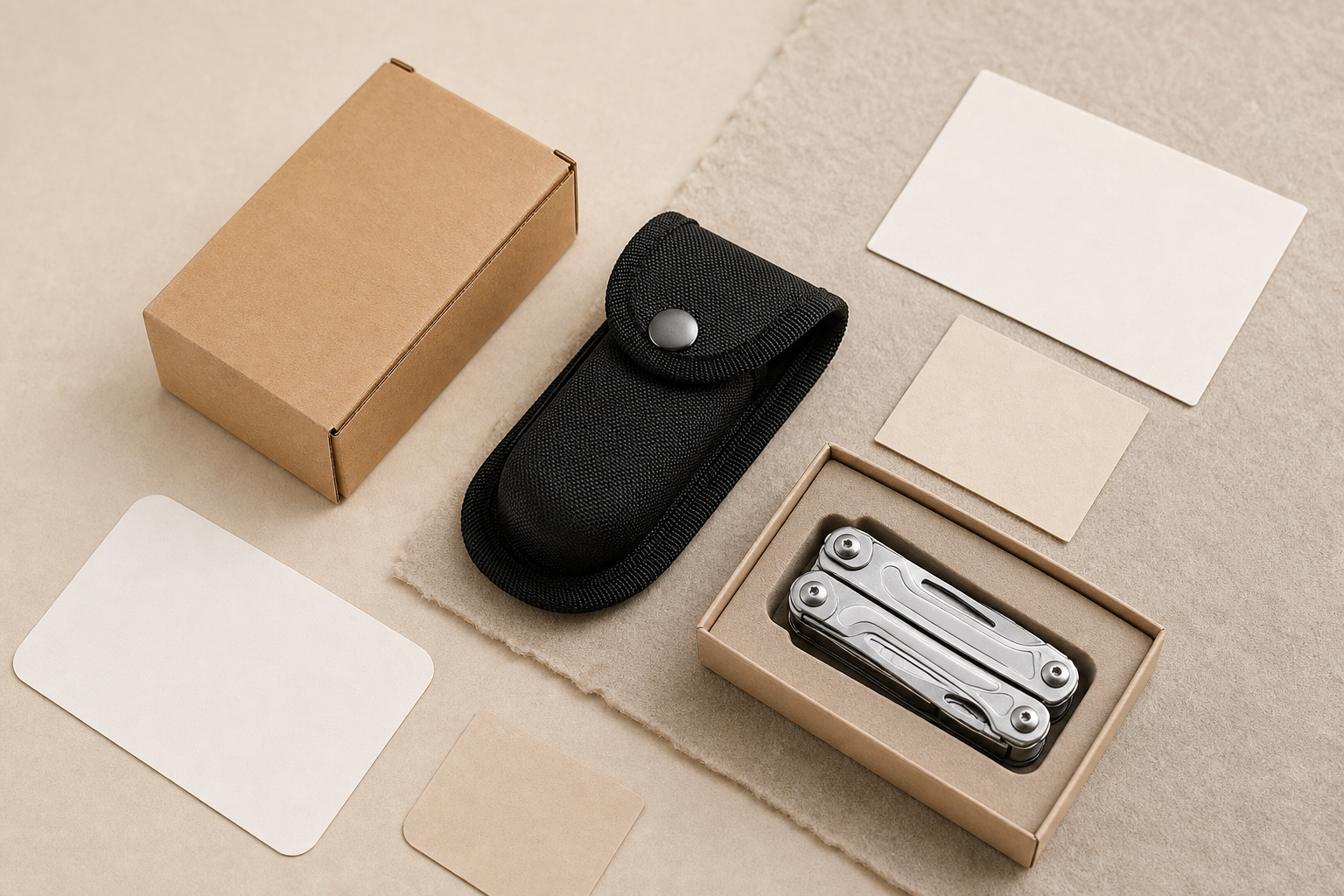
The folded thickness is one of the most important EDC decisions. Every blade, washer, spring, spacer, and handle scale adds thickness. If the buyer does not set a limit early, the tool stack can grow until the product is no longer comfortable. Weight works the same way. A tool that feels good on a desk may feel heavy in a pocket.
I recommend defining three numbers early: folded length, folded thickness, and target weight. These numbers guide feature selection. If the buyer wants a slim tool, we may remove saws, large pliers, or thick bit storage. If the buyer wants strong pliers, we may accept a larger frame and position the product as pouch carry rather than pocket clip carry.
Layer count also affects assembly. A simple 5-function tool can be easier to control than a dense 14-function tool. More layers can create rubbing, tool play, spring variation, and access problems. This does not mean high-function tools are wrong. It means they need a higher cost and QC plan.
| Limit | Why it matters | Buyer action |
|---|---|---|
| Folded length | Pocket comfort and function reach | Set target by carry style |
| Thickness | Daily carry comfort | Limit layers early |
| Weight | User carry habit | Match product category |
| Tool count | Assembly and usability | Rank functions before sampling |
How Should Cutting Tools Be Customized Safely?
Blades and scissors are valuable, but they also create safety and compliance concerns. Buyers need clear specifications.
Cutting tools should be customized by intended use, steel, edge geometry, opening access, lock or slip-joint behavior, sharpness target, maintenance needs, and safety wording.
I Keep Blade Claims Practical
An EDC multi-tool blade should usually be positioned as a utility cutting feature. It may help with packages, cord, tape, light camp tasks, and daily cutting. It should not be described in a way that suggests unsafe use or unrealistic durability. If the buyer wants a locking blade, we should review the target market and sales channel. If the buyer wants a slip-joint blade, we should make sure the user understands its limits.
Scissors are often very useful for EDC. They can cut paper, thread, tape, light cord, labels, and packaging. But scissors need careful alignment, spring tension, edge overlap, and closed clearance. If scissors are a core feature, they deserve serious testing.
OSHA notes that hand and power tools can be hazardous when used or maintained improperly. That does not make an EDC multi-tool unsafe by itself, but it supports the need for clear instructions and responsible product wording. Buyers should plan basic warnings for sharp edges, storage, and proper use.
For OEM projects, I also connect cutting tools to QC. A blade should be sharp enough for the approved use, and scissors should cut consistently across the batch.
| Cutting feature | Custom choice | QC focus |
|---|---|---|
| Blade | Shape, steel, edge, lock | Sharpness and safe action |
| Scissors | Size, spring, overlap | Cutting consistency |
| Saw | Tooth pattern and thickness | Binding and access |
| Safety wording | Proper use and storage | Clear packaging language |
How Should Pliers, Drivers, and Bit Systems Be Designed?
Repair features can make an EDC tool useful, but weak drivers or misaligned pliers create fast complaints.
Pliers, drivers, and bit systems should be designed by task level, jaw alignment, pivot stability, tip strength, reach, bit retention, handle leverage, and packaging control.
I Make Repair Features Honest
If the multi-tool is plier-based, the pliers must earn their space. The jaw tips should align. The pivot should feel stable. The wire cutter should match the intended level of use. A tiny plier head may be convenient, but it cannot be sold like a heavy workshop tool.
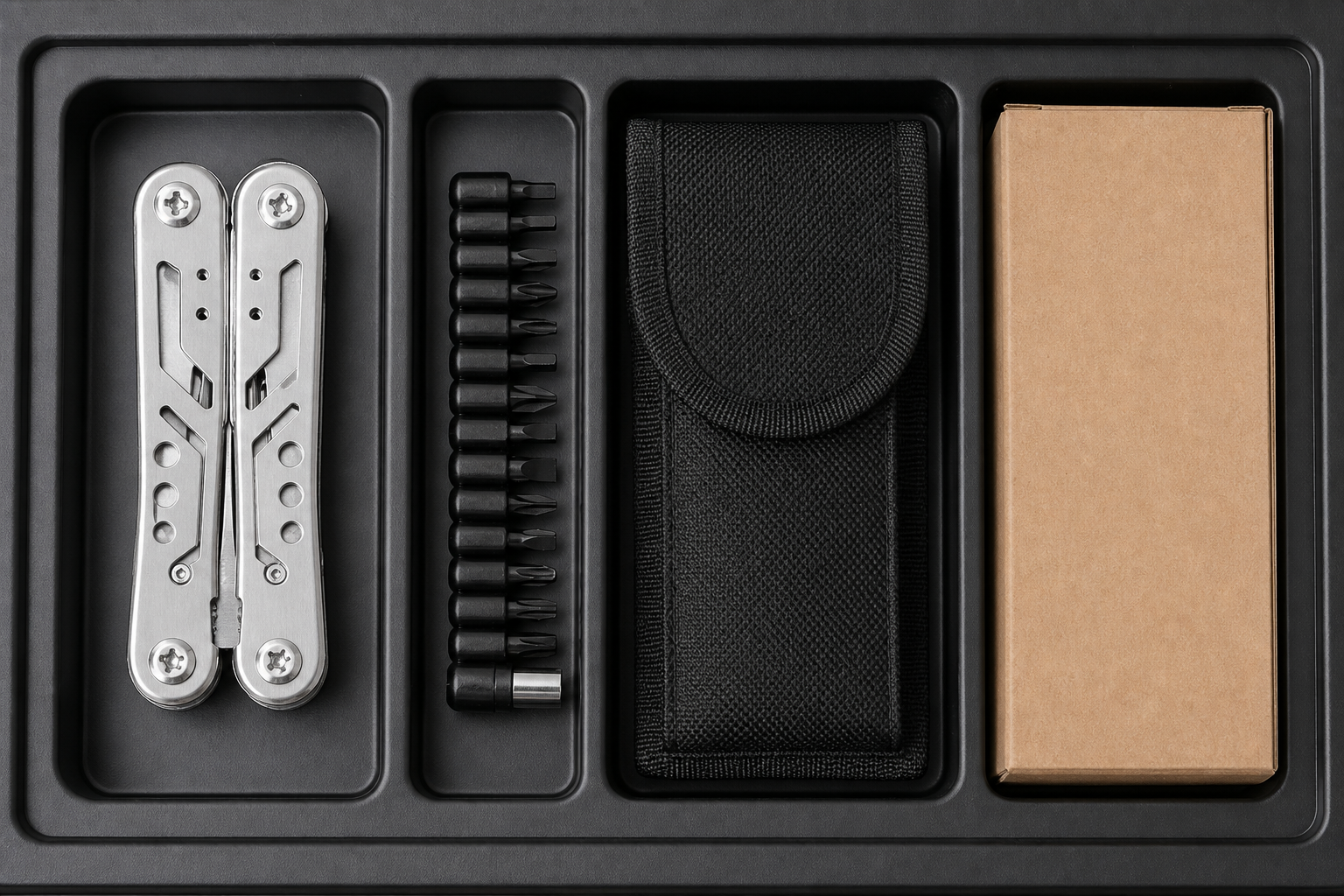
Drivers also need honest design. A flat driver should have a useful tip shape. A Phillips driver should fit common screw heads without camming out too easily. A bit driver can add flexibility, but it needs secure bit retention and enough handle leverage. Loose bits create after-sale problems. Missing bits create packaging complaints.
For compact EDC tools, I often suggest fewer but stronger repair functions. A good driver and opener may be better than five weak tools. If the buyer sells into repair or technician markets, then a stronger bit system may be worth the added size and cost.
The product should not imply that it replaces a dedicated professional tool set. It is a daily utility tool. That positioning protects the buyer's brand.
| Repair feature | What I check | Buyer decision |
|---|---|---|
| Pliers | Jaw alignment and pivot | Full-size or compact role |
| Wire cutter | Edge and material fit | Light-duty or stronger option |
| Drivers | Tip geometry and reach | Built-in or bit system |
| Bit storage | Retention and packaging | Prevent missing parts |
How Do Locks, Springs, Access, and Ergonomics Affect User Experience?
A useful function can still fail if users cannot open it easily or trust it in use.
Locks, springs, access points, and ergonomics affect safety, comfort, tool control, one-hand or two-hand use, opening feel, pocket carry, and perceived quality.
I Test the Tool in the Hand, Not Only on Paper
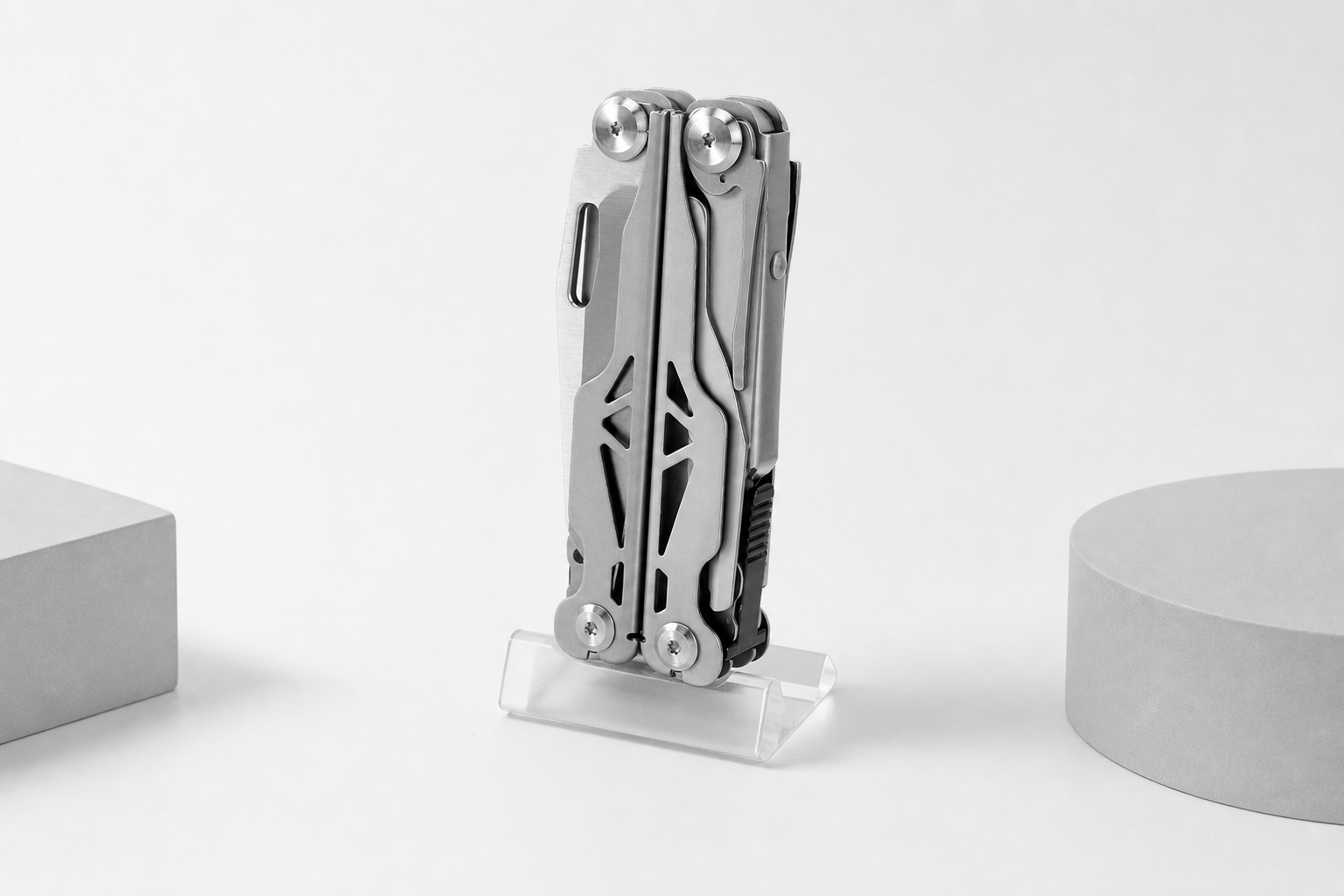
Tool access is a common hidden problem. A blade may be useful, but if the nail nick is too small, users dislike it. A driver may be strong, but if it opens from the wrong side, it becomes awkward. A clip may help carry, but if it creates a hot spot during plier use, it hurts the experience.
Locks can improve confidence, especially for blades, saws, and some drivers. But locks add parts, assembly time, and possible market restrictions. Slip-joint tools can be thinner and simpler, but they require clear user expectations. Springs need tuning. Too strong, and tools are hard to open. Too weak, and the tool feels cheap or unsafe.
Handle edges matter because multi-tools are compact metal objects. Sharp edges, poor chamfers, and rough corners create discomfort. A good EDC tool should feel controlled when folded and when open. It should not pinch the user during reasonable use.
For private label buyers, I strongly recommend reviewing physical samples, because photos cannot show spring tension, pinch points, or access feel.
| Experience factor | User result | Buyer check |
|---|---|---|
| Tool access | Faster use | Nail nick, tab, or outside access |
| Lock or slip joint | Confidence and clarity | Target market and function |
| Spring tension | Opening feel | Sample testing |
| Handle edges | Comfort | Chamfer and finish control |
What Materials, Finishes, and Branding Options Fit EDC Multi-Tools?
Materials and branding choices create the product tier. They also change corrosion behavior, cost, and production risk.
EDC multi-tool materials and finishes should match the price level, corrosion needs, function load, brand style, machining process, logo method, and after-sale expectations.
I Match the Finish to the Carry Environment
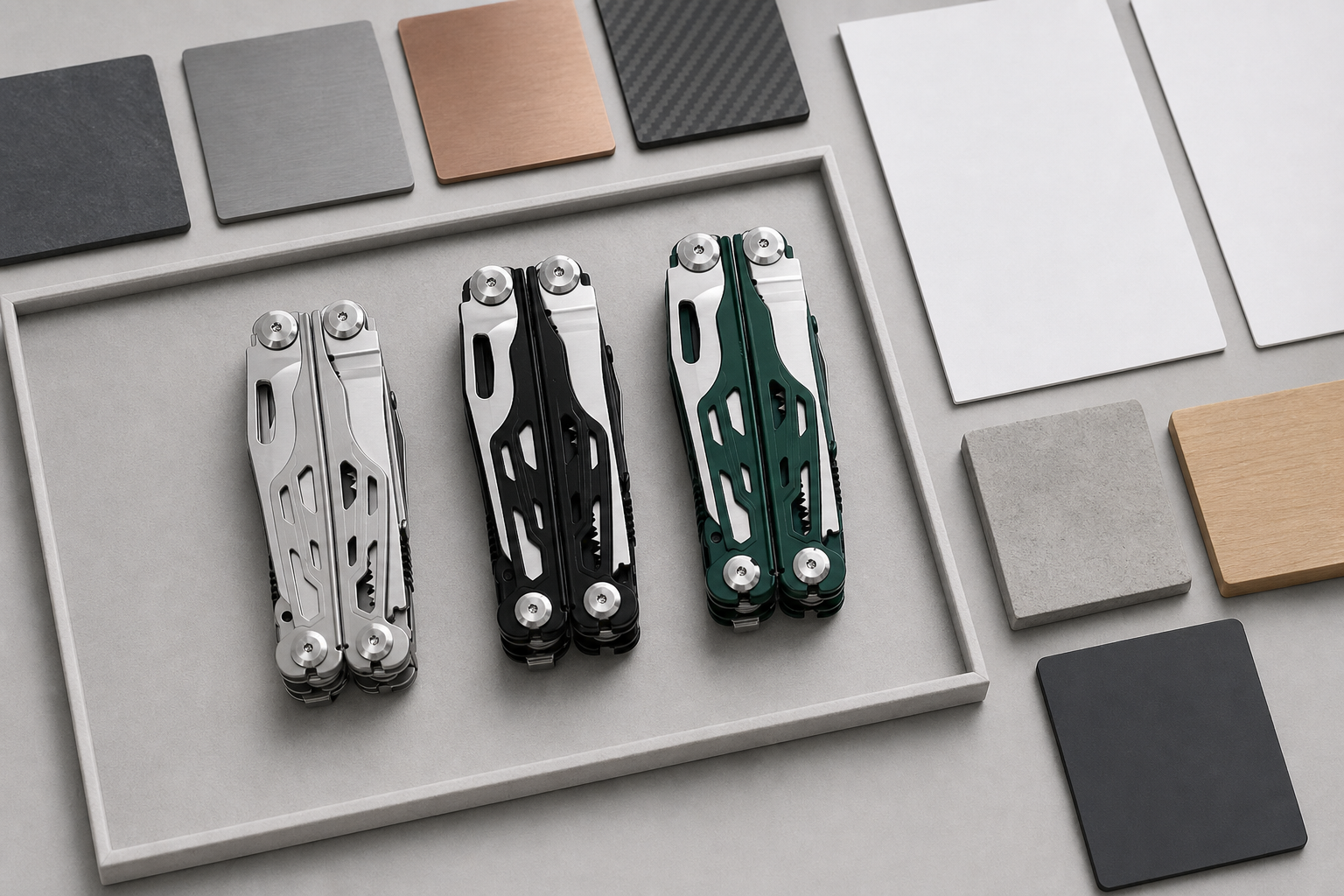
EDC tools live in pockets, bags, cars, tool kits, and outdoor packs. They meet sweat, dust, keys, coins, moisture, and handling marks. This means material and finish choices matter. Stainless steel is common because corrosion resistance is useful. Aluminum can reduce weight. G10 inserts can add grip and color. Stonewash finishes can hide small scratches. Satin finishes can look clean but may show directional marks. Black coatings can create a strong look, but wear points should be expected.
Branding should also be planned early. Laser marking, etching, stamping, engraving, color inserts, handle texture, and packaging design all affect the product tier. A logo that looks good on a flat handle may not work on a curved or stonewashed surface. Buyers should test branding on final materials, not only on a drawing.
Material selection should follow function. Pliers, drivers, blades, springs, and handles may need different material logic. A multi-tool is not one material choice. It is a group of interacting parts.
| Option | Benefit | Watch point |
|---|---|---|
| Stainless steel | Corrosion resistance | Weight and finish marks |
| Aluminum handle | Lighter carry | Surface wear |
| G10 inserts | Grip and color | Machining cost |
| Stonewash finish | Hides scratches | Match brand style |
How Does Customization Affect Manufacturing Tolerances?
Customization is not only appearance. Every added part creates a tolerance relationship in the tool stack.
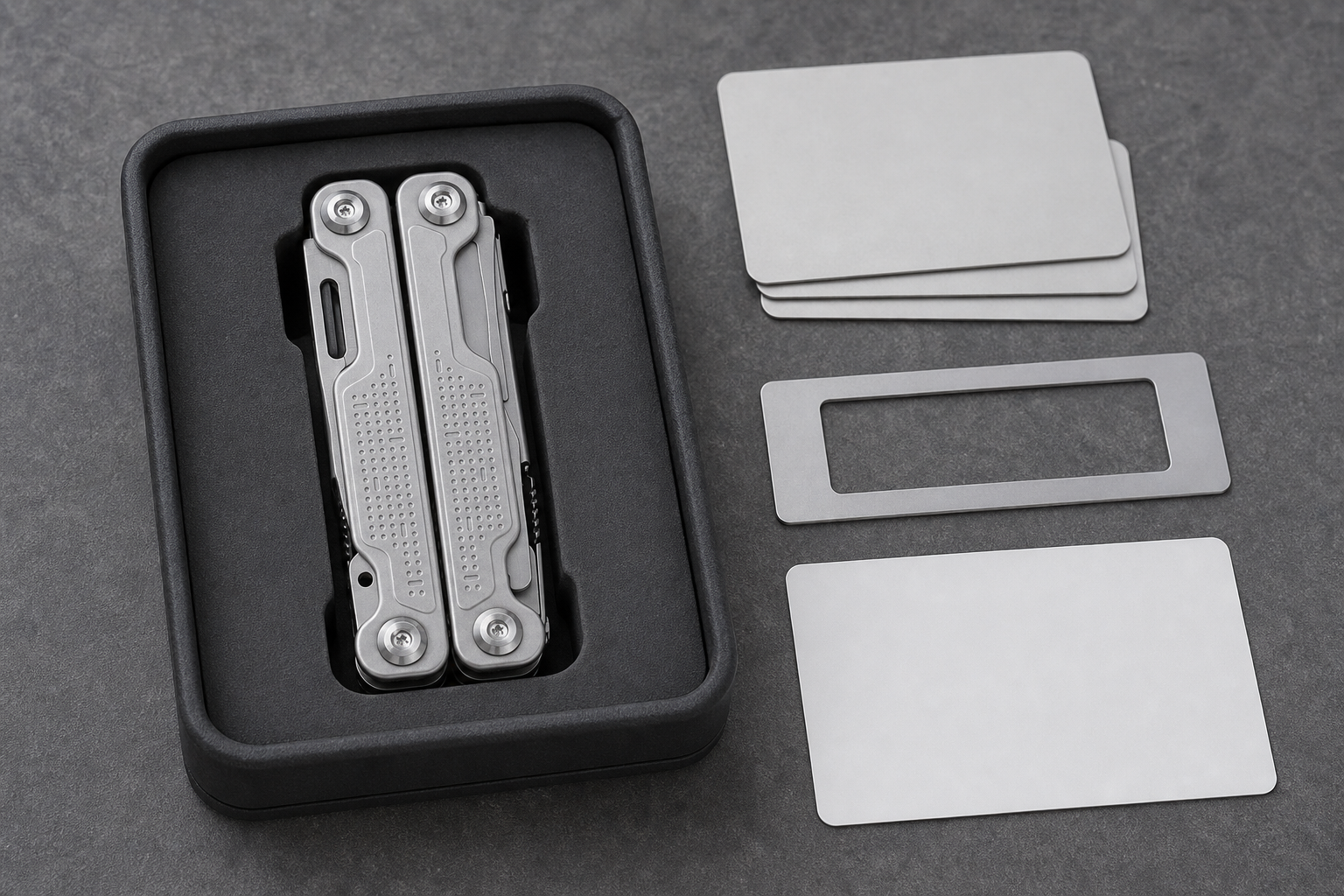
Customization affects tolerances through pivot holes, tool thickness, washers, spacers, springs, lock surfaces, handle alignment, clip screws, bit holders, and closed-tool clearance.
I Watch the Stack Before It Becomes a Problem
Multi-tool manufacturing depends on stack control. Each layer must fit beside the next layer. If one tool is too thick, another tool rubs. If a washer is inconsistent, the opening feel changes. If a spring is too strong, the tool becomes hard to open. If a pivot is loose, the user feels poor quality. If closed clearance is wrong, a sharp edge may touch the frame or another part.
The NIST page on dimensional metrology connects measurement with manufacturing improvement and detailed part information. In EDC multi-tool production, measurement helps control small parts, hole positions, tool thickness, spacer dimensions, and assembly fit.
Custom branding can also affect tolerances. A handle insert, clip, special coating, or colored scale may change thickness and assembly order. This is why customization should be reviewed by engineering before sampling. It should not be added only as decoration after structure is finished.
Good tolerance planning protects production stability. It also reduces hand adjustment during assembly.
| Tolerance area | Risk | Control point |
|---|---|---|
| Pivot stack | Tool rub or loose action | Thickness and washer checks |
| Spring force | Hard or weak opening | Sample and batch testing |
| Lock surface | Poor engagement | Geometry inspection |
| Clip and scales | Misalignment | Screw and fit checks |
What Packaging and Instructions Should Buyers Plan?
EDC tools need simple instructions. Users should understand functions, sharp edges, storage, maintenance, and accessories.
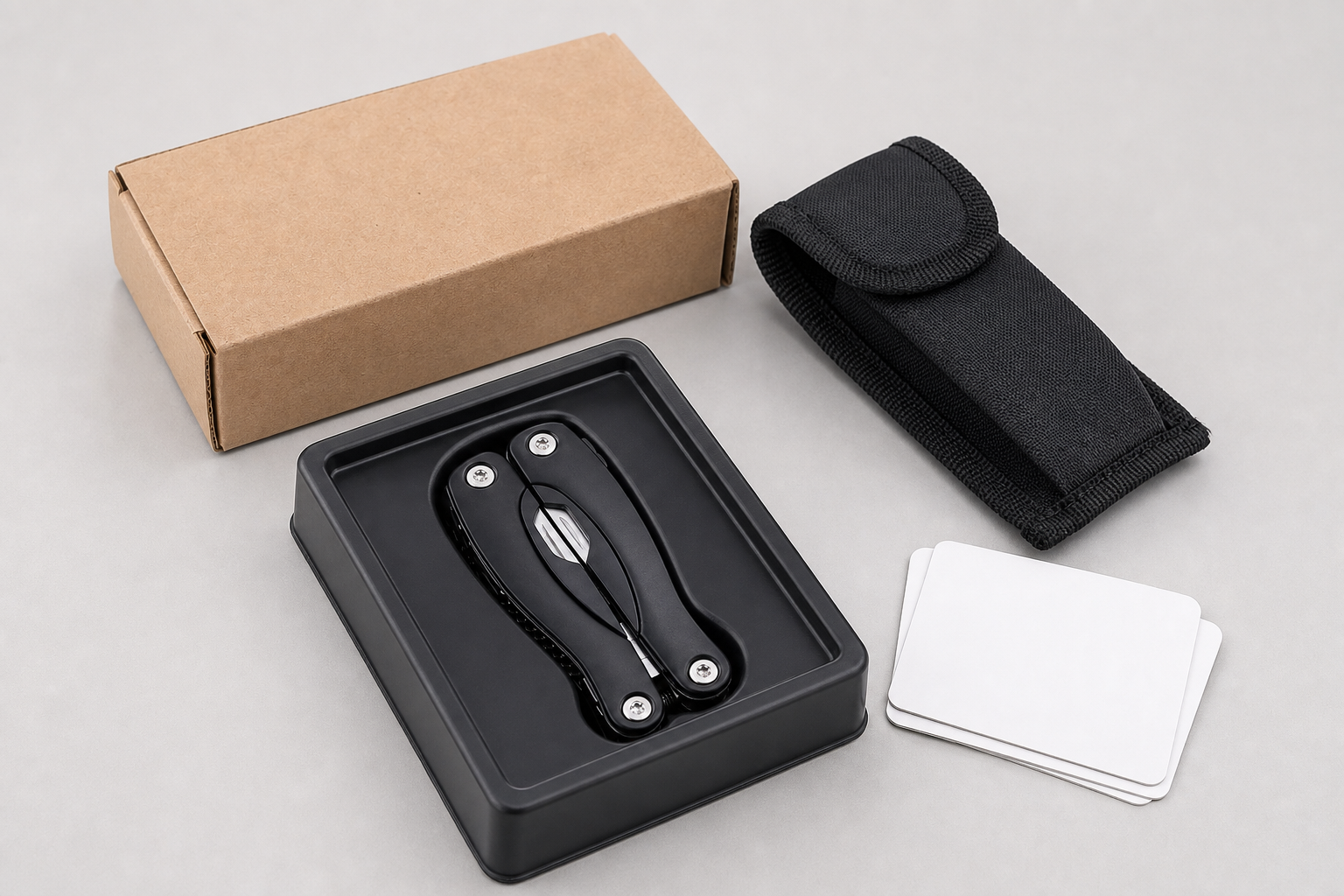
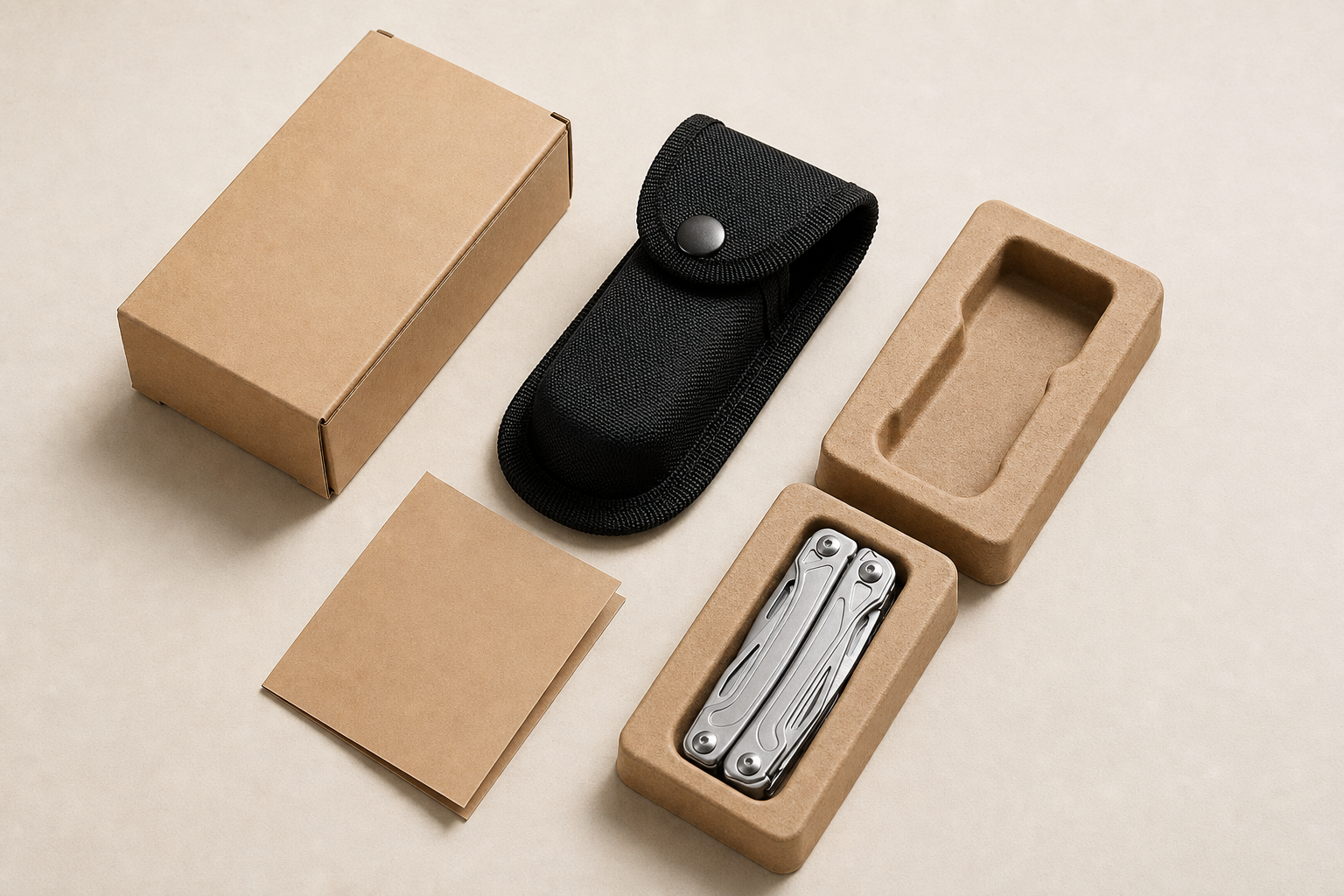
Packaging should explain the function set, carry method, sharp-tool safety, maintenance, accessory storage, warranty path, brand story, and target use without overstating the product.
I Use Packaging to Prevent Misunderstanding
Packaging should do more than look good. It should tell the user what the tool is for. It should make the feature set easy to understand. It should secure accessories such as bits, pouches, lanyards, or replacement parts. It should protect the finish during shipping. If the tool includes blades, scissors, saws, awls, or sharp drivers, packaging should include basic safety language.
OSHA's hand and power tools overview says simple tools can be hazardous when used or maintained improperly. CCOHS also advises correct tool use and inspection. I use these principles in packaging planning. A user should know to keep tools closed when not in use, inspect damage, keep sharp edges away from hands, and avoid using the tool beyond its design.
For e-commerce, packaging also needs shipping strength. A bit kit should not scatter. A tool should not scratch against a printed card. A pouch should not stain the finish. If the product is premium, the unboxing experience should match the product tier.
| Packaging item | Purpose | Buyer check |
|---|---|---|
| Function guide | Explains tools | Avoid confusing icons |
| Safety note | Handles sharp tools | Keep wording clear |
| Accessory storage | Prevents missing parts | Test shipping movement |
| Brand presentation | Supports price tier | Match materials and finish |
What QC Checks Protect Custom EDC Multi-Tool Orders?
Visual inspection is not enough for multi-tools. Every function needs a quick but clear check.
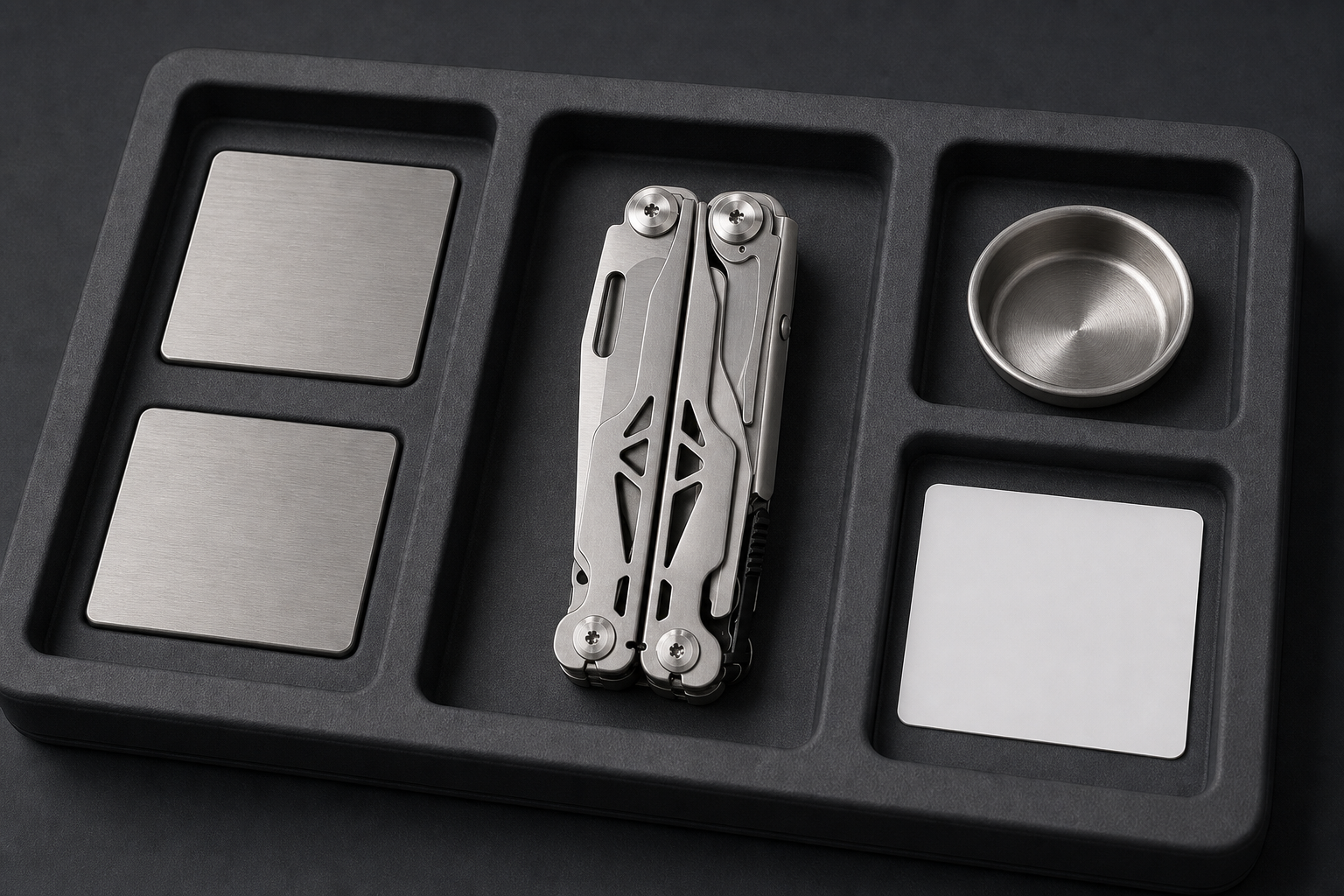
QC should check tool access, locking or slip-joint action, spring tension, blade sharpness, scissors cutting, plier alignment, driver tips, bit retention, clip strength, finish, packaging, and sample consistency.
I Inspect the Features That Sell the Product
The QC checklist should follow the approved feature list. If pliers are core, check jaw alignment, pivot feel, and handle comfort. If scissors are core, check cutting and spring action. If drivers are core, check tip shape and reach. If the tool has a blade, check sharpness, edge symmetry, opening access, and lock or slip-joint behavior. If the tool has a clip, check strength and screw security.
ISO describes ISO 9001 as a quality management standard that helps organizations meet customer expectations and maintain a quality management system. That process mindset is useful because EDC multi-tools have many small parts. Incoming material checks, component checks, assembly checks, and final function checks all matter.
Boundary samples help reduce disputes. Buyers and factories should agree on acceptable and unacceptable tool play, finish marks, lock feel, spring tension, logo appearance, and packaging condition. This is especially useful for repeat orders.
The best inspection approach is practical and repeatable. It should find real issues without making the cost impossible.
| QC item | What to check | Buyer protection |
|---|---|---|
| Tool action | Access, lock, spring | Protects user experience |
| Core functions | Pliers, blade, scissors, drivers | Protects selling points |
| Branding | Logo and finish | Protects private label value |
| Packaging | Accessories and protection | Reduces delivery complaints |
What Should Buyers Put in an EDC Multi-Tool RFQ?
A custom EDC multi-tool RFQ should not just say "many functions." The supplier needs priorities.
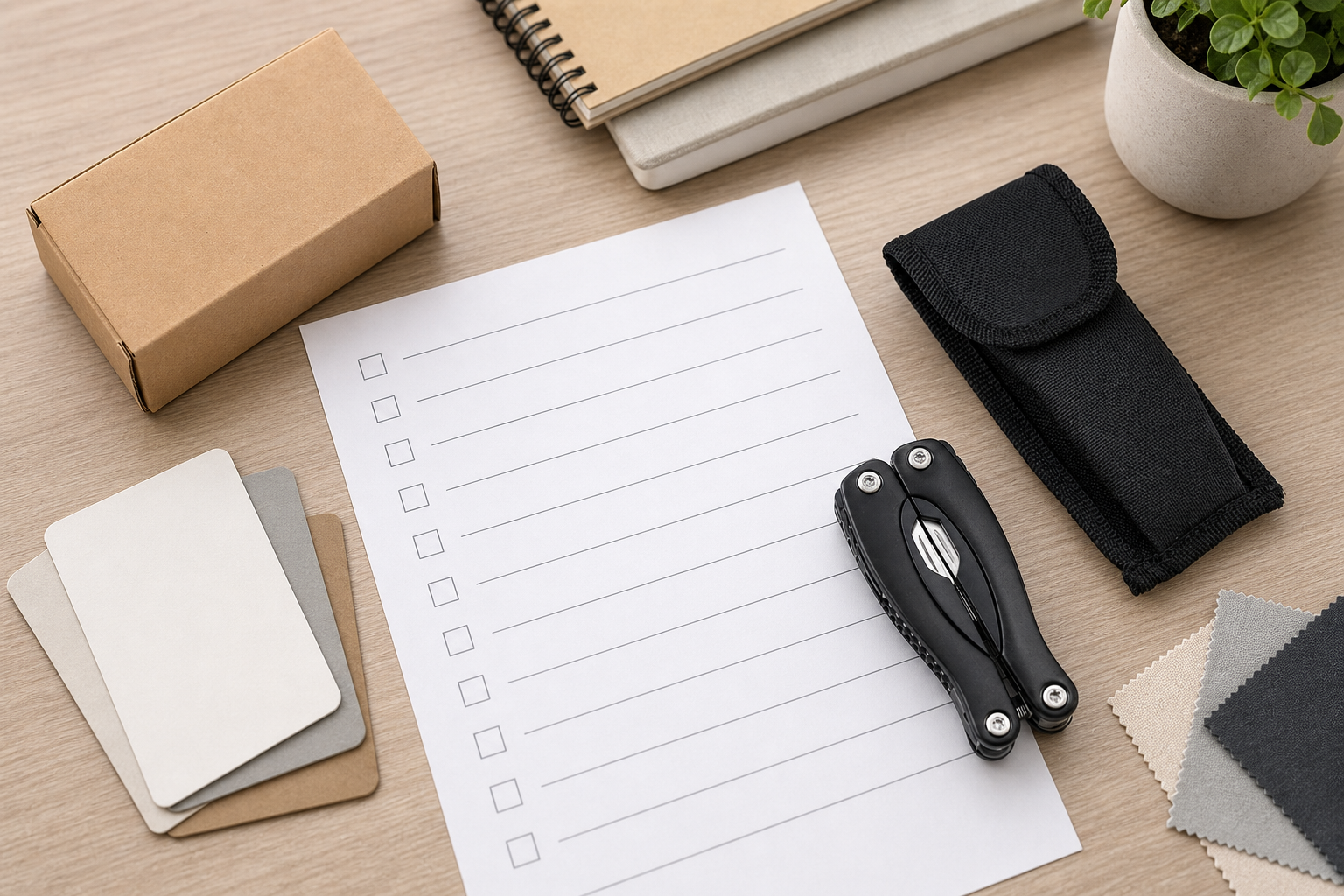
Buyers should include target user, carry style, required functions, optional functions, folded size, weight target, materials, finish, lock preference, packaging, accessories, MOQ, target price, market, and QC expectations.
I Ask Buyers to Rank the Product Priorities
The RFQ should tell me what matters most. Is the buyer trying to make the slimmest tool? The best plier-based pocket tool? A budget promotional EDC tool? A premium private label repair tool? A camping pocket tool? These are different products.
The RFQ should include target user, carry style, folded length, folded thickness, weight target, required functions, optional functions, blade requirement, scissors requirement, plier type, driver and bit needs, lock preference, handle material, finish, logo method, packaging, accessories, care-card or instruction needs, target MOQ, target price, target market, and sample deadline.
I also ask for what the product should avoid. The buyer may not want a blade. The buyer may need a non-locking design. The buyer may need no loose bits. The buyer may need a lower-cost handle. These limits help the supplier avoid wrong sample directions.
For ODM work, a clear RFQ allows the factory to suggest better structure and function balance. Sometimes the best customized tool has fewer features and stronger execution.
| RFQ field | What to include | Why it helps |
|---|---|---|
| Carry style | Pocket, pouch, keychain, kit | Controls size and weight |
| Function priority | Required and optional tools | Prevents overload |
| Material and finish | Steel, handle, coating, logo | Controls cost and branding |
| Commercial target | MOQ, price, timeline, market | Keeps project realistic |
How Can Vast State Support Custom EDC Multi-Tool Development?
Buyers need more than a feature list. They need practical support from concept to repeat production.
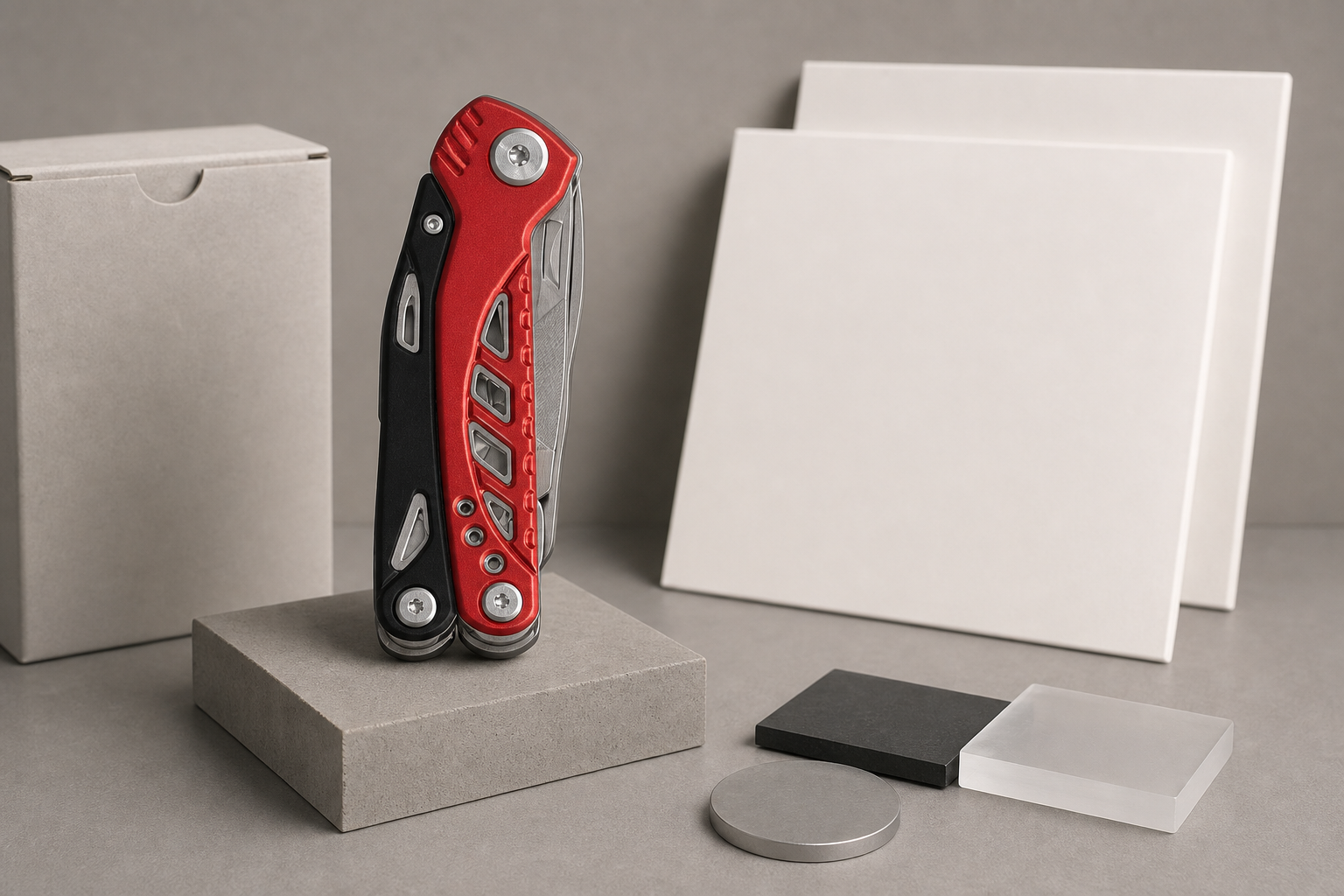
Vast State supports custom EDC multi-tool development through OEM/ODM review, function planning, prototype development, material selection, structure suggestions, packaging customization, production follow-up, and QC.
I Help Buyers Build Tools People Actually Carry
At Vast State, I support buyers from concept to production. For EDC multi-tools, I review the target user, carry method, function list, size, weight, materials, mechanism, finish, packaging, and QC plan. I do not want the buyer to add functions that create cost without real value. I want the tool to fit the user's daily carry habit.
Some buyers already have a design. I review whether the tool stack is realistic, whether the features can be accessed easily, and whether the price target fits the structure. Some buyers only have a market idea. I help turn that idea into a practical ODM direction. This may include reducing the function count, improving pliers, changing the clip, choosing a different finish, or improving bit storage.
Our work is built around practical product development, stable manufacturing, flexible customization, and efficient communication. For B2B customers, this matters because a multi-tool has many small parts and many possible failure points. Clear planning reduces sample revisions and supports repeat orders.
| Support area | What I review | Buyer benefit |
|---|---|---|
| Concept | User, carry style, task list | Better product direction |
| Engineering | Tool stack, locks, springs | Lower sample risk |
| Production | Materials, tolerance, assembly | More stable quality |
| Packaging | Instructions, accessories, branding | Better retail readiness |
Ready to develop a custom multi-tool?
Send your function list, reference photo, target quantity, and budget range. Vast State can help turn it into a manufacturable OEM/ODM specification.
Conclusion
I customize EDC multi-tools by prioritizing real carry habits, useful functions, stable structure, clear packaging, and repeatable production quality.