Vast State Logo
Quote
Skip to content

How Should Knife Buyers Source Clip Point Blades for OEM Knife Projects?

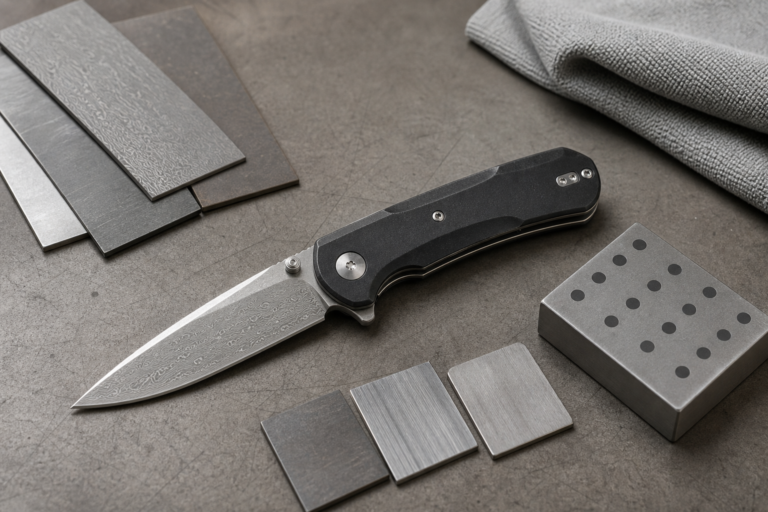
A clip point blade looks classic and easy to sell, but a weak tip or unclear clip line can create real production problems. Knife buyers should source clip point blades by defining the clip shape, tip strength, blade belly, steel, heat treatment, grind, handle control, finish, safety expectations, quality checks, and RFQ details before sampling. […]

How Should Knife Buyers Source Spear Point Blades for OEM Knife Projects?

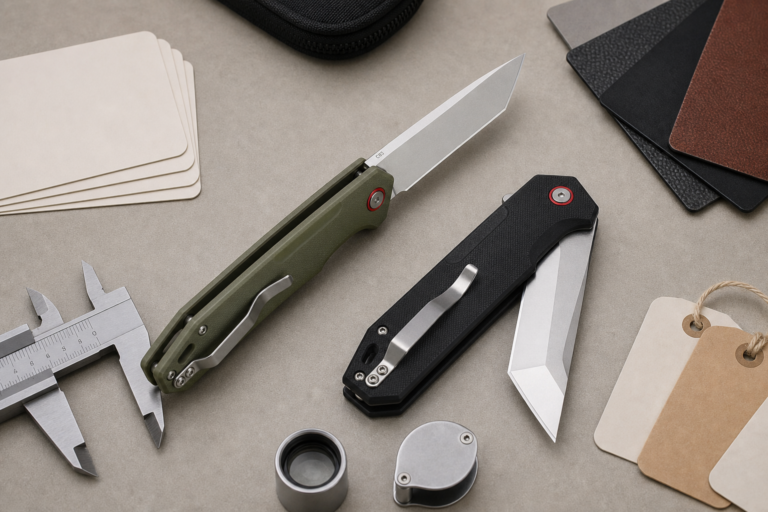
A spear point blade can look balanced and premium, but poor geometry can weaken the tip, confuse positioning, and increase production risk. Knife buyers should source spear point blades by defining the target use, centerline tip geometry, edge style, steel, heat treatment, handle structure, lock safety, finish, quality checks, and market restrictions before sampling. Quick […]

How Should Knife Buyers Source Hawkbill Blades for OEM Knife Projects?

A hawkbill blade looks distinctive, but the shape can become a sourcing problem. Wrong geometry can hurt cutting feel, sharpening, and market fit. Knife buyers should source hawkbill blades by matching the curved edge, tip control, steel, heat treatment, handle ergonomics, serration choice, finish, safety expectations, and quality checks to the product's real cutting task […]

How Should Knife Buyers Choose Blade Coatings for OEM Sourcing?

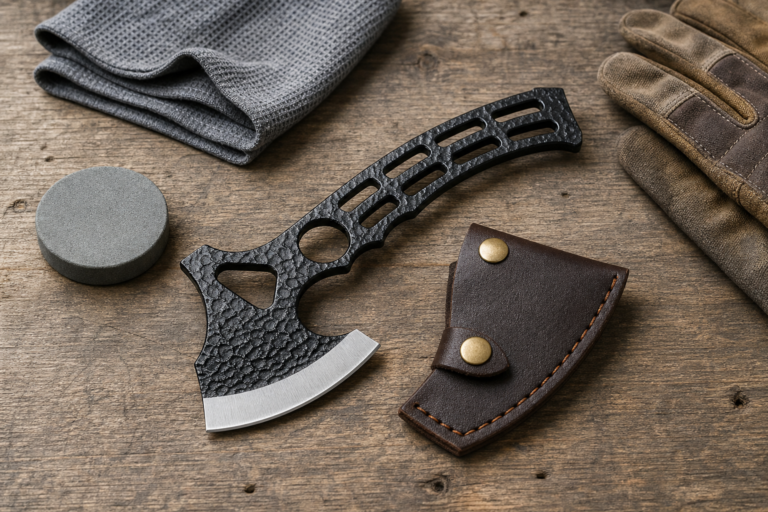
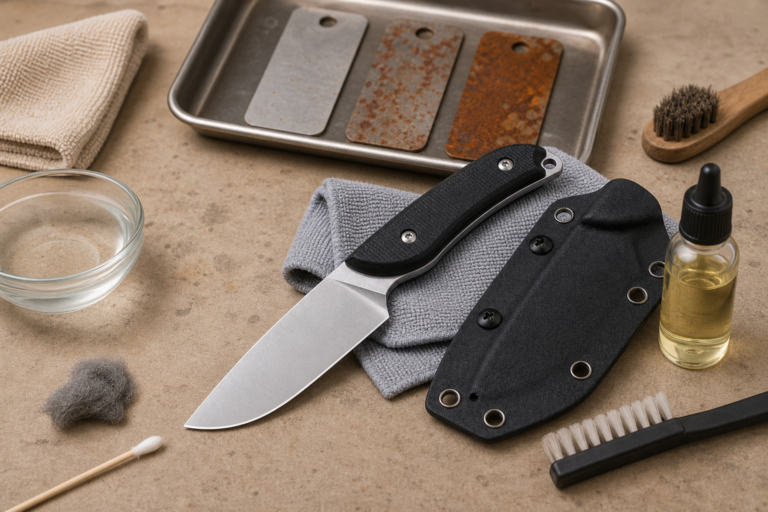
A black blade can look strong online but fail in use. Poor coating choice can create scratches, rust complaints, and return risk. Knife buyers should choose blade coatings by matching coating type, blade steel, heat treatment, surface preparation, corrosion target, wear target, color requirement, food-contact concern, cost, and inspection method to the knife's real use […]

How Should Knife Buyers Source FRN Handles for OEM Knife Projects?

FRN handles can lower cost and weight, but a weak specification creates warping, rough texture, poor screw fit, and cheap hand feel. Knife buyers should source FRN handles by defining the nylon grade, glass-fiber content, mold design, wall thickness, ribs, texture, color, hardware fit, moisture control, inspection rules, and target market before tooling starts. Quick […]

How Should Knife Buyers Evaluate Richlite Knife Scales for OEM Projects in 2026?

Richlite looks simple, warm, and modern. But if buyers treat it like G10, wood, or plastic, the final handle can miss expectations. Knife buyers should evaluate Richlite knife scales by material structure, surface look, patina, machining behavior, edge comfort, screw fit, moisture resistance, sustainability documentation, cost position, and production repeatability before approving it for OEM […]

How Should Knife Buyers Specify G10 Handles for Durable OEM Knife Grips?

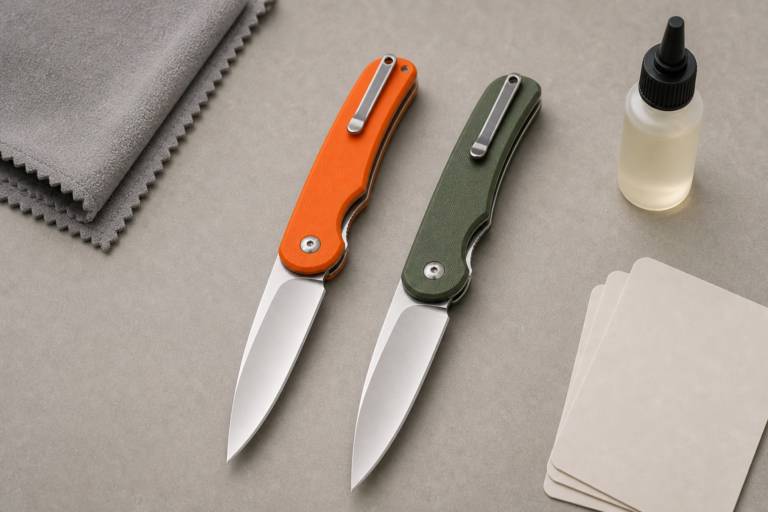
A G10 handle can feel strong but still disappoint buyers. Poor texture, rough edges, or bad fit can turn durability into complaints. Knife buyers should specify G10 handles by grade, thickness, texture, color, machining tolerance, edge finishing, screw fit, grip comfort, dust-control expectations, and final inspection standards. This turns "durable grip" into a manufacturable OEM […]

How Should Knife Buyers Specify Grivory Handle Material for OEM Production?

Grivory can make a knife handle lighter and easier to mold. But if buyers treat it as generic plastic, problems appear fast. Grivory handle material should be specified by exact grade, reinforcement, molding structure, wall thickness, screw support, texture, color, surface quality, moisture and heat expectations, and QC standard. It works best when the knife […]

How Should Knife Buyers Choose Between Boltaron and Kydex Sheath Materials?

A knife sheath can fail quietly. Poor retention, weak forming, or bad fit can damage the whole product after shipment. Boltaron and Kydex are both thermoformable sheet materials used for molded sheaths and holsters. Buyers should choose by sheath design, retention need, sheet grade, thickness, forming temperature, impact resistance, color and texture options, chemical exposure, […]

How Should Knife Buyers Specify Carbon Fiber Knife Scales for OEM Production?

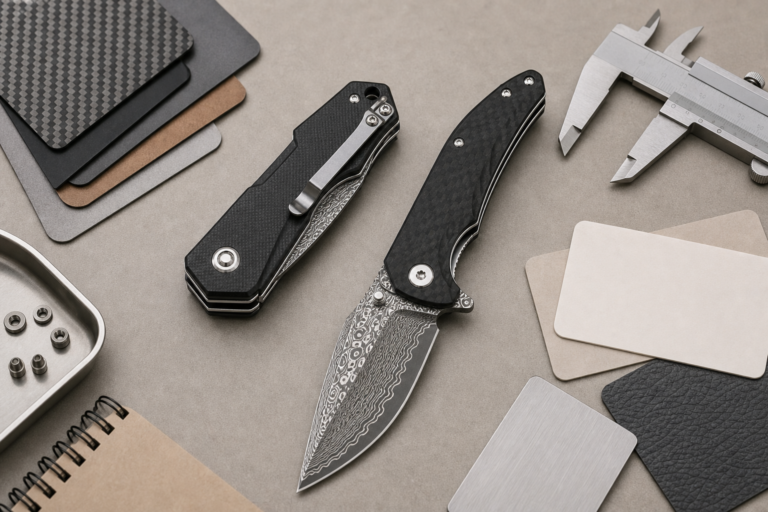
Carbon fiber can make a knife look premium fast. But if buyers only chase the weave, production problems can follow. Carbon fiber knife scales should be specified by construction, sheet quality, thickness, weave direction, surface finish, edge treatment, screw support, texture, cosmetic standard, and inspection method. A good specification turns carbon fiber from a visual […]