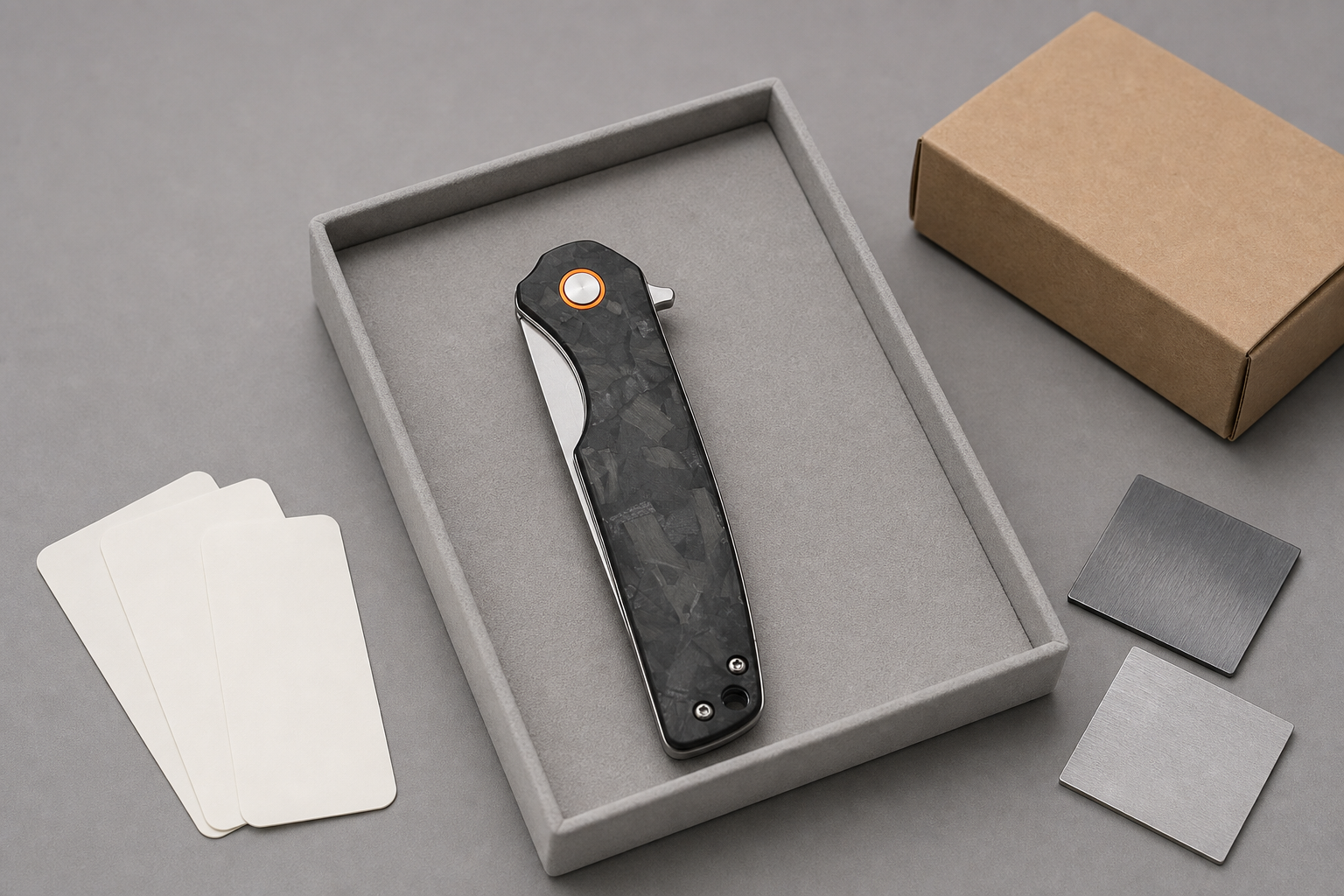
An EDC folding knife can be useful, but the wrong type can feel unsafe, bulky, or poorly matched to the market.
Buyers should choose an EDC folding knife type by defining the user, daily tasks, carry environment, blade size, lock style, opening method, handle material, safety wording, target price, and quality standard. The best EDC folder is practical, comfortable, legal to position responsibly, and repeatable in production.
Quick buyer brief:
- Answer: A suitable EDC folding knife is usually built for common utility tasks such as opening packaging, cutting cord, preparing small materials, and supporting outdoor or work routines. It should not be positioned with aggressive or self-defense language.
- Buyer context: This guide is for knife brands, EDC brands, outdoor gear brands, importers, wholesalers, distributors, private label buyers, and sourcing managers.
- Key checks: Target user, use scenario, blade length, blade shape, blade steel, heat treatment, lock type, opening method, handle material, pocket clip, closed safety, packaging, care instructions, MOQ, target price, and QC checklist.
Developing a folding knife line for your brand?
Vast State supports OEM/ODM folding knife projects, including blade steel, lock structure, handle material, finish, logo method, packaging, and quality inspection planning.
When I work on an EDC folding knife project, I do not start by asking which knife looks coolest. I start by asking what the user will actually cut, where the knife will be carried, how the buyer will sell it, and what price level the product must reach. Everyday carry is not only about a knife being small. It is about the user trusting the knife enough to carry it often.
Why Do Users Carry EDC Folding Knives?
Some product briefs make EDC knives sound dramatic. That usually leads to poor positioning and unnecessary market risk.
Users carry EDC folding knives because compact cutting tools help with repeated daily utility tasks. Buyers should position them around practical use, convenience, safe storage, and responsible handling.
I Keep the Use Case Practical
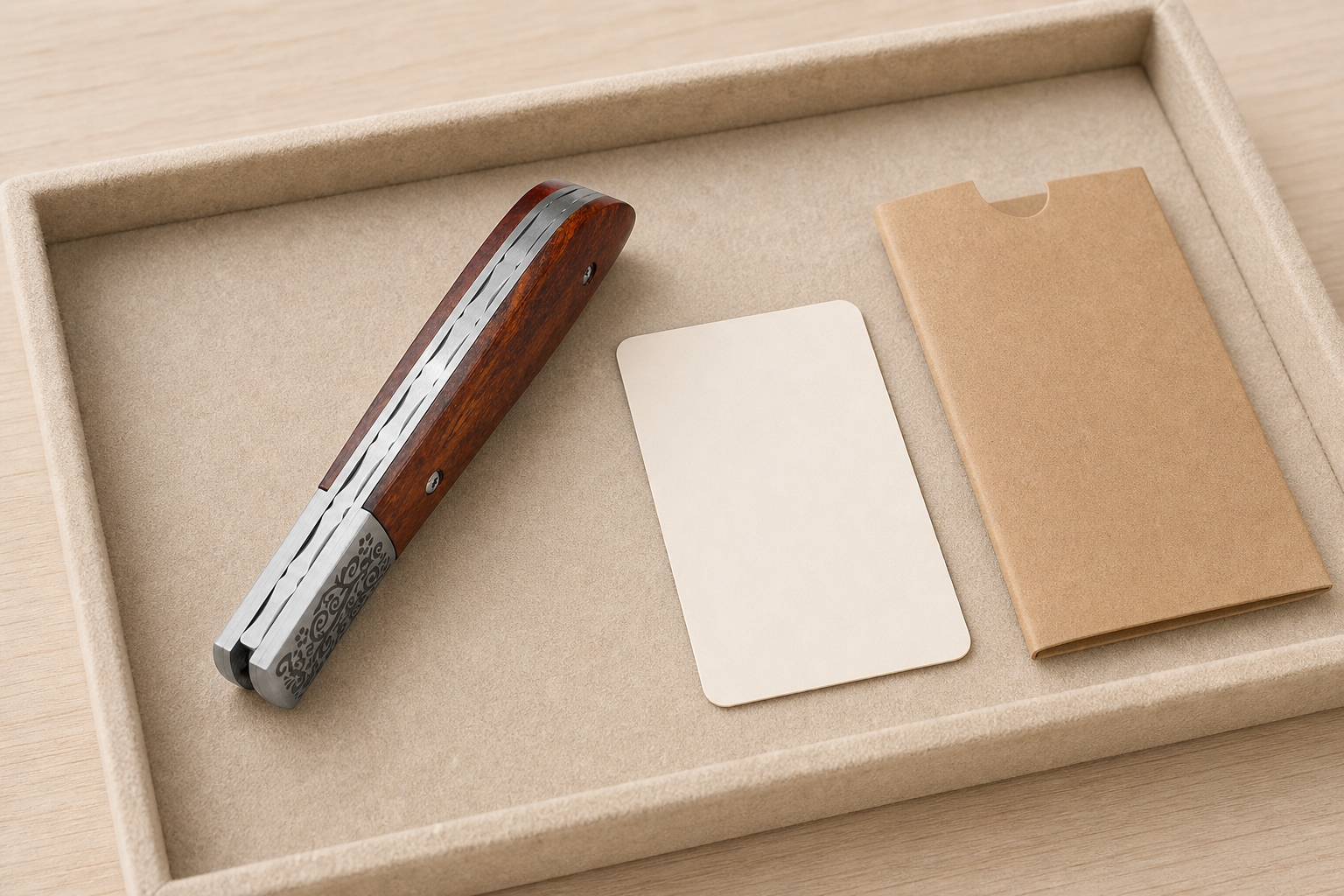
EDC means everyday carry. For folding knives, that usually means daily cutting tasks. The user may open boxes, cut tape, trim cord, prepare packaging, make small outdoor cuts, or handle simple utility work. The product should support those tasks clearly. I avoid positioning an EDC folding knife as a weapon or as a product for intimidation. That type of language can damage sales channels and create the wrong expectation.
The CCOHS guidance on sharp blades or edges reminds users to use the right tool, inspect tools before use, and handle sharp edges carefully. This is exactly the tone I prefer for EDC knife product development. A folding knife can be useful, but it still needs proper handling, storage, and maintenance.
Buyers should also understand that the reason for carry affects the knife type. A small office-friendly utility folder is different from an outdoor pocket folder. A work-focused knife may need stronger grip and easier cleaning. A premium EDC knife may need better materials, tighter action, and more refined finishing.
| User need | Product direction | Buyer caution |
|---|---|---|
| Package opening | Compact utility folder | Avoid overly aggressive styling |
| Outdoor utility | Better grip and corrosion resistance | Match materials to environment |
| Work tasks | Durable handle and easy access | Define task level honestly |
| Private label EDC | Balanced design and packaging | Keep claims practical |
OEM/ODM RFQ Checklist
Prepare these details to help Vast State review your project and provide a more accurate quotation.
| RFQ Field | What to Prepare |
|---|---|
| Project type | OEM from drawing / ODM private label / wholesale catalog |
| Product category | Folding knife / fixed blade / multi-tool / outdoor tool |
| Design status | Idea / sketch / 2D drawing / 3D CAD / physical sample |
| Target price | Ex-factory target price or retail price range |
| MOQ expectation | 500 / 1,000 / 3,000 / 5,000+ pcs |
| Logo method | Laser engraving / etching / printing / molded logo |
| Packaging | Standard packaging / custom retail box / Amazon-ready |
| Market | USA / EU / Japan / Korea / Middle East / other |
| Compliance needs | Buyer-specified testing / documentation / labeling |
| Timeline | Sample deadline / mass production deadline |
How Should Buyers Define the Target EDC User?
A knife for everyone often becomes a knife for no clear market. The design needs a real user.
Buyers should define the target EDC user by daily task, carry location, hand comfort, market channel, price range, and brand positioning before choosing the knife type.
I Connect the User to the Product Structure
The ISO page for ISO 9241-11:2018 describes usability as a framework connected to users, goals, and context. I use that idea in knife development. A knife is not good in a general sense. It is good when it helps the intended user complete intended tasks in the intended context.
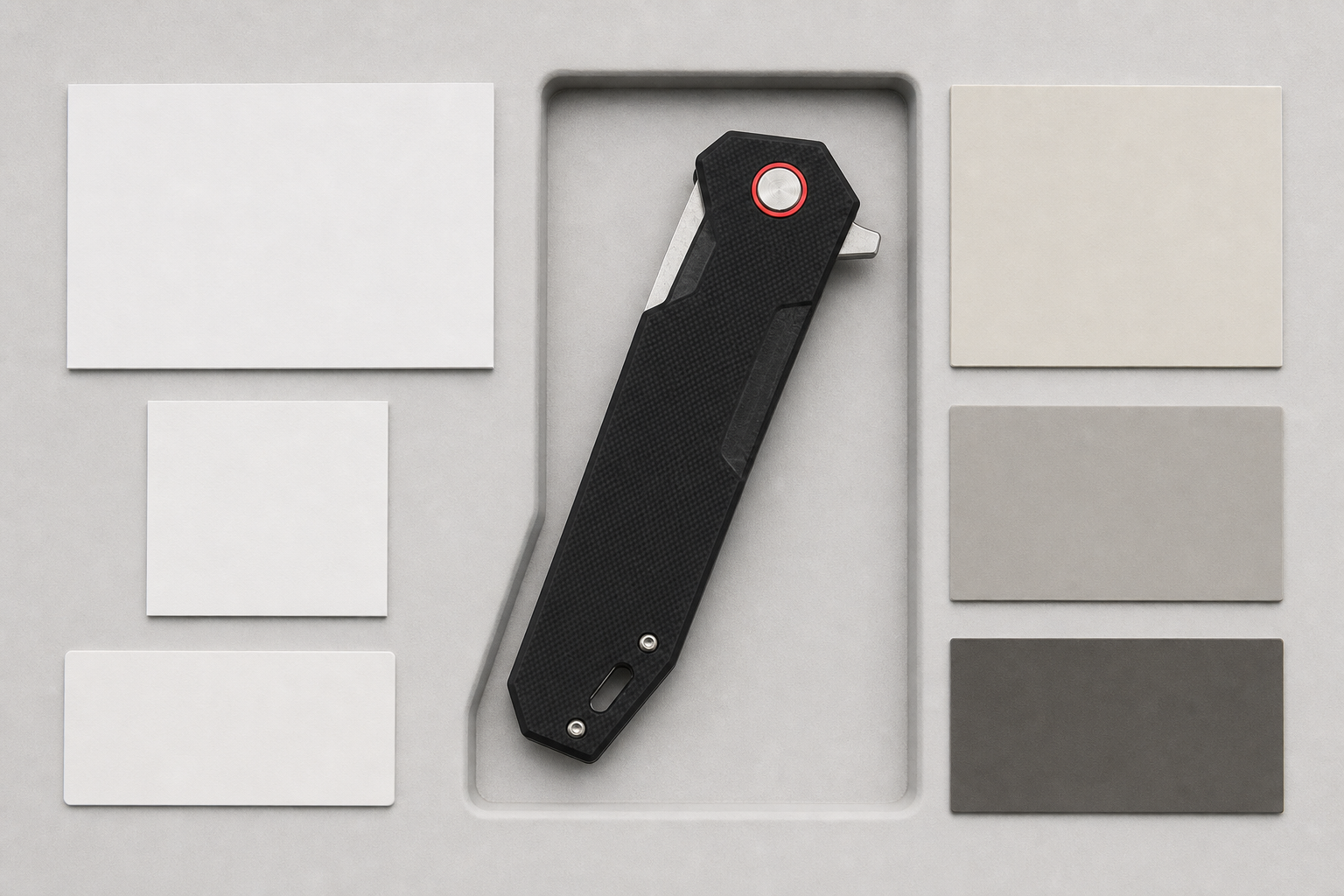
For example, an urban EDC buyer may want a slim knife with a modest blade length, clean finish, and low pocket weight. An outdoor buyer may want a stronger handle texture, corrosion-resistant steel, and a blade shape that works for camp utility. A workwear or warehouse buyer may want fast access, simple cleaning, and a durable clip. A gift or private label buyer may need a balanced product that looks good in packaging but still performs.
The target user also controls risk. If a buyer plans to sell through broad retail channels, the knife should look practical and responsible. If the buyer sells to outdoor users, technical details may matter more. If the buyer sells by price, we must avoid expensive features that do not help the user.
| Target user | Main need | Development focus |
|---|---|---|
| Urban EDC user | Slim carry and simple utility | Weight, clip, modest blade shape |
| Outdoor user | Grip and material durability | Handle texture and corrosion resistance |
| Work user | Reliable repeated cutting | Edge geometry and easy access |
| Private label buyer | Sellable value | Packaging, logo, and stable cost |
Which EDC Folding Knife Types Fit Different Projects?
Many buyers ask for an EDC knife without naming the type. That makes pricing and development unclear.
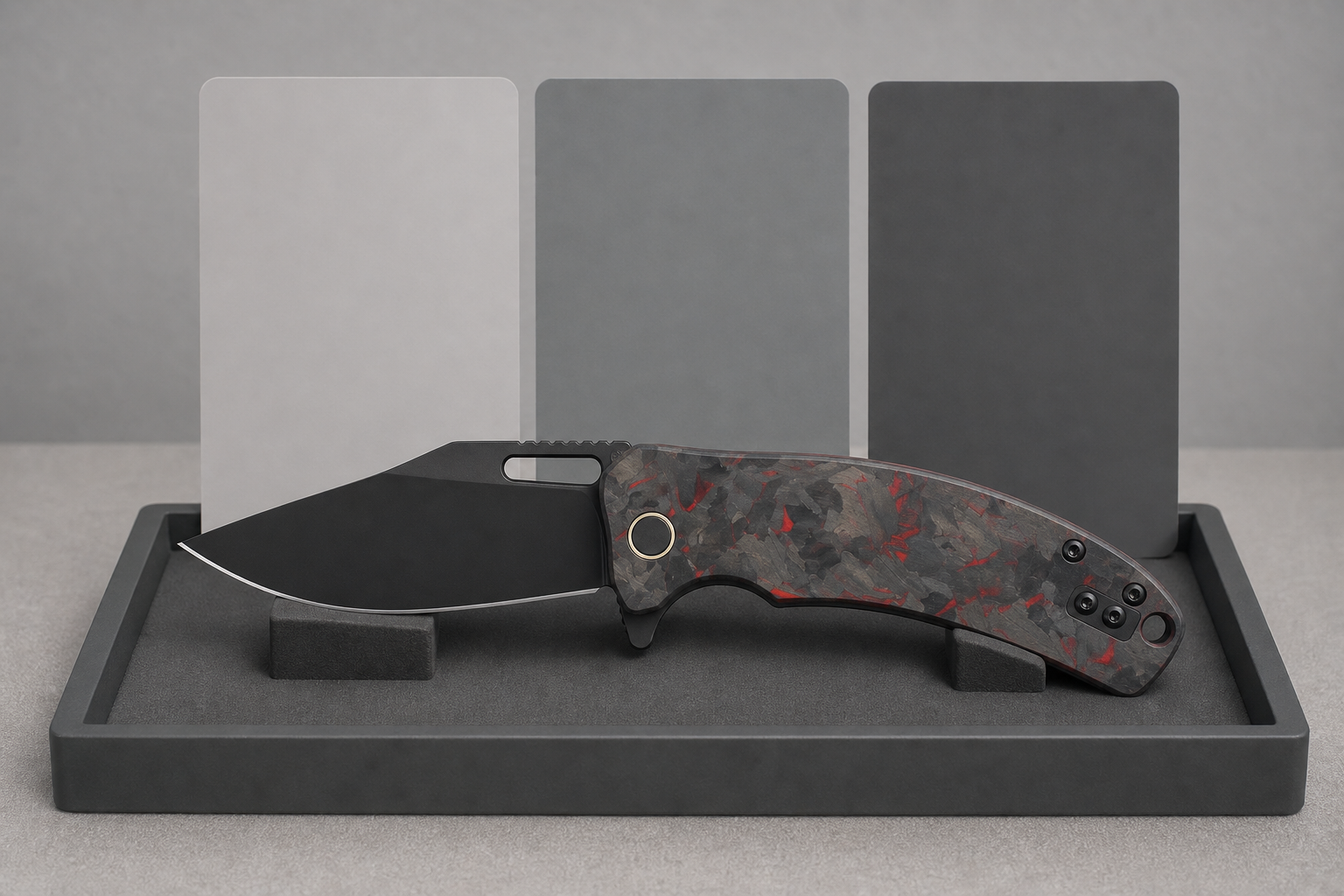
Common EDC folding knife types include compact utility folders, slim pocket folders, outdoor EDC folders, work-oriented folders, slip-joint folders, and higher-tier private label folders.
I Treat Knife Type as a Commercial Decision
An EDC folding knife type is not only a shape decision. It is a market decision. A compact utility folder may be good for broad everyday use because it feels simple and approachable. A slim pocket folder may fit urban carry. An outdoor EDC folder may use more grip, stronger clip, and more corrosion-resistant materials. A work-oriented folder may need a practical blade shape and a handle that can handle repeated use.
Slip-joint folders can be useful when buyers want a simpler, traditional, or lower-mechanism design. They may also fit some markets where non-locking knives are easier to position, though buyers must confirm local rules. Locking folders can offer more confidence in use, but they need more careful market review, assembly control, and safety wording.
Higher-tier private label folders usually need more refined action, better handle materials, tighter finishing, and packaging that supports the product value. Budget EDC folders need simpler structures, controlled materials, and clear QC so the product does not feel cheap.
| Knife type | Best fit | Main trade-off |
|---|---|---|
| Compact utility folder | Broad daily tasks | Limited heavy-duty use |
| Slim pocket folder | Urban EDC | Less grip or leverage |
| Outdoor EDC folder | Camping and outdoor utility | Larger size and higher cost |
| Slip-joint folder | Simple, traditional, discreet carry | No lock confidence |
| Work-oriented folder | Repeated practical cutting | Must avoid overclaiming strength |
How Should Blade Size and Shape Be Selected?
A blade that looks impressive may not be the best EDC blade. Daily use rewards control.
Blade size and shape should be selected by cutting task, carry comfort, local market expectations, edge control, sharpening needs, appearance, and cost target.
I Prefer Usable Geometry Over Dramatic Shape
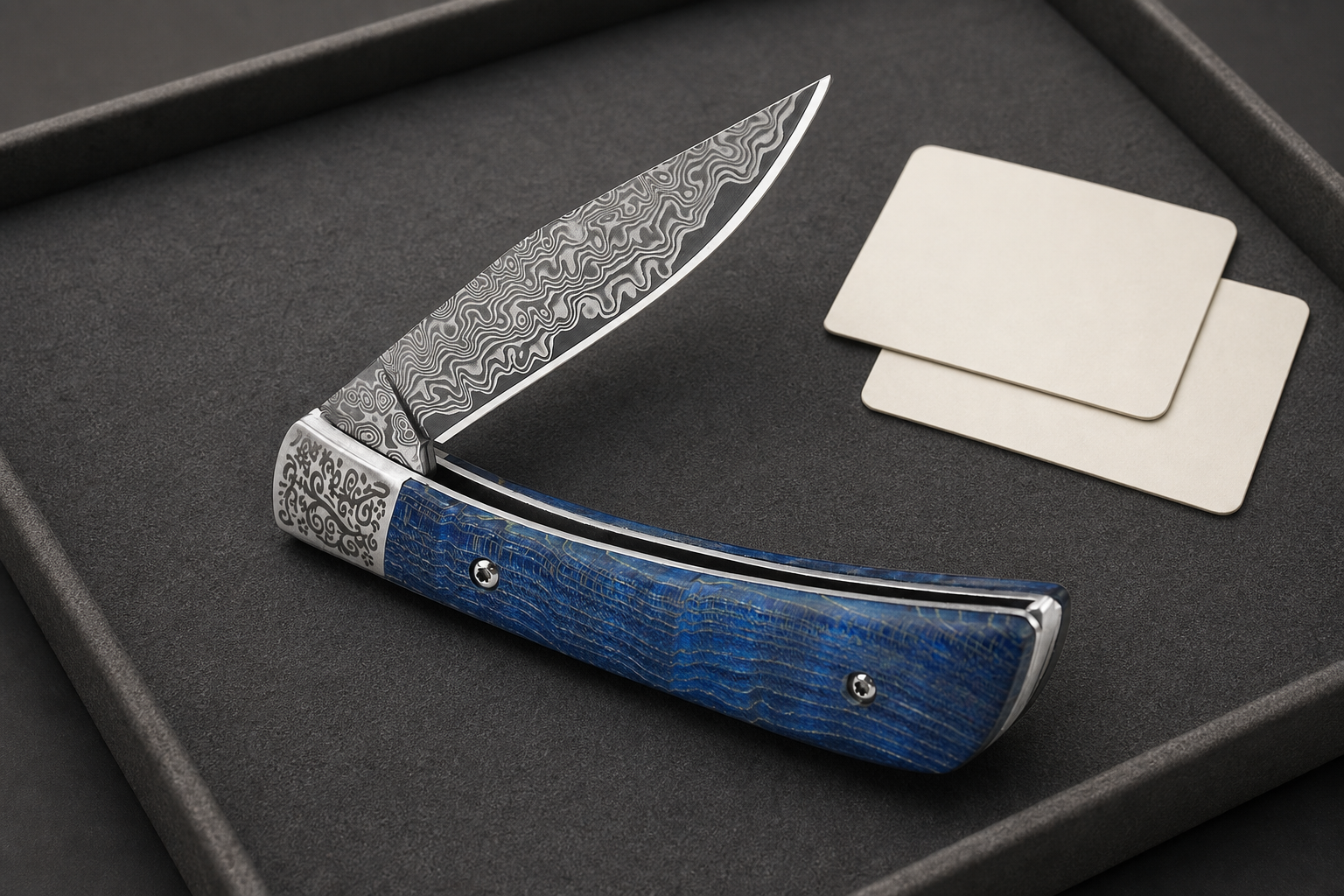
For most EDC projects, I prefer blade shapes that are easy to understand and easy to control. A drop point can work well for broad utility. A sheepsfoot or modified utility shape can look less aggressive and support package opening. A clip point may appeal to some buyers, but the point geometry should match the intended use. Very unusual blade shapes can create manufacturing issues and may confuse the market.
Blade length also needs careful planning. A longer blade may look more capable, but it can make the knife heavier and may create more market restrictions. A shorter blade may be easier to carry, but it must still be useful. Buyers should confirm target-market rules before finalizing blade length, lock type, and opening method.
The blade should also close safely into the handle. Tip containment, edge clearance, stop pin position, and blade centering matter. A good EDC folder should not only cut well. It should carry safely in the closed position and feel controlled during opening and closing.
| Blade choice | Practical benefit | Buyer check |
|---|---|---|
| Drop point | General utility | Avoid oversized profile |
| Sheepsfoot | Controlled cutting and milder look | Tip and edge geometry |
| Utility style | Package and work tasks | Edge durability |
| Compact blade | Easier carry | Still enough cutting length |
How Should Lock Type and Opening Method Be Chosen?
A lock or opener can improve use, but it can also raise cost, assembly needs, and market concerns.
Lock type and opening method should be chosen by user confidence, market rules, assembly stability, safety wording, hand feel, target price, and brand positioning.
I Balance Confidence With Responsibility
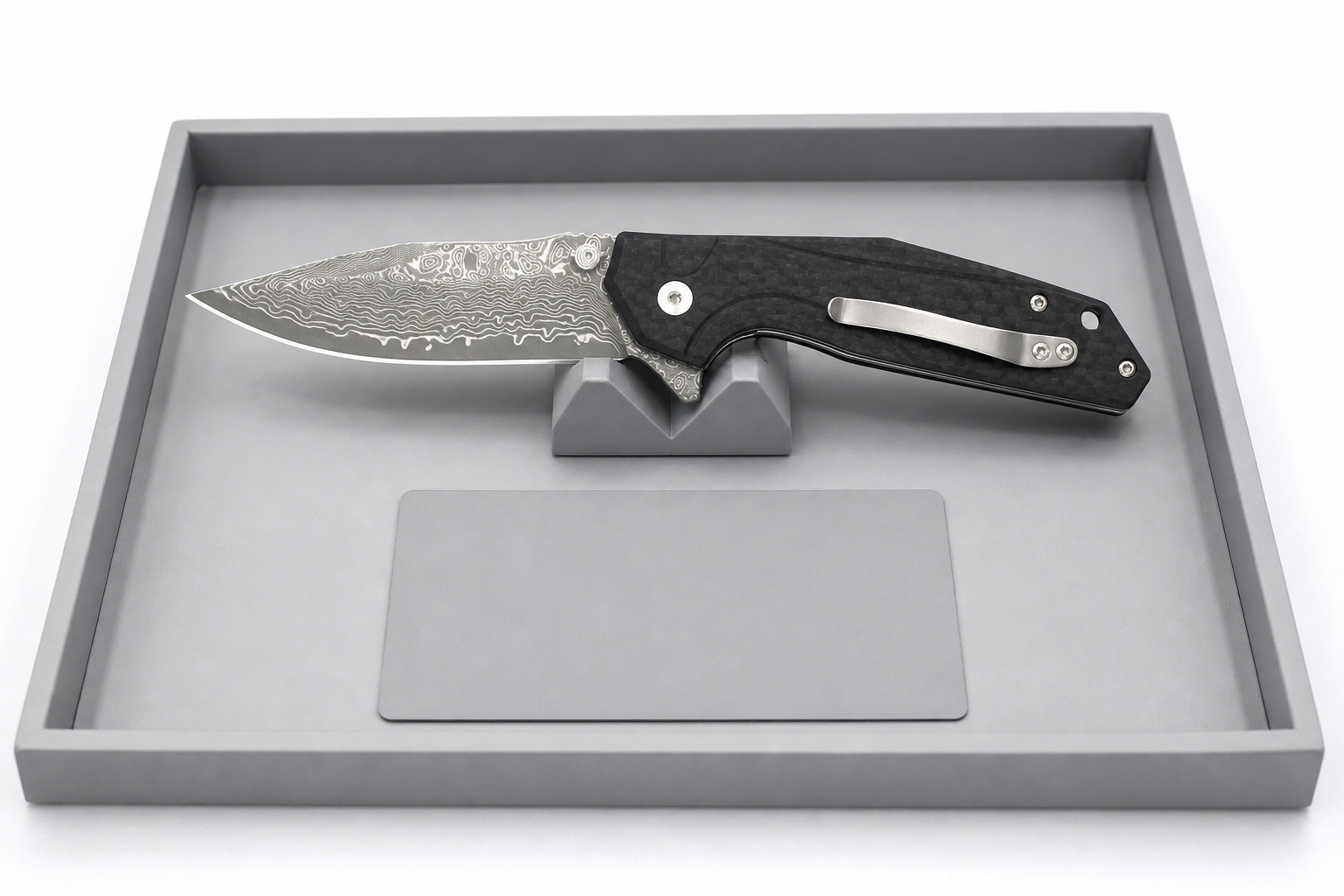
Common folding knife mechanisms include liner locks, frame locks, back locks, button locks, crossbar-style locks, and slip joints. Each one has a different cost, feel, and assembly need. A liner lock can be familiar and cost-efficient, but lock engagement needs stable control. A frame lock can feel strong, but it may require more precise handle material planning. A back lock can feel traditional and secure, but it changes handle structure. A slip joint can be simpler and less aggressive, but users must understand that it is not a locking knife.
Opening method also matters. A nail nick can feel traditional and calm. A thumb stud gives faster access. A flipper can feel smooth, but it may change market perception and add mechanical expectations. Buyers should be careful with language around fast opening. It is better to describe access clearly and responsibly than to overpromote speed.
During sampling, I test lockup, release feel, blade play, centering, and closing safety. The user does not see the tolerance stack, but the user feels it immediately.
| Mechanism choice | Buyer benefit | Production focus |
|---|---|---|
| Liner lock | Familiar EDC structure | Lock engagement and liner tension |
| Back lock | Secure traditional feel | Lock fit and release comfort |
| Slip joint | Simpler, discreet positioning | Spring strength and clear wording |
| Thumb stud or nail nick | Access choice | Market fit and hand feel |
What Steel, Heat Treatment, and Edge Choices Matter?
Steel names can attract buyers, but poor heat treatment can still ruin performance.
Steel, heat treatment, and edge geometry should match the target price, corrosion need, sharpening expectation, hardness range, cutting task, and production consistency.
I Treat Steel as Part of a System
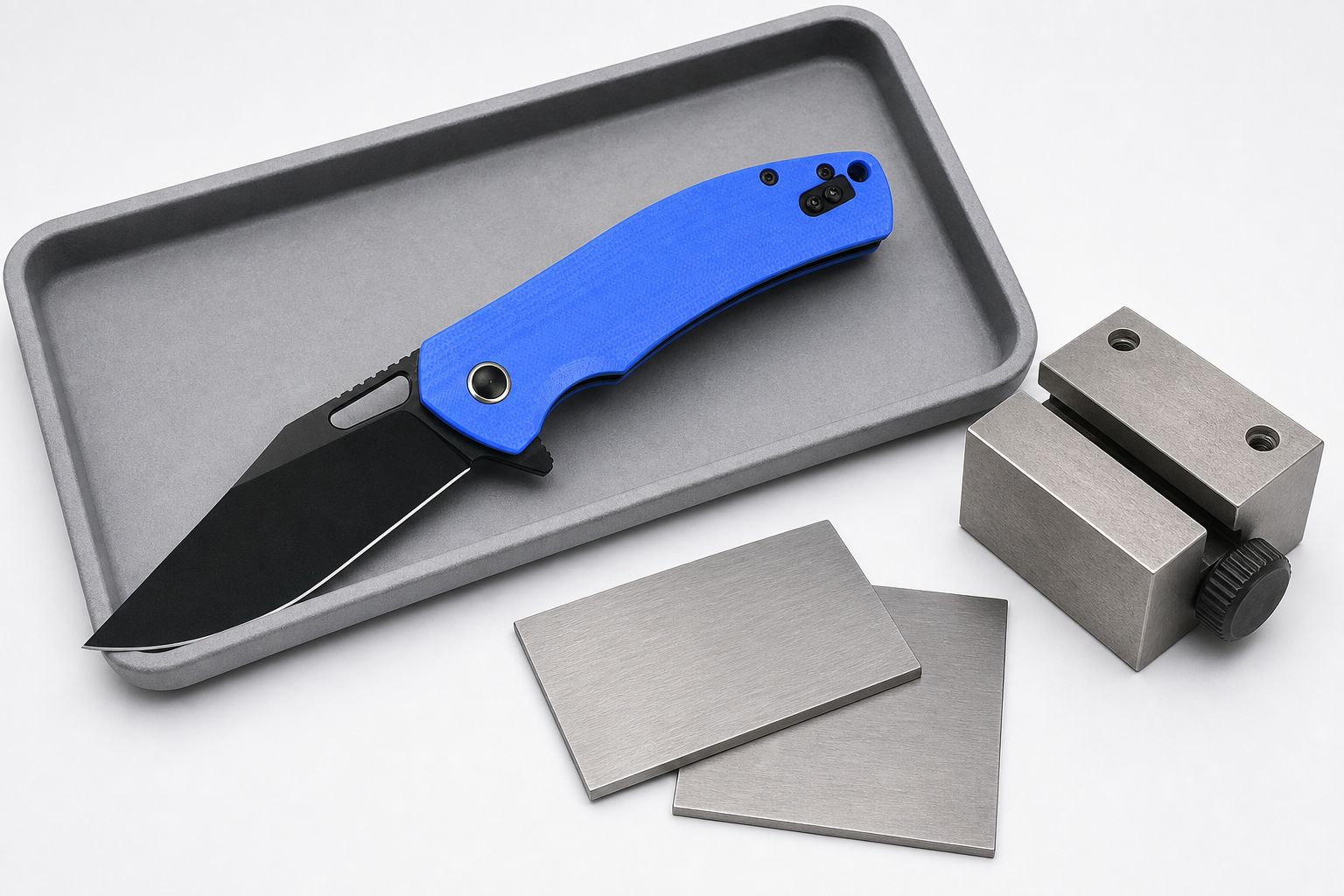
For EDC folding knives, blade steel should fit the product level. Some buyers need good corrosion resistance because the knife may meet sweat, humidity, outdoor use, or pocket carry. Some buyers need easier sharpening. Some buyers want better edge retention. Some buyers need cost control above all. No steel solves every problem.
Alleima describes 14C28N knife steel as a knife steel with useful hardness, edge performance, and corrosion resistance. I use this kind of source to explain that steel choice should be tied to application, not just marketing. A practical EDC folder may use different steels depending on price range and market.
Heat treatment is just as important. A blade that is too soft may lose edge performance too quickly. A blade that is too hard for its geometry may chip. The NIST guide on Rockwell hardness measurement explains why good measurement practice matters when hardness tolerances are important. For B2B orders, stable hardness protects consistency across batches.
| Decision | Why it matters | Buyer question |
|---|---|---|
| Steel grade | Cost, corrosion, edge behavior | What market tier is this? |
| Heat treatment | Real blade performance | What hardness range is targeted? |
| Edge geometry | Cutting feel and durability | What materials will users cut? |
| Finish | Appearance and corrosion support | Satin, stonewash, coating, or polish? |
How Should Handle Material and Ergonomics Be Planned?
A good blade can still fail if the handle feels slippery, sharp, or cheap.
Handle material and ergonomics should be planned by grip need, carry comfort, weight, texture, finish, brand style, machining cost, and assembly stability.
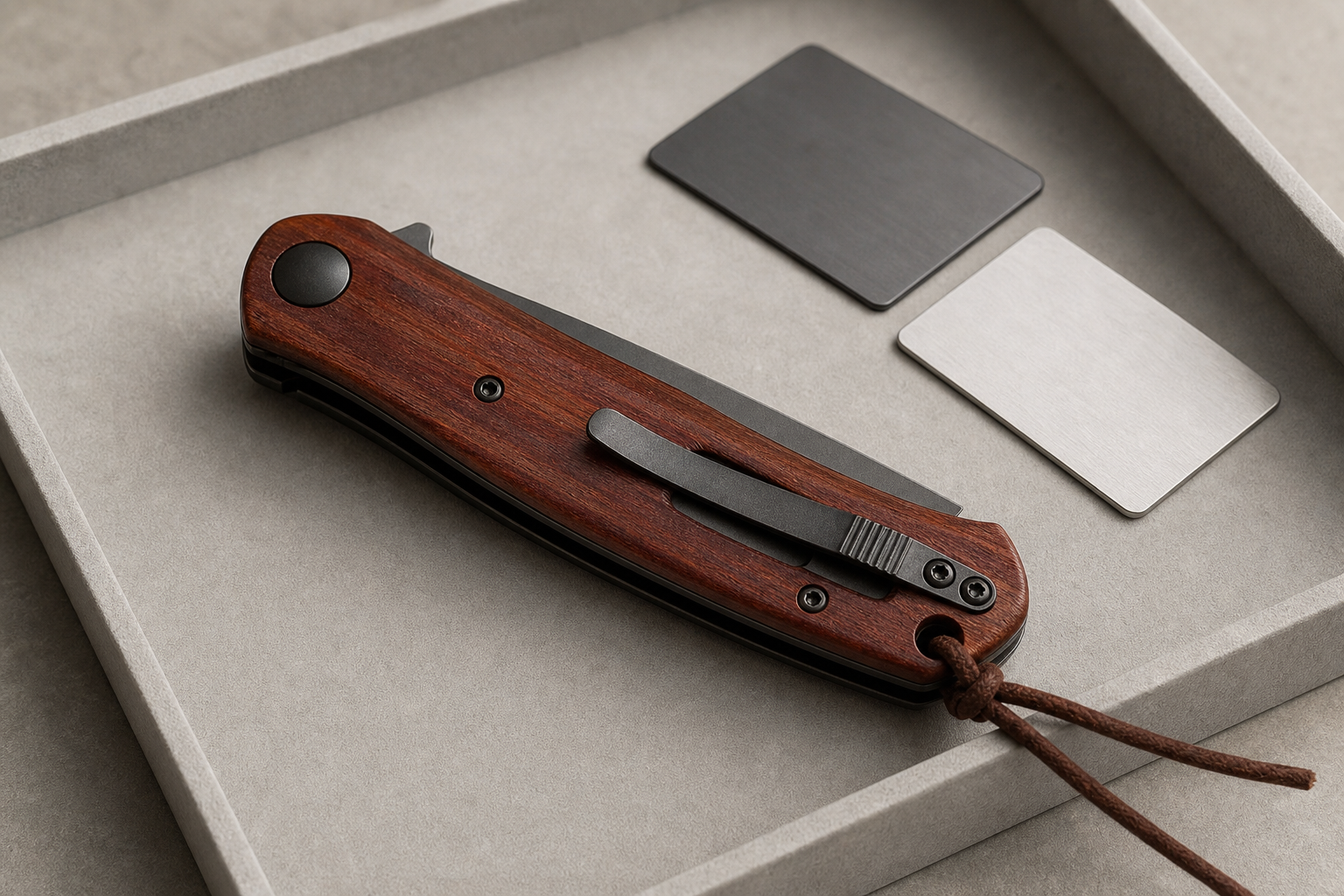
I Design the Handle for Carry and Cutting
The handle has two jobs. It must carry comfortably when the knife is closed, and it must feel controlled when the knife is open. A thick handle may feel strong but may be uncomfortable in pocket carry. A thin handle may carry well but may not give enough grip. A very aggressive texture may support outdoor use but may damage pocket fabric or feel rough for urban EDC.
Common handle choices include stainless steel, aluminum, G10, micarta, wood, plastic, and composite structures. Stainless steel can feel strong but adds weight. Aluminum can reduce weight and support color. G10 can give grip and stability. Wood can support a warmer style, but it needs moisture and consistency consideration. Plastic can help budget projects, but it must not feel weak.
Ergonomic details matter: edge chamfer, finger space, clip placement, screw position, lock access, and closed profile. A pocket clip can help carry, but it can also create a hot spot during use. I always recommend holding real samples because hand feel cannot be fully judged from drawings.
| Handle choice | Main benefit | Watch point |
|---|---|---|
| G10 | Grip and stability | Machining dust and finish |
| Aluminum | Light and modern | Surface wear and color control |
| Stainless steel | Strength and clean style | Weight |
| Wood or micarta | Warm or premium look | Natural variation |
What Carry Details Make an EDC Folder More Useful?
Small carry details often decide whether users keep the knife in daily rotation.
Carry details include pocket clip position, lanyard hole, closed thickness, smooth outer edges, screw security, tip containment, pouch option, and packaging instructions.
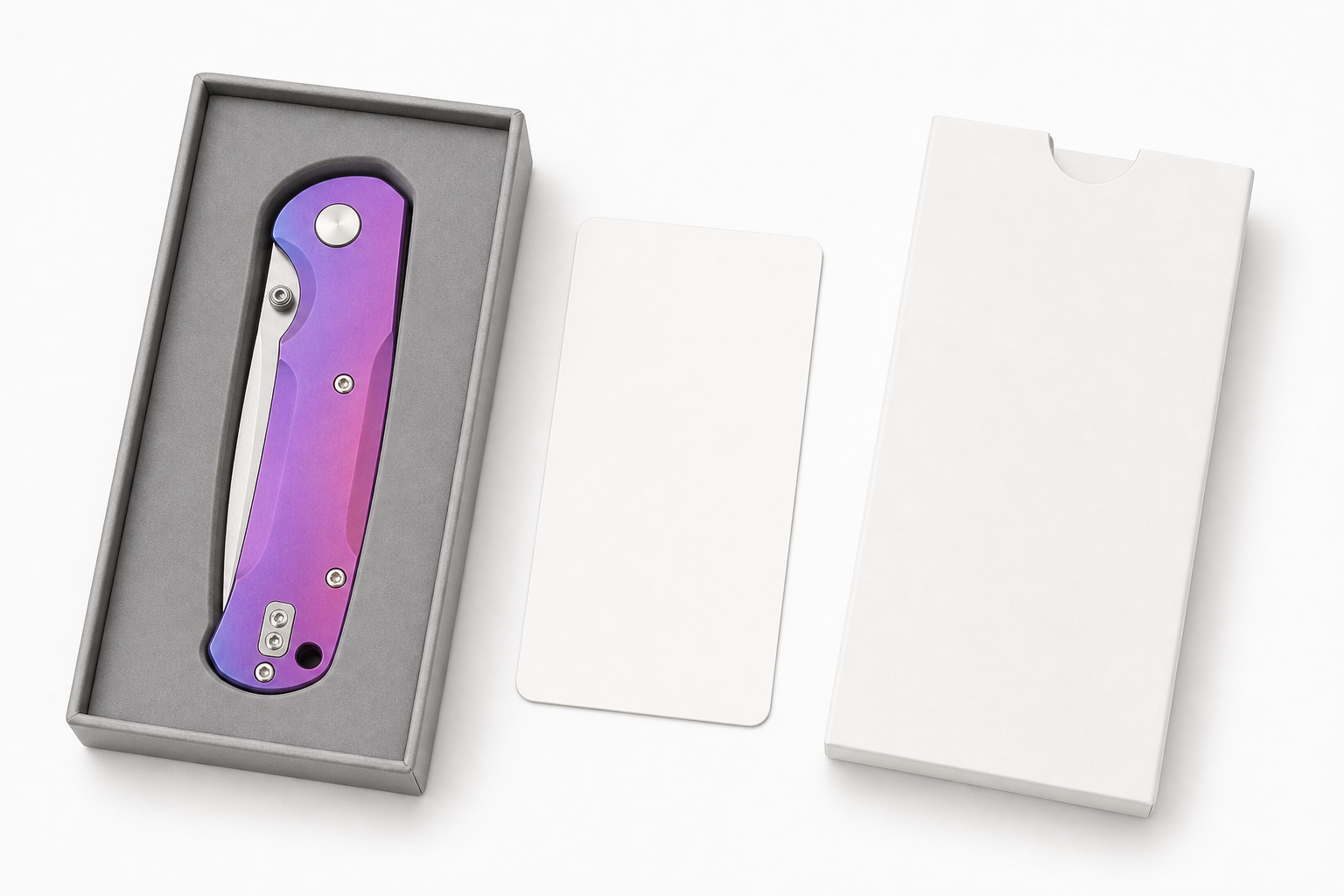
I See Carry as a Daily Experience
The user carries the knife more than the user cuts with it. That is why carry details deserve attention. A pocket clip should hold well without being too stiff. The clip screws should be secure. The clip should match right-hand, left-hand, tip-up, or tip-down expectations when the buyer requires those options. A lanyard hole can help outdoor users, but it should not create weak structure or awkward styling.
The closed knife should also be safe and comfortable. The blade tip should be contained inside the handle. The edge should not contact spacers or liners. The spine should not snag. Handle corners should not feel sharp. If the knife includes a pouch, the pouch should match the product level and protect the knife from scratches during shipping and storage.
Buyers sometimes treat clip and pouch as minor accessories. I see them as part of the product experience. A good clip can make the knife feel useful every day. A poor clip can make the user stop carrying it.
| Carry detail | User result | Buyer check |
|---|---|---|
| Pocket clip | Easy daily carry | Retention and comfort |
| Lanyard hole | Outdoor handling option | Placement and strength |
| Closed profile | Pocket comfort | Smooth edges and tip safety |
| Pouch | Added value | Fit, stitching, and protection |
How Should Buyers Plan Safety Wording and Market Fit?
Good products can still create trouble when packaging uses the wrong words or ignores market requirements.
Buyers should plan safety wording and market fit by checking blade length, lock type, opening method, sharp-edge warnings, storage guidance, age guidance, and target sales channels.
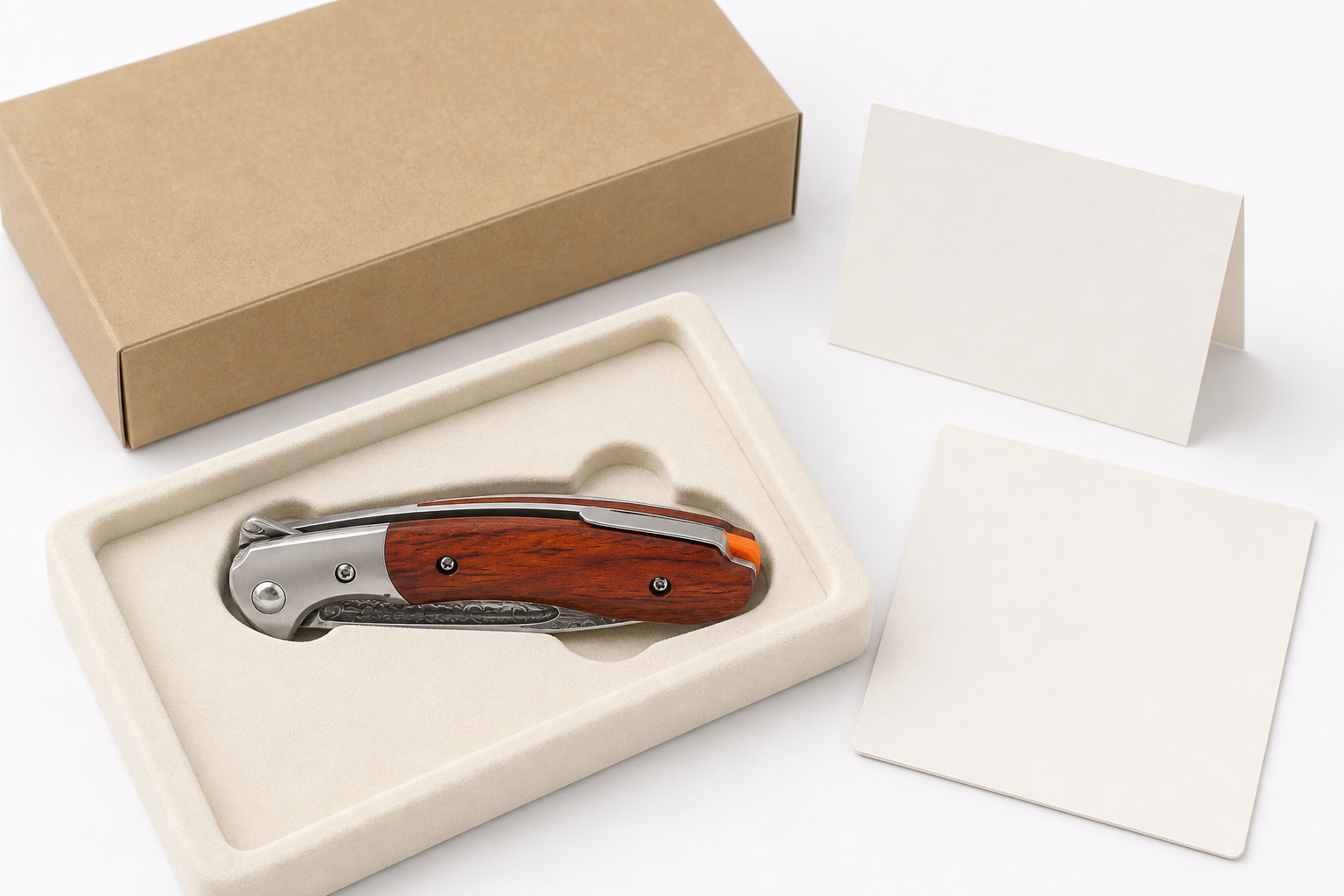
I Keep Product Language Clean and Responsible
For EDC folding knives, wording matters. I recommend practical terms such as everyday utility, package opening, outdoor cutting, camping support, work utility, and compact carry. I avoid aggressive words and self-defense positioning. This keeps the product closer to real use and helps buyers present it more responsibly.
Market fit also needs early review. Knife rules can vary by country, region, platform, and channel. Blade length, locking mechanism, opening method, and carry style can matter. I do not treat this as legal advice, but I do tell buyers to check target-market requirements before final design approval.
Safety wording should be simple. It can cover sharp edges, safe opening and closing, cutting away from the body, storage away from children, dry storage, cleaning, and inspection before use. The CCOHS general hand tool operation guidance supports the idea that users should choose the right tool, use tools correctly, and keep tools clean and dry.
| Wording area | Why it matters | Buyer action |
|---|---|---|
| Use claim | Shapes buyer expectation | Keep it utility-focused |
| Sharp-edge warning | Reduces misuse risk | Add clear care card |
| Market rules | Protects sales channels | Confirm before production |
| Maintenance | Supports user experience | Include simple instructions |
What Quality Checks Protect EDC Folding Knife Orders?
One good sample does not guarantee a good batch. Folding knives need process control.
EDC folding knife QC should check materials, dimensions, blade hardness, grinding, lockup, blade centering, opening action, edge sharpness, surface finish, screw security, packaging, and batch consistency.
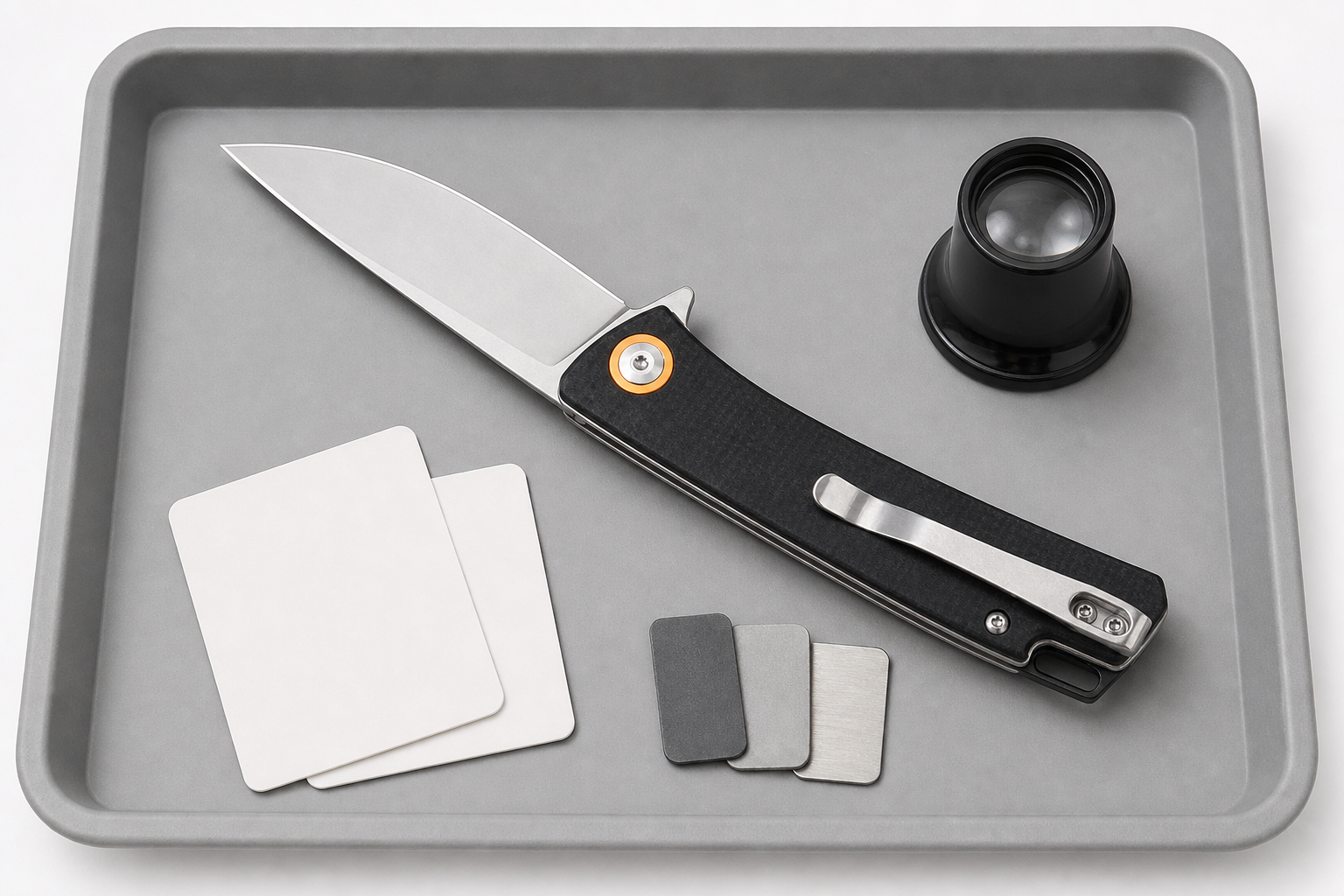
I Build QC Around the Folding Mechanism
Folding knives have moving relationships. The blade, pivot, washers or bearings, liners, scales, stop pin, lock surface, clip, screws, and backspacer all affect the final feel. If one detail is wrong, the user may feel blade play, poor centering, rough action, weak lockup, or unsafe closing.
ISO describes ISO 9001 as a quality management standard focused on customer expectations and a quality management system. I use that process mindset in OEM projects. QC should not wait until final inspection. It should start with material checks and continue through machining, heat treatment, finishing, assembly, and packaging.
For a B2B buyer, QC is also commercial protection. A batch with inconsistent action or finish can create returns and hurt repeat orders. I recommend creating boundary samples and an inspection checklist before mass production. The checklist should match the buyer's real product level, not a generic knife standard.
| QC stage | What I check | Why it matters |
|---|---|---|
| Incoming material | Steel, handle, hardware | Prevent weak inputs |
| In-process | Holes, grinding, hardness, finish | Catch problems early |
| Assembly | Centering, lockup, action, screws | Protect function and safety |
| Final | Sharpness, appearance, packaging | Support sellable product |
What Should Buyers Include in an EDC Folding Knife RFQ?
A vague RFQ creates slow pricing, wrong assumptions, and sample revisions.
An EDC folding knife RFQ should include target user, knife type, blade length, blade steel, lock type, opening method, handle material, finish, logo, packaging, MOQ, target price, market, and sample deadline.
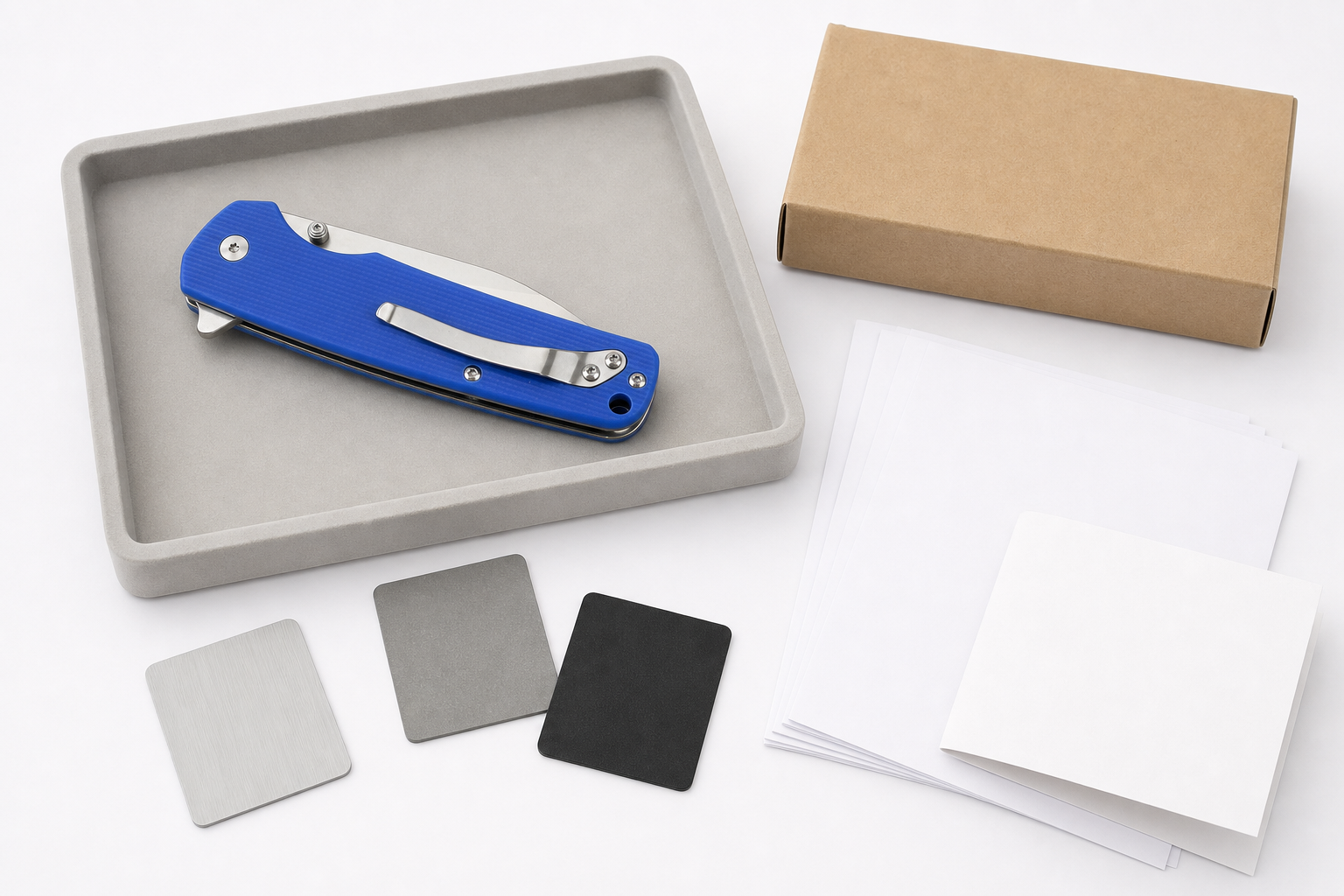
I Need the Product Logic Before I Quote Seriously
For OEM and ODM work, an RFQ is not just a request for price. It is a project brief. If the buyer only sends a photo, I still need many decisions before giving a useful answer. A better RFQ tells me the target user, market, price range, and expected product level.
The buyer should say whether the knife should be a compact utility folder, slim pocket folder, outdoor EDC folder, work folder, slip-joint folder, or higher-tier private label folder. The buyer should also provide blade length, blade shape preference, steel target, lock preference, opening method, handle material, clip requirement, finish, logo method, packaging, quantity, sample deadline, and any compliance concerns.
If the buyer has a target price, I can suggest realistic material and structure options. If the buyer has a finished design, I can check manufacturability. If the buyer only has a concept, I can help turn it into a practical product direction.
| RFQ item | Why it helps | Example |
|---|---|---|
| User and market | Guides design direction | Urban, outdoor, work, gift |
| Knife type | Defines structure | Slim, utility, outdoor, slip joint |
| Material and mechanism | Controls cost and feel | Steel, handle, lock, opener |
| Packaging and MOQ | Controls quotation | Box, pouch, quantity, deadline |
How Can Vast State Support EDC Folding Knife Development?
Buyers often need practical engineering feedback before they need a production quote.
Vast State supports EDC folding knife projects through concept review, material selection, lock and structure suggestions, prototype follow-up, finish options, packaging customization, and QC planning.
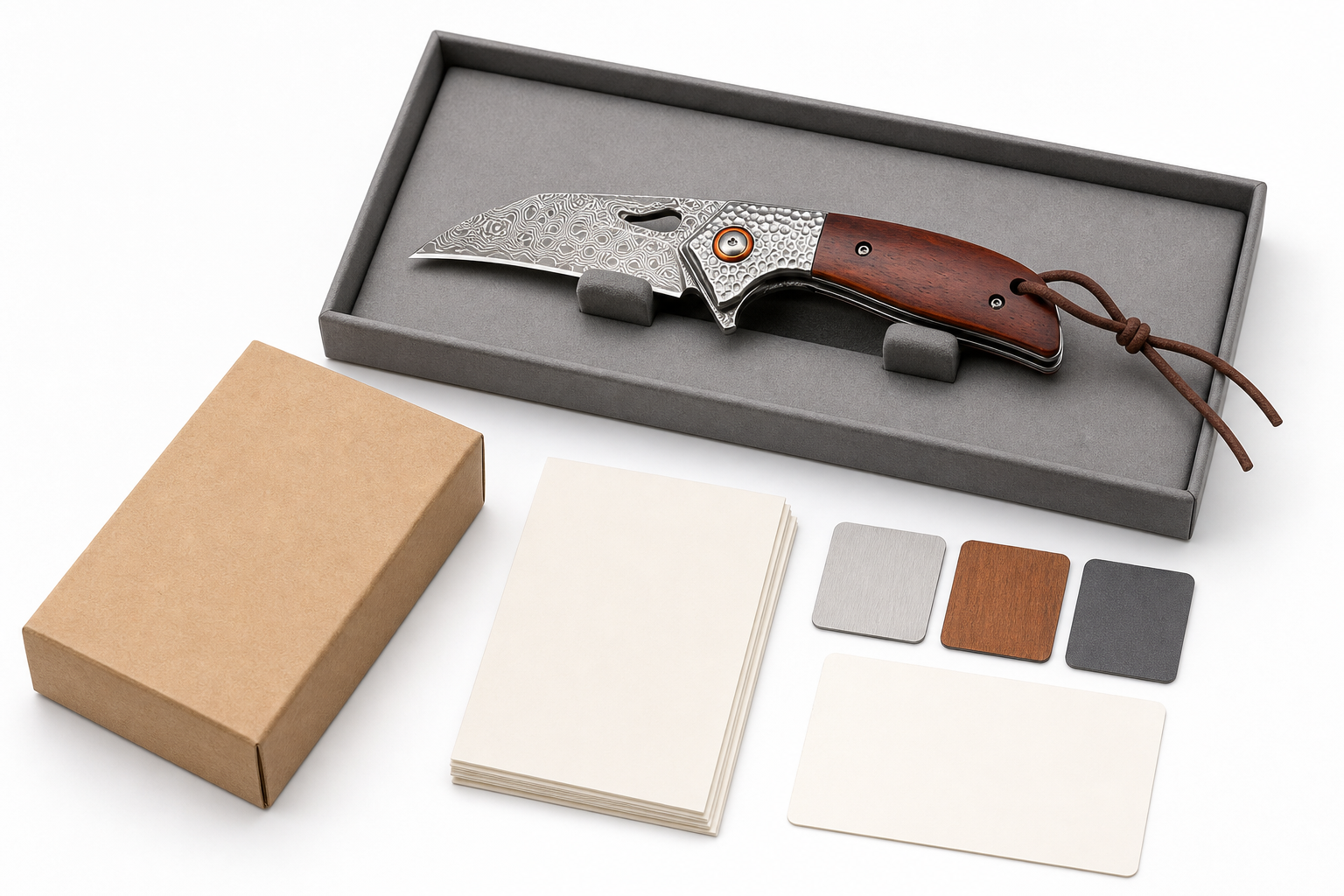
I Help Buyers Turn EDC Ideas Into Manufacturable Products
Vast State works with international B2B customers on folding knives, fixed blade knives, pocket knives, camping tools, rescue tools, and multi-tools. For EDC folding knives, I focus on making the product fit the buyer's market, price range, and brand position.
Some buyers already have a finished design. I can help review structure, material, finish, lock style, hardware, packaging, and production risk. Some buyers only have a rough idea or target price. I can help narrow the knife type and suggest a more manufacturable direction. This is important because a knife that looks good in a concept image may be too expensive, too thick, too hard to assemble, or not stable enough for repeat production.
My goal is not only to make a sample. My goal is to help the buyer create a product that can be produced consistently and sold with confidence. That means clear communication, practical engineering support, flexible customization, and reliable quality control.
| Support area | What I help with | Buyer benefit |
|---|---|---|
| Concept review | User, market, and knife type | Clear direction |
| Engineering feedback | Lock, pivot, handle, blade | Better manufacturability |
| Customization | Logo, finish, packaging | Stronger private label fit |
| Production follow-up | Sampling and QC control | More dependable execution |
Turn this article into a folding knife project.
Share your blade type, lock direction, steel preference, handle material, quantity, target market, and packaging needs. Vast State can prepare OEM/ODM options.
Conclusion
The best EDC folding knife type is the one that matches real daily tasks, responsible positioning, target cost, and repeatable OEM/ODM production.