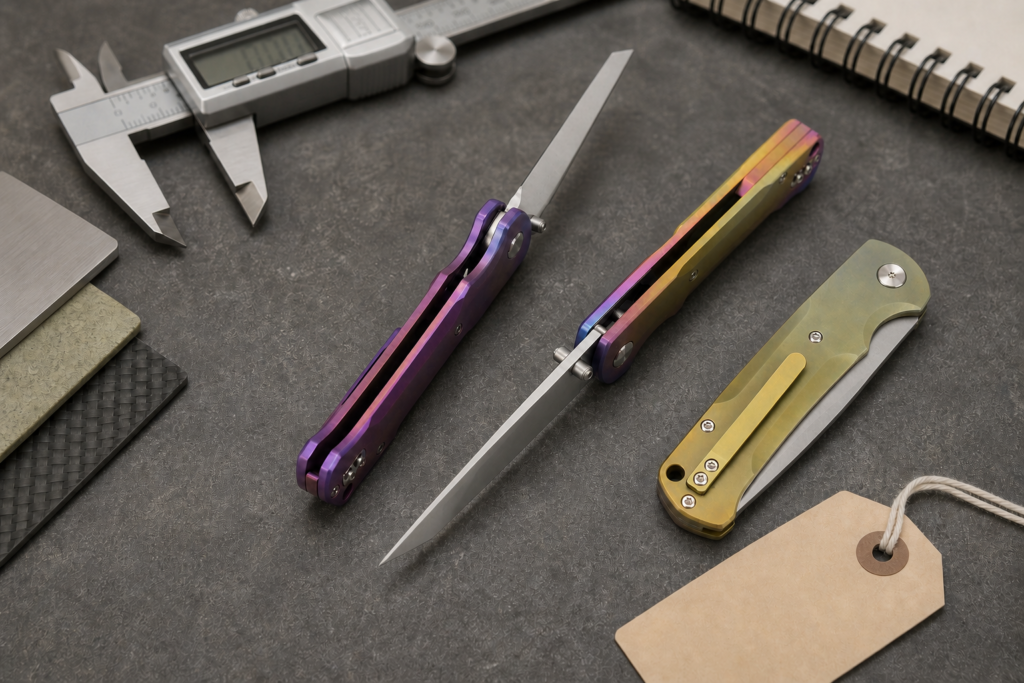
A stiletto-style knife can look distinctive. If buyers treat it only as a shape, they can miss mechanism, market, label, and compliance risks.
Buyers should classify stiletto-style knives by blade profile, opening mechanism, lock structure, tip durability, intended adult use, target market law, packaging language, and QC evidence before placing an OEM/ODM order.
Quick buyer brief:
- Answer: A stiletto-style knife is not only a visual style. It is a sourcing category that needs careful review of blade geometry, opening method, locking method, sharp-point risk, import rules, adult-use positioning, and claim control.
- Buyer context: This guide is for knife brands, importers, distributors, private label teams, e-commerce sellers, and OEM/ODM sourcing managers who want a responsible way to compare this style with other folding or fixed blade products.
- Key checks: Manual or automatic opening, blade length, blade profile, grind symmetry, tip strength, edge exposure, lock reliability, handle ergonomics, guard or stop design, sheath or closed-state retention, warning label, local-law review, listing copy, and final inspection.
Have a knife or multi-tool project in mind?
Send your sketch, CAD file, sample photo, or product idea. Vast State can review manufacturability, suggest materials, estimate MOQ, and prepare a quote for your OEM/ODM project.
This article treats stiletto-style knives as adult tools that require careful classification. It does not provide weapon-use advice, self-defense positioning, intimidation copy, concealment guidance, or tips for bypassing knife laws. It is also not legal advice. Buyers should check each target country, state, province, marketplace, and carrier rule before sourcing or selling any knife product.
The practical lesson is simple. A stiletto look can change how a product is perceived, but the legal and commercial risk usually comes from the full product: blade design, opening mechanism, lock, labeling, packaging, channel, and claim language.
What Does "Stiletto-Style" Mean in Product Development?
The word needs a sourcing definition.
In OEM/ODM work, stiletto-style usually means a slim, symmetrical-looking, narrow-point blade profile or traditional visual influence, but buyers must define the real product features instead of relying on the name.
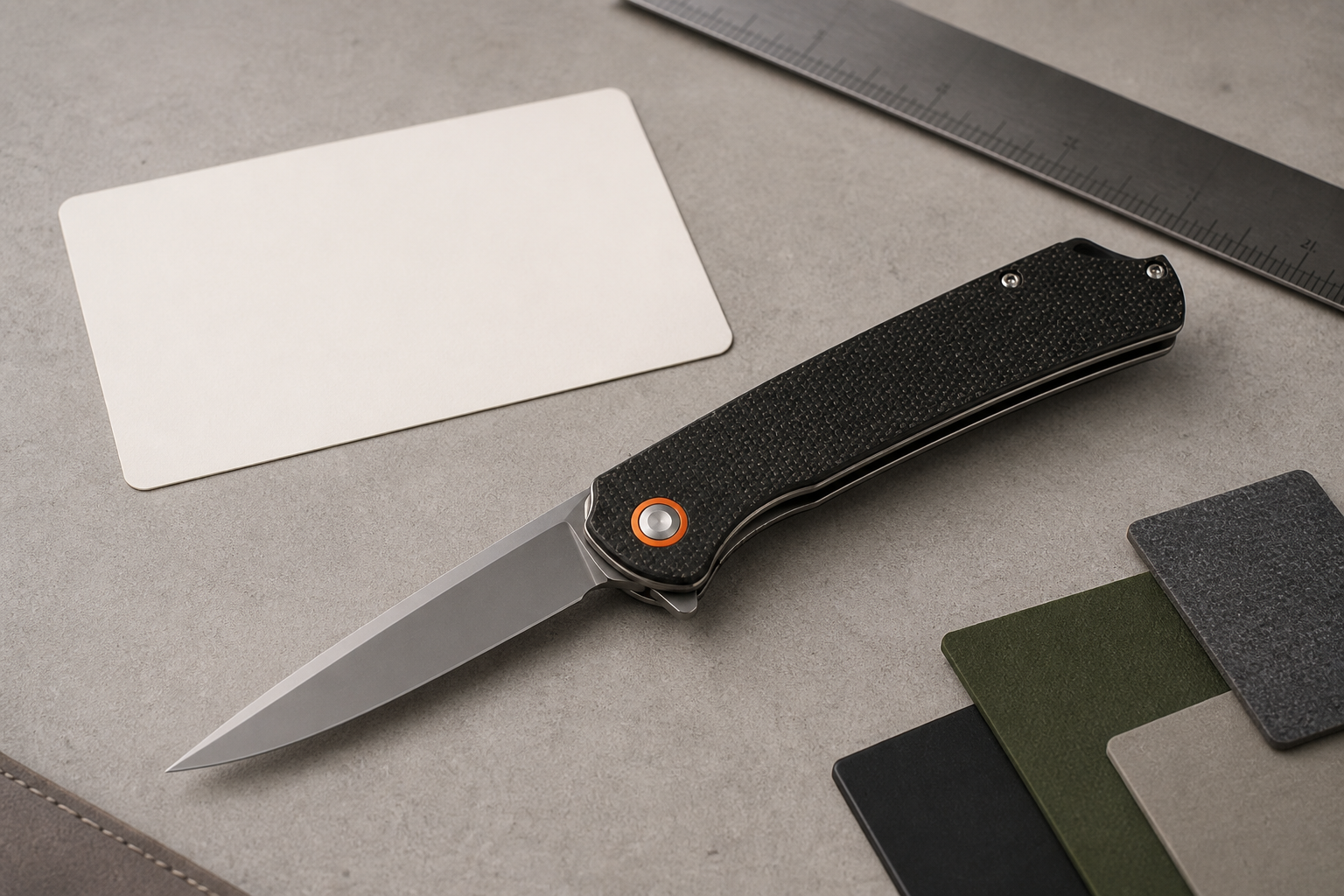
I Separate the Name From the Specification
"Stiletto" is a loaded word. Some people use it to describe an Italian-inspired folding shape. Some use it for automatic knives. Some use it for a slim pointed blade. Some use it as a marketplace search term. These meanings are not the same.
A buyer should not approve a product only because a sample looks like a stiletto. The RFQ should define the construction. Is the knife manual, assisted, automatic, fixed blade, or purely decorative? Is the edge single edge or double edge? Is the tip narrow, reinforced, rounded, or modified? Is the blade centered when closed? Is there a guard, bolster, flipper tab, button, lockback, liner lock, button lock, or other structure?
The buyer should also decide whether the term "stiletto" should appear in public-facing copy at all. In some channels, a neutral phrase such as "slim folding knife," "narrow-profile folding knife," or "classic profile folding knife" may fit the product better and reduce risky positioning.
The important point is that naming cannot replace product classification. The sample name, factory catalog name, customs description, marketplace title, packaging title, and internal specification should all be reviewed together.
| Decision Area | Weak Approach | Better Buyer Control |
|---|---|---|
| Product name | Use the factory name only | Define the construction and market category |
| Blade profile | Approve by photo | Measure length, width, thickness, point geometry, and grind |
| Mechanism | Assume the buyer knows | Document manual, assisted, automatic, or fixed construction |
| Public copy | Use dramatic wording | Use adult tool and compliance language |
OEM/ODM RFQ Checklist
Prepare these details to help Vast State review your project and provide a more accurate quotation.
| RFQ Field | What to Prepare |
|---|---|
| Project type | OEM from drawing / ODM private label / wholesale catalog |
| Product category | Folding knife / fixed blade / multi-tool / outdoor tool |
| Design status | Idea / sketch / 2D drawing / 3D CAD / physical sample |
| Target price | Ex-factory target price or retail price range |
| MOQ expectation | 500 / 1,000 / 3,000 / 5,000+ pcs |
| Logo method | Laser engraving / etching / printing / molded logo |
| Packaging | Standard packaging / custom retail box / Amazon-ready |
| Market | USA / EU / Japan / Korea / Middle East / other |
| Compliance needs | Buyer-specified testing / documentation / labeling |
| Timeline | Sample deadline / mass production deadline |
How Is a Stiletto-Style Knife Different From a General Utility Knife?
Geometry changes the product.
A stiletto-style knife usually differs from general utility knives through its narrow profile, pointed tip, visual symmetry, handle silhouette, and mechanism associations, not through better everyday cutting performance.
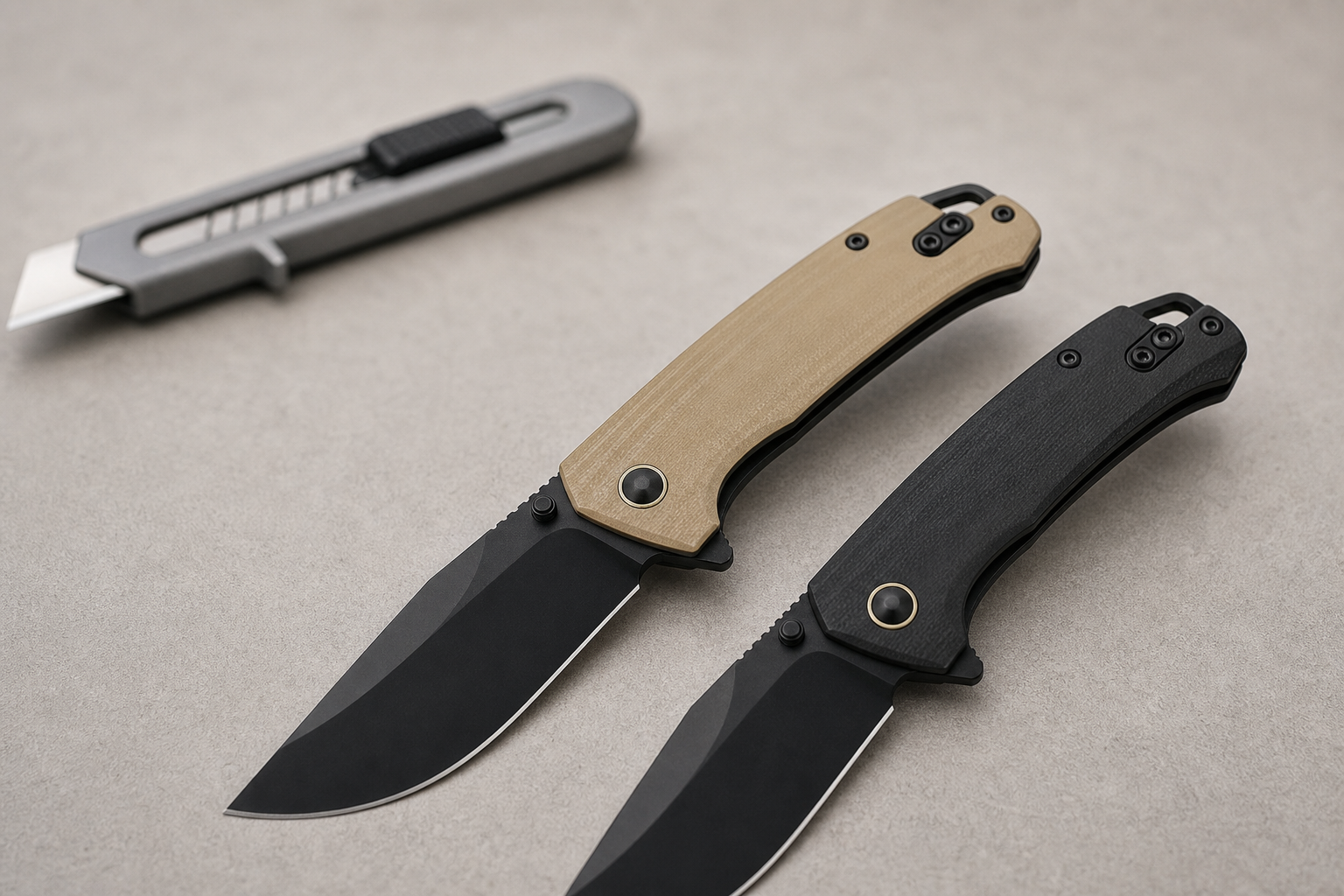
I Compare It by Task, Not by Drama
A general utility folding knife is usually judged by safe opening, secure grip, controlled edge geometry, slicing ability, maintenance, pocket carry rules, and repeatable quality. A stiletto-style profile may be judged more heavily by appearance, symmetry, slimness, point shape, and mechanism. That difference matters because visual appeal can pull the product away from practical tool positioning.
For commercial planning, I would compare a stiletto-style concept with other knives across practical dimensions:
| Dimension | Stiletto-Style Buyer Question | Utility Knife Buyer Question |
|---|---|---|
| Blade profile | Is the narrow point durable enough for the intended adult tool use? | Does the edge geometry match daily cutting tasks? |
| Mechanism | Could the opening system trigger legal or marketplace review? | Is opening controlled and reliable? |
| Handle | Does the slim handle still give safe grip control? | Does the handle support repeated cutting work? |
| Marketing | Does the language stay away from threat or combat themes? | Does the language explain practical tasks? |
| QC | Are point alignment and lockup consistent? | Are edge, lock, and fit consistent? |
This comparison prevents over-selling. A stiletto-style product may be a style-led adult folding knife, a collector-inspired item, or a limited colorway. It should not be presented as an all-purpose work knife unless its construction proves that use case.
Why Does the Opening Mechanism Matter More Than the Shape?
Mechanism drives classification.
Buyers should verify whether a stiletto-style product is manual, assisted, automatic, gravity-opening, or fixed because legal and marketplace treatment often depends on how the blade opens.
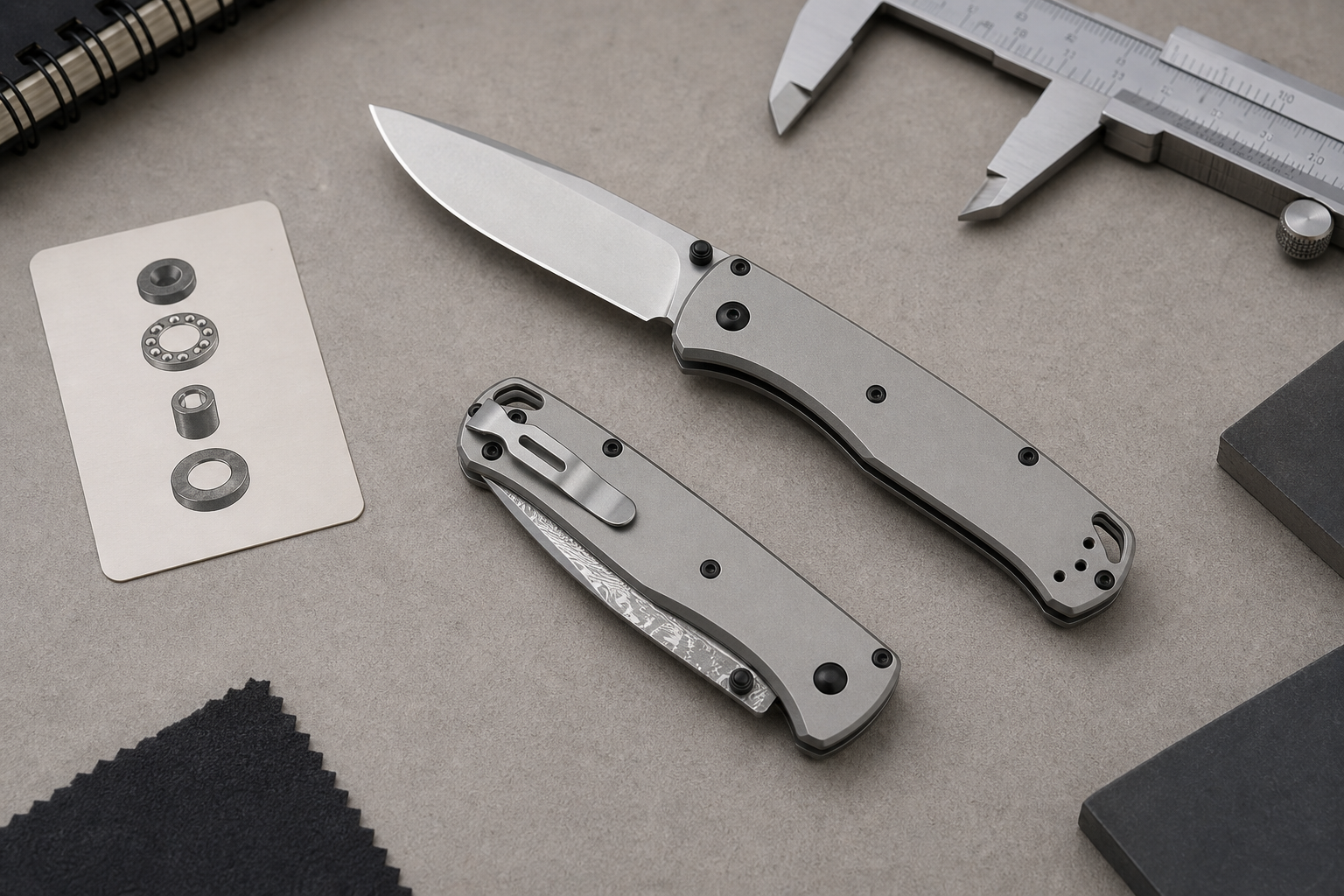
I Do Not Let a Catalog Word Decide the Law
In the United States, federal law defines a switchblade by automatic opening features, not by whether a seller uses a stylish name. The official 15 U.S.C. 1241 definitions describe a switchblade knife around a blade that opens automatically by pressure on a handle device or by inertia, gravity, or both.
That matters for sourcing. A knife can look stiletto-inspired and still be a manual folding knife. Another product can have the same visual style and use an automatic mechanism. The commercial risk is very different.
The buyer should ask the supplier to document:
- Opening type
- Closing retention
- Whether any spring, button, lever, or gravity action exists
- Whether a bias toward closure exists
- Lock type
- Blade length
- Country of origin
- Intended import market
- Test sample video for internal review
- Written supplier classification
The point is not to find a loophole. The point is to avoid misclassification. A buyer who cannot describe how the blade opens is not ready to approve production.
What Should Buyers Verify Before Sourcing Automatic Variants?
Automatic features need extra review.
If the product opens automatically or may be interpreted that way, buyers should pause the order and verify federal, state, local, import, carrier, platform, and customer-channel restrictions.
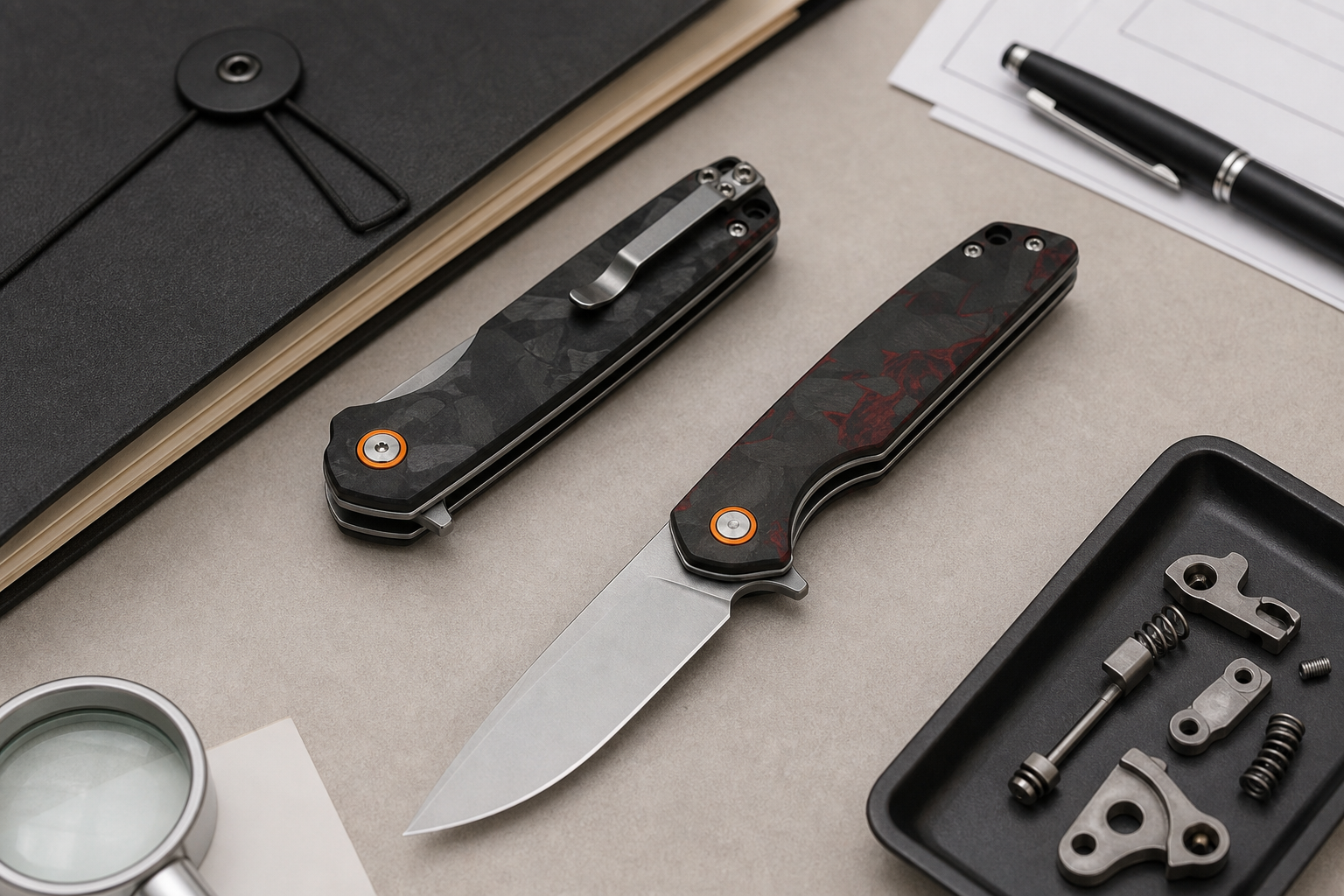
I Treat Automatic Opening as a Separate Project
Automatic knife sourcing should not be bundled casually into a general folding knife order. The official 15 U.S.C. 1242 text addresses introduction, manufacture for introduction, transportation, or distribution of switchblade knives in interstate commerce. The official 15 U.S.C. 1244 exceptions also matters because it lists exceptions and includes language around a spring, detent, or mechanism with a bias toward closure that requires user exertion to open.
For business planning, that means the buyer should not rely on a single sales comment such as "legal everywhere" or "assisted, not automatic." The buyer should maintain a written classification file. That file should include a sample, product drawings, mechanism description, supplier declaration, target market list, legal review notes, marketplace rules, shipping restrictions, and warning copy.
Automatic, assisted, and manual products can look similar in photos. That is why the mechanism should be reviewed from physical samples. The buyer should also confirm whether the product has any detachable or spring-propelled blade feature. The official 15 U.S.C. 1245 text defines ballistic knives separately and should be treated as a hard stop for ordinary consumer product programs.
How Should Blade Profile and Tip Strength Be Specified?
Style can weaken durability.
Buyers should specify stiletto-style blade geometry with clear limits for blade length, thickness, grind, point strength, edge symmetry, heat treatment, and acceptable tip variation.
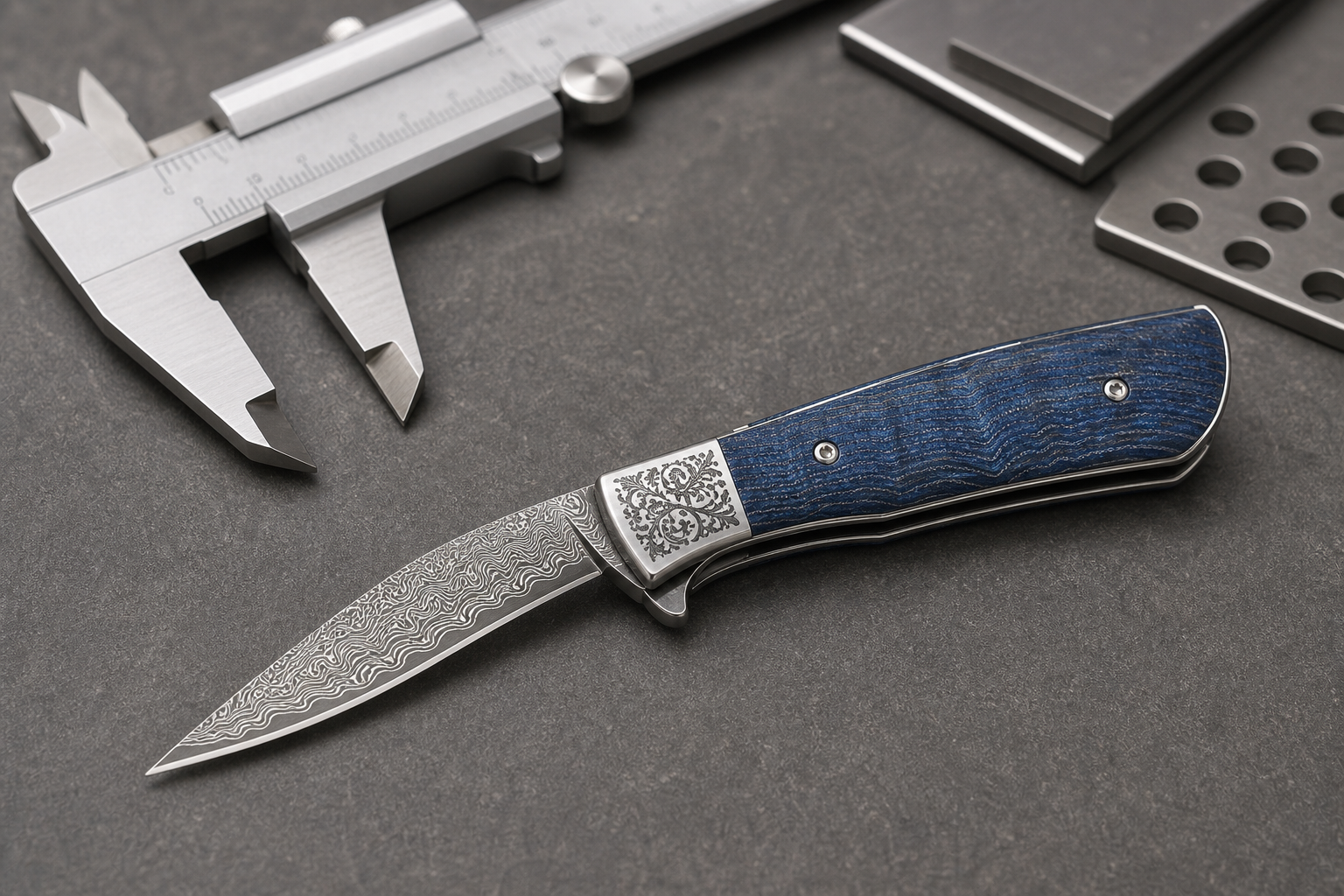
I Make the Point a Quality Topic, Not a Selling Fantasy
A narrow point can be visually attractive, but it can also be fragile if the blade stock, grind, heat treatment, or tip geometry is not suited to the intended use. Buyers should define what the product is supposed to do as an adult tool and what it should not be used for.
Useful specification fields include:
- Overall blade length
- Cutting edge length
- Blade thickness at spine
- Distal taper target
- Tip geometry limit
- Grind type
- Edge angle range
- Steel grade
- Heat treatment range
- Surface finish
- Tip alignment tolerance
- Burr and sharp-edge inspection
- Tip protection in packaging
The buyer should ask for prototypes and abuse-limit testing appropriate to the product category. The goal is not to create destructive-use claims. The goal is to make sure normal handling, packaging, shipping, and intended cutting tasks do not cause early failure.
Tip inspection should be included in final QC because pointed profiles are easy to bend during polishing, tumbling, handling, sheath insertion, or packing. A small tip issue can become a high return rate if it is repeated across a batch.
How Should Handle, Lock, and Guard Details Be Controlled?
The blade is only one risk.
Buyers should control grip shape, closed-state retention, lock strength, button exposure, guard or stop geometry, screw security, and open/close feel before approving production.
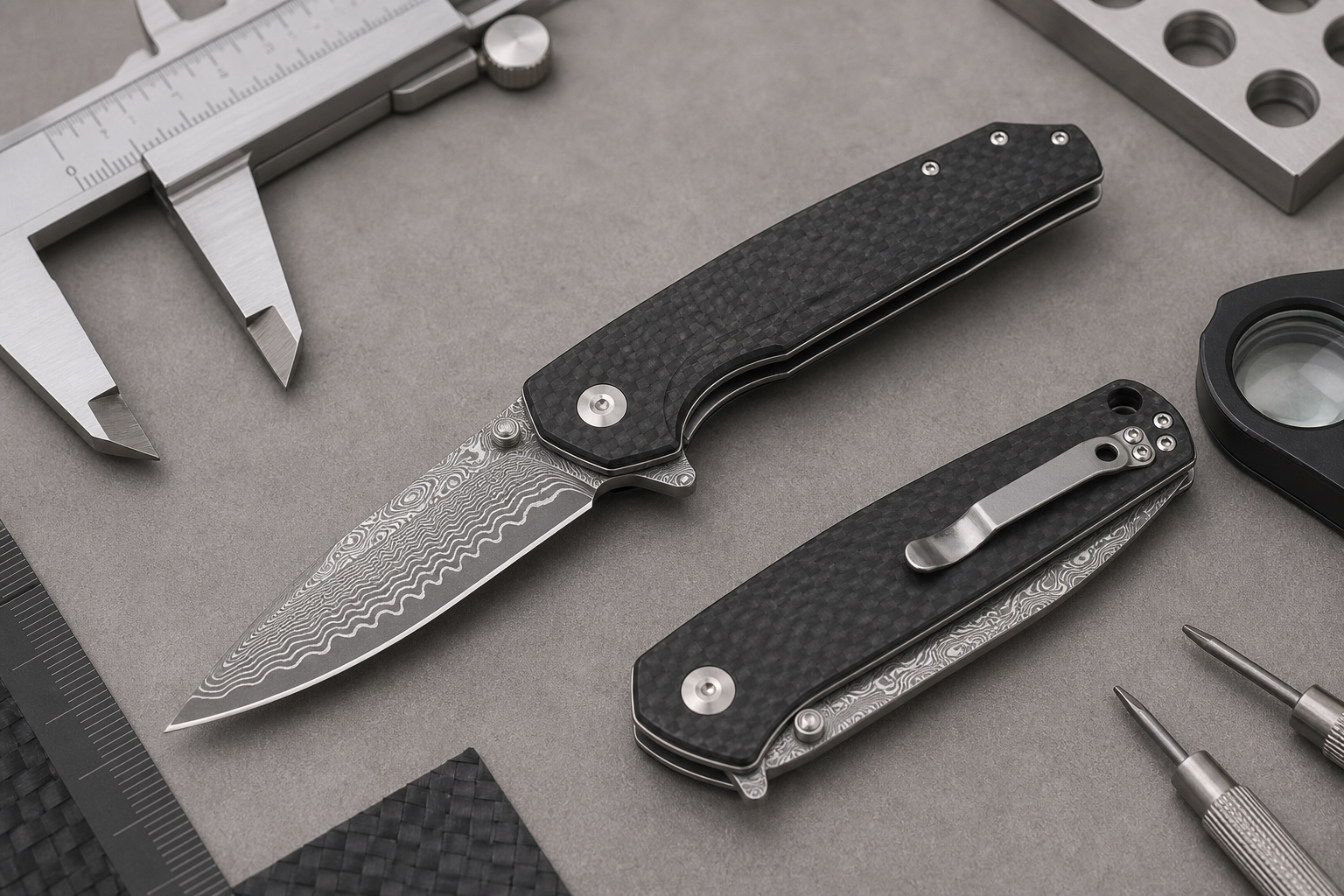
I Test the Whole Knife, Not Only the Blade
Many stiletto-style products use slim handles. A slim handle can look elegant, but it may reduce grip control if the scales are slippery, too narrow, or too smooth. Buyers should check handle geometry with the same seriousness as blade shape.
Lock and retention review should cover:
- Blade centering in closed position
- Blade play in open position
- Lock engagement
- Accidental release risk
- Screw torque and thread treatment
- Scale fit and gaps
- Pocket clip or sheath retention
- Button or lever exposure if present
- Safe open and close instructions
- Packaging protection
The CCOHS sharp blades guidance focuses on injury risks around sharp blades and edges and supports basic safety ideas such as selecting the right tool, checking condition, and using safe storage. Buyers can translate those principles into consumer-facing instructions and internal QC checks.
The lock should match the product category. A display-oriented product, a manual folder, an assisted-opening folder, and an automatic variant may require different test methods and different warning copy. The factory should not substitute lock parts, springs, screws, liners, or scale materials after approval without written buyer review.
How Should Packaging and Marketing Avoid Unsafe Positioning?
Copy changes perception.
Stiletto-style knife packaging should use adult tool language, clear warnings, local-law reminders, and practical specifications instead of combat, threat, concealment, or self-defense messaging.
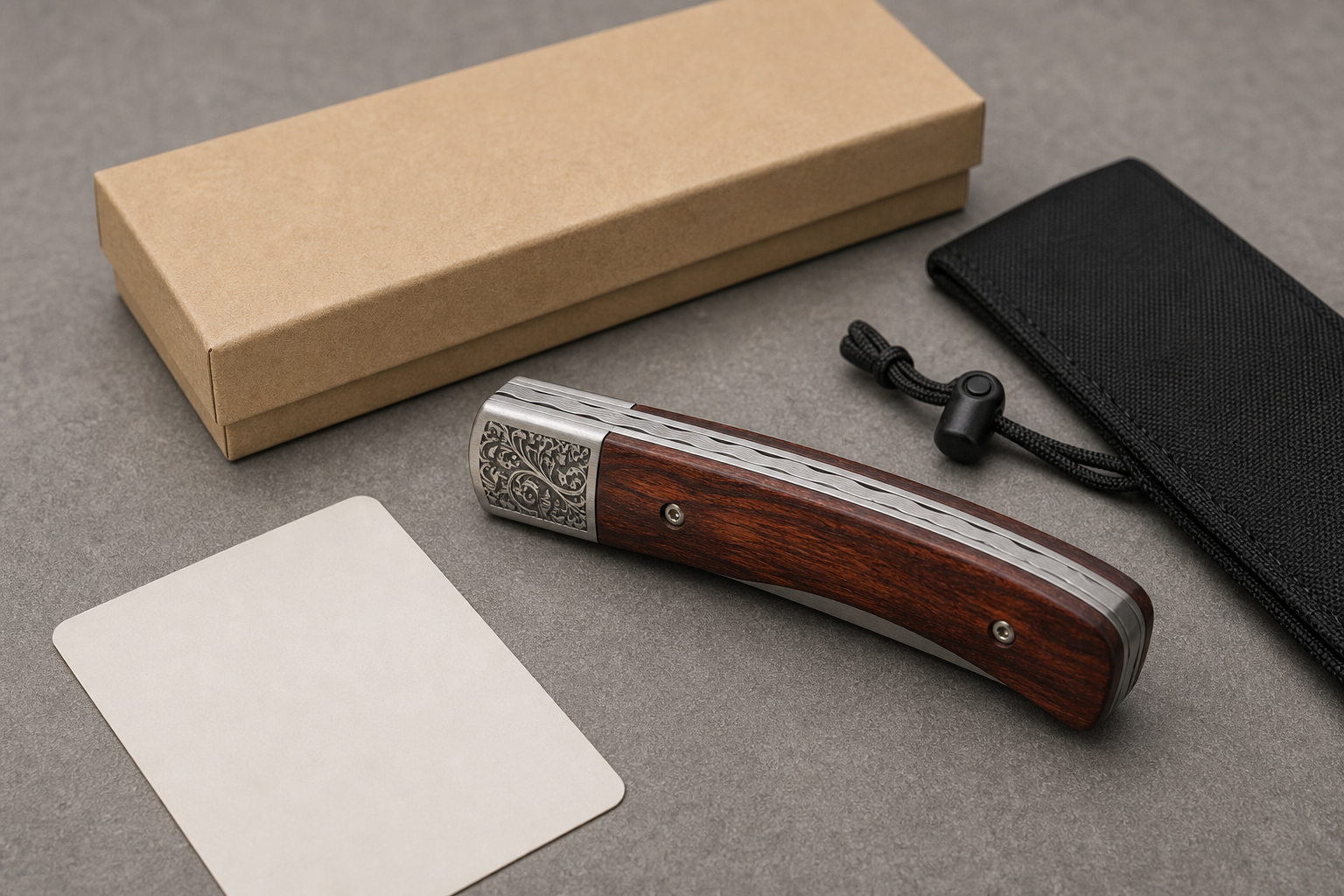
I Remove Words That Create the Wrong Product Story
A responsible listing should explain construction, size, material, mechanism, care, and legal responsibility. It should not sell fear, intimidation, hidden carry, or self-defense. That kind of copy can hurt retailer acceptance, marketplace review, brand trust, and compliance posture.
The FTC advertising and marketing basics state that advertising claims should be truthful, not deceptive or unfair, and evidence-based. For knives, that means buyers should avoid unsupported claims such as "legal everywhere," "unbreakable," "safest automatic," "military grade," or "best for defense."
The CPSC children's products guidance also matters because packaging, display, promotion, advertising, manufacturer statements, and consumer recognition can affect whether a product is viewed as intended for children. A stiletto-style knife should not use youth appeal, cartoon styling, toy-like names, or child models.
Safer packaging themes include:
- Adult-use tool
- Sharp edge warning
- Keep away from children
- Check local laws before purchase or carry
- Mechanism type clearly identified
- Care and storage instructions
- Material and size specifications
- No self-defense or combat claims
The product can still look refined. It simply needs a responsible product story.
What Should the RFQ and QC Plan Include?
Documentation protects the order.
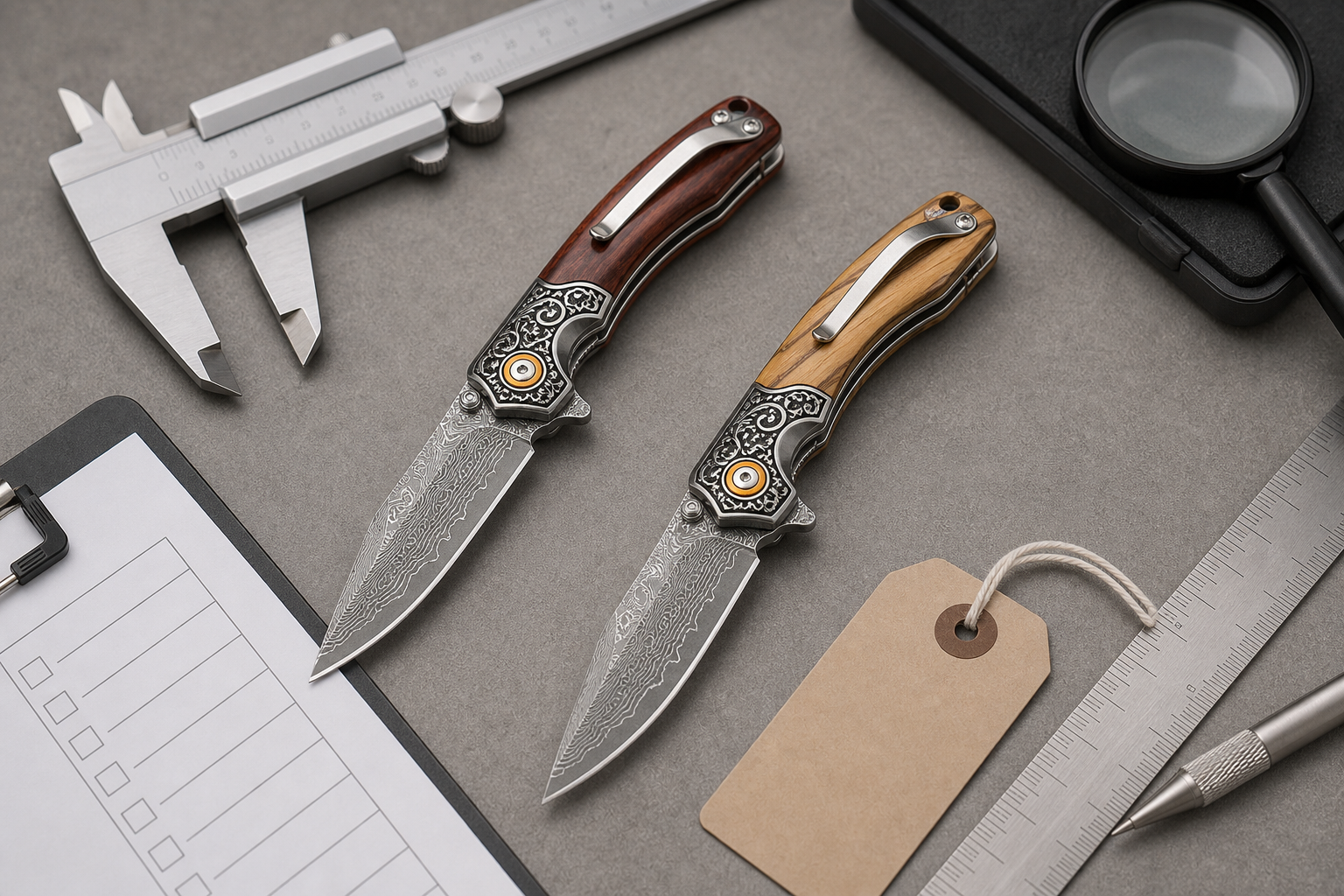
The RFQ should require mechanism classification, blade profile drawings, material specs, lock tests, labeling files, target market review, sample approval, and final inspection records.
I Put Classification Into the Purchase File
The buyer should not leave classification in email fragments. A stiletto-style order needs a clear purchase file because product appearance, mechanism, and market rules can be misunderstood.
Strong RFQ fields include:
- Product type and intended adult use
- Manual, assisted, automatic, or fixed classification
- Blade length and edge length
- Blade profile drawing
- Steel grade and heat treatment
- Handle material and finish
- Lock type and lock test
- Closed-state retention test
- Tip alignment standard
- Sharp-edge and burr inspection
- Packaging warning copy
- Marketplace title and listing claim review
- Target market list
- Local-law review owner
- Supplier declaration
- Golden sample approval
The CPSC labeling overview notes that labeling requirements can depend on product type, design, components, and intended age group. That is a useful mindset even when a knife is not a children's product. The label should match the real product and the real audience.
Final inspection should compare production against the approved sample. Inspectors should check blade centering, opening and closing feel, lock engagement, tip condition, exposed edges, handle fit, screw security, packaging warning, and carton labeling. If the mechanism or blade profile changes, the product should go back through classification review.
Turn your idea into a quote-ready knife project.
Share your drawing, sample photo, target quantity, market, and packaging needs. Vast State will review manufacturability and prepare OEM/ODM options.
Conclusion
Treat stiletto-style knives as classification-sensitive adult products. Define the mechanism, geometry, labeling, claims, market rules, and QC before production.