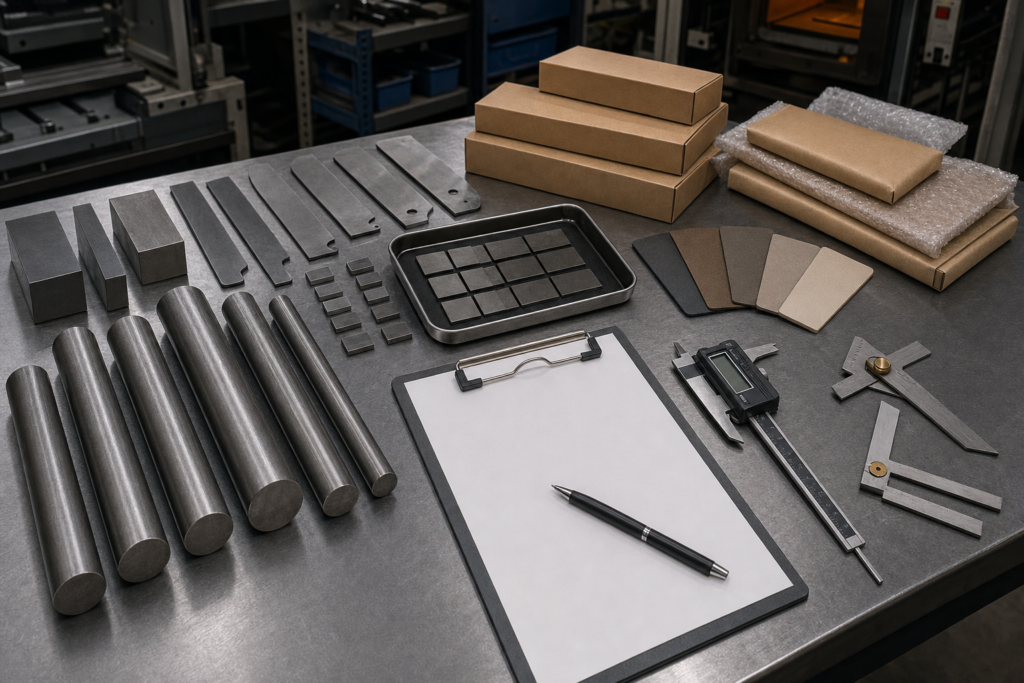
52100 has a strong knife reputation. But if sellers ignore rust care and heat treatment, that reputation can turn into complaints.
52100 steel is a high-carbon chromium-bearing bearing steel that can make tough, fine-edged working knives. It fits bushcraft, outdoor, workshop, and chef-style projects when the seller accepts low corrosion resistance and controls heat treatment, geometry, finish, packaging, and user care instructions.
Quick buyer brief:
- Answer: Use 52100 for tough non-stainless working knives, not for low-maintenance wet-use products.
- Buyer context: This helps knife brands, outdoor brands, importers, wholesalers, distributors, and private label buyers explain 52100 clearly.
- Key checks: Target user, rust expectation, HRC range, heat treatment, edge geometry, blade finish, handle and sheath materials, packaging, MOQ, inspection, and backup steel.
Planning a knife project with this steel?
Send us your target market, MOQ, price range, and blade type. Vast State can help you choose the right steel, HRC range, finish, handle material, and QC requirements for OEM/ODM production.
When I discuss 52100 with a knife seller, I usually start with the customer, not the steel chart. 52100 can be a very useful knife steel because it can support a fine edge, good toughness, and practical sharpening. But it is not stainless. It needs the right heat treatment and the right product story. A buyer who sells to bushcraft users may be happy with 52100. A buyer who sells to fishing, coastal, or low-maintenance EDC users may create avoidable after-sales pressure. The steel is good when the project is honest.
What Is 52100 Steel in Knife Selling and OEM Terms?
Some sellers only know 52100 as bearing steel. That is useful background, but a knife project needs clearer sourcing language.
52100 is a high-carbon chromium-bearing alloy steel originally known for bearing applications. In knives, it is a non-stainless steel used for tough working blades, fine edges, and practical sharpening when heat treatment and rust care are controlled.
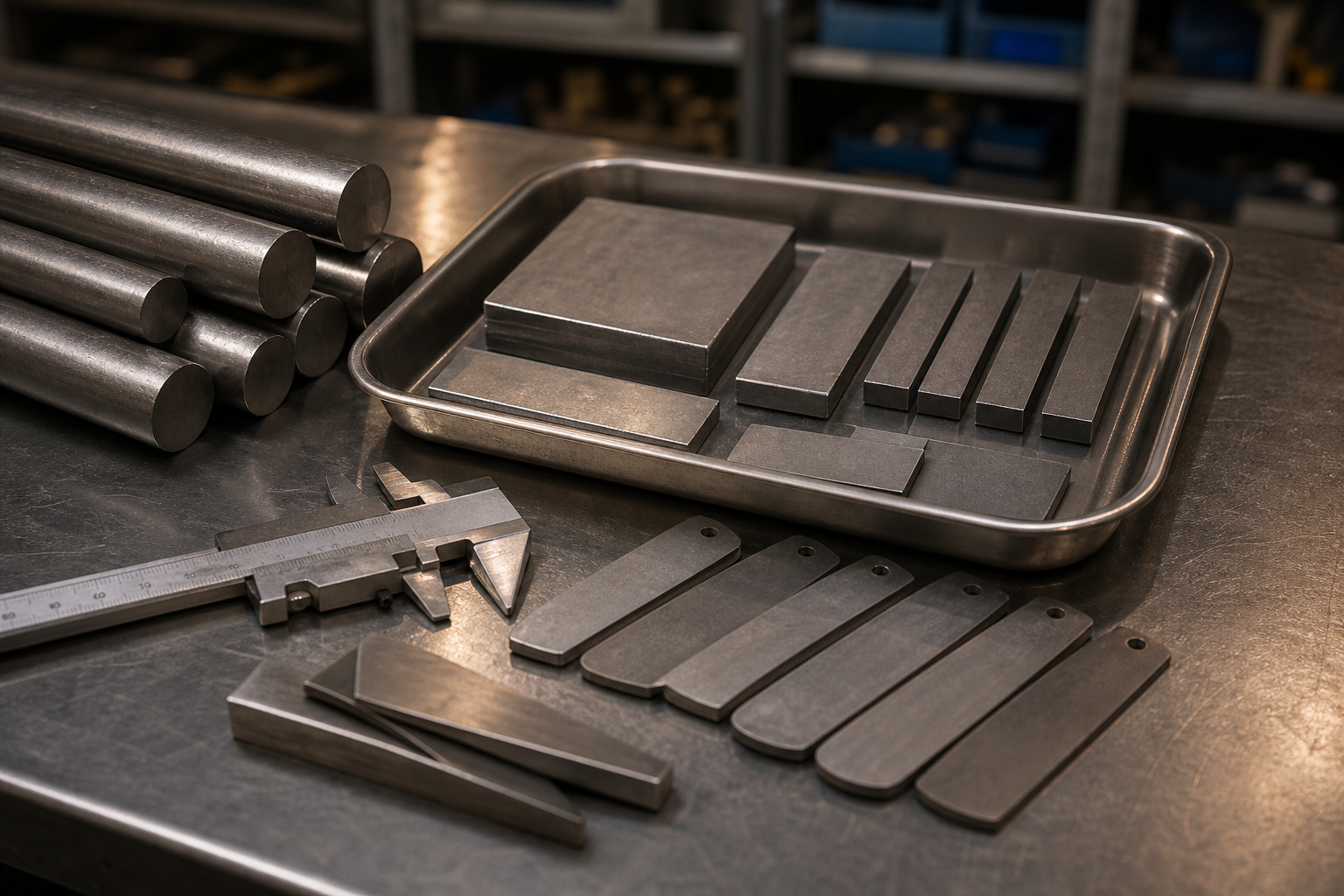
I Translate Bearing Steel Into Knife Language
Carpenter Technology's CarTech 52100 alloy data sheet describes 52100 as a high-carbon, chromium-bearing alloy steel with deep hardening characteristics and high wear resistance. It lists nominal composition around 1.00 percent carbon, 0.30 manganese, 0.25 silicon, and 1.40 chromium, with iron as the balance. SB Specialty Metals also describes 52100 technical data as a high-carbon chromium bearing steel with excellent strength and fatigue properties.
For knife sellers, this means 52100 should not be explained like a simple low-carbon steel or a modern stainless steel. It sits in the traditional high-carbon working steel world. It can be a strong choice when the product needs a stable edge, toughness, and sharpening practicality. It can also fit brands that want a serious working-knife image without moving into expensive powder metallurgy steel.
But I always make one thing clear. 52100 has only about 1.4 to 1.6 percent chromium in the data sheets. The British Stainless Steel Association explains that stainless steel needs a minimum of 10.5 percent chromium. So 52100 is not stainless. Sellers should not hide that fact. They should turn it into a clear care message.
| 52100 factor | What it means | Seller takeaway |
|---|---|---|
| High carbon | Can support useful hardness and fine edge behavior | Good for working knives |
| Chromium-bearing | Different from plain carbon steel | Still not stainless |
| Bearing steel history | Built around strength and fatigue applications | Useful practical story |
| Conventional steel | Not a powder metallurgy super steel | Cost and processing can be practical |
Quote-ready RFQ Checklist for This Steel
To get an accurate OEM/ODM quote, prepare these details before contacting a knife manufacturer.
| RFQ Field | What to Prepare |
|---|---|
| Product type | Folding knife / fixed blade / multi-tool / kitchen knife |
| Target market | US / EU / outdoor retail / promotional / tactical / EDC |
| Steel option | 4116 / 14C28N / D2 / N690 / Nitro-V |
| Target HRC | Example: 55-57 HRC, 58-60 HRC |
| Blade finish | Satin / stonewash / black coating / bead blast |
| Handle material | G10 / micarta / aluminum / stainless steel / wood |
| Lock or structure | Liner lock / frame lock / slip joint / full tang |
| Estimated quantity | 500 / 1,000 / 3,000 / 5,000+ pcs |
| Packaging | White box / color box / blister / pouch / gift box |
| Required documents | Drawing / sample photo / logo file / packaging artwork |
Why Do Knife Makers Like 52100 for Tough Working Blades?
52100 is not the highest edge-retention steel. Sellers need to explain its value without exaggerating the wrong benefit.
Knife makers like 52100 because it offers strong toughness, fine edge stability, good sharpening feel, and practical performance for working knives. Its value is balance and dependability, not stainless corrosion resistance or extreme abrasive edge retention.
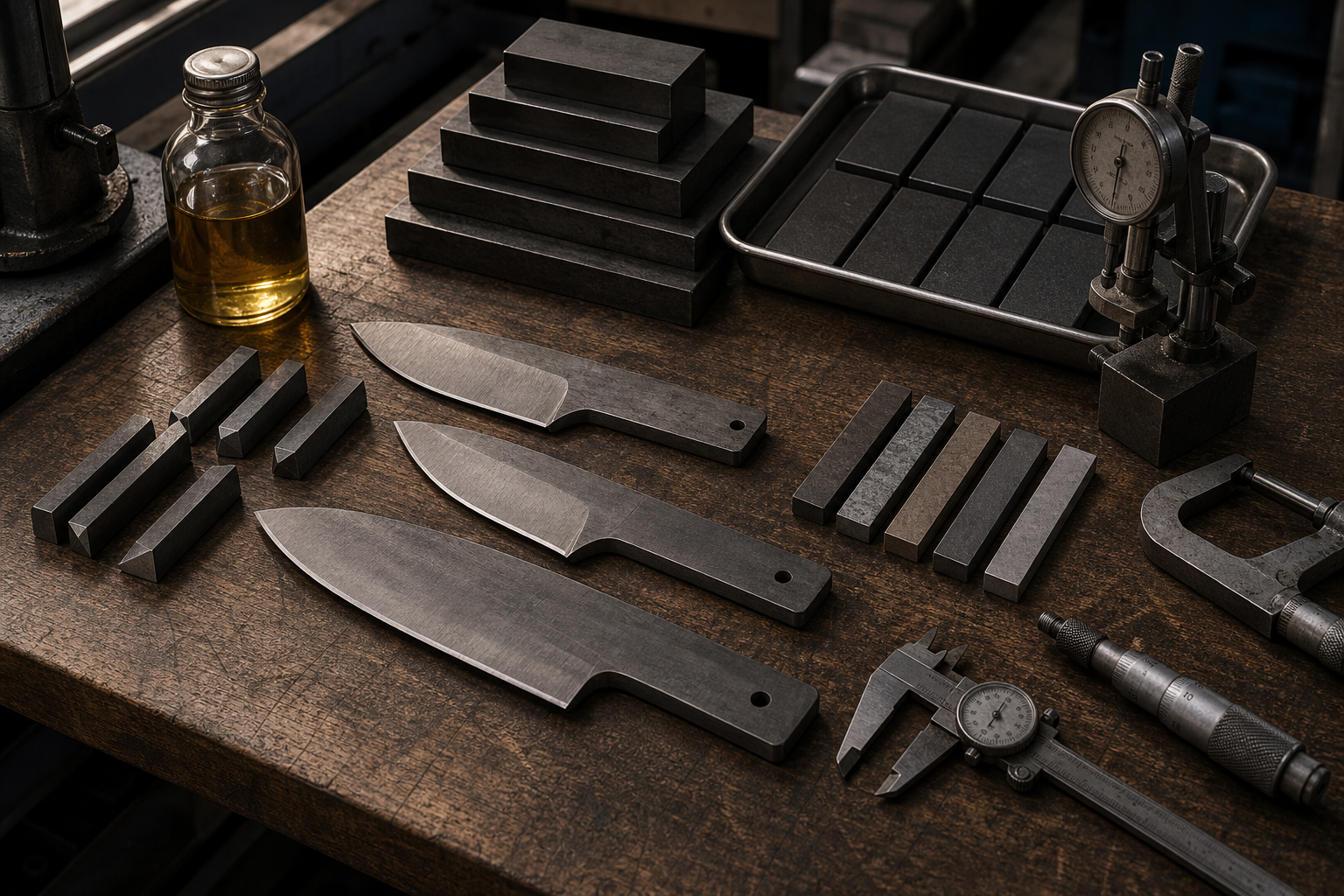
I Sell the Right Benefit
52100 is attractive because it can make a knife feel like a serious tool. It can take a crisp edge. It can be sharpened without the same abrasive challenge as high-vanadium powder steels. It can support tough blade geometry when the heat treatment is done well. This makes it useful for outdoor working knives, bushcraft knives, workshop knives, and some chef-style knives where the customer accepts carbon steel care.
Knife Steel Nerds gives useful context in its article on knife steel ratings. It places 52100 and CruForgeV as good choices for general-purpose knives in the carbon and low-alloy tool steel group. It also explains that no steel wins every category, and that toughness, edge retention, corrosion resistance, hardness, cost, heat treatment, and geometry must be considered together.
That is exactly how I explain 52100 to sellers. I would not call it a low-maintenance steel. I would not promise extreme edge retention compared with high-carbide steels. I would say it is a practical working steel for users who value toughness, sharpening, and edge stability. If the product page says that clearly, the buyer attracts the right customer and avoids the wrong expectation.
| Buyer expectation | 52100 can support it? | My selling note |
|---|---|---|
| Tough working edge | Yes | Good fit when geometry is controlled |
| Easy field sharpening | Usually yes | Easier than many high-wear steels |
| Stainless convenience | No | Needs dry storage and care |
| Extreme abrasive cutting life | Not the main strength | Choose high-carbide steels if that is the goal |
What Strengths and Limits Should Knife Sellers Explain?
A good steel can still create bad reviews if the seller promises the wrong thing. 52100 needs honest positioning.
52100's strengths are toughness, fine-edge behavior, sharpening practicality, and working-knife credibility. Its limits are low corrosion resistance, heat-treatment sensitivity, and lower abrasive edge retention than high-carbide stainless or tool steels.
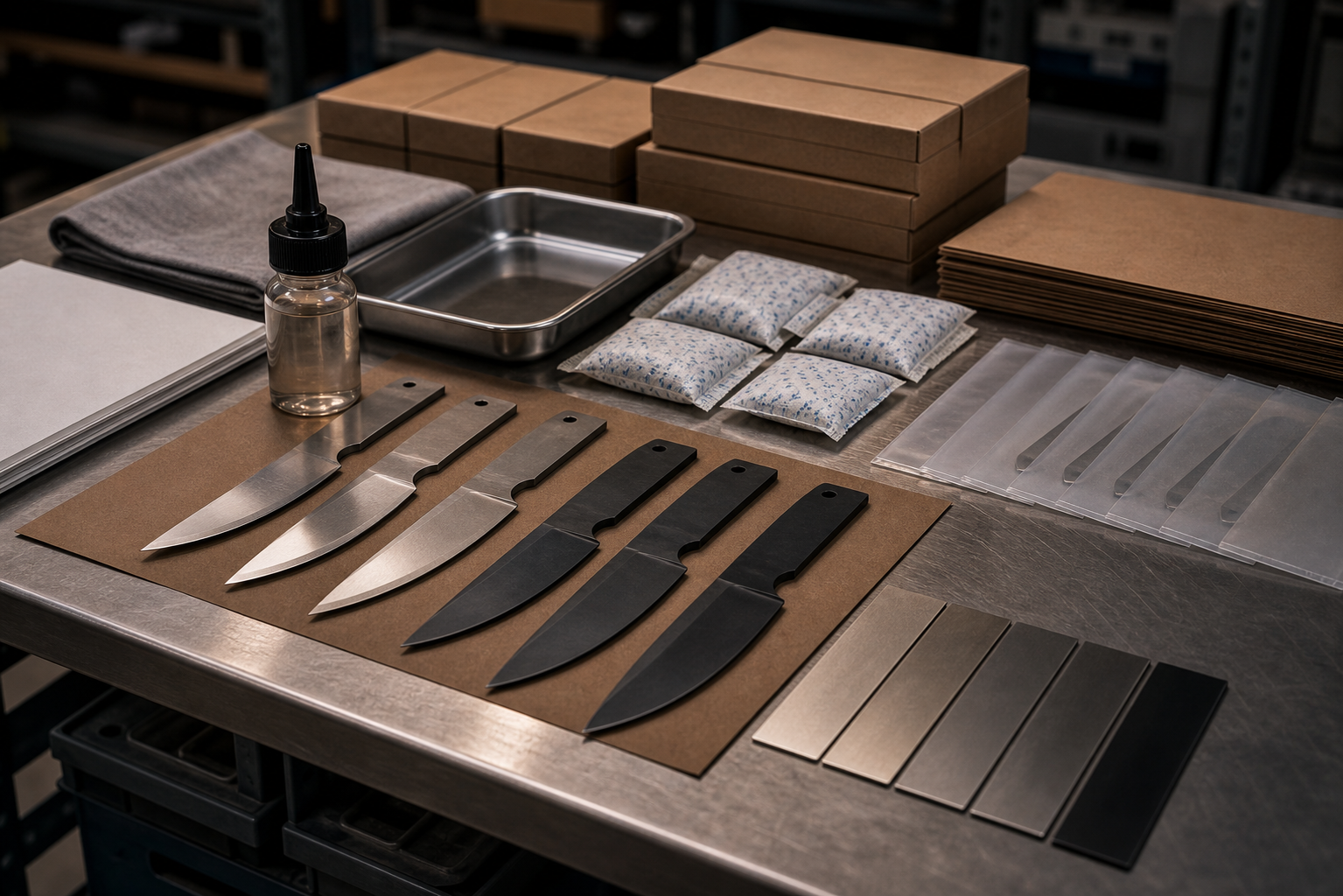
I Make the Care Requirement Visible
The most important limit is corrosion. A 52100 blade can stain, patina, or rust when it is left wet, stored in damp packaging, exposed to sweat, or used in salty environments without care. This is not a small detail for sellers. It affects product photos, packaging copy, care cards, returns, distributor training, and customer support.
The second limit is heat treatment. Knife Steel Nerds warns that heat-treatment mistakes can badly reduce steel properties. The article gives an example involving 52100 where over-austenitizing caused major toughness loss compared with controlled furnace heat treatment. This is a serious B2B point. 52100 should not be sourced from a supplier that treats heat treatment as a guess.
The third limit is wear resistance. 52100 has useful edge life, but its edge retention story is not the same as M390, 20CV, S90V, K390, or other high-carbide steels. This is not a failure. It is a tradeoff. The seller should position 52100 as a tough, fine-edged, easy-to-maintain working steel. When the product copy is honest, 52100 can make sense. When the product copy promises everything, it becomes risky.
| Strength or limit | Practical effect | Seller action |
|---|---|---|
| Good toughness | Helps working knives resist damage | Match with suitable geometry |
| Fine edge behavior | Supports slicing and controlled cutting | Specify sharpening standard |
| Low corrosion resistance | Rust risk in wet use | Add care instructions and dry packaging |
| Heat-treatment sensitivity | Bad process can reduce toughness | Require process records and HRC checks |
How Should Heat Treatment and Hardness Be Controlled for 52100?
52100 rewards controlled heat treatment. It punishes vague process control, overheated austenitizing, and careless tempering.
Buyers should define a target HRC range, austenitizing temperature, quench method, tempering practice, sample quantity, hardness test method, and edge geometry. 52100 should be treated as a heat-treatment-driven steel, not only a material name.
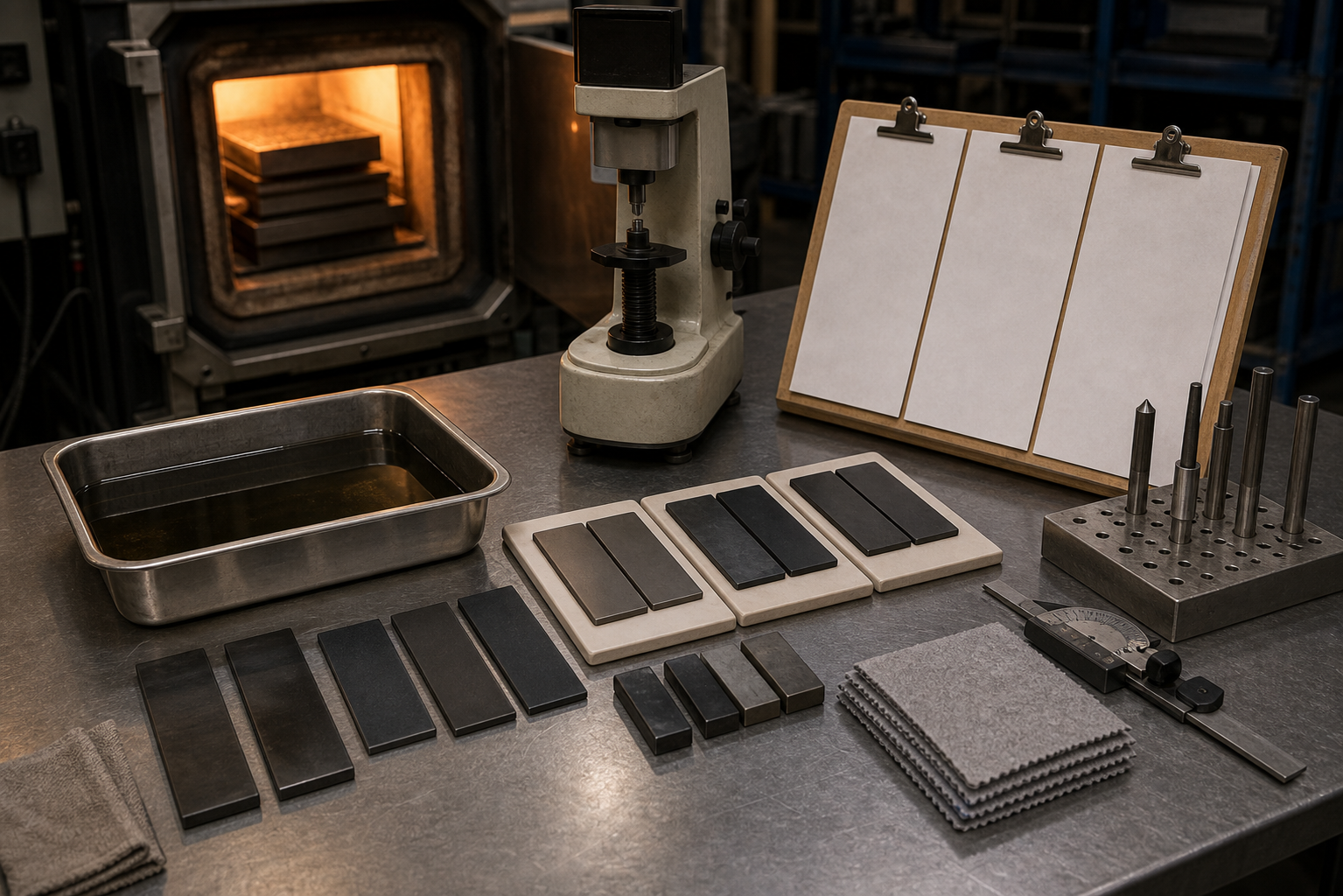
I Treat 52100 Heat Treatment as the Main Quality Risk
Carpenter's 52100 data sheet gives hardening guidance for sections up to 1 inch in diameter or thickness: heat to 1530/1550°F and oil quench. SB Specialty Metals gives a hardening range of 1500-1550°F with oil quench and immediate tempering, and notes tempering at 300-500°F for at least two hours. These are material data points, not a finished knife recipe. A thin knife blade needs product-specific control.
In OEM work, I ask for a target hardness range that fits the knife. A chef-style slicer, bushcraft fixed blade, and small utility knife can need different balances. A higher HRC can support fine edges, but it can also reduce tolerance for bad geometry. A thicker outdoor knife may need a more conservative balance. The buyer should approve samples with the real grind, real edge angle, and real finish.
Hardness testing should not be casual. The NIST Rockwell hardness measurement guide supports the need for good measurement practice. I want the RFQ to define sample quantity, test timing, test location, acceptable range, and what happens if a batch is out of range. That makes 52100 production more repeatable.
| Heat-treatment detail | What to specify | Why it matters |
|---|---|---|
| Austenitizing | Temperature and soak control | Prevents weak or brittle results |
| Quenching | Oil quench process and handling | Controls hardness and distortion |
| Tempering | Temperature, time, and immediate temper | Balances hardness and toughness |
| HRC inspection | Test location and sample quantity | Protects repeat production |
Which Knife Product Lines Fit 52100 Best?
52100 should not be used only because it sounds serious. The product line must match carbon steel behavior.
52100 fits bushcraft knives, outdoor fixed blades, workshop knives, craft knives, and chef-style carbon steel knives. It is less suitable for fishing knives, coastal products, low-maintenance EDC, rescue tools, and humid-market knives.
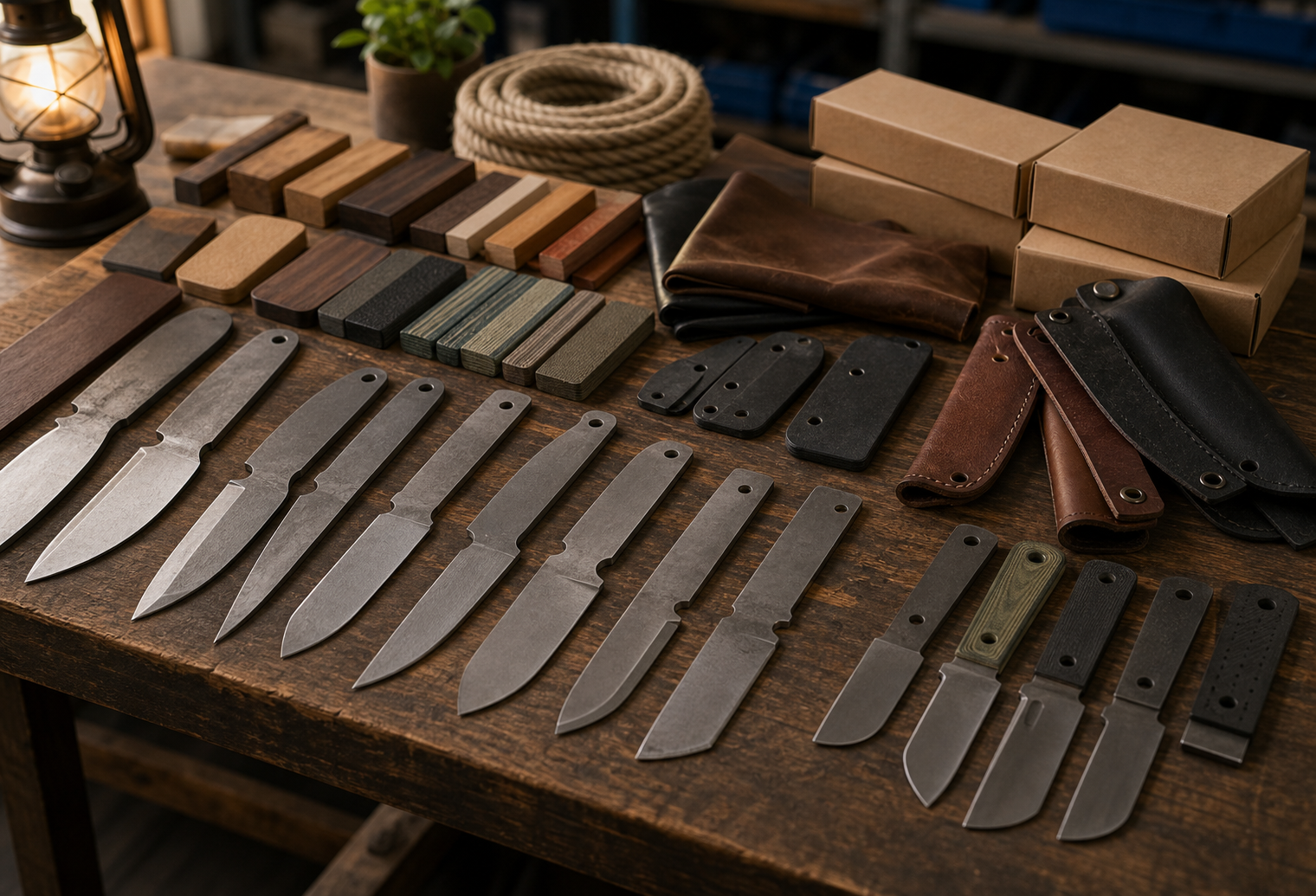
I Match 52100 With Users Who Accept Maintenance
52100 works best when the customer values performance and accepts care. A bushcraft user may oil the blade, dry it after use, sharpen it often, and accept patina. A workshop user may care more about edge feel and easy maintenance than shiny stainless appearance. A chef-style knife customer may accept carbon steel because they want a fine edge and understand reactive steel.
52100 is weaker when the product is sold as convenient, pocket-friendly, or wet-environment ready. A folding knife has pivots, screws, liners, backspacers, and enclosed areas where moisture can stay. A fishing knife may see saltwater and wet storage. A rescue tool may need low maintenance and high corrosion resistance. In those cases, stainless or more corrosion-resistant steel is usually easier to support.
This is also a brand-positioning question. If the seller has customers who enjoy traditional steel, 52100 can be a strong story. If the seller sells to broad retail customers who expect "stainless" by default, 52100 needs careful labeling and care information. I would rather explain the steel honestly than win a sale that becomes a return.
| Product line | 52100 fit | Reason |
|---|---|---|
| Bushcraft fixed blade | Strong fit | Users often accept carbon steel care |
| Workshop or craft knife | Strong fit | Edge feel and sharpening matter |
| Chef-style carbon knife | Good fit | Fine edge and patina can match buyer expectations |
| Fishing or coastal knife | Weak fit | Corrosion risk is too high |
What Should Knife Sellers Include in a 52100 OEM RFQ?
A short RFQ can make 52100 look easy. But missing details create heat-treatment, rust, packaging, and customer-support problems.
A 52100 RFQ should include knife type, target use, HRC range, heat-treatment expectation, blade thickness, edge geometry, finish, handle and sheath materials, rust-care requirements, packaging, MOQ, target price, market, and inspection plan.
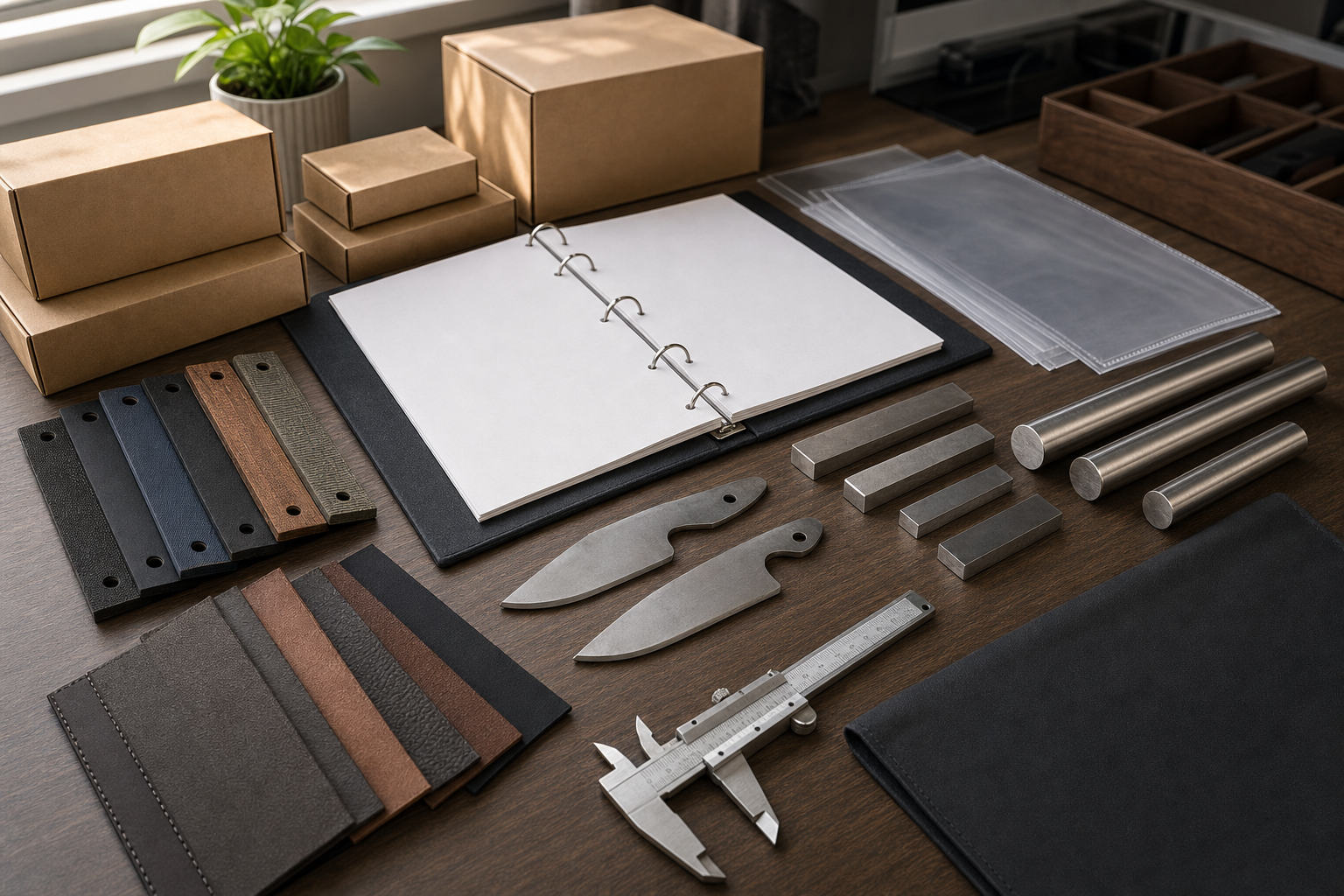
I Ask for Care Instructions Before the Quote
For a 52100 knife project, the RFQ should include the steel grade, but it should not stop there. I need to know the knife type, blade length, blade thickness, grind, edge angle, finish, handle material, sheath material, packaging style, rust-prevention method, target market, sample quantity, target price, MOQ, and inspection standard. If the seller wants a care card, protective oil, desiccant, or special dry packaging, that should be part of the quotation from the beginning.
Trade terms also matter. The U.S. International Trade Administration explains that Incoterms define tasks, costs, and risks between buyer and seller in export transactions. A 52100 quote should be compared under the same trade term, whether the buyer requests EXW, FOB, CIF, DAP, or another term.
Quality planning should be visible. An ISO 9001 quality-management mindset is useful because buyers need repeatable process control, not only a nice sample. For 52100, I would include incoming material confirmation, heat-treatment records, hardness checks, blade straightness, edge inspection, finish inspection, rust-prevention check, sheath fit, packaging check, and final appearance standard. This turns a traditional steel into a controlled B2B product.
| RFQ item | What the buyer should provide | Why it affects 52100 |
|---|---|---|
| Use case | Bushcraft, workshop, chef, outdoor, or EDC | Confirms whether 52100 fits |
| Heat treatment | Target HRC and sample checks | Controls toughness and edge behavior |
| Finish and care | Coating, oiling, dry packaging, care card | Reduces rust complaints |
| Commercial details | MOQ, target price, Incoterm, delivery need | Makes quotes comparable |
Ready to use this material in your next knife line?
Vast State can help you compare blade steels, heat treatment ranges, handle materials, finishes, packaging options, and QC requirements based on your target market and quantity.
Conclusion
I use 52100 for honest working-knife lines where buyers control heat treatment, geometry, rust care, packaging, and customer expectations.
Source Notes
- CarTech 52100 data sheet supports 52100 composition, high-carbon chromium-bearing description, deep hardening, wear resistance, and hardening guidance.
- SB Specialty Metals 52100 data sheet supports 52100 bearing steel composition, strength and fatigue context, hardening, oil quench, and tempering guidance.
- Knife Steel Nerds steel ratings supports the need to evaluate 52100 by toughness, edge retention, corrosion resistance, heat treatment, geometry, and use case.
- BSSA stainless steel definition supports the point that 52100 is not stainless because its chromium content is far below 10.5 percent.
- NIST Rockwell hardness guide supports the need for careful hardness measurement practice.
- Trade.gov Incoterms page supports RFQ advice about clarifying trade responsibilities, costs, and risks.
- ISO 9001:2015 page supports quality-management context, but it does not prove any supplier certification.