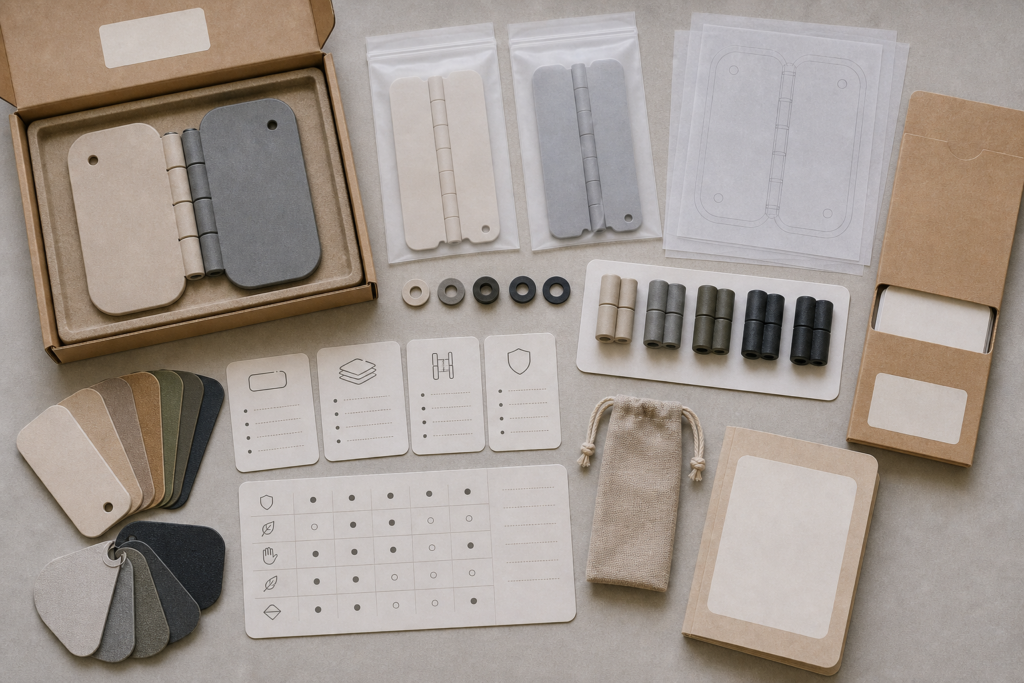
Butterfly knives attract attention, but attention can become risk. If buyers skip compliance and mechanism checks, a promising project can stop before production starts.
Knife buyers should evaluate balisong or butterfly knife OEM projects by checking destination-market legality, product positioning, handle structure, pivot fit, latch design, blade status, packaging warnings, and quality inspection before approving samples or bulk production.
Quick buyer brief:
- Answer: Treat a balisong project as a compliance-first mechanism project, not only a visual knife design.
- Buyer context: This helps knife brands, importers, wholesalers, distributors, and private label buyers avoid unsuitable product decisions.
- Key checks: Market law review, mechanism type, sharpened or trainer version, handle alignment, pivot tolerance, latch fit, QC plan, packaging, and RFQ details.
Planning a private-label knife line for this market?
Use this article as an early planning reference, then prepare your target market, product category, labeling needs, and buyer-specified compliance requirements before production.
When a customer asks about a balisong or butterfly knife, I do not start with appearance. I start with the market. Some places may treat this product category very strictly. Some sales channels may refuse it. Some customers may need a non-sharpened trainer product instead of a functional blade. Some designs may look simple but require careful pivot control and handle alignment. At Vast State, I prefer to slow down this type of project at the beginning. A slower concept review can save a buyer from wasted samples, blocked import, unsuitable packaging, and unclear product claims.
What Is a Balisong in a B2B Product Brief?
A name can sound familiar but still create confusion. If the buyer and supplier define the product differently, the sample can miss the target.
A balisong, often called a butterfly knife, uses two rotating handle halves around the blade. In a B2B brief, buyers should define blade status, handle structure, latch style, pivot hardware, and target market.
I Define the Category Before I Discuss the Design
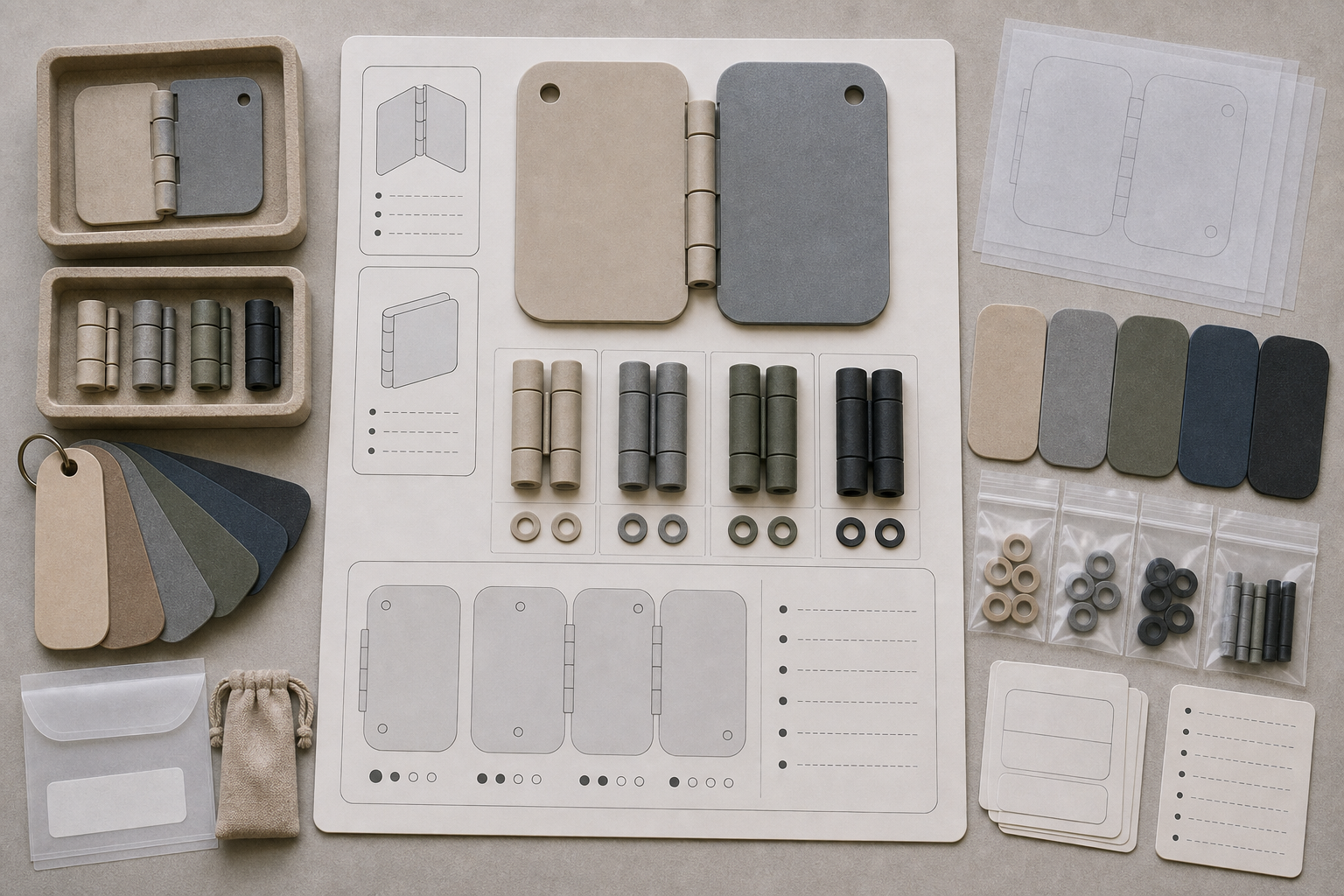
For OEM work, "butterfly knife" is not enough as a product specification. The buyer needs to describe what type of product is being sourced. Is it a sharpened knife for a market where this category is allowed? Is it a blunt trainer for demonstration or collection? Is the blade made from steel, aluminum, or another material? Does the customer need a latch? Does the handle use channel construction, sandwich construction, or a simplified cost-controlled structure?
I also ask how the product will be sold. A retail buyer, an online brand, and a distributor may face different channel rules. A product that works for one market may be unsuitable for another. This is why I do not treat a balisong project like a normal pocket knife. The movement of the handles, the category name, and the public perception all affect sourcing risk.
In a clear product brief, the buyer should avoid vague words such as "classic style" or "smooth action" without measurable details. I prefer to turn the idea into a manufacturing checklist. That checklist should cover the blade, handle, pivots, latch, finish, packaging, and legal review status.
| Brief item | What I ask the buyer | Why it matters |
|---|---|---|
| Product type | Sharpened knife, blunt trainer, or display sample | It changes compliance and QC needs |
| Market | Country, sales channel, and buyer type | It affects whether the project should proceed |
| Structure | Channel, sandwich, liner, or simplified handle | It affects cost, tolerance, and weight |
| Hardware | Pivot screws, bushings, washers, latch | It controls movement and service life |
Private-label Planning Checklist
Before starting production, prepare the market and product details your importer or compliance advisor needs to review.
| RFQ Field | What to Prepare |
|---|---|
| Target market | Country, state, region, or sales channel |
| Product category | Folding knife / fixed blade / multi-tool / outdoor tool |
| Intended use | EDC / camping / kitchen / hunting / rescue / promotional |
| Buyer requirements | Testing, labeling, documentation, or packaging rules |
| Blade and lock details | Blade length, opening method, lock type, edge style |
| Packaging text | Warnings, claims, care notes, language requirements |
| Documents | Drawing, sample photo, logo file, packaging artwork |
| Review owner | Importer, legal advisor, testing lab, or internal compliance team |
Why Should Compliance Come Before Design Approval?
Some knife projects fail before production because the market was not checked. That mistake is expensive, slow, and avoidable.
Compliance should come before design approval because balisong products may be restricted by local law, import rules, retailer policy, age rules, and transport rules. Buyers should verify destination-market requirements first.
I Treat Legal Review as a Product Gate
I am not a lawyer, and I do not give legal advice to customers. But I do treat legal review as a sourcing gate. Before sampling, the buyer should confirm whether the product category can be imported, sold, stored, advertised, and shipped in the target market. This review should come from the buyer's local legal, customs, retail, or compliance advisor.
The reason is simple. Official rules can be category-specific. For example, GOV.UK lists butterfly knife or balisong under its banned knives and weapons guidance. That does not describe every country. It does show why a buyer cannot assume the category is acceptable everywhere. In the United States, the official U.S. Code switchblade chapter defines certain knives by automatic opening, including opening by inertia, gravity, or both. A buyer should not guess how a product will be classified.
For this reason, I prefer to document the compliance decision before we invest time in drawings, prototypes, packaging, and tooling. If the product is not suitable for the target market, the buyer may need a different folding knife category, a trainer-only item, or a different product theme.
| Compliance question | Buyer action | Supplier support |
|---|---|---|
| Is the category allowed? | Verify local rules before RFQ | Provide product structure details |
| Can it be imported? | Check customs and broker guidance | Provide HS code discussion support |
| Can it be sold online? | Check platform and retailer policy | Provide neutral product descriptions |
| Does packaging need warnings? | Confirm legal wording locally | Prepare packaging space and layout |
Which Mechanism Details Should Buyers Specify Before Sampling?
A balisong can look correct in photos but feel poor in hand. Small mechanism errors become obvious when the handles move.
Buyers should specify pivot system, handle construction, latch type, blade clearance, handle spacing, washer or bushing choice, screw locking method, and acceptable movement feel before sampling starts.
I Separate Visual Style From Mechanical Control
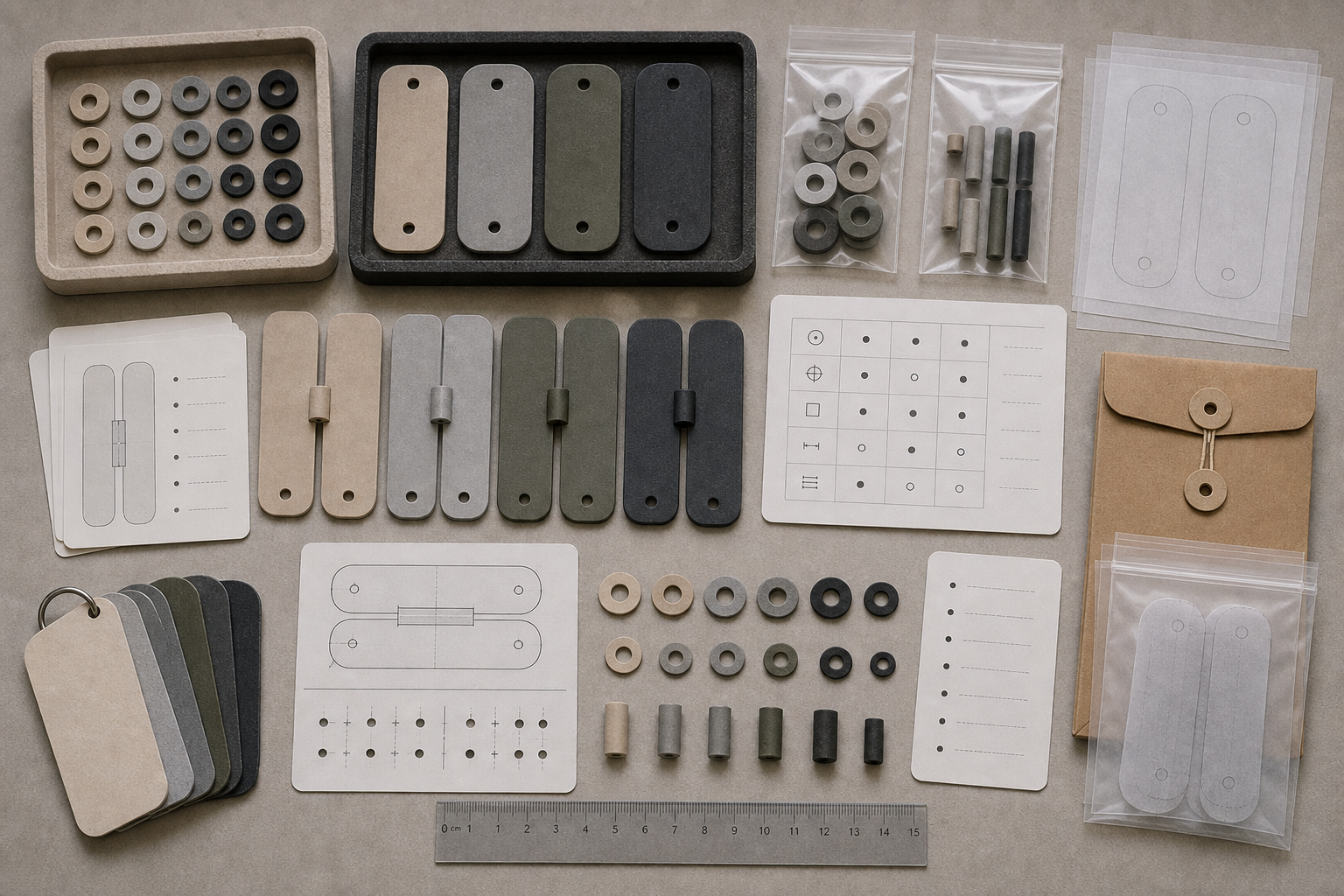
The most common mistake is to approve a design because the outline looks right. A balisong is a moving product. The two handles rotate around the pivot area, and the relationship between blade tang, handle clearance, stop contact, and latch alignment matters. If the pivot hole is loose, the handles may wobble. If the tolerance is too tight, movement may bind. If the handle gap is wrong, the blade may contact the handle interior. If the latch is poorly placed, the closed product may rattle or feel cheap.
The buyer should also decide whether the product needs a trainer configuration. A trainer can use a blunt profile or a non-cutting insert depending on the project. This decision changes material choice, edge finishing, packaging, and compliance review. It also changes quality checks because the factory should not accidentally produce a sharpened edge when the order is defined as trainer-only.
At Vast State, I like to define the mechanism through sample targets. The approved sample should set the reference for handle movement, side play, latch fit, surface finish, screw position, and final feel. Then the production inspection can compare bulk pieces with that approved sample.
| Mechanism detail | What to specify | Why it matters |
|---|---|---|
| Pivot system | Washer, bushing, screw type, thread treatment | Controls movement and maintenance |
| Handle build | Channel or sandwich construction | Affects tolerance, weight, and cost |
| Latch style | Position, lock feel, and rattle limit | Affects closed product quality |
| Blade clearance | Gap inside handle when closed | Prevents contact and finish damage |
How Should Materials and Heat Treatment Be Planned?
Material choices can make a project too costly, too weak, or hard to produce. This risk grows when the structure is complex.
Materials and heat treatment should be planned around blade status, target price, corrosion resistance, hardness range, handle weight, machining stability, and repeat production consistency.
I Match Material to the Real Product Role
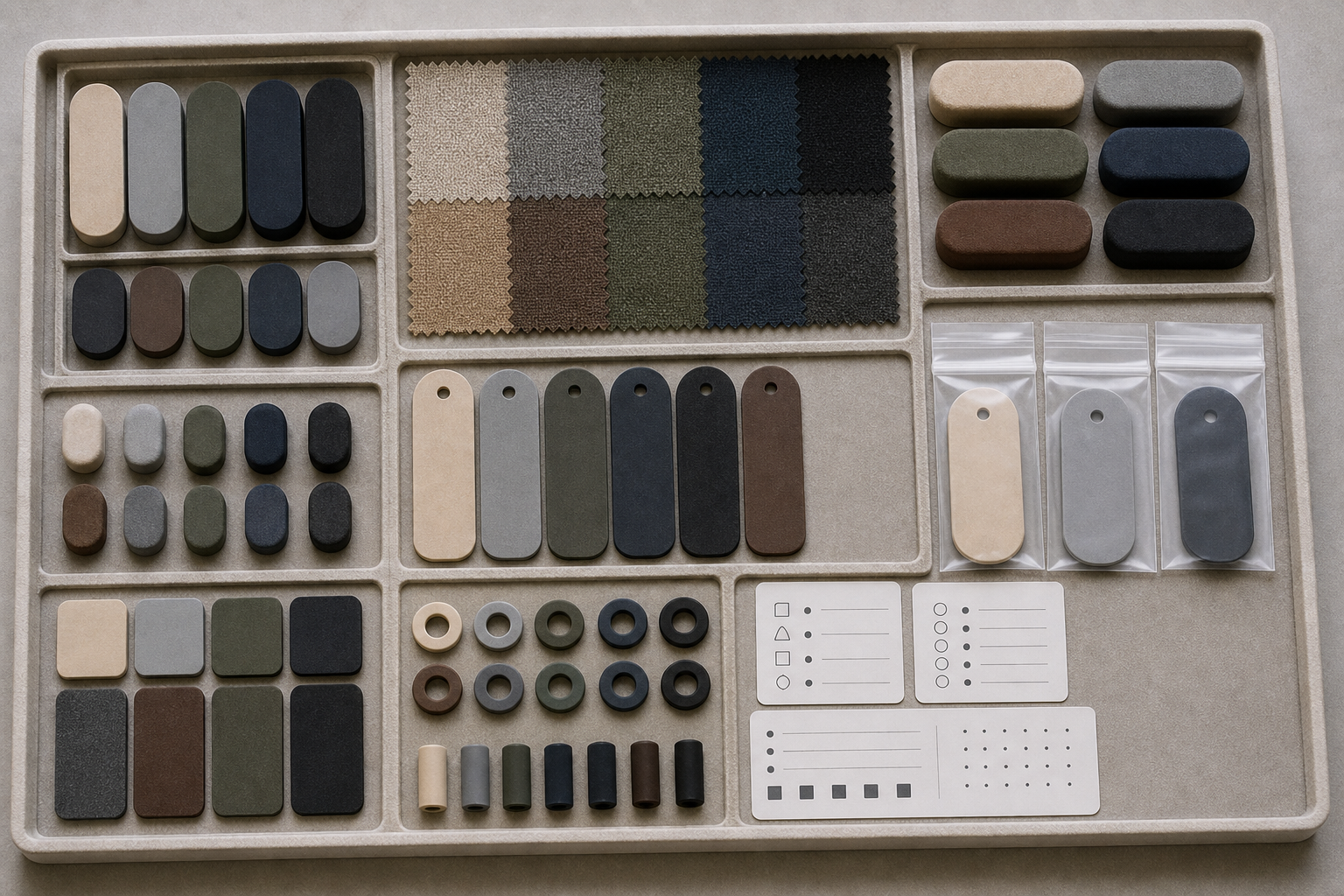
If the order is a functional blade for a lawful market, blade steel and heat treatment matter. The buyer should define the steel grade, target hardness range, corrosion needs, finish, and sharpening requirement. The factory should not choose steel only because it sounds good in marketing. The steel must match cost, machining, heat treatment, and the user's expected maintenance level.
If the order is a trainer product, the material plan changes. The buyer may not need a hardened cutting blade. The product may need better edge safety, accurate weight, smooth handle movement, and stable finish. The supplier should prevent confusion between trainer and functional production steps. Clear labeling and production separation can reduce mistakes.
For hardness verification, a source such as the NIST guide on Rockwell hardness measurement is useful because it explains why measurement practice can affect test results. For B2B knife production, this reminds me that hardness should be checked with a controlled method, not by guesswork.
Handle materials also matter. Stainless steel can feel solid but heavy. Aluminum can reduce weight and support color finishing. G10 can support grip and texture. Lower-cost materials can fit entry products if the buyer accepts their limits. The correct choice depends on the market, not only the catalog.
| Material choice | Good fit | Production concern |
|---|---|---|
| Stainless blade steel | Functional blade for lawful markets | Heat treatment and corrosion expectations |
| Blunt trainer material | Demonstration, collection, or practice-market products | Edge status must stay clear |
| Aluminum handle | Lower weight and color options | Surface treatment consistency |
| G10 or composite scale | Grip and texture | Machining dust and edge finishing |
What Quality Checks Matter for Pivot, Handle, and Latch Fit?
A sample can impress once and still fail in batch production. Moving parts need repeatable checks, not only visual inspection.
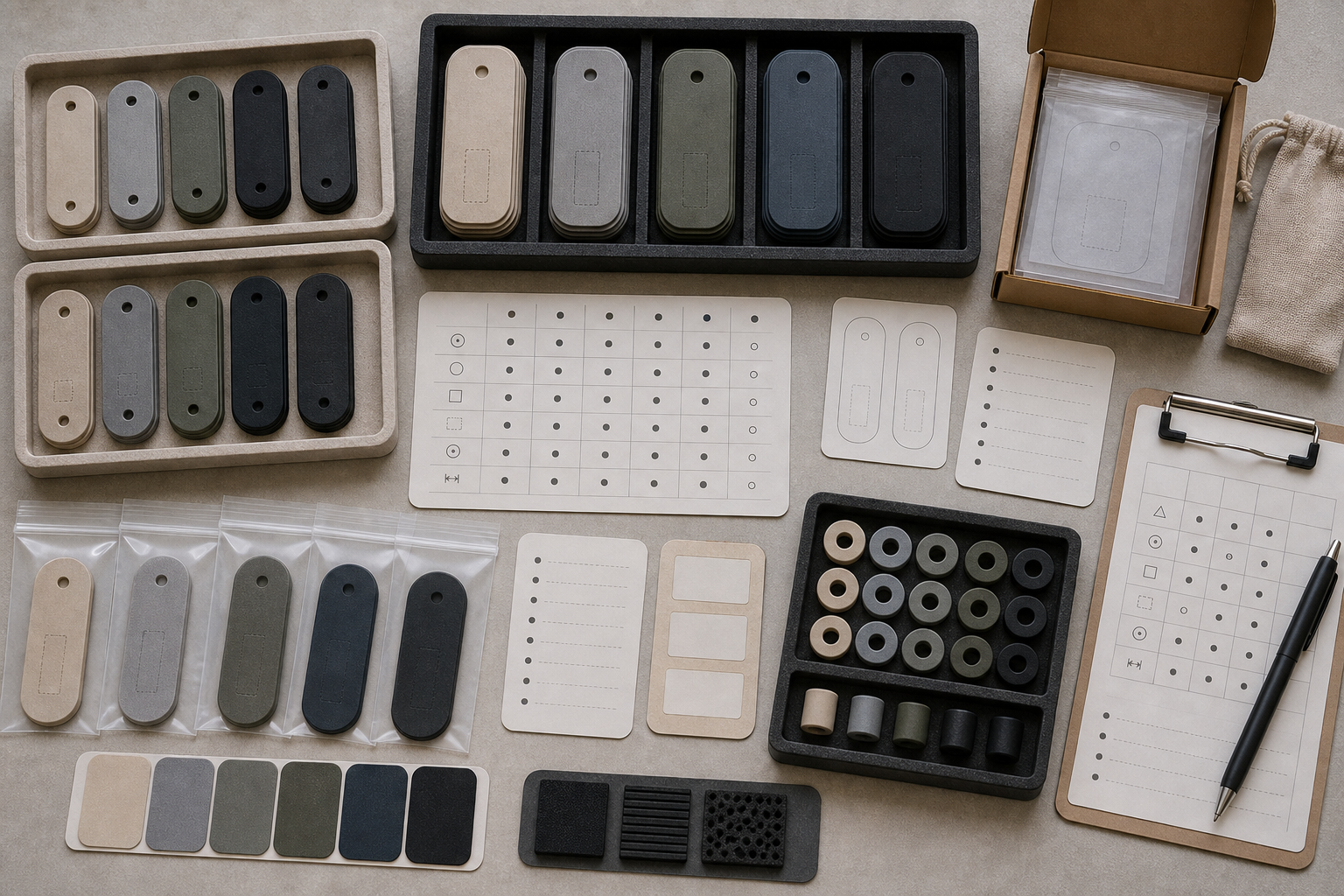
Important QC checks include pivot play, handle alignment, screw torque, latch position, blade centering in the handle channel, surface scratches, edge status, repeated movement, and packaging protection.
I Build the QC Plan Around Repeat Movement
For this product category, I would not rely only on appearance inspection. The product has multiple contact points. Pivots must be stable. Handles must line up. Screws must hold. Latches must close with a consistent feel. The blade or trainer insert must sit safely inside the handle space when closed. The finish should not be scratched by normal opening and closing during inspection.
The QC plan should define acceptable and unacceptable conditions. For example, the buyer can define whether small handle movement is acceptable, whether latch rattle is allowed, whether screw thread treatment is required, whether a trainer edge must be visibly blunt, and whether a sample must pass repeated movement checks before packaging.
This is where a process mindset matters. The ISO page for ISO 9001 quality management describes a quality management standard built around meeting customer and regulatory requirements. I use that idea in a practical way. The supplier should define requirements, inspect against them, record issues, and correct the process when defects repeat.
Quality checks should also protect the buyer's brand. A product with loose handles or rough latch fit can create returns even if the material is acceptable. A product with inconsistent edge status can create serious market problems. This is why I treat QC as a commercial requirement.
| QC item | How I check it | Buyer value |
|---|---|---|
| Pivot play | Compare movement with approved sample | Controls user feel and perceived quality |
| Handle alignment | Check closed position and spacing | Improves consistency |
| Latch fit | Check closed hold and rattle | Reduces complaints |
| Edge status | Confirm sharpened or trainer specification | Protects compliance and product promise |
How Should Safety Information and Packaging Be Prepared?
Packaging can make a compliant product easier to understand. Poor wording can create confusion, complaints, or channel rejection.
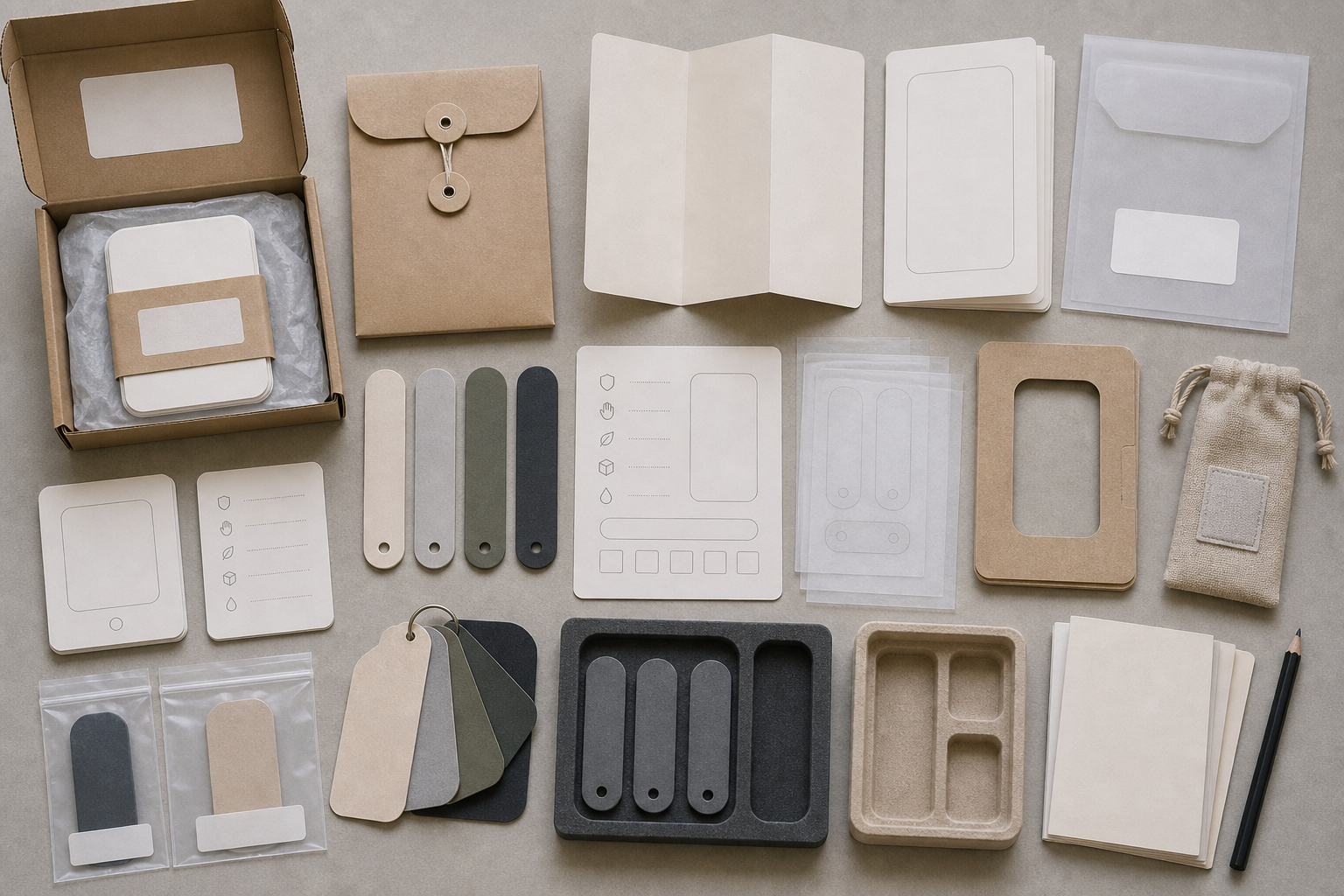
Safety information and packaging should explain intended product type, safe storage, age or market restrictions where applicable, local-law responsibility, edge status, maintenance basics, and supplier traceability.
I Keep Product Information Plain and Responsible
I prefer plain packaging language for sensitive knife categories. The package should not make dramatic claims. It should not suggest unsafe behavior. It should tell the buyer what the product is, what the product is not, and how the user should store and maintain it responsibly.
General safety guidance supports this approach. HSE guidance on safe use of knives focuses on suitable knife use, careful handling, sharpness, stable surfaces, and secure storage in a workplace context. A balisong product is different from a kitchen knife, but the practical message still matters: responsible storage and handling information should be built into the product experience.
Packaging also helps the B2B buyer control logistics. A rigid insert can protect handles from scratches. A clear item label can help warehouse teams separate trainer and functional versions. A warning card can remind users to follow local laws. A spare-parts note can explain pivot screws or latch parts when the buyer wants after-sales support.
I also recommend keeping marketing copy conservative. A buyer can describe material, construction, finish, trainer status, and quality checks. The buyer should avoid language that encourages risky use or suggests the product belongs in restricted places. Good packaging supports sales by reducing misunderstanding.
| Packaging item | What to include | Why it helps |
|---|---|---|
| Product type | Functional blade or trainer status | Reduces category confusion |
| Safety note | Storage, handling, and local-law reminder | Supports responsible use |
| Specification card | Steel, handle, finish, hardware | Helps online and retail buyers |
| Traceability label | SKU, batch, carton, and version | Helps QC and after-sales follow-up |
What Should Buyers Include in a Balisong RFQ?
An RFQ that only says "butterfly knife" leaves too much open. The supplier may quote the wrong product or risk level.
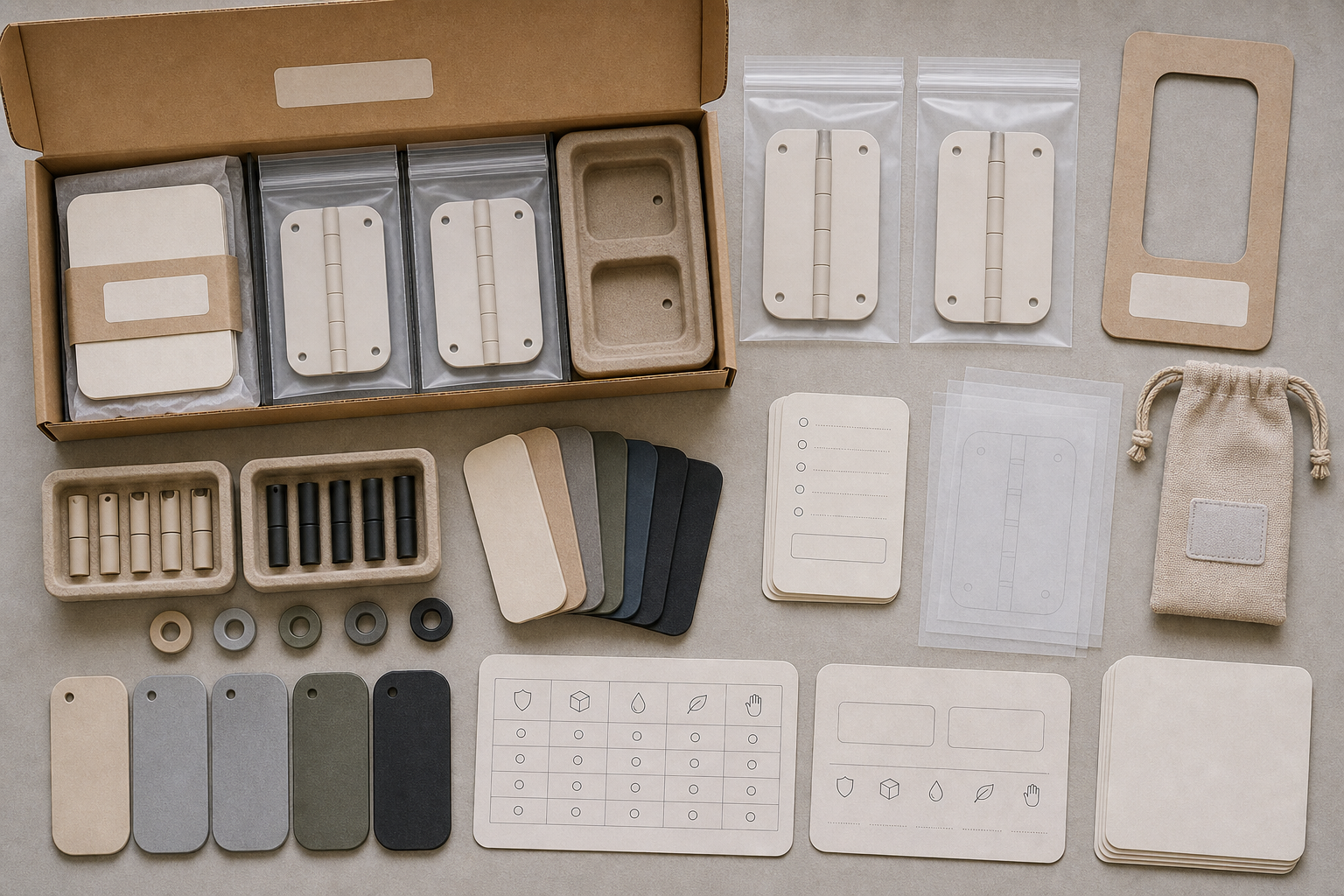
A balisong RFQ should include target market, legal review status, product type, blade or trainer specification, materials, handle construction, pivot system, latch type, finish, packaging, MOQ, target price, inspection standard, and shipment needs.
I Ask for Enough Detail to Protect Both Sides
For this category, I want the buyer to prepare more information than usual. The first item is target market and legal review status. If the buyer has not checked this, I will suggest doing that before sampling. The second item is product type. A functional blade and a trainer may look similar in shape, but they should be treated as different product paths.
Then I ask for normal OEM details: blade steel or trainer material, handle material, surface finish, handle construction, pivot system, latch type, logo method, packaging type, order quantity, target price, and inspection expectations. If the buyer has a drawing, we can review manufacturability. If the buyer only has a concept, we can suggest a practical structure that fits the budget and product position.
The RFQ should also state what the product should not do. For example, if the buyer needs a trainer-only product, the RFQ should say that no sharpened edge is allowed. If the buyer needs a retail product for a strict market, the RFQ should state that the project is pending local compliance approval. These notes keep communication clear.
| RFQ field | Example detail | Why it matters |
|---|---|---|
| Market status | Destination country and legal review status | Decides whether sampling should start |
| Product version | Functional blade or trainer | Changes materials and inspection |
| Structure | Handle type, pivot, latch, hardware | Controls production feasibility |
| Quality plan | Movement feel, edge status, finish, packaging | Makes bulk inspection practical |
Planning a private-label knife line for this market?
Use this article as a planning reference, then confirm local requirements with your importer or compliance advisor before OEM/ODM production.
Conclusion
I evaluate balisong projects by checking compliance first, then structure, materials, QC, packaging, and RFQ clarity before production.
Source Notes
- GOV.UK knife guidance supports the point that butterfly knife or balisong classification can be strict in some markets.
- U.S. Code, Title 15 Chapter 29 supports the need to review mechanism classification, especially gravity or inertia language.
- NIST Rockwell hardness guide supports controlled hardness measurement for functional blade production.
- ISO 9001 supports the process-control mindset behind customer requirements and quality checks.
- HSE knife safety guidance supports practical safety ideas around suitable use, careful handling, and secure storage.