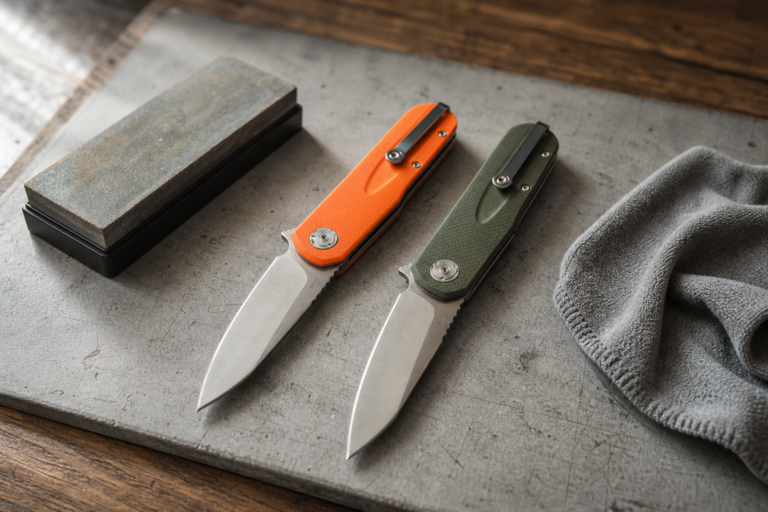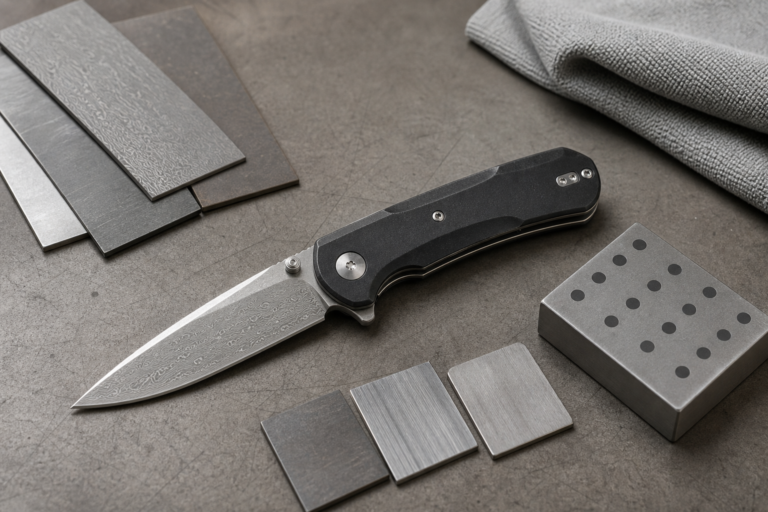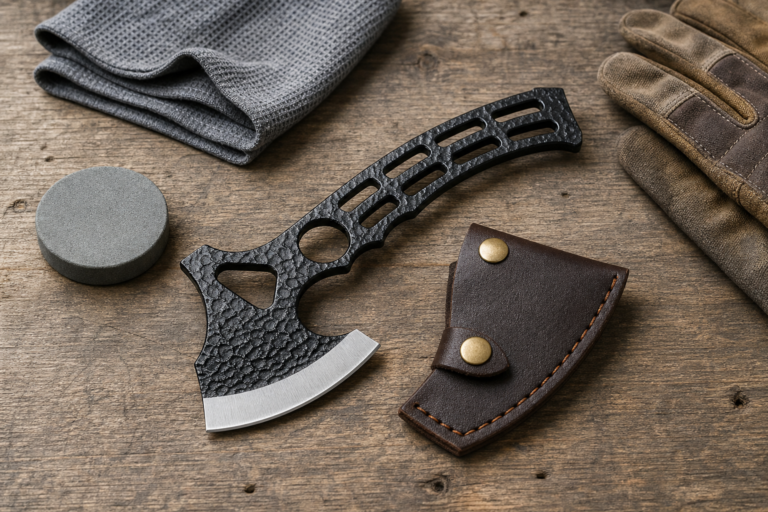
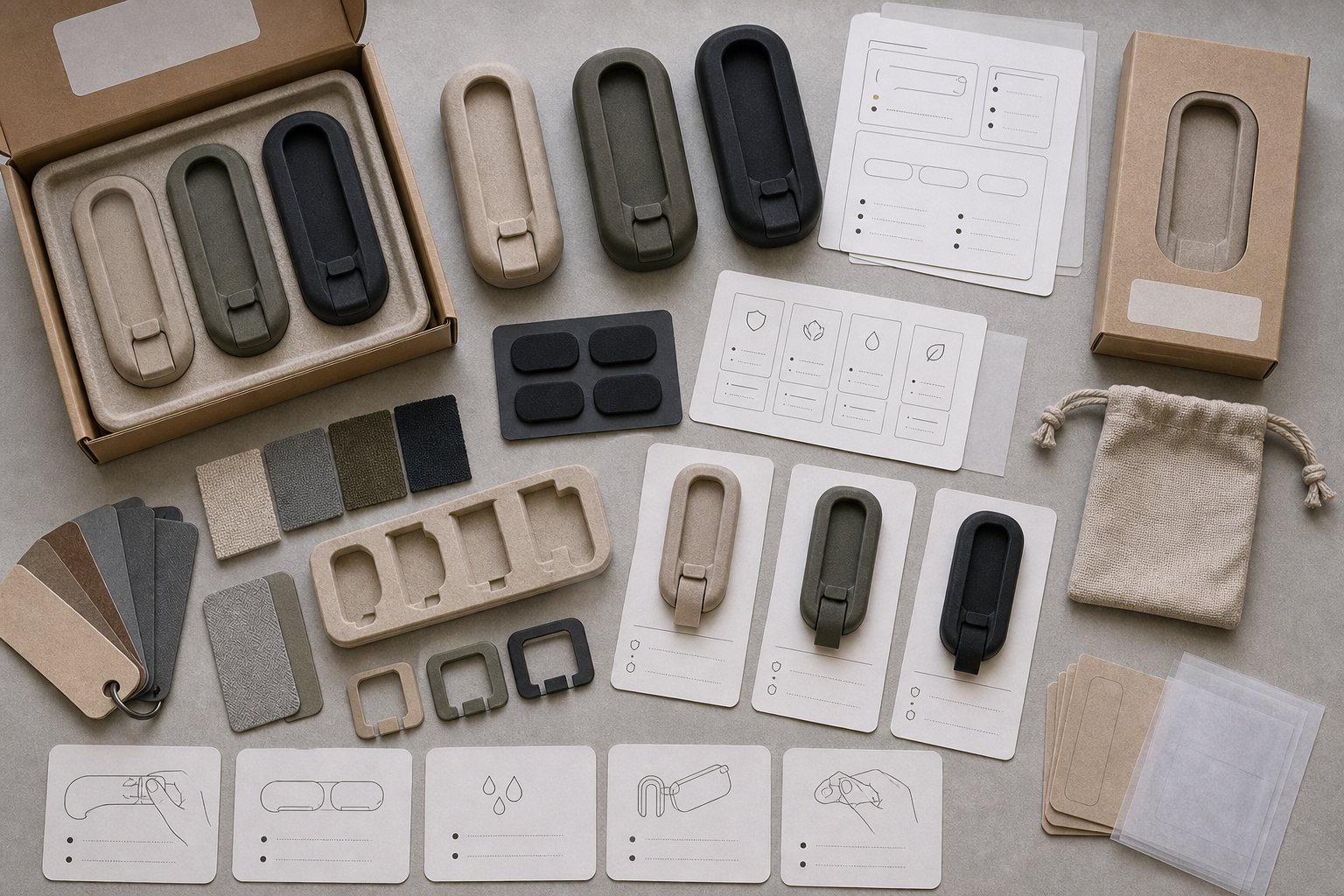
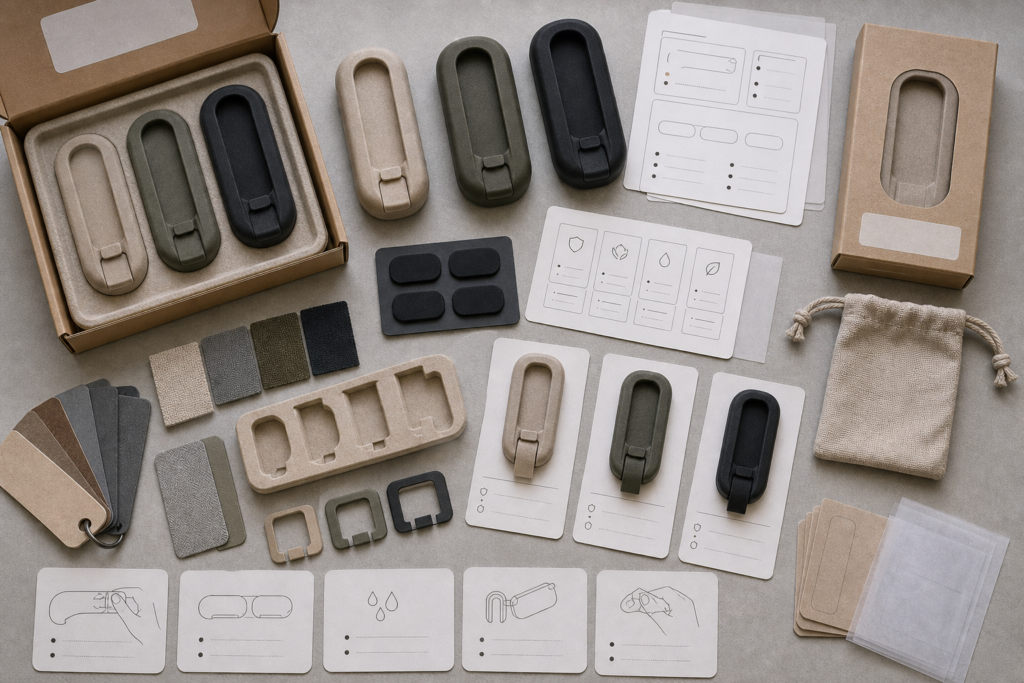
A fixed blade knife is only as safe as its sheath and carry system. Poor retention can turn a useful tool into a product complaint.
Buyers should design fixed blade knife carry systems by confirming sheath retention, blade coverage, handle access, belt or pack attachment, user activity, legal limits, travel rules, packaging warnings, and quality checks. Safe carry is a product-design issue, not only a user habit.
Quick buyer brief:
- Answer: A fixed blade carry system should keep the blade covered, retained, accessible for lawful tool use, and matched to the user's activity.
- Buyer context: This helps knife brands, outdoor brands, importers, wholesalers, distributors, and private label buyers develop fixed blade knives with practical sheath systems.
- Key checks: Sheath material, retention, drain hole, belt loop, clip, dangler, handle exposure, tip protection, packaging, warning text, inspection, and destination-market compliance.
Planning a fixed blade or outdoor knife project?
Share your target use, blade size, steel preference, handle direction, sheath needs, quantity range, and packaging plan. Vast State can help turn it into a quote-ready specification.
When a buyer asks how to carry a fixed blade knife, I usually move the discussion away from personal tricks and toward product design. The supplier cannot control every user's behavior, but the supplier can help design a safer sheath, a clearer attachment system, better packaging, and better inspection standards. A fixed blade is different from a folding knife because the blade does not disappear into a handle. The sheath becomes part of the product. If the sheath is loose, weak, uncomfortable, or unclear, the knife may fail even if the blade itself is well made. At Vast State, I treat fixed blade carry as a system made of blade, handle, sheath, attachment, user task, and market rules.
What Does Safe Fixed Blade Carry Mean for Product Design?
Safe carry is often discussed as user behavior. But in OEM work, it begins with how the knife and sheath are designed.
Safe fixed blade carry means the blade is fully covered, retained in the sheath, attached securely, easy to control for lawful tool use, and supported by clear packaging and instructions.
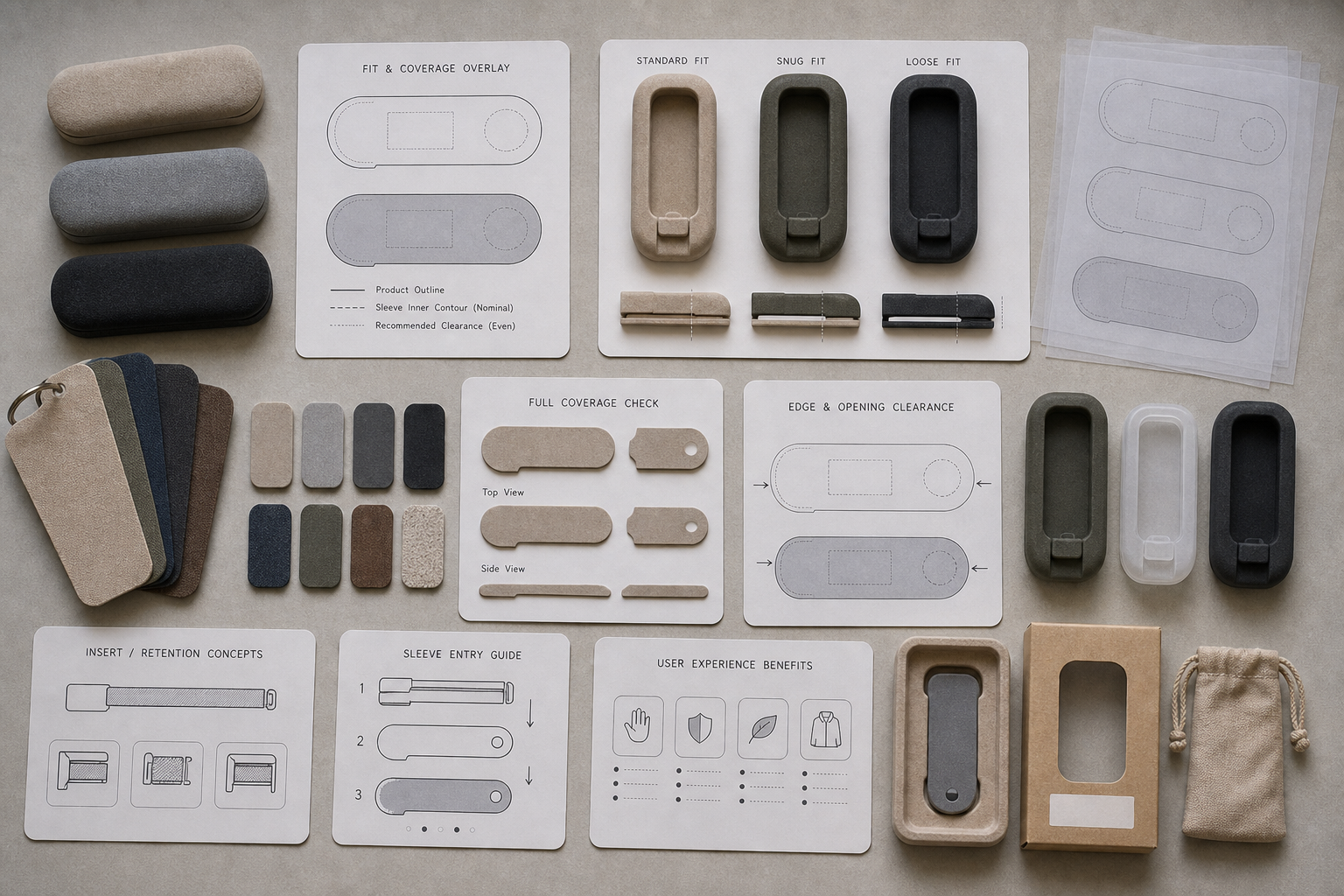
I Start With the Sheath, Not Only the Blade
In fixed blade projects, the sheath is not an accessory. It is the safety housing, carry interface, and often part of the brand experience. I first check whether the sheath fully covers the edge and point. Then I check retention, handle exposure, attachment method, material thickness, drain path, hardware, and how the product will be packed.
HSE's guidance on safe use of knives is written for workplace knife handling, but the core idea is useful for product design: knife accidents can be reduced by choosing suitable knives, using safe practices, and storing knives correctly. For fixed blade products, the sheath and packaging are part of that storage and handling system.
Buyers should also avoid treating "carry" as one universal feature. A camping knife, fishing knife, hunting knife, rescue tool, and outdoor utility knife may need different sheath designs. Some users need belt carry. Some need pack attachment. Some need a dangler to move with the body. Some need a simple protective sheath for storage. The product should define the intended context clearly.
| Design factor | What I check | Why it matters |
|---|---|---|
| Blade coverage | Edge and tip are fully covered | Reduces accidental contact risk |
| Retention | Knife stays in sheath during normal movement | Prevents loose carry complaints |
| Attachment | Belt, clip, loop, dangler, or pack mount | Matches user activity |
| Instructions | Packaging explains safe storage and legal responsibility | Supports responsible use |
OEM/ODM RFQ Checklist
Prepare these details to help Vast State review your project and provide a more accurate quotation.
| RFQ Field | What to Prepare |
|---|---|
| Project type | OEM from drawing / ODM private label / wholesale catalog |
| Product category | Folding knife / fixed blade / multi-tool / outdoor tool |
| Design status | Idea / sketch / 2D drawing / 3D CAD / physical sample |
| Target price | Ex-factory target price or retail price range |
| MOQ expectation | 500 / 1,000 / 3,000 / 5,000+ pcs |
| Logo method | Laser engraving / etching / printing / molded logo |
| Packaging | Standard packaging / custom retail box / Amazon-ready |
| Market | USA / EU / Japan / Korea / Middle East / other |
| Compliance needs | Buyer-specified testing / documentation / labeling |
| Timeline | Sample deadline / mass production deadline |
Why Is Sheath Retention More Important Than Carry Position?
Carry position gets attention, but retention does the safety work. A loose sheath can fail no matter where it is worn.
Sheath retention is more important than carry position because it keeps the knife seated, protects the edge and tip, and prevents accidental loss during movement, storage, or transport.
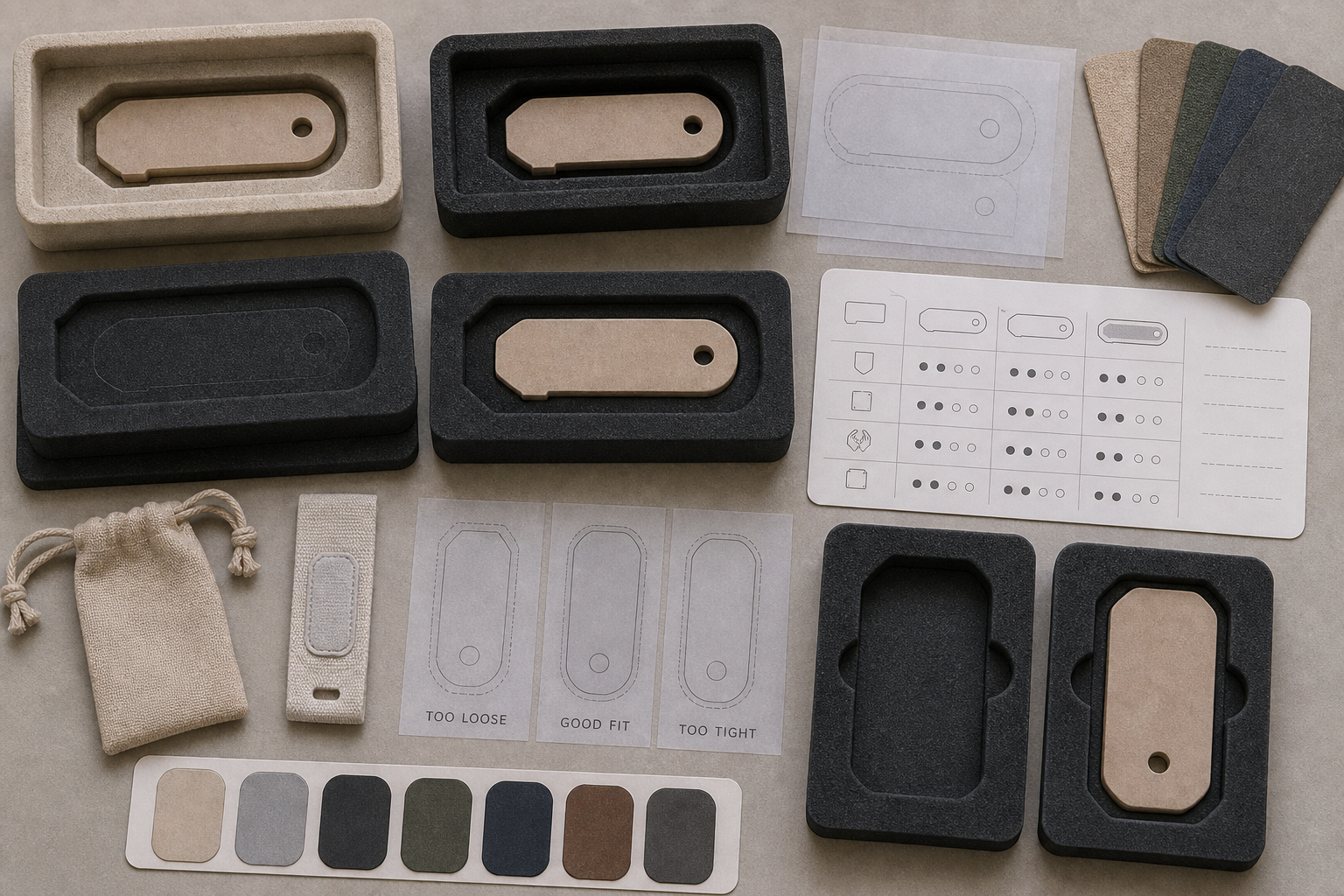
I Treat Retention as a Measurable Requirement
Many buyers ask whether a fixed blade should be carried on the belt, pack, or chest area. I usually answer with a different question first: how well does the sheath retain the knife? A carry method should not depend on luck or friction that changes after a few uses. The product should have a defined retention method. It may be molded friction, a snap strap, a locking mechanism, a tension screw, or a hybrid method.
Retention also needs balance. If the retention is too weak, the knife can fall out. If it is too tight, the user may pull too hard and lose control. If a strap is placed poorly, it may interfere with handle access or cut against the edge over time. If a molded sheath is too tight, it can scratch the finish or create inconsistent user feel.
For OEM production, I like to define simple retention checks. The factory can check seated fit, movement under light shaking, draw force range when specified, strap alignment, screw tightness, and sheath wear after repeated insert and remove cycles. The approved sample becomes the retention reference.
| Retention method | Benefit | Production concern |
|---|---|---|
| Molded friction | Clean look and fast use | Needs accurate fit and material control |
| Snap strap | Familiar and secure | Strap placement and stitching matter |
| Tension screw | Adjustable feel | Hardware must stay stable |
| Locking sheath | Strong retention | More parts and more inspection work |
Which Carry Attachment Options Should Buyers Specify?
Attachment options sound simple until production starts. Belt loops, clips, and pack mounts all create different fit and cost issues.
Buyers should specify belt loop, clip, dangler, MOLLE-style webbing, pack attachment, or storage-only sheath based on user activity, market expectations, legal context, and product price.
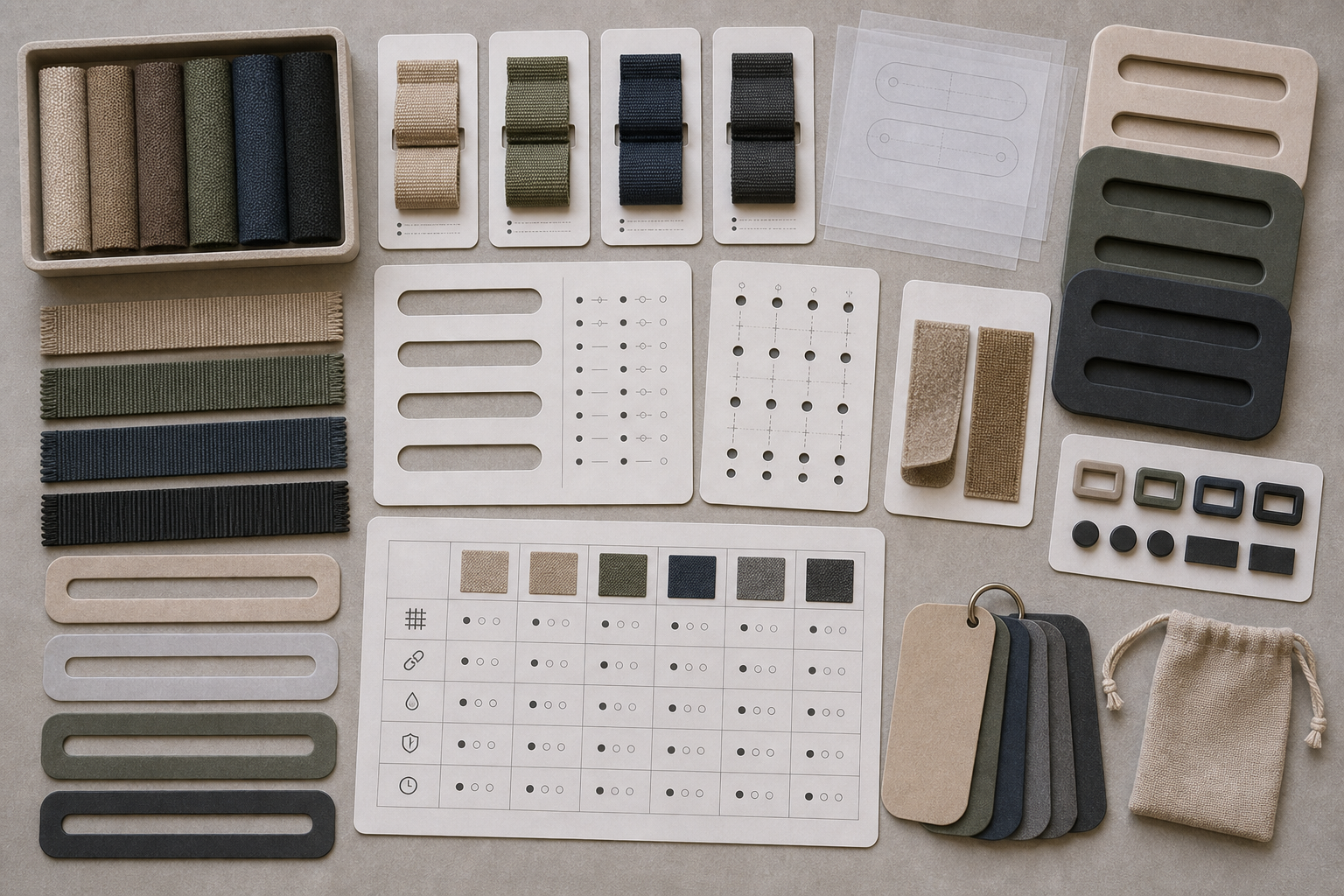
I Match Attachment to Real Use, Not Catalog Fashion
Different attachment systems solve different problems. A simple belt loop may be enough for a classic outdoor knife. A clip may help with faster mounting but may require stronger hardware and better fit. A dangler can make the knife move more naturally when walking or sitting, but it adds cost and parts. Webbing-compatible attachments can suit outdoor or tactical-style packs, but buyers must confirm whether that fits the target market and local rules.
I also ask whether the buyer wants right-hand only, left-hand only, or reversible carry. Reversible systems can add value, but they usually add holes, screws, hardware, and inspection points. If the product is price-sensitive, a simpler attachment may be better. If the product is positioned as a higher-value outdoor tool, a modular sheath may support the brand story.
Buyers should avoid vague RFQ wording such as "secure carry." Instead, they should define belt width, clip material, mounting hole pattern, screw type, strap type, and whether the sheath must support vertical or horizontal mounting. I avoid promoting concealed carry positioning. I focus on visible, lawful, practical tool carry.
| Attachment option | Good fit | OEM check |
|---|---|---|
| Belt loop | Classic outdoor and utility knives | Belt width, stitching, rivets |
| Clip | Compact carry and storage flexibility | Clip strength and screw hold |
| Dangler | Camping and movement comfort | Hardware noise and durability |
| Pack mount | Outdoor bags and gear kits | Hole pattern and strap compatibility |
How Do Handle Design and Draw Control Affect Safety?
The sheath can be secure, but a poor handle can still make the knife awkward to control. Carry design must include grip design.
Handle design affects fixed blade carry because the user needs enough exposed handle to grip safely while the sheath still covers the blade, edge, and point.
I Design the Handle and Sheath Together
The handle should not be designed separately from the sheath. If the sheath covers too much handle, the user may struggle to get a stable grip. If the sheath exposes too much blade area, safety is reduced. If the handle has aggressive corners, it may feel uncomfortable during carry. If the handle is too smooth, wet or gloved use may feel insecure.
The Canadian Centre for Occupational Health and Safety notes in its hand tool ergonomics guidance that tool design should consider fit to the user and task. A fixed blade knife is a specific product, but the general principle applies. The handle should support control and reduce awkward force. The sheath should allow a stable grip before the knife is removed.
For OEM buyers, I recommend checking handle length, handle thickness, texture, guard or finger area, exposed handle height above the sheath, and how the sheath mouth contacts the handle. I also check whether the knife rattles inside the sheath. A rattle may not always be dangerous, but it can make the product feel lower quality.
| Handle and sheath detail | What to check | Buyer value |
|---|---|---|
| Exposed handle | Enough grip area above sheath | Better user control |
| Handle texture | Grip without harsh edges | Comfort and stability |
| Sheath mouth | Smooth entry and safe blade coverage | Reduces damage and awkward use |
| Rattle control | Fit between knife and sheath | Improves perceived quality |
What Legal and Travel Notes Should Brands Avoid Ignoring?
Knife carry rules change by place and context. A product that is acceptable in one market may create problems in another.
Brands should avoid ignoring local knife laws, retailer rules, transport rules, airport rules, public-place restrictions, age restrictions, and destination-market labeling requirements.
I Keep Compliance Language Careful and Local
I do not give legal carry advice as a manufacturer. Knife laws can vary by country, state, city, public setting, transport mode, blade length, edge type, carry visibility, and intended use. For B2B buyers, the practical approach is to build products and packaging that encourage lawful, responsible use. The buyer should verify destination-market rules with a local compliance expert, broker, retailer, or legal advisor.
Air travel is one area where official guidance is easier to cite. The TSA page for knives says knives are not allowed in carry-on bags, are allowed in checked bags, and sharp objects in checked bags should be sheathed or securely wrapped to prevent injury to baggage handlers and inspectors. This does not replace local law. It only gives a transport rule for TSA screening.
For product pages and packaging, I recommend simple responsible language. The brand can tell users to follow local laws, keep the knife sheathed when not in use, store it safely, and transport it according to applicable rules. The brand should avoid marketing language that suggests unlawful carry, concealment, intimidation, or misuse.
| Compliance topic | Buyer action | Why it matters |
|---|---|---|
| Local carry law | Verify by destination market | Prevents unsuitable sales claims |
| Travel rules | Check official transport guidance | Avoids customer confusion |
| Retailer rules | Confirm product listing limits | Protects sales channel |
| Packaging notes | Add responsible-use and storage language | Supports safer use |
Which Sheath Materials Should Buyers Compare?
Sheath material affects retention, cost, noise, finish protection, and user feel. It should not be chosen only by appearance.
Buyers should compare molded plastic, Kydex-style sheet, nylon, leather, hybrid sheath designs, hardware, stitching, rivets, and liners based on use, price, and quality expectations.
I Choose Sheath Material by Use and Production Control
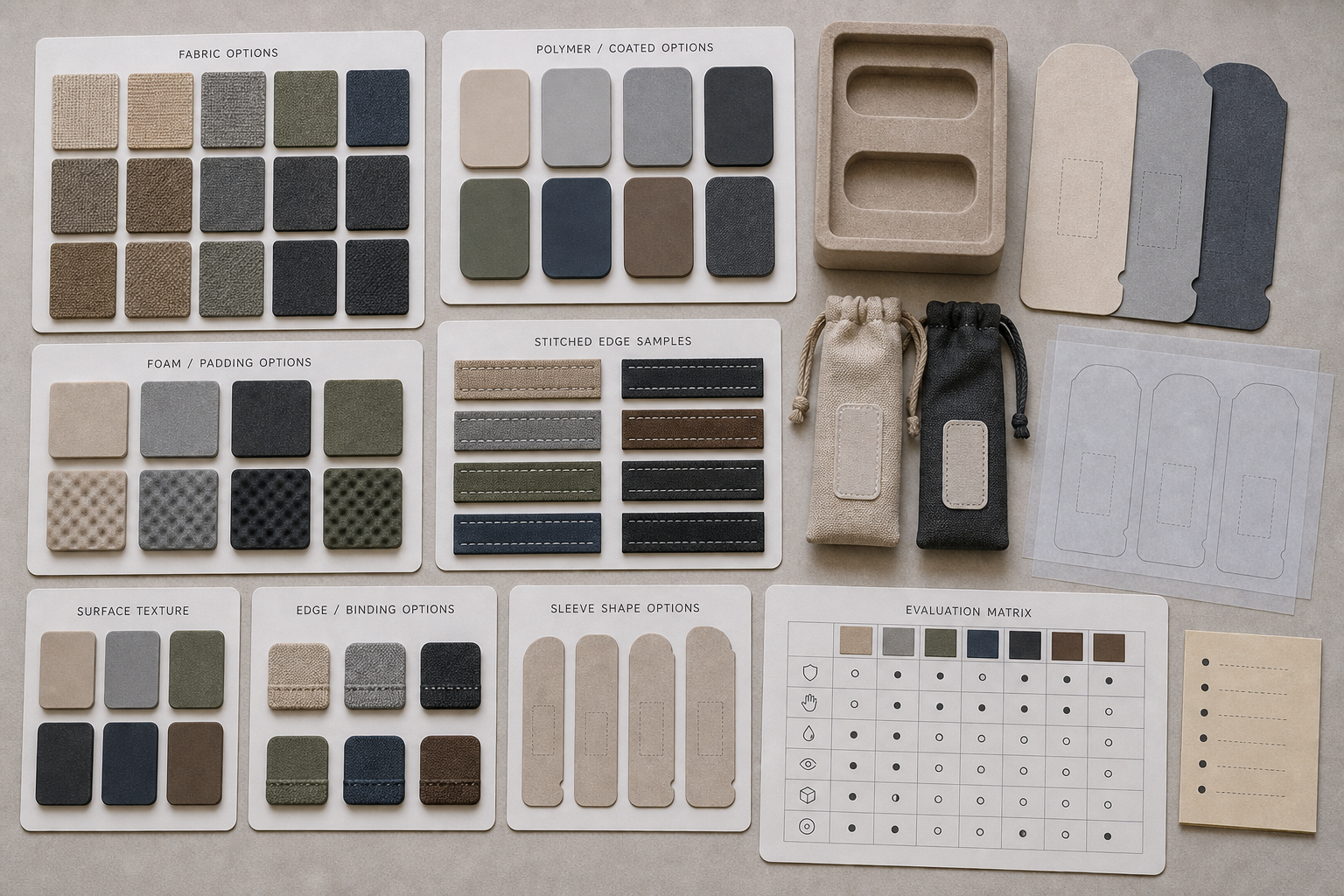
Molded plastic sheaths can be cost-effective and repeatable for many orders. They can support friction retention and clean shape, but tooling and fit control matter. Kydex-style sheet sheaths can look strong and modular, but forming, edge finishing, and retention must be controlled. Leather or leather-like sheaths can fit traditional outdoor products, but stitching, moisture behavior, and thickness variation need attention. Nylon sheaths can support lower-cost utility packaging, but liner quality and edge protection matter.
The sheath material should match blade finish. A hard sheath that rubs the blade may scratch coatings or polished surfaces. A soft sheath without a good liner may not protect the point well. A wet-use outdoor knife may need drainage and easy cleaning. A hunting or camping knife may need a quieter carry feel. A private label gift knife may need a sheath that looks better in packaging.
Buyers should also compare hardware. Rivets, screws, straps, snaps, belt loops, clips, and stitching are all failure points if they are not specified. A strong blade with a weak sheath attachment can still create a poor product experience.
| Sheath material | Strength | Risk to manage |
|---|---|---|
| Molded plastic | Repeatable and cost-controlled | Tooling fit and rattle |
| Kydex-style sheet | Modular and firm retention | Edge finishing and scratch risk |
| Leather or leather-like | Traditional appearance | Moisture and stitch consistency |
| Nylon with liner | Flexible and cost-friendly | Point protection and liner quality |
How Should Retention and Carry Quality Be Tested?
A sample can feel good once and fail later. Buyers need practical tests before approving bulk fixed blade production.
Retention and carry quality should be tested by checking sheath fit, blade coverage, movement, strap function, attachment strength, repeated insertion, edge contact, finish scratches, and packaging protection.
I Test the Carry System Like a Product, Not a Guess
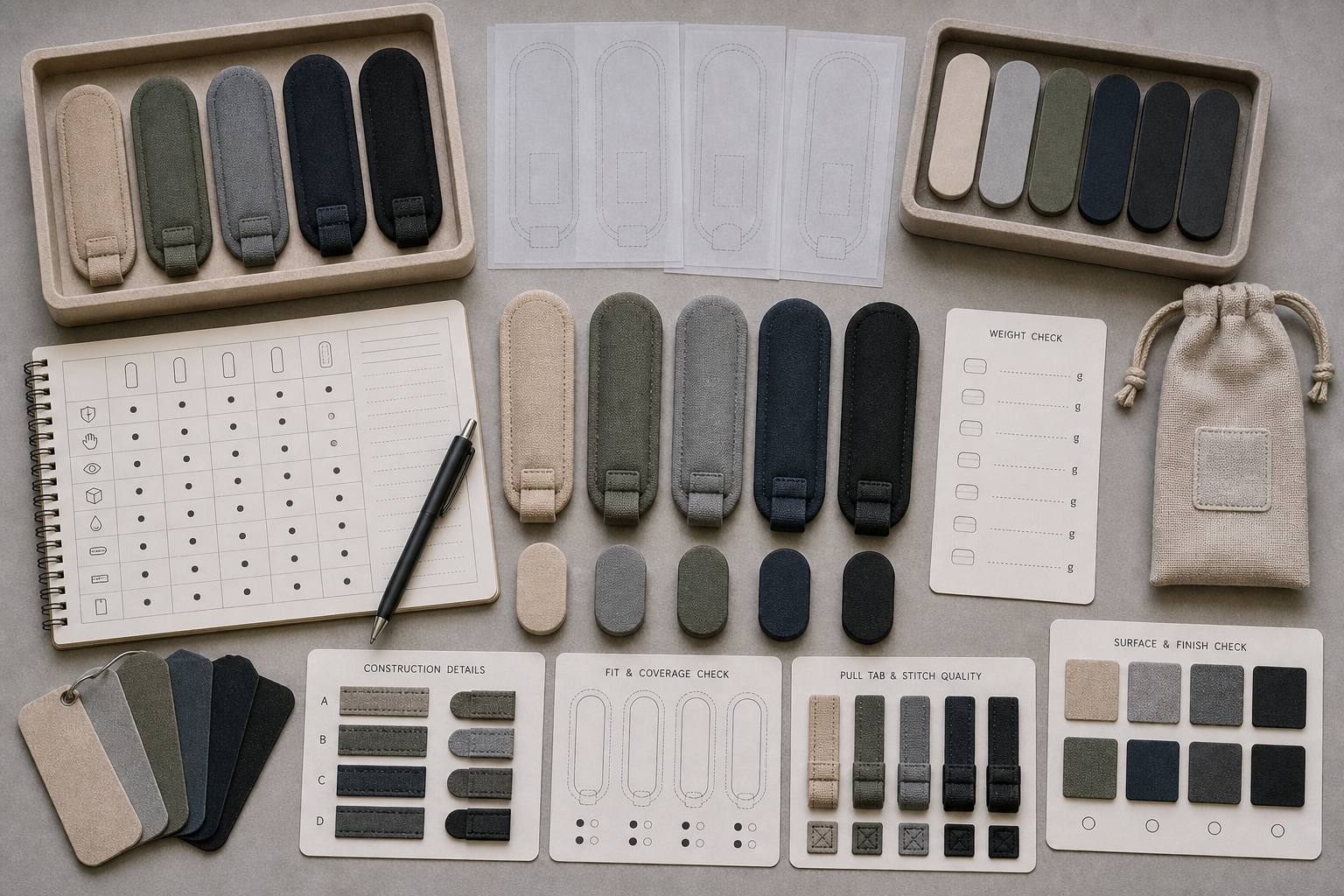
I prefer to test the sheath and carry system against an approved sample. The test does not need to be complicated for every order, but it should be defined. The factory can check whether the blade seats fully, whether the point is protected, whether the sheath scratches the blade finish, whether straps align, whether screws stay tight, and whether the belt loop or clip holds under normal handling.
Repeated insertion and removal is useful because some sheaths change after use. A sheath that is too tight may loosen. A strap may stretch. A screw may back out if not treated correctly. A rivet may show weakness. If the buyer wants a higher-positioned product, the testing should be more detailed.
Quality management also matters. The ISO page for ISO 9001 quality management discusses customer requirements, process control, performance evaluation, and continual improvement. I use that as a process mindset. For fixed blade carry systems, the supplier should define the requirement, check production against it, and correct causes when defects appear.
| Test item | What to check | Why it matters |
|---|---|---|
| Retention | Knife remains seated under normal handling | Prevents loose carry complaints |
| Blade coverage | Edge and point stay covered | Supports safer storage |
| Attachment strength | Belt loop, clip, screws, rivets, strap | Prevents carry failure |
| Finish protection | Sheath does not damage blade or handle | Protects sellable appearance |
How Should Packaging and User Information Support Responsible Carry?
Packaging is not only for sales. It can reduce confusion about storage, travel, and safe handling.
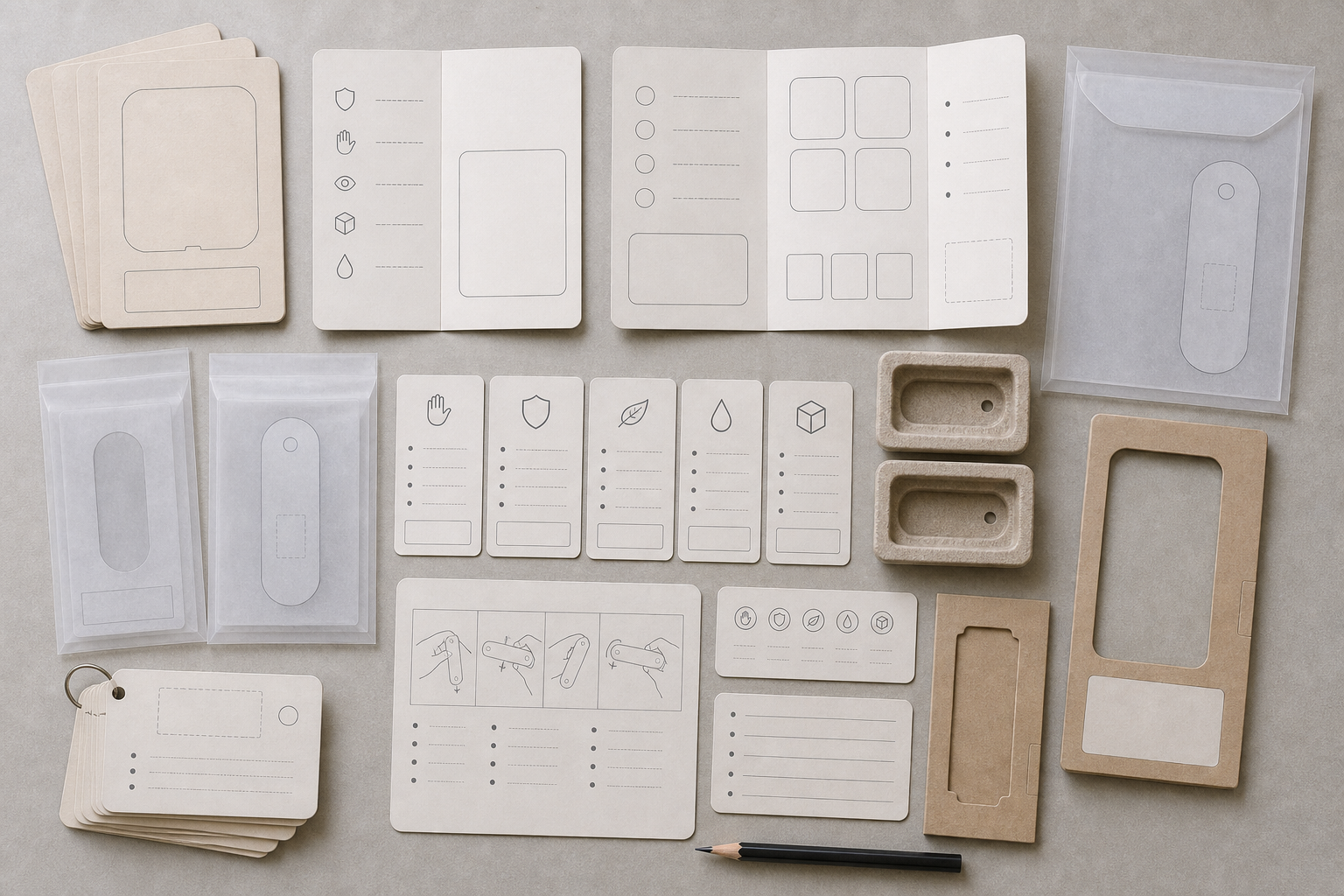
Packaging should support responsible carry by showing safe storage guidance, local-law reminders, sheath use, transport notes, maintenance basics, and clear product specifications without making unsafe claims.
I Keep Warnings Plain and Useful
Good packaging does not need to scare the customer. It should be clear and practical. For fixed blade knives, I like packaging to remind users to keep the knife sheathed when not in use, store it away from children, inspect the sheath and attachment before use, follow local laws, and use the knife only as a tool for its intended purpose. The wording should match the buyer's market and legal review.
For B2B buyers, packaging also has commercial value. A good insert can explain sheath features, maintenance basics, and product specifications. A good box or pouch can prevent scratches during shipping. A clear SKU label can reduce warehouse mistakes. A strong outer carton can help repeat orders arrive in better condition.
If the product is sold online, packaging and product description should be consistent. Do not promise carry positions that the product was not tested for. Do not imply that the knife is suitable for places where local law may restrict it. I would rather write careful, practical product information than dramatic claims.
| Packaging item | What to include | Buyer value |
|---|---|---|
| Instruction card | Safe storage and sheath use | Reduces confusion |
| Product specs | Blade, handle, sheath, attachment details | Supports online and retail sales |
| Protective insert | Prevents movement and scratches | Improves arrival condition |
| Carton marks | SKU and packing information | Helps warehouse handling |
What Should Buyers Include in a Fixed Blade Carry RFQ?
An RFQ that only asks for a fixed blade knife leaves the sheath open. That is risky because the sheath defines carry quality.
A fixed blade carry RFQ should include blade size, handle material, sheath material, retention method, attachment type, target market, legal notes, packaging, quantity, target price, and inspection requirements.
I Use the RFQ to Define the Whole Carry System
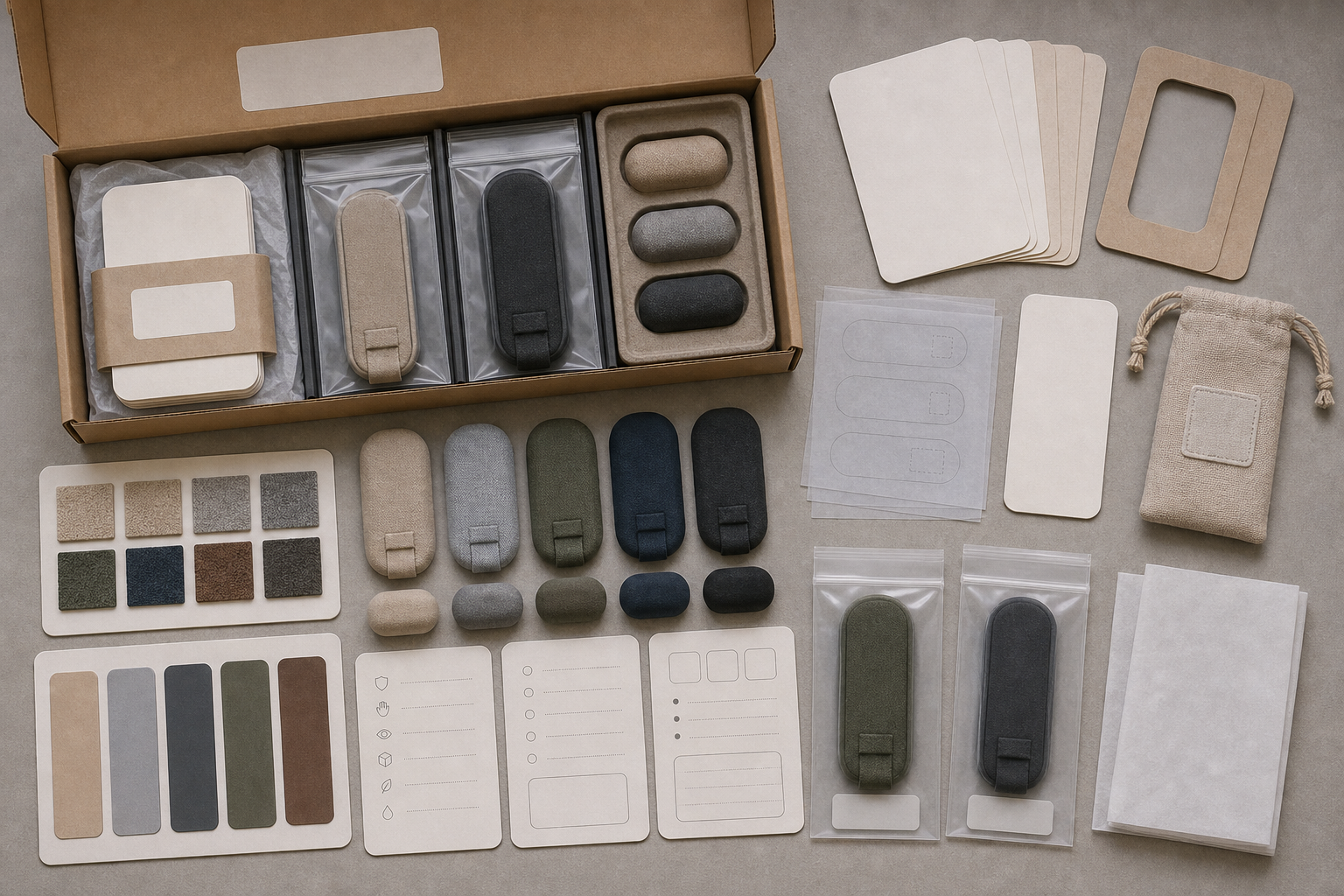
A fixed blade RFQ should never stop at blade steel and handle material. The buyer should also define sheath and carry needs. I want to know blade length, overall length, blade thickness, steel, handle material, tang structure, sheath material, retention method, attachment type, finish, logo, packaging, target market, order quantity, and target price. If the buyer has compliance notes from the destination market, those should be shared early.
If the buyer is unsure about the best carry system, I can suggest options. A simple molded sheath may fit a budget outdoor line. A stronger modular sheath may fit a higher-positioned camping knife. A leather-like sheath may fit a traditional product. A storage-only sheath may be enough for some gift or utility kits. The best answer depends on product use, price, sales channel, and user expectations.
I also recommend asking the supplier to state assumptions. Which sheath material is quoted? Which retention method? Which attachment? Which packaging? Which inspection points? When assumptions are clear, the buyer can compare suppliers fairly.
| RFQ field | What to provide | Why it helps |
|---|---|---|
| Knife specs | Blade size, steel, handle, tang, finish | Defines the main product |
| Sheath specs | Material, retention, drainage, attachment | Defines carry safety and value |
| Market notes | Target country, sales channel, compliance concerns | Prevents wrong positioning |
| QC needs | Retention, fit, finish, packaging, cartons | Sets inspection standard early |
Turn this article into a fixed blade project.
Send your target use, blade size, steel, handle direction, sheath needs, quantity, and packaging plan. Vast State can help shape it into a quote-ready project.
Conclusion
I design fixed blade carry systems by connecting sheath retention, attachment, handle control, safety notes, compliance awareness, packaging, and QC.
Source Notes
- HSE safe use of knives supports the need for suitable knives, safe practices, and safe storage context.
- TSA knives guidance supports the travel note that knives are not allowed in carry-on bags and should be sheathed or wrapped in checked bags.
- CCOHS hand tool ergonomics supports the handle and user-control discussion as general hand tool guidance.
- ISO 9001 supports the quality-management discussion, especially process control and improvement.