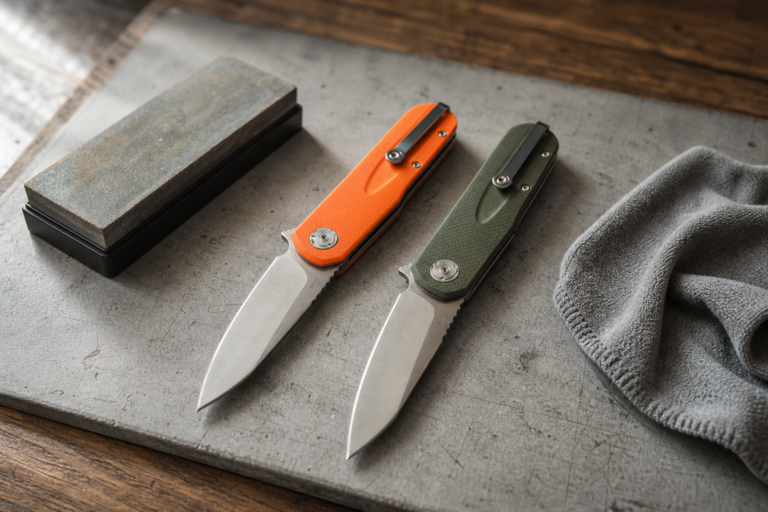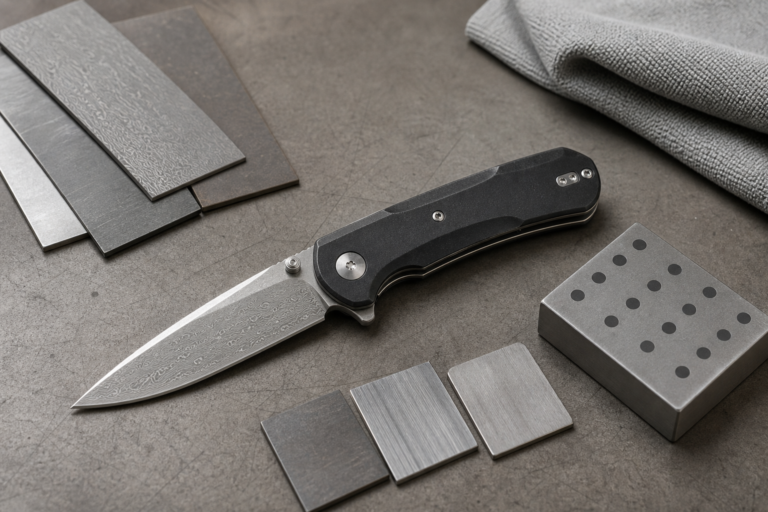
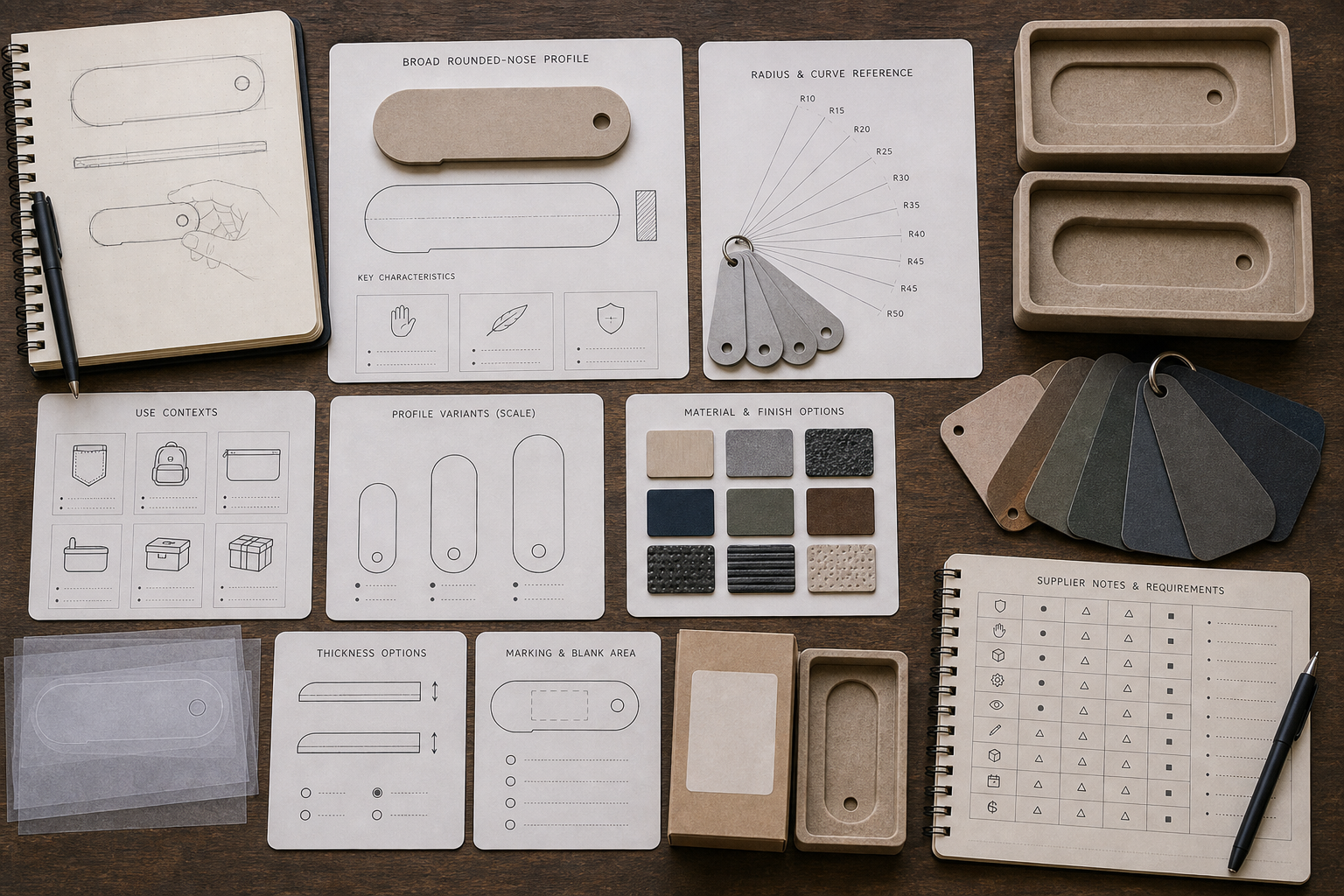
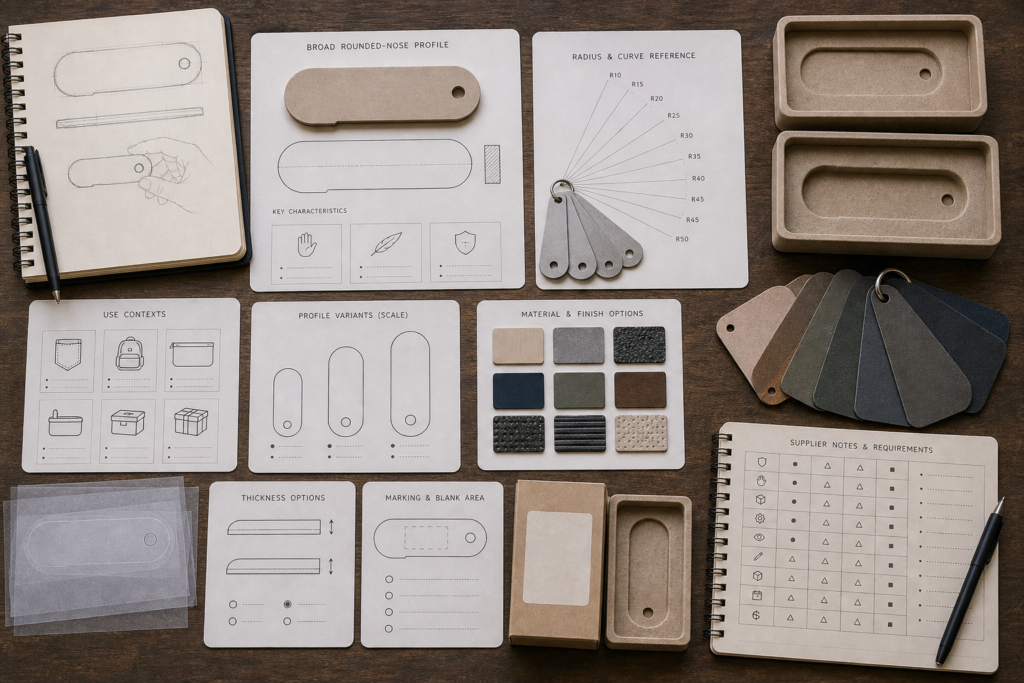
A spey blade looks simple and traditional. But if the geometry is unclear, the sample may miss the use case, market, and quality target.
Knife buyers should specify spey blades by defining the rounded tip, short belly, edge curve, blade thickness, steel, heat treatment, grind, handle pattern, slipjoint or lock structure, finish, packaging, and inspection standard. Spey blades work best when buyers want controlled utility rather than a piercing-focused point.
Quick buyer brief:
- Answer: A spey blade is a traditional rounded-tip profile that buyers can use for controlled cutting, classic pocket knife identity, and safe-feeling utility designs.
- Buyer context: This helps knife brands, importers, wholesalers, distributors, and private label buyers develop traditional folders, stockman-style knives, trappers, and compact utility knives.
- Key checks: Tip shape, edge belly, spine drop, blade thickness, steel, hardness, grind, handle pattern, spring or lock fit, finish, packaging, and RFQ details.
Developing a folding knife line for your brand?
Vast State supports OEM/ODM folding knife projects, including blade steel, lock structure, handle material, finish, logo method, packaging, and quality inspection planning.
When buyers ask me about spey blades, I usually know they are thinking about a traditional pocket knife feeling. The shape is not aggressive. It is not designed around a sharp piercing point. It has a broad, rounded front and a useful edge. That makes it interesting for brands that want a classic utility look, a lower-puncture-risk profile, or a multi-blade pattern with different blade functions. At Vast State, I do not treat a spey blade as an old shape to copy blindly. I treat it as a design choice that must fit the user, the handle pattern, the steel, the price range, and the buyer's brand position.
What Is a Spey Blade in Practical OEM Terms?
Spey blade definitions can sound historical and vague. Without a clear drawing, one supplier may make a different profile from another.
In practical OEM terms, a spey blade has a mostly straight or gently curved edge, a rounded or broad point, and a spine that drops near the tip to reduce piercing focus and support controlled cuts.
I Define the Profile Before I Discuss Price
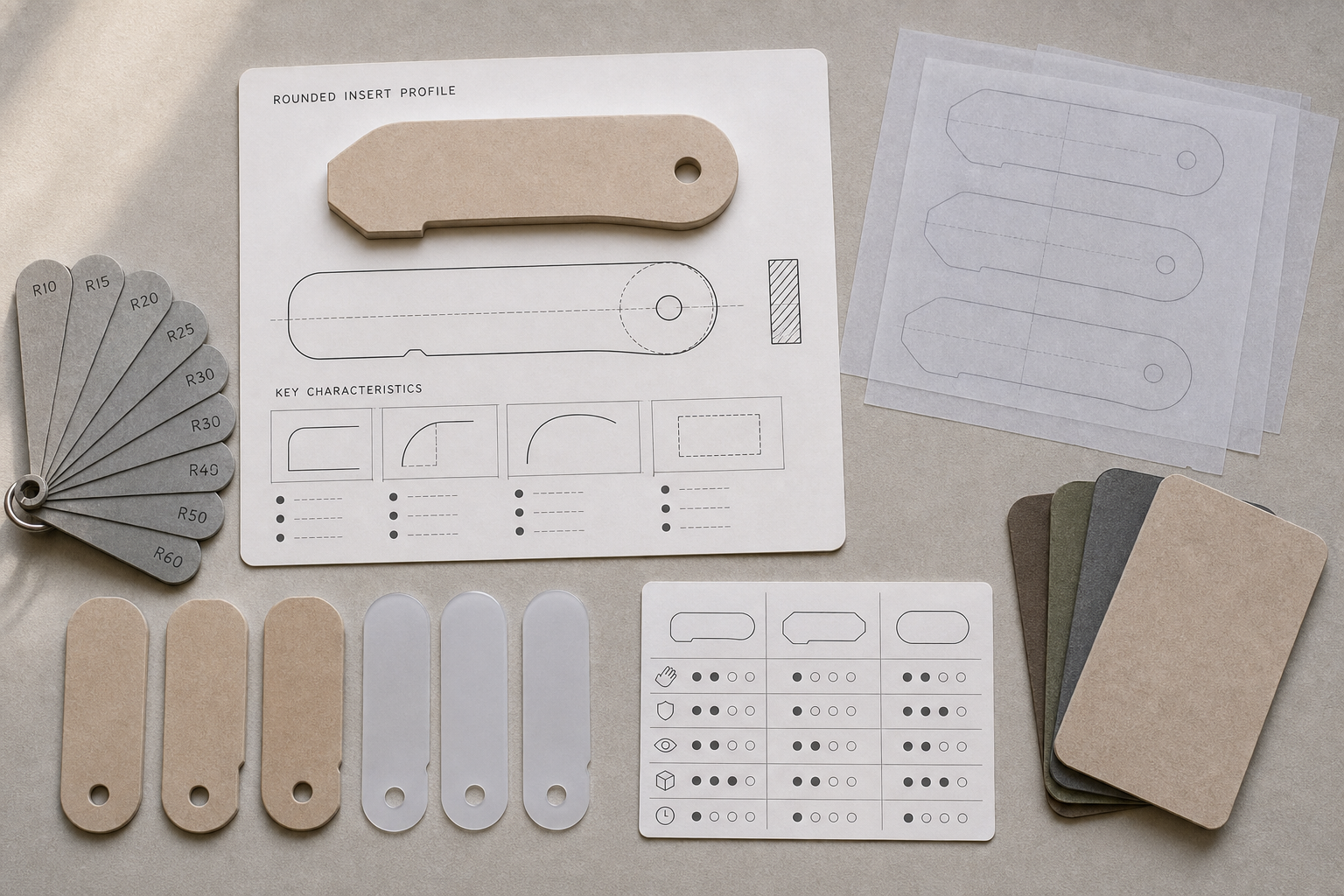
A spey blade is usually recognized by its broad front and reduced piercing point. Gear Patrol's guide to knife blade shapes describes a spey-point blade as having a mostly flat edge until near the tip, where the edge curves upward, while the spine also angles down near the tip to create a broad point. That broad point is the main reason the blade feels different from a clip point or drop point.
For OEM work, I do not stop at the name. I want the drawing to show blade length, spine drop, edge curve, tip radius, blade thickness, tang shape, nail nick or opening method, and handle clearance. A buyer may want a traditional trapper-style spey blade, a compact stockman secondary blade, or a modern single-blade pocket knife with spey influence. These are different projects.
The biggest mistake is using a generic blade outline and calling it spey. The buyer should decide how rounded the tip should be, how much belly the edge should have, and how the blade should sit inside the handle. These details affect grinding, sharpening, assembly, and final user feeling.
| Spey blade feature | What it means | OEM note |
|---|---|---|
| Rounded broad tip | Less piercing-focused point | Define tip radius clearly |
| Edge curve | Straight to gently curved edge line | Controls cutting feel |
| Spine drop | Spine angles down near the tip | Affects identity and grinding |
| Tang and opening | Nail nick, tang, spring or lock contact | Important for pocket knife assembly |
OEM/ODM RFQ Checklist
Prepare these details to help Vast State review your project and provide a more accurate quotation.
| RFQ Field | What to Prepare |
|---|---|
| Project type | OEM from drawing / ODM private label / wholesale catalog |
| Product category | Folding knife / fixed blade / multi-tool / outdoor tool |
| Design status | Idea / sketch / 2D drawing / 3D CAD / physical sample |
| Target price | Ex-factory target price or retail price range |
| MOQ expectation | 500 / 1,000 / 3,000 / 5,000+ pcs |
| Logo method | Laser engraving / etching / printing / molded logo |
| Packaging | Standard packaging / custom retail box / Amazon-ready |
| Market | USA / EU / Japan / Korea / Middle East / other |
| Compliance needs | Buyer-specified testing / documentation / labeling |
| Timeline | Sample deadline / mass production deadline |
Why Do Spey Blades Still Matter in Modern Pocket Knives?
Some buyers think traditional blade shapes are outdated. But old patterns can still serve clear modern product positions.
Spey blades still matter because they offer classic pocket knife identity, controlled utility cutting, lower piercing focus, and a useful secondary blade option in multi-blade designs.
I Use Spey Blades for Product Character and Control
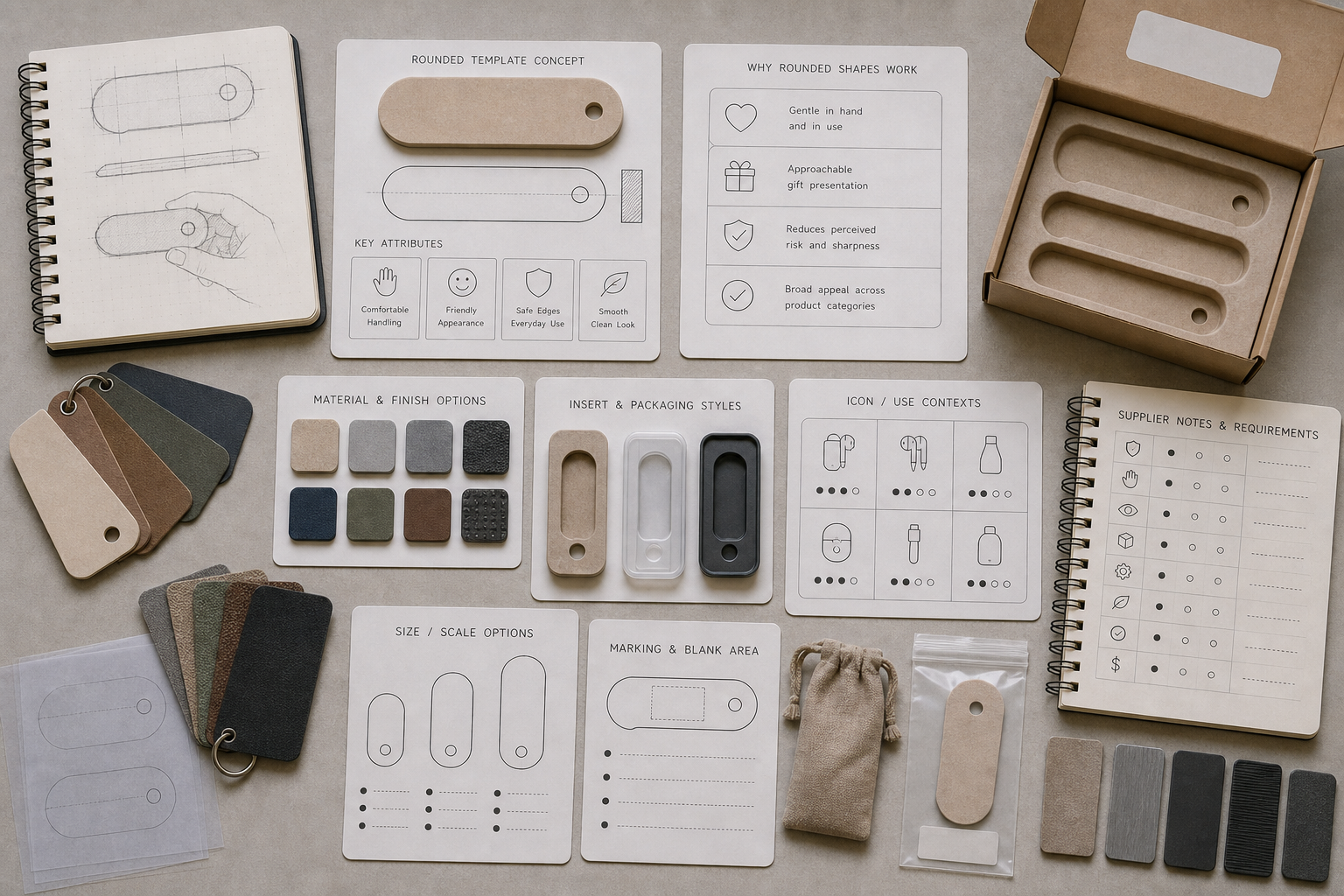
Spey blades have history in farm and outdoor tool culture. For modern B2B buyers, the traditional background is useful, but it should not become a forced story. Most buyers today are not developing a knife for the original farm task. They are developing a pocket knife, outdoor tool, private label line, or traditional pattern that needs a controlled blade shape and a clear identity.
The spey blade can be useful when a buyer wants a blade that feels less aggressive than a clip point. It can support general cutting, light outdoor tasks, package opening, and utility work. In multi-blade pocket knives, a spey blade can sit beside a clip point, sheepsfoot, or pen blade so each blade has a different role. That gives the product more perceived value and function.
I also like spey blades for brands that want a traditional line without copying the same drop point or clip point used everywhere. The shape gives the product a calmer look. That can help in markets where buyers want practical tools, not tactical-style styling.
| Modern use case | Why spey may fit | Buyer caution |
|---|---|---|
| Traditional pocket knife | Classic profile and familiar shape | Keep proportions authentic |
| Multi-blade pattern | Useful secondary blade role | Check spring and blade spacing |
| Everyday utility | Controlled cutting and broad tip | Do not oversell piercing ability |
| Private label collection | Distinct look from common profiles | Confirm repeatable grind and finish |
How Is a Spey Blade Different From Clip Point, Drop Point, and Sheepsfoot?
Blade names can sound similar in a catalog. If the buyer mixes them up, the sample may miss the market.
A spey blade differs from a clip point by having a broader, less piercing tip, from a drop point by having a more traditional rounded front, and from a sheepsfoot by keeping more belly.
I Compare Shapes by the Job They Should Do
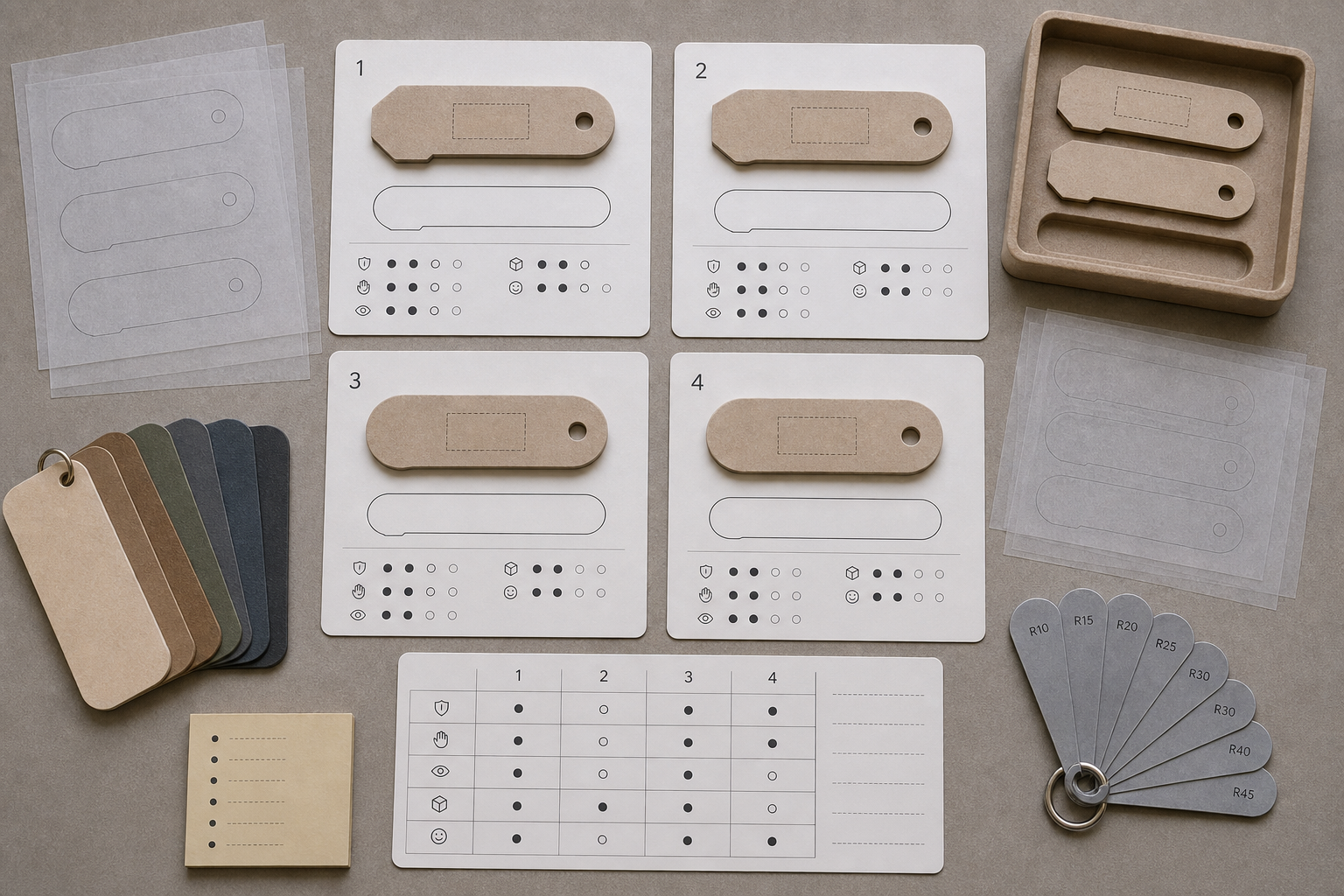
A clip point usually gives a sharper, more precise point. A drop point usually gives a balanced outdoor and general-use profile. A sheepsfoot often gives a straighter edge and a lower, broad tip. A spey blade sits in its own traditional space. It keeps a broad front and a useful cutting edge, but it does not aim to be a piercing-first blade.
The KnifeCenter blade-shape guide discusses modern naming overlap by comparing reverse tanto and spey-style ideas. I treat that as useful context only, because different sellers use these names differently. In OEM work, the buyer should not rely on naming alone. The factory needs a drawing or reference sample.
For B2B buyers, the comparison should connect to the sales channel. If the buyer sells hunting-style traditional pocket knives, a spey blade may fit the story. If the buyer sells modern EDC tools, a modified spey or reverse tanto influence may work better. If the buyer sells outdoor utility knives, a drop point may be easier to explain. The right blade shape is the one that supports use, price, and brand position.
| Blade shape | Main character | OEM selection note |
|---|---|---|
| Spey | Broad rounded point and short belly | Good for traditional controlled utility |
| Clip point | More precise pointed tip | Better for detail-point work |
| Drop point | Balanced point and belly | Easy all-purpose positioning |
| Sheepsfoot | Straight edge and broad low tip | Strong controlled cutting identity |
Which Markets Fit Spey Blade Knives Best?
A spey blade is not the best answer for every buyer. It needs the right product story and sales channel.
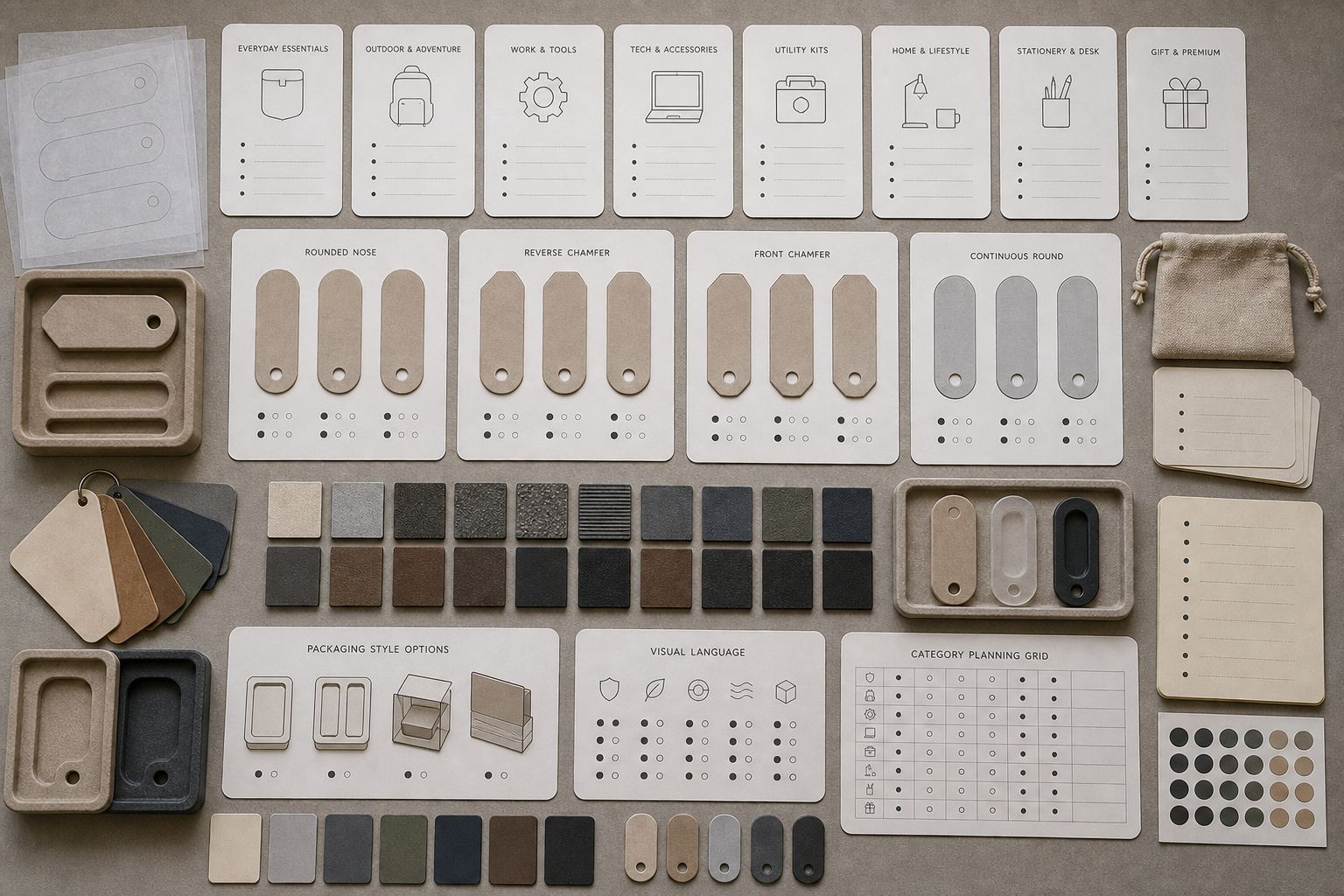
Spey blade knives fit traditional pocket knife lines, stockman or trapper patterns, outdoor heritage products, utility-focused private label items, and brands that want a calmer blade profile.
I Position Spey as Practical, Not Aggressive
The spey blade works best when the buyer wants tradition, control, and utility. It is usually not the first shape I suggest for a tactical-style knife, a piercing-focused knife, or a modern hard-use marketing concept. It is better for buyers who want a classic pocket knife, a rural or outdoor heritage style, or a multi-blade knife where each blade has a different role.
For wholesalers and distributors, spey blades may make sense as part of a broader pocket knife range. The shape adds variety without requiring a very complex mechanism. For private label buyers, it can create a quieter visual identity than aggressive blade shapes. For brands that sell into gift, outdoor, or general utility channels, the profile can feel familiar and approachable.
However, the buyer still needs a clear market fit. If the target customer does not understand traditional patterns, the product page must explain the shape in simple language. I would describe it as a broad-tip utility blade for controlled cuts, not as a special blade only for its historical task.
| Market type | Spey blade fit | Positioning advice |
|---|---|---|
| Traditional pocket knives | Strong fit | Emphasize classic pattern and utility |
| Outdoor heritage line | Good fit | Use practical and calm language |
| Modern tactical-style line | Limited fit | Consider other profiles |
| Private label gifts | Good fit if finish is clean | Focus on appearance and usability |
What Geometry Details Should Buyers Specify Clearly?
Spey blades look simple, but the front profile is sensitive. A small tip change can make the blade look wrong.
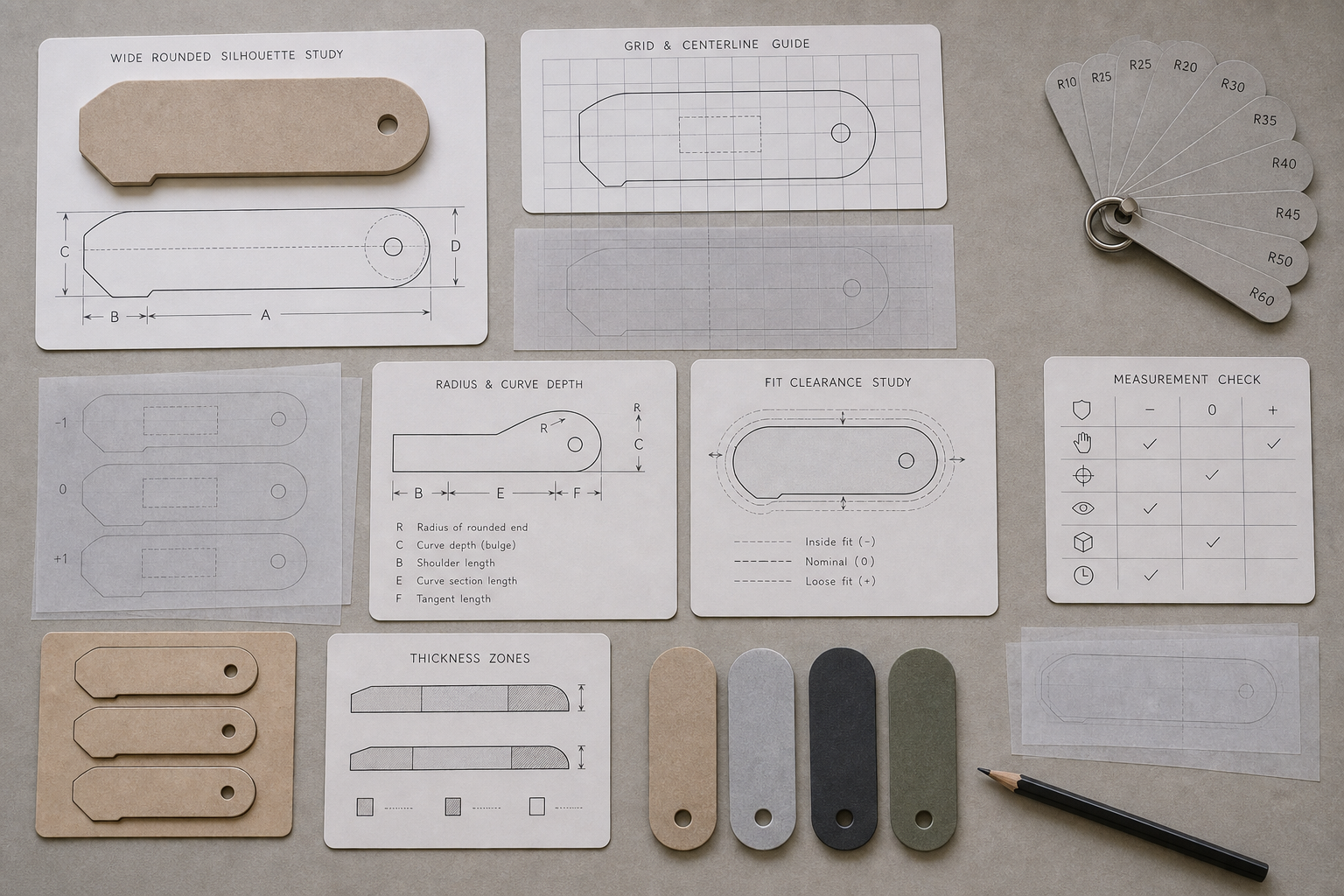
Buyers should specify blade length, edge curve, tip radius, spine drop, blade thickness, grind height, tang shape, nail nick position, spring or lock contact, and handle clearance.
I Turn the Traditional Shape Into Measurable Specs
The buyer should never approve a spey blade from a vague name alone. I want to define the geometry before tooling or sampling. Blade length affects pocket size and cutting reach. Edge curve affects cutting feel. Tip radius affects safety impression and visual identity. Spine drop affects whether the blade looks like a true spey profile or just a rounded drop point. Blade thickness and grind height affect slicing and strength.
Pocket knife structure adds another layer. A traditional slipjoint or multi-blade knife needs correct tang shape, spring contact, blade spacing, nail nick position, and closed-blade clearance. If two or three blades share one handle, the factory must control spacing so blades do not rub or sit awkwardly. If the spey blade is used in a locking folder, lock geometry and opening feel must also be checked.
For OEM projects, I like to mark these details on a drawing and then approve a physical sample. The sample becomes the reference for blade shape, walk and talk, edge finish, handle feel, and packaging.
| Geometry detail | What to define | Why it matters |
|---|---|---|
| Tip radius | How rounded the front should be | Controls identity and low-piercing feel |
| Edge curve | Straight, slight belly, or more belly | Controls cutting behavior |
| Spine drop | Where the spine starts to fall | Controls spey profile accuracy |
| Tang and spring fit | Contact surfaces and opening position | Controls slipjoint function |
Which Blade Steel and Heat Treatment Choices Matter?
Steel names can sound impressive. But the spey blade's real performance depends on steel, heat treatment, grind, and expected use.
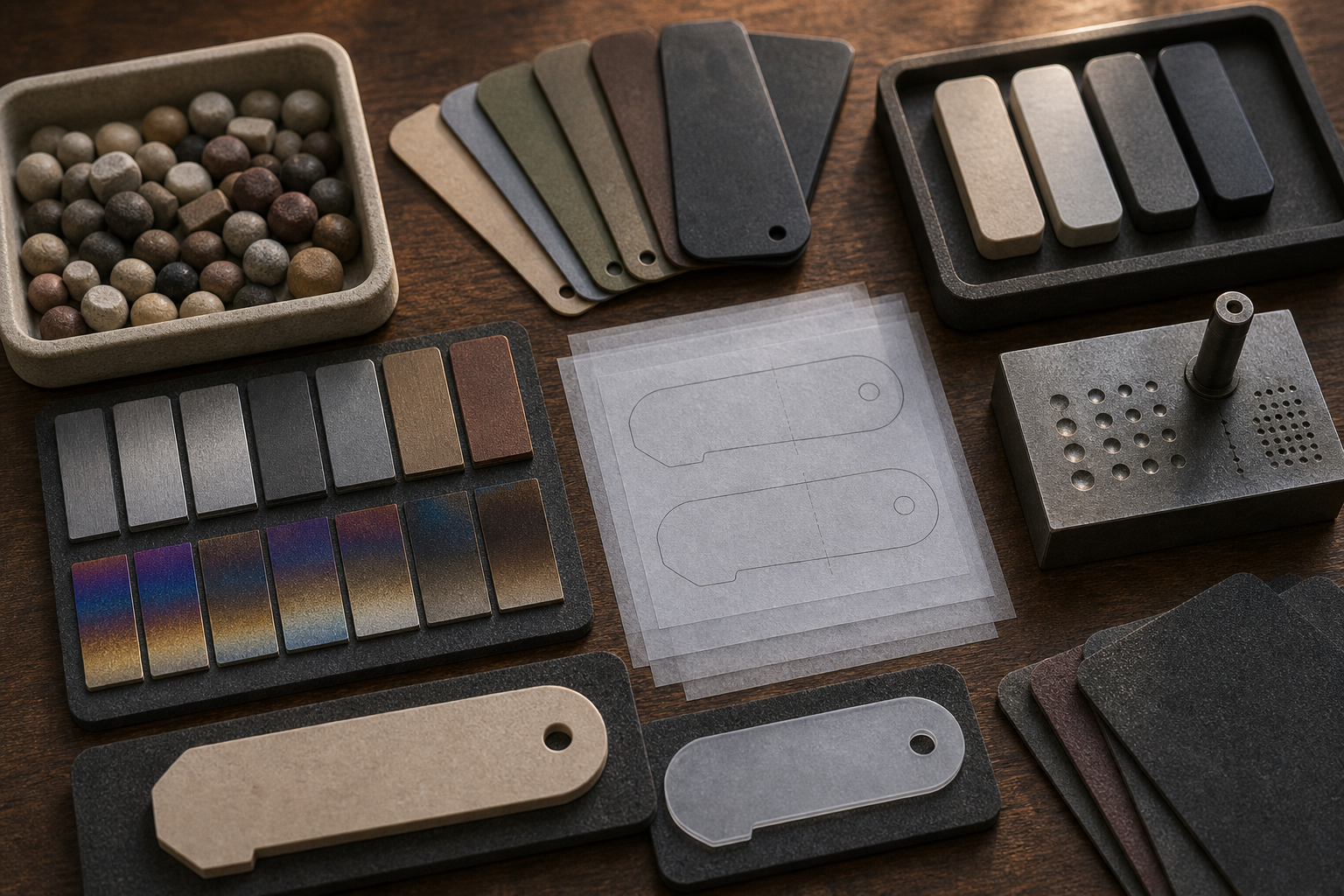
Blade steel and heat treatment choices matter because they affect edge retention, corrosion resistance, toughness, sharpening ease, final hardness, and repeatability across OEM production.
I Match Steel to Price, Use, and Brand Level
For a traditional pocket knife, the buyer may care about cost, polish, corrosion resistance, easy sharpening, and stable supply. For a higher-positioned line, the buyer may want a stronger steel story and better edge behavior. The right steel depends on the market, not only on the most expensive option.
Alleima describes 14C28N knife steel as a knife steel with edge performance, high hardness, and corrosion resistance. This type of source helps buyers understand why steel grade affects the final product. But I do not say one steel is best for all spey blades. A budget stockman pattern may use a different steel than a premium single-blade folder.
Heat treatment must also match the steel. A good hardness target should support the use case. Too soft can reduce edge performance. Too brittle can create chipping risk. The NIST Rockwell hardness measurement guide explains why hardness testing needs good practice to reduce measurement errors. For buyers, this means hardness should be checked with a real process, not only written in a quote.
| Material question | What to ask | Buyer value |
|---|---|---|
| Steel grade | Which grade fits price and use? | Avoids over-spec or under-spec |
| Corrosion need | Will the product face humidity or outdoor use? | Guides stainless options |
| Hardness target | What range fits the steel and blade? | Supports edge and toughness balance |
| Test practice | How is hardness checked? | Supports batch consistency |
How Should Grinding and Sharpening Be Controlled?
A spey blade can lose its shape during grinding. If the tip becomes too sharp or too rounded, the profile changes.
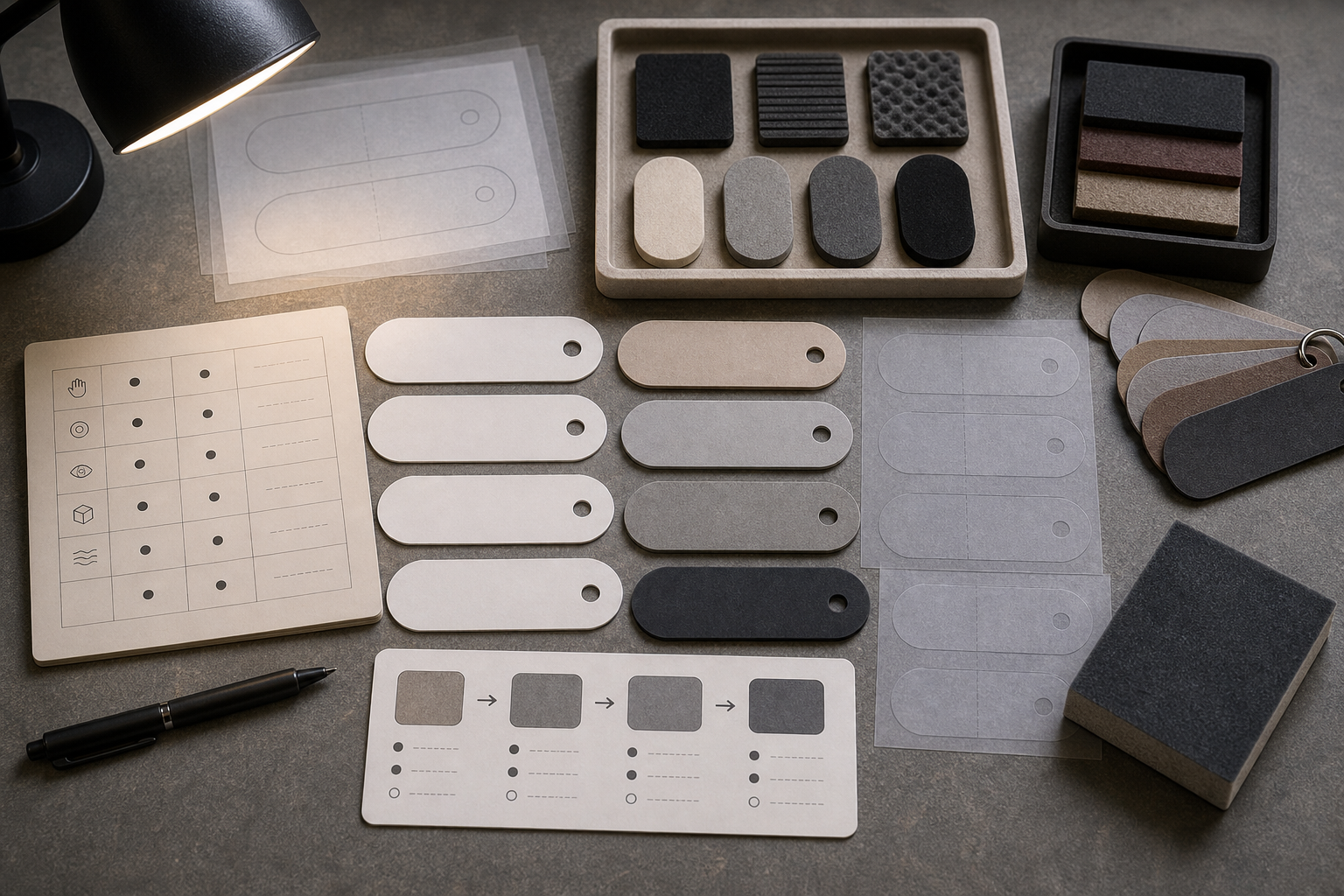
Grinding and sharpening should control bevel symmetry, edge thickness, tip radius, grind height, sharpening angle, surface scratch level, and final sharpness against the approved sample.
I Protect the Rounded Front During Finishing
Grinding is where a spey blade can easily change character. The blade may be cut correctly, but if the grinder removes too much near the tip, the profile can become more pointed or uneven. If the grind is too thick, the blade may feel strong but cut poorly. If the edge is too thin for the steel and use case, the buyer may face durability complaints.
Sharpening also needs care. A spey blade should keep its broad-front identity while still being useful. The cutting edge should be clean and even. The tip should not be over-rounded unless that is part of the approved design. For multi-blade pocket knives, each blade may have a different grind or thickness, so the supplier must keep the spey blade consistent with its intended role.
Surface finish also matters. Satin, polish, stonewash, or coating can all work, but each has a different production risk. Traditional pocket knives often rely on clean polish and handle fit, so scratches and uneven grind lines are easy for buyers to notice.
| Process item | What to control | Why it matters |
|---|---|---|
| Bevel symmetry | Left and right grind match | Improves perceived quality |
| Edge thickness | Thickness behind cutting edge | Controls cutting feel |
| Tip radius | Rounded front after grinding | Protects the spey identity |
| Finish prep | Scratch direction and surface level | Reduces visual defects |
What Handle, Slipjoint, Lock, or Sheath Details Matter?
The blade shape is only one part of the knife. A weak spring, poor lock, or uncomfortable handle can ruin the product.
Buyers should check handle pattern, blade spacing, spring tension, walk and talk, lock engagement, nail nick position, closed-blade clearance, handle comfort, and sheath fit when relevant.
I Treat Traditional Patterns as Precision Assembly
Traditional pocket knives can look simple, but assembly still needs control. A slipjoint knife must open and close with the right spring feel. The blade should not rub liners or other blades. The nail nick should be easy to reach. The blade should sit safely in the handle when closed. If the knife has multiple blades, each blade needs enough space and correct spring behavior.
Handle comfort also matters. The Canadian Centre for Occupational Health and Safety discusses hand tool ergonomics, including how handle shape can affect control and force direction. A pocket knife is different from many hand tools, but the same basic idea applies. The user needs a handle that feels controlled and does not create awkward pressure points.
For locking folders with a spey-style blade, I check lockup, blade centering, opening action, side play, vertical play, and screw security. For fixed blade projects, I check tang structure, handle attachment, balance, and sheath fit. The blade shape should work with the whole product, not sit on top of a weak structure.
| Structure area | What to inspect | Why it matters |
|---|---|---|
| Slipjoint spring | Tension, walk and talk, half-stop if used | Defines traditional pocket knife feel |
| Blade spacing | Clearance between blades and liners | Prevents rubbing and poor closure |
| Handle shape | Grip, edges, material, pins | Controls user comfort |
| Lock or sheath | Engagement, retention, clearance | Protects function and user confidence |
How Should Branding, Packaging, and Market Language Be Planned?
Spey blades have a traditional background. If the product story is unclear, buyers may not understand why the blade is there.
Branding, packaging, and market language should explain the spey blade as a controlled utility profile, while packaging should protect the blade, handle finish, and private label presentation.
I Keep the Story Useful and Honest
For modern buyers, I do not recommend relying only on the old farm-use story. It may be historically relevant, but it may not help a general retail customer. I prefer simple language: broad-tip utility blade, classic pocket knife profile, controlled cuts, traditional multi-blade pattern, or lower-puncture-focused front. This makes the product easier to understand without making exaggerated claims.
Branding should also respect the blade size and finish. A small spey blade may not have much clean logo space. Laser marking, etching, shield inlays, handle badges, stamped bolsters, and packaging artwork all need placement checks. If the buyer wants private label packaging, the artwork should match the traditional or utility feel of the product.
Packaging should protect the knife from scratches and movement. For multi-blade pocket knives, handle finish and bolsters can show marks easily. The packaging insert, pouch, box, and carton layout should be confirmed before mass production. A good knife can lose value if it arrives with rubbed bolsters, loose packaging, or mixed SKU labels.
| Branding item | What to confirm | Practical reason |
|---|---|---|
| Product language | Utility, classic, controlled profile | Helps customers understand the blade |
| Logo placement | Blade, bolster, handle, package | Protects visual balance |
| Packaging insert | Pouch, foam, paper wrap, box | Prevents movement and scratches |
| Carton plan | SKU labels, packing quantity, export carton | Supports warehouse handling |
What Quality Checks Protect Spey Blade Production?
Final inspection can catch some problems, but spey blade quality depends on earlier process control.
Quality checks should cover blade profile, tip radius, grind symmetry, edge sharpness, hardness, spring or lock function, handle fit, finish, logo placement, packaging, and carton condition.
I Use the Approved Sample as the Standard
Quality control should compare production pieces against an approved sample. For a spey blade, the approved sample should define tip radius, edge curve, grind height, polish or finish, spring feel, handle fit, blade spacing, logo position, and packaging. Without a physical reference, workers may interpret the shape differently over time.
The ISO page for ISO 9001 quality management discusses customer requirements, process control, performance evaluation, and improvement. I use this as a helpful quality mindset, not as a certificate claim. For knife production, the same logic is practical: define the requirement, control the work, measure the result, and correct the cause of problems.
HSE's guidance on safe use of knives is written for workplace knife handling, but it also reminds buyers that sharp tools need safe storage, condition, and handling. In product terms, packaging, closed-blade clearance, and blade condition all matter before delivery.
| QC stage | What to check | Why it matters |
|---|---|---|
| Incoming QC | Steel, handle material, springs, hardware | Prevents weak inputs |
| In-process QC | Profile, tang, spring fit, grind, hardness | Finds problems early |
| Functional QC | Opening, closing, blade spacing, lock or spring | Protects user experience |
| Final QC | Finish, logo, sharpness, packaging | Supports sellable delivery |
What Should Buyers Include in a Spey Blade RFQ?
An RFQ that only says "spey blade pocket knife" leaves too much open. The supplier may quote the wrong structure or quality level.
A spey blade RFQ should include knife pattern, blade count, blade length, steel, handle material, spring or lock type, finish, logo, packaging, quantity, target price, and inspection requirements.
I Use the RFQ to Clarify the Product Before Sampling
A good RFQ helps the supplier understand the product, not only quote a price. For a spey blade project, I want to know whether the buyer wants a single-blade pocket knife, a trapper, a stockman, or another traditional pattern. I also need blade count, blade length, handle length, steel grade, handle material, spring or lock structure, finish, logo method, packaging, quantity, target price, and target market.
If the buyer has a reference sample, drawing, or photo, that helps. If the buyer only has a rough idea, I can still help, but I need clear priorities. Is the project about classic appearance, low cost, better materials, private label packaging, or a unique handle finish? Those answers guide the factory route.
For B2B customers, I also recommend asking the supplier to explain tradeoffs. A supplier who can suggest a better handle material, simpler pattern, more stable steel option, or cleaner packaging route is more useful than a supplier who only repeats the quote request.
| RFQ field | What to provide | Why it helps |
|---|---|---|
| Knife pattern | Trapper, stockman, single blade, or custom | Defines structure and assembly |
| Blade details | Length, count, steel, tip, grind | Reduces sample mismatch |
| Handle and mechanism | Material, spring, lock, bolsters, pins | Controls feel and cost |
| Commercial details | Quantity, target price, packaging, market | Improves quote accuracy |
Turn this article into a folding knife project.
Share your blade type, lock direction, steel preference, handle material, quantity, target market, and packaging needs. Vast State can prepare OEM/ODM options.
Conclusion
I specify spey blades by turning a traditional profile into clear geometry, material, structure, finish, QC, and RFQ requirements.
Source Notes
- Gear Patrol blade shapes guide supports the spey-point description and traditional use context.
- KnifeCenter blade-shape guide gives context for naming overlap between spey and reverse tanto style, but it is used only as industry context.
- Alleima 14C28N supports the material-selection discussion with knife steel performance context.
- NIST Rockwell hardness guide supports the need for controlled hardness measurement practice.
- CCOHS hand tool ergonomics gives general context for handle comfort and control.
- HSE knife safety guidance gives general safe handling and storage context, not spey blade design proof.
- ISO 9001 supports the quality-management discussion.