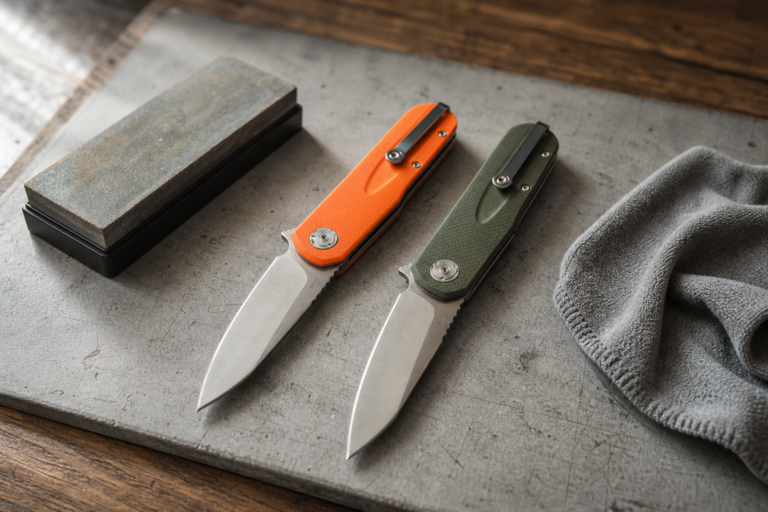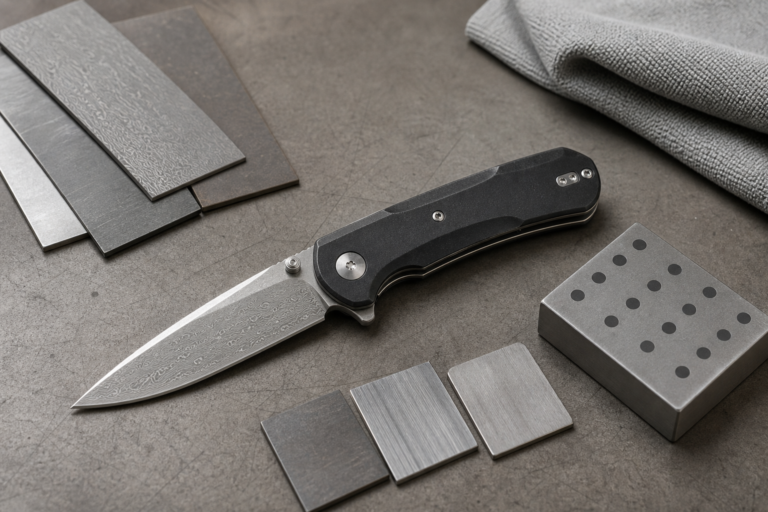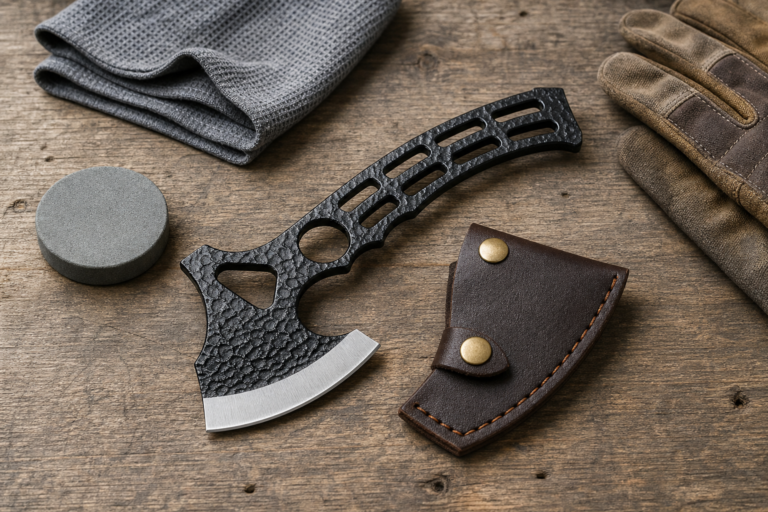
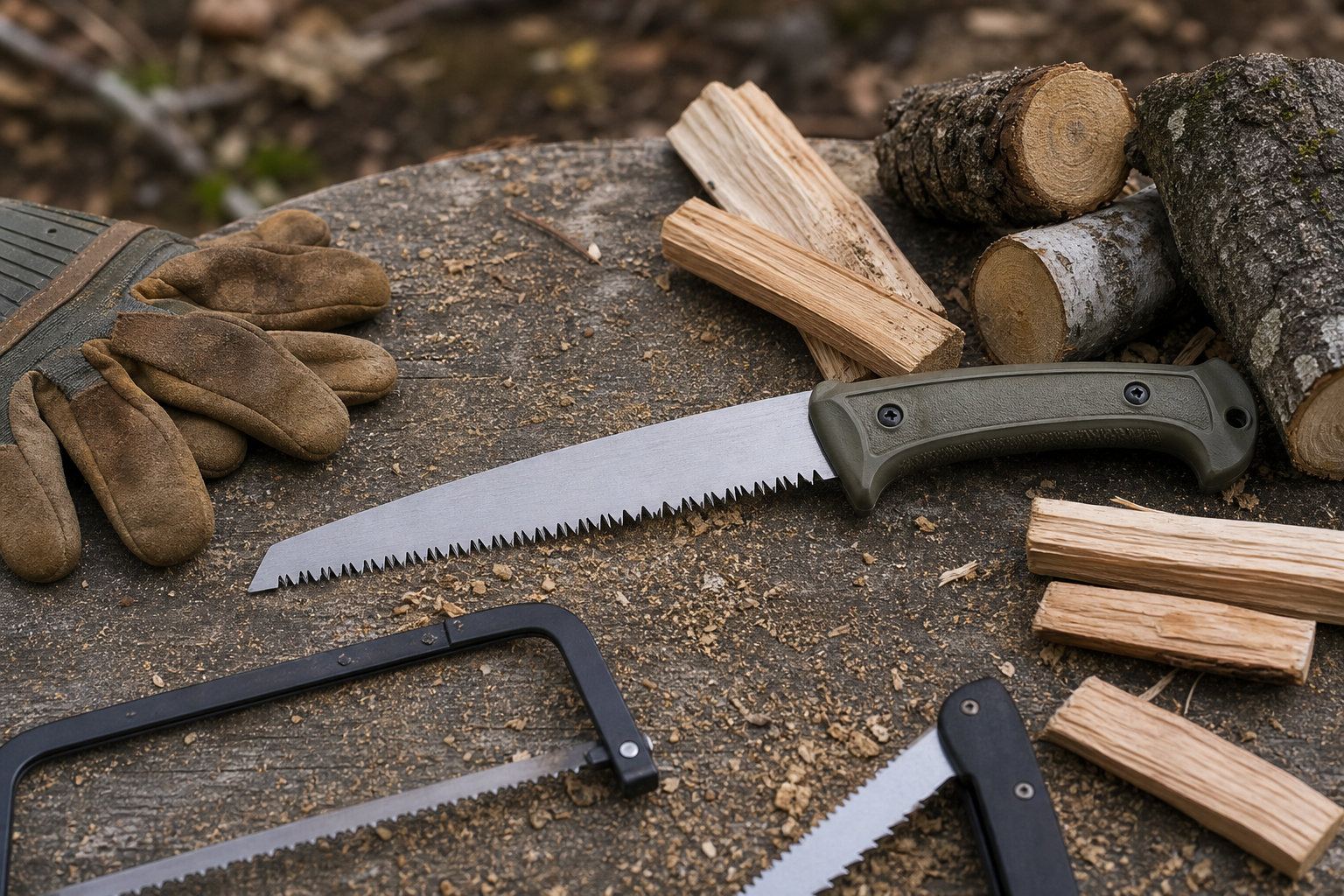
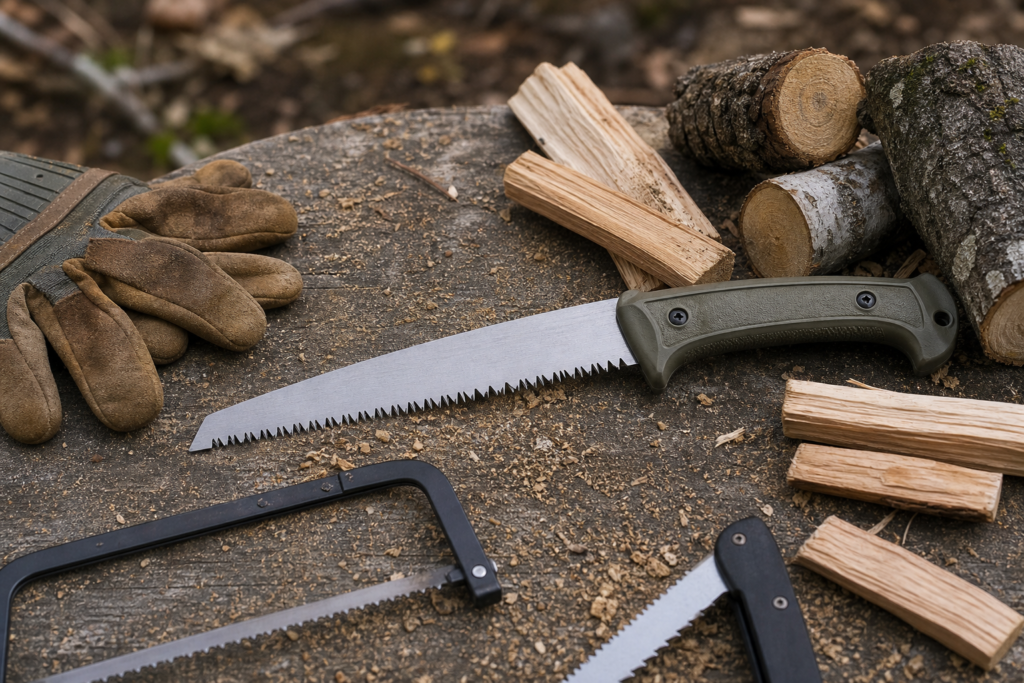
A camp saw looks simple until it fails outdoors. Poor teeth, weak handles, and unsafe packaging can turn a useful tool into a complaint.
Buyers should choose camp saws by matching blade length, tooth pattern, handle grip, folding or fixed structure, sheath protection, maintenance needs, safety instructions, and target wood-processing tasks. The saw must fit the user, not just the product photo.
Quick buyer brief:
- Answer: Camp saw selection should start with use case, wood size, safety, packability, and material quality.
- Buyer context: This helps outdoor brands, knife brands, camping brands, importers, wholesalers, distributors, and private label buyers.
- Key checks: Blade length, tooth geometry, steel, coating, handle material, lock strength, sheath, packaging, QC, care instructions, and responsible outdoor-use guidance.
Have a knife or multi-tool project in mind?
Send your sketch, CAD file, sample photo, or product idea. Vast State can review manufacturability, suggest materials, estimate MOQ, and prepare a quote for your OEM/ODM project.
When a buyer asks me about camp saws, I do not start with a list of popular products. I start with the job. Is the saw for backpacking, camping, bushcraft, garden-style camp chores, emergency kits, or an outdoor tool set? A saw that feels great in a short video may be too heavy, too short, too aggressive, or too risky for the buyer's market. For B2B customers, the right saw is the one that cuts efficiently, packs safely, survives repeat use, and supports honest packaging claims.
Why Should Camp Saws Be Treated as Real Outdoor Tools?
Some buyers treat saws as cheap add-ons. That is risky because the user feels every weakness in the cut.
Camp saws should be treated as real outdoor tools because blade geometry, handle grip, lock strength, tooth protection, and safety instructions directly affect use, durability, and buyer trust.
I Look Beyond the Blade Shape
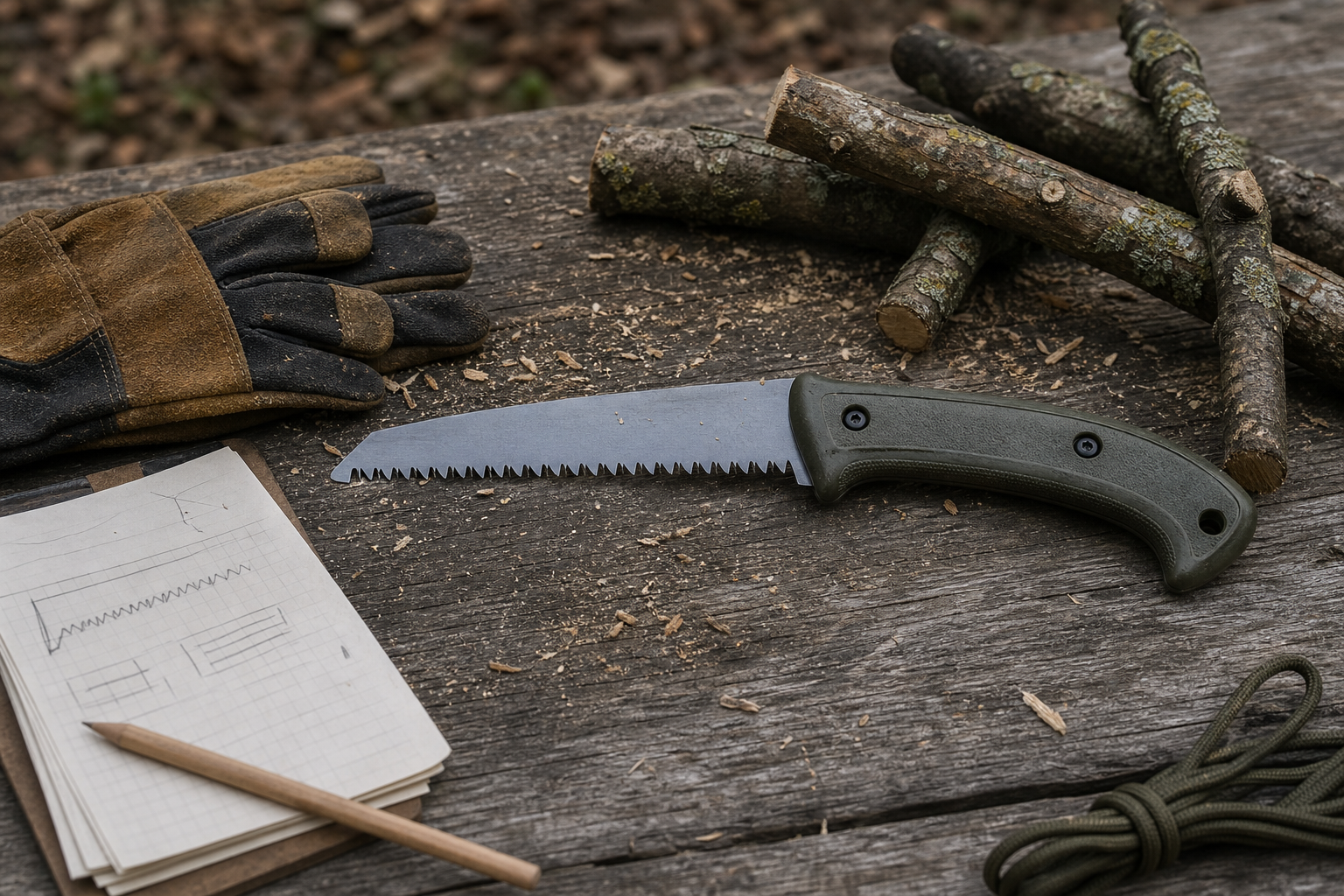
A camp saw is not only a toothed blade. It is a small system. The blade must cut cleanly. The teeth must match the wood and the expected cutting motion. The handle must stay comfortable when the user applies pressure. A folding saw must lock securely. A fixed saw needs a sheath or tooth cover. Packaging must prevent the blade from damaging the box, other products, or the user's hand during unpacking.
This matters for buyers because camp saws often sit beside knives, axes, fire starters, and cookware in the same outdoor product range. A weak saw can damage the reputation of the whole kit. If the saw binds in wood, flexes too much, or feels unsafe, the user does not blame the tooth geometry. The user blames the brand.
I also treat saws differently from knives. A knife can baton or carve, but a saw is better for controlled crosscuts on branches and small logs. The buyer should not position every outdoor cutting tool as doing everything. A clear role creates a better product line.
| Product question | Why it matters | Buyer decision |
|---|---|---|
| Main task | Defines saw size and tooth pattern | Backpacking, camping, or bushcraft |
| Carry method | Affects safety and packaging | Folding saw, sheath, or cover |
| Handle comfort | Affects repeat use | Grip texture and shape |
| QC plan | Protects consistency | Tooth, lock, blade, and sheath checks |
OEM/ODM RFQ Checklist
Prepare these details to help Vast State review your project and provide a more accurate quotation.
| RFQ Field | What to Prepare |
|---|---|
| Project type | OEM from drawing / ODM private label / wholesale catalog |
| Product category | Folding knife / fixed blade / multi-tool / outdoor tool |
| Design status | Idea / sketch / 2D drawing / 3D CAD / physical sample |
| Target price | Ex-factory target price or retail price range |
| MOQ expectation | 500 / 1,000 / 3,000 / 5,000+ pcs |
| Logo method | Laser engraving / etching / printing / molded logo |
| Packaging | Standard packaging / custom retail box / Amazon-ready |
| Market | USA / EU / Japan / Korea / Middle East / other |
| Compliance needs | Buyer-specified testing / documentation / labeling |
| Timeline | Sample deadline / mass production deadline |
What Types of Camp Saws Should Buyers Compare?
Choosing only by length can create a poor fit. The saw format must match the user's packing style and cutting task.
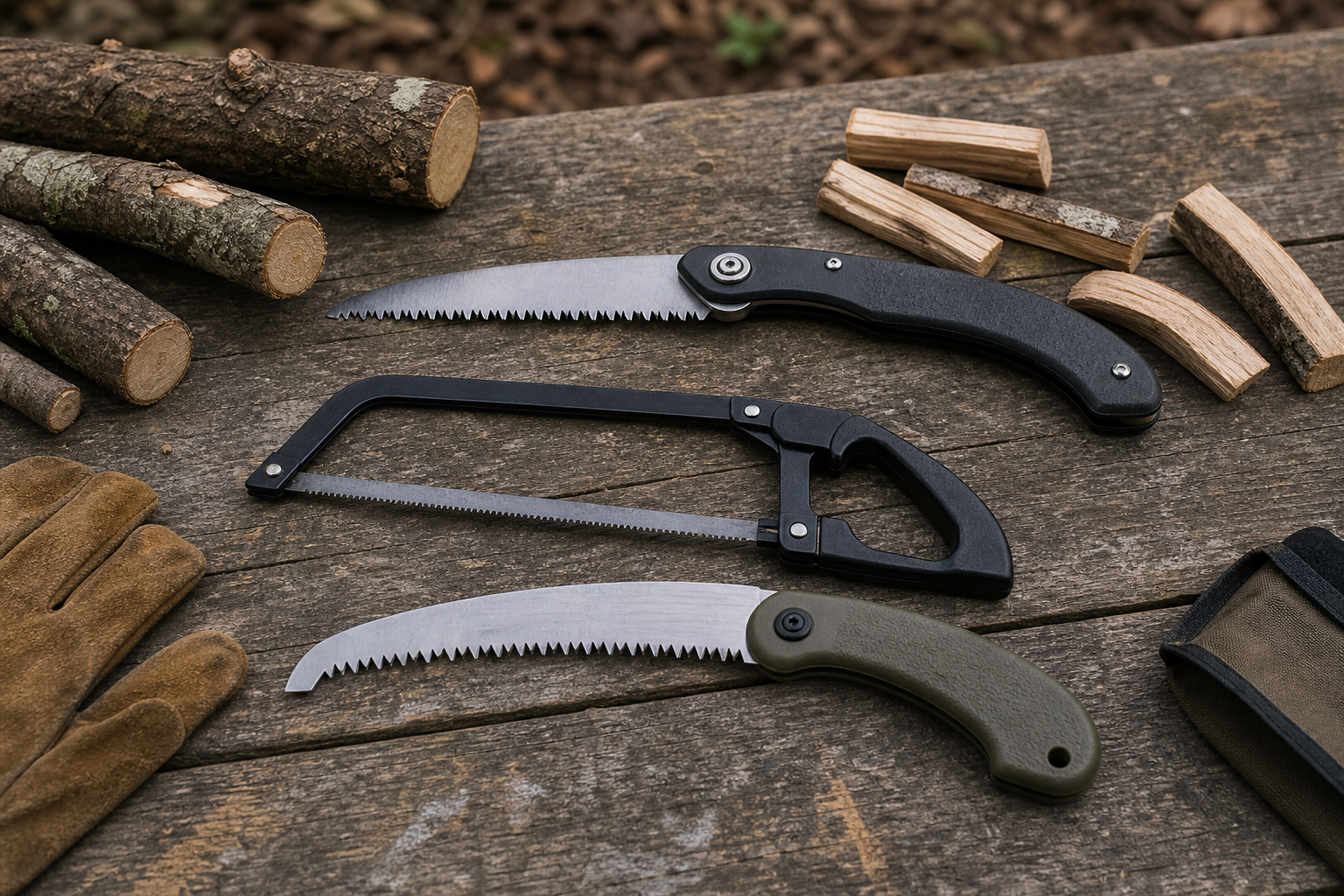
Buyers should compare folding saws, fixed-blade camp saws, bow saws, compact wire or chain-style saws, and multi-tool saws by portability, safety, cutting efficiency, durability, and target user.
I Match Format to the User's Pack
The most common camp saw direction is a folding saw. It is compact, safer to carry when closed, and easy to include in outdoor kits. But the hinge, lock, and handle structure become important. If the lock is weak or the handle feels loose, the product feels cheap fast.
A fixed camp saw can feel stronger because there is no folding joint. It may suit users who value stability and do not mind a sheath. A bow saw can cut larger wood more efficiently, but it takes more space and may not fit a compact EDC or camping kit. A wire or chain-style saw is very compact, but it can be harder to use well and may not match every customer expectation. A multi-tool saw is convenient, but the short blade limits wood size.
For B2B buyers, I usually suggest defining the saw by real use instead of naming a style first. A backpacking buyer may want low weight. A car-camping buyer may accept a larger frame. A bushcraft buyer may want reliable teeth and a secure grip. A gift-set buyer may value packaging and safe presentation.
| Saw type | Main benefit | Risk to watch |
|---|---|---|
| Folding saw | Compact and easy to carry | Lock and hinge strength |
| Fixed camp saw | Stable cutting feel | Sheath protection needed |
| Bow saw | Efficient on larger wood | Larger pack size |
| Multi-tool saw | Convenient in a compact tool | Short cutting length |
How Do Blade Length and Tooth Pattern Affect Cutting?
A saw can look aggressive but cut badly. Tooth design and blade length decide how the tool behaves in wood.
Blade length affects stroke efficiency and wood size. Tooth pattern affects cutting speed, smoothness, clogging, pull or push behavior, and suitability for green wood, dry wood, or general camp tasks.
I Treat Teeth as the Real Cutting Engine
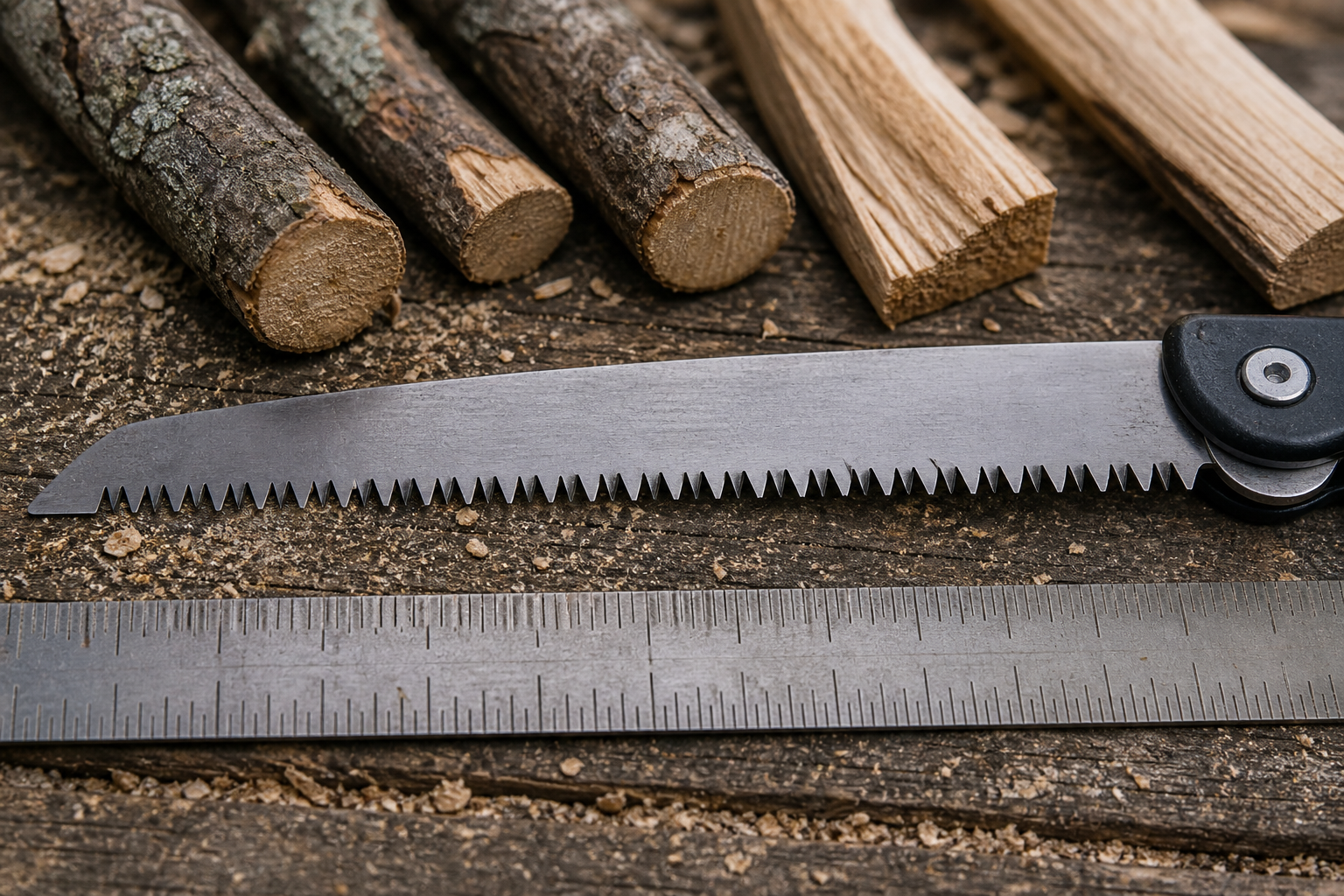
The blade length controls how much stroke the user can use. A short blade can be light and easy to pack, but it limits the branch size and can feel slow. A longer blade can cut faster because it gives more stroke length, but it adds weight and may need stronger packaging. The buyer should define the expected wood diameter before choosing the blade length.
Tooth geometry is just as important. Crosscut teeth are designed for cutting across wood grain. Some patterns clear chips better in green wood. Some finer patterns cut more smoothly but slower. Some aggressive patterns cut fast but can feel rough or grabby. The USDA Forest Service Crosscut Saw Manual is useful because it treats saw teeth, rakers, filing, and saw condition as serious performance details. Camp saws are smaller, but the lesson is the same: tooth geometry and maintenance control the cut.
I also ask buyers whether the saw is mainly for green branches, dry firewood preparation, trail-style clearing, or general camp chores. The answer changes the blade. A saw for dry hardwood should not be judged the same way as a saw for small green branches.
| Blade factor | What it changes | Buyer question |
|---|---|---|
| Blade length | Stroke and wood size | What diameter must it cut? |
| Tooth size | Speed and smoothness | Fast cut or clean cut? |
| Tooth set | Binding resistance | Will it cut damp or resinous wood? |
| Blade thickness | Flex and stability | Light carry or stronger feel? |
What Handle and Lock Details Matter for Safety?
The blade cuts, but the handle controls the user's confidence. Weak grip or lock design creates real product risk.
Handle and lock details should support a secure grip, stable cutting motion, safe folding or sheath storage, glove use, wet-hand control, and repeatable assembly quality.
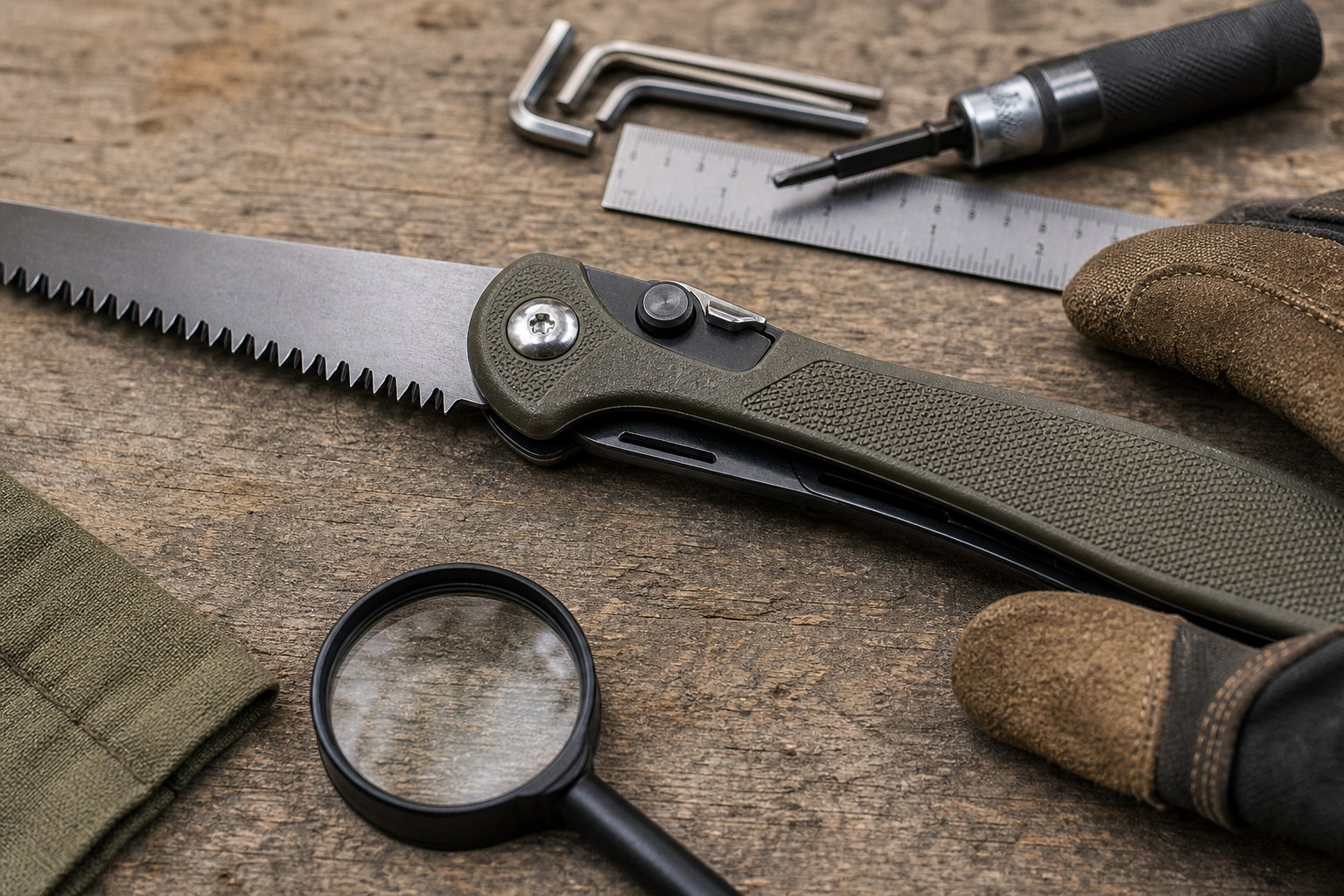
I Check the Grip Before I Trust the Tool
A camp saw handle should not only look rugged. It should guide the hand during the pull or push stroke and reduce slipping. If the tool is used in wet weather, with gloves, or around wood dust, grip texture matters. A hard handle can feel durable but uncomfortable. A soft overmold can feel better but may add cost or require stronger bonding control. A flat handle can pack well but may create hand fatigue.
For folding saws, the lock is critical. The blade should not collapse during normal use. The pivot should feel stable. The user should be able to open and close the saw without fighting the mechanism. Screws, washers, rivets, or pins must stay secure after repeated cycles.
Safety references for large professional saws may not map directly to a camp saw, but they still show why tool control matters. The USDA Forest Service Trail Construction and Maintenance Notebook emphasizes proper protective equipment such as gloves and safety glasses for trail work. For consumer outdoor products, I would translate that into clear warnings and safe-use instructions rather than heavy professional language.
| Safety detail | User-facing effect | Production control |
|---|---|---|
| Grip shape | Better control | Handle mold and texture |
| Lock strength | Safer folding saw use | Lock engagement test |
| Pivot stability | Less wobble | Screw or rivet control |
| Tooth cover | Safer storage | Sheath or closed-position check |
How Should Buyers Think About Campfire Wood and Responsible Use?
A saw can encourage overcutting if the instructions are careless. Outdoor tools need responsible-use guidance.
Buyers should explain that camp saws are for permitted, responsible wood processing, usually dead and down wood where allowed, and should not encourage cutting live trees or damaging campsites.
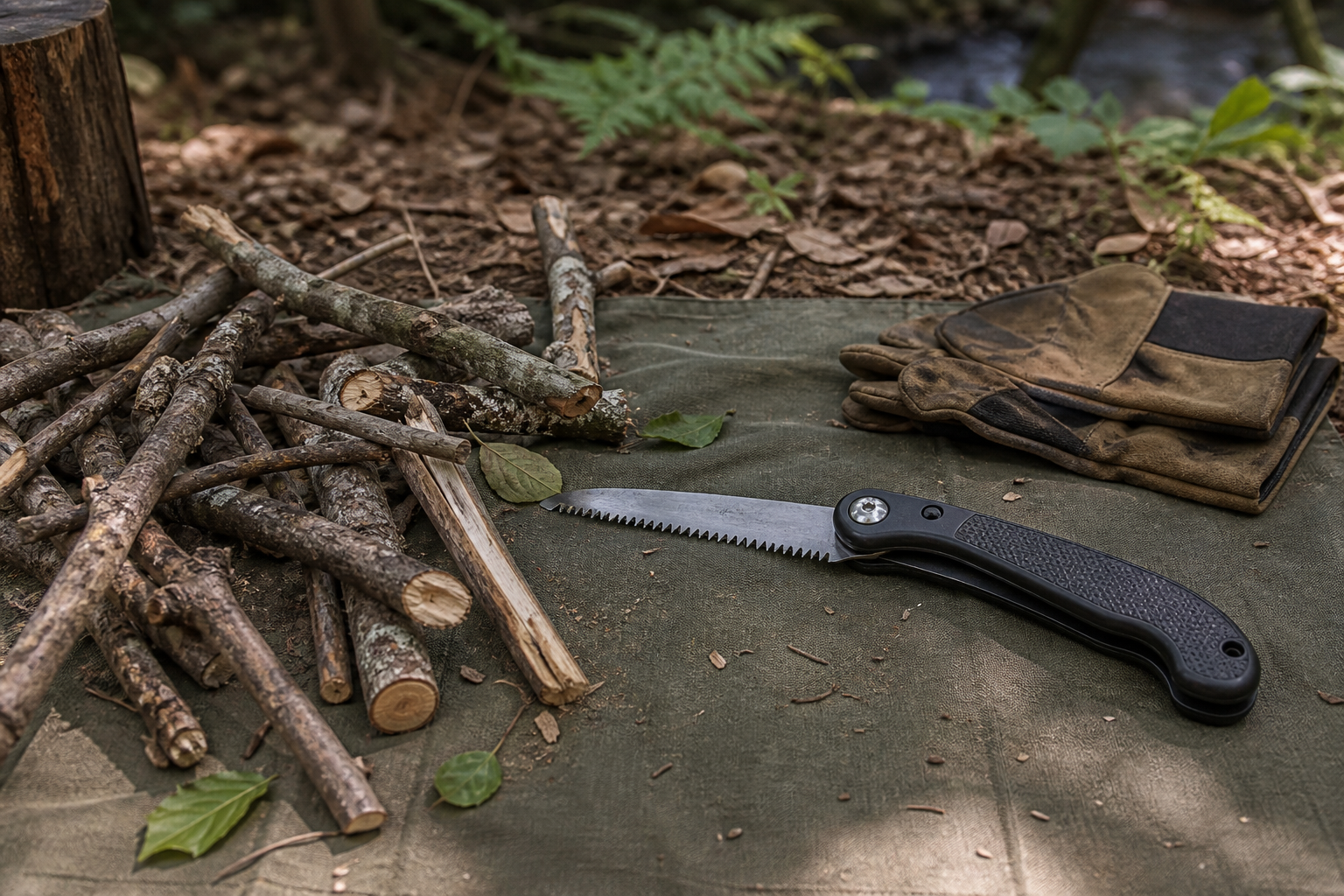
I Do Not Want Packaging That Teaches Bad Outdoor Habits
Outdoor tool packaging should be practical and responsible. If a buyer sells a saw for camping, the content should not suggest cutting live trees, damaging park areas, or harvesting wood where it is not allowed. Many users do not know local rules. The product page and care card should remind them to follow local regulations and low-impact outdoor practices.
The National Park Service Leave No Trace campfire guidance emphasizes minimizing campfire impacts and using designated fire rings where required. Other NPS guidance for river campfires says to avoid large driftwood and leave dead and down wood for wildlife. The exact rules vary by location, but the principle is stable: a camp saw should not be marketed as a license to cut anything.
This also affects product positioning. A saw can be sold as a tool for cutting permitted deadfall into manageable lengths, preparing small camp tasks, or supporting responsible firewood processing where allowed. That is more professional than showing destructive scenes. It also helps the buyer avoid brand risk.
| Use guidance | Why it matters | Packaging wording direction |
|---|---|---|
| Follow local rules | Laws and park rules differ | State this clearly |
| Avoid live trees | Protects environment | Use permitted dead wood only |
| Use small wood | Supports safer fires | Match saw size and task |
| Pack safely | Protects user and gear | Use sheath or closed lock |
What Quality Checks Should Camp Saws Pass Before Shipment?
A saw can pass a visual check and still fail in use. QC must include function, not only appearance.
Camp saw QC should check tooth sharpness, blade straightness, tooth cover, handle strength, lock engagement, pivot stability, coating, packaging safety, cutting sample performance, and batch consistency.
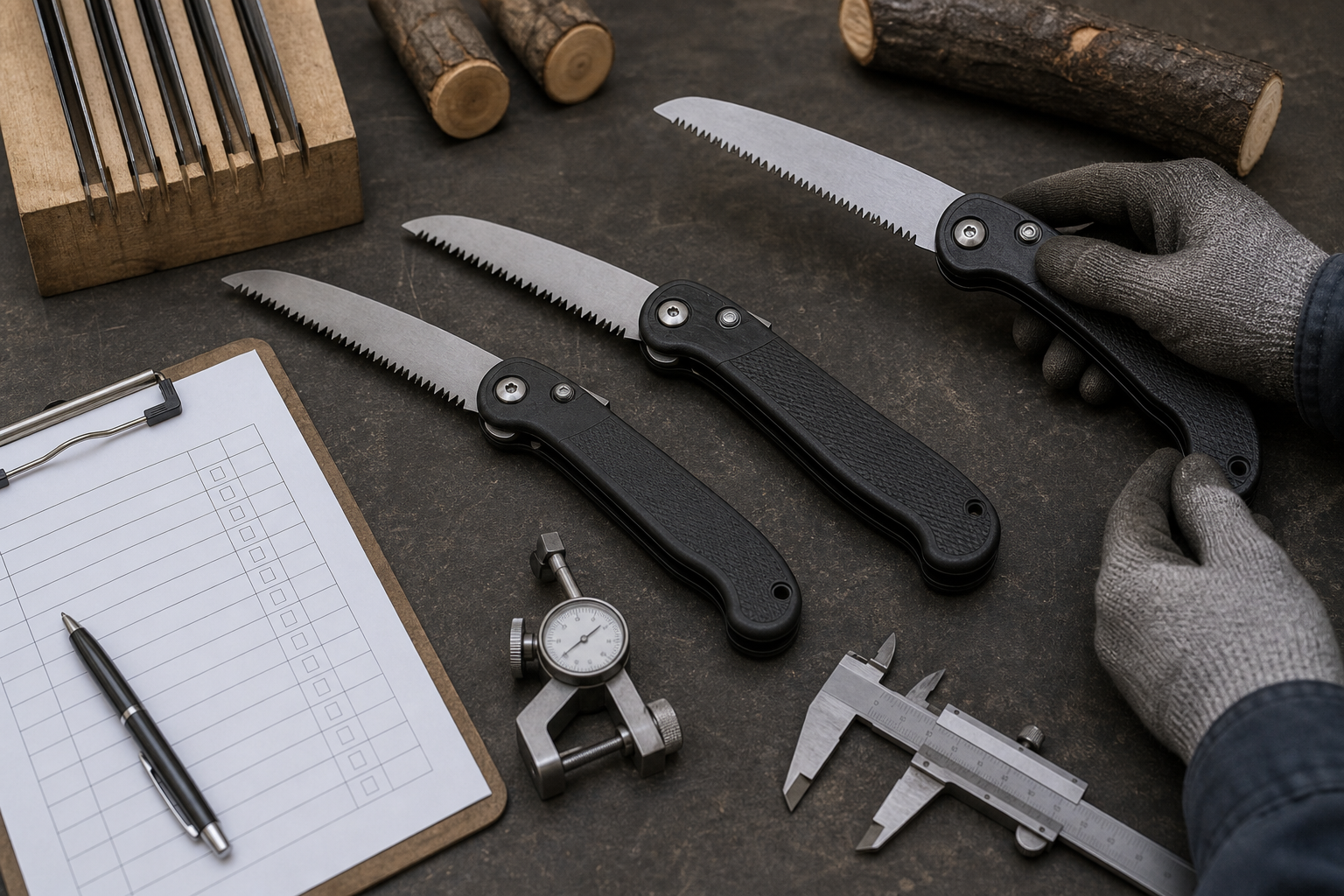
I Make the Cutting Test Part of Approval
For saws, I do not want QC to stop at checking scratches and packaging. The tool must cut. A simple cutting test can reveal many problems: dull teeth, poor tooth set, blade flex, handle discomfort, lock weakness, or binding. The buyer and supplier should agree on a realistic test material, such as a defined wood type or branch size, and use the approved sample as the reference.
Visual checks still matter. The teeth should not have obvious damage. The blade should not be bent. The coating should not flake. The handle should not have sharp plastic edges. The lock should engage correctly. A sheath or tooth cover should stay secure. Packaging should protect both the saw and the person opening the box.
For repeat orders, I also like batch consistency checks. A supplier can make one good sample, but the buyer needs stable mass production. The QC team should keep records of cutting performance, lock inspection, handle defects, and packaging issues. This reduces surprises after shipment.
| QC item | What to check | Why it matters |
|---|---|---|
| Tooth sharpness | Practical cutting test | Confirms function |
| Lock or sheath | Secure open and storage positions | Reduces safety risk |
| Blade straightness | No obvious bending | Prevents binding |
| Packaging | Teeth cannot damage box | Safer shipping and handling |
How Should Camp Saws Be Maintained by End Users?
Even a good saw can perform poorly if the user stores it dirty or wet. Maintenance must be easy to understand.
Camp saw maintenance should include cleaning pitch and dirt, drying the blade, protecting the teeth, checking screws or locks, avoiding careless bending, and storing the saw safely.
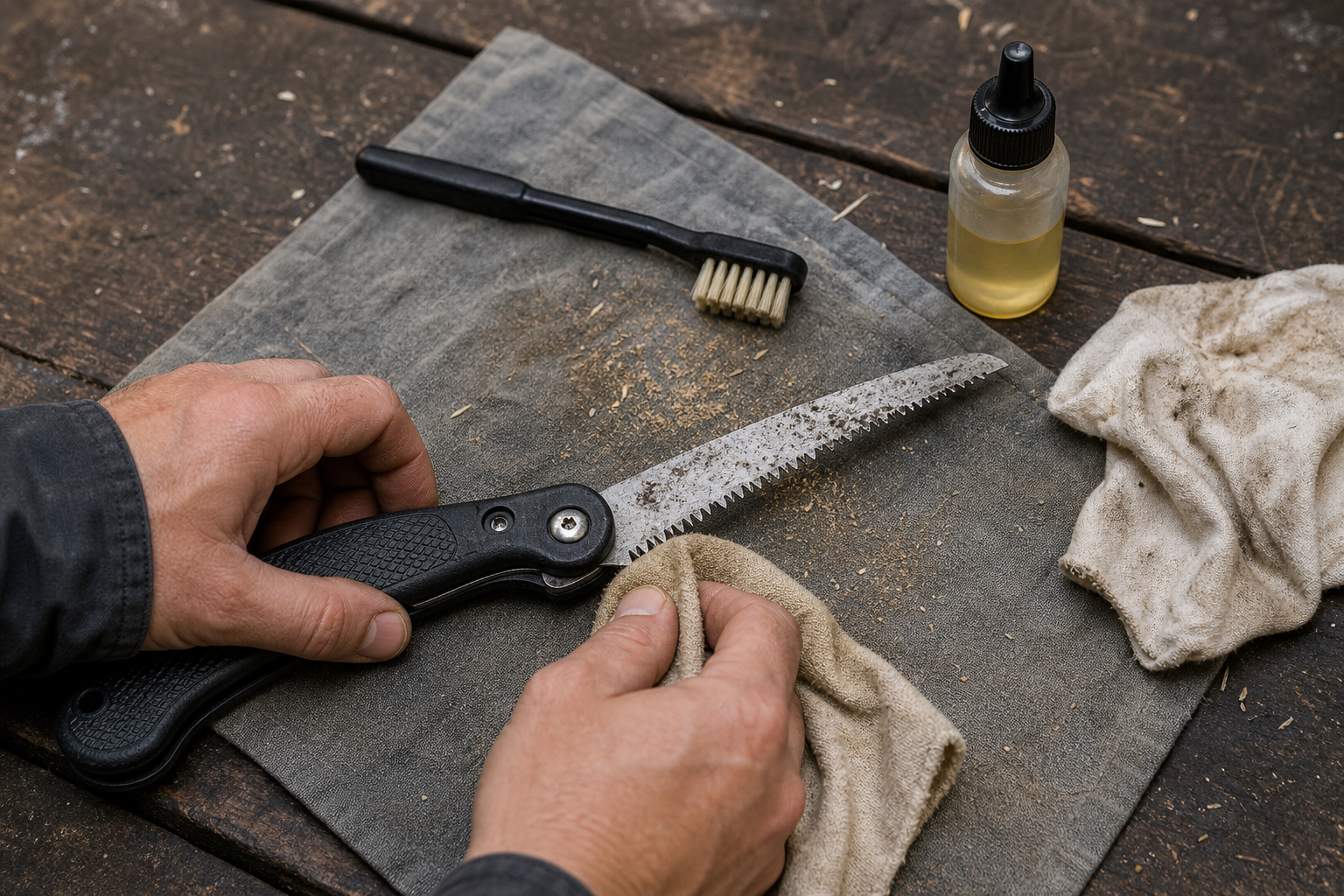
I Keep the Care Guide Short and Specific
A camp saw care guide should be short because the user may read it outdoors or after a trip. I would explain five steps. First, remove sawdust, pitch, and dirt after use. Second, dry the blade fully before storage. Third, protect the teeth with the folding handle, sheath, or cover. Fourth, check the lock, pivot, or screws if the saw uses those parts. Fifth, store the saw away from moisture and other loose gear that can damage the teeth.
Maintenance content should also explain what not to do. Do not twist the blade sideways in a cut. Do not force the saw when it binds. Do not use it as a pry tool. Do not store it wet inside a fabric pouch. Do not let the teeth rub against cookware, knives, or other hard tools inside a kit.
The USDA Forest Service Crosscut Saw Manual includes detailed saw maintenance topics such as filing, raker fitting, and tooth work. A consumer camp saw may not need that level of instruction, but the principle still matters: saw performance depends on the condition of the teeth and blade.
| Maintenance step | User action | Product benefit |
|---|---|---|
| Clean | Remove pitch and dust | Better cutting feel |
| Dry | Wipe blade and joint | Less rust risk |
| Protect teeth | Use cover or folded position | Safer storage |
| Check parts | Look at screws and lock | Longer service life |
How Should Camp Saws Fit Into a Knife and Outdoor Tool Line?
A saw should not compete with every knife. It should give the product line a clearer outdoor tool story.
Camp saws fit into a knife and outdoor tool line when they support wood processing, reduce misuse of knives, add camping utility, and match the same quality, packaging, and brand positioning.
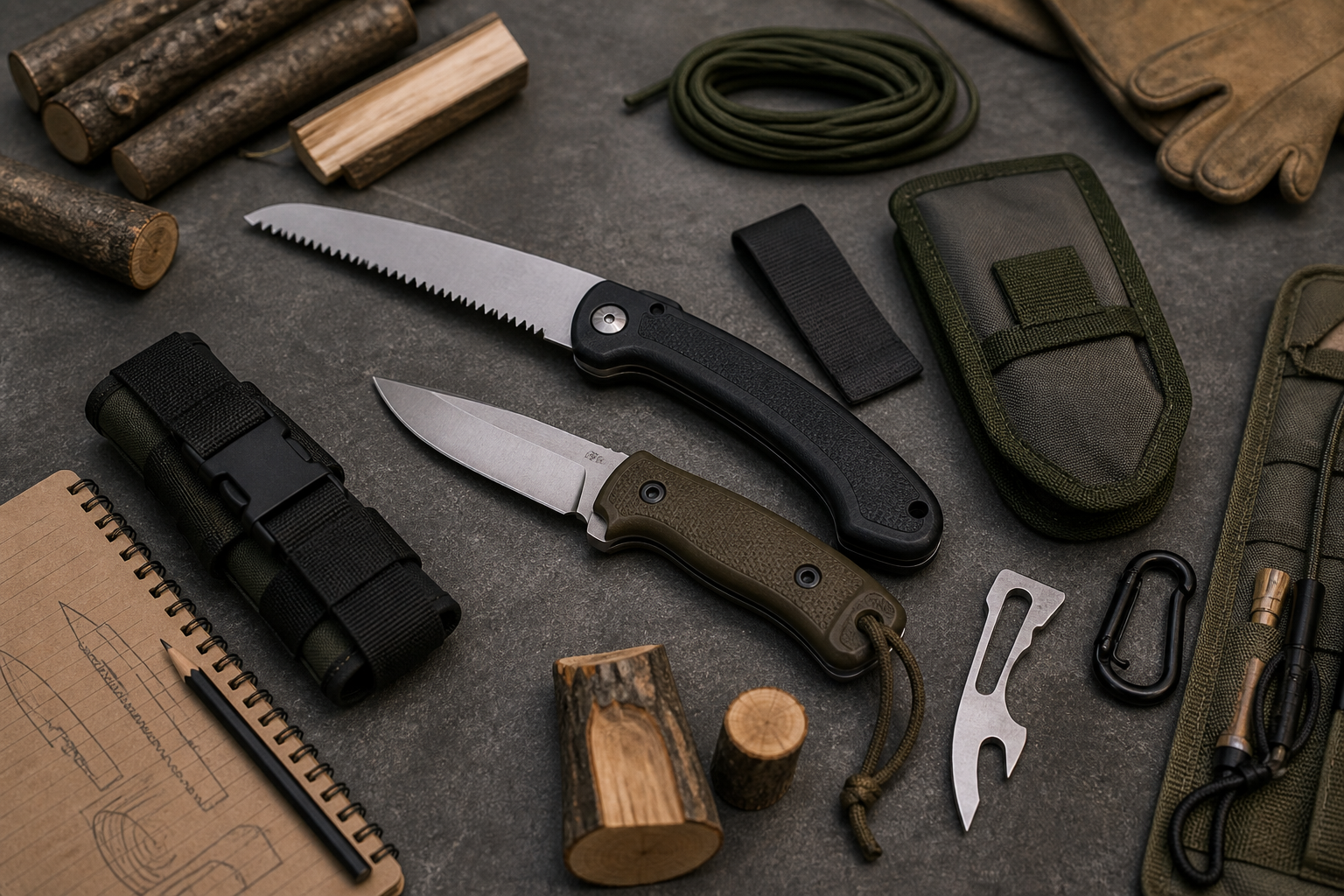
I Use Saws to Reduce Knife Misuse
Many outdoor users try to make one knife do every job. That can damage the knife and frustrate the user. A camp saw gives the product line a more complete wood-processing story. The knife can handle cutting, carving, food prep, and utility tasks. The saw can handle crosscutting branches or small logs where allowed. This makes both tools more useful.
For a B2B buyer, the saw should match the rest of the product line. A premium fixed blade should not be paired with a poor saw that feels like an afterthought. A value camping kit should not include an oversized saw that raises cost and shipping weight. A compact EDC outdoor kit may need a small folding saw or multi-tool saw, while a bushcraft kit may need a more serious cutting tool.
Packaging should also connect the tools clearly. The product page can explain which tool does which job. This reduces unrealistic expectations and helps the buyer sell a practical system instead of a random bundle.
| Product line role | Saw contribution | Buyer benefit |
|---|---|---|
| Bushcraft kit | Wood processing support | Better outdoor utility |
| Camping kit | Firewood prep where allowed | More complete value |
| Knife line add-on | Reduces knife misuse | Protects knife reputation |
| Private label bundle | Stronger product story | Easier retail explanation |
How Can Vast State Support Camp Saw and Outdoor Tool Projects?
Buyers need more than a sample. They need practical structure, packaging, communication, and repeat production control.
Vast State can support camp saw and outdoor tool projects by reviewing use case, structure, handle material, blade specification, packaging, care content, QC checks, and production follow-up.
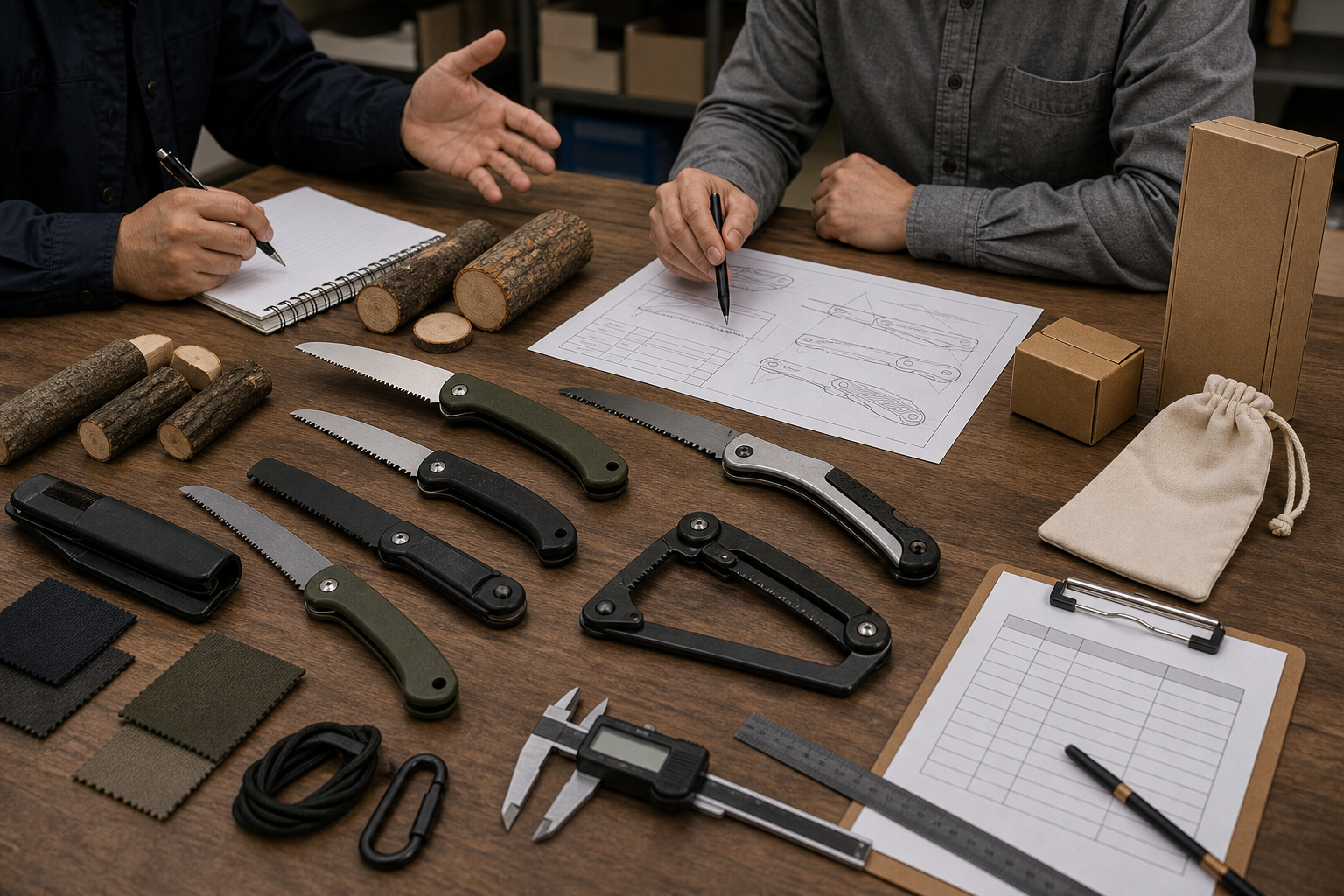
I Build Around the Buyer's Market
At Vast State, I look at camp saws as part of a broader outdoor tool program. Some buyers need a simple saw for an entry-level camping kit. Some need a stronger folding saw for a bushcraft product line. Some need a saw blade integrated into a multi-tool. Some only need packaging and sourcing support for an outdoor accessory line.
The development work should start with the market. I ask about target user, target price, wood size, carry method, packaging, quantity, and after-sales expectations. Then I review the structure. The blade, teeth, handle, lock, cover, and packaging must all match the price and the user's real tasks. I also want clear QC points because saw function depends on cutting performance, not only appearance.
This is where OEM and ODM support matters. A buyer may come with a finished design, or only a rough idea for a camping tool kit. I can help turn that into a manufacturable product direction, with practical material choices and production follow-up. The goal is not to make the saw look aggressive. The goal is to make it useful, safe, and repeatable.
| Buyer need | Vast State support | Result |
|---|---|---|
| New camp saw line | Structure and material review | More practical development |
| Outdoor tool kit | Product matching and packaging | Better bundle logic |
| Private label project | Logo, color, box, care card | Stronger brand presentation |
| Repeat order | QC and production follow-up | More stable supply |
Turn your idea into a quote-ready knife project.
Share your drawing, sample photo, target quantity, market, and packaging needs. Vast State will review manufacturability and prepare OEM/ODM options.
Conclusion
I choose camp saws by real wood-processing use, safe structure, tooth quality, responsible outdoor guidance, and repeatable production control.
Source Notes
- USDA Forest Service Crosscut Saw Manual supports the article's points about saw teeth, rakers, filing, maintenance, and saw condition.
- USDA Forest Service Trail Construction and Maintenance Notebook supports safety-oriented thinking around saw and trail work, including protective equipment.
- National Park Service Leave No Trace campfire guidance supports the article's responsible-use position around minimizing campfire impact.
- Grand Canyon National Park river campfire guidance supports caution around wood collection and campfire impact.
- OSHA machine guarding saws page supports the broader safety context that saws require careful guarding, control, and safe-use thinking, though the page focuses on powered saws rather than camp hand saws.