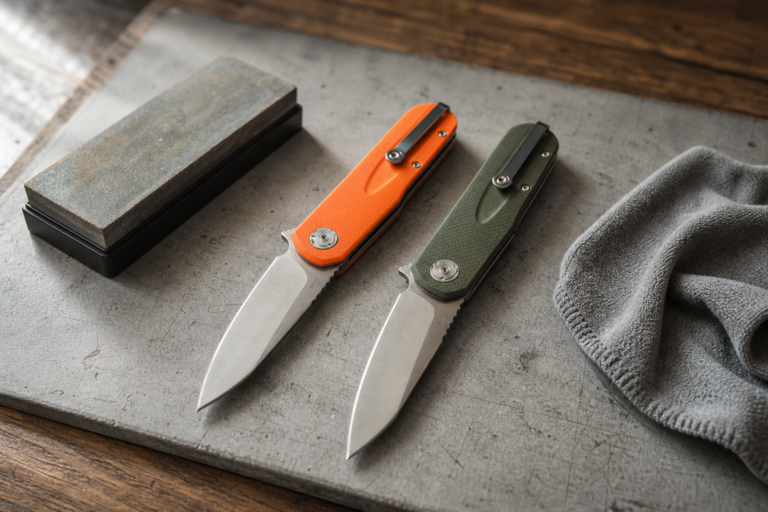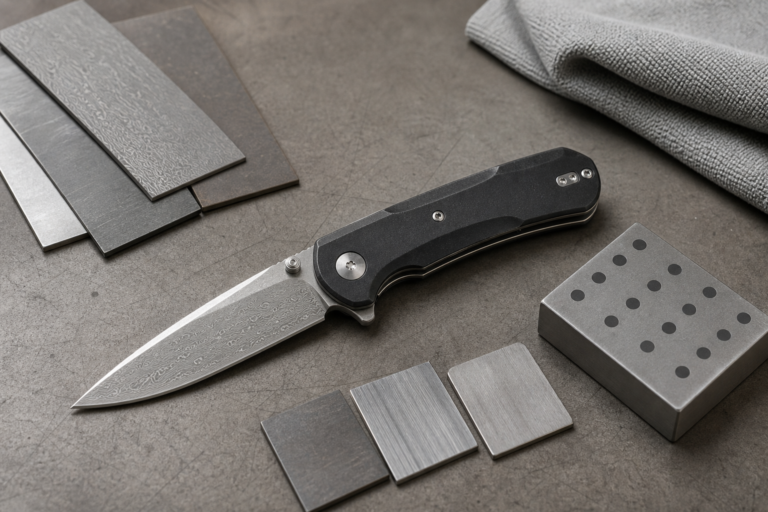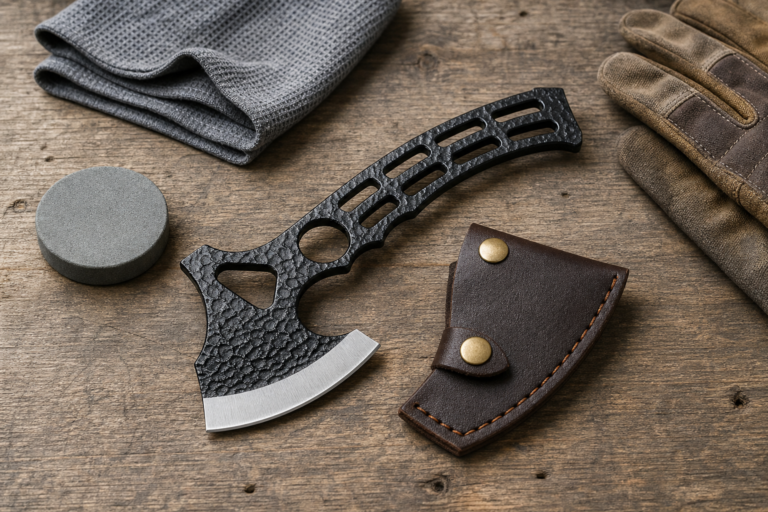
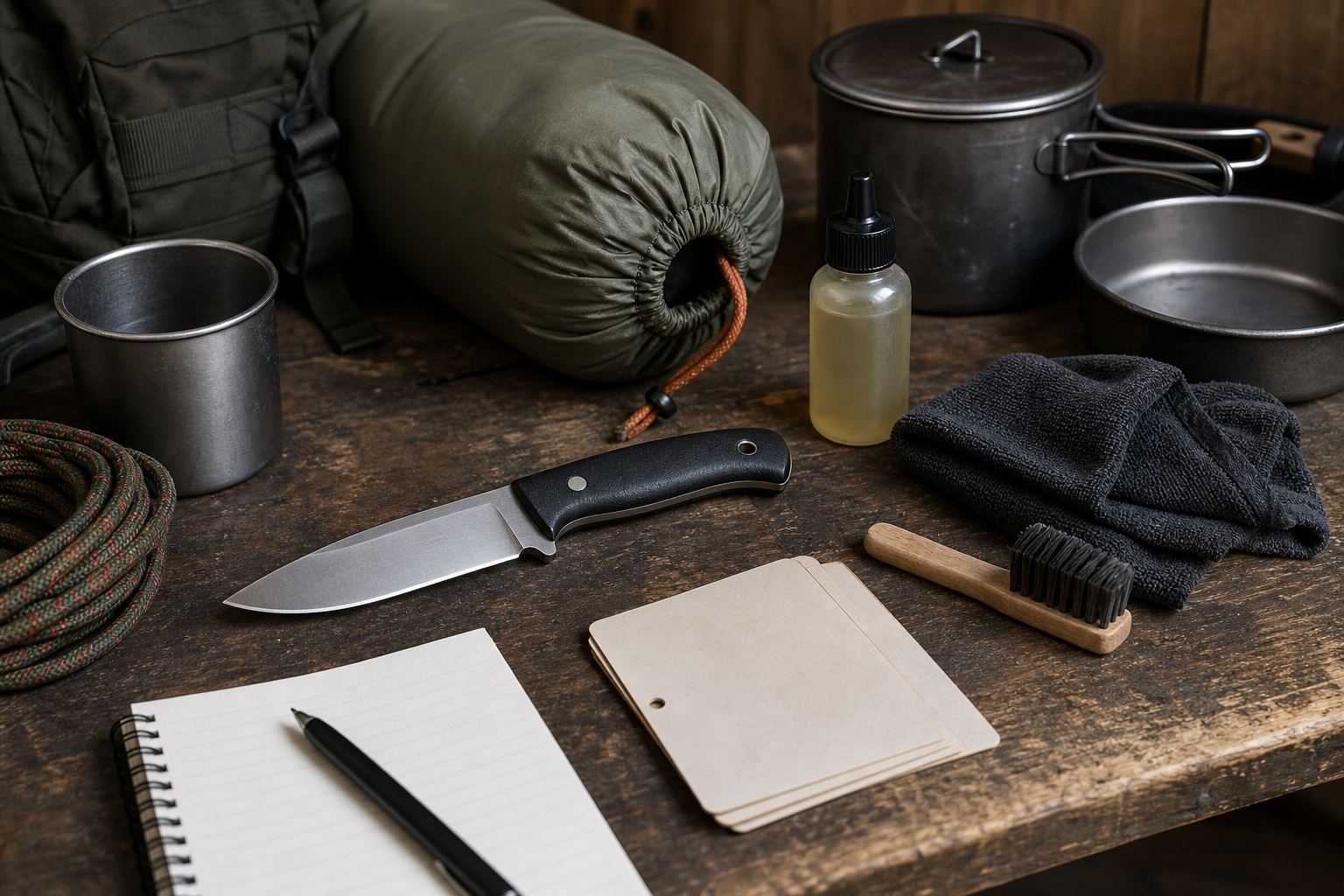
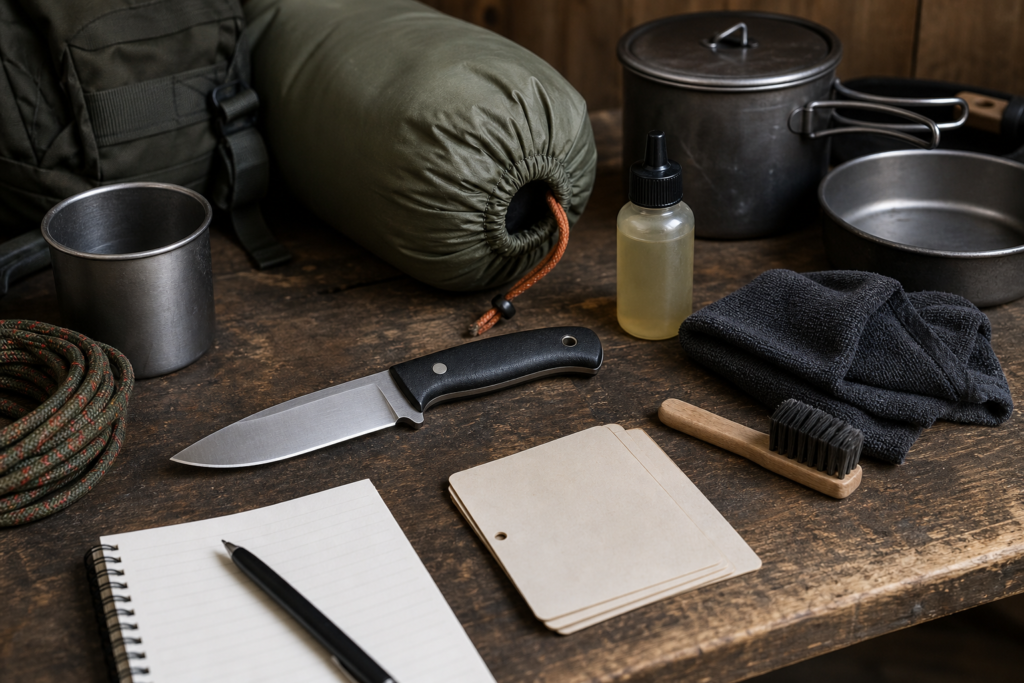
Good gear can still fail early. Dirt, moisture, dull edges, poor drying, and weak care instructions can damage product trust.
Buyers should build a maintenance guide by separating care rules for knives, sleeping bags, mess tins, skillets, and outdoor tools. The guide should explain cleaning, drying, sharpening, storage, safe use, warranty limits, and realistic after-sales expectations.
Quick buyer brief:
- Answer: Maintenance content protects product value after the sale.
- Buyer context: This helps knife brands, outdoor brands, importers, wholesalers, distributors, and private label buyers reduce avoidable complaints.
- Key checks: Cleaning method, drying method, rust prevention, edge care, fabric loft, cookware seasoning, packaging wording, care card layout, and claim limits.
Have a knife or multi-tool project in mind?
Send your sketch, CAD file, sample photo, or product idea. Vast State can review manufacturability, suggest materials, estimate MOQ, and prepare a quote for your OEM/ODM project.
When I help a buyer develop knives or outdoor tools, I do not stop at the product sample. I also ask what happens after the customer receives the product. A sharp knife can rust if it is left wet. A sleeping bag can lose loft if it is stored compressed. A mess tin can stain if the user burns food and scrapes it badly. A skillet can rust if it is soaked or left to air-dry. These problems are not always manufacturing defects. Many are care problems. A clear maintenance guide helps the buyer protect the product, the brand, and the next order.
Why Should Maintenance Content Be Part of Product Development?
Many buyers treat care instructions as an afterthought. Then preventable user problems become after-sales complaints.
Maintenance content should be part of product development because it explains how the user keeps the product functional, clean, dry, sharp, protected, and safe during normal use.
I Treat Care Instructions as a Product Feature
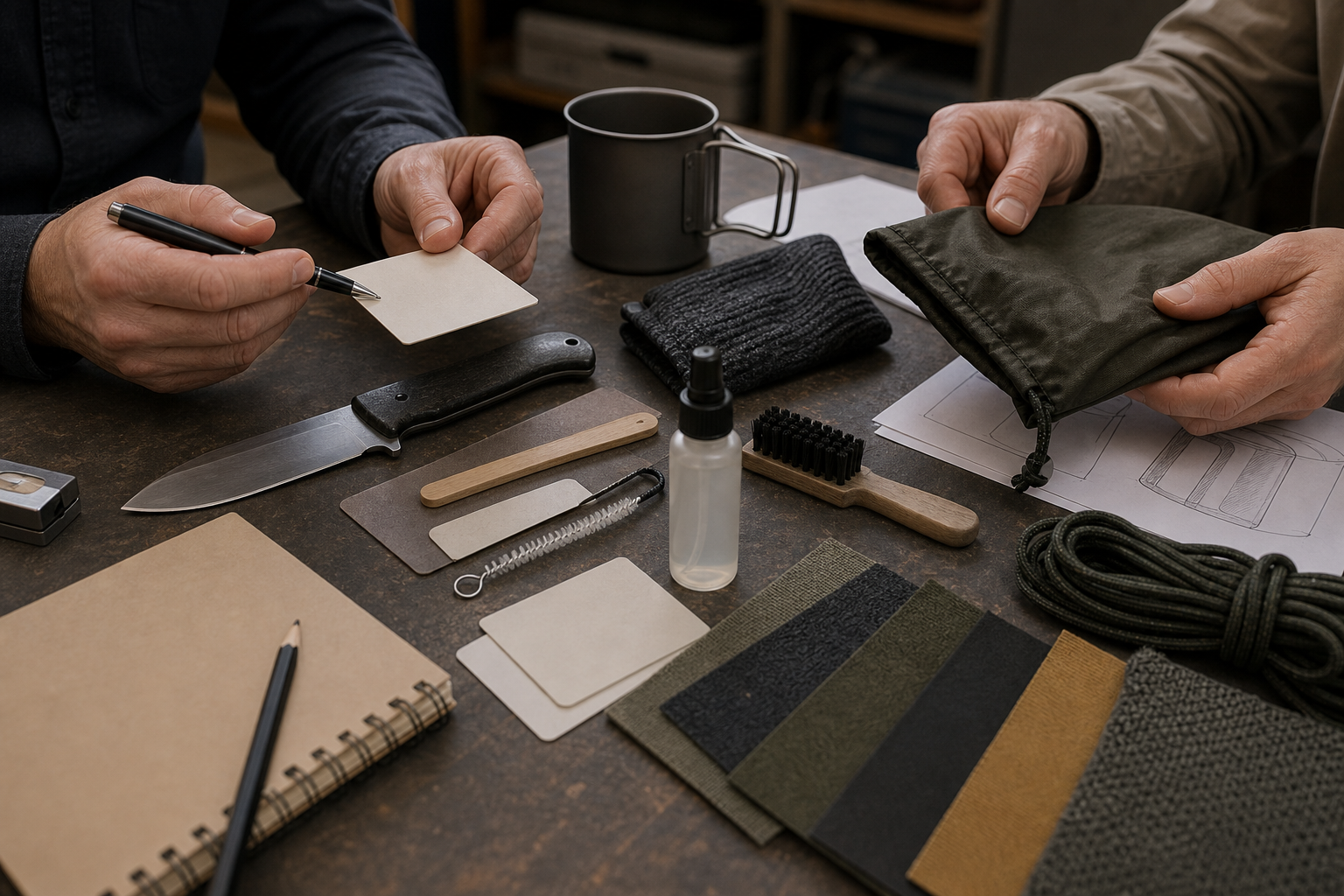
For B2B buyers, maintenance content is not only a nice printed card. It is part of the product experience. When the user knows how to clean, dry, sharpen, store, and protect the gear, the product lasts longer. The buyer also gets fewer avoidable complaints. This matters for outdoor, EDC, camping, rescue, and utility products because users may expose the gear to moisture, dirt, food residue, sweat, salt, and heavy use.
I also see maintenance content as a way to set honest expectations. If a carbon steel blade needs drying and oiling, the buyer should say so. If a fabric product needs the right washing method, the buyer should say so. If a cookware item should not be soaked, the buyer should say so. Clear care instructions reduce the gap between what the product can do and what the user assumes it can do.
For OEM and ODM projects, I like to discuss maintenance before packaging is finalized. The care card, hang tag, manual, product page, and warranty wording should match the material and construction. This is more practical than writing a generic instruction sheet after mass production.
| Maintenance area | What it protects | Buyer action |
|---|---|---|
| Cleaning | Appearance and hygiene | Define safe cleaning method |
| Drying | Rust and odor prevention | Explain immediate drying |
| Sharpening | Cutting performance | Give practical edge guidance |
| Storage | Long-term product life | Avoid moisture and compression |
OEM/ODM RFQ Checklist
Prepare these details to help Vast State review your project and provide a more accurate quotation.
| RFQ Field | What to Prepare |
|---|---|
| Project type | OEM from drawing / ODM private label / wholesale catalog |
| Product category | Folding knife / fixed blade / multi-tool / outdoor tool |
| Design status | Idea / sketch / 2D drawing / 3D CAD / physical sample |
| Target price | Ex-factory target price or retail price range |
| MOQ expectation | 500 / 1,000 / 3,000 / 5,000+ pcs |
| Logo method | Laser engraving / etching / printing / molded logo |
| Packaging | Standard packaging / custom retail box / Amazon-ready |
| Market | USA / EU / Japan / Korea / Middle East / other |
| Compliance needs | Buyer-specified testing / documentation / labeling |
| Timeline | Sample deadline / mass production deadline |
How Should Users Maintain Knives After Outdoor Use?
A knife may look rugged, but moisture and dirt still matter. Poor care can make a good blade look like a bad product.
Knife maintenance should include cleaning residue, drying the blade and handle, checking the pivot or sheath area, oiling when suitable, sharpening correctly, and storing the knife dry.
I Separate Cleaning From Sharpening
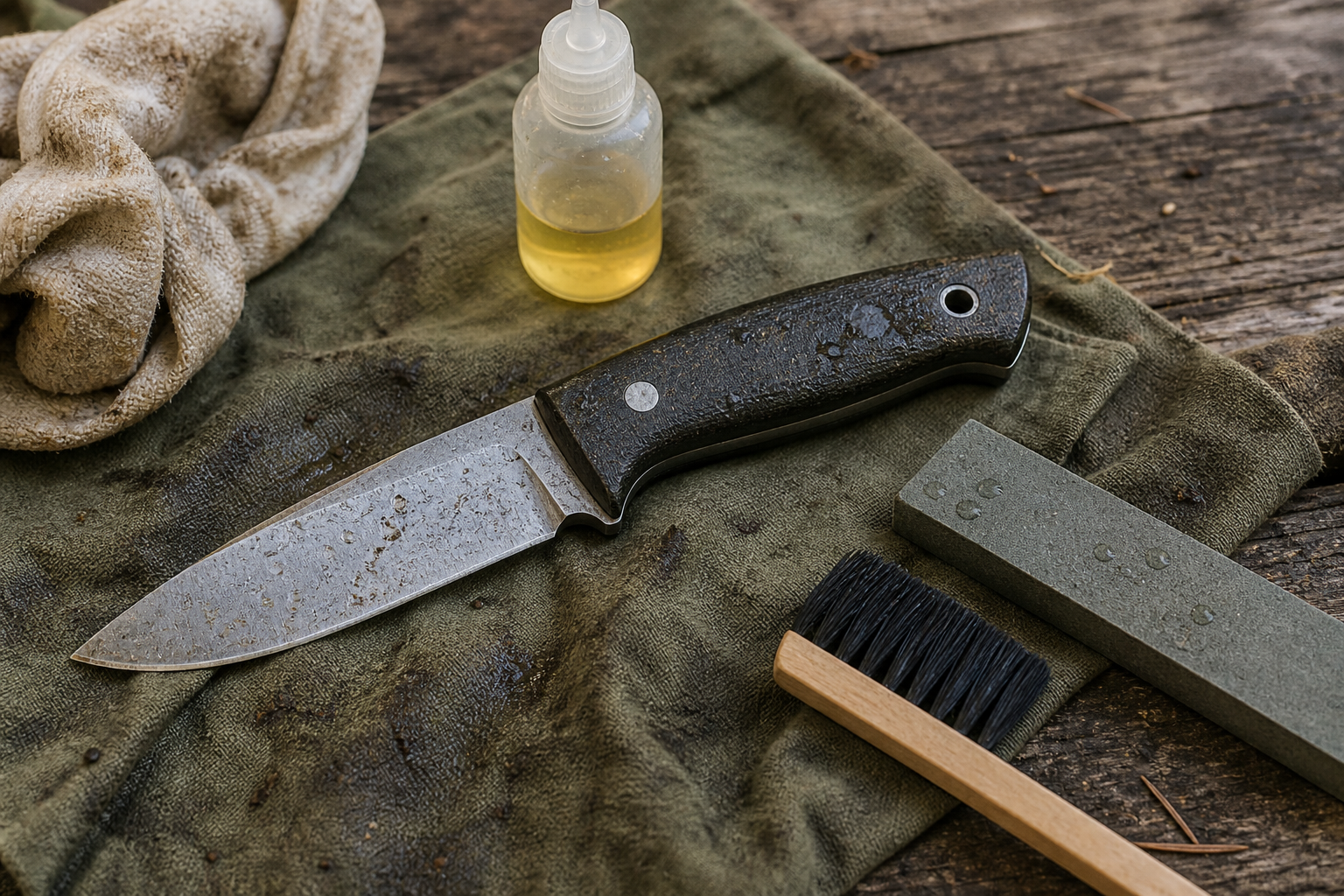
I like to divide knife care into two parts. The first part is daily cleaning. After outdoor use, the user should remove dirt, sap, food residue, salt, and moisture. The blade should be dried carefully. Folding knives need extra attention around the pivot, lock, screws, and handle gaps. Fixed blades need attention around the handle joint and sheath. A wet sheath can also hold moisture against the blade.
The second part is edge care. A knife does not need heavy sharpening after every use. Sometimes the user only needs to clean the edge and realign or lightly maintain it. When the edge is truly dull or damaged, sharpening must restore the intended bevel. Tormek's knife sharpening guide explains that sharpening can reestablish bevels to the intended angle and that burr removal helps create a durable edge. I use that as a useful technical reference when buyers ask how detailed their care content should be.
For a product line, I do not want vague wording such as "keep sharp." I prefer practical wording: clean after use, dry fully, apply light oil when suitable, avoid storing wet, sharpen at the intended angle, and inspect screws or moving parts.
| Knife care point | Why it matters | Practical instruction |
|---|---|---|
| Clean residue | Prevents staining and odor | Wipe and brush after use |
| Dry fully | Reduces rust risk | Dry blade, pivot, and sheath |
| Maintain edge | Keeps cutting performance | Sharpen only when needed |
| Store correctly | Protects finish and function | Store dry and ventilated |
How Should Sleeping Bags Be Cleaned and Stored?
Sleeping bags do not fail like knives. Their risk is loft loss, odor, moisture damage, and poor storage habits.
Sleeping bag care should focus on gentle cleaning, full drying, avoiding long-term compression, restoring loft, protecting insulation, and following material-specific wash guidance.
I Protect Loft Before Appearance
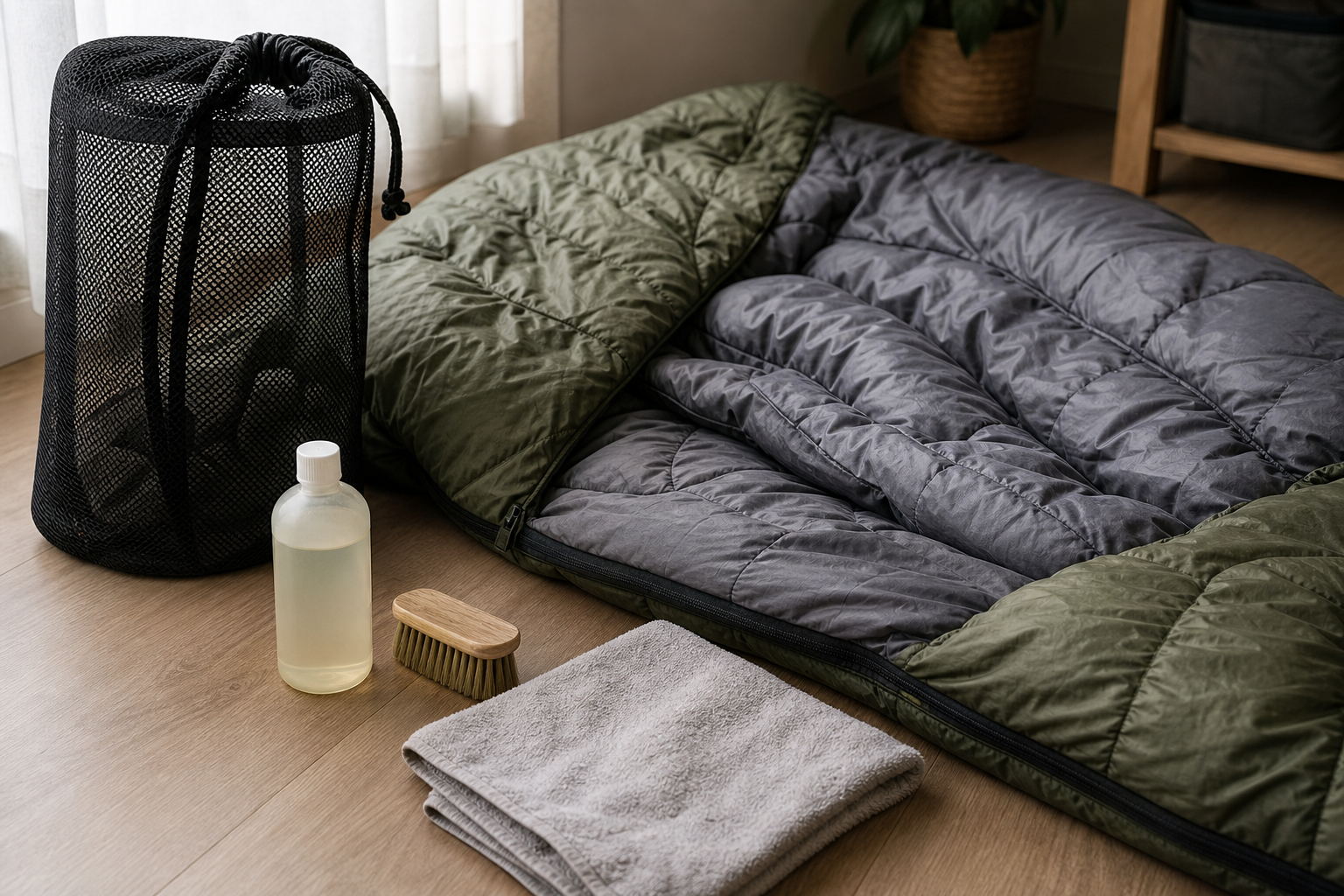
For sleeping bags, the main maintenance issue is not only surface dirt. The deeper concern is insulation performance. A sleeping bag works because the insulation traps air. If the bag is dirty, wet, compressed too long, or washed incorrectly, the user may lose comfort and warmth. This creates a serious product-experience problem even if the stitching and fabric are still acceptable.
Outdoor brands should give clear care guidance based on the insulation type. Down and synthetic insulation do not always need the same treatment. Users should avoid long-term compressed storage. They should dry the bag fully before storage. They should use a large breathable storage bag when possible. They should also follow the care label and avoid harsh washing methods.
Nikwax equipment care guidance explains that non-detergent cleaners can clean without harming water repellency and can help restore sleeping bag loft. I do not use this to promote one cleaner for every product. I use it to show why buyers should be specific about the cleaning method. A cheap, generic instruction can damage the product if it sends users in the wrong direction.
| Sleeping bag issue | User mistake | Buyer guidance |
|---|---|---|
| Loft loss | Storing compressed | Store loose and dry |
| Odor | Storing damp | Dry fully before packing |
| Poor washing | Harsh detergent or small washer | Follow care label |
| Moisture | Wet campsite storage | Air out after each trip |
How Should Mess Tins and Camp Cookware Be Maintained?
Camp cookware looks simple, but burned food, scratches, and bad drying can reduce product value fast.
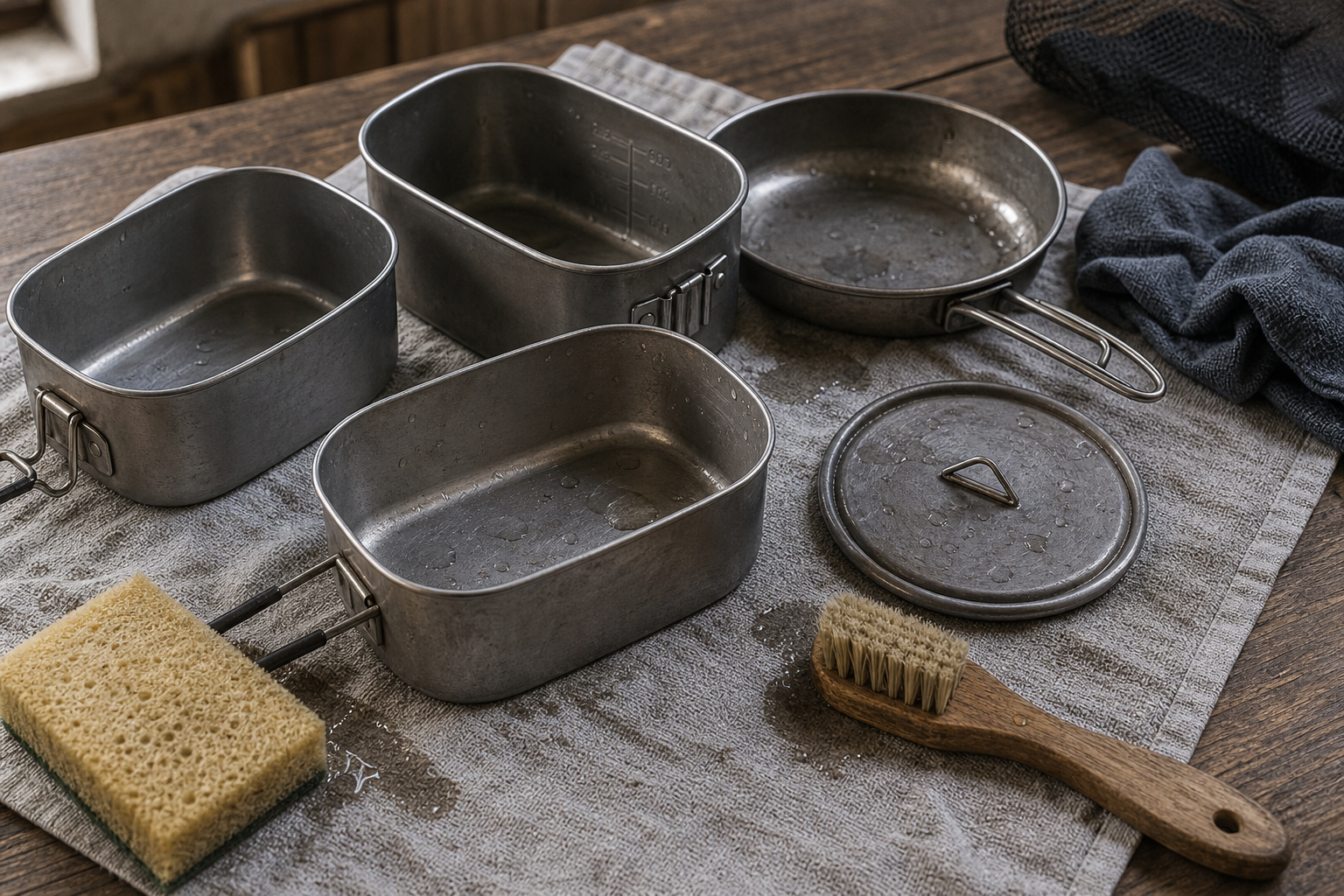
Mess tins and camp cookware should be cleaned soon after use, dried fully, protected from deep scratches, stored open or dry, and matched with realistic food-use and fire-use instructions.
I Keep Cookware Care Simple and Material-Specific
Mess tins, camp cups, and lightweight cookware are common outdoor products because they are practical and easy to package with camping kits. But the care instructions should still match the material. Aluminum, stainless steel, titanium, coated cookware, and enamel surfaces do not all behave the same. A hard metal scraper may be fine for one rugged surface but too harsh for another. A nonstick or coated surface needs more careful wording.
The user should remove food residue after cooking, avoid long soaking when the material is rust-prone, dry the cookware fully, and store it where moisture cannot stay trapped. If the product is designed for open flame use, the buyer can explain discoloration and soot as normal. If it is not designed for direct flame, the buyer should avoid suggesting that use.
Outdoor washing also needs environmental guidance. The U.S. National Park Service's Leave No Trace guidance says dishwashing should be done away from streams or lakes, with food particles strained out and dishwater scattered. This is useful for outdoor product content because care instructions should respect both the product and the campsite.
| Cookware material | Care concern | Instruction focus |
|---|---|---|
| Aluminum | Scratches and staining | Use gentle tools |
| Stainless steel | Burn marks and residue | Clean soon after use |
| Titanium | Heat discoloration | Explain normal color change |
| Coated cookware | Surface damage | Avoid harsh scraping |
How Should Skillets and Cast-Iron-Style Gear Be Cared For?
A skillet can last a long time, but moisture and wrong cleaning can create rust, sticky residue, or user frustration.
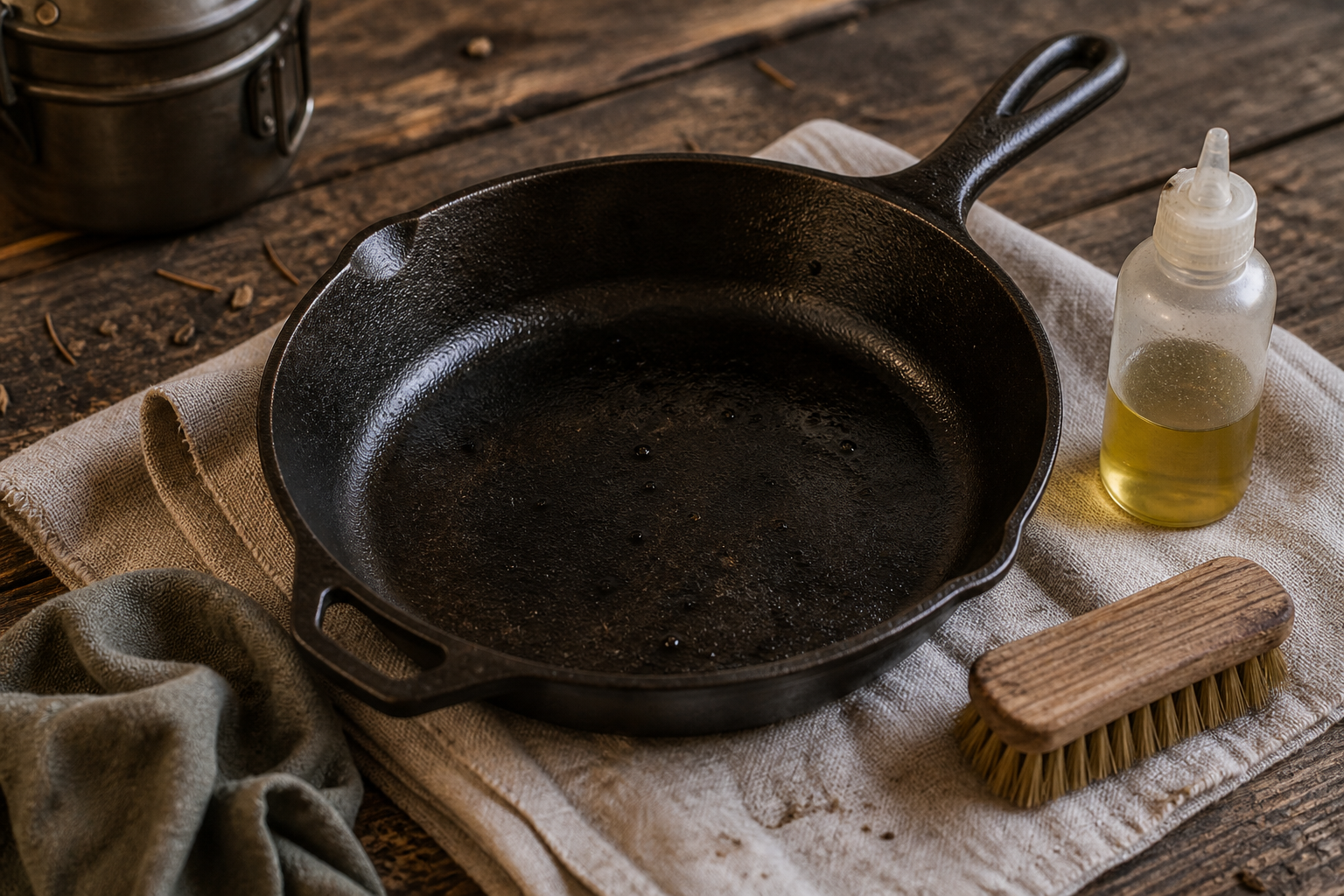
Skillet care should include washing by hand, drying completely, applying a thin oil layer when suitable, avoiding long soaking, and explaining seasoning or surface care clearly.
I Explain the Dry-Oil-Store Routine
Skillets and cast-iron-style cookware need more user education than many buyers expect. Some users believe they should never use soap. Some users soak the pan. Some users leave it wet. Some users use too much oil and create a sticky surface. These habits can create complaints that are not really manufacturing defects.
Official care guidance from Lodge Cast Iron gives a simple care pattern: wash, dry, and oil. The same page also explains that soaking cast iron can lead to rust and that dishwasher use can remove seasoning and likely cause rust. This is useful because it shows how simple wording can prevent many user errors.
If a buyer sells skillets or cookware in an outdoor kit, I recommend a short care card. The card should say whether the product is cast iron, carbon steel, stainless steel, aluminum, or coated. It should explain whether oiling is needed. It should also tell the user to dry the product fully before packing it with knives, sheaths, fabric bags, or other gear. Moisture trapped in a camp kit can damage more than one item.
| Skillet care step | Why it matters | User-facing wording |
|---|---|---|
| Wash by hand | Removes food residue | Clean after cooking |
| Dry fully | Reduces rust risk | Do not store wet |
| Thin oil layer | Protects seasoned surfaces | Use a very thin coat |
| Dry storage | Protects the kit | Store in a ventilated place |
How Should Brands Turn Maintenance Into Packaging Content?
Care content can be useful or ignored. If it is too long, users skip it. If it is too vague, it fails.
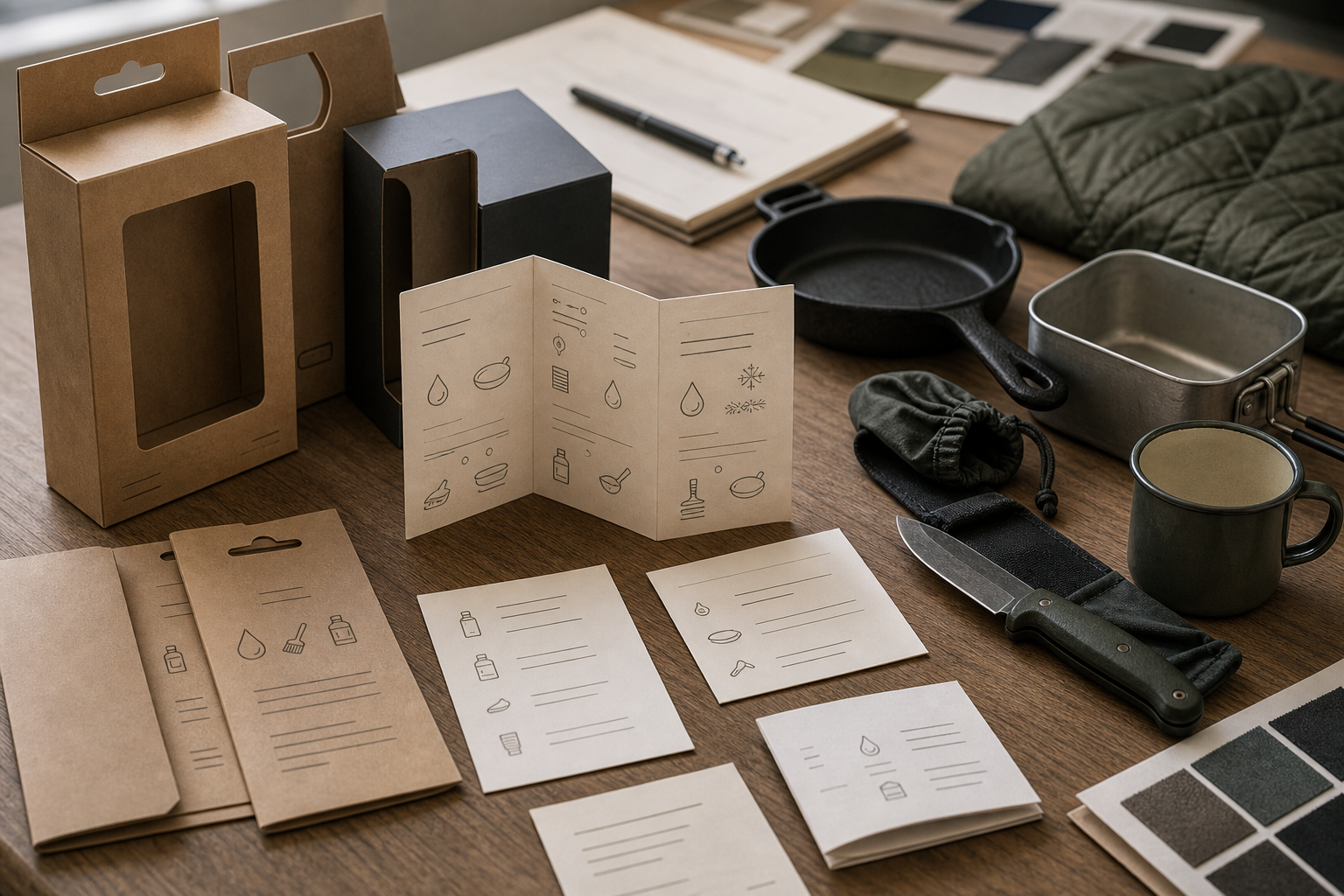
Brands should turn maintenance into packaging content by using short care cards, icons, QR pages, warranty notes, material-specific instructions, and after-sales FAQs.
I Write Care Content for Real Users
A care guide should not read like a factory manual. It should help the real user take the right action quickly. For a knife, the user needs to know how to clean, dry, sharpen, and store it. For a sleeping bag, the user needs to know how to dry, wash, and store it without crushing loft. For cookware, the user needs to know how to remove food residue, dry the item, and avoid damage.
I prefer layered content. The packaging card should give the most important instructions. The product page can give deeper guidance. A QR page can include videos, FAQs, and material-specific notes. The warranty page can explain what is normal wear and what is a defect. This helps the buyer avoid overloading the printed card.
For OEM and ODM customers, packaging customization is a good place to add value. The buyer may sell under a private label, but the maintenance logic still needs to be accurate. If the care card is wrong, the brand absorbs the complaint. I would rather fix the wording before mass production than answer complaints after shipment.
| Content format | Best use | Practical note |
|---|---|---|
| Care card | Key daily instructions | Keep short and visual |
| QR page | Detailed guides | Add videos or FAQs |
| Product page | SEO and after-sales support | Explain materials clearly |
| Warranty note | Claim boundaries | Separate defects from misuse |
What Maintenance Claims Should Buyers Avoid?
Strong claims can sell products, but careless claims can create returns, disputes, or compliance problems.
Buyers should avoid claims such as rust-proof, maintenance-free, never dull, dishwasher safe, fireproof, waterproof, or lifetime performance unless the product and evidence clearly support them.
I Prefer Honest Claims That Reduce Risk
I am careful with maintenance claims because users remember the strongest words. If a package says rust-proof, the user may expect no rust under any condition. If it says maintenance-free, the user may not dry or clean the product. If it says dishwasher safe, the user may put cookware or tools through conditions that damage the finish. If it says waterproof, the user may confuse water resistance with full water protection.
For knives, I prefer phrases such as corrosion-resistant when the material supports it, not rust-proof. For sleeping bags, I prefer clear washing and drying instructions instead of broad performance promises. For skillets, I prefer honest seasoning and drying guidance. For camp cookware, I prefer material-specific care instructions.
This is also where quality management matters. ISO 9001 focuses on meeting customer and applicable requirements through controlled systems. I use that mindset when I review packaging claims. The claim should match the specification, the test method, the care instruction, and the warranty policy. If those do not match, the brand is creating avoidable risk.
| Risky claim | Why it can be dangerous | Safer direction |
|---|---|---|
| Rust-proof | Users may ignore drying | Say corrosion-resistant if true |
| Maintenance-free | Encourages poor care | Give simple care steps |
| Never dull | Unrealistic edge promise | Explain sharpening needs |
| Dishwasher safe | May damage finish or seasoning | State hand-wash if needed |
How Can Vast State Help Buyers Build Maintenance Into OEM/ODM Projects?
Buyers often focus on the sample first. But the product also needs instructions that support real use.
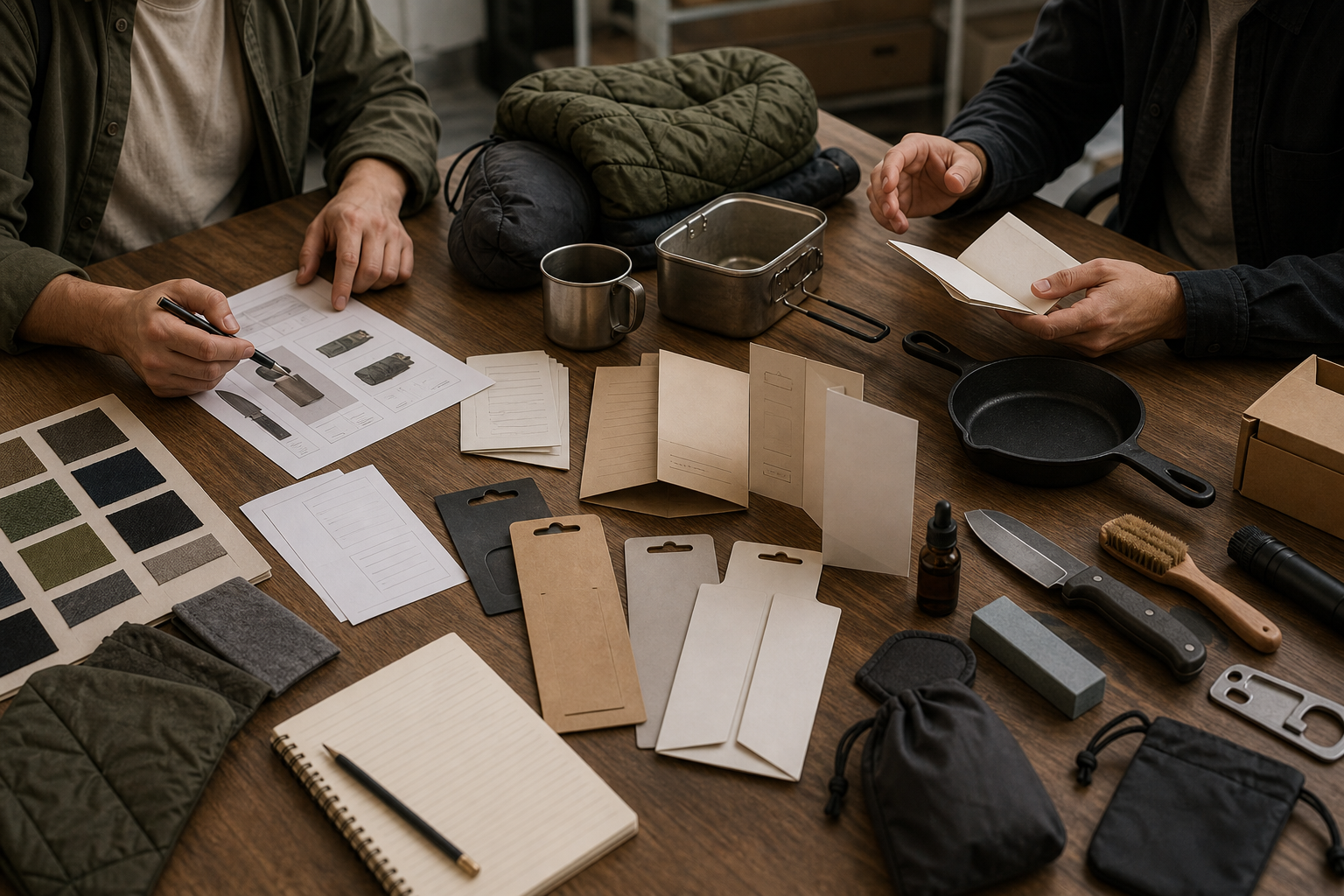
Vast State can help buyers connect materials, finish, packaging, product use, QC, and after-sales needs into practical maintenance content for knives and outdoor tools.
I Make the Care Guide Match the Product
At Vast State, I see maintenance as part of practical product development. If we make a folding knife, we need to think about pivot care, blade steel, coating, screw checks, and storage. If we make a fixed blade, we need to think about sheath moisture and edge care. If we support a camping tool kit, we need to think about cookware, storage bags, and user instructions. If the buyer needs packaging customization, the care content should be part of that discussion.
This helps B2B customers because they care about more than appearance. They care about repeat orders, low complaint rates, clear communication, and products that fit their market. A strong care guide can support all of those goals. It also helps the supplier because the production team, packaging team, and QC team share the same expectations.
I do not want to write one generic maintenance paragraph for every product. I want the care guide to match the product materials, finish, price level, and target user. That makes the product easier to sell and easier to support after delivery.
| Buyer need | Vast State support | Result |
|---|---|---|
| Knife product line | Edge, steel, finish, and storage guidance | Fewer avoidable blade complaints |
| Outdoor kit | Tool and cookware care planning | More complete user experience |
| Private label packaging | Care card and QR content support | Better brand presentation |
| Repeat production | QC and after-sales feedback loop | More stable long-term supply |
Turn your idea into a quote-ready knife project.
Share your drawing, sample photo, target quantity, market, and packaging needs. Vast State will review manufacturability and prepare OEM/ODM options.
Conclusion
I build better outdoor products by making maintenance clear, material-specific, honest, and easy for the end user to follow.
Source Notes
- Tormek knife sharpening guide supports the importance of restoring bevel angle, sharpening correctly, and removing burrs for a durable edge.
- Nikwax equipment care supports material-specific cleaning ideas for outdoor fabrics and sleeping bags, including loft and water-repellency care.
- Lodge Cast Iron cleaning guidance supports wash, dry, oil, no soaking, and hand-washing guidance for cast iron style care.
- National Park Service Leave No Trace guidance supports outdoor dishwashing practices away from water sources and proper waste handling.
- ISO 9001 supports process-based quality management thinking for aligning customer requirements, claims, instructions, and controls.