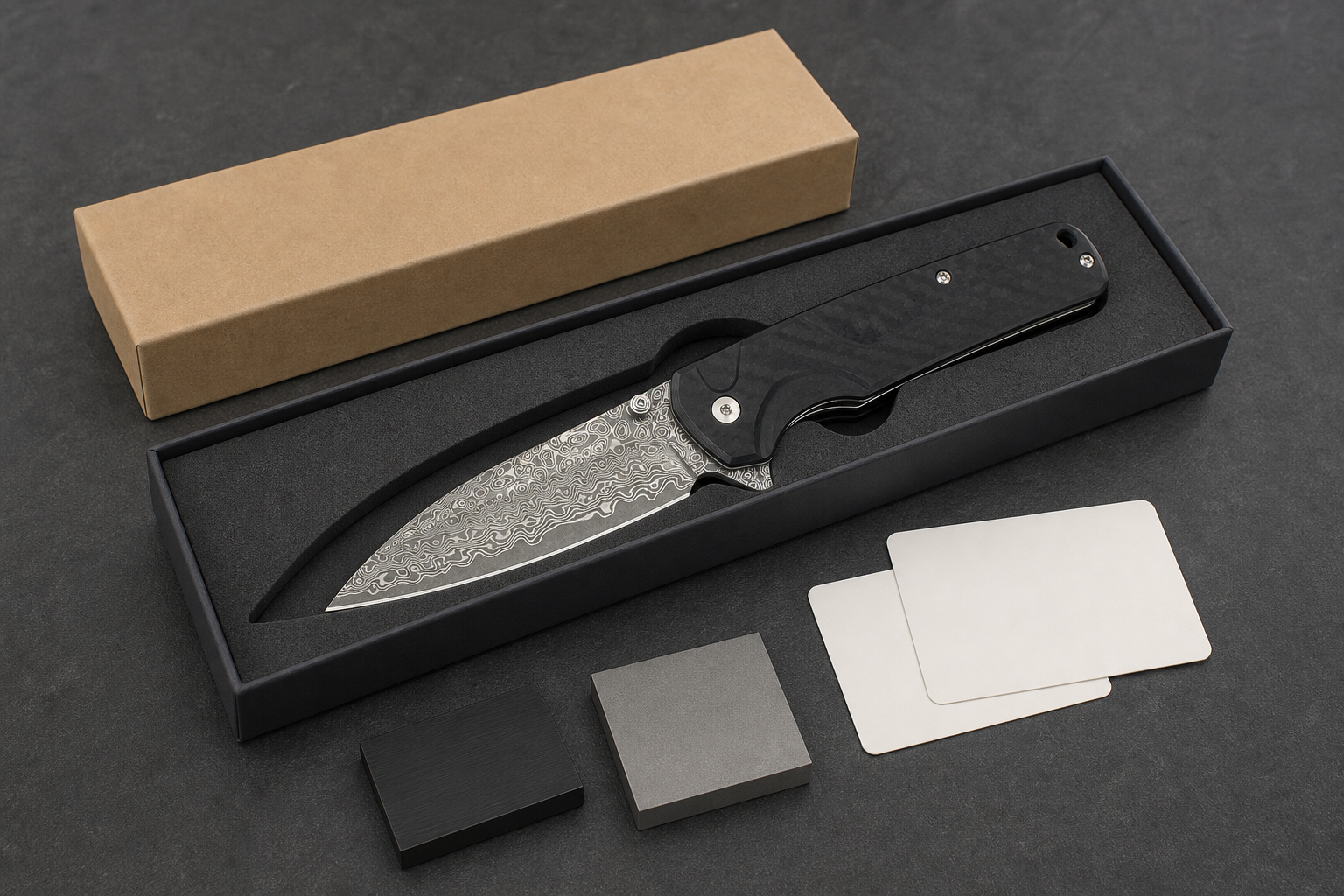
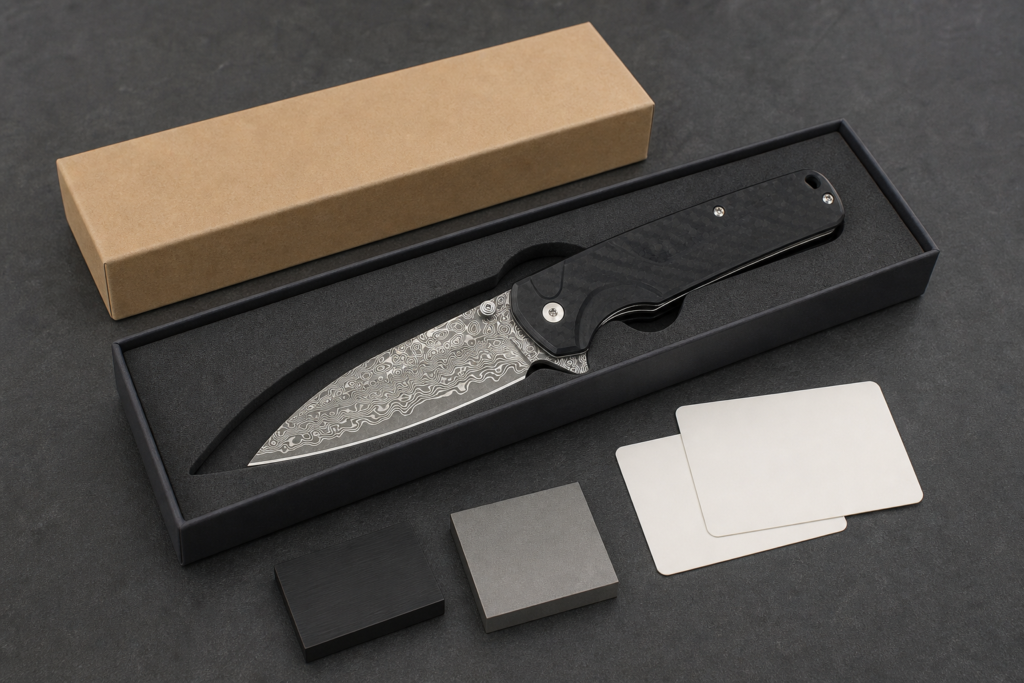
Damascus steel sells emotion fast. But if buyers only chase the pattern, they may miss performance, cost, and consistency.
Damascus steel can be practical for OEM/ODM folding knives when buyers define the steel type, pattern expectation, heat treatment, corrosion care, blade geometry, cost target, QC standard, and marketing language clearly. The pattern should support the product, not replace real performance checks.
Quick buyer brief:
- Answer: Use Damascus-style steel when the target market values visual pattern, premium positioning, or gift appeal, and when the supplier can control heat treatment, etching, corrosion protection, layer consistency, and batch appearance.
- Buyer context: This helps knife brands, outdoor brands, EDC brands, importers, wholesalers, distributors, private label buyers, and sourcing managers.
- Key checks: Pattern type, base steels, hardness, heat treatment, weld quality, edge geometry, corrosion care, etching depth, finish consistency, blade centering, opening action, packaging wording, and sample approval standard.
Planning a knife project with this steel?
Send us your target market, MOQ, price range, and blade type. Vast State can help you choose the right steel, HRC range, finish, handle material, and QC requirements for OEM/ODM production.
When I discuss Damascus steel with B2B buyers, I slow down the language first. Some customers use "Damascus" to mean historical crucible steel. Some use it to mean modern layered pattern-welded steel. Some simply mean a visible flowing pattern on the blade. Those are not the same thing. For an OEM/ODM folding knife project, the buyer must turn the word into a specification. What steels are used? What hardness is required? What pattern is expected? What finish is acceptable? How much pattern variation is allowed? If those questions are not answered, the sample may look attractive but fail in mass production.
What Does Damascus Steel Mean in a Modern Knife Project?
The word Damascus can sound precise, but buyers often use it loosely. That creates avoidable confusion.
In modern knife sourcing, Damascus steel usually refers to a visible patterned blade material, often made from layered steels, while historical Damascus is often discussed in relation to wootz or crucible steel with a watered pattern.
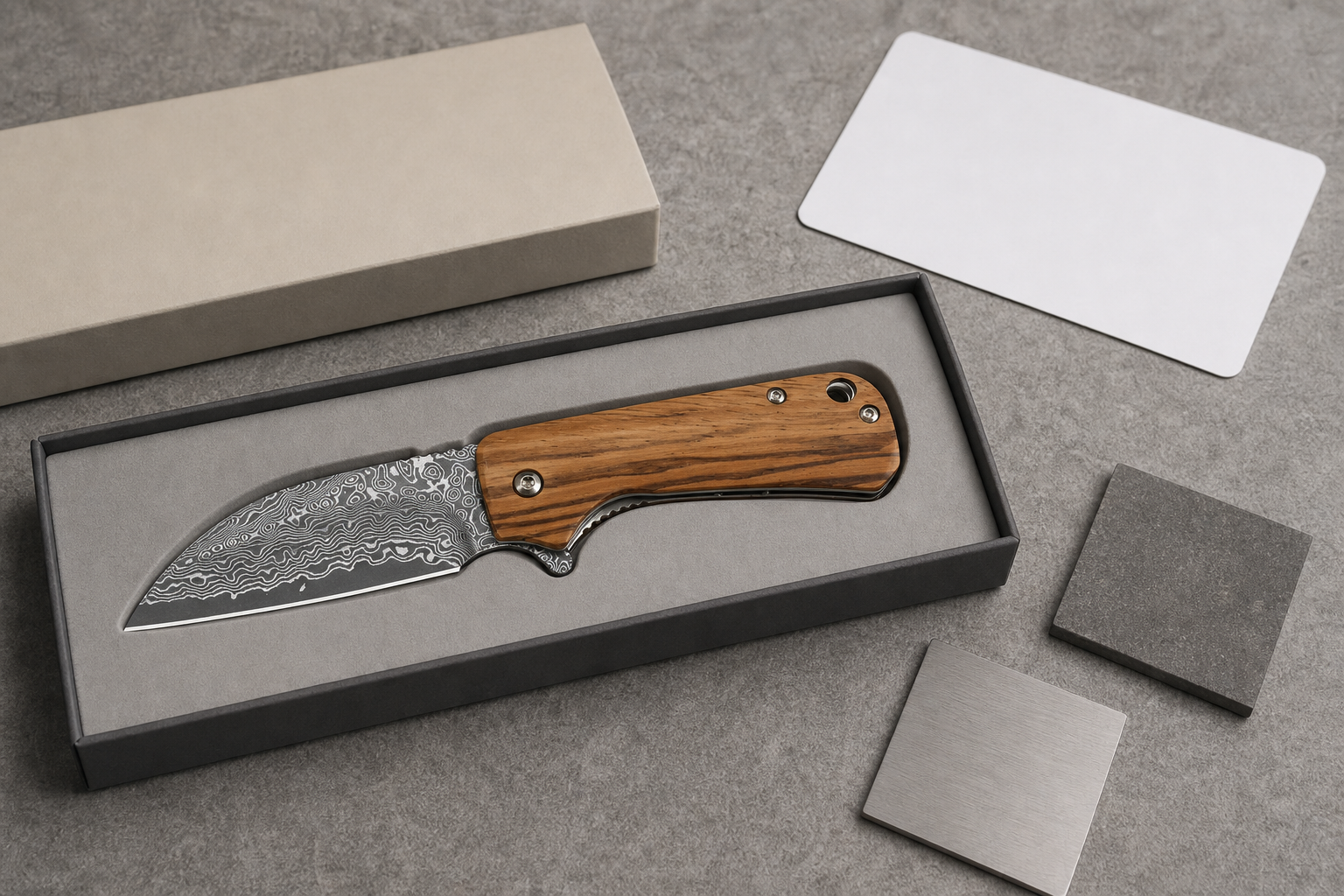
I Ask the Buyer to Define the Material, Not Just the Word
The first step is to define what the buyer means. Historical Damascus steel is often linked with wootz or crucible steel. Britannica's wootz steel entry describes wootz as steel produced by an ancient Indian method and notes its connection with famous medieval Damascus swords. A Metropolitan Museum of Art object record also explains that "Damascus" or "watered" steel refers to blades with a wavy or watered pattern created by specific smelting and crucible techniques before forging.
Modern knife buyers usually mean something more commercial: layered steels forge-welded together, then ground, heat treated, etched, and finished to show a pattern. This can be a good material choice for the right market. It can also be a poor choice if the buyer expects magical performance from the pattern alone.
The RFQ should define the base steels, pattern style, layer count if relevant, target hardness, finish, etching contrast, corrosion expectations, and acceptable visual variation. If the supplier cannot identify the material clearly, the buyer should be cautious.
I do not tell buyers that Damascus is automatically better than mono-steel. I tell them to decide what value the pattern creates. Is the product a premium gift knife? A collector-style EDC folder? A private label line with strong visual appeal? If yes, Damascus-style steel may help. If the product is a cost-sensitive outdoor work knife, a simpler steel may be more practical.
| Term | What buyers may mean | Practical question |
|---|---|---|
| Historical Damascus | Wootz or crucible watered steel | Is this relevant to the product? |
| Pattern-welded steel | Layered modern blade steel | What are the base steels? |
| Damascus-style pattern | Visible etched blade pattern | What pattern variation is acceptable? |
| Premium blade | Visual and brand positioning | Does the user pay for the look? |
Quote-ready RFQ Checklist for Damascus Projects
To get an accurate OEM/ODM quote, prepare construction, core steel, pattern, layer, hardness, and etch details before contacting a knife manufacturer.
| RFQ Field | What to Prepare |
|---|---|
| Damascus construction | Pattern-welded / clad / stainless patterned / decorative etch |
| Core steel | 10Cr15CoMoV / VG10 / 14C28N / buyer-specified |
| Pattern | Random / ladder / twist / raindrop |
| Layer specification | Supplier standard or verified target |
| Target HRC | Based on core or full construction |
| Etch standard | Contrast, depth, residue and variation limits |
Why Is Damascus Steel Attractive to Folding Knife Buyers?
The pattern catches attention. But visual appeal should be tied to market value, not only decoration.
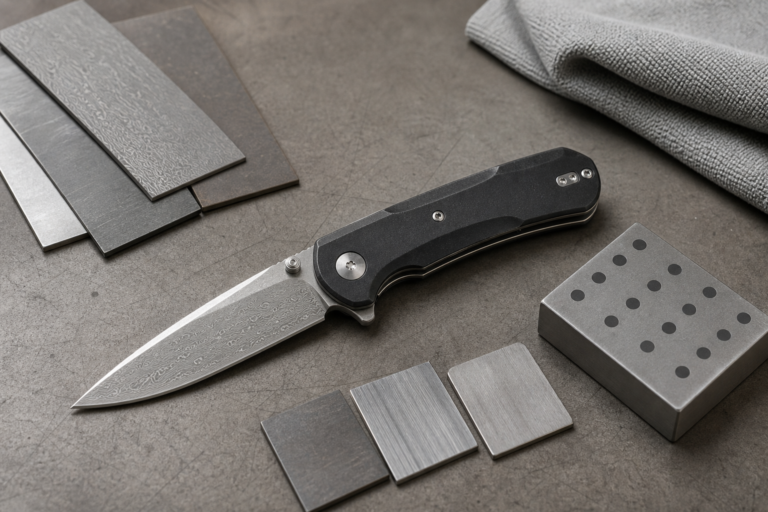
Damascus steel is attractive because it creates a distinctive blade pattern, supports premium positioning, works well for gift and collector-oriented lines, and gives private label buyers a strong visual identity.
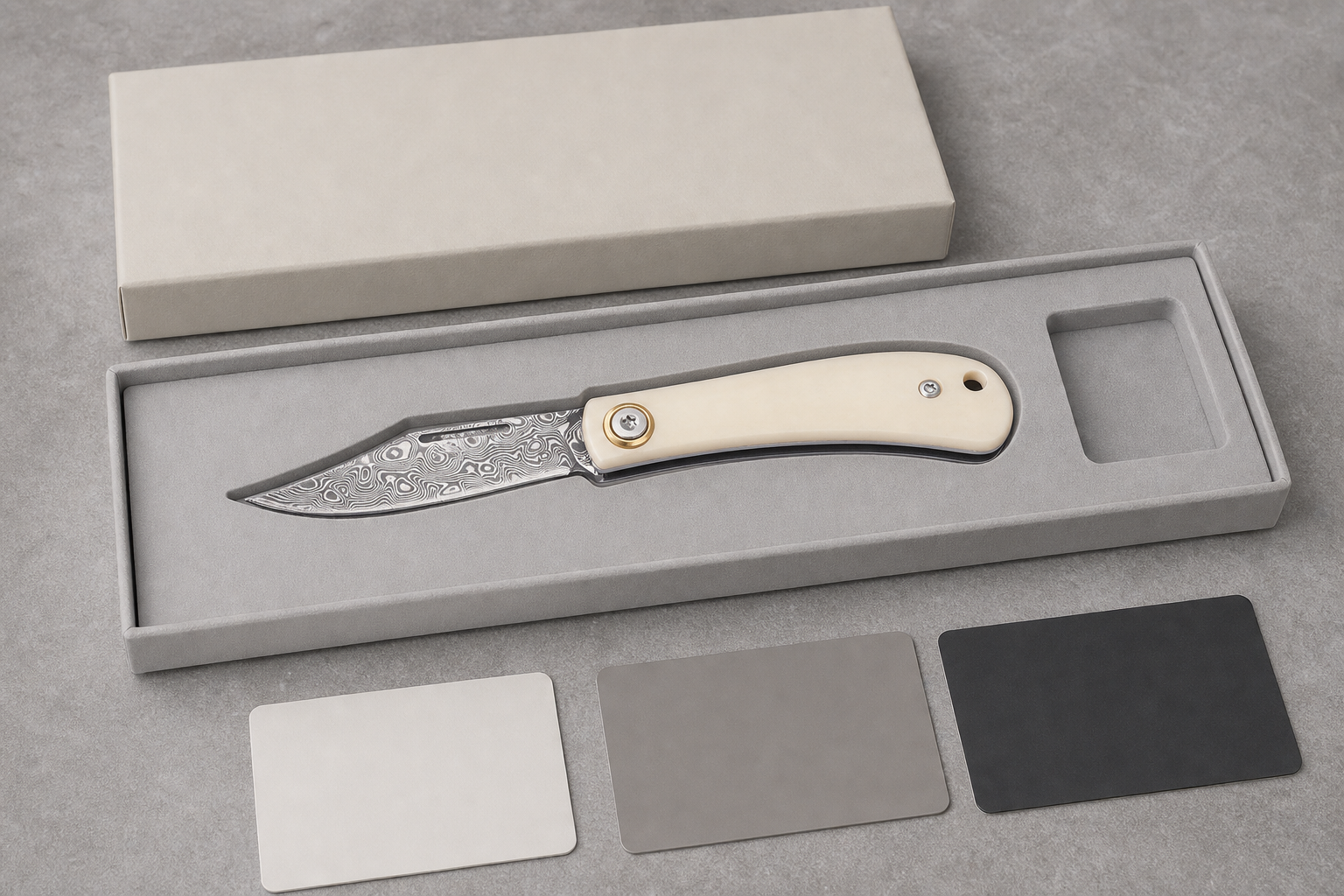
I Treat the Pattern as a Brand Signal
Damascus-style steel can make a folding knife look more valuable at first glance. The pattern is visible, tactile in the buyer's imagination, and easy to show in product photos. For private label buyers, that can help create a stronger product story. For gift channels, it can make the product feel more special. For EDC brands, it can support a premium limited line or a higher visual tier.
The pattern also helps differentiate a knife when many folders use similar blade shapes and handle materials. A buyer can combine Damascus-style steel with wood, carbon fiber, G10, micarta, titanium-colored finishes, or premium packaging to create a clear product identity.
But the pattern cannot carry the whole knife. If the pivot is rough, the lock is weak, the blade is off-center, or the handle feels cheap, users will not forgive the product just because the blade looks interesting. The knife must still work like a knife.
I also ask buyers to consider photography and packaging. Damascus-style blades can look different under different lighting. The pattern may appear stronger in studio photos than in real use. Packaging should set honest expectations. The buyer should not promise every blade will have an identical pattern unless the process can actually support that.
| Buyer goal | Why Damascus helps | Risk if unmanaged |
|---|---|---|
| Premium look | Strong visual identity | Overpromising performance |
| Gift appeal | Easy to understand visually | Pattern varies by piece |
| Private label | Differentiates the line | Higher cost and QC needs |
| Collector-style EDC | Adds story and texture | Function still must pass |
What Performance Questions Should Buyers Ask Before Choosing Damascus?
A beautiful blade can still have poor heat treatment. Buyers need to check performance like any other steel.
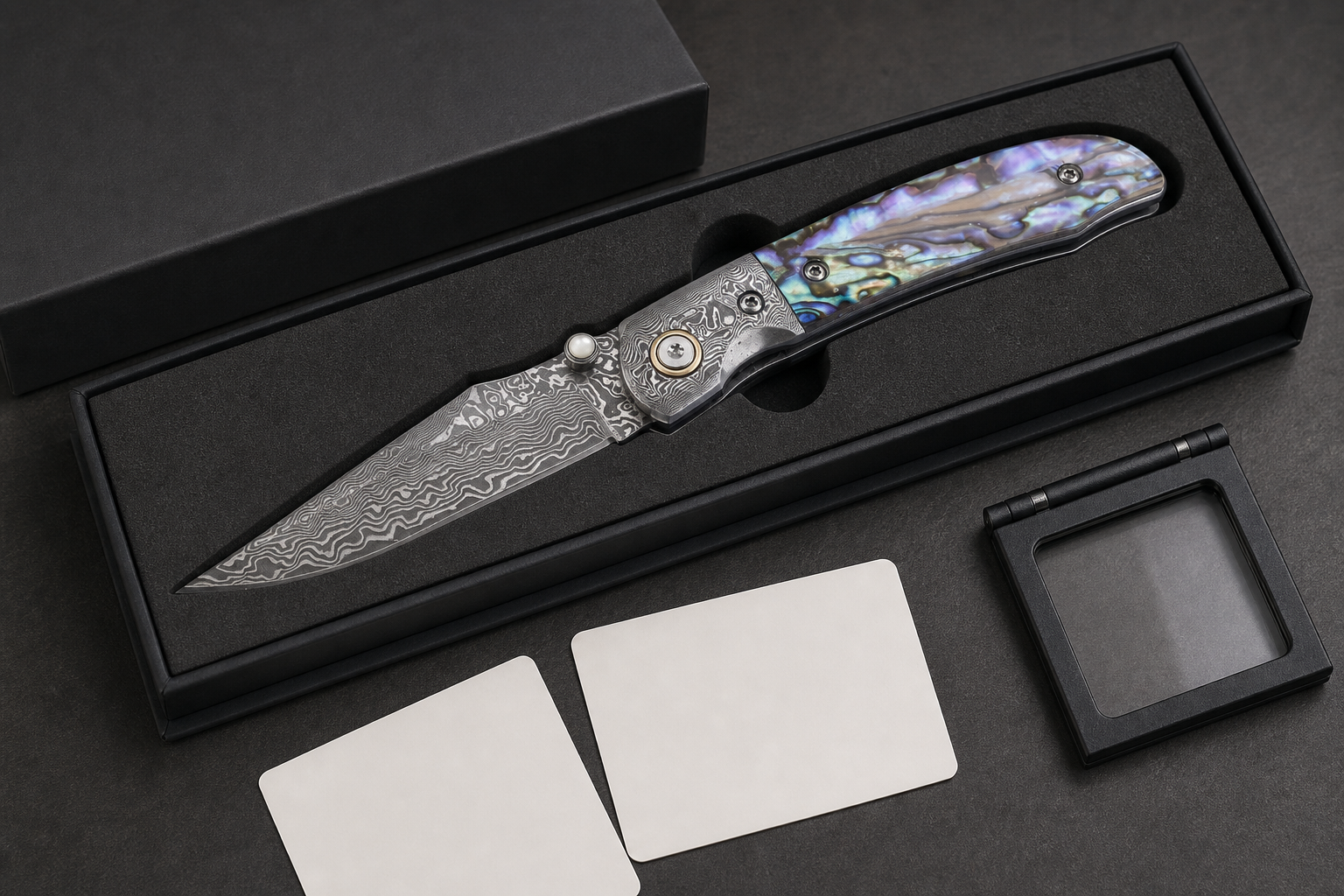
Buyers should ask about base steels, heat treatment, hardness, edge geometry, toughness, corrosion resistance, sharpening, and intended use before choosing Damascus-style steel.
I Look Past the Pattern to the Steel System
Damascus-style steel is not one fixed material. The performance depends on the steels used, how they were bonded, how the billet was processed, how the blade was ground, how heat treatment was done, and how the edge was finished. A buyer cannot judge all that from a product photo.
The buyer should ask what base steels are used. Some combinations are chosen for contrast after etching. Some are chosen for performance. Some are chosen for cost. The best choice depends on whether the knife is for light EDC, premium display, outdoor utility, or gift retail.
Heat treatment is critical. A patterned blade still needs correct hardness and toughness. The NIST Rockwell hardness guide explains why Rockwell hardness measurement can vary and why good measurement practice matters. For buyers, that means hardness numbers should be treated as controlled inspection data, not as decorative marketing.
Edge geometry matters too. A Damascus-style blade with a poor grind will cut poorly. A beautiful etched face does not fix an uneven bevel, thick edge, weak point, or overheated edge. Buyers should test actual cutting tasks that match the product promise.
Corrosion care is another issue. Some layered steel combinations may stain or rust more easily than stainless mono-steel. The packaging should explain care clearly if the product needs it.
| Performance question | What to ask | Why it matters |
|---|---|---|
| Base steels | What steels are layered? | Defines performance potential |
| Heat treatment | What target hardness? | Controls edge behavior |
| Edge geometry | What grind and edge angle? | Controls cutting feel |
| Corrosion care | What maintenance is needed? | Prevents user surprise |
How Should Buyers Compare Damascus With Mono-Steel Options?
Damascus may look premium, but mono-steel may be more practical for some projects.
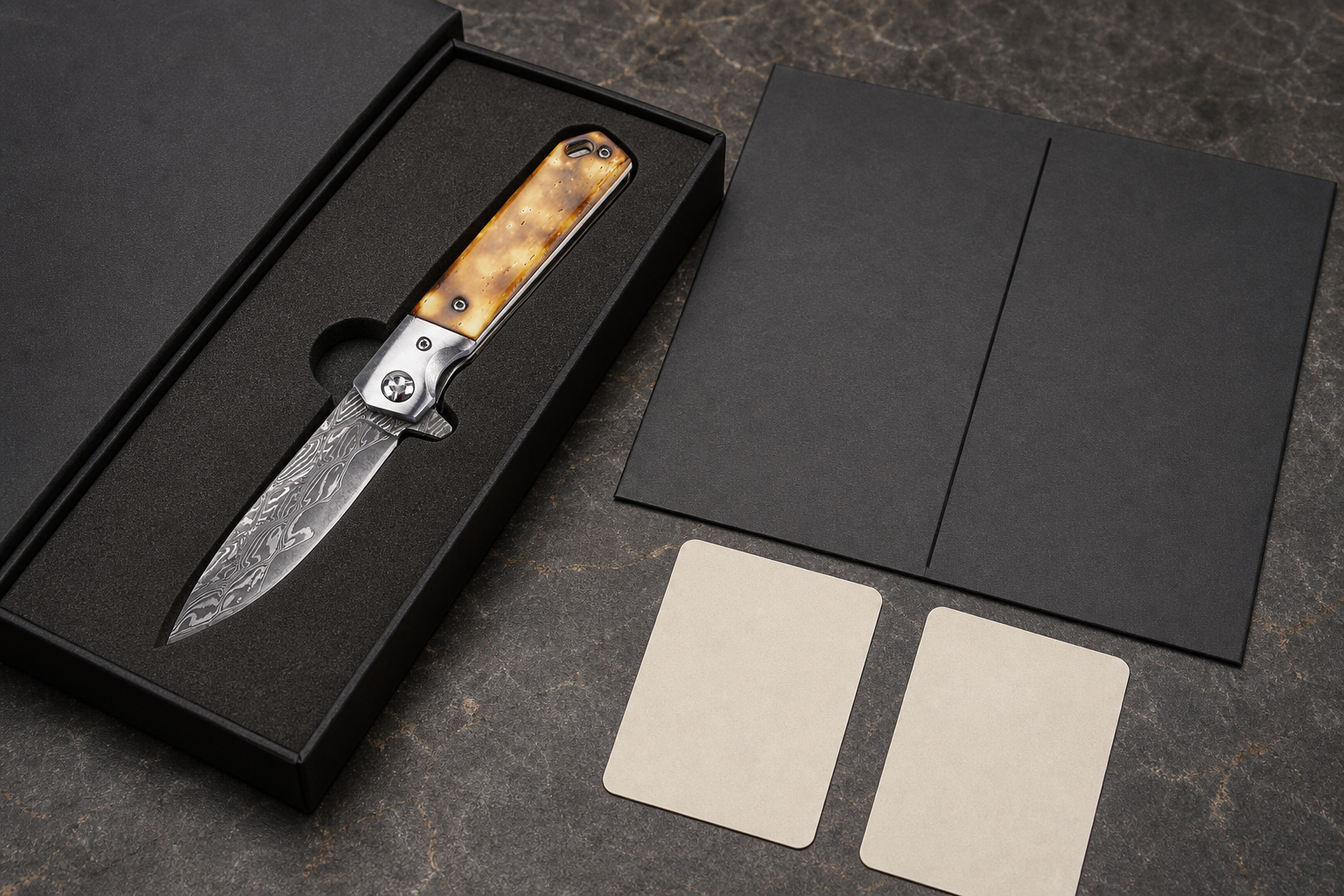
Buyers should compare Damascus with mono-steel by weighing visual value, performance needs, corrosion resistance, sharpening, cost, MOQ, production stability, and customer expectations.
I Choose Damascus Only When It Adds Real Market Value
Mono-steel is often easier to specify, heat treat, inspect, and explain. If the buyer wants a practical work folder, a stainless mono-steel may provide better corrosion resistance and simpler user care. If the buyer wants a lower target price, mono-steel may also reduce material and processing cost.
Damascus-style steel can be better when the visual pattern creates value. This is common in premium EDC folders, gift knives, collector-style private label lines, and branded limited runs. The customer is paying partly for appearance and story. That is acceptable as long as the buyer also controls performance and does not claim more than the material can deliver.
The comparison should be honest. Damascus-style steel may require more process control. Pattern alignment, etching contrast, surface finish, and acceptable variation must be reviewed. The buyer may also need better packaging to protect the finish. If the product needs strong corrosion resistance, the buyer should discuss stainless Damascus-style options or choose a simpler stainless blade.
The real question is not "Which steel is better?" The real question is "Which steel helps this product sell and perform in its target market?" That is the question I ask before sampling.
| Decision factor | Damascus-style steel | Mono-steel |
|---|---|---|
| Visual appeal | Strong pattern and story | Cleaner, simpler look |
| Cost | Usually higher | Often easier to control |
| QC | Pattern and etch need checks | More direct inspection |
| User care | May need more explanation | Often simpler to explain |
What Pattern and Finish Issues Matter in Mass Production?
Pattern variation is normal, but uncontrolled variation can become a complaint.
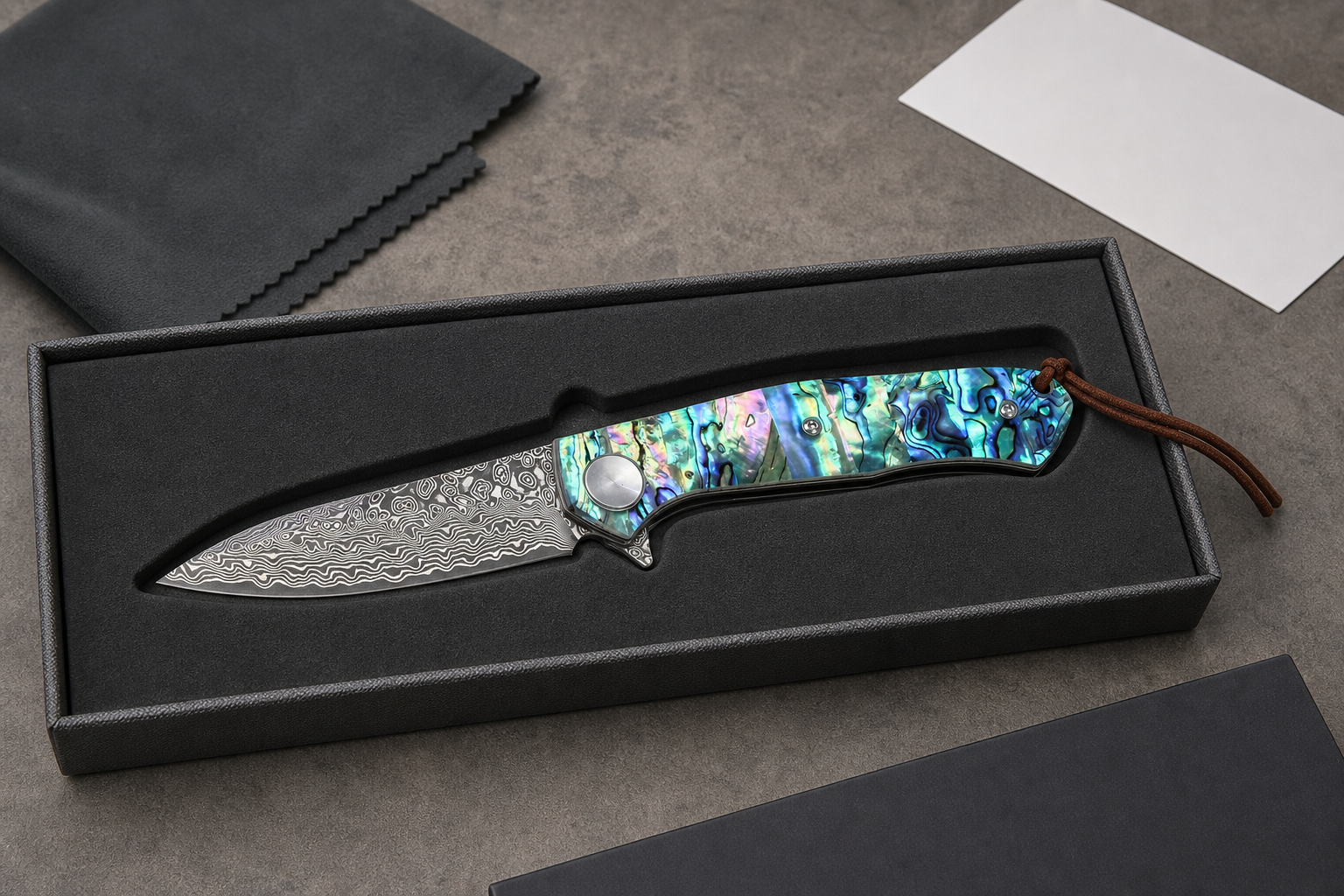
Mass production should control pattern direction, contrast, etching depth, surface cleanliness, grind symmetry, logo placement, blade centering, and acceptable visual variation against approved samples.
I Approve a Range, Not One Perfect Blade
Damascus-style patterns are not always identical from piece to piece. This can be part of the appeal. It can also be a problem when the buyer expects every blade to match the sample exactly. The buyer and supplier should agree on an acceptable pattern range before mass production.
Etching contrast is a major issue. If the etch is too light, the product may not look premium. If it is too dark or uneven, it may look cheap. If the etch is too aggressive, the surface may feel rough or affect logo clarity. If the blade is later polished too much, the pattern may lose contrast.
Grind and pattern interact. A high bevel, hollow grind, flat grind, or swedge can change how the pattern appears. The buyer should approve the pattern after final grinding and finishing, not only on raw blade coupons. The logo method also matters. Laser marking, etching, and printing can all look different on patterned steel.
For folding knives, the blade must still assemble well. A beautiful pattern does not excuse poor centering, sticky action, or uneven lock engagement. Pattern QC and mechanical QC must happen together.
| Finish issue | What can happen | Buyer control |
|---|---|---|
| Pattern variation | Blades look different | Approve acceptable range |
| Etching contrast | Too weak or too harsh | Define sample standard |
| Logo placement | Hard to read on pattern | Test marking method |
| Grind interaction | Pattern changes visually | Approve finished blade |
How Does Damascus Steel Affect Folding Knife Mechanism Design?
The blade material can affect more than the cutting edge. It can influence the whole folding system.
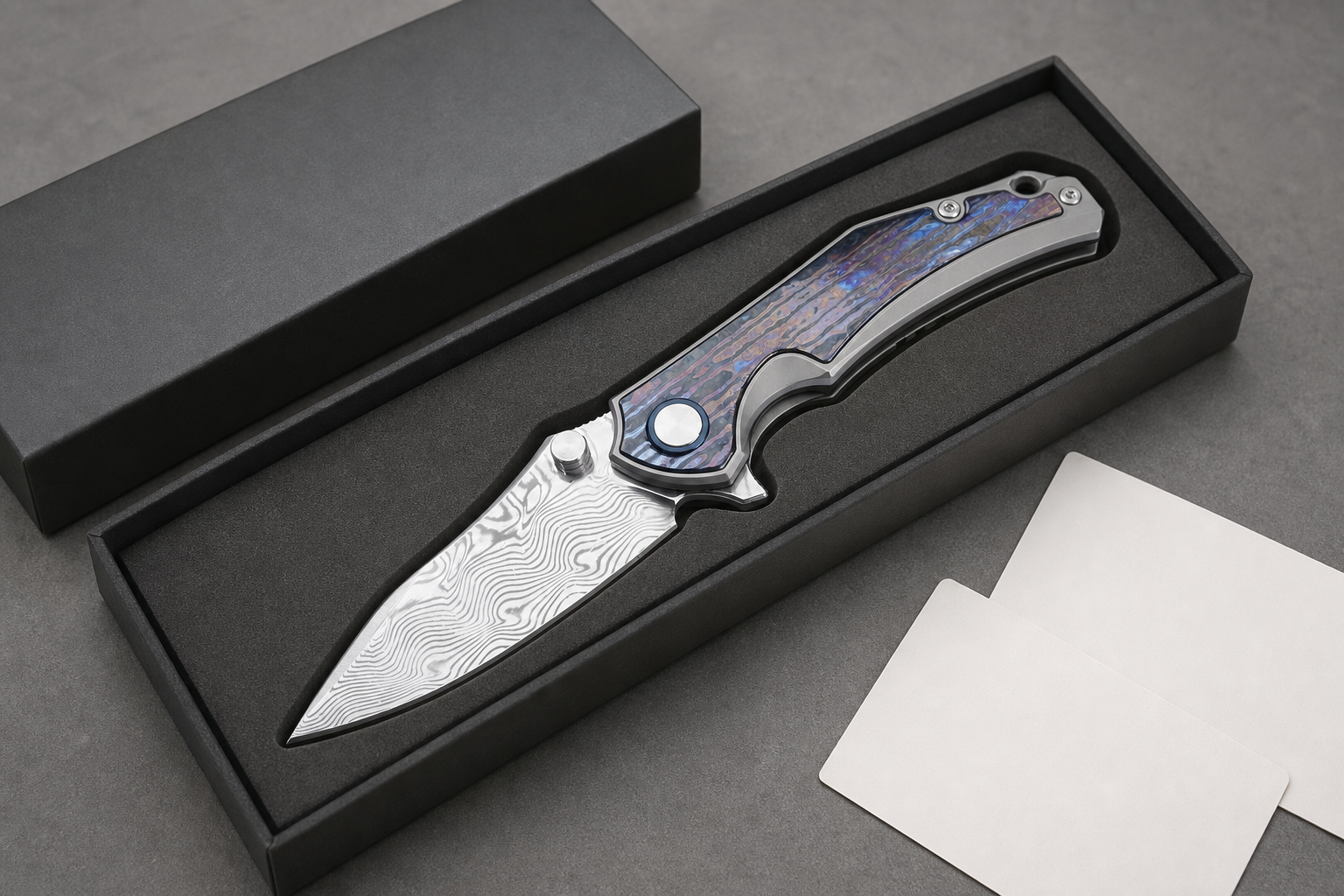
Damascus-style blade material can affect blade thickness, tang finish, pivot hole tolerance, detent track, lock contact, blade centering, surface friction, and final assembly consistency.
I Check the Tang and Pivot Areas Carefully
On a folding knife, the blade is also a moving part. The tang, pivot hole, detent path, stop surface, and lock contact must be controlled. Damascus-style steel adds another layer of attention because the patterned surface and etching process may affect appearance and friction around the blade.
The pivot hole must be accurate. If the blade hole is not stable, the action and centering suffer. The tang should be finished correctly so the detent feels smooth and the lock face engages properly. If the etched finish is left rough in the wrong area, the mechanism can feel gritty. Some areas may need different finishing than the visible blade face.
Blade thickness should match the handle and lock design. A thick patterned blade may feel premium, but it adds weight and may require a wider handle. A thin blade may carry better, but the buyer must check stiffness and edge geometry.
I also check whether the Damascus pattern distracts from functional defects. Sometimes buyers focus on the blade face and miss blade play, lock stick, or uneven action. The sample approval checklist should include mechanical tests before visual approval.
| Mechanism area | What to inspect | Why it matters |
|---|---|---|
| Pivot hole | Diameter and roundness | Smooth action |
| Tang finish | Detent and lock surface | Consistent feel |
| Blade thickness | Handle and lock fit | Stable assembly |
| Surface treatment | Friction and cleanliness | Better opening action |
What Safety, Care, and Marketing Language Should Buyers Use?
Damascus steel invites strong claims. Strong claims can create misunderstanding if they are not supported.
Buyers should use clear language that explains the patterned blade, care needs, intended utility use, safe handling, corrosion prevention, and normal variation without claiming unrealistic performance.
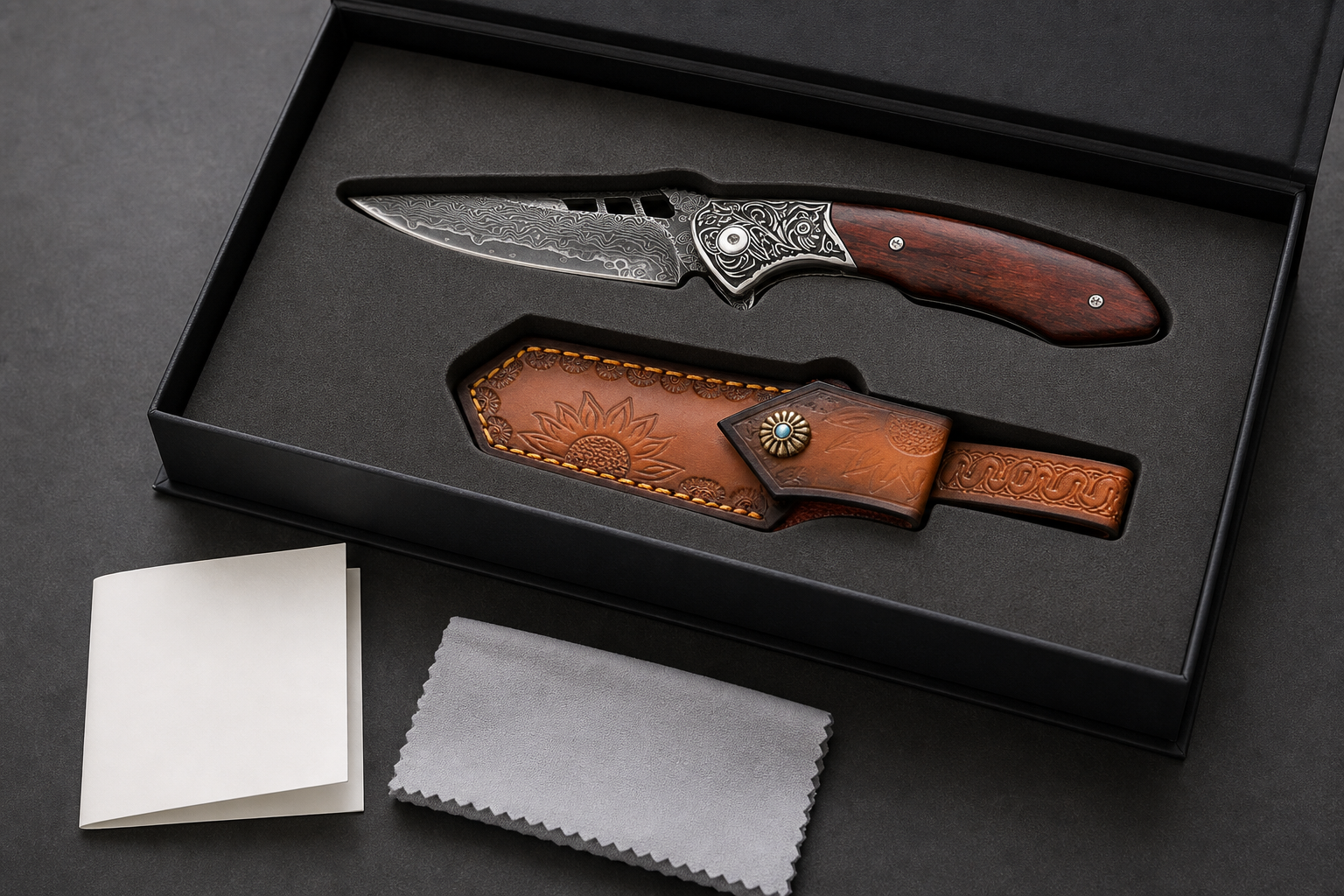
I Avoid Myth-Based Claims
Damascus steel marketing often becomes too emotional. Buyers should avoid claims that the blade is automatically sharper, stronger, or superior because of the pattern. If the product has a tested advantage, the buyer can describe it carefully. If not, the buyer should focus on visual pattern, craftsmanship, material specification, and intended use.
Care instructions matter. If the blade can stain or rust, the package should explain cleaning, drying, oiling, storage, and avoiding harsh environments. If the product is a folding knife, the instructions should also cover safe opening, safe closing, and keeping the knife closed when not in use.
The CCOHS hand-tool guidance supports general safe-use principles such as inspecting tools, using the right tool, covering sharp edges, storing tools properly, and not cutting toward yourself. For a Damascus-style folding knife, that becomes practical packaging content. The buyer does not need dramatic warning language. The buyer needs clear user guidance.
I also recommend explaining natural pattern variation. If every blade has a slightly different pattern, say that in a positive but honest way. This helps reduce customer complaints and protects the brand from unrealistic expectations.
| Packaging topic | What to say | What to avoid |
|---|---|---|
| Material | Patterned layered steel, if accurate | Vague "best steel" claims |
| Care | Clean, dry, oil if needed | No-maintenance promises |
| Use | Utility cutting tasks | Combat or self-defense claims |
| Variation | Each pattern may vary | Exact-photo matching promise |
What Sample Tests Should Buyers Require Before Approving Damascus Folders?
A Damascus sample should pass both visual and functional checks. One attractive blade is not enough.
Buyers should test Damascus folding knife samples for pattern, hardness, edge geometry, corrosion care, opening action, lockup, blade centering, handle fit, finish durability, packaging protection, and batch repeatability.
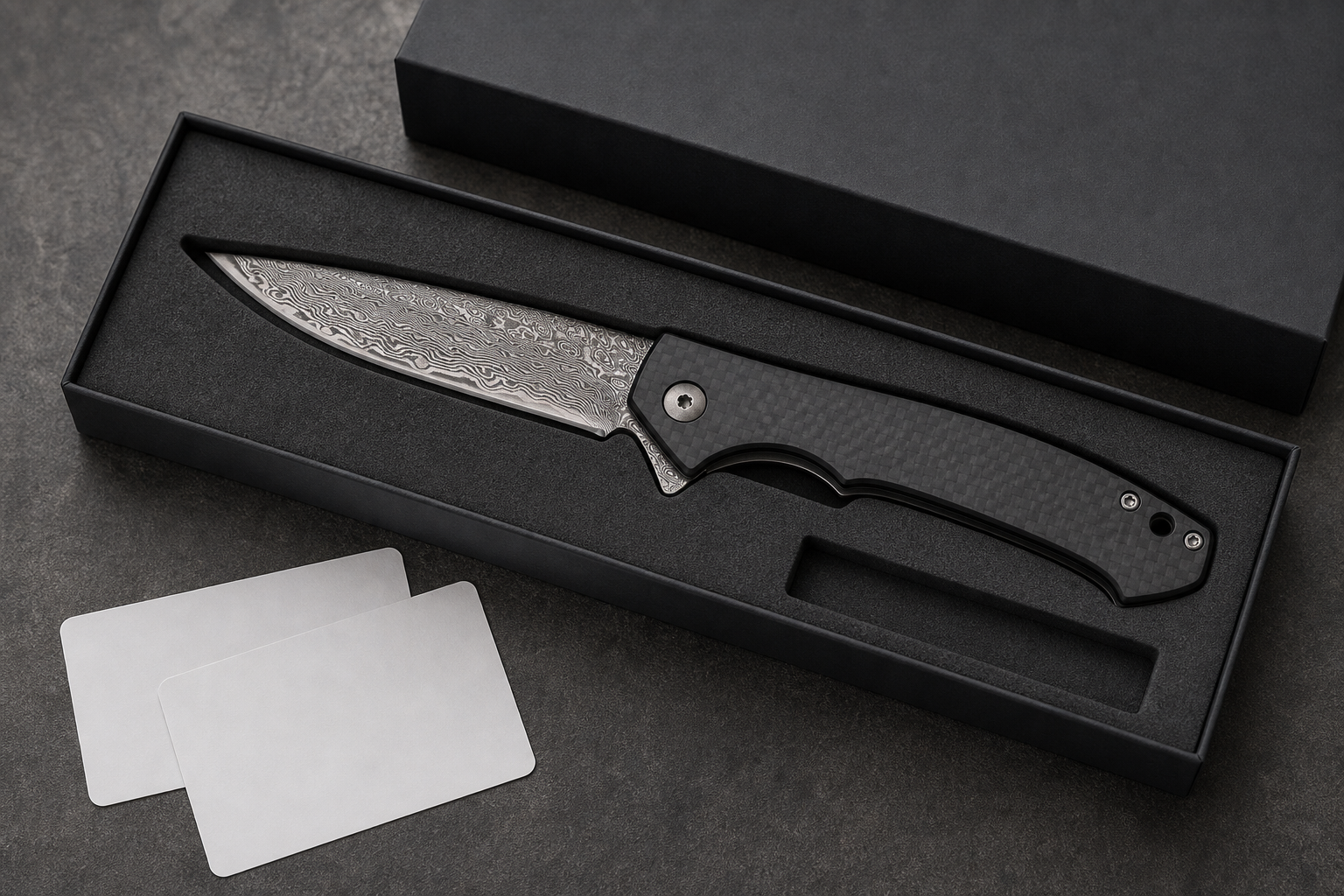
I Approve the Knife, Not Only the Blade Face
Sample approval should include several finished knives, not only a blade coupon. The buyer should check the pattern under normal light, studio light, and retail packaging light if possible. The buyer should compare the blade to the approved sample range. If the pattern is a key selling point, the buyer should approve more than one sample.
Then the buyer should test function. Does the knife open smoothly? Does the blade center well? Does the lock engage correctly? Does the detent or spring feel stable? Does the blade rub the liner? Does the finish scratch too easily during normal handling? Does the edge cut as expected?
Hardness should be checked according to the agreed standard. NIST's Rockwell guide is a useful reminder that hardness measurement has variables and should be done with good practice. If the buyer asks for a target hardness, the supplier should record how it is tested.
Packaging should also be tested. Patterned blades may show fingerprints, scratches, oil marks, or rub marks more clearly. The packaging should protect the finish and include care guidance. If the product is sold as a premium gift, the unboxing experience must match the blade story.
| Sample test | What to check | Pass question |
|---|---|---|
| Pattern | Contrast and range | Does it match approved direction? |
| Hardness | Target and record | Is heat treatment controlled? |
| Mechanism | Action, lock, centering | Does it work as a folder? |
| Packaging | Protection and care card | Does it protect the finish? |
What QC Standards Matter in Damascus Folding Knife Production?
Damascus-style production needs visual and mechanical QC. Both must be written down.
QC should check billet or blade material, pattern range, heat treatment, hardness, grind, edge, etching, surface finish, mechanism action, lockup, blade centering, handle fit, packaging, and batch records.
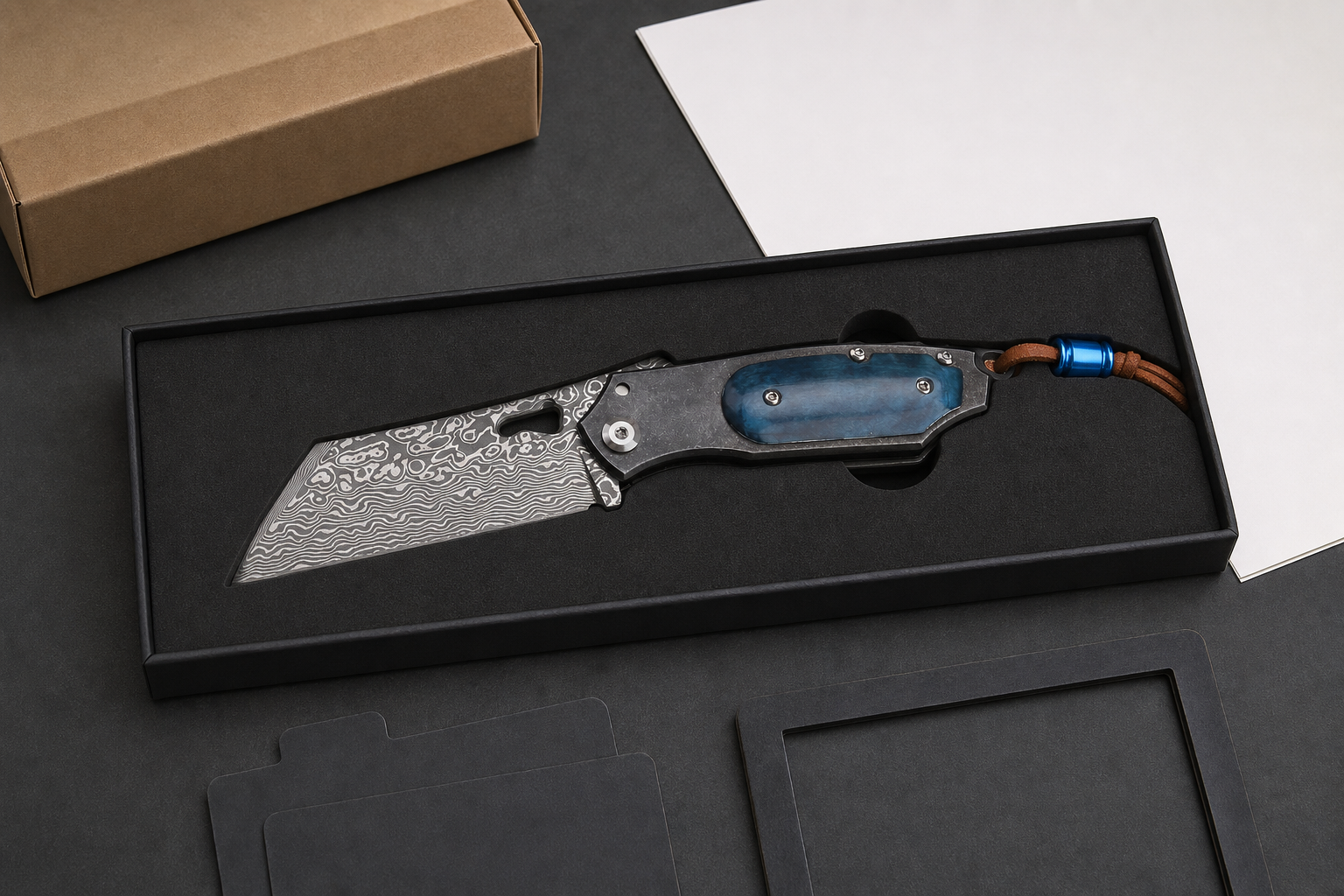
I Build QC Around the Approved Range
Damascus-style folding knives need an approved range. The buyer should not rely on one perfect sample. The supplier should know which pattern variation is acceptable, which etch contrast is acceptable, which finish marks are acceptable, and which mechanical tolerances are required.
Incoming material should be checked. If the supplier buys patterned steel billets or blanks, the source and material specification should be recorded. If the supplier makes the billets, process control should be clearer. Heat treatment and hardness should be checked against the agreed requirement. Grind symmetry and edge condition should be inspected like any other knife.
Etching and finishing need their own checks. The pattern should be visible and clean. The blade should not have heavy residue, uneven staining, deep unwanted pits, or rough areas where the user touches the knife. If logo marking is required, the mark should be readable and consistent.
Final assembly QC should check the folding mechanism. The pivot should feel smooth. The blade should center acceptably. The lock or spring should work correctly. The handle should fit cleanly. Screws should be secure. Packaging should protect the finish and explain care.
For repeat orders, I keep the approved sample, pattern range photos, defect samples, and inspection sheet together. That makes the next batch easier to control.
| QC area | What to check | Why it matters |
|---|---|---|
| Material | Steel source and specification | Prevents unknown inputs |
| Pattern and etch | Contrast and variation | Protects visual promise |
| Heat treatment | Hardness and edge behavior | Protects performance |
| Assembly | Action, lock, centering | Protects user experience |
How Can Vast State Support Damascus Folding Knife Development?
Damascus-style knives need more than a pretty blade. Buyers need practical control from concept to shipment.
Vast State can support Damascus folding knife development through material discussion, pattern direction, prototype development, heat treatment planning, handle and mechanism design, packaging customization, QC planning, and production follow-up.
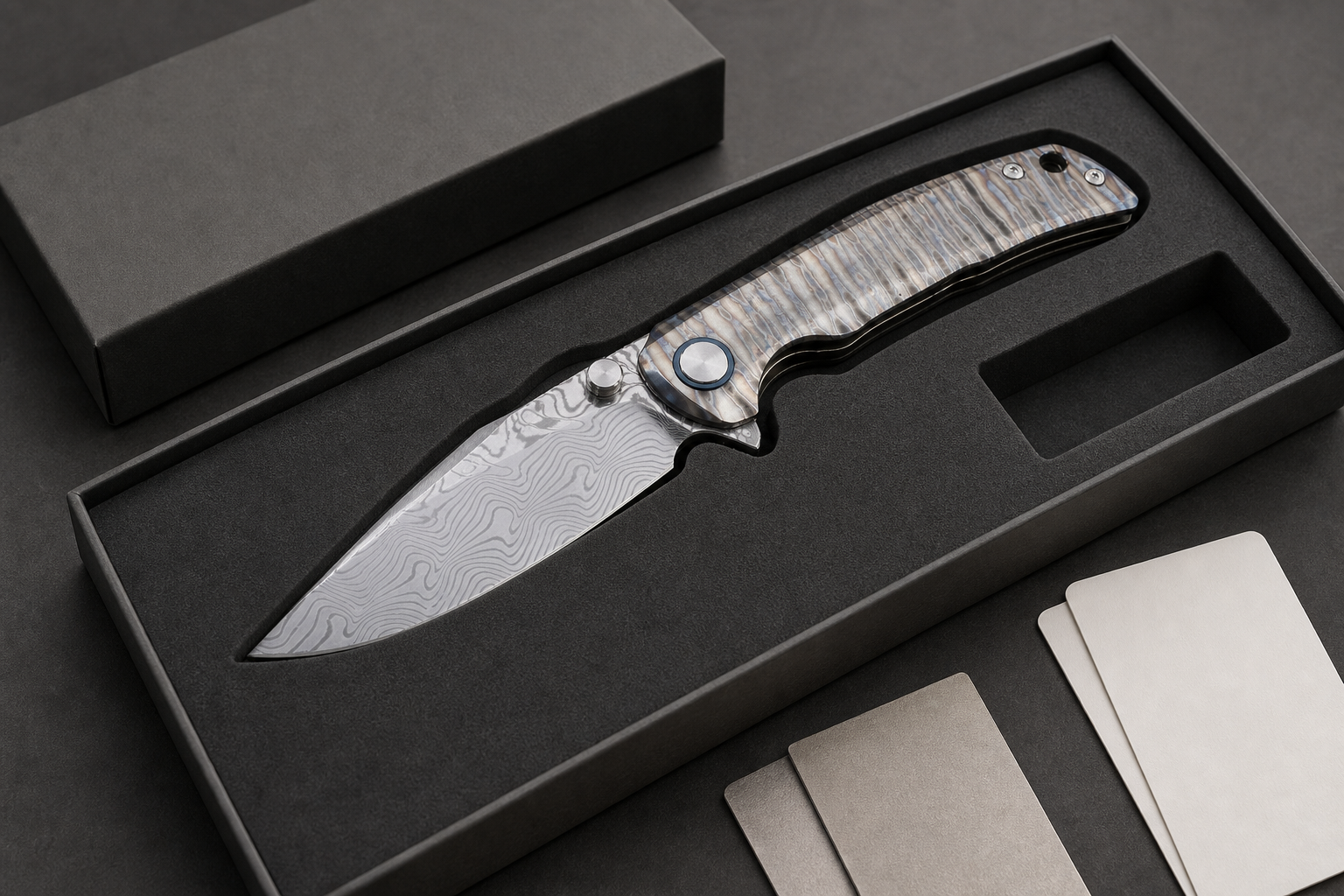
I Help Buyers Turn a Pattern Idea Into a Real Product
Vast State is an OEM/ODM knife and outdoor tool manufacturer based in Yangjiang, China. We support international B2B customers with folding knives, fixed blade knives, pocket knives, camping tools, rescue tools, and multi-tools. Damascus-style folding knives fit well when the buyer wants a stronger visual identity, but they need careful specification.
When a customer asks for Damascus, I first clarify the target market. Is the product for premium EDC, gift retail, outdoor utility, collector-style private label, or a limited brand line? Then I ask about target price, steel expectation, pattern direction, handle material, opening method, lock type, finish, logo, packaging, and care instructions.
If the buyer already has drawings, we review blade geometry, pivot area, tang finish, and lock compatibility. If the buyer has only a product idea, we help turn it into a workable specification. We also explain trade-offs. A stronger pattern may need different etching. A lower cost may limit material choice. A premium package may need better finish protection.
Our goal is not only to make a patterned blade. Our goal is to help buyers build a folding knife that looks right, works right, and repeats well in production. That is where Damascus-style steel becomes a practical business choice instead of only a visual idea.
| Support area | What we help with | Buyer value |
|---|---|---|
| Material review | Steel, pattern, hardness | Clearer specification |
| Engineering input | Blade, pivot, lock, handle | Better mechanism fit |
| Customization | Logo, finish, packaging | Stronger brand position |
| QC follow-up | Pattern, action, finish | More stable repeat orders |
Ready to use this material in your next knife line?
Vast State can help you compare blade steels, heat treatment ranges, handle materials, finishes, packaging options, and QC requirements based on your target market and quantity.
Conclusion
Damascus steel is practical when buyers define the material, pattern, heat treatment, care, mechanism, packaging, and QC before production starts.
Source Notes
- Britannica supports the historical relationship between wootz steel and medieval Damascus swords.
- Metropolitan Museum of Art supports the "Damascus" or "watered" steel explanation tied to wavy patterns and crucible techniques.
- Verhoeven, Pendray, and Dauksch support the technical importance of carbide patterns and impurities in ancient Damascus steel blades.
- NIST supports hardness measurement discipline and variability awareness.
- CCOHS supports safe-use and storage guidance for sharp hand tools.