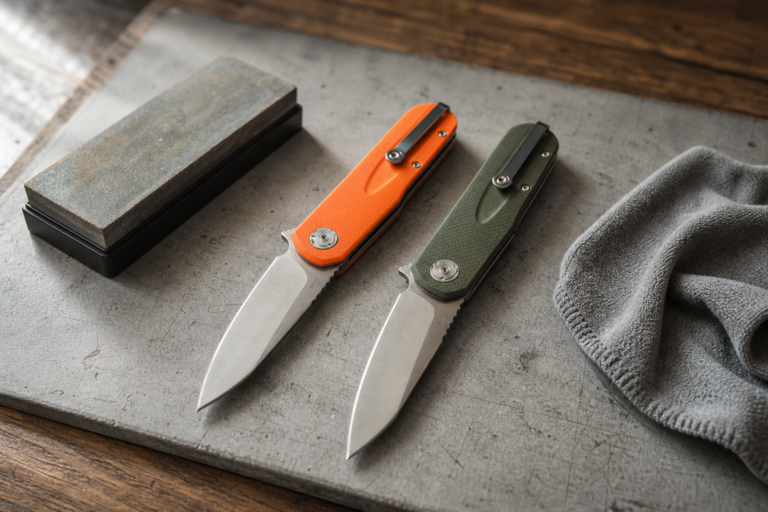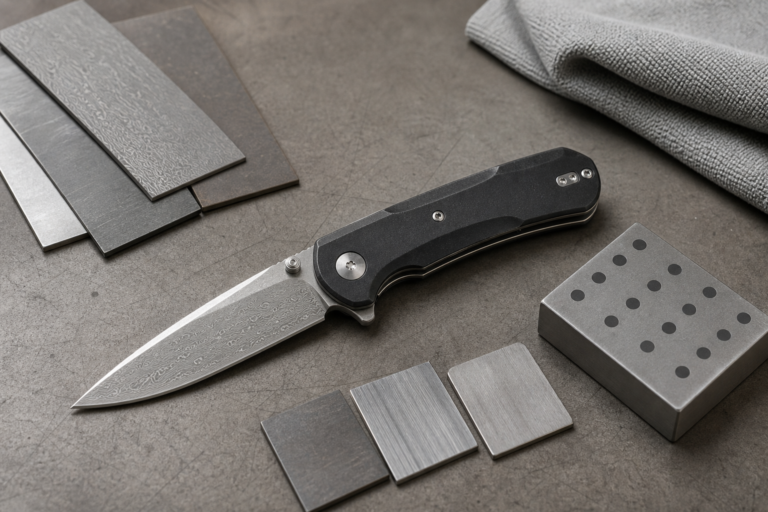
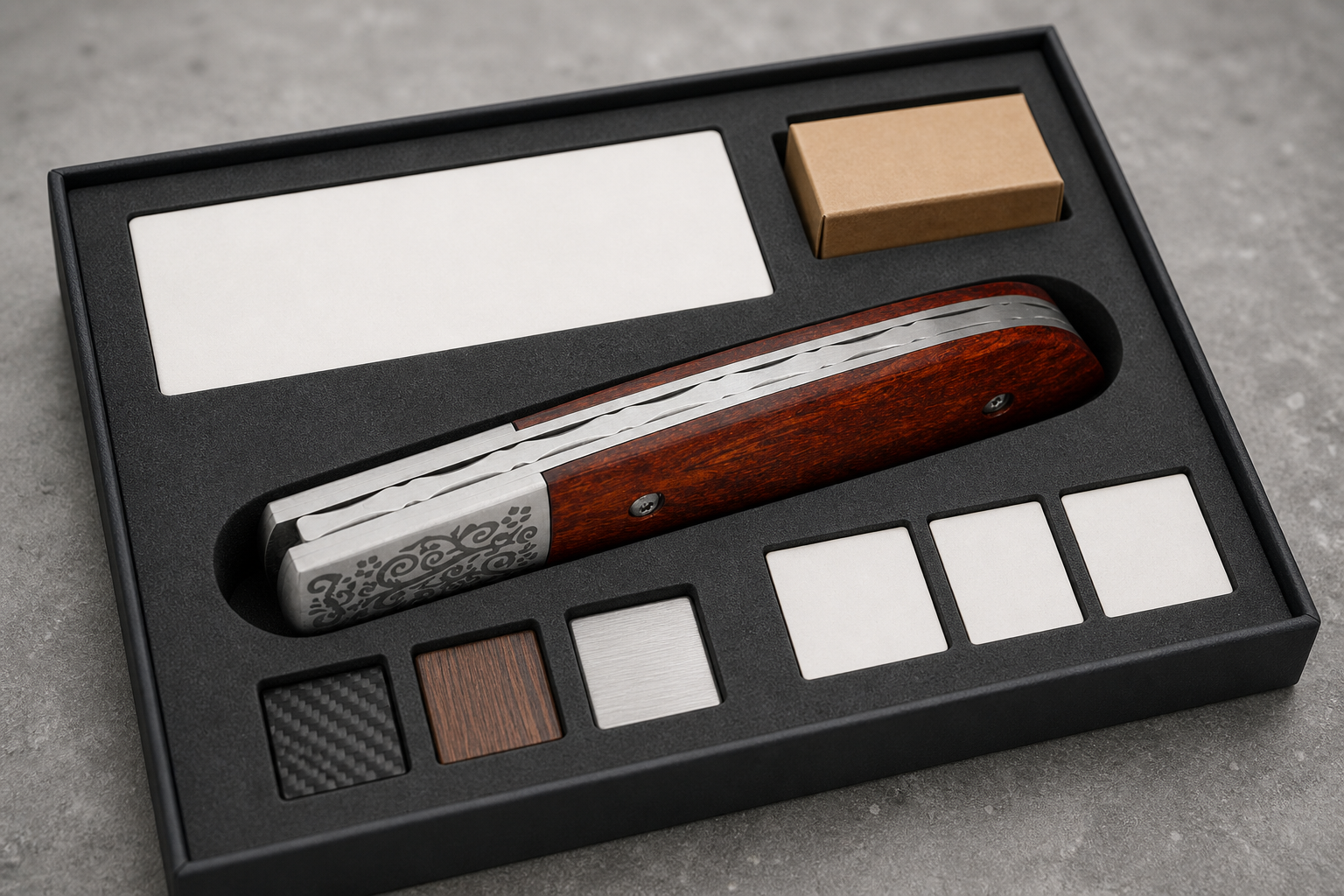
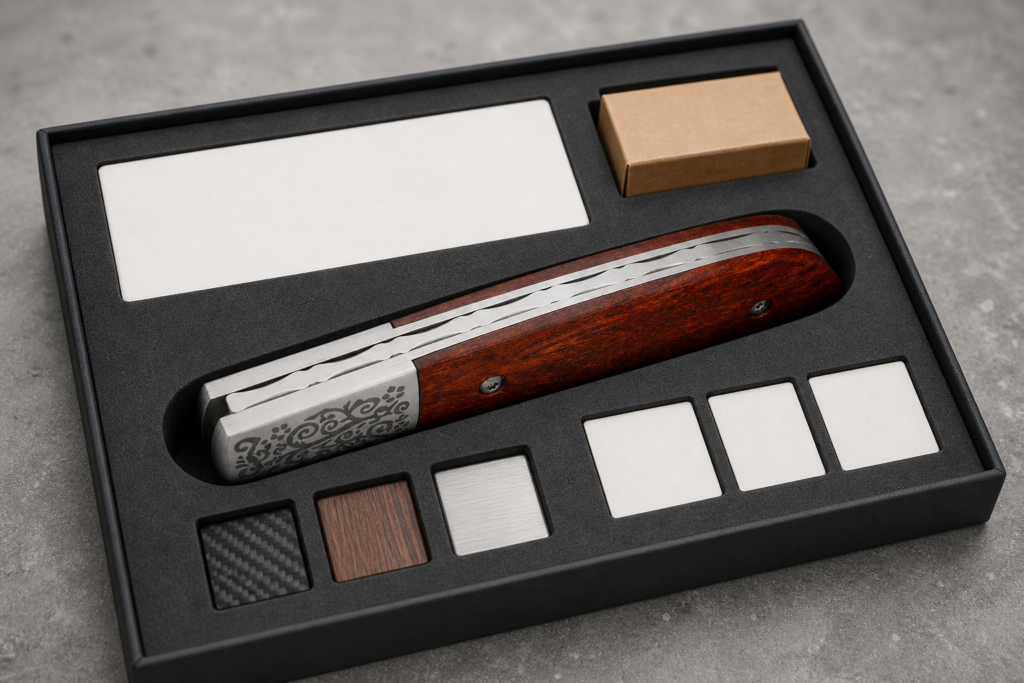
An EDC folding knife can look useful in photos. But if the use case is vague, the final product can miss the market.
Buyers should plan EDC folding knives by mapping daily cutting tasks, user environment, carry rules, blade size, lock style, handle comfort, pocket clip, safety packaging, and quality checks before sample development starts. Real use should guide the design, not decoration.
Quick buyer brief:
- Answer: Start with the customer's everyday tasks, then choose size, blade shape, handle material, lock structure, carry method, and packaging.
- Buyer context: This helps knife brands, outdoor brands, importers, wholesalers, distributors, private label buyers, and sourcing managers.
- Key checks: Blade length, edge geometry, steel, heat treatment, lockup, opening method, clip position, handle grip, care instructions, travel restrictions, and target-market compliance.
Developing a folding knife line for your brand?
Vast State supports OEM/ODM folding knife projects, including blade steel, lock structure, handle material, finish, logo method, packaging, and quality inspection planning.
When I work on an EDC folding knife project, I do not start by asking only what blade looks cool. I ask what the user will actually cut. A daily carry knife may open cartons, cut cord, trim plastic straps, prepare small outdoor items, or support light utility tasks. Each task changes the design. A warehouse buyer may care about edge life and safe handling. An outdoor brand may care about grip, corrosion resistance, and pocket carry. A gift-set buyer may care more about finish and packaging. This is why I see EDC as a use-case system, not only a knife style.
Why Should EDC Usage Come Before Knife Design?
A folding knife without a clear job can become a confused product. It may look attractive but feel wrong in the hand.
EDC usage should come before knife design because daily tasks define blade length, steel, edge geometry, lock choice, handle shape, clip position, packaging, and safety instructions. The product should fit real habits.
I Start With the User's Daily Routine
EDC means everyday carry, but everyday life is not the same for every buyer's customer. One user may carry a folding knife for opening packages. Another may use it for camping prep. Another may keep it in a work bag for light maintenance tasks. The same knife cannot serve every user equally well.
For B2B buyers, this matters before the RFQ. If the target user cuts mostly cardboard, the edge geometry and steel choice should support repeated slicing. If the user is outdoors, the handle grip and corrosion resistance become more important. If the knife is sold as a compact city EDC tool, the buyer may need a smaller, less aggressive profile and clearer local-law guidance. If it is sold into work environments, the buyer should think about safe tool condition and clear instructions. OSHA's general hand-tool rule says employers are responsible for the safe condition of tools used by employees, which is a useful reminder for any work-oriented product.
I like to turn this into a simple product brief. The brief should name the user, the cutting tasks, the carry method, the price range, and the brand position. This keeps development practical. It also helps avoid adding features only because they look impressive in a photo.
| Planning question | Why it matters | Product decision |
|---|---|---|
| Who carries it? | User skill and environment change the knife | Size, lock, handle, instructions |
| What does it cut? | Edge geometry depends on material | Blade shape and steel |
| Where is it carried? | Pocket, pouch, kit, or tool bag all differ | Clip, sheath, packaging |
| What market receives it? | Rules and buyer expectations differ | Compliance and wording |
OEM/ODM RFQ Checklist
Prepare these details to help Vast State review your project and provide a more accurate quotation.
| RFQ Field | What to Prepare |
|---|---|
| Project type | OEM from drawing / ODM private label / wholesale catalog |
| Product category | Folding knife / fixed blade / multi-tool / outdoor tool |
| Design status | Idea / sketch / 2D drawing / 3D CAD / physical sample |
| Target price | Ex-factory target price or retail price range |
| MOQ expectation | 500 / 1,000 / 3,000 / 5,000+ pcs |
| Logo method | Laser engraving / etching / printing / molded logo |
| Packaging | Standard packaging / custom retail box / Amazon-ready |
| Market | USA / EU / Japan / Korea / Middle East / other |
| Compliance needs | Buyer-specified testing / documentation / labeling |
| Timeline | Sample deadline / mass production deadline |
What Daily Utility Tasks Should an EDC Folding Knife Handle?
Many products claim to be everyday tools. But the best EDC knife should solve common tasks without feeling oversized.
An EDC folding knife should handle light daily utility tasks such as opening packages, cutting tape, trimming cord, slicing plastic wrap, preparing small outdoor items, and handling simple controlled cuts.
I Design for Common Cutting, Not Extreme Claims
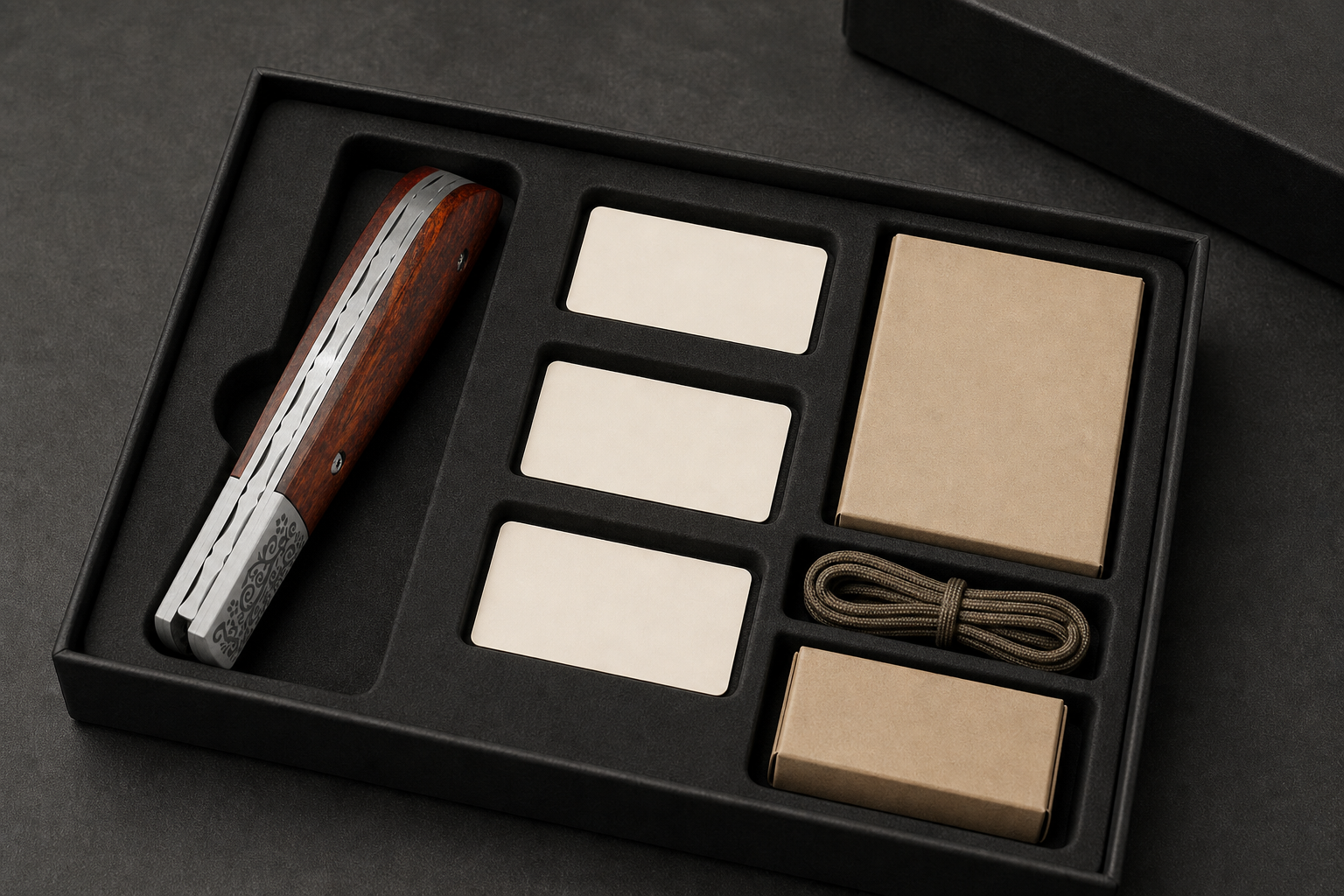
Most real EDC tasks are simple. The user opens packaging, cuts tape, trims cord, breaks down a small box, sharpens a pencil, or prepares a small camp item. These tasks do not need a huge blade. They need control, a usable edge, comfortable grip, and a folding mechanism that feels reliable.
This is where many product briefs go wrong. A buyer may ask for a heavy tactical look because it seems stronger. But a daily utility knife should not scare the average user or create unnecessary carry problems. A compact drop-point or sheepsfoot-style blade may serve common tasks better than a dramatic blade shape. A moderate blade thickness may slice better than an overly thick blade. A simple handle texture may be enough if it gives control without damaging pockets.
The user's first impression also matters. The knife should open predictably, close safely, and sit comfortably in the pocket. The clip should not snag too easily. The handle should not create hot spots during repeated cuts. The edge should be sharp enough for clean slicing but not so delicate that the user damages it on normal packaging.
For private label buyers, I usually recommend describing the use case honestly. Clear utility positioning builds trust. Overpromising heavy-duty performance can create returns.
| Daily task | Design implication | Buyer note |
|---|---|---|
| Opening cartons | Good slicing geometry | Avoid thick wedge-like edges |
| Cutting tape | Fine tip control | Tip should not be too fragile |
| Trimming cord | Edge bite and grip | Handle control matters |
| Light outdoor prep | Corrosion resistance | Choose steel and finish carefully |
How Do Workplace and Warehouse Uses Change the Design Brief?
Work use can expose weak design fast. A knife that feels fine once may fail under repeated daily cutting.
Workplace and warehouse uses require stronger attention to edge life, safe grip, predictable lockup, replaceability expectations, color visibility, packaging safety, and clear instructions for controlled cutting tasks.
I Separate Work Utility From Lifestyle Utility
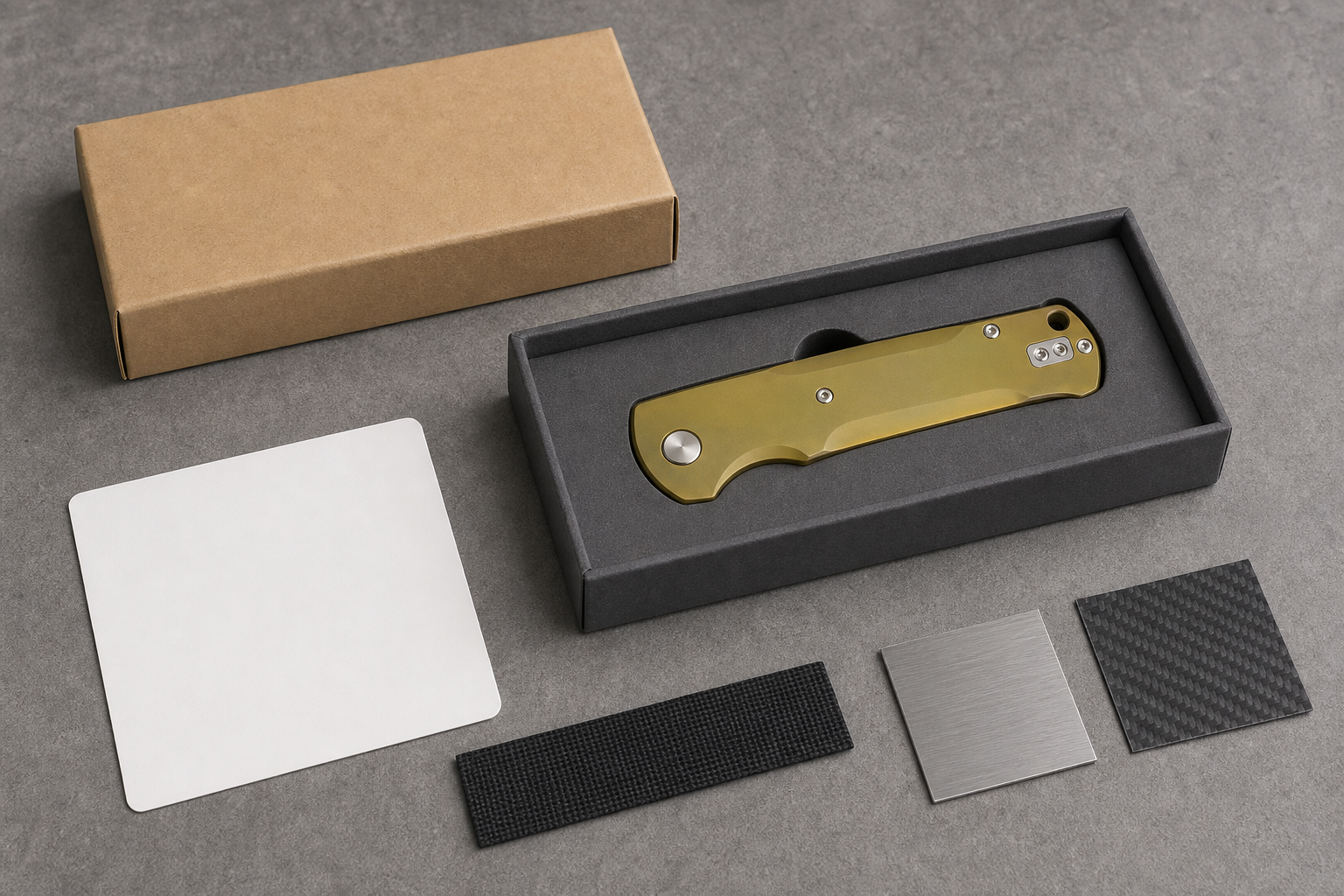
A work-oriented folding knife is different from a lifestyle EDC knife. The user may cut cardboard many times a day. The knife may be used with gloves. It may sit in a work pocket with keys, dust, or packaging debris. The buyer should not approve this kind of product only by looking at surface finish.
OSHA's poultry processing eTool discusses cuts and lacerations in a specific industry, but several practical ideas are useful beyond that context: choose an appropriate knife, keep it sharp and in good condition, and use handles that support control. I treat this source as partial support because it is industry-specific, but the safety thinking still helps with product development.
For work-oriented buyers, the design brief should define repeated cutting. It should also avoid encouraging unsafe cutting behavior. The product page can say the knife is useful for light work tasks, packaging, cord, and general utility. It should not imply that the knife replaces job-specific safety cutters where a workplace requires them.
QC should be stricter for work-use products. I check lock engagement, side play, screw stability, clip retention, and edge consistency. If the customer wants a lower-cost knife, I still want the function to be stable. A cheap-looking finish is one issue. A weak lock or loose pivot is a bigger issue.
| Work-use factor | What changes | Practical decision |
|---|---|---|
| Repeated cardboard cuts | Edge wears faster | Choose steel and edge geometry carefully |
| Gloved hands | Less finger feel | Improve handle contour and texture |
| Dust and debris | Action may feel rough | Keep mechanism simple and serviceable |
| Workplace rules | Carry may be restricted | Add clear buyer guidance |
What Outdoor and Travel Use Cases Need Careful Boundaries?
Outdoor and travel language can sell well. But vague claims can create compliance, safety, and customer-experience problems.
Outdoor and travel EDC use cases need careful boundaries around local laws, transportation rules, fire restrictions, camp behavior, corrosion exposure, food hygiene, and the difference between light utility and survival claims.
I Keep Outdoor Claims Responsible
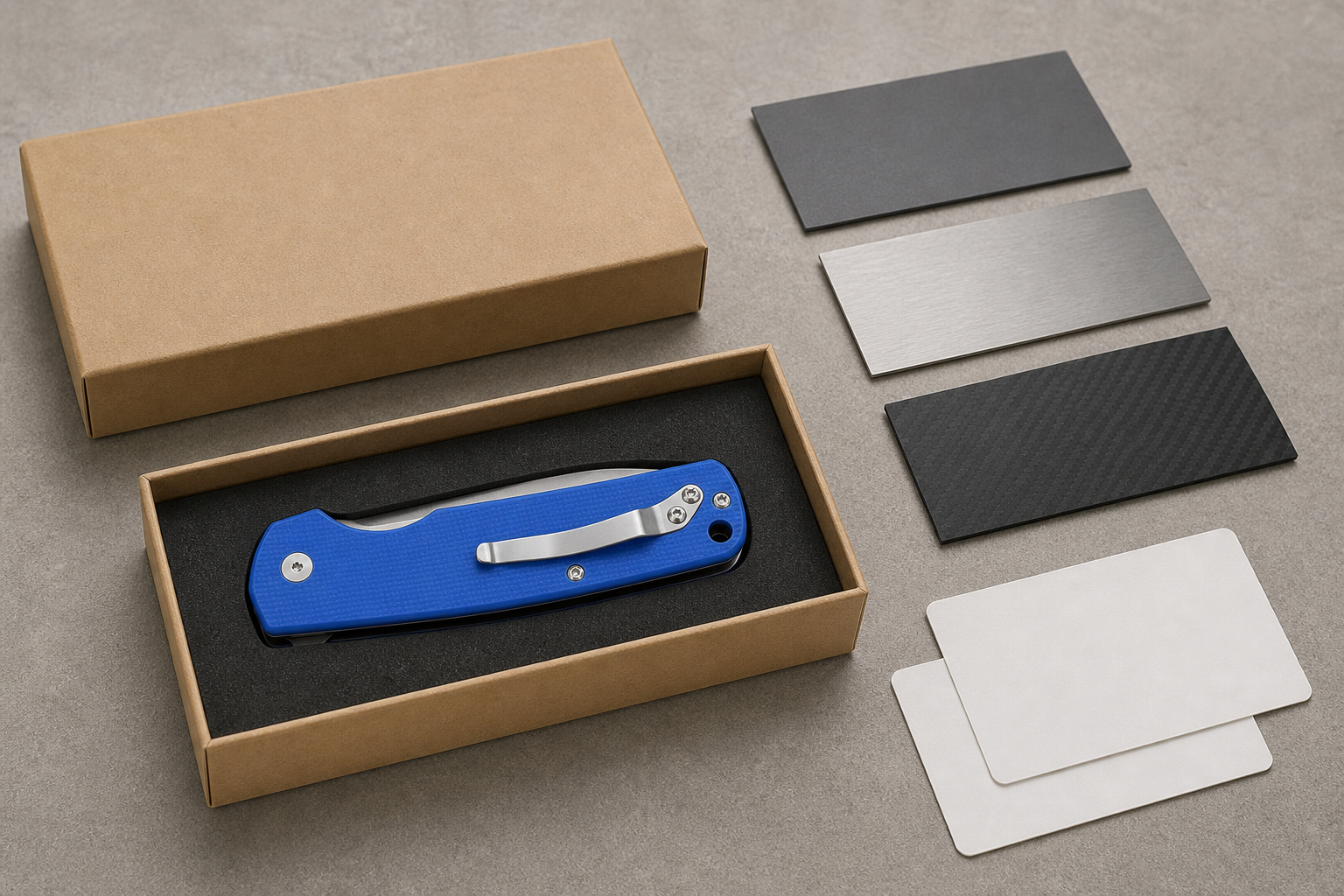
Many buyers want to connect EDC folding knives with camping, hiking, fishing, and travel. That can work, but the wording must be responsible. A folding knife can help with light camp tasks, cord, packaging, food prep with proper cleaning, and small gear adjustments. It should not be positioned as permission to cut live trees, ignore local rules, or carry the knife into restricted places.
The TSA's sharp objects guidance says knives are not allowed in carry-on bags and that sharp objects in checked bags should be securely wrapped or sheathed. This is important for travel-related product pages and packaging. If a buyer sells to travelers, the product should remind users to check rules before carrying.
Outdoor rules also matter. The National Park Service's Leave No Trace guidance reminds users to minimize campfire impacts and follow local fire and wood rules. I use this as a product-positioning reminder. The knife can be useful outdoors, but the brand should not promote careless behavior.
For materials, outdoor use may require better corrosion resistance, stronger pocket clip retention, grippier handles, and easier cleaning. If the knife will be sold in humid coastal markets, stainless steel and surface finish deserve more attention. If the buyer sells to backpackers, weight and size matter.
| Use case | Boundary to explain | Product implication |
|---|---|---|
| Travel | Check transport rules | Add clear packaging note |
| Camping | Follow local outdoor rules | Avoid irresponsible claims |
| Fishing or coastal use | Moisture exposure | Improve corrosion resistance |
| Hiking | Weight and pocket comfort | Keep profile compact |
How Should Blade Shape, Size, and Locking Style Match Usage?
A knife can have good steel and still feel wrong. Shape, size, and lock style must match the task.
Blade shape, size, and locking style should match the main use case. Buyers should choose cutting geometry, blade length, opening method, lock structure, and tip strength based on daily tasks and local market needs.
I Treat Structure as Part of the Use Case
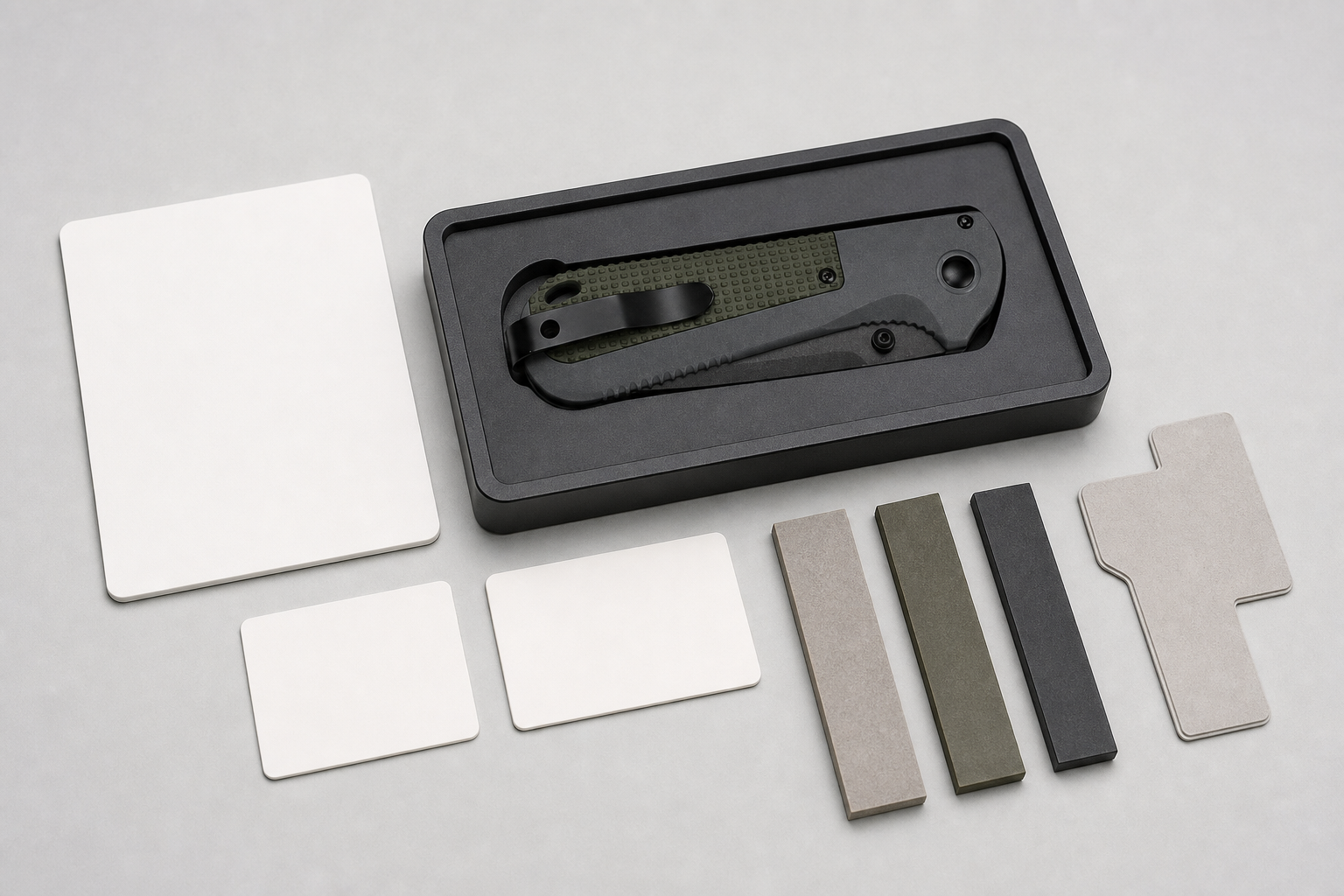
Blade shape affects how the knife cuts. A drop-point blade is a balanced option for many daily tasks. A sheepsfoot or wharncliffe-style blade can offer controlled slicing and a less aggressive tip. A tanto-style blade may look strong, but it may not be the best choice for every daily user. A clip-point blade may offer a finer tip, but the buyer should consider tip strength and intended use.
Blade size is just as important. A larger blade can feel capable, but it may create carry issues and local-law concerns. A smaller blade can be more acceptable for daily carry, but it must still be useful. Buyers should not assume one global blade length is safe for every market. The RFQ should record the target market and ask for compliance review where needed.
Locking style also changes the user experience. Liner locks, frame locks, back locks, button locks, crossbar-style locks, and slip joints all create different cost, assembly, safety, and market-positioning questions. A slip joint may suit markets or users who prefer simpler non-locking designs, but it requires clear user expectations. A locking knife can feel more secure, but lock quality must be tested carefully.
For OEM/ODM projects, I like to approve structure before cosmetic customization. A beautiful handle cannot fix poor blade centering, weak lockup, or rough action.
| Design choice | Better for | Buyer caution |
|---|---|---|
| Drop-point blade | General EDC utility | Avoid overly thick edge |
| Sheepsfoot style | Controlled slicing | Match tip expectations |
| Compact blade length | Pocket-friendly carry | Check target market usefulness |
| Strong lock structure | Confident use | Requires stable QC |
Why Do Handle Material, Carry Method, and Safety Details Matter?
Users judge an EDC knife before they cut anything. The first feeling comes from the handle, pocket clip, and opening action.
Handle material, carry method, and safety details matter because they affect grip, weight, comfort, pocket wear, one-hand control, closing safety, perceived quality, and repeat-use satisfaction.
I Build Comfort Into the Product, Not the Description
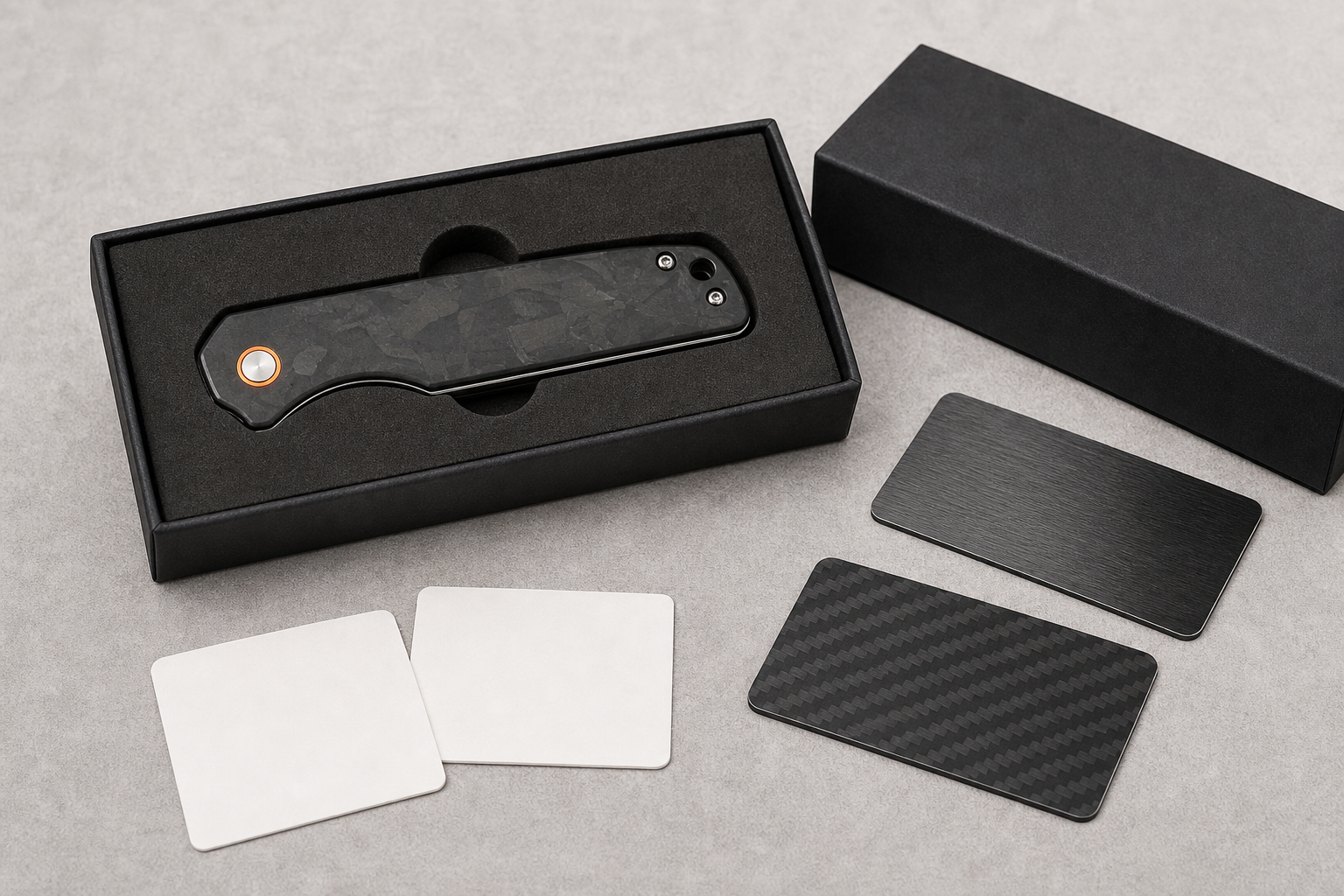
Handle material changes the whole product. G10 can offer grip and a technical feel. Aluminum can create a modern lightweight product. Stainless steel can feel solid but may add weight. Polymer can support cost control and color options. Wood or micarta can create a more traditional or premium feeling, but the finish and consistency must be controlled.
Carry method is also part of the design. Pocket clip position, tension, screw strength, and clip finish all matter. A clip that is too tight can damage pockets. A clip that is too loose can lose the knife. Some buyers want deep carry. Some want a standard clip. Some prefer a pouch or box-only package. The right choice depends on the user and price range.
Safety details include lock release feel, blade closing path, handle chamfering, screw stability, and packaging. I also watch for sharp edges on liners, scales, clips, and thumb studs. A knife can pass a photo review and still feel uncomfortable if these details are ignored.
For repeat orders, the buyer should require the supplier to keep approved samples. This is especially important for handle texture, anodizing color, clip tension, and action feel. These details are easy to drift in production if they are not defined.
| Detail | User-facing effect | Production control |
|---|---|---|
| Handle texture | Grip and comfort | Texture depth and finish |
| Pocket clip | Carry confidence | Tension and screw security |
| Edge chamfer | Hand comfort | Deburr all contact edges |
| Lock release | Closing safety | Consistent lock geometry |
What Compliance and Packaging Checks Should Buyers Confirm?
EDC knives are small, but they are regulated and sensitive products. A buyer should never treat compliance as an afterthought.
Buyers should confirm target-market knife laws, travel restrictions, import rules, labeling needs, safety warnings, packaging protection, age-related retail policies, and any required certificates before production.
I Separate Product Claims From Legal Advice
Knife rules vary by country, state, city, channel, and usage context. I do not treat one product description as legal advice. Instead, I help buyers build the product file so they can review it with their own compliance team or local advisor. The file should include blade length, opening method, locking method, assisted features if any, packaging, warning text, and target market.
For the United States, federal materials around switchblade definitions and import restrictions remind buyers that mechanism details matter. This does not mean every folding knife has the same issue. It means the buyer should identify mechanism type early and avoid vague RFQ wording. If a knife has special opening features, the compliance review should happen before tooling and packaging.
The CPSC's General Certificate of Conformity guidance is also useful when a general-use product is subject to an applicable consumer product safety rule. It reminds buyers that documentation can matter, not only product appearance. Requirements depend on the product and market, so buyers should not assume a universal certificate applies.
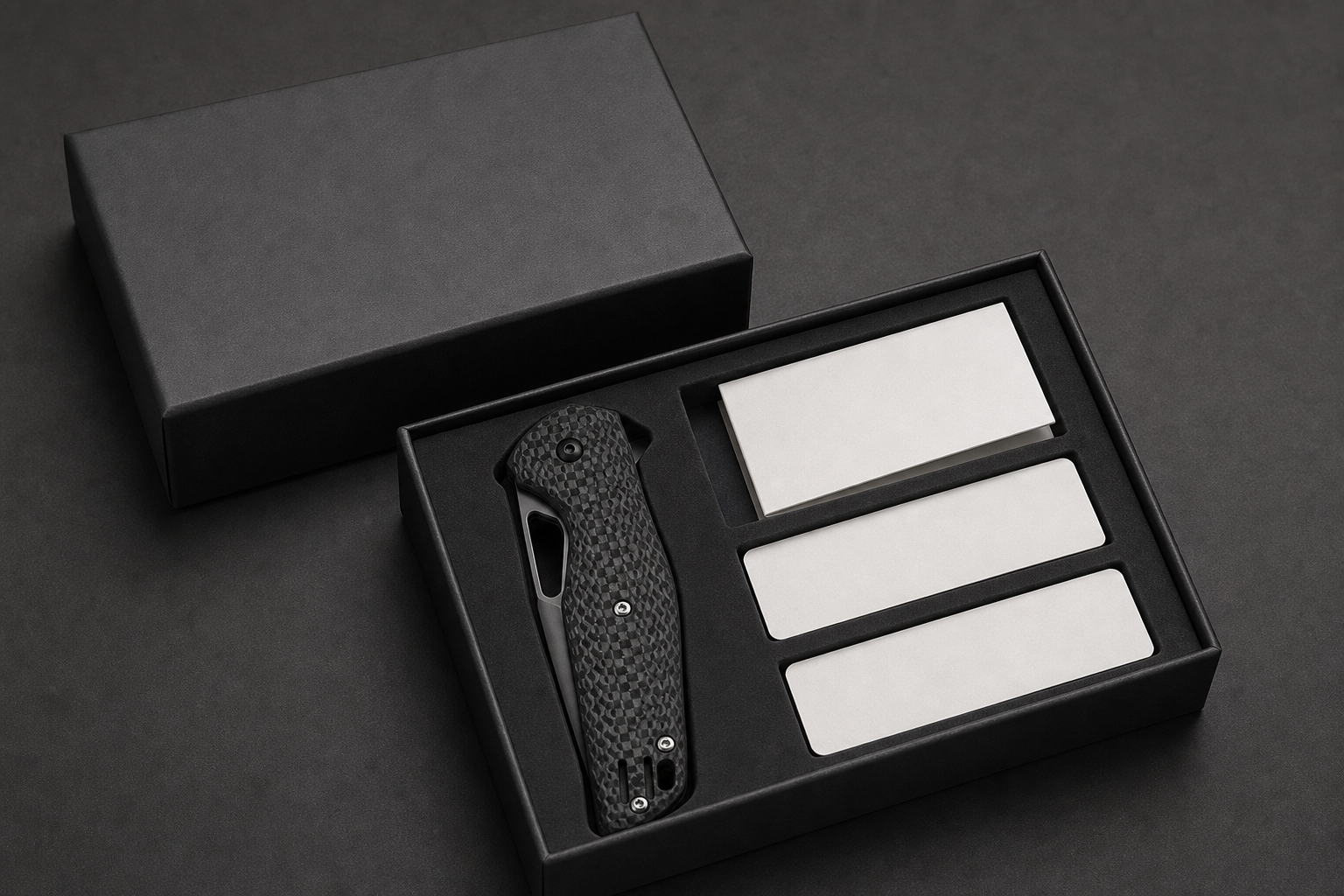
Packaging should protect the edge and control first contact. A folding knife should not rattle loose inside the box. Instructions should be clear, simple, and matched to the market language. For B2B buyers, good packaging lowers returns and makes retail onboarding easier.
| Check area | What to confirm | Why it matters |
|---|---|---|
| Mechanism | Lock, opening method, blade length | Compliance and positioning |
| Travel wording | Carry-on and checked-bag guidance | Customer expectation |
| Packaging | Edge protection and insert fit | Safe handling |
| Documentation | Required certificates if applicable | Channel readiness |
How Can Vast State Support EDC Folding Knife Development?
An EDC project needs more than a catalog choice. It needs product thinking, engineering, communication, and production follow-up.
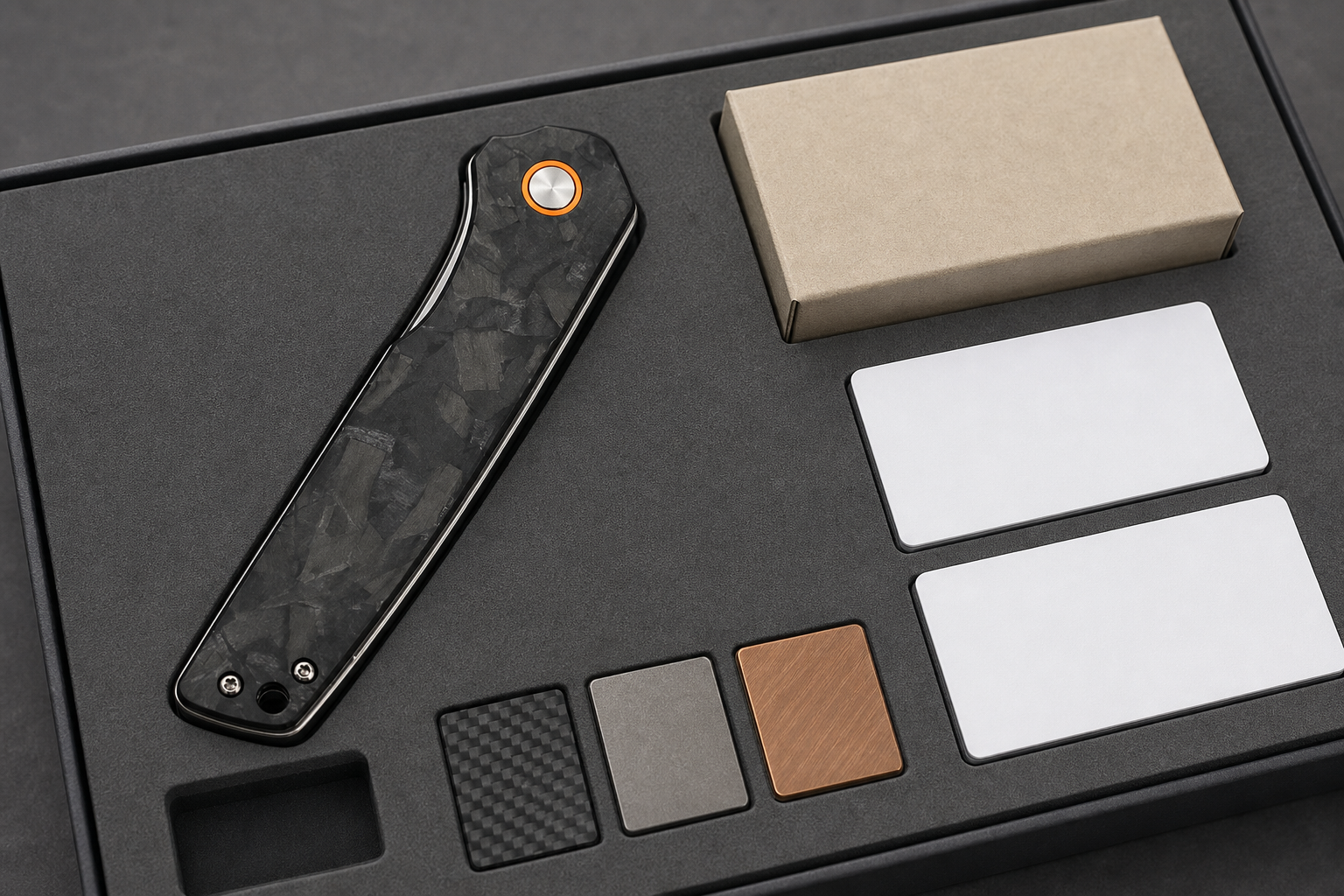
Vast State can support EDC folding knife projects through use-case review, OEM/ODM design suggestions, material selection, lock and structure advice, prototype development, packaging customization, QC control, and repeat production support.
I Help Buyers Turn Use Cases Into Production Details
Vast State is an OEM/ODM knife and outdoor tool manufacturer based in Yangjiang, China. We work with folding knives, fixed blade knives, pocket knives, camping tools, rescue tools, and multi-tools for international B2B customers. For EDC folding knives, our work usually starts with the use case. I want to know whether the buyer needs a compact city EDC knife, a work utility folder, an outdoor pocket knife, a gift-set item, or a private label product for a specific channel.
From there, I help connect the product direction with manufacturable details. Blade steel should match cost and edge expectations. Handle material should match grip, weight, finish, and brand position. Lock structure should match safety, cost, assembly stability, and target market. Packaging should match the channel and protect the product. QC should control blade centering, lockup, action, sharpness, screw stability, finish, logo placement, and packaging condition.
Our goal is not only to manufacture a knife. Our goal is to help customers build products that fit their target market, price range, and brand positioning. Some customers bring finished designs. Some bring only a rough idea and target price. In both cases, I prefer practical communication and realistic development. A strong EDC folding knife should feel useful on day one and repeat well in mass production.
| Support area | What we help with | Buyer benefit |
|---|---|---|
| Use-case planning | Define real cutting tasks | Better product direction |
| Structure review | Blade, lock, pivot, clip | Fewer sample problems |
| Customization | Material, color, logo, packaging | Stronger brand fit |
| QC follow-up | Function and appearance checks | More stable repeat orders |
Turn this article into a folding knife project.
Share your blade type, lock direction, steel preference, handle material, quantity, target market, and packaging needs. Vast State can prepare OEM/ODM options.
Conclusion
I plan better EDC folding knives by starting with real daily use, then matching structure, material, carry, compliance, packaging, and QC.
Source Notes
- TSA sharp objects guidance supports the need to explain travel restrictions and checked-bag edge protection for knives.
- OSHA hand-tool rules and cut-prevention guidance support the need for safe tool condition, appropriate tool use, and good handle control in work settings.
- CPSC General Certificate of Conformity guidance supports documentation review when applicable safety rules apply to a consumer product.
- National Park Service Leave No Trace guidance supports responsible outdoor-use language instead of careless camp claims.