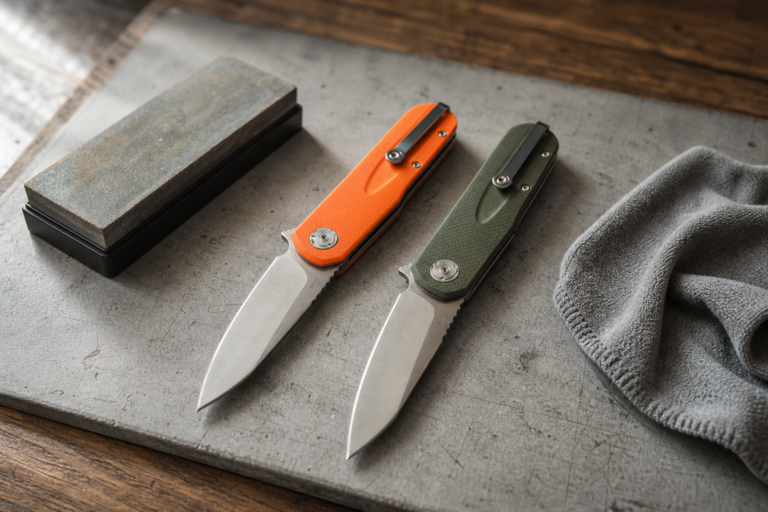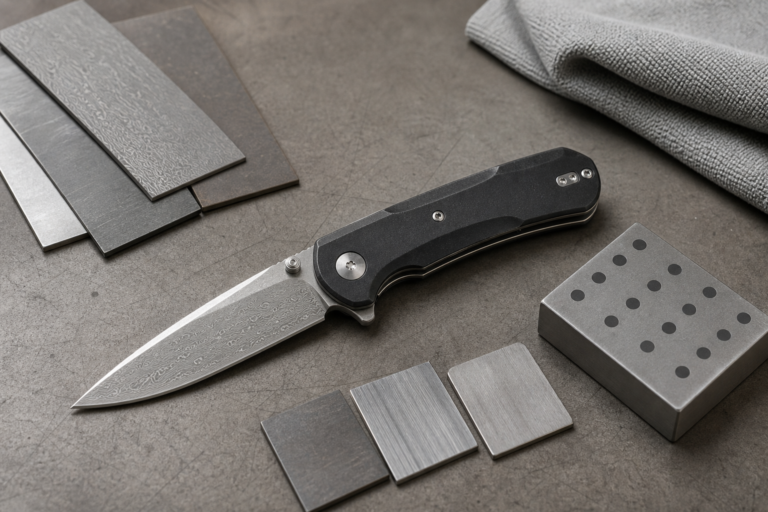
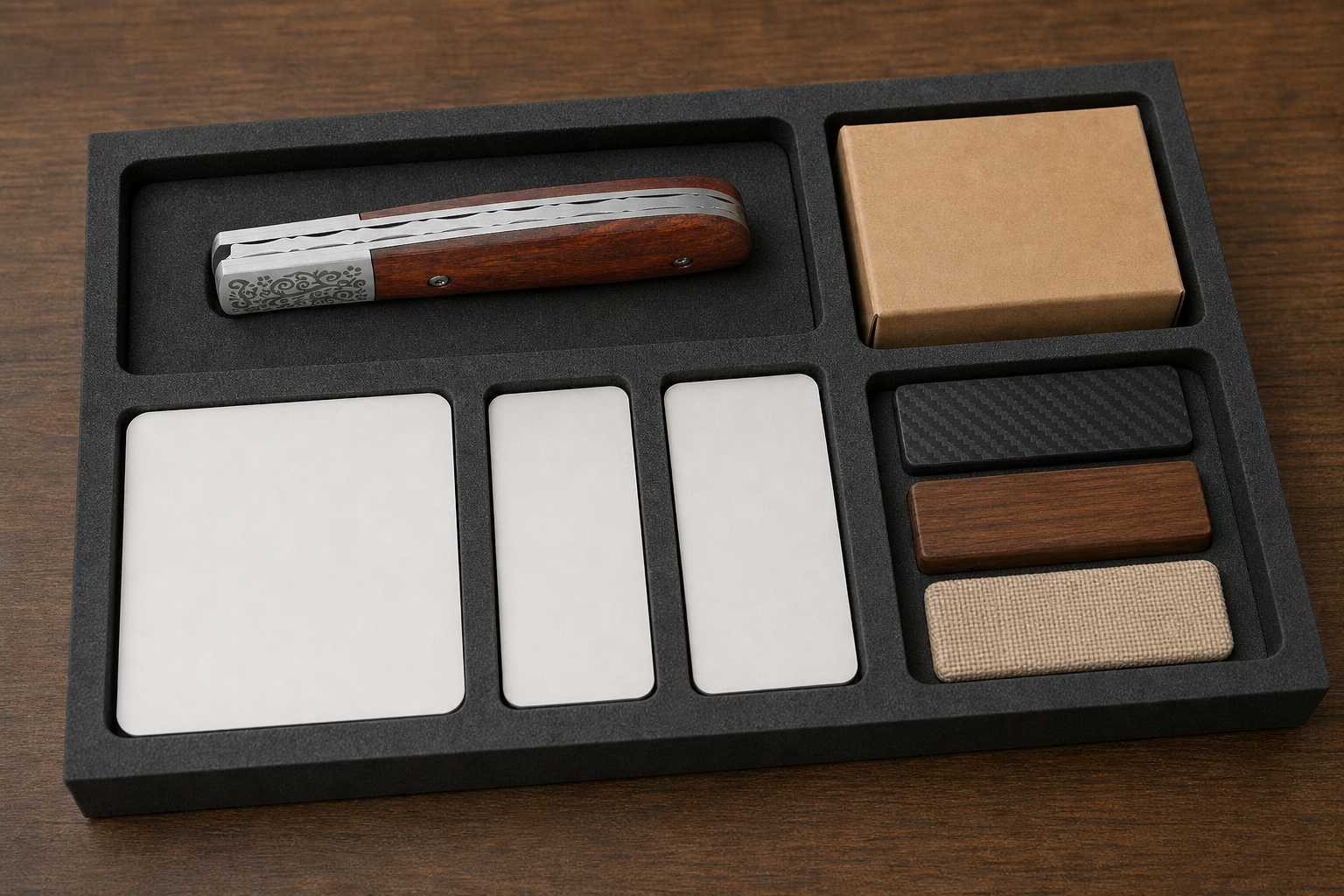
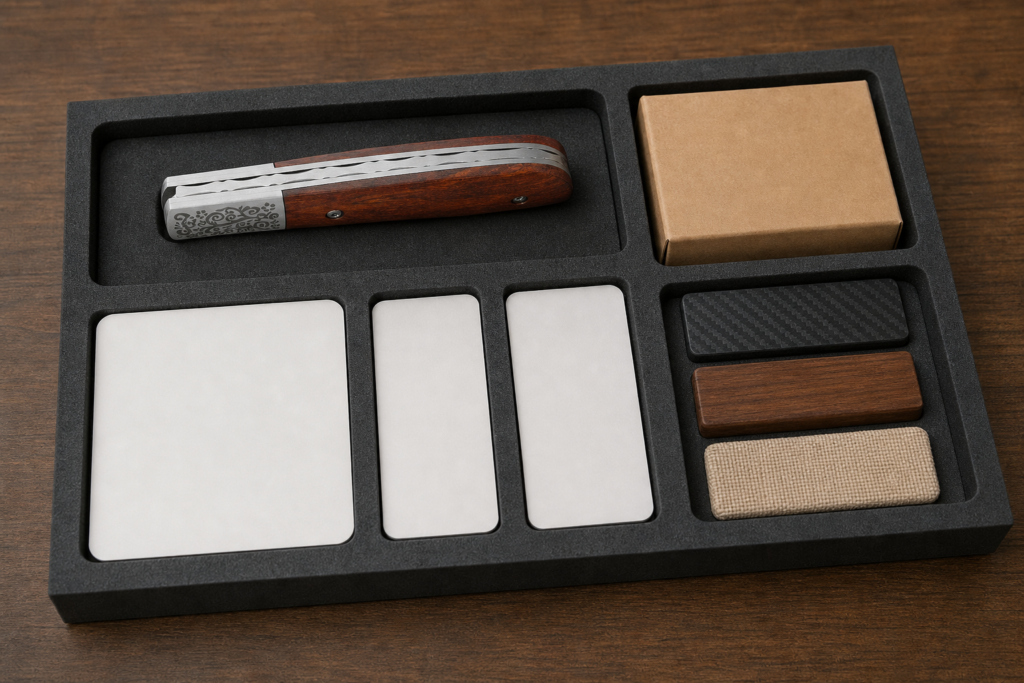
A pocket folding knife can be useful every day. But if buyers define EDC too loosely, the product becomes hard to position.
A pocket folding knife is a practical everyday carry tool when it is compact, lawful for the target market, easy to carry, safe to open and close, suitable for common cutting tasks, and supported by clear packaging, responsible wording, and stable quality control.
Quick buyer brief:
- Answer: Treat the pocket folding knife as a compact utility tool, not a vague lifestyle object.
- Buyer context: This helps knife brands, outdoor brands, importers, wholesalers, distributors, private label buyers, and sourcing managers.
- Key checks: Daily tasks, blade size, blade shape, steel, lock type, opening method, handle comfort, pocket clip, travel rules, local laws, packaging, warning card, and QC.
Developing a folding knife line for your brand?
Vast State supports OEM/ODM folding knife projects, including blade steel, lock structure, handle material, finish, logo method, packaging, and quality inspection planning.
When I help a buyer plan a pocket folding knife, I first ask what "everyday carry" means for that buyer's customer. Some users need a simple tool for opening packages. Some need a compact outdoor support tool. Some want a private label product that feels useful, safe, and easy to gift. These are not the same project. A good EDC folding knife should be practical enough for daily use and controlled enough for responsible selling. That balance affects every detail, from blade length to packaging copy.
Why Should Buyers Define EDC Before Designing the Knife?
EDC can become an empty label. If the buyer does not define it, the sample may look nice but miss the user.
Buyers should define EDC before designing the knife because everyday carry depends on the user's tasks, pocket space, local rules, comfort, safety expectations, and retail channel. The definition guides the whole product.
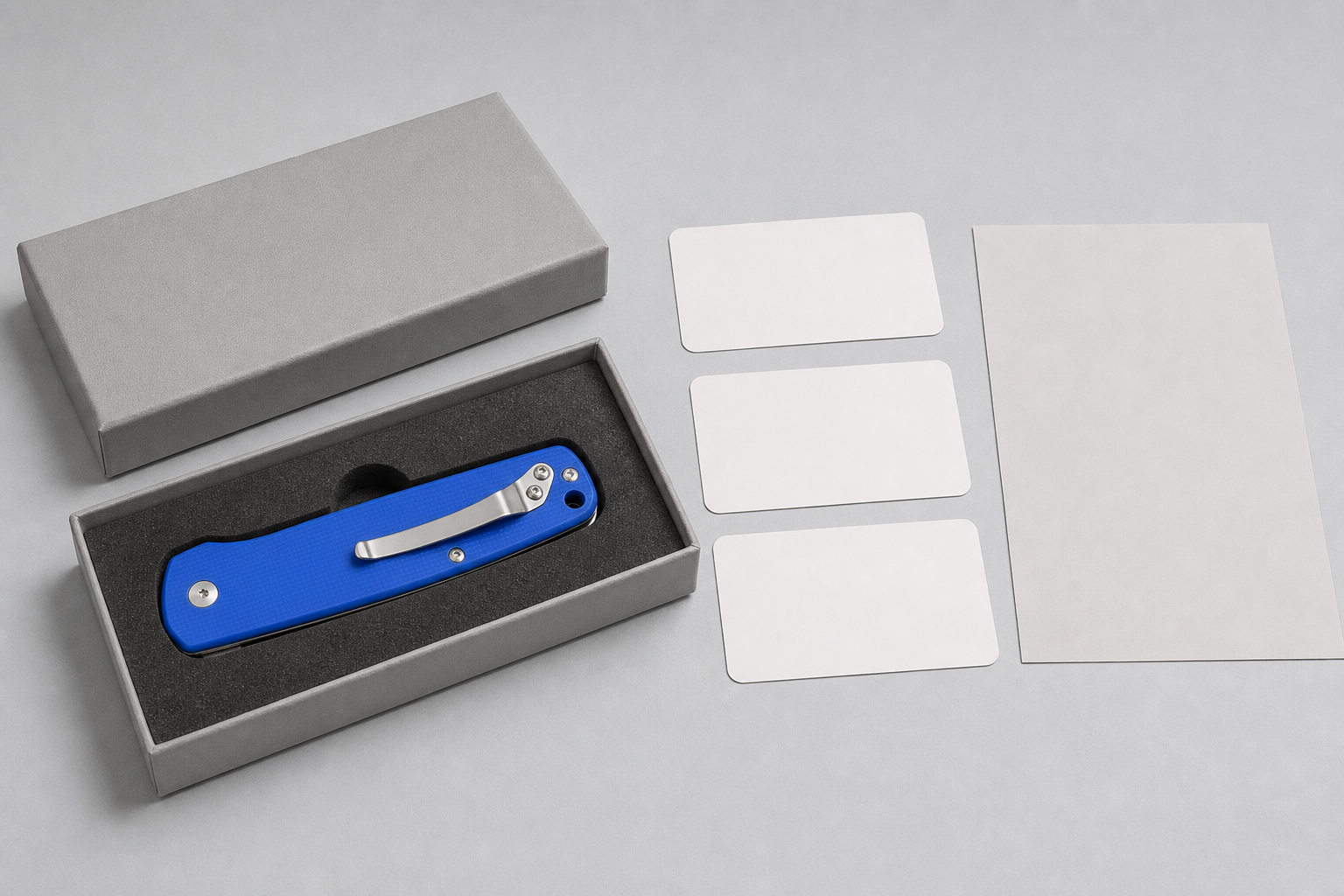
I Turn EDC Into a Product Brief
Everyday carry sounds simple, but it means different things in different markets. A city EDC knife may need to be small, low-key, and easy to carry. A camping EDC knife may need better grip and corrosion resistance. A work utility EDC knife may need edge life, clip strength, and a handle that works with gloves. A gift-set EDC knife may need attractive packaging and a friendly design.
This is why I prefer to turn EDC into a product brief. The brief should say who the user is, what the user cuts, where the knife is carried, what market receives it, and what claims the brand wants to avoid. Without that brief, the project can drift into a knife that looks dramatic but does not serve daily tasks well.
For B2B buyers, this also helps with communication. A supplier can give better suggestions when the buyer explains target price, blade length, material direction, lock preference, and packaging style. A vague request such as "make an EDC knife" leads to too many guesses. A clear request such as "compact utility folder for package opening and light outdoor use" leads to a better sample.
| EDC question | Why it matters | Product decision |
|---|---|---|
| Who carries it? | User skill and habits vary | Size, lock, handle, clip |
| What does it cut? | Tasks define edge geometry | Blade shape and steel |
| Where is it sold? | Rules and channels differ | Compliance review and wording |
| How is it packaged? | Retail experience starts early | Box, insert, warning card |
OEM/ODM RFQ Checklist
Prepare these details to help Vast State review your project and provide a more accurate quotation.
| RFQ Field | What to Prepare |
|---|---|
| Project type | OEM from drawing / ODM private label / wholesale catalog |
| Product category | Folding knife / fixed blade / multi-tool / outdoor tool |
| Design status | Idea / sketch / 2D drawing / 3D CAD / physical sample |
| Target price | Ex-factory target price or retail price range |
| MOQ expectation | 500 / 1,000 / 3,000 / 5,000+ pcs |
| Logo method | Laser engraving / etching / printing / molded logo |
| Packaging | Standard packaging / custom retail box / Amazon-ready |
| Market | USA / EU / Japan / Korea / Middle East / other |
| Compliance needs | Buyer-specified testing / documentation / labeling |
| Timeline | Sample deadline / mass production deadline |
What Daily Tasks Make a Pocket Folding Knife Useful?
A knife should earn its place in the pocket. If it only looks good, the user may not carry it again.
A pocket folding knife is useful for daily controlled cutting tasks such as opening packages, cutting tape, trimming cord, slicing plastic wrap, light outdoor preparation, and simple gear maintenance.
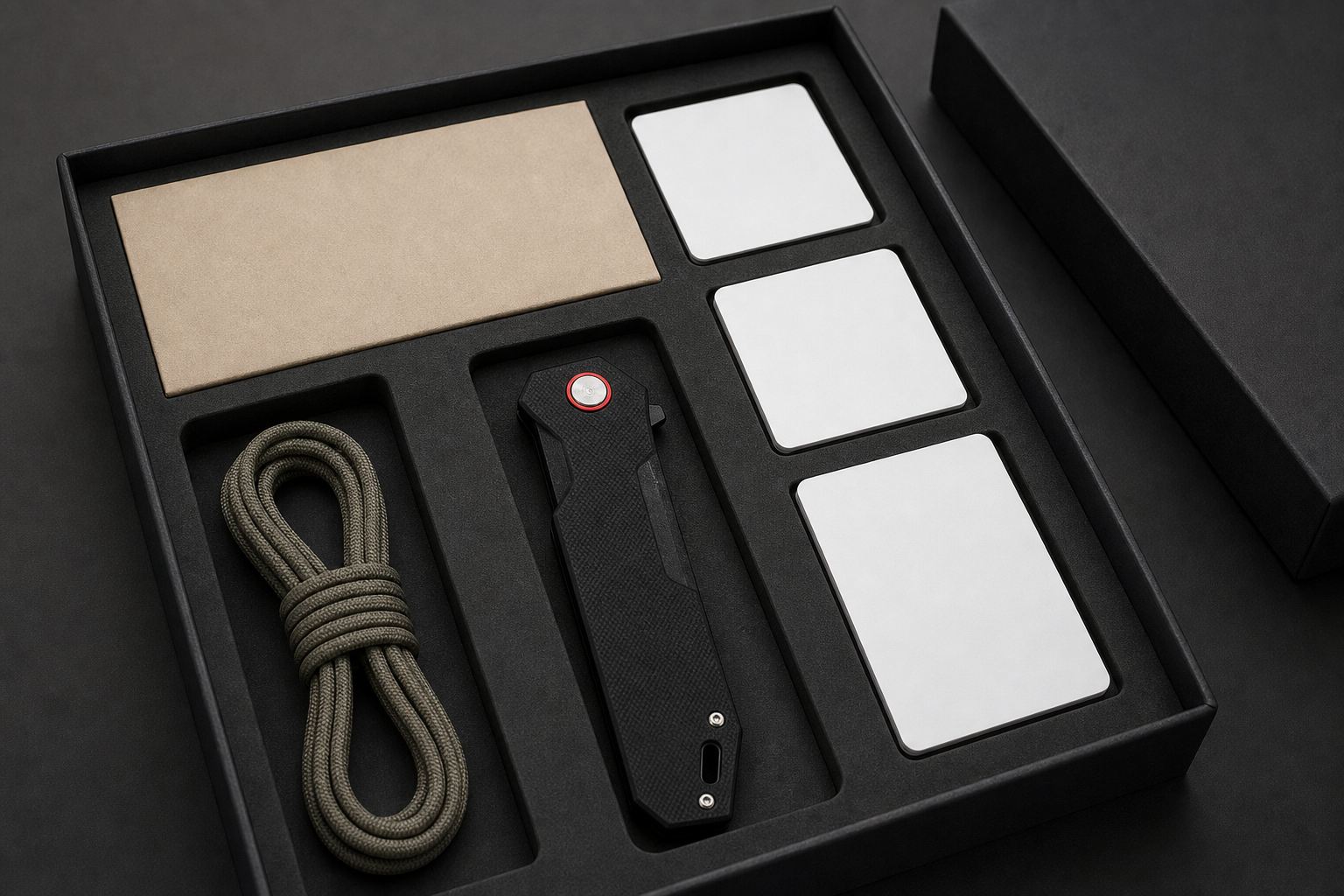
I Design Around Frequent Small Cuts
Most pocket folding knives are used for simple cutting. The user opens delivery boxes, cuts tape, trims cord, slices packaging film, prepares a small camp item, or handles a light workbench task. These tasks need control more than drama. A thin-enough edge, comfortable handle, reliable lock or slip-joint action, and safe closing path matter more than an aggressive product story.
For carton and tape cutting, a buyer should care about slicing geometry. A blade that is too thick may feel strong, but it may not cut cardboard well. For cord and outdoor tasks, the user needs grip and edge bite. For light food preparation during camping, the buyer should think about corrosion resistance and cleanability. These small tasks create real product value.
The buyer should also define what the knife should not do. A compact EDC folder is not a pry bar, screwdriver, chisel, or heavy chopping tool. If packaging or product pages overclaim, the customer may misuse the knife and blame the brand when it fails. Practical limits protect both the user and the buyer.
This is why I like EDC knives with honest utility language. Simple usefulness lasts longer than exaggerated claims.
| Daily task | Design focus | Buyer warning |
|---|---|---|
| Opening packages | Slicing edge and tip control | Avoid overly thick geometry |
| Cutting cord | Grip and edge bite | Test with real cord |
| Light outdoor prep | Corrosion resistance | Include care guidance |
| Gear maintenance | Controlled cuts | Do not claim prying use |
How Should Blade Size and Shape Fit Everyday Carry?
A bigger blade may look more capable. But pocket carry rewards balance, comfort, and local-market awareness.
Blade size and shape should fit everyday carry by balancing useful cutting length, pocket comfort, legal review, tip strength, slicing performance, and friendly product appearance for the target user.
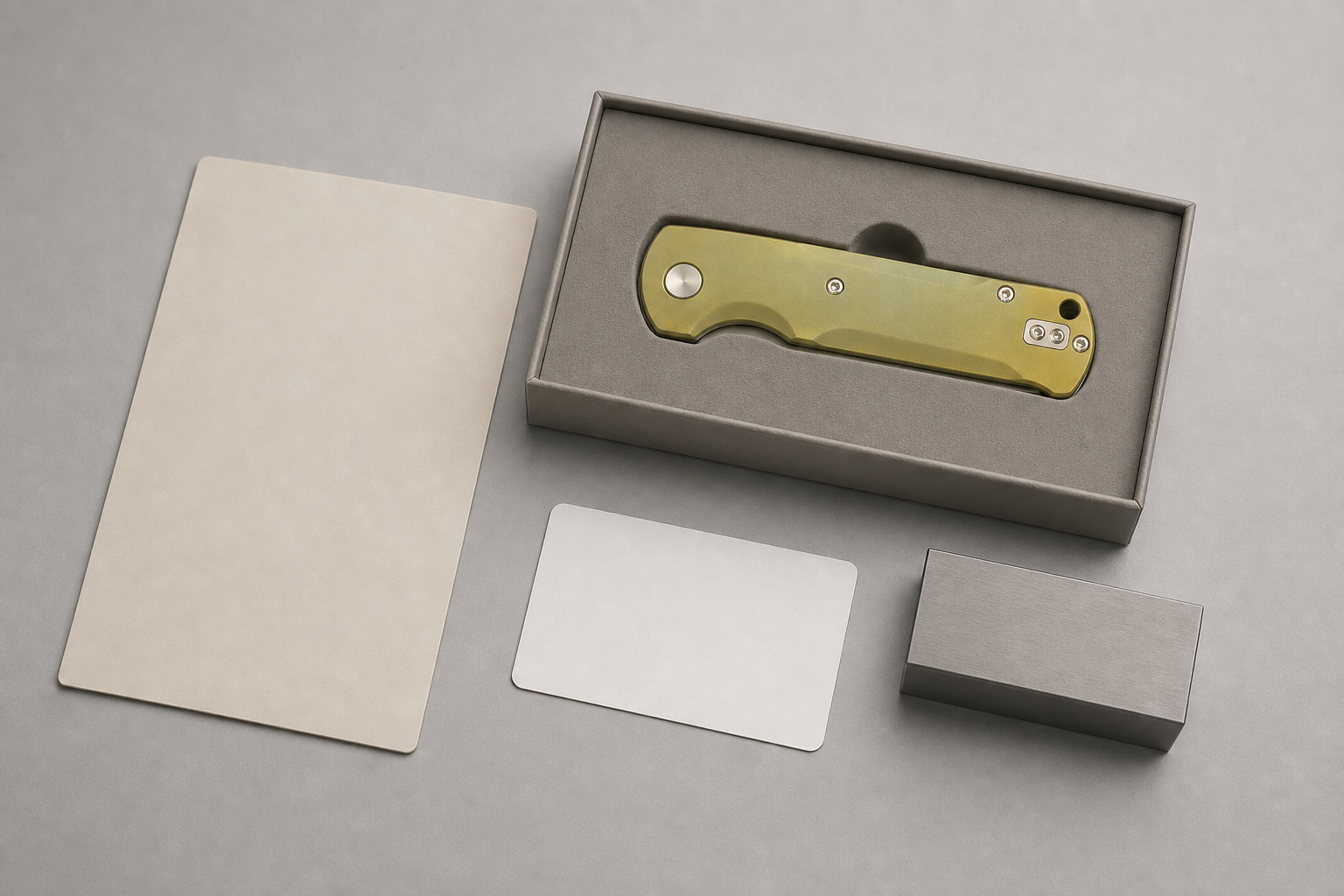
I Match Blade Geometry to Real Use
Blade length should not be chosen only from a catalog photo. It affects carry comfort, cutting control, local-law review, and customer perception. A compact blade can be enough for daily tasks if the geometry is right. A larger blade can be useful for some outdoor buyers, but it may feel too much for office, city, or gift-set customers.
Blade shape also matters. A drop-point blade is a balanced general-purpose choice. A sheepsfoot or wharncliffe-style blade can support controlled slicing and a calmer appearance. A clip-point blade can offer a fine tip, but the buyer should think about tip strength. A tanto-style blade may look strong, but it may not be the best daily slicer for every user.
For B2B projects, I like to connect blade shape with the use case. If the main task is package opening, slicing performance and tip control matter. If the main task is outdoor gear support, corrosion resistance and handle grip become more important. If the product is a gift set, the buyer may want a friendly shape and premium finish.
Federal U.S. customs materials in 19 CFR Part 12 discuss utilitarian use and common pocketknife styles in the context of switchblade import rules. I do not use that as broad legal advice, but it is a useful reminder: blade style and mechanism should be described accurately before production.
| Blade choice | Best fit | Buyer check |
|---|---|---|
| Drop point | General EDC utility | Edge thickness and tip strength |
| Sheepsfoot style | Controlled slicing | Customer expectation |
| Compact length | Pocket-friendly carry | Local-market review |
| Larger EDC blade | Outdoor or work use | Channel and law review |
Why Do Opening Method, Lock Type, and Pocket Clip Matter?
The user feels the mechanism every time. A weak lock, rough opening, or bad clip can ruin a good design.
Opening method, lock type, and pocket clip matter because they control user confidence, carry comfort, safety, assembly cost, compliance review, and repeat production stability.
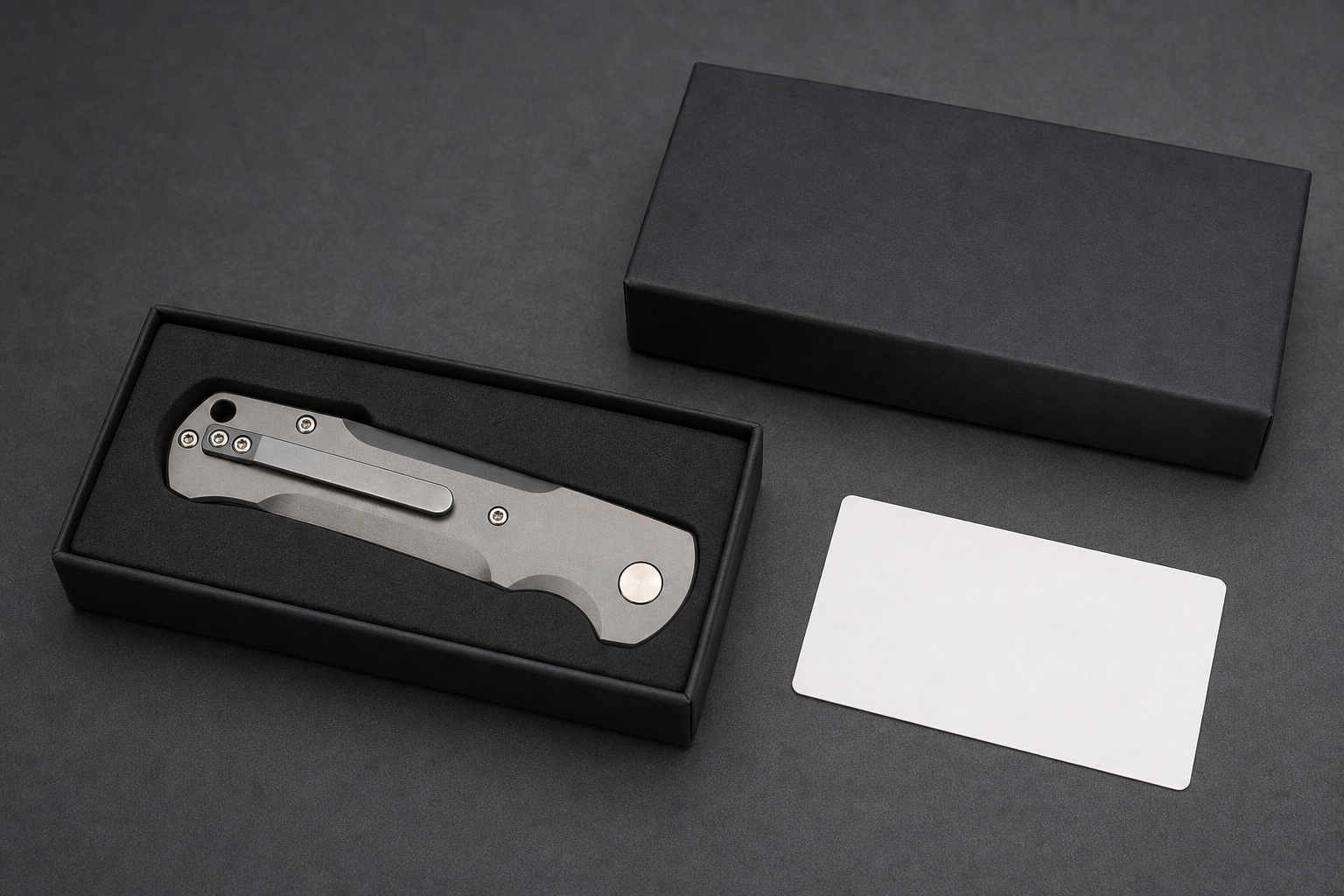
I Treat Mechanism as a Product Decision
Opening method is part of the product's identity. A nail nick feels traditional and low-key. A thumb stud can feel practical and modern. A flipper may feel smooth, but it can also change the product's appearance and compliance conversation. Assisted or automatic mechanisms need much more careful review and should never be described vaguely.
Lock type creates another layer. A liner lock can be cost-effective and familiar, but it needs stable geometry. A frame lock can feel strong, but handle material and lock face control matter. A back lock can feel secure and traditional, but it changes assembly. A slip joint may suit some markets, but the user must understand that it is non-locking. Each option affects cost, tooling, inspection, and customer education.
The pocket clip is easy to underestimate. The clip determines whether the knife feels convenient or annoying. Clip tension, screw strength, clip shape, finish, and carry depth all affect repeat use. A clip that damages pockets or loosens quickly can create poor reviews even if the blade is good.
For OEM/ODM buyers, the mechanism should be approved before cosmetic customization. A pretty handle cannot fix blade play, poor centering, weak lockup, or an uncomfortable clip.
| Mechanism detail | User effect | Production focus |
|---|---|---|
| Opening method | First interaction | Accurate mechanism description |
| Lock type | Use confidence | Lock engagement and release |
| Pivot system | Smoothness and play | Tolerance and lubrication |
| Pocket clip | Daily carry comfort | Tension and screw security |
What Materials and Finishes Fit an EDC Pocket Knife?
Material choice changes price, weight, feel, and brand position. The wrong choice can make a good design hard to sell.
EDC pocket knife materials should match the user's task, budget, climate, grip needs, target price, and brand position. Buyers should balance steel, handle material, finish, and repeat-production stability.
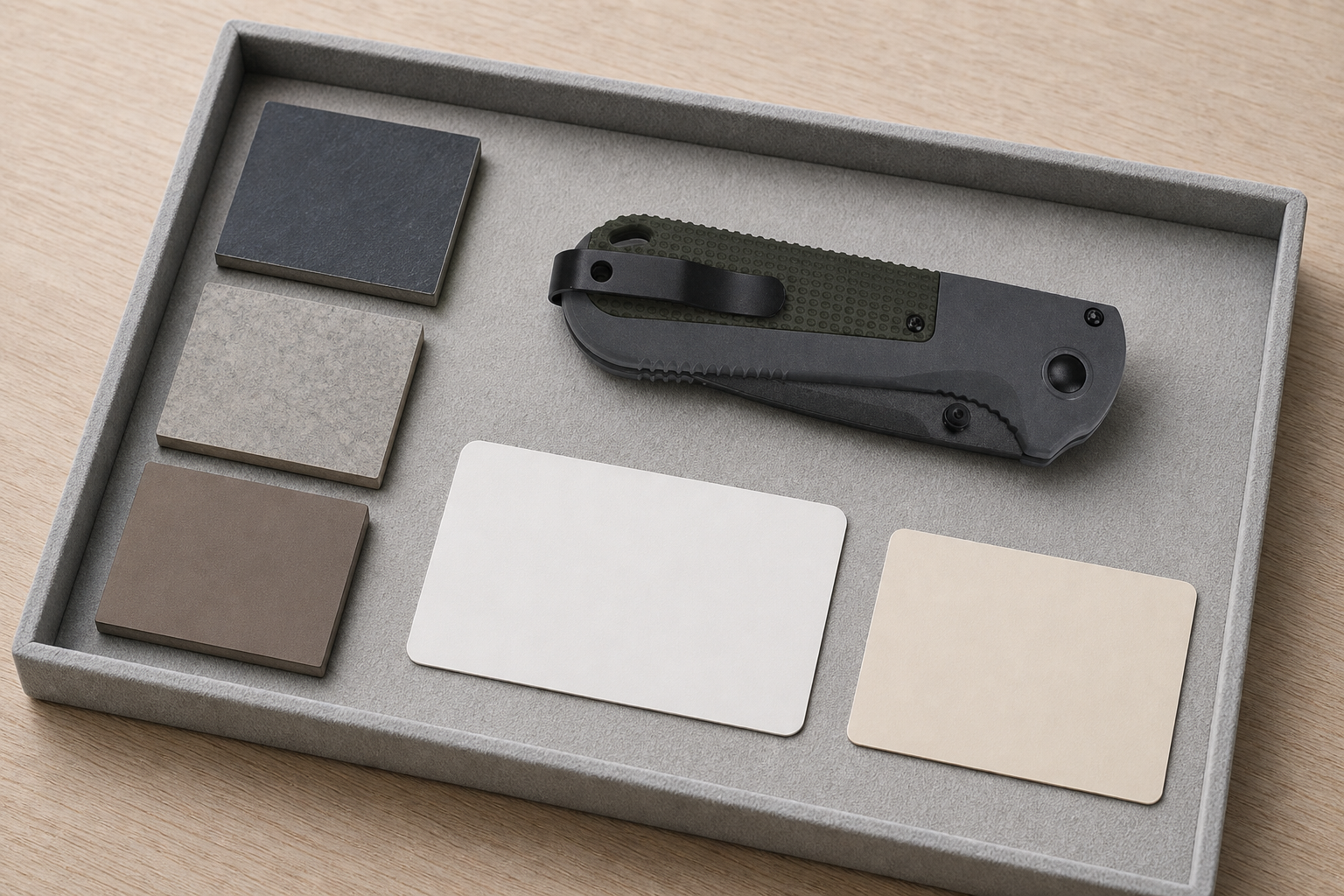
I Balance Performance With Market Reality
Blade steel should fit the product level. Some buyers want better corrosion resistance. Some want easier sharpening. Some want stronger edge retention. Some need a practical cost point. No steel solves every problem, so I connect steel choice with the buyer's customer and price range.
Handle materials create the first tactile impression. G10 can provide grip and a technical feel. Aluminum can feel light and modern. Stainless steel can feel solid but may make the knife heavier. Polymer can support cost control and color options. Wood, micarta, or other decorative materials can support gift or premium lines, but consistency and finishing must be managed.
Finishing is not only cosmetic. Satin, stonewash, bead blast, coating, anodizing, and polishing all create different looks and maintenance needs. A dark coating may look premium, but the buyer should test wear. A bead-blast finish may look clean, but corrosion behavior should be considered. A stonewash finish can hide small scratches better, but the approved sample should be clear.
For repeat orders, I ask buyers to define what matters most: price, edge performance, corrosion resistance, weight, grip, or appearance. This helps us avoid overbuilding the knife in areas the market will not pay for.
| Material choice | Main benefit | Production concern |
|---|---|---|
| Stainless blade steel | Corrosion resistance | Heat treatment control |
| G10 handle | Grip and stable feel | Machining and dust control |
| Aluminum handle | Lightweight modern style | Anodizing consistency |
| Polymer handle | Cost and color flexibility | Mold finish and texture |
What Compliance, Travel, and Channel Limits Should Buyers Review?
EDC does not mean unrestricted carry. Buyers should not assume one knife is suitable for every market.
Buyers should review target-market knife laws, blade length, opening mechanism, lock type, import rules, travel restrictions, marketplace policy, age-related retail rules, packaging warnings, and documentation needs before production.
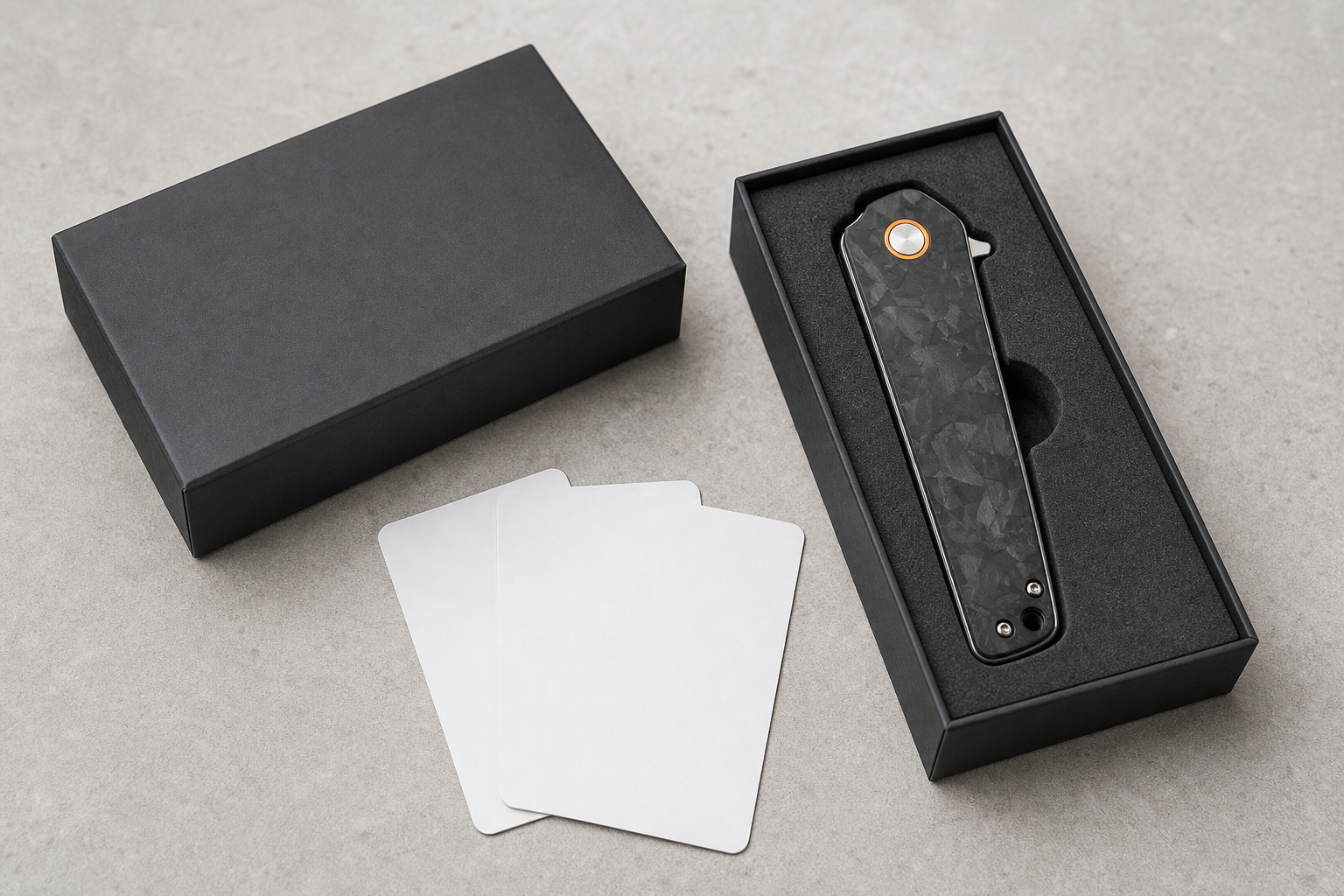
I Build Compliance Review Into the RFQ
Knife rules vary by country, state, city, retail channel, workplace, school, and transport setting. A manufacturer should not promise universal legality. A buyer should not publish that claim unless it has been verified for the exact market. Instead, the product file should include details that support compliance review: blade length, blade shape, opening method, lock type, mechanism description, packaging copy, and target sales region.
Travel is a common issue. The TSA's knife guidance says knives are not allowed in carry-on bags and are allowed in checked bags, with sharp objects in checked bags sheathed or securely wrapped. This supports a simple packaging lesson. A travel-facing product should remind users to check rules before carrying and to protect the edge during transport.
Documentation also matters. The CPSC's General Certificate of Conformity guidance explains certification for certain general-use products subject to applicable safety rules. This does not mean every pocket folding knife needs the same certificate. It means the buyer should review documentation needs early.
For online channels, platform policies may be stricter than law. This is another reason to keep the product story practical and non-aggressive.
| Review area | What to confirm | Why it matters |
|---|---|---|
| Target market | Local knife rules | Avoid wrong design |
| Mechanism | Opening and lock type | Compliance and classification |
| Travel claims | Carry restrictions | Customer expectation |
| Channel policy | Marketplace and retailer rules | Listing approval |
What Quality Checks Make an EDC Knife Reliable?
A daily tool must repeat well. Small defects can become annoying because the user handles the knife often.
EDC knife reliability depends on checks for blade centering, lockup, side play, pivot tension, opening feel, closing safety, edge quality, handle finish, screw security, clip retention, packaging, and batch consistency.
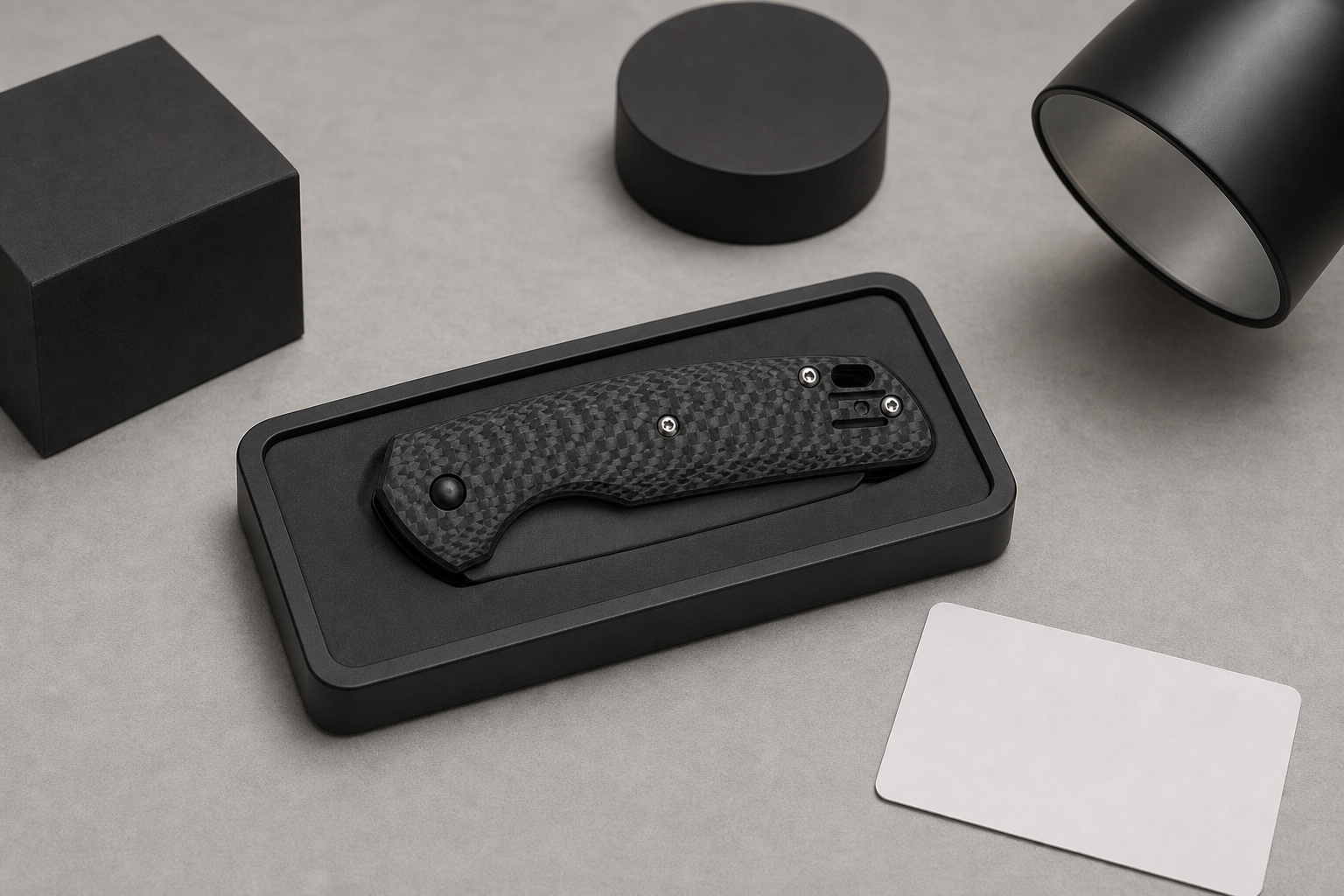
I Check the Parts Users Feel Every Day
Quality control for an EDC pocket folding knife should focus on function first. The blade should center properly. The lock should engage consistently if the knife uses a lock. The pivot should not be too loose or too tight. The edge should be even. Screws should be secure. The clip should hold the knife without damaging normal carry. The handle should not have sharp corners or rough burrs.
OSHA's hand-tool rule says employers are responsible for the safe condition of tools used by employees. This is a workplace rule, not an EDC manufacturing standard, but the principle is useful: tools should be safe and serviceable before use. For B2B buyers, that means function checks cannot be skipped.
QC should also cover appearance and packaging. Scratches, uneven coating, poor logo placement, carton damage, and loose inserts can hurt the brand. For private label products, the buyer should keep an approved sample and defect examples. This helps inspectors judge repeat orders consistently.
I also recommend checking user-facing feel. A knife can meet size tolerances and still feel cheap if the action is gritty or the clip is awkward. Daily carry products live or die by small handling details.
| QC item | What to inspect | Buyer benefit |
|---|---|---|
| Lock and pivot | Lockup, play, smoothness | Safer, better feel |
| Blade and edge | Centering, burrs, sharpness | Better cutting performance |
| Handle and clip | Comfort, scratches, retention | Better daily carry |
| Packaging | Insert fit and warning card | Better retail experience |
How Can Vast State Support EDC Pocket Folding Knife Projects?
A good EDC product needs practical planning and stable production. It should not be built from a vague catalog request.
Vast State can support EDC pocket folding knife projects through use-case review, OEM/ODM design suggestions, material selection, mechanism planning, prototype development, packaging customization, QC control, and production follow-up.
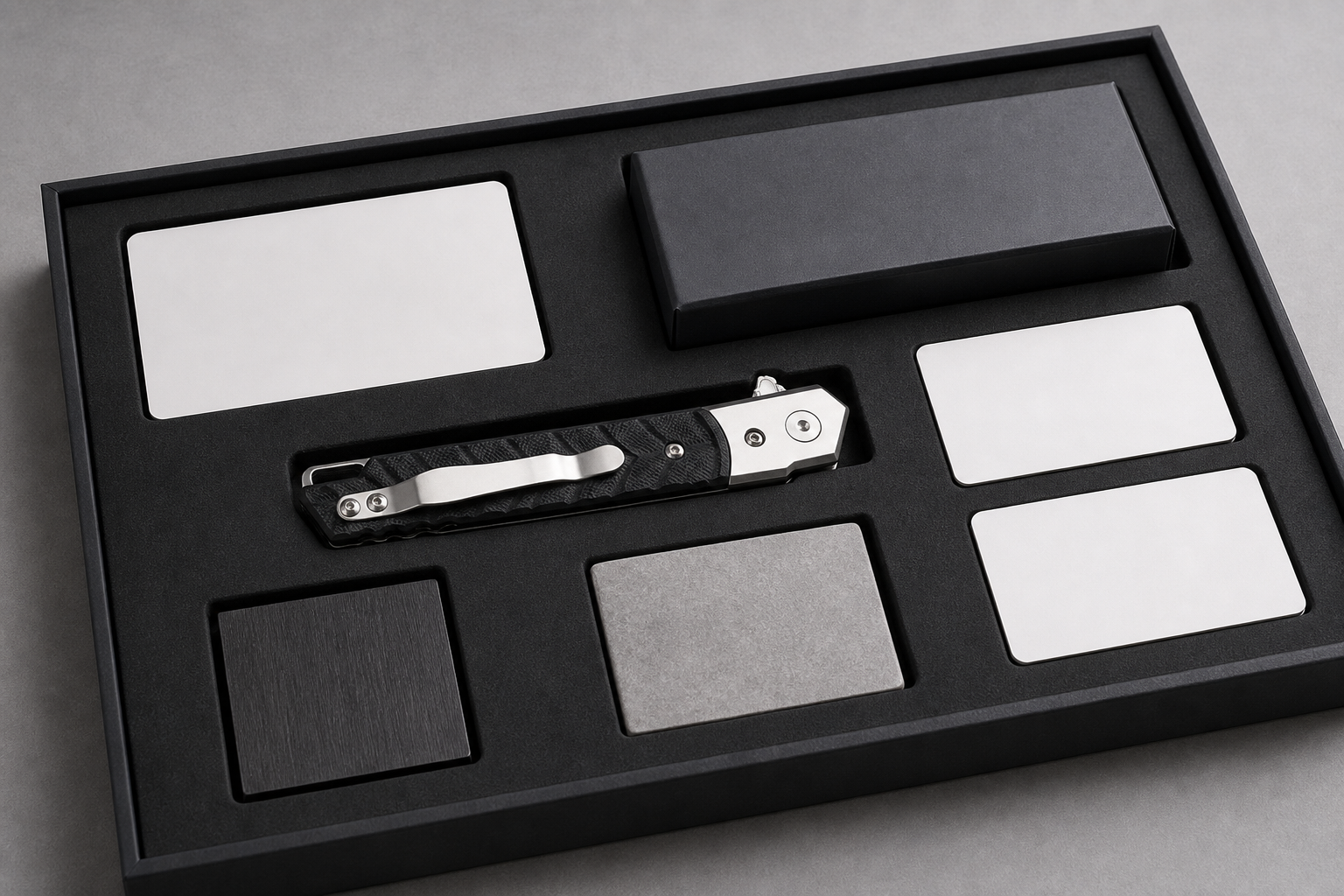
I Help Buyers Turn EDC Into a Manufacturable Product
Vast State is an OEM/ODM knife and outdoor tool manufacturer based in Yangjiang, China. We support international B2B customers with folding knives, fixed blade knives, pocket knives, camping tools, rescue tools, and multi-tools. For EDC pocket folding knives, I usually start with the buyer's market and use case.
Some customers bring finished designs. Some bring a rough idea, target price, and a few reference points. In both cases, I help connect the idea with production reality. We can discuss blade length, steel, heat treatment, blade shape, handle material, lock type, opening method, pocket clip, surface finish, logo method, packaging, and inspection standards.
The goal is not only to make a sample that looks good. The goal is to create a product that fits the target market, price range, brand position, and repeat production plan. A practical EDC folding knife should be easy to understand, comfortable to carry, safe to handle, and consistent across batches.
I also help buyers avoid risky product stories. If the product is for everyday carry, I prefer language around utility, portability, responsible use, and quality. That makes the product easier to sell, easier to inspect, and easier to support long term.
| Support area | What we help with | Buyer value |
|---|---|---|
| Product brief | Use case and market fit | Clearer sample direction |
| Engineering review | Blade, lock, pivot, clip | Fewer development problems |
| Customization | Materials, logo, finish, packaging | Stronger brand fit |
| QC follow-up | Function and appearance checks | More stable production |
Turn this article into a folding knife project.
Share your blade type, lock direction, steel preference, handle material, quantity, target market, and packaging needs. Vast State can prepare OEM/ODM options.
Conclusion
I treat pocket folding knives as practical EDC tools when utility, carry comfort, compliance review, packaging, and QC all support daily use.
Source Notes
- TSA knife guidance supports travel-related carry and checked-bag packaging warnings.
- 19 CFR Part 12 materials support the need to describe blade style, utilitarian purpose, and opening mechanism accurately for U.S. import review.
- OSHA hand-tool guidance supports the general principle that tools should be safe and serviceable before use.
- CPSC GCC guidance supports early documentation review when applicable consumer product safety rules apply.