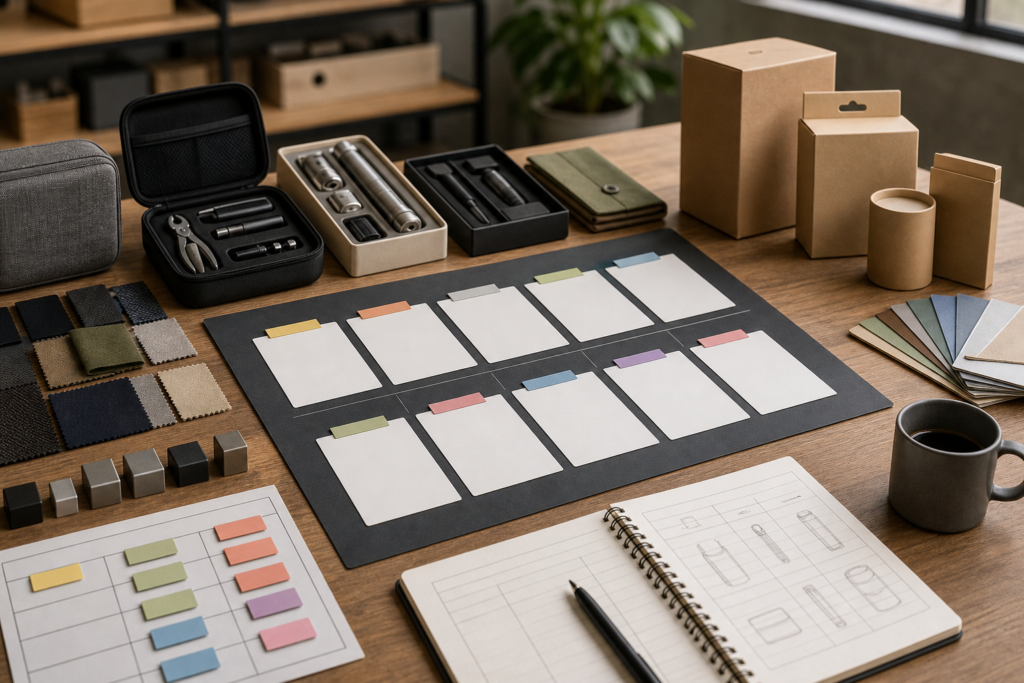
An EDC line can look broad but sell poorly. If every tool targets everyone, the range becomes confusing. Segmentation fixes that.
Buyers should segment EDC tools by user scenario, core function, tool type, size, material, price tier, safety requirements, packaging, and sales channel. Clear segmentation helps OEM/ODM suppliers develop practical SKUs instead of random products.
Quick buyer brief:
- Answer: Segment EDC tools by real scenario, product role, and channel.
- Buyer context: This helps knife brands, outdoor brands, importers, wholesalers, distributors, and private label buyers.
- Key checks: User group, tool type, blade or tool function, material, size, price tier, compliance, packaging, bundle plan, MOQ, and QC.
Planning a custom multi-tool project?
Send your function list, reference photo, target quantity, and budget range. Vast State can review materials, tooling, assembly, inspection, and packaging options.
When a buyer asks me to help build an EDC line, I first ask who the product is for. A commuter pocket tool, a camping multi-tool, a work utility knife, and an outdoor repair kit are not the same project. They need different structures, materials, packaging, inspection points, and price targets. A better EDC range starts with segmentation. It should help the buyer decide what to make, what to skip, and how each SKU supports the brand.
Why Should EDC Segmentation Start With Real User Scenarios?
Many EDC projects start with product photos. That is risky because the design may not match the buyer's real customer.
EDC segmentation should start with user scenarios because daily pocket use, outdoor repair, travel kits, retail gifts, and professional work all need different tools, sizes, materials, and packaging.

I Start With the Job the Tool Must Do
EDC can mean many things. For one buyer, it means a compact pocket knife for daily utility. For another buyer, it means a multi-tool for camping and repair. For another, it means a flashlight, keychain tool, pry tool, or small rescue accessory. If the buyer does not define the user scenario, the supplier may quote a product that looks good but does not fit the channel.
I like to define the scenario before I define the SKU. The National Park Service Ten Essentials is useful context because it groups outdoor needs by systems such as illumination, first-aid supplies, and repair kit and tools. I do not copy that list into a product line. I use the thinking behind it. Good segmentation starts with real tasks. Will the user need cutting, fastening, light, grip, emergency repair, package opening, or compact storage? Once the scenario is clear, I can suggest the right tool type, material, finish, and packaging level.
| Scenario | Typical EDC product direction | What I check first |
|---|---|---|
| Daily utility | Pocket knife, keychain tool, compact multi-tool | Size, weight, clip, price tier |
| Outdoor repair | Multi-tool, knife, small flashlight | Function mix, grip, corrosion resistance |
| Retail gift | Simple folder or compact tool set | Packaging, logo, perceived value |
| Work support | Utility knife or task-focused tool | Durability, replaceable parts, QC |
OEM/ODM RFQ Checklist
Prepare these details to help Vast State review your project and provide a more accurate quotation.
| RFQ Field | What to Prepare |
|---|---|
| Project type | OEM from drawing / ODM private label / wholesale catalog |
| Product category | Folding knife / fixed blade / multi-tool / outdoor tool |
| Design status | Idea / sketch / 2D drawing / 3D CAD / physical sample |
| Target price | Ex-factory target price or retail price range |
| MOQ expectation | 500 / 1,000 / 3,000 / 5,000+ pcs |
| Logo method | Laser engraving / etching / printing / molded logo |
| Packaging | Standard packaging / custom retail box / Amazon-ready |
| Market | USA / EU / Japan / Korea / Middle East / other |
| Compliance needs | Buyer-specified testing / documentation / labeling |
| Timeline | Sample deadline / mass production deadline |
Which EDC Tool Types Belong in a Practical Product Line?
Too many tool types can weaken a line. Too few can miss the buyer's channel opportunity.
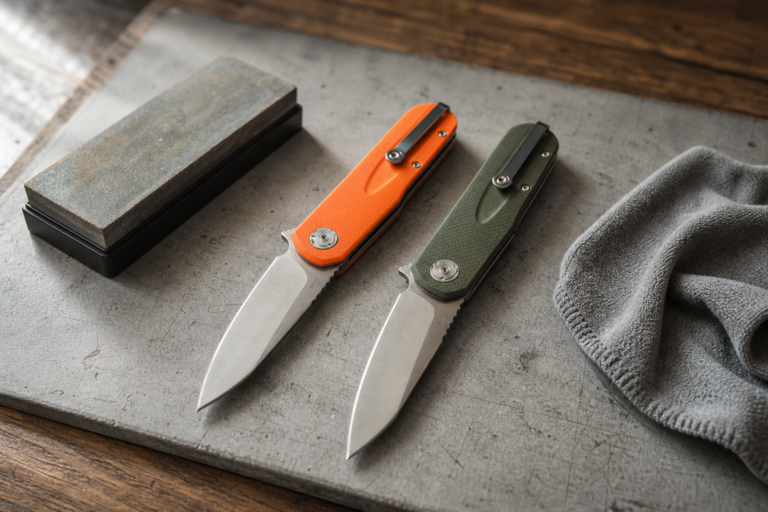
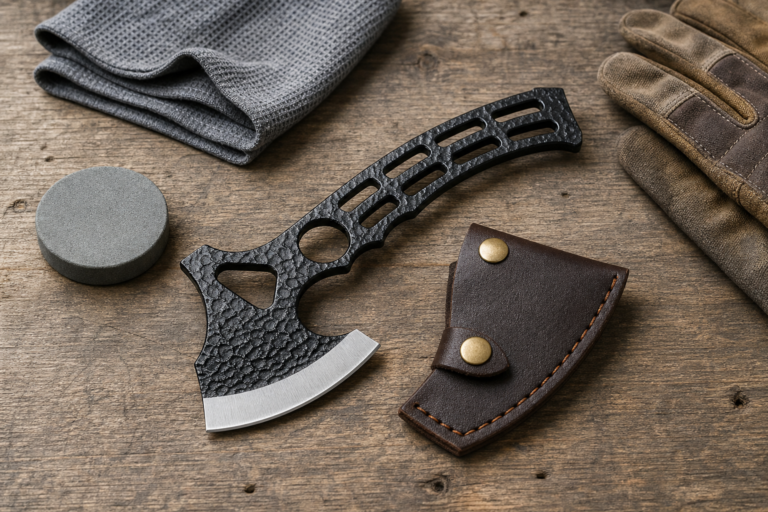
A practical EDC line may include pocket knives, folding knives, multi-tools, compact flashlights, keychain tools, small pry tools, sharpeners, and repair accessories, but each SKU should have a clear role.
I Give Every SKU a Reason to Exist
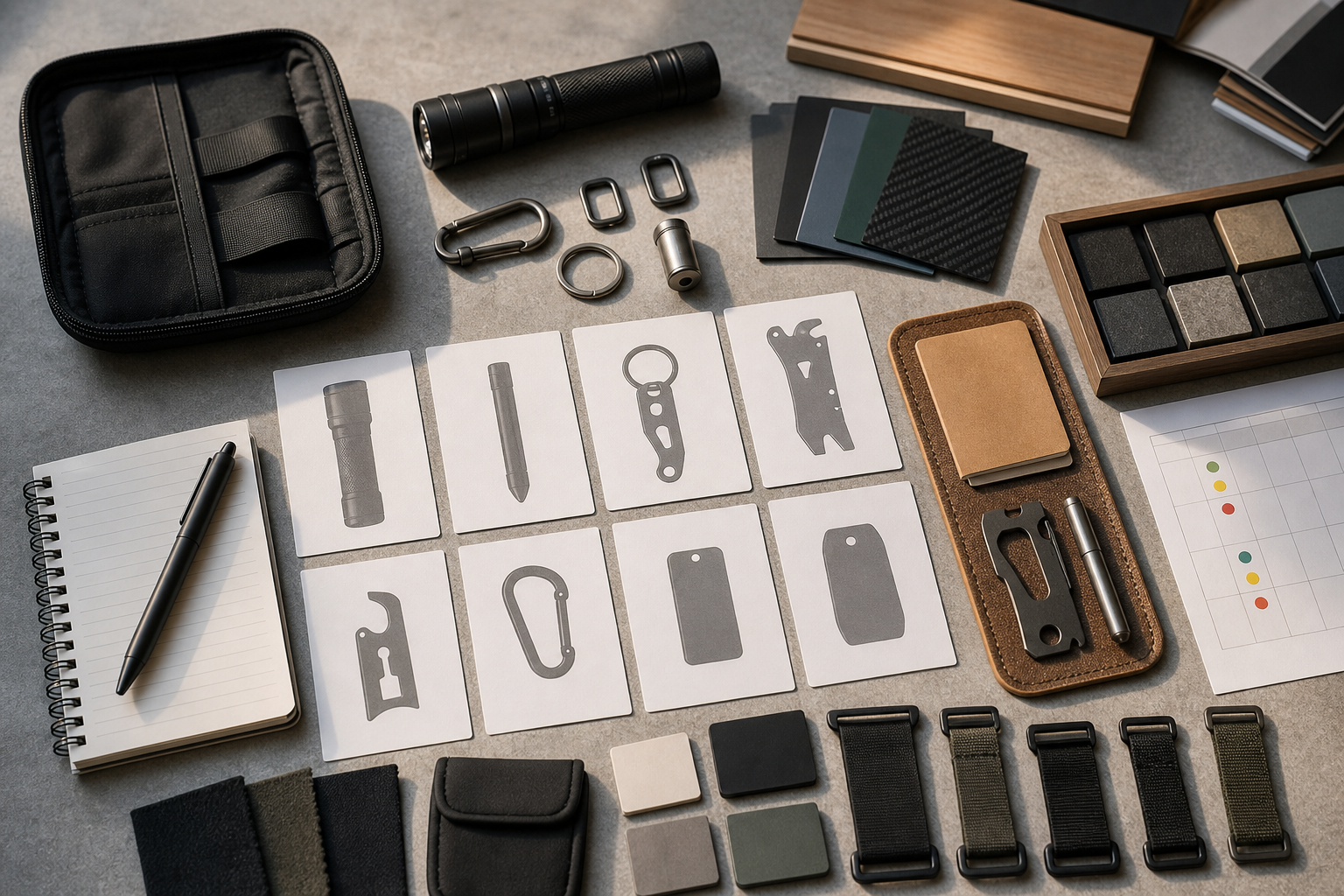
An EDC line should not be a random collection. Each product should have a role. A pocket knife may be the core item. A multi-tool may serve outdoor and repair customers. A small flashlight may support safety and utility bundles. A sharpener may support after-sale maintenance. A keychain tool may serve entry-level retail or promotional accounts. When the buyer sees the line this way, product planning becomes easier.
For OEM/ODM work, I often divide EDC tools into core, support, and bundle categories. Core SKUs carry the brand identity. Support SKUs add function and margin. Bundle SKUs help create sets for retail, online, or seasonal campaigns. This is important because each type has different production concerns. A knife needs blade steel, heat treatment, lock fitting, sharpening, and edge inspection. A flashlight needs electrical parts, battery planning, output claims, and packaging warnings. A multi-tool needs part alignment, rivet or screw control, finish consistency, and function testing. The line should be broad enough to support the channel, but focused enough to control quality.
| Tool type | Product role | Development focus |
|---|---|---|
| Pocket knife | Core daily utility SKU | Steel, lock, clip, size, finish |
| Multi-tool | Outdoor or repair SKU | Function mix, alignment, durability |
| Flashlight | Support or bundle SKU | Output claims, battery, water resistance |
| Sharpener | Maintenance add-on | Abrasive, instructions, packaging |
How Should Pocket Knives and Multi-Tools Be Separated?
Buyers often mix pocket knives and multi-tools in one brief. That can blur cost, structure, and user expectations.
Pocket knives should be separated from multi-tools by primary function, mechanism complexity, target price, inspection points, packaging story, and the buyer's channel strategy.
I Separate Single-Purpose Strength From Multi-Function Value
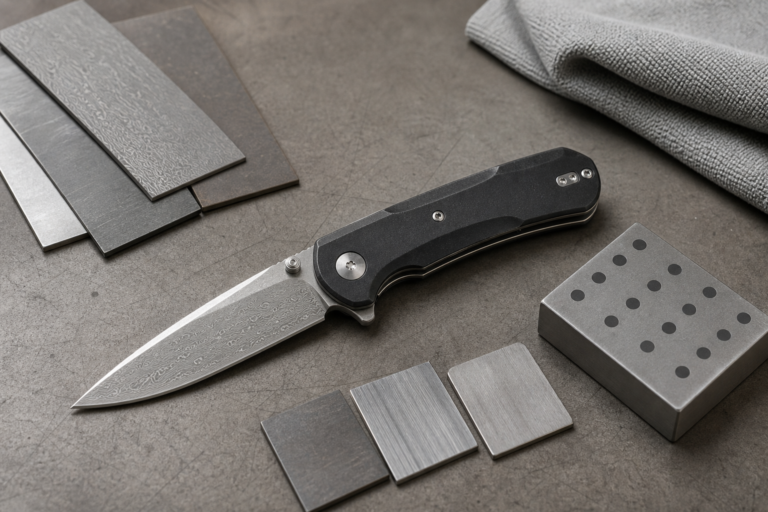
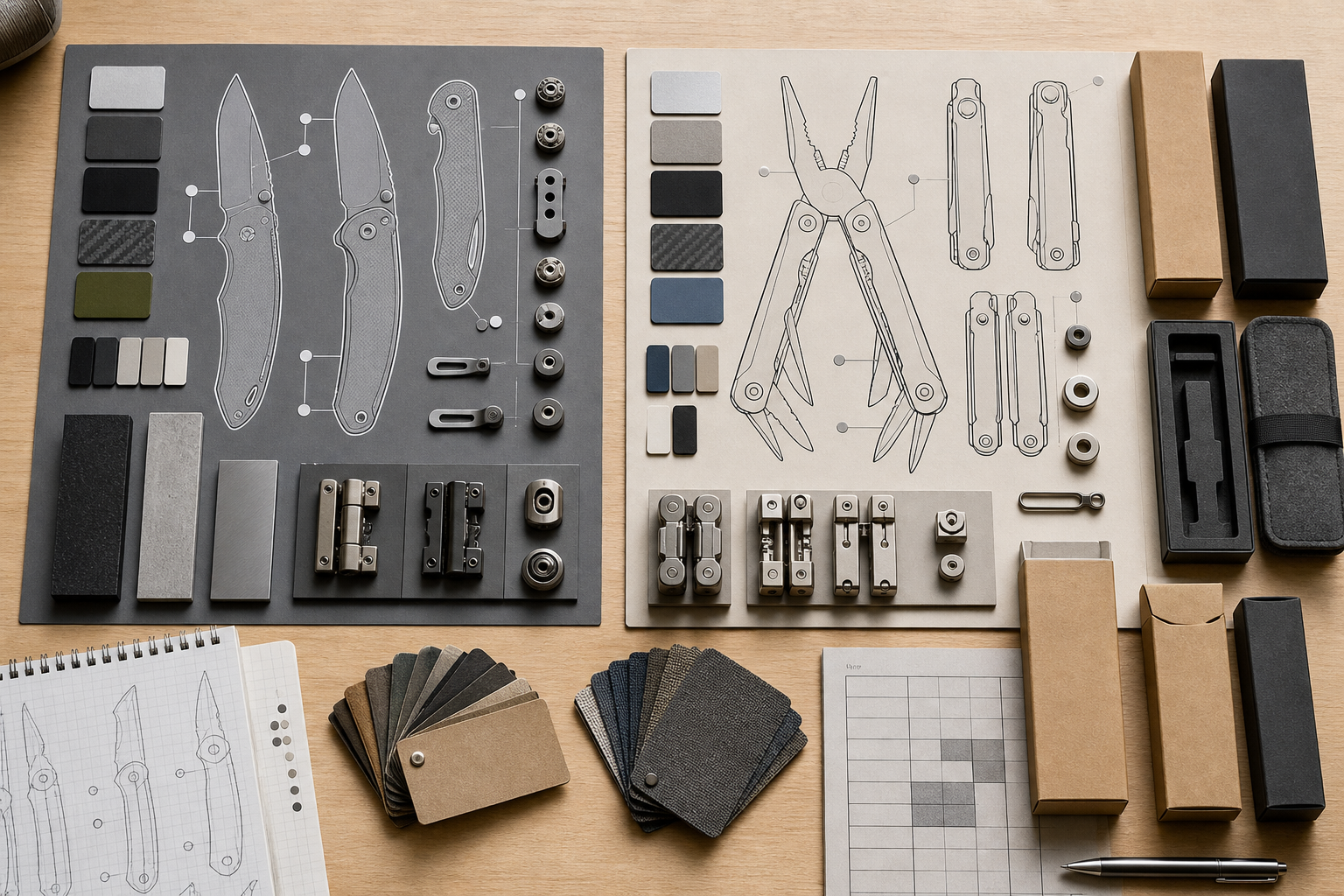
A pocket knife is usually judged by blade shape, edge quality, lock feel, handle comfort, pocket clip, and finish. A multi-tool is judged by its function mix, pliers alignment, tool access, joint tension, size, weight, and value perception. They may sit in the same EDC category, but they are different manufacturing projects. If a buyer asks for one quote that covers both without details, the result will be unclear.
I like to ask the buyer which product will be the hero SKU. If the brand is known for knives, the pocket knife may lead the line and the multi-tool may support it. If the brand sells camping kits, the multi-tool may be the stronger product and the knife may be one option in a set. This affects budget. A knife may justify better steel, G10, aluminum, or refined surface treatment. A multi-tool may need more budget for multiple parts, stronger assembly control, and more functional inspection. The buyer should not compare them only by unit price. The better question is which tool best supports the target user and channel.
| Product type | Main buyer expectation | QC priority |
|---|---|---|
| Pocket knife | Cutting performance and hand feel | Blade, lock, centering, edge |
| Multi-tool | Function density and value | Tool access, alignment, joint tension |
| Compact repair tool | Simple support function | Fit, finish, durability |
| Gift set | Perceived value | Packaging, consistency, presentation |
Why Do Materials and Functions Change the Price Tier?
A small material change can move an EDC tool into another price level. Buyers need to plan the tier early.
Materials and functions change the price tier because blade steel, handle material, tool count, machining, surface finish, packaging, and inspection time all affect cost and positioning.
I Match Materials to the Market, Not to My Personal Taste
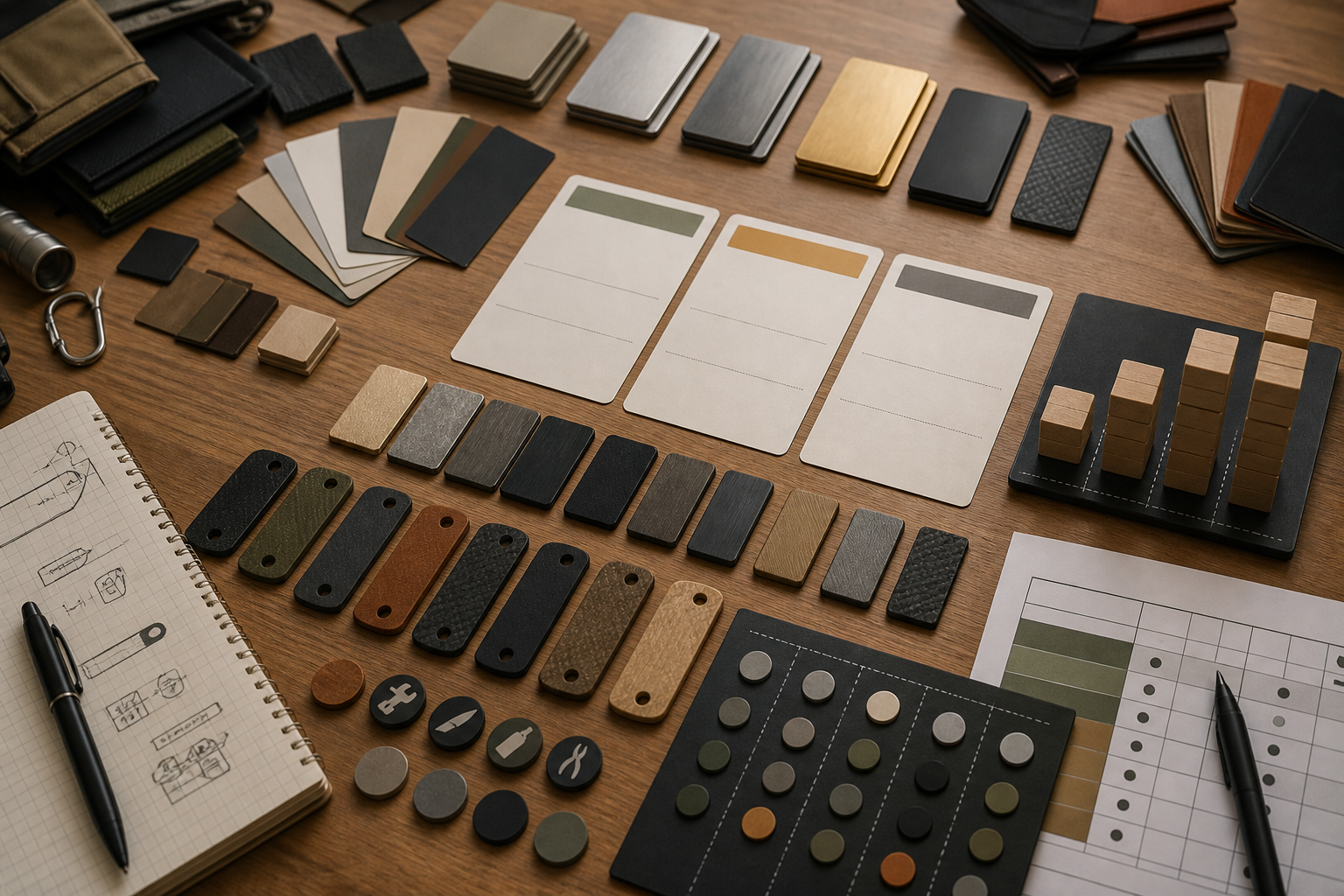
Materials are not only technical choices. They also shape price, brand feeling, and production risk. A value EDC knife may use a practical stainless steel, simple handle material, and standard packaging. A mid-range outdoor SKU may use better corrosion resistance, textured G10 or aluminum, stronger hardware, and a more developed package. A higher-value product may need tighter finishing, more refined action, better packaging, and stricter inspection.
Functions create the same issue. Every extra tool on a multi-tool adds parts, assembly steps, inspection time, and potential tolerance problems. A flashlight with strong performance claims needs tested output, run time, impact resistance, and water resistance. The ANSI/PLATO FL 1-2025 flashlight standard page is useful because it shows how performance claims can be tied to defined measurement methods. That thinking also applies to knives and tools. If a buyer wants to claim performance, the product should have a test method or at least a clear inspection plan. A good price tier is not the cheapest possible version. It is the version that fits the buyer's promise and margin.
| Price tier | Typical material choice | Product planning concern |
|---|---|---|
| Entry | Basic stainless steel, simple handle | Cost control and stable supply |
| Mid-range | Better steel, G10, aluminum, improved finish | Balance performance and margin |
| Higher-value | Tighter fit, refined finish, upgraded package | More inspection and sample control |
| Bundle tier | Mixed tool set and packaging | Keep value clear without overbuilding |
How Should Safety, Testing, and Compliance Shape EDC SKUs?
EDC tools are small, but they are still consumer products. A weak safety review can damage a whole product line.
Safety, testing, and compliance should shape EDC SKUs through product category review, age and market checks, battery rules, warnings, packaging, certification needs, and inspection records.
I Review the Product Category Before Packaging Is Printed
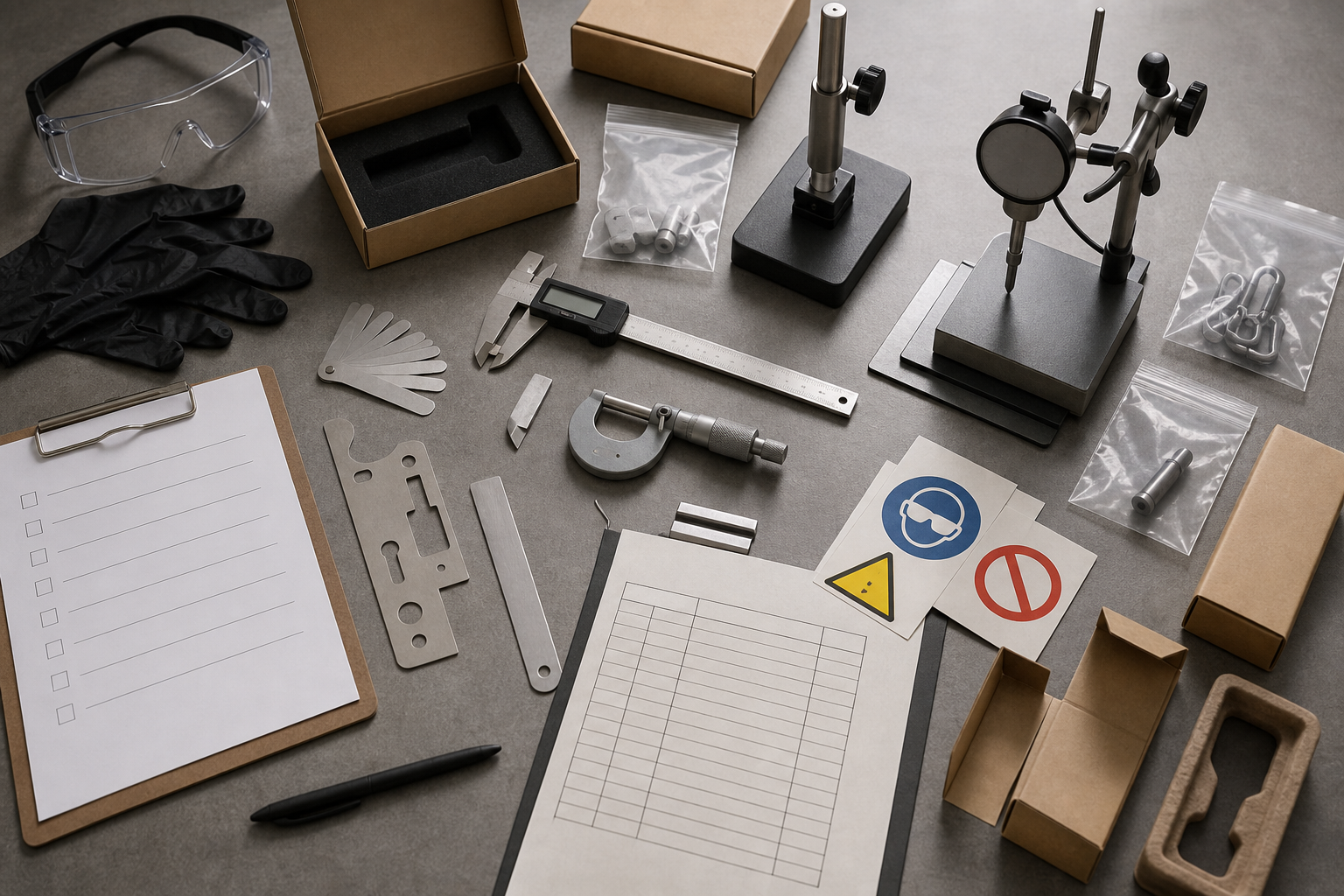
EDC products can touch several compliance areas. A knife needs market and channel review. A flashlight may need battery and electrical review. A children's product claim should be handled carefully because it can create stricter testing needs. The CPSC testing and certification page explains that manufacturers and importers may need to test and certify products that are covered by consumer product safety rules, and children's products have specific third-party testing requirements. For a B2B buyer, the lesson is clear: define the product category before printing packaging.
Battery-powered EDC tools also need logistics attention. The FAA page on airline passengers and batteries is passenger-focused, but it is still a useful reminder that lithium batteries, spare batteries, and powered devices have strict handling rules. In sourcing, I want to know whether a flashlight uses replaceable batteries, rechargeable lithium cells, built-in charging, or no battery included. That affects packaging, user instructions, shipping documents, and channel acceptance. Safety review is not a last step. It should shape the SKU from the start.
| Safety topic | What to check | Why it matters |
|---|---|---|
| Product category | Knife, tool, light, accessory, set | Determines review path |
| Battery type | Rechargeable, replaceable, included, excluded | Affects shipping and packaging |
| User group | Adult, general use, promotional, outdoor | Affects claims and warnings |
| Certification | Applicable rule or buyer requirement | Supports market entry |
How Do Packaging and Bundles Improve Market Segmentation?
Good tools can look weak in poor packaging. Good packaging can also create a clearer product tier.
Packaging and bundles improve segmentation by showing product role, target user, price tier, included tools, care information, and channel fit before the buyer opens the product.
I Use Packaging to Explain the Segment
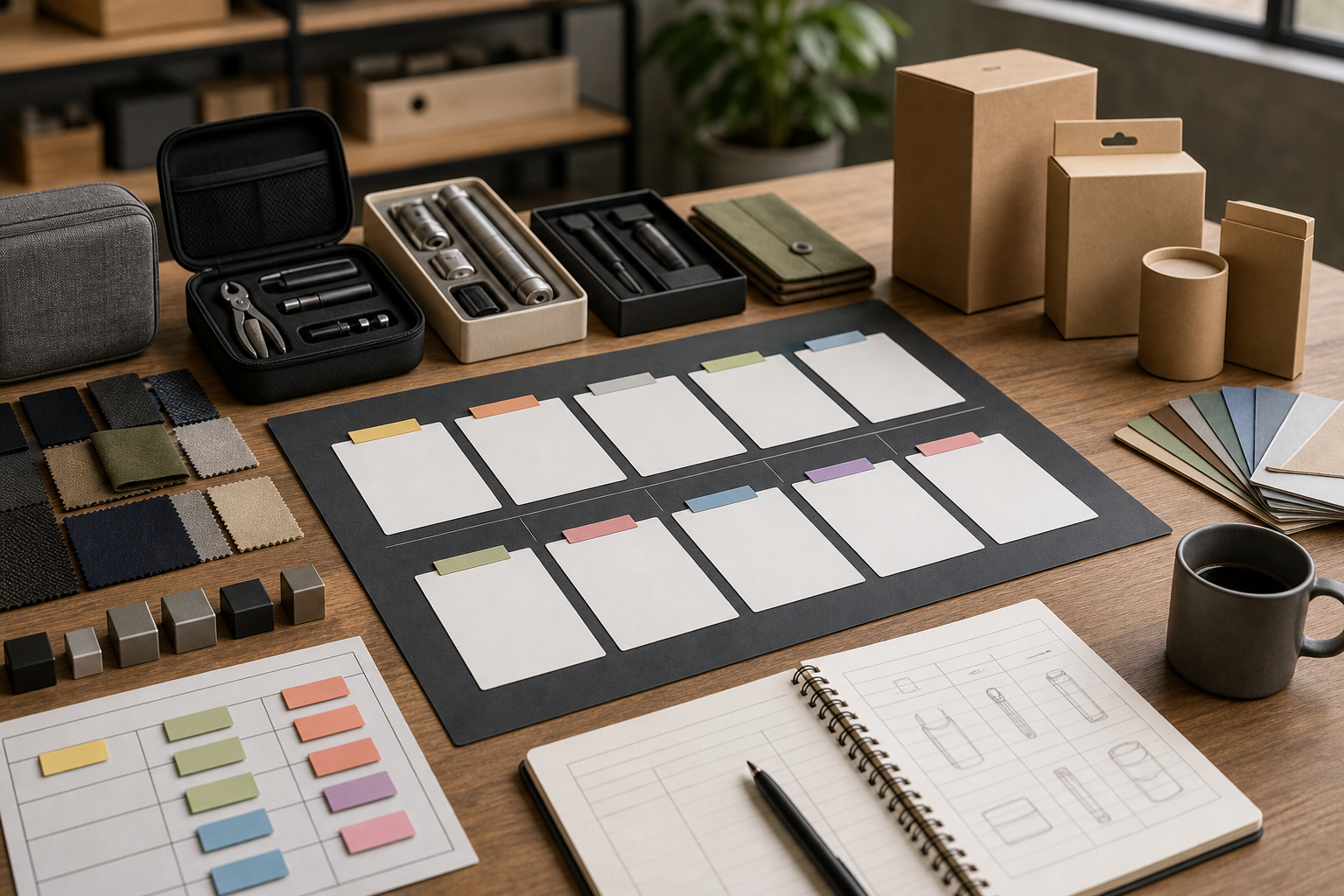
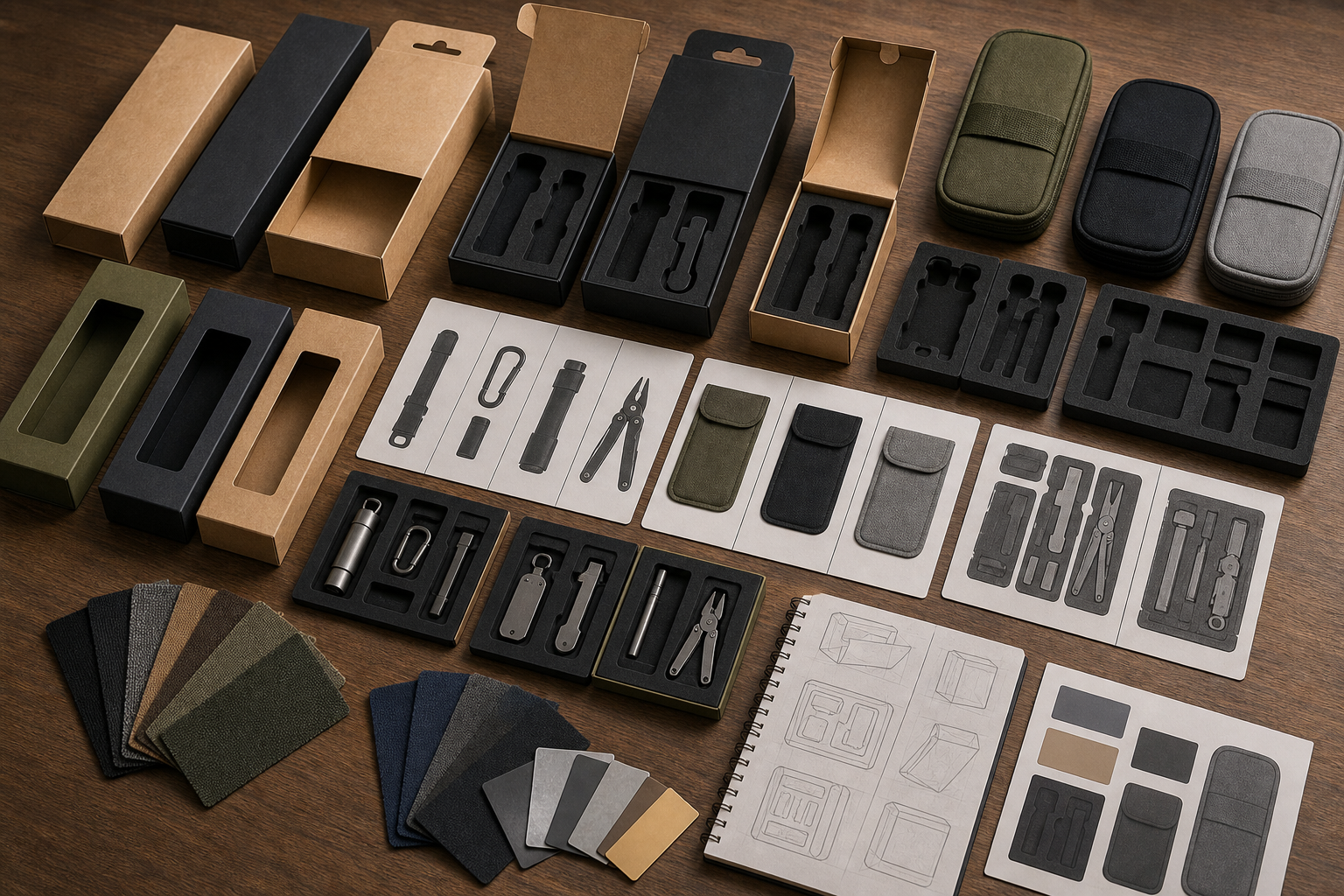
Packaging should not only protect the product. It should explain the segment. An entry-level EDC tool may need simple but clean packaging. A retail gift set may need a stronger box, insert, and visual organization. An outdoor repair bundle may need a compact kit layout. A private label brand may need custom color, logo, instruction sheet, barcode area, and carton control. The package tells the buyer what the product is and where it belongs.
Bundles are especially useful for EDC. A buyer can combine a pocket knife with a sharpener, a multi-tool with a pouch, or a flashlight with a battery plan and instruction sheet. But bundles also create complexity. Each added item changes cost, MOQ, inspection, weight, carton size, and lead time. I like to build bundles from clear roles: hero tool, support accessory, packaging value, and channel requirement. If the bundle does not improve the product story or margin, it may be better to keep the SKU simple. The goal is not to add more things. The goal is to make the range easier to buy, sell, and repeat.
| Bundle type | What it adds | Buyer caution |
|---|---|---|
| Knife plus sharpener | Maintenance value | Check abrasive quality and instructions |
| Multi-tool plus pouch | Outdoor or repair value | Check fit and stitching |
| Flashlight plus battery plan | Functional value | Check battery and shipping rules |
| Gift set | Retail presentation | Control packaging cost and MOQ |
What Quality Checks Matter Before Repeat Production?
An EDC sample can look good once. Repeat production needs stable checks across the whole batch.
Key EDC quality checks include blade length, edge condition, lock function, tool alignment, joint tension, flashlight output claims, packaging accuracy, carton labeling, and final inspection records.
I Turn Segmentation Into Inspection Points
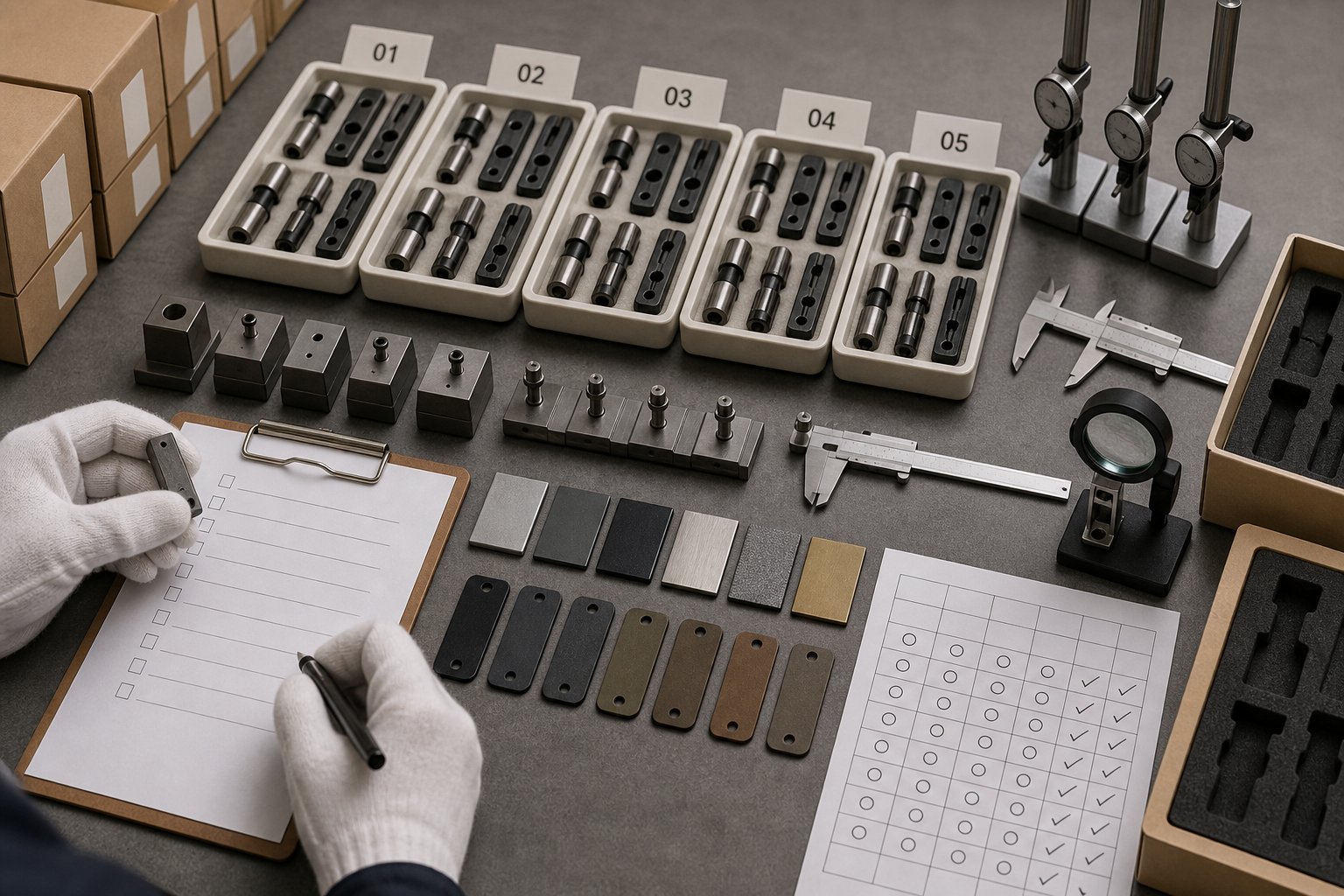
Segmentation is not only marketing. It also changes quality control. An entry-level SKU may focus on basic function, clean finish, safe packaging, and stable cost. A mid-range SKU may need tighter action, better surface treatment, more consistent sharpening, and better packaging. A flashlight SKU may need output, run time, water resistance, and battery checks if the buyer makes those claims. A multi-tool may need tool access, joint tension, pliers alignment, and finish consistency.
This is where ISO 9001 thinking helps. The ISO guide to ISO 9001 in the supply chain explains that buyers should make requirements clear and may define approvals, monitoring, or inspections. For EDC tools, that means the buyer should tell the supplier what matters for each segment. The supplier should then build inspection points around those needs. If the buyer wants a premium feel, we need action and finish standards. If the buyer wants value volume, we need stable assembly and packaging control. If the buyer wants outdoor positioning, we need corrosion, grip, and function checks that fit the product level.
| SKU segment | Main QC focus | Inspection example |
|---|---|---|
| Entry EDC | Basic function and packaging | Open/close, edge, screws, box check |
| Outdoor tool | Grip, corrosion, function mix | Handle texture, finish, tool access |
| Flashlight bundle | Performance and battery plan | Output claim, switch, charging, package |
| Gift set | Presentation consistency | Insert fit, logo, color, carton |
What Should an EDC Tool RFQ Include?
A vague RFQ creates vague samples. The supplier needs target user, channel, price, and function before quoting.
An EDC tool RFQ should include target user, scenario, tool type, blade steel, handle material, functions, size, finish, packaging, compliance needs, MOQ, target price, and inspection requirements.
I Need the Segment Before I Quote the Product
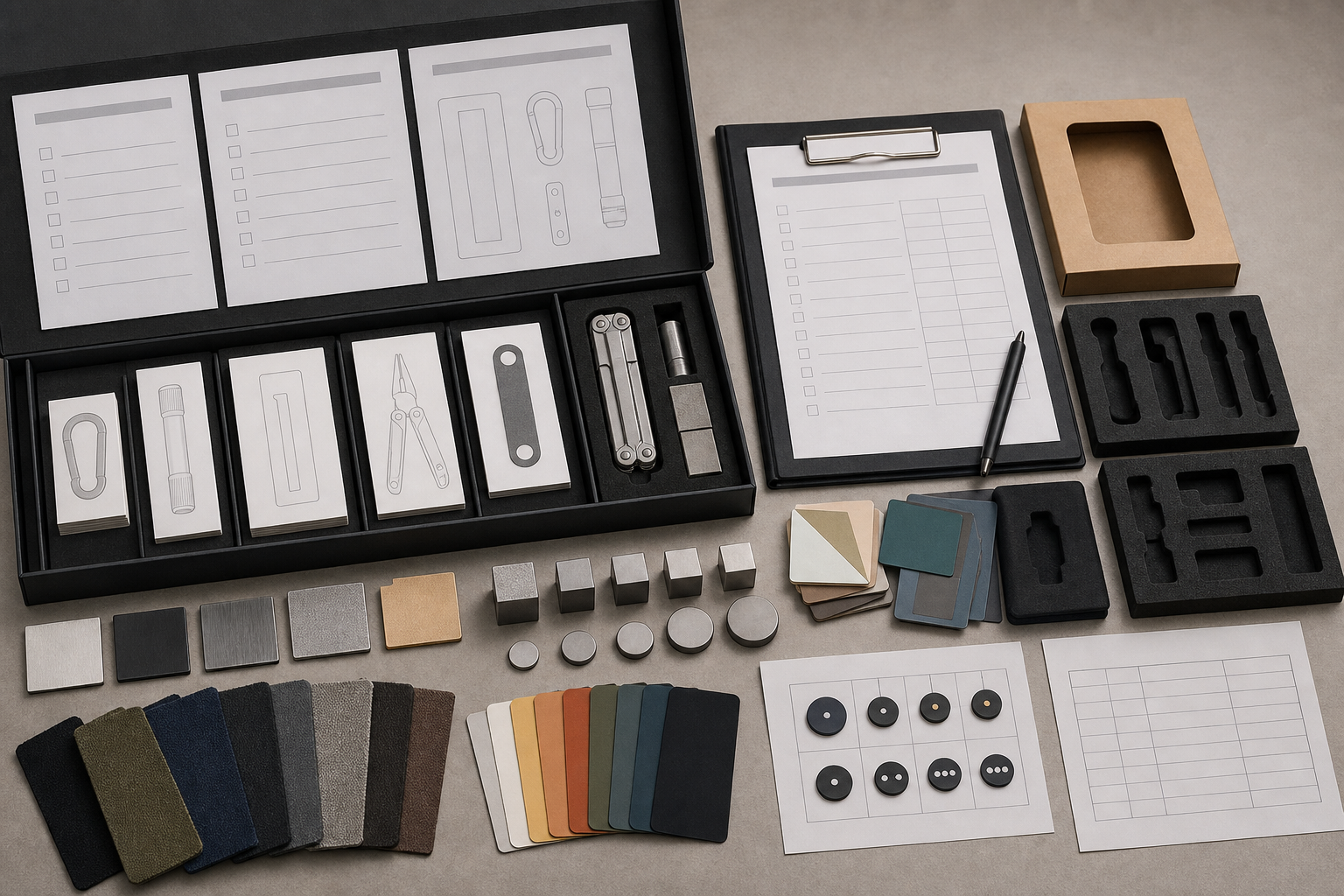
For Vast State, a useful RFQ should tell me where the EDC tool sits in the buyer's range. Is it an entry-level daily utility SKU, a mid-range outdoor tool, a retail gift set, or a private label bundle? The answer changes everything. It changes steel choice, handle material, lock structure, function mix, finish, packaging, MOQ, lead time, and inspection plan.
The buyer should provide target user, target channel, target price, expected MOQ, tool type, blade steel, handle material, lock type if a knife is included, function list if a multi-tool is included, flashlight performance targets if a light is included, packaging style, logo method, compliance notes, and inspection requirements. If the buyer does not know every answer, that is fine. We can create options. But the options should be tied to segments. Option A may be a simple value SKU. Option B may be a better outdoor SKU. Option C may be a bundle. This makes sampling faster, quoting clearer, and production easier to repeat.
| RFQ field | What to include | Why it helps |
|---|---|---|
| Segment | Daily, outdoor, work, gift, bundle | Guides product direction |
| Tool details | Knife, multi-tool, flashlight, accessory | Defines engineering work |
| Cost target | MOQ, price range, package level | Keeps project commercial |
| QC plan | Function, finish, packaging checks | Supports repeat production |
Ready to develop a custom multi-tool?
Send your function list, reference photo, target quantity, and budget range. Vast State can help turn it into a manufacturable OEM/ODM specification.
Conclusion
I segment EDC tools by scenario, function, price tier, safety needs, packaging, and QC so each SKU has a clear reason to exist.
Source Notes
- National Park Service Ten Essentials supports scenario-based thinking for outdoor illumination, repair tools, and emergency preparation categories.
- ANSI/PLATO FL 1-2025 supports using defined performance methods for flashlight claims.
- CPSC testing and certification supports reviewing product safety rules, certificates, and children's product testing requirements when applicable.
- FAA battery guidance provides context for lithium batteries and battery-powered devices in travel and logistics planning.
- ISO 9001 in the supply chain supports clear buyer requirements, approvals, monitoring, and inspection planning.