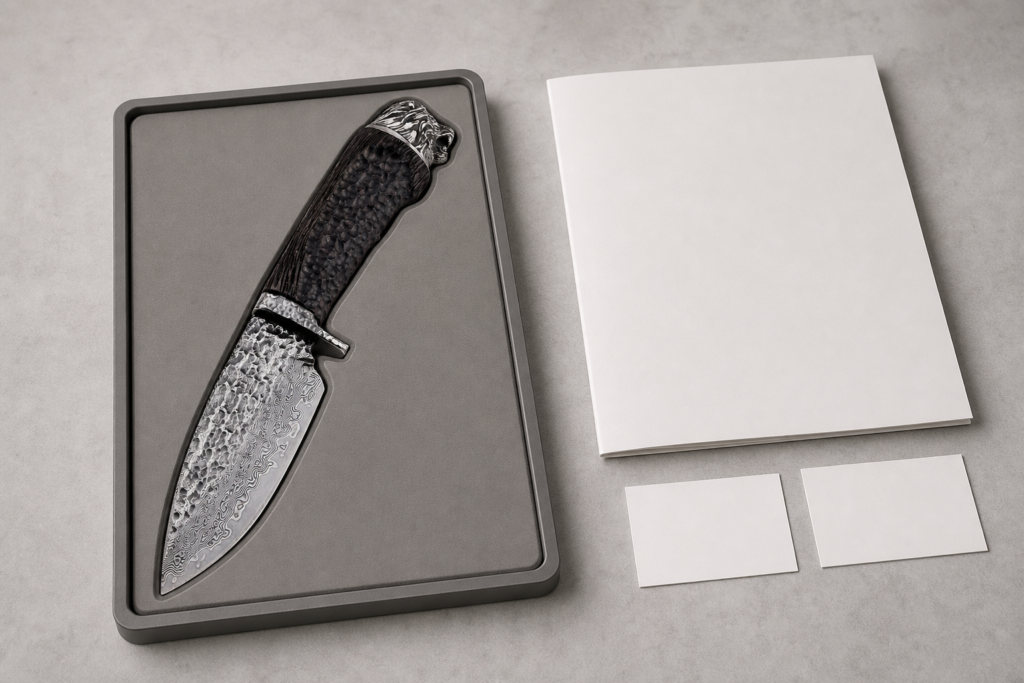
Sharpness sounds simple, but vague requests cause uneven edges, weak durability, and buyer complaints. A clear factory standard makes sharpness repeatable.
B2B buyers should define factory sharpness by setting the knife use, blade steel, heat treatment, edge angle, edge thickness, sharpening finish, sharpness test, edge retention expectation, packaging protection, and QC acceptance standard before OEM/ODM production starts.
Quick buyer brief:
- Answer: Treat sharpness as a measurable production specification, not as a marketing word.
- Buyer context: This helps knife brands, outdoor brands, importers, wholesalers, distributors, and private label buyers.
- Key checks: Steel, HRC, edge geometry, sharpening method, burr removal, sharpness test, edge retention, packaging, care notes, and inspection plan.
Have a knife or multi-tool project in mind?
Send your sketch, CAD file, sample photo, or product idea. Vast State can review manufacturability, suggest materials, estimate MOQ, and prepare a quote for your OEM/ODM project.
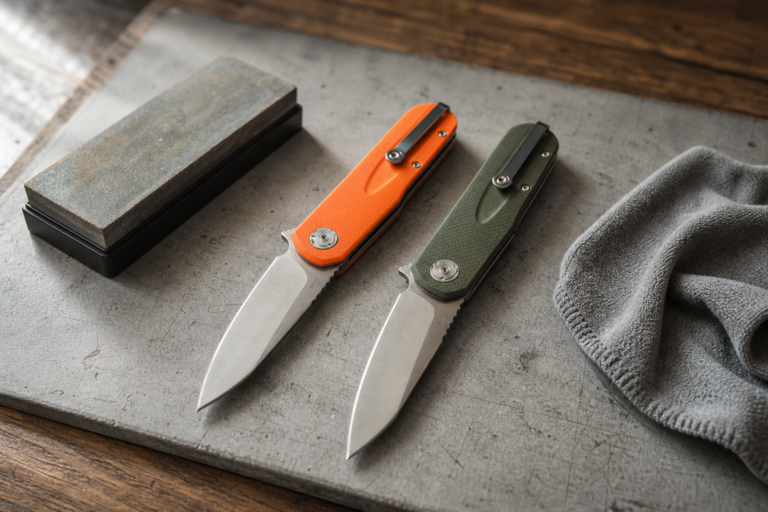
When a buyer asks me how to sharpen a knife, I answer from a factory point of view. The question is not only how to make one sample sharp. The real question is how to make many knives leave the factory with the right edge for the target user. A small EDC knife, a camping knife, a kitchen-style utility knife, and a rescue tool should not always use the same edge. For B2B buyers, sharpness must connect to steel, heat treatment, edge geometry, quality checks, packaging, and user expectations.
Why Should Factory Sharpness Be A Specification, Not A Slogan?
"Outstanding sharpness" sounds attractive, but it is not enough for production. Buyers need details that a factory can repeat.
Factory sharpness should be a specification because buyers must define use case, edge angle, edge thickness, steel, HRC range, sharpening finish, test method, and acceptance standard before mass production.
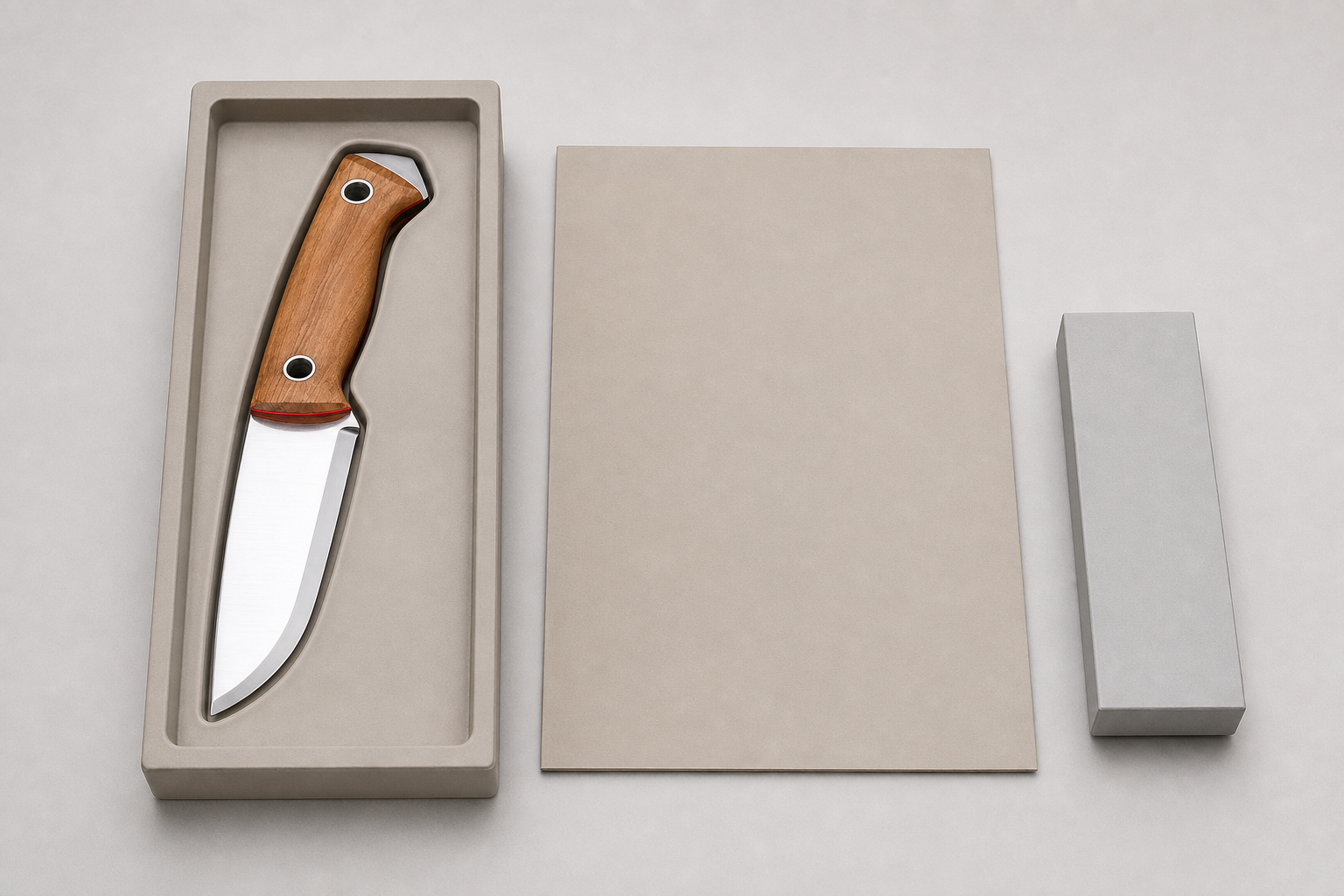
I Turn A Feeling Into A Standard
Sharpness is easy to feel but hard to manage without a standard. One person may call an edge sharp when it slices paper. Another person may expect it to cut rope cleanly. Another may care more about edge durability than first-cut sharpness. If the buyer only writes "very sharp" in an RFQ, the supplier must guess. That guess can create uneven samples and unstable production.
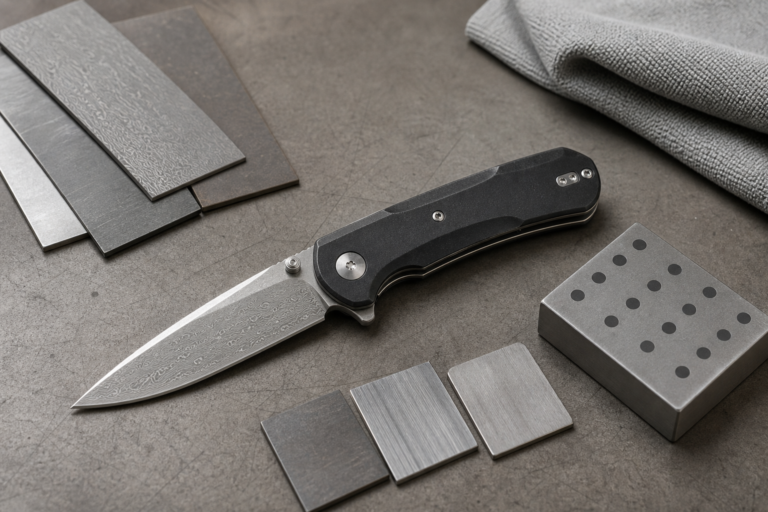
I prefer to define factory sharpness in three layers. The first layer is product use. Is the knife for EDC, camping, kitchen preparation, utility work, fishing, or a gift set? The second layer is edge design. What blade steel, HRC range, edge angle, edge thickness, and edge finish should the knife use? The third layer is testing. How will the buyer and supplier judge whether the edge is acceptable?
The ISO standard ISO 8442-5 is useful context because it specifies sharpness and edge retention testing for knives produced for professional and domestic food preparation. Not every folding knife project needs that exact test, but the idea matters: sharpness can be tested, not only described.
| Sharpness item | What to define | Why it matters |
|---|---|---|
| Product use | EDC, outdoor, kitchen, utility, gift | Guides edge geometry |
| Edge geometry | Angle, thickness, bevel consistency | Controls cutting feel |
| Edge finish | Coarse, fine, polished, or utility finish | Affects first-cut behavior |
| Test method | Internal check or third-party test | Makes acceptance clearer |
OEM/ODM RFQ Checklist
Prepare these details to help Vast State review your project and provide a more accurate quotation.
| RFQ Field | What to Prepare |
|---|---|
| Project type | OEM from drawing / ODM private label / wholesale catalog |
| Product category | Folding knife / fixed blade / multi-tool / outdoor tool |
| Design status | Idea / sketch / 2D drawing / 3D CAD / physical sample |
| Target price | Ex-factory target price or retail price range |
| MOQ expectation | 500 / 1,000 / 3,000 / 5,000+ pcs |
| Logo method | Laser engraving / etching / printing / molded logo |
| Packaging | Standard packaging / custom retail box / Amazon-ready |
| Market | USA / EU / Japan / Korea / Middle East / other |
| Compliance needs | Buyer-specified testing / documentation / labeling |
| Timeline | Sample deadline / mass production deadline |
What Edge Geometry Details Should Buyers Discuss Before Sharpening?
A sharp-looking edge can still cut poorly. Geometry decides how the edge enters material and how long it stays useful.
Buyers should discuss edge angle, edge thickness behind the edge, bevel height, grind symmetry, tip geometry, burr removal, and the cutting material before approving a sharpening standard.
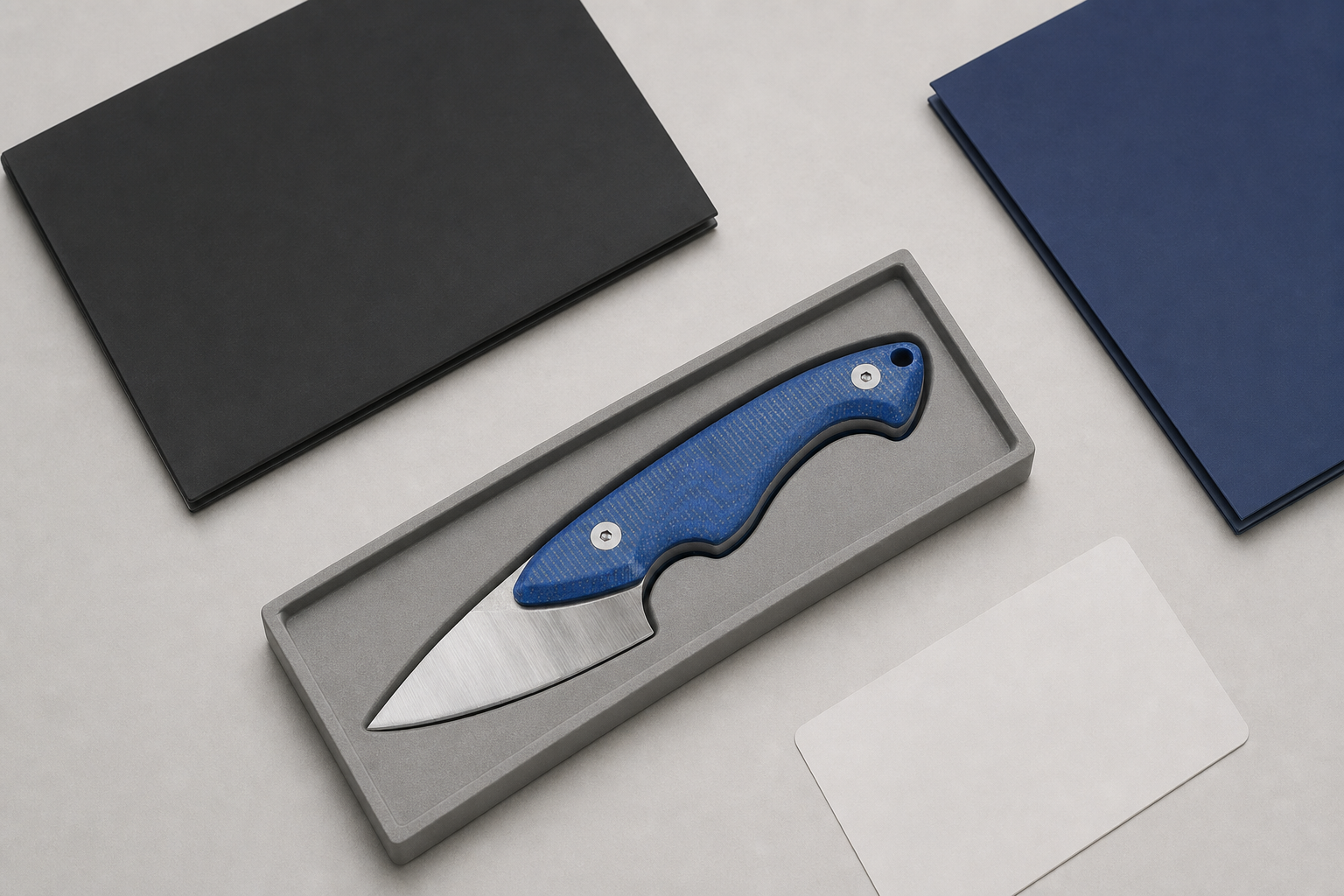
I Check Geometry Before I Talk About Sharpness
Sharpness is not only the final pass on a belt or stone. It starts with blade geometry. A thin edge can cut easily, but it may be less tolerant of rough use. A thicker edge can feel stronger, but it may not cut as cleanly. A low angle can improve initial cutting feel, but the steel and heat treatment must support it. A higher angle can improve edge stability, but it can feel less sharp to the user.
This is why I ask buyers about the target material. Will the knife cut packaging, rope, food, wood, fishing line, or general daily materials? The answer changes the edge. A camping tool may need more edge stability. A kitchen-style product may need cleaner slicing. A value EDC knife may need a practical balance that can be sharpened consistently in mass production.
I also check bevel symmetry. If left and right bevels are uneven, the knife may look cheap and cut less predictably. Burr removal matters too. A burr can make a sample feel sharp for a moment, but it can fold away quickly. For repeat production, I want an edge that is sharp because the geometry is controlled, not because a burr hides the problem.
| Geometry point | What I check | Buyer result |
|---|---|---|
| Edge angle | Target angle range | Controls cutting and durability |
| Edge thickness | Thickness behind the edge | Controls bite and strength |
| Bevel symmetry | Left and right consistency | Protects appearance and cut feel |
| Burr removal | Clean final edge | Reduces false sharpness |
How Do Steel And Heat Treatment Affect Sharpening Results?
Sharpening cannot fix poor heat treatment. If steel and hardness are wrong, the edge may roll, chip, or dull too fast.
Steel and heat treatment affect sharpening by controlling hardness, toughness, corrosion resistance, edge stability, burr behavior, and edge retention. Buyers should confirm material records and HRC targets.
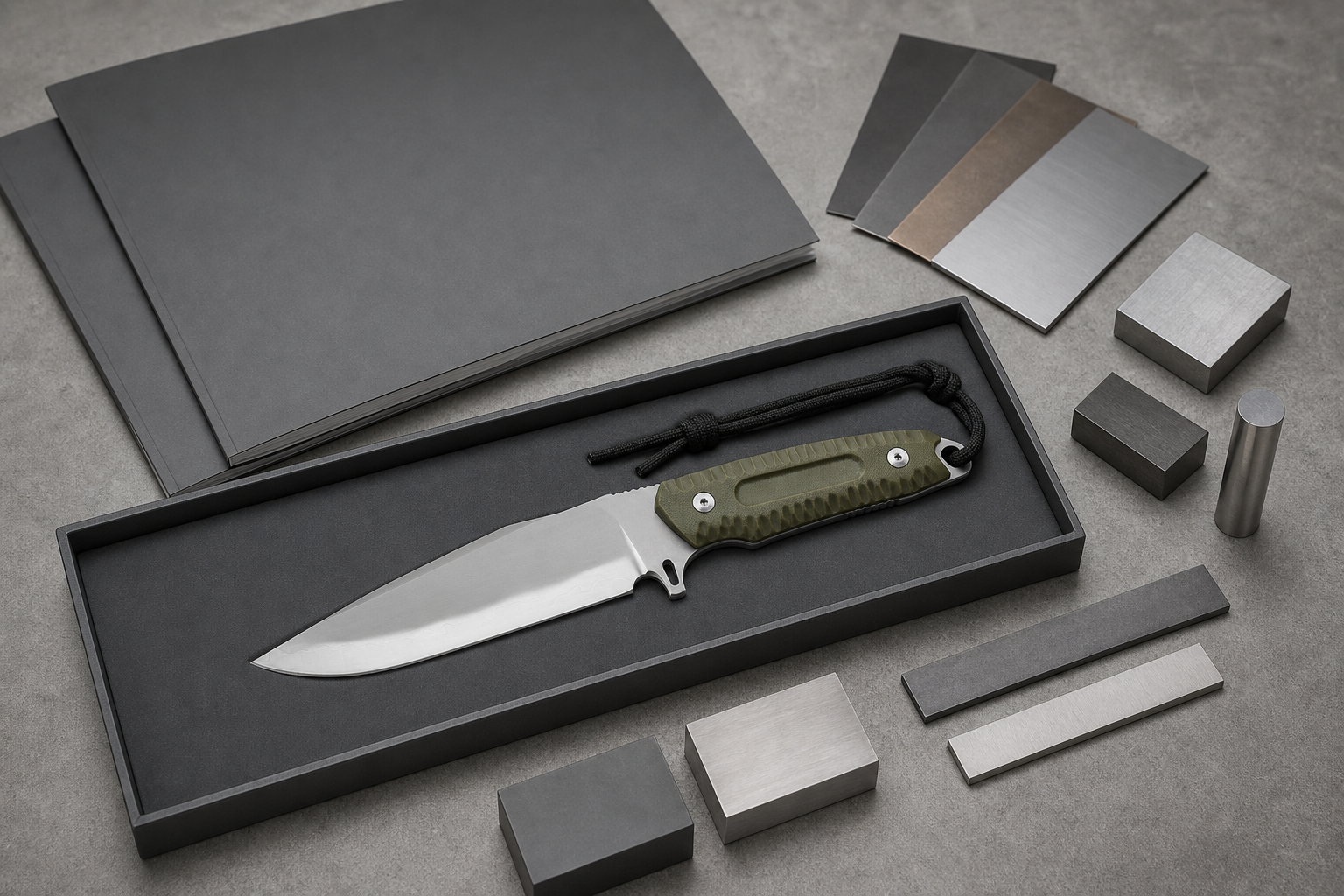
I Connect The Edge To The Steel
Every steel behaves differently during sharpening and use. Some steels sharpen easily and fit value products. Some offer better corrosion resistance. Some hold an edge longer but may need tighter heat treatment and grinding control. The buyer should not choose steel only by name. The steel must fit target use, price range, sharpening process, and production stability.
Official material data helps the discussion. For example, Alleima 14C28N is described by its manufacturer as a martensitic stainless chromium steel optimized for knife applications. This kind of source helps buyers compare steel direction more responsibly. It does not mean one steel is always best.
Heat treatment is just as important. If a blade is too soft for the edge geometry, the edge may roll. If it is too hard for the intended use, it may chip. The NIST Rockwell hardness measurement guide gives useful background on Rockwell hardness measurement practice. In factory work, I treat HRC as one part of the edge plan. It must match steel, geometry, and use case.
| Steel factor | What to verify | Why it affects sharpness |
|---|---|---|
| Steel grade | Material record or supplier confirmation | Prevents wrong steel |
| HRC range | Target and test method | Checks heat treatment |
| Toughness need | Intended cutting work | Reduces chipping risk |
| Corrosion need | Environment and user care | Guides steel and finish |
Which Factory Sharpening Controls Matter In Production?
A sample can be sharpened by hand until it feels good. Mass production needs controls that operators can repeat.
Factory sharpening controls include belt grit, wheel condition, cooling, pressure, angle guides, burr removal, operator training, sample reference, inspection frequency, and edge protection after sharpening.
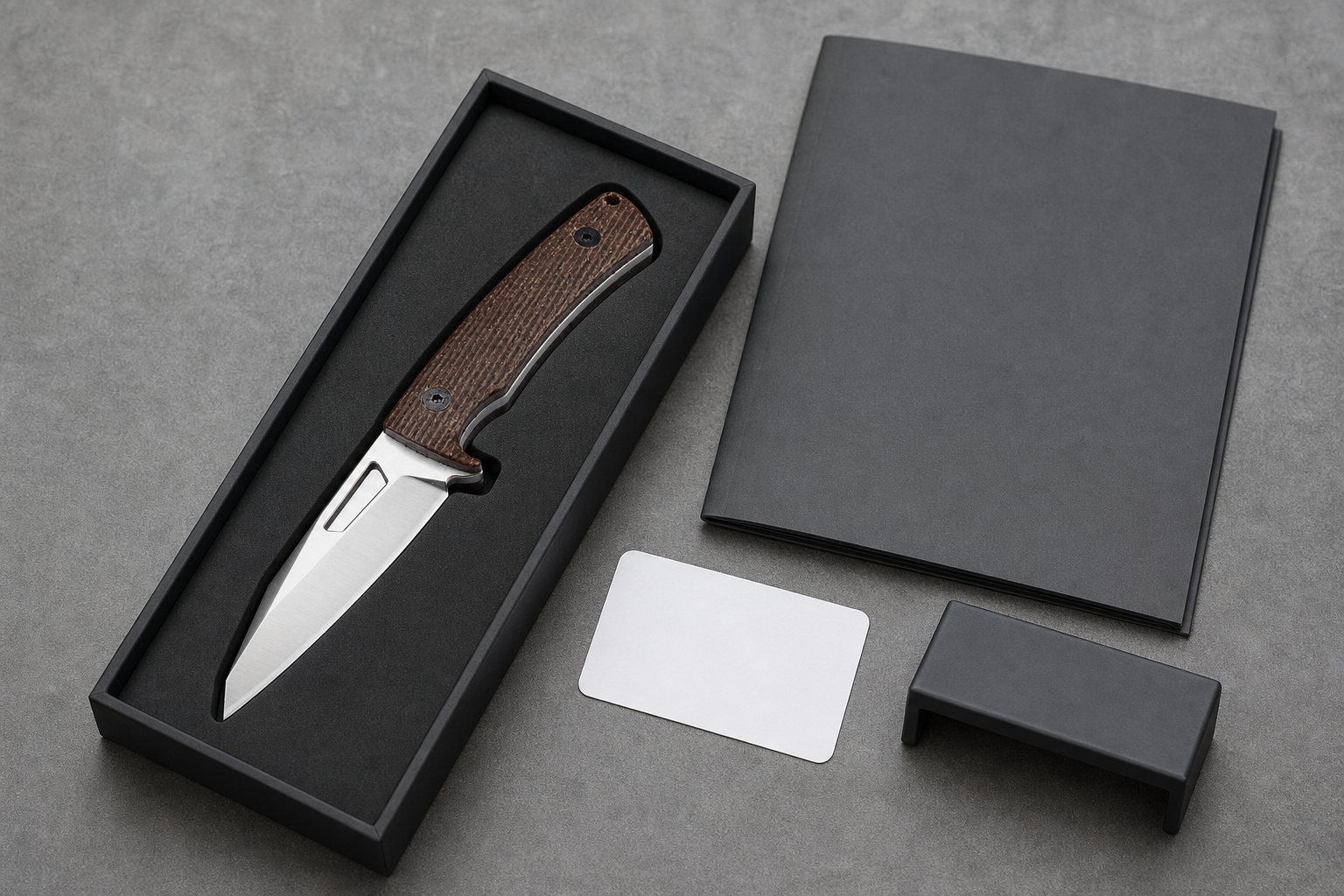
I Look For Repeatable Operator Conditions
Factory sharpening is a process. The operator, belt, angle, pressure, cooling, and inspection all matter. If the belt is too worn, the edge may heat too much or become inconsistent. If the pressure is too high, the edge can overheat or lose symmetry. If the angle changes between operators, the batch will feel uneven. If burr removal is rushed, the first sample may pass a quick check but fail after short use.
I like to freeze a golden sample or approved edge sample. The operator needs something to match. The QC team also needs a reference. For larger orders, I also want inspection frequency. A buyer does not need to inspect every edge with a lab machine, but the supplier should have a clear way to check the edge during production and before packing.
Cooling is another practical point. Grinding and sharpening generate heat. Too much heat near the edge can damage performance, especially after heat treatment. The process must control heat through method, pressure, belt condition, and cooling practice. This is not glamorous, but it affects the final product more than many buyers realize.
| Process control | What I check | Production risk reduced |
|---|---|---|
| Belt and grit | Correct grit and belt condition | Uneven edge finish |
| Angle control | Guide, fixture, or trained operator | Inconsistent cutting feel |
| Heat control | Pressure, cooling, pass speed | Edge damage |
| Burr removal | Final pass and inspection | False sharpness |
How Should Sharpness And Edge Retention Be Tested?
Feeling an edge by hand is not a production standard. Buyers need a test method that fits product level and order risk.
Sharpness and edge retention can be tested through controlled cutting checks, internal QC samples, third-party lab tests, or equipment-based methods such as CATRA-style testing when the product and budget justify it.
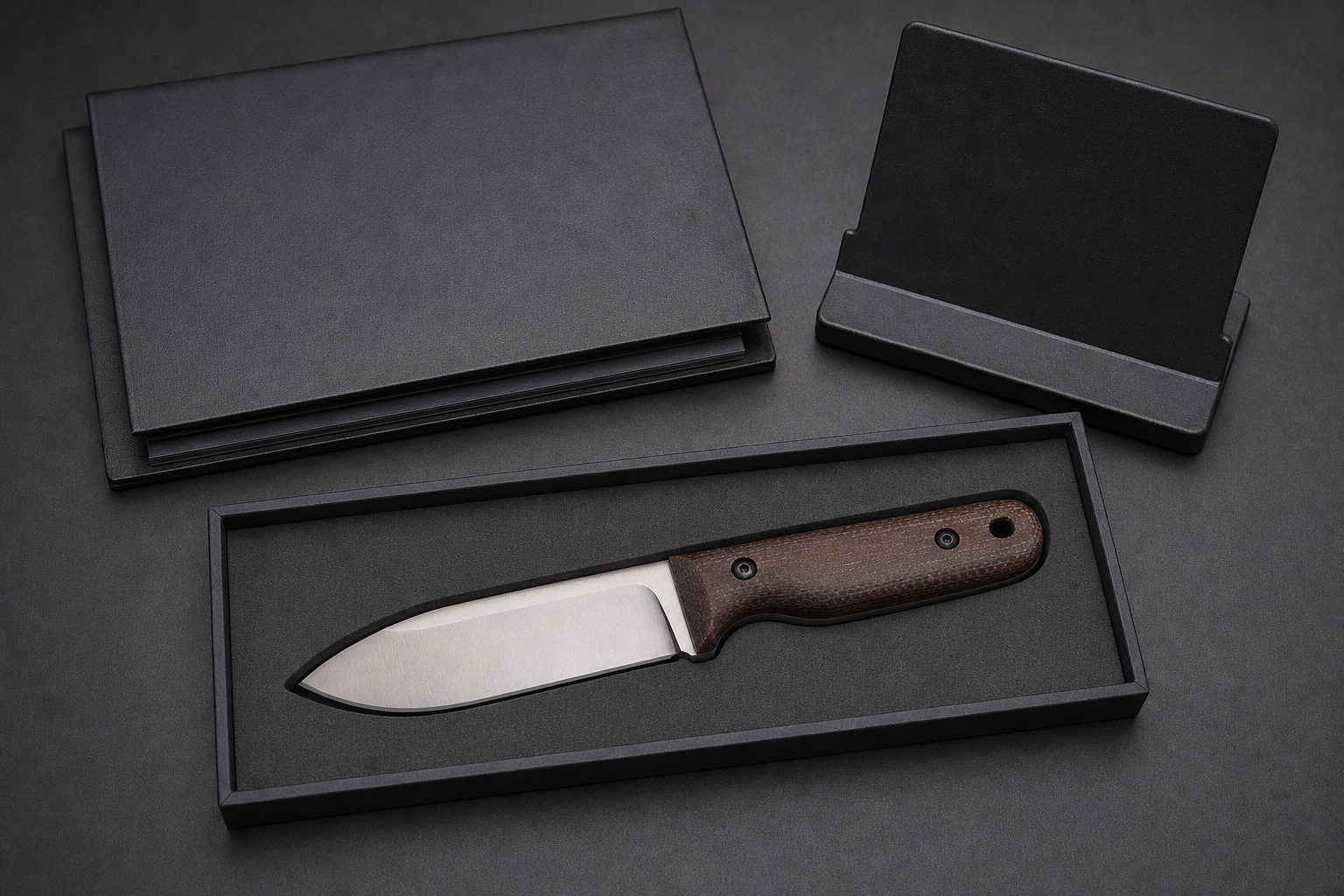
I Match The Test To The Product Level
Not every knife needs the same test. A value EDC knife may need a simple factory cutting check and visual edge inspection. A kitchen or food-preparation knife may need a more formal sharpness and edge retention method. A higher-risk order may need third-party testing. The key is to choose a method before production, not after a complaint.
CATRA's Automatic Edge Tester is one industry reference because CATRA states that it measures edge sharpness and durability for quality control, research and development, and product evaluation, and that it conforms to BS EN ISO 8442-5:2004. This does not mean every OEM/ODM project needs CATRA testing. It means that measurable edge testing exists, and buyers can decide when it is worth using.
I also remind buyers that sharpness and edge retention are different. Initial sharpness is how the knife cuts at the start. Edge retention is how cutting performance holds after use. A very thin, polished edge can feel impressive at first but may not fit all uses. A more stable utility edge may feel less dramatic but serve the buyer's market better. Testing should reflect the product role.
| Test option | When it fits | What it helps prove |
|---|---|---|
| Factory cut check | Value or routine orders | Basic edge acceptance |
| Visual edge inspection | All production levels | Bevel and burr control |
| Sample retention test | Higher-risk development | Edge durability direction |
| CATRA-style test | Formal comparison or claims | Sharpness and durability data |
What Packaging And Care Details Should Support A Sharp Edge?
A good edge can be damaged after sharpening. Poor sleeves, loose packing, and weak care notes can ruin the first impression.
Packaging and care details should protect the edge with sleeves, inserts, oil or corrosion protection when needed, carton control, warning space, care instructions, and claim language that matches the real product.
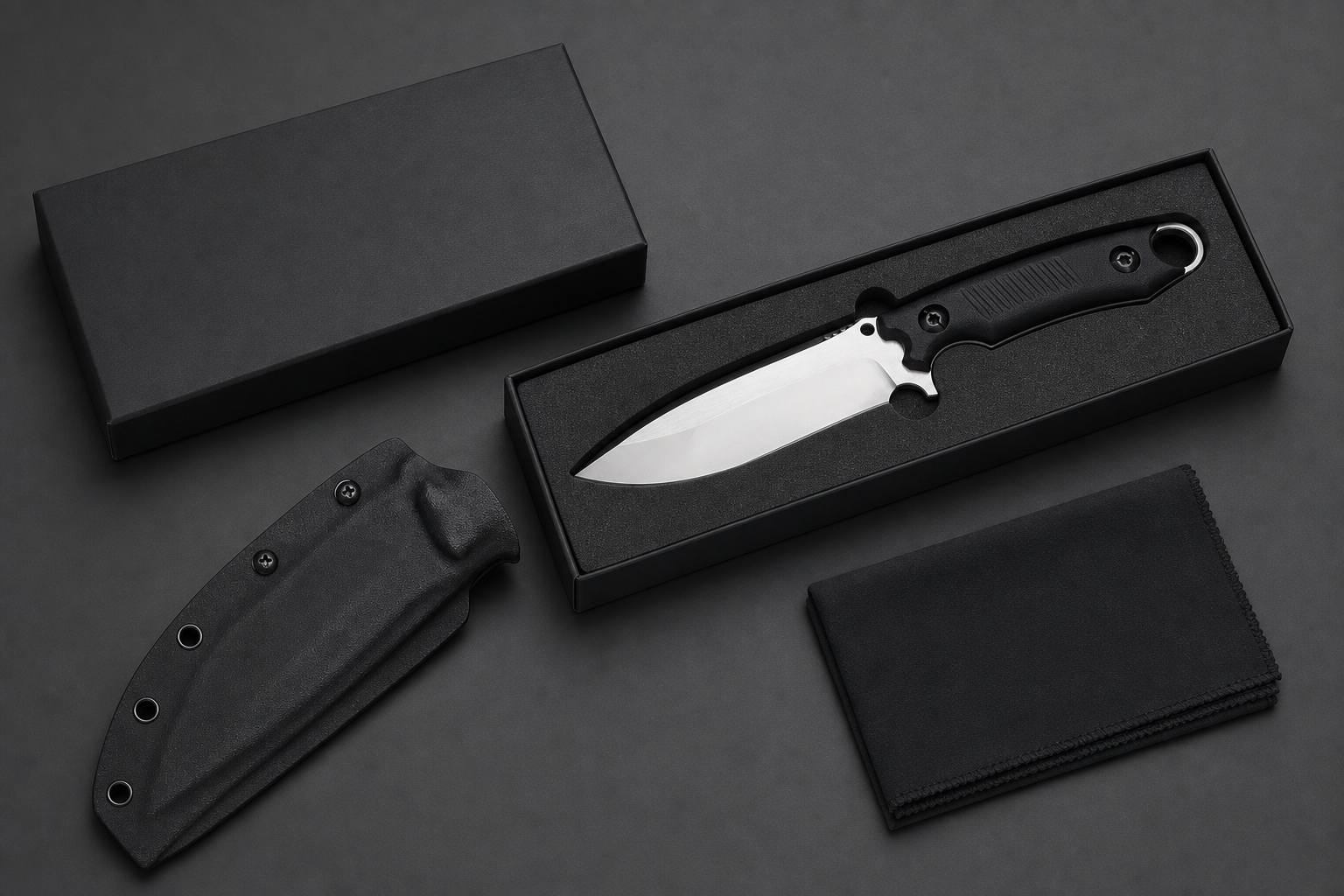
I Protect The Edge After QC
Sharpening is not the last step if the edge is not protected. After sharpening and inspection, the knife still moves through cleaning, assembly, packing, carton handling, storage, and shipping. A loose knife in the box can rub against inserts or accessories. A poorly protected edge can nick the packaging or arrive with small damage. A high-carbon or bead-blasted blade may need more care against corrosion.
I treat packaging as part of edge quality. For folding knives, I check whether the blade closes safely and whether the edge is protected inside the handle. For fixed blade products, I check sheath fit and edge clearance. For boxed products, I check inserts, sleeves, and movement inside the box. For retail products, I check whether care instructions match the steel and finish.
Buyers should also avoid overclaiming. If the packaging says "long-lasting sharpness," the product should have testing or a clear basis. If the packaging says a steel grade or hardness range, the buyer should have records. A sharp edge creates customer expectations. The packaging and care message should support those expectations honestly.
| Packaging detail | What to check | Why it matters |
|---|---|---|
| Edge protection | Sleeve, insert, sheath, closed safety | Prevents shipping damage |
| Care note | Cleaning, drying, sharpening guidance | Reduces misuse complaints |
| Claim language | Steel, hardness, edge retention | Needs evidence |
| Carton control | Movement and pressure in transit | Protects batch consistency |
How Can Buyers Balance Sharpness, Durability, Cost, And Repeat Orders?
The sharpest sample is not always the best product. Buyers need a balance that fits users, price, and repeat production.
Buyers balance sharpness, durability, cost, and repeat orders by choosing an edge geometry and steel level that fit the market, then locking the standard through samples, QC checks, and change control.
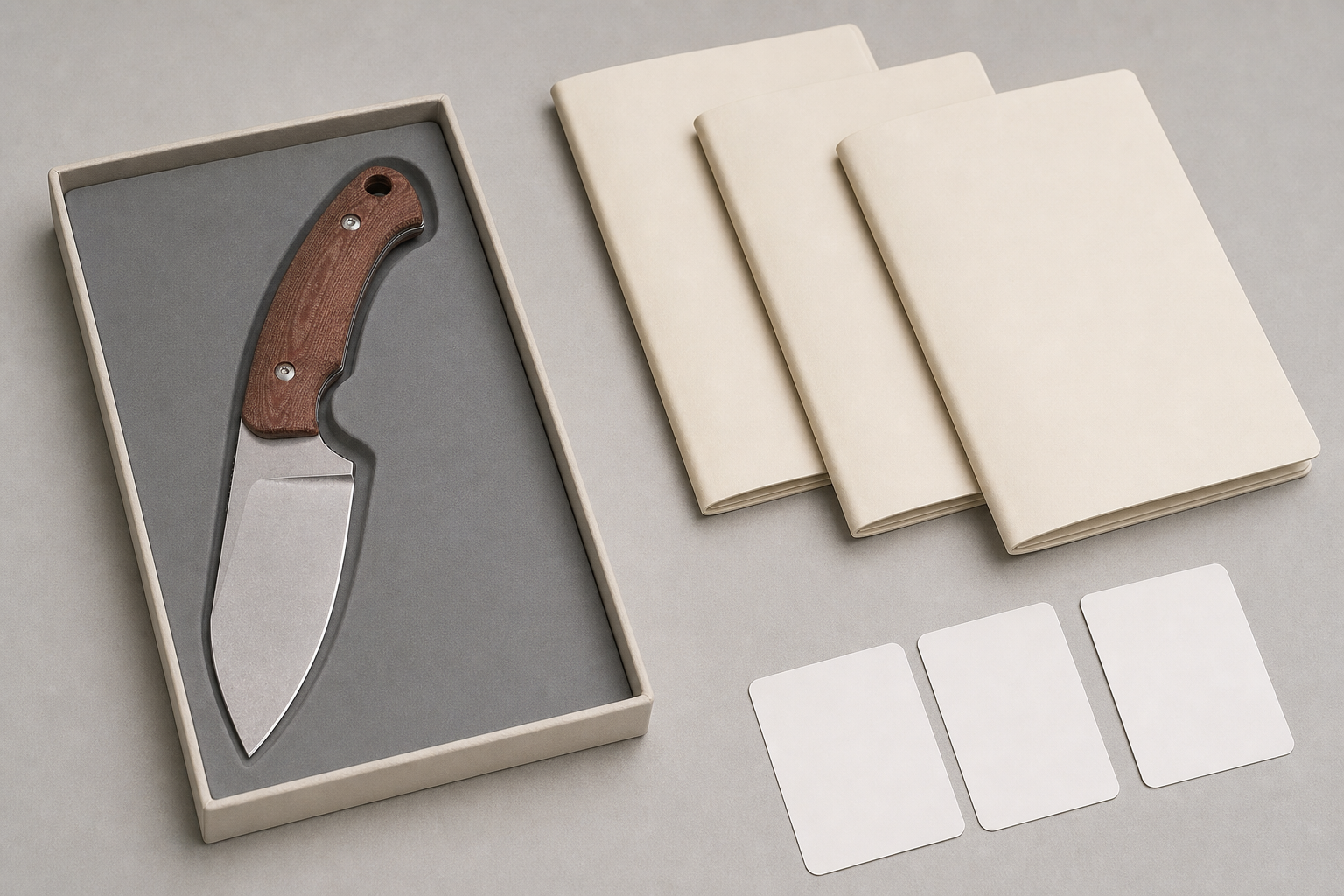
I Choose The Edge That Fits The Market
For OEM/ODM buyers, the goal is not to win a sharpening contest. The goal is to deliver a product that fits the buyer's market and can repeat in production. A camping knife may need a stronger working edge. A kitchen utility product may need a cleaner slicing edge. A low-cost EDC model may need an edge that is easy to produce consistently. An upgraded model may justify more careful edge finishing and testing.
Cost also matters. A more complex sharpening process can add labor time. A tighter edge standard can slow inspection. A harder steel can increase grinding difficulty. A better package can protect the edge but add cost. These tradeoffs are not bad. They just need to be visible before quotation.
This is where change control helps. If the buyer approves a sample with one edge angle, then later changes steel, blade thickness, or target use, the edge standard may need to change too. ISO 10007 supports configuration management thinking for product versions and changes. I apply that idea by recording the approved edge, material, drawing, finish, and packaging standard for repeat orders.
| Business factor | Sharpness decision | Repeat-order effect |
|---|---|---|
| Target user | Cutting feel and edge strength | Fewer wrong-fit complaints |
| Target price | Process time and inspection depth | More realistic quotation |
| Order size | QC sampling plan | Better batch consistency |
| Product version | Record edge and material standard | Easier repeat production |
What RFQ Details Help Suppliers Quote Factory Sharpening Correctly?
An RFQ that only says "make it sharp" creates guesswork. A better RFQ turns sharpness into a buildable production plan.
An RFQ should include knife type, target use, steel, HRC range, blade thickness, edge angle target, edge finish, sharpness test, edge retention expectation, packaging protection, quantity, target price, timeline, and QC needs.
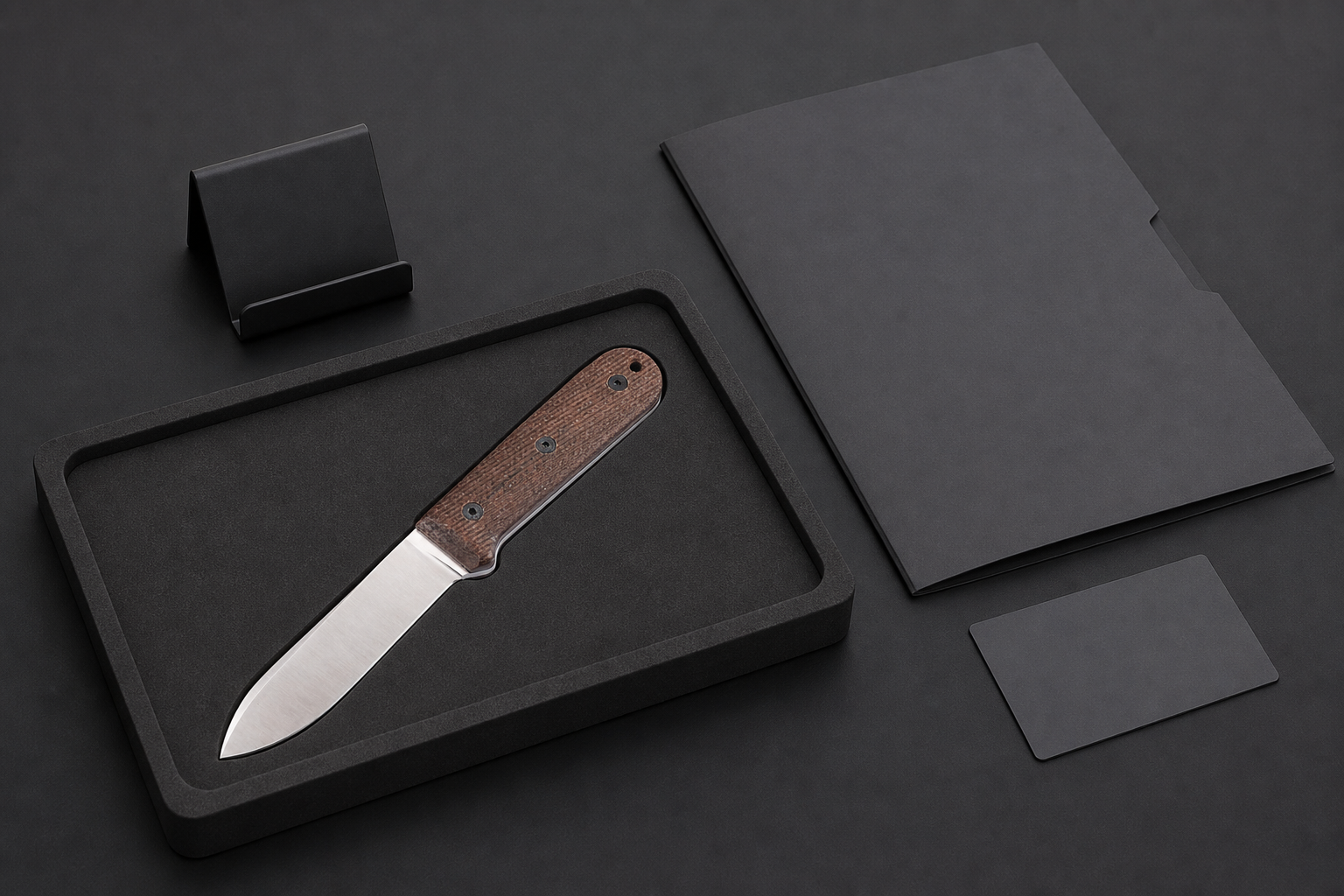
I Ask Buyers To Quote The Edge, Not Just The Knife
The RFQ should make sharpness visible. I ask buyers to tell me the knife type, user, material preference, blade thickness, target HRC, expected cutting work, edge feel, and packaging style. If the buyer has a test requirement, they should mention it early. If the buyer wants a claim such as long edge retention, they should ask what evidence can support that claim.
I also ask for commercial details. Quantity, target price, MOQ, sample deadline, production timeline, and trade term affect the quotation. A sharpening standard that fits a small premium run may not fit a high-volume value order. A test plan that fits one market may not be needed for another. The supplier can only give useful advice when the RFQ includes both technical and commercial limits.
ISO 9001 supports process-based quality management thinking, and the ICC page on Incoterms rules gives context for trade terms used in international quotations. I use both ideas in a practical way: define the requirement, define the process, and define the commercial scope clearly.
| RFQ field | What to include | Why it helps |
|---|---|---|
| Edge requirement | Angle, finish, burr removal, test method | Makes sharpening measurable |
| Material plan | Steel, HRC, blade thickness | Links edge to performance |
| Packaging plan | Sleeve, insert, carton, care note | Protects the edge after QC |
| Commercial scope | Quantity, target price, trade term | Makes quotation realistic |
Turn your idea into a quote-ready knife project.
Share your drawing, sample photo, target quantity, market, and packaging needs. Vast State will review manufacturability and prepare OEM/ODM options.
Conclusion
I define factory sharpness through steel, heat treatment, edge geometry, sharpening controls, testing, packaging, and RFQ details, not through slogans.
Source Notes
- ISO 8442-5 supports the concept of sharpness and edge retention testing for cutlery.
- CATRA Automatic Edge Tester supports equipment-based sharpness and durability testing for quality control and development.
- Alleima 14C28N supports using official steel data in blade material discussion.
- NIST Rockwell hardness guidance supports careful hardness measurement practice.
- ISO 10007 supports configuration management thinking for product versions and changes.
- ISO 9001 supports process-based quality management thinking.
- ICC Incoterms rules gives context for quotation trade terms.