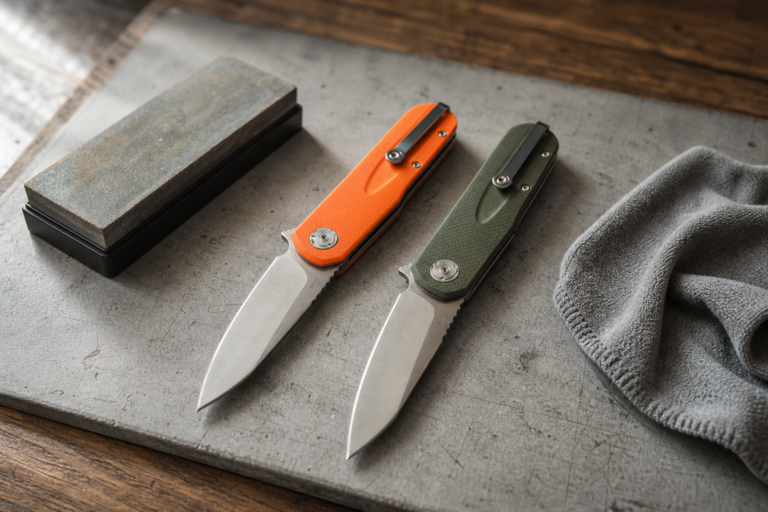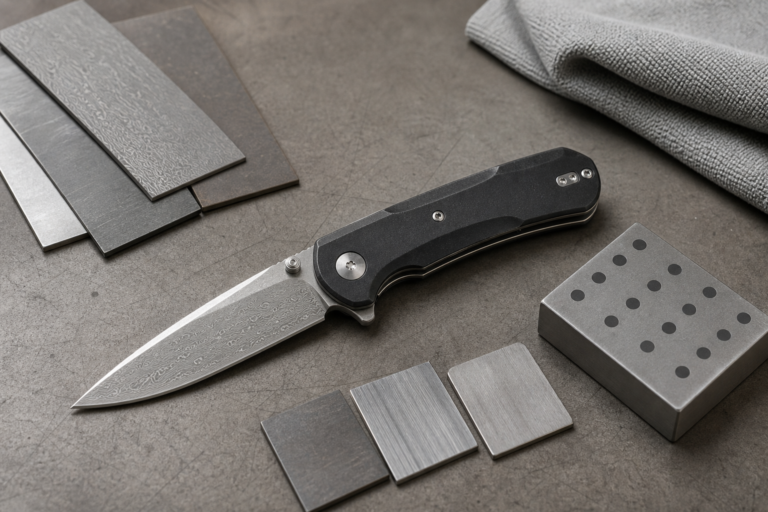
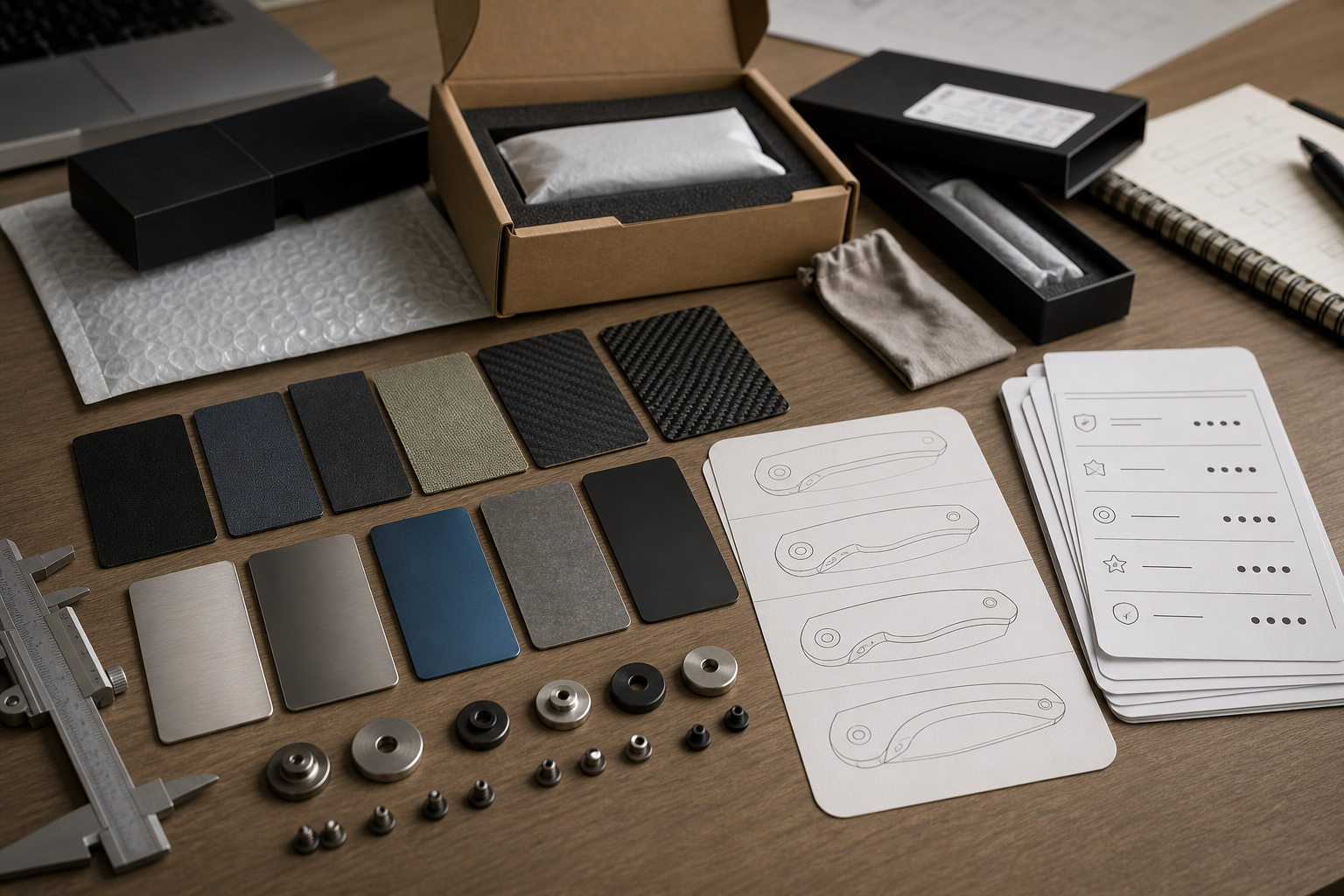
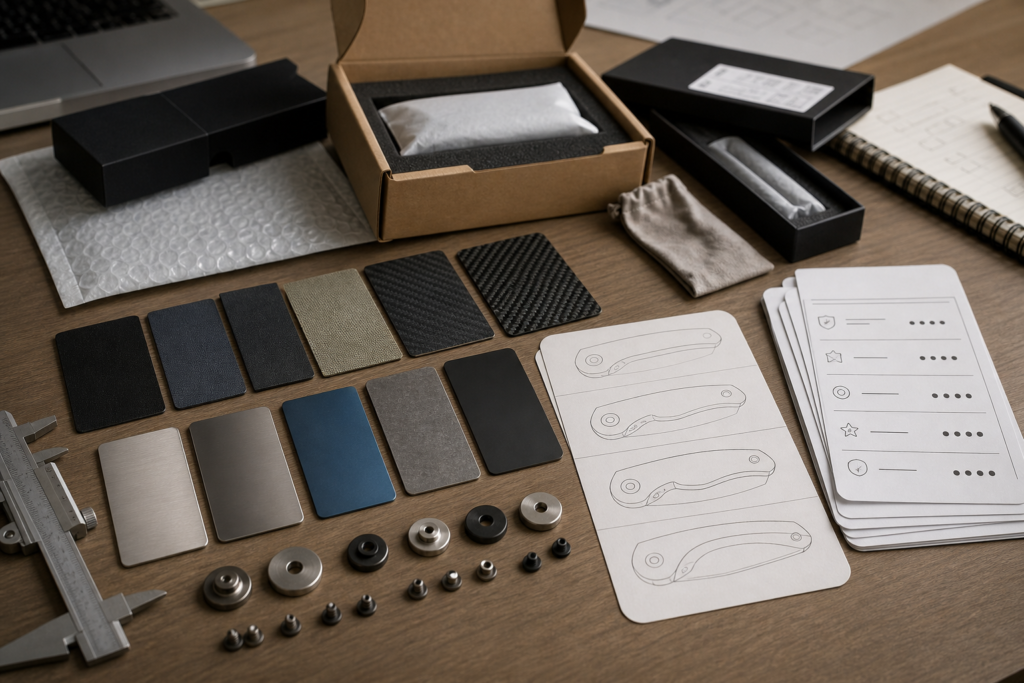
A low price can look attractive until returns appear. Weak materials, loose locks, and poor packaging can erase the margin. Smart cost control protects quality.
Buyers can source low-cost folding knives without losing quality by defining the target user, price tier, minimum safety and function standards, material tradeoffs, QC plan, packaging needs, quotation scope, and RFQ details before production begins.
Quick buyer brief:
- Answer: Low-cost folding knives need controlled specifications, not random cost cutting.
- Buyer context: This helps knife brands, importers, wholesalers, distributors, and private label buyers build value lines.
- Key checks: Steel, HRC, lockup, blade centering, handle material, pivot, screws, finish, packaging, AQL, trade term, MOQ, and target price.
Developing a folding knife line for your brand?
Vast State supports OEM/ODM folding knife projects, including blade steel, lock structure, handle material, finish, logo method, packaging, and quality inspection planning.
When a buyer asks me for a very low-cost folding knife, I do not reject the idea. Value products are important. Many importers, wholesalers, and private label buyers need a product that fits a sharp price point. But I always separate low cost from careless production. A good value knife still needs safe lockup, stable materials, acceptable sharpness, clean assembly, and packaging that protects the product. The question is not how cheap the knife can be. The question is which details must be protected so the buyer can sell confidently.
Why Can Very Low Price Create Quality Risk?
Low price pressure often removes invisible quality first. The knife may look acceptable, but weak structure and poor control appear after shipment.
Very low price creates quality risk when buyers cut steel quality, heat treatment, lock fit, pivot parts, screw control, finish standards, packaging protection, or inspection depth without understanding the tradeoff.
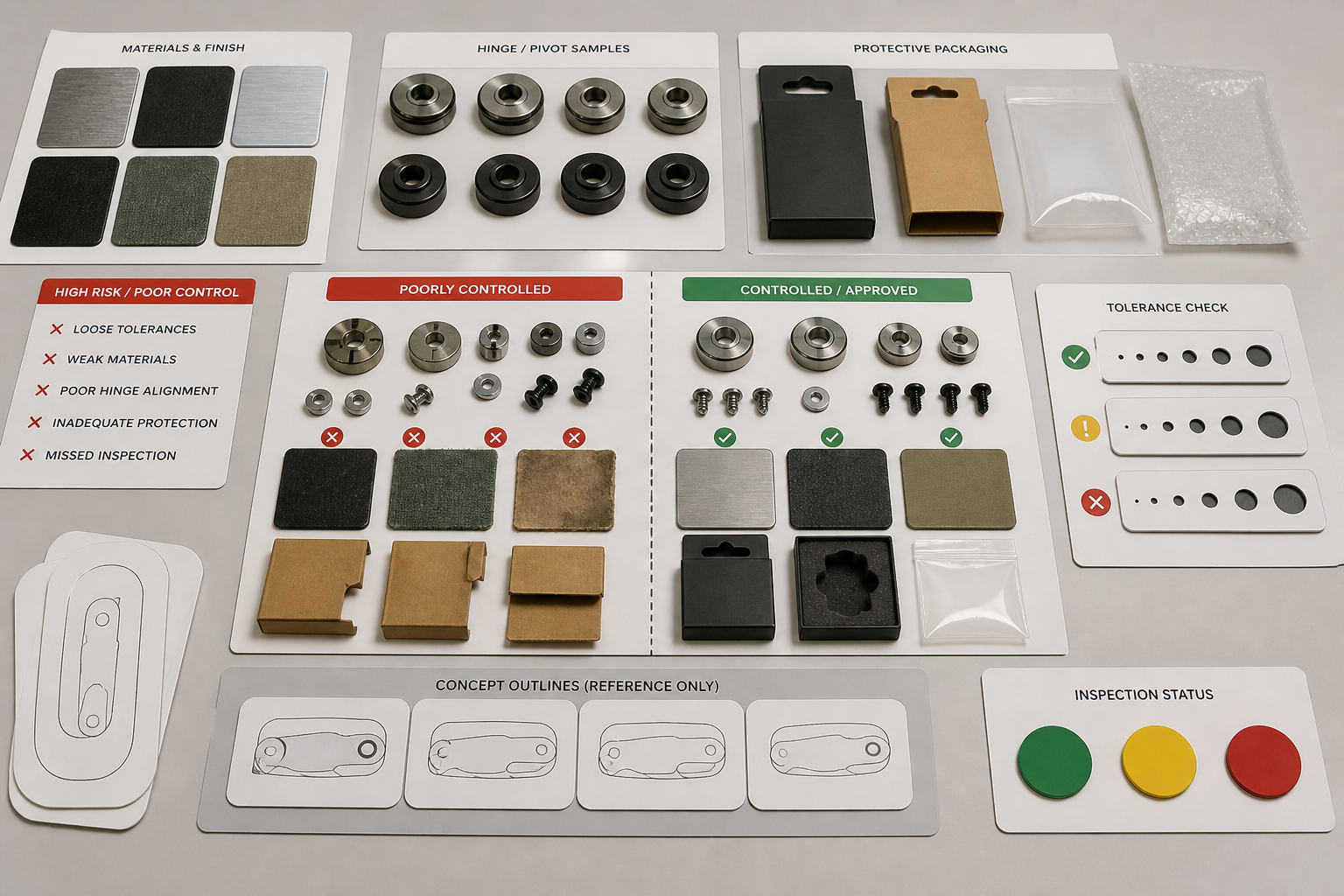
I Watch The Hidden Parts First
The danger of low-cost folding knives is not always visible in photos. A buyer may see a clean handle, a black blade, and a low quotation. But the real cost may be hidden in the pivot, screws, liner thickness, heat treatment, edge control, lock fit, and final inspection. These details are easy to reduce because they are less obvious than color and shape.
I have seen buyers focus only on appearance and then feel surprised when the sample has blade play, weak centering, rough opening, or loose screws. These problems are not caused by price alone. They are caused by unclear priorities. If the buyer wants a value product, the supplier should know which details are flexible and which details are not.
ISO 9001 is useful context because it focuses on quality management systems that help organizations meet customer and applicable requirements. I do not use it to claim that every factory or product is certified. I use the mindset: customer requirements must become controlled processes. For low-cost knives, that means the buyer should define minimum acceptable quality clearly.
| Cost pressure area | Common risk | What I protect |
|---|---|---|
| Steel and heat treatment | Poor edge or weak durability | Material and HRC target |
| Lock and pivot | Blade play or unsafe feel | Lockup and centering checks |
| Hardware | Loose clip or stripped screws | Screw and thread control |
| Packaging | Scratches or transit damage | Insert and carton protection |
OEM/ODM RFQ Checklist
Prepare these details to help Vast State review your project and provide a more accurate quotation.
| RFQ Field | What to Prepare |
|---|---|
| Project type | OEM from drawing / ODM private label / wholesale catalog |
| Product category | Folding knife / fixed blade / multi-tool / outdoor tool |
| Design status | Idea / sketch / 2D drawing / 3D CAD / physical sample |
| Target price | Ex-factory target price or retail price range |
| MOQ expectation | 500 / 1,000 / 3,000 / 5,000+ pcs |
| Logo method | Laser engraving / etching / printing / molded logo |
| Packaging | Standard packaging / custom retail box / Amazon-ready |
| Market | USA / EU / Japan / Korea / Middle East / other |
| Compliance needs | Buyer-specified testing / documentation / labeling |
| Timeline | Sample deadline / mass production deadline |
What Cost Drivers Should Buyers Understand Before Quotation?
A cheap quote may hide a different scope. Buyers need to know what actually drives the folding knife price.
Key cost drivers include blade steel, handle material, lock type, machining time, finish, coating, hardware, packaging, QC level, order quantity, tooling, customization, lead time, and trade term.
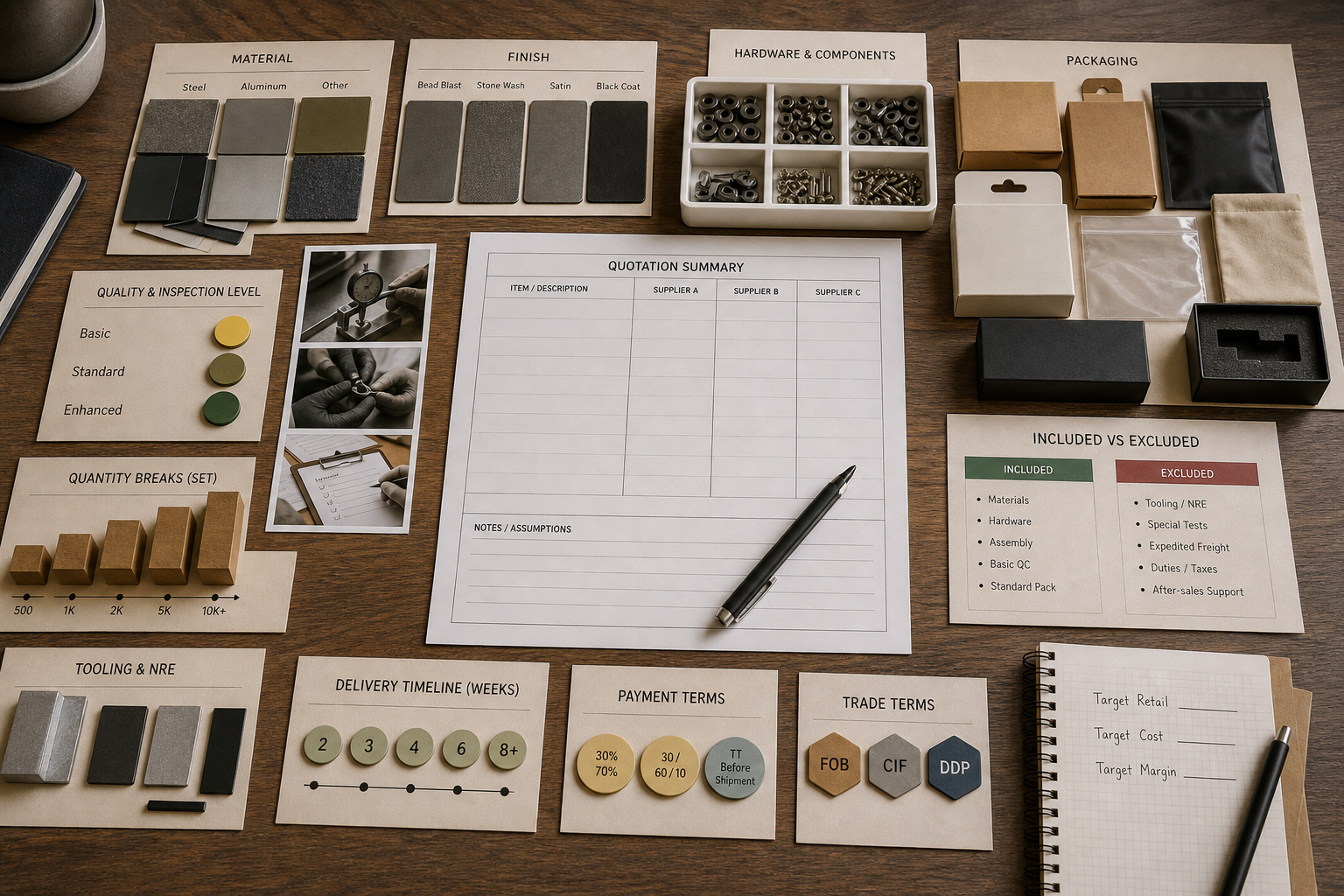
I Break The Price Into Real Decisions
A folding knife price is not one number. It is a combination of material, machining, assembly, packaging, inspection, and commercial scope. A buyer can reduce cost in a healthy way if they know which decision changes the price. A buyer creates risk when they demand a lower price without changing the specification.
Blade steel is one driver. Handle material is another. G10, aluminum, stainless steel, plastic, and wood do not carry the same cost or machining needs. Lock type also matters. Some structures need more hand adjustment. Finish and coating can change both appearance and process time. Packaging can be simple or retail-ready. Logo methods also change cost.
Quantity is important too. A higher order quantity can spread setup and packaging costs better. A very low MOQ with many custom options can raise unit cost. Trade term matters as well. The ICC's Incoterms rules give context for commercial terms used in international quotations. If one supplier quotes EXW and another quotes FOB, the buyer should not compare the prices as if the scope is the same.
| Cost driver | Lower-cost option | Risk to watch |
|---|---|---|
| Blade steel | Practical stainless or value steel | Must still match use and HRC |
| Handle material | Molded or simpler machined handle | Grip and strength may change |
| Finish | Basic satin or stonewash | Appearance tolerance still needed |
| Packaging | Simple box or sleeve | Product protection must remain |
Which Specifications Should Never Be Cut Too Far?
Some features can be simplified. Other details protect function, safety feel, and repeat orders. Buyers must know the difference.
Buyers should not cut lock engagement, blade centering, pivot stability, screw control, blade heat treatment, edge geometry, handle strength, packaging protection, or final inspection below the minimum usable standard.
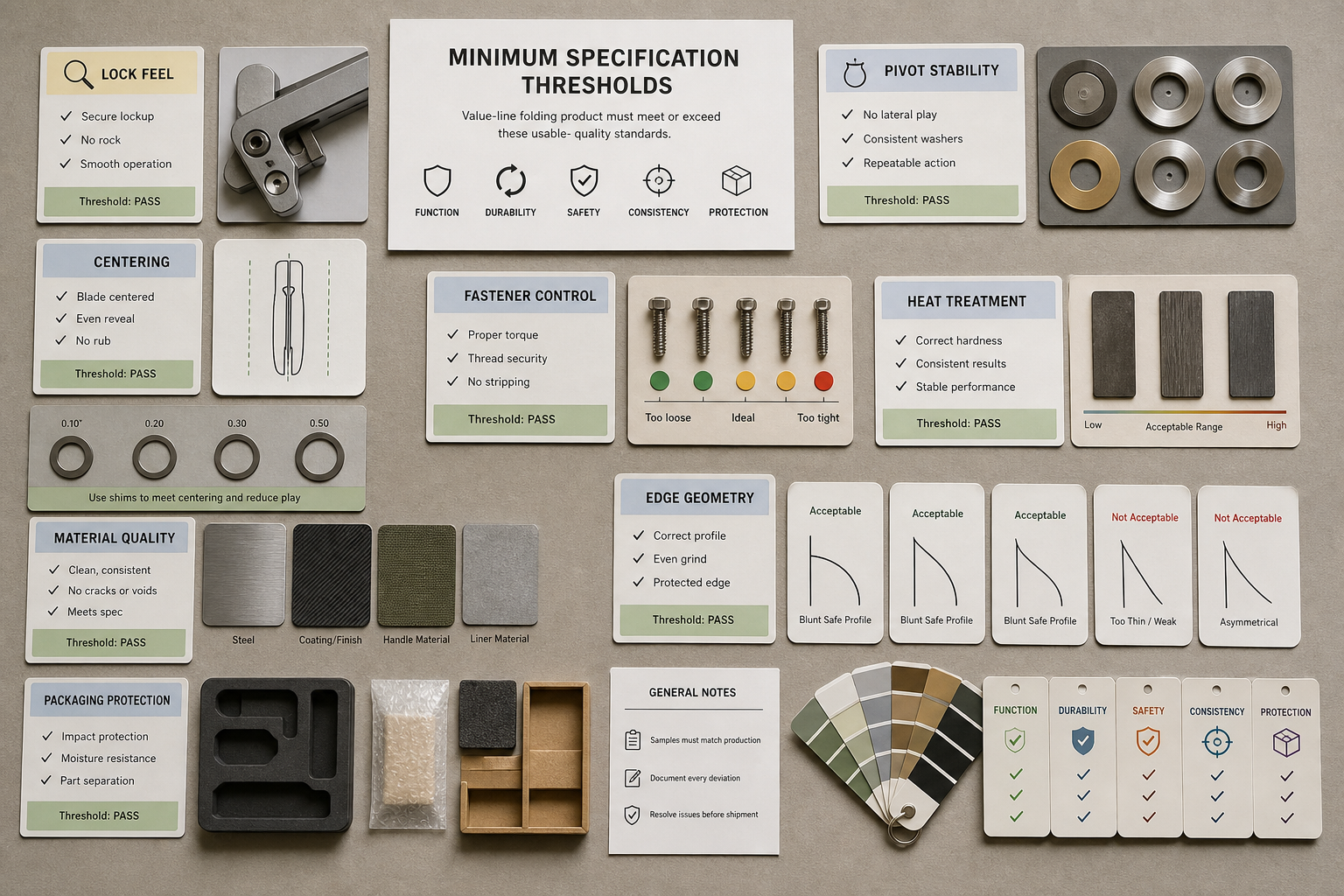
I Separate Flexible Cost From Critical Quality
Low-cost development works when the buyer accepts smart simplification. The buyer can simplify packaging. The buyer can reduce color options. The buyer can choose a more practical steel. The buyer can use a simpler finish. The buyer can reduce decorative machining. These choices often make sense.
But some details should not be cut too far. The lock should engage correctly. The blade should not have unacceptable side play. Screws should hold. The clip should not loosen immediately. The edge should be usable. The blade should receive suitable heat treatment. The handle should not feel weak for the intended use. The packaging should prevent obvious damage in transport.
This is why I like to create a minimum quality table before quotation. The buyer and supplier can decide what is essential and what is optional. A value product should still be honest. It should not pretend to be a premium knife, but it should meet the expectations of its price tier. That is how a low-cost product earns repeat orders.
| Specification | Can it be simplified? | Minimum standard |
|---|---|---|
| Lockup | No, only structure choice can change | Stable engagement and safe feel |
| Blade centering | Limited tolerance possible | No severe rubbing or obvious defect |
| Steel and HRC | Steel can change | Heat treatment must be controlled |
| Packaging | Yes | Must protect finish and edge |
How Can Materials Be Balanced For Value Folding Knives?
Better material is not always the most expensive material. The right material supports use, price, and stable production.
Materials can be balanced by choosing blade steel, handle material, hardware, and finish that match the target user, cost range, MOQ, machining process, heat treatment, and inspection plan.
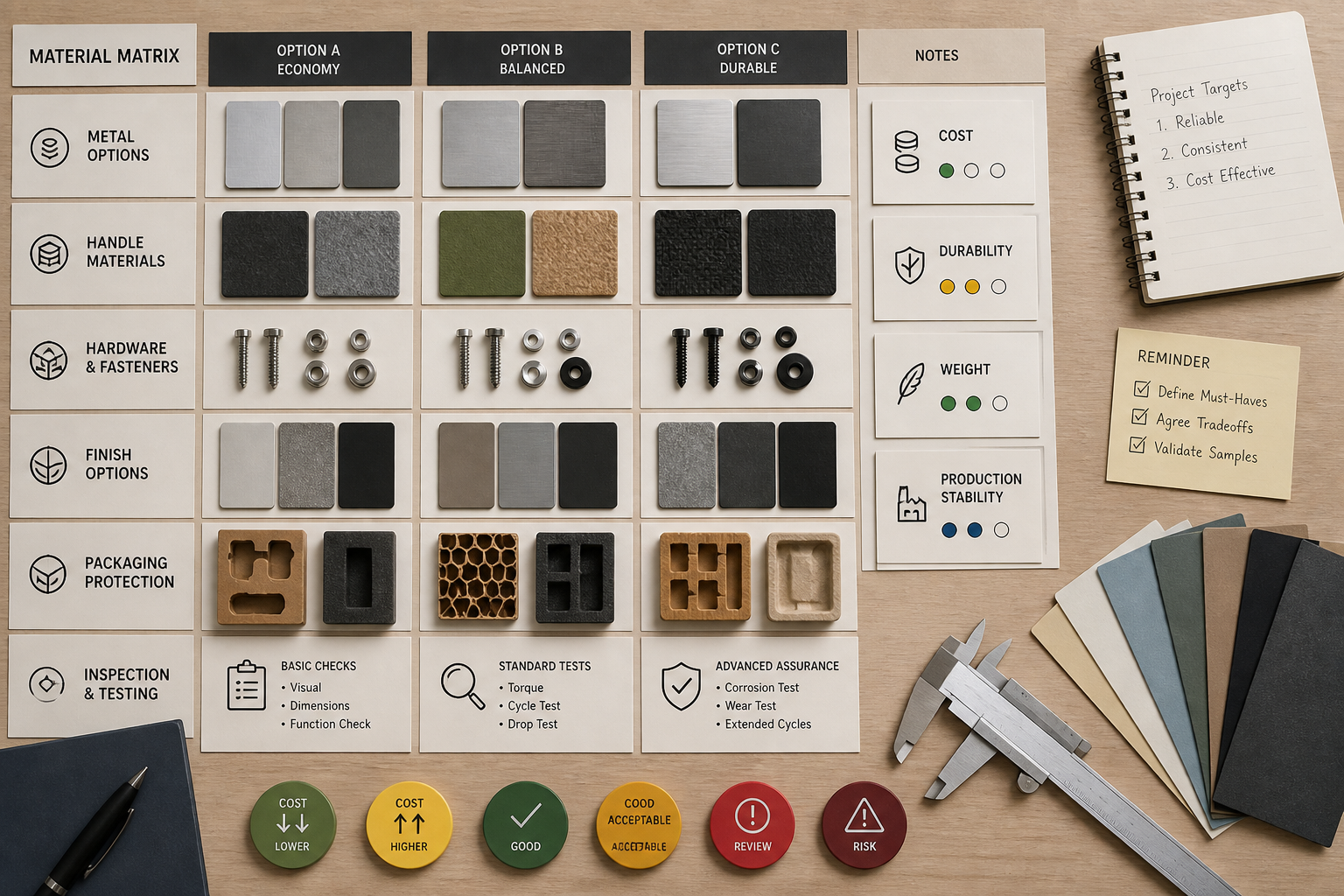
I Choose Materials That Fit The Position
Material selection should start with the product position. If the buyer needs a budget EDC product, I may suggest a practical stainless steel and a simple handle material. If the buyer needs a stronger outdoor value product, I may suggest a different blade thickness, handle texture, or finish. If the buyer wants an upgraded value product, a better steel or better packaging may be worth the cost.
Official material sources help avoid vague claims. For example, Alleima 14C28N is described by its manufacturer as a martensitic stainless chromium steel optimized for knife applications. I may use this type of source to explain what a steel is designed for. That does not mean every low-cost knife should use it. It means buyers should compare materials based on real properties, not only names.
Handle material also needs balance. Plastic or molded materials can support low cost, but tooling, texture, and strength matter. G10 can improve grip but costs more. Aluminum looks clean and modern, but surface treatment must be controlled. Stainless steel feels solid but adds weight. The best value material is the one that fits the target buyer and can repeat well in production.
| Material choice | Value benefit | Control point |
|---|---|---|
| Practical stainless steel | Cost and corrosion balance | HRC and edge geometry |
| Molded handle | Lower cost and light weight | Texture and strength |
| G10 handle | Better grip and stable feel | Machining and dust control |
| Basic finish | Lower process cost | Scratch and color standard |
What Quality Checks Protect Low-Cost Folding Knives?
Low price does not remove the need for inspection. In fact, value products need clear checks because margins leave little room for rework.
Quality checks should cover incoming materials, size, heat treatment, blade centering, lockup, blade play, screw torque, sharpness, finish, packaging, and final sampling inspection.
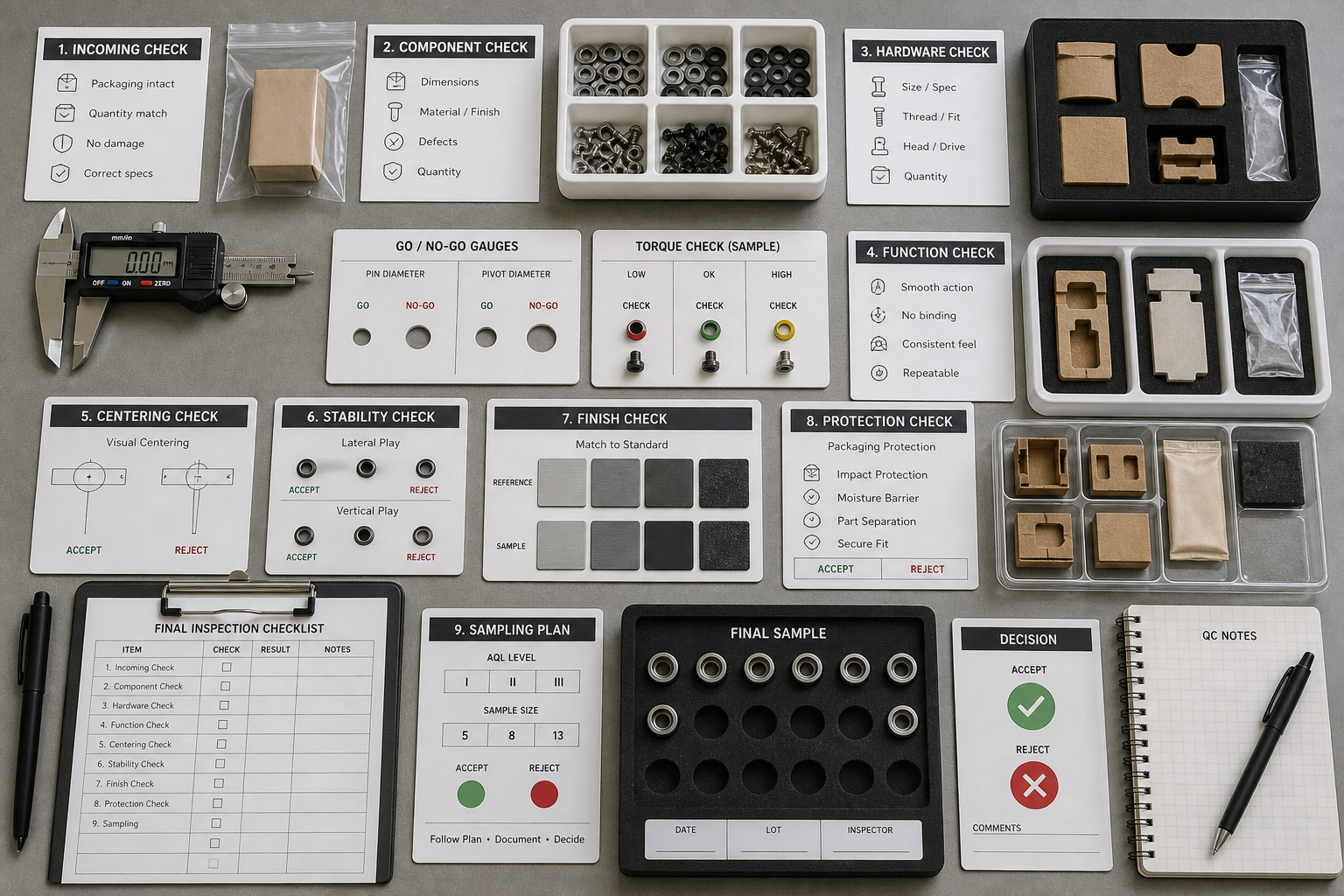
I Make Inspection Simple But Specific
Inspection for low-cost knives does not need to be complicated, but it must be specific. I want the QC team to know exactly what to check. The most important checks usually include material confirmation, blade size, handle fit, lock engagement, blade play, blade centering, screw tightness, edge sharpness, finish defects, and packaging condition.
For lot inspection, ISO 2859-1:2026 provides sampling procedures indexed by acceptance quality limit for lot-by-lot inspection. Buyers may use AQL-based thinking to define how many pieces to inspect and how defects are classified. The standard itself does not define a knife quality level. The buyer and supplier still need to agree on what counts as a critical, major, or minor defect.
I usually recommend separating defects by impact. A lock problem is not the same as a small cosmetic mark. A missing screw is not the same as a slight carton dent. This classification helps buyers protect real quality without overreacting to small issues. It also helps suppliers quote inspection time more realistically.
| Check area | What to inspect | Defect priority |
|---|---|---|
| Function | Lockup, centering, blade play | Critical or major |
| Material | Steel, handle, hardware | Major |
| Appearance | Finish, color, logo, scratches | Major or minor |
| Packaging | Box fit, carton, labels | Major or minor |
How Should Packaging And Compliance Be Controlled At A Low Price?
Cheap packaging can destroy a good value product. Poor labels or weak protection can create problems before the knife reaches the buyer.
Packaging and compliance should be controlled by defining box type, insert, sleeve, carton strength, barcode space, origin marking, care notes, claim language, and target-market requirements early.
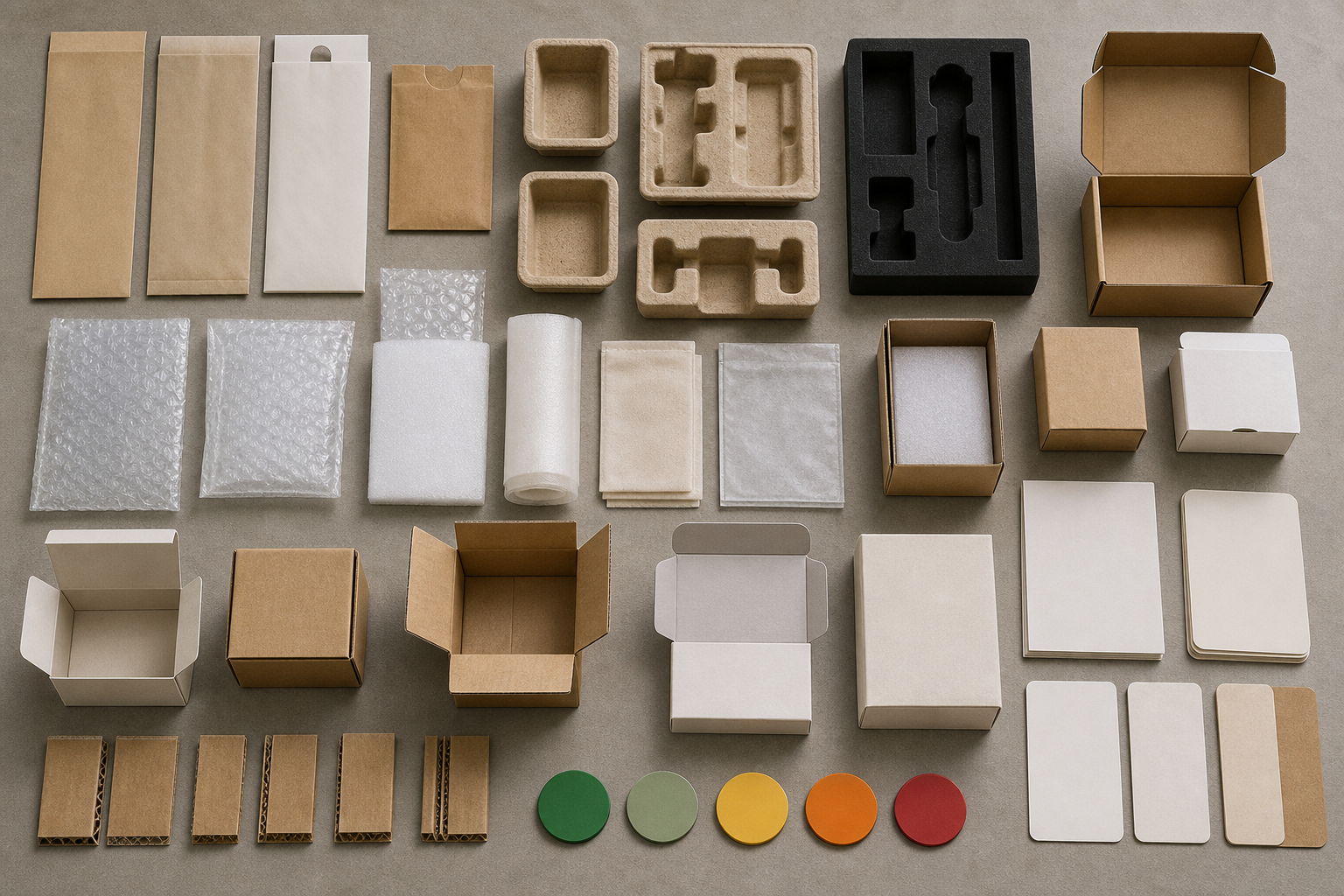
I Keep Packaging Cheap But Protective
Packaging is often the first place buyers try to reduce cost. That can be fine. A value product may not need a complex gift box. It may use a simple paper box, sleeve, or basic insert. But the packaging still needs to protect the knife. If the blade, handle, clip, or finish gets scratched in transit, the low packaging cost becomes expensive.
Care notes also matter. A low-cost knife should not overpromise. If the steel needs basic drying and maintenance, the care note should say so. If the product has a coating, the buyer should avoid claims that cannot be supported. If the packaging states a steel grade, hardness, or special feature, the buyer should keep records.
For U.S. shipments, U.S. Customs and Border Protection provides guidance on country-of-origin marking for U.S. imports. This is not a full legal review for every market, but it shows why marking should not be left until the last minute. Low price should not mean careless packaging information.
| Packaging item | Low-cost choice | What still matters |
|---|---|---|
| Box | Simple paper box | Fit and protection |
| Insert | Basic sleeve or divider | Prevents scratches |
| Label | Simple barcode and origin area | Supports retail and import handling |
| Care note | Short instruction card | Matches steel and finish |
How Can Buyers Compare Cheap Quotes Without False Savings?
The lowest quote is not always the lowest real cost. Different scopes, materials, and inspection levels can make prices misleading.
Buyers should compare cheap quotes by checking specification match, material grade, packaging scope, QC level, MOQ, tooling, sample cost, lead time, payment terms, trade term, and after-sale risk.
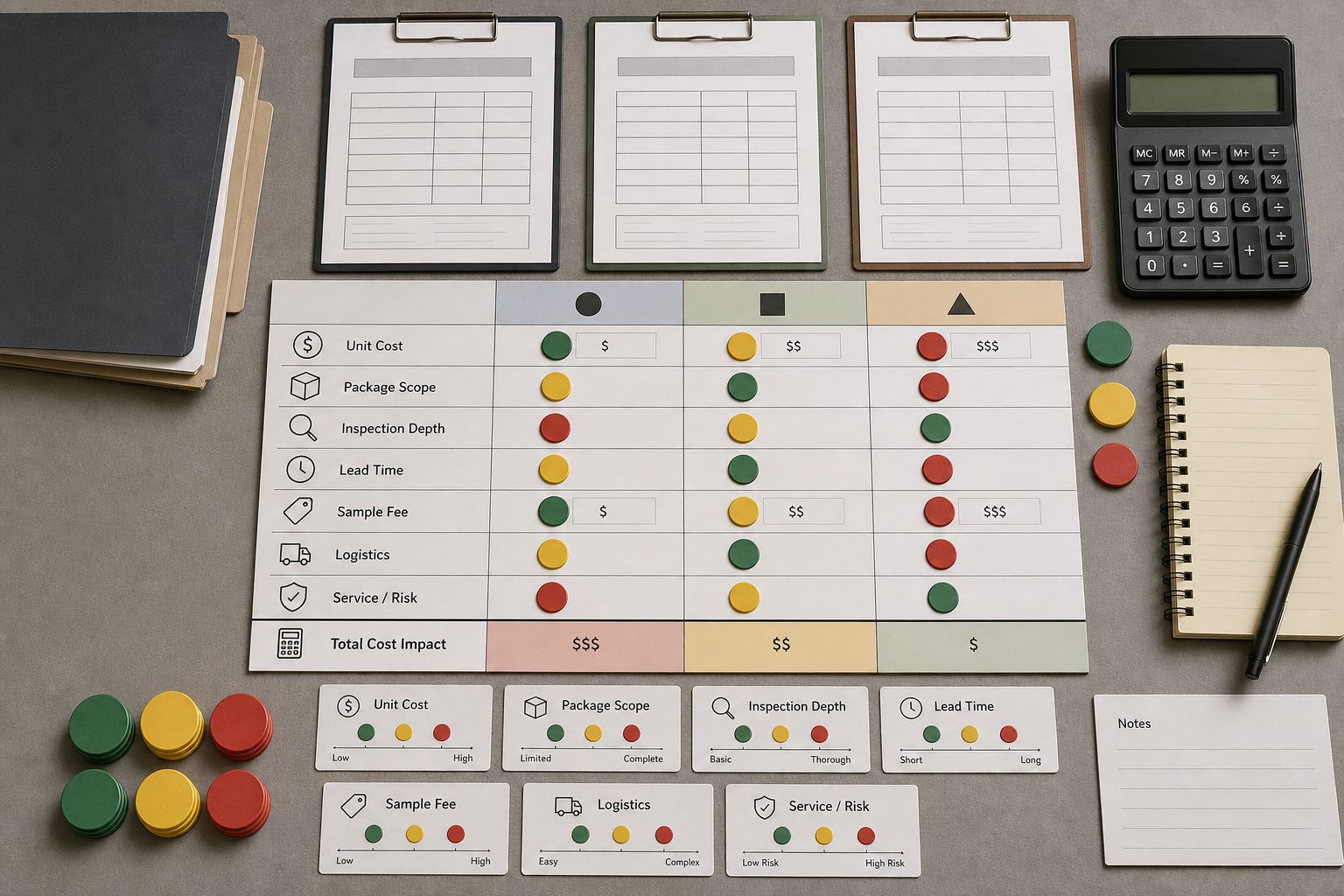
I Compare Scope Before Price
When buyers compare quotes, I ask them to compare scope first. Are the steel and handle material the same? Is heat treatment included to the same target? Is packaging included? Is logo included? Is the quote for EXW, FOB, or another term? Does the supplier include inspection, cartons, and packaging approval? If not, a lower unit price may not mean lower total cost.
False savings often come from missing details. A supplier may use thinner liners. Another may remove packaging inserts. Another may quote a different finish. Another may reduce inspection. Another may quote a lower MOQ but higher sample cost. The buyer may not see the difference until the sample arrives.
I prefer a quotation comparison table. Each supplier should quote against the same RFQ. If the supplier suggests a cost-saving alternative, that alternative should be listed separately. This keeps the buyer from comparing different products. It also helps the supplier explain where cost can be saved without harming critical quality.
| Quote item | What to compare | False saving risk |
|---|---|---|
| Specification | Steel, handle, lock, finish | Different product quoted |
| Packaging | Box, insert, carton, labels | Damage or missing retail needs |
| QC scope | Inspection points and sample plan | Higher defect risk |
| Trade term | EXW, FOB, FCA, or other term | Hidden logistics cost |
What RFQ Details Help Build Value Folding Knives?
A value knife starts with a clear brief. Without RFQ detail, the supplier can only guess where to cut cost.
An RFQ should include target user, price tier, quantity, MOQ, blade steel, HRC target, handle material, lock type, finish, packaging, inspection standard, defect limits, trade term, and timeline.
I Ask Buyers To Define The Value Line Honestly
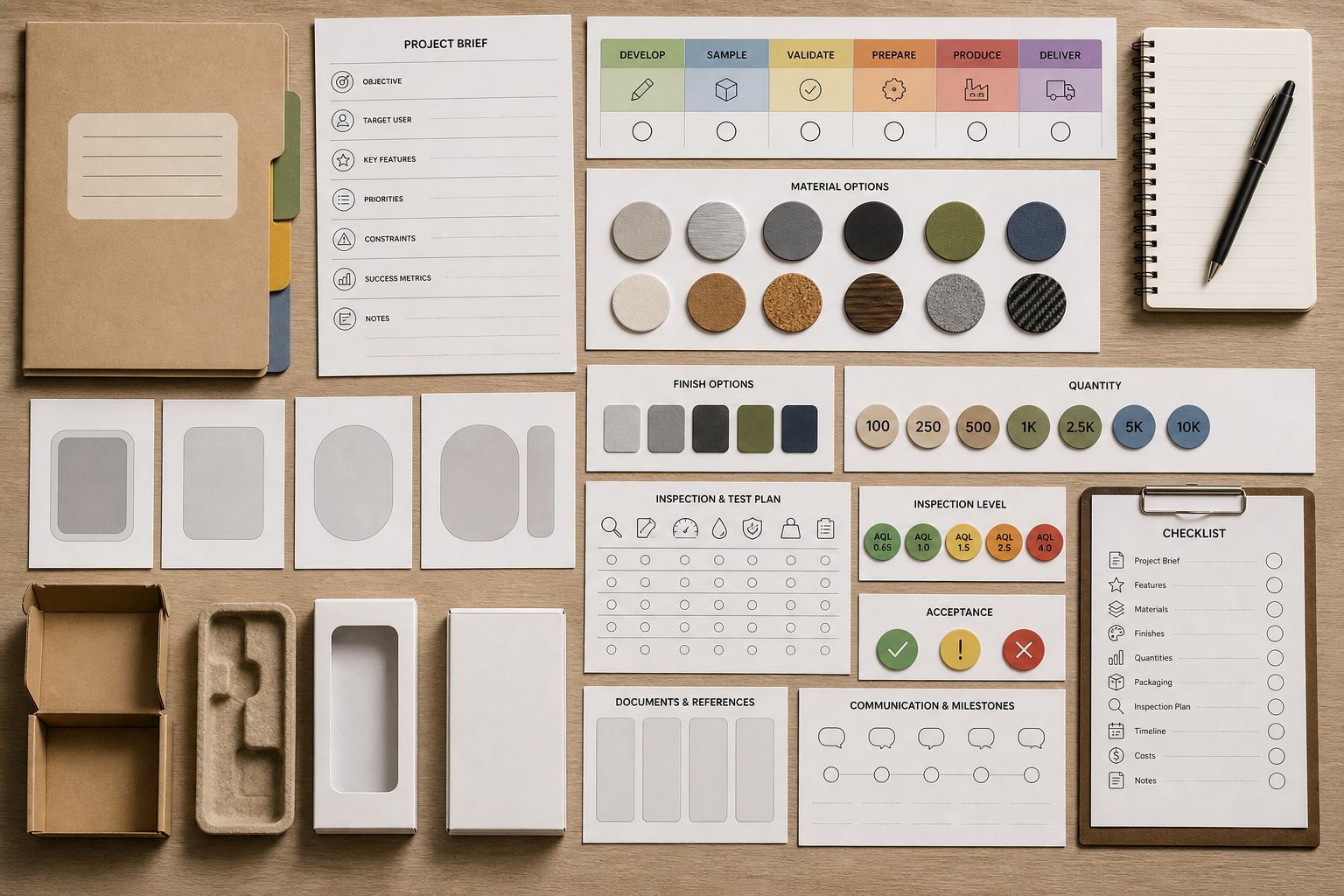
A strong RFQ for a value folding knife does not pretend the product is premium. It defines the real target. I ask buyers to tell me the target buyer, selling channel, target price, order quantity, steel preference, handle material, lock type, finish, logo method, packaging style, and inspection needs. I also ask what details are flexible.
The RFQ should state the minimum quality standard. For example, the buyer can say the knife must have stable lockup, acceptable blade centering, no severe blade play, clean basic finish, usable edge, and protective packaging. Then the supplier can suggest where to save cost. Maybe the handle can be simpler. Maybe the box can be basic. Maybe the finish can be changed. Maybe steel can be adjusted. The supplier should not guess.
At Vast State, I like this type of project because it is practical. Low-cost does not have to mean low-trust. If the buyer shares a clear RFQ, I can suggest a product path that supports the buyer's price point while keeping the important quality details alive.
| RFQ field | What to include | Why it helps |
|---|---|---|
| Price target | Factory target or landed target | Guides material and process choices |
| Minimum quality | Lock, blade play, edge, finish, packaging | Protects sellable value |
| Flexible options | Steel, handle, finish, packaging | Shows where to save cost |
| Inspection plan | AQL, defect classes, sample approval | Makes quality measurable |
Turn this article into a folding knife project.
Share your blade type, lock direction, steel preference, handle material, quantity, target market, and packaging needs. Vast State can prepare OEM/ODM options.
Conclusion
I build better low-cost folding knives by protecting critical function, simplifying wisely, and quoting against clear materials, QC, packaging, and trade terms.
Source Notes
- ISO 9001 supports process-based quality management thinking for meeting customer requirements.
- ISO 2859-1 supports AQL-based sampling concepts for lot-by-lot inspection.
- Alleima 14C28N supports using official material data when comparing steel choices.
- NIST Rockwell hardness guidance supports careful HRC measurement practice.
- CBP country-of-origin marking guidance gives context for packaging and marking review.
- ICC Incoterms rules gives context for comparing quotation trade terms.