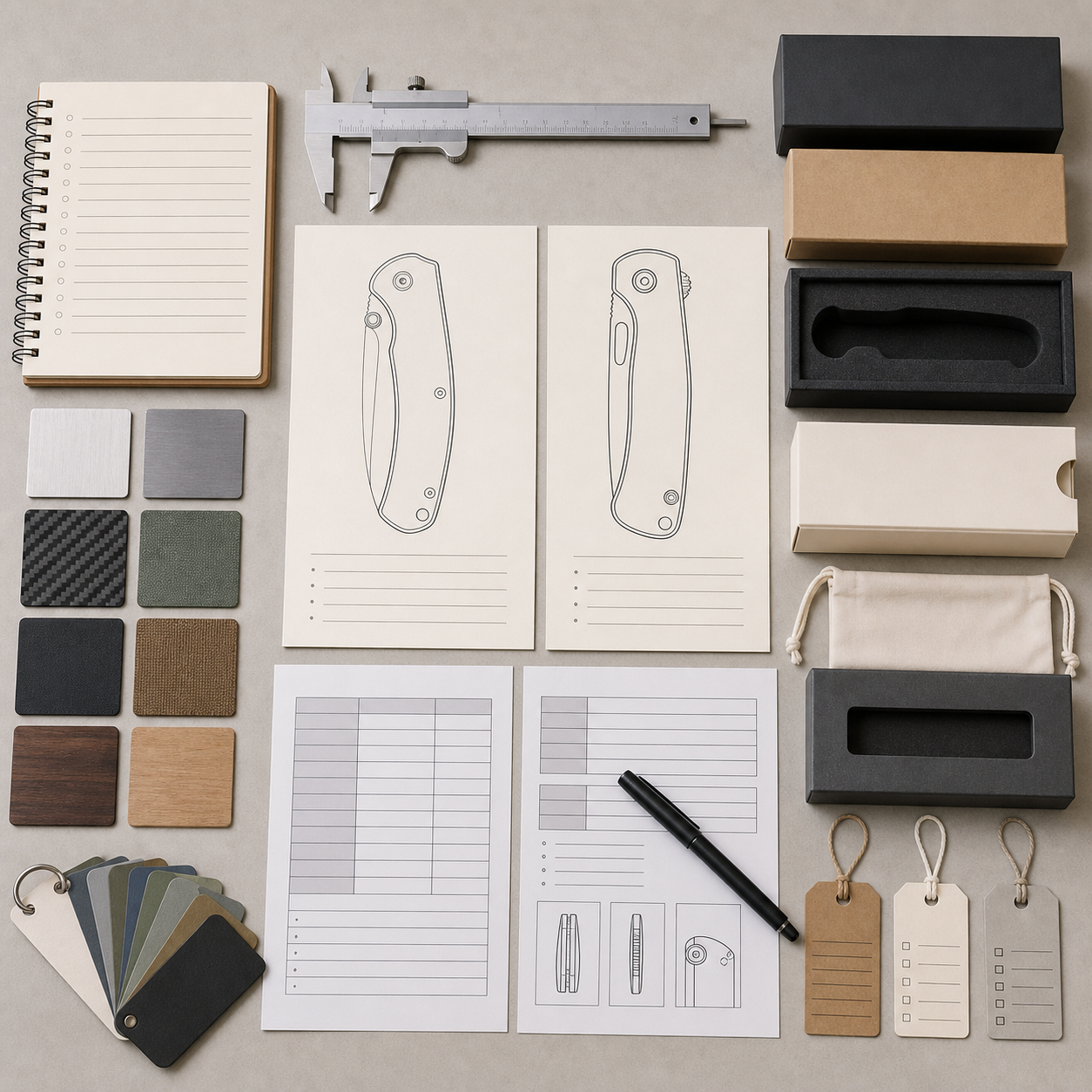
Knife names sound simple, but vague terms can derail sampling. A clear category brief prevents wrong size, structure, packaging, and pricing.
Buyers should distinguish penknives and pocket knives by defining market language, blade count, folding structure, size, handle style, lock or slipjoint design, target use, packaging, legal review, and inspection requirements. In OEM/ODM sourcing, the specification matters more than the label.
Quick buyer brief:
- Answer: Treat penknife and pocket knife as overlapping market terms, then define the exact product structure.
- Buyer context: This helps knife brands, outdoor brands, importers, wholesalers, distributors, and private label buyers.
- Key checks: Terminology, blade count, size, lock type, handle material, blade steel, HRC range, packaging, target market, marking, and QC records.
Developing a folding knife line for your brand?
Vast State supports OEM/ODM folding knife projects, including blade steel, lock structure, handle material, finish, logo method, packaging, and quality inspection planning.
When a buyer sends me a message asking for a penknife, I do not assume the same thing every time. Some buyers mean a small traditional folding knife. Some mean a general pocket knife. Some mean a compact gift knife. Some mean a simple non-locking folder. If I answer too quickly, the sample may be wrong. I prefer to turn the term into a product brief that the factory can build and the buyer can sell with confidence.
Why Does Terminology Matter Before Sampling?
A name can mean different things in different markets. If the term is unclear, the first sample may solve the wrong problem.
Terminology matters before sampling because penknife and pocket knife can overlap in common language. Buyers should define blade count, structure, size, lock type, target use, and packaging before requesting OEM/ODM samples.

I Define The Word Before I Quote The Knife
In everyday language, penknife and pocket knife can be close. The Cambridge Dictionary penknife entry defines a penknife as a small folding knife carried in a pocket and also notes pocketknife as a U.S. term. The Cambridge Dictionary pocketknife entry defines a pocketknife as a small knife with one or more blades that fold into a handle and lists penknife as a related term. This supports a practical point for buyers: the words overlap, so the project needs more detail than the title.
In OEM/ODM work, I do not let the name carry the whole specification. I ask whether the buyer wants a traditional small folder, a slipjoint pattern, a modern locking pocket knife, a multi-blade model, a gift knife, or a general utility EDC product. I also ask about target market language. A buyer selling in the U.K. may use the word penknife differently from a buyer selling in the U.S. A catalog title, retail package, and online listing should match customer expectations.
This is not only a writing issue. It affects tooling, blade profile, handle shape, spring or lock design, packaging size, user instructions, and inspection. A vague word can create a real production mistake.
| Term issue | What I clarify | Why it matters |
|---|---|---|
| Market language | Penknife, pocket knife, folder, or EDC knife | Helps sales copy and packaging |
| Structure | Slipjoint, lock, multi-blade, or simple folder | Changes production method |
| Size | Compact, keychain, standard pocket, or larger EDC | Changes material and packaging |
| Target use | Gift, daily utility, outdoor, or wholesale line | Guides cost and QC |
OEM/ODM RFQ Checklist
Prepare these details to help Vast State review your project and provide a more accurate quotation.
| RFQ Field | What to Prepare |
|---|---|
| Project type | OEM from drawing / ODM private label / wholesale catalog |
| Product category | Folding knife / fixed blade / multi-tool / outdoor tool |
| Design status | Idea / sketch / 2D drawing / 3D CAD / physical sample |
| Target price | Ex-factory target price or retail price range |
| MOQ expectation | 500 / 1,000 / 3,000 / 5,000+ pcs |
| Logo method | Laser engraving / etching / printing / molded logo |
| Packaging | Standard packaging / custom retail box / Amazon-ready |
| Market | USA / EU / Japan / Korea / Middle East / other |
| Compliance needs | Buyer-specified testing / documentation / labeling |
| Timeline | Sample deadline / mass production deadline |
What Is A Pocket Knife In OEM/ODM Sourcing?
Pocket knife is a broader term. A broad term helps marketing, but it can confuse quotation if the structure is not clear.
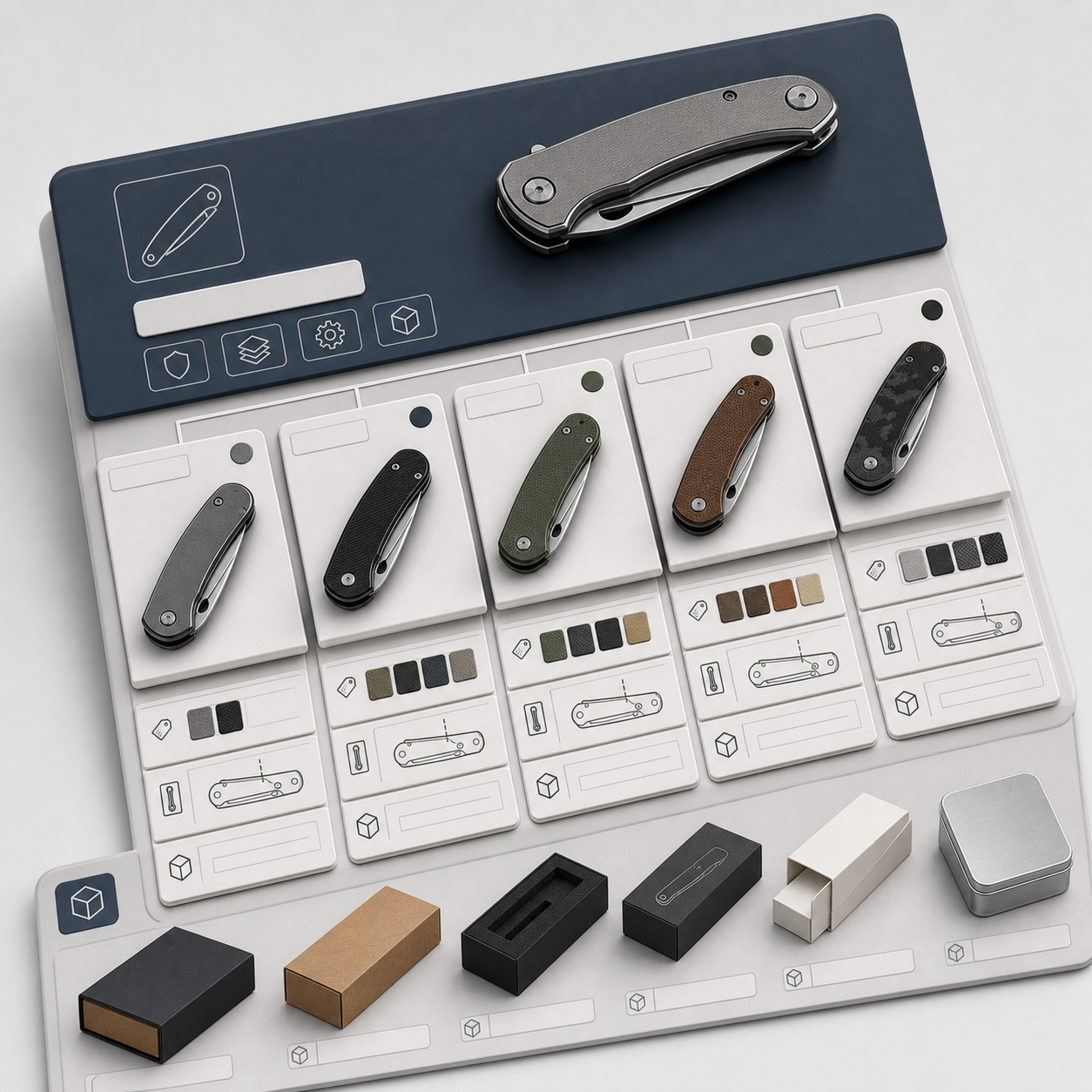
In OEM/ODM sourcing, a pocket knife usually means a folding knife designed for pocket carry. It can include compact folders, locking EDC knives, slipjoint knives, multi-blade models, and utility-focused designs.
I Use Pocket Knife As A Product Family
Pocket knife is usually a wider product family than penknife in buyer conversations. It can include a small non-locking folder, a modern liner lock, a frame lock design, a back lock, a multi-blade traditional model, or a compact outdoor EDC knife. This makes it useful for catalog language, but it is not enough for a production quotation.
For OEM/ODM sourcing, I separate the product family from the product specification. If a buyer wants a pocket knife, I ask about the target user, blade size, lock type, opening method, handle material, pocket clip, finish, packaging, and price tier. A pocket knife for a distributor value line should not be developed the same way as a brand's core EDC product. The cost, inspection, and packaging logic are different.
Pocket knife projects also create more version possibilities. A buyer may want one family with compact, standard, and outdoor versions. That can work well, but the family needs configuration control. ISO 10007 gives guidance on configuration management. I use that concept when managing different steels, handle colors, lock types, clips, and packaging versions. Clear version control prevents a sample approval from becoming a production mix-up.
| Pocket knife direction | What it can include | Production impact |
|---|---|---|
| Compact folder | Small daily carry model | Size and pocket comfort |
| Locking EDC knife | Modern utility folder | Lock fitting and action checks |
| Traditional multi-blade | Classic product family | Spring, blade spacing, and polishing |
| Outdoor pocket knife | Stronger grip and materials | Corrosion, packaging, and QC depth |
How Should Product Structure Differ Between The Two Concepts?
Names are not enough. A penknife and a pocket knife project may need different springs, locks, liners, clips, and assembly checks.
Product structure should differ by intended category. Penknife concepts often emphasize compact folding, slipjoint feel, traditional handle finish, and gift positioning. Pocket knife concepts may need locks, clips, modern handle materials, and stronger utility checks.
I Match Mechanism To User Expectation
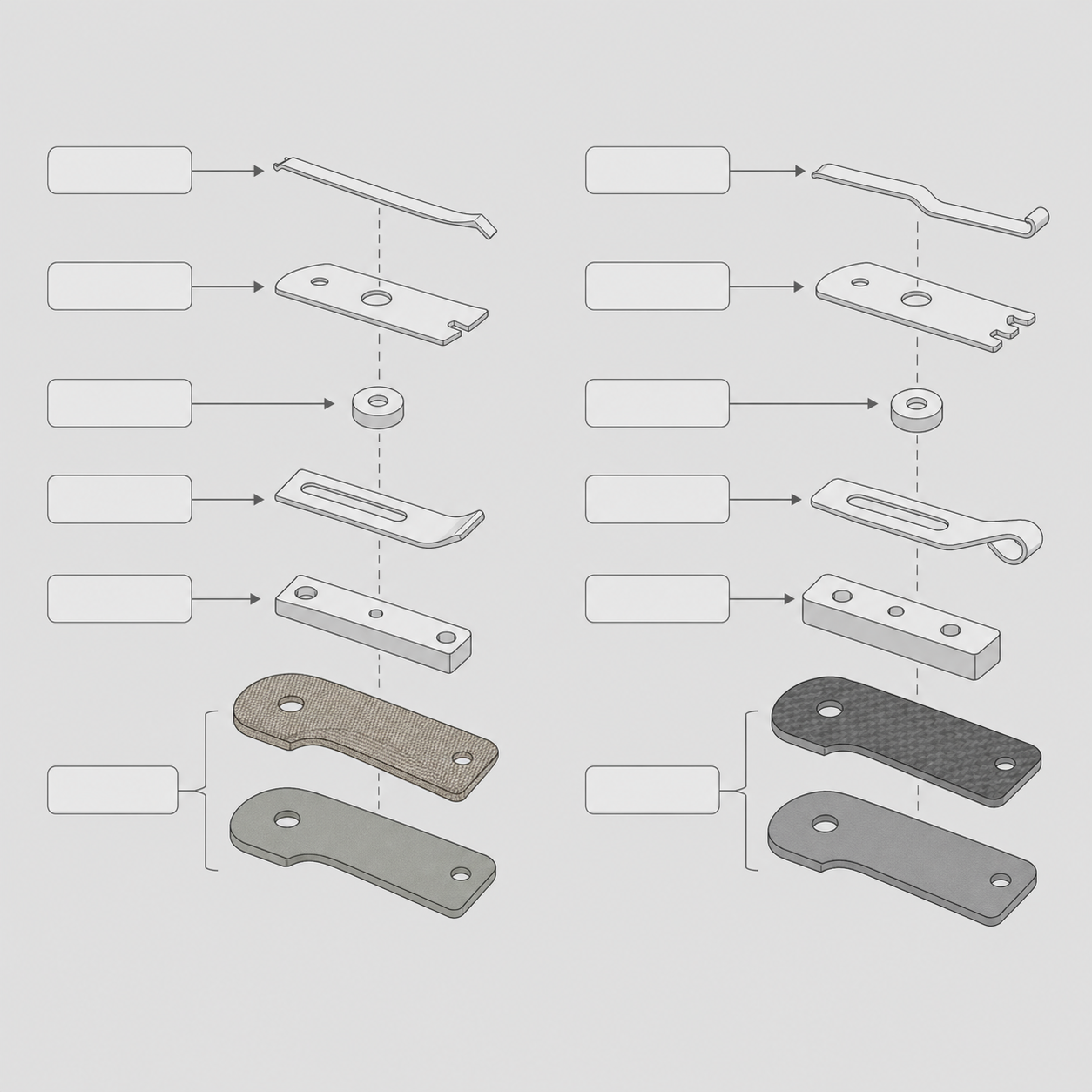
The biggest difference is often structure. A penknife-style project may focus on a simple folding structure, a slipjoint spring, compact handle scales, traditional pins, and smooth hand finishing. The buyer may not need a pocket clip. The product may sit in a small box, pouch, or gift set. The inspection focus may include spring tension, blade rub, gap control, scale fit, and polish.
A broader pocket knife project may require a modern lock, screw construction, washers or bearings, clip position, thumb stud or nail nick, textured handles, and stronger assembly checks. The inspection focus may include blade centering, lock engagement, side play, screw torque, clip tension, opening feel, and finish consistency. These are different production conversations.
I also watch the relationship between mechanism and price. A buyer may ask for a traditional look but also want modern screw construction. Another buyer may ask for a modern pocket knife but want a lower-cost slipjoint structure. Both can be possible, but the design should be honest. If the buyer wants a compact, simple, low-cost line, the structure should support that. If the buyer wants a higher-value EDC line, the structure and inspection should support that too.
| Structure item | Penknife-style focus | Pocket knife-style focus |
|---|---|---|
| Blade control | Slipjoint or simple folding | Lock, pivot, centering, and action |
| Handle build | Pins, bolsters, classic scales | Screws, liners, clips, and modern scales |
| Assembly check | Spring tension and gaps | Lockup, blade play, screw torque |
| Product role | Compact or gift-friendly | Utility, EDC, outdoor, or brand core |
How Do Size, Handle Feel, And Ergonomics Affect The Category?
A compact knife can look elegant but feel too small. A modern pocket knife can look strong but feel heavy.
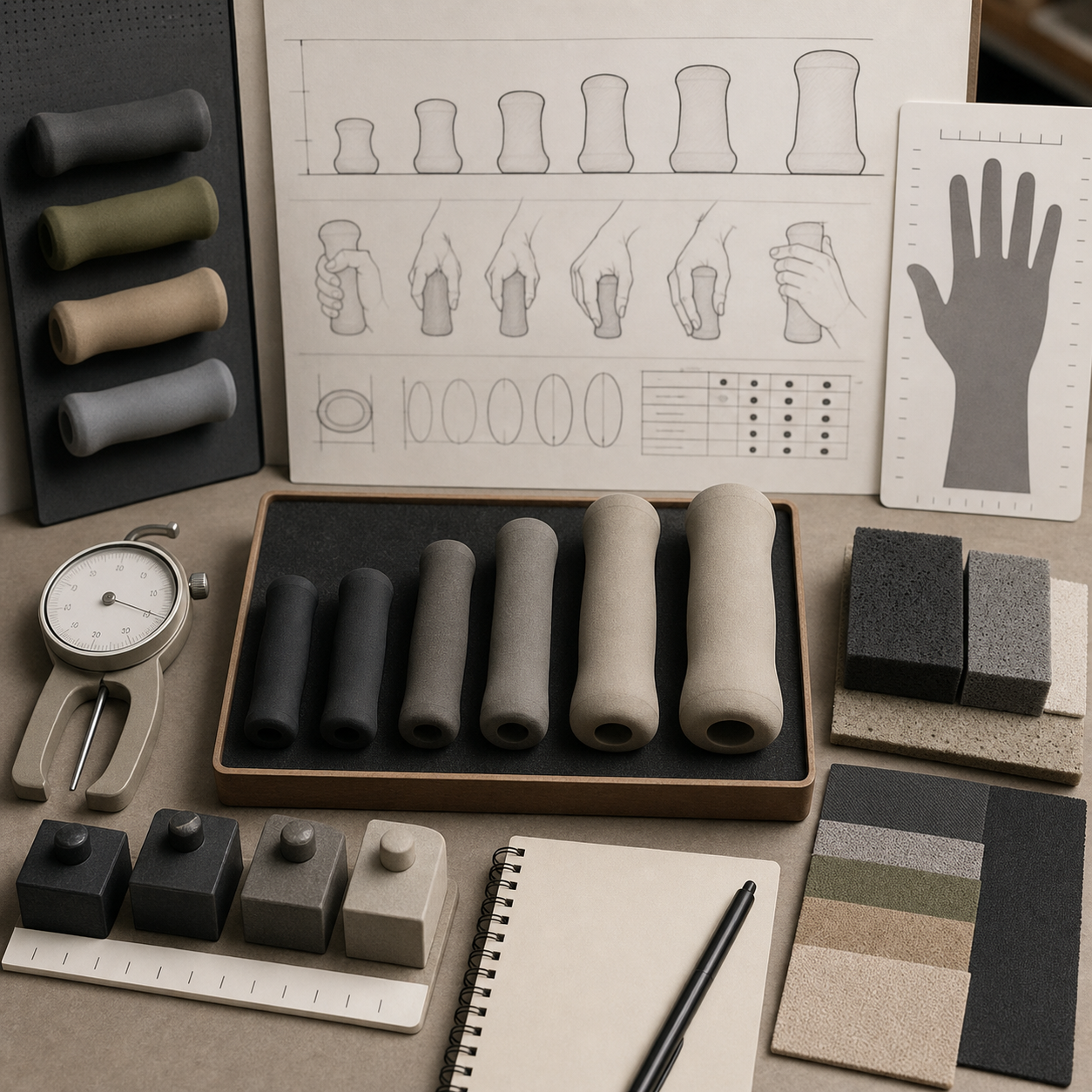
Size, handle feel, and ergonomics affect category choice because buyers must match blade length, closed size, handle grip, weight, pocket comfort, and user task before approving a sample.
I Test Carry Feel And Hand Feel Together
For penknife-style products, compact size is usually part of the appeal. The product should feel easy to carry, easy to package, and simple to explain. But if the handle is too short, the user may not feel enough control. If the edges are too sharp, the knife may feel cheap. If the spring is too stiff, opening feels unpleasant. Compact design needs careful small-part control.
For broader pocket knife projects, the handle can be larger and more shaped. That gives more room for texture, clip placement, lock release, and branding. It also creates more weight and more packaging cost. A buyer should not approve a larger pocket knife only because it looks more substantial. The product must still fit the intended pocket-carry role.
The Canadian Centre for Occupational Health and Safety page on hand tool ergonomics provides general guidance that hand tools should fit the person and task. It is not a knife-specific standard, but it supports a practical point: the handle must match the user's hand and task. For OEM/ODM projects, I like to test samples by holding, opening, closing, clipping, and packing them. Measurements are useful, but hand feel reveals problems drawings do not show.
| Ergonomic factor | Penknife-style concern | Pocket knife-style concern |
|---|---|---|
| Handle length | Enough contact in a compact body | Comfort over a larger body |
| Weight | Light and gift-friendly | Balanced with stronger utility |
| Edge radius | Smooth small handle feel | Comfort near clip and lock area |
| Pocket role | Small and simple | Clip, carry angle, and bulk |
Which Materials And Heat Treatment Details Should Buyers Specify?
A traditional name does not decide performance. Steel, heat treatment, handle material, and finish still control the final product.
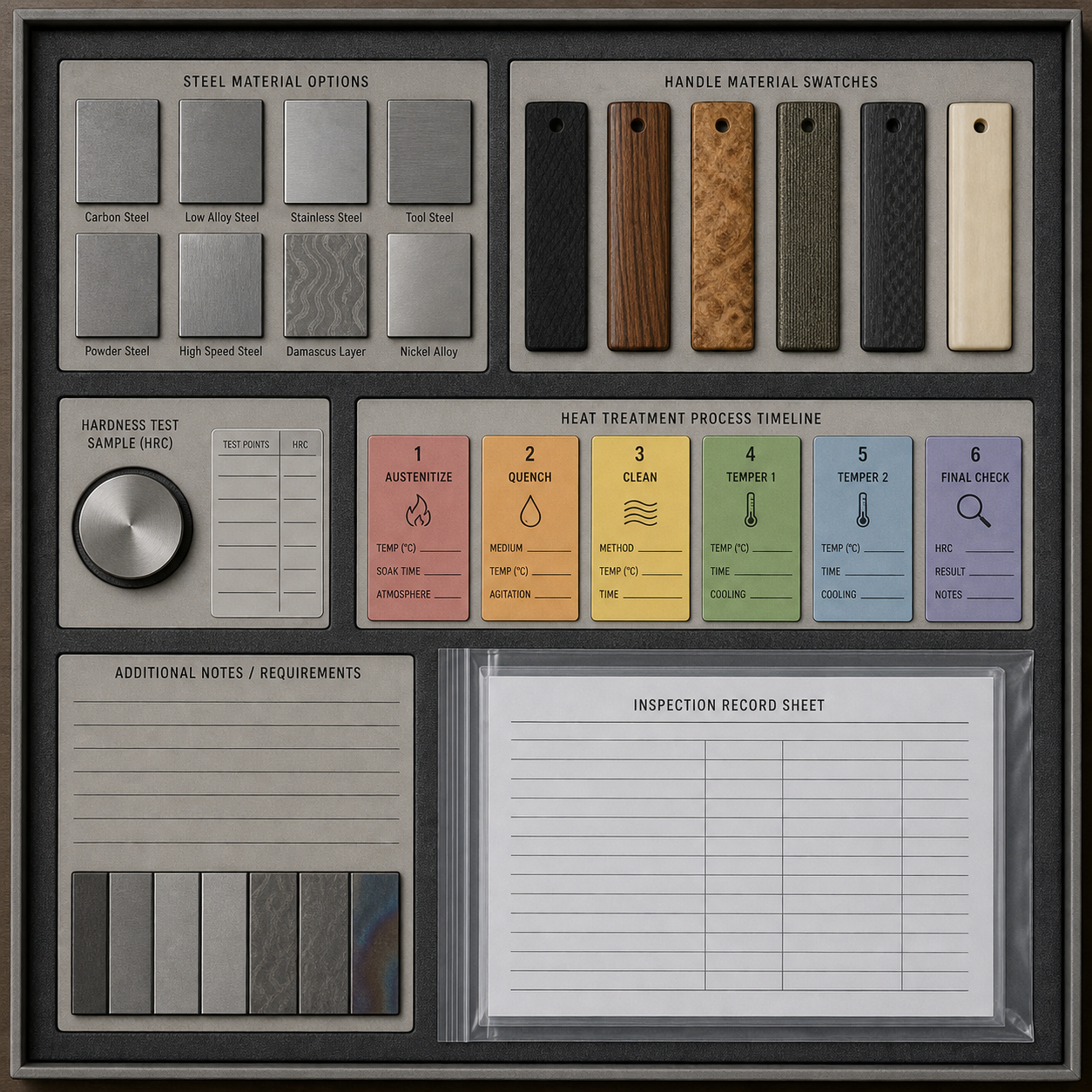
Buyers should specify blade steel, HRC range, heat treatment records, handle material, spring or lock material, finish, corrosion expectation, edge geometry, and inspection records for both penknife and pocket knife projects.
I Keep Material Choices Connected To Product Tier
A penknife-style product may use stainless steel, simple handle scales, brass-style liners, wood, bone-style synthetic material, or classic metal bolsters depending on the buyer's market. A modern pocket knife may use stainless steel, D2-style tool steel, 14C28N-type steel, G10, aluminum, stainless handles, micarta-style material, or reinforced plastic. The right choice depends on the target price, brand story, and use case.
Alleima 14C28N knife steel is useful as one official steel example because it is positioned for knife applications that need edge performance, high hardness, and good corrosion resistance. I use official steel sources like this to keep steel discussion practical. I do not treat one steel as a universal answer for every penknife or pocket knife.
Hardness must also be specified. The NIST Rockwell hardness measurement guide supports careful hardness measurement practice. For B2B buyers, this means the RFQ should include a realistic HRC range and inspection method when blade performance matters. A gift-focused penknife may have different performance expectations from an outdoor pocket knife, but both still need stable heat treatment and consistent edges.
| Material detail | Penknife-style choice | Pocket knife-style choice |
|---|---|---|
| Blade steel | Cost, polish, and corrosion balance | Edge performance and use case |
| HRC range | Stable basic utility | Stronger performance target |
| Handle material | Traditional look and clean finish | Grip, durability, and brand position |
| Finish | Classic polish or simple satin | Stonewash, coating, satin, or bead blast |
How Should Packaging, Marking, And Market Language Be Controlled?
The product can be correct and still be listed badly. Wrong wording or weak marking can create buyer confusion.
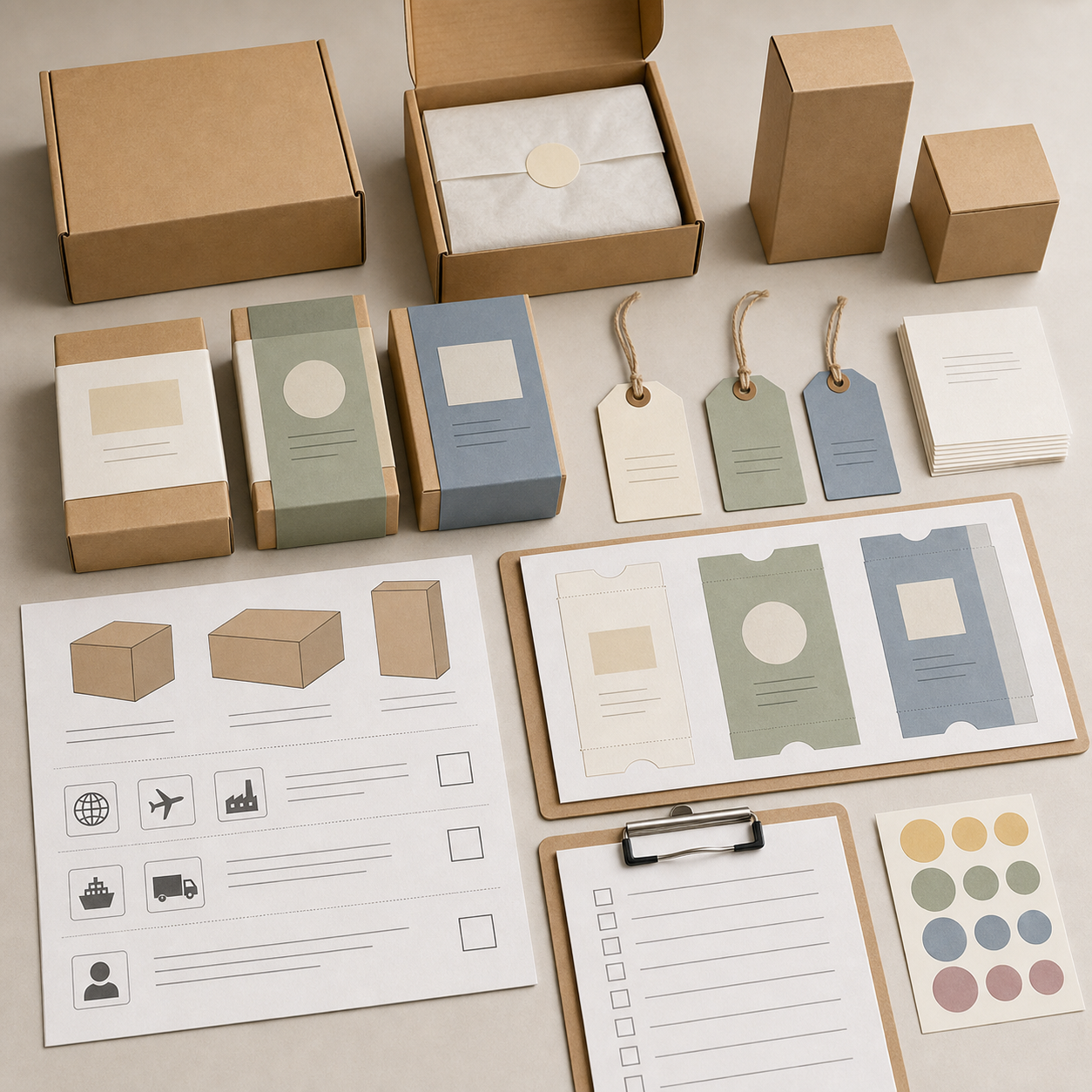
Packaging, marking, and market language should be controlled by matching the product name, item description, country-of-origin marking, care instructions, safety text, retail claim, and target-market terminology before mass production.
I Align The Name With The Product And Market
Packaging is where terminology becomes visible. If the buyer calls the product a penknife, the packaging should support that story. It may look more traditional, compact, or gift-ready. If the buyer calls the product a pocket knife, the package may focus more on EDC utility, material, finish, and product features. The product name should not promise something the structure does not deliver.
Country-of-origin marking and import labels should also be reviewed early. U.S. Customs and Border Protection's country-of-origin marking guidance explains that foreign-origin articles entering the U.S. generally need legible English country-of-origin marking unless an exception applies. This is general information, not complete legal advice. Still, it shows why marking should not be left to the last carton check.
For packaging strength, ISO 4180 provides context for performance test schedules for complete filled transport packages. I use it as a reminder that packaging can be tested and specified. A small penknife can look lost in a large package. A modern pocket knife can rub against an insert or damage a box if it is not fixed well.
Care instructions should be honest and simple. They should explain cleaning, drying, storage, and maintenance where needed. Good packaging protects the product and reduces confusion.
| Packaging topic | Penknife-style focus | Pocket knife-style focus |
|---|---|---|
| Product name | Traditional, compact, gift-friendly | EDC, utility, outdoor, or modern folder |
| Package size | Small box, pouch, or set insert | Retail box, tray, or hang package |
| Marking | Origin and item description | Origin, item description, and claims |
| Care card | Basic maintenance | Material, lock, clip, and use guidance |
What Quality Checks Should Protect Category Consistency?
A penknife and pocket knife can both fold, but their quality risks are not identical. Inspection must match the structure.
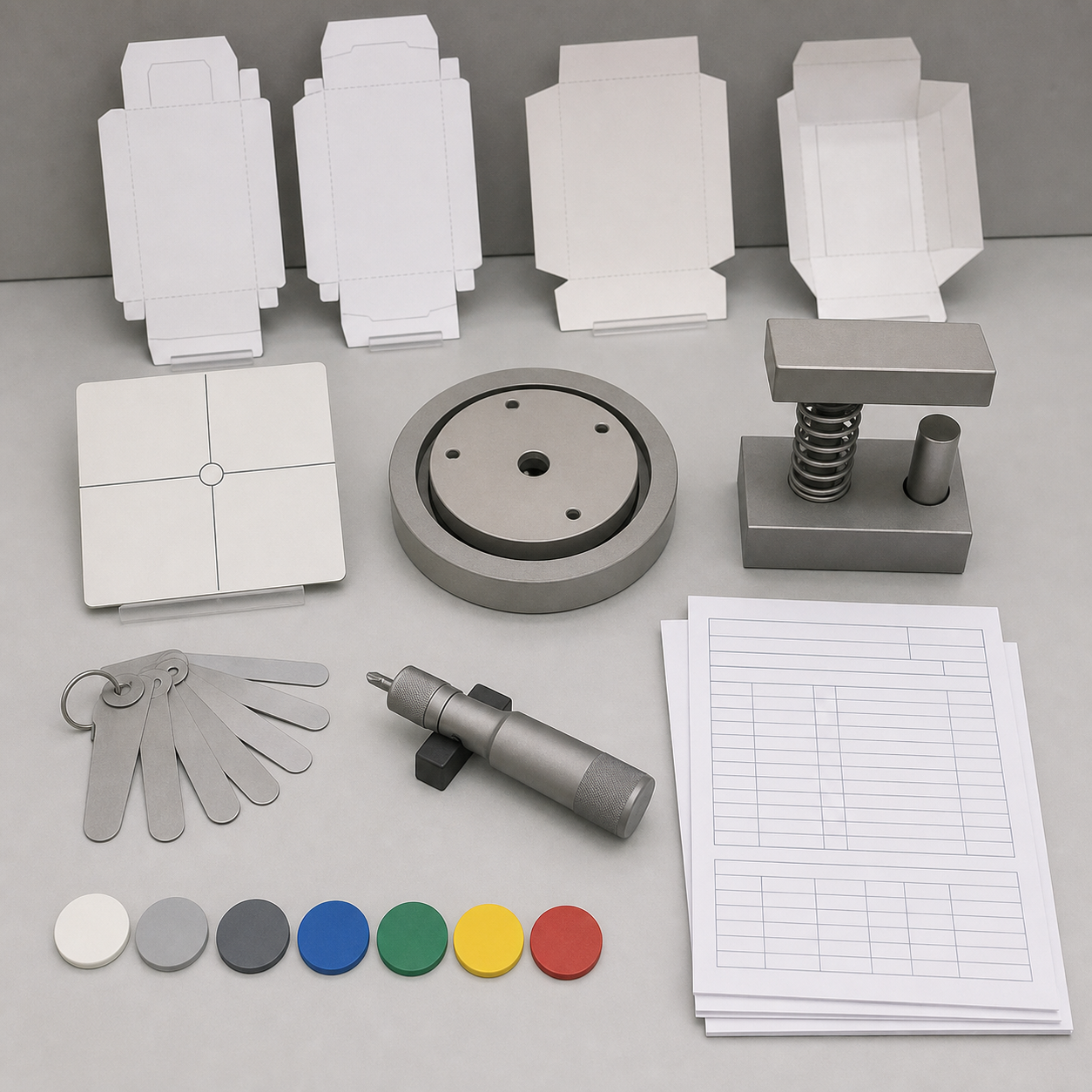
Quality checks should protect category consistency by verifying blade fit, spring or lock function, centering, blade play, edge quality, HRC, handle gaps, screw or pin security, finish, packaging fit, and approved wording.
I Inspect The Details That Match The Category
For a penknife-style product, I look closely at spring feel, blade rub, blade spacing, handle gaps, pin finish, scale fit, polish, and packaging presentation. Small traditional products often show tiny fit issues quickly. A small gap or rough edge can make the product feel cheap even if the material cost is controlled.
For a modern pocket knife, I focus more on blade centering, lock engagement, opening smoothness, side play, screw torque, pocket clip tension, handle texture, and finish consistency. If the knife uses washers or bearings, the pivot system needs stable assembly. If the knife has a clip, the clip should not scratch the package or loosen after handling.
Quality should not depend only on final inspection. A process-based quality system such as ISO 9001 is useful background because it focuses on quality management systems that help organizations meet customer and applicable requirements and improve customer satisfaction. I use this concept in practical ways: incoming material checks, blade process checks, heat treatment records, assembly checks, and final packaging review.
The buyer should also freeze approved terminology. If the sample was approved as a penknife-style gift item, the production documents should not quietly shift to a different pocket knife structure. Category consistency is part of quality.
| QC area | Penknife-style check | Pocket knife-style check |
|---|---|---|
| Blade control | Blade spacing and spring feel | Centering, lockup, and side play |
| Handle finish | Pin finish, gaps, and polish | Screw fit, texture, and clip area |
| Performance | Edge and basic folding function | Edge, action, lock, and clip |
| Packaging | Gift-ready fit and wording | Retail fit, marking, and feature claims |
What RFQ Details Help Suppliers Quote The Right Knife Category?
A vague RFQ creates a vague category. The supplier needs enough detail to know whether to build a penknife-style product or a modern pocket knife.
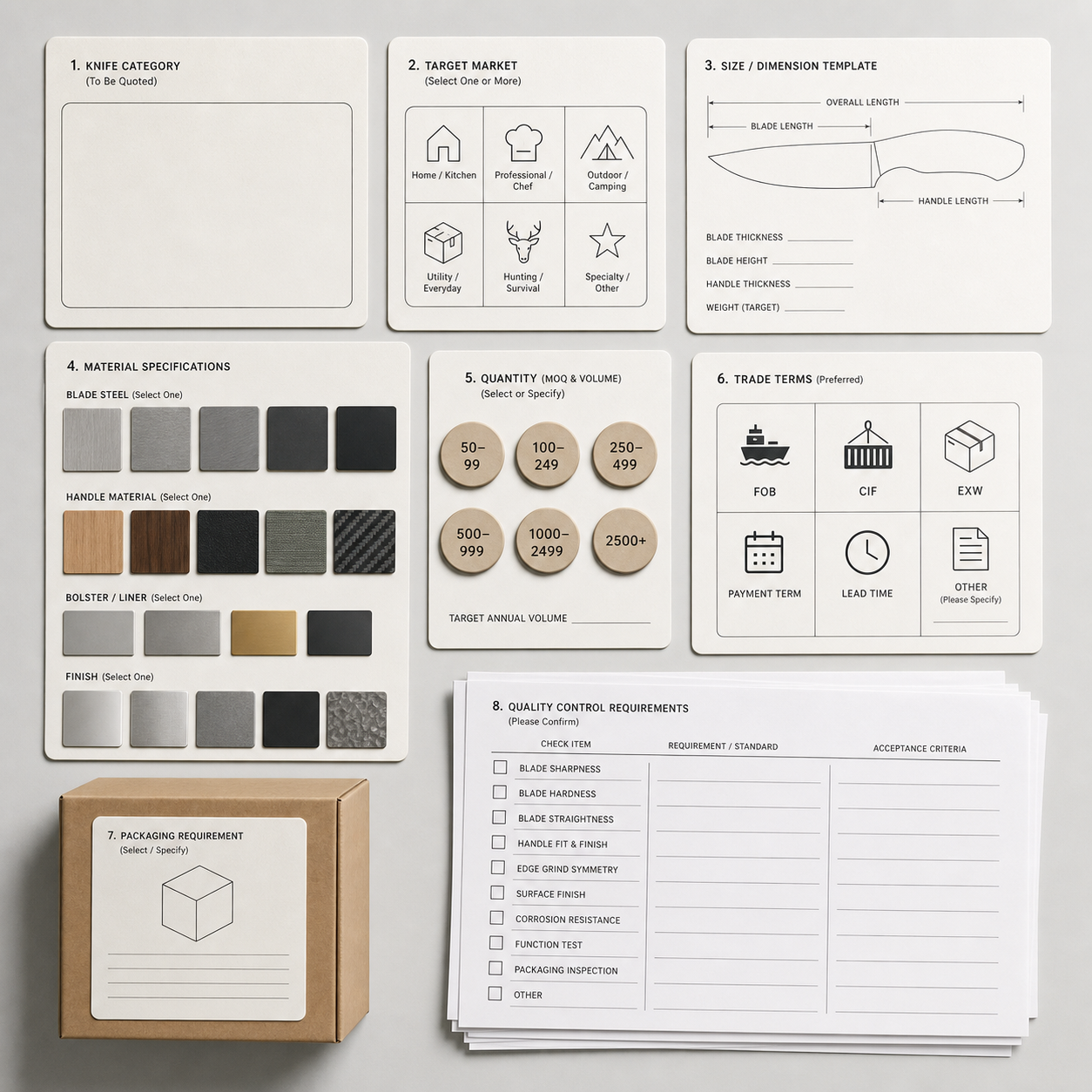
An RFQ should include category wording, target market, user scenario, blade count, blade length, closed length, lock or slipjoint structure, steel, HRC range, handle material, finish, packaging, quantity, target price, trade term, and QC needs.
I Ask Buyers To Translate The Name Into A Specification
The best RFQ does not only say "penknife" or "pocket knife." It explains what the buyer wants the product to do. I ask for category wording, target market, user profile, blade count, blade length, closed length, handle material, mechanism, lock or spring expectation, finish, logo method, packaging, target price, quantity, sample deadline, and inspection needs. If the buyer has only a reference image, I can help turn it into a workable specification.
I also ask whether the buyer wants one product or a family. A buyer may want a penknife-style gift model and a modern pocket knife in the same brand line. That is possible, but the two products need different documents, samples, and QC points. ISO 10007 supports the broader idea of configuration management. In practical sourcing, that means version names, material choices, approved samples, packaging files, and inspection standards should be controlled.
Trade terms should be clear. The ICC's Incoterms rules provide context for common international commercial terms. If one quote is FOB and another is EXW, the buyer is not comparing the same commercial scope.
At Vast State, I prefer RFQs that tell me both the product story and the commercial target. Then I can suggest whether the buyer should develop a penknife-style product, a broader pocket knife, or both.
| RFQ field | What to include | Why it helps |
|---|---|---|
| Category wording | Penknife, pocket knife, EDC folder, or gift knife | Aligns sample and packaging |
| Structure | Blade count, lock, slipjoint, clip, and handle | Prevents wrong mechanism |
| Commercial target | Quantity, target price, MOQ, trade term | Makes quotation realistic |
| Quality request | HRC, fit, action, finish, packaging, marking | Protects repeat production |
Turn this article into a folding knife project.
Share your blade type, lock direction, steel preference, handle material, quantity, target market, and packaging needs. Vast State can prepare OEM/ODM options.
Conclusion
I distinguish penknives and pocket knives by turning loose names into clear structure, market, material, packaging, and QC specifications.
Source Notes
- Cambridge Dictionary penknife supports the language point that penknife commonly means a small folding knife carried in a pocket.
- Cambridge Dictionary pocketknife supports the overlap between pocketknife and penknife terminology.
- CCOHS hand tool ergonomics provides general context for handle fit and tool design.
- Alleima 14C28N knife steel supports the blade steel discussion with official knife steel context.
- ISO 10007 supports configuration management thinking for product versions and approved options.
- CBP country-of-origin marking guidance provides U.S. import marking context for packaging review.