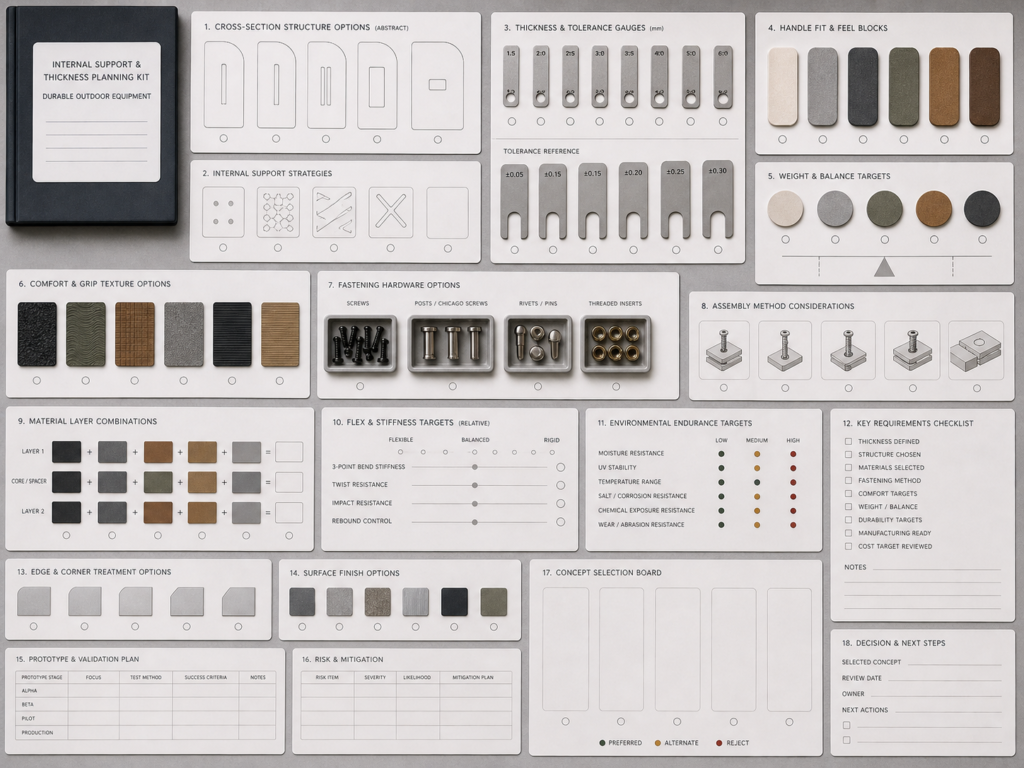
A fishing knife can look useful online but fail near water. Rust, weak grip, and poor sheath design turn a good idea into complaints.
Buyers should choose fishing knives by matching the target fishing scenario, blade type, corrosion resistance, handle grip, sheath or folding structure, cleaning needs, packaging, compliance review, target price, MOQ, and inspection standards before OEM or ODM production.
Quick buyer brief:
- Answer: A fishing knife should match real fishing tasks, wet handling, corrosion exposure, cleaning needs, and retail positioning.
- Buyer context: This helps outdoor brands, fishing gear brands, importers, wholesalers, distributors, and private label buyers brief suppliers clearly.
- Key checks: Use scenario, blade type, steel, heat treatment, handle grip, sheath, folding mechanism, packaging, market review, target price, MOQ, and QC plan.
Have a knife or multi-tool project in mind?
Send your sketch, CAD file, sample photo, or product idea. Vast State can review manufacturability, suggest materials, estimate MOQ, and prepare a quote for your OEM/ODM project.
When a buyer asks me for a fishing knife, I do not start with one universal design. Fishing is not one use case. A freshwater angler, saltwater boat user, kayak fisherman, camp cook, and retail gift buyer may all need different product choices. In OEM and ODM work, I treat fishing knife selection as a product planning question. The best direction comes from matching the user's environment, hand condition, cleaning habit, blade task, target price, and packaging channel.
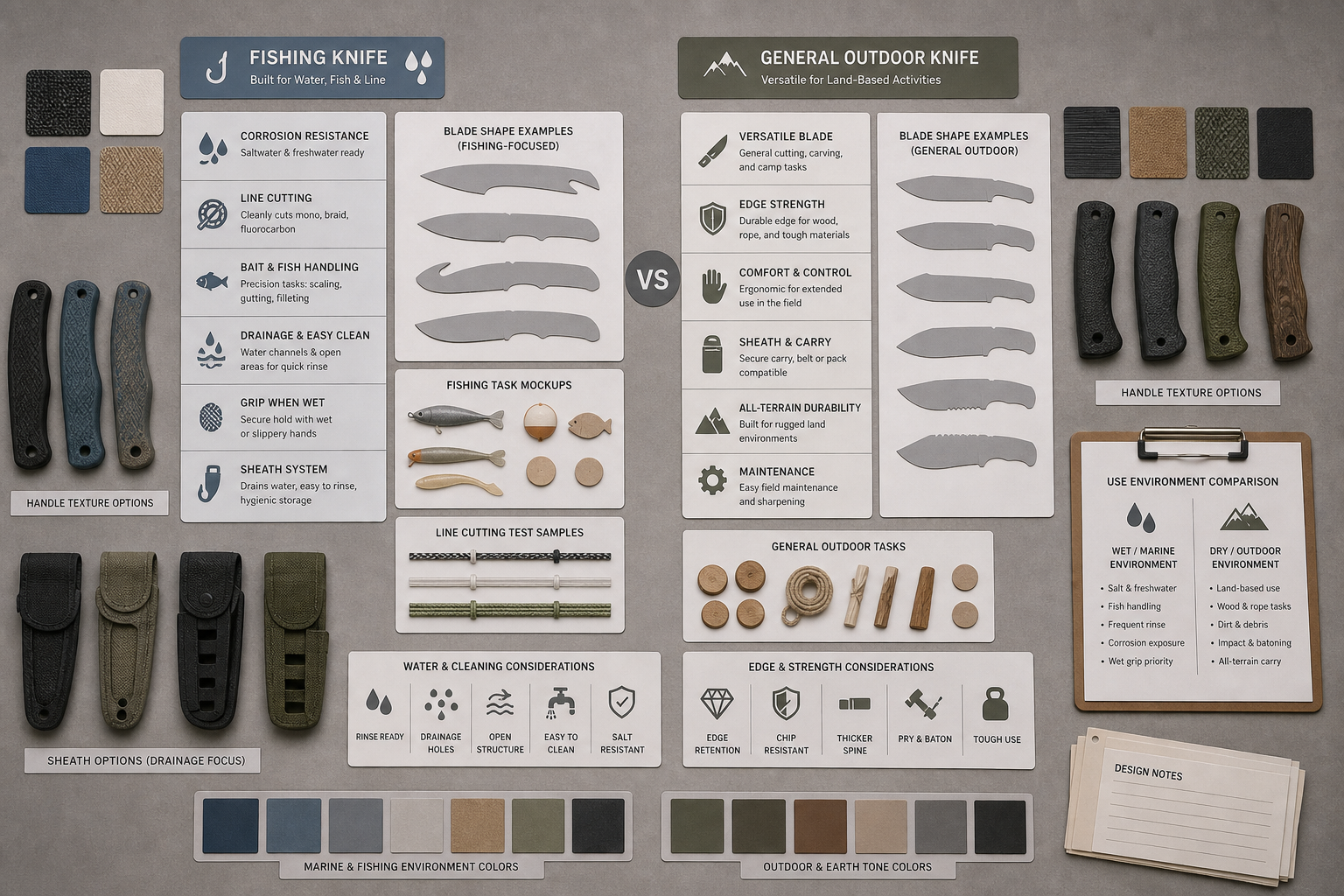
What Makes a Fishing Knife Different From a General Outdoor Knife?
A general outdoor knife may not fit fishing use. Water, scales, slime, rope, bait, and cleaning tasks create different product risks.
A fishing knife is different because it must handle wet use, corrosion exposure, grip control, cleaning, fine cutting, utility cuts, sheath safety, and storage near tackle or boat gear. Buyers should define whether the knife is for filleting, bait work, line cutting, general camp use, or retail fishing kits.
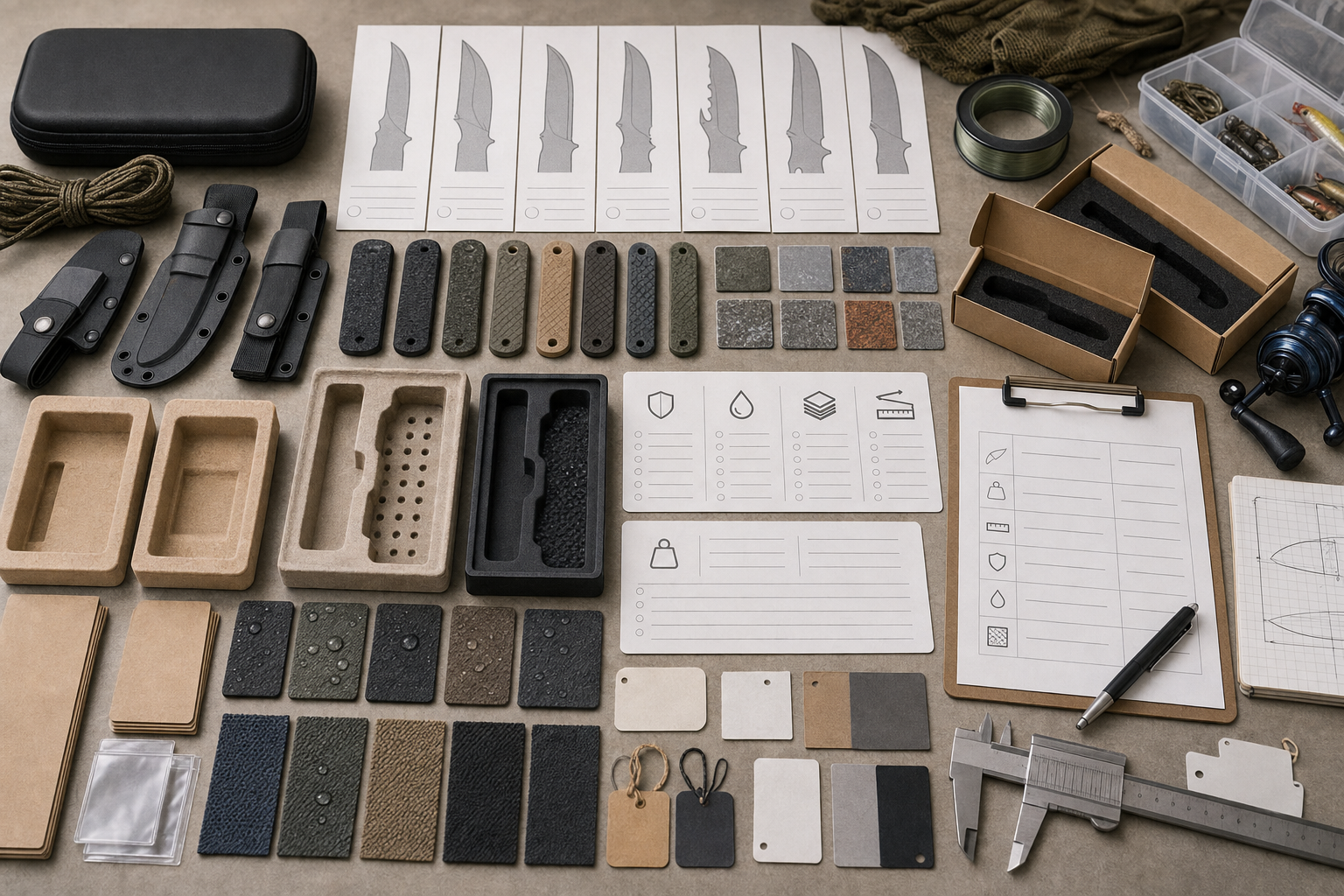
I Start With the Fishing Task, Not the Knife Shape
In product development, I first ask what the buyer means by fishing knife. Some buyers want a long flexible fillet knife. Some want a compact bait and utility knife. Some want a folding knife that can sit in a tackle box. Some want a fishing kit with a knife, sheath, sharpener, and simple package. These are not the same project. A fillet knife needs flexibility, edge control, and food-contact cleaning logic. A compact utility knife needs strength, corrosion resistance, and easy storage. A folding fishing knife needs careful pivot and cleaning design because water and debris can stay inside the mechanism.
Fishing also changes the failure points. A knife may face freshwater, saltwater spray, wet hands, fish residue, sand, deck surfaces, and repeated rinsing. FDA seafood safety guidance reminds users to wash utensils and surfaces between raw seafood and ready-to-eat foods. That tells me a fishing knife should be easy to clean, not only sharp. For B2B buyers, the right product is the one that fits the channel and reduces complaints after real use.
| Fishing knife factor | What I check | Buyer takeaway |
|---|---|---|
| Main task | Filleting, bait, line, camp food, utility | Choose blade type by use |
| Environment | Freshwater, saltwater, boat, shore, kayak | Set corrosion and grip needs |
| Cleaning | Smooth surfaces, low trap points, rinse access | Helps post-use care |
| Channel | Retail, tackle kit, private label, promo | Guides package and price |
OEM/ODM RFQ Checklist
Prepare these details to help Vast State review your project and provide a more accurate quotation.
| RFQ Field | What to Prepare |
|---|---|
| Project type | OEM from drawing / ODM private label / wholesale catalog |
| Product category | Folding knife / fixed blade / multi-tool / outdoor tool |
| Design status | Idea / sketch / 2D drawing / 3D CAD / physical sample |
| Target price | Ex-factory target price or retail price range |
| MOQ expectation | 500 / 1,000 / 3,000 / 5,000+ pcs |
| Logo method | Laser engraving / etching / printing / molded logo |
| Packaging | Standard packaging / custom retail box / Amazon-ready |
| Market | USA / EU / Japan / Korea / Middle East / other |
| Compliance needs | Buyer-specified testing / documentation / labeling |
| Timeline | Sample deadline / mass production deadline |
How Should Buyers Define the Fishing User and Environment?
Many fishing knife projects fail because the buyer defines the product too broadly. One knife cannot serve every fishing market equally.
Buyers should define the fishing user by water type, target fish size, boat or shore use, carry method, cleaning habit, climate, retail channel, package level, and price range. These details turn a vague fishing knife idea into a manufacturable product brief.
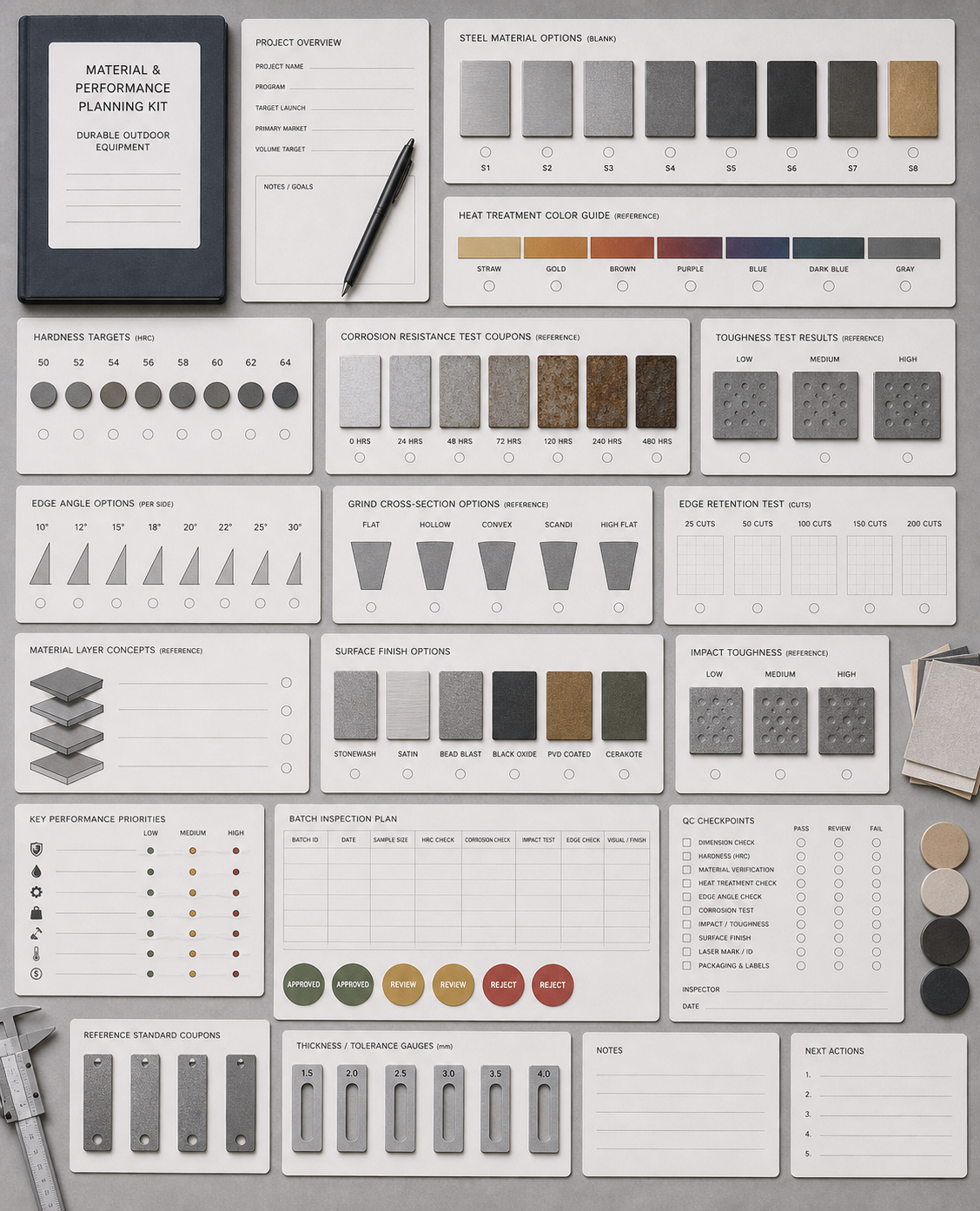
I Turn Lifestyle Words Into Product Requirements
Fishing products often use lifestyle words such as saltwater, kayak, bass, boat, survival, or tournament. Those words are useful for marketing, but they must become product requirements. If the buyer targets saltwater fishing, corrosion resistance and rinsing guidance become more important. If the buyer targets kayak fishing, compact size and secure storage matter. If the buyer targets camp cooking after fishing, a cleanable fixed blade may make more sense than a complex folder. If the buyer targets a gift set, packaging and perceived value may carry more weight.
I also ask whether the product will be sold as a single knife or as part of a kit. A kit may need a sheath, sharpener, cutting board, glove, or package insert. A single knife may need stronger shelf appeal and clearer product claims. For online sales, the buyer may need images that show size, grip, sheath, and cleaning features. For wholesale channels, carton planning and barcode placement may matter more.
The user environment affects design tolerance. Wet hands need texture. Boat use may need bright color options so the knife is easier to find. Saltwater exposure needs better steel and finish review. Sand and residue can affect folding pivots. These details should be discussed before sampling.
| User detail | What buyer should define | Why it matters |
|---|---|---|
| Water type | Freshwater or saltwater | Sets corrosion risk |
| Fishing style | Boat, shore, kayak, camp | Guides size and carry |
| Product format | Single knife or kit | Changes packaging and cost |
| Retail channel | Online, tackle shop, wholesale, private label | Shapes product story |
Which Blade Types Fit Fishing Knife Product Lines?
One blade shape cannot cover all fishing jobs. A poor blade match creates bad cutting feel and weak user reviews.
Fishing knife product lines usually need clear blade roles, such as flexible fillet blades, stiffer bait knives, compact utility blades, folding fishing knives, and line-cutting features. Buyers should match blade length, thickness, tip shape, grind, flexibility, and edge standard to the intended task.
I Build the Blade Around the Job
A fillet knife normally needs a different feel from a bait knife. A fillet blade should be thin and controlled enough for smooth cuts along fish structure. A bait knife can be shorter and stiffer because it may be used for rougher prep tasks. A compact utility fishing knife may need a stronger tip and thicker blade. A folding fishing knife may prioritize storage, convenience, and basic cutting rather than long filleting strokes.
I do not suggest adding every feature to one blade. A serrated area can help with rope or tougher material, but it can complicate sharpening and may not fit a clean fillet product. A gut hook or special notch may look useful, but it must be tested for cleaning, edge quality, and actual buyer need. In a B2B project, each feature should justify its cost and inspection burden.
The AKTI approved knife definitions are useful because they show why clear terminology matters in knife products. I apply that discipline in the RFQ. I want the buyer to state whether the product is a fixed blade fillet knife, fixed blade utility fishing knife, folding fishing knife, or kit accessory. Then we can select length, thickness, grind, handle shape, and sheath design without guessing.
| Blade type | Best fit | Production focus |
|---|---|---|
| Flexible fillet | Smooth fish preparation | Thin stock, grind, edge control |
| Bait knife | Shorter prep tasks | Stiffer blade and easy cleaning |
| Utility fishing knife | General outdoor and tackle use | Strength and corrosion review |
| Folding fishing knife | Compact storage | Pivot cleaning and lock control |
Which Steel and Heat Treatment Choices Work Best Around Water?
Fishing knives face moisture often. A steel that works for dry pocket carry may not be the right choice near water.
Steel and heat treatment should be chosen for corrosion resistance, edge stability, sharpening ease, target hardness, cost, and production consistency. For fishing knives, buyers should compare stainless grades, coating options, surface finish, hardness range, and saltwater maintenance needs before approval.
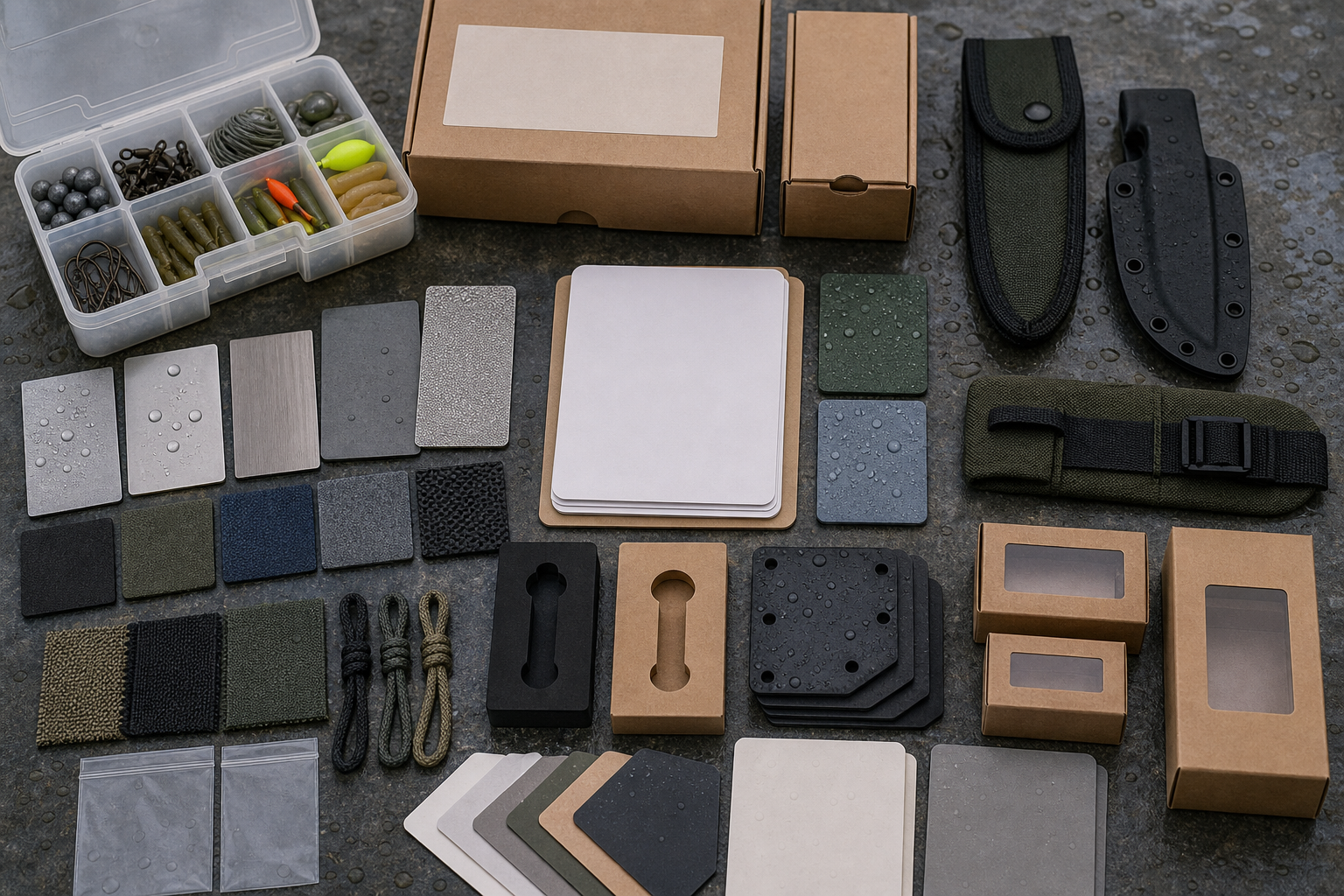
I Balance Corrosion Resistance With Edge Value
For fishing knives, stainless steel is usually the first conversation. Buyers may ask for 3Cr13, 5Cr15MoV, 7Cr17MoV, 8Cr13MoV, 9Cr18MoV, 12C27, 14C28N, 420 series, 440 series, D2, or other grades. The right answer depends on the product level and environment. Saltwater fishing usually pushes the buyer toward better corrosion resistance. Freshwater and budget kits may allow more cost-sensitive choices. D2 can offer edge value in some products, but it needs more corrosion care than many stainless options.
The official Alleima page for 14C28N knife steel is relevant because it describes a balance of edge performance, high hardness, and corrosion resistance, and it directly lists fishing knives among suitable applications. That does not mean every fishing knife needs 14C28N. It means the buyer should connect steel grade to the actual performance claim.
Heat treatment is the second half of the decision. A steel name alone does not guarantee a good blade. The supplier should define a target hardness range, process checks, and batch inspection. The NIST Rockwell hardness measurement guide supports the need for careful hardness measurement practice. For B2B buyers, this helps turn a steel choice into a repeatable production standard.
| Steel decision | What buyer should ask | Why it matters |
|---|---|---|
| Stainless grade | Corrosion, edge, cost, availability | Matches water exposure |
| Heat treatment | Target hardness and batch control | Makes steel performance real |
| Surface finish | Satin, polish, stonewash, coating | Affects rust risk and appearance |
| Maintenance claim | Rinse, dry, oil, storage guidance | Reduces user complaints |
How Should Handle Materials and Grip Be Designed for Wet Hands?
A fishing knife can have a good blade and still feel unsafe in use. Wet hands expose weak handle decisions quickly.
Handle materials and grip should be designed around wet control, texture, edge rounding, chemical resistance, cleaning, color visibility, screw support, and comfort. Buyers should compare rubber-like materials, TPR, PP, ABS, G10, FRN, stainless liners, and overmold options by use and budget.
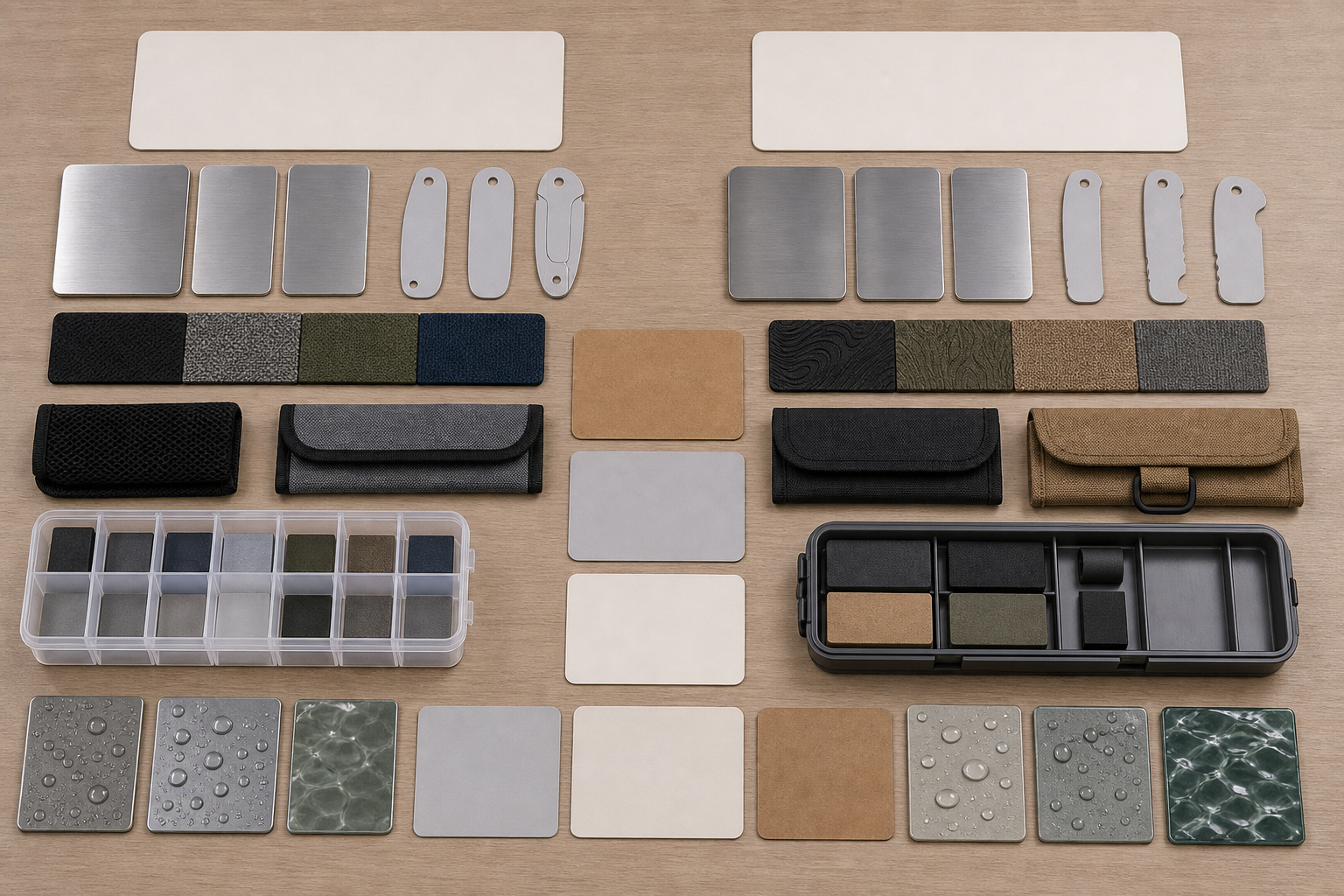
I Treat Grip as a Quality Feature
Fishing knives are handled in wet conditions. The handle should not be judged only by appearance. I check whether the material gives enough grip, whether the texture is too aggressive, whether the edges are rounded, and whether the handle can be cleaned after use. A handle that feels good in a dry showroom may feel different when wet. A deep texture may improve grip, but it can also trap residue if the design is not considered carefully.
Common choices include TPR or rubber-like overmolds, polypropylene, ABS, FRN-style materials, G10, and stainless or aluminum components. Soft-touch materials can improve grip, but bonding and long-term surface behavior should be tested. G10 can give strong structure and texture, but it may raise cost. Bright colors may help users find the knife in a tackle bag or on a boat surface. Dark handles may look cleaner for retail, but they can be harder to see.
Screw and liner design also matter. A fixed blade handle may use full tang, partial tang, molded handle, or riveted scale construction. A folding fishing knife may need liners, pivots, standoffs, and screws that resist corrosion and can be assembled consistently. In both cases, grip design is not decoration. It is part of product safety, comfort, and perceived quality.
| Handle choice | Main benefit | Risk to review |
|---|---|---|
| TPR or rubber-like grip | Wet hand control | Bonding, aging, cleaning |
| PP or ABS | Cost control and color options | Texture and stiffness |
| G10 or FRN-style material | Stronger technical feel | Cost and machining |
| Bright color options | Easier to locate | Brand fit and MOQ |
What Sheath, Folding Structure, and Cleaning Details Matter?
A fishing knife does not stop at the blade and handle. Storage, drainage, pivot cleaning, and retention affect daily use.
Sheath, folding structure, and cleaning details matter because fishing knives face water, residue, tackle bags, boats, and repeated rinsing. Buyers should check sheath retention, drainage, belt or pack attachment, pivot access, screw materials, liner spacing, and whether the design avoids hard-to-clean traps.
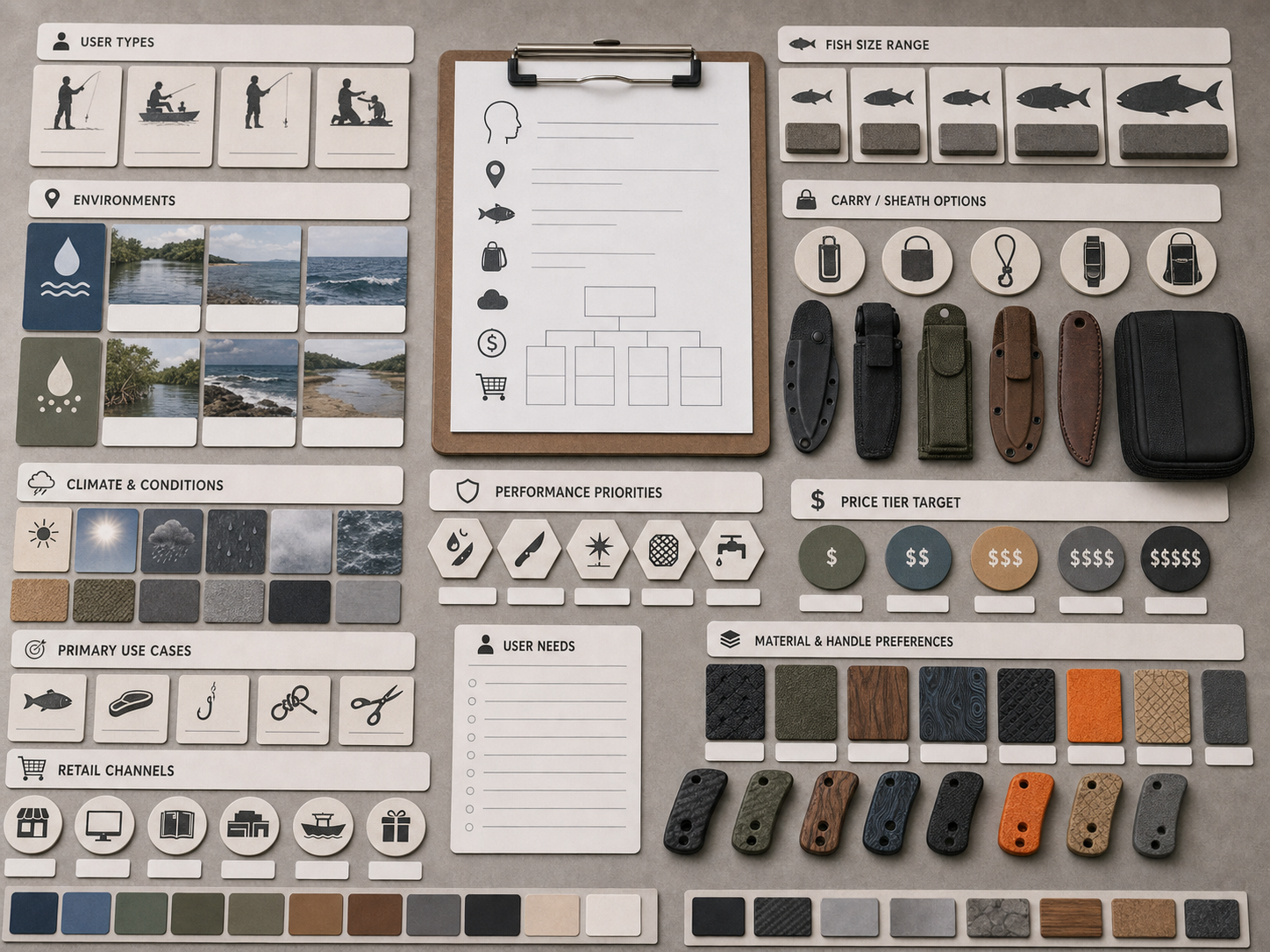
I Review Storage as Part of the Product
For fixed blade fishing knives, the sheath is not an accessory. It is part of the product system. A sheath should hold the knife securely, protect the edge, allow reasonable drainage, and fit the user's storage method. A belt clip, pack clip, tackle-box format, or simple protective sleeve changes both cost and user value. A molded sheath can look practical, but the retention and drainage should be tested. A soft sheath may reduce cost, but it may not protect the edge as well.
For folding fishing knives, the internal structure needs extra attention. A pivot can trap water, sand, or residue. Open-back construction may be easier to rinse than a closed construction, depending on the design. Washers, bearings, screws, liners, and lock surfaces should be reviewed for corrosion risk and cleaning access. A folding knife can be convenient, but it may not be the best answer for every fish-preparation use.
Cleaning details should also appear in the buyer's product plan. FDA seafood safety guidance emphasizes washing utensils and surfaces after raw seafood contact. For knife products, I translate that into smooth transitions, accessible surfaces, and packaging or insert language that encourages cleaning and drying after use. The product should make good care easier.
| Storage detail | What to inspect | Why it matters |
|---|---|---|
| Sheath retention | Shake, pull, insert, removal feel | Protects storage experience |
| Drainage | Openings and cleaning access | Reduces trapped water |
| Folding structure | Pivot, liners, standoffs, screws | Controls cleaning and corrosion |
| User guidance | Rinse, dry, store, maintain | Reduces misuse complaints |
How Should Packaging, Compliance, and Market Positioning Be Planned?
Packaging can make a fishing knife feel ready for retail. Poor labels, weak inserts, or late market review can delay launch.
Packaging, compliance, and market positioning should be planned around target channel, product claims, origin mark, warning review, barcode area, insert instructions, sheath visibility, corrosion-care guidance, carton labels, and trade terms. Buyers should review these points before final artwork and mass production.
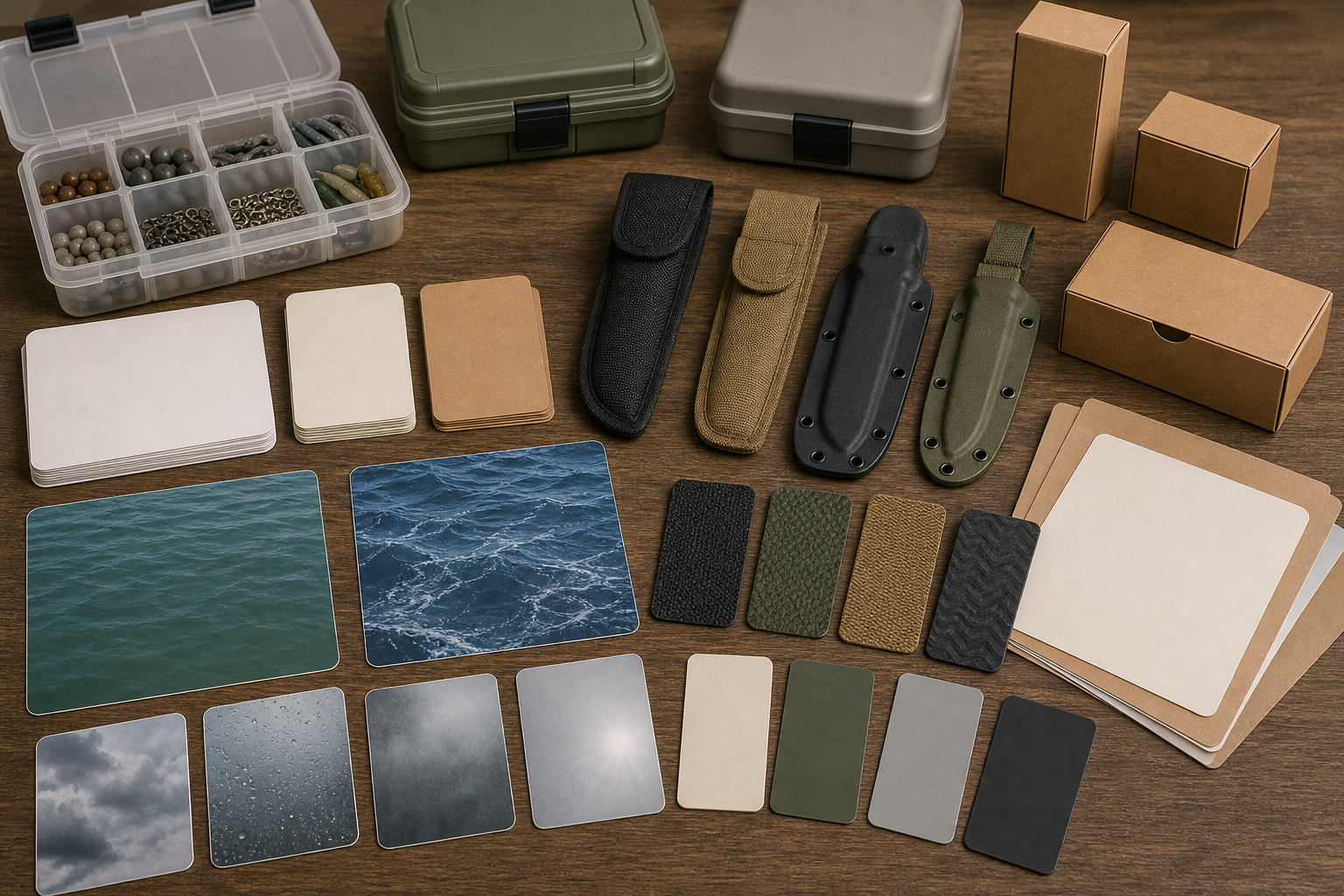
I Plan the Retail Story Before Artwork
Fishing knife packaging should show the buyer's positioning clearly. A budget tackle-box knife may use simple blister or basic box packaging. A private label outdoor product may need a color box, sheath display, insert card, barcode area, origin mark, and carton label. A kit may need compartments for the knife, sheath, sharpener, or accessory. The package should protect the edge, handle finish, and sheath during shipping.
Care language matters for fishing knives. If the product is used around water, the insert can remind users to rinse, dry, and store the knife properly. This is not a substitute for good material choice, but it helps reduce unrealistic expectations. FDA seafood safety guidance also supports the broader point that seafood tools and surfaces should be cleaned between raw and ready-to-eat food handling. That makes cleanability and care instructions more relevant for fishing products than for many general outdoor tools.
Market review should happen before final artwork. I cannot give legal advice, but I can help buyers prepare the right questions. For U.S. import planning, 19 CFR 134.11 discusses country-of-origin marking requirements. For California sales, Proposition 65 business resources can help buyers review warning obligations. These sources do not decide every product detail, but they show why destination market and package language should be checked early.
| Planning area | Buyer should check | Why it matters |
|---|---|---|
| Package format | Box, blister, sheath display, kit tray | Fits channel and price |
| Label area | Barcode, origin mark, warning review | Reduces late artwork changes |
| Care insert | Rinse, dry, clean, store | Supports better user habits |
| Market position | Budget, mid-range, private label, gift | Guides material and finish |
What Should Buyers Include in a Fishing Knife RFQ to Control Price and Quality?
A short RFQ invites vague quotes. Fishing knife projects need use-case details, price limits, wet-environment requirements, and inspection standards.
A fishing knife RFQ should include knife type, fishing scenario, water exposure, blade specs, steel, hardness range, handle, sheath or folding structure, packaging, logo, MOQ, target price, destination market, Incoterm, sample timeline, and QC criteria.
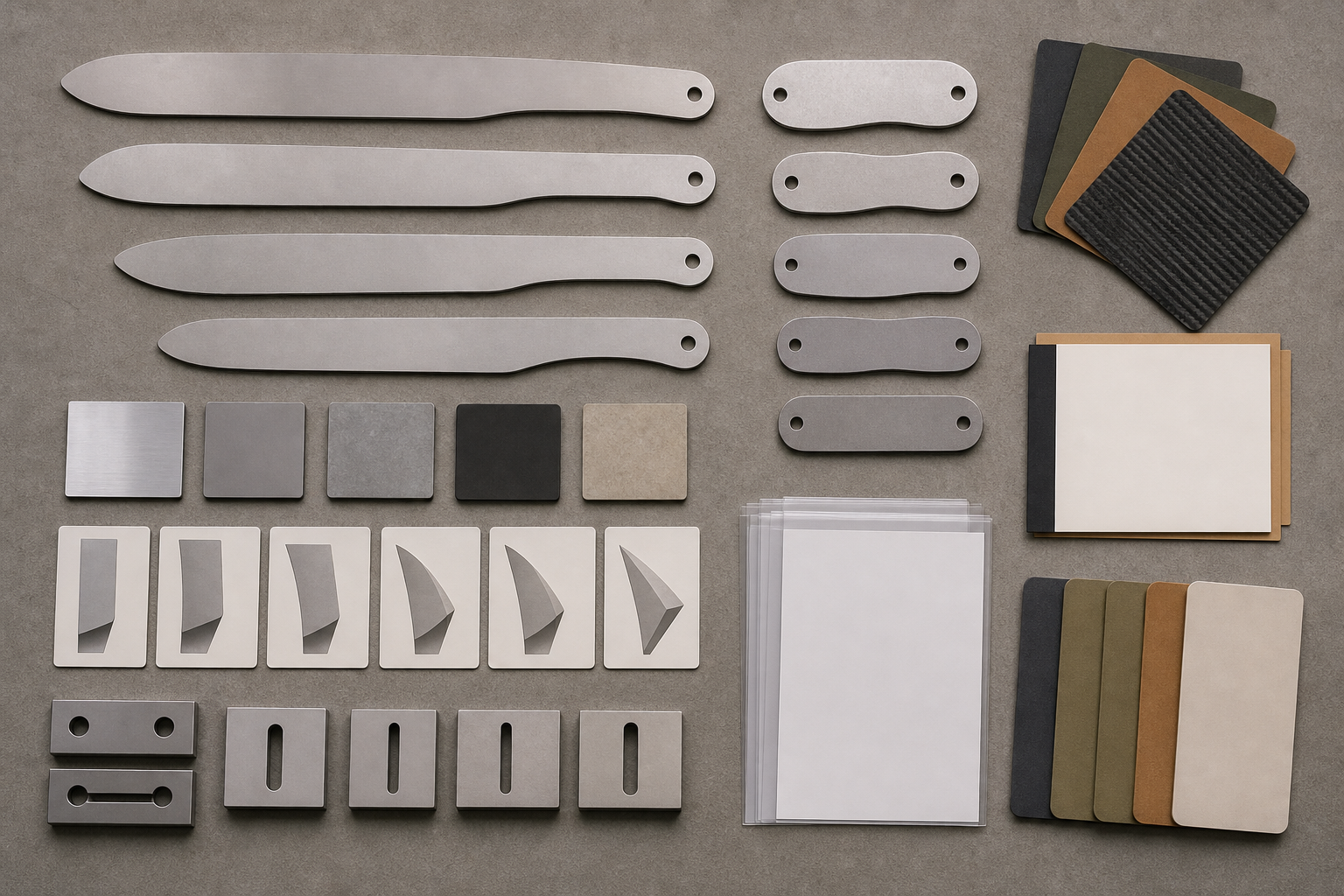
I Use the RFQ to Make the Product Buildable
In fishing knife projects, the buyer often wants better steel, strong grip, molded sheath, bright handle color, logo, retail box, and low price at the same time. Some combinations are possible. Some are not. I usually divide features into three groups. The first group is must-have performance, such as corrosion resistance, stable heat treatment, grip, clean edge, and sheath retention. The second group is adjustable style, such as color, logo location, package level, and surface finish. The third group is cost-risk complexity, such as a feature that looks interesting but adds tooling, assembly, or inspection difficulty without clear user value.
Clear supplier requirements matter. ISO's guide to ISO 9001 in the supply chain explains that buyers should make needs and expectations clear to suppliers and use purchasing information to help suppliers understand requirements. In knife sourcing, that means the buyer should share target price, expected quantity, product level, target market, must-have features, and inspection needs.
The RFQ should tell the supplier what kind of fishing product the buyer wants to build. I want to see the target fishing scenario, whether the product is for freshwater or saltwater, whether it is fixed blade or folding, whether it is for filleting or general utility, and what price range the buyer needs. Then I want technical details: blade length, blade thickness, steel, hardness range, grind, edge type, handle material, texture, color, sheath type, clip or storage method, logo method, package type, and carton requirements.
The RFQ should also include quality expectations. For fixed blade fishing knives, I would check edge consistency, blade straightness, tip finish, handle bonding or fit, sheath retention, drainage, surface finish, and package fit. For folding fishing knives, I would add pivot smoothness, lock engagement, blade centering, screw torque, side play, and cleaning access. If the product will be sold in a specific market, the buyer should add destination-market review requirements.
Trade terms also matter. The ICC Incoterms rules help buyers and sellers clarify delivery tasks, costs, and risks. A fishing knife quote under FOB is not the same as a delivered-price quote. A clear RFQ helps us suggest a product that is practical, sellable, and repeatable.
| RFQ field | What to include | Why it helps |
|---|---|---|
| Product goal | Fishing use, user, channel, price range | Guides development |
| Technical spec | Blade, steel, handle, sheath, folder structure | Makes quotes comparable |
| Price and MOQ | Must-have features, optional features, quantity | Controls cost early |
| Quality plan | Edge, finish, grip, sheath, lock, package | Protects repeat production |
| Trade and market | MOQ, Incoterm, destination, label review | Reduces confusion |
Turn your idea into a quote-ready knife project.
Share your drawing, sample photo, target quantity, market, and packaging needs. Vast State will review manufacturability and prepare OEM/ODM options.
Conclusion
I choose fishing knives by matching real fishing use, water exposure, cleanability, grip, steel, sheath, packaging, cost, and repeatable quality control.
Source Notes
- FDA seafood safety guidance supports the need for cleaning utensils and surfaces after raw seafood handling.
- Alleima 14C28N knife steel supports the discussion of corrosion resistance, edge stability, hardness, and fishing knife applications.
- NIST Rockwell hardness measurement guide supports careful hardness measurement practice for blade QC.
- AKTI approved knife definitions supports the need for clear knife terminology and product descriptions.
- ISO 9001 in the supply chain supports clear buyer requirements and supplier quality communication.
- 19 CFR 134.11 and Prop 65 business resources provide partial context for origin marking and warning review.
- ICC Incoterms rules supports clear trade term discussion in RFQs.