Minnesota can look simple from a distance. But one wrong opening mechanism, package claim, or channel assumption can create avoidable sales risk.
B2B knife sellers should check Minnesota rules by reviewing automatic-opening restrictions, dangerous-weapon definitions, school and government-building limits, federal switchblade rules, local and retailer policies, package wording, product images, target user, and RFQ specifications before selling pocket knives into Minnesota.
Quick buyer brief:
- Answer: Ordinary pocket knives need a Minnesota-focused review of mechanism, purpose, location rules, listings, packaging, and federal trade limits.
- Buyer context: This helps knife brands, outdoor brands, importers, wholesalers, distributors, and private label buyers prepare safer product plans.
- Key checks: Opening mechanism, blade style, product description, destination market, school and government-building limits, federal switchblade rules, local rules, package copy, and compliance review.
Planning a private-label knife line for this market?
Use this article as an early planning reference, then prepare your target market, product category, labeling needs, and buyer-specified compliance requirements before production.
I am not a lawyer, so I do not treat this as legal advice. I treat it as a sourcing and product-risk checklist. For a B2B seller, the key question is not only whether a knife looks normal. The real question is whether the model, mechanism, description, package, sales channel, and destination rules can support a clean commercial launch. I checked the 2025 Minnesota Statutes available from the Minnesota Revisor on May 23, 2026, and I would still ask buyers to confirm final decisions with counsel or a qualified compliance adviser.
What Is the First Rule Buyers Should Understand About Minnesota Knife Sales?
A pocket knife may be legal in one context and risky in another. Sellers need product review before marketing claims go live.
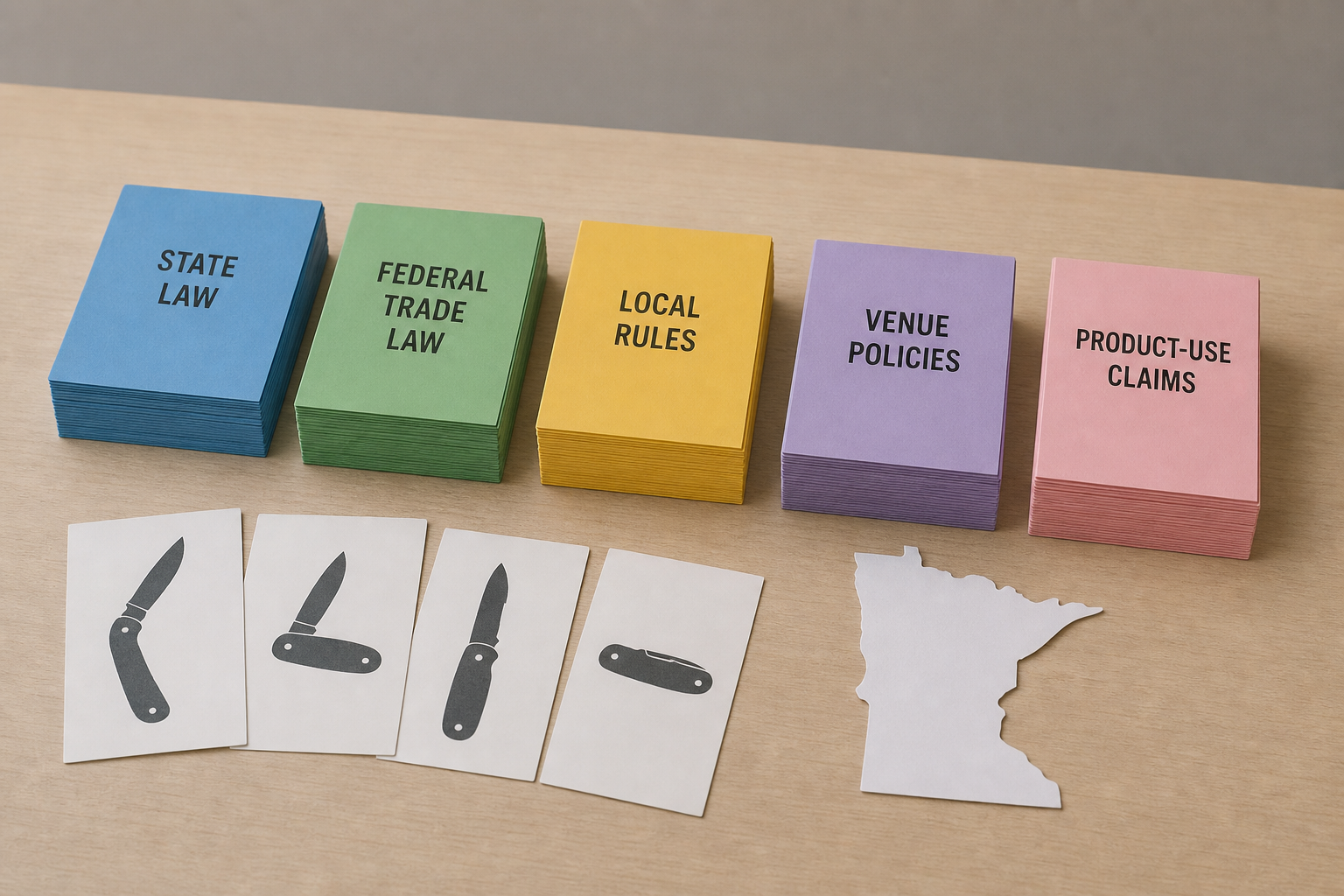
The first rule is to separate state law, federal trade law, local rules, venue policies, and product use claims. Minnesota law specifically flags automatic-opening switch blade knives in section 609.66, while other risk points depend on dangerous-weapon definitions, location rules, and buyer conduct.
I Treat State Law as Only One Layer
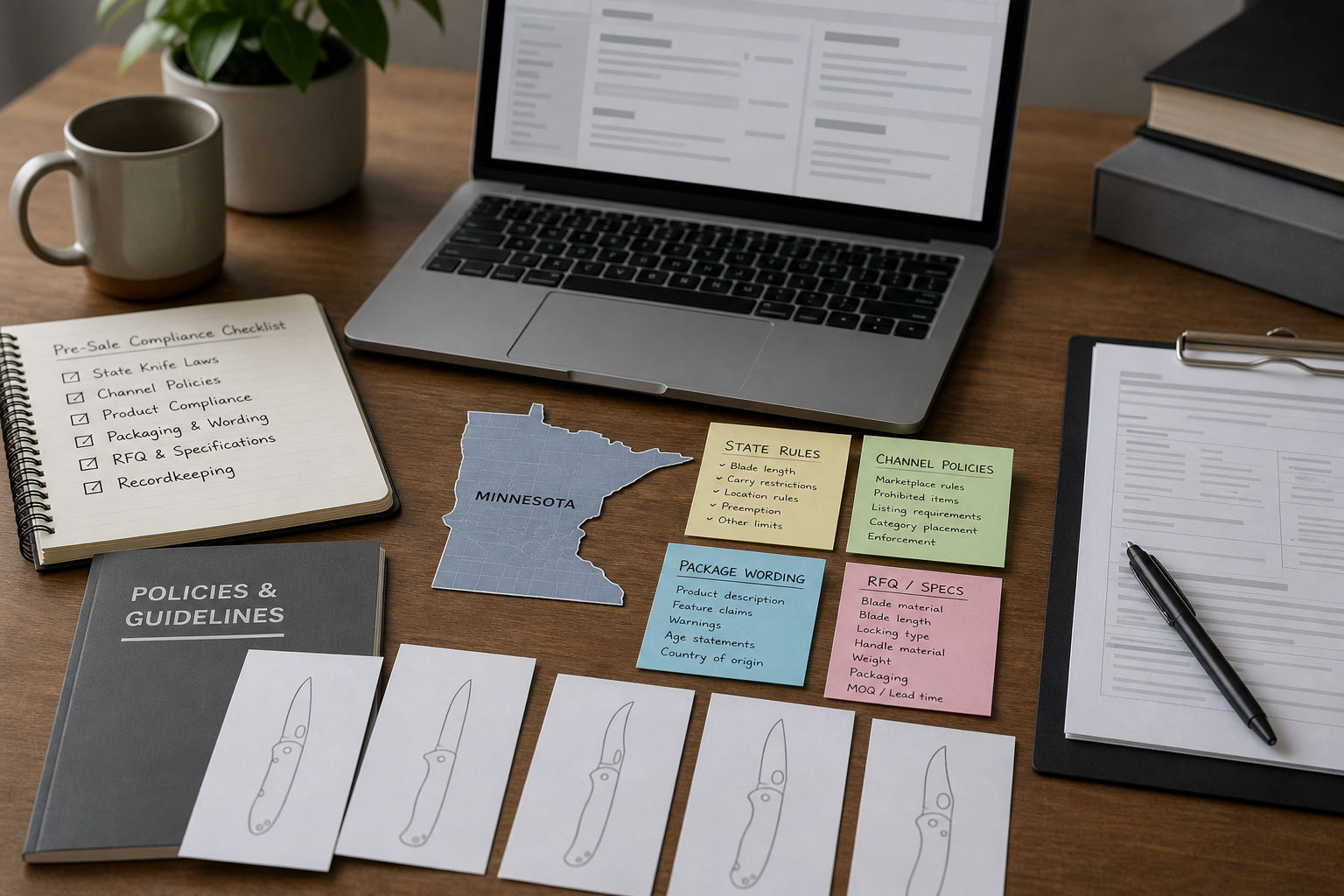
When buyers ask whether a pocket knife can be sold into Minnesota, I do not answer from memory. I break the review into layers. The first layer is Minnesota state law. Section 609.66 of the Minnesota Statutes includes a clause about metal knuckles and a switch blade knife opening automatically. That is a clear product-type warning for sellers. The second layer is the definition of a dangerous weapon under section 609.02. A normal tool can become legally sensitive depending on design, purpose, or use context.
The third layer is location. Schools, courthouses, certain state buildings, airports, event venues, parks, and private property can each create separate problems. The fourth layer is local rules and retailer policy. A product that can be sold under state-level review may still face city rules, marketplace restrictions, payment-platform rules, or retailer listing standards. The fifth layer is federal trade law, especially for automatic-opening knives and import or interstate distribution.
For Vast State customers, I turn this into a product checklist. I ask for the opening mechanism, lock type, blade length, target sales channel, package wording, product photos, and destination market. Then the buyer can decide what legal review is needed before production.
| Review layer | What buyer should check | Why it matters |
|---|---|---|
| State law | Minnesota statutes and product type | Sets the first boundary |
| Federal law | Import and interstate trade rules | Affects sourcing and shipping |
| Local and venue rules | City, school, building, retailer policy | Adds practical limits |
| Product claims | Listing copy, package copy, user guide | Reduces marketing risk |
Private-label Planning Checklist
Before starting production, prepare the market and product details your importer or compliance advisor needs to review.
| RFQ Field | What to Prepare |
|---|---|
| Target market | Country, state, region, or sales channel |
| Product category | Folding knife / fixed blade / multi-tool / outdoor tool |
| Intended use | EDC / camping / kitchen / hunting / rescue / promotional |
| Buyer requirements | Testing, labeling, documentation, or packaging rules |
| Blade and lock details | Blade length, opening method, lock type, edge style |
| Packaging text | Warnings, claims, care notes, language requirements |
| Documents | Drawing, sample photo, logo file, packaging artwork |
| Review owner | Importer, legal advisor, testing lab, or internal compliance team |
Which Knife Types Need Extra Review Under Minnesota Law?
Some knife types create more risk than others. A buyer should not approve a mechanism without checking how it is classified.
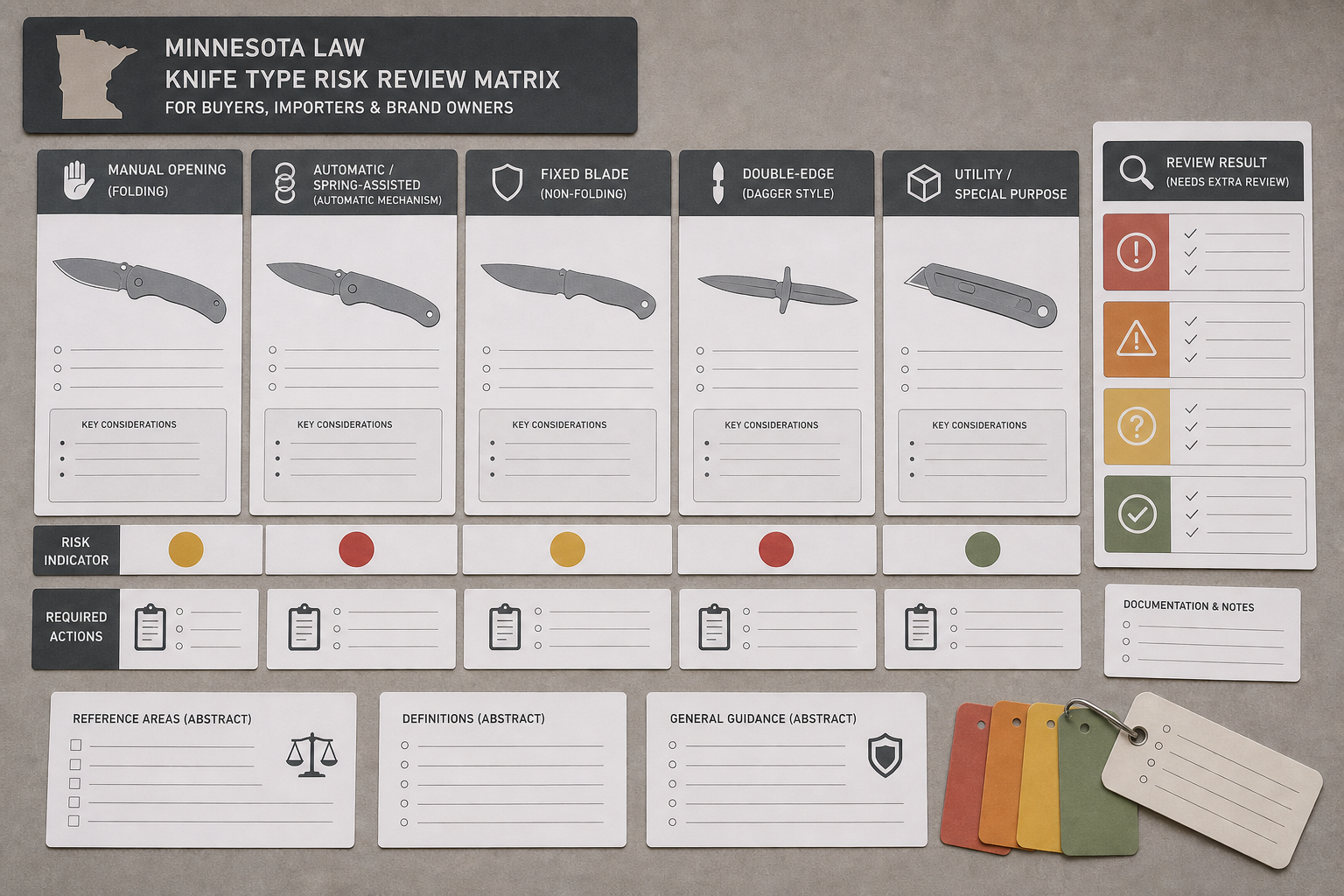
Knife types needing extra Minnesota review include automatic-opening switch blade knives, products marketed for unlawful purpose, knives described mainly as defensive items, large fixed blades, double-edge designs, and any model that may be treated as a dangerous weapon under the facts.
I Review the Mechanism Before the Styling
The first product question is the opening mechanism. Minnesota Statutes section 609.66 states that a person can violate the statute by manufacturing, transferring, or possessing metal knuckles or a switch blade knife opening automatically. For B2B work, this means the buyer should not treat automatic-opening design as a normal private-label option for Minnesota without legal review. A design choice can become a channel problem.
Federal law adds another layer. 15 U.S. Code section 1241 defines switchblade knife for federal purposes. 15 U.S. Code section 1242 addresses introduction, manufacture for introduction, transportation, or distribution in interstate commerce. 15 U.S. Code section 1244 lists exceptions, including a spring or detent design that creates bias toward closure and requires effort applied to the blade to assist opening. That is why product mechanism language must be precise.
I also check design language. A simple manual folding knife, hunting knife, fishing knife, camping knife, utility knife, or rescue tool should be described around lawful practical use. If a listing uses aggressive language, the product may attract more review even when the physical design is ordinary. For B2B buyers, clean classification is part of the product, not paperwork after the fact.
| Knife type or feature | Review focus | Seller action |
|---|---|---|
| Automatic-opening switch blade | Minnesota and federal restrictions | Require legal review |
| Assisted manual folder | Bias toward closure and blade effort | Use precise mechanism specs |
| Utility fixed blade | Purpose, size, package language | Keep practical-use framing |
| Double-edge or unusual design | Classification and market rules | Review before sampling |
How Does Minnesota Define Dangerous Weapon for Product Planning?
A pocket knife is not reviewed only by product name. Design, purpose, and context can change how risk is judged.
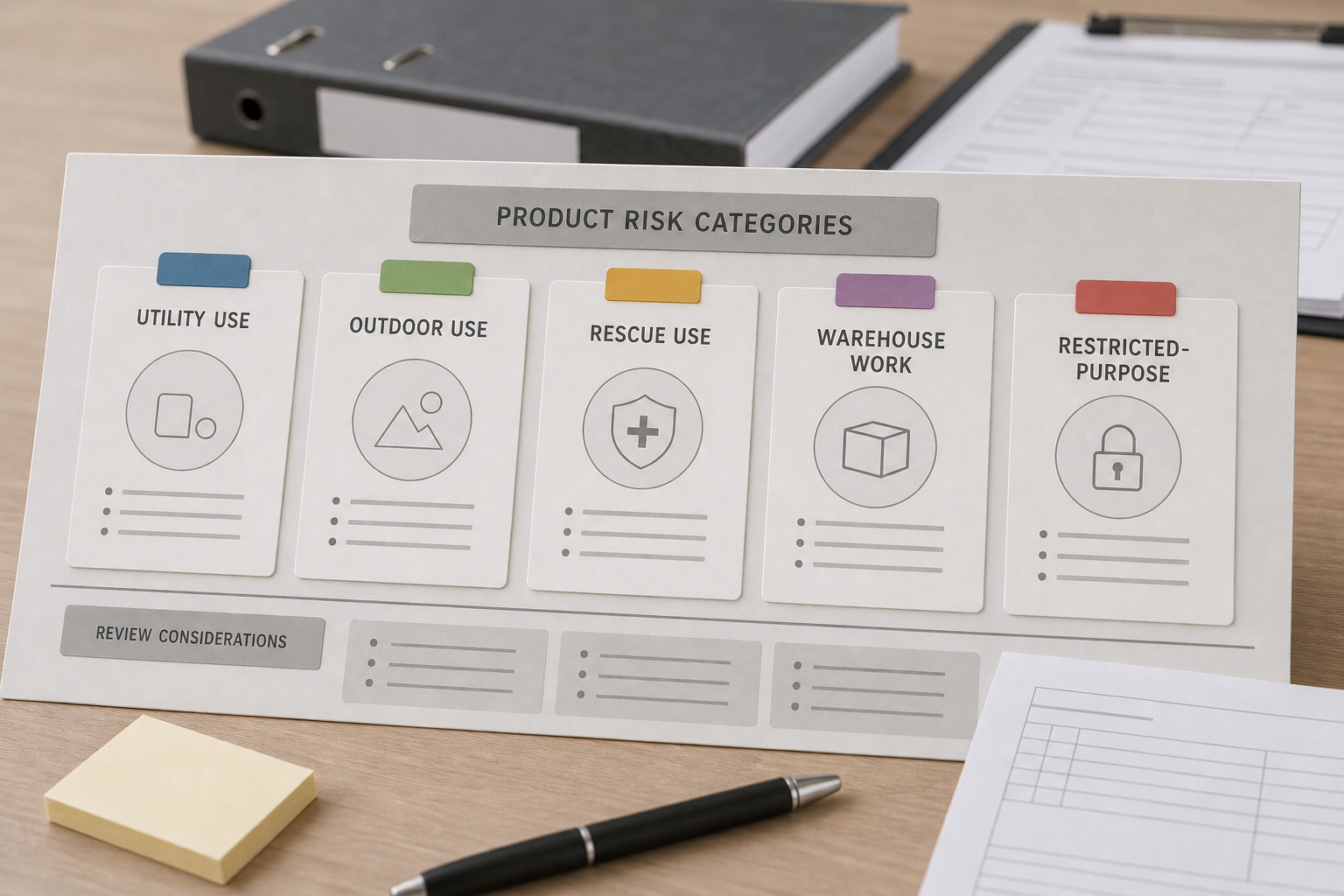
Minnesota section 609.02 defines dangerous weapon broadly. For product planning, buyers should avoid designs and descriptions that imply unlawful purpose, and they should document practical uses such as outdoor, EDC, fishing, camping, rescue, warehouse, or general utility work.
I Prefer Practical Product Purpose Over Aggressive Positioning
Minnesota Statutes section 609.02 defines dangerous weapon in broad terms. It covers firearms, devices designed as weapons and capable of producing death or great bodily harm, and other objects based on how they are used or intended to be used. That means a seller should not rely only on the word pocket knife. Product intent and user context matter.
In OEM and ODM work, I recommend practical positioning. A folding knife can be positioned for EDC utility, outdoor tasks, fishing, camping, warehouse cutting, gardening, rescue support, or general tool use. The package and listing should show normal tasks. It should not invite unlawful behavior. This is not only about law. It also affects retailer approval, ad policy, and brand trust.
The design should support that purpose. If a knife is sold as a box-opening EDC tool, then blade length, handle texture, clip, lock, and edge geometry should fit normal daily cutting. If it is an outdoor or fishing product, corrosion resistance, grip, sheath, and cleaning should be part of the story. If it is a rescue-style tool, the buyer should define seatbelt cutter, glass breaker, glove use, and emergency kit packaging carefully. Clear product purpose helps the seller, supplier, and inspector work from the same standard.
| Product planning point | Practical check | Why it matters |
|---|---|---|
| Purpose | EDC, outdoor, fishing, rescue, warehouse | Supports lawful product framing |
| Description | Avoid aggressive claims | Reduces listing and channel risk |
| Design | Match blade, lock, grip, clip to use | Makes the product story credible |
| Records | Keep specs, samples, package approval | Helps future review |
Which Locations and User Situations Create Higher Minnesota Risk?
Location can matter as much as knife type. A seller should avoid implying that one state-level answer fits every place.
Higher-risk Minnesota contexts include school property, child care settings covered by the statute, courthouse complexes, certain state buildings in the Capitol Area, local-rule areas, private venues, events, and workplaces. Sellers should use cautious package wording and ask buyers to verify destination-specific rules.
I Do Not Let Packaging Promise Too Much
Minnesota section 609.66 includes specific location-related provisions. Subdivision 1d addresses dangerous weapons on school property and defines school property in that section. Subdivision 1g addresses courthouse complexes and certain state buildings in the Capitol Area. These rules matter for B2B sellers because product copy should not suggest unrestricted carry everywhere. The safer approach is to describe lawful practical use and remind buyers to follow applicable rules.
I also pay attention to the user situation. A retail buyer may use a pocket knife for daily tasks. A contractor may use it for packaging and jobsite work. An angler may use it around tackle. A camper may use it for outdoor utility. These are normal uses. But the seller should not imply use in schools, government buildings, secure venues, or places where the product is not allowed. The words on the box and listing should be boring in the best way: clear, practical, and careful.
For buyers selling through distributors, I recommend adding a compliance review step before launch. The distributor may sell across cities and marketplaces. The brand may not control every final use location. That is why I prefer package language such as "follow all applicable laws and venue rules" rather than broad promises.
| Risk context | What seller should check | Practical response |
|---|---|---|
| School property | Minnesota section 609.66 location rules | Avoid broad carry claims |
| Courthouse or state building | Subdivision 1g review | Add destination review |
| Private venue or workplace | Policy can differ | Use cautious instructions |
| Local area | City or county rule review | Ask buyer to verify local rules |
How Should B2B Sellers Handle Federal Switchblade and Import Rules?
Minnesota review is not enough for imported or interstate knife sales. Federal rules can affect sourcing before the product reaches buyers.
B2B sellers should review federal switchblade definitions, interstate commerce limits, statutory exceptions, and import exceptions before sourcing automatic-opening knives. For ordinary manual pocket knives, sellers should still keep mechanism specs clear and avoid wording that could confuse classification.
I Check the Supply Route, Not Only the State Destination
For international B2B buyers, federal law can be the bigger issue. The U.S. Code definition in section 1241 covers knives that open automatically by a button or other handle device, or by inertia, gravity, or both. Section 1242 addresses interstate commerce. Section 1244 includes exceptions, including the bias-toward-closure exception that is often relevant when discussing assisted manual folders. The buyer should not guess from marketing words like auto, assisted, quick open, or tactical-style.
Import rules add another layer. 19 CFR section 12.98 describes permitted importation exceptions for switchblade knives under statutory exceptions. That matters for factories and importers because the wrong mechanism can create customs issues before state sales even begin. A sourcing team should review mechanism drawings, sample videos, spring structure, lock structure, product description, HS classification support, and importer's legal review.
For Vast State projects, I prefer to document the mechanism in the RFQ. Is the knife manual? Does it have a thumb stud, nail nick, opening hole, flipper tab, spring assist, button lock, crossbar lock, liner lock, or back lock? Does any spring open the blade automatically from the handle? These details should be discussed before tooling, not after production.
| Federal review point | What to document | Why it matters |
|---|---|---|
| Mechanism | Manual, assisted, automatic, lock type | Supports classification review |
| Interstate sale | Federal switchblade chapter | Affects distribution |
| Import route | 19 CFR switchblade import rules | Affects customs risk |
| Product wording | Specs, package, listing, invoice language | Reduces confusion |
What Product Design Choices Reduce Minnesota Market Risk?
Good compliance starts in product design. A risky feature is harder to fix after molds, packaging, and listings are approved.
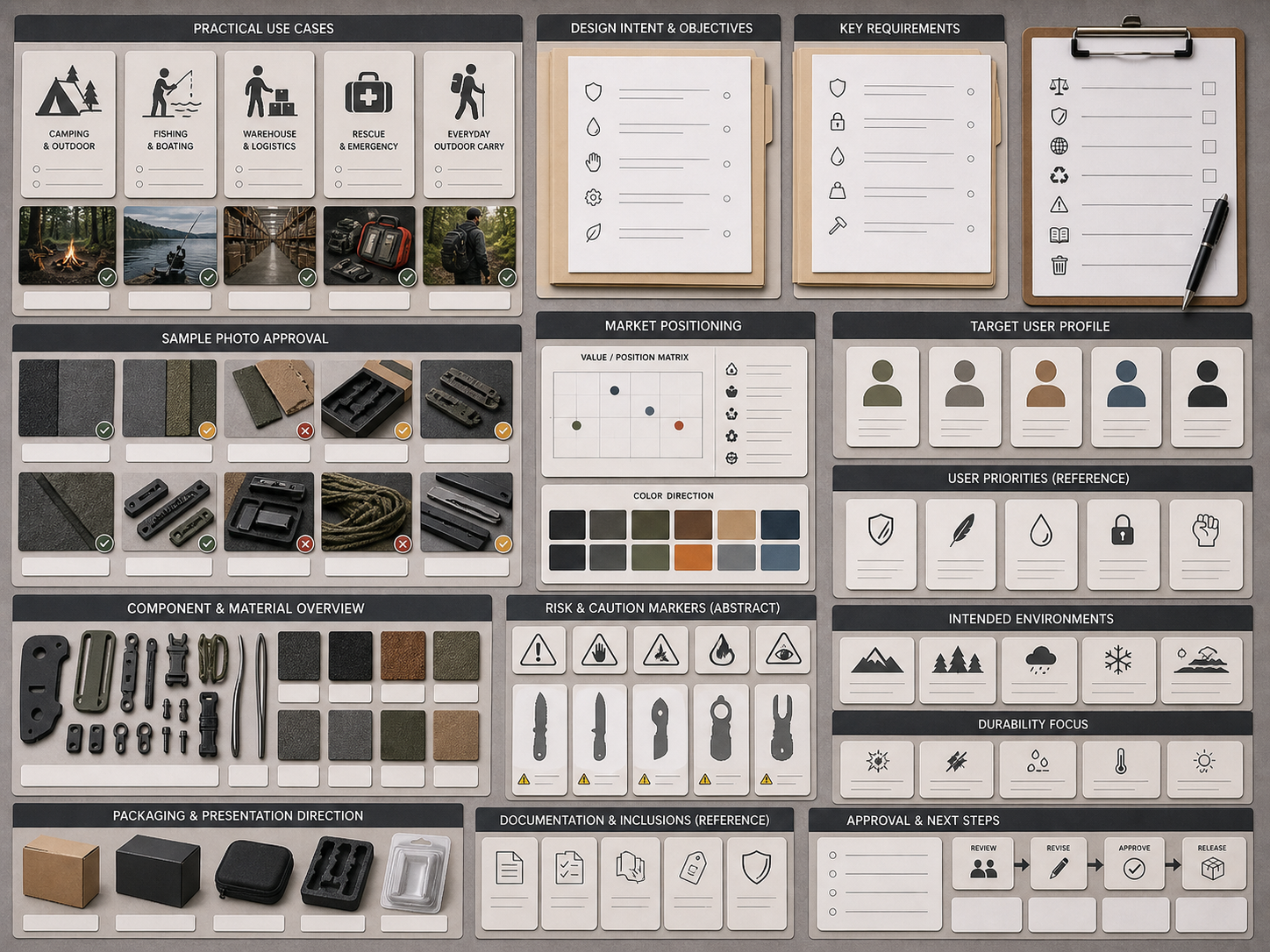
Design choices that reduce Minnesota market risk include manual opening, practical blade shape, non-aggressive styling, clear utility purpose, moderate product dimensions, safe edge packaging, simple lock explanation, clean product photos, and inspection records that match the approved sample.
I Build Compliance Into the Sample Brief
When a buyer wants to sell ordinary pocket knives in Minnesota, I often recommend simple product choices. A manual folder with a clear everyday utility purpose is easier to explain than a product with dramatic styling and unclear mechanism. A drop point, sheepsfoot, utility, or work-style blade can support normal cutting tasks. A clean handle, practical pocket clip, and stable lock are enough for many EDC lines. The product does not need risky language to sell.
I also review what can be inspected. The factory should confirm that the production knife matches the approved mechanism. If the buyer approves a manual folder, production should not shift to another mechanism because it opens faster or looks more exciting. The lock, pivot, detent, spring parts, and hardware should match drawings and samples. This is especially important when the design uses a button lock or assisted opening because buyers may confuse lock release with automatic blade deployment.
The product should also match the seller's channel. A warehouse utility knife, outdoor EDC knife, fishing knife, hunting support knife, and retail gift knife can each use different blade length, handle material, finish, and packaging. I want the design to support the buyer's real target market, not a generic "knife for everyone" idea.
| Design choice | Lower-risk direction | Production control |
|---|---|---|
| Opening | Manual mechanism when possible | Confirm sample and batch match |
| Blade style | Practical utility profile | Avoid confusing product story |
| Styling | Clean outdoor or EDC look | Keep images and package calm |
| Records | Drawings, sample approval, QC checks | Support repeat production |
What Packaging, Listing, and Buyer Education Details Should Be Prepared?
A compliant product can still be marketed poorly. Listings and packages should not create claims that the product cannot safely support.
Packaging, listing, and buyer education should include lawful-use reminders, destination-rule language, accurate mechanism description, blade dimensions, material details, warning review, origin mark review, age and marketplace policy checks, and care instructions when relevant.
I Keep the Sales Story Practical and Specific
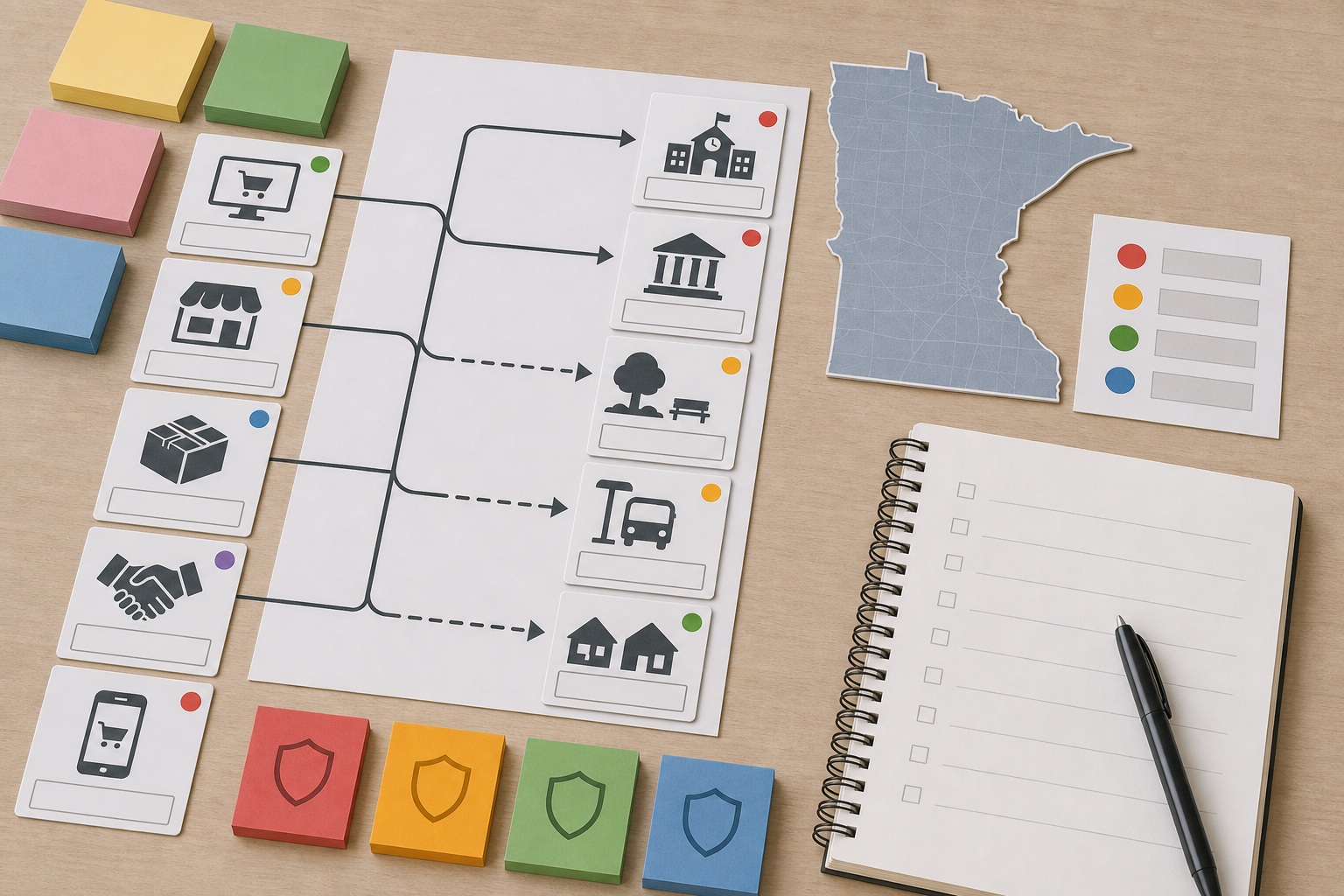
Package and listing copy should describe what the product is, what it is for, and how it should be handled. It should not make broad legal claims. I prefer wording that identifies the knife type, mechanism, steel, handle material, lock type, dimensions, and intended practical use. If the buyer sells into Minnesota, the package can remind users to follow applicable laws, workplace policies, school rules, venue rules, and local rules. This does not replace legal review, but it avoids overpromising.
Origin marking and warnings also matter. For U.S. imports, 19 CFR section 134.11 discusses country-of-origin marking requirements. For California sales, Proposition 65 business resources help businesses review warning obligations. A buyer selling through national channels may need one package that works for several markets, not only Minnesota. That is why label space should be planned early.
Images should be calm and product-focused. They should show dimensions, clip, lock, handle, blade shape, package, and intended tasks. They should not show unsafe scenes. In B2B production, I also suggest keeping approved artwork files, final sample photos, package approval records, and inspection reports together. This makes future reorder review much easier.
| Content item | What to prepare | Why it matters |
|---|---|---|
| Mechanism wording | Manual, assisted, lock type, blade size | Supports accurate classification |
| Use language | Outdoor, EDC, work, fishing, camping | Keeps practical positioning |
| Label review | Origin mark, warning, barcode, age policy | Reduces late artwork changes |
| Records | Artwork, samples, QC, approvals | Supports repeat orders |
What Should Buyers Put in a Minnesota Knife Compliance RFQ?
A vague RFQ invites a risky quote. Minnesota-focused products need mechanism, market, package, and review requirements stated upfront.
A Minnesota knife compliance RFQ should include knife type, opening mechanism, lock type, blade length, blade style, product purpose, target market, destination channels, package wording, warning and origin-mark review, local-rule review, sample approval process, inspection points, target price, MOQ, and Incoterm.
I Use the RFQ to Prevent Late Redesign
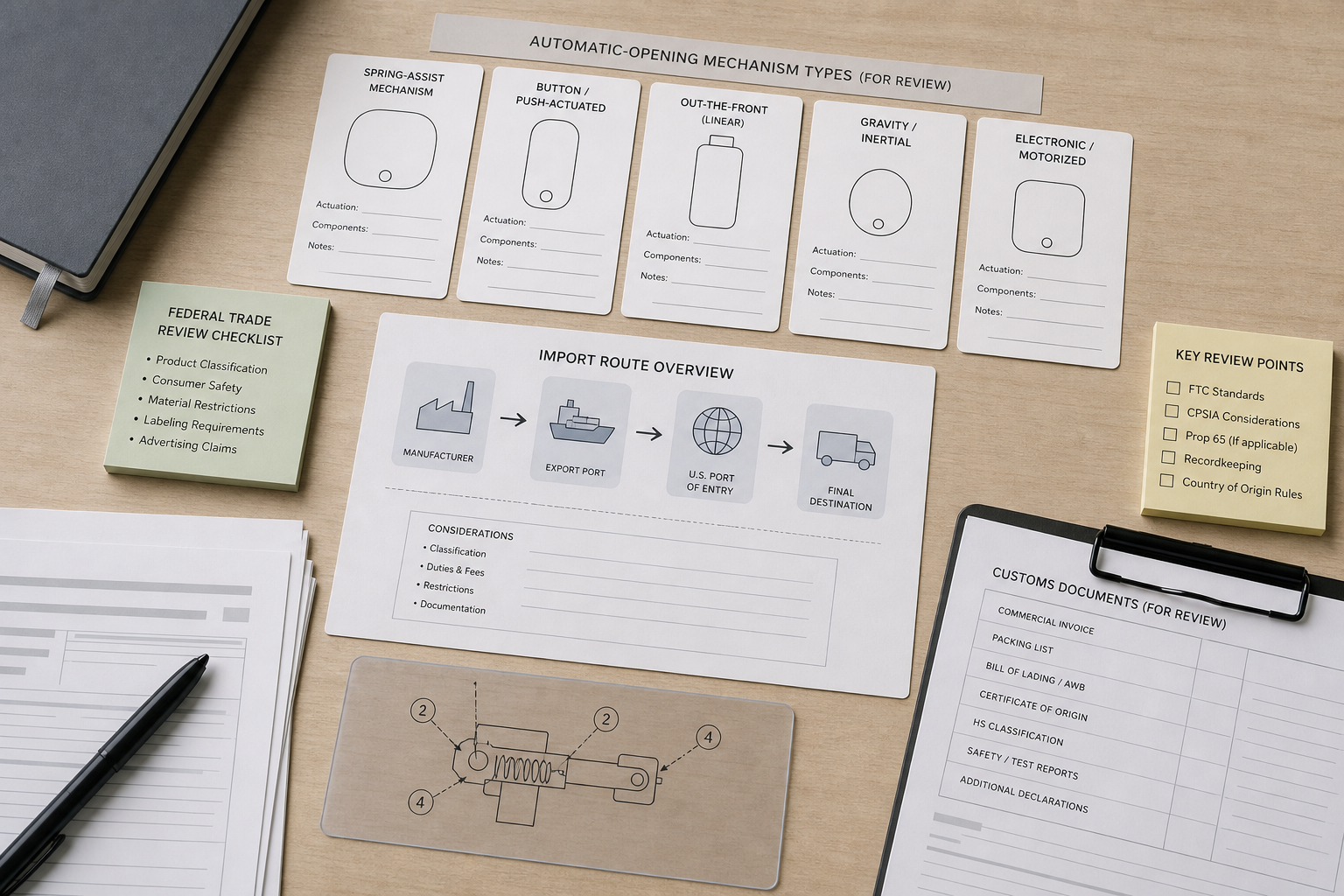
The RFQ should make the compliance question visible from the first message. I want to know whether the buyer is requesting a manual folder, assisted manual folder, fixed blade, rescue tool, fishing knife, hunting knife, or multi-tool. I want to know the opening mechanism, lock type, blade length, blade thickness, blade style, steel, handle material, finish, clip, sheath, package type, target user, target sales channel, destination market, and target price.
The buyer should also tell the supplier what must be avoided. If automatic-opening mechanisms are outside the plan, say that clearly. If the product must be positioned as a utility tool, say that clearly. If package wording must include destination-rule reminders or retailer-required warnings, include that before artwork. If the buyer needs legal counsel to review the product before mass production, build that review into the sample timeline.
Trade terms should also be clear. The ICC Incoterms rules explain how trade terms clarify delivery tasks, costs, and risks. That matters because a compliance-sensitive knife project should not have vague shipping and responsibility assumptions. A clear RFQ helps the factory quote the real product, not a risky guess.
| RFQ field | What to include | Why it helps |
|---|---|---|
| Product type | Folder, fixed blade, rescue, multi-tool | Defines the starting point |
| Mechanism | Manual, assisted, lock type, spring details | Supports legal review |
| Market review | Minnesota, local rules, retailer policy | Reduces launch risk |
| Package and QC | Copy, labels, sample approval, inspection | Protects repeat production |
Planning a private-label knife line for this market?
Use this article as a planning reference, then confirm local requirements with your importer or compliance advisor before OEM/ODM production.
Conclusion
I review Minnesota knife projects by checking mechanism, purpose, location rules, federal trade law, package copy, market channel, and production records before launch.
Source Notes
- Minnesota Statutes section 609.66 supports the discussion of automatic-opening switch blade restrictions and location-related dangerous-weapon rules.
- Minnesota Statutes section 609.02 supports the dangerous-weapon definition discussion.
- 15 U.S. Code section 1241, section 1242, and section 1244 support federal switchblade definition, interstate commerce, and exception discussion.
- 19 CFR section 12.98 supports the import-exception discussion for switchblade knives.
- 19 CFR section 134.11 provides partial context for country-of-origin marking review.
- Proposition 65 business resources provide partial context for warning review when products are sold beyond Minnesota.
- ICC Incoterms rules supports clear trade-term discussion in RFQs.