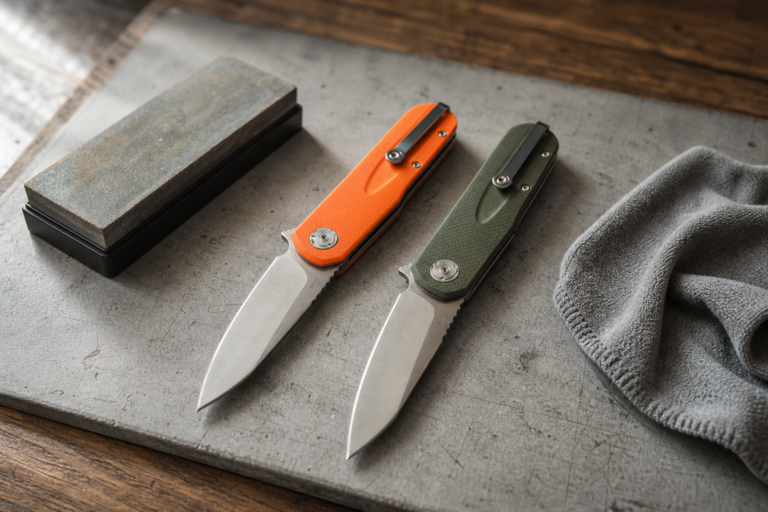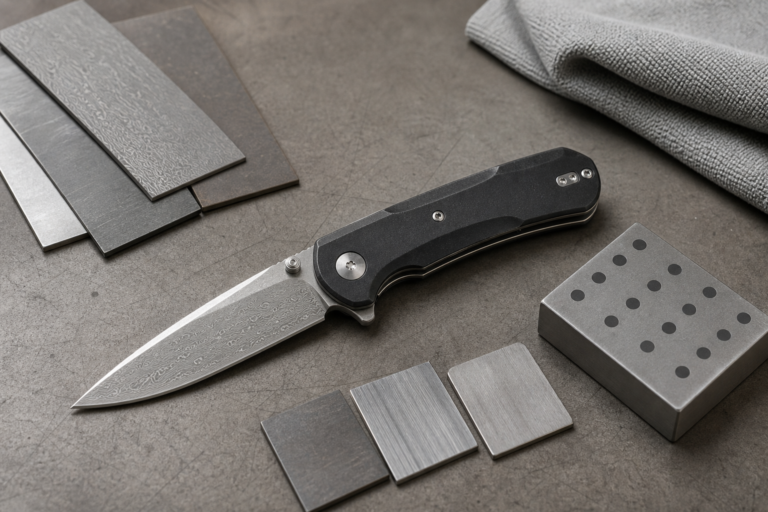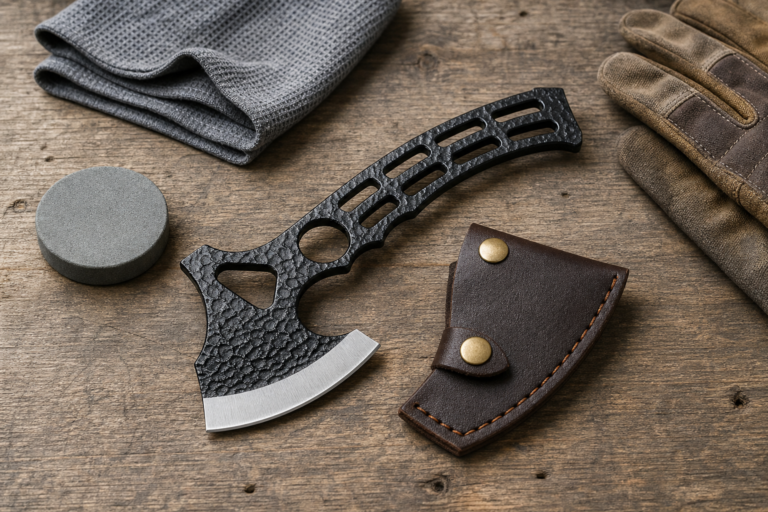
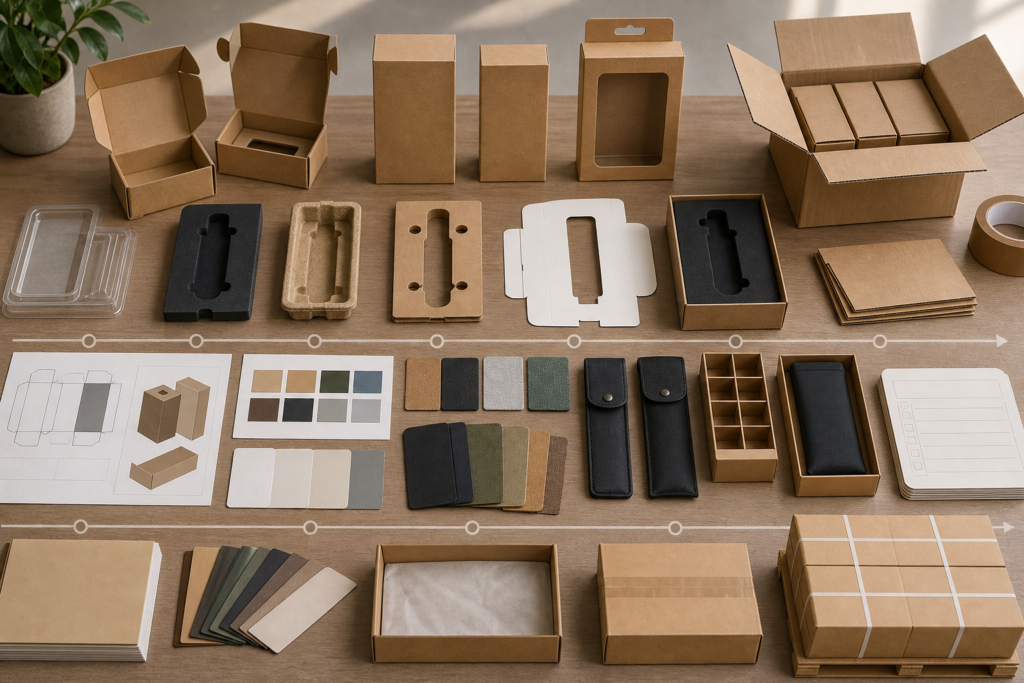
Packaging looks simple after the knife is finished. But late packaging decisions can cause damage, delays, wrong labels, and weak retail presentation.
B2B buyers can control knife packaging production by defining the package structure, material, artwork, label data, sample standard, testing needs, carton packing, compliance review, and approval process before mass production. Good packaging protects the knife, supports the brand, and keeps export orders organized.
Quick buyer brief:
- Answer: Treat packaging as a controlled production item, not an afterthought.
- Buyer context: This helps knife brands, outdoor brands, importers, wholesalers, distributors, and private label buyers manage OEM/ODM knife packaging.
- Key checks: Box type, insert, sheath fit, material, artwork, barcode, origin mark, warning review, sample approval, carton test, packing method, Incoterm, and final inspection.
Have a knife or multi-tool project in mind?
Send your sketch, CAD file, sample photo, or product idea. Vast State can review manufacturability, suggest materials, estimate MOQ, and prepare a quote for your OEM/ODM project.
When I manage a knife project, I do not wait until the knife is finished before talking about packaging. Packaging affects cost, retail value, shipping volume, product protection, labeling, and the buyer's first impression. A folding knife may need a foam insert or molded tray to protect the clip and finish. A fixed blade may need a sheath, tip protection, and stronger box structure. A multi-tool may need a pouch, insert, and clear accessory layout. For OEM and ODM production, the packaging process should run beside product development. If it starts too late, the buyer may approve a good knife and then lose time fixing a weak box.
Why Should Knife Packaging Be Planned Before Mass Production?
Late packaging creates hidden cost. The knife may be ready, but the shipment can still wait for artwork, inserts, labels, or cartons.
Knife packaging should be planned before mass production because box structure, insert design, sheath fit, labeling, carton size, retail channel, and export documents affect cost, lead time, inspection, and delivery. Early planning prevents last-minute changes after knives are already finished.
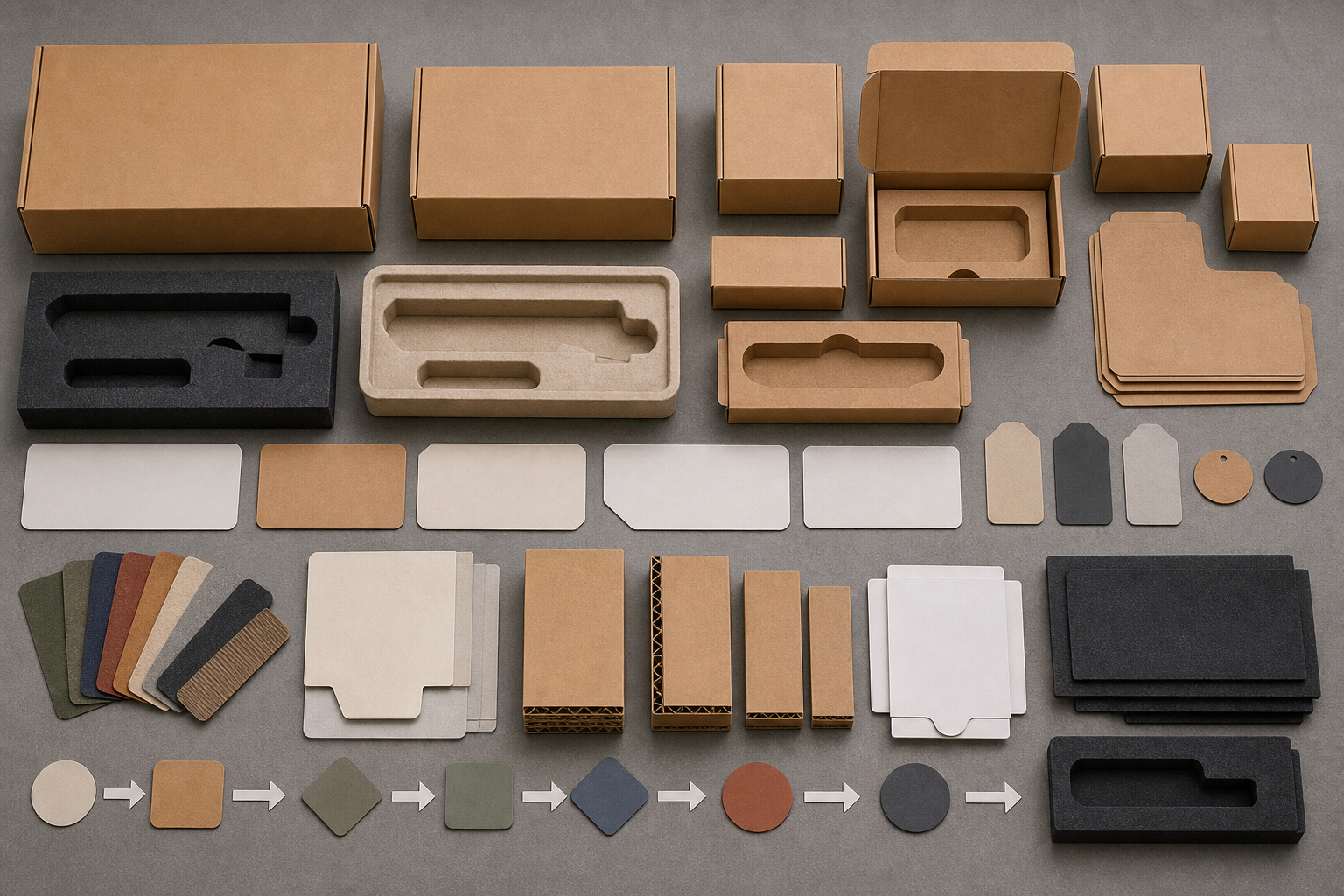
I Start Packaging When I Start the Product
Packaging is part of the product system. It is not only a box. It protects the knife during storage, shipping, and retail handling. It also tells the buyer what the product is, how it should be presented, and whether the brand looks prepared. When packaging is planned late, many small problems appear at once. The box may be too small for the sheath. The insert may press against the pocket clip. The carton may become too large for the target freight plan. The artwork may need a barcode, warning text, origin mark, or retailer information that nobody prepared. These are not design details only. They can stop shipment.
In my process, I ask packaging questions during the first specification review. Is the knife sold as a loose bulk product, a private label retail item, a gift set, an outdoor kit, or a professional tool line? Does the buyer need a color box, kraft box, blister pack, pouch, display box, clamshell, or simple bulk carton? Does the product include a sheath, clip, tool bit, pouch, user card, or accessory? Each answer changes the package structure.
The ISO 9001 supply chain guidance supports a practical rule: buyers need to define their needs and expectations clearly. Packaging is one of those expectations.
| Planning item | What I decide early | Why it matters |
|---|---|---|
| Retail channel | Online, outdoor store, wholesale, kit pack | Controls box strength and presentation |
| Product fit | Knife, sheath, pouch, accessories | Prevents loose or damaged items |
| Label needs | Barcode, origin mark, warning review | Avoids late artwork changes |
| Carton plan | Inner pack, master carton, weight | Affects freight and inspection |
OEM/ODM RFQ Checklist
Prepare these details to help Vast State review your project and provide a more accurate quotation.
| RFQ Field | What to Prepare |
|---|---|
| Project type | OEM from drawing / ODM private label / wholesale catalog |
| Product category | Folding knife / fixed blade / multi-tool / outdoor tool |
| Design status | Idea / sketch / 2D drawing / 3D CAD / physical sample |
| Target price | Ex-factory target price or retail price range |
| MOQ expectation | 500 / 1,000 / 3,000 / 5,000+ pcs |
| Logo method | Laser engraving / etching / printing / molded logo |
| Packaging | Standard packaging / custom retail box / Amazon-ready |
| Market | USA / EU / Japan / Korea / Middle East / other |
| Compliance needs | Buyer-specified testing / documentation / labeling |
| Timeline | Sample deadline / mass production deadline |
How Does Packaging Design Turn Brand Position Into Production Specs?
A good-looking box can still fail production. Brand style must become size, material, finish, insert, and carton instructions.
Packaging design turns brand position into production specs by defining box type, dimensions, board material, print method, surface finish, insert structure, accessory layout, label areas, carton count, and inspection criteria. This makes the design repeatable in production.
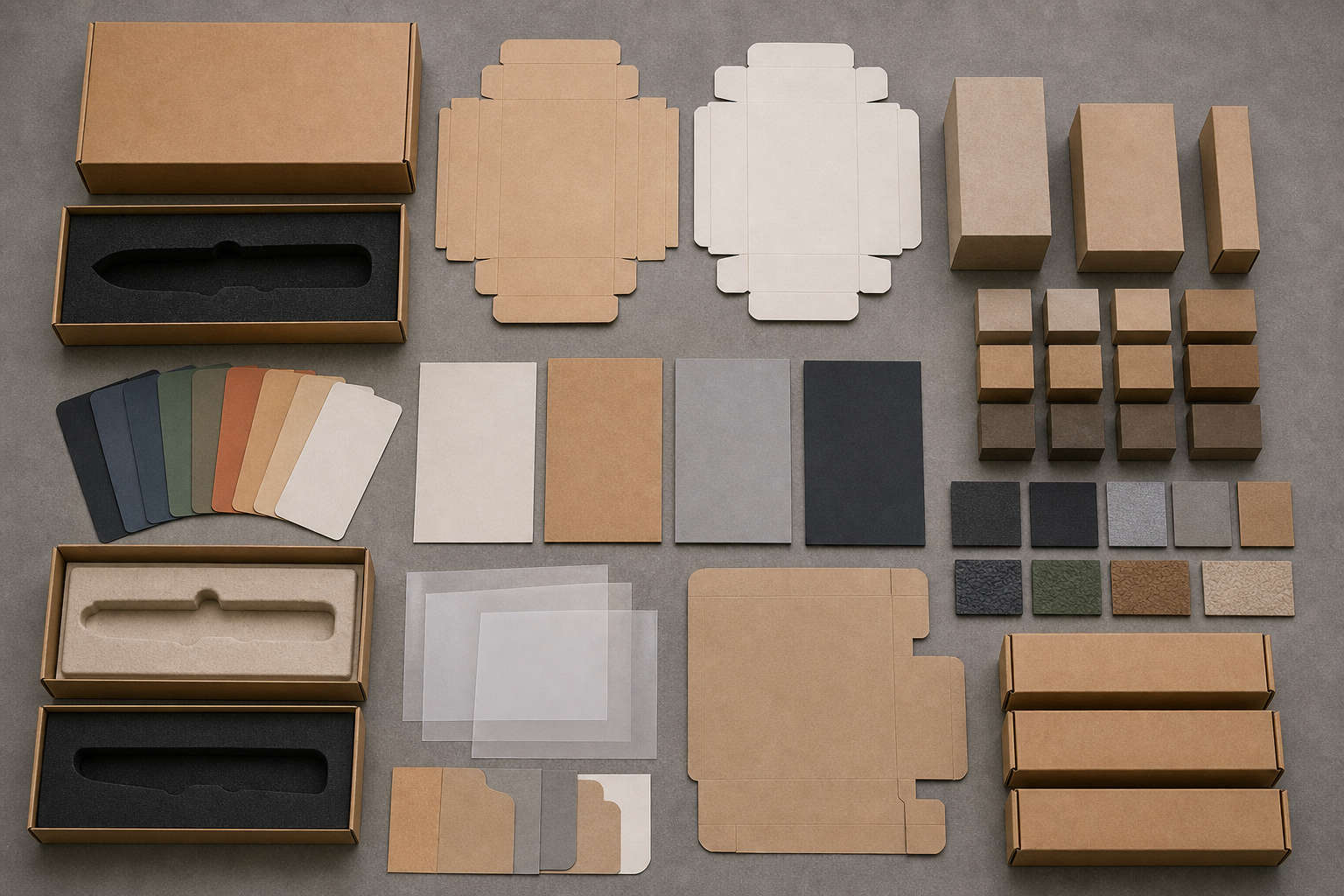
I Convert Visual Ideas Into Factory Instructions
Buyers often send packaging references. They may say they want the box to feel premium, outdoor, tactical-style, clean, eco-friendly, or retail-ready. Those words help direction, but they are not enough for production. I need to convert them into specifications. What box structure should we use? What paper board thickness? What finish? Matte lamination, spot UV, foil, embossing, or simple one-color printing? Does the insert need EVA foam, molded pulp, plastic tray, paper card, or folded paper support? Does the knife need to sit open, closed, in sheath, or in a pouch? Does the buyer want a window? Does the product need hanging hole support for retail?
Brand positioning also affects cost. A rigid gift box can look strong, but it increases cost, weight, storage volume, and freight. A simple kraft box may fit a utility line, but it may not support a higher retail price. A blister pack may show the product clearly, but it may raise tooling, sustainability, and marketplace concerns. A pouch can add value, but it also adds inspection points.
For knife packaging, I always check product protection first. The box should not allow a loose knife to move freely. The clip should not scratch. The edge and tip should be covered. The sheath should not press against printed surfaces and leave marks. A good package is a balance between brand feeling, protection, cost, and repeatability.
| Brand goal | Packaging translation | Production concern |
|---|---|---|
| Outdoor value line | Kraft box, simple insert, clear carton pack | Keep cost and damage control balanced |
| Retail private label | Color box, barcode, product image area | Artwork accuracy and print color |
| Gift positioning | Rigid box, foam insert, sleeve | Higher freight and material cost |
| Tool-focused product | Pouch, manual card, strong carton | Accessory count and final inspection |
Which Packaging Materials and Structures Fit Knife and Multi-Tool Projects?
Wrong material can make the package weak, bulky, costly, or hard to recycle. The product type should guide the structure.
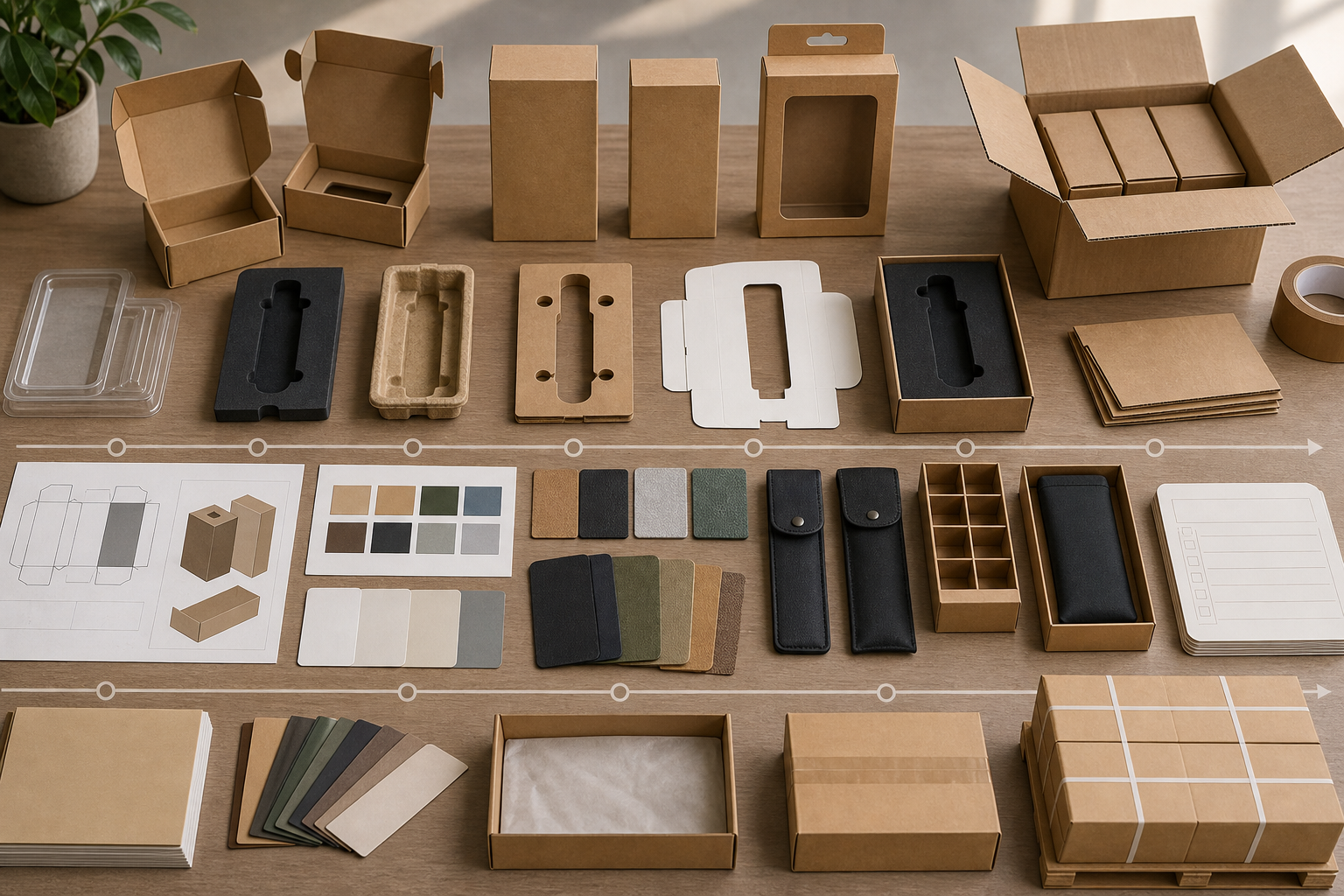
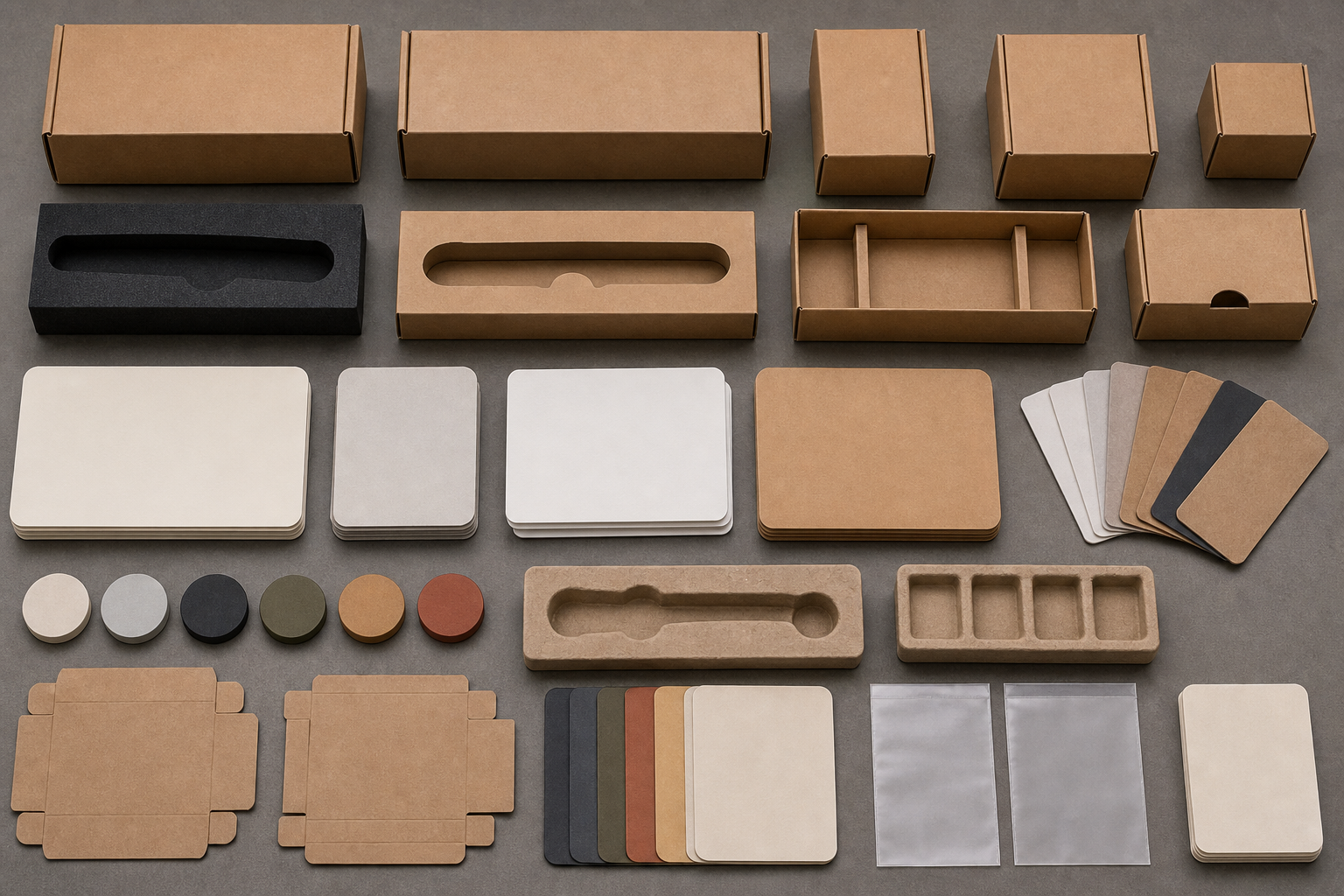
Knife and multi-tool packaging materials may include paperboard, corrugated board, kraft paper, rigid board, EVA foam, molded pulp, plastic trays, blister packs, nylon pouches, and protective sleeves. The right choice depends on product weight, edge protection, retail channel, budget, and shipping method.
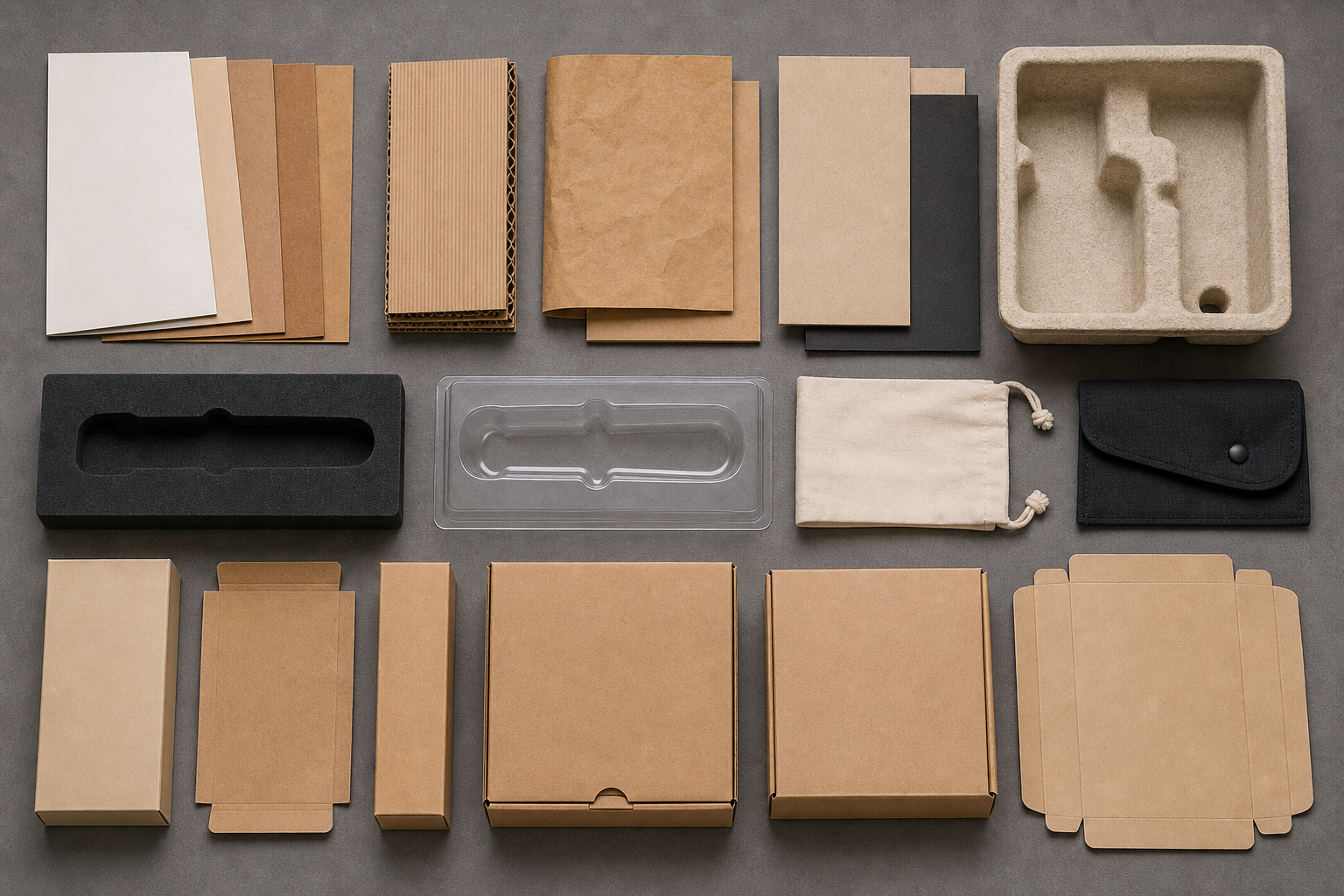
I Match Material to Product Risk
Packaging material should follow product risk. A small folding knife with a clip may only need a compact color box and shaped insert. A heavier fixed blade may need sheath protection, stronger paperboard, and a box that resists crushing. A multi-tool may need a pouch, tray, or molded insert to prevent tools from rubbing against the box. A gift set may need foam or molded pulp to hold several items in place. A bulk wholesale order may need simple sleeves, inner cartons, and master cartons rather than retail boxes.
Material choice also affects inspection. Paperboard must be checked for thickness, folding quality, print color, surface scratches, and glue strength. EVA foam must fit tightly without leaving marks. Molded pulp must hold shape and should not create dust or rough contact. Plastic trays should not crack or deform. Nylon pouches need stitching, zipper, snap, logo position, and size checks. Corrugated cartons need strength, size, flap sealing, inner count, and carton marks.
Buyers should be careful with environmental claims. A package can use paper, kraft, or molded pulp, but that does not automatically prove a broad sustainability claim. If the buyer wants recycled content, FSC-related claims, plastic reduction language, or market-specific environmental statements, those claims should be supported by supplier documents and local review.
| Material or structure | Useful for | Key check |
|---|---|---|
| Color paper box | Private label retail knives | Print color, insert fit, label area |
| EVA foam insert | Higher-value sets | Fit, odor, edge contact, thickness |
| Molded pulp tray | Paper-based presentation | Fit tolerance, dust, surface feel |
| Nylon pouch | Multi-tools or outdoor kits | Stitching, zipper, snap, size |
How Should Buyers Control Artwork, Barcodes, and Label Information?
Artwork mistakes are easy to miss on screen. Once printed, a wrong barcode, origin mark, or claim can stop shipment.
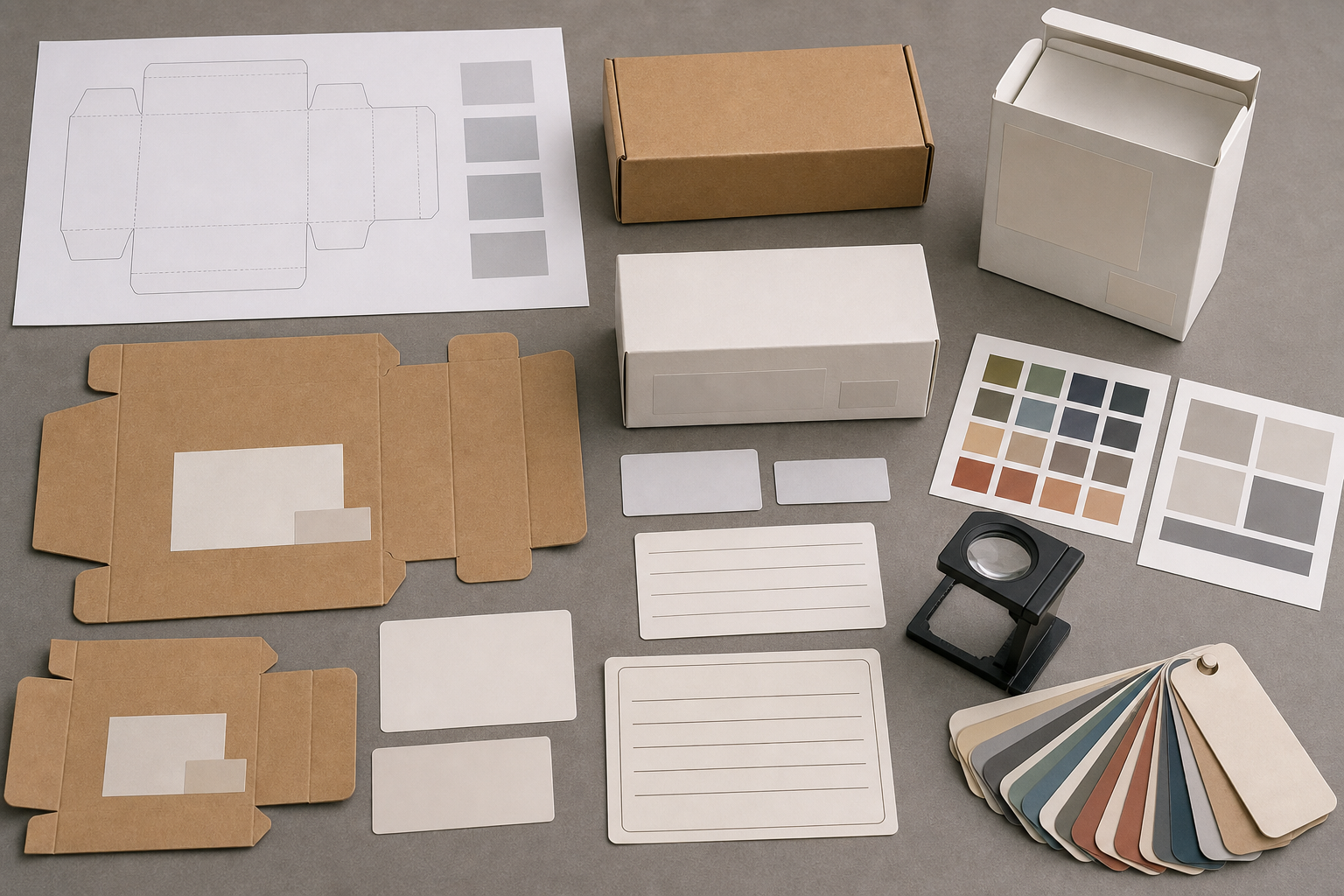
Buyers should control artwork by approving dielines, color references, barcode data, product names, model numbers, origin marking, warning text, retailer requirements, and final print proofs. The approved artwork should match both the product and the destination market.
I Treat Artwork as Controlled Data
Packaging artwork is not only design. It is controlled data. It may include brand name, product name, model number, SKU, barcode, country of origin, material claim, warning review, distributor address, QR code, instructions, icons, certification marks, and marketplace labels. If any of these items is wrong, the buyer may face reprinting cost, shipment delay, platform rejection, or retail trouble.
Barcodes need special care. Many buyers use GTINs, UPCs, EANs, or retailer-specific labels. The GS1 packaging level guidance is useful because it shows that packaging level and identification data matter when products move through retail and logistics systems. I do not create barcode numbers for buyers. I ask buyers to provide final barcode files and confirm scan quality.
Country-of-origin marking also needs review. For U.S. imports, CBP country-of-origin marking guidance explains that foreign-origin articles generally need to be marked with the English name of the country of origin unless an exception applies. The exact placement and wording should be checked against the product and importer needs.
Warning text and material claims should not be guessed. If a product sells into California, the Proposition 65 business resources remind businesses to determine whether warnings are required for listed chemical exposures. This does not mean every knife needs the same warning. It means buyers should decide with facts, not at the final printing stage.
| Artwork item | Who should confirm | Why it matters |
|---|---|---|
| Barcode and SKU | Buyer or brand owner | Supports retail and inventory systems |
| Origin mark | Importer and supplier | Supports import and package compliance |
| Warning review | Buyer with local advisor | Reduces reprint and sales risk |
| Print proof | Buyer and packaging supplier | Confirms color, layout, and data |
What Production Steps Turn Packaging Design Into Finished Boxes?
Packaging production has many handoff points. Each handoff can create size, color, glue, folding, or assembly problems.
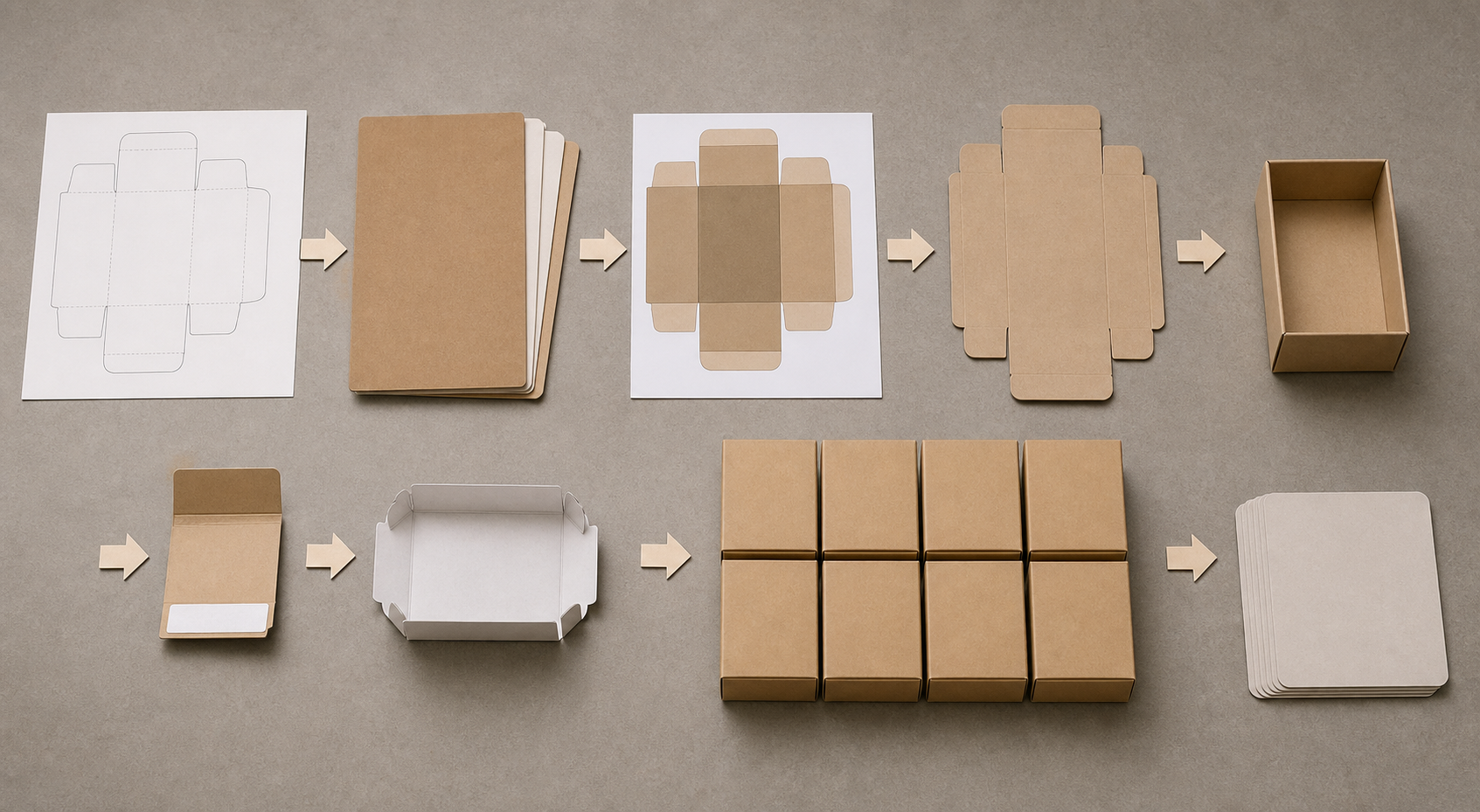
Packaging production usually moves from dieline confirmation to material selection, artwork proofing, printing, surface finishing, die cutting, folding, gluing, insert making, sample approval, batch production, packing, and final inspection. Buyers should define approval gates before each major step.
I Use Approval Gates to Avoid Rework
The packaging process begins with dimensions. The supplier should measure the product, sheath, pouch, accessories, and intended insert. Then the packaging supplier prepares a dieline. The buyer should approve the dieline before artwork is finalized. If the dieline changes later, the artwork may need layout changes. That is why I prefer a blank structural sample before final printing for complex knife packages.
After structure approval, the buyer reviews material and print method. Paper thickness, corrugated grade, lamination, varnish, spot finish, and insert material all affect cost and lead time. Then artwork proofing begins. The buyer should review every word, icon, barcode, color, size, and placement. If a color is important, the buyer should provide a color reference or approve a printed proof. Screen color is not enough.
After printing, the box may go through surface finishing, die cutting, folding, gluing, and assembly. Inserts are made separately. These steps need checks. Does the box fold cleanly? Does the glue hold? Does the insert fit? Does the knife move inside the box? Does the sheath scratch the package? Does the carton count match the packing plan? A packaging production process is not complicated when controlled. It becomes painful when every decision happens after printing.
| Step | Buyer approval point | Common risk |
|---|---|---|
| Dieline | Size and structure sample | Product does not fit |
| Artwork proof | Text, barcode, color, layout | Wrong data or color shift |
| Printing and finishing | Printed proof or sample | Scratches, color variation, bad lamination |
| Assembly and packing | Insert fit and carton count | Loose product or wrong quantity |
How Should Packaging Samples Be Tested Before Mass Production?
A box can look good on a desk and fail in shipping. Knife packaging needs fit, drop, vibration, and carton checks.
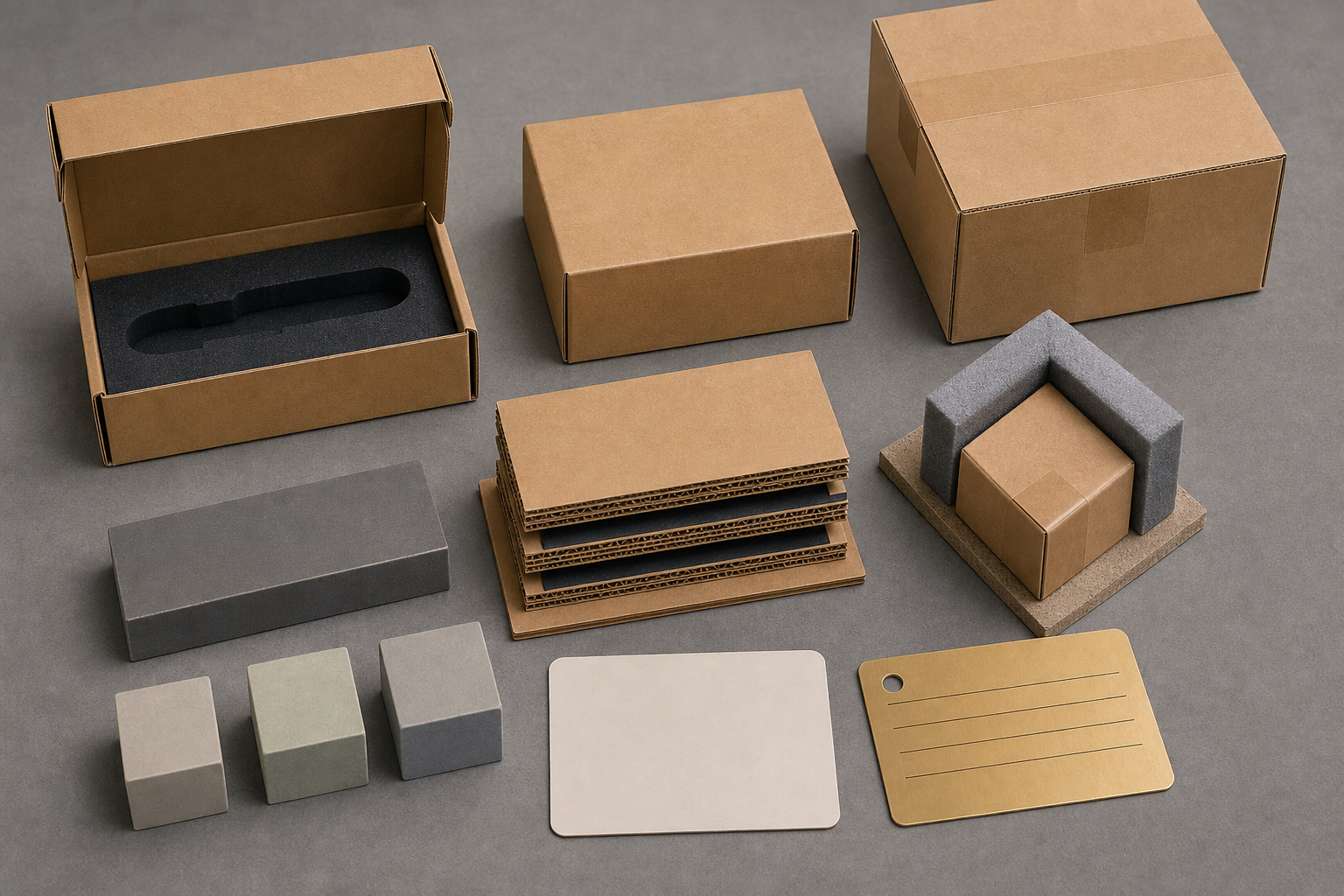
Packaging samples should be tested by checking product fit, insert retention, sheath position, surface rubbing, barcode scan, carton count, carton sealing, drop resistance, compression risk, and shipping simulation needs. Buyers should approve a packaging golden sample before mass production.
I Test the Package Like the Shipment Will Be Rough
Packaging samples should be tested in a practical way. First, I check product fit. The knife should not move too much inside the box. The clip should not press into printed surfaces. The fixed blade sheath should not cut or deform the insert. A multi-tool pouch should fit without forcing the zipper or snap. If the product includes bits, manuals, cards, or accessories, they should not rattle or disappear under the insert.
Second, I check handling. I open and close the package. I remove and return the product. I check whether the insert tears, whether the box corners crush too easily, and whether the surface scratches. If a buyer sells online, the product may face more parcel handling than a shelf-only product. If a buyer ships full cartons to distributors, master carton strength and inner packing matter more.
For formal transport testing, the ISTA test procedures are useful because they focus on packaged-product performance during distribution. Some buyers may also reference ASTM shipping container test methods through their own compliance or retailer requirements. Not every small order needs a full lab test, but every project needs some kind of packaging check. At minimum, buyers should approve a golden sample and basic carton packing test.
| Test area | What to check | Why it matters |
|---|---|---|
| Product fit | Movement, edge protection, insert fit | Prevents scratches and loose items |
| Surface durability | Rubbing, scuffs, lamination | Protects retail appearance |
| Barcode scan | Scan quality and placement | Supports warehouse and retail systems |
| Carton handling | Drop, compression, sealing | Reduces transport damage |
How Do Carton Packing, Export Documents, and Trade Terms Affect Delivery?
The retail box is only one layer. Inner cartons, master cartons, labels, documents, and Incoterms control the final shipment.
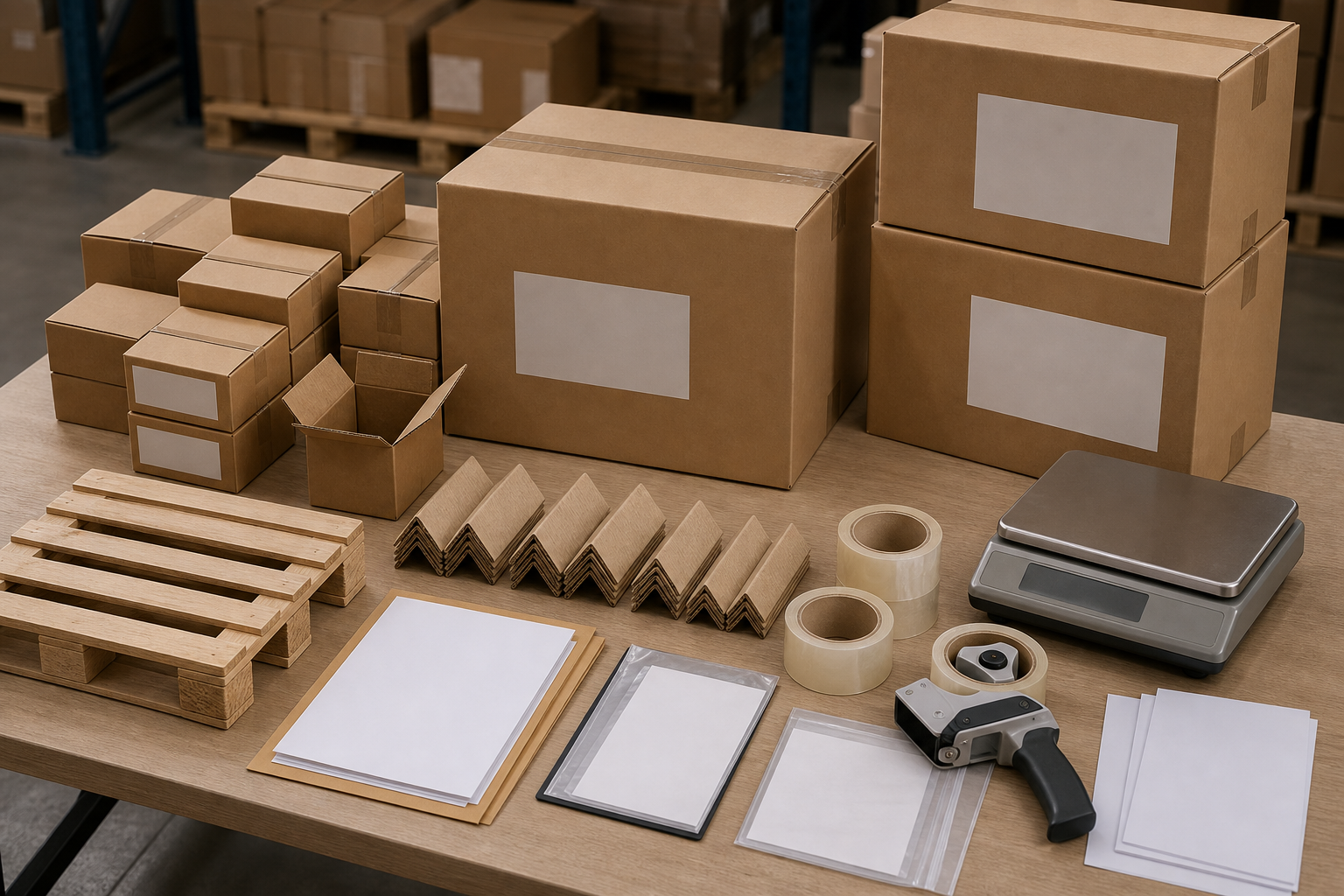
Carton packing and trade terms affect delivery because they define unit count, carton size, weight, labeling, handling, freight cost, risk transfer, and document responsibility. Buyers should confirm packing method, carton marks, pallet needs, shipping documents, and Incoterms before final inspection.
I Check the Outer Pack Before the Final Inspection
Knife packaging must survive more than the factory table. It must pass through cartons, loading, warehouse handling, freight, customs, distributor receiving, and final retail or online fulfillment. This means the outer packing plan matters. How many units go into an inner carton? How many inner cartons go into one master carton? What is the gross weight? Is the carton too heavy for manual handling? Are fragile or sharp-edged items separated properly? Does the carton label include the buyer's SKU, quantity, gross weight, net weight, carton size, and required marks? Are pallet requirements needed?
Export documents also connect to packaging. The packing list should match the carton count. The invoice should match the shipment. Product descriptions should be clear and practical. If the buyer has special retailer routing requirements, they should be shared early. Late routing changes can delay shipment even when production is complete.
Trade terms should be clear before final pricing. The ICC Incoterms 2020 page is useful because Incoterms define delivery responsibilities, cost points, and risk transfer in international sales contracts. A packaging choice can change carton volume and freight cost, so FOB, FCA, CIF, DAP, or other terms should be discussed with realistic package dimensions.
| Packing detail | What buyer should confirm | Why it matters |
|---|---|---|
| Inner and master carton | Unit count and carton size | Supports receiving and freight planning |
| Carton marks | SKU, quantity, weight, destination needs | Reduces warehouse confusion |
| Documents | Invoice, packing list, product description | Supports export and import handling |
| Incoterm | FOB, FCA, CIF, DAP, or other term | Clarifies cost and responsibility |
What Should Buyers Include in a Knife Packaging RFQ?
A packaging RFQ that only says "custom box" is too vague. The supplier cannot price or control what is undefined.
A knife packaging RFQ should include product type, package type, dimensions, insert material, artwork needs, barcode needs, origin marking, warning review, box finish, carton count, testing needs, target price, MOQ, sample deadline, and final inspection requirements.
I Use the RFQ to Lock the Real Package
For packaging, a clear RFQ saves time. I ask buyers to describe the product first. Is it a folding knife, fixed blade knife, multi-tool, rescue tool, camping tool, or set? Does it include a sheath, pouch, spare parts, bits, instruction card, cleaning cloth, or warranty card? Then I ask for the packaging type. A color box, kraft box, rigid box, blister pack, nylon pouch, EVA insert, molded pulp tray, and bulk carton all need different cost and production planning.
Artwork data should be included in the RFQ. The buyer should provide logo files, dieline preference if available, barcode data, SKU list, product names, market language, and any required warning or origin marking. If the buyer needs retailer compliance, marketplace category rules, or special carton labels, those should be included too. If the buyer does not yet know the exact packaging, I can suggest options based on product weight, target price, retail channel, and shipment method.
The RFQ should also include approval steps. I prefer a blank structural sample, printed proof, packed sample, golden sample, and final inspection checklist for new packaging. This may sound careful, but it prevents reprinting and shipping problems. In knife manufacturing, packaging is often where small missing details become expensive. A clear RFQ keeps the project calm.
| RFQ field | What to provide | Why it helps |
|---|---|---|
| Product and accessories | Knife type, sheath, pouch, tools, cards | Defines size and insert needs |
| Package structure | Box, tray, pouch, blister, carton | Supports accurate cost |
| Artwork and labels | Logo, SKU, barcode, origin, warning review | Prevents printing mistakes |
| Approval and testing | Sample, carton test, inspection checklist | Reduces late shipment risk |
Turn your idea into a quote-ready knife project.
Share your drawing, sample photo, target quantity, market, and packaging needs. Vast State will review manufacturability and prepare OEM/ODM options.
Conclusion
I control knife packaging by planning structure, artwork, labels, samples, testing, cartons, and shipment details before mass production.
Source Notes
- ISO 9001 supply chain guidance supports clear buyer requirements and supplier quality control expectations.
- GS1 packaging level guidance supports the need to manage product identification data and packaging levels.
- CBP country-of-origin marking guidance supports early origin-marking review for U.S. imports.
- Proposition 65 business resources support the need to review warning responsibilities for California sales.
- ISTA test procedures support transport-performance thinking for packaged products.
- ICC Incoterms 2020 supports trade-term planning when packaging changes shipment volume, cost, and responsibility.