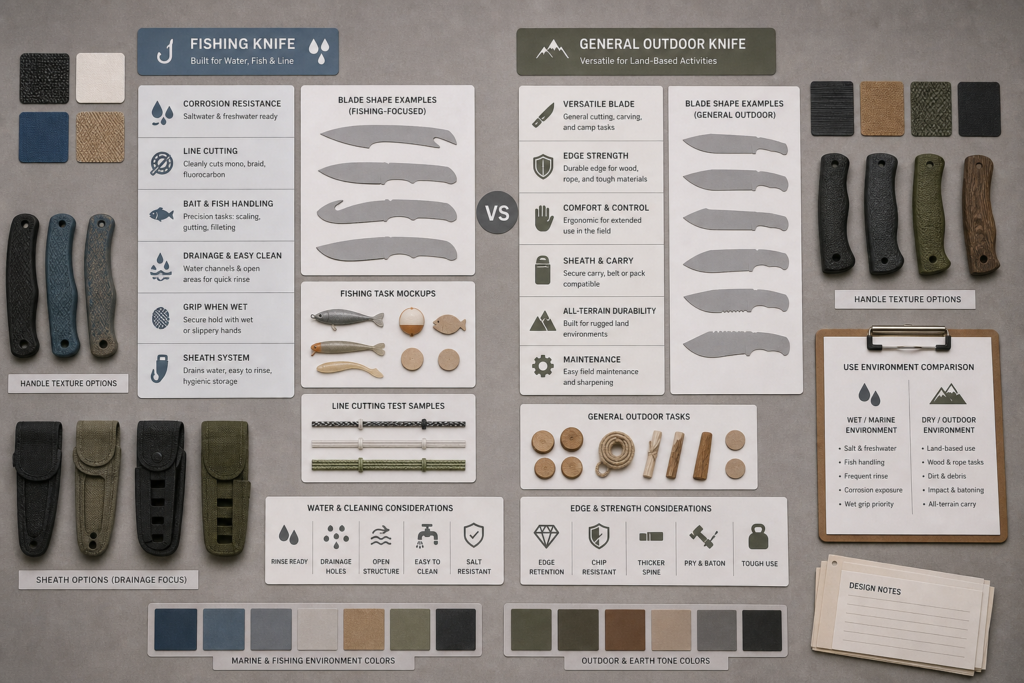
A fixed blade knife looks simple. But simple designs still fail when buyers ignore use case, tang, sheath, steel, cost, and compliance.
B2B buyers should choose fixed blade knives by defining the target use, blade size, tang structure, steel, heat treatment, handle material, sheath, packaging, destination market, and inspection standard before sampling. The best OEM choice is the design that fits the buyer's market and can repeat well in production.
Quick buyer brief:
- Answer: Choose a fixed blade knife by matching structure, materials, sheath, packaging, and QC to the target market.
- Buyer context: This helps knife brands, outdoor brands, importers, wholesalers, distributors, and private label buyers brief OEM suppliers.
- Key checks: Use case, blade profile, tang, blade thickness, steel, hardness, handle material, sheath fit, packaging claim, compliance review, MOQ, target price, and inspection plan.
Planning a fixed blade or outdoor knife project?
Share your target use, blade size, steel preference, handle direction, sheath needs, quantity range, and packaging plan. Vast State can help turn it into a quote-ready specification.
When I review a fixed blade knife project, I do not start with the question "Is this knife strong?" I start with a better question: strong for what market, what user, what price, and what order plan? A camping fixed blade, a fishing knife, a hunting-style knife, a bushcraft-style knife, and a general outdoor utility knife may all share one visible feature: the blade does not fold. But their real requirements are different. For OEM and ODM work, fixed blade selection is a chain of decisions. The blade structure affects cost. The tang affects handle assembly. The steel affects heat treatment. The sheath affects safety, packaging volume, and buyer experience. The compliance review affects what can be imported, sold, and described in each target market.
What Makes a Fixed Blade Knife Different From a Folding Knife?
Many buyers see only the visible blade. That can hide the real sourcing difference. Fixed blades and folders have very different risk points.
A fixed blade knife has a blade that stays open and does not fold into a handle. Compared with a folding knife, it removes pivot and lock complexity, but it adds more focus on tang strength, handle assembly, sheath design, packaging, and market compliance.
I Separate Structure From Category Names
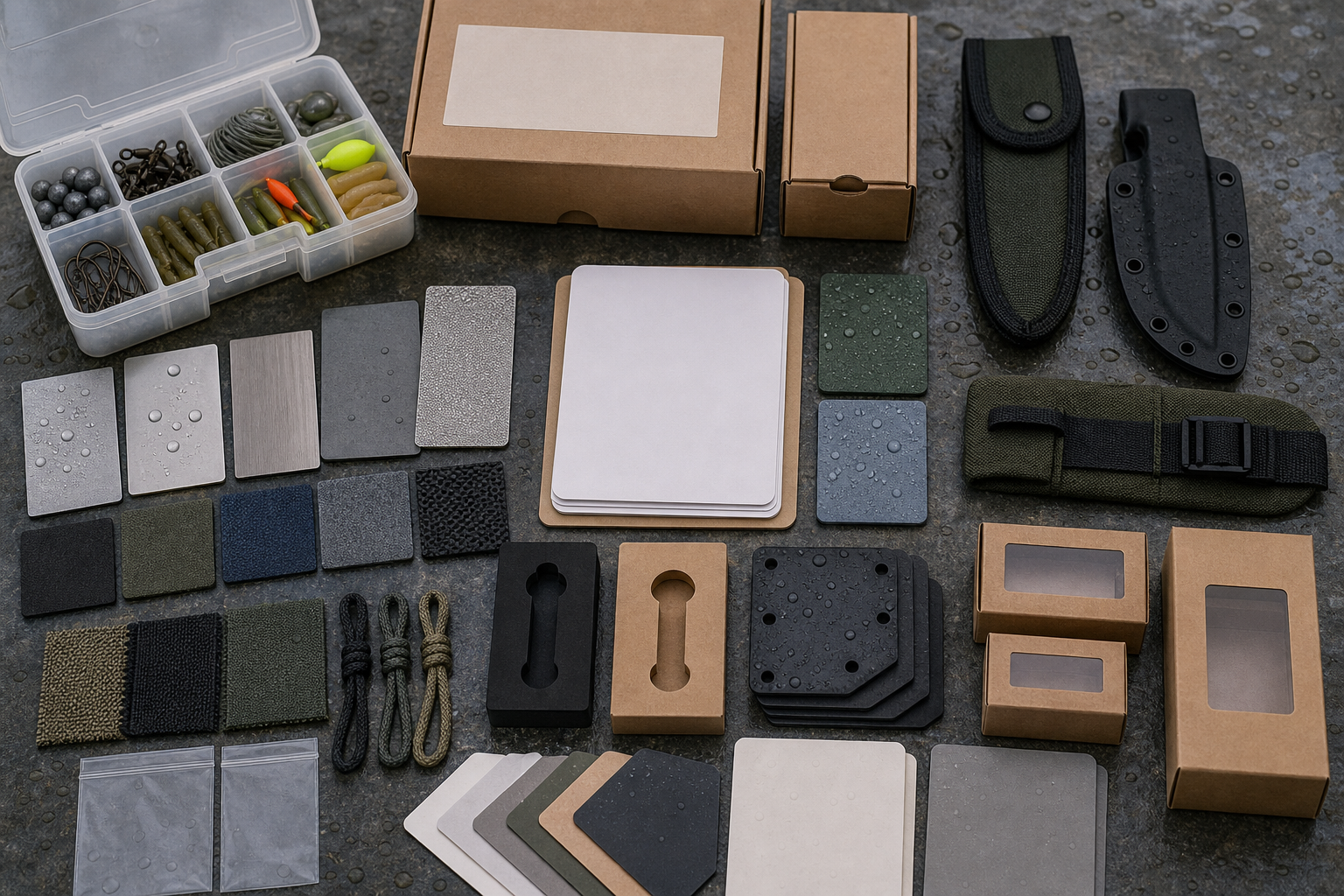
A folding knife is built around controlled movement. A fixed blade knife is built around a continuous blade and handle system. This difference changes the whole sourcing conversation. With a folding knife, I spend more time checking pivot position, lock contact, blade centering, washers, bearings, and opening action. With a fixed blade knife, I spend more time checking tang design, blade thickness, handle bonding, rivet or screw position, edge geometry, sheath retention, and the way the product sits in packaging.
This does not mean fixed blade projects are easier. They are just different. A fixed blade can feel stronger because it has no folding mechanism, but the buyer still needs to control weak points. A poor tang design can make the handle feel cheap. A poorly fitted sheath can damage the edge or disappoint the end user. A heavy blade can raise freight and packaging cost. A sharp-looking product story can also create market compliance problems if the sales language is careless.
The AKTI approved knife definitions show why terms around knife types and blade features need care. I treat this as a reminder for sourcing. Product names should be clear, but product engineering must be clearer.
| Comparison point | Fixed blade focus | Folding knife focus |
|---|---|---|
| Main structure | Blade, tang, handle, sheath | Blade, pivot, lock, handle, clip |
| Key risk | Tang, sheath fit, handle bonding | Lockup, centering, blade play |
| Production check | Blade thickness, grind, handle fit | Pivot tolerance and action |
| Buyer question | What use and sheath system? | What lock and carry system? |
OEM/ODM RFQ Checklist
Prepare these details to help Vast State review your project and provide a more accurate quotation.
| RFQ Field | What to Prepare |
|---|---|
| Project type | OEM from drawing / ODM private label / wholesale catalog |
| Product category | Folding knife / fixed blade / multi-tool / outdoor tool |
| Design status | Idea / sketch / 2D drawing / 3D CAD / physical sample |
| Target price | Ex-factory target price or retail price range |
| MOQ expectation | 500 / 1,000 / 3,000 / 5,000+ pcs |
| Logo method | Laser engraving / etching / printing / molded logo |
| Packaging | Standard packaging / custom retail box / Amazon-ready |
| Market | USA / EU / Japan / Korea / Middle East / other |
| Compliance needs | Buyer-specified testing / documentation / labeling |
| Timeline | Sample deadline / mass production deadline |
Which Fixed Blade Use Cases Should Buyers Define First?
A vague outdoor knife brief creates vague samples. The knife may look acceptable, but it may miss the real selling channel.
Buyers should define the fixed blade use case before design work. Camping, hunting-style, fishing, bushcraft-style, rescue support, kitchen outdoor, and general utility markets need different blade shapes, steel choices, handle textures, sheath systems, packaging, and compliance wording.
I Ask What the Knife Must Actually Do
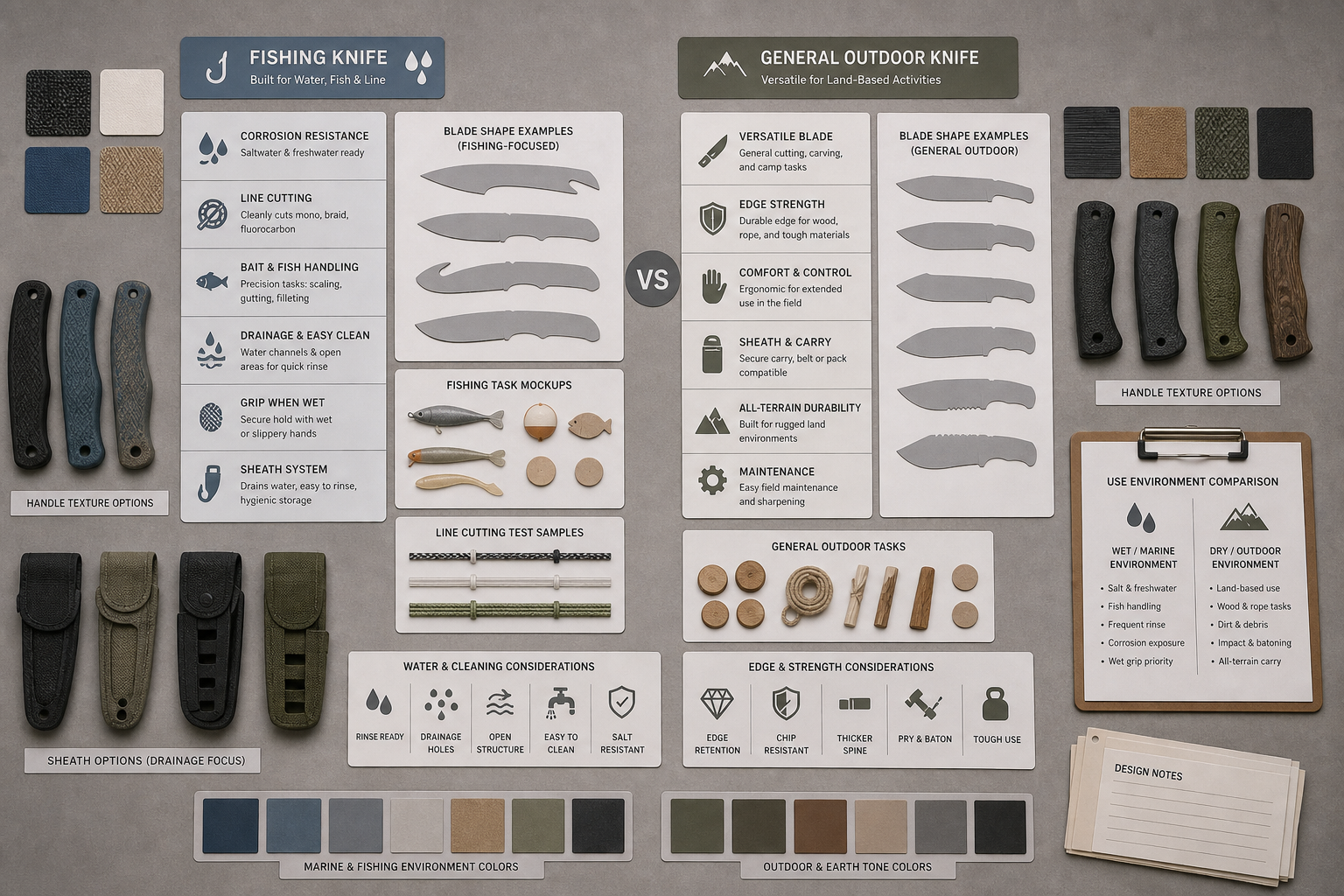
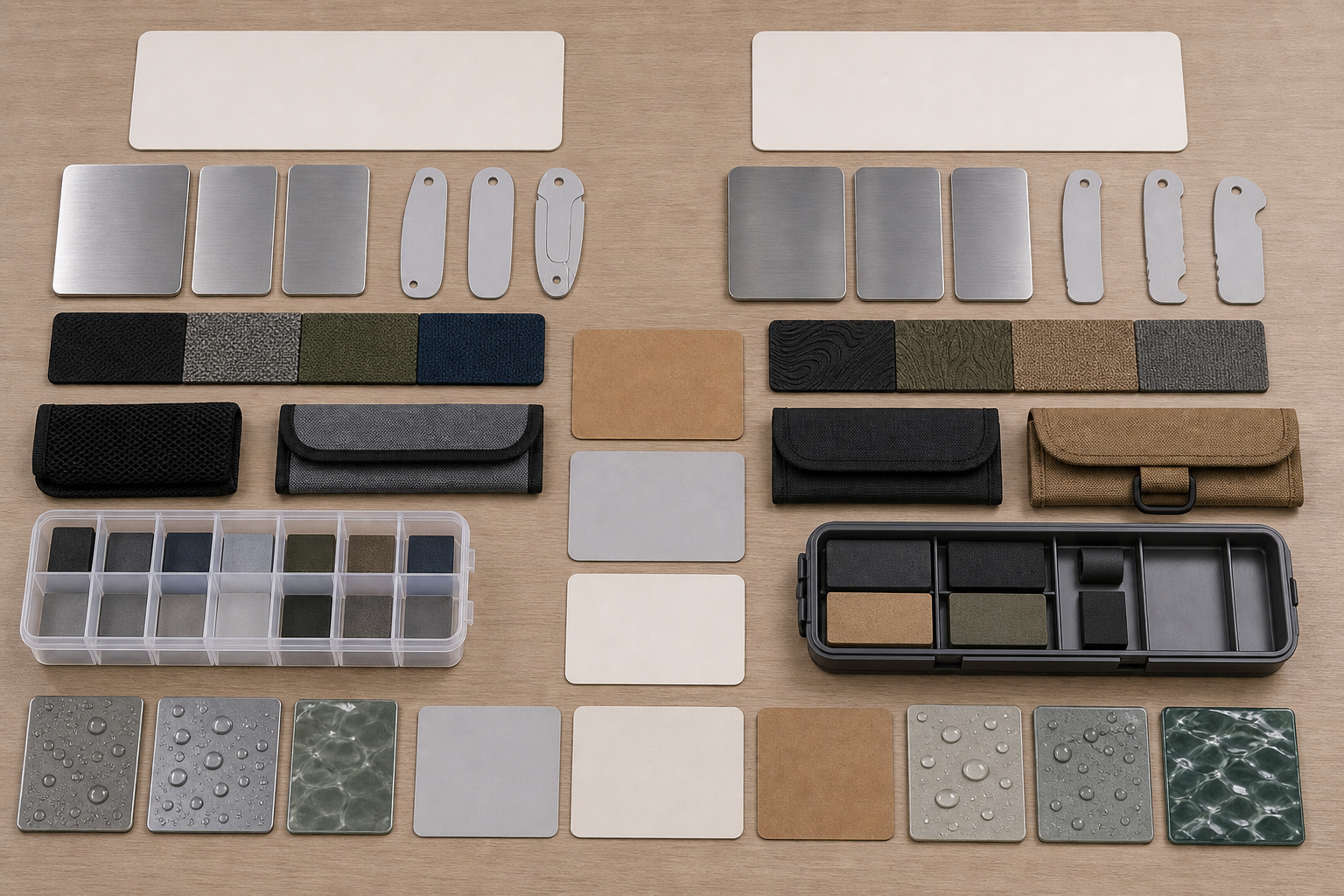
In OEM work, "fixed blade knife" is not enough information. I need to know the buyer's target user and sales channel. A camping product may need a balanced blade, secure handle, easy cleaning, and a sheath that works with outdoor gear. A fishing knife may need better corrosion resistance and a handle that can be cleaned more easily. A hunting-style product may need a specific blade profile and careful packaging language. A bushcraft-style product may need more blade thickness, stronger edge geometry, and a handle shape that supports longer work. A rescue support product may need very careful market language and functional accessories.
The use case also affects price. A buyer may ask for D2 steel, micarta handle, Kydex-style sheath, coated blade, and custom packaging. That can be a strong product, but it may not fit a budget retail line. Another buyer may need a simpler stainless steel, molded sheath, and color box for broader distribution. Neither direction is automatically better. The right direction is the one that matches brand position, target price, margin, MOQ, and repeat production.
I also ask the buyer to define the top three tasks, not twenty tasks. A product that tries to satisfy every use can become heavy, costly, and hard to explain.
| Use case | Product direction | Buyer should clarify |
|---|---|---|
| Camping | Balanced blade and secure sheath | Target retail level and package style |
| Fishing | Corrosion review and cleanable handle | Wet exposure and steel preference |
| Bushcraft-style | Stronger thickness and grip | Edge geometry and sheath retention |
| General utility | Practical shape and lower complexity | Target price and order quantity |
How Should Buyers Choose Tang, Blade Thickness, and Handle Structure?
Fixed blade strength is not only about blade steel. A weak tang, poor handle fit, or wrong thickness can hurt the product.
Buyers should choose tang, blade thickness, and handle structure based on use intensity, weight target, cost, comfort, and production method. Full tang designs often support stronger outdoor positioning, while partial or skeletonized tang designs may support lighter or lower-cost product plans.
I Treat the Tang as the Backbone
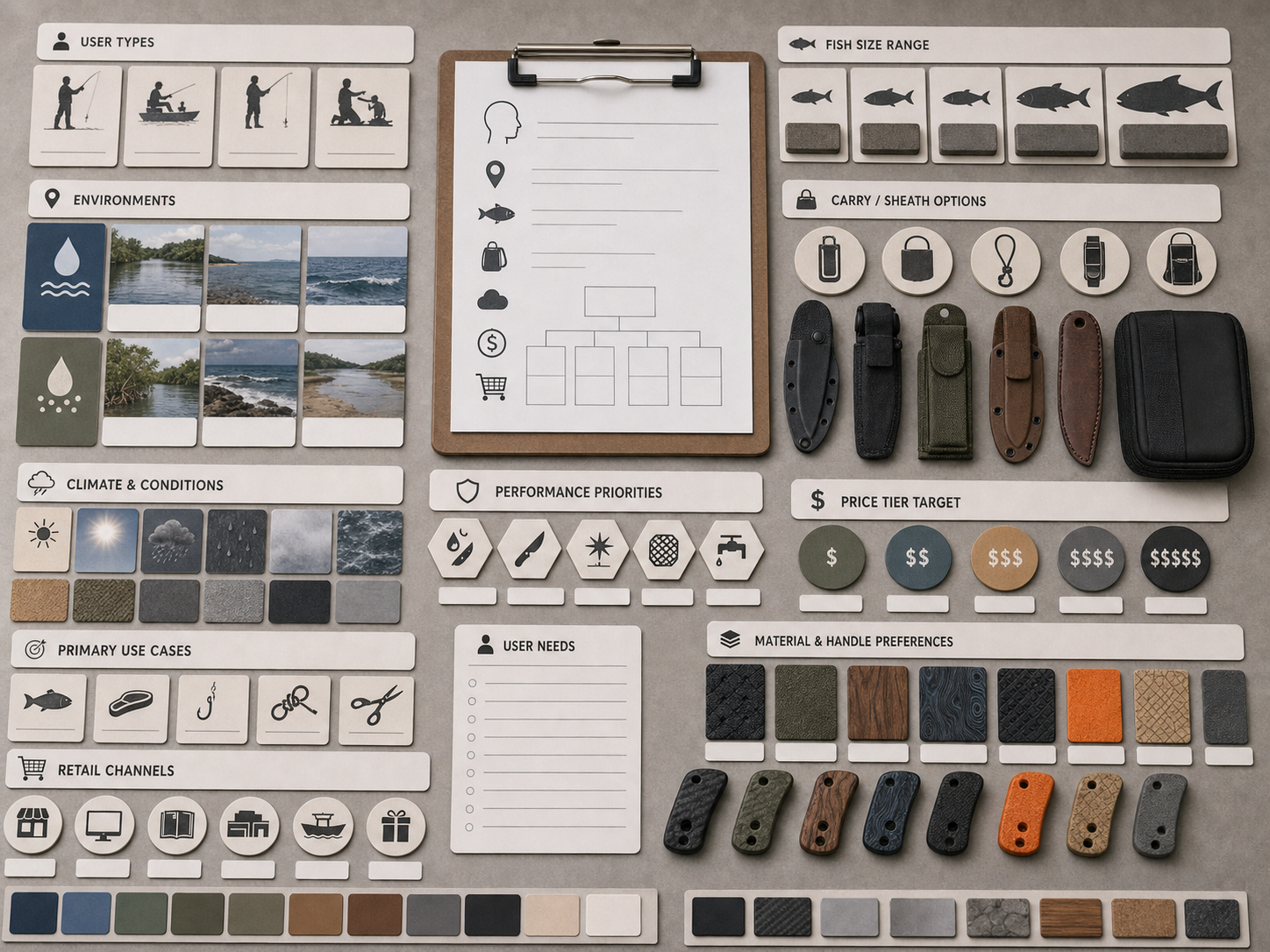
The tang is the part of the blade steel that extends into the handle. For fixed blade knives, it is one of the most important structure decisions. A full tang design usually means the steel extends through the full handle outline. This can support stronger outdoor positioning and a clear sales story. It also uses more steel and often costs more. A hidden tang or partial tang may fit certain designs, but it needs careful control of handle bonding, balance, and target use. A skeletonized tang can reduce weight, but it needs proper shape, hole position, and edge finishing so it does not create weak points or assembly problems.
Blade thickness is another practical decision. Thicker steel can support a stronger outdoor image, but it increases weight, grinding time, material cost, and sometimes cutting resistance. A thinner blade may cut more easily, but it may not match heavy-use expectations. I usually ask buyers to decide the product level first. Is this a compact outdoor utility knife? A budget kit knife? A heavier bushcraft-style product? A fishing knife? The answer changes the steel thickness and handle structure.
Handle assembly must also match production. Scales can be fixed with screws, pins, rivets, adhesive, or a mixed system. The buyer should ask for samples that show fit, comfort, edge finishing, and repeated assembly quality.
| Structure choice | Benefit | Production concern |
|---|---|---|
| Full tang | Stronger product positioning | Higher steel use and weight |
| Hidden tang | Clean handle appearance | Needs strong bonding and fit |
| Skeletonized tang | Lower weight | Hole position and edge finishing matter |
| Thicker blade | Stronger visual message | More grinding time and more weight |
How Do Blade Steel, Heat Treatment, and Edge Geometry Affect Performance?
Steel names attract attention. But steel without correct heat treatment and edge geometry does not protect buyer reputation.
Blade steel, heat treatment, and edge geometry work together. Buyers should not choose steel by name only. They should confirm hardness target, corrosion need, toughness need, edge angle, grind consistency, and batch inspection before mass production.
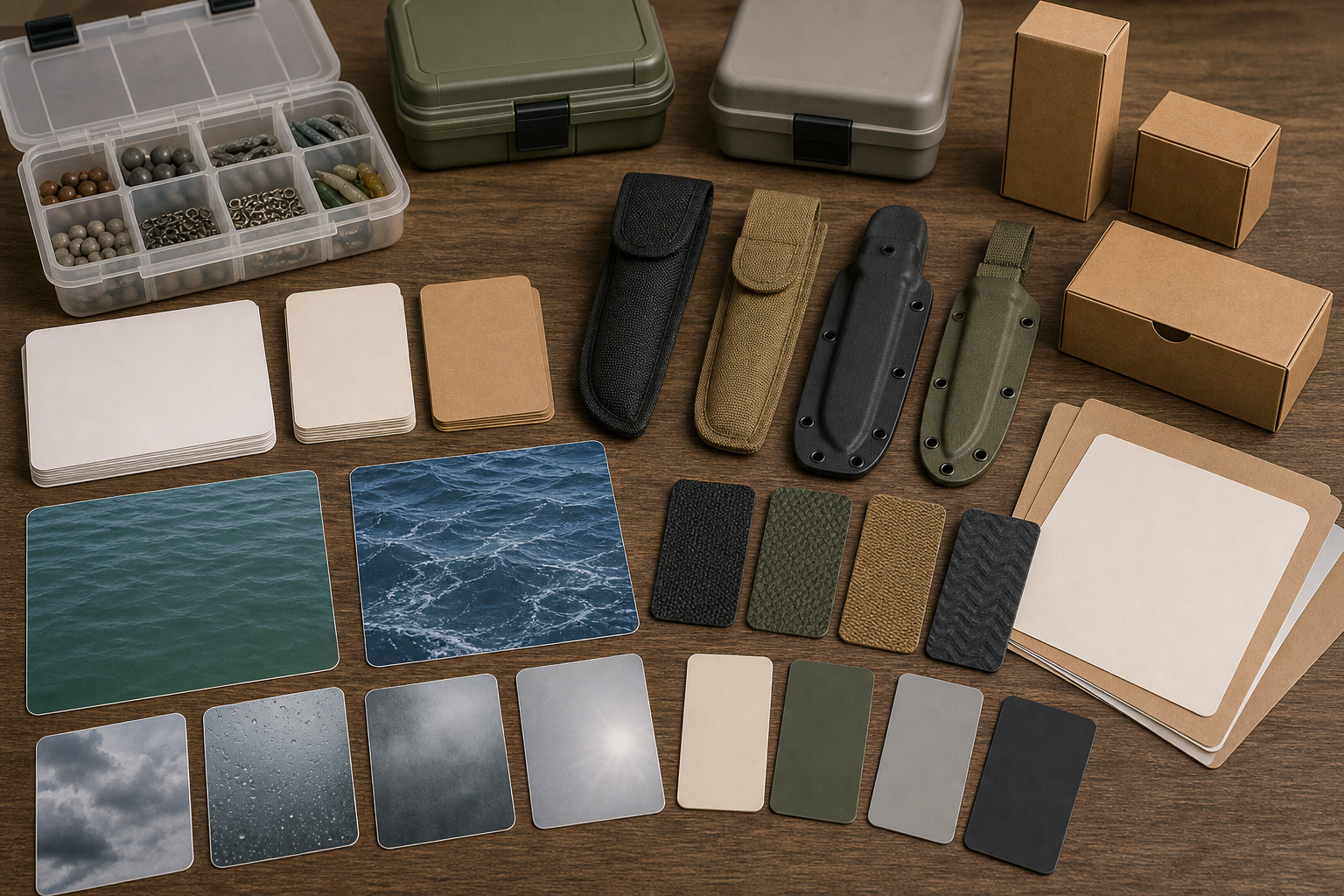
I Never Let a Steel Name Do All the Work
Buyers often ask whether a fixed blade should use 8Cr13MoV, 9Cr18MoV, 14C28N, D2, 440C, AUS-8, or another steel. I can recommend options, but I also explain that steel choice is only one part of the result. Heat treatment, blade thickness, edge geometry, grind control, and final sharpening all shape performance.
A stainless steel may fit fishing, camping, and humid-market products better because corrosion resistance matters. A tool steel may support a different edge story, but it may need more care against rust. A more expensive steel can help brand positioning, but only if the target buyer will pay for it. For example, Alleima 14C28N knife steel is described by its maker as offering edge performance, high hardness, and corrosion resistance, with a recommended hardness range for knife applications. That kind of source helps buyers compare material claims with real application needs.
Hardness also needs measurement discipline. The NIST Rockwell hardness measurement guide is a useful reference because knife buyers often use HRC as a shorthand for heat treatment quality. I prefer to define a target hardness range and then check samples and production batches. A number on paper is not enough if the cutting edge, grinding heat, and sharpening are not controlled.
| Performance factor | What buyer should ask | Why it matters |
|---|---|---|
| Steel grade | What use and price does it support? | Prevents overbuying or underbuilding |
| Heat treatment | What hardness range is targeted? | Controls edge holding and toughness balance |
| Edge geometry | What grind and edge angle are planned? | Affects cutting feel and durability |
| Batch checks | How will hardness and sharpness be inspected? | Protects consistency in repeat orders |
Which Handle Materials Fit Fixed Blade OEM Projects?
A fixed blade handle can make a good blade feel wrong. Poor grip, sharp edges, or unstable finish create complaints.
Handle materials should match grip, weight, cleaning need, weather exposure, target price, and brand style. Common OEM choices include G10, micarta, wood, rubber-like materials, polymer, stainless steel, aluminum, and hybrid material combinations.
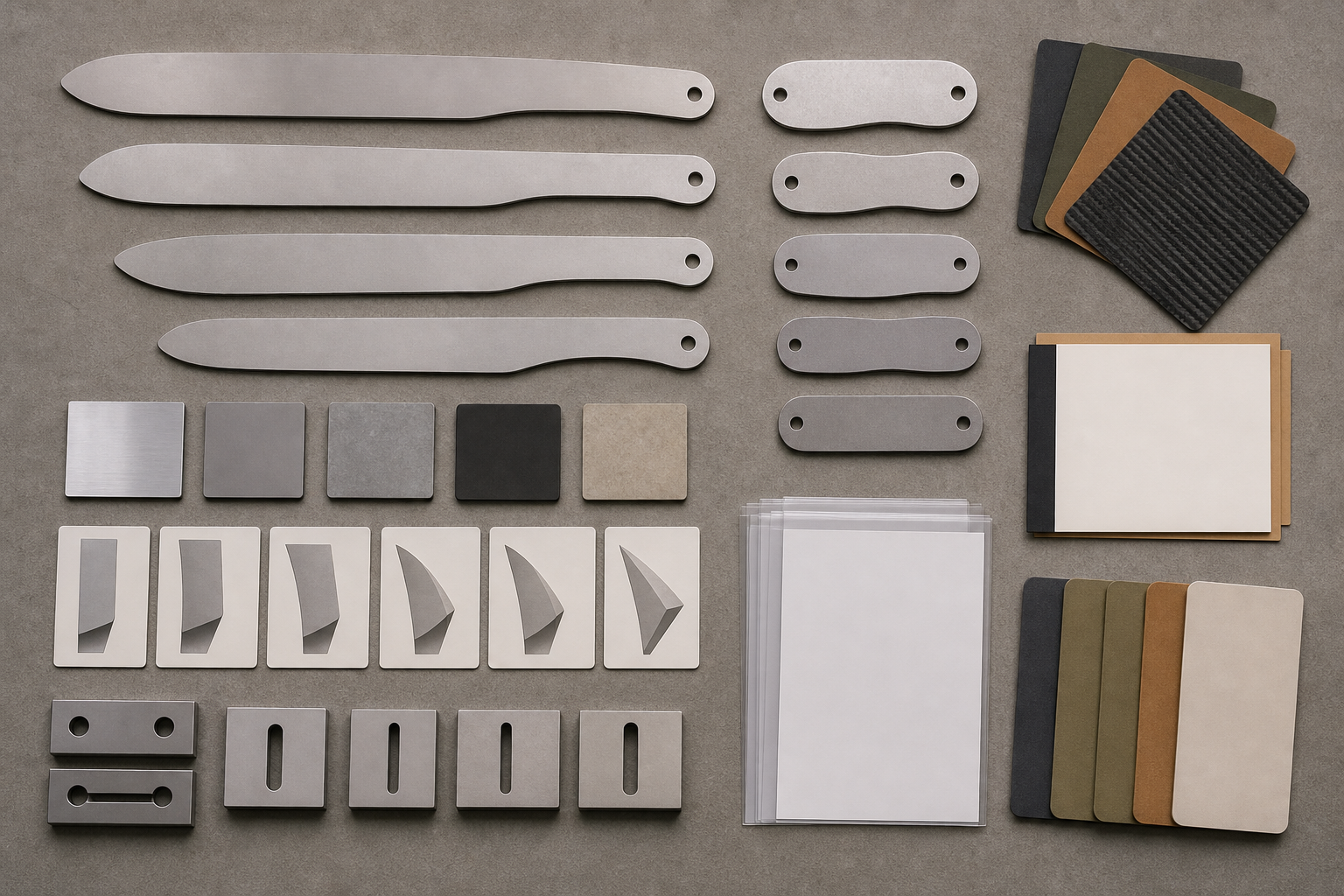
I Match Handle Feel to the Sales Channel
Handle material is not only a decoration choice. It affects grip, balance, machining time, finishing, cost, and after-sales risk. G10 can support a stable outdoor feel and textured grip, but it needs good machining and dust control. Micarta gives a warmer and more outdoor-oriented feel, but color and surface consistency need review. Wood can look attractive, but buyers must accept natural variation and more careful moisture control. Rubber-like or TPE-style materials can improve grip, but tooling, bonding, odor, and long-term surface feel must be checked. Polymer handles can support lower-cost lines, but mold quality and fit matter. Metal handles can look clean, but they may become slippery or heavy depending on design.
I usually ask buyers to hold samples, not only view photos. A handle that looks good in a catalog may feel too square, too thin, too smooth, or too heavy. The edges around the tang should not bite the hand. Screws or pins should sit cleanly. The handle should not rattle. If the product is intended for wet outdoor use, I also test grip and cleaning. If the buyer wants private label packaging, I make sure the material story matches the retail price.
For fixed blade OEM projects, a practical handle is one that supports use, cost, and repeat production at the same time.
| Handle material | Best fit | Buyer check |
|---|---|---|
| G10 | Outdoor and utility lines | Texture, dust control, edge finishing |
| Micarta | Warm outdoor brand style | Color consistency and surface feel |
| Wood | Gift and classic lines | Moisture control and natural variation |
| Polymer or TPE | Cost-sensitive or grip-focused lines | Tooling quality and bonding stability |
Why Does Sheath Design Matter as Much as the Knife?
Many buyers treat the sheath as an accessory. Then the final product feels unfinished, bulky, noisy, or unsafe to package.
Sheath design matters because a fixed blade knife needs secure storage, practical carry, edge protection, packaging fit, and a good user experience. Buyers should specify sheath material, retention, belt attachment, drainage, fit tolerance, and packaging layout early.
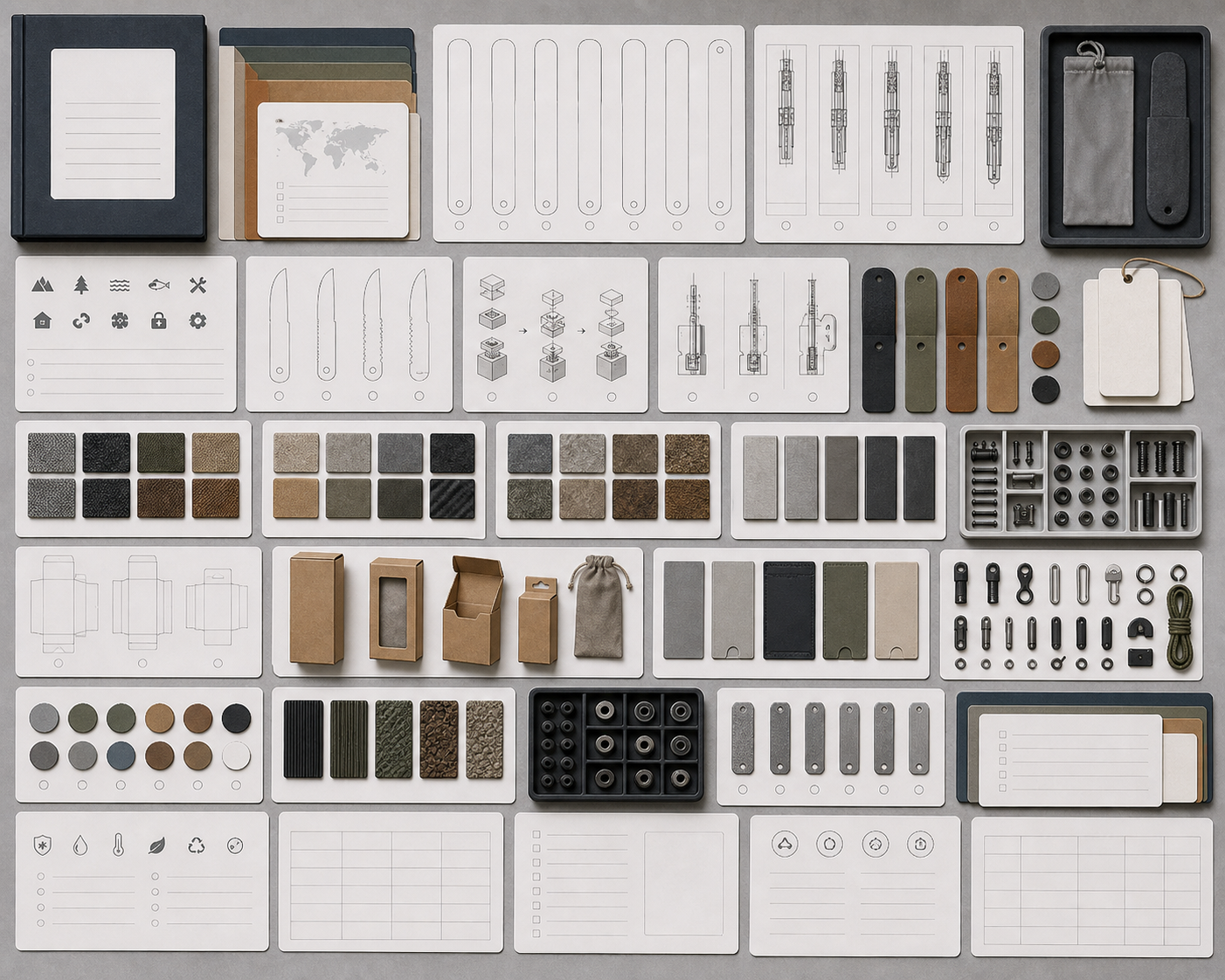
I Design the Knife and Sheath Together
A fixed blade knife is not complete without a sheath. The sheath protects the edge, protects the packaging, and shapes the end user's first impression. A good knife with a poor sheath can feel cheap. A loose sheath can rattle. A sheath that is too tight can scratch the finish or frustrate the user. A bulky sheath can increase packaging size and shipping cost. A sheath with weak stitching, weak rivets, or poor molded retention can create after-sales problems.
Different sheath materials fit different product plans. Nylon can support value outdoor kits and lightweight packaging. Leather-style sheaths can support classic presentation, but they need careful material review and finishing. Molded plastic or Kydex-style sheaths can support modern outdoor positioning and better retention control, but tooling and fit need careful testing. The buyer should also decide belt loop style, clip style, drainage holes, attachment options, and packaging orientation.
I also check whether the blade finish and sheath material interact badly. Some coatings mark easily. Some sheath interiors rub against the blade. Some tip shapes need more clearance. These details are hard to fix after packaging is approved. So I prefer to test sheath fit during sampling, not after mass production starts.
| Sheath factor | What to decide | Why it matters |
|---|---|---|
| Material | Nylon, leather-style, molded plastic, Kydex-style | Controls cost and product positioning |
| Retention | Loose, friction fit, snap, strap, molded lock | Affects user confidence and safety |
| Attachment | Belt loop, clip, lashing holes | Affects outdoor use and package size |
| Fit tolerance | Blade clearance and rattle control | Protects finish and user experience |
What Compliance, Packaging, and Sales Channel Questions Should Buyers Ask?
The knife can be well made and still be hard to sell. Market rules, packaging claims, and import details can change the plan.
Buyers should ask destination-market questions before confirming fixed blade specs. They should review knife category rules, age restrictions, product descriptions, country-of-origin marking, chemical warning needs, packaging claims, Incoterms, and importer responsibilities with qualified local advisors.
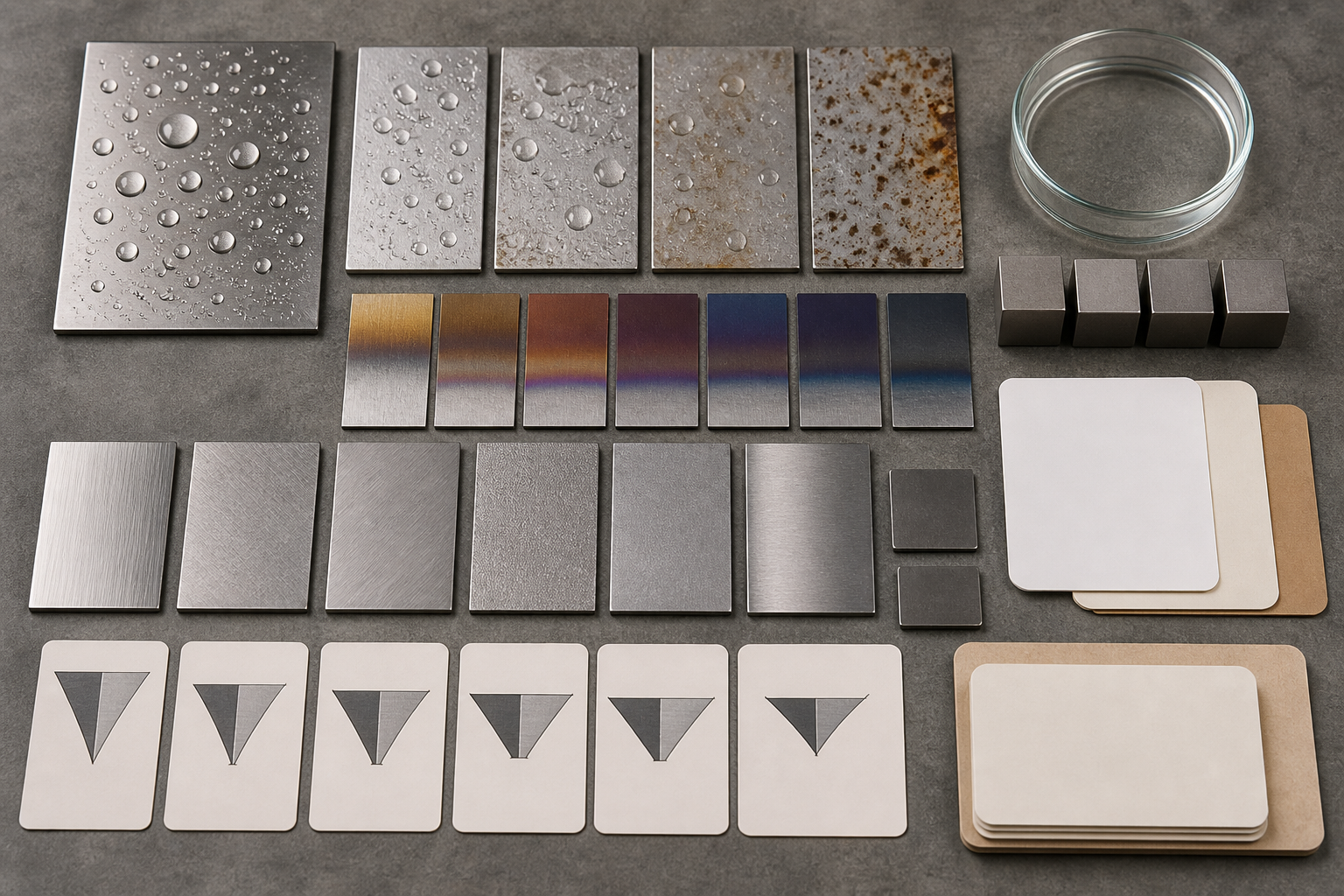
I Keep Product Claims Practical
Compliance is not one rule. It is a set of destination-market questions. A fixed blade product that is normal in one market may need different packaging, warnings, age-gating, or import review in another market. I cannot give legal advice to buyers, but I can help them prepare the right questions before production.
For the UK, GOV.UK knife guidance explains that selling, buying, carrying, and importing knives can involve restrictions and age rules. For the United States, CBP country-of-origin marking guidance reminds importers that foreign-origin articles generally need clear English country-of-origin marking unless an exception applies. If the buyer sells in California, the Proposition 65 business resources remind businesses to determine whether warnings are required for chemical exposures.
Packaging also affects compliance and conversion. I prefer practical wording such as outdoor utility knife, camping tool, fishing knife, field knife, or general cutting tool when accurate. I avoid dramatic claims. The package should match the real use, the age channel, the retail platform, and local rules. Trade terms also matter. The ICC Incoterms 2020 page is useful when buyers compare FOB, FCA, CIF, DAP, or other delivery terms. Product cost is not only unit price. It is also packaging volume, carton size, freight plan, duty review, and documentation.
| Question area | Buyer should confirm | Why it matters |
|---|---|---|
| Market rules | Knife type, sale channel, age rules | Reduces blocked sales risk |
| Origin marking | Product and package marking needs | Supports import documentation |
| Chemical warnings | Materials and destination state or country | Supports safer packaging decisions |
| Trade terms | FOB, FCA, CIF, DAP, or other term | Clarifies cost and responsibility |
What Should Buyers Include in a Fixed Blade Knife RFQ?
A short RFQ can create a long development cycle. Missing details lead to wrong samples, unclear cost, and slow decisions.
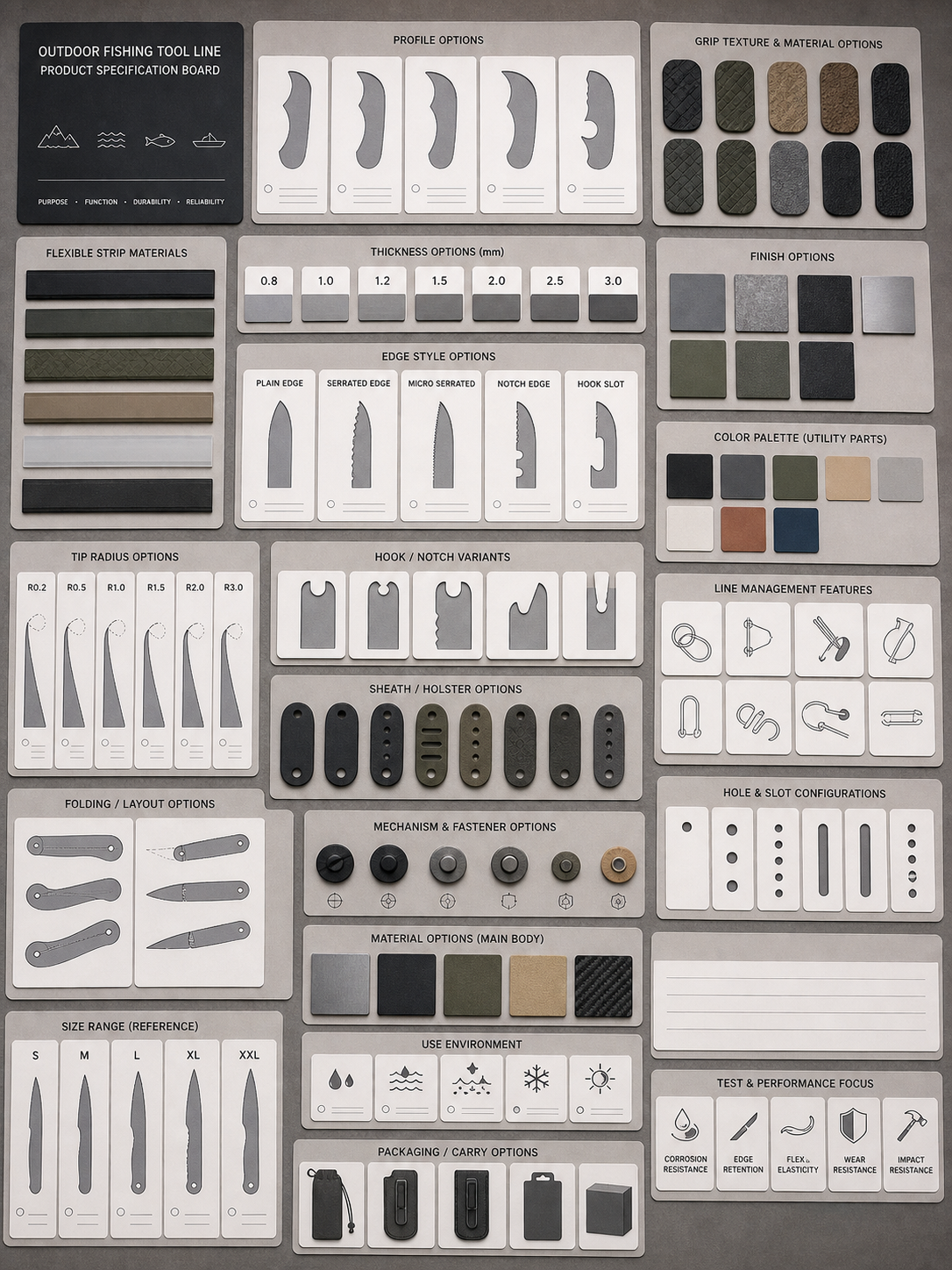
A fixed blade knife RFQ should include target market, use case, blade length, thickness, steel, hardness range, tang type, handle material, sheath material, finish, packaging, logo method, MOQ, target price, compliance needs, inspection plan, and requested sample quantity.
I Prefer Specific RFQs Over Fast RFQs
Many buyers want a quick price. I understand that. But a price without a clear specification can mislead both sides. For a fixed blade knife, I need enough information to quote the right product, not just the cheapest version. The RFQ should tell me the target market, target retail level, expected MOQ, target price range, and main use. It should include blade length, overall length, blade thickness, steel grade, hardness range if known, finish, edge type, tang style, handle material, sheath material, packaging style, logo method, and whether the buyer needs a private label box, pouch, blister, or bulk pack.
If the buyer has a drawing, I review manufacturability. If the buyer has only an idea, I help translate that idea into structure. I may suggest a different steel, simpler sheath, changed handle material, or adjusted thickness to protect cost and production stability. This is where a practical OEM/ODM supplier adds value. The goal is not only to make one good sample. The goal is to make a product that fits the buyer's sales channel and can repeat in production.
The ISO 9001 supply chain guidance says buyers need to define their own needs and expectations clearly. I see that principle in every RFQ. The clearer the brief, the better the sample path.
| RFQ item | Example detail to provide | Why it helps |
|---|---|---|
| Product use | Camping, fishing, utility, outdoor kit | Guides structure and material choices |
| Blade spec | Length, thickness, steel, finish | Supports accurate cost and process planning |
| Handle and sheath | Material, color, attachment, retention | Avoids late accessory problems |
| Commercial target | MOQ, target price, packaging, market | Aligns design with business reality |
Turn this article into a fixed blade project.
Send your target use, blade size, steel, handle direction, sheath needs, quantity, and packaging plan. Vast State can help shape it into a quote-ready project.
Conclusion
I choose fixed blade knives by matching structure, materials, sheath, packaging, compliance, and QC to the buyer's real market.
Source Notes
- AKTI knife definitions support careful category language and blade feature terminology.
- Alleima 14C28N knife steel supports the discussion of steel properties, corrosion resistance, and hardness ranges.
- NIST Rockwell hardness guidance supports the need for disciplined hardness measurement.
- GOV.UK knife guidance, CBP origin marking guidance, and Proposition 65 business resources support market-specific compliance review.
- ICC Incoterms 2020 supports trade-term planning for export orders.
- ISO 9001 supply chain guidance supports the need for clear buyer requirements and supplier quality-system confidence.