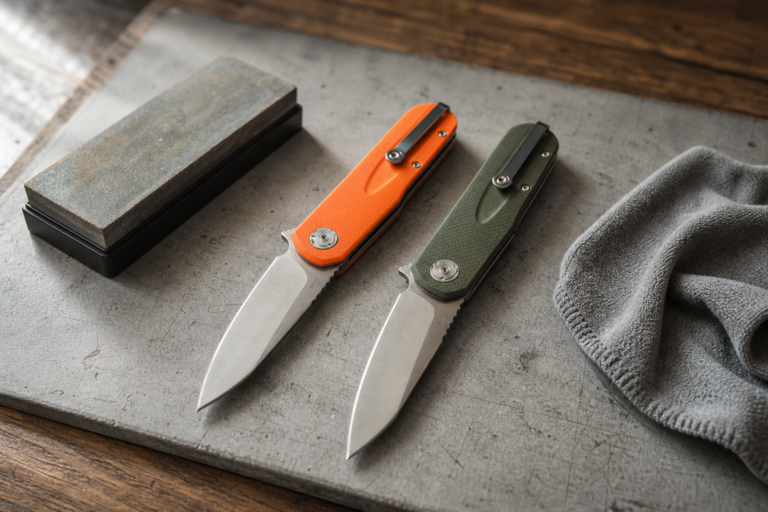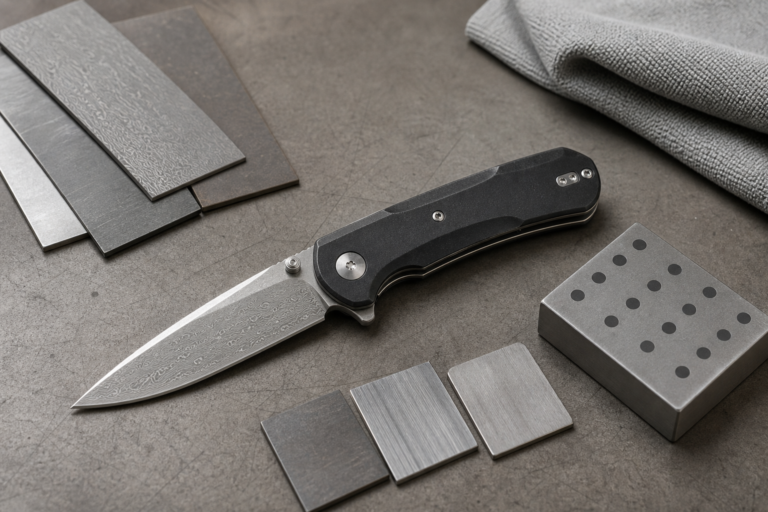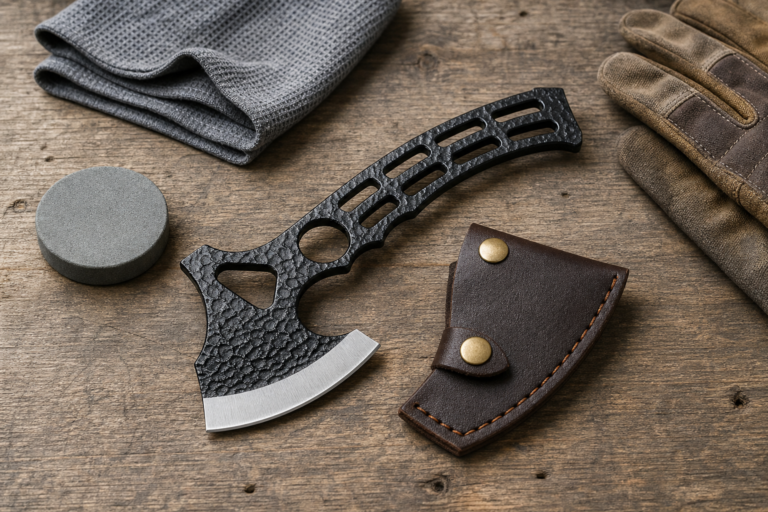
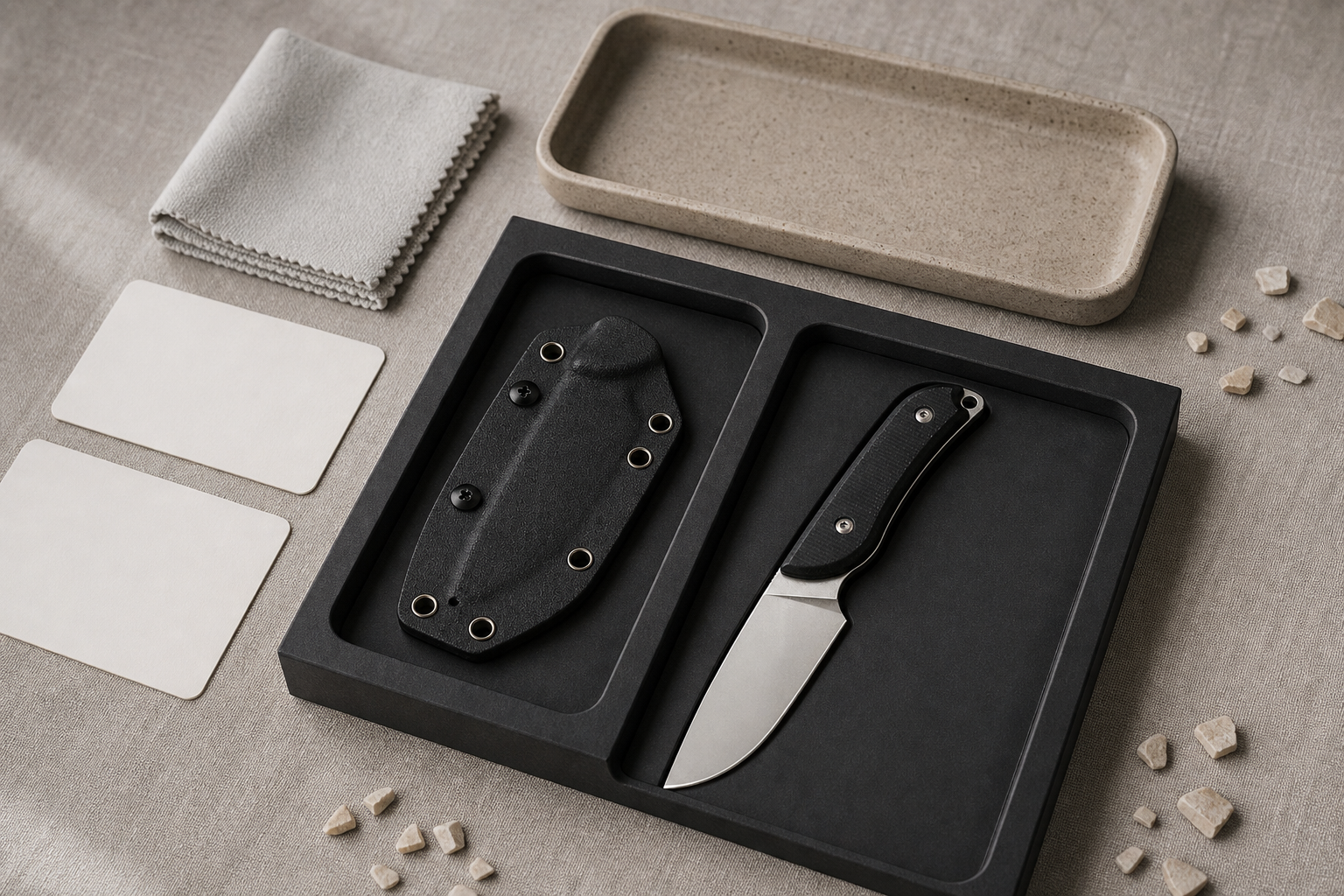
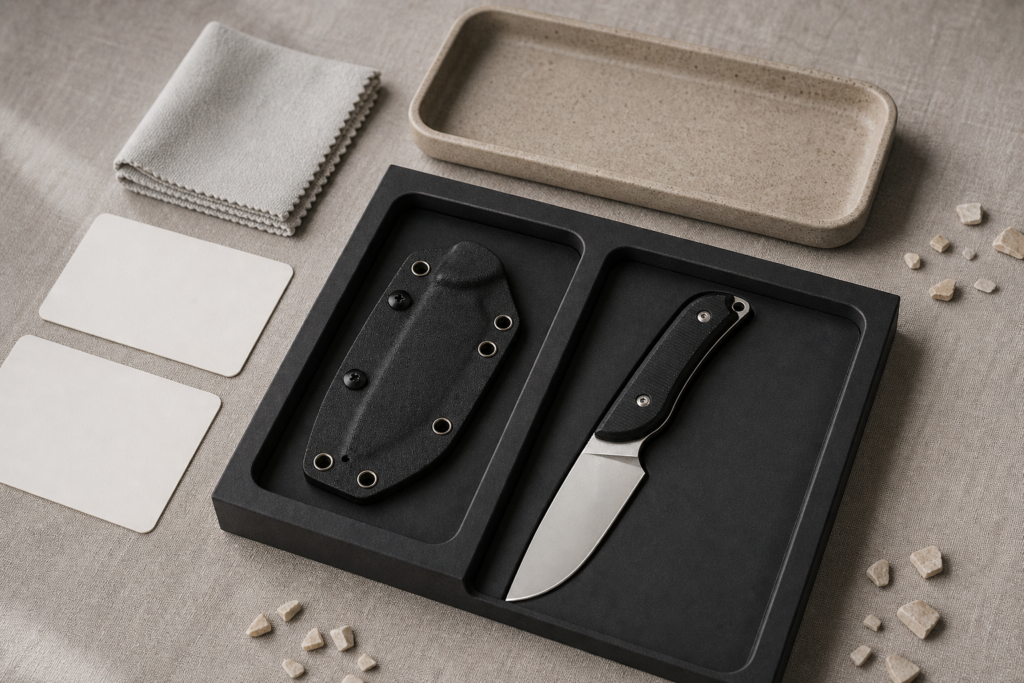
A fixed blade can leave the factory clean and sharp, then fail in the market because the user receives weak care guidance.
Buyers should build fixed blade knife maintenance guidance around blade steel, handle material, surface finish, sheath type, cleaning, drying, sharpening, corrosion prevention, storage, and inspection. Good maintenance guidance protects the user experience and reduces avoidable after-sale complaints.
Quick buyer brief:
- Answer: Maintenance guidance should change by steel, finish, handle, sheath, and target use. Stainless steel, high-carbon steel, coated blades, satin finishes, stonewashed finishes, wood handles, G10, micarta, rubber, and leather or molded sheaths all need different care notes.
- Buyer context: This guide is for knife brands, outdoor brands, camping brands, importers, wholesalers, distributors, private label buyers, and sourcing managers.
- Key checks: Steel grade, hardness target, blade finish, edge geometry, handle material, sheath material, packaging insert, care card, corrosion risk, sharpening guidance, storage guidance, QC checks, target market, and after-sale expectations.
Planning a fixed blade or outdoor knife project?
Share your target use, blade size, steel preference, handle direction, sheath needs, quantity range, and packaging plan. Vast State can help turn it into a quote-ready specification.
When I help a buyer develop a fixed blade knife, I do not see maintenance as an afterthought. I see it as part of the product promise. A knife used outdoors may meet moisture, dust, salt, food residue, wood sap, sweat, and rough storage. If the buyer gives every product the same simple care line, the user may misunderstand how to clean the blade, protect the handle, sharpen the edge, or store the sheath. For OEM and ODM projects, a clear maintenance guide helps the product feel more professional and helps protect repeat orders.
Why Should Maintenance Guidance Be Planned Before Mass Production?
Maintenance often appears late in packaging design. That timing can create generic instructions that do not match the knife.
Maintenance guidance should be planned before production because it depends on the steel, finish, handle, sheath, packaging, use case, and quality standard that are already being decided.
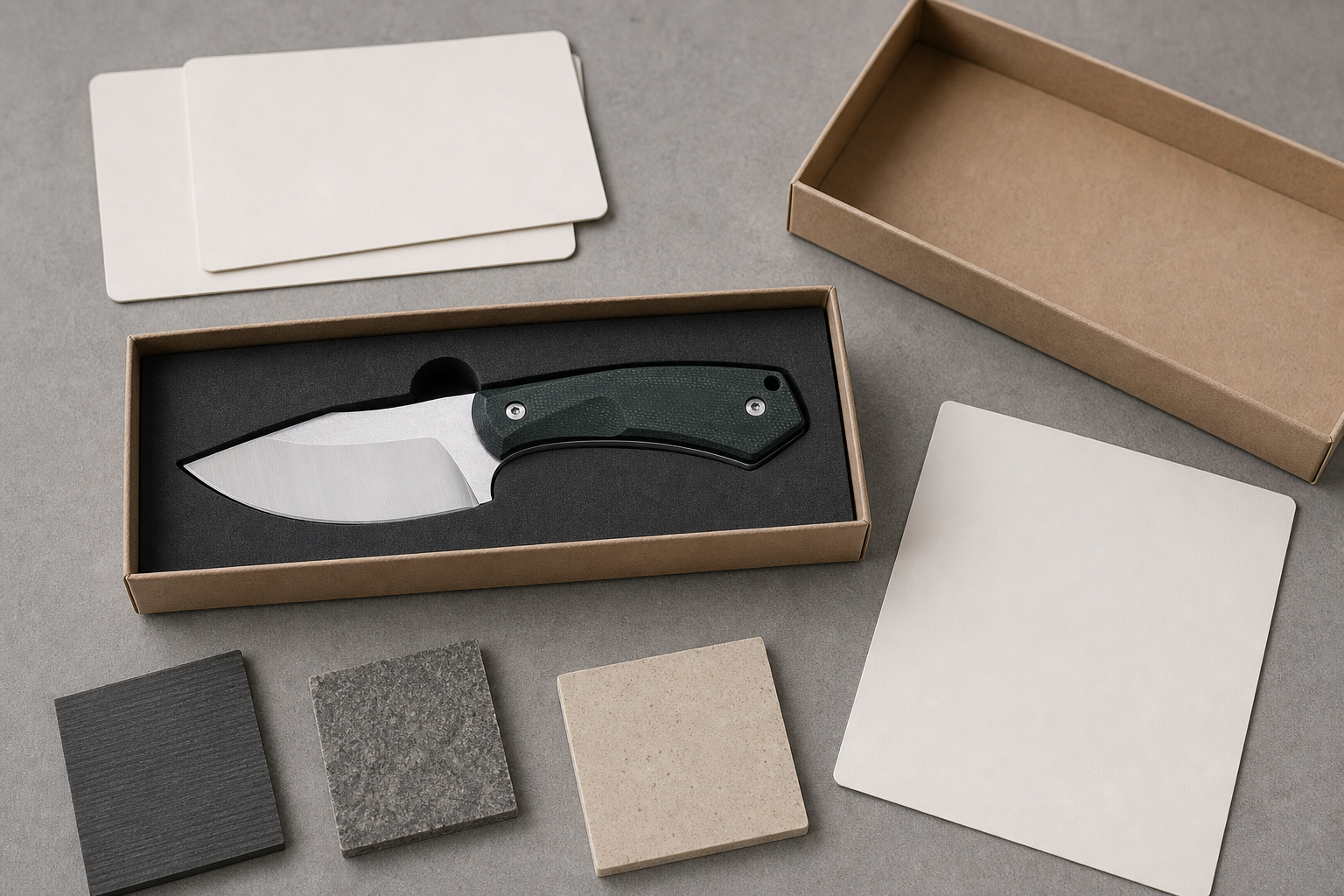
I Treat Care Instructions as Product Support
Fixed blade knives are simple in structure compared with folding knives, but their use environment can be harder. They may be carried in damp weather, used around wood, packed in a vehicle, stored in a sheath, or handled by customers who do not understand the material. If the buyer does not explain care, the user may blame the product for problems caused by poor cleaning or storage.
CCOHS hand tool guidance says cutting tools should be kept sharp, sharp edges should be covered, and tools should be kept clean, dry, and stored properly after use. That is a good foundation for care guidance. It is not a knife manufacturing standard, but it supports the practical point: maintenance is part of safe tool use.
For B2B buyers, maintenance guidance also affects design decisions. A high-carbon blade may need stronger rust-prevention wording. A mirror finish may need careful handling notes. A wood handle may need different storage advice than G10. A leather sheath may need different moisture guidance than a molded sheath. If these choices are known early, the care card can be accurate and short.
| Development item | Maintenance impact | Buyer action |
|---|---|---|
| Blade steel | Corrosion and sharpening needs | Match care notes to grade |
| Surface finish | Scratch and stain visibility | Explain cleaning and handling |
| Handle material | Moisture and texture behavior | Add material-specific care |
| Sheath type | Storage and moisture risk | Explain dry storage clearly |
OEM/ODM RFQ Checklist
Prepare these details to help Vast State review your project and provide a more accurate quotation.
| RFQ Field | What to Prepare |
|---|---|
| Project type | OEM from drawing / ODM private label / wholesale catalog |
| Product category | Folding knife / fixed blade / multi-tool / outdoor tool |
| Design status | Idea / sketch / 2D drawing / 3D CAD / physical sample |
| Target price | Ex-factory target price or retail price range |
| MOQ expectation | 500 / 1,000 / 3,000 / 5,000+ pcs |
| Logo method | Laser engraving / etching / printing / molded logo |
| Packaging | Standard packaging / custom retail box / Amazon-ready |
| Market | USA / EU / Japan / Korea / Middle East / other |
| Compliance needs | Buyer-specified testing / documentation / labeling |
| Timeline | Sample deadline / mass production deadline |
How Should Stainless and High-Carbon Blades Be Maintained Differently?
Not all steels need the same care. A wrong care message can create false confidence or unnecessary worry.
Stainless blades usually need cleaning, drying, and basic edge care, while high-carbon blades need stronger guidance on moisture control, oiling, staining, rust prevention, and prompt cleaning after use.
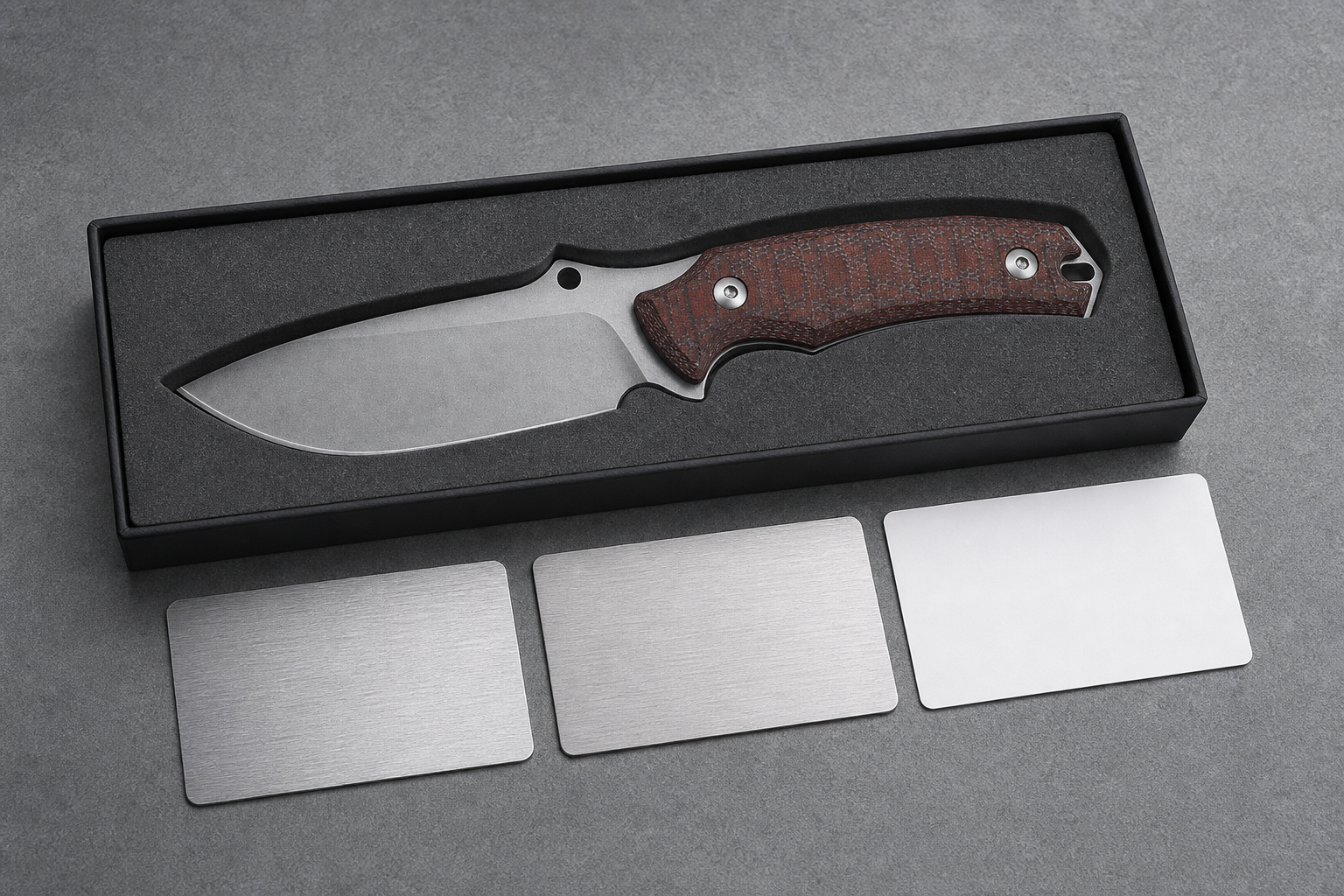
I Avoid Saying Stainless Means No Care
Stainless steel is more corrosion resistant than many high-carbon steels, but it is not magic. If a stainless blade is left wet, dirty, salty, or stored in a damp sheath, the user can still see stains or corrosion marks depending on the steel, finish, and environment. For stainless fixed blades, I usually recommend cleaning after use, drying before storage, keeping the edge protected, and sharpening with suitable tools.
High-carbon steel needs clearer guidance. It can be tough and useful for outdoor knives, but it may stain or rust more easily. Users should wipe it dry after use, avoid long wet storage, apply a light protective oil when appropriate, and understand that patina or discoloration may occur. If the buyer's market includes humid, coastal, fishing, or hunting use, this guidance becomes even more important.
Alleima describes 14C28N knife steel as a steel for knife applications requiring edge sharpness, edge stability, and corrosion resistance. I use sources like this to explain material positioning. A steel can be chosen for corrosion resistance, but care instructions should still tell users to clean and dry the knife.
| Steel type | Care priority | Buyer note |
|---|---|---|
| Stainless steel | Clean, dry, sharpen, store correctly | Do not promise zero rust |
| High-carbon steel | Dry quickly and protect from moisture | Mention staining or patina risk |
| Coated carbon steel | Protect exposed edge and scratches | Coating does not protect every area |
| Premium stainless | Maintain edge and finish | Match care to market expectation |
How Do Satin, Stonewash, Mirror, Bead Blast, and Coated Finishes Change Care?
Surface finish changes how damage appears. The same use mark can look acceptable on one finish and serious on another.
Knife finishes change maintenance by affecting scratch visibility, stain visibility, corrosion exposure, cleaning method, fingerprint visibility, and how users judge wear over time.
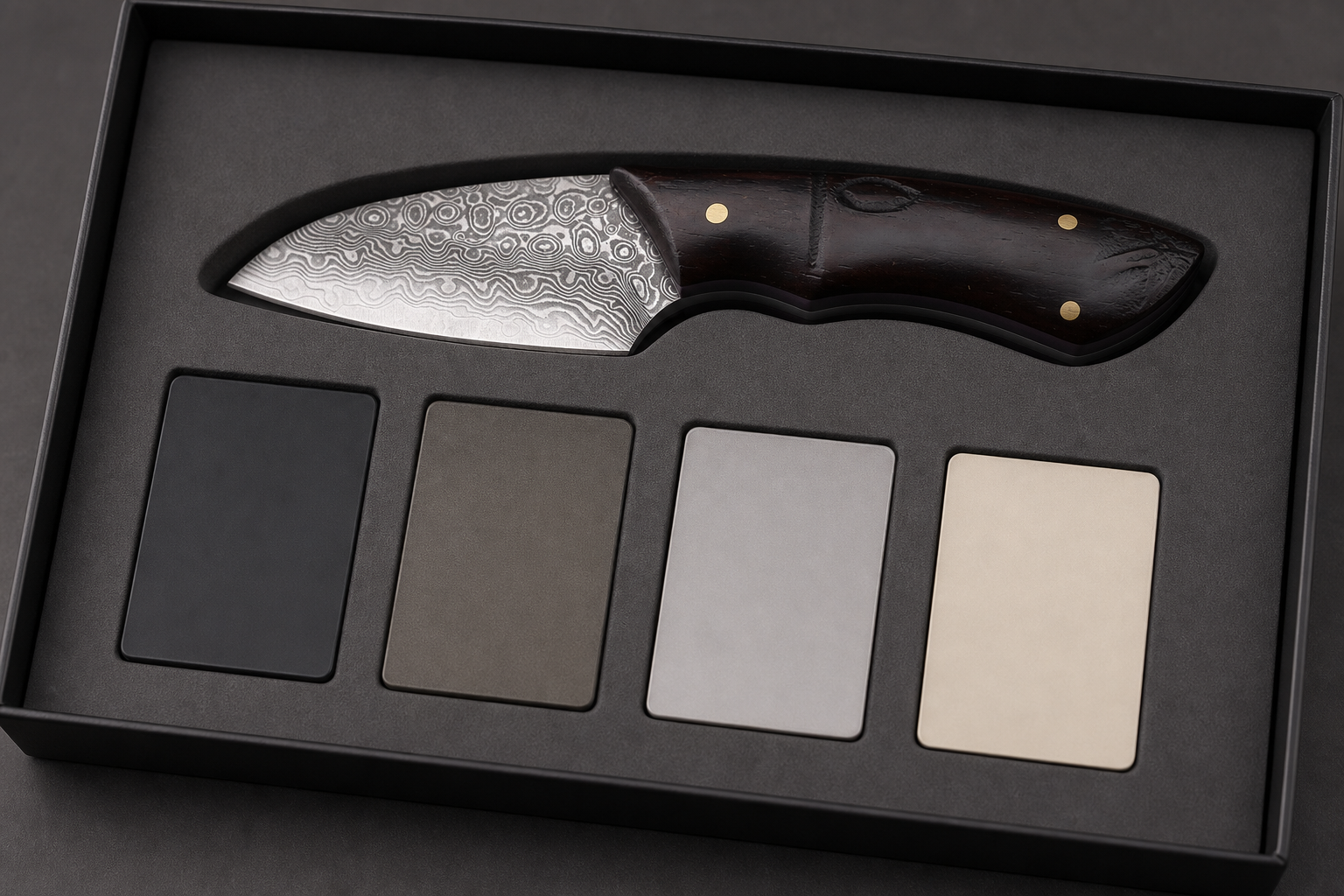
I Match Finish Care to What the User Will See
A satin finish can look clean and practical, but directional scratches may show if the user cleans it with rough material. A stonewash finish can hide small marks better and can suit outdoor utility products. A mirror finish can look premium, but it shows fingerprints, fine scratches, and residue quickly. A bead blast finish can look matte and refined, but depending on steel and process, users may need clear drying and corrosion guidance. A coated blade can reduce visible wear in some uses, but coating scratches and exposed edges still need care.
Surface quality can be more than appearance. The NIST Surface and Interface Metrology Group describes work with measurements of roughness, waviness, and form. Buyers do not need laboratory surface measurement for every knife order, but the principle matters. Different finishes create different textures and different user expectations.
For packaging, I recommend a short finish-specific note. A polished or mirror blade may need gloves or protective sleeve during packing. A coated blade may need a warning that coating wear can occur at contact points. A stonewashed outdoor blade may need simpler maintenance language because small use marks are less visible.
The buyer should decide whether the finish is a visual selling point or a practical use finish. The care guidance should follow that decision.
| Finish | Maintenance issue | Buyer guidance |
|---|---|---|
| Satin | Directional scratches | Clean with soft cloth |
| Stonewash | Hides small wear | Still clean and dry |
| Mirror | Fingerprints and fine scratches | Use careful handling notes |
| Coating | Wear at contact points | Protect exposed edge and scratches |
How Should Handle Materials Be Cleaned and Stored?
Users often focus on the blade, but handle problems also create complaints. Handle material needs its own guidance.
Handle care should be based on material. G10, micarta, wood, rubber, polymer, stainless steel, and aluminum can react differently to moisture, oils, heat, chemicals, and rough cleaning.
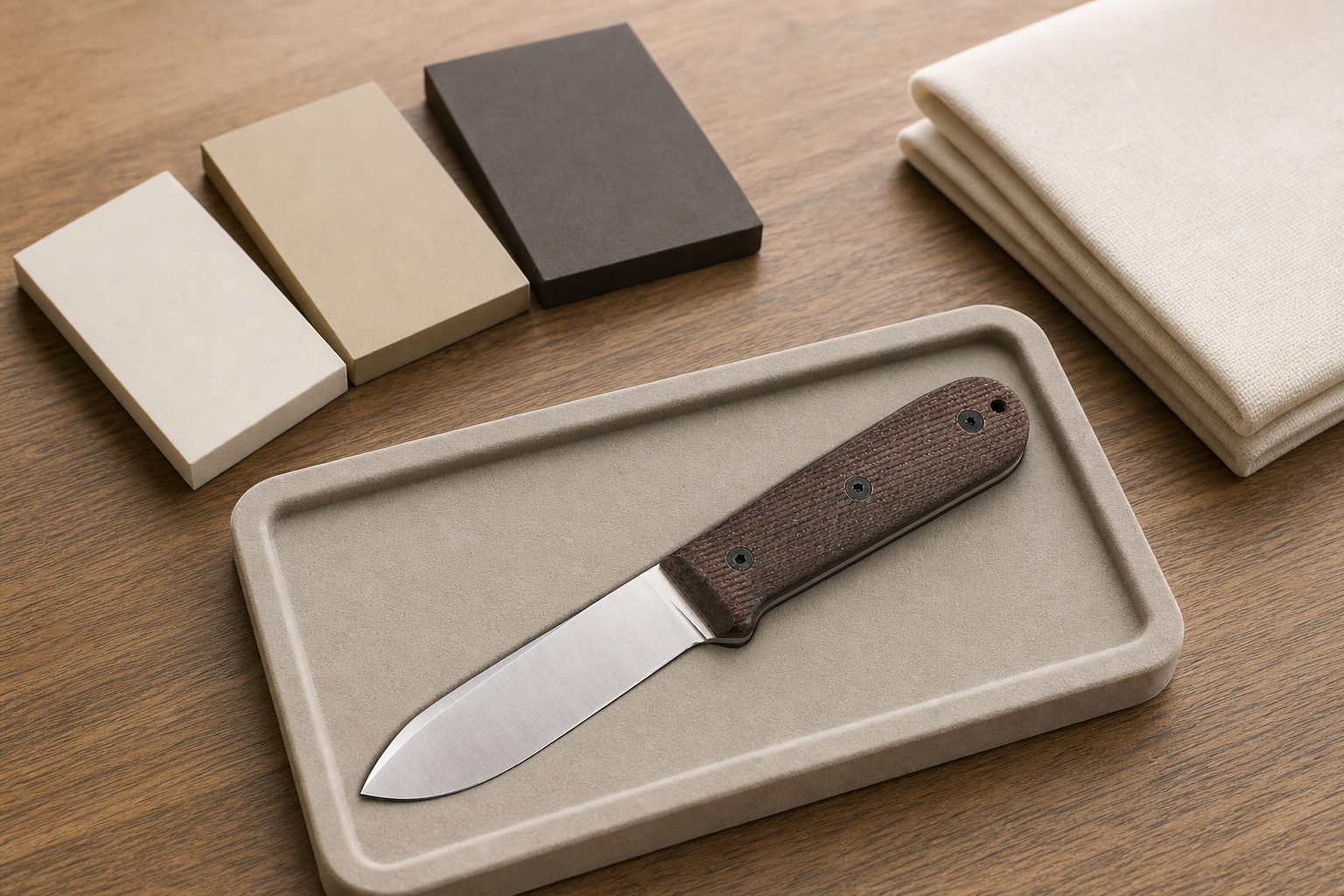
I Write Handle Care in Plain Language
G10 and many polymers are usually practical for outdoor use because they are stable and easy to clean. The user can often wipe them clean and dry them. Micarta can feel good in the hand, but it may darken with oils, sweat, or use. Some users like this. Some users may see it as a problem if they were not told. Wood handles can look warm and premium, but they may need more care against soaking, heat, and long wet storage.
Rubber or soft-touch handles can improve grip, but buyers should consider aging, chemical exposure, and residue. Stainless steel handles can be durable but may feel slippery if wet. Aluminum can be light and attractive, but anodized surfaces can show wear. Each material has a different user experience.
The care card does not need to become a material science document. It should say what users should do after wet or dirty use. It should warn against harsh chemicals if those could damage the handle. It should tell users to dry the handle before long storage. If the handle uses screws, pins, or liners, users should inspect obvious looseness and contact the seller instead of forcing repairs.
| Handle material | Care focus | Practical wording |
|---|---|---|
| G10 or polymer | Clean and dry | Wipe after use |
| Micarta | Oils and color change | Natural darkening may occur |
| Wood | Moisture and heat | Avoid soaking and long wet storage |
| Metal | Grip and surface wear | Dry after use and inspect finish |
How Should Sheaths Affect Maintenance Instructions?
The sheath protects the user and the blade, but it can also trap moisture or scratch the finish.
Sheath guidance should explain dry storage, edge protection, retention checks, material care, cleaning after dirty use, and avoiding long-term wet storage inside the sheath.
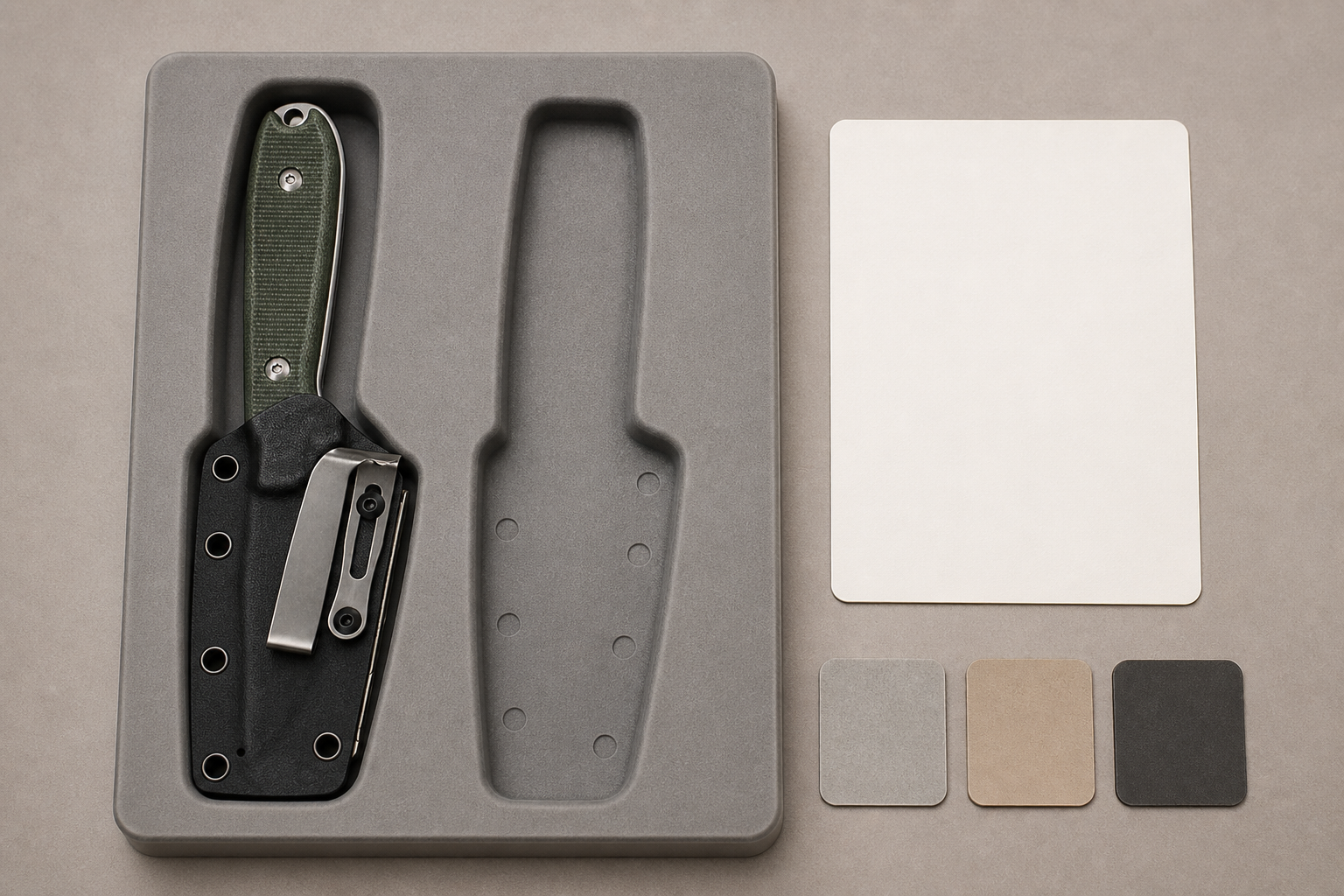
I Never Treat the Sheath as Just Packaging
For fixed blade knives, the sheath is part of the product. It protects the edge, protects the user, supports carry, and affects long-term storage. A good sheath can improve customer satisfaction. A poor sheath can create scratches, moisture problems, loose carry, or unsafe edge exposure.
Leather-style sheaths can look premium, but users should avoid storing a wet blade inside them for long periods. Moisture can stay in the material. Molded sheaths can be more water resistant, but they can still trap dirt or grit that scratches the blade. Nylon sheaths can be practical, but stitching, inserts, and drainage should be checked. Whatever the material, the user should clean and dry the knife before long storage.
CCOHS sharp-blade guidance includes storing sharp tools safely in racks, slots, or boxes. I apply that idea to sheath design and packaging. The user should know that the edge should be covered, but the knife should also be dry. If the sheath has screws, clips, straps, or snaps, the buyer may include a simple inspection note.
In production, I also check retention. The knife should not fall out easily, but it should not require unsafe force to remove.
| Sheath type | Care issue | Buyer guidance |
|---|---|---|
| Leather-style | Moisture retention | Do not store wet for long periods |
| Molded polymer | Dirt and grit | Clean debris before storage |
| Nylon | Stitching and insert condition | Inspect wear and dry after use |
| Belt attachment | Loose hardware | Check retention and fasteners |
What Cleaning Steps Should Users Follow After Outdoor Use?
Outdoor residue can damage the knife slowly. Dirt, moisture, salt, sap, and food residue should not stay on the blade.
A simple cleaning routine should include wiping residue, washing gently when needed, drying completely, checking the edge and sheath, applying protection if appropriate, and storing safely.
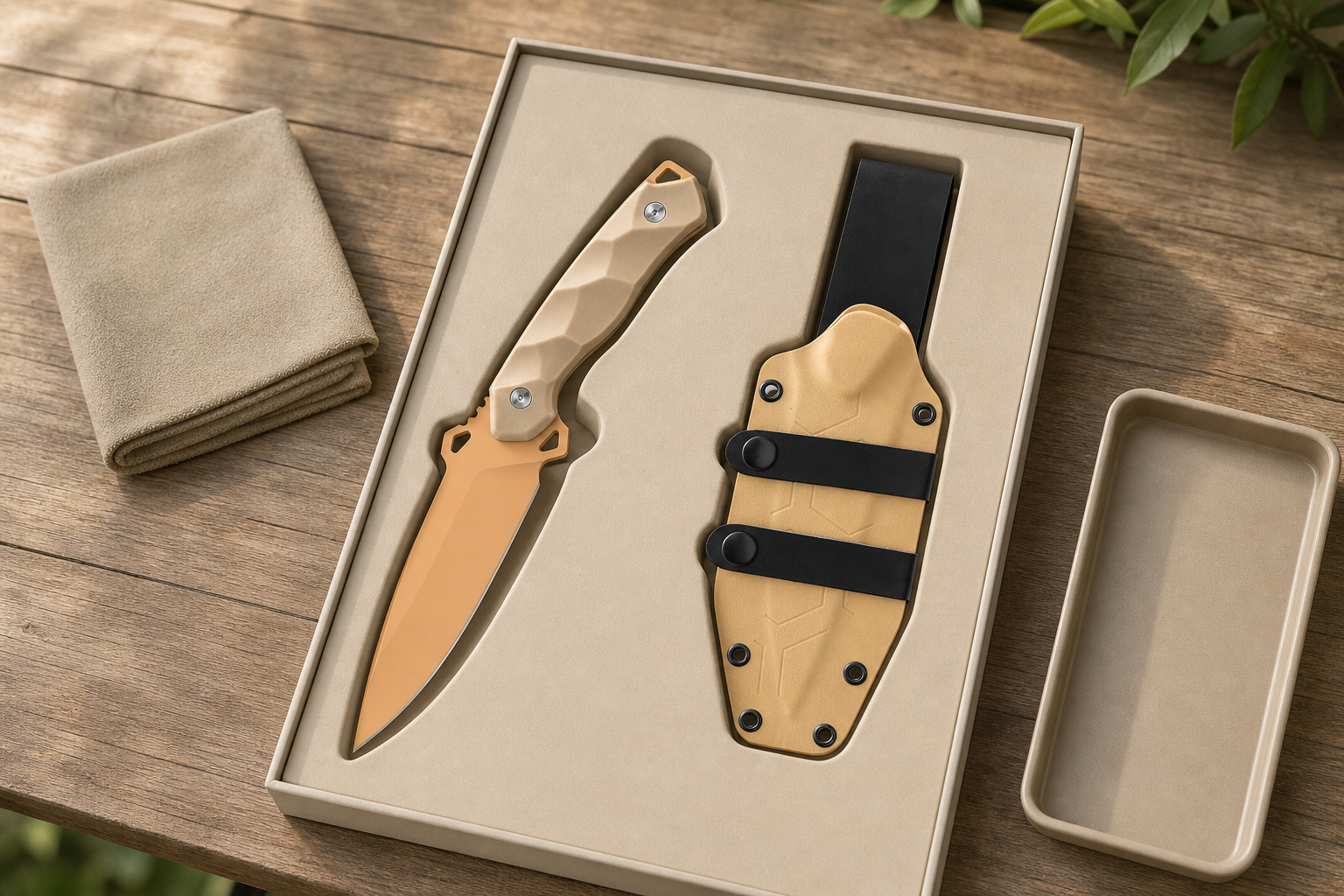
I Keep the Routine Easy Enough to Follow
Care instructions work only when users will actually follow them. I recommend a simple sequence. First, remove dirt, sap, salt, food residue, and moisture from the blade. Second, wash gently if needed, following the material and finish requirements. Third, dry the blade, handle, and sheath-contact areas completely. Fourth, inspect the edge, point, handle, and sheath. Fifth, apply a light protective oil or corrosion protection when appropriate for the steel and intended use. Sixth, store the knife safely with the edge covered.
Buyers should avoid overcomplicated instructions unless the product needs them. A short care card in the box can be more useful than a long paragraph on a website. If the product is sold to beginners, simple wording matters. If the knife is sold for fishing or coastal outdoor use, cleaning and drying should be more visible in the packaging.
The care method should also avoid damaging the finish. Rough abrasives can scratch satin or mirror surfaces. Harsh chemicals may damage some handles or coatings. Strong soaking may affect wood, leather, adhesives, or other materials. If the buyer includes a cleaning cloth or oil bottle, that should be included in the RFQ and packaging plan.
| Cleaning step | Why it matters | User note |
|---|---|---|
| Wipe residue | Removes dirt and acids | Do this soon after use |
| Dry fully | Reduces corrosion risk | Include sheath-contact areas |
| Inspect edge | Finds damage early | Sharpen or service if needed |
| Store covered | Protects edge and user | Avoid loose storage |
How Should Sharpening Guidance Be Written?
Sharpening can improve the user experience, but poor sharpening advice can damage the edge or create safety risk.
Sharpening guidance should explain that users should maintain a sharp edge, use suitable sharpening tools, follow the original edge angle where practical, and avoid unsafe or excessive force.
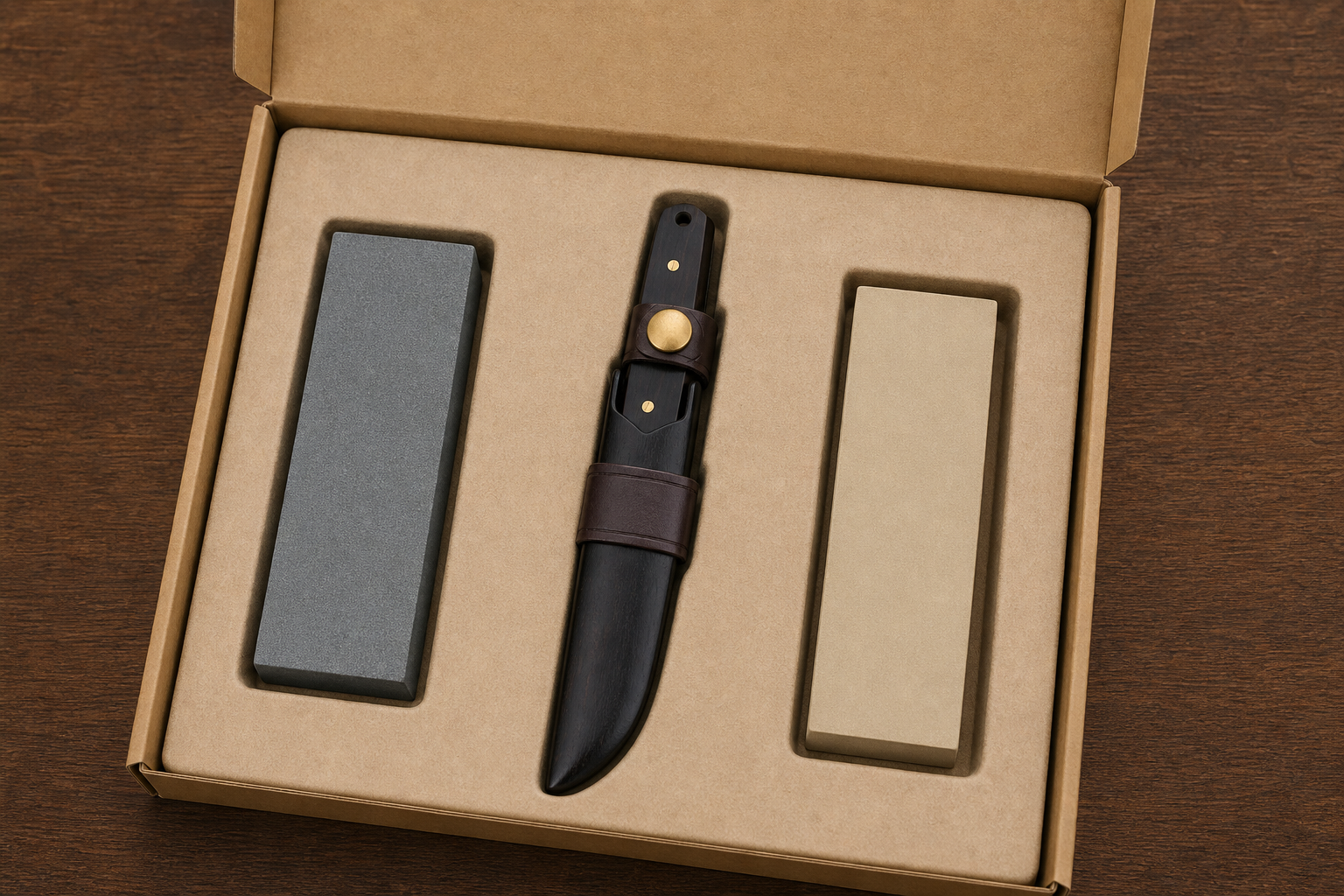
I Do Not Promise One Angle for Every Knife
Many users ask for a sharpening angle. The problem is that one angle does not fit every knife. A camp knife, hunting knife, fishing knife, utility knife, and heavy outdoor blade may need different edge geometry. Steel, hardness, blade thickness, and target material all matter. If a buyer gives one angle without context, users may damage the edge or expect performance the knife was not designed to provide.
The maintenance guide should be practical. It can say to keep the edge sharp, use an appropriate sharpening tool, maintain the existing bevel where practical, and avoid grinding away too much material. It can also say that inexperienced users should use a guided system or seek professional sharpening if needed. The wording should fit the product level.
CCOHS hand tool guidance supports keeping cutting tools sharp. A sharp and well-maintained edge can reduce the need for excessive force. That does not mean users should sharpen carelessly. It means edge maintenance should be part of normal ownership.
For OEM buyers, sharpening guidance should be connected to factory edge geometry. If the factory edge is too thick, users may struggle. If the edge is too thin for rough use, the buyer may receive chipping complaints.
| Edge factor | Maintenance impact | Buyer decision |
|---|---|---|
| Edge angle | Affects sharpness and durability | Match target task |
| Steel hardness | Affects sharpening feel | Define target range |
| Grind type | Affects user maintenance | Explain if special care is needed |
| Factory edge | Sets user expectation | Approve sample cutting feel |
What Should Buyers Include in Packaging and Care Cards?
A good care card can reduce confusion. A vague card may create more questions than it solves.
Packaging should include concise care guidance for cleaning, drying, sharpening, rust prevention, handle care, sheath storage, safe handling, and contact instructions for service questions.
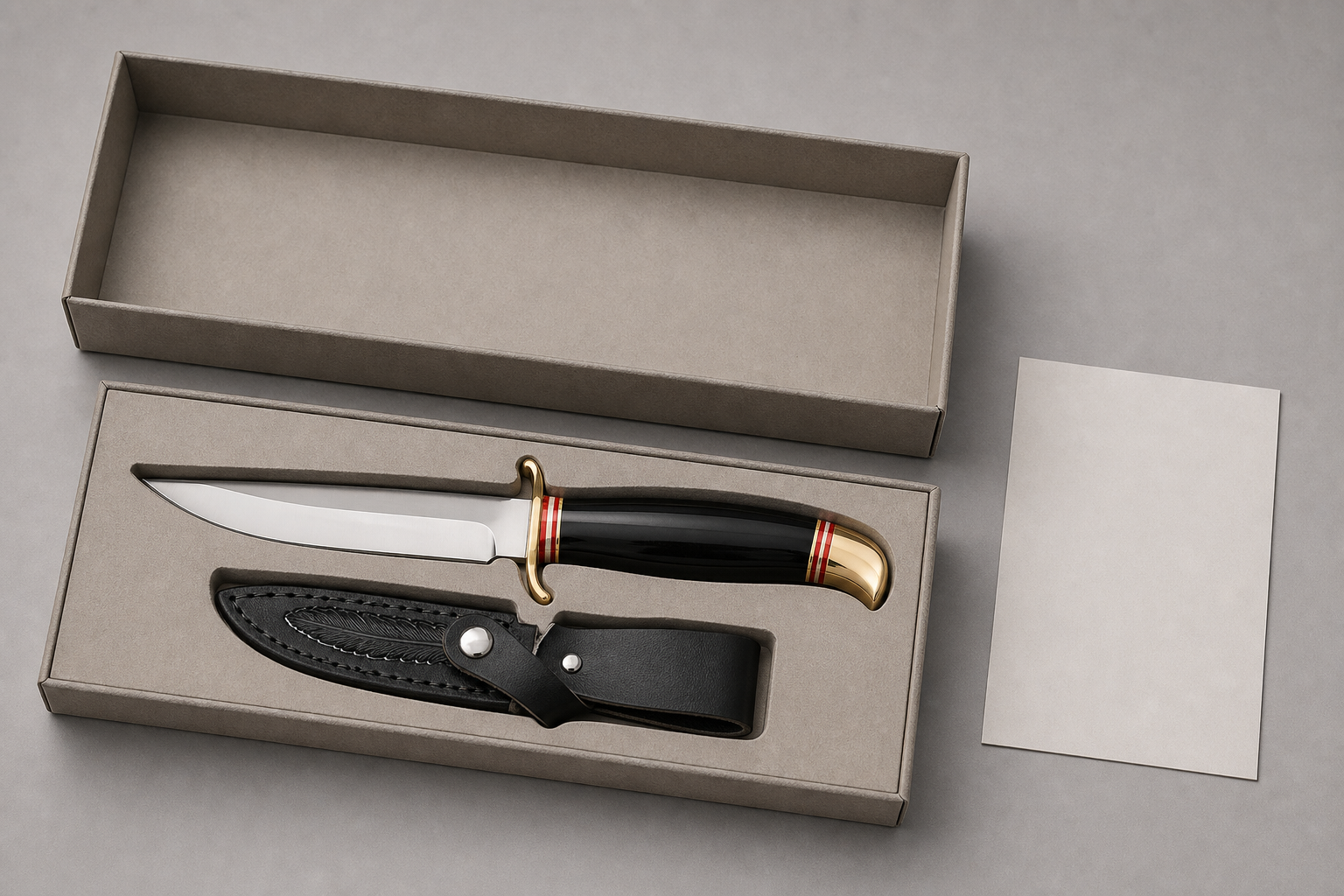
I Make the Care Card Specific but Short
The best care card is short enough to read and specific enough to be useful. It should not say only "keep clean." It should say clean after use, dry before storage, protect the edge, avoid long wet storage in the sheath, sharpen safely, and follow material-specific care. If the blade is high-carbon steel, the card should mention moisture and protective oil where appropriate. If the blade is mirror polished, the card should mention fingerprints and scratches. If the handle is wood, the card should warn against soaking.
For premium products, the buyer may include a printed manual, microfiber cloth, oil bottle, sharpening guide, or QR code to a care page. For budget products, a simple insert may be enough. The level of care support should match the product tier and user.
The card should also avoid unsupported claims. If the product is not rust-proof, do not say rust-proof. If the coating can wear, do not imply it will never wear. If the knife is not designed for prying or chopping, do not suggest it. Honest care guidance protects the brand.
| Care card item | Why it helps | Example focus |
|---|---|---|
| Cleaning | Prevents residue problems | Wipe after use |
| Dry storage | Reduces corrosion risk | Do not store wet |
| Material note | Sets expectations | Wood, micarta, carbon steel |
| Service contact | Reduces frustration | Tell users where to ask |
What QC Checks Confirm the Knife Is Ready for Long-Term Use?
Maintenance guidance cannot save a poorly finished product. QC must confirm the knife leaves the factory in good condition.
QC should check edge sharpness, grind symmetry, surface finish, corrosion marks, handle fit, sheath retention, packaging protection, care-card accuracy, and consistency with the approved sample.
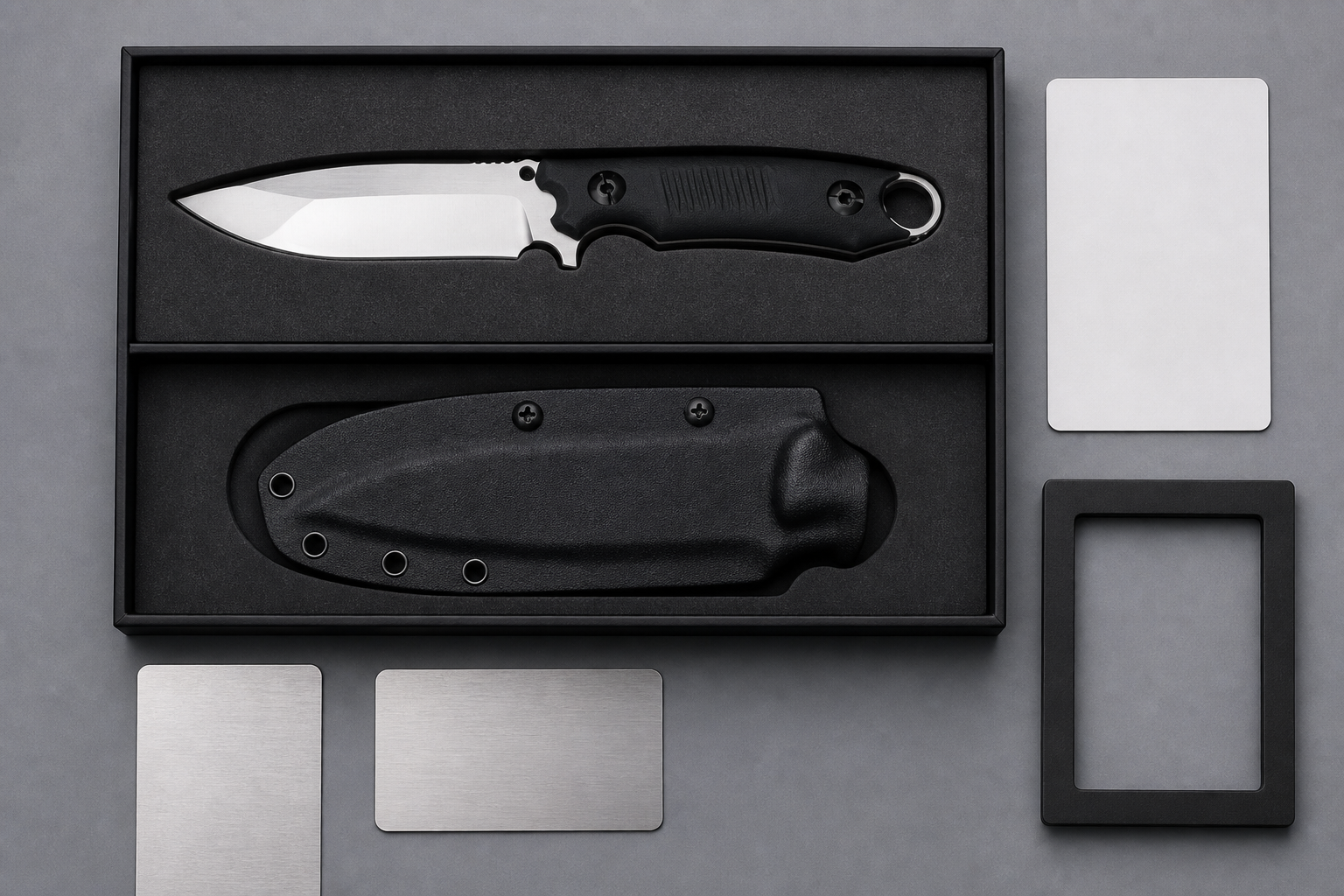
I Connect Final QC With Future Care
A care guide works best when the knife starts from a controlled condition. If the edge is uneven, users may sharpen too early. If the finish has hidden residue, corrosion may appear sooner. If the sheath rubs the blade, the user may think the finish is weak. If the handle has gaps, moisture may collect. This is why QC and maintenance guidance should be connected.
ISO describes ISO 9001 as a quality management standard that helps organizations improve performance, meet customer expectations, and maintain a quality management system. For knife projects, this supports process thinking. Incoming material checks, heat treatment checks, grinding checks, finish checks, assembly checks, sheath checks, and final packaging checks all help the buyer reduce preventable problems.
I also check whether the care card matches the actual production product. Sometimes a buyer changes the steel, finish, or handle after the care card is written. That creates wrong instructions. The final packaging review should confirm the care wording, product, and approved sample all match.
For repeat production, I recommend keeping boundary samples for acceptable finish marks, edge condition, sheath fit, and handle appearance. This makes future orders easier to control.
| QC item | Maintenance connection | Buyer protection |
|---|---|---|
| Edge condition | Reduces early sharpening issues | Better user first impression |
| Surface finish | Reduces stain and scratch complaints | Clearer quality standard |
| Sheath fit | Prevents rubbing and loose storage | Safer carry and delivery |
| Care-card match | Prevents wrong instructions | Fewer after-sale questions |
What Should Buyers Put in a Fixed Blade Maintenance RFQ?
Maintenance is easier to support when the supplier knows the product goal. Vague RFQs lead to generic care notes.
Buyers should include target use, steel, hardness, finish, handle material, sheath type, packaging, included accessories, market, care-card language needs, MOQ, price target, and QC expectations.
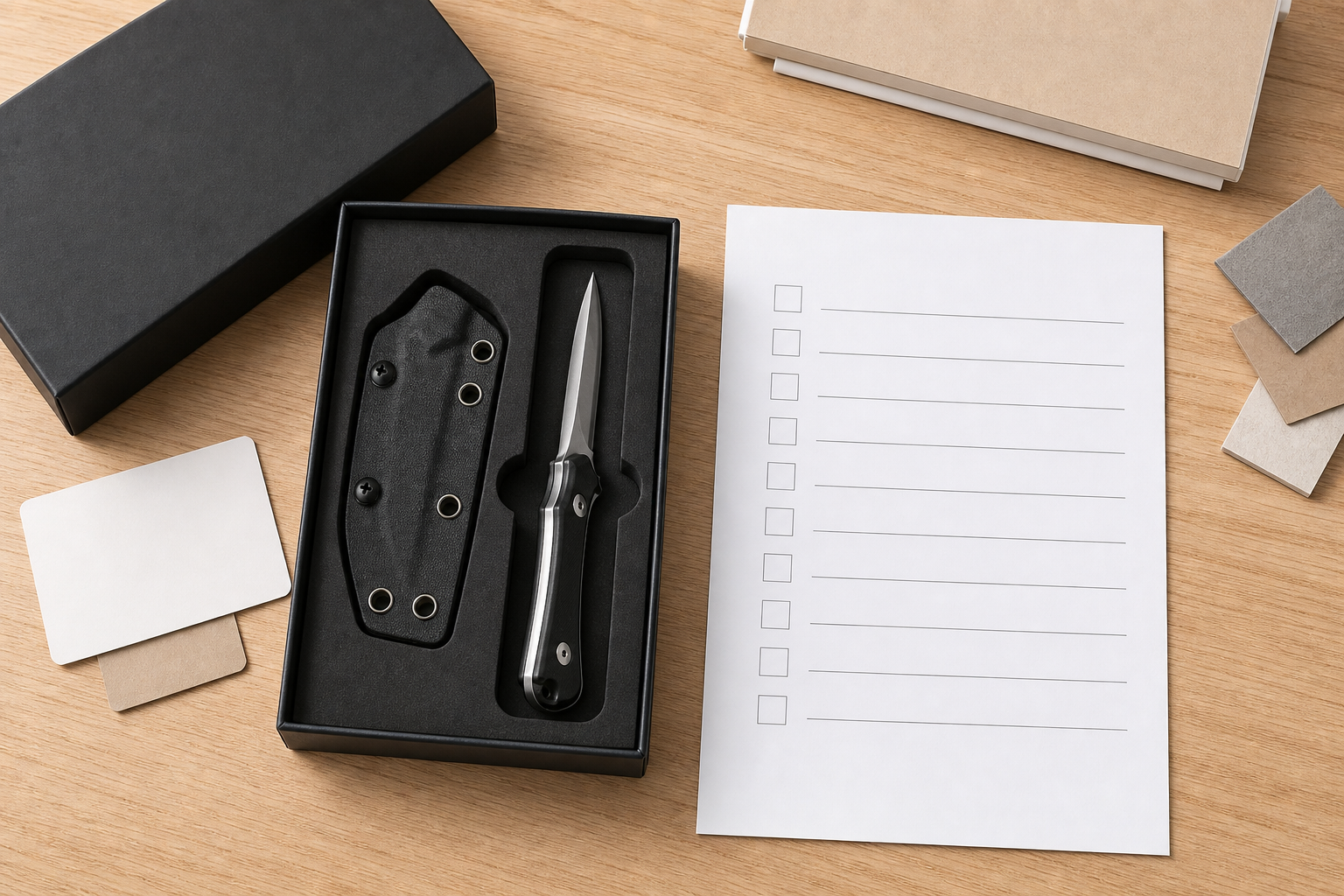
I Ask for the Product Environment
The RFQ should tell me where and how the knife will be used. A fixed blade for camping, fishing, hunting, food prep support, rescue kits, utility work, or promotional outdoor sets may need different materials and care instructions. The buyer should also tell me whether the product will be used in wet, salty, humid, dusty, or cold environments. These details matter.
A strong RFQ should include blade steel, hardness target, blade thickness, edge geometry, surface finish, handle material, sheath material, carry method, packaging style, care-card requirement, included accessories, target MOQ, target price, and target market. If the buyer needs multilingual packaging or special warning language, that should be included early.
I also like to know the buyer's after-sale pain points. Are customers complaining about rust? Edge dullness? Handle staining? Sheath scratches? Loose packaging? Those problems can often be reduced by better material selection, finish choice, packaging protection, and care guidance.
For ODM projects, the supplier can help build a maintenance package around the product. That may include a care card, protective sleeve, oil option, microfiber cloth, or a QR care page.
| RFQ field | What to include | Why it helps |
|---|---|---|
| Use environment | Wet, dry, coastal, camping, utility | Guides material and care |
| Product spec | Steel, finish, handle, sheath | Supports accurate care notes |
| Packaging plan | Insert, care card, accessories | Protects delivery and user guidance |
| QC expectation | Finish, edge, sheath, card match | Reduces avoidable complaints |
How Can Vast State Support Maintenance-Friendly Fixed Blade Projects?
Buyers need a supplier who can connect product design with real-world ownership. Maintenance should fit the product from the start.
Vast State supports maintenance-friendly fixed blade projects through OEM/ODM development, material selection, finish options, handle and sheath suggestions, packaging customization, production follow-up, and practical QC.
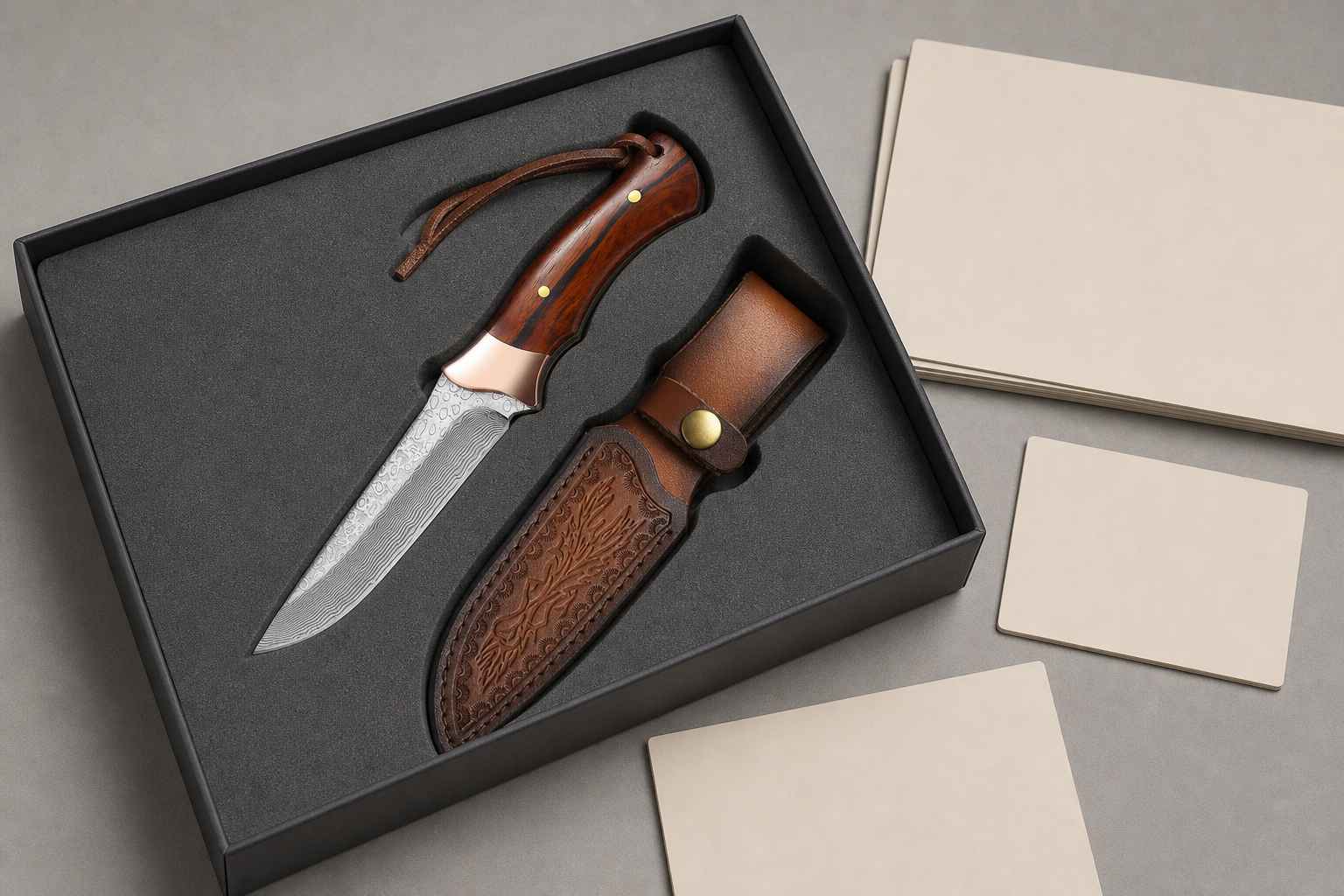
I Help Buyers Reduce Problems Before They Reach the Market
At Vast State, I look at fixed blade maintenance as part of the full product system. A care card cannot fix the wrong material choice. A good steel can still disappoint if the finish, sheath, and packaging are not suitable. A strong outdoor knife can still receive bad reviews if users are not told how to clean and store it.
Some customers bring finished designs. I review whether the material and finish choices fit the market and whether the care guidance should be adjusted. Some customers only have a target price, use case, or rough concept. I help them choose a practical steel, handle material, sheath, finish, and packaging approach that supports both production and ownership.
For international B2B buyers, this matters because they need products that fit their sales channel, margin, and repeat-order plan. Maintenance guidance can reduce confusion, protect brand image, and make the product feel more complete.
My goal is to manufacture knives that look right, work right, and are easier for buyers to support after delivery. Clear care guidance is a small detail, but it can protect a large order.
| Support area | What I review | Buyer benefit |
|---|---|---|
| Materials | Steel, handle, sheath | Better care fit |
| Finish | Satin, stonewash, coating, polish | Clearer user expectation |
| Packaging | Insert, card, protection | Better first impression |
| QC | Edge, finish, sheath, care wording | More stable repeat orders |
Turn this article into a fixed blade project.
Send your target use, blade size, steel, handle direction, sheath needs, quantity, and packaging plan. Vast State can help shape it into a quote-ready project.
Conclusion
I build fixed blade maintenance guidance around material, finish, sheath, use environment, packaging, and QC so the product stays easier to own.