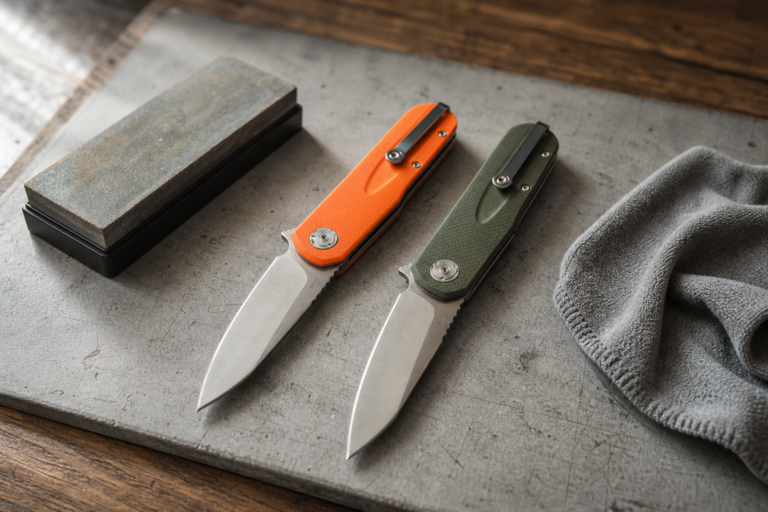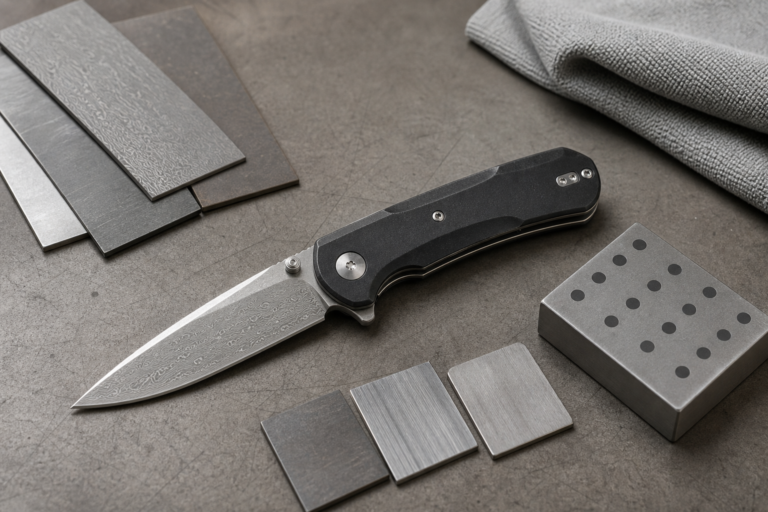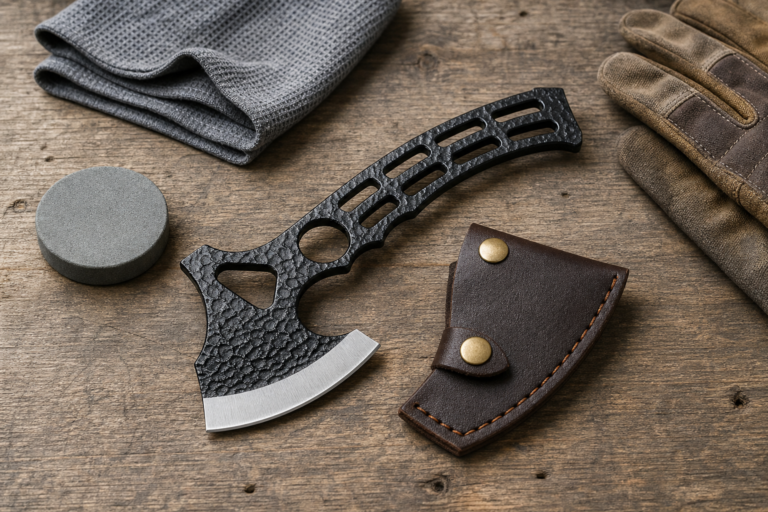
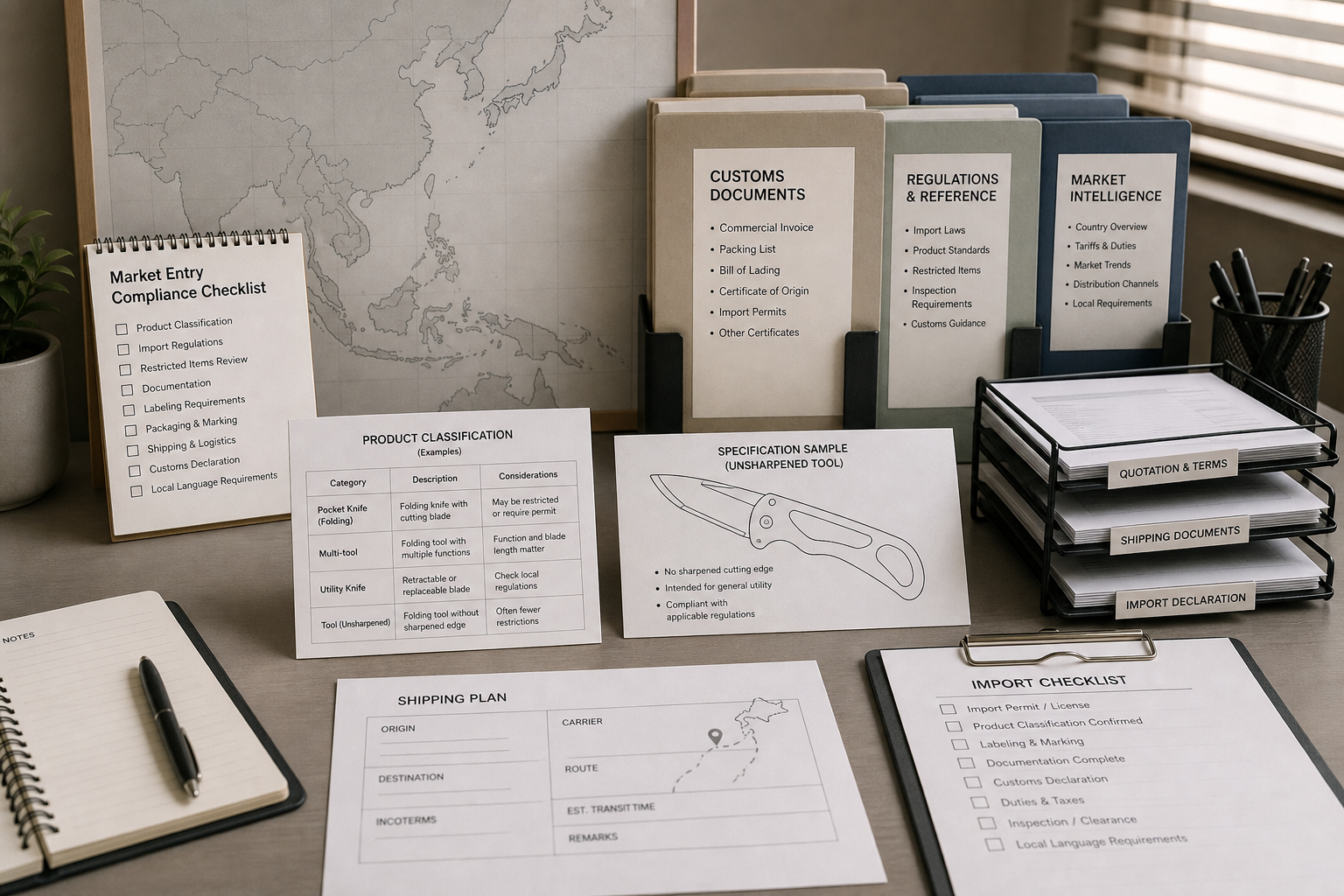
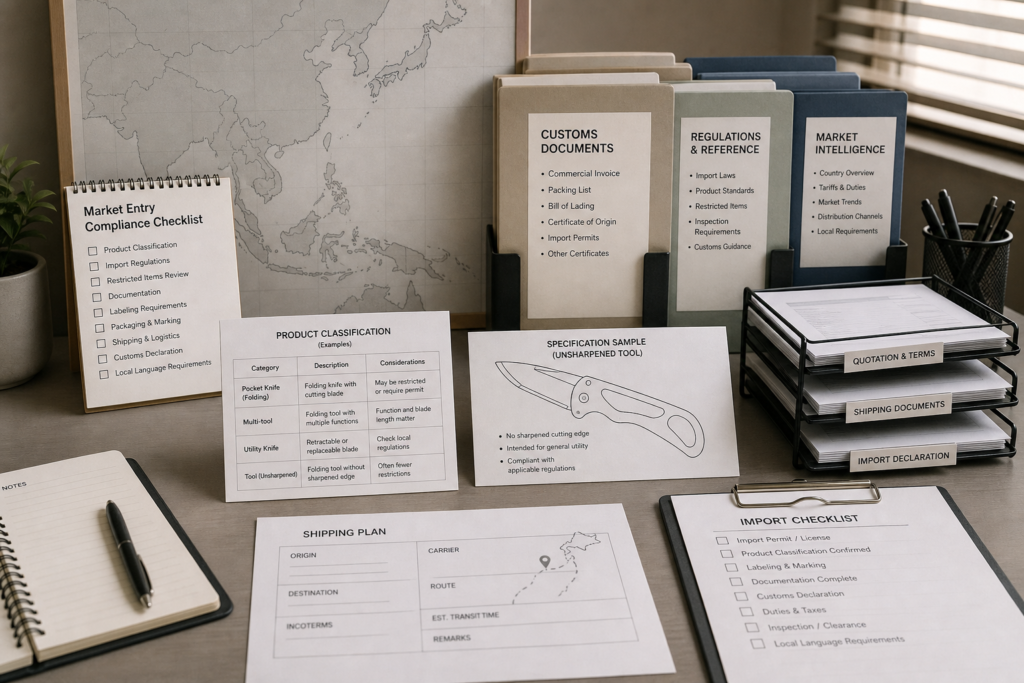
Asia is not one rulebook. A knife that clears one market can meet questions in another. A careful compliance review protects the project.
Buyers should check product classification, restricted features, import permits, local selling rules, packaging claims, shipment documents, and distributor responsibility before selling folding knives in Asian markets. This article is not legal advice. Final approval must come from the target market importer, local counsel, or competent authority.
Quick buyer brief:
- Answer: Treat every Asian market as a separate compliance review.
- Buyer context: This helps brands, importers, distributors, and sourcing managers prepare RFQs before production.
- Key checks: Knife type, opening structure, blade style, HS code, permits, labels, documents, and local selling rules.
Planning a private-label knife line for this market?
Use this article as an early planning reference, then prepare your target market, product category, labeling needs, and buyer-specified compliance requirements before production.
When I support an OEM or ODM folding knife project, I do not treat compliance as a last-minute shipping step. I treat it as a design and sales planning step. The same blade length, lock type, opening mechanism, packaging wording, or online listing style can create different questions in different countries. Official pages also change. For example, Singapore Customs says controlled goods may require authorization from competent authorities before import, and Japan Customs notes that restricted imports may require approvals under laws outside customs law. That tells me one simple thing: the buyer, supplier, freight partner, and local importer should align before tooling, mass production, and retail launch.
Why Should Buyers Treat Asia As Multiple Compliance Markets?
A single Asia strategy feels efficient. But one product description can create different import, retail, and platform issues across nearby markets.
Buyers should treat each Asian country or territory as its own compliance project. The review should include official customs rules, police or public safety rules, local sales rules, and the product's exact structure.
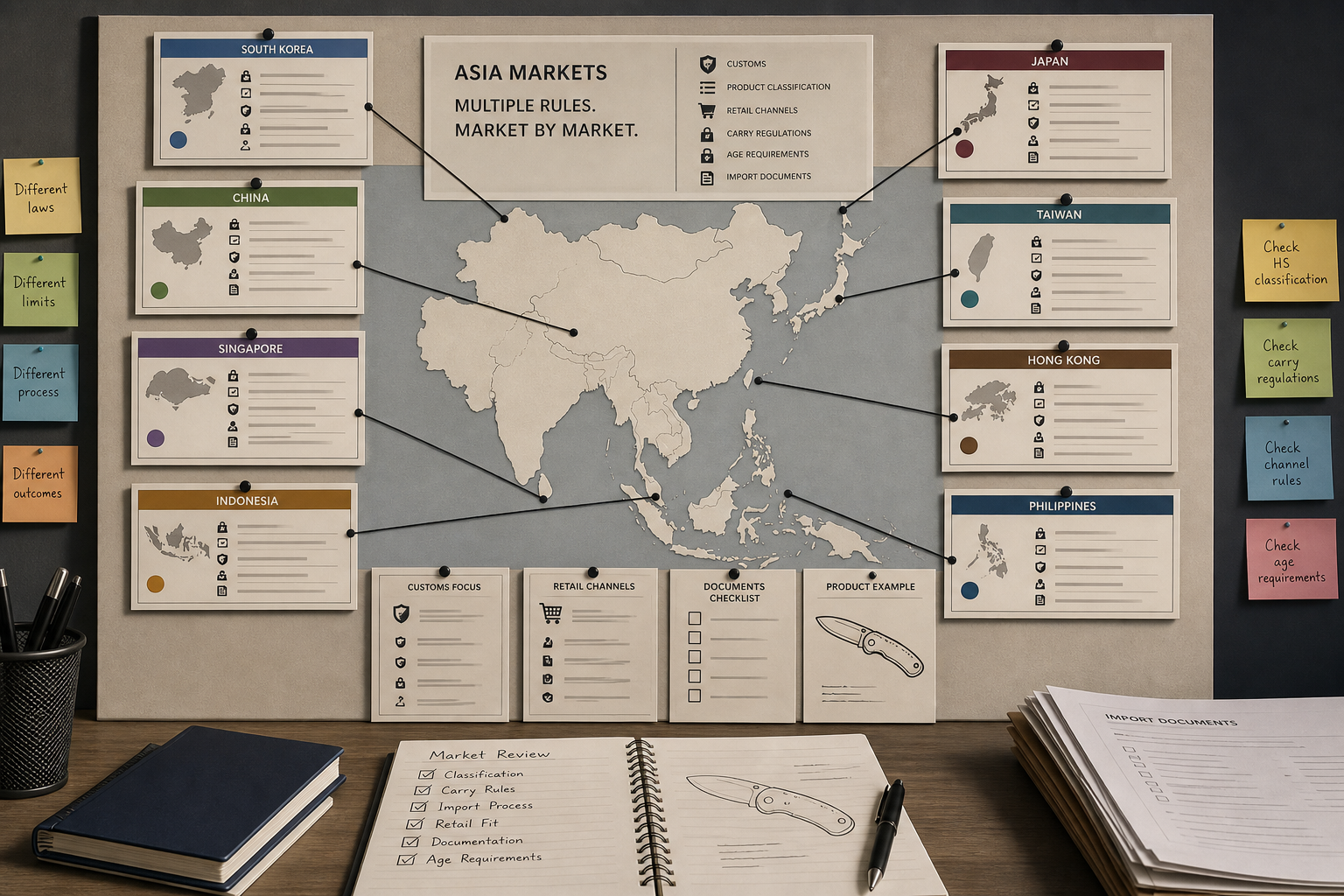
I Start With Market Separation
I see many buyers make the same mistake. They ask whether a folding knife is allowed in Asia. That question is too broad. Asia includes many legal systems, customs systems, police licensing systems, retail channels, and platform policies. A buyer selling to Japan, Singapore, Hong Kong, Malaysia, Korea, Thailand, or the Philippines should not rely on a single general answer. The safer first step is to name the target market and then review the product against that market's current official rules.
This does not mean the factory should become the buyer's lawyer. It means the factory should help the buyer prepare clean product facts. At Vast State, I can provide drawings, blade length, closed length, lock type, opening method, material, packaging layout, product photos, HS code reference, and sample details. The buyer or importer can then confirm those facts with a broker, local counsel, marketplace team, or competent authority. The process is slower than guessing, but it saves time later.
| Check area | What I prepare as a manufacturer | What the buyer should confirm locally |
|---|---|---|
| Target market | Country or territory list | Current import and selling rules |
| Product identity | Folding knife, multi-tool, rescue tool, or outdoor tool | Correct legal category |
| Functional details | Lock, opening style, blade profile, dimensions | Whether any feature changes risk |
| Sales channel | Packaging and listing information | Retail, online, and distributor limits |
Private-label Planning Checklist
Before starting production, prepare the market and product details your importer or compliance advisor needs to review.
| RFQ Field | What to Prepare |
|---|---|
| Target market | Country, state, region, or sales channel |
| Product category | Folding knife / fixed blade / multi-tool / outdoor tool |
| Intended use | EDC / camping / kitchen / hunting / rescue / promotional |
| Buyer requirements | Testing, labeling, documentation, or packaging rules |
| Blade and lock details | Blade length, opening method, lock type, edge style |
| Packaging text | Warnings, claims, care notes, language requirements |
| Documents | Drawing, sample photo, logo file, packaging artwork |
| Review owner | Importer, legal advisor, testing lab, or internal compliance team |
How Should Buyers Classify The Knife Before Quotation?
Wrong classification can damage the RFQ. It can affect customs review, broker questions, landed cost, and product approval.
Buyers should classify the product before quotation by separating fixed blades, folding blades, multi-tools, parts, sets, and special mechanisms. HS code review and legal category review are both needed.
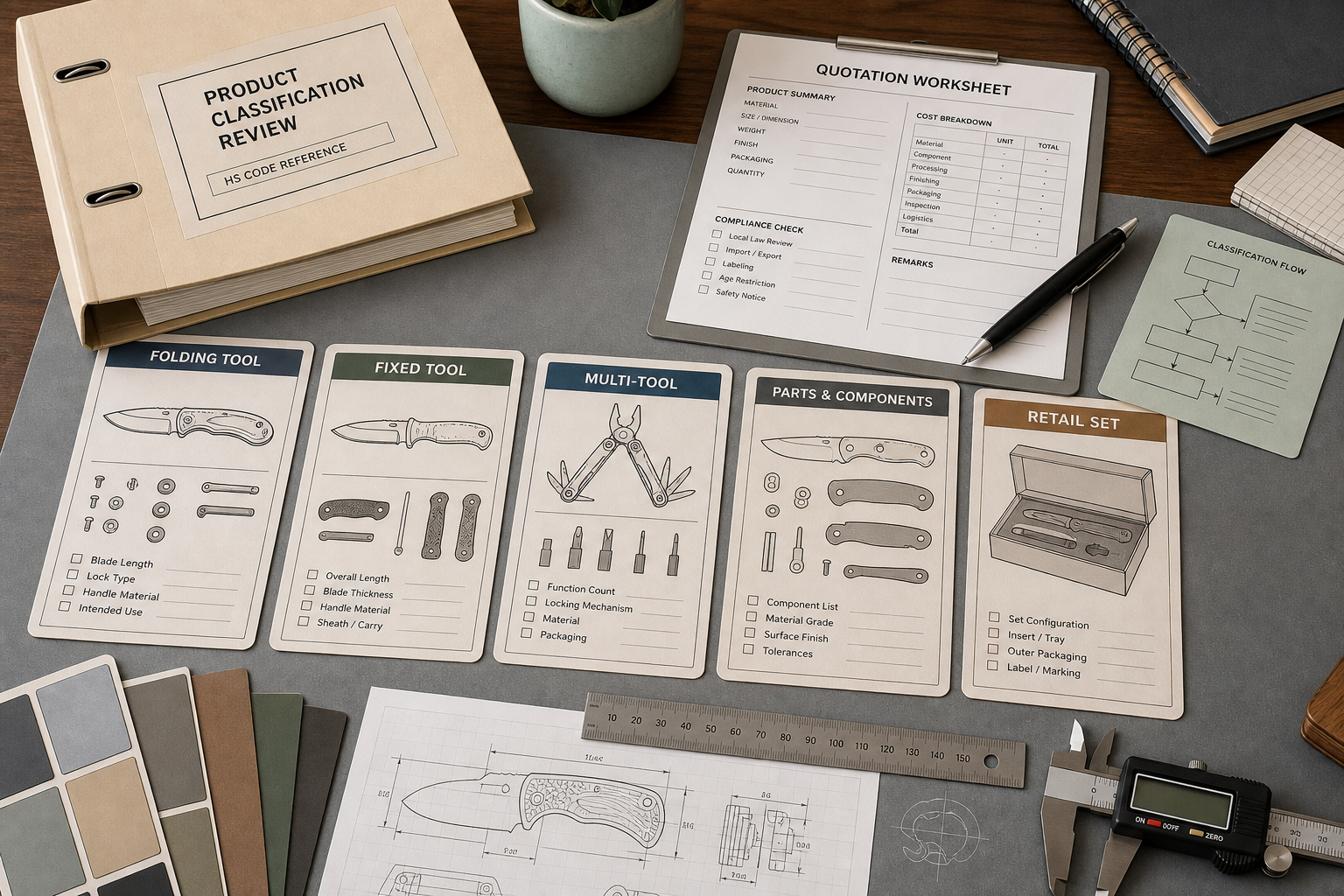
I Separate Customs Language From Product Language
In factory discussion, people may say pocket knife, folding knife, EDC knife, outdoor knife, rescue knife, or multi-tool. Customs language is different. The United Nations Statistics Division lists HS 8211 for knives with cutting blades and shows subheading 821193 for knives with blades other than fixed blades. This is useful as a classification reference, but it does not answer every local legal question. A customs broker may still need exact descriptions, photos, and material details.
I like to create a classification sheet before quoting. It should show the product type, whether the blade folds, whether the blade is fixed, whether the product is a set, whether replacement blades or parts are shipped, and whether the item is packaged for retail. This matters because a folding knife sold alone is not always handled the same way as a multi-tool kit or an assorted gift set. It also matters for product names. A clear product description helps the importer avoid confusing the item with a restricted category.
| Classification item | Why it matters | RFQ detail to include |
|---|---|---|
| Blade type | Fixed and folding products may be reviewed differently | Blade length, closed length, profile |
| Product set | Sets can change customs description | List every included item |
| Parts shipment | Blades, handles, and hardware may need separate review | Part name, quantity, material |
| Retail packaging | Finished goods and bulk parts may follow different checks | Packing method and label draft |
Which Folding Knife Features Can Change Compliance Risk?
A product can look normal in a catalog but raise questions after technical review. Small structure details can change the risk profile.
Buyers should review opening method, lock type, blade shape, edge style, safety function, overall size, and marketing language. The highest-risk features should be confirmed before sample approval.
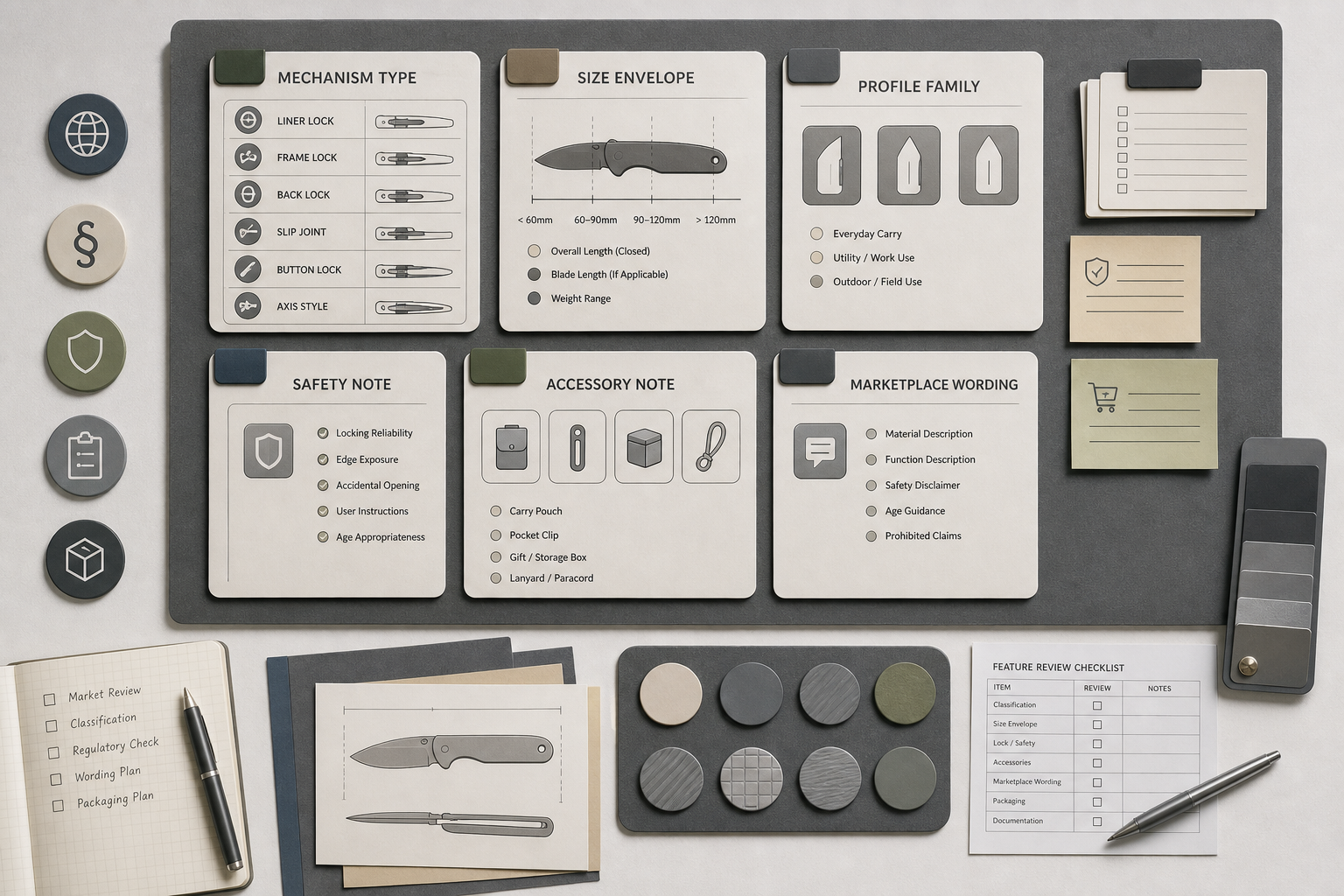
I Review Mechanism Before Appearance
For B2B knife sourcing, appearance is important, but mechanism can decide whether the buyer should proceed. Singapore Police materials, for example, distinguish regulated weapon categories and mention items such as butterfly or gravity knives and flick knives in higher-risk categories. Hong Kong Police also lists gravity knives and knives with blades exposed by spring or mechanical or electric device among prohibited weapons in its FAQ. I do not use these examples to give a legal conclusion for every folding knife. I use them to show why feature review must happen early.
This is where ODM support matters. If a buyer wants a legal-market outdoor folder, I need to know the intended market before I suggest structure. A thumb stud, nail nick, slip joint, liner lock, back lock, button lock, axis-style lock, or assisted opening style can each lead to different buyer questions. We should also review blade length, one-hand opening, blade point style, rescue hook, glass breaker, and retail wording. Sometimes a small design change can make the product better aligned with the buyer's market position. Sometimes the buyer needs local review before we should continue.
| Feature | Possible question | Practical supplier action |
|---|---|---|
| Opening method | Does the market treat it as restricted? | Provide clear photos and mechanism notes |
| Lock type | Does it affect product category or safety review? | Explain structure and intended use |
| Blade size | Does length affect local sales rules? | Measure blade and closed length clearly |
| Product wording | Does the listing create unnecessary risk? | Use practical outdoor or utility language |
What Import And Permit Checks Should Buyers Make?
Import surprises can stop a shipment. The factory may finish production, but the buyer may still lack the needed local confirmation.
Buyers should confirm import permits, competent authority approval, customs documents, broker requirements, and restricted-goods review before mass production. The importer should own final market approval.
I Ask For Import Responsibility Before Production
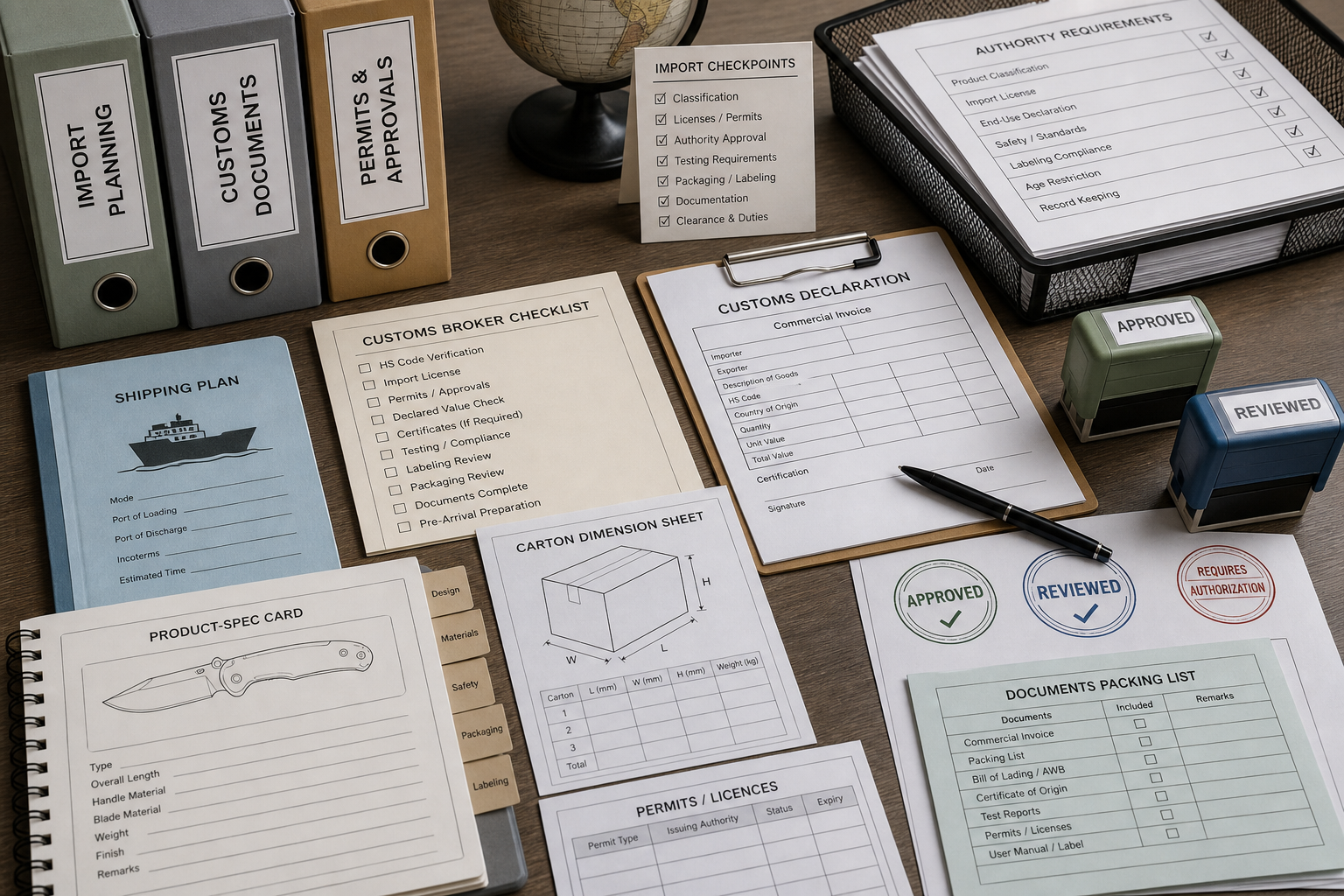
The importer is the party closest to local rules. That is why I ask buyers to confirm who is responsible for permits and market approval before we start mass production. Singapore Customs explains that controlled goods require proper authorization, such as advance notification, licence, or certificate approval, from competent authorities before import. Japan Customs says importers may need to submit licenses or certificates required by laws outside customs law when certain goods are restricted. These official statements support a practical point: customs clearance is not only about invoice and freight.
For folding knives, I want the buyer to confirm the import process before ordering bulk goods. If the buyer uses a broker, the broker should see photos, dimensions, HS reference, product description, material, packaging, and end-use information. If the buyer sells through distributors, the distributor should confirm local sales rules. If the buyer sells online, the platform policy team may also have requirements. A supplier can help prepare documents, but the buyer should not assume a factory quotation equals import approval.
| Import check | Who usually confirms it | What I can provide |
|---|---|---|
| Customs code reference | Importer or broker | Product description and sample details |
| Permit need | Competent authority or local adviser | Drawings, photos, and technical notes |
| Shipment documents | Importer, broker, freight partner | Invoice, packing list, carton data |
| Market release | Buyer or distributor | Packaging draft and product facts |
How Should Packaging And Product Listings Be Written?
Bad wording can create problems even when the product design is practical. Marketing language can make a tool sound riskier than it is.
Packaging and listings should describe real function, target use, materials, dimensions, warnings, and brand information clearly. Buyers should avoid exaggerated claims and confirm local label rules.
I Write Packaging For Buyers And Reviewers
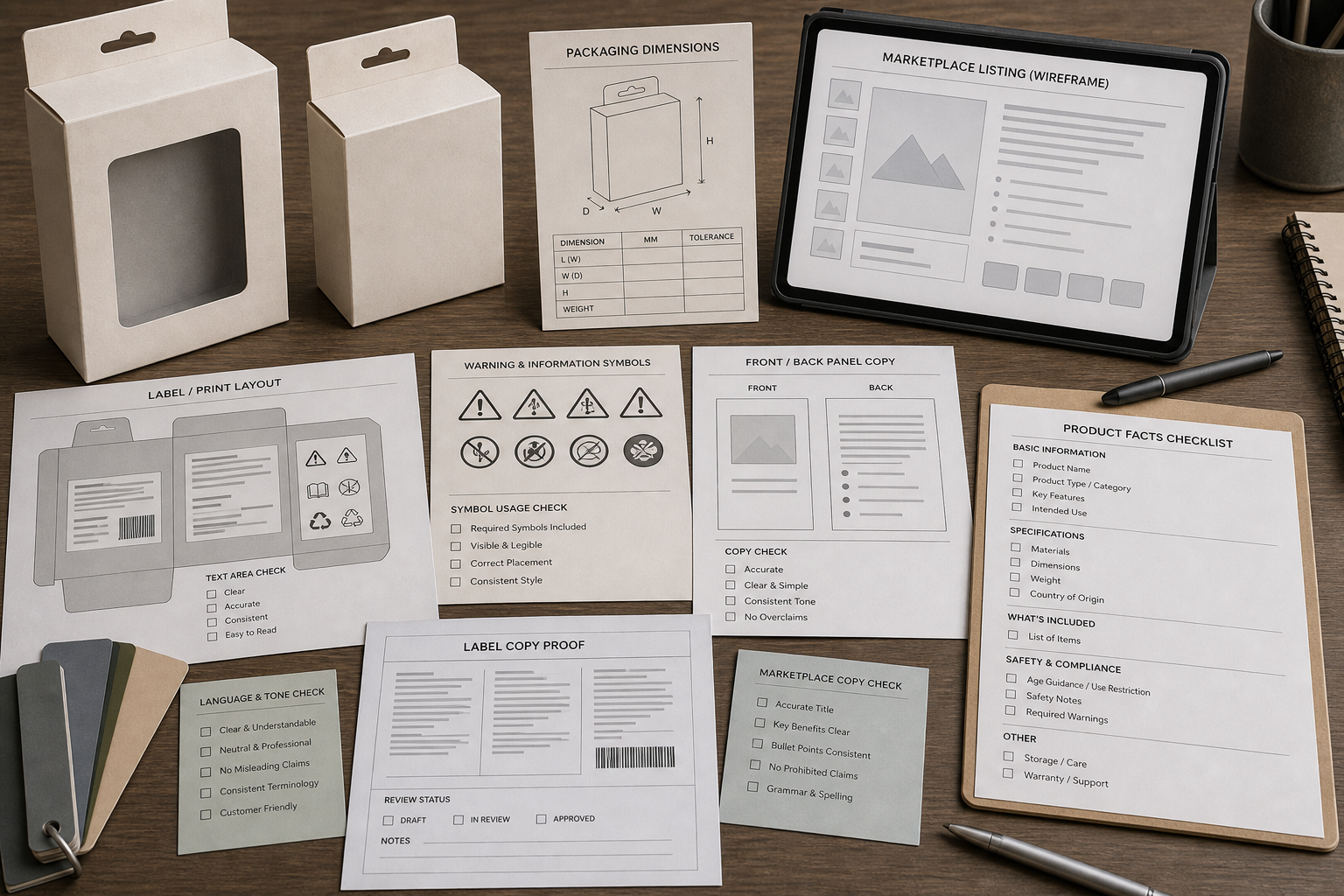
Good packaging should help buyers sell, but it should also help reviewers understand the product. I prefer practical words such as outdoor utility knife, camping tool, pocket tool, work knife, rescue tool, or multi-tool only when those words match the actual product. I avoid aggressive product language because it can create avoidable questions. I also check whether the package shows blade length, material, lock type, age warning if required by the buyer's market, importer information, country of origin, barcode, and care notes.
This is also where private label buyers need discipline. A nice box can still fail if the label is unclear. A product page can still create risk if the title or bullets overstate the intended use. For Asian markets, a buyer should ask the local importer, marketplace operator, or distributor to review packaging and listing text before printing. At the factory side, I can adjust packaging size, insert cards, instruction sheets, warning labels, and language versions. But the buyer must confirm what the target market requires.
| Packaging element | Why I review it | Buyer decision needed |
|---|---|---|
| Product name | It frames the product category | Use accurate, practical wording |
| Dimensions | It supports broker and customer review | Confirm measurement format |
| Warnings | They reduce confusion at retail | Confirm local label requirement |
| Importer data | Some markets need local responsible party details | Provide approved local information |
Who Should Confirm Local Selling Rules Before Launch?
Factory knowledge helps, but it cannot replace local market responsibility. Selling rules may involve customs, police, retailers, and platforms.
The buyer, importer, distributor, broker, and local adviser should confirm selling rules before launch. The factory should support with accurate product facts, samples, documents, and packaging revisions.

I Use A Responsibility Matrix
I do not like vague compliance responsibility. If nobody owns the decision, the project becomes risky. The buyer should name the person or company responsible for local review. This may be the importer of record, distributor, marketplace team, customs broker, or local legal adviser. The factory should not pretend to approve the law of every market. The factory should provide accurate facts and adjust the product if the buyer's local reviewer requests changes.
Hong Kong Police, for example, explains that only a licensed dealer is allowed to deal in arms or ammunition by way of trade or business under the referenced ordinance, and its FAQ gives examples of prohibited weapons such as gravity knives and spring or mechanical opening knives. Singapore Police materials show that weapon categories can connect to possession, import/export, supply, and transport licensing. These examples show why local selling rules can involve more than a customs code. A buyer should not wait until the goods are on the way to ask these questions.
| Party | Main role | What to confirm |
|---|---|---|
| Buyer | Owns commercial launch | Target market, channel, and risk level |
| Importer or broker | Handles entry process | Code, permits, and documents |
| Distributor | Handles local selling | Retail rules and customer communication |
| Factory | Supports product facts | Drawings, samples, packaging, and QC records |
What Factory Documents Should Support Compliance Review?
Verbal promises are weak. If a market reviewer asks questions, the buyer needs clear product evidence.
Factory documents should include drawings, specifications, material records, sample photos, packaging drafts, inspection reports, and shipment documents. These records make compliance review faster and clearer.
I Build A Document Pack Around Facts
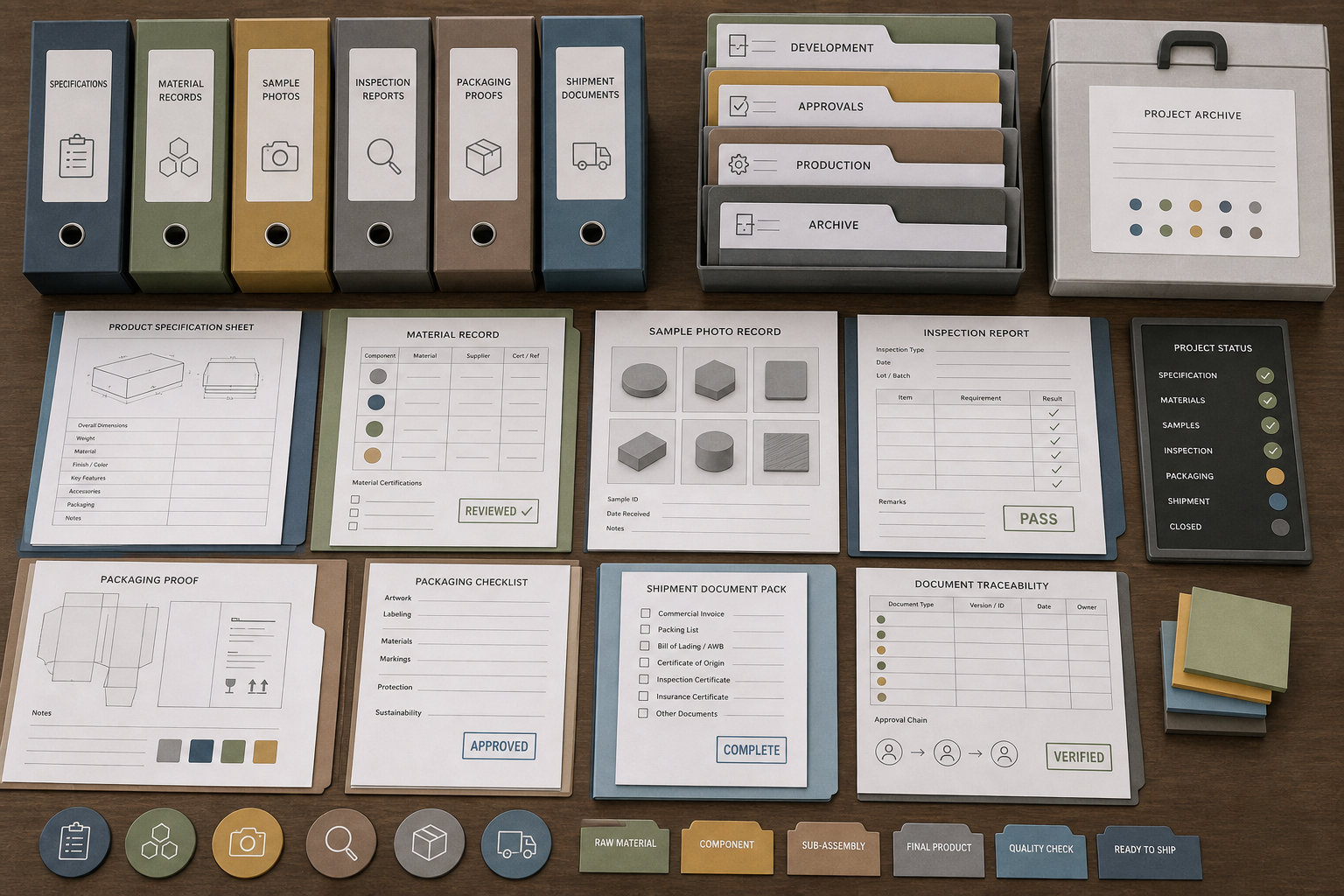
A good document pack does not need to be complicated. It needs to be accurate. For a folding knife, I usually prepare blade steel, handle material, lock type, opening method, blade length, closed length, overall length, weight, finish, packaging method, carton data, and product photos. If the buyer asks for more detail, we can add drawings, sample approval records, test records, and inspection reports.
This is also connected to quality systems. ISO describes ISO 9001 as a globally recognized quality management standard that helps organizations establish, implement, maintain, and continually improve a quality management system. I do not use ISO 9001 as proof that a specific knife is allowed in a market. I use the quality-system idea to explain why documented information matters. If the buyer later needs to answer a broker, distributor, or marketplace reviewer, complete records reduce confusion. They also help production repeat the approved sample without changing critical details.
| Document | What it shows | Why it helps the buyer |
|---|---|---|
| Specification sheet | Materials, sizes, mechanism, finish | Gives reviewers exact facts |
| Product photos | Real sample appearance | Reduces category confusion |
| Packaging proof | Label and retail presentation | Supports local listing review |
| Inspection report | Function and appearance checks | Shows production matches approval |
What RFQ And QC Details Reduce Market-Entry Risk?
A weak RFQ creates weak control. If the target market is not clear, the supplier may quote the wrong product path.
Buyers should include target market, sales channel, intended product category, blade dimensions, mechanism preference, packaging needs, compliance concerns, sample review process, and inspection criteria in the RFQ.
I Turn Compliance Into Production Controls
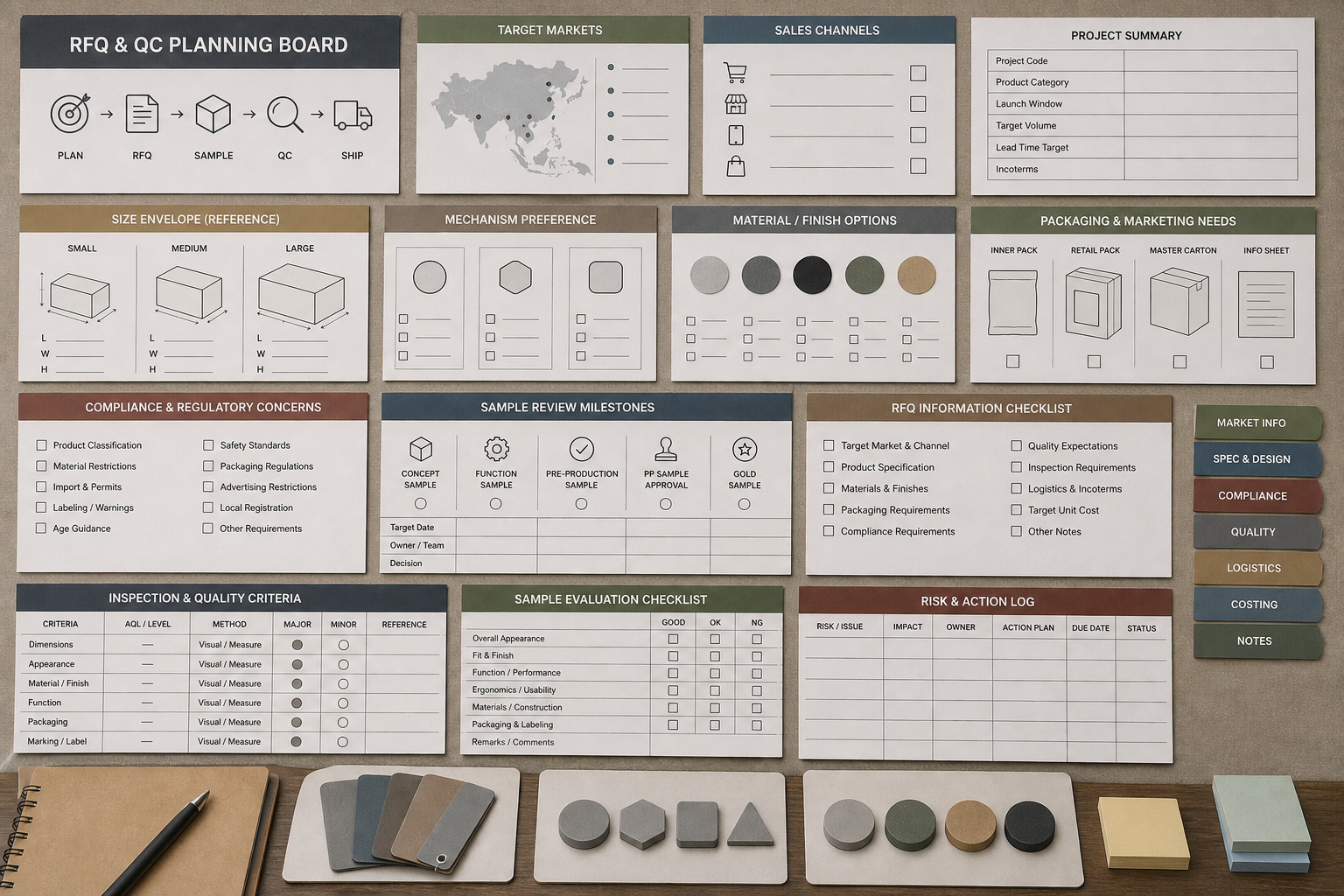
The RFQ should not only ask for price. It should tell the supplier where the product will be sold, what channel will sell it, and what features are acceptable or not acceptable after local review. If the buyer wants a folding knife for a specific Asian market, I want that market name in the RFQ. I also want a note saying whether the importer has confirmed the mechanism, blade length, packaging wording, and online listing category. If confirmation is still pending, we can design a safer sample set for review before mass production.
QC should then protect those decisions. The inspection checklist should include blade length, lock function, opening method, edge finish, packaging version, label content, and carton information. If the approved sample uses one structure, production should not quietly change to another structure. If the buyer's market reviewer approved a specific packaging statement, the printed package should match that statement. This is how compliance becomes a production control, not a vague final check.
| RFQ or QC item | Why it matters | Better buyer instruction |
|---|---|---|
| Target market | Rules differ by country or territory | Name every planned market |
| Mechanism limit | Structure can affect review | State approved opening and lock style |
| Packaging draft | Wording can create questions | Review before mass printing |
| Final inspection | Approved details must repeat | Add compliance-critical checks |
Planning a private-label knife line for this market?
Use this article as a planning reference, then confirm local requirements with your importer or compliance advisor before OEM/ODM production.
Conclusion
I reduce market-entry risk by treating folding knife compliance as a product, document, packaging, and importer review before production.
Source Notes
- Japan Customs import procedures supports the need for import declarations, documents, and approvals under other laws when goods are restricted.
- Japan Customs Firearms and Swords FAQ gives Japan-specific context for goods subject to the Firearms and Swords Possession Control Law.
- Singapore Customs controlled goods guidance supports checking competent authority authorization before importing controlled goods.
- Singapore Police GEWCA FAQ gives current examples of weapon categories and licensing questions, including certain knife types.
- Hong Kong Police arms FAQ provides official examples of prohibited weapons and dealer-related arms licensing context.
- Royal Malaysian Customs Department supports checking import or export restrictions under Malaysia's prohibition orders.
- UNSD HS 8211 classification detail supports the general customs classification context for knives with cutting blades.
- ISO 9001 overview supports the value of documented quality management, but it does not prove legal market approval for any knife.