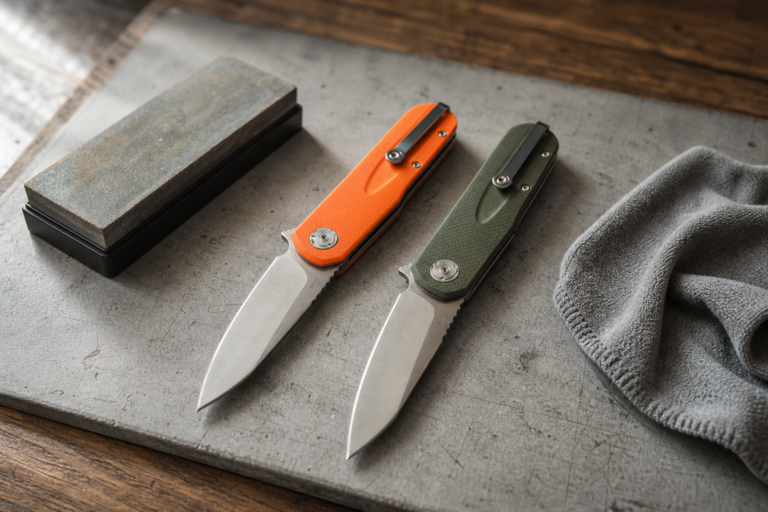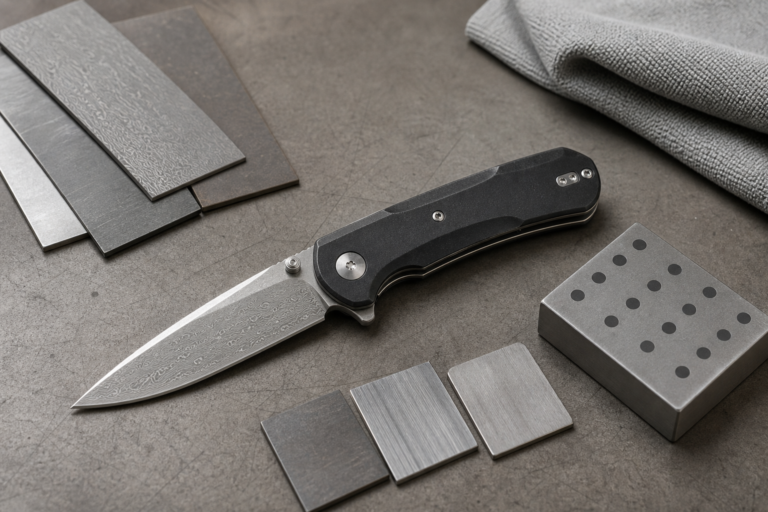
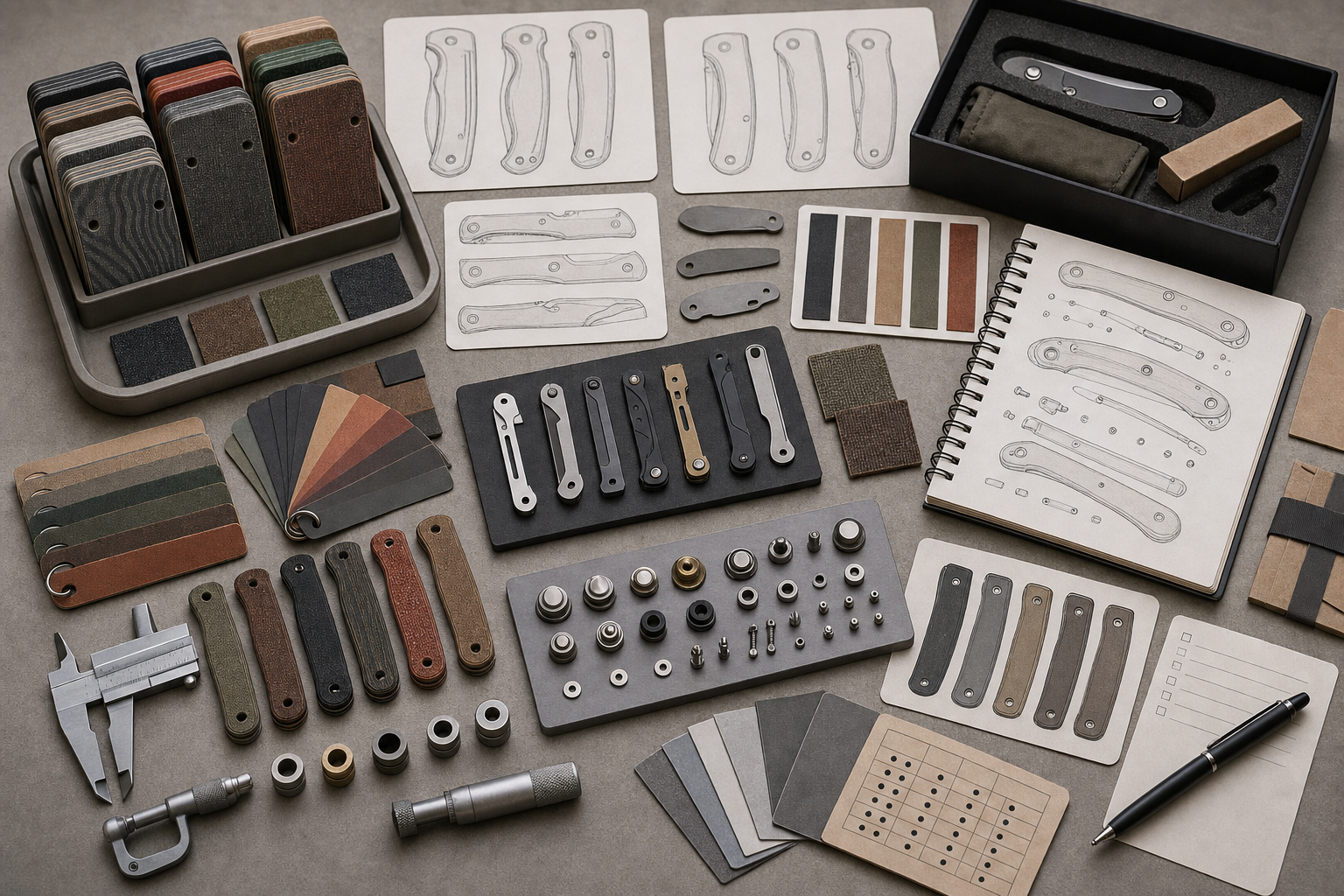
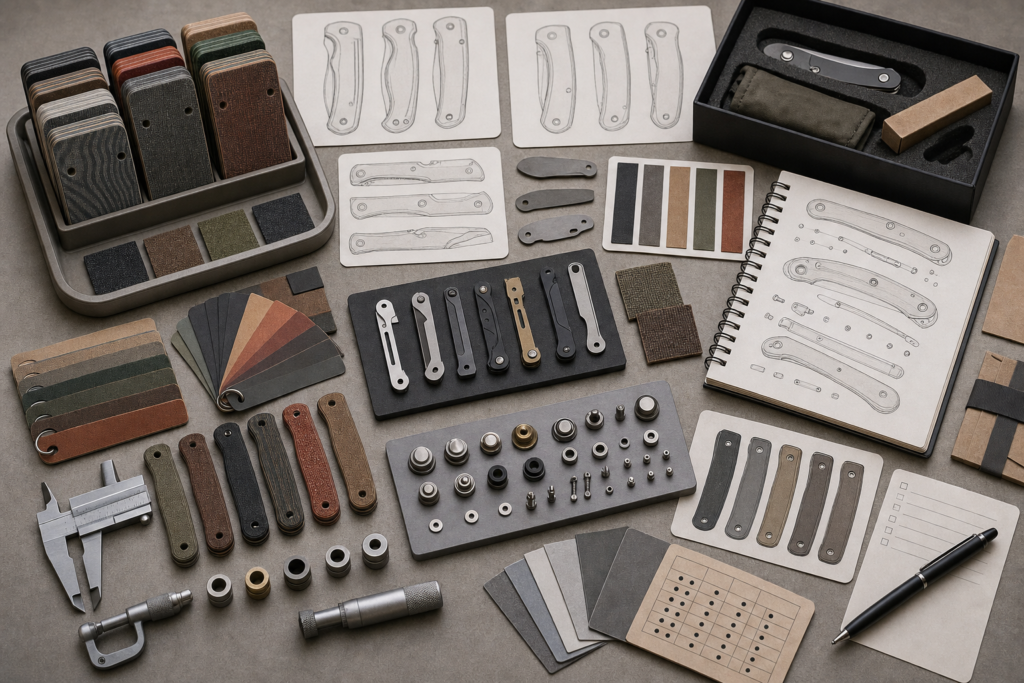
Traditional folding knives can look familiar but still fail commercially. Buyers need heritage style, practical structure, and repeatable production control.
Buyers should develop traditional folding knives by defining the target market, adapting classic design cues into an original brief, choosing suitable steel and handle materials, controlling spring action and assembly fit, planning packaging, and setting measurable QC standards.
Quick buyer brief:
- Answer: Turn traditional appeal into an original, manufacturable folding knife program.
- Buyer context: This helps knife brands, outdoor brands, importers, wholesalers, distributors, and private label buyers.
- Key checks: Confirm pattern, blade steel, handle material, spring action, finish, packaging, compliance review, and inspection criteria.
Developing a folding knife line for your brand?
Vast State supports OEM/ODM folding knife projects, including blade steel, lock structure, handle material, finish, logo method, packaging, and quality inspection planning.
When I work on a traditional folding knife project, I do not treat tradition as nostalgia only. I treat it as a set of design cues that buyers already understand: familiar profiles, modest size, simple opening details, warm handle materials, clean bolsters, and packaging that feels trustworthy. But in OEM/ODM production, these cues must be translated into drawings, tolerances, material choices, assembly standards, and shipment checks. A traditional folding knife should feel familiar, but the production plan must be modern and controlled.
Why Do Traditional Folding Knives Still Matter For B2B Buyers?
Trends move quickly, but many buyers still need familiar products. If the design is too generic, the line becomes easy to replace.
Traditional folding knives matter because they carry familiar shapes, practical size, and gift-friendly appeal. For B2B buyers, the value comes from market fit, repeat quality, and clear brand positioning.
I Look For Familiarity With A Clear Product Reason
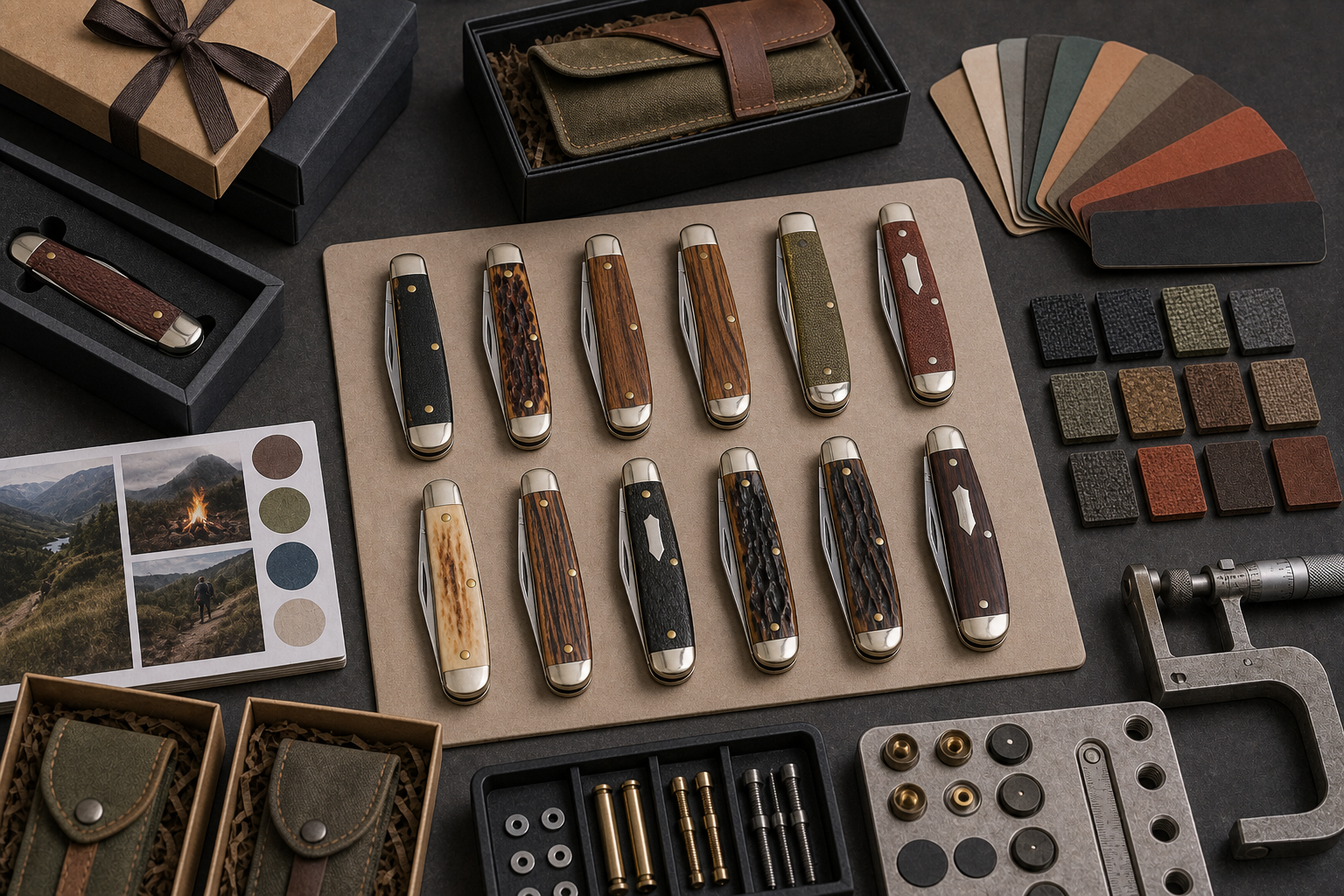
A traditional folding knife often feels easier for buyers to understand than a highly technical modern design. The shape may feel simple. The handle may use wood, bone-like synthetic material, micarta, or jigged texture. The blade may be small or medium sized. The product may work well as a heritage-style SKU, an entry-level retail item, a gift product, or a private label line.
However, familiarity is not enough. Many traditional-style knives look similar at first glance. If the buyer does not define the product reason, the knife becomes a commodity. I ask what role the knife should play in the buyer's line. Should it be a classic everyday product, a lower-risk gift SKU, a regional heritage design, or a higher-value collector-style release? Each answer changes cost, material, packaging, and inspection.
For OEM/ODM production, I also check whether the design can be repeated at the expected price. A beautiful bolster, fitted handle scale, and clean spring action can raise perceived value, but they also add process time. The buyer needs a style that fits the sales channel and production budget.
| Buyer goal | Traditional design value | Production focus |
|---|---|---|
| Heritage product line | Familiar profile and warm materials | Consistent finish and handle fit |
| Gift or retail SKU | Simple story and package appeal | Packaging, appearance, and safety checks |
| Entry price range | Recognizable format | Cost control and stable assembly |
| Higher-value release | Better detail and materials | Tighter fit, finish, and sample approval |
OEM/ODM RFQ Checklist
Prepare these details to help Vast State review your project and provide a more accurate quotation.
| RFQ Field | What to Prepare |
|---|---|
| Project type | OEM from drawing / ODM private label / wholesale catalog |
| Product category | Folding knife / fixed blade / multi-tool / outdoor tool |
| Design status | Idea / sketch / 2D drawing / 3D CAD / physical sample |
| Target price | Ex-factory target price or retail price range |
| MOQ expectation | 500 / 1,000 / 3,000 / 5,000+ pcs |
| Logo method | Laser engraving / etching / printing / molded logo |
| Packaging | Standard packaging / custom retail box / Amazon-ready |
| Market | USA / EU / Japan / Korea / Middle East / other |
| Compliance needs | Buyer-specified testing / documentation / labeling |
| Timeline | Sample deadline / mass production deadline |
How Should Buyers Define The Product Position Before Design?
A traditional knife can go in many directions. Without a clear position, the sample may look nice but miss the market.
Buyers should define product position by target customer, price range, sales channel, size, opening style, handle material, finish level, packaging, and repeat order expectations before detailed design begins.
I Turn A Classic Idea Into A Commercial Brief
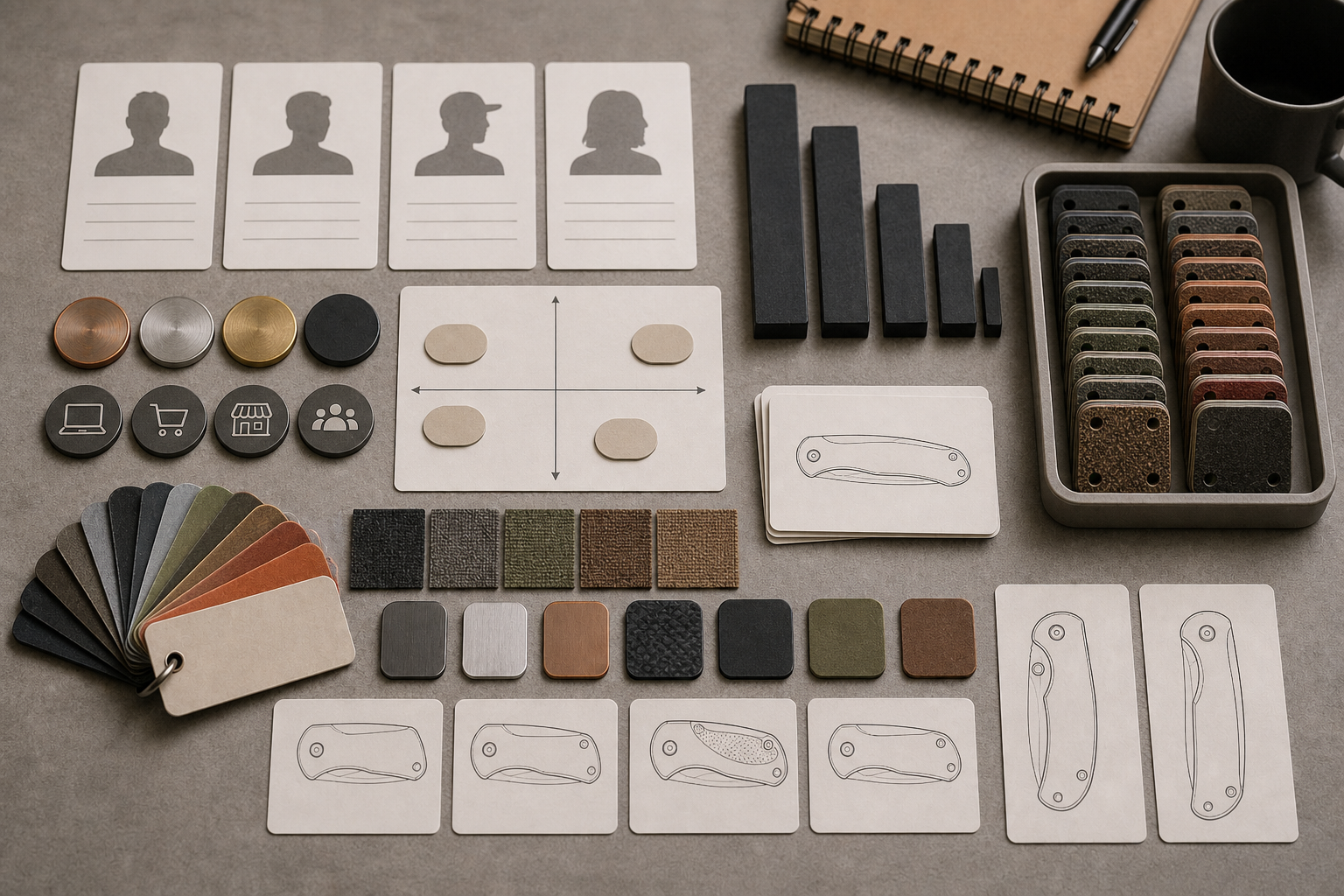
The first mistake I see is starting with a pattern name before the buyer defines the selling goal. A traditional folding knife may be small and elegant, strong and practical, rustic and giftable, or clean and modern-classic. The factory can build many versions, but it cannot guess the buyer's market.
I usually ask for target price, expected MOQ, destination market, retail channel, product size, material preference, finish level, and packaging style. If the buyer only has a rough idea, I help turn it into a practical brief. If the buyer already has a drawing, I check whether the structure matches the price and lead time.
The brief also protects brand position. A private label buyer may need a simple, stable design with consistent handle color. A knife brand may want a more distinctive bolster shape, stronger material story, or higher finish standard. An importer may focus on compliance documents, carton efficiency, and repeat shipments. These are different projects, even if the knife type looks similar.
| Brief question | Why it matters | Buyer should prepare |
|---|---|---|
| Who buys it? | Controls material and finish level | Target user and sales channel |
| What price range? | Controls process and features | Target cost and margin |
| What size? | Controls usability and packaging | Closed length and blade length |
| What story? | Controls design cues | Heritage, outdoor, gift, or private label angle |
Which Traditional Design Cues Can Be Adapted Without Copying?
Classic details can inspire a product, but direct copying creates business risk. Buyers should adapt the language, not duplicate another brand.
Traditional design cues that can be adapted include familiar profiles, bolsters, nail nicks, handle textures, shield-style inlays, and warm material contrast. Buyers should create original drawings and avoid third-party marks.
I Build Originality Into The First Drawing
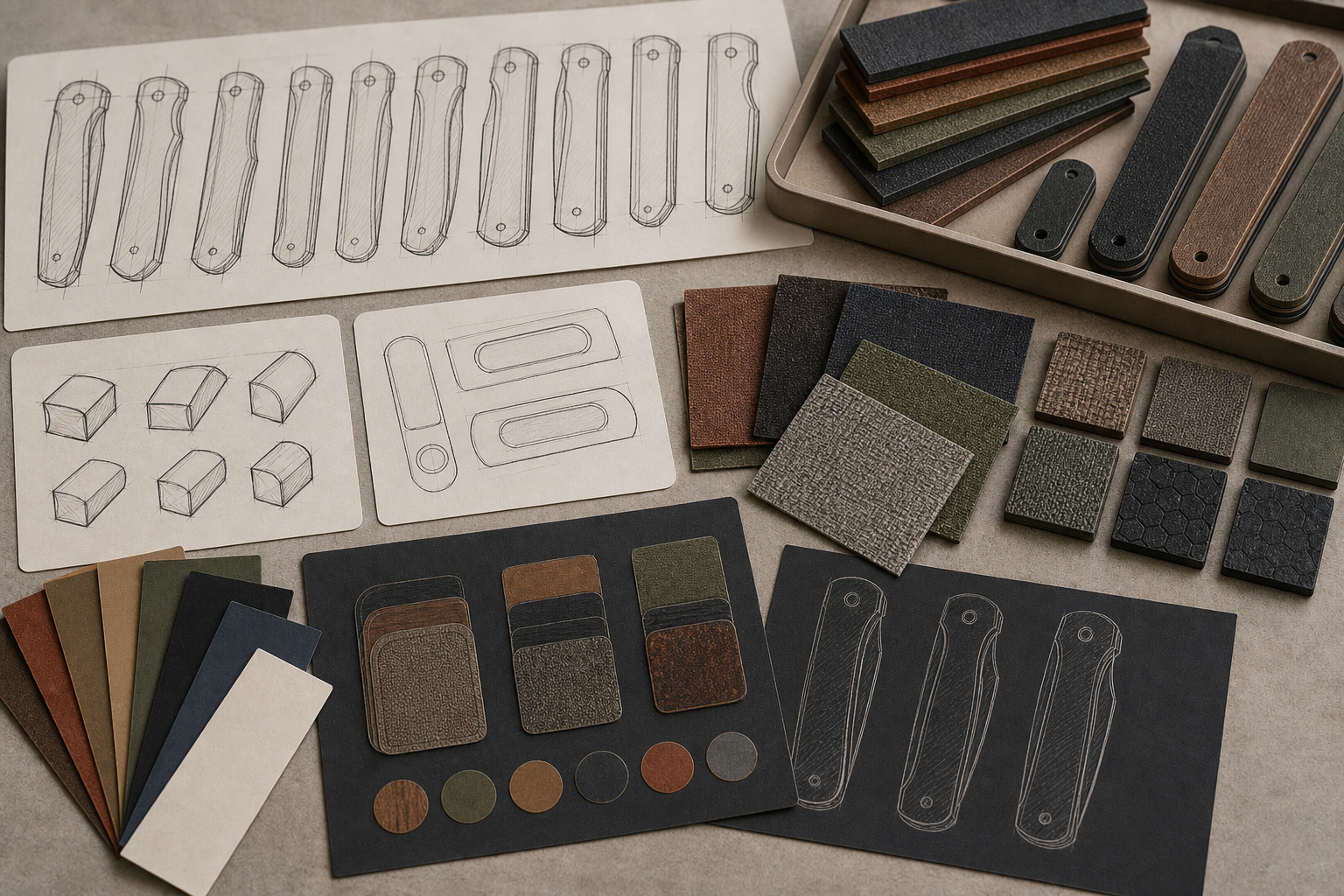
Traditional folding knives have a long design history. That makes them rich for inspiration, but it also makes originality important. I do not want a buyer to send a famous product photo and ask for the same thing. I prefer to discuss broad design cues: slimmer body, rounded bolsters, warm handle texture, simple blade profile, modest hardware, and balanced proportions.
WIPO explains that industrial designs relate to the ornamental or aesthetic aspects of a product. The USPTO also explains that a design patent can protect a new, original, and ornamental design for an article of manufacture. This is not legal advice, but it is a useful reminder. Buyers should create their own product identity.
In production, originality also helps the factory. A new CAD file, new handle outline, new shield shape, new bolster treatment, and new packaging direction can be specified and controlled. A copied product creates uncertainty. An original product creates a clear development path.
| Design cue | Safe development direction | What to avoid |
|---|---|---|
| Classic profile | Create a new outline and proportion | Copying a known product silhouette |
| Bolster detail | Adjust shape, finish, and size | Copying another brand's detail exactly |
| Handle texture | Develop a custom jig or surface | Using protected patterns or marks |
| Inlay shape | Use original blank symbol or badge | Copying logos or trademark-like shapes |
What Blade Steel And Heat Treatment Choices Fit Traditional Folders?
Traditional style does not remove technical needs. If the blade steel and heat treatment are weak, the product loses buyer trust.
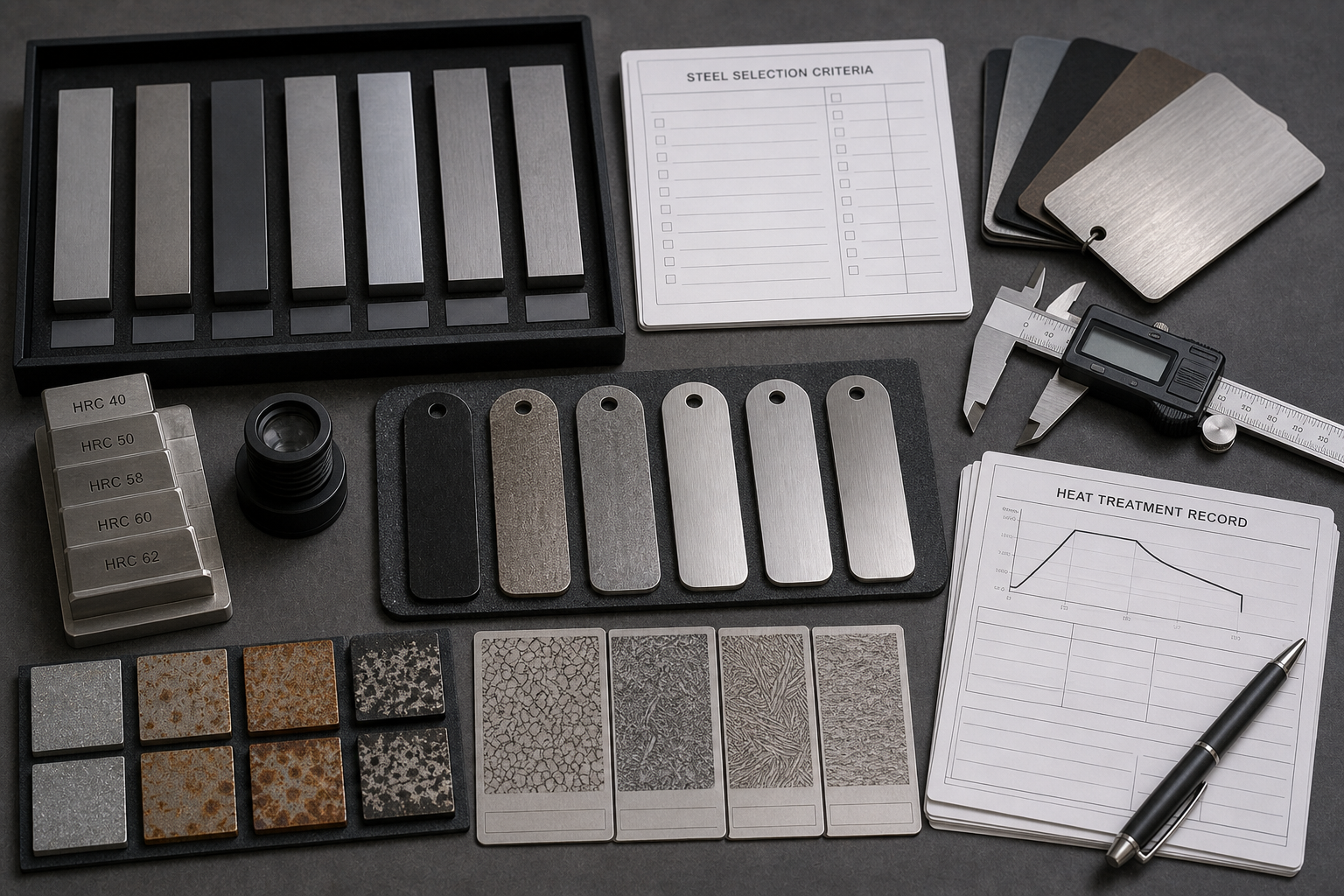
Blade steel and heat treatment should match price, corrosion expectation, sharpening preference, hardness target, blade thickness, and finish. Buyers should request material grade, heat treatment process, and hardness records.
I Match Steel To The Buyer Level
Traditional folders can use many steels. A buyer may want a cost-effective stainless steel for a private label line. A brand may want a better steel story for a higher-value SKU. Some buyers may like carbon steel for a classic feel, while others prefer stainless performance and easier maintenance expectations. I avoid saying one steel is best for every project.
The key is fit. If the product is a practical retail knife, corrosion resistance and stable heat treatment may be more important than a famous steel name. If the product is positioned higher, the buyer may want stronger edge retention, better finish, or a more technical material story. Each choice affects cost, grinding time, heat treatment, final inspection, and marketing copy.
Alleima's guide to hardening and tempering of knife steel explains that hardening increases hardness and tempering reduces brittleness while balancing useful properties. The NIST guide to Rockwell hardness measurement supports the need for controlled measurement practice. For buyers, the practical request is simple: confirm grade, target hardness range, test location, and batch record.
| Steel decision | Buyer concern | Production check |
|---|---|---|
| Stainless steel | Corrosion resistance and easy retail message | Heat treatment and finish consistency |
| Carbon steel | Classic material story | Rust protection and buyer expectation |
| Hardness range | Edge and toughness balance | Test method and location |
| Blade finish | Appearance and maintenance | Satin, stonewash, polish, or coating sample |
How Do Handle Materials Shape Traditional Folding Knife Appeal?
The handle often sells the traditional feeling first. Poor material control can create color disputes, cracks, or weak fit.
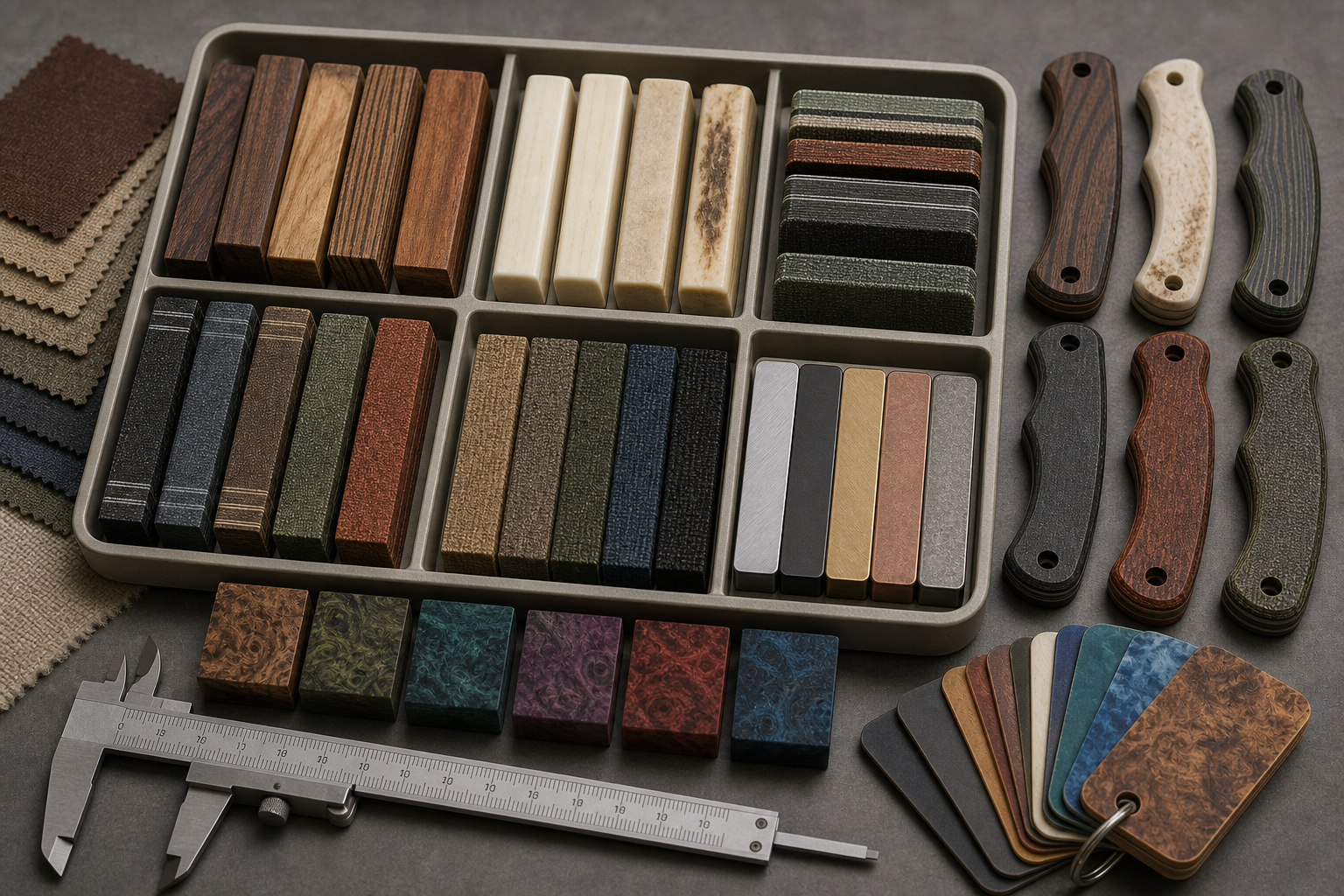
Handle materials shape traditional appeal through color, texture, weight, and touch. Buyers should compare wood, bone-like synthetic material, micarta, G10, metal, and stabilized options by cost, stability, finish, and inspection needs.
I Treat Handle Material As Brand Language
Traditional folders often depend on handle character. Wood can feel warm and familiar. Bone-like synthetic material can create a classic look with better control than some natural materials. Micarta can bring a modern outdoor angle while still feeling traditional. G10 can support durability and color control. Metal bolsters can raise perceived value if the fit is clean.
The USDA Wood Handbook is useful because it treats wood as an engineering material. That is the right mindset. Wood is not only decoration. It can move with moisture, vary in color, and respond differently to cutting and finishing. If a buyer wants wood, I ask for species, moisture control, color range, defect limits, finish, and packaging protection.
Handle material also changes assembly. A thin wood scale may chip near screws. A textured synthetic scale may need different tooling. A metal bolster may need more fitting and polishing. A shield-style inlay may need cavity control and bonding checks. The buyer should approve a handle sample set, not only a single perfect piece.
| Handle option | Market feeling | Buyer should control |
|---|---|---|
| Wood | Warm and heritage-style | Moisture, color range, and finish |
| Bone-like synthetic | Classic visual style | Jig pattern, color, and surface defects |
| Micarta | Outdoor and practical | Texture, sanding, and color batch |
| Bolster and inlay | Higher perceived detail | Fit, polish, and gap tolerance |
Which Mechanism And Assembly Details Need Special Attention?
A traditional folder may look simple, but small assembly errors are easy to feel. Poor action can damage buyer confidence.
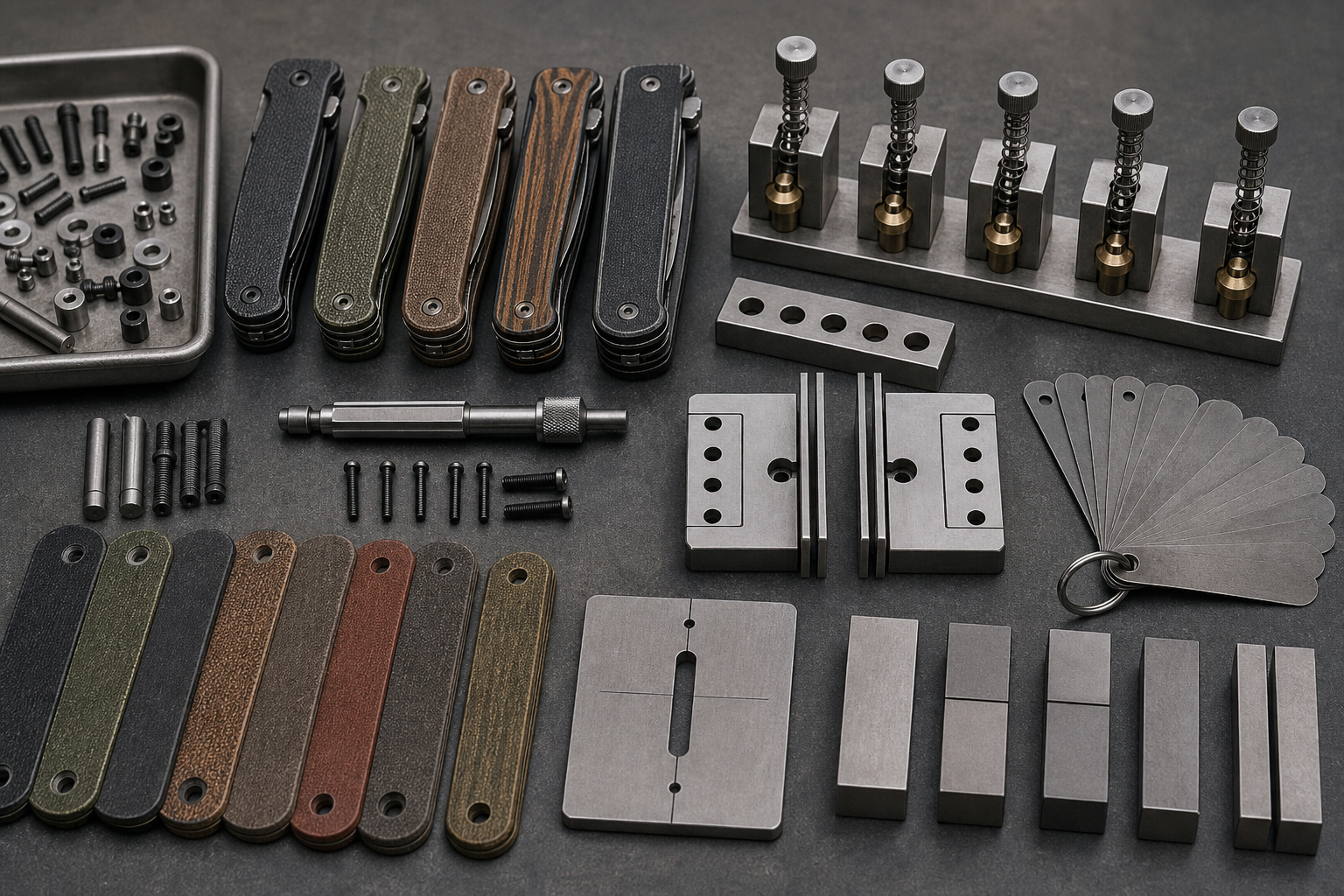
Mechanism and assembly details need control over spring tension, blade centering, nail nick position, backspring fit, liner gaps, pin or screw finish, pull feel, and closing alignment.
I Listen To The Product Through The Assembly
Traditional folders are often judged by how cleanly the parts work together. The blade should sit correctly. The spring should feel controlled. The backspring should align with the handle. Pins or screws should look neat. Gaps should be within the approved standard. If these details are off, the knife feels cheap even when the materials are good.
Assembly control starts in the drawing. The blade tang, spring shape, liners, handle scale thickness, and bolster fit must be designed together. If one part changes late, the rest can be affected. I check whether the nail nick is easy to access, whether the spring tension matches the product level, and whether the blade closes in the right position. I also check whether the factory can repeat the feel without too much hand adjustment.
The NIOSH guide to selecting non-powered hand tools reminds buyers that tool design should fit the task and reduce awkward handling. I use that only as general ergonomic background. In knife production, the practical point is to check handle comfort, opening access, and finished edge feel during sampling.
| Assembly point | What buyers notice | Inspection method |
|---|---|---|
| Spring tension | Opening and closing feel | Sample comparison and pull standard |
| Blade centering | Perceived precision | Visual and fixture check |
| Backspring fit | Traditional quality signal | Gap and flushness check |
| Hardware finish | Retail appearance | Pin, screw, and bolster inspection |
How Should Packaging And Story Support Traditional Folding Knives?
A traditional knife needs more than a product photo. Weak packaging can make a good product feel ordinary.
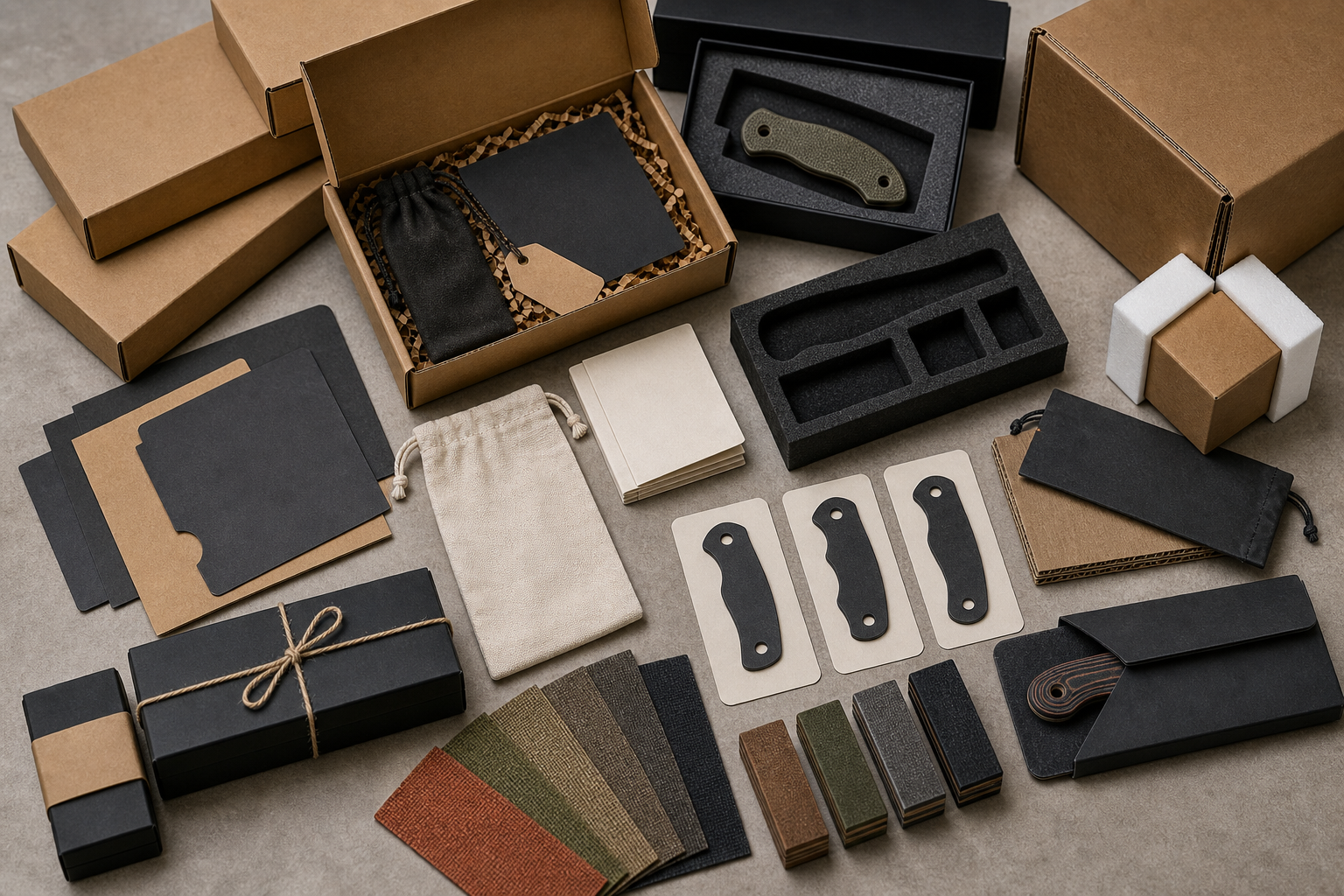
Packaging and story should support the traditional folding knife by explaining material choices, care expectations, brand position, and gift value while protecting the handle, finish, and edge during shipment.
I Make Packaging Protect The Feeling
Traditional folding knives often sell through feeling. A buyer may want the product to feel classic, honest, practical, or gift-ready. Packaging can support that, but it must also protect the product. A polished bolster can scratch. A wood handle can show rub marks. A retail box can crush if the insert is weak. A care card can create confusion if it promises more than the product supports.
I usually connect packaging to the sales channel. For wholesale distribution, carton efficiency and protection matter. For online retail, individual protection becomes more important. For gift sales, the inner presentation may matter more. For a collector-style SKU, the buyer may want better insert material, a sleeve, or a small product story card.
ISO 4180:2019 covers general rules for performance test schedules for complete filled transport packages. I use ISO 4180 as a useful reference when thinking about shipping stress, not as a claim that every order needs formal certification. The buyer should still request a practical packaging sample and carton plan before bulk shipment.
| Packaging element | What it supports | Buyer check |
|---|---|---|
| Inner insert | Finish and handle protection | Fit, rubbing, and pressure points |
| Retail box | Brand position | Material, size, and presentation |
| Care card | Buyer expectation | Accurate material and care language |
| Master carton | Export shipment | Quantity, weight, and damage risk |
What QC And RFQ Details Protect Repeat Orders?
One good sample is not enough. Traditional folding knives need clear records so the second order matches the first.
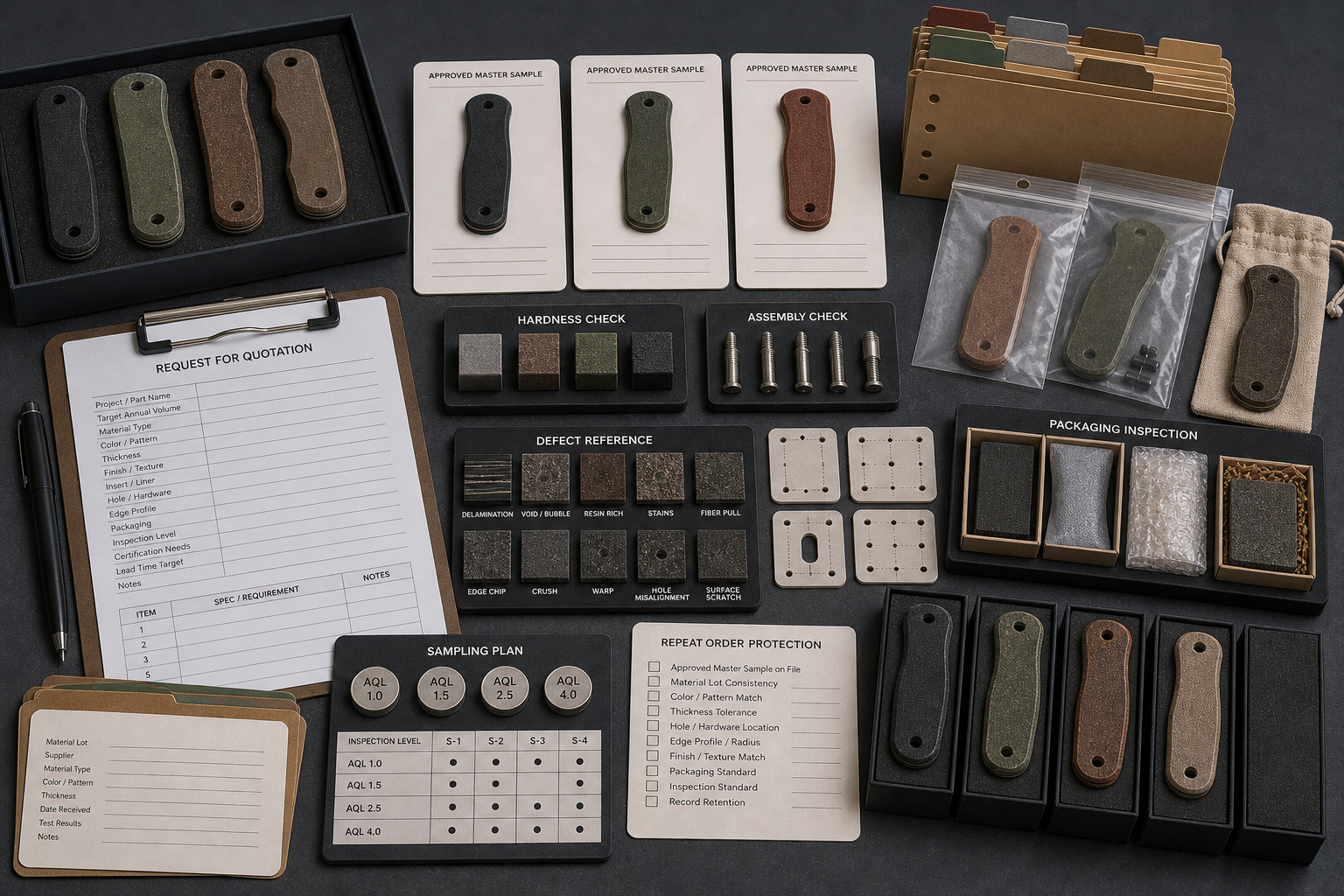
Repeat orders are protected by RFQ details, approved samples, material records, heat treatment records, assembly checks, finish standards, packaging checks, defect definitions, and sampling plans.
I Make The Sample Standard Measurable
For a traditional folding knife, the approved sample should become a measurable production standard. The buyer should define blade steel, hardness range, handle material, color range, spring action, blade centering, gap tolerance, bolster finish, edge status, packaging, and defect categories. This prevents vague arguments later.
ISO 9001 gives a quality management framework based on meeting customer requirements and improving processes. ISO 2859-1 provides acceptance sampling plans for inspection by attributes. These sources do not replace a product checklist, but they help buyers and suppliers speak a common quality language.
The RFQ should be specific. It should include target market, target price, MOQ expectation, blade steel, handle material, mechanism type, finish, packaging, compliance review needs, and inspection standard. If the buyer wants a traditional look, I also ask for reference mood and original design direction, not a direct copy request. A good RFQ saves time because the supplier can suggest practical options before the sample is made.
| RFQ or QC item | Why it matters | What to request |
|---|---|---|
| Approved sample set | Locks the design target | Master sample, finish board, and color range |
| Material and heat record | Protects technical consistency | Steel grade, handle material, hardness range |
| Assembly check | Protects product feel | Spring tension, centering, and gap standard |
| Final inspection | Protects shipment quality | AQL plan and defect list |
Turn this article into a folding knife project.
Share your blade type, lock direction, steel preference, handle material, quantity, target market, and packaging needs. Vast State can prepare OEM/ODM options.
Conclusion
I develop traditional folding knives by matching heritage appeal with original design, practical materials, controlled assembly, suitable packaging, and repeatable QC.
Source Notes
- WIPO industrial designs and the USPTO design patent guide support the originality discussion.
- Alleima hardening and tempering and NIST Rockwell hardness measurement support the steel, heat treatment, and hardness-control guidance.
- USDA Wood Handbook supports treating wood handle material as an engineering material.
- NIOSH hand tool guidance provides general ergonomic context for handle and tool design.
- ISO 4180, ISO 9001, and ISO 2859-1 support packaging, quality management, and sampling inspection points.