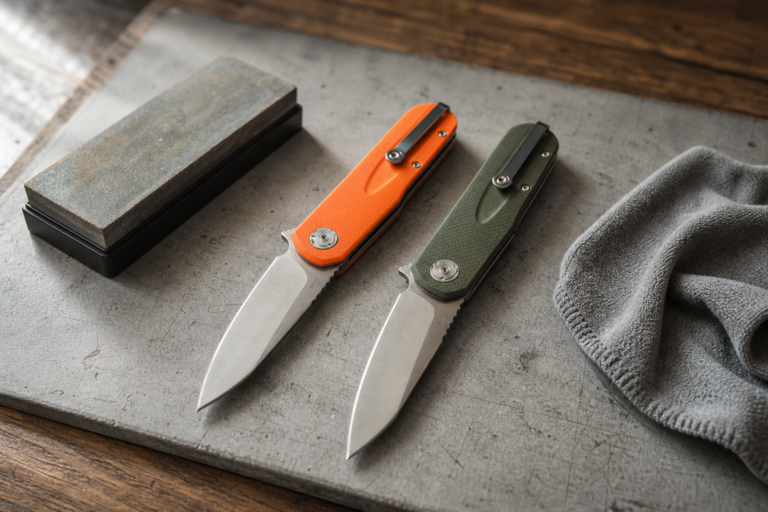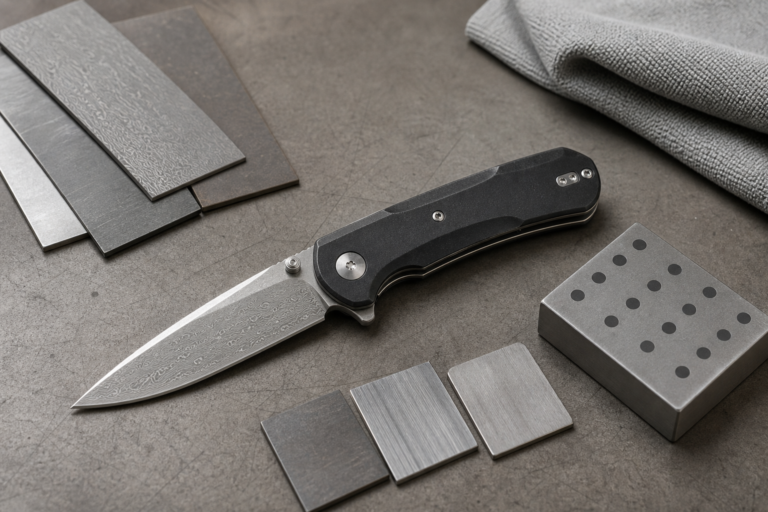
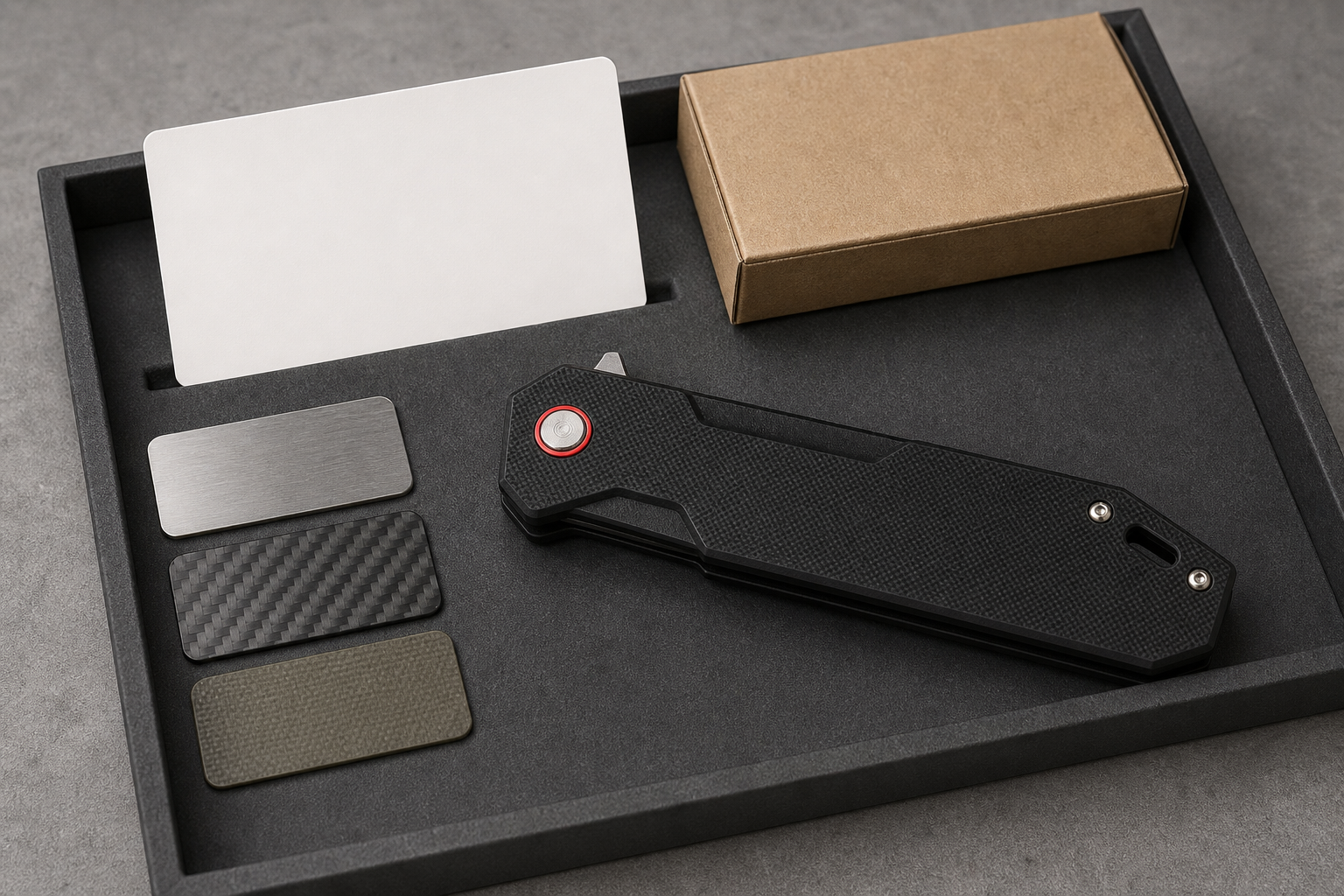
Folding knife history is often simplified. That can lead buyers to romantic stories instead of useful product decisions.
Folding knives were not invented on one clear date. Museum records show Roman folding knife examples from the 1st to 3rd centuries CE. For OEM buyers today, the useful lesson is not the exact first date, but why folding knives kept evolving: portability, safety, tool access, material control, and better everyday utility.
Quick buyer brief:
- Answer: Treat folding knife history as evidence of long-term user needs, not as a marketing myth.
- Buyer context: This helps folding knife brands, EDC brands, outdoor brands, importers, wholesalers, distributors, private label buyers, and sourcing managers.
- Key checks: Portability, safe storage, pivot design, closed retention, lock choice, handle ergonomics, blade shape, material choice, maintenance, packaging language, and compliance review.
Developing a folding knife line for your brand?
Vast State supports OEM/ODM folding knife projects, including blade steel, lock structure, handle material, finish, logo method, packaging, and quality inspection planning.
When I write about folding knife history for B2B buyers, I do not use history as decoration. I use it as a product development lens. Ancient folding knives existed because people wanted a blade that could be carried more safely and conveniently. Modern folding knives still answer the same basic need, but with better materials, more precise pivots, safer locks, stronger handles, and clearer packaging. For an OEM/ODM project, history reminds me that a folding knife is not only a blade. It is a compact system for carrying, opening, using, closing, and storing a cutting edge.
Why Is There No Single Invention Date for Folding Knives?
Many articles want a clean date. Real product history is messier and more useful than that.
There is no single confirmed invention date for folding knives because surviving evidence shows different folding blade and folding tool examples across ancient periods, including Roman examples from the 1st to 3rd centuries CE.
I Use Evidence, Not a Mythic Starting Point
The best answer to "when were folding knives invented" is careful. We can say folding knife evidence is very old. We should not pretend that one person, one city, or one exact year explains the whole category.
The British Museum collection includes a bronze folding knife from a set of Roman Imperial surgical instruments dated to the 1st century. Another British Museum Roman folding knife is dated probably to the 1st to 2nd century. The London Museum lists a Roman folding knife from the 2nd to 3rd century. These records show that folding blade ideas were already present in Roman material culture.
For a buyer, the lesson is practical. Folding knives appeared because people needed a cutting tool that could be carried, protected, and stored. That need did not disappear. It became stronger as users wanted smaller tools, safer pocket carry, better mechanisms, and more specialized blade forms.
I avoid using ancient history as a quality claim. A modern product is not good just because folding knives are old. A modern product is good when the structure, material, action, lock, handle, and packaging serve the user well.
| Historical point | What it means | Buyer takeaway |
|---|---|---|
| No single invention date | Evidence is scattered and old | Avoid exaggerated claims |
| Roman examples exist | Folding blades were practical early | Portability mattered |
| Different forms appeared | Use cases were varied | Define the target user |
| Modern knives differ | Better materials and mechanisms exist | Do not copy history blindly |
OEM/ODM RFQ Checklist
Prepare these details to help Vast State review your project and provide a more accurate quotation.
| RFQ Field | What to Prepare |
|---|---|
| Project type | OEM from drawing / ODM private label / wholesale catalog |
| Product category | Folding knife / fixed blade / multi-tool / outdoor tool |
| Design status | Idea / sketch / 2D drawing / 3D CAD / physical sample |
| Target price | Ex-factory target price or retail price range |
| MOQ expectation | 500 / 1,000 / 3,000 / 5,000+ pcs |
| Logo method | Laser engraving / etching / printing / molded logo |
| Packaging | Standard packaging / custom retail box / Amazon-ready |
| Market | USA / EU / Japan / Korea / Middle East / other |
| Compliance needs | Buyer-specified testing / documentation / labeling |
| Timeline | Sample deadline / mass production deadline |
What Did Early Folding Knives Solve for Users?
A folding blade is not only compact. It changes how people carry and protect a sharp edge.
Early folding knives solved basic portability and edge-protection problems by allowing a blade to fold into a handle or tool body, making carry, storage, and controlled access more practical.
I See Portability as the Oldest Product Requirement
The first practical reason for a folding knife is simple: the blade can be folded away. That protects the edge. It also protects the user and surrounding objects. A fixed blade usually needs a sheath. A folding knife builds storage into the handle. That compact idea is still powerful today.
In a modern OEM brief, portability should be defined clearly. A small keychain-style folder, a pocket EDC knife, a work knife, a camping folder, and a rescue-oriented folder all solve portability differently. The buyer should define closed length, blade length, handle thickness, clip need, weight, and packaging.
Early folding knives also remind us that convenience does not remove responsibility. A blade that folds still needs safe closing, clean edge storage, and user awareness. A modern folder with poor detent or weak lock can create problems even if it looks compact.
For B2B customers, portability also affects shipping, retail display, and repeat purchase. A knife that feels too bulky may not fit the EDC market. A knife that is too small may not support outdoor work. The buyer should connect historical portability with modern channel needs.
| Portability factor | Modern question | Product impact |
|---|---|---|
| Closed length | Can users carry it easily? | EDC acceptance |
| Handle thickness | Does it feel pocket-friendly? | Comfort and retail appeal |
| Edge storage | Is the edge protected when closed? | Safety and trust |
| Weight | Does it match the task? | User fatigue and value |
What Can Ancient Multi-Tool Examples Teach Modern Buyers?
Some old folding tools were more than one blade. The idea of compact tool access is not new.
Ancient multi-tool examples teach modern buyers that compact utility depends on task selection, tool spacing, material limits, hinge design, and realistic use claims, not simply adding more functions.
I Do Not Add Functions Just to Fill Space
The Fitzwilliam Museum's Roman "Swiss Army Knife" is a useful reference because it shows a folding eating gadget with multiple fold-out parts, including a fork, spoon, spatula, pick, spike, and an iron knife that has eroded away. The museum dates it to 201-300 CE and notes that it was likely a luxury item, not intended for heavy use.
For modern buyers, this is a strong warning. A multi-tool can impress people with many functions, but every function adds size, cost, assembly complexity, and potential weakness. A compact tool should not include a saw, screwdriver, bottle opener, scissors, awl, file, and blade only because there is a slot available. Each function must have a real user reason.
Material matters too. The Fitzwilliam description notes that the object was made from silver and iron and that silver is soft and pliable. That does not translate directly into modern stainless steel or tool steel, but it teaches a product lesson: material must match use. A beautiful tool is not automatically a durable tool.
When I support a multi-tool or folding knife project, I ask the buyer to rank functions by importance. The top functions should get the best ergonomics and strongest structure. Secondary functions should not make the main knife worse.
| Multi-tool lesson | Modern risk | Buyer decision |
|---|---|---|
| More tools add complexity | Thick body and weak access | Prioritize real functions |
| Hinges need space | Tools rub or bind | Control layout |
| Material must match use | Soft or weak parts fail | Specify proper materials |
| Luxury is not durability | Nice appearance may mislead | Test real tasks |
How Did Folding Knife Needs Evolve Into Modern EDC Expectations?
Modern buyers often focus on style. Users still judge the same old needs: carry, access, and control.
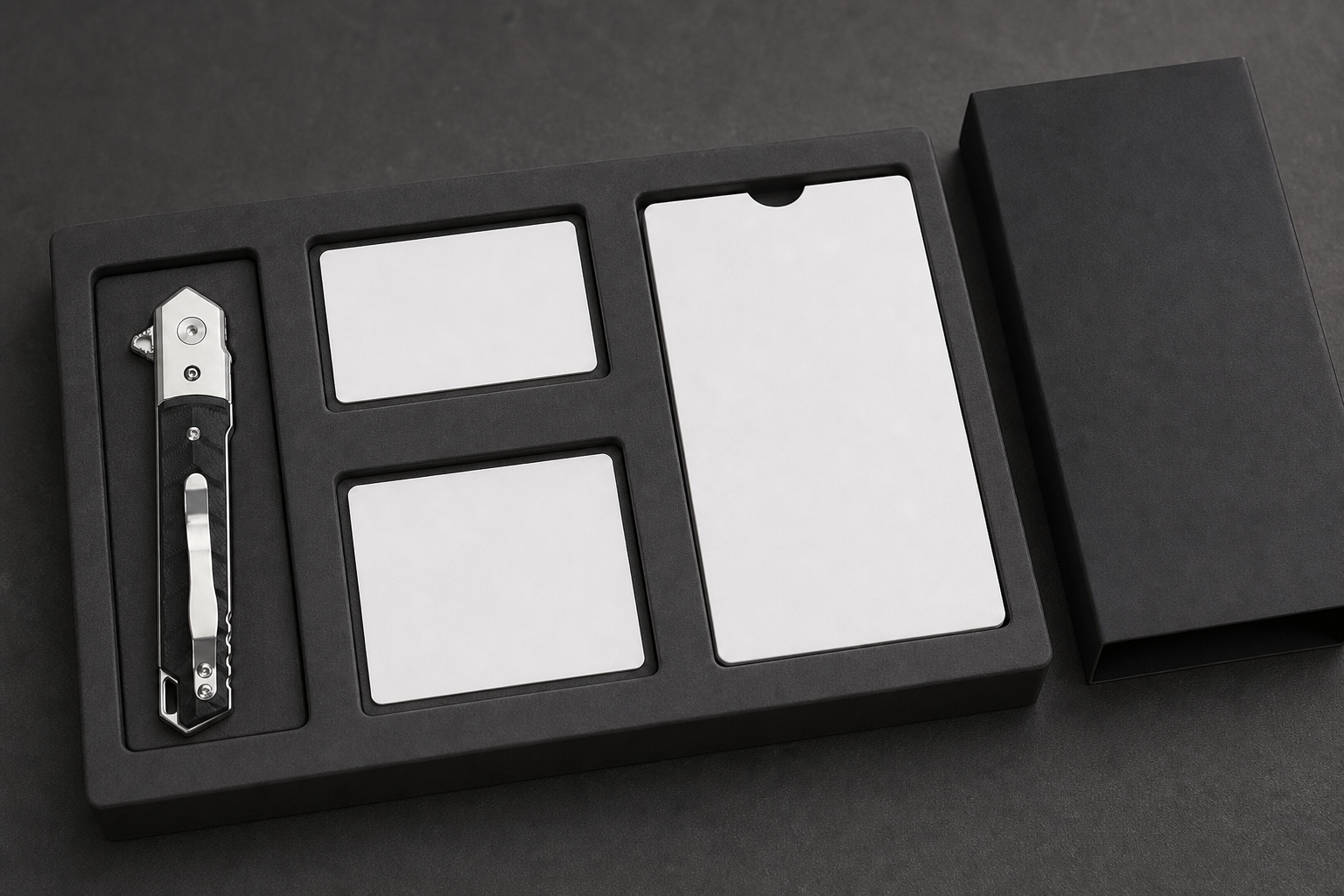
Modern EDC folding knives evolved around pocket-friendly size, controlled opening, safe closing, stable lockup, better materials, corrosion resistance, ergonomic handles, and consistent mass production.
I Translate History Into User Expectations
A modern EDC folding knife is not just an old idea with better steel. It is a product shaped by many user expectations. Users expect a knife to fit the pocket, open smoothly, stay closed during carry, lock or hold safely during use where applicable, resist rust reasonably, feel good in hand, and look consistent from one unit to the next.
For buyers, this means the RFQ should not only say "folding knife." It should define the user, blade length, closed length, opening method, lock type, steel, handle material, pocket clip, finish, packaging, and target market. A vague brief creates vague samples.
Modern opening features also need careful language. Thumb studs, nail nicks, front flippers, back flippers, thumb holes, and two-hand openings all create different user experiences and compliance questions. The buyer should avoid describing a manual opening knife in a way that suggests automatic or gravity opening unless the design has been reviewed for the target market.
The best EDC products are usually not the most complicated. They are the most coherent. The blade, handle, pivot, lock, clip, finish, and packaging all support one product promise.
| EDC expectation | What users feel | OEM focus |
|---|---|---|
| Pocket carry | Size, weight, clip comfort | Closed length and clip |
| Smooth opening | Ease and control | Pivot and detent |
| Stable use | Confidence in the blade | Lock or slip-joint design |
| Clean finish | Perceived quality | QC and surface control |
What Structural Lessons Should Buyers Take From Folding Knife History?
The folding idea is old, but structure decides trust. A weak pivot can ruin a good blade.
Buyers should take structural lessons from folding knife history by focusing on pivot strength, handle support, blade centering, closed retention, lock choice, wear control, and repeatable assembly.
I Treat the Folding Knife as a Small Mechanical System
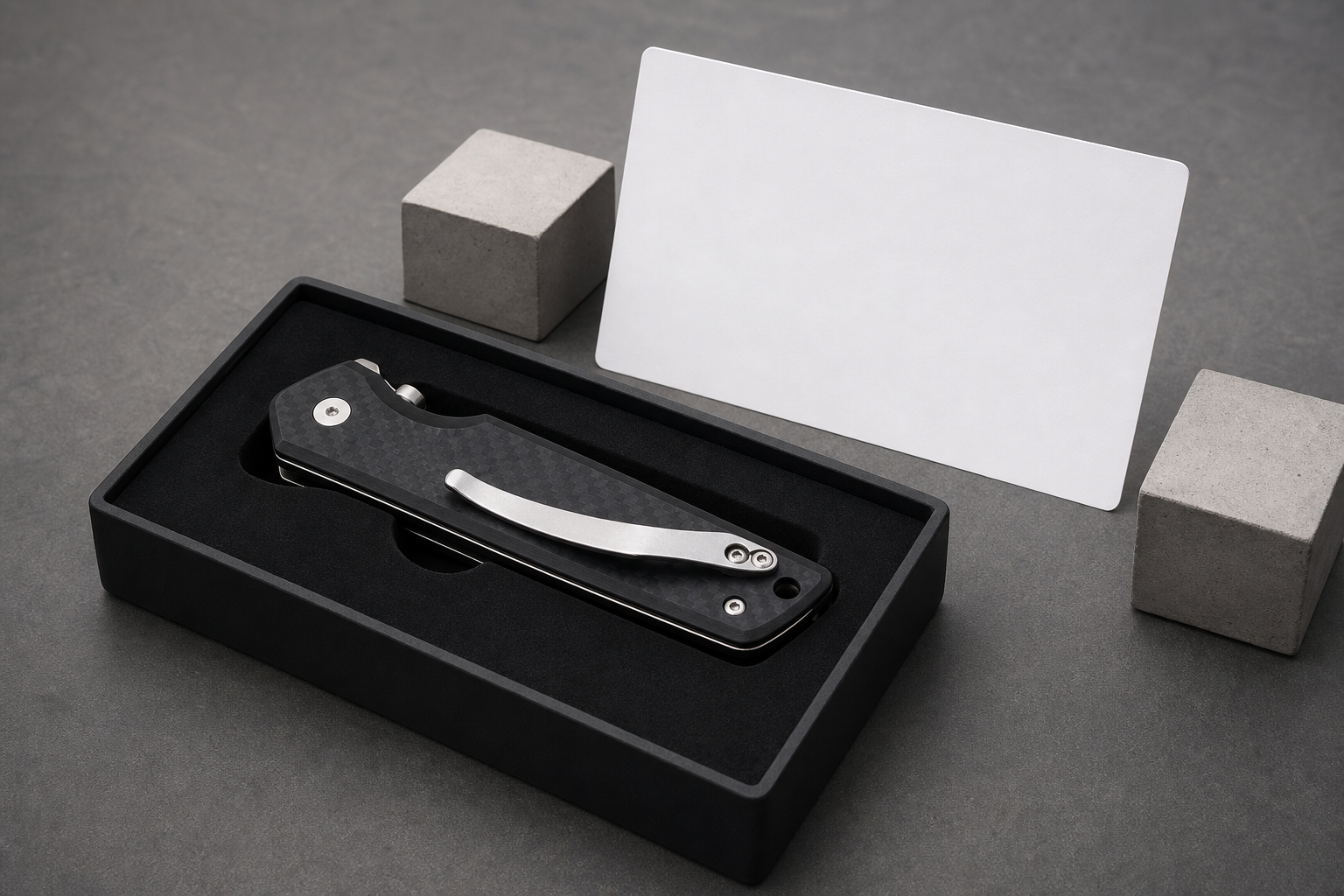
A folding knife is a mechanical system. The blade rotates around a pivot. The handle supports the blade. The stop pin or back structure controls travel. The lock or spring controls use and closure. Washers or bearings affect action. Screws affect assembly stability. The user feels all of this, even if they do not know the part names.
History shows the long appeal of folding blades, but modern buyers should not accept primitive structure. A simple friction folder may fit some markets, but many users now expect stronger closed retention, better centering, and a clearer safety system. A slip joint, liner lock, frame lock, back lock, button lock, or crossbar-style lock each has different cost and production needs.
The buyer should choose the structure based on product role. A lightweight pocket knife may not need the same mechanism as an outdoor work folder. A premium folder may need tighter action and better finish. A budget folder must still avoid blade play, sharp handle edges, and inconsistent lock engagement.
Assembly repeatability is critical. A beautiful prototype that needs too much hand adjustment can fail in mass production. The supplier should explain which tolerances matter and how they will be inspected.
| Structure point | Why it matters | Buyer question |
|---|---|---|
| Pivot | Controls opening feel | Washer or bearing? |
| Stop surface | Controls blade travel | Is the open position stable? |
| Lock or spring | Controls use and closure | What safety level is needed? |
| Handle support | Controls comfort and strength | Is assembly repeatable? |
How Should Materials and Manufacturing Improve on Historical Designs?
Old folding knives prove the idea. Modern production must prove repeatability.
Modern materials and manufacturing should improve folding knives through better blade steel, heat treatment, corrosion protection, handle stability, precision cutting, CNC machining, controlled grinding, consistent assembly, and documented QC.
I Use Better Materials Only When They Serve the Market
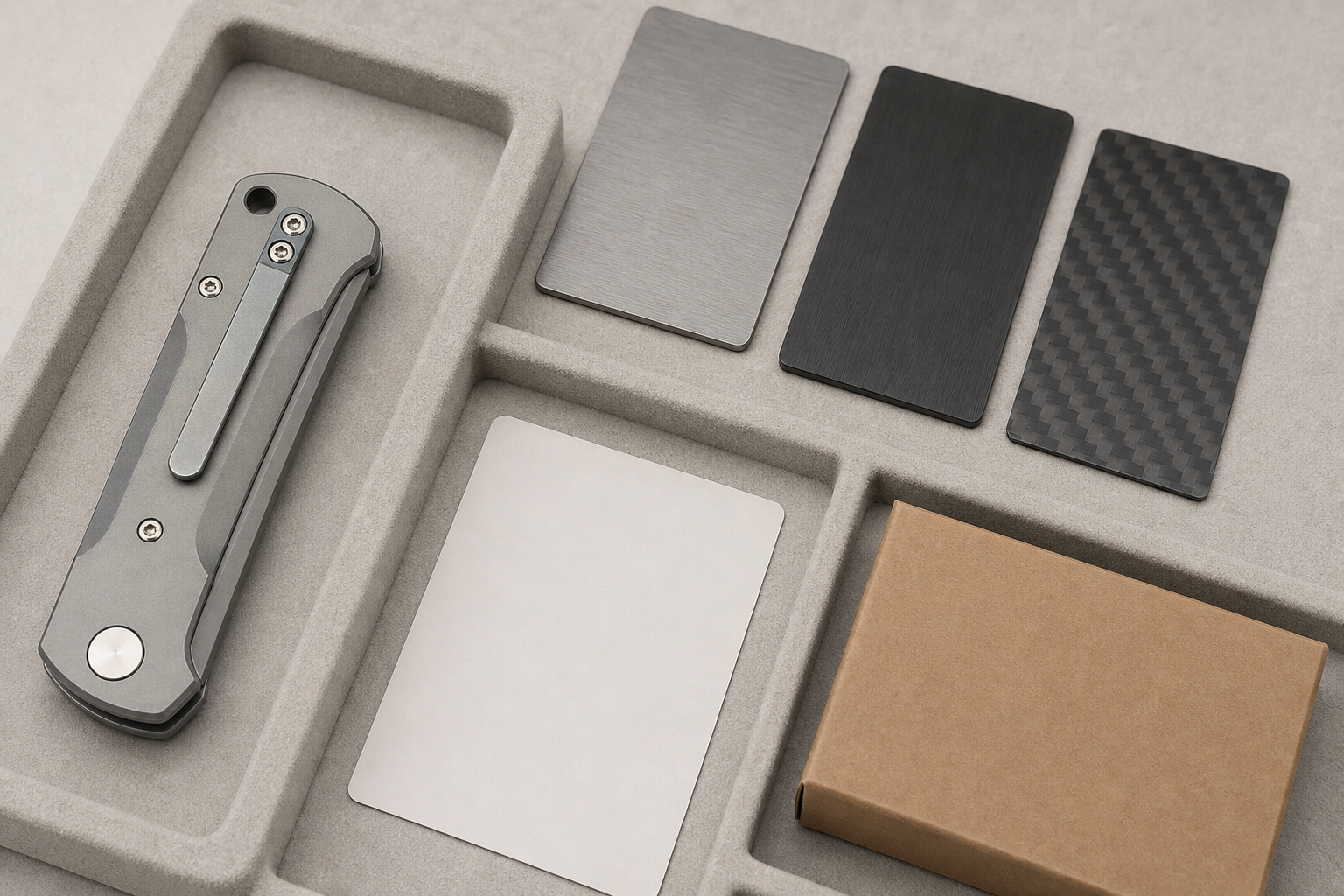
Modern buyers can choose from many blade steels and handle materials. That is useful, but it can also confuse the project. Some buyers want high hardness. Some want corrosion resistance. Some want easy sharpening. Some need a low target price. Some need a premium story. The best material is the one that matches the use case, price, and production plan.
A historical bronze or iron folding knife is not a direct model for a modern EDC product. Today's buyer may use stainless steel, tool steel, high-carbon steel, aluminum, G10, micarta, wood, polymer, or stainless handle construction. Each choice changes cost, machining, finish, weight, and maintenance.
Heat treatment remains one of the most important decisions. A blade can have a strong steel name and still perform poorly if the heat treatment is wrong. A folding knife also has moving parts, so liners, lock bars, screws, washers, and bearings must work together.
Manufacturing method matters. Laser cutting, stamping, CNC machining, grinding, tumbling, coating, polishing, and assembly all leave their mark on the product. If the buyer wants a clean modern folder, the process must control blade profile, pivot hole tolerance, lock geometry, blade centering, and surface finish.
| Material/process choice | Benefit | Buyer caution |
|---|---|---|
| Stainless steel | Corrosion resistance | Match heat treatment |
| Tool steel | Edge potential | Explain maintenance |
| CNC liners | Better tolerance | Adds cost |
| Coating or stonewash | Visual and protection | Check consistency |
What Safety and Compliance Lessons Still Matter Today?
A folding knife is compact, but it is still a sharp tool. Buyers should not treat safety as optional.
Safety and compliance lessons still matter because buyers must define lawful use, safe storage, correct tool handling, sharp-edge protection, packaging warnings, target-market restrictions, and product documentation.
I Keep the Product Language Practical and Lawful
The folding format can make a knife easier to carry, but that does not remove safety and compliance responsibilities. The buyer should define the destination market early. Knife laws and retail rules may vary by blade length, lock type, opening method, carry method, age restriction, and product description. I do not recommend assuming that one country's rule applies everywhere.
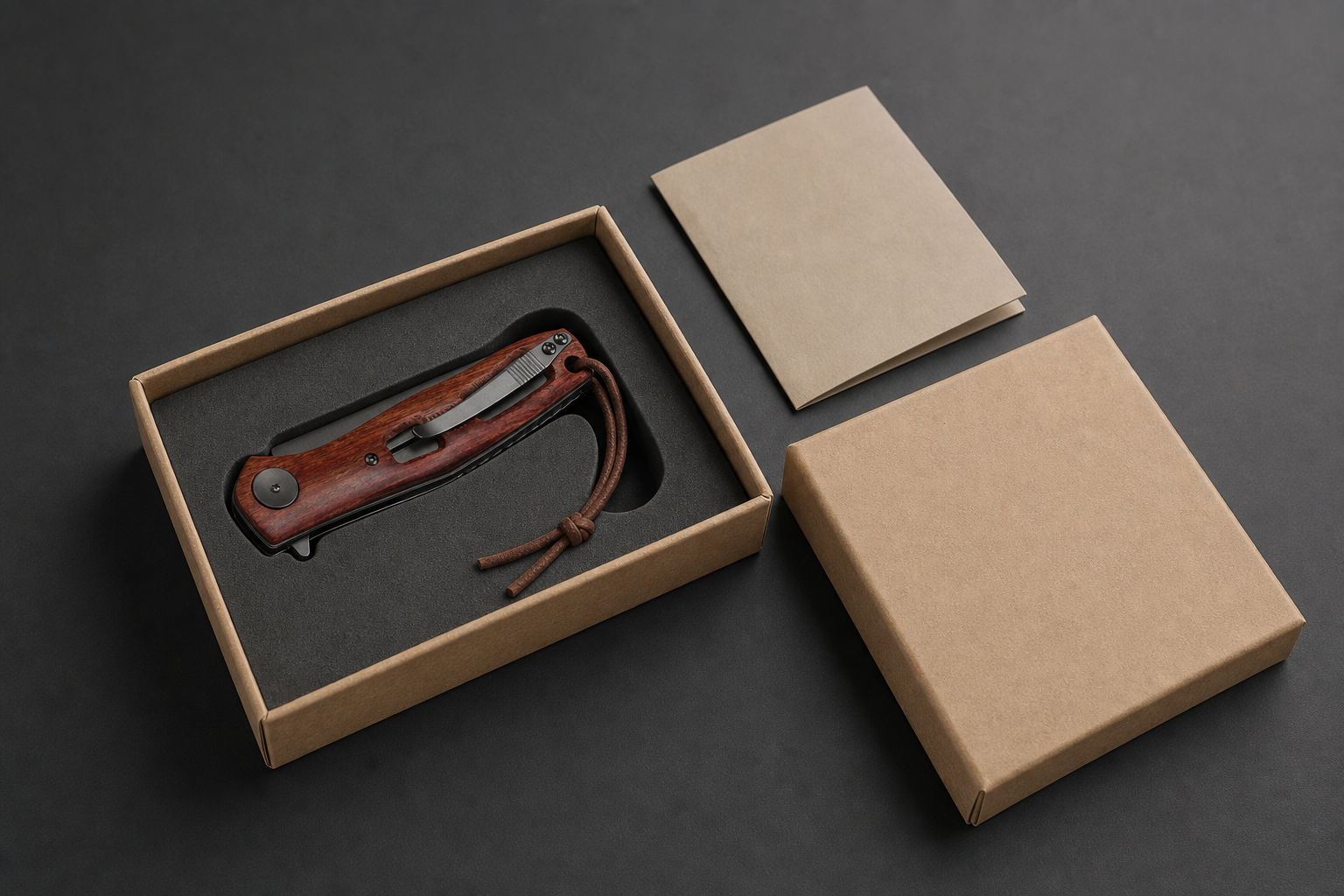
The CCOHS hand-tool guidance supports practical safe-use principles such as inspecting tools, covering sharp edges, storing tools properly, and not cutting toward yourself. For folding knife packaging, that means the instruction card should be simple and direct: inspect before use, keep the knife closed when not in use, cut away from the body, use the right tool for the task, and store safely.
OSHA's hand-tool rule says employers are responsible for the safe condition of tools used by employees. This is workplace regulation, not a consumer folding knife design standard, but it supports a useful quality mindset. A tool should be safe and serviceable before use.
For buyer-facing copy, I prefer practical utility language. I avoid self-defense claims, combat language, and exaggerated fast-opening claims. A knife brand can still sound strong without creating avoidable legal or retailer problems.
| Safety area | What to define | Buyer value |
|---|---|---|
| Use claim | Utility, outdoor, work, EDC | Cleaner market positioning |
| Opening method | Manual, assisted, automatic, two-hand | Compliance review |
| Instruction card | Safe handling and storage | Fewer misuse problems |
| Documentation | Tests and specifications | Better importer confidence |
How Should Buyers Test Historical-Inspired or Classic Folding Knife Designs?
Classic style can hide modern quality problems. Nostalgia does not replace testing.
Buyers should test historical-inspired or classic folding knife designs by checking opening force, closed retention, blade play, lock or spring strength, edge protection, handle comfort, corrosion resistance, packaging fit, and repeat consistency.
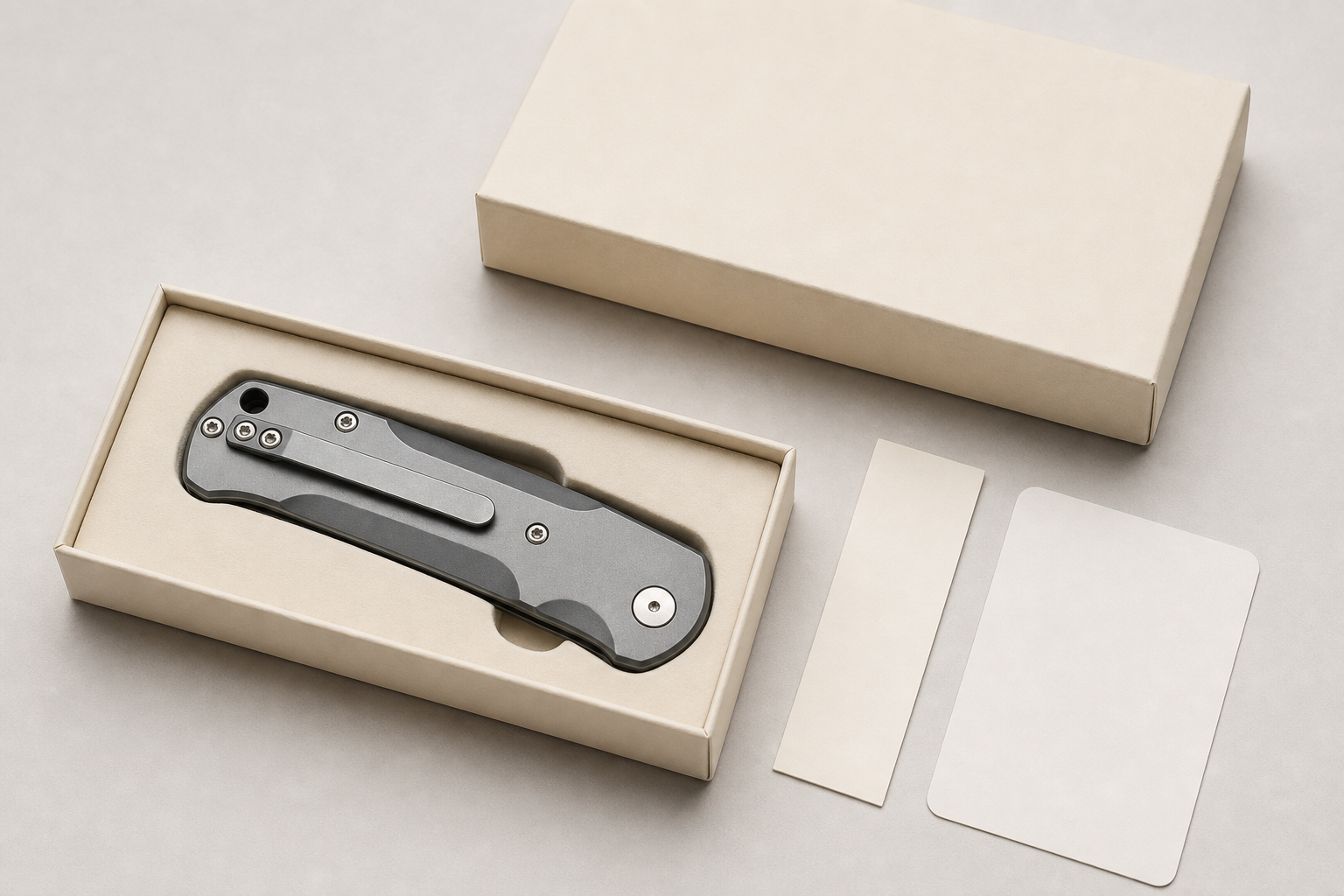
I Separate Classic Look From Modern Performance
Many buyers like traditional folding knife looks. That can be good for the right market. A classic handle shape, nail nick, slip joint, wood scale, brass liner, or simple blade profile can feel warm and trustworthy. But classic styling still needs modern QC.
The sample should be tested like a current product. Does the blade open smoothly? Does the spring or lock behave consistently? Is there blade play? Does the blade close safely into the handle? Are the handle edges comfortable? Does the wood, bone-like material, polymer, or metal handle stay stable? Does the packaging protect the knife during shipping?
If the buyer wants a slip-joint design, the spring tension should match the user. Too weak can feel unsafe. Too strong can be hard to open. If the buyer wants a lock, lock engagement should be stable and repeatable. If the buyer wants a low-cost classic folder, finish expectations still need written limits.
Historical inspiration can be a selling point, but it should not become an excuse for poor action or inconsistent assembly. The modern customer may enjoy classic style, but they still expect a product that works correctly.
| Test item | What I check | Pass question |
|---|---|---|
| Opening force | Nail nick, pivot, spring | Can users open it safely? |
| Closed retention | Blade stays closed | Is pocket carry secure? |
| Blade play | Side and vertical movement | Does it feel stable? |
| Packaging | Knife held safely | Does it ship without damage? |
What QC Standards Matter for Modern Folding Knife Production?
History can inspire the concept. QC protects the order.
Modern folding knife QC should check steel, heat treatment, blade profile, pivot tolerance, lock or spring function, blade centering, handle fit, screw security, sharpness, finish, packaging, and batch records.
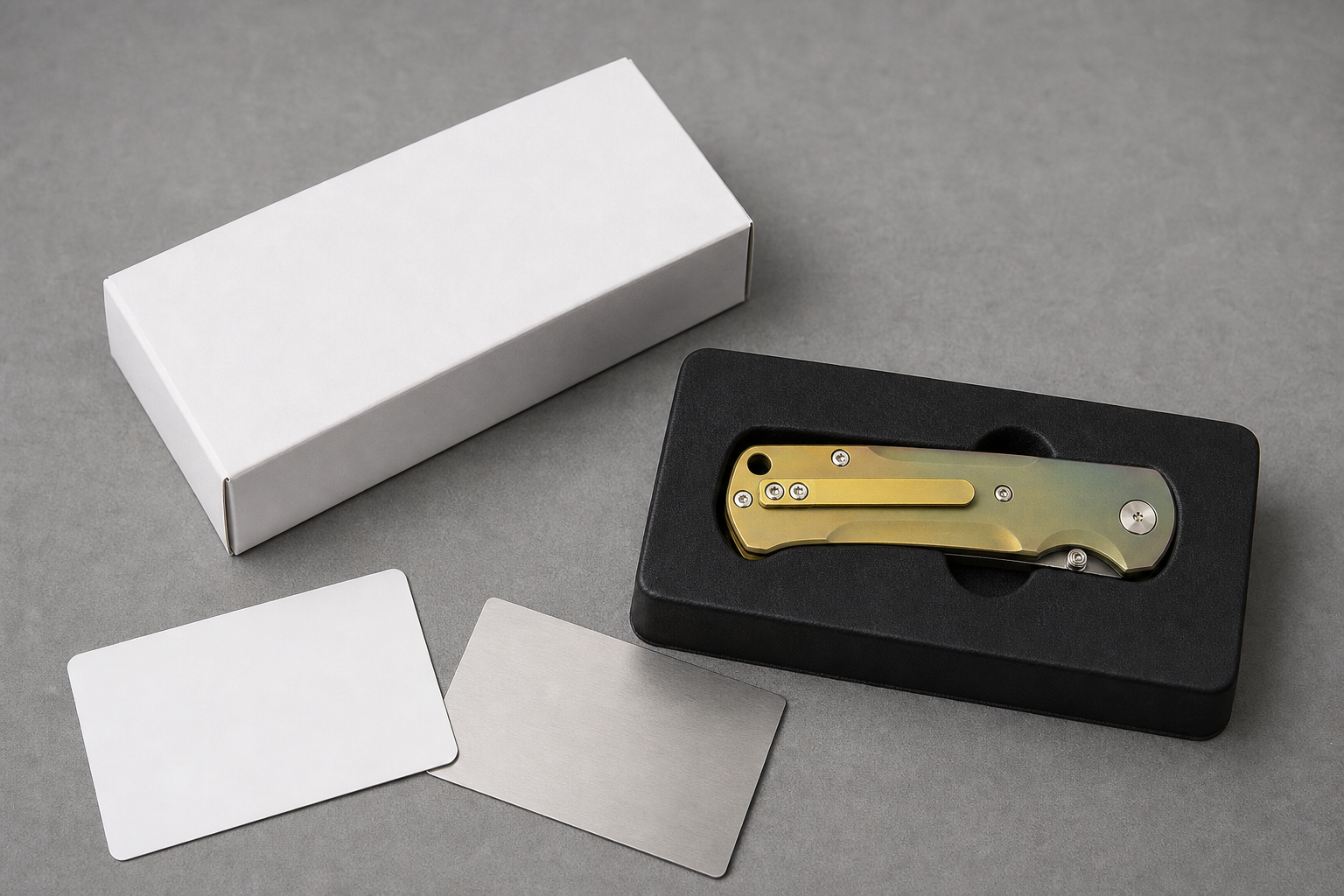
I Make Repeatability the Real Standard
The biggest difference between a story and a sellable product is repeatability. A buyer does not need one good sample. A buyer needs every shipment to stay close to the approved sample. That means the inspection standard must be clear enough for production teams and QC teams to repeat.
Incoming steel and handle materials should be checked. Heat treatment should match the steel and target hardness. Blade profile and pivot holes should be controlled. The lock or spring should be checked for function. Blade centering should be within the buyer's tolerance. Handle fit should not show sharp burrs, loose scales, or proud screws. The edge should be clean and appropriate for the product.
Packaging is part of QC. A folding knife should not open inside packaging. The instruction card should match the product. Logo placement, barcode area, carton strength, and retail presentation should be checked before shipment.
For repeat orders, I recommend keeping a golden sample, production sample, packaging sample, and defect examples. This avoids arguments about cosmetic marks, spring feel, screw finish, or action differences after mass production starts.
| QC stage | What to check | Why it matters |
|---|---|---|
| Incoming | Steel, handle, hardware | Prevents weak inputs |
| In-process | Holes, grind, heat treatment | Finds issues early |
| Assembly | Pivot, lock, centering | Protects function |
| Final | Sharpness, finish, packaging | Supports retail quality |
How Can Vast State Support Folding Knife Development From Classic Ideas to Production?
A historical idea still needs modern engineering. Buyers need a supplier who can translate concept into production.
Vast State can support folding knife development through concept review, blade and handle design, lock and pivot suggestions, material selection, prototype development, packaging customization, QC planning, and production follow-up.
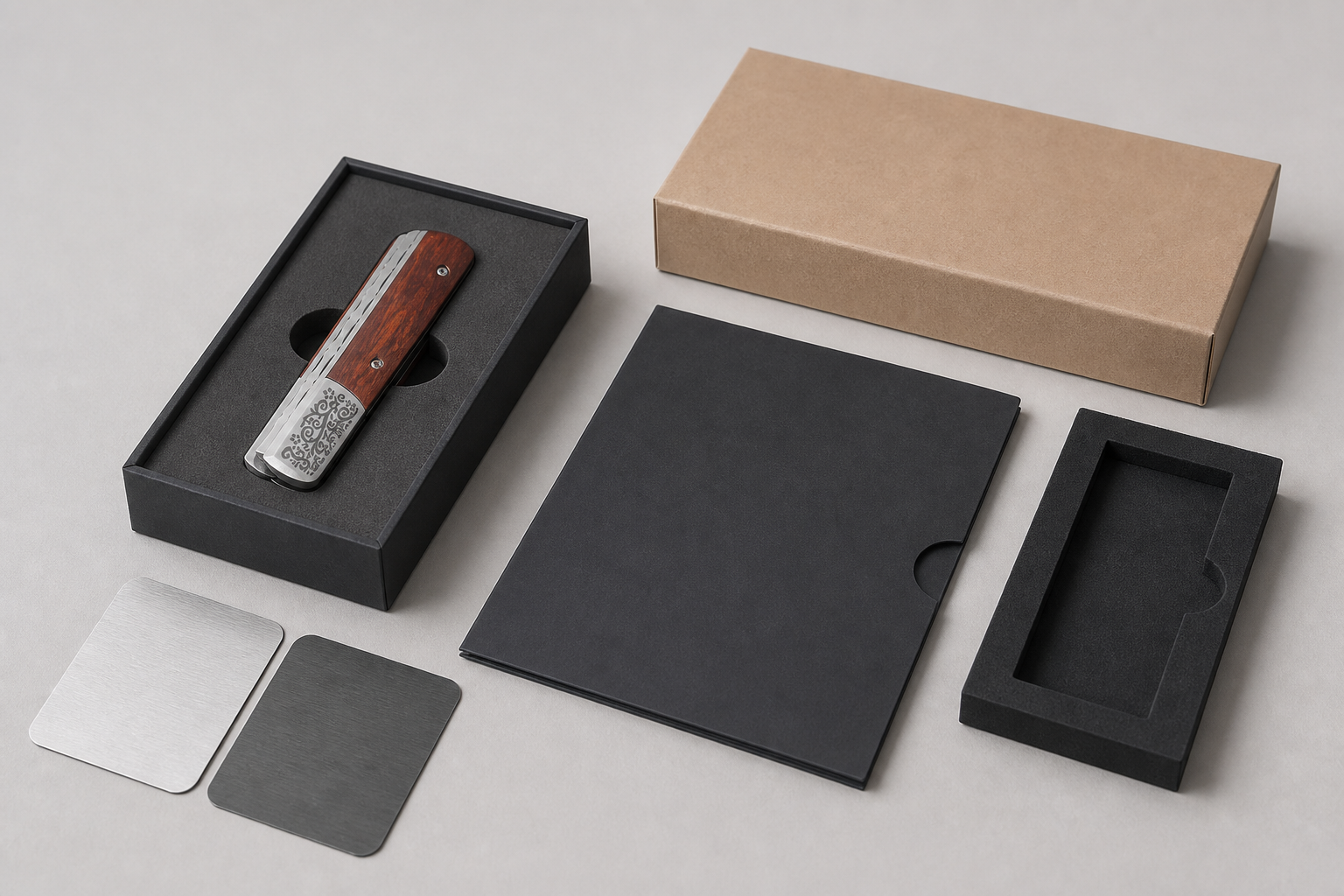
I Help Buyers Turn a Story Into a Product Specification
Vast State is an OEM/ODM knife and outdoor tool manufacturer based in Yangjiang, China. We support international B2B customers with folding knives, fixed blade knives, pocket knives, camping tools, rescue tools, and multi-tools. Folding knife history is interesting, but our job is to turn a product idea into something manufacturable, consistent, and suitable for the buyer's market.
When a buyer brings a classic folding knife idea, I first ask about the target user and sales channel. Is the buyer building a traditional pocket knife, modern EDC folder, outdoor work folder, private label gift item, or compact utility knife? Then we discuss blade shape, steel, heat treatment, handle material, lock or spring structure, pivot system, finish, logo, packaging, and QC.
If the buyer already has drawings, we review manufacturability. If the buyer only has a reference direction, we help shape it into a practical product brief. We also explain trade-offs. A classic style may need more hand finishing. A premium action may add cost. A low target price may limit material and mechanism choices.
Our goal is not only to make a folding knife. Our goal is to help buyers build a product that fits their target market, price range, and brand positioning while staying stable in repeat production.
| Support area | What we help with | Buyer value |
|---|---|---|
| Concept review | Classic, EDC, outdoor, utility | Clearer product direction |
| Engineering input | Pivot, lock, blade, handle | Fewer sample problems |
| Customization | Material, logo, finish, packaging | Stronger brand fit |
| QC follow-up | Function and appearance checks | More stable repeat orders |
Turn this article into a folding knife project.
Share your blade type, lock direction, steel preference, handle material, quantity, target market, and packaging needs. Vast State can prepare OEM/ODM options.
Conclusion
Folding knives have ancient roots, but OEM success still depends on modern portability, safe structure, materials, packaging, and repeatable quality control.
Source Notes
- British Museum records support the existence of Roman folding knives from the 1st century and probably the 1st to 2nd century.
- London Museum supports another Roman folding knife example from the 2nd to 3rd century.
- Fitzwilliam Museum supports ancient compact folding multi-tool evidence and cautions that material and use level matter.
- CCOHS supports general safe-use guidance for sharp hand tools and storage.
- OSHA supports the broader safe-condition mindset for tools.