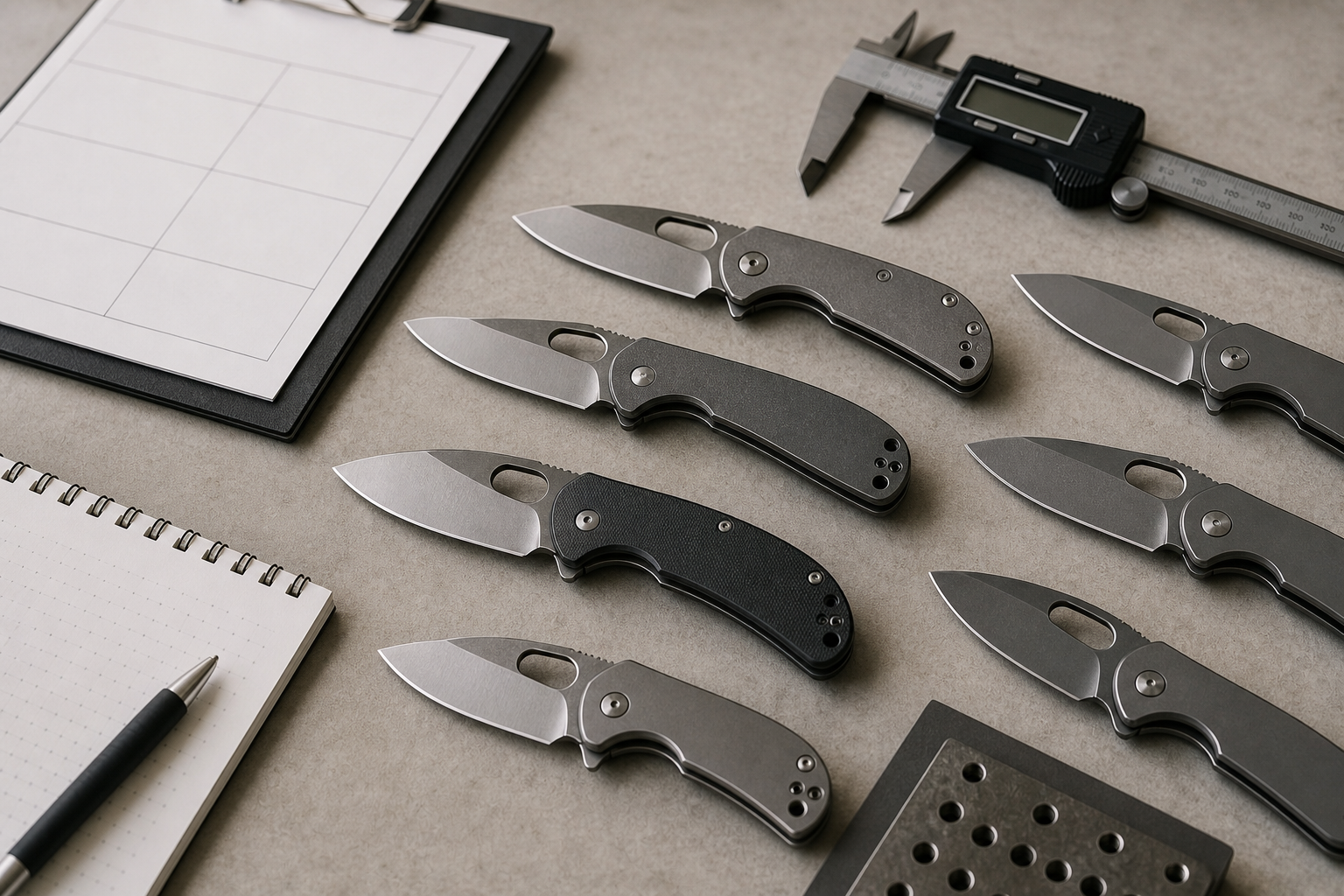
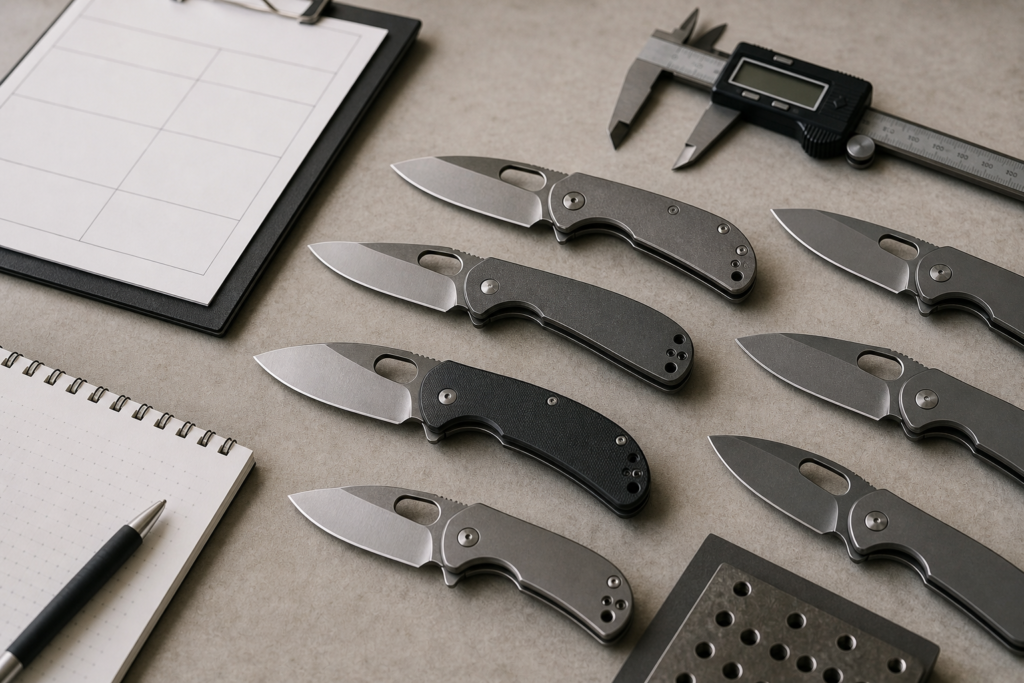
A thumb hole looks simple on a folding knife. Poor size, rough edges, or weak placement can make the whole knife feel cheap.
Buyers should evaluate thumb holes by checking opening comfort, hole size, placement, edge chamfer, blade strength, detent feel, pivot smoothness, lockup, manufacturing tolerance, safety wording, and QC consistency. A good thumb hole should make opening controlled, repeatable, and brand-appropriate.
Quick buyer brief:
- Answer: Treat the thumb hole as a functional opening feature, not a decoration.
- Buyer context: This helps EDC knife brands, outdoor brands, importers, wholesalers, distributors, private label buyers, and sourcing managers.
- Key checks: Hole diameter, thumb access, chamfer, burr control, blade web thickness, detent, pivot, lock engagement, closed-blade safety, opening feel, finishing, packaging language, and target-market rules.
Developing a folding knife line for your brand?
Vast State supports OEM/ODM folding knife projects, including blade steel, lock structure, handle material, finish, logo method, packaging, and quality inspection planning.
When I review an EDC folding knife design, I never treat the thumb hole as a small drawing detail. It changes how the user opens the knife. It also changes the blade structure, the grinding process, the finishing process, and the way the knife is perceived in a target market. A well-made thumb hole can feel clean, simple, and easy to use. A poorly made thumb hole can create burrs, weak blade areas, awkward opening angles, and inconsistent mass production. For B2B buyers, the question is not whether a thumb hole looks modern. The question is whether it helps the product work better for the intended user.
Why Should Buyers Treat a Thumb Hole as a Functional Opening Feature?
Some designs use thumb holes only for style. That can create weak structure and poor opening feel.
Buyers should treat a thumb hole as a functional opening feature because it changes thumb access, opening angle, blade strength, detent tuning, manufacturing tolerance, and user perception.
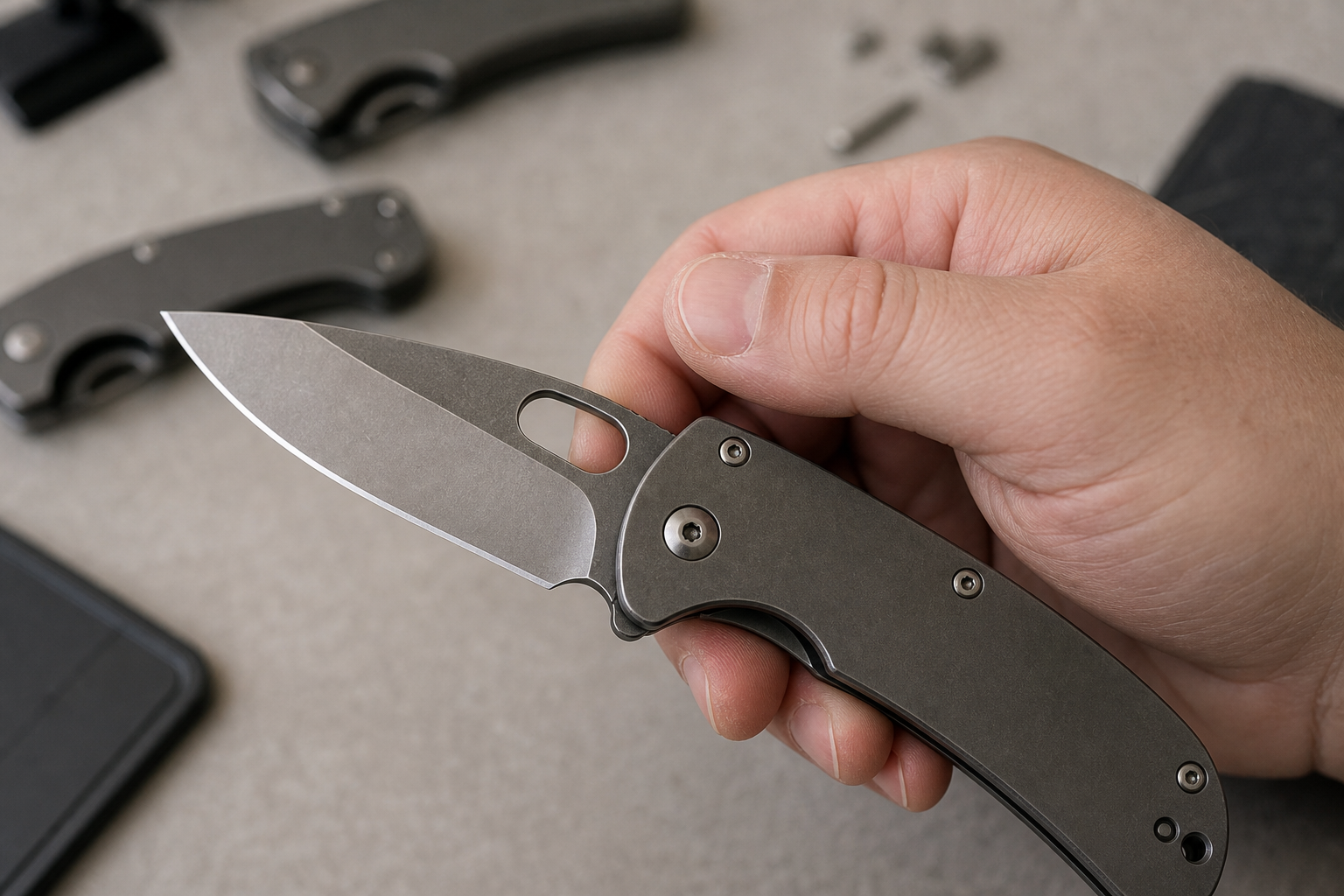
I Start With the User's Opening Motion
A thumb hole gives the user a place to push the blade open. That means the hole must be reachable, smooth, and placed where the thumb can apply controlled force. If the hole is too small, the user may struggle. If it is too large, the blade may lose visual balance and useful steel around the opening area. If it sits too close to the handle scale, the thumb may not enter cleanly. If it sits too far from the pivot, the opening force may feel different from what the buyer expects.
For OEM/ODM buyers, I first ask how the knife should open. Is it a slow controlled opening? Is it meant to be easy with gloves? Is it a slim EDC knife for office and everyday utility? Is it a work-focused outdoor folder? Each answer changes the hole size, blade profile, handle relief, detent strength, and finish.
The thumb hole should also fit the brand language. Some brands want clean minimal knives. Some want more technical outdoor tools. Some want a lower-cost EDC product where machining time must be controlled. The opening feature should support the product positioning, not fight it.
I also remind buyers that a thumb hole is not a shortcut around engineering. A knife can have a hole and still open poorly if the pivot, washer, detent, lock, or handle cutout is wrong.
| Buyer question | What I check | Why it matters |
|---|---|---|
| Who opens it? | Bare hand, gloved hand, beginner, frequent user | Guides hole size |
| How should it feel? | Slow, controlled, smooth, firm | Guides detent and pivot |
| What is the product level? | Budget, mid-range, premium | Guides finishing tolerance |
| What is the brand style? | Minimal, outdoor, technical | Guides shape and placement |
OEM/ODM RFQ Checklist
Prepare these details to help Vast State review your project and provide a more accurate quotation.
| RFQ Field | What to Prepare |
|---|---|
| Project type | OEM from drawing / ODM private label / wholesale catalog |
| Product category | Folding knife / fixed blade / multi-tool / outdoor tool |
| Design status | Idea / sketch / 2D drawing / 3D CAD / physical sample |
| Target price | Ex-factory target price or retail price range |
| MOQ expectation | 500 / 1,000 / 3,000 / 5,000+ pcs |
| Logo method | Laser engraving / etching / printing / molded logo |
| Packaging | Standard packaging / custom retail box / Amazon-ready |
| Market | USA / EU / Japan / Korea / Middle East / other |
| Compliance needs | Buyer-specified testing / documentation / labeling |
| Timeline | Sample deadline / mass production deadline |
How Do Hole Size, Shape, and Position Affect Opening Feel?
Opening feel can fail even when the blade looks good. The thumb has to find the hole naturally.
Hole size, shape, and position affect opening feel by controlling thumb contact, leverage, access from the handle, pressure comfort, opening angle, and whether the user can open the blade consistently.
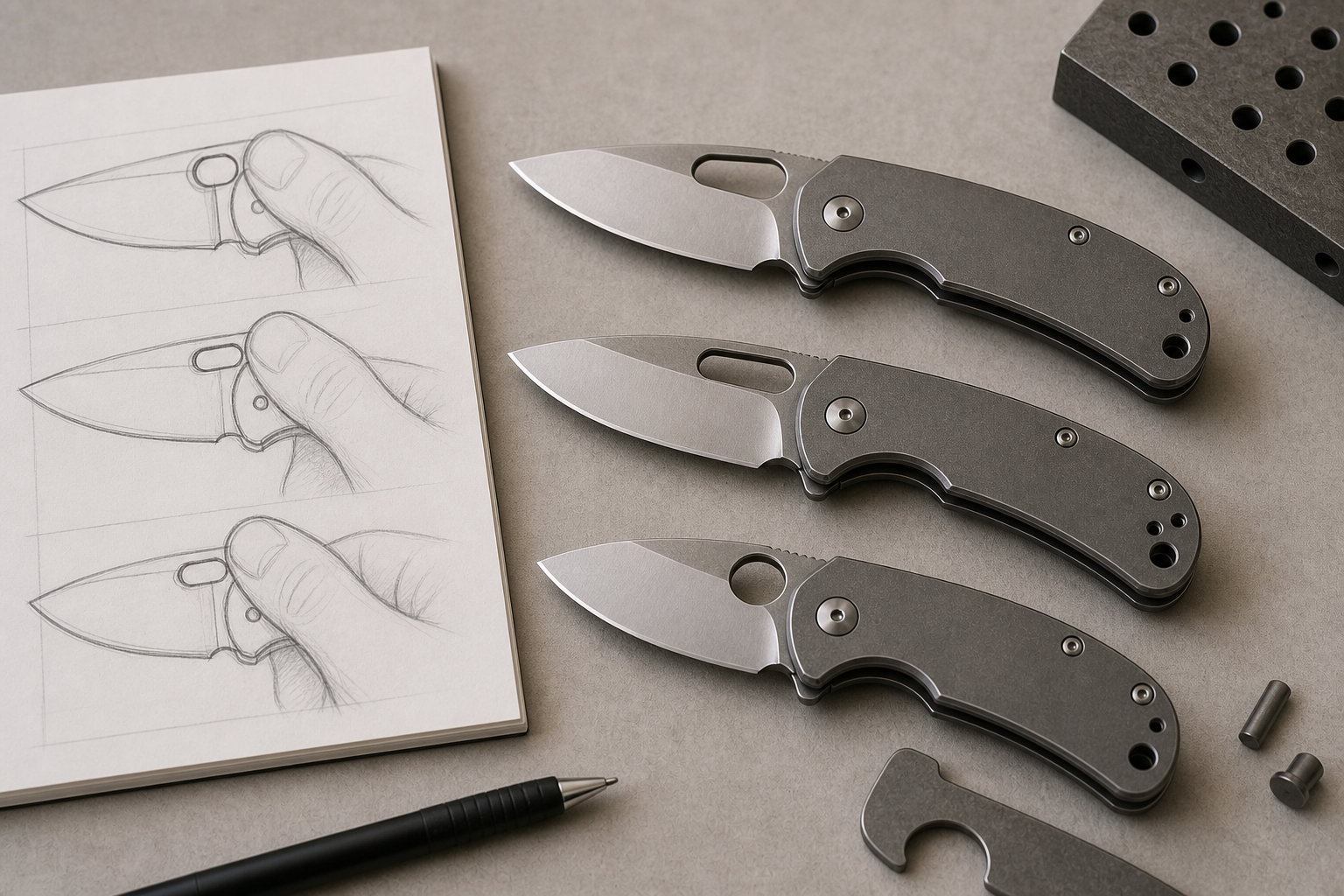
I Compare the Hole Against the Handle, Not Only the Blade
A thumb hole cannot be reviewed only on the blade drawing. It must be reviewed inside the whole knife. The handle scale may cover part of the hole when the knife is closed. The thumb may need a relief cut in the handle. The pocket clip position may affect hand placement. The lock side may affect how the user holds the knife during opening.
Round holes can look clean and are simple to inspect. Oval holes can create more access in a slim blade, but they may need more careful machining and finishing. Long slots can create a strong design signal, but they may weaken the blade if the surrounding web is too thin. Irregular shapes may look unique, but they can be harder to deburr and inspect.
I usually check the hole from several directions. Can the thumb pad catch it? Can the thumbnail catch it? Does the user need to shift grip too much? Does the handle create enough access? Does the thumb slide off? Does the hole still feel comfortable after ten openings?
The hole edge also matters. A sharp edge can hurt the thumb. An over-rounded edge can reduce grip. The best finish depends on the knife style, but there should be no burrs or harsh machining marks. A buyer should ask for a physical sample, not approve this detail only from a rendering.
| Design factor | Practical effect | Buyer check |
|---|---|---|
| Diameter | Thumb access and blade strength | Is it easy but not oversized? |
| Shape | Grip feel and visual identity | Is it easy to finish? |
| Position | Leverage and opening path | Does the thumb reach naturally? |
| Handle relief | Access when closed | Is the hole exposed enough? |
What Blade Strength Risks Come From Adding a Thumb Hole?
A hole removes steel from the blade. If placement is poor, the blade can lose strength where it needs support.
Adding a thumb hole can reduce blade web thickness, create stress concentration, affect grinding space, limit blade shape options, and make heat treatment or finishing defects more visible.
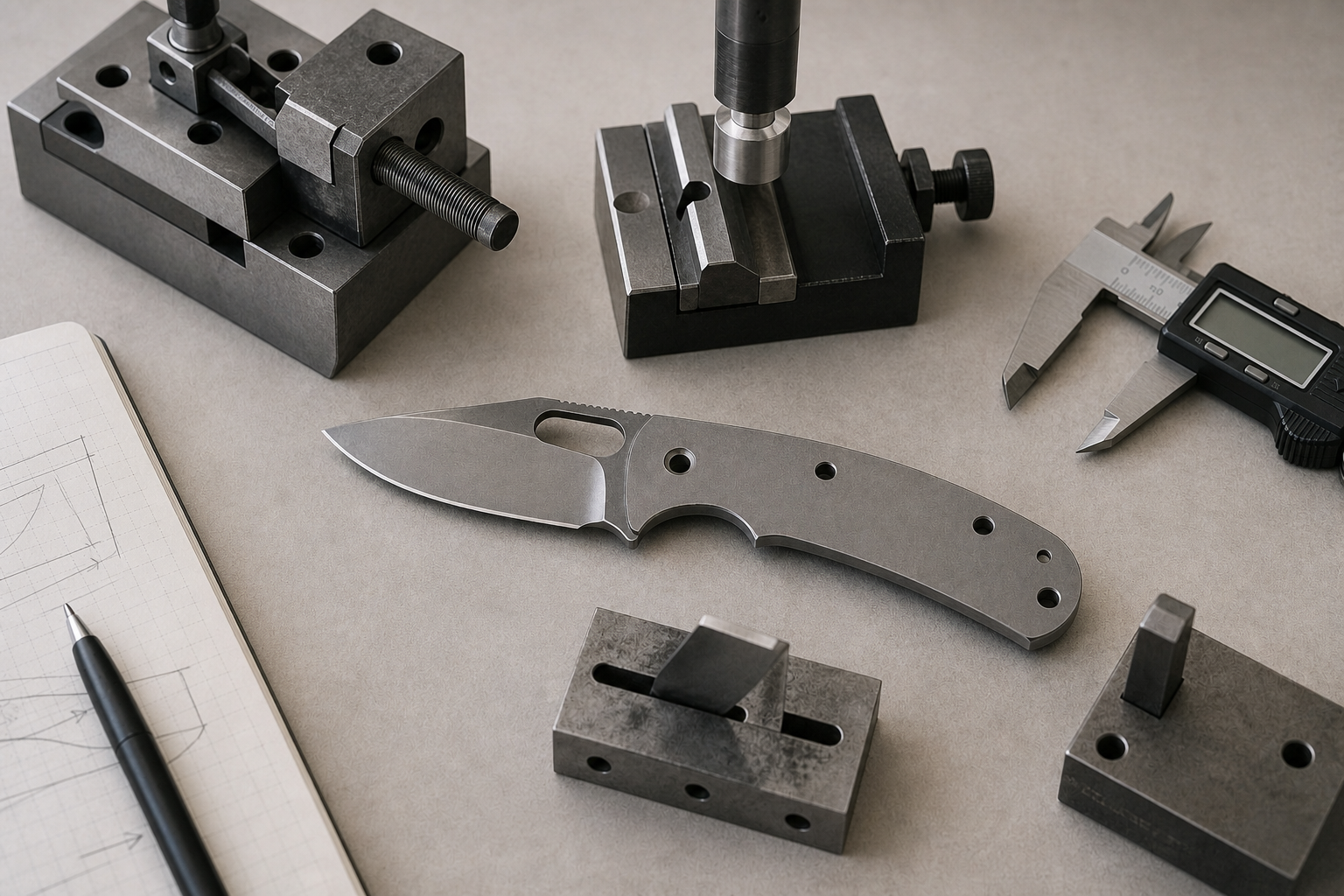
I Watch the Steel Around the Hole
The area around the thumb hole is important. If the hole sits too close to the spine, the blade may look awkward and give less contact area above the opening feature. If it sits too close to the grind, it can interfere with bevel layout. If it sits too close to the pivot or tang features, it may complicate machining and heat treatment.
Buyers sometimes ask for a large hole because it looks easier to open. That may be true, but the remaining steel around the hole must be enough for the intended blade size and use. A slim EDC blade needs different judgment than a thicker outdoor folder. The supplier should review the web thickness around the hole, the blade height, the grind line, and the expected use case.
Heat treatment also matters. Holes and slots can show distortion or surface problems if processing is not controlled. After heat treatment and finishing, the hole edge should remain clean. If the hole has coating buildup, rough burrs, uneven polishing, or discoloration, the product feels poorly made.
This is why I prefer to review thumb hole design early. If the hole is added late only for appearance, the blade may need a redesign. It is better to build the blade profile, handle cutout, pivot location, lock geometry, and hole position together from the beginning.
| Risk area | What can happen | What I inspect |
|---|---|---|
| Thin web | Weaker blade area | Steel around hole |
| Poor location | Bad leverage or grind conflict | Hole, pivot, grind line |
| Rough hole edge | Thumb discomfort | Chamfer and polish |
| Process distortion | Inconsistent samples | Heat treatment and flatness |
How Should Detent, Pivot, and Lockup Work With a Thumb Hole?
The opening hole cannot fix a bad mechanism. The pivot and lock still decide the action.
Detent, pivot, and lockup should work with the thumb hole by giving secure closed retention, smooth manual opening, controlled blade travel, stable lock engagement, good centering, and safe closing behavior.
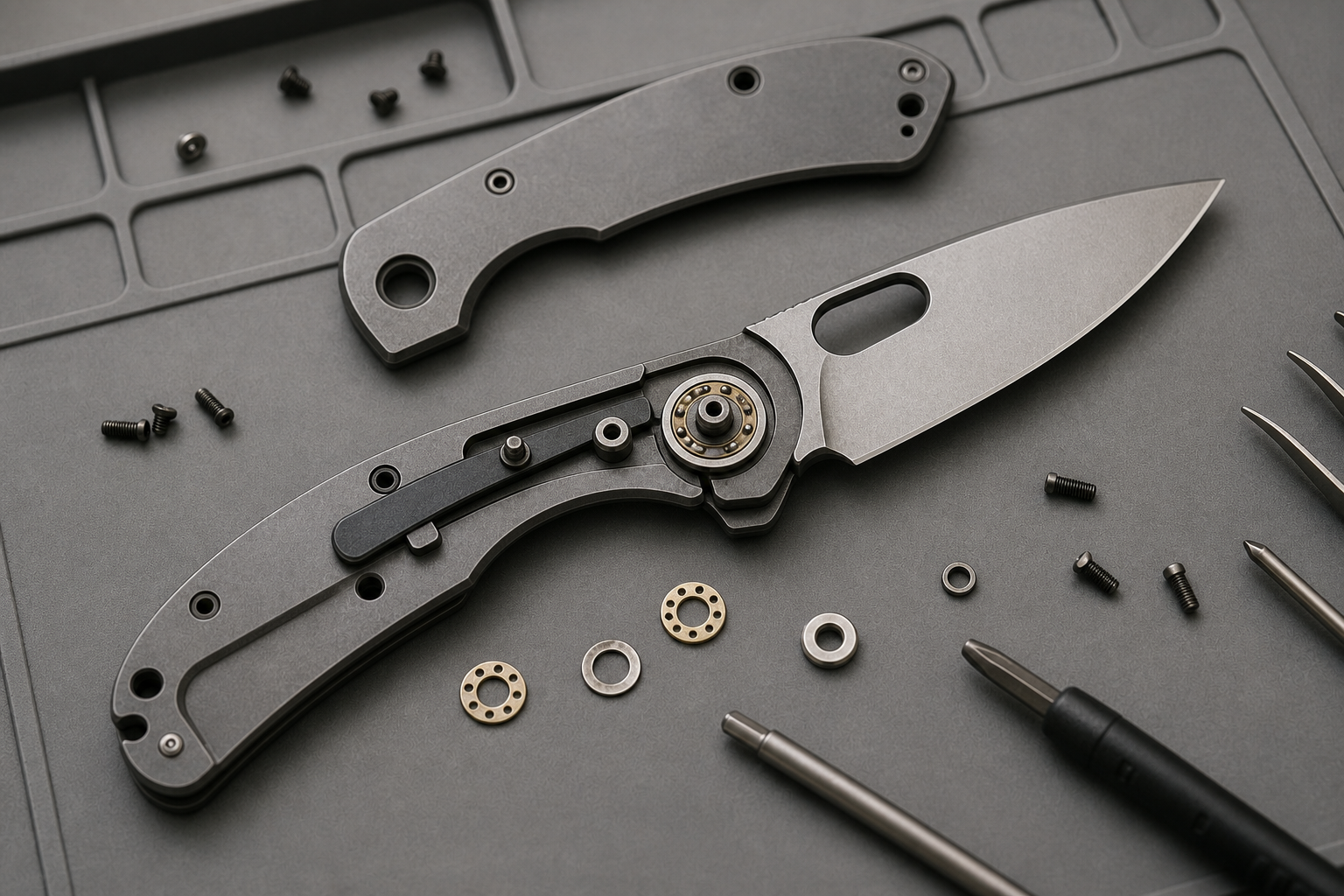
I Tune the Hole and Mechanism Together
A thumb hole gives the thumb a control point, but the mechanism gives the knife its feel. If the detent is too strong, the user may need too much force. If the detent is too weak, the blade may feel loose or unsafe when closed. If the pivot is too tight, the hole feels useless. If the pivot is too loose, the blade may wobble or fail centering checks.
The lock also matters. Liner locks, frame locks, back locks, button locks, and crossbar-style locks all interact with opening and closing differently. A thumb hole can work with many lock types, but each structure has its own tolerance needs. The buyer should not copy one mechanism expectation into every design.
I test the closed retention first. The blade should stay closed during normal handling and packaging. Then I test opening force. The thumb should be able to start the blade without slipping, and the opening path should feel predictable. Then I test lock engagement. The lock should engage correctly without stick, weak contact, or excessive movement.
Blade centering also deserves attention. A thumb hole often changes blade shape and mass distribution. If the blade is not centered, users notice quickly. In mass production, pivot torque, washer thickness, liner flatness, and handle scale consistency all affect the result.
| Mechanism part | What it controls | Buyer concern |
|---|---|---|
| Detent | Closed retention and opening force | Too weak or too hard |
| Pivot | Smoothness and side play | Wobble or stiffness |
| Lock | Open safety and stability | Weak engagement |
| Centering | Perceived quality | Repeatability in production |
What Ergonomic and Safety Details Should Buyers Test?
A knife can open smoothly but still feel uncomfortable. Thumb pressure and grip position matter.
Buyers should test ergonomic and safety details such as thumb comfort, edge chamfer, handle relief, grip stability, glove access, closing path, blade exposure when closed, and instruction wording.
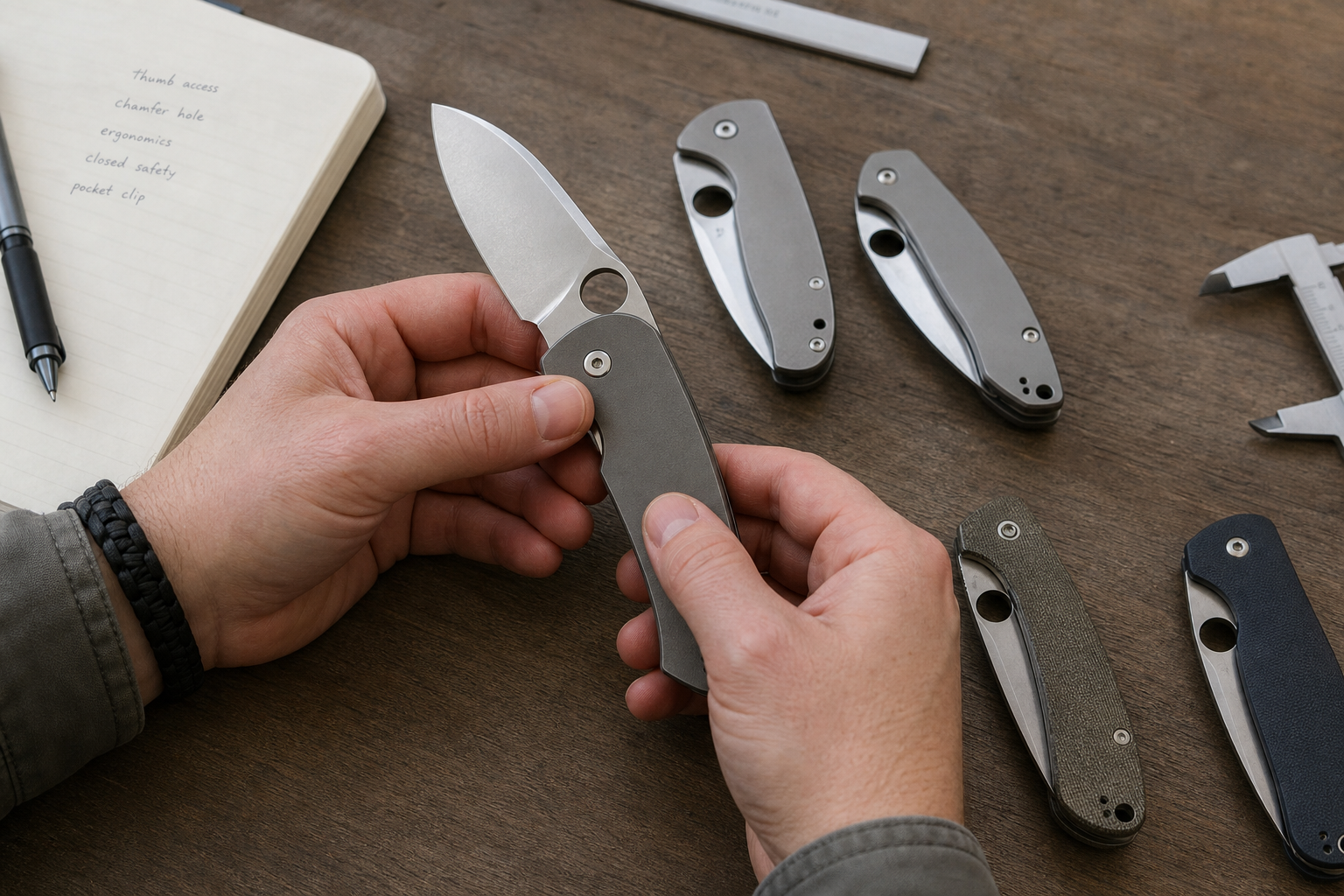
I Test Repeated Opening, Not One Perfect Motion
Opening a folding knife once does not prove much. I like to test repeated opening with normal hand pressure. The thumb hole edge should not feel sharp. The user should not need to twist the wrist in an awkward way. The handle should give enough grip while the thumb begins the opening motion. If the knife is intended for outdoor use, glove access may matter, but glove-friendly openings usually require more handle relief and careful hole size.
Safety instructions should also match the product. The CCOHS hand-tool guidance supports inspecting tools, covering sharp edges, keeping tools clean and dry, and not cutting toward yourself. For an EDC folding knife, that becomes practical packaging language: inspect the knife before use, keep the edge covered when stored, cut away from the body, use the right tool for the task, and keep the knife closed when not in use.
Closed-blade safety is important. The thumb hole should not leave the edge exposed or make the blade easy to shake open. The handle should protect the edge. The user should be able to close the blade without putting fingers in the edge path. If the knife uses a strong lock, the release should be clear but not accidental.
Ergonomics also affect returns. A buyer may focus on blade steel or handle material, but a rough thumb hole can create immediate negative feedback. Small details are often what customers remember.
| Test detail | What I check | Why it matters |
|---|---|---|
| Thumb edge feel | Chamfer, polish, burrs | Prevents discomfort |
| Grip stability | Handle shape during opening | Improves control |
| Glove access | Hole exposure and relief | Supports outdoor use |
| Closing path | Finger position and lock release | Supports safe handling |
How Should Buyers Plan Compliance and Packaging Language?
Opening features can affect legal interpretation. Buyers should avoid casual assumptions.
Buyers should plan compliance and packaging language by confirming target-market knife rules, avoiding automatic-opening claims, describing the product as a manual folding knife where accurate, and preparing documentation when applicable.
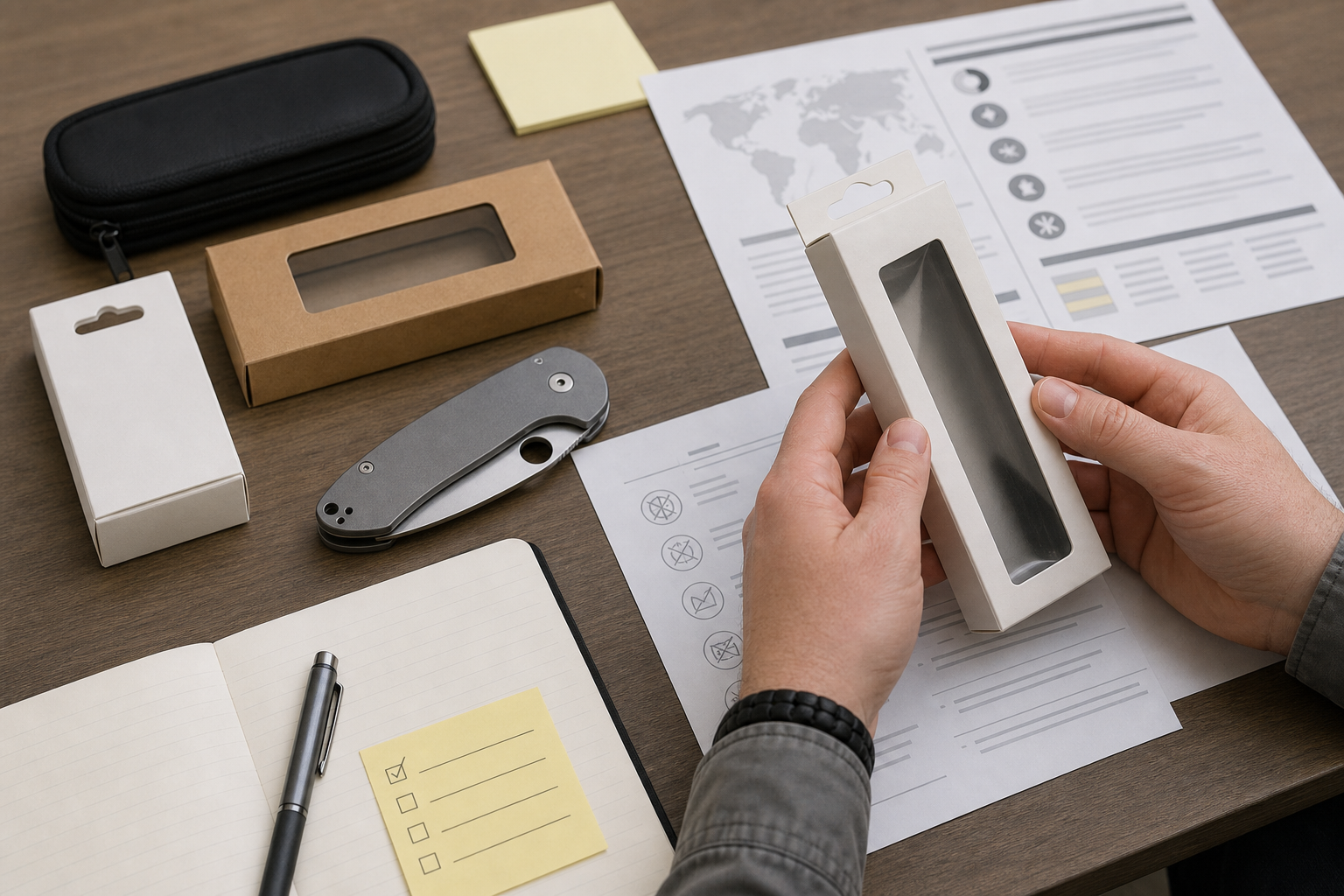
I Separate Manual Opening From Risky Claims
The buyer should describe the opening feature accurately. A thumb hole normally supports manual opening by applying force to the blade. It should not be marketed as automatic, spring-out, gravity-opening, or fast-deploying unless the product is designed and legally reviewed for those categories. Even then, many markets restrict certain opening mechanisms.
In the United States, 15 U.S. Code 1241 defines a switchblade knife in terms of automatic opening by pressure on a button or device in the handle, or by inertia, gravity, or both. This federal definition is useful background, but it is not the only rule buyers must consider. State, municipal, import, platform, and retailer rules may still apply.
The buyer should also review import and product documentation. The CPSC general-use product certification guidance explains certification responsibilities for general-use products subject to applicable CPSC safety rules. That does not mean every folding knife automatically needs the same document. It means buyers should identify applicable rules and keep test and product records when required.
Packaging should stay practical. I prefer terms like manual opening, thumb opening hole, EDC utility knife, pocket folding knife, and outdoor utility use where lawful. I avoid self-defense claims, combat language, and exaggerated speed claims. Clear wording makes the product easier for retailers and importers to evaluate.
| Compliance area | What to check | Buyer action |
|---|---|---|
| Opening type | Manual vs restricted mechanism | Confirm design and wording |
| Target market | Country, state, retailer, platform | Review before production |
| Product records | Tests, drawings, materials | Keep documentation |
| Packaging claims | Utility wording | Avoid risky language |
What Manufacturing Details Make Thumb Holes Consistent in Mass Production?
The drawing may be simple, but production consistency can be hard. Small burrs can ruin the feature.
Mass production consistency depends on hole cutting method, tolerance control, chamfering, deburring, heat treatment, surface finish, coating thickness, blade flatness, and final inspection.
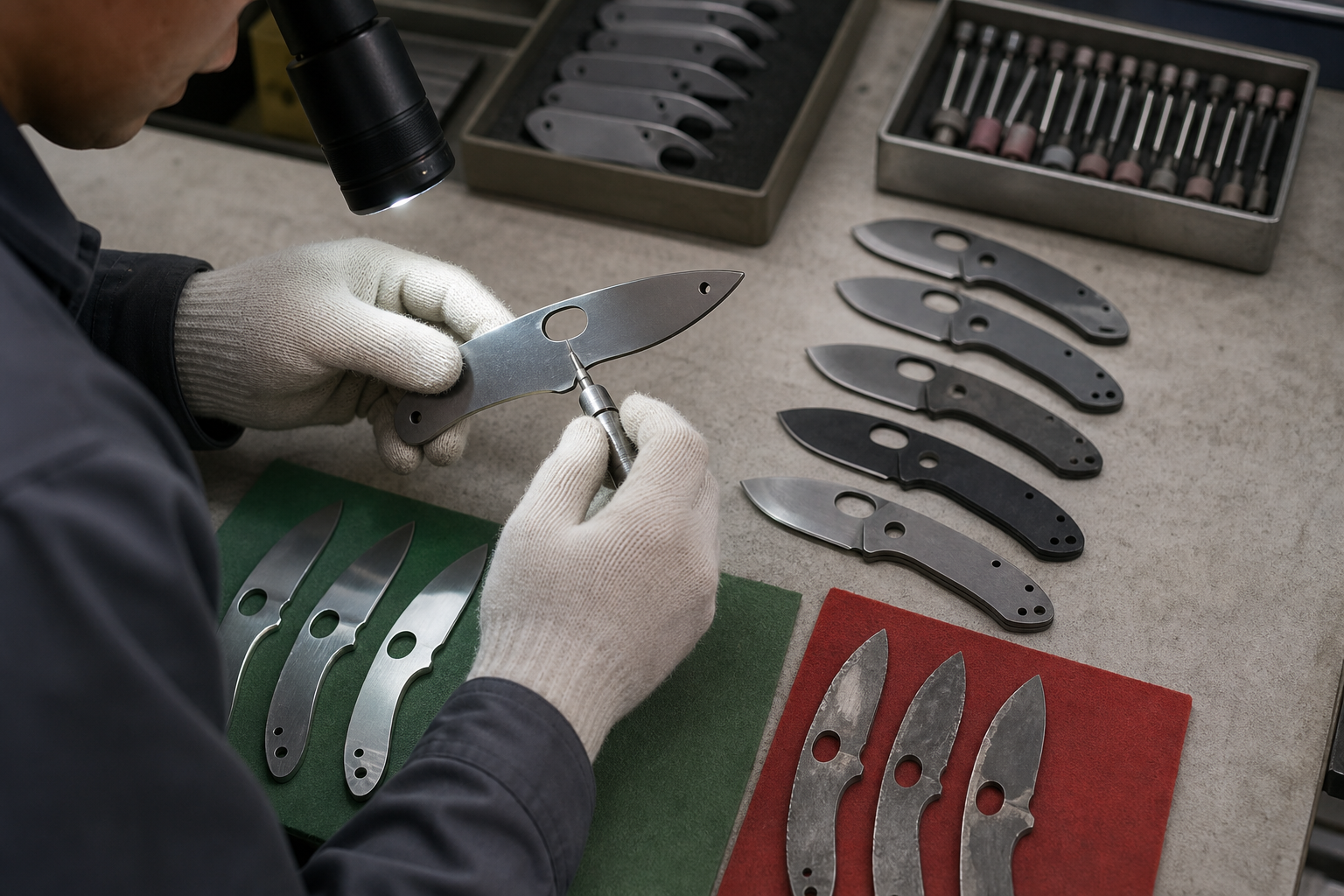
I Control the Hole Like a User-Facing Surface
The thumb hole is not hidden inside the knife. It is a user-facing surface. That means the cut quality, radius, chamfer, and finish are all visible and touchable. If the edge has burrs, users feel it. If the coating pools inside the hole, users see it. If the chamfer is inconsistent, the knife feels different across a batch.
Different production methods can be used. Laser cutting can create efficient blade blanks, but the hole edge may need cleaning. CNC machining can improve accuracy on certain details, but it adds cost. Stamping may fit some high-volume low-cost projects, but tooling and deformation must be considered. The best process depends on steel, thickness, quantity, price level, and finish.
Chamfering is a key step. A small chamfer can improve thumb comfort and reduce harsh edges. The chamfer should be consistent on both sides if the design requires it. Deburring should not create uneven rounding or scratches across the blade face.
Coating and finishing must be tested after the full process, not just on raw blanks. A hole that feels good before coating may feel rough after coating buildup or blasting. Final QC should include touch inspection, visual inspection, and opening tests.
| Process detail | What can go wrong | Control method |
|---|---|---|
| Hole cutting | Heat marks or rough edge | Clean cutting and inspection |
| Chamfering | Sharp or uneven edge | Defined chamfer standard |
| Coating | Buildup inside hole | Post-finish inspection |
| Batch tolerance | Different opening feel | Sample and random checks |
What QC Checks Should Buyers Require Before Shipment?
Thumb hole issues are easy to miss if QC only checks appearance. Function must be tested.
Buyers should require QC checks for thumb hole burrs, chamfer consistency, blade centering, opening force, detent retention, lock engagement, pivot play, edge exposure, finish quality, packaging fit, and batch consistency.
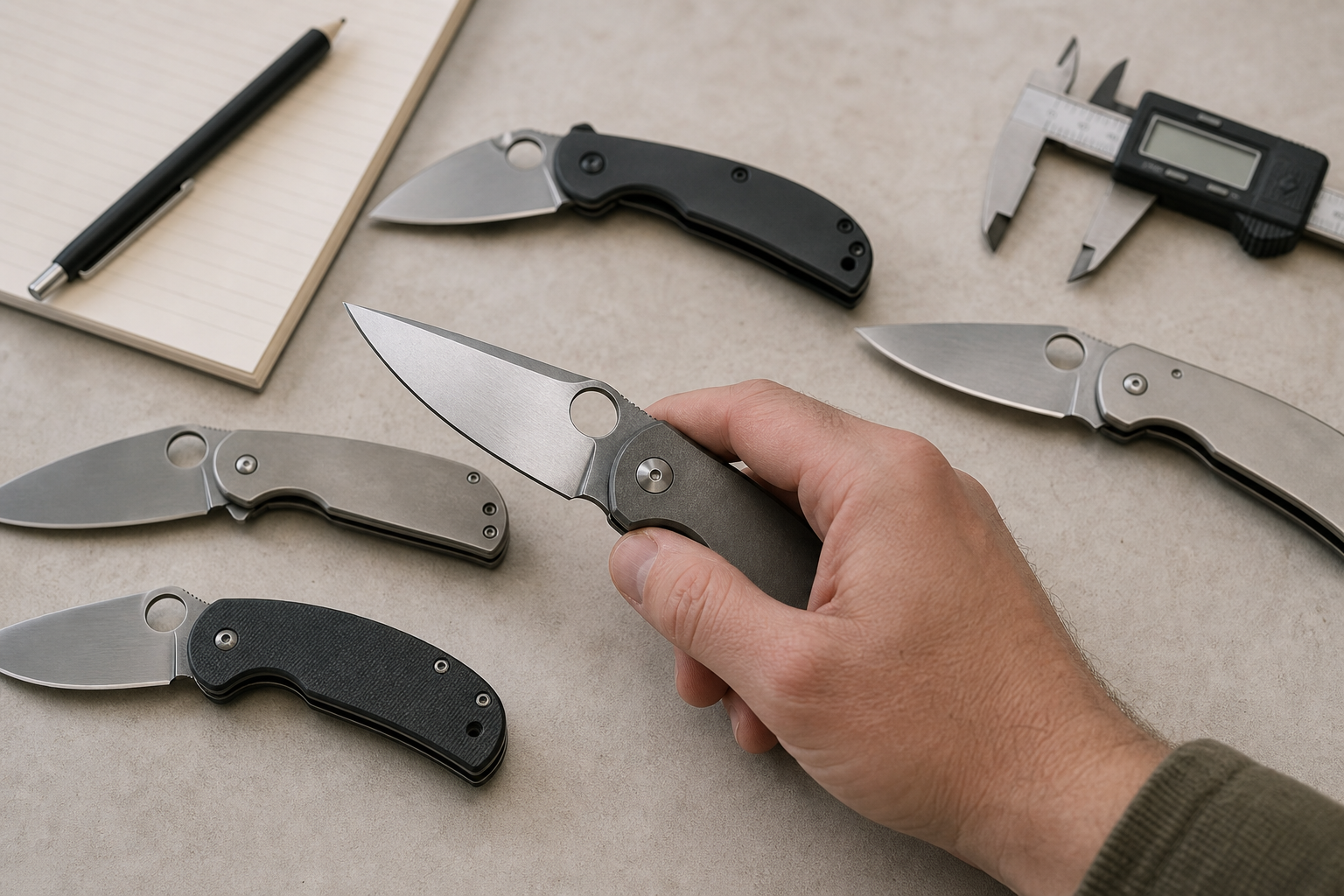
I Inspect Feel and Function Together
QC should start before final assembly. Blade blanks should be checked for hole size, profile, flatness, and burrs. After heat treatment and finishing, the hole should be checked again. During assembly, the pivot, washer or bearing, lock, and handle relief should be checked together because they all affect opening.
Final inspection should include repeated manual opening. The blade should not shake open easily during normal handling. The thumb hole should start opening smoothly. The blade should center well. The lock should engage securely. The user should not feel sharp burrs around the hole. The knife should close without scraping the handle or exposing the edge.
OSHA's hand-tool safe-condition rule is a workplace rule, not a folding knife QC standard. Still, it supports the basic product mindset that tools should be safe and serviceable before use. For buyers, that means inspection should check real function, not only whether the knife looks good in a carton.
Packaging inspection is also important. A thumb hole knife may open partially if packaging pressure is wrong and detent retention is weak. The retail box, pouch, blister, or insert should hold the knife securely. A simple shake and rub test can catch many problems before shipment.
| QC item | What to check | Why it matters |
|---|---|---|
| Hole edge | Burrs and chamfer | Thumb comfort |
| Opening action | Smooth start and control | User experience |
| Lock and detent | Retention and engagement | Safety and confidence |
| Packaging | Knife stays closed and protected | Retail readiness |
How Can Vast State Support Thumb Hole Folding Knife Development?
A thumb hole can be a strong feature when it is engineered well. It needs prototype and production discipline.
Vast State can support thumb hole folding knife development through concept review, blade and handle layout, opening feel tuning, material selection, prototype samples, packaging customization, QC planning, and production follow-up.
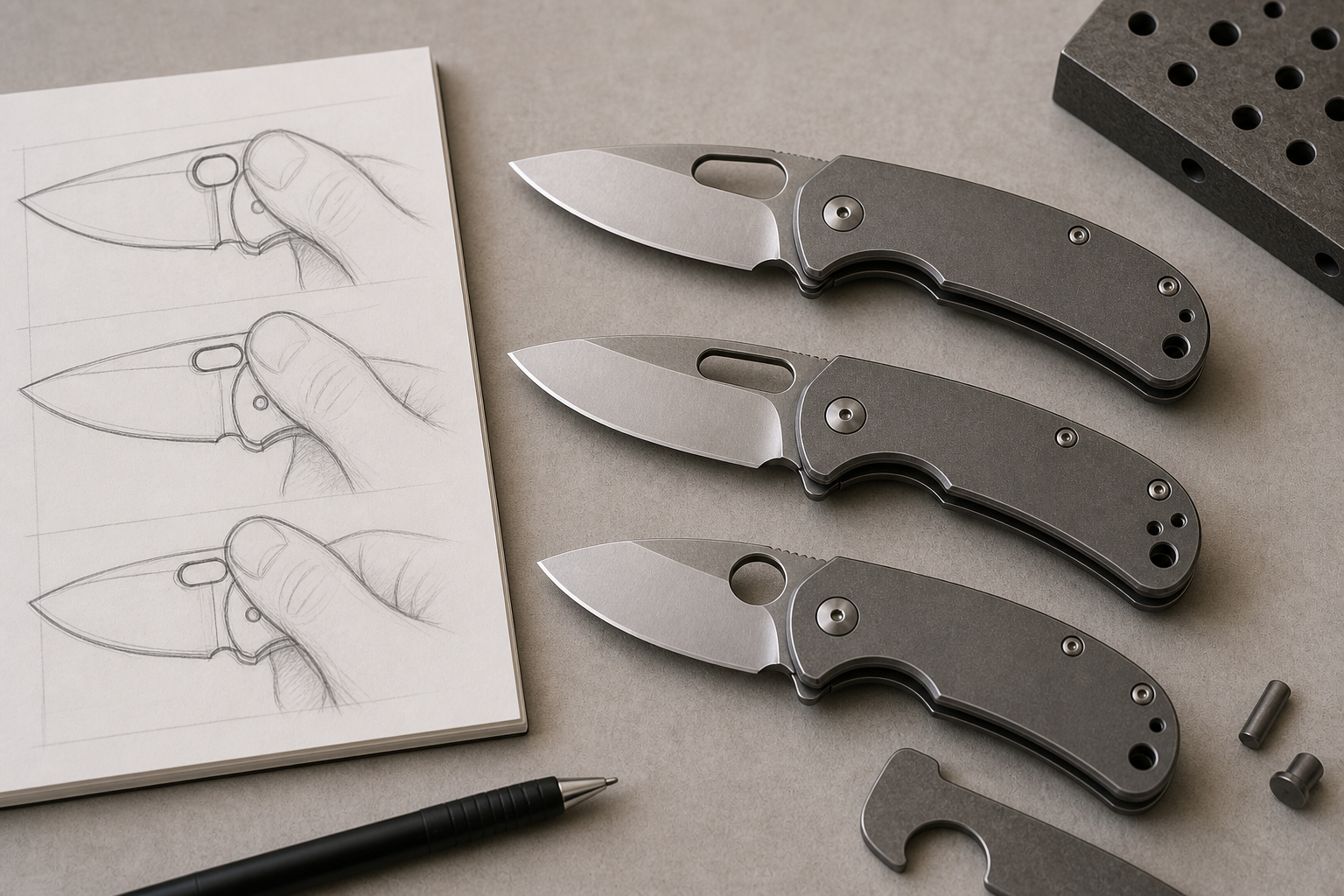
I Help Buyers Connect Design Intent With Manufacturable Details
Vast State is an OEM/ODM knife and outdoor tool manufacturer based in Yangjiang, China. We support international B2B customers with folding knives, fixed blade knives, pocket knives, camping tools, rescue tools, and multi-tools. Thumb hole folding knives are a good example of why product development should connect design, engineering, manufacturing, and QC.
When a buyer asks for a thumb hole design, I first review the intended user and product level. Is the knife for daily carry, outdoor utility, work use, or private label retail? Then I review the blade height, pivot position, lock type, handle relief, hole size, chamfer standard, washer or bearing choice, detent feel, finish, and packaging. If the buyer has drawings, we check manufacturability. If the buyer only has a product idea, we help turn it into a workable direction.
Customization can include blade shape, handle material, logo marking, pocket clip, finish, thumb hole shape, packaging, and instruction card. But I always connect customization with function. A unique opening hole that hurts the thumb or weakens the blade is not a good brand feature.
Our goal is to help buyers build folding knives that fit their target market, price range, and brand position while remaining stable in repeat production. A thumb hole is a small feature, but it is also a promise. If the opening feels right, the whole knife feels more trustworthy.
| Support area | What we help with | Buyer value |
|---|---|---|
| Concept review | User, price, opening style | Clear product direction |
| Engineering input | Hole, pivot, lock, handle relief | Better opening feel |
| Customization | Shape, finish, logo, packaging | Stronger brand fit |
| QC follow-up | Burrs, action, lock, packaging | More stable repeat orders |
Turn this article into a folding knife project.
Share your blade type, lock direction, steel preference, handle material, quantity, target market, and packaging needs. Vast State can prepare OEM/ODM options.
Conclusion
I evaluate thumb holes by connecting opening comfort, blade strength, mechanism tuning, safe wording, manufacturing control, and QC into one practical folding knife plan.
Source Notes
- CCOHS hand-tool guidance supports safe-use wording around inspection, covered edges, correct tool use, cutting direction, cleaning, and storage.
- OSHA 1910.242 supports the broader principle that tools should be maintained in safe condition.
- 15 U.S. Code 1241 supports compliance discussion around automatic-opening definitions, while target-market rules still need separate review.
- CPSC general-use product guidance supports early documentation and certification planning when applicable product safety rules apply.