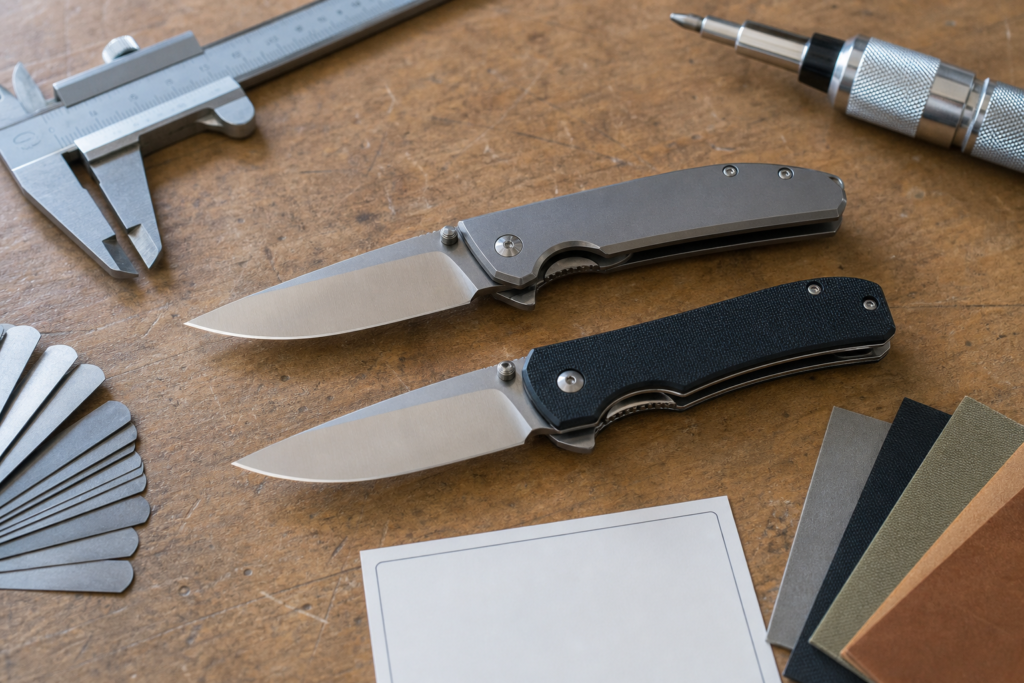
Frame lock and liner lock knives can look similar. But the wrong lock choice can affect cost, weight, assembly time, and user trust.
B2B buyers should choose between frame lock and liner lock knives by target market, handle material, lock strength expectation, weight, price range, assembly consistency, inspection method, and brand positioning. Frame locks often suit stronger metal-handle designs, while liner locks suit flexible, cost-controlled OEM projects.
Quick buyer brief:
- Answer: Choose the lock by market position, handle structure, cost, weight, and QC needs.
- Buyer context: This helps knife brands, importers, wholesalers, and private label buyers write clearer RFQs.
- Key checks: Lock face fit, lock travel, blade tang geometry, detent, pivot, handle material, screw torque, and final function test.
Developing a folding knife line for your brand?
Vast State supports OEM/ODM folding knife projects, including blade steel, lock structure, handle material, finish, logo method, packaging, and quality inspection planning.
When I help buyers compare frame lock and liner lock knives, I do not answer with "one is better." That answer is too simple. Both structures can work well if the design, materials, machining, and assembly are controlled. Both can also disappoint if the lock face, blade tang, pivot, detent, handle structure, or screw assembly is poor. For OEM and ODM buyers, the real question is not only lock strength. The real question is which lock supports the product's price, target user, brand look, and repeat production plan.
What Is the Practical Difference Between Frame Lock and Liner Lock Knives?
Many buyers know the names but not the structure. That creates RFQs that look clear but leave important production choices open.
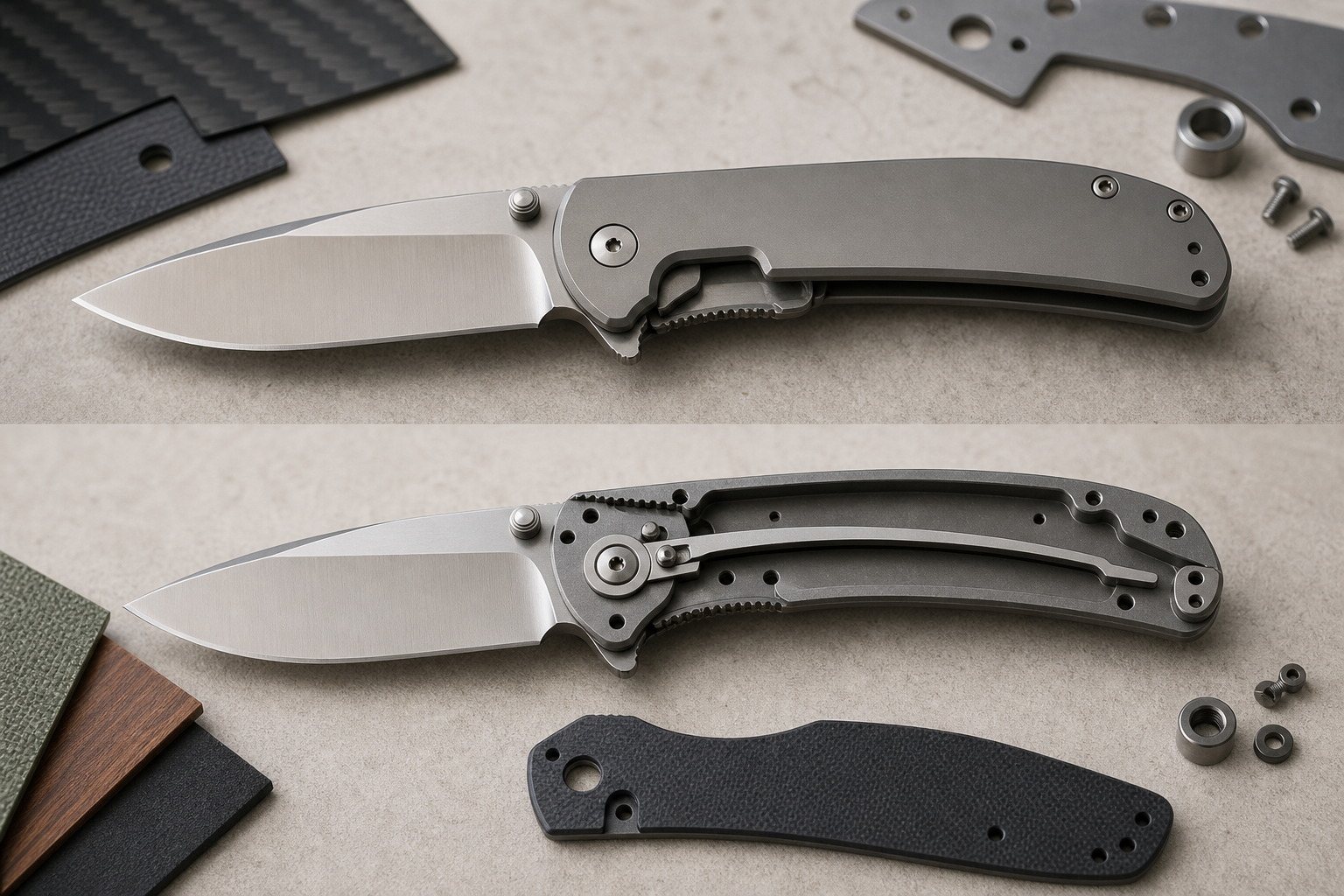
A liner lock uses a spring liner inside the handle to lock against the blade tang. A frame lock uses part of the handle frame itself as the lock bar. The principle is similar, but the material structure and production choices differ.
I Compare the Lock Bar, Not Only the Lock Name
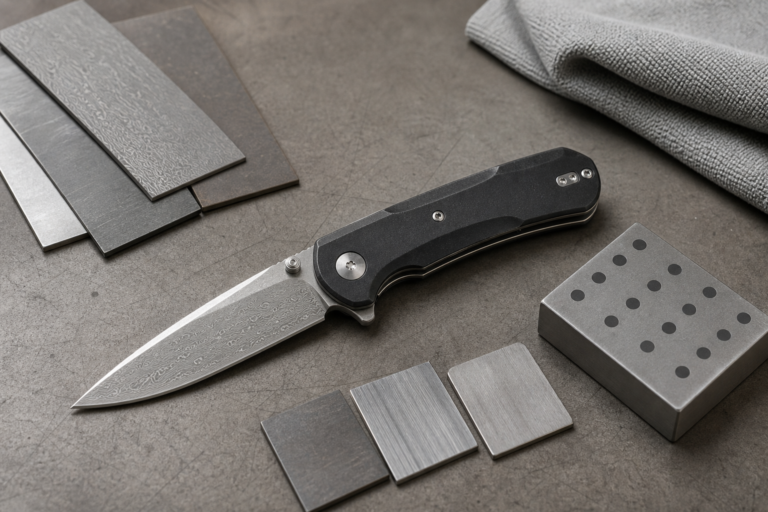
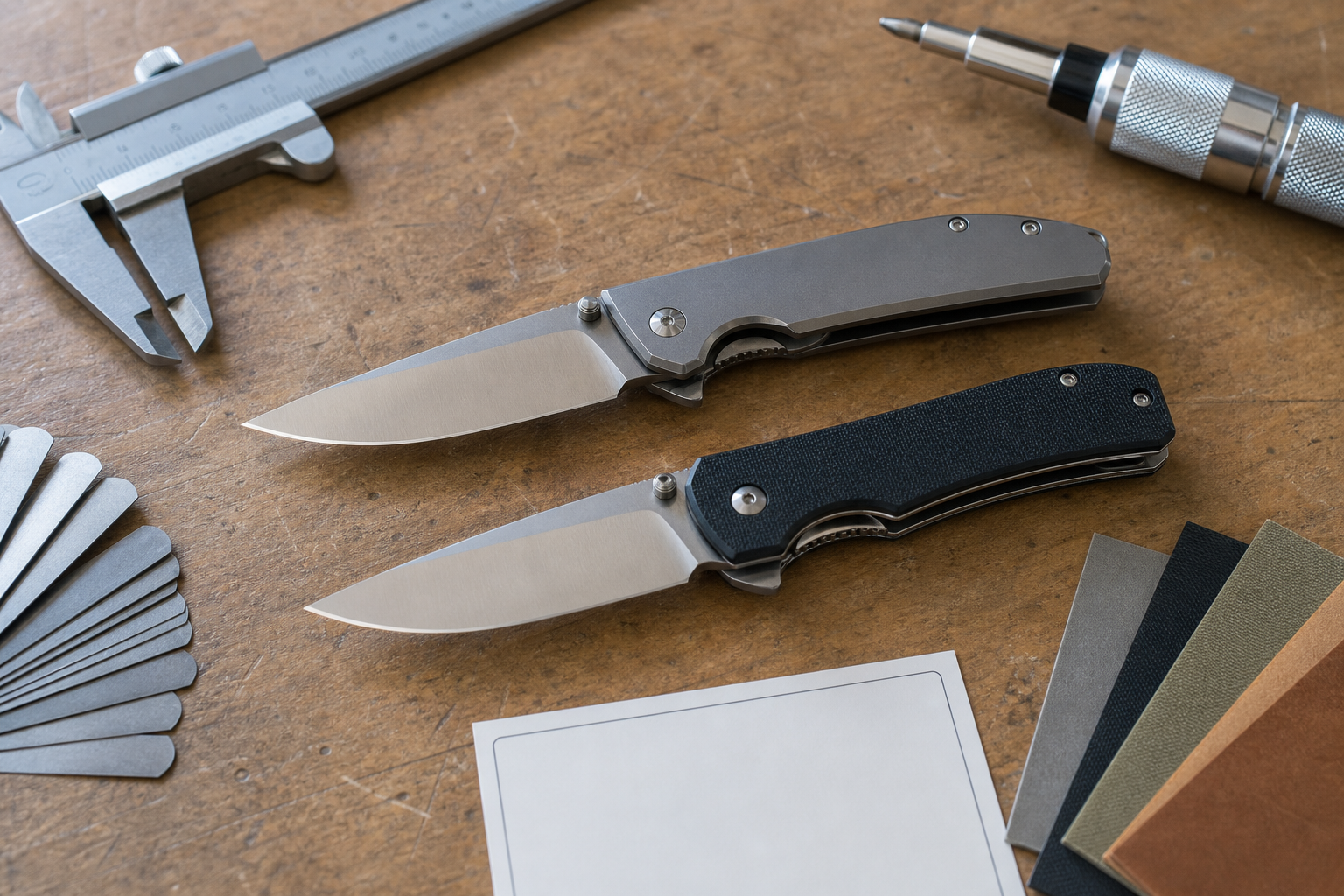
The easiest way to explain the difference is to look at what moves behind the blade tang. In a liner lock, a metal liner inside the handle shifts sideways and supports the blade when open. The outside handle scale can be G10, wood, plastic, aluminum, carbon-style material, or another finish. In a frame lock, the handle frame itself is cut to create the lock bar. The user's hand often contacts the same metal frame that forms the lock structure.
The AKTI explanation of bias toward closure and knife mechanisms is useful here because it describes the spring-loaded liner and the frame or integral lock as related folding knife mechanisms. For a buyer, this means the two locks are not completely separate worlds. They are related ideas with different material and manufacturing tradeoffs. A liner lock can support many handle styles and price levels. A frame lock can create a stronger metal-handle impression, but it usually asks more from handle machining, lock cut geometry, and surface finishing. In production, I compare the actual structure, not only the marketing name.
| Lock type | Main locking part | Practical meaning |
|---|---|---|
| Liner lock | Internal spring liner | Flexible handle material choices |
| Frame lock | Handle frame lock bar | Strong metal-handle structure |
| Both types | Blade tang contact | Need accurate lock face geometry |
| Both types | Detent and pivot relationship | Need controlled opening and closing feel |
OEM/ODM RFQ Checklist
Prepare these details to help Vast State review your project and provide a more accurate quotation.
| RFQ Field | What to Prepare |
|---|---|
| Project type | OEM from drawing / ODM private label / wholesale catalog |
| Product category | Folding knife / fixed blade / multi-tool / outdoor tool |
| Design status | Idea / sketch / 2D drawing / 3D CAD / physical sample |
| Target price | Ex-factory target price or retail price range |
| MOQ expectation | 500 / 1,000 / 3,000 / 5,000+ pcs |
| Logo method | Laser engraving / etching / printing / molded logo |
| Packaging | Standard packaging / custom retail box / Amazon-ready |
| Market | USA / EU / Japan / Korea / Middle East / other |
| Compliance needs | Buyer-specified testing / documentation / labeling |
| Timeline | Sample deadline / mass production deadline |
Which Lock Type Fits Different B2B Market Positions?
A lock type can push a knife into the wrong price level. The market may not pay for complexity it does not need.
Liner locks often fit budget, mid-range, and private label EDC projects because they allow flexible handle materials. Frame locks often fit higher-positioned metal-handle knives where strength, solid feel, and visible structure matter.
I Start With the Customer's Shelf, Not Only the Mechanism
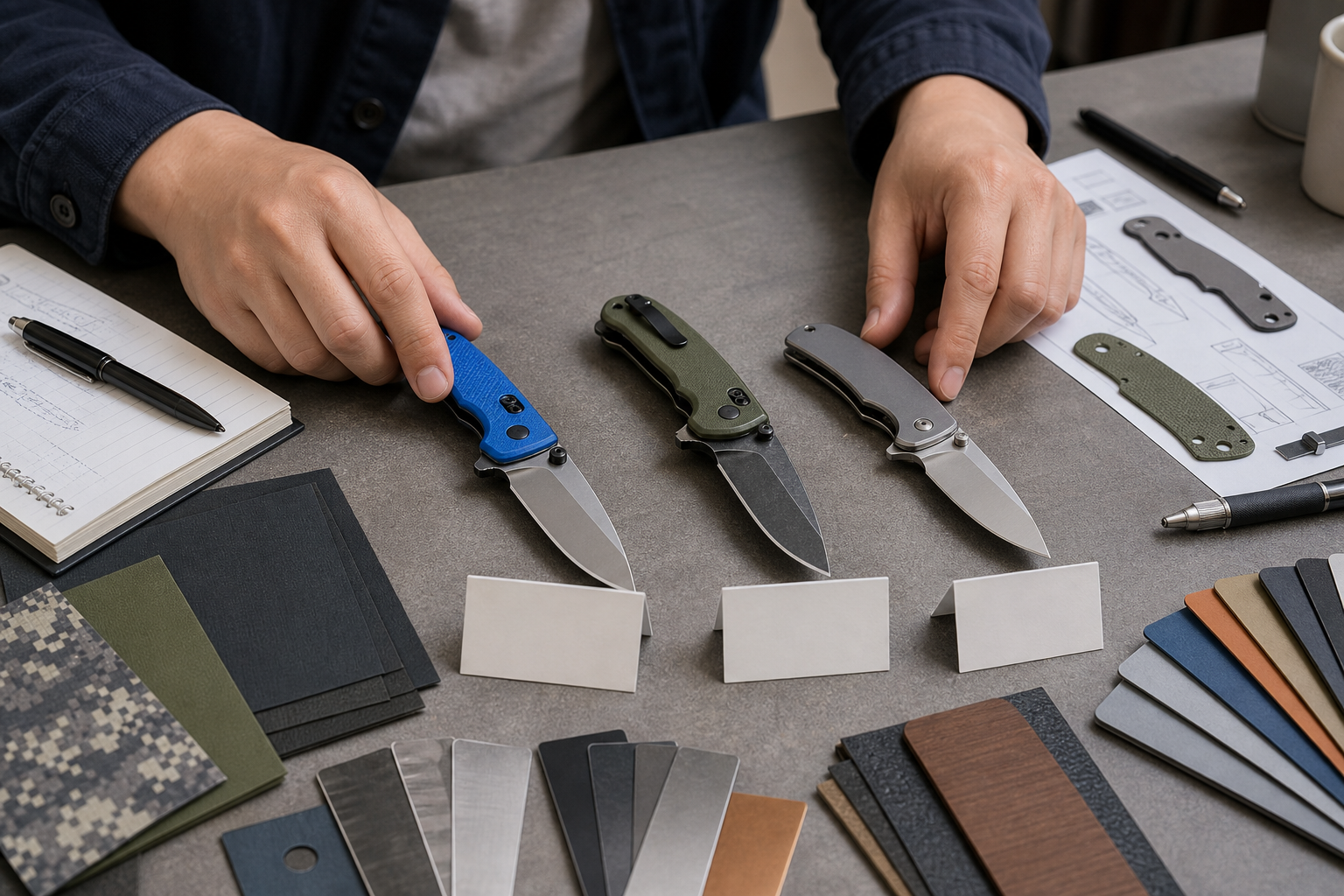
When a buyer asks me which lock is better, I ask where the knife will sell. A wholesale utility knife, an outdoor retail folder, a private label EDC line, and a higher-positioned metal-handle knife should not follow the same lock decision. If the buyer needs many colors, flexible handle materials, and controlled cost, a liner lock may be the practical choice. If the buyer wants a metal handle, a slim construction, and a stronger perceived structure, a frame lock may support the brand image better.
The end customer also matters. Some buyers sell to casual users who care more about price, handle comfort, packaging, and general cutting performance. Some sell to knife enthusiasts who notice lock travel, detent feel, blade centering, handle chamfering, and lockbar access. A frame lock can help in that second market, but it also creates visible machining and finishing expectations. A liner lock can still be excellent, especially when the lock face, liner thickness, detent, and pivot are well controlled. I avoid saying frame lock is always premium and liner lock is always basic. The better answer depends on the full product plan.
| Market position | Often better fit | Why |
|---|---|---|
| Entry private label | Liner lock | Better cost and handle flexibility |
| Outdoor utility | Liner lock or frame lock | Depends on strength, weight, and price |
| Metal-handle EDC | Frame lock | Supports solid structure and visual appeal |
| Colorful retail line | Liner lock | Easier to use different handle scales |
How Do Strength, Lockup, and User Feel Differ in Production?
Strength sounds simple in marketing, but real lock quality depends on geometry, material, and assembly. A strong-looking lock can still feel poor.
Frame locks can feel stronger because the handle frame forms the lock bar, but liner locks can also be stable when designed well. Both require controlled lock face angle, tang fit, travel, detent, and pivot alignment.
I Test the Contact, Not the Claim
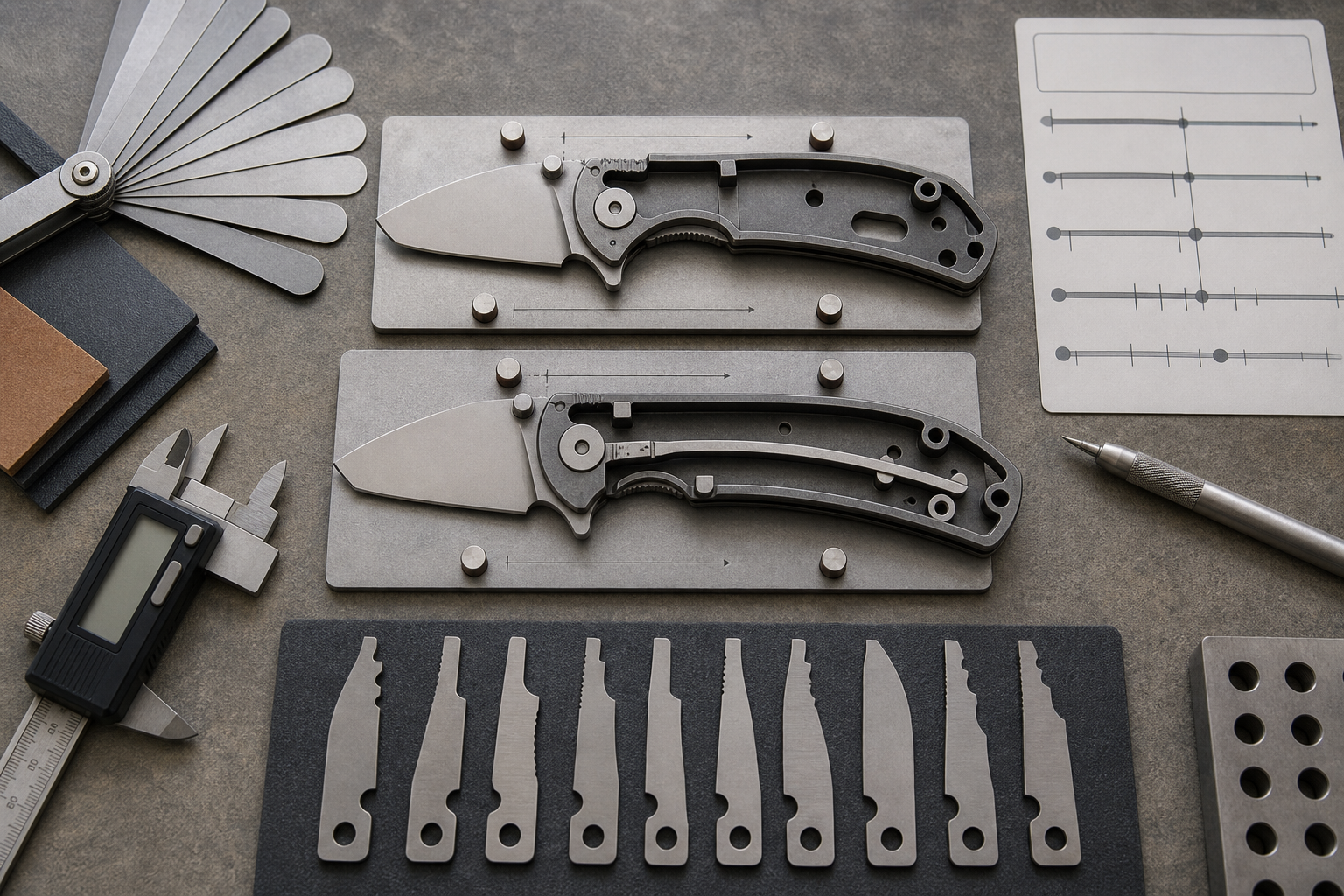
In production, lock quality is not proved by the lock name. It is proved by the way the lock contacts the blade tang. The lock should engage safely, release smoothly, and avoid early slip, late travel, sticky release, or blade play. If the blade tang angle is wrong, the lock bar is too soft, the contact surface is rough, or the pivot is misaligned, both frame locks and liner locks can have problems.
Frame locks often feel solid because the lock bar is part of the metal frame. The user's grip can also affect the lockbar area. This can be positive for perceived strength, but it means the handle shape and lockbar access must be designed carefully. A liner lock uses an internal liner, so the outside scale can focus on grip and style. But the liner thickness, spring tension, cut shape, and lockbar access still matter. For B2B orders, I prefer to define lockup checks in the sample approval stage. I want buyer-approved lock travel, blade play standard, opening feel, release feel, and repeated function test before mass production.
| Quality point | Frame lock concern | Liner lock concern |
|---|---|---|
| Lock travel | Too early or too late on the frame bar | Too early or too late on the liner |
| Release feel | Sticky if contact is rough | Soft or weak if liner tension is poor |
| Blade play | Pivot and tang alignment matter | Pivot and liner geometry matter |
| Grip feel | Hand may press lockbar area | Scale shape must allow easy release |
How Do Materials and Handle Construction Affect the Choice?
The lock decision is also a material decision. If the handle material is chosen first, the best lock choice may become obvious.
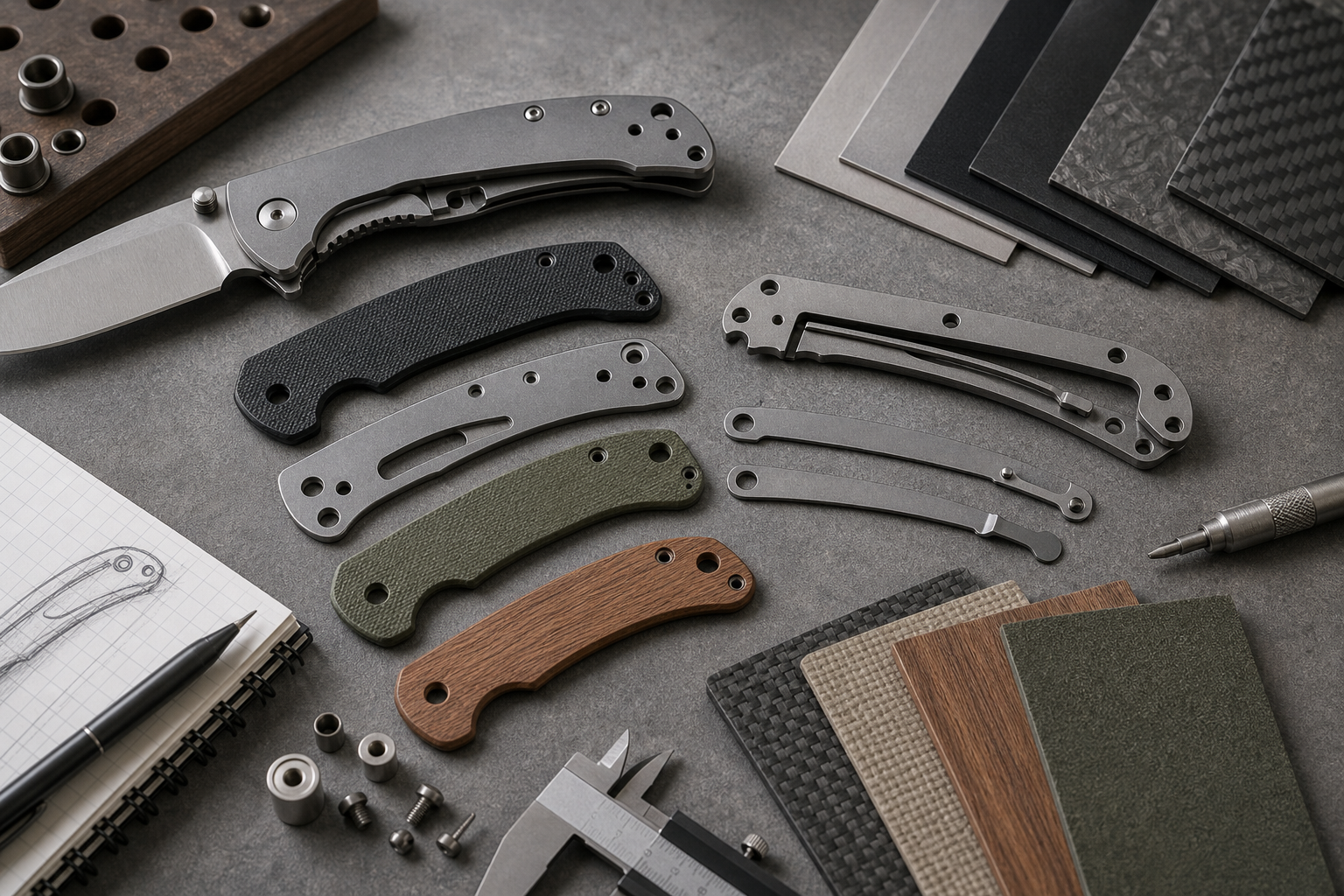
Frame locks usually need a metal frame that can act as the lock bar. Liner locks allow more handle scale options because the lock is carried by an internal liner instead of the outside scale.
I Let Material and Structure Work Together
The handle material should not fight the lock structure. If the buyer wants G10, wood, micarta-style material, or bright color options, a liner lock often gives more freedom. The internal liner can provide the lock function while the scale provides grip, color, and brand look. This works well for many OEM orders because buyers can build multiple SKUs with different handle colors or textures.
If the buyer wants a metal handle with a clean structural look, a frame lock can be a strong direction. Aluminum, stainless steel, or titanium-style options can create a solid feel, but each material has different machining, finishing, weight, and cost concerns. A frame lock also exposes more of the lock structure to the user. Surface treatment must be consistent. Chamfers must be comfortable. The lockbar cut should not look rough. If the buyer wants a lightweight EDC product, the handle thickness and frame material need careful review. If the buyer wants a heavy-duty feel, the frame lock may be more suitable, but price and MOQ may rise.
| Material direction | Better lock fit | Production note |
|---|---|---|
| G10 scales | Liner lock | Good for grip, color, and cost control |
| Wood scales | Liner lock | Needs stable liner support |
| Aluminum frame | Frame lock or liner lock | Depends on lockbar and insert design |
| Stainless or titanium-style frame | Frame lock | Strong look, higher machining expectations |
How Do Manufacturing Cost and Assembly Time Compare?
A lock choice can quietly change the whole cost structure. Buyers who only compare sample photos often miss this.
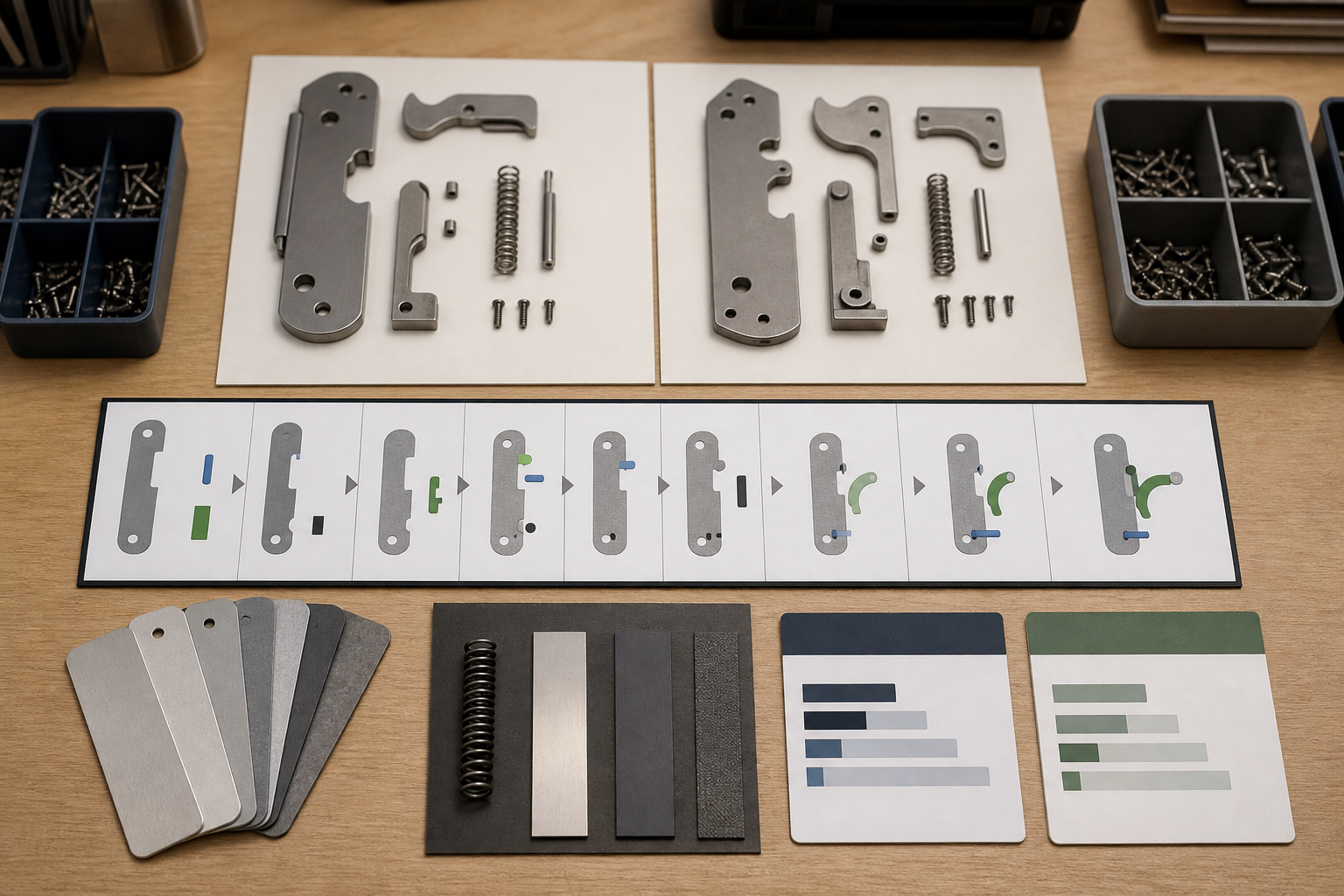
Liner locks are often more cost-flexible because they use an internal liner and separate scales. Frame locks can need more precise metal-frame machining, finishing, and lockbar tuning, which may raise cost and assembly time.
I Compare the Full Build, Not One Part
The lock itself is only one cost factor. The full build includes handle material, liner or frame thickness, machining time, heat treatment if needed, surface finishing, screw count, washers or bearings, assembly time, QC time, and packaging. A liner lock may reduce cost because the outside scales can use more flexible materials and the internal liner handles the lock function. It can also make color customization easier.
A frame lock may reduce part count in some structures, but it can increase expectations for the main handle frame. The lockbar cut, relief area, surface finish, lock insert or overtravel feature if used, screw fit, and chamfering need attention. If the buyer wants a frame lock only because it sounds stronger, I ask whether the target price can support it. If the answer is no, a well-made liner lock may create a better product than a low-budget frame lock. B2B buyers care about margin and repeatability. A lock choice that looks impressive but needs too much hand adjustment can hurt both.
| Cost factor | Liner lock tendency | Frame lock tendency |
|---|---|---|
| Handle material | More flexible scale options | More metal-frame dependence |
| Machining | Liner and scale alignment matters | Frame cut and lockbar finish matter |
| Assembly | Usually familiar and efficient | May need more lockbar tuning |
| SKU flexibility | Easier color and scale variations | More limited if frame is the main structure |
What Quality Control Checks Should Buyers Require?
A lock may pass a quick look but fail in repeated handling. QC must check function, not only appearance.
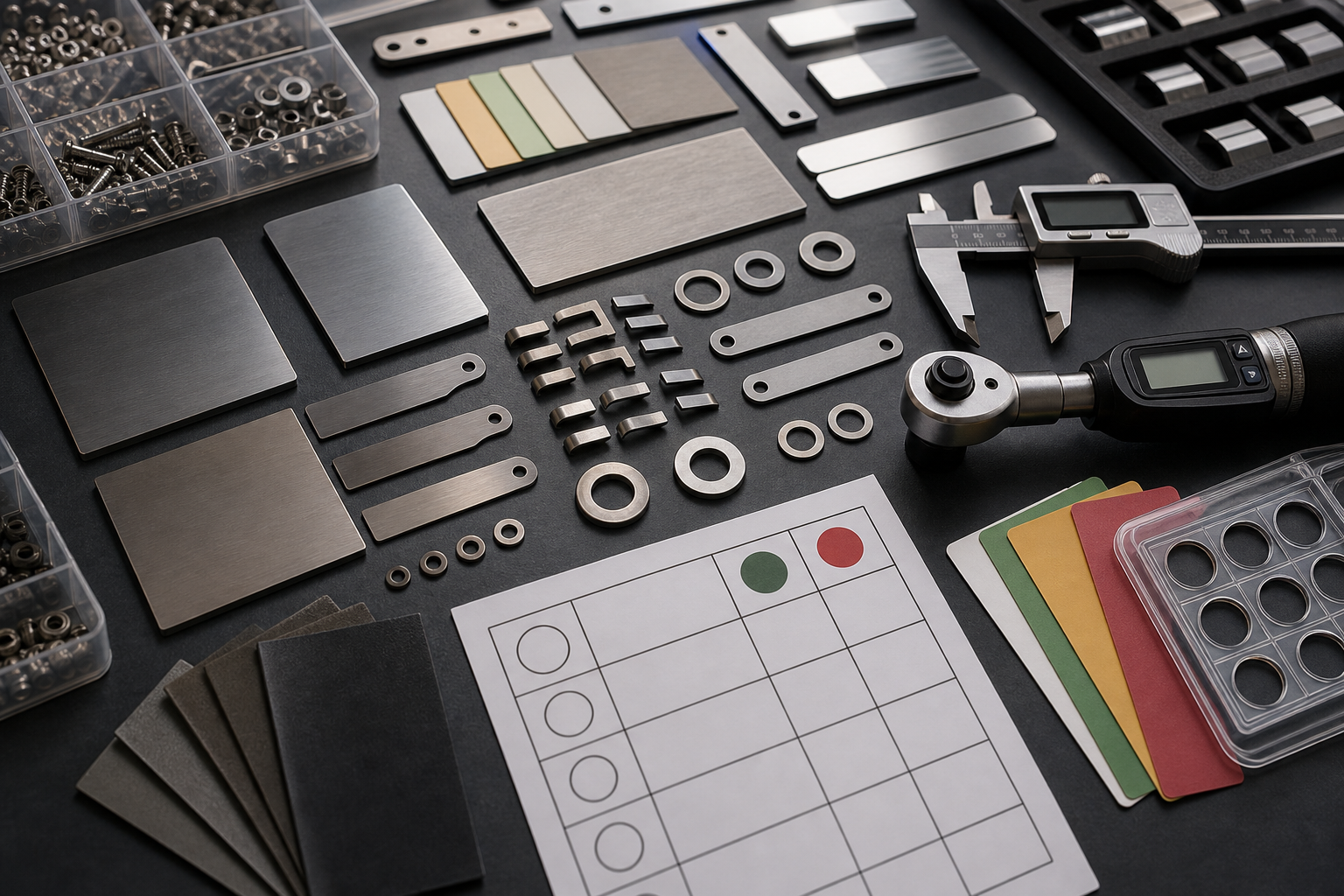
Buyers should require lock engagement, lock travel, blade play, release feel, detent, blade centering, pivot tension, screw torque, edge quality, surface finish, and packaging checks before shipment.
I Put Lock Function Into the Inspection Plan
Final inspection should not only look for scratches. A folding knife is a moving tool. I check whether the blade opens smoothly, whether the lock engages at the approved position, whether there is side play, whether the release feels controlled, whether screws are stable, and whether the blade closes safely into the handle. I also check whether the approved sample and production pieces feel similar. A good sample is not enough if the production batch varies too much.
For blade steel and heat treatment, hardness checks can be part of the quality plan. The NIST Rockwell hardness guide is a useful reminder that measurement practice affects hardness readings. For process control, ISO 9001 is also useful background because it focuses on customer requirements, controlled operations, evaluation, and improvement. The buyer does not need to turn every order into heavy paperwork, but the buyer and factory should agree on practical inspection points before production.
| QC item | What to check | Why it matters |
|---|---|---|
| Lock engagement | Position and contact surface | Protects function and user confidence |
| Blade play | Side and vertical movement | Shows pivot and lock fit quality |
| Detent | Closed retention and opening feel | Supports safe carry and action feel |
| Screw torque | Pivot, clip, and handle screws | Protects repeat use and after-sales |
How Should Buyers Write a Frame Lock or Liner Lock RFQ?
If the RFQ only says "frame lock" or "liner lock," the factory still has to guess too much.
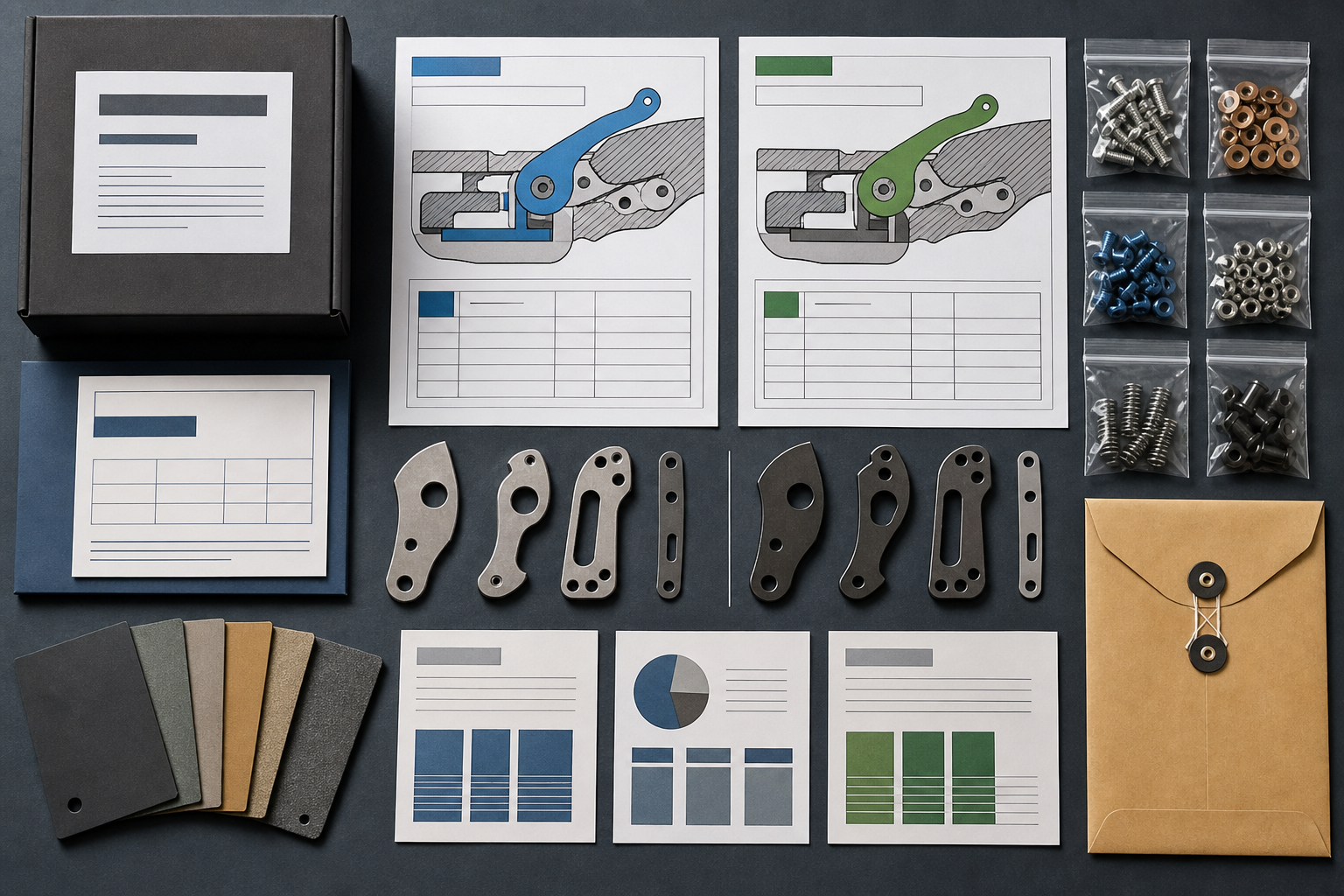
A good RFQ should include lock type, target market, knife size, blade steel, handle material, liner or frame thickness, pivot system, opening feature, finish, target price, MOQ, packaging, and inspection requirements.
I Ask Buyers to Define the Lock as a System
In an RFQ, the lock is not a single word. It is part of a system. A buyer should define the blade size, blade steel, handle material, lock type, pivot system, washers or bearings, opening feature, clip, finish, logo, packaging, and target market. For a liner lock, I want to know liner material, thickness direction, scale material, and lockbar access. For a frame lock, I want to know frame material, handle thickness, finish, lockbar relief, and whether the buyer expects any lock insert or overtravel feature.
I also ask for target price and MOQ early. A buyer may want a frame lock because it sounds high-end, but the target price may fit a liner lock better. Another buyer may want a liner lock for cost, but the brand positioning may benefit from a stronger metal frame. Good supplier support means asking these questions before samples. It is much easier to choose the right lock before tooling than to redesign the handle after the first sample disappoints the buyer.
| RFQ field | What to include | Why it helps |
|---|---|---|
| Lock choice | Frame lock, liner lock, or supplier recommendation | Sets structure direction |
| Materials | Blade steel, frame, liner, scales | Supports cost and performance estimate |
| Function needs | Detent, lock travel, blade play, action feel | Defines sample approval standard |
| Commercial needs | Target price, MOQ, packaging, market | Keeps design realistic |
When Should Buyers Choose a Liner Lock?
Some buyers choose liner lock only because it is common. That is not a bad reason, but the choice should still be intentional.
Buyers should choose a liner lock when they need flexible handle materials, controlled cost, lighter construction, multiple colors, comfortable grip design, and efficient OEM production.
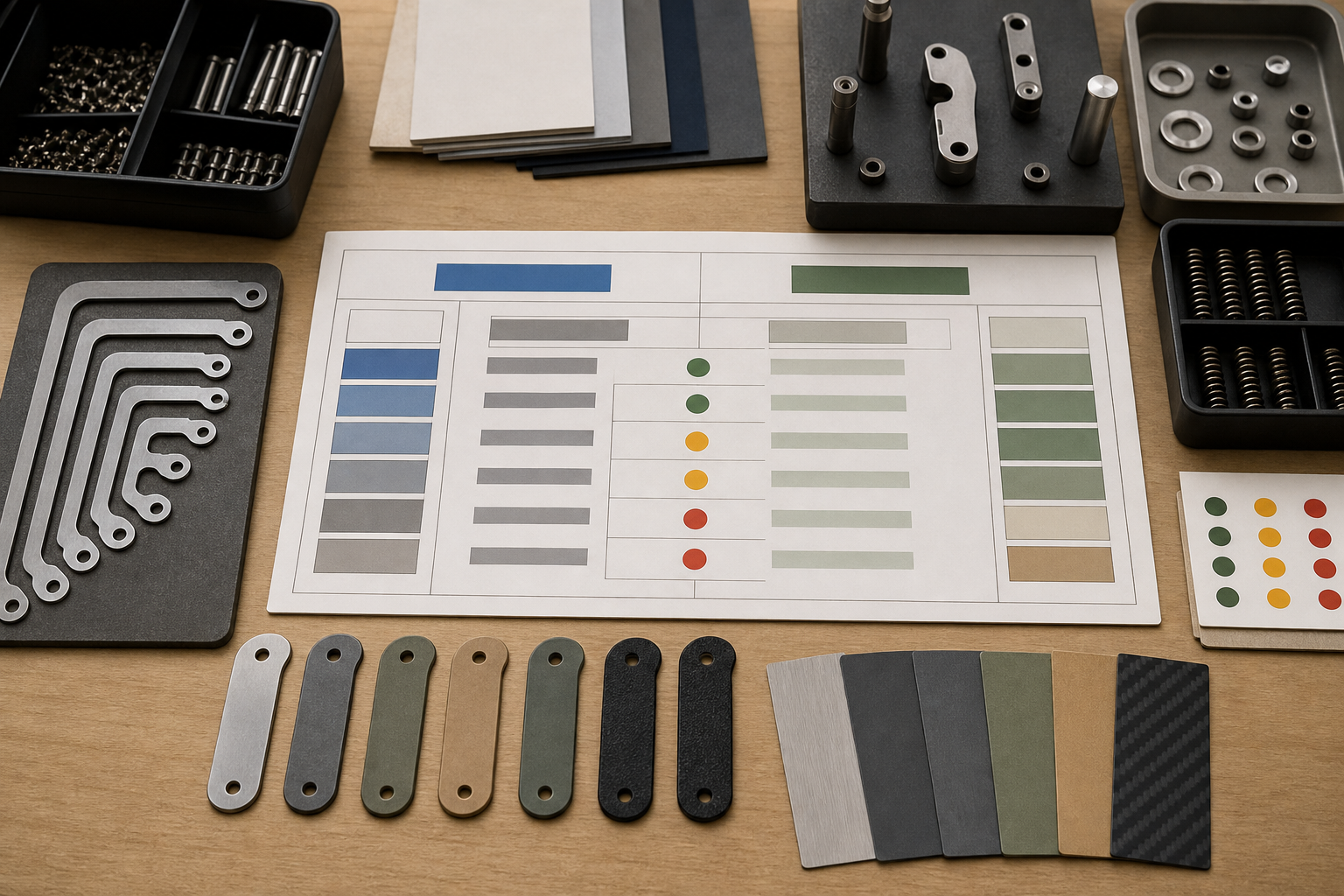
I Use Liner Lock for Flexible Product Lines
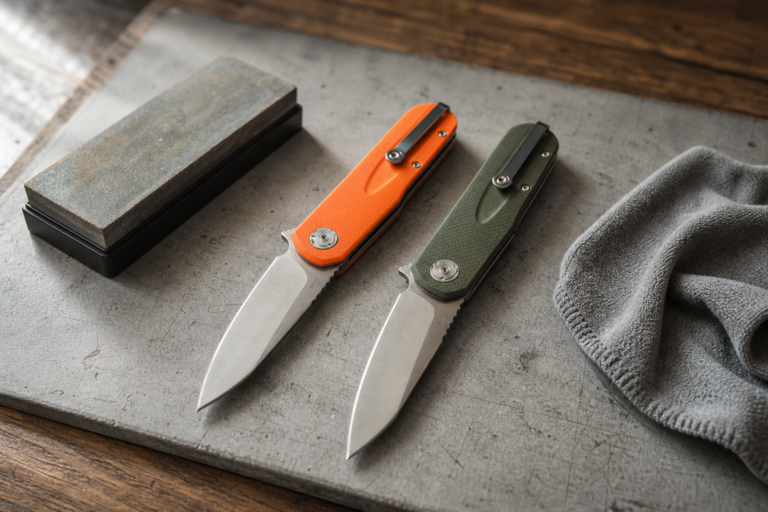
A liner lock is often a good choice for a buyer who wants practical OEM flexibility. It allows the lock to sit inside the handle while the scales carry the look and grip. This makes it easier to create black, green, orange, camo, wood, or other handle versions from one structural idea. It can also help control cost for wholesale and private label programs.
I do not treat liner lock as low quality by default. A weak liner lock is bad, but a well-made liner lock can be clean, safe, and very usable. The key is to control liner thickness, spring tension, detent, lock face, blade tang, pivot, and screw assembly. If the buyer's product is a mid-range EDC knife, camping knife, general utility folder, or colorful retail series, a liner lock may be the better business choice. It gives buyers room to customize without forcing a full metal-frame product. For repeat production, that flexibility matters.
| Liner lock advantage | Buyer benefit | Control point |
|---|---|---|
| Handle variety | More color and material options | Scale fit and liner alignment |
| Cost control | Better for private label programs | Liner thickness and lock face |
| Grip comfort | Scales can shape user feel | Chamfering and texture |
| SKU flexibility | Easier multi-version product line | Consistent structural core |
When Should Buyers Choose a Frame Lock?
Frame lock sounds stronger, but it is not always the right business choice. It works best when the product plan supports it.
Buyers should choose a frame lock when they want a metal-handle structure, stronger perceived build, slim construction, higher-positioned EDC styling, and can support the machining, finishing, and QC expectations.
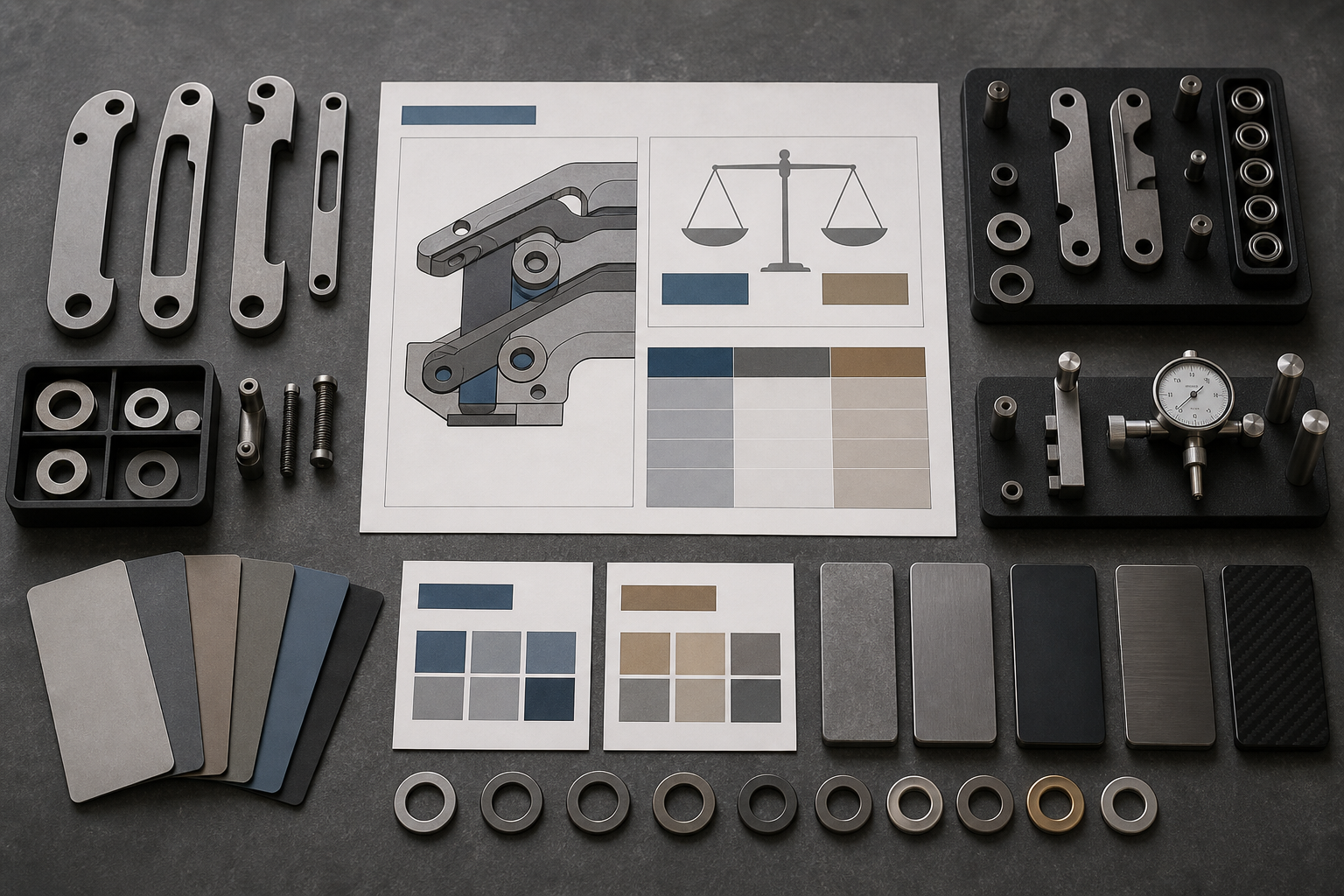
I Use Frame Lock When the Handle Is the Structure
A frame lock becomes attractive when the handle itself is part of the product story. The buyer may want a slim metal handle, a solid hand feel, a cleaner structural look, or a higher-positioned EDC product. In those cases, the frame lock can support the design language. It can also reduce the need for a separate internal lock liner in some structures.
But I always remind buyers that frame lock quality is visible. The handle cut, lockbar relief, chamfering, finish, screw alignment, and lock travel all affect the user's impression. A rough frame lock can look cheaper than a well-made liner lock. It can also need more careful tuning. If the buyer wants a frame lock for a premium-feeling product, the buyer should plan for better material selection, machining control, and inspection. If the target price is too aggressive, I may suggest a liner lock or another lock type instead. The best lock is the one the buyer can produce consistently at the expected product level.
| Frame lock advantage | Buyer benefit | Control point |
|---|---|---|
| Metal-handle structure | Stronger perceived build | Frame machining and finish |
| Slim design option | Cleaner product profile | Handle thickness and lock relief |
| Enthusiast appeal | Better visible mechanism story | Lock travel and release feel |
| Fewer visible scale parts | Minimal design direction | Surface treatment consistency |
Turn this article into a folding knife project.
Share your blade type, lock direction, steel preference, handle material, quantity, target market, and packaging needs. Vast State can prepare OEM/ODM options.
Conclusion
I choose frame lock or liner lock by matching the lock to the market, material, cost, user feel, and production control plan.
Source Notes
- AKTI bias toward closure and knife mechanisms directly supports the liner lock and frame lock mechanism explanation.
- 15 USC Chapter 29 supports the bias-toward-closure compliance context, but this article is not legal advice.
- Alleima 14C28N knife steel supports the blade material discussion with official steel information.
- NIST Rockwell hardness guidance supports the need for controlled hardness measurement practice.
- ISO 9001:2015 supports the process-control and quality management discussion.