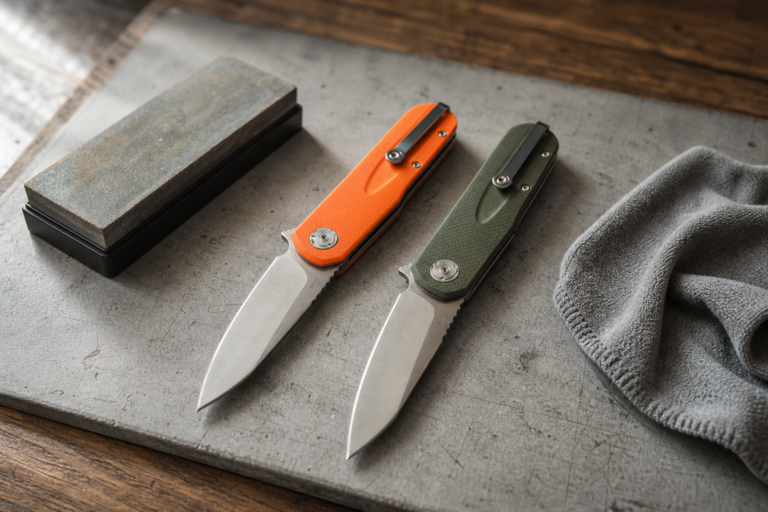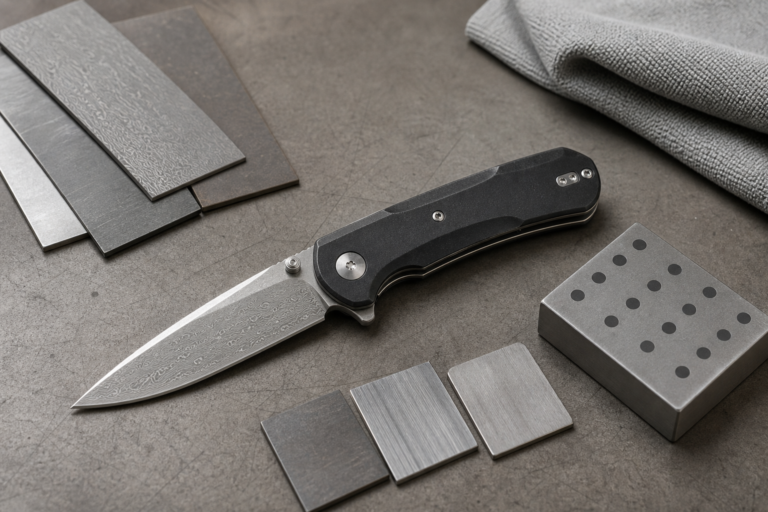
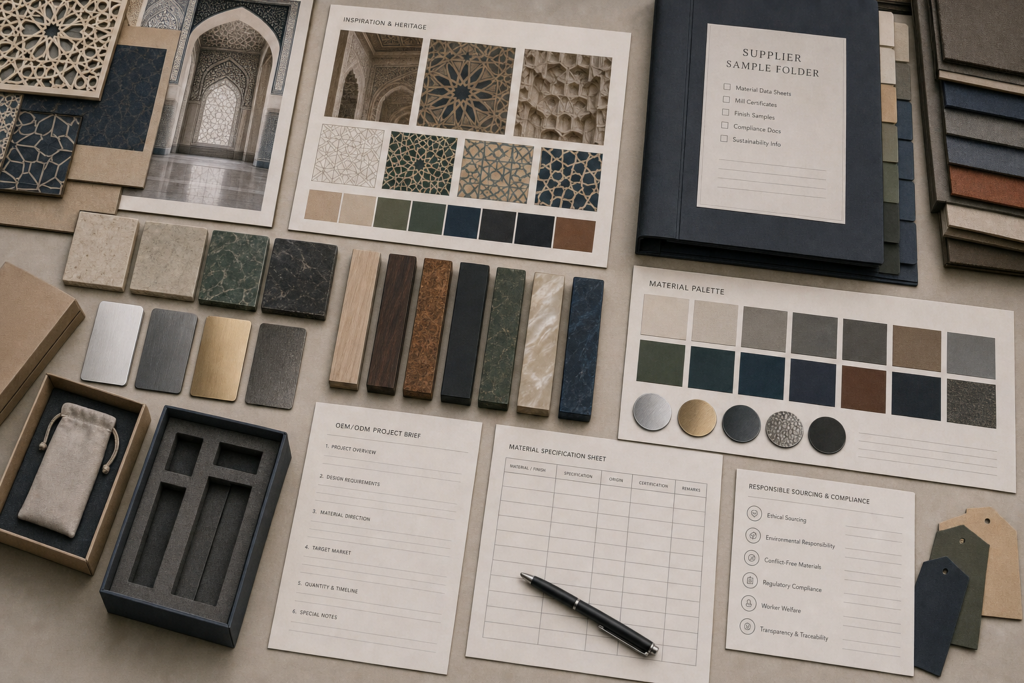
Historic blade materials can make a product feel rich. But vague heritage claims can confuse buyers, raise compliance risk, and weaken sourcing. I turn them into controlled specs.
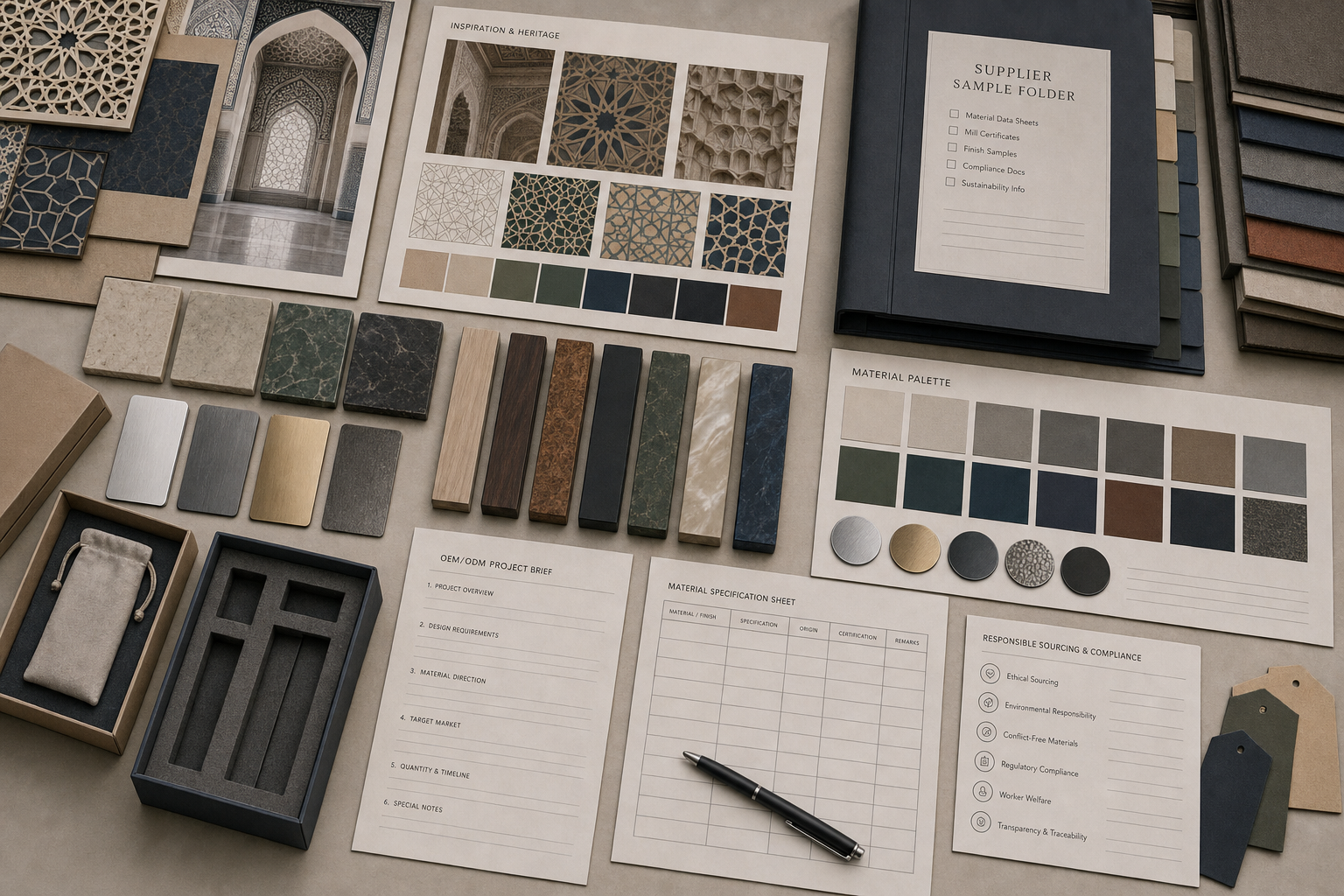
Buyers should use Islamic-inspired material heritage as design and material reference, not as an unsupported authenticity claim. A strong OEM/ODM project defines the real steel, handle material, decoration method, packaging story, compliance checks, QC records, and RFQ details before sampling.
Quick buyer brief:
- Answer: Convert Islamic-inspired material references into modern, documented OEM/ODM knife specifications.
- Buyer context: This helps knife brands, outdoor brands, importers, distributors, and private label buyers develop heritage-themed products responsibly.
- Key checks: Historical reference, real steel grade, handle material, decoration process, claim wording, packaging, customs classification, material documents, QC, and RFQ details.
Have a knife or multi-tool project in mind?
Send your sketch, CAD file, sample photo, or product idea. Vast State can review manufacturability, suggest materials, estimate MOQ, and prepare a quote for your OEM/ODM project.
When I receive a heritage-inspired material request, I do not start by copying an old object. I start by asking what the buyer wants the modern product to do. A display gift, an outdoor utility knife, a collector-style private label line, and a retail-ready folding knife need different material choices. Islamic art and historic blade objects include steel, jade, gold, rock crystal, enamel, textile, leather, brass, silver, and other decorative materials. That history can guide a product story. But a modern B2B order still needs exact materials, stable production methods, clear claims, safe packaging, and market checks.
Which Historical Materials Can Inspire A Modern Product Direction?
Random images can mislead a development team. A serious brief needs sources that list object type, material, and decorative method.
Museum records show that Islamic and related historic blade objects used combinations such as steel, jade, gold, rock crystal, enamel, brass, silver, textile, leather, resin, and decorative stones.
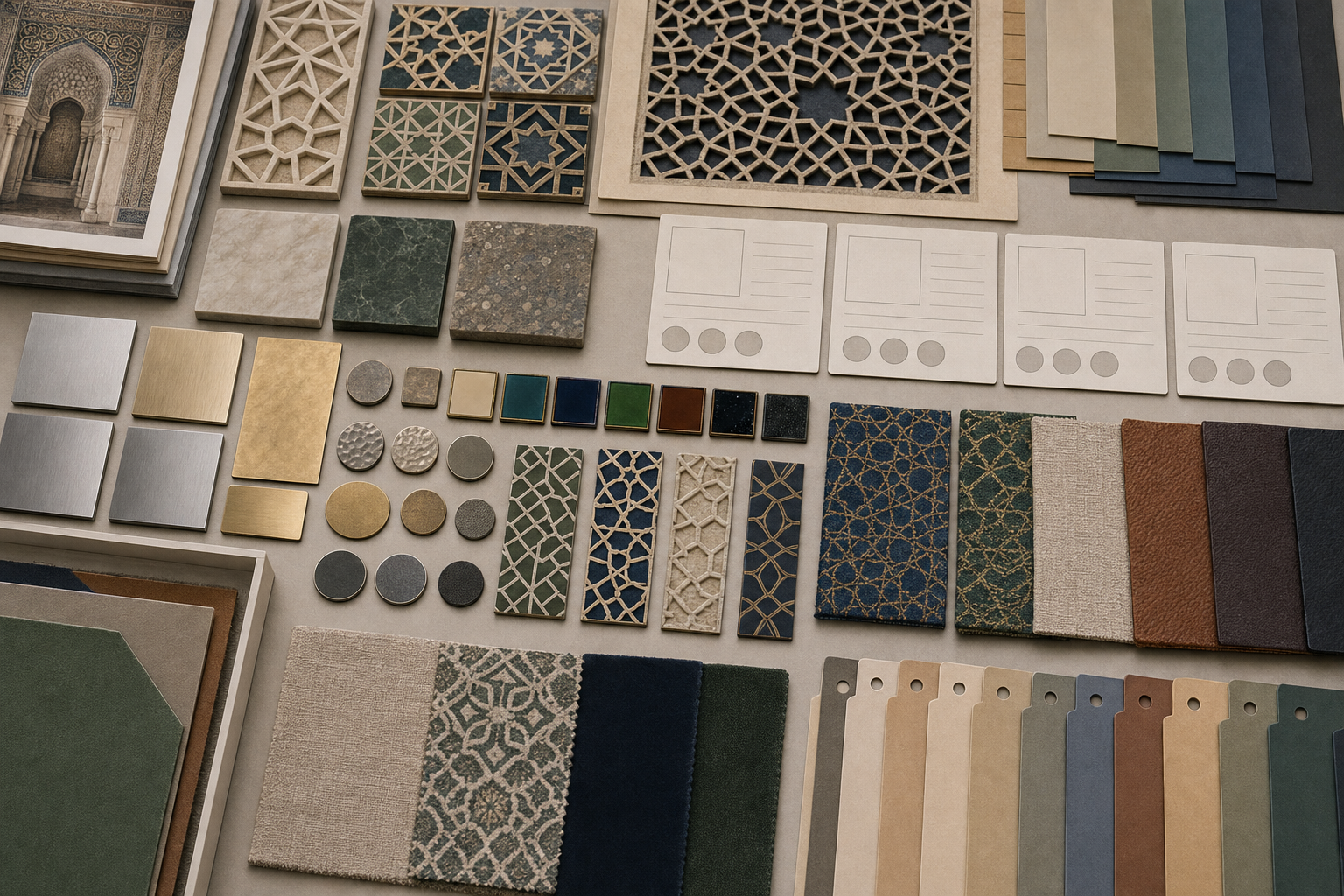
I Use Museum Records To Build A Safer Brief
The British Museum Islamic Gallery dagger record lists a jade hilt, gold, glass, rubies, emeralds, a steel blade, and a velvet-covered sheath. Another British Museum Islamic dagger record describes pattern-welded and gold-inlaid steel, rock crystal, enamelled metal, and several gemstones. These records do not tell a factory how to mass-produce a modern knife. They do give buyers a more grounded material language.
I also look at regional variation. A British Museum jambiyya record describes a steel dagger with resin, silver, brass, wood, textile, leather, silk, and metal. That reminds me that one broad heritage label can include many material systems. For a modern product, I do not copy sacred text, cultural symbols, or museum objects directly. I use the records to identify material moods: cool stone-like handles, warm brass detail, silver-tone accents, darker leather or textile packaging, and refined metal surfaces. Then I translate those moods into manufacturable choices.
| Historical material cue | Modern product translation | Buyer caution |
|---|---|---|
| Jade or rock crystal | G10, acrylic, stabilized wood, resin, or real stone only if documented | Do not imply precious material if it is imitation |
| Gold or silver details | PVD, plating, anodizing, or metal-color hardware | Confirm coating durability and color standard |
| Patterned steel | Real pattern-welded steel, laminate, or decorative etch | Do not call etching a real material structure |
| Textile and leather | Box insert, pouch, sheath, or sleeve design | Check target-market material restrictions |
OEM/ODM RFQ Checklist
Prepare these details to help Vast State review your project and provide a more accurate quotation.
| RFQ Field | What to Prepare |
|---|---|
| Project type | OEM from drawing / ODM private label / wholesale catalog |
| Product category | Folding knife / fixed blade / multi-tool / outdoor tool |
| Design status | Idea / sketch / 2D drawing / 3D CAD / physical sample |
| Target price | Ex-factory target price or retail price range |
| MOQ expectation | 500 / 1,000 / 3,000 / 5,000+ pcs |
| Logo method | Laser engraving / etching / printing / molded logo |
| Packaging | Standard packaging / custom retail box / Amazon-ready |
| Market | USA / EU / Japan / Korea / Middle East / other |
| Compliance needs | Buyer-specified testing / documentation / labeling |
| Timeline | Sample deadline / mass production deadline |
How Should Buyers Translate Steel Heritage Into Modern Blade Specs?
Steel stories attract attention. But unclear steel claims can damage trust when performance, cost, or repeat production fails.
Buyers should translate steel heritage into modern blade specs by naming the actual steel grade, hardness target, heat treatment control, finish, corrosion expectation, and inspection method.
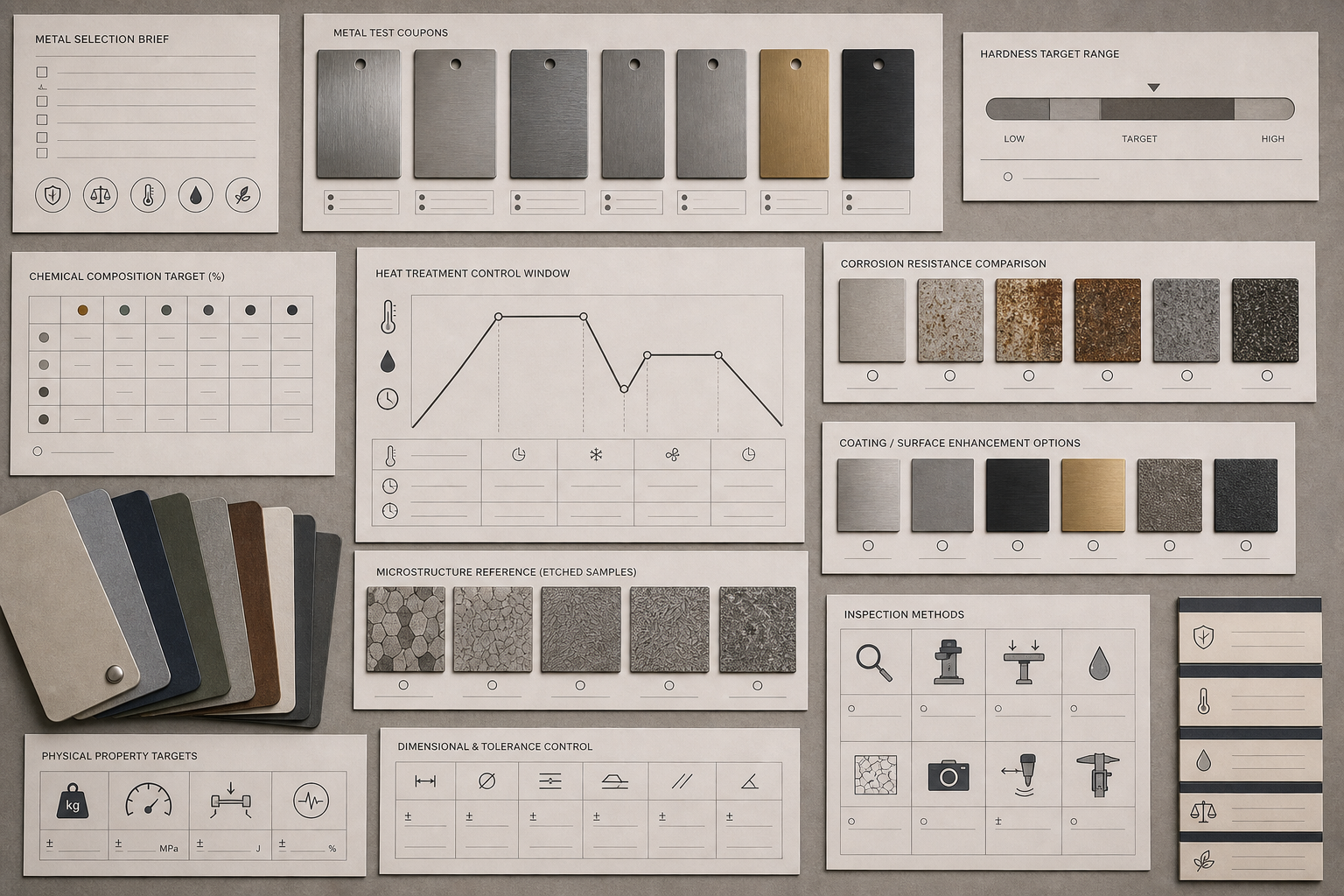
I Turn Romance Into Measurable Steel Control
The Met record for wootz steel ingots explains that wootz was a crucible steel connected with Damascus steel production. That is useful background. But it does not mean a modern OEM knife should casually claim Damascus heritage. If a buyer wants a patterned blade, I first ask whether they want true pattern-welded material, a laminate structure, or only a visual etched pattern. Those three choices have different costs, different QC needs, and different marketing language.
For many modern B2B knife projects, a stainless knife steel can be more practical than a heritage steel story. For example, Alleima 14C28N knife steel is described by the manufacturer as a knife steel with hardness, edge stability, corrosion resistance, and efficient production suitability. That kind of source helps buyers compare modern performance needs with visual goals. I still do not force one steel into every project. I match steel to target market, price range, blade size, finish, and maintenance expectation.
| Steel decision | What the buyer should specify | Practical reason |
|---|---|---|
| Steel grade | 14C28N, D2, 440, 8Cr, or another agreed grade | Controls cost and performance expectation |
| Pattern claim | Real pattern-welded, laminate, or surface etch | Prevents misleading marketing |
| Hardness target | HRC range and test method | Supports batch consistency |
| Finish | Satin, stonewash, bead blast, coating, or etch | Links appearance to corrosion and cost |
How Can Handle Materials Balance Visual Story, Cost, And Stability?
Handle materials carry much of the visual theme. But beautiful samples can fail if the material is unstable or too expensive.
Buyers should choose handle materials by balancing color story, grip, machining stability, MOQ, price, weight, finish consistency, documentation needs, and long-term repeatability.
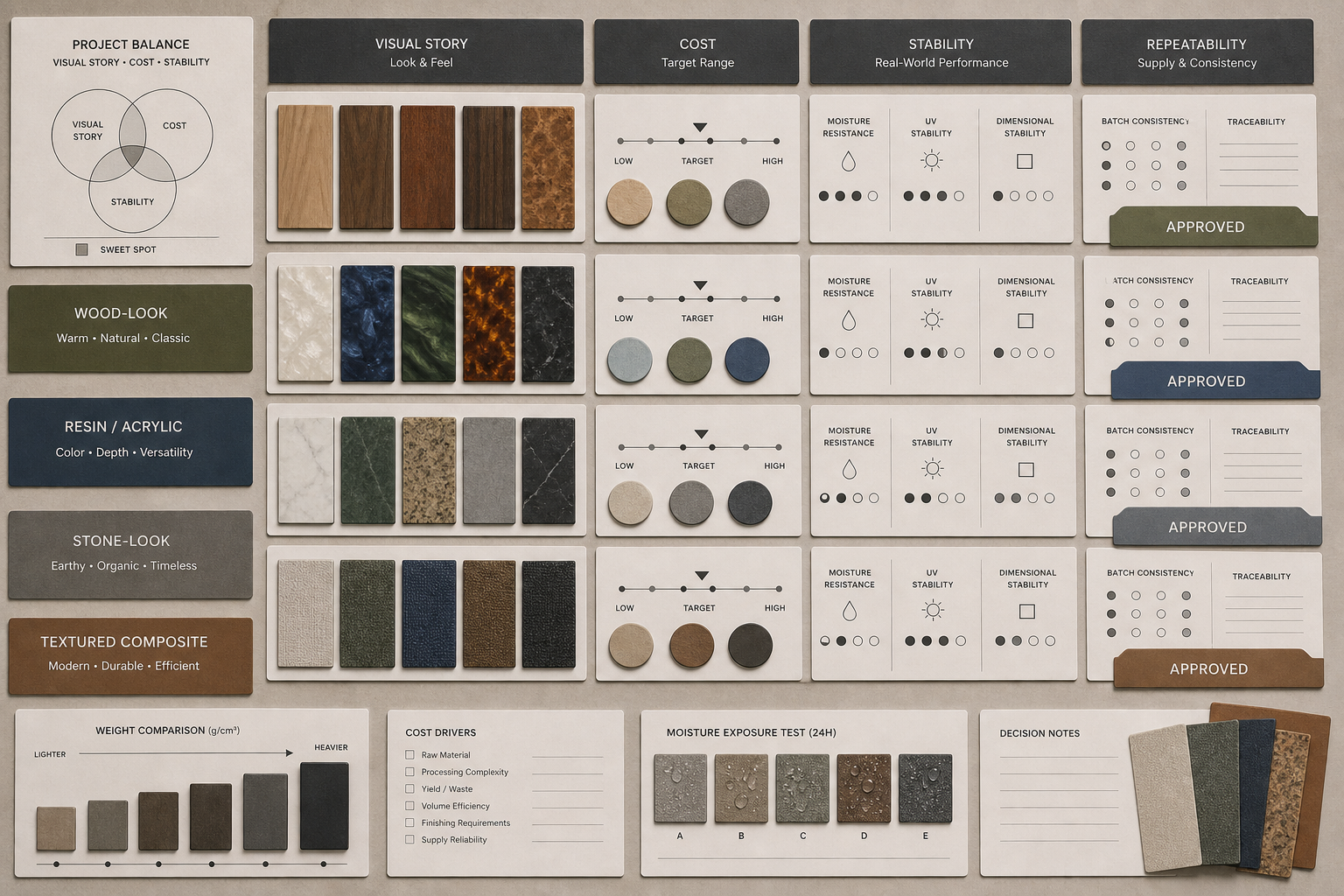
I Choose Materials That Can Repeat, Not Only Impress
Historical records may mention jade, rock crystal, precious stones, ivory, silver, gold, or richly decorated materials. In a modern OEM/ODM project, I treat those as inspiration, not a shopping list. Real stone can be expensive, heavy, fragile, and difficult to process. Precious inlays create cost and defect risk. Animal-derived materials can create serious documentation and market restrictions. That is why many buyers choose modern substitutes: G10, micarta, acrylic, resin, stabilized wood, aluminum, stainless steel, or textured synthetic scales.
The best handle choice depends on the product role. A collector-style gift line may accept a heavier stone-look handle if the product is mainly presentation driven. An outdoor tool line needs grip, impact resistance, and easier repeat production. A pocket knife line needs weight control and stable screw assembly. I also check color repeatability. A buyer may love a jade-green sample, but the mass order must match the approved shade. If the handle uses resin or stabilized wood, I set an acceptable color range before production. If the handle uses wood, I discuss grain variation early.
| Handle option | Main advantage | Sourcing concern |
|---|---|---|
| G10 or micarta | Stable, grippy, repeatable | Color and texture standard should be approved |
| Acrylic or resin | Strong visual color options | Bubble, chip, and color consistency checks matter |
| Aluminum | Light and clean for modern lines | Anodizing color must be controlled |
| Wood or stabilized wood | Warm visual story | Grain, moisture, and batch variation need limits |
What Decoration And Finish Choices Are Practical For Repeat Production?
Decoration can make a heritage line memorable. But complex inlay or plating can slow production and raise defect rates.
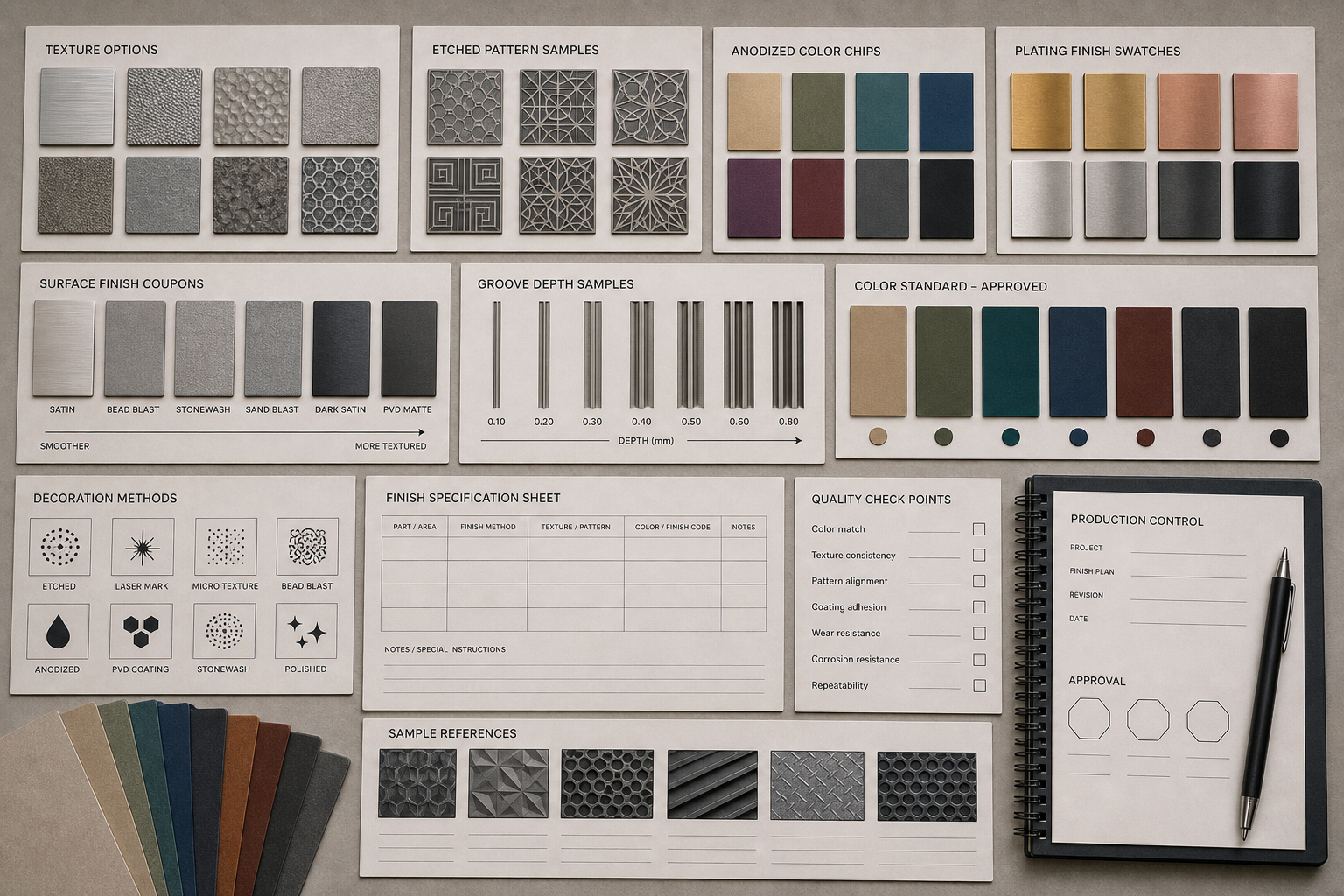
Practical decoration choices include controlled etching, laser marking, CNC texture, simple inlay-inspired grooves, PVD or plating, anodizing, stonewash, satin finish, and approved color samples.
I Keep Decoration Within The Production Level
Historic objects often combine steel, gold, enamel, gemstones, and metalwork. That level of decoration is beautiful, but it is not automatically suitable for a commercial OEM order. I ask the buyer to decide whether decoration is the main value or a supporting detail. If decoration is the main value, then the budget, MOQ, inspection time, and defect allowance must match. If decoration is only a supporting detail, a simpler method may be better.
For blade surfaces, buyers can choose satin, stonewash, bead blast, black coating, PVD, acid etch, or a controlled patterned finish. For handles, buyers can choose CNC texture, color layers, simple metal accents, or inlay-inspired grooves. For hardware, buyers can choose black, silver, brass-tone, or other controlled finishes. I avoid decoration that looks good only in one sample photo but cannot repeat. I also avoid religious or sacred script as decoration unless the buyer has proper cultural review and a clear reason. A respectful product can use geometry, color, proportion, and material contrast without using sensitive symbols.
| Decoration choice | When it works | What I inspect |
|---|---|---|
| Etched blade pattern | Visual story at manageable cost | Pattern consistency and edge area protection |
| Metal-color hardware | Warm or refined accent | Color match, coating wear, and screw fit |
| CNC handle texture | Repeatable grip and style | Tool marks, edge comfort, and depth |
| Simple inlay-inspired groove | Heritage mood without complex stones | Alignment, burrs, and finish cleanliness |
How Should Packaging Explain The Theme Without Overclaiming?
Packaging can sell the story. It can also create false expectations if the words go beyond the actual product.
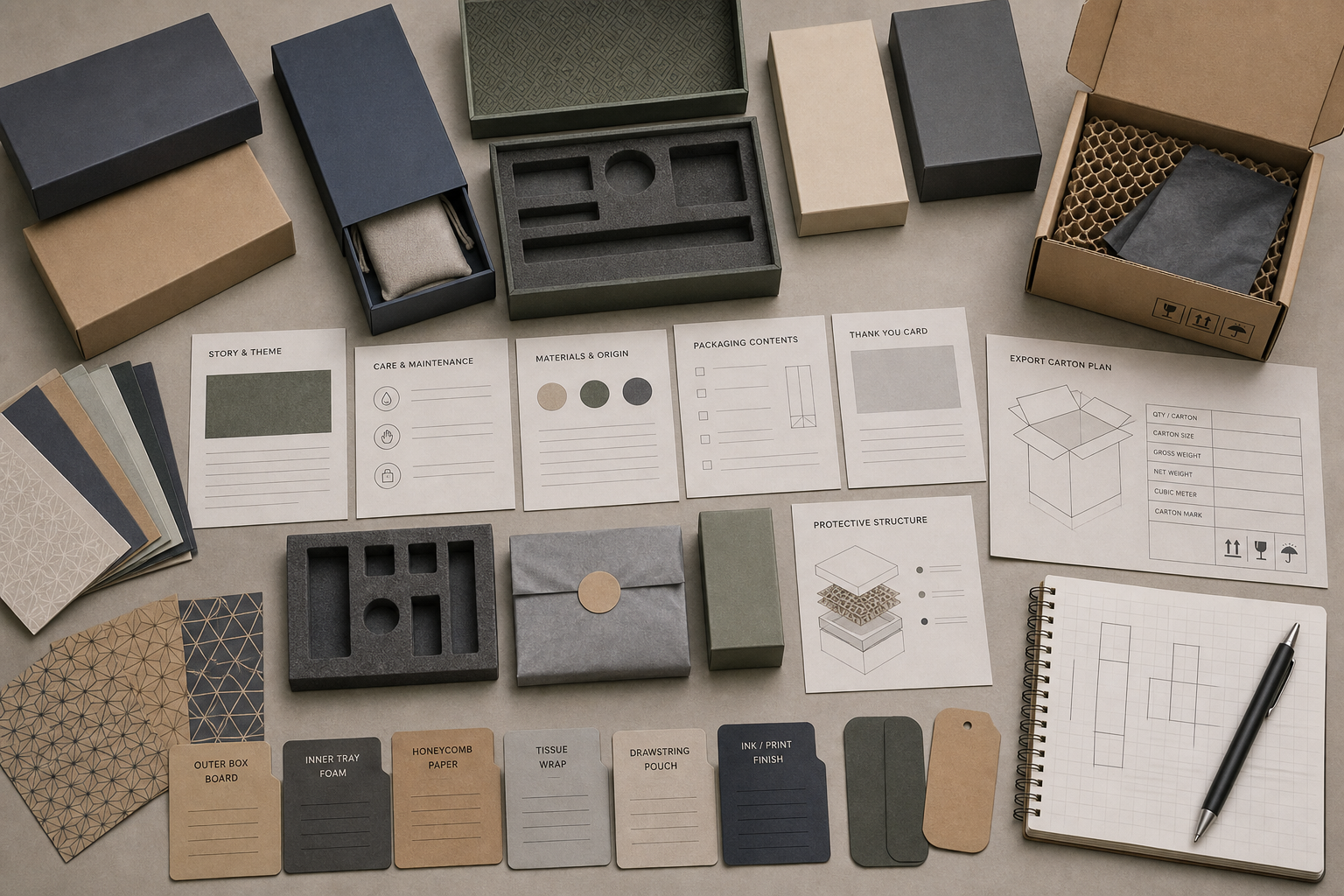
Packaging should explain the theme with honest material names, clear care notes, brand positioning, safe category language, protective structure, and export-ready carton planning.
I Use Packaging To Clarify, Not Exaggerate
For heritage-inspired products, packaging often carries part of the value. A buyer may want a rigid box, soft pouch, leather-look sleeve, printed card, or patterned outer sleeve. I like packaging that explains the product in plain terms. For example, the box can say the handle is resin with a jade-color effect, not jade. It can say the blade has a patterned etched finish, not traditional Damascus steel, unless the blade truly uses the claimed material. It can include care guidance for carbon steel or coated blades without making performance promises.
I also separate presentation packaging from transport packaging. A beautiful gift box can still be damaged in shipping if the outer carton and insert are weak. ISO 4180 gives general rules for compiling performance test schedules for complete filled transport packages. I do not claim that every buyer must use this standard. I use the same mindset: test the packed product as a complete system. The insert should protect the blade and handle finish. The box should not rub the product. The carton should support the shipping route.
| Packaging element | What it should do | What I avoid |
|---|---|---|
| Product card | Name real materials and care notes | Unsupported historical or material claims |
| Inner box | Support brand positioning | Loose inserts that scratch finishes |
| Pouch or sleeve | Add tactile value | Materials that create compliance issues |
| Export carton | Protect repeat shipments | Assuming the gift box is enough |
What Compliance And Classification Checks Should Buyers Confirm?
A strong design can still face sales problems. Knife rules, material restrictions, and channel policies vary by market.
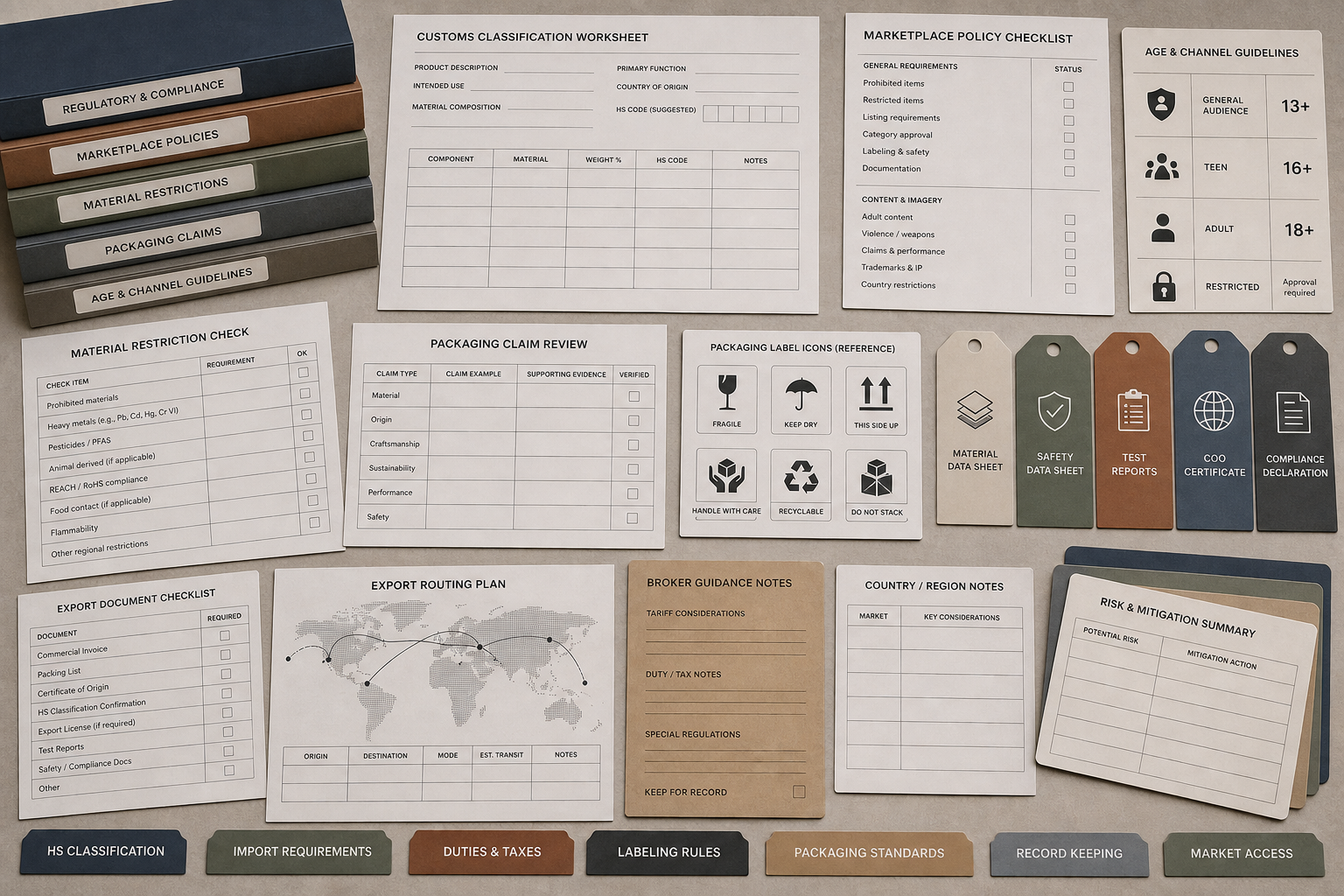
Buyers should confirm customs classification, local knife rules, marketplace policy, material restrictions, labeling, packaging claims, age-channel requirements, and broker guidance before final approval.
I Treat Compliance As An Early Design Input
This section is not legal advice. It is a sourcing reminder. A heritage-inspired knife can be fixed blade, folding knife, display item, outdoor tool, gift product, or private label line. Each version may face different rules. The buyer should check local knife laws, marketplace rules, carrier restrictions, customs classification, labeling language, and material documents before approving tooling or mass production.
For customs context, the United Nations Statistics Division lists HS 8211 for knives with cutting blades and related subheadings. That page is useful for broker discussion, but it does not replace final local classification advice. Material checks are also important. If the buyer wants natural wood, horn, bone, shell, leather, or other special materials, documentation should be reviewed before sampling. If the buyer wants a religious or cultural visual theme, packaging language should be reviewed carefully. A product can be inspired by historical material culture without creating avoidable legal, channel, or reputation risk.
| Compliance area | What to confirm | Why it matters |
|---|---|---|
| Customs code | HS heading and broker view | Supports import planning |
| Product rules | Blade type, lock, length, sheath, and market | Prevents sales-channel mismatch |
| Material documents | Wood, leather, resin, plated metal, or special materials | Reduces shipment and listing risk |
| Packaging language | Claims, warnings, and material names | Protects buyer trust |
How Should QC Control Materials, Finish, And Version Records?
Heritage-themed products depend on subtle details. If QC checks only basic assembly, the product can lose its intended look.
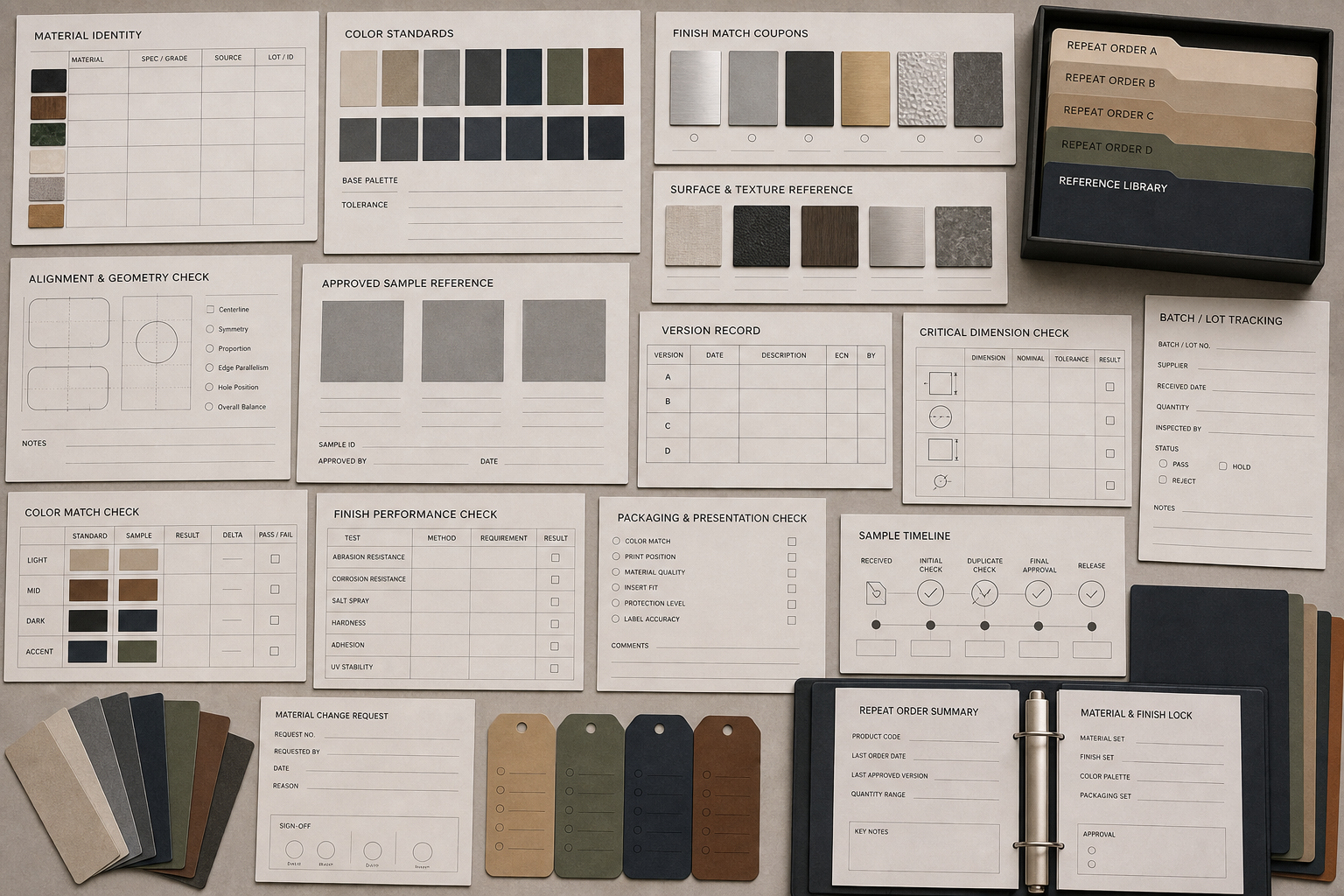
QC should control material identity, color standard, finish match, blade hardness, handle fit, decoration alignment, packaging version, approved sample, and repeat-order records.
I Inspect The Material Story As A Production Standard
For this kind of product, QC is not only about whether the knife opens, closes, or fits the sheath. QC must also protect the material story. The handle color should match the approved sample. The brass-tone hardware should not drift from yellow to orange across batches. The blade finish should match the agreed reference. The etching should not cover areas that affect sharpening or appearance. The packaging insert should not rub the handle.
ISO 9001 supports quality management through controlled processes and customer requirements. ISO 10007 gives guidance on configuration management from concept to later product stages. I translate those ideas into daily production work. I keep the approved sample, drawing, material card, color chip, finish board, packaging proof, and inspection sheet together. If a buyer repeats the order six months later, the factory should know which version to make. Version control is especially important when the product has many decorative details.
| QC item | What I check | Why it matters |
|---|---|---|
| Material identity | Steel grade, handle material, hardware finish | Supports honest claims |
| Color and finish | Approved sample and batch match | Protects visual consistency |
| Function and fit | Assembly, edge, lock if applicable, sheath or box fit | Protects user experience |
| Version record | Drawing, packaging, finish board, and sample number | Protects repeat production |
What RFQ Details Help The Factory Quote This Project?
An unclear RFQ leads to attractive but unusable samples. The factory may miss the market, price, or material story.
Buyers should include target market, product type, design reference, real material list, steel grade, handle material, finish, decoration, packaging, quantity, target price, compliance notes, QC limits, and sample plan.
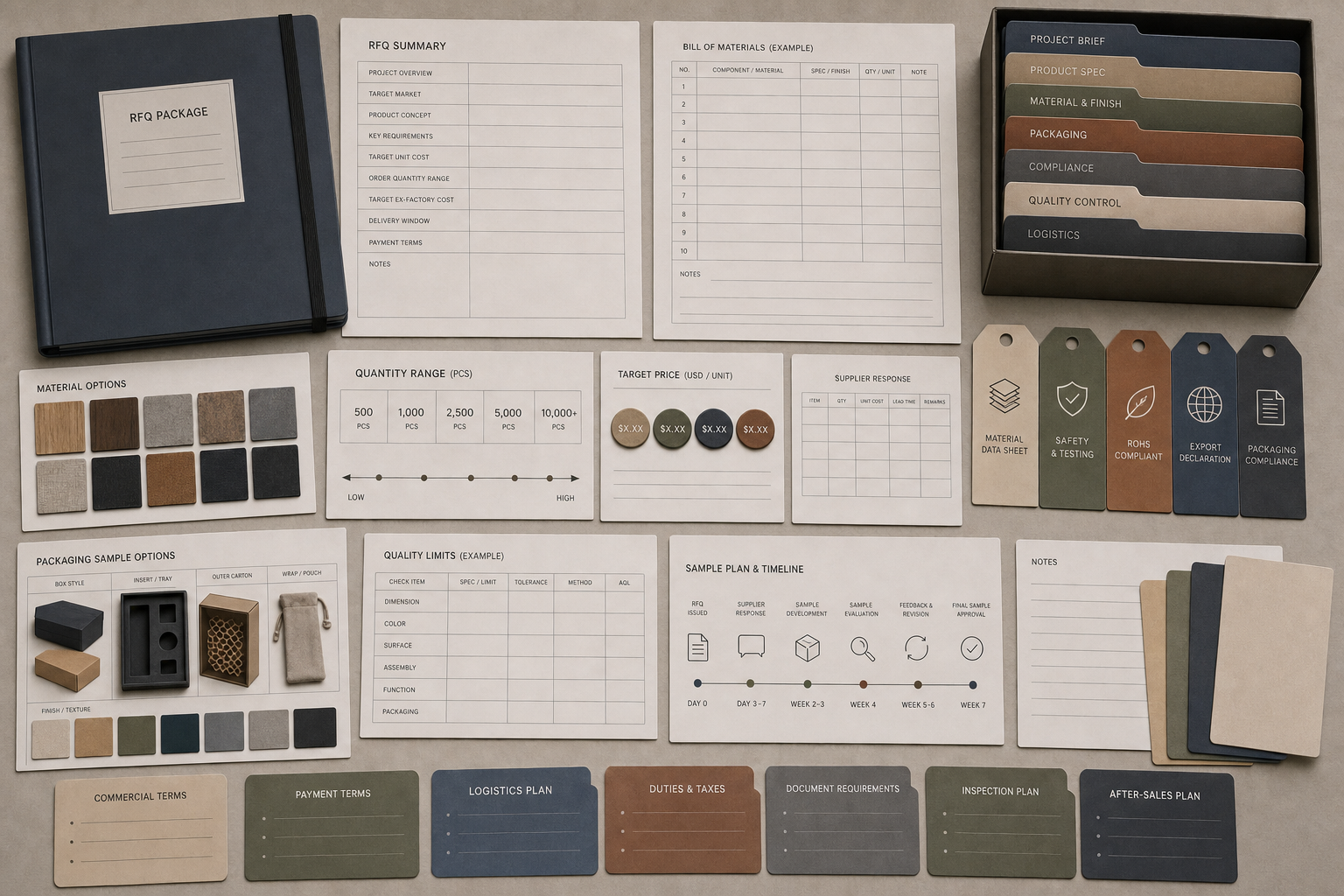
I Ask Buyers To Mark Fixed And Flexible Points
A good RFQ does not need to be complicated. It needs to be clear. I ask buyers to mark which requirements are fixed and which ones can be optimized. For example, the buyer may fix the jade-color handle mood but allow G10, acrylic, or resin options. The buyer may want a patterned blade but allow real pattern-welded steel or a lower-cost etched finish, as long as the packaging wording changes. The buyer may require a rigid box but allow different insert materials.
The RFQ should include product role, target market, blade type, blade size, steel grade, hardness target if known, handle material, hardware color, finish, decoration method, logo method, packaging style, quantity, target price, compliance notes, and QC expectations. If the buyer has reference images, I use them as mood references only. I still need dimensions and material choices. This is where Vast State can help. I can suggest practical alternatives when the design goal is clear but the first material idea is too costly, too fragile, or too difficult to repeat.
| RFQ field | Why it helps | Example buyer input |
|---|---|---|
| Product positioning | Guides cost and material level | Collector-style gift, EDC, outdoor, or private label line |
| Material priority | Defines real production choices | Steel grade, handle material, hardware color |
| Decoration method | Controls cost and claim wording | Etch, inlay-inspired groove, plating, or patterned steel |
| QC and compliance notes | Protects market fit | Target market, inspection list, material documents |
Turn your idea into a quote-ready knife project.
Share your drawing, sample photo, target quantity, market, and packaging needs. Vast State will review manufacturability and prepare OEM/ODM options.
Conclusion
I build better heritage-inspired knife projects by turning material history into honest specs, controlled production, clear packaging, documented QC, and RFQ-ready decisions.
Source Notes
- British Museum Islamic Gallery dagger record supports examples of jade, gold, glass, ruby, emerald, steel, and velvet in a historic object.
- British Museum Islamic dagger record supports context for pattern-welded and gold-inlaid steel, rock crystal, enamel, and gemstones.
- The Met wootz steel ingot record supports historical context for wootz and Damascus steel discussion.
- British Museum jambiyya record supports regional material variation including resin, silver, brass, wood, textile, leather, silk, and metal.
- Alleima 14C28N knife steel supports modern knife steel specification discussion.
- UNSD HS 8211 supports customs classification context for knives and blades, but local broker advice is still needed.
- ISO 4180 supports packaging performance-test planning for complete filled transport packages.
- ISO 9001 and ISO 10007 support quality management and configuration record concepts used in the article.