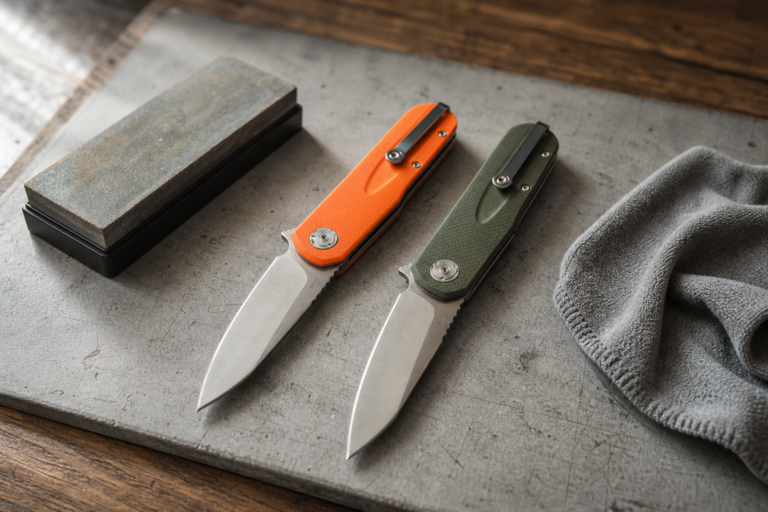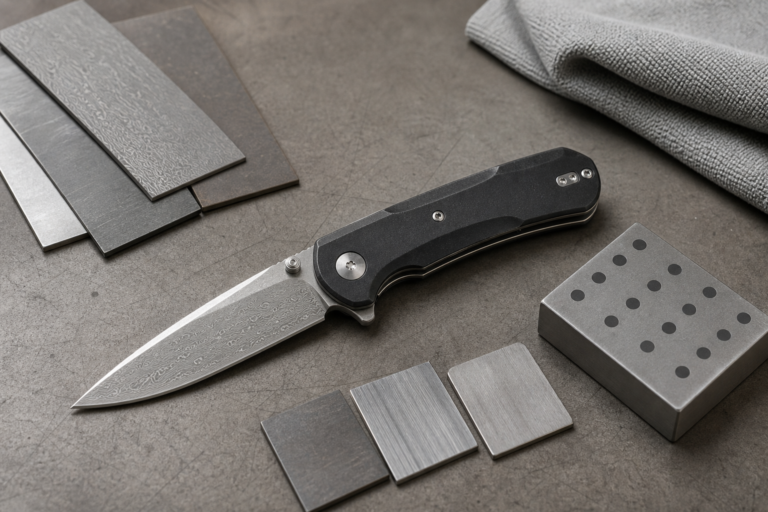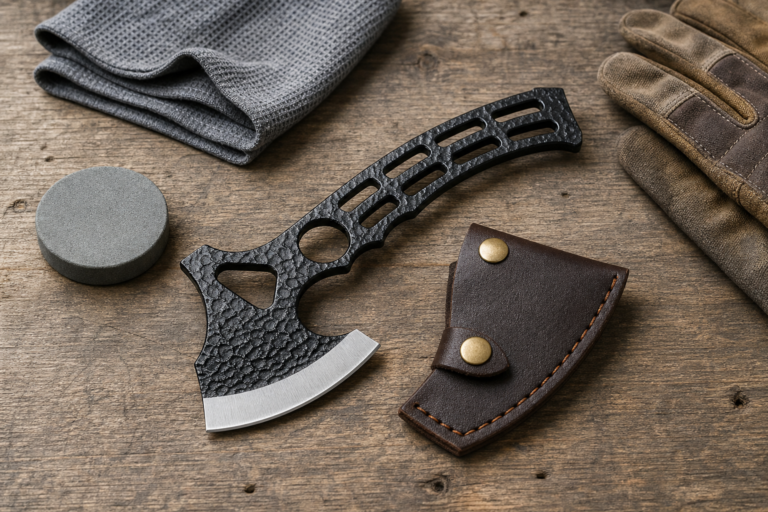
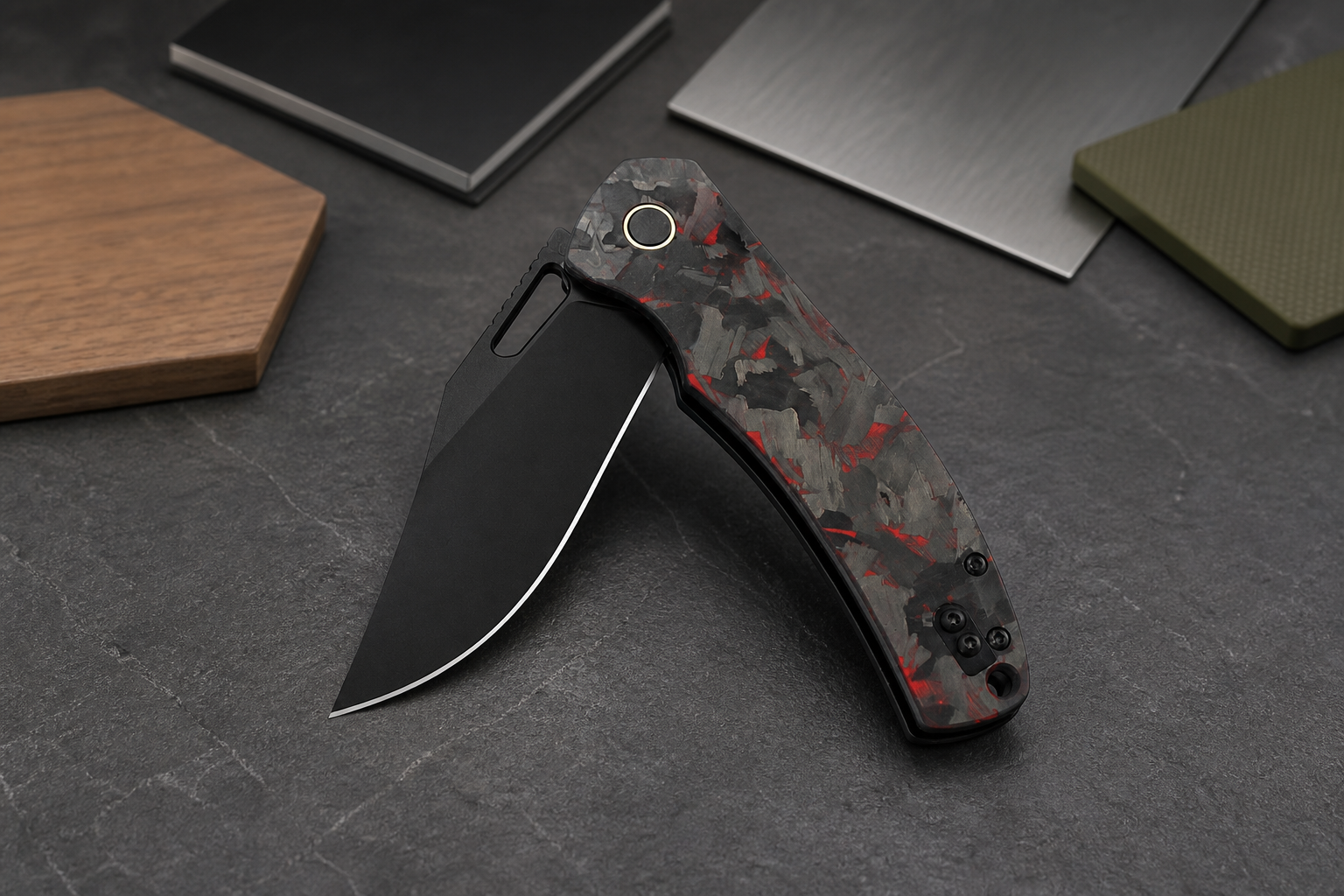
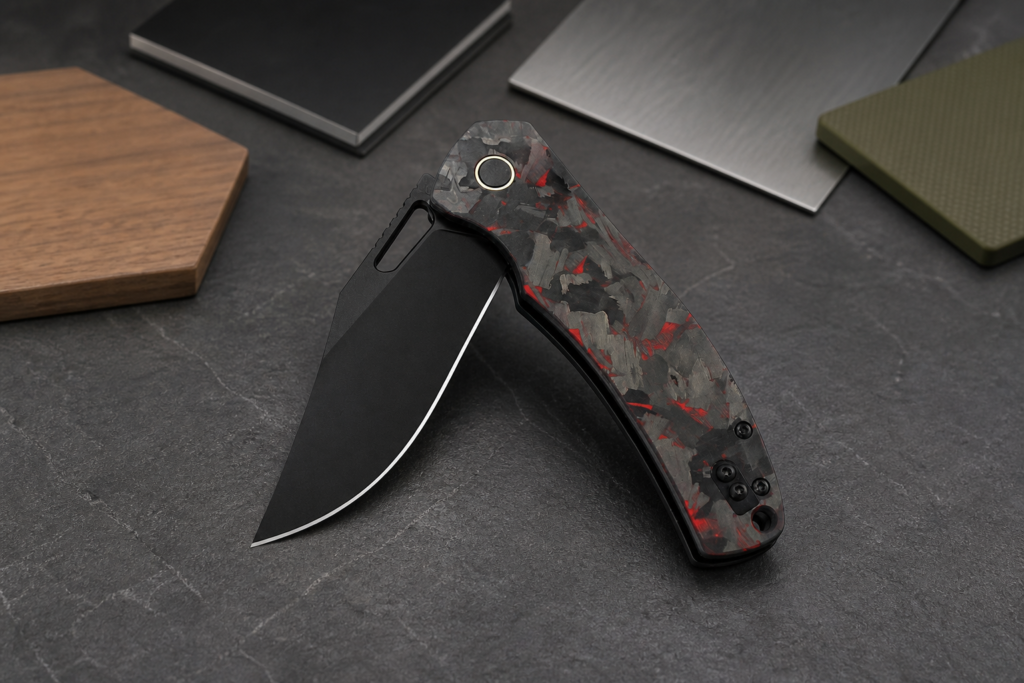
Knife handle material is easy to judge by appearance. It is harder to judge by use, cost, compliance, and repeatability.
Buyers should choose knife handle materials by matching the target user, grip needs, environment, knife category, cleaning method, price point, compliance scope, finish tolerance, packaging, and QC checks. No handle material is always best; each material has trade-offs.
Quick buyer brief:
- Answer: A good handle material choice balances comfort, strength, moisture behavior, texture, weight, cost, appearance, market rules, and production stability.
- Buyer context: This guide is for knife brands, outdoor brands, kitchenware brands, EDC brands, importers, distributors, retail buyers, private label teams, and OEM/ODM sourcing managers.
- Key checks: Target use, wet or dry grip, handle shape, material family, inserts or liners, surface texture, color tolerance, temperature behavior, chemical restrictions, food-contact context, odor, care instructions, package protection, and inspection criteria.
Have a knife or multi-tool project in mind?
Send your sketch, CAD file, sample photo, or product idea. Vast State can review manufacturability, suggest materials, estimate MOQ, and prepare a quote for your OEM/ODM project.
Many handle material articles list wood, metal, rubber, plastic, bone, carbon fiber, and composite materials as if the buyer only needs to pick the most attractive option. That is not enough for OEM/ODM work. A handle material affects grip, weight, balance, cleaning, surface wear, color consistency, machining, assembly, packaging, and customer expectations.
A good handle material is not simply "premium." It is suitable for the product. A kitchen knife, camping fixed blade, pocket knife, fishing knife, warehouse utility tool, and gift knife may need different material logic. The buyer should choose the material with the whole project in mind.
Why Should Handle Material Be a Product Strategy Decision?
The handle is where the customer feels the product first.
Handle material should be a product strategy decision because it shapes comfort, grip, weight, perceived value, cleaning, durability, maintenance, price, compliance, and the brand story of the knife.
I Start With the Use Case, Not the Material Name
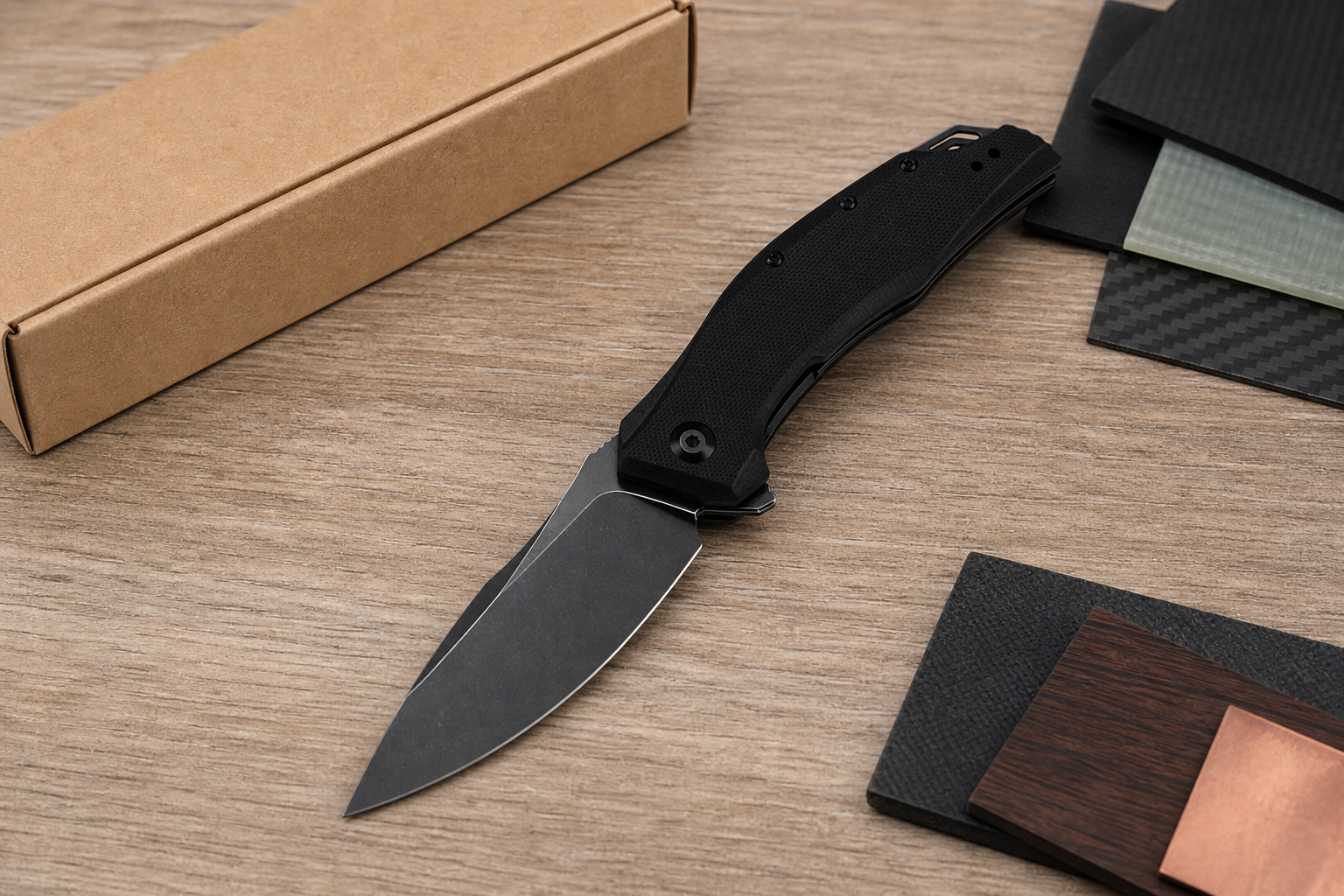
The same handle material can be excellent in one product and wrong in another. Smooth polished wood may fit a gift kitchen knife, but it may be less suitable for a wet outdoor grip without the right contour and finish. Metal can feel durable and slim, but it may feel cold, slippery, or heavy if the texture and geometry are wrong. Rubber-like materials can improve grip, but they may collect dust, show wear, or create odor concerns if poorly specified.
The handle also controls the brand story. Natural wood can feel warm and traditional. Glass-fiber laminate can feel technical and durable. Molded polymer can support cost control and color consistency. Metal can support a clean modern look. A buyer should choose that story deliberately.
I usually ask buyers five questions before material selection:
- Who will use the knife?
- Where will the knife be used?
- Will the handle be wet, greasy, cold, hot, or gloved?
- What price range must the product hit?
- Which market rules, labels, or material reports are needed?
| Buyer goal | Handle material question | Practical result |
|---|---|---|
| Comfort | Does the material support the handle shape? | Better grip and lower complaints |
| Durability | Can it survive the use environment? | Fewer cracks, chips, or loose scales |
| Brand value | Does it fit the product position? | Clearer retail story |
| Compliance | Are materials and claims documented? | Lower shipment and claim risk |
| Repeatability | Can the factory control color and finish? | More stable production |
OEM/ODM RFQ Checklist
Prepare these details to help Vast State review your project and provide a more accurate quotation.
| RFQ Field | What to Prepare |
|---|---|
| Project type | OEM from drawing / ODM private label / wholesale catalog |
| Product category | Folding knife / fixed blade / multi-tool / outdoor tool |
| Design status | Idea / sketch / 2D drawing / 3D CAD / physical sample |
| Target price | Ex-factory target price or retail price range |
| MOQ expectation | 500 / 1,000 / 3,000 / 5,000+ pcs |
| Logo method | Laser engraving / etching / printing / molded logo |
| Packaging | Standard packaging / custom retail box / Amazon-ready |
| Market | USA / EU / Japan / Korea / Middle East / other |
| Compliance needs | Buyer-specified testing / documentation / labeling |
| Timeline | Sample deadline / mass production deadline |
How Do Common Knife Handle Material Families Compare?
Material families should be compared by trade-off, not by ranking.
Common handle material families include natural wood, stabilized wood, molded polymers, rubber-like materials, glass-fiber laminates, carbon-fiber laminates, metal, and natural materials. Each has different cost, feel, durability, appearance, and QC needs.
I Compare Materials by the Job They Must Do
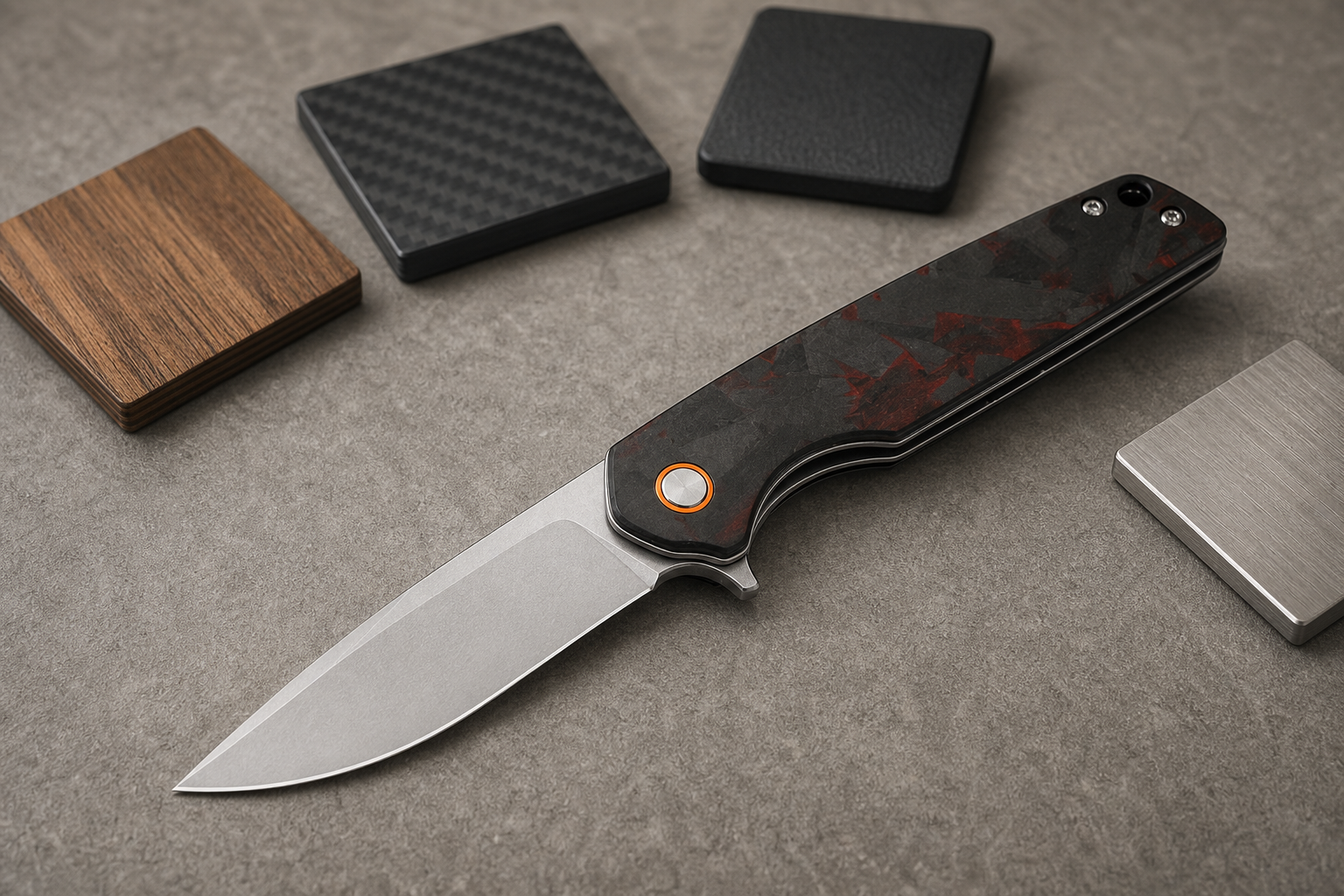
Natural wood can look warm and premium, but buyers must control moisture behavior, grain variation, cracking, finish, odor, and care copy. Stabilized wood can improve dimensional stability and color options, but it still needs finish and supplier control. Molded polymers can support repeatable color, low weight, and cost control, but cheap formulas may feel hollow, slippery, brittle, or overly plastic.
Rubber-like or elastomer handles can improve wet grip and comfort. They may suit fishing, outdoor, kitchen, or work-tool applications. The buyer should check odor, tackiness, staining, dust pickup, aging, and color consistency. Glass-fiber laminates and phenolic laminates can offer strong structure, texture options, and a technical look. They need machining control, edge finishing, and dust-control practices at the factory level.
Carbon-fiber laminates can look light and premium, but buyers should confirm whether the project needs real carbon-fiber performance or only a carbon-look surface. Metal handles can be slim and durable, but they need texture, chamfering, anodizing or finishing control, and temperature-feel review.
| Material family | Typical advantage | Buyer caution |
|---|---|---|
| Natural wood | Warm appearance, traditional value | Moisture, cracks, color variation |
| Molded polymer | Cost, color, volume repeatability | Cheap feel, brittleness, surface wear |
| Rubber-like material | Grip and comfort | Odor, dust pickup, aging |
| Glass-fiber laminate | Strength, texture, technical look | Machining, edge finish, cost |
| Metal | Slim, durable, modern look | Cold feel, slip, weight, scratches |
How Should Ergonomics and Grip Guide Material Choice?
A good material cannot fix a poor handle shape.
Buyers should evaluate handle material together with handle geometry, thickness, texture, finger clearance, balance, weight, wet grip, glove use, edge radius, and intended cutting task.
I Specify Feel With Shape, Texture, and Test Conditions
The CCOHS hand tool design guidance gives useful ergonomic principles for hand tools, including handle design, grip, texture, weight, and hazards. For knife buyers, the lesson is direct: material choice must work with the hand, not only with the catalog photo.
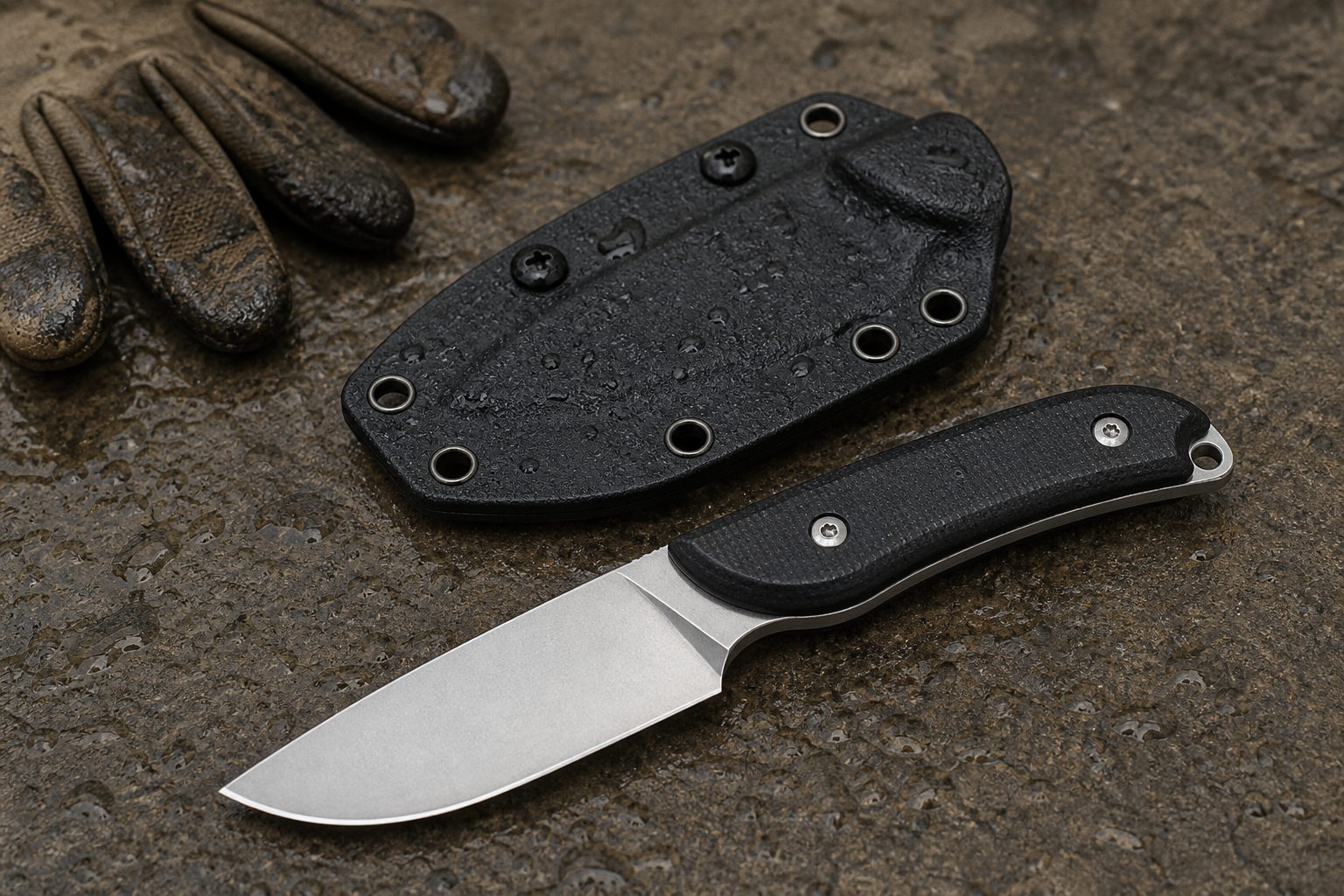
Texture matters. A smooth handle may be acceptable for a gift or light kitchen knife. It may be weak for wet outdoor tasks. A deeply textured handle can improve grip, but it can also create hot spots, trap dirt, or feel too aggressive for kitchen use. A rubber-like surface can feel secure, but it may not match a premium retail position if the finish feels cheap.
Buyers should define test conditions:
- Dry hand feel
- Wet hand feel
- Oily or greasy handling where relevant
- Glove use where relevant
- Cold or warm environment
- Repeated opening, cutting, cleaning, and storage
- Packaging and unboxing touch points
The buyer should test handle material on the final handle shape. A flat material swatch can mislead. A material that feels good as a sample chip may feel too slippery once shaped, polished, coated, or assembled.
What Performance Tests Matter for Handle Materials?
Handle material should be tested against the product's actual risks.
Buyers should define tests for moisture, cracking, impact, heat, cold, chemical exposure, colorfastness, odor, screw retention, bonding, scale fit, texture wear, corrosion interaction, and packaging abrasion.
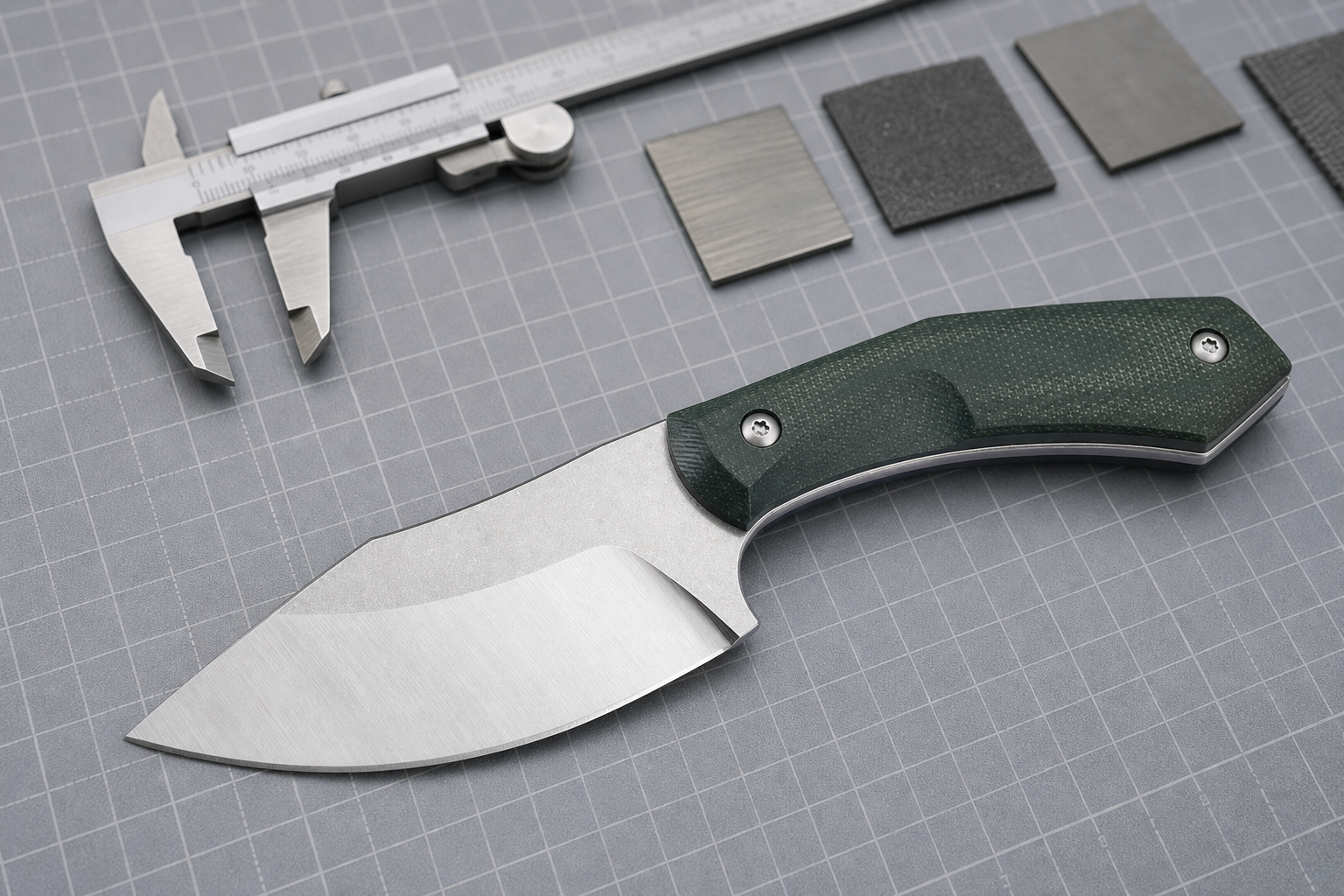
I Turn Material Concerns Into Checkable Limits
Every handle material has failure modes. Wood can swell or crack. Polymer can warp or become brittle. Rubber-like materials can age, smell, or get sticky. Laminates can chip at machined edges. Metal can scratch, dent, or feel slippery. Adhesive bonding can fail if the surface is not prepared correctly. Screws can loosen if inserts or thread engagement are weak.
The NIST dimensional metrology page supports the general role of measurement in manufacturing and process improvement. For handle projects, measurement can include handle thickness, scale flatness, screw-hole position, gap between scale and tang, liner fit, finished weight, texture depth, package clearance, and color or finish references.
Performance checks should match the material and use case. A kitchen knife handle may need cleaning, moisture, detergent, food-contact-context, and odor review. An outdoor handle may need wet grip, cold feel, impact, and sheath-rub review. A pocket knife handle may need screw retention, clip contact, pocket abrasion, and thin-edge comfort review.
| Test area | Why it matters | Example buyer check |
|---|---|---|
| Moisture | Swelling, staining, corrosion | Soak, wipe, dry, inspect |
| Assembly | Loose scales or screws | Torque and gap check |
| Finish | Wear and color transfer | Rub and abrasion review |
| Temperature | Comfort and cracking | Cold and heat exposure review |
| Packaging | Scratches and movement | Pack-out inspection |
Which Compliance Questions Should Buyers Ask?
Handle material compliance depends on target market and intended use.
Buyers should ask about restricted substances, food-contact context, skin-contact concerns, coatings, dyes, adhesives, recycled content, environmental claims, labeling, and test-report scope before shipment.
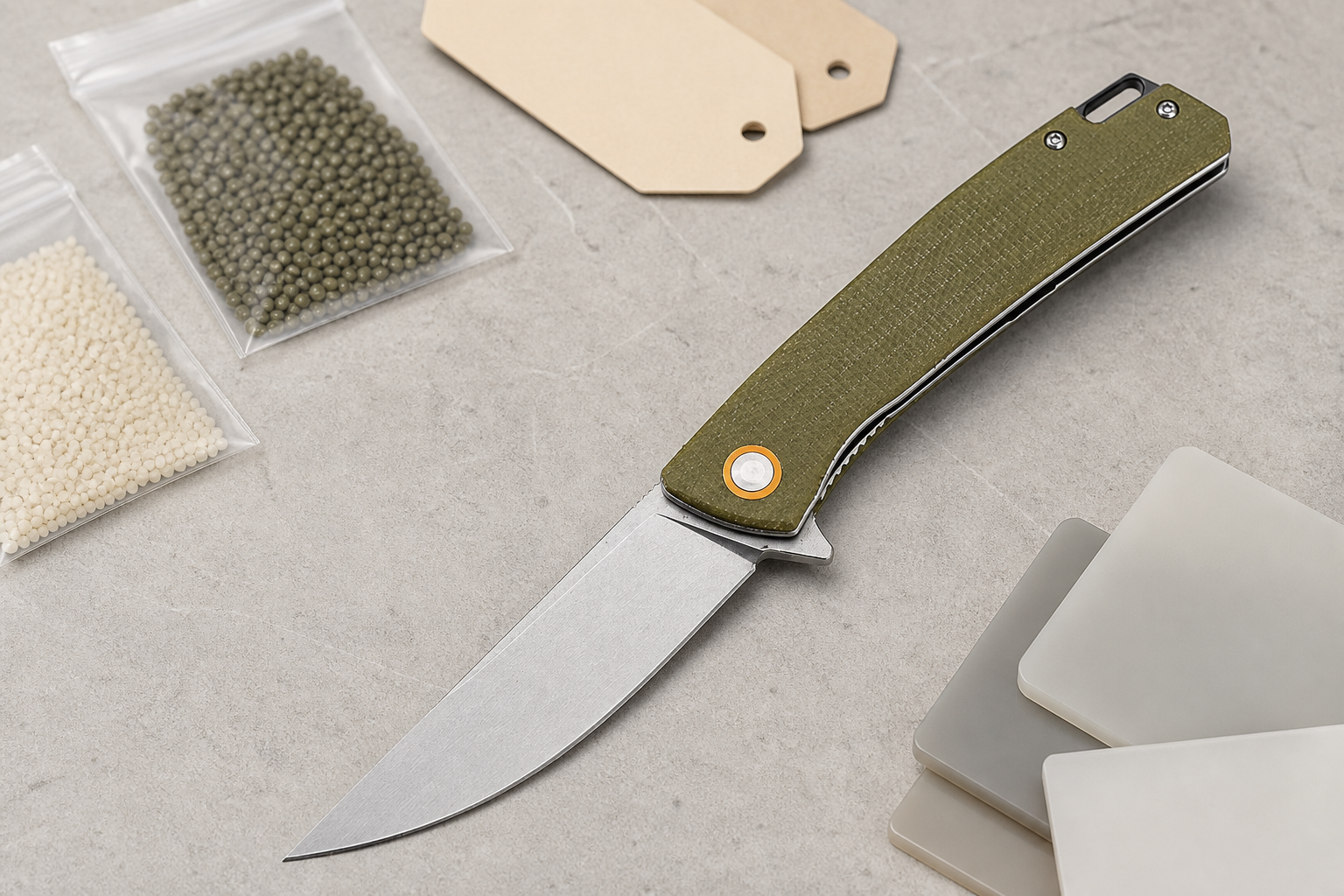
I Ask for Scope, Not Just a Certificate
Knife handles touch hands. Some kitchen knife handles may be used in food-preparation environments. Coatings, dyes, adhesives, fillers, plasticizers, recycled polymers, metal finishes, and surface treatments can all affect compliance questions. The buyer should not accept a vague material claim without scope.
For EU sales, the ECHA Candidate List substances in articles page explains that Candidate List substances in articles can trigger obligations for producers, importers, and suppliers. For products sold into the EU, buyers should ask suppliers for current material declarations and confirm whether any substances of very high concern are present above applicable thresholds.
For U.S. kitchenware or food-preparation contexts, FDA pages on food ingredients and packaging and food contact material components can help buyers understand why the intended use and component status matter. Not every knife handle is a food-contact article, but if a buyer makes food-contact or kitchen-safety claims, the material review should match the claim.
Compliance questions to ask:
- Which exact material grade is used?
- Are coatings, dyes, adhesives, or fillers included in the test scope?
- Does the report match the production color and finish?
- Does the target market require restricted substance review?
- Does the package make food-contact, recycled, eco, or non-toxic claims?
- Is the test report current enough for the buyer's policy?
How Should Appearance and Finish Consistency Be Controlled?
Handle material beauty can become a production problem if variation is not defined.
Buyers should control color range, grain variation, surface gloss, machining marks, texture depth, logo position, edge rounding, gap limits, scratch limits, odor, and acceptable natural variation.
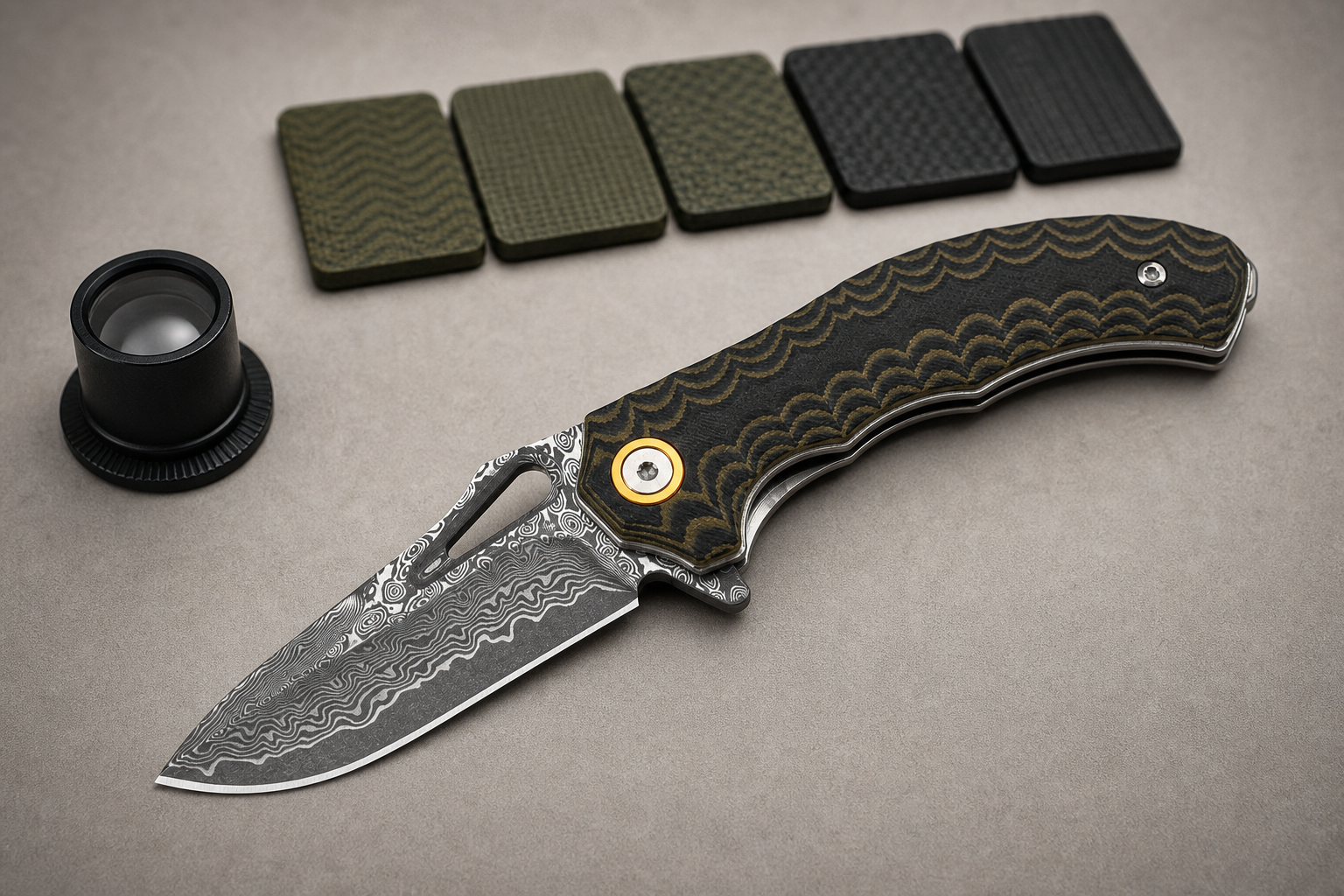
I Define Natural Variation Before Production
Some handle materials are naturally variable. Wood grain, stabilized wood color, horn-like material, bone-like material, stone-like patterns, and fiber laminates can vary from piece to piece. That variation can look premium if buyers expect it. It can become a dispute if sales teams expect every piece to match a photo.
The buyer should define approved range samples. One "golden sample" is not enough for natural materials. The supplier should know the lightest, darkest, most patterned, least patterned, and unacceptable examples. For molded polymer or metal, the buyer should define color tolerance, gloss level, texture, coating thickness where relevant, logo position, and acceptable scratch limits.
Appearance also affects online sales. Product photos may show one handle pattern, but customers may receive another. Packaging or website copy should avoid promising identical grain if the material naturally varies. Care copy should explain that natural materials may age, darken, or develop character if that is true for the product.
Finish-control checklist:
- Approved color range
- Surface texture limit
- Edge radius target
- Gap limit between handle and tang or liner
- Logo size and position
- Scratch and dent examples
- Odor acceptance
- Natural variation note where needed
What Should Buyers Put in the RFQ and BOM?
Handle material problems often start with vague sourcing documents.
The RFQ and BOM should state material family, grade, supplier option, color, finish, texture, thickness, inserts, liners, fasteners, adhesives, coating, test reports, packaging protection, and QC limits.
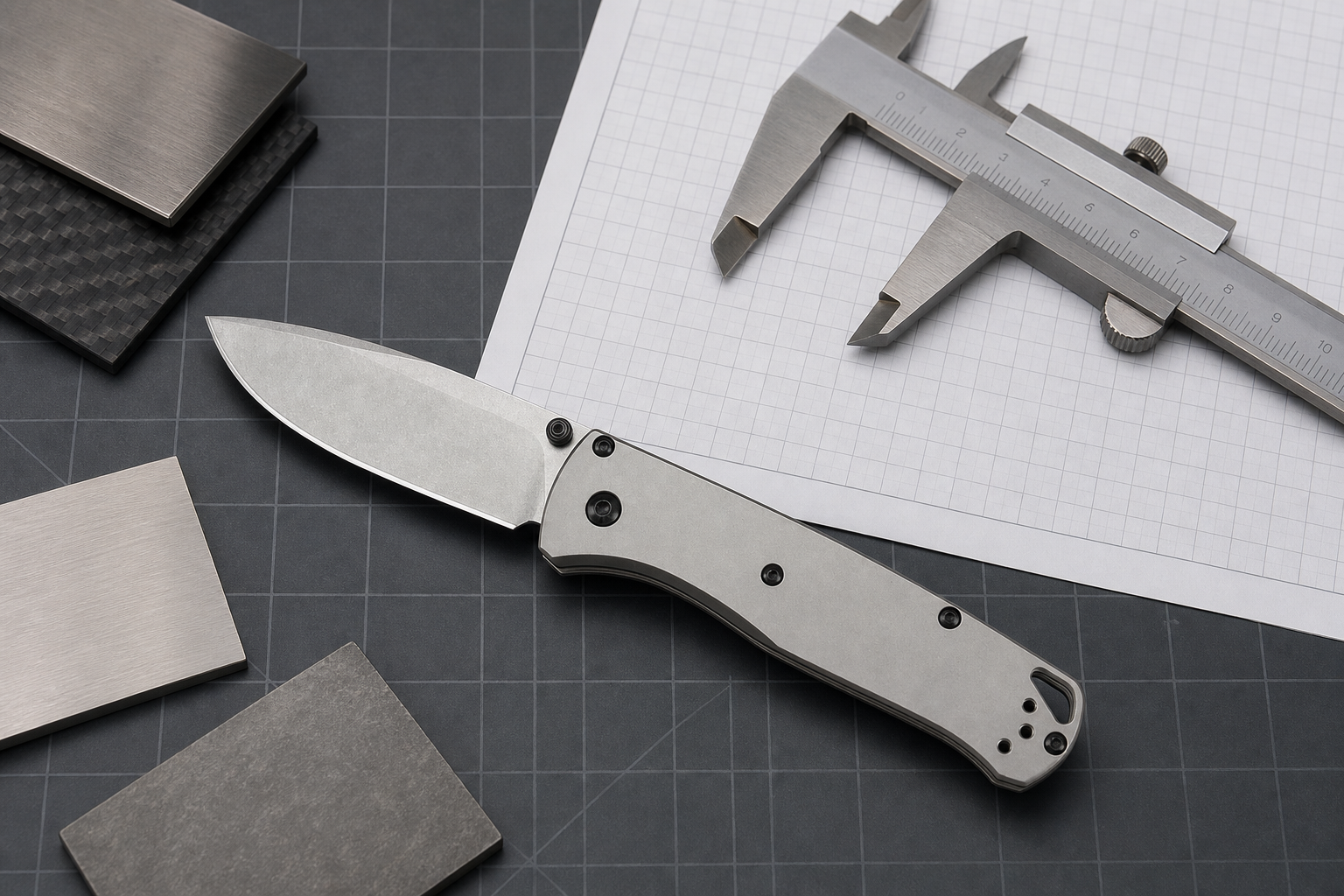
I Do Not Let the Factory Guess the Grade
If the buyer only writes "wood handle" or "plastic handle," the supplier has too much room to guess. The price may look good, but the delivered product may not match the buyer's expectation. A better RFQ defines the material family, grade or acceptable equivalent, finish, color target, texture, thickness, assembly method, and compliance documents.
ISO 9001 is useful here as a quality-management reference because it emphasizes defined requirements, process control, and continual improvement. Buyers do not need to claim a product is ISO-certified. They can still use a quality-system mindset: define requirements, record changes, approve samples, inspect production, and review failures.
The BOM should include hidden items too. Liners, pins, screws, threaded inserts, adhesives, coatings, spacers, washers, and surface treatments may affect durability and compliance. If a handle material requires special storage or drying before assembly, include that in supplier instructions. If a colorant or coating must meet a specific market requirement, include that in the document list.
Strong RFQ fields include:
- Material family and grade
- Color and finish target
- Texture and edge finish
- Handle thickness and weight target
- Fastener and insert details
- Adhesive or bonding method
- Required material declarations
- Sample and range approval method
- QC checklist and defect examples
How Should Packaging and Care Instructions Change by Material?
Handle materials need different protection and customer guidance.
Packaging and care instructions should reflect moisture sensitivity, scratch risk, heat exposure, cleaning limits, odor, natural variation, color transfer, corrosion interaction, and storage needs for the selected handle material.
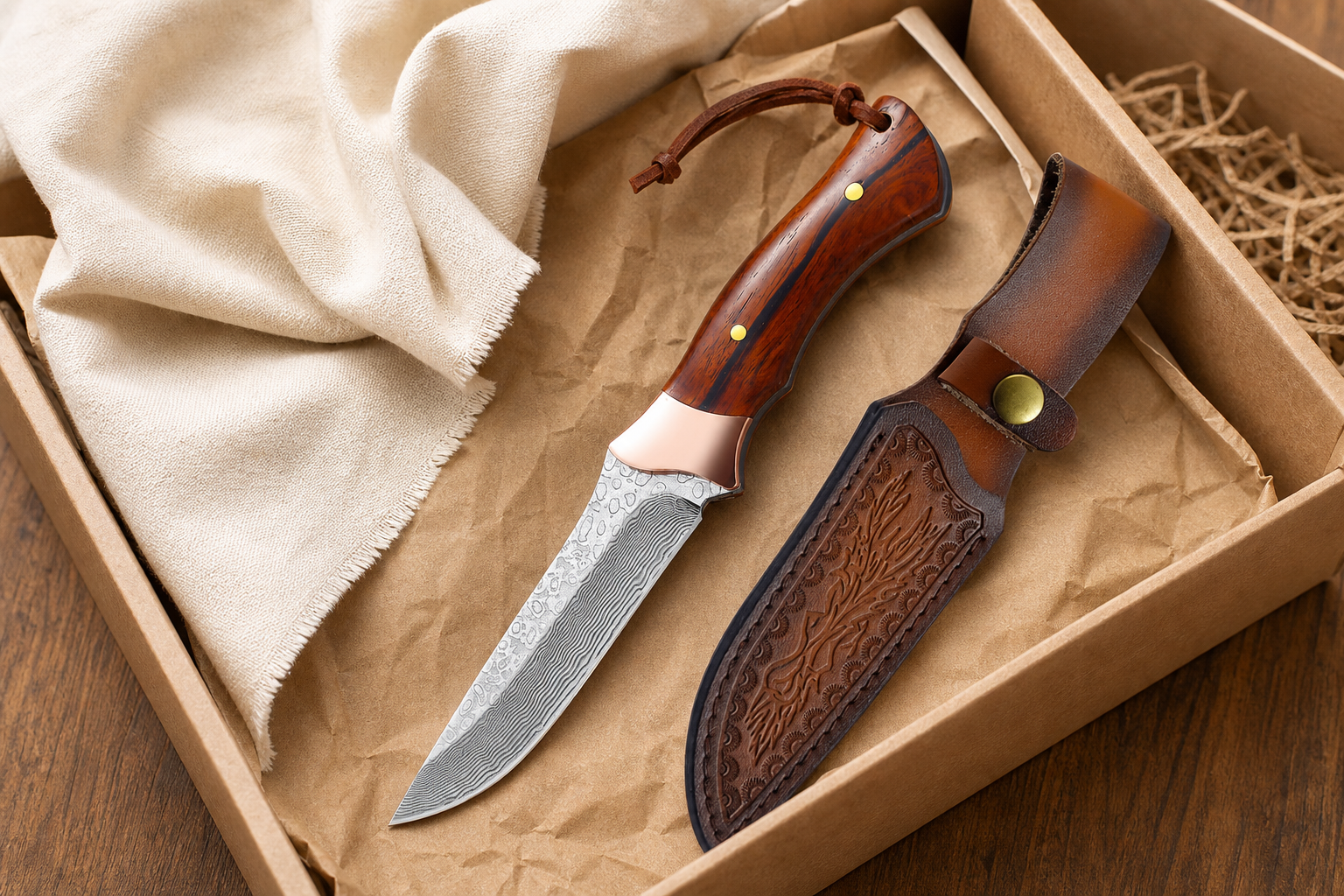
I Write Care Copy Around the Actual Material
A wood handle may need different care than a molded polymer handle. A metal handle may need scratch protection and temperature-feel expectations. A rubber-like handle may need odor, cleaning, and storage notes. A polished handle may need protection from package abrasion. A natural material may need a note that color or grain can vary.
The CPSC labeling overview reminds buyers that labeling requirements can depend on product type, design, components, and intended age group. For handle materials, this means the buyer should review whether care, age, importer, warning, or market-specific labels are needed, rather than copying a generic insert.
Marketing claims should also match the material evidence. The FTC advertising and marketing guidance is a useful reminder that claims should be truthful and not misleading. The FTC's environmental marketing guidance also warns that green, recycled, eco, and similar claims need competent and reliable evidence. If a handle is marketed as recycled, sustainable, non-toxic, natural, or food-safe, the buyer should confirm the proof before printing.
Care copy should be practical:
- Clean and dry after use.
- Avoid prolonged soaking if material is moisture-sensitive.
- Avoid high heat if material can warp or crack.
- Do not use harsh chemicals unless approved.
- Expect natural grain or color variation where applicable.
- Stop using the product if the handle cracks, loosens, or separates.
How Can Vast State Help Buyers Choose Knife Handle Materials?
Vast State can help buyers turn handle material choices into a controlled sourcing brief.
Vast State helps buyers choose knife handle materials by aligning use case, ergonomics, material family, sample testing, compliance scope, appearance range, packaging, care copy, BOM fields, and QC records.
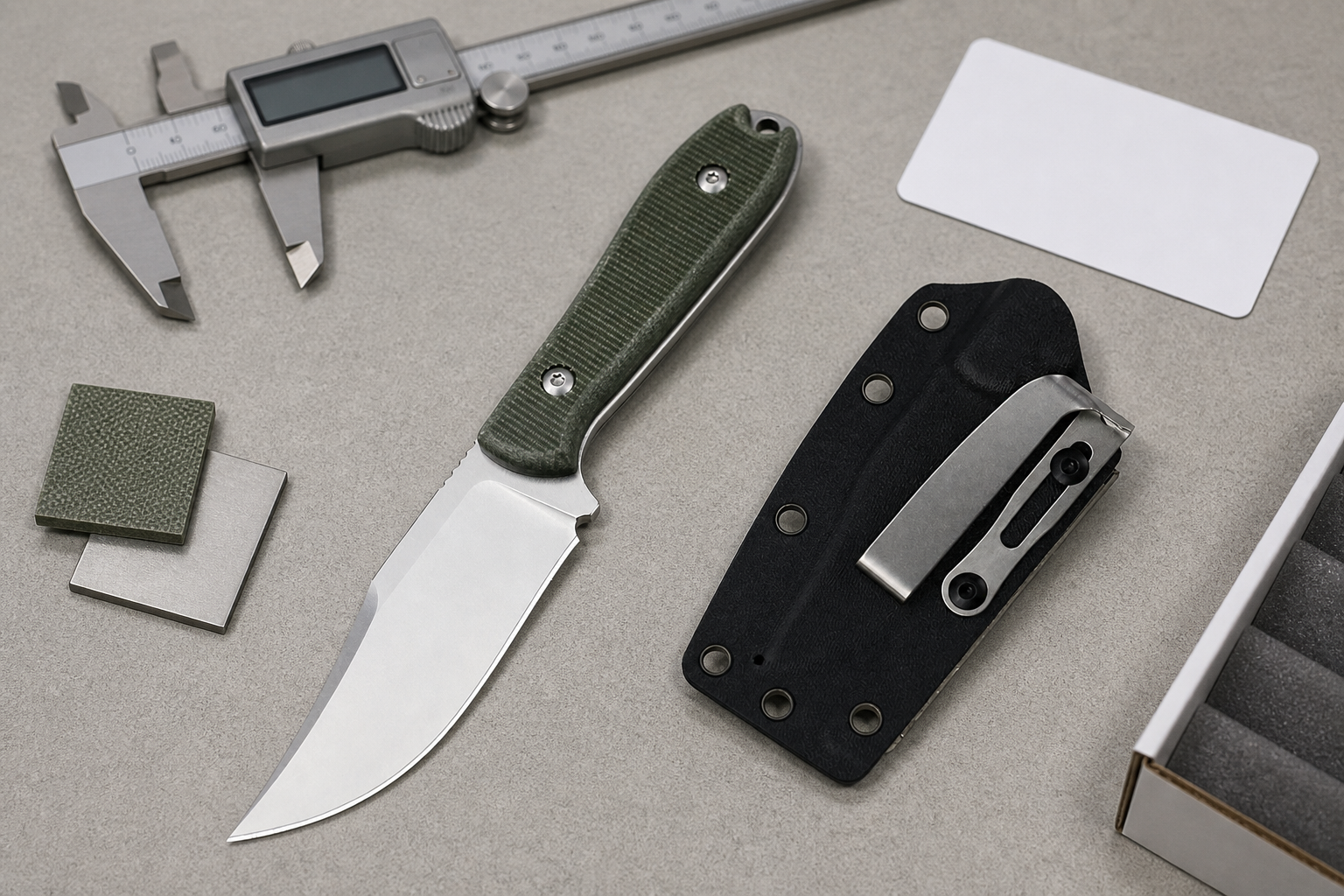
I Help Buyers Avoid Material Drift
Handle material selection can drift during sampling. The first sample may use one material grade. The revised sample may use another. A supplier may change filler, finish, colorant, adhesive, or surface treatment to hit cost or lead time. If the buyer does not lock the BOM and approval range, mass production can move away from the approved sample.
Vast State can help buyers define the material brief before quoting. We can connect the handle material to the knife category, target user, target price, packaging, and compliance requirements. We can also help create a sample review record so the final approval includes material grade, color range, finish, texture, assembly method, documents, and QC limits.
Vast State can support:
- Knife handle material comparison brief
- OEM/ODM material and finish options
- Ergonomic handle review
- BOM and RFQ field setup
- Material declaration checklist
- Sample range approval
- Packaging and care wording
- Pre-shipment QC checklist
The goal is simple: the handle should feel right, look right, pass the required checks, and stay repeatable from sample to shipment.
Turn your idea into a quote-ready knife project.
Share your drawing, sample photo, target quantity, market, and packaging needs. Vast State will review manufacturability and prepare OEM/ODM options.
Conclusion
The right knife handle material is the one that fits the user, market, compliance scope, price point, package, and repeatable production plan.