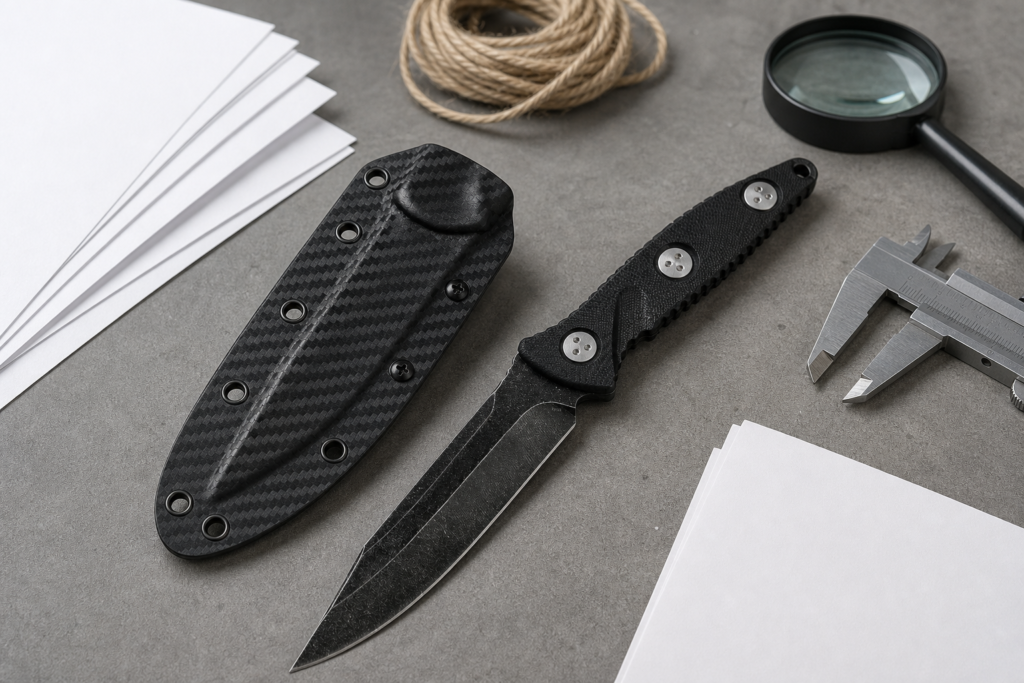
"Sharpest in the world" sounds powerful. For buyers, it is too vague to put on a spec sheet without test evidence.
Buyers should evaluate knife sharpness claims by defining the intended cutting task, edge geometry, steel and heat treatment, sharpness test method, edge-retention target, sample size, QC limits, claim wording, packaging warnings, and after-sales care guidance before approving production.
Quick buyer brief:
- Answer: Sharpness is not a ranking. It is a measurable performance requirement that depends on edge angle, grind, burr control, steel, heat treatment, finish, sharpening process, edge retention, and the test method used.
- Buyer context: This guide is for kitchen knife brands, outdoor knife brands, EDC brands, foodservice suppliers, importers, distributors, private label buyers, and OEM/ODM sourcing managers.
- Key checks: Cutting task, edge angle, grind type, burr removal, sharpness test method, edge-retention test, hardness range, steel grade, sample plan, calibrated equipment, claim evidence, warning copy, care instructions, and final inspection records.
Have a knife or multi-tool project in mind?
Send your sketch, CAD file, sample photo, or product idea. Vast State can review manufacturability, suggest materials, estimate MOQ, and prepare a quote for your OEM/ODM project.
This article does not rank knives or recommend consumer products. It helps buyers turn a vague "sharpest" idea into a sourcing, testing, packaging, and QC framework. A buyer should not print superlative claims unless the claim is defined, tested, and supported.
The practical sourcing lesson is simple: an impressive edge on one golden sample does not prove that mass production will meet the same sharpness level. The buyer needs a repeatable test plan.
What Does "Sharpest" Mean for a Buyer?
The word sounds clear, but it is not a specification.
For buyers, "sharpest" should mean a defined cutting-performance target under a named test method, not a vague comparison against every knife in the world.
I Replace Superlatives With Testable Language
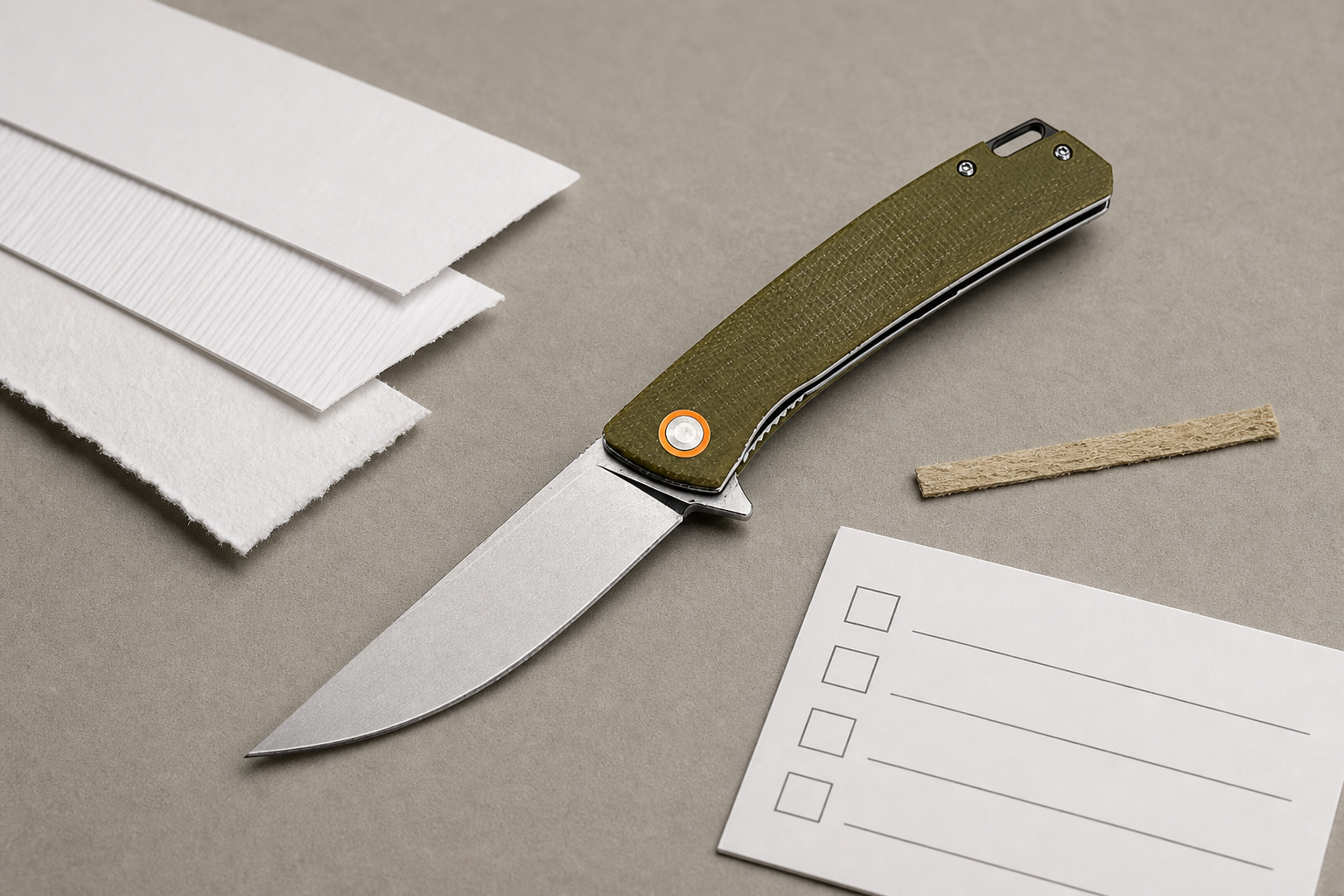
The phrase "sharpest knife in the world" is usually not useful for OEM/ODM sourcing. It does not explain the cutting medium, the edge geometry, the sample count, the test machine, the edge retention requirement, or the acceptable production tolerance.
The ISO 8442-5:2004 page is useful because it shows that professional and domestic food-preparation knives can be evaluated through a defined sharpness and edge-retention test framework. Buyers do not need to copy one standard blindly, but they should understand the principle: sharpness becomes meaningful when the test is named.
Better buyer language includes:
- Initial sharpness target
- Edge-retention target
- Test medium or test method
- Edge angle and grind
- Steel and hardness range
- Acceptable variance between samples
- Rework rules for dull or burred edges
- Claim wording allowed on packaging
The buyer should not ask the supplier for "the sharpest knife." The buyer should ask for a product that meets a defined cutting requirement at the planned price point.
Which Test Methods and Metrics Matter?
Sharpness claims need measurable evidence.
Useful metrics can include initial sharpness, edge retention, cutting force, cutting depth, edge angle, burr condition, hardness, grind symmetry, and production sample consistency.
I Ask How the Supplier Measures the Edge
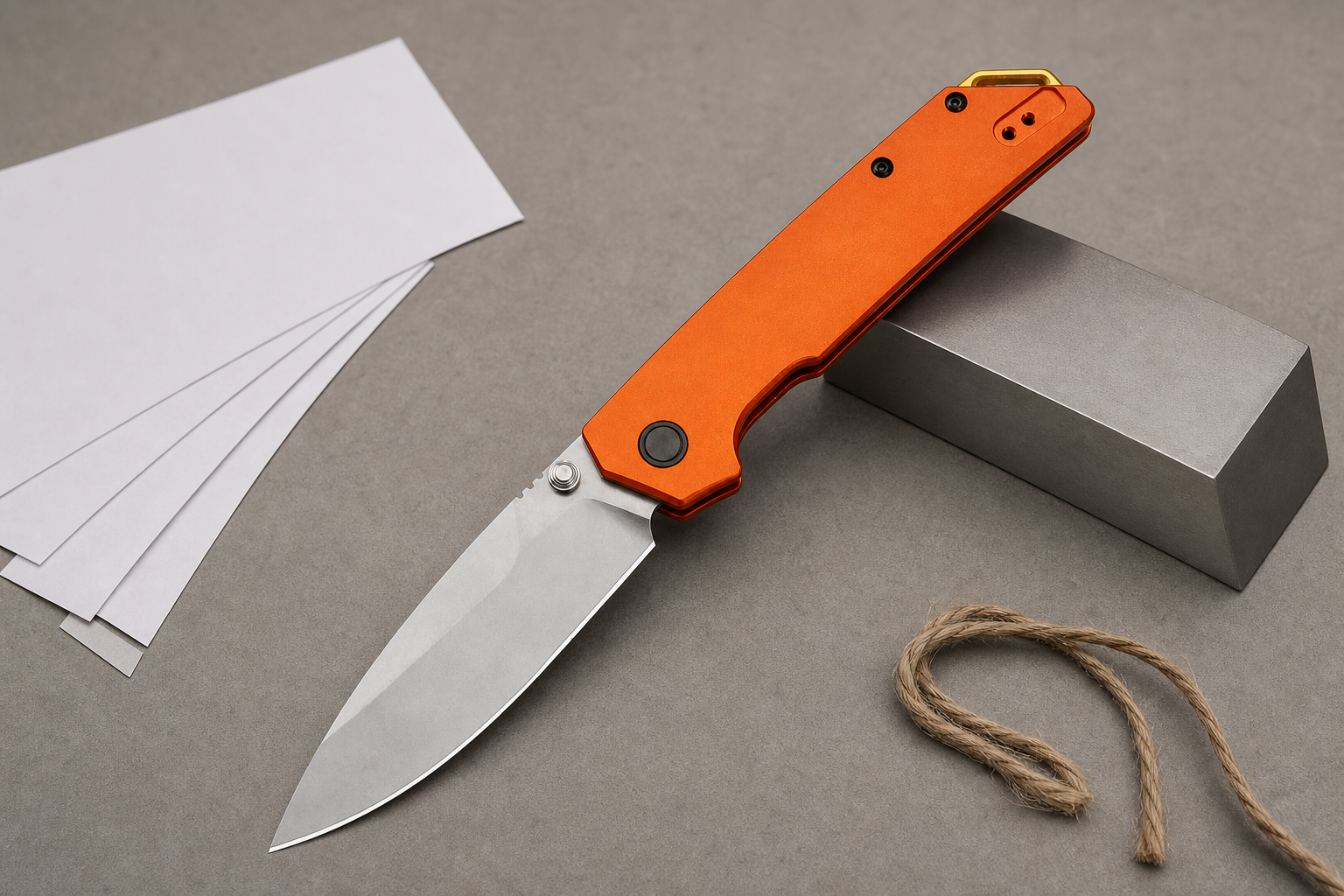
Many suppliers say a sample is sharp because it feels sharp. That is not enough for a private label program. The buyer should ask how the supplier measures sharpness, which tool is used, how often the tool is checked, which samples are tested, and what happens when results fall below the limit.
Measurement quality matters. The NIST dimensional metrology page supports the broader manufacturing idea that measurement helps process control and quality improvement. The NIST traceability policy page also reminds buyers that measurement claims need a documented chain and method when traceability is claimed.
The buyer can request:
- Test method name
- Equipment model or method description
- Calibration or verification record
- Sample size
- Pass or fail limit
- Initial sharpness result
- Edge retention result
- Rework and retest process
- Production lot record
If a supplier cannot explain the method, the buyer should treat the sharpness claim as marketing, not engineering.
How Do Steel, Heat Treatment, and Edge Geometry Affect Sharpness?
Sharpness is not only about the steel name.
Sharpness depends on steel, heat treatment, grind, edge angle, thickness behind the edge, burr control, finishing process, and the cutting task the knife is designed to perform.
I Build the Edge Around the Product Task
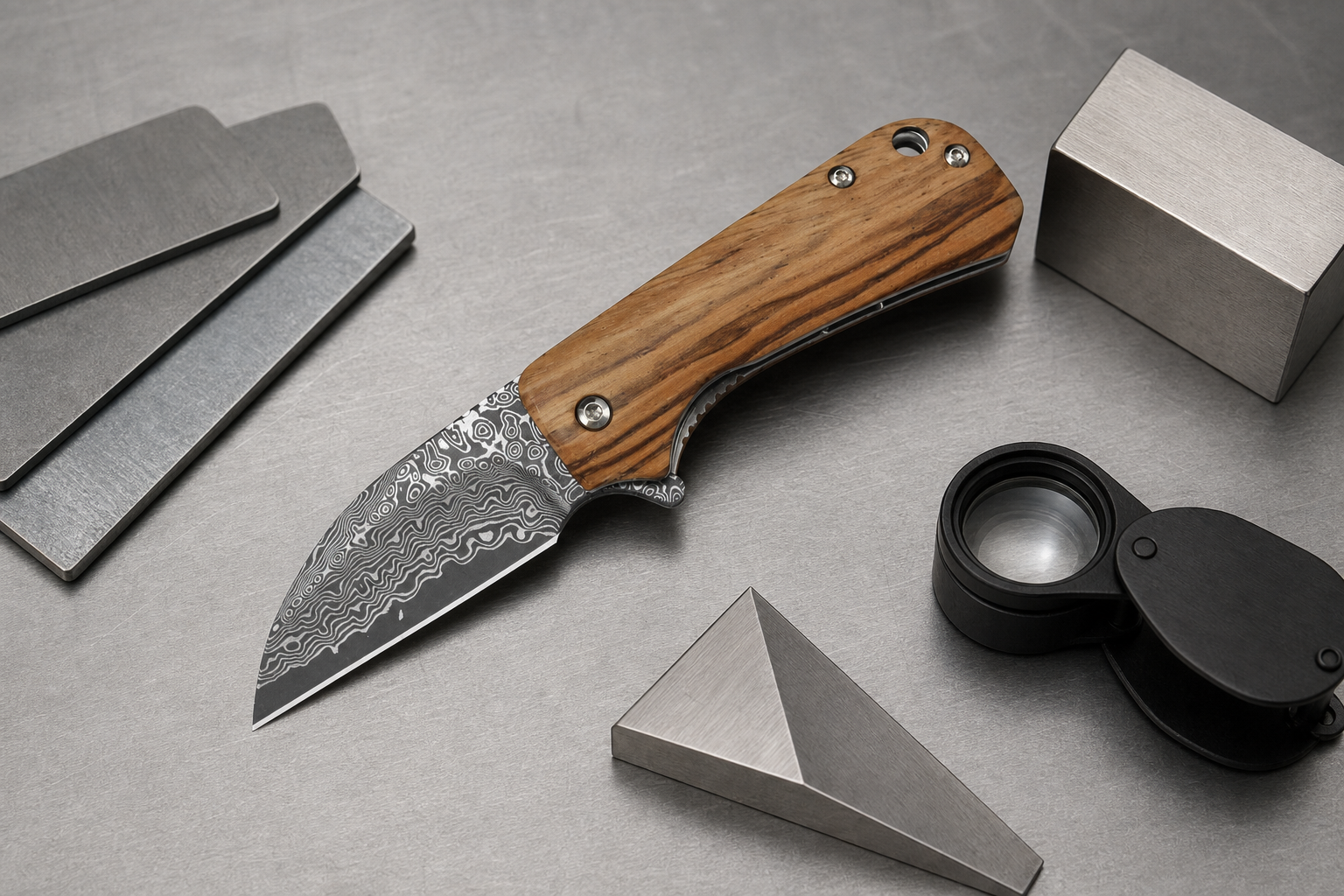
A thin kitchen slicing edge, a utility edge, a camping edge, and a heavy outdoor edge should not be judged by the same feeling. A very thin edge may cut easily at first but chip, roll, or lose performance if the user task is harsher. A more robust edge may not feel as delicate, but it may be more suitable for the product promise.
That is why the buyer should connect the edge to the intended use. A kitchen knife may prioritize clean slicing and edge retention in food prep. An outdoor utility knife may need a more durable edge and clearer care guidance. A budget line may need simpler sharpening and more realistic claims.
The specification should define:
- Steel grade or acceptable alternatives
- Heat-treatment route
- Hardness range
- Grind type
- Edge angle target
- Thickness behind the edge
- Burr removal method
- Finish and coating
- Sharpening process
- Retest after finishing
The supplier's sample edge should be a production-capable process, not a one-off hand-tuned edge that cannot be repeated.
How Should Buyers Control "Sharpest" Marketing Claims?
Superlatives need evidence and boundaries.
Buyers should avoid "world's sharpest," "sharpest ever," "never dull," or similar claims unless the test scope, comparison group, method, evidence, and legal review support the wording.
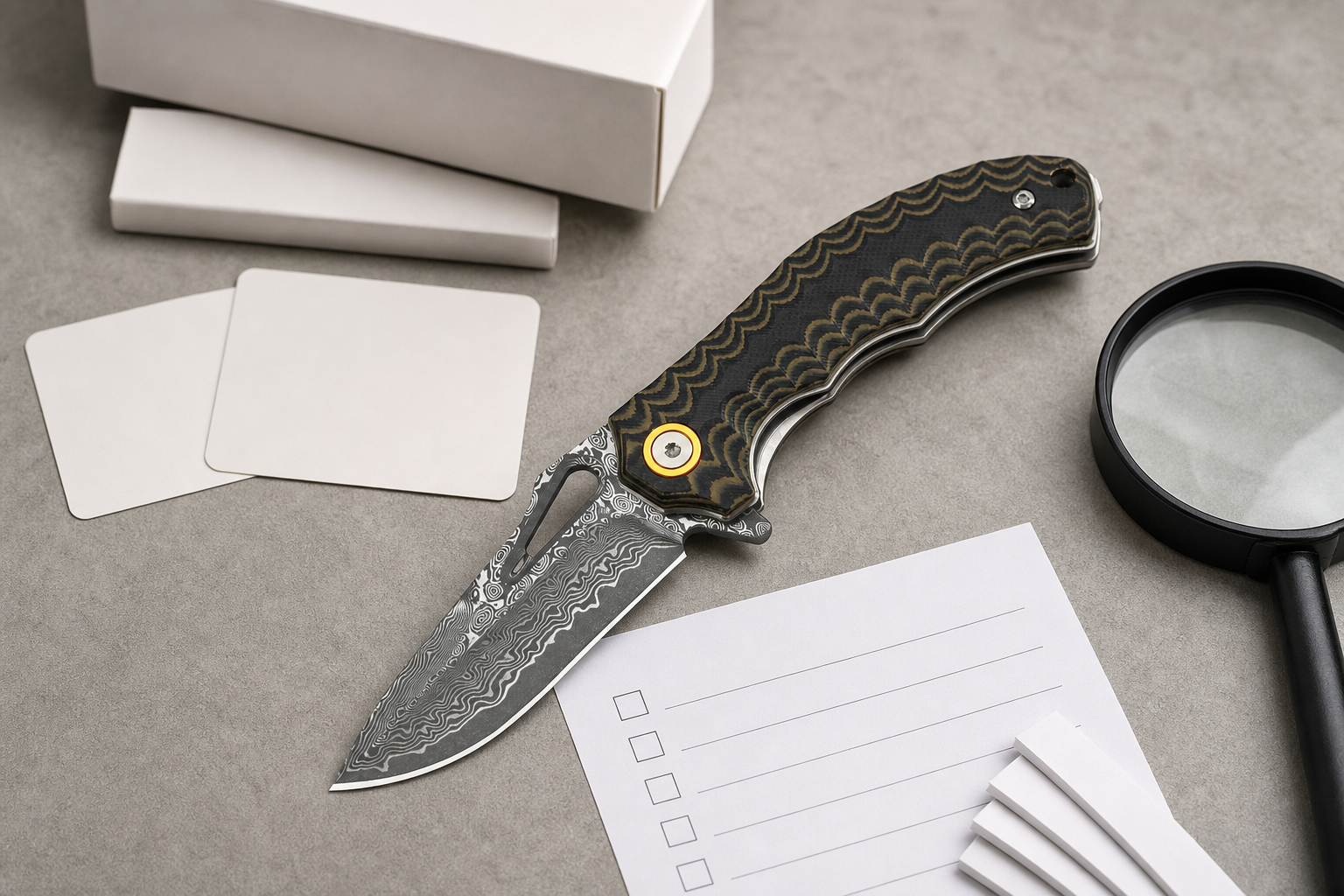
I Prefer Specific Claims Over Big Claims
The FTC advertising and marketing basics page supports the principle that advertising should be truthful, not deceptive or unfair, and evidence-based. Sharpness claims fall squarely into that risk zone. If a buyer cannot prove the claim, the buyer should not print it.
Better claim language is more specific:
- Factory sharpened to buyer-defined edge target
- Designed for precise food preparation
- Tested for initial cutting performance
- Edge retention tested under defined conditions
- Hand wash and dry to protect edge performance
- Sharpen as needed based on use
Weak claim language creates support problems:
- World's sharpest
- Never dull
- Cuts anything
- Professional grade without evidence
- Surgical sharp without context
- Lifetime sharpness guarantee without service terms
Packaging should also include safe handling and care information. Sharpness is a benefit, but it is also a responsibility.
What QC Checks Keep Production Sharpness Consistent?
Mass production needs limits, not hopes.
QC should verify edge angle, burr condition, grind symmetry, hardness range, blade thickness, cutting test result, sample count, rework rules, packaging protection, and final inspection records.
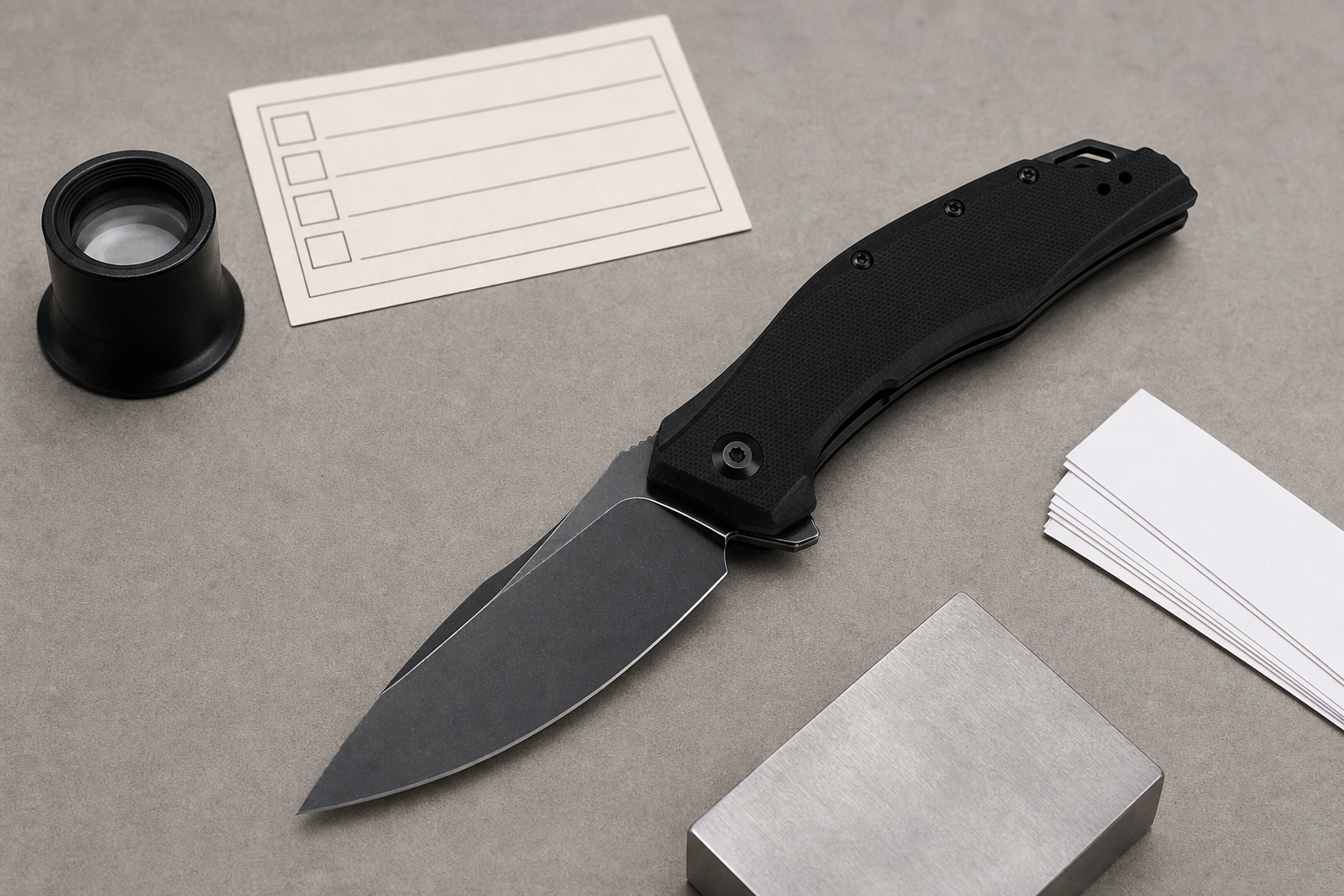
I Inspect the Edge as a Controlled Feature
Sharpness should not be left to the final worker's touch. The production plan should define how blades are ground, sharpened, deburred, cleaned, inspected, protected, and packed. If the edge rubs against a tray, sleeve, carton, or sheath, the knife can arrive duller than it left the sharpening station.
The CPSC manufacturing best practices page supports supplier controls, specifications, spot checks, records, and consideration of foreseeable use. The CPSC Handbook for Manufacturing Safer Consumer Products also supports design review, documentation, production controls, and product safety audits.
Sharpness QC fields can include:
- Edge angle measurement
- Grind symmetry
- Burr and wire-edge inspection
- Hardness sampling
- Initial sharpness test
- Edge retention sample test
- Blade thickness behind edge
- Rust, residue, and finish inspection
- Edge protection in packaging
- Final sample records
A buyer should define who can approve edge rework and how reworked knives are identified.
How Should Safety and Care Copy Support a Sharp Edge?
Sharpness needs responsible instructions.
Safety and care copy should explain careful handling, safe storage, hand washing where appropriate, drying, edge protection, cutting-surface limits, resharpening expectations, and damage removal.
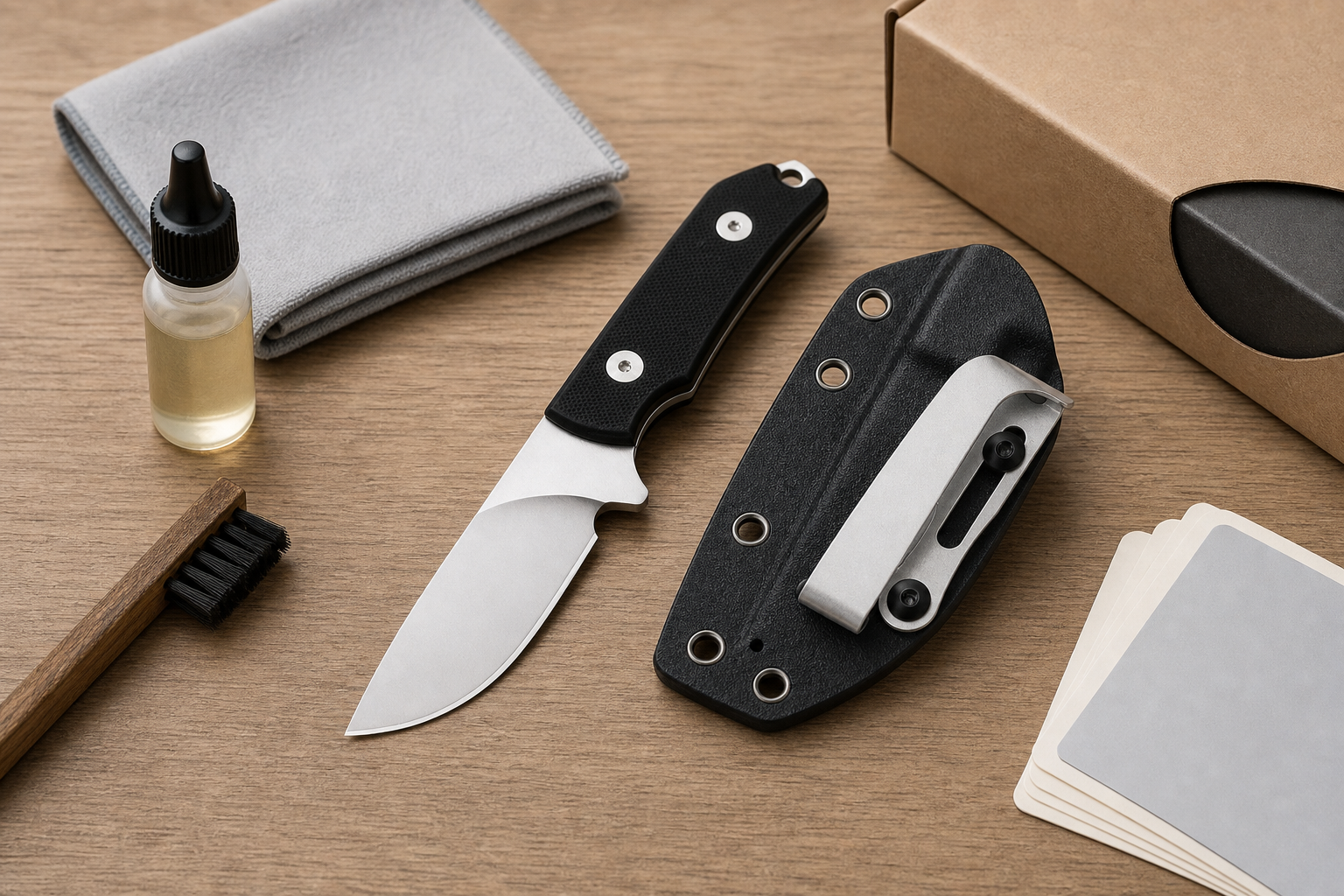
I Treat Warnings as Part of the Product
A sharper edge can improve cutting performance, but it also needs clear handling and storage copy. Buyers should not treat warning cards as decoration. They help customers understand the product and protect the brand.
The CPSC labeling requirements overview reminds businesses that labels can depend on product type, design, components, and intended audience. For knives, the label should match the product's actual sharpness, use case, and storage method.
The CCOHS sharp blades guidance supports general sharp-tool principles such as using the right tool, inspecting tools, and storing sharp tools safely. Buyer copy can translate that into simple product instructions.
Care copy should be specific:
- Store with edge protected.
- Keep away from unauthorized users.
- Use suitable cutting surfaces.
- Clean and dry after food use.
- Do not use damaged or loose products.
- Resharpen when performance declines.
- Follow local workplace procedures for commercial use.
When Should Durability Matter More Than Peak Sharpness?
The highest initial sharpness is not always the best sourcing target.
Durability should matter more when the knife faces hard use, rough cutting surfaces, field conditions, repeated washing, lower maintenance, or customers who expect long service between sharpenings.
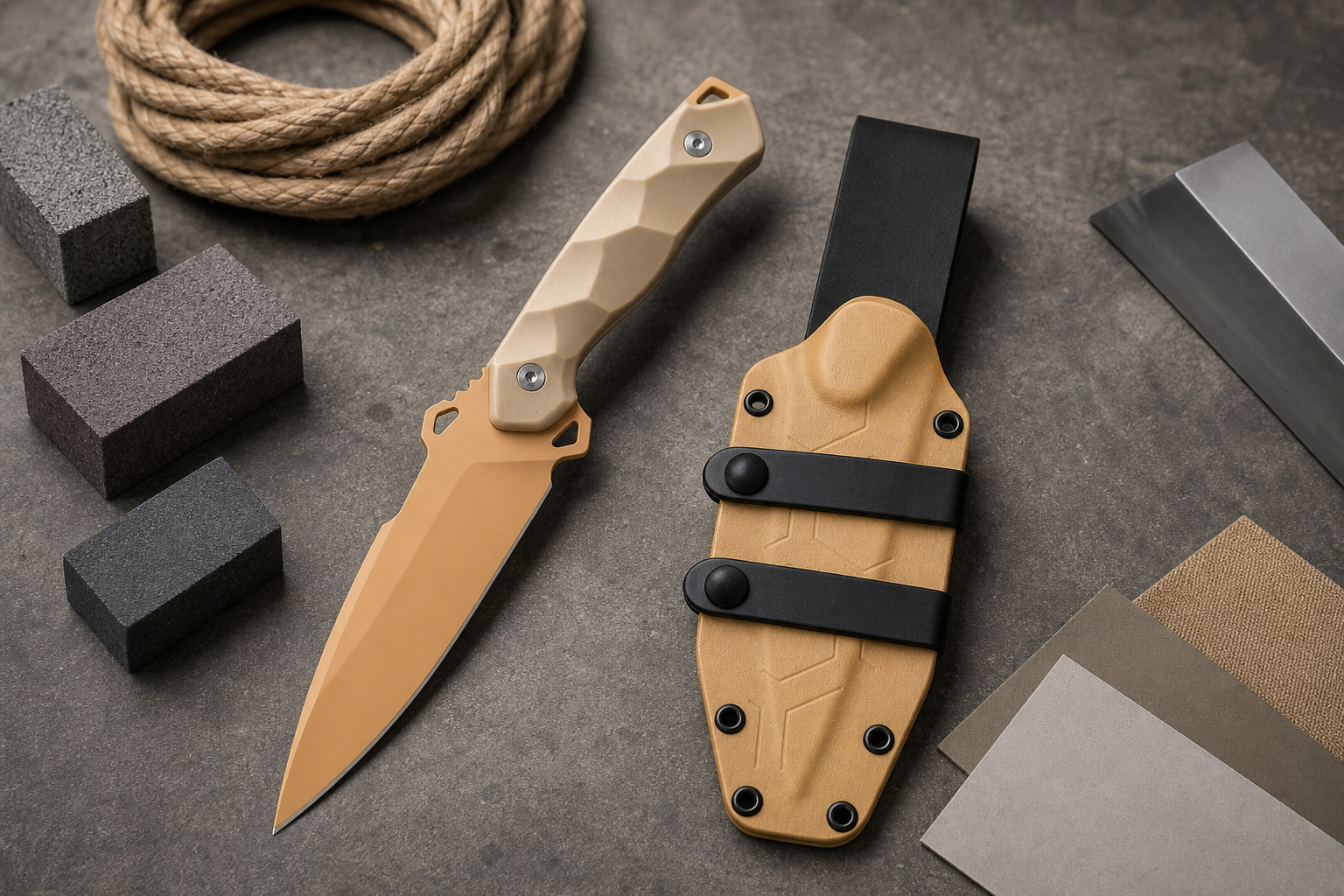
I Choose the Edge for the Customer, Not the Headline
A buyer may be tempted to chase the thinnest edge because it creates a strong first impression. That can be a mistake. A thin edge may be excellent for slicing, but not for every product. If the knife is sold for outdoor utility, foodservice volume, or general household use, the buyer may need a stronger edge, easier care, and more realistic packaging language.
The decision should connect to the product line:
| Product line | Sharpness priority | Durability priority | Buyer focus |
|---|---|---|---|
| Kitchen slicing knife | High initial cut feel | Moderate edge retention | Test method and care copy |
| Foodservice utility knife | Consistent cutting | High repeat use | Edge retention and rework |
| Outdoor utility knife | Good working edge | High toughness | Robust geometry |
| Gift set | Attractive first impression | Realistic care expectations | Claims and packaging |
| Budget line | Reliable factory edge | Easy maintenance | Cost and QC limits |
OEM/ODM RFQ Checklist
Prepare these details to help Vast State review your project and provide a more accurate quotation.
| RFQ Field | What to Prepare |
|---|---|
| Project type | OEM from drawing / ODM private label / wholesale catalog |
| Product category | Folding knife / fixed blade / multi-tool / outdoor tool |
| Design status | Idea / sketch / 2D drawing / 3D CAD / physical sample |
| Target price | Ex-factory target price or retail price range |
| MOQ expectation | 500 / 1,000 / 3,000 / 5,000+ pcs |
| Logo method | Laser engraving / etching / printing / molded logo |
| Packaging | Standard packaging / custom retail box / Amazon-ready |
| Market | USA / EU / Japan / Korea / Middle East / other |
| Compliance needs | Buyer-specified testing / documentation / labeling |
| Timeline | Sample deadline / mass production deadline |
The right edge is the edge that matches customer use, price point, and support capacity.
How Can Vast State Help Buyers Define Sharpness Requirements?
Vast State can turn a sharpness idea into a supplier-ready brief.
Vast State helps buyers define sharpness claims, edge geometry, test methods, sample plans, QC limits, care copy, packaging protection, and supplier records before production.
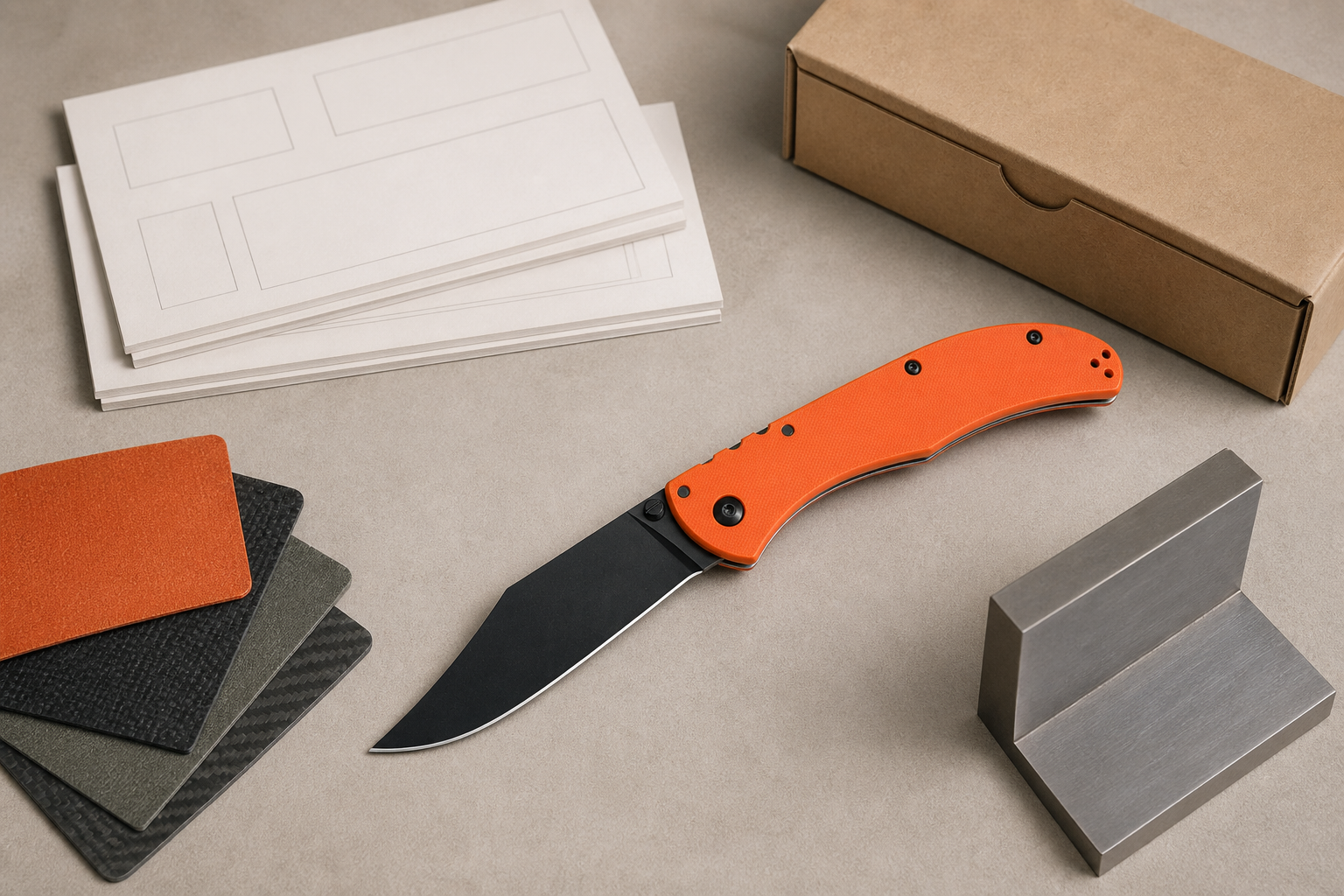
I Make Sharpness Comparable Across Suppliers
Two suppliers can both say "sharp," but mean very different things. Vast State can help buyers define the edge target before comparing quotes. That includes steel, heat treatment, grind, angle, test method, claim wording, care copy, packaging protection, and QC.
We can support:
- Sharpness claim review
- Edge geometry specification
- Supplier test method request
- Initial sharpness and edge-retention target
- Packaging and warning copy
- Factory sample comparison
- QC checklist for edge consistency
- Rework and retest rules
- Claim evidence file for marketing review
The goal is not to win a vague sharpness contest. The goal is to build a knife line that cuts well, stays within its claim, and can be produced consistently.
Turn your idea into a quote-ready knife project.
Share your drawing, sample photo, target quantity, market, and packaging needs. Vast State will review manufacturability and prepare OEM/ODM options.
Conclusion
Buyers should replace "sharpest" claims with tested sharpness targets, edge-retention evidence, QC limits, responsible packaging, and supplier records.