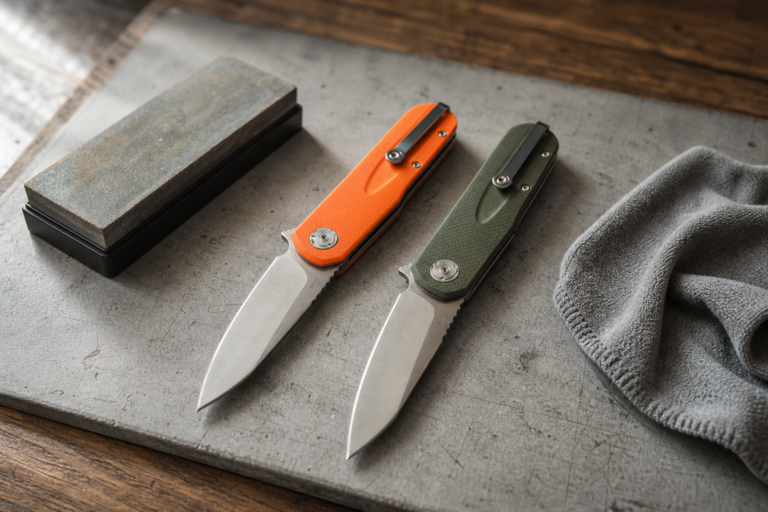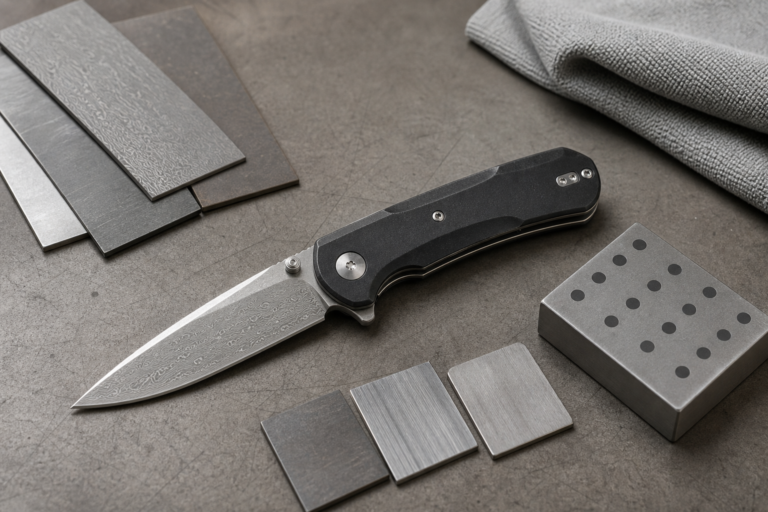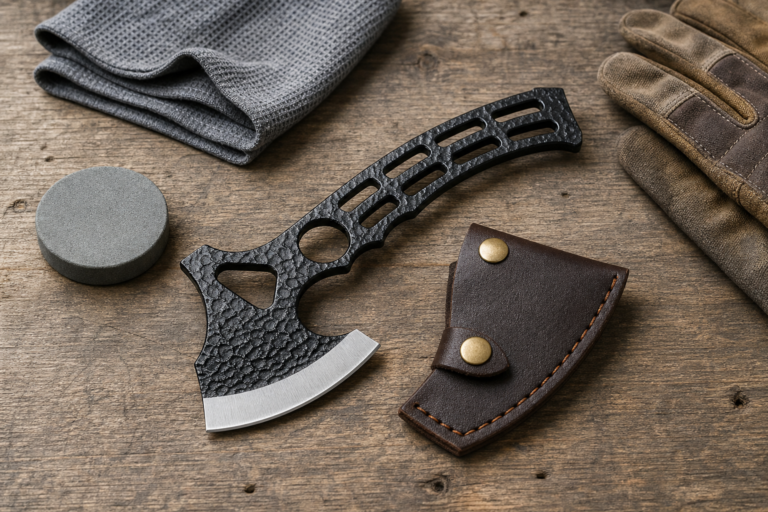
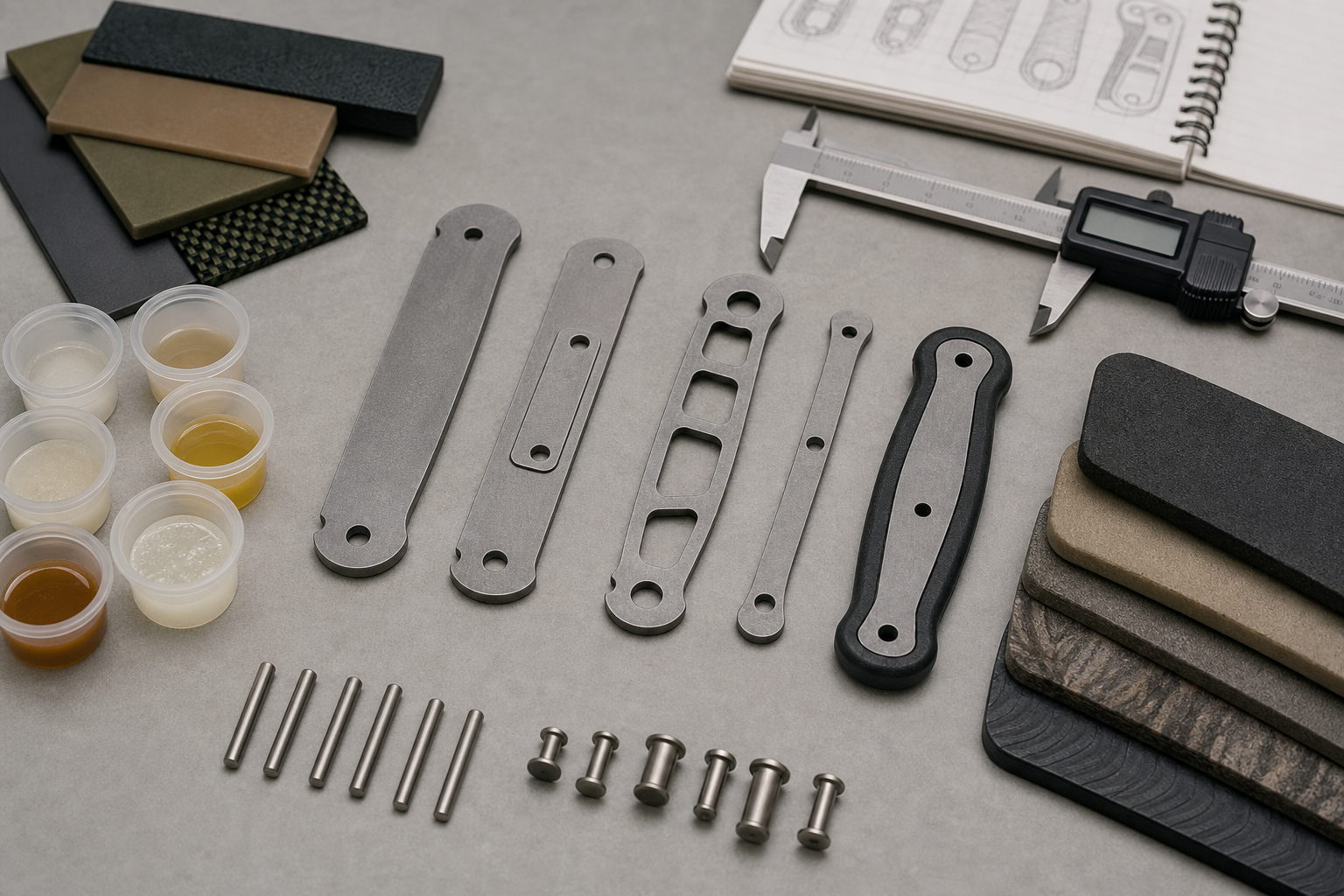
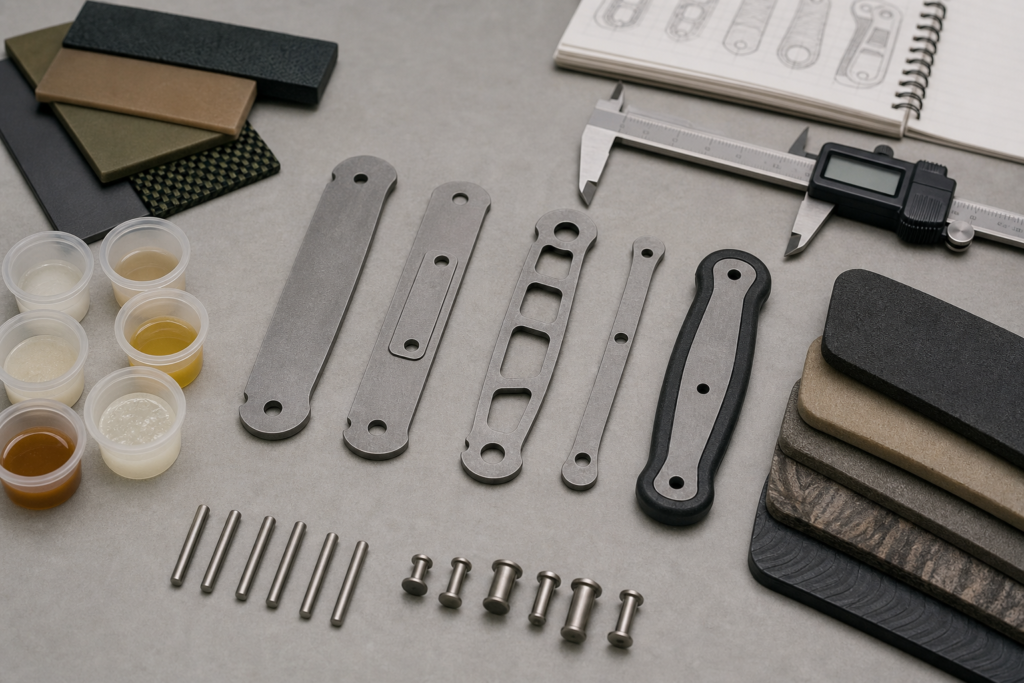
Knife tang type looks like an internal detail. In production, it can change strength, weight, balance, cost, handle fit, and user trust.
Buyers should choose knife tang types by matching the use case, blade length, handle material, weight target, strength need, cost, assembly method, and QC standard. Full tang, hidden tang, skeletonized tang, narrow tang, and molded-handle tang designs each create different trade-offs.
Quick buyer brief:
- Answer: A knife tang is the part of the blade steel that extends into the handle. It should be selected as part of the whole fixed blade system, not as a slogan.
- Buyer context: This guide is for outdoor brands, hunting-accessory brands, utility brands, knife brands, importers, distributors, private label buyers, and sourcing managers.
- Key checks: Fixed blade use case, strength expectation, handle material, fastener method, adhesive or molding process, balance, exposed tang finish, corrosion risk, sheath fit, sample testing, and inspection standard.
Planning a fixed blade or outdoor knife project?
Share your target use, blade size, steel preference, handle direction, sheath needs, quantity range, and packaging plan. Vast State can help turn it into a quote-ready specification.
When I review a fixed blade knife project, I always ask how the handle is connected to the blade. That question sounds small, but it controls many later decisions. A full tang can communicate strength and make assembly inspection easier. A hidden tang can create a clean traditional look and reduce exposed steel. A skeletonized tang can reduce weight. A molded handle can support value production or a sealed grip. None of these choices is always best. The right tang type depends on the user's task, the buyer's market, and whether the factory can repeat the construction across the full order.
What Is a Knife Tang and Why Does It Matter?
Many buyers see only the blade and handle. The tang is hidden or partly hidden, but it carries load through the knife.
A knife tang is the continuation of blade steel into the handle. It matters because it affects strength, balance, handle attachment, weight, corrosion exposure, cost, assembly, and QC.
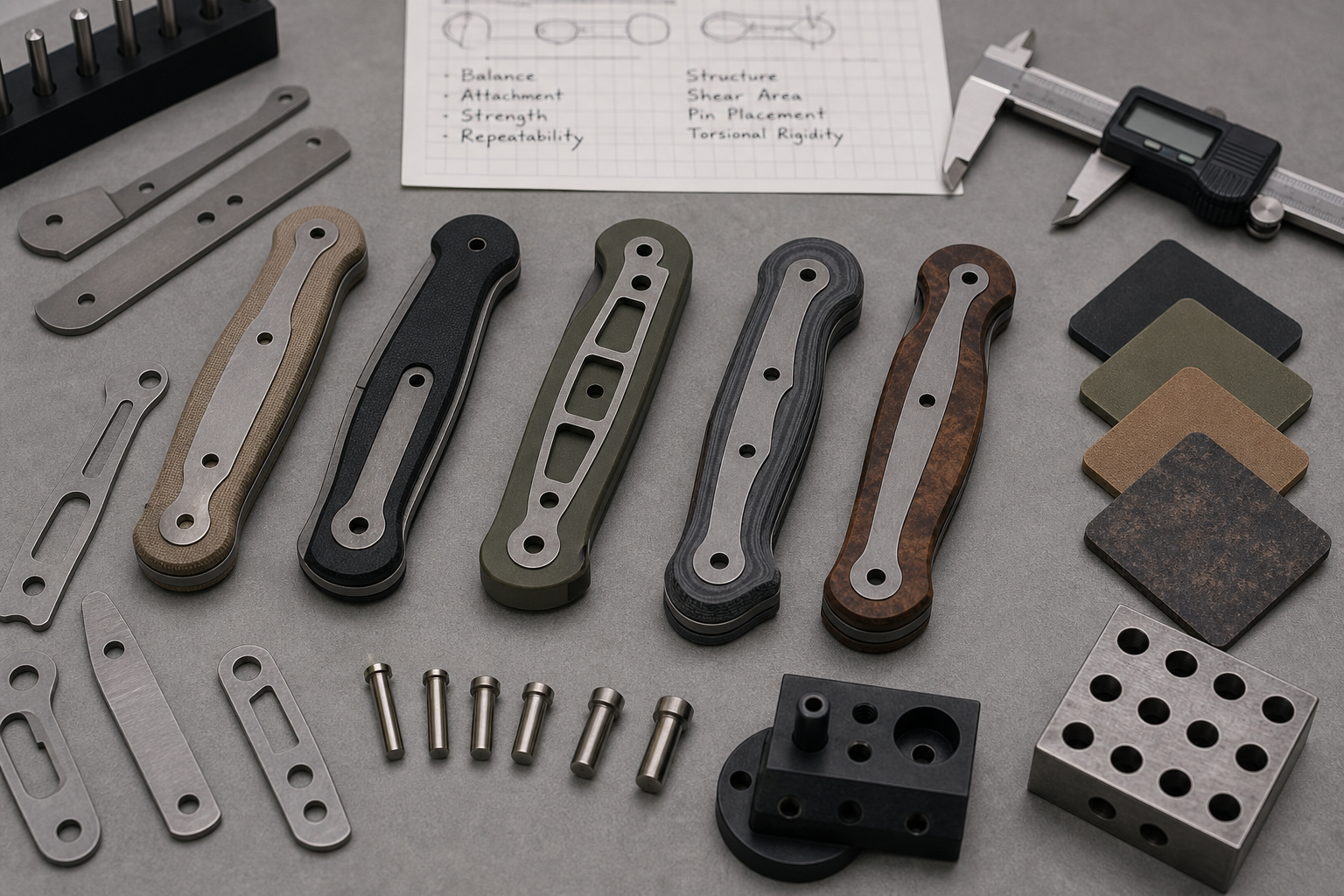
I Treat the Tang as the Handle's Foundation
In a fixed blade knife, the tang is the foundation for the handle. It decides how force moves from the blade into the user's hand. It also decides how the handle scales, molded grip, pins, rivets, guard, pommel, or butt end can be built. A tang that looks strong in a drawing may still fail as a product if the handle fit, fastener position, heat treatment, and finishing are not controlled.
For B2B projects, tang type also affects brand positioning. Some outdoor and hunting buyers expect full tang construction because it is easy to understand and feels strong. Some traditional or kitchen-style designs use hidden tang construction because the handle shape can be more refined. Some compact utility knives use skeletonized tangs to reduce weight. Some value projects use overmolded or inserted tangs to reduce assembly time and create a sealed grip.
There is no universal winner. A heavy full tang may be wrong for a lightweight belt knife. A hidden tang may be wrong for a rough-use camp tool if not engineered well. A skeletonized tang may reduce weight but needs careful edge finishing and stress review. The buyer should choose tang type by use case, not by marketing habit.
| Tang question | Why it matters | Buyer action |
|---|---|---|
| How much steel enters the handle? | Controls structure and weight | Match use case and blade size |
| How is the handle attached? | Controls assembly strength | Review pins, rivets, adhesive, molding |
| Is steel exposed? | Affects finish and corrosion | Define surface finish and coating |
| Can the factory inspect it? | Affects repeatability | Create QC checks and samples |
OEM/ODM RFQ Checklist
Prepare these details to help Vast State review your project and provide a more accurate quotation.
| RFQ Field | What to Prepare |
|---|---|
| Project type | OEM from drawing / ODM private label / wholesale catalog |
| Product category | Folding knife / fixed blade / multi-tool / outdoor tool |
| Design status | Idea / sketch / 2D drawing / 3D CAD / physical sample |
| Target price | Ex-factory target price or retail price range |
| MOQ expectation | 500 / 1,000 / 3,000 / 5,000+ pcs |
| Logo method | Laser engraving / etching / printing / molded logo |
| Packaging | Standard packaging / custom retail box / Amazon-ready |
| Market | USA / EU / Japan / Korea / Middle East / other |
| Compliance needs | Buyer-specified testing / documentation / labeling |
| Timeline | Sample deadline / mass production deadline |
When Is Full Tang a Strong Fit for Buyers?
Full tang construction is easy to market. It still needs correct design and inspection.
Full tang is a strong fit when buyers need visible strength, easier handle-scale assembly, clear user confidence, and a robust fixed blade structure for outdoor or utility positioning.
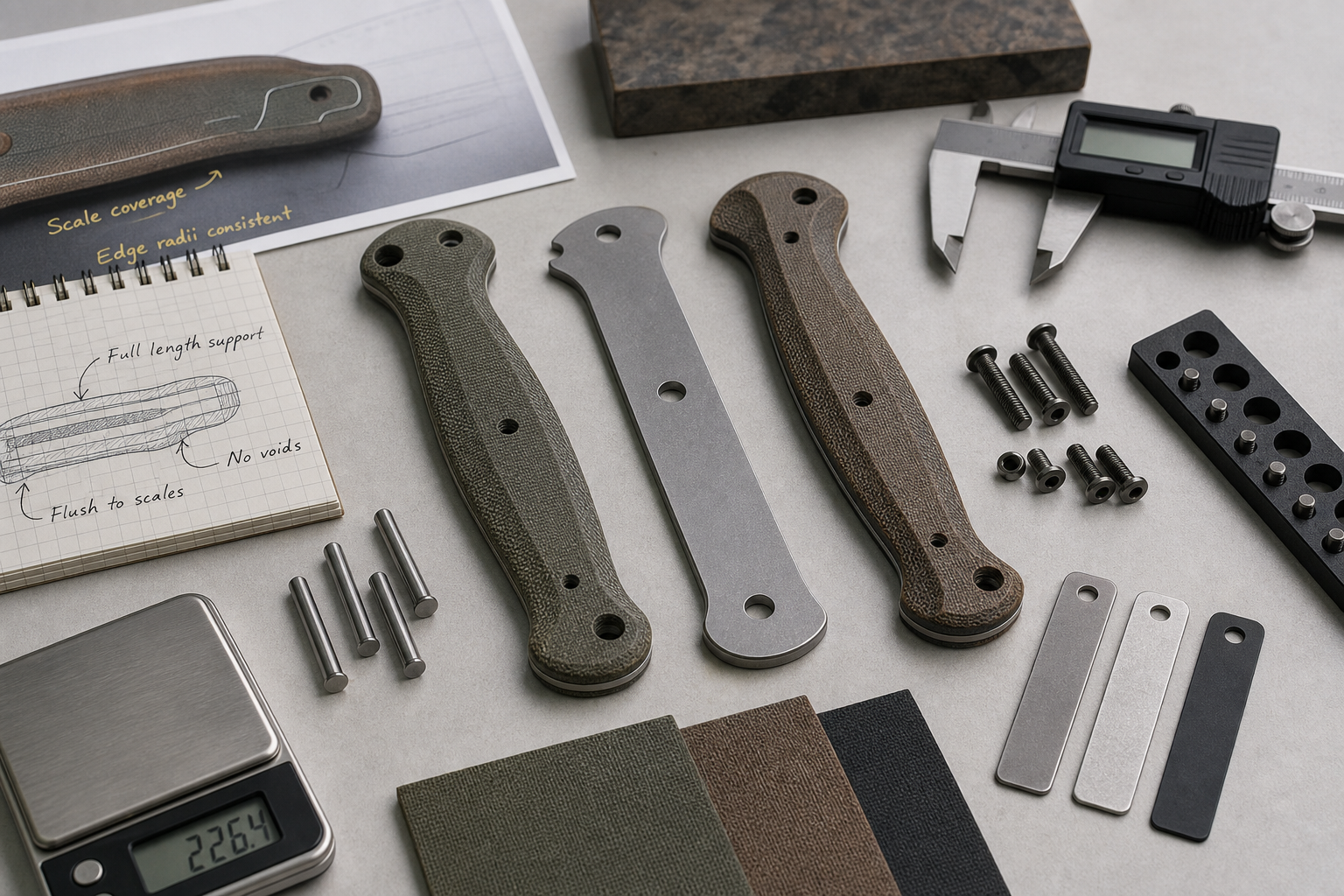
I Use Full Tang When Strength and Transparency Matter
A full tang usually means the blade steel runs through the handle profile. Buyers like it because the construction is visible and easy to explain. The handle scales can be attached on both sides with pins, rivets, screws, adhesive, or a combination. For outdoor, survival-style, utility, and hunting-positioned knives, full tang can support user confidence.
But full tang is not automatically perfect. It adds steel weight. It can shift balance toward the handle. It exposes steel around the handle, which means finishing and corrosion control matter. If the handle scales are not fitted well, users may feel sharp transitions, gaps, or hot spots. If pins are poorly placed, the handle can loosen. If the tang edge finish is rough, the knife feels cheap even if the blade is strong.
The OSHA hand tool standard says wooden handles of tools should be free of splinters or cracks and kept tight in the tool. This is workplace guidance, not a knife design rule, but the principle is useful. A handle connection should be secure, comfortable, and free from defects. Full tang construction still needs this discipline.
| Full tang benefit | Production concern | Buyer check |
|---|---|---|
| Clear strength message | More weight | Check balance and carry feel |
| Visible construction | Exposed steel finish | Define tang edge finish |
| Easier scale assembly | Handle gaps or hot spots | Approve boundary samples |
| Strong brand perception | Higher material cost | Match price tier |
When Does Hidden Tang Make Sense?
Hidden tang construction can look clean and traditional. It can also hide assembly problems if QC is weak.
Hidden tang makes sense when buyers need a cleaner handle profile, lighter weight, traditional appearance, enclosed steel, or handle shapes that are difficult with full tang scales.
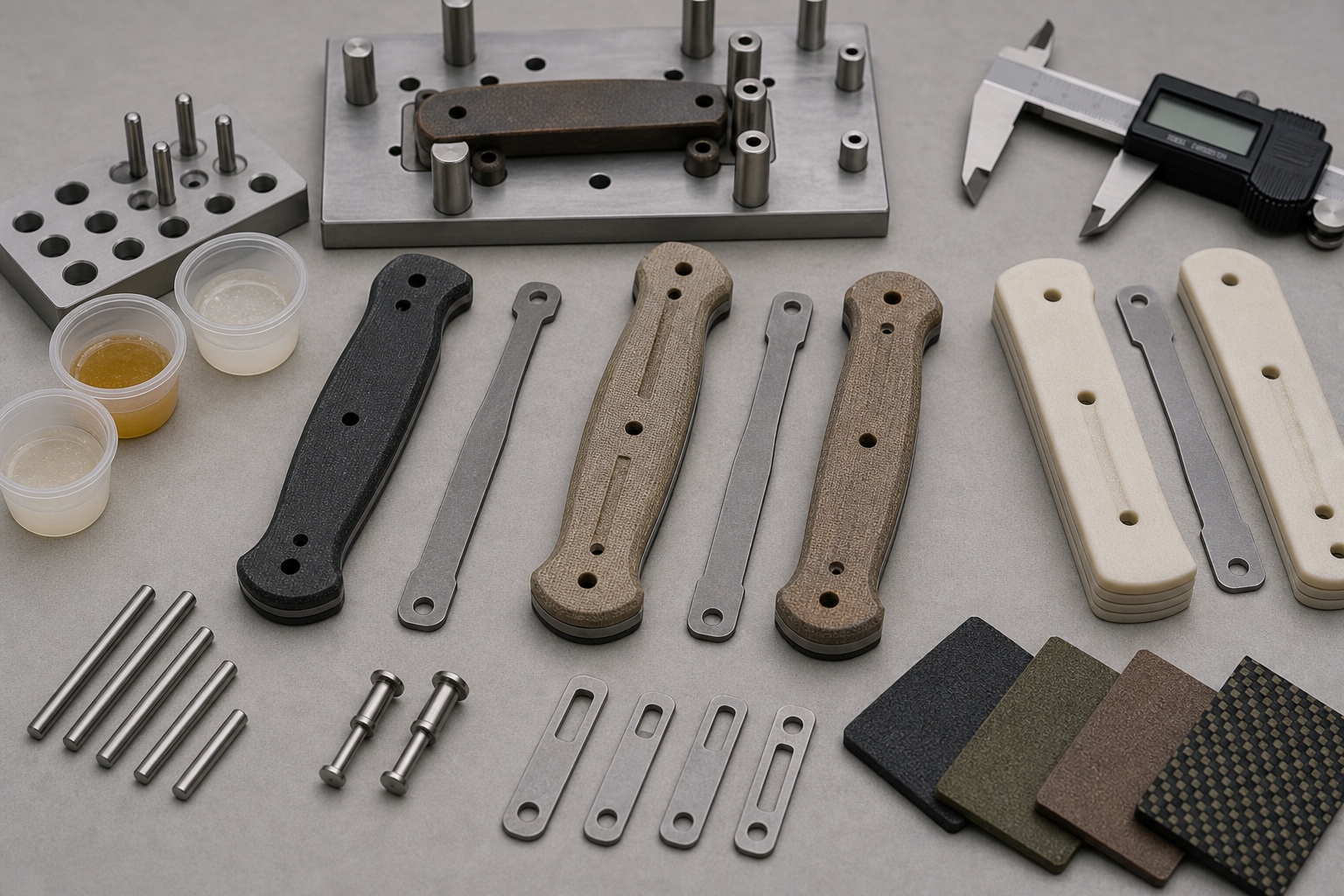
I Ask How the Hidden Structure Will Be Controlled
In a hidden tang knife, the tang is enclosed inside the handle. This can create a smooth handle shape, a traditional look, and less exposed steel around the grip. It can also help reduce weight. For some hunting, kitchen, outdoor, and gift-oriented projects, hidden tang construction can be a good choice.
The risk is that the buyer cannot easily see the internal fit. If the tang slot is loose, adhesive is poor, pinning is weak, or the guard fit is inconsistent, the knife may feel solid at first but fail later. A hidden tang project needs clear process control. The supplier should define tang length, shoulder fit, handle cavity tolerance, adhesive or mechanical retention, guard fit, and final inspection.
Hidden tang should not be treated as automatically weaker. It can be very good when engineered well. It should also not be treated as automatically premium. Poor hidden construction can create serious quality problems. The buyer should ask for section samples, process photos, pull or impact expectations where suitable, and boundary samples for handle fit.
| Hidden tang benefit | Production risk | Buyer check |
|---|---|---|
| Clean handle shape | Internal fit is less visible | Review process and sample cutaway |
| Lower exposed steel | Hidden corrosion or gaps | Check sealing and materials |
| Traditional appearance | Guard or shoulder gaps | Approve close-up samples |
| Lower weight | Lower abuse tolerance if undersized | Match use case honestly |
What About Skeletonized, Narrow, and Encapsulated Tang Designs?
Not every knife needs a full tang or classic hidden tang. Some designs use hybrid construction for weight or manufacturing reasons.
Skeletonized, narrow, and encapsulated tang designs can reduce weight, improve grip molding, lower cost, or support compact products, but they need stress, attachment, and QC review.
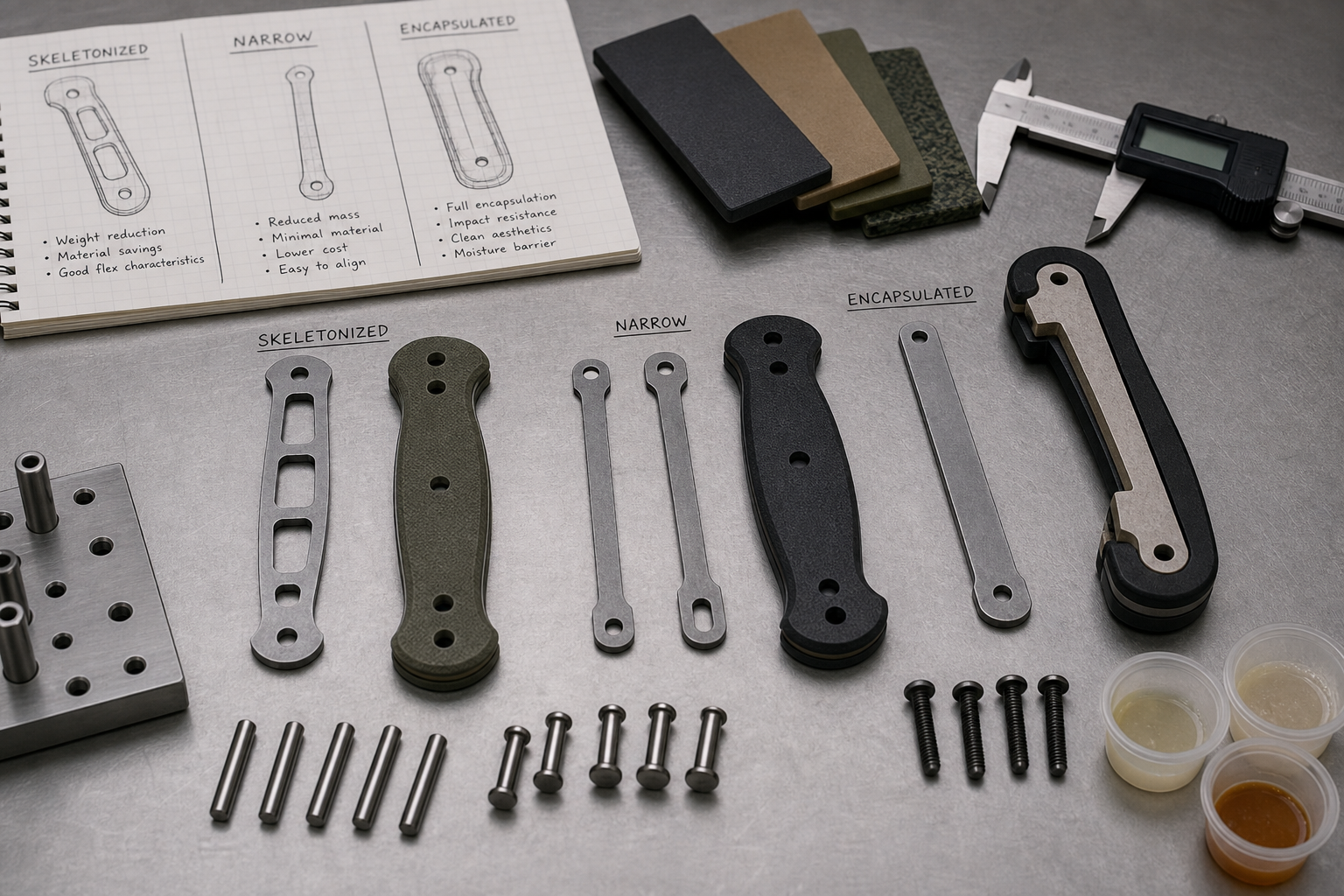
I Use Hybrid Tangs Only When They Solve a Real Problem
Skeletonized tangs remove steel from the handle area to reduce weight. This can help compact outdoor knives, neck knives, lightweight belt knives, or products where balance matters. The holes and cutouts should be designed carefully. Sharp internal corners, poor finish, or bad placement can create stress points or uncomfortable handle transitions.
Narrow tangs and stick-style tangs can support enclosed handles, guards, and traditional construction. They can reduce weight, but tang width and length must match the expected task. A very narrow tang may be unsuitable for hard-use outdoor positioning. Encapsulated or overmolded tangs can work well for value or grip-focused products if the molding bonds securely and covers the steel properly.
The buyer should avoid using hybrid tangs only to make a product sound special. Each design should solve a real problem: lower weight, better balance, cleaner handle, lower cost, sealed grip, or specific production method. Then the supplier should prove that the tang, handle, and sheath work together.
| Tang style | Typical reason | QC concern |
|---|---|---|
| Skeletonized tang | Reduce weight | Cutout finish and stress points |
| Narrow tang | Enclosed handle and lower weight | Length, fit, and retention |
| Encapsulated tang | Molded grip or sealed handle | Bonding and coverage |
| Extended tang | Exposed butt feature or lanyard area | Finish and user comfort |
How Should Tang Type Affect Handle Material and Ergonomics?
Tang type and handle material must work together. A strong tang with a poor grip still creates a weak user experience.
Tang type affects handle thickness, contour, fastener method, surface finish, grip comfort, weight balance, and how the handle material behaves over time.
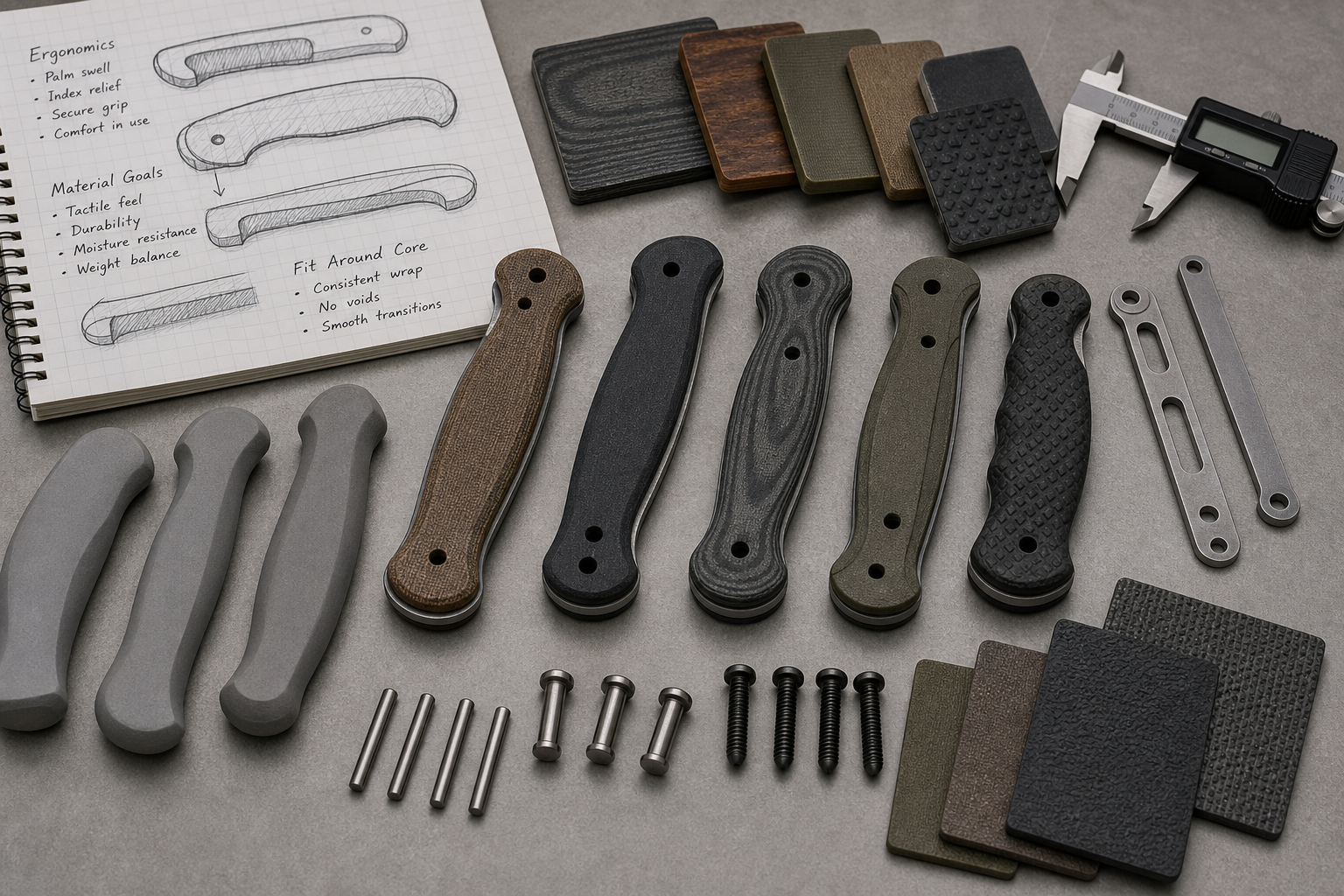
I Choose Handle Material Around the Construction
Full tang knives often use handle scales such as G10, micarta, wood, polymer, or other machined materials. The scales need flatness, pin alignment, screw seating, edge rounding, and surface consistency. The exposed tang edge must be finished smoothly because the user's hand may contact it. If the buyer wants a premium full tang knife, gaps between scale and tang are unacceptable.
Hidden tang knives often use handle blocks, stacked materials, molded handles, or enclosed grip structures. This allows more handle contour freedom, but internal fit and sealing become more important. If the handle material shrinks, swells, cracks, or loosens, the buyer may get complaints even when the blade is good.
The ISO 9241-11 usability standard is useful here because it connects usability to users, goals, and context of use. I apply that idea to handle design. A tang type is not only an engineering decision. It affects the user's grip, comfort, fatigue, and control. Buyers should test the handle in hand, not only inspect drawings.
| Handle material | Tang fit | Buyer focus |
|---|---|---|
| G10 or micarta scales | Common for full tang | Flatness, screws, edge rounding |
| Wood scales or blocks | Full or hidden tang | Moisture and variation control |
| Molded polymer | Encapsulated or insert tang | Bonding and texture |
| Rubberized grip | Overmolded tang | Aging and cleaning behavior |
How Does Tang Choice Affect Cost, Weight, and Production Speed?
Tang type can change the quotation quickly. Material usage and assembly time are not small details.
Tang choice affects cost through steel use, machining time, handle material, fasteners, adhesive, molding, finishing, inspection, reject rate, and packaging fit.
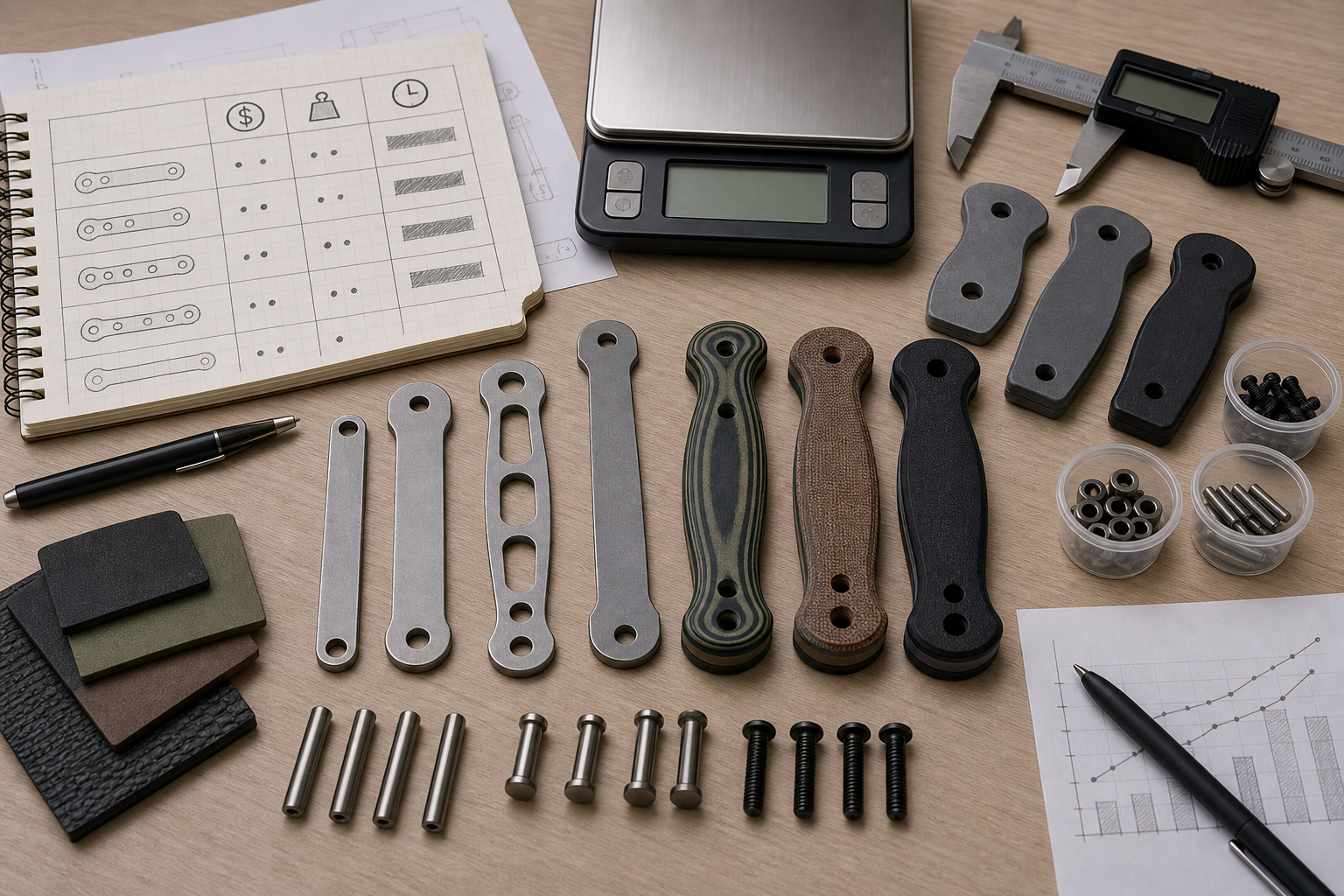
I Ask Where the Buyer Wants to Spend Complexity
Full tang construction usually uses more steel and may need more handle-scale finishing. It can be straightforward to understand, but it may cost more in material and polishing. Hidden tang construction may use less exposed steel and allow different handle shapes, but internal fitting, guard work, and adhesive control can add process demands. Skeletonized tang construction can reduce weight but adds cutting, finishing, and inspection steps. Molded construction can reduce manual assembly at volume, but tooling and molding control matter.
The buyer should connect tang choice to MOQ and launch plan. A small private label order may not justify complex tooling. A larger outdoor line may justify a custom tang and molded handle if the volume supports it. A premium fixed blade may justify full tang construction with precise scales and high finish standards. A gift set may prioritize appearance and packaging more than extreme strength.
Weight is also a brand decision. Some users like a solid feel. Others need a lighter carry tool. A tang that is too heavy can make the knife feel tiring. A tang that is too light can make the knife feel weak. The buyer should approve weight and balance from real samples.
| Cost driver | Why it changes | Buyer control |
|---|---|---|
| Steel usage | Full tang uses more material | Match strength need to market |
| Machining | Cutouts, slots, shoulders | Keep geometry manufacturable |
| Assembly | Pins, screws, adhesive, molding | Define process early |
| Inspection | Hidden fit or exposed finish | Add relevant QC checks |
What QC Checks Make Tang Construction Repeatable?
One strong sample is not enough. Tang construction must repeat inside every handle.
QC checks should cover tang dimensions, shoulder fit, handle gaps, fastener position, adhesive or molding control, surface finish, corrosion protection, balance, sheath fit, and packaging.
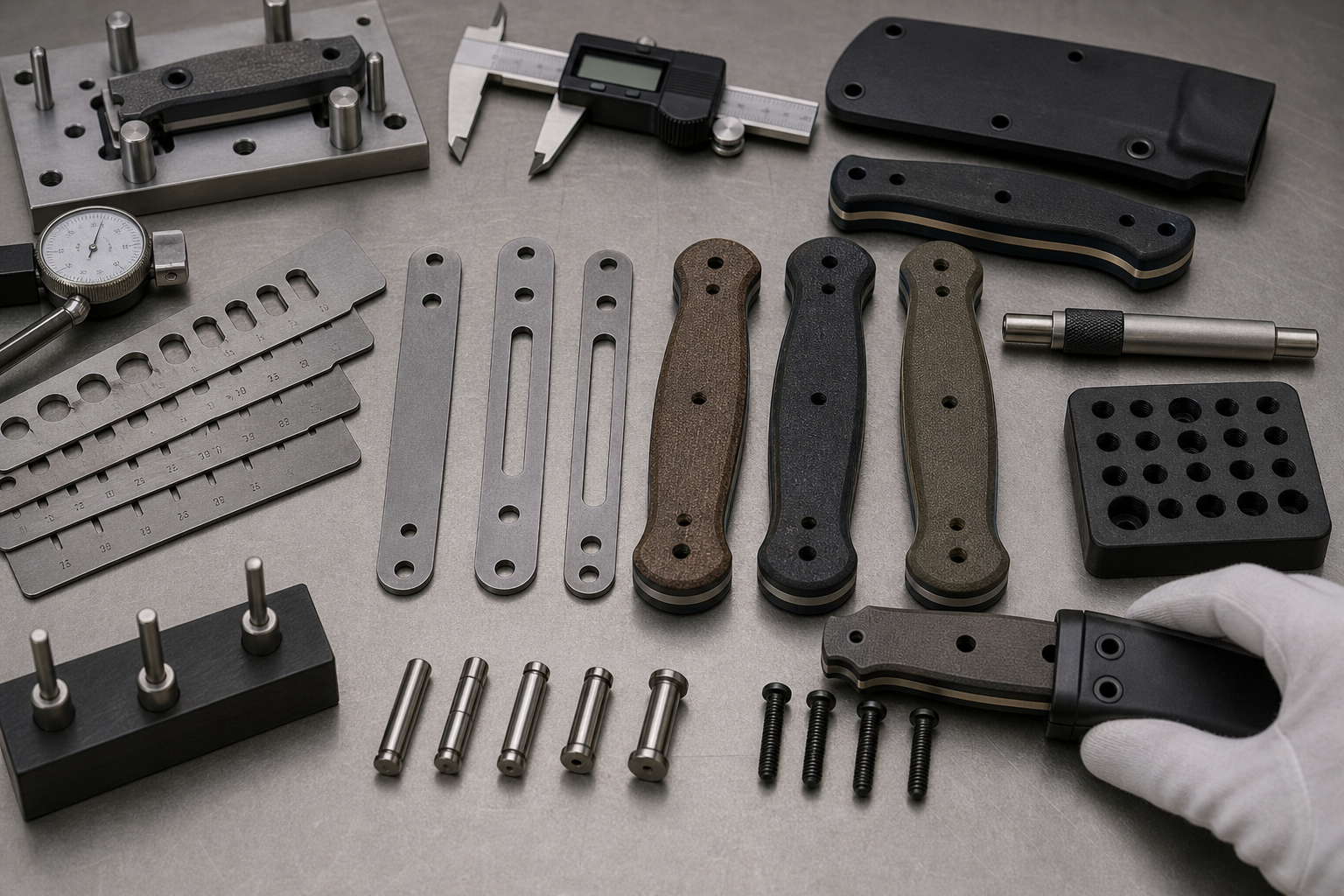
I Turn the Tang Design Into Measurable Checks
Tang design should not stay only in the drawing. The supplier should control tang thickness, length, width, hole position, shoulder geometry, surface finish, and fit with the handle. For full tang knives, QC should check scale gaps, pin or screw alignment, exposed tang edge finish, and handle comfort. For hidden tang knives, QC should check guard fit, handle alignment, retention method, and sample consistency. For molded tangs, QC should check coverage, bonding, flash, texture, and pull or retention expectations where suitable.
The NIST page on dimensional metrology explains that dimensional measurement provides detailed part information and supports manufacturing process improvement. This is directly relevant to tang construction. Small dimensional differences can become handle gaps, loose parts, poor balance, or sheath fit problems.
The ISO 9001 quality management framework is also useful because it focuses on quality management system requirements. In knife production, this means tang construction should be controlled through incoming material checks, in-process checks, sample approval, inspection records, and corrective action. Final appearance is not enough.
| QC area | What to inspect | Why it matters |
|---|---|---|
| Tang dimensions | Length, width, thickness, holes | Controls handle fit |
| Handle attachment | Pins, screws, adhesive, molding | Controls strength and feel |
| Surface finish | Exposed tang and edges | Controls comfort and corrosion |
| Sheath fit | Overall handle and blade geometry | Controls packaging and carry |
How Should Buyers Describe Tang Type in Product Copy?
Tang language can build trust. It can also mislead customers if the product cannot support the claim.
Product copy should describe tang type accurately, explain the intended benefit, avoid exaggerated strength claims, and match the actual construction approved in production.
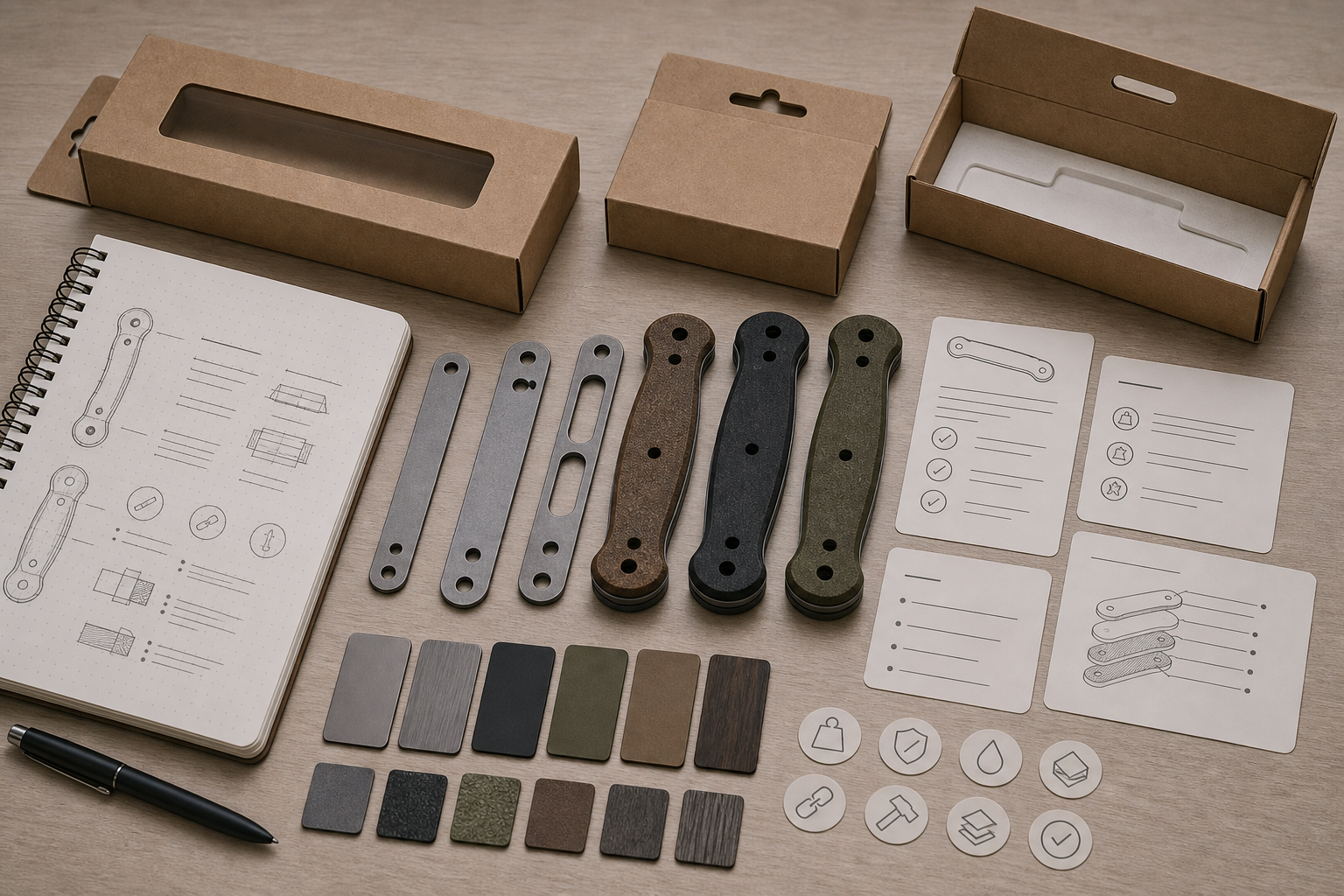
I Keep Tang Claims Honest and Useful
Buyers often want to print "full tang" because customers recognize the phrase. That can be a good selling point if the knife is truly full tang and the construction is well controlled. But the claim should not be used loosely. If the tang is skeletonized, narrow, hidden, or encapsulated, the product copy should not imply something else.
The copy should explain practical benefits in simple terms. Full tang can support strong handle construction. Hidden tang can support a clean traditional handle. Skeletonized tang can reduce weight. Molded tang construction can support grip and sealed handle design. These benefits should be connected to the product's use case, not exaggerated into impossible strength promises.
Product safety and labeling are also part of copy control. The European Commission page on EU product safety and labelling points buyers toward product safety and labelling rules. Even outside the EU, this is a useful reminder. Claims, warnings, and product information should be accurate and market-ready.
| Copy issue | Risk | Better wording direction |
|---|---|---|
| "Full tang" used loosely | Customer distrust | Match exact construction |
| "Unbreakable" style claims | Overpromise | Describe intended use and tested standard |
| Hidden tang not explained | User confusion | Explain clean handle design |
| Weight reduction claims | Unsupported marketing | Link to skeletonized design and sample weight |
How Can Vast State Help Buyers Choose the Right Tang Type?
Tang selection can look technical. In real sourcing, it is also a cost, brand, safety, and QC decision.
Vast State helps buyers choose tang types by matching use case, strength expectation, handle material, cost, production process, packaging, and inspection standard.
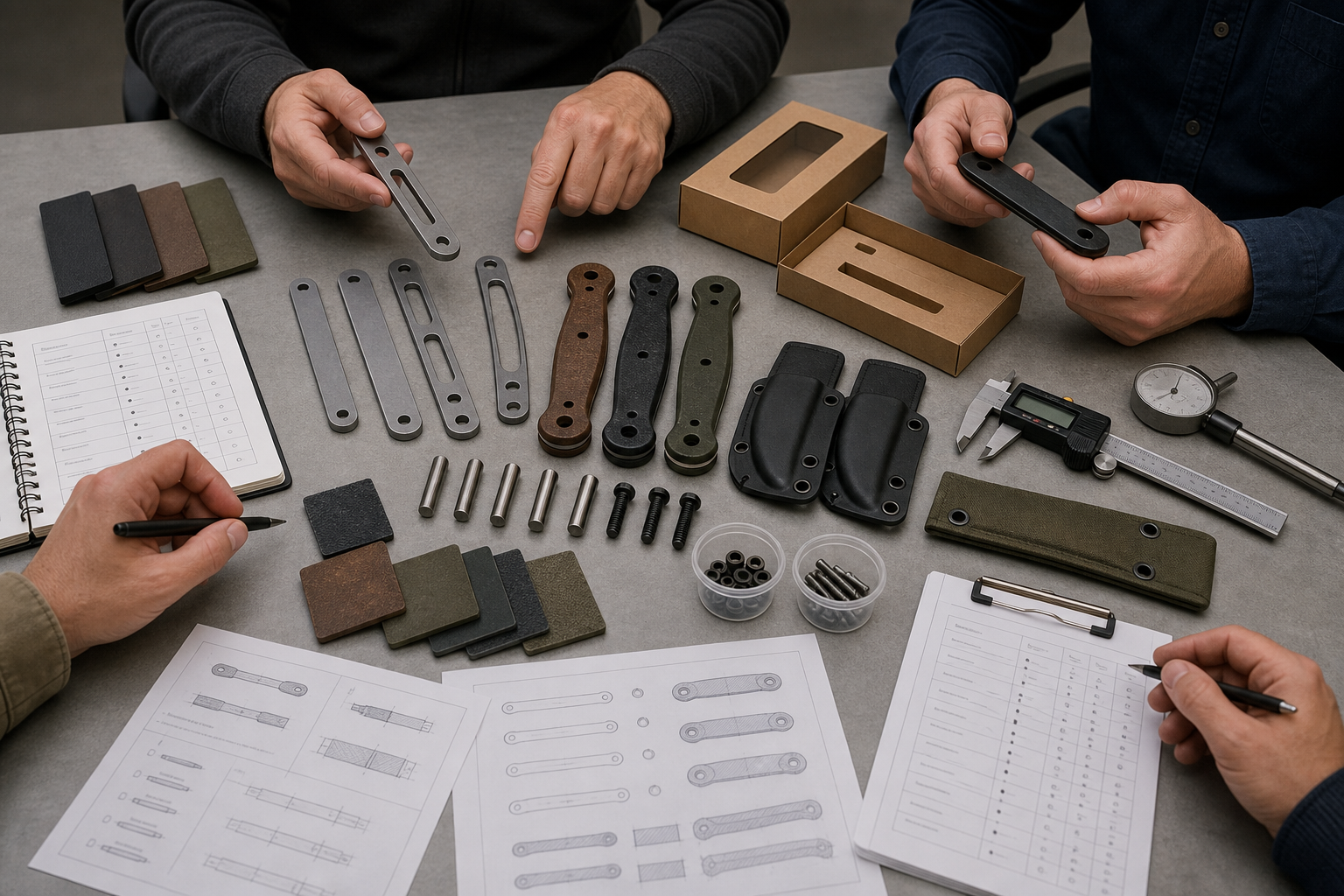
I Connect Tang Construction With the Whole Product
In real projects, I help buyers avoid choosing tang type by slogan. If the product is a heavy outdoor fixed blade, full tang may be the right direction. If the product is a traditional field knife, hidden tang may support the handle style. If the product is a lightweight carry knife, skeletonized tang may be useful. If the product is a value grip-focused tool, molded construction may be practical. The correct choice depends on the full product brief.
I also connect tang type to the supplier's real capability. A supplier must be able to machine the tang, fit the handle, control adhesive or fasteners, finish exposed edges, inspect alignment, and repeat the process. If a tang design needs tooling, the MOQ and timeline should support it. If a tang design needs boundary samples, they should be approved before mass production.
For buyers, the result should be simple: the knife should feel stable, fit the brand, match the price, and repeat well. That is how a hidden internal feature becomes a visible business advantage.
| Buyer need | Vast State support | Project result |
|---|---|---|
| Strong outdoor positioning | Full tang and handle-scale review | Clear user confidence |
| Traditional clean handle | Hidden tang process review | Better appearance and comfort |
| Lightweight carry | Skeletonized tang and balance review | Lower weight with controlled strength |
| Repeat production | Tang and handle QC standards | More consistent batches |
Turn this article into a fixed blade project.
Send your target use, blade size, steel, handle direction, sheath needs, quantity, and packaging plan. Vast State can help shape it into a quote-ready project.
Conclusion
The best tang type is the one that fits the knife's task, handle, cost, brand promise, and inspection plan, then repeats reliably in production.