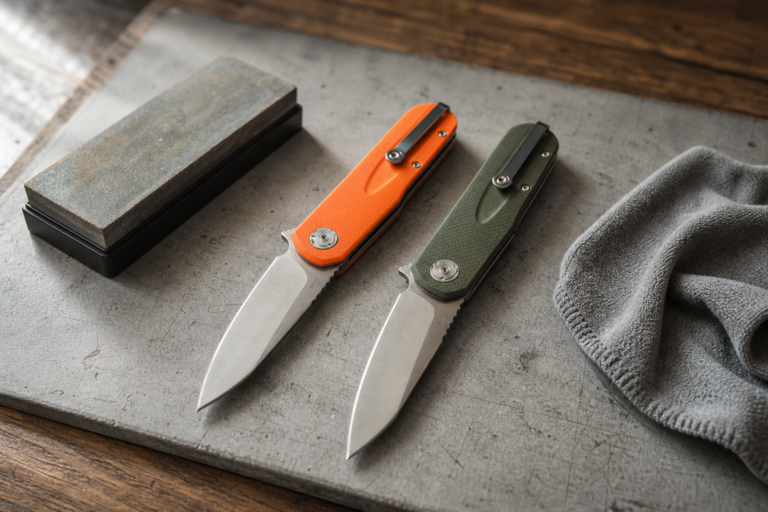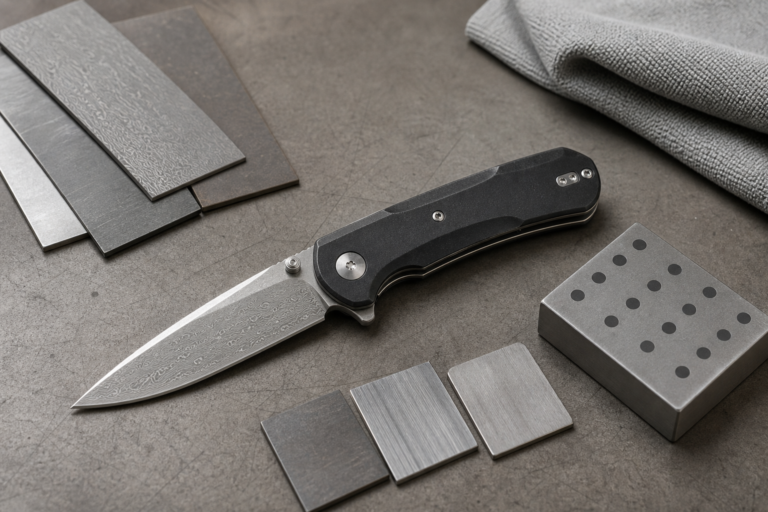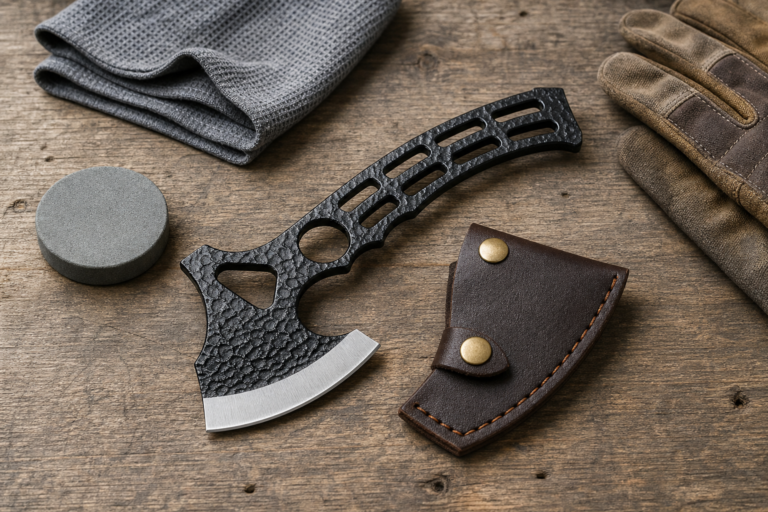
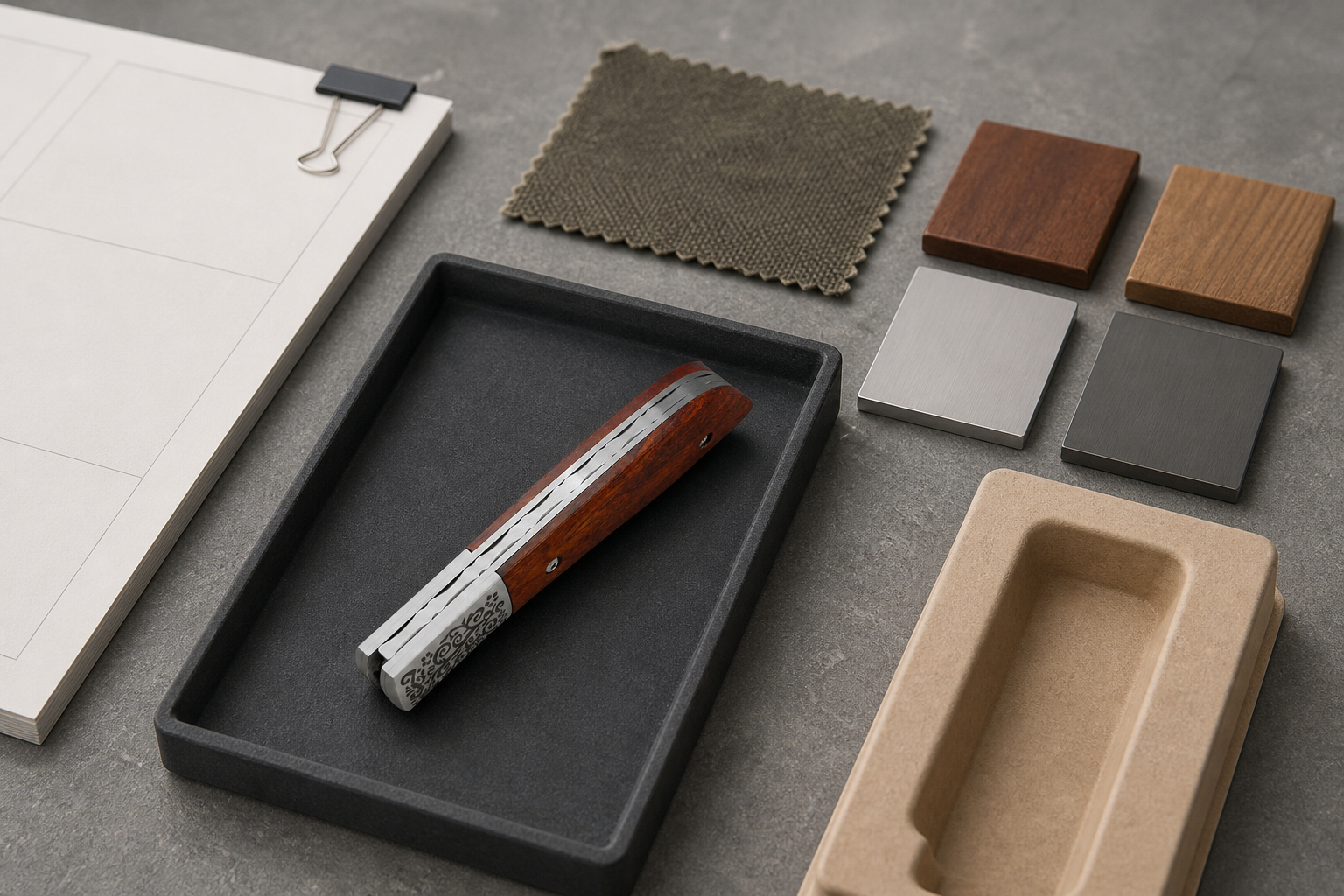
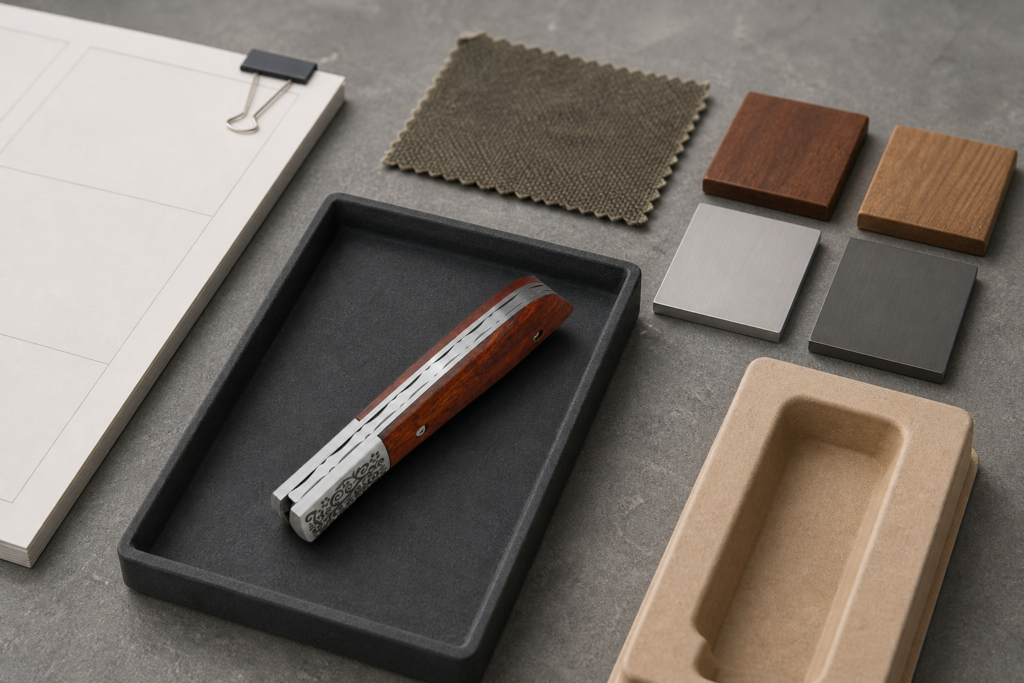
Outdoor knife culture can sound romantic. But if buyers only copy old shapes, they may miss the real product lessons.
Outdoor knife culture teaches buyers that a good knife is a practical field tool shaped by carry habits, materials, safety, maintenance, and trust. Modern OEM/ODM projects should turn that history into clear user scenarios, specifications, QC controls, packaging, and responsible positioning.
Quick buyer brief:
- Answer: Outdoor knife culture is useful for OEM/ODM buyers when it becomes design evidence, not nostalgia. It helps define blade size, fixed or folding format, handle feel, corrosion resistance, carry method, maintenance guidance, and quality checks.
- Buyer context: This guide is for knife brands, outdoor gear brands, importers, wholesalers, distributors, private label buyers, and sourcing managers developing outdoor knife lines.
- Key checks: Target use, legal market, blade format, steel, heat treatment, handle material, sheath or clip, safety wording, corrosion resistance, sharpening plan, packaging, QC checklist, and repeat production stability.
Planning a fixed blade or outdoor knife project?
Share your target use, blade size, steel preference, handle direction, sheath needs, quantity range, and packaging plan. Vast State can help turn it into a quote-ready specification.
When I look at outdoor knife culture, I do not see only old stories or collector language. I see a long record of how people used cutting tools away from home. They needed tools that were portable, dependable, easy to grip, easy to maintain, and suitable for real conditions. That is still useful for modern B2B buyers. The best outdoor knife project does not begin with a dramatic shape. It begins with a clear idea of who will carry the knife, what they will cut, how they will store it, how they will maintain it, and what promise the brand can honestly make.
Why Should Buyers Study Outdoor Knife Culture Before Starting Design?
A new outdoor knife can fail when it follows style without purpose. Culture gives context, but it must be translated carefully.
Buyers should study outdoor knife culture because it shows why users value reliability, carry comfort, safe handling, maintenance, and material fit. These lessons help turn design ideas into manufacturable products.
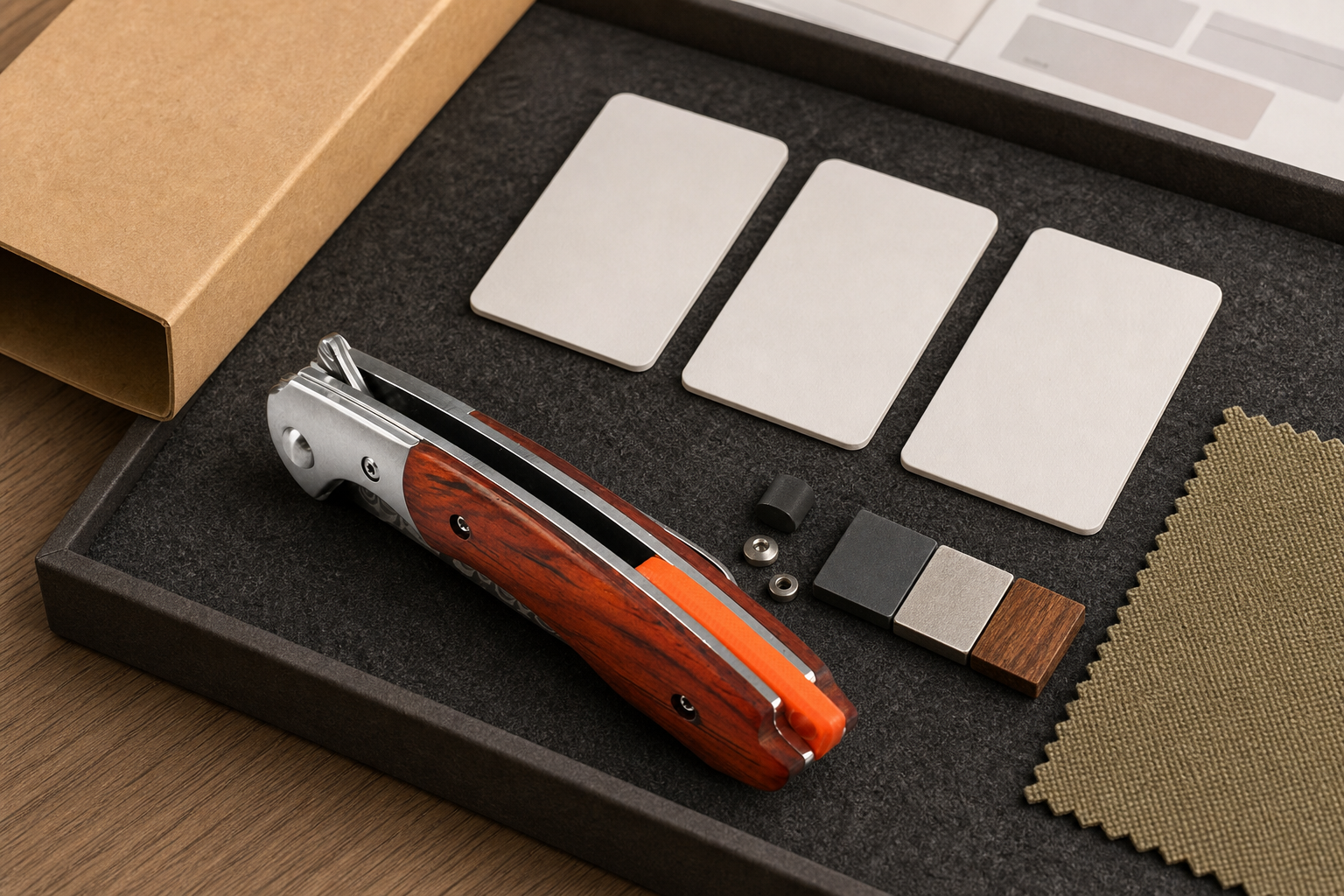
I Treat Culture as Product Research
Outdoor knife culture is not one single style. It includes camping, hiking, fishing, bushcraft, field repair, farm work, travel kits, and general outdoor utility. Each activity creates different expectations. A hiker may want a light folding knife or compact multi-tool. A campsite user may prefer a stronger fixed blade for food prep, cord cutting, and light camp tasks. A gear repair kit may need scissors, screwdriver, or awl functions more than a large blade.
The Britannica overview of knives defines a knife as a cutting tool with a blade that can be fixed or hinged. That simple definition matters. It reminds buyers that the product is first a cutting tool. A good outdoor knife should be evaluated by use, not by dramatic appearance. It should cut well, carry safely, resist the expected environment, and match the user's comfort level.
At Vast State, I use cultural research as a starting point for product direction. I ask what the buyer wants the knife to represent, but I also ask what the user will actually do with it. A heritage-inspired knife can still need modern steel, better grip texture, lighter packaging, tighter QC, and safer wording.
| Cultural lesson | Modern buyer question | Product decision |
|---|---|---|
| Portability matters | How will the user carry it? | Clip, sheath, weight, thickness |
| Trust matters | What must not fail? | Lock, tang, hardware, QC |
| Maintenance matters | How will users clean and sharpen it? | Steel, finish, edge geometry |
| Context matters | Where will it be sold and used? | Size, wording, compliance check |
OEM/ODM RFQ Checklist
Prepare these details to help Vast State review your project and provide a more accurate quotation.
| RFQ Field | What to Prepare |
|---|---|
| Project type | OEM from drawing / ODM private label / wholesale catalog |
| Product category | Folding knife / fixed blade / multi-tool / outdoor tool |
| Design status | Idea / sketch / 2D drawing / 3D CAD / physical sample |
| Target price | Ex-factory target price or retail price range |
| MOQ expectation | 500 / 1,000 / 3,000 / 5,000+ pcs |
| Logo method | Laser engraving / etching / printing / molded logo |
| Packaging | Standard packaging / custom retail box / Amazon-ready |
| Market | USA / EU / Japan / Korea / Middle East / other |
| Compliance needs | Buyer-specified testing / documentation / labeling |
| Timeline | Sample deadline / mass production deadline |
How Did Early Cutting Tools Shape Outdoor Knife Expectations?
History can become vague fast. The useful part is how cutting tools helped people solve practical tasks.
Early cutting tools shaped outdoor knife expectations by linking edge control, handle comfort, portability, and task fit. Modern buyers still need to design around those same human needs.
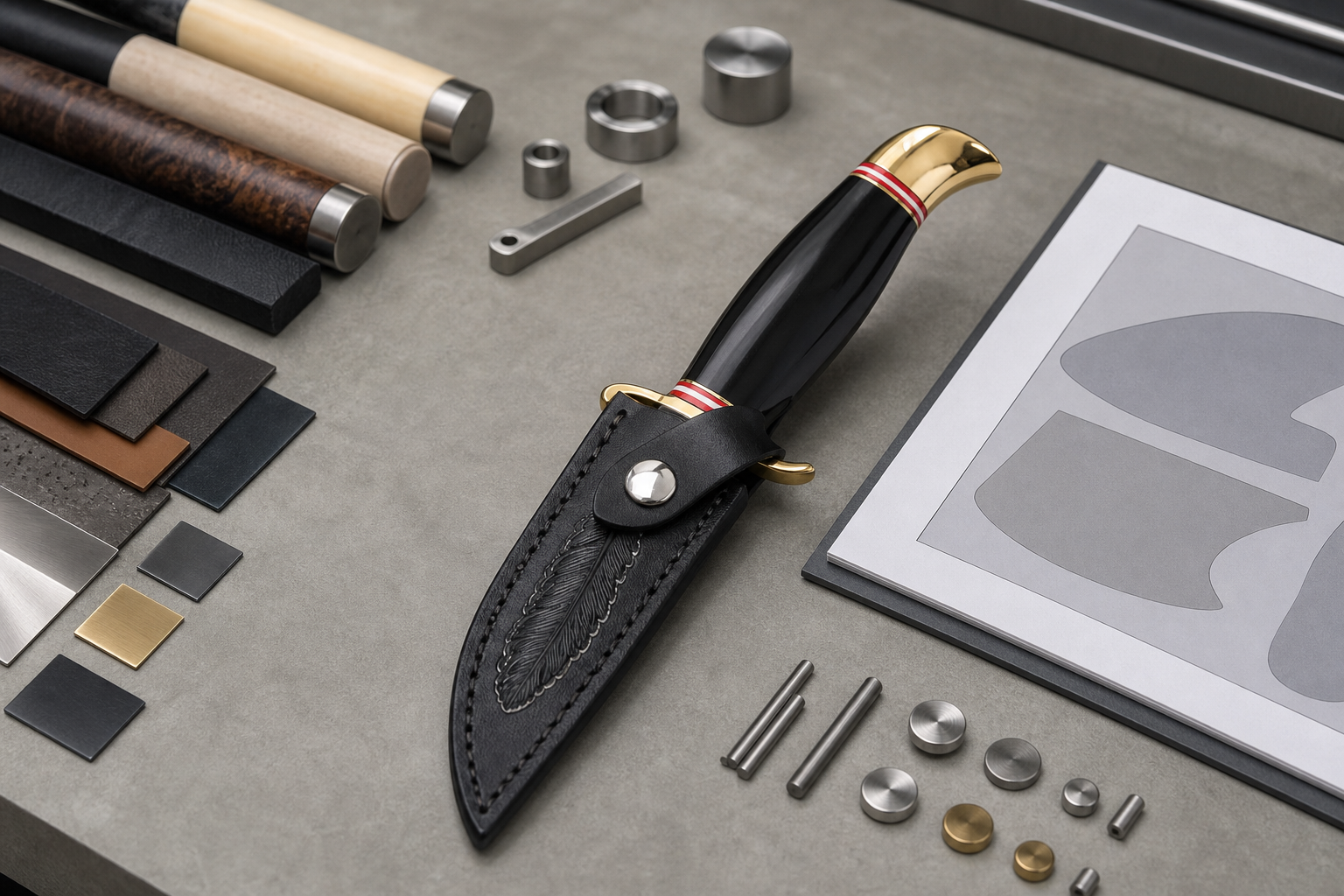
I Look for the Functional Reason Behind Old Forms
The long history of tools shows a basic pattern. People used cutting edges because they needed to change materials around them. The Britannica article on tools describes tools as instruments used to change other objects by cutting, striking, grinding, measuring, and other actions. For an outdoor knife project, that means the knife should be defined by tasks before style.
Old cutting tools were not designed for catalog photos. They were designed around available materials, hand force, carry needs, repair habits, and the work environment. A handle existed because a bare cutting edge was awkward and unsafe. A sheath existed because an exposed edge was hard to carry. Stronger materials became valuable because users wanted longer service life and better reliability. These principles are still alive in OEM/ODM development.
This does not mean buyers should copy ancient shapes. A direct copy may not match modern production, cost, market rules, or user comfort. Instead, I suggest buyers extract the useful question. Did this shape improve control? Did this handle reduce fatigue? Did this sheath protect the edge? Did this size help portability? Once we answer those questions, we can translate the idea into a modern product brief.
| Historical feature | Practical reason | Modern translation |
|---|---|---|
| Handle added to edge | Better control and comfort | Ergonomic handle profile |
| Protected edge | Safer carry and storage | Sheath, lock, or closed position |
| Compact personal tool | Ready access | Pocket clip or belt carry |
| Stronger material | Longer service life | Steel and heat treatment plan |
How Should Material Progress Influence Outdoor Knife Choices?
Material names can impress buyers. But the wrong material can make a project too costly, heavy, rusty, or hard to produce.
Material progress should influence outdoor knife choices by matching steel, heat treatment, handle material, surface finish, and corrosion resistance to the user's environment, price range, and repeat production plan.
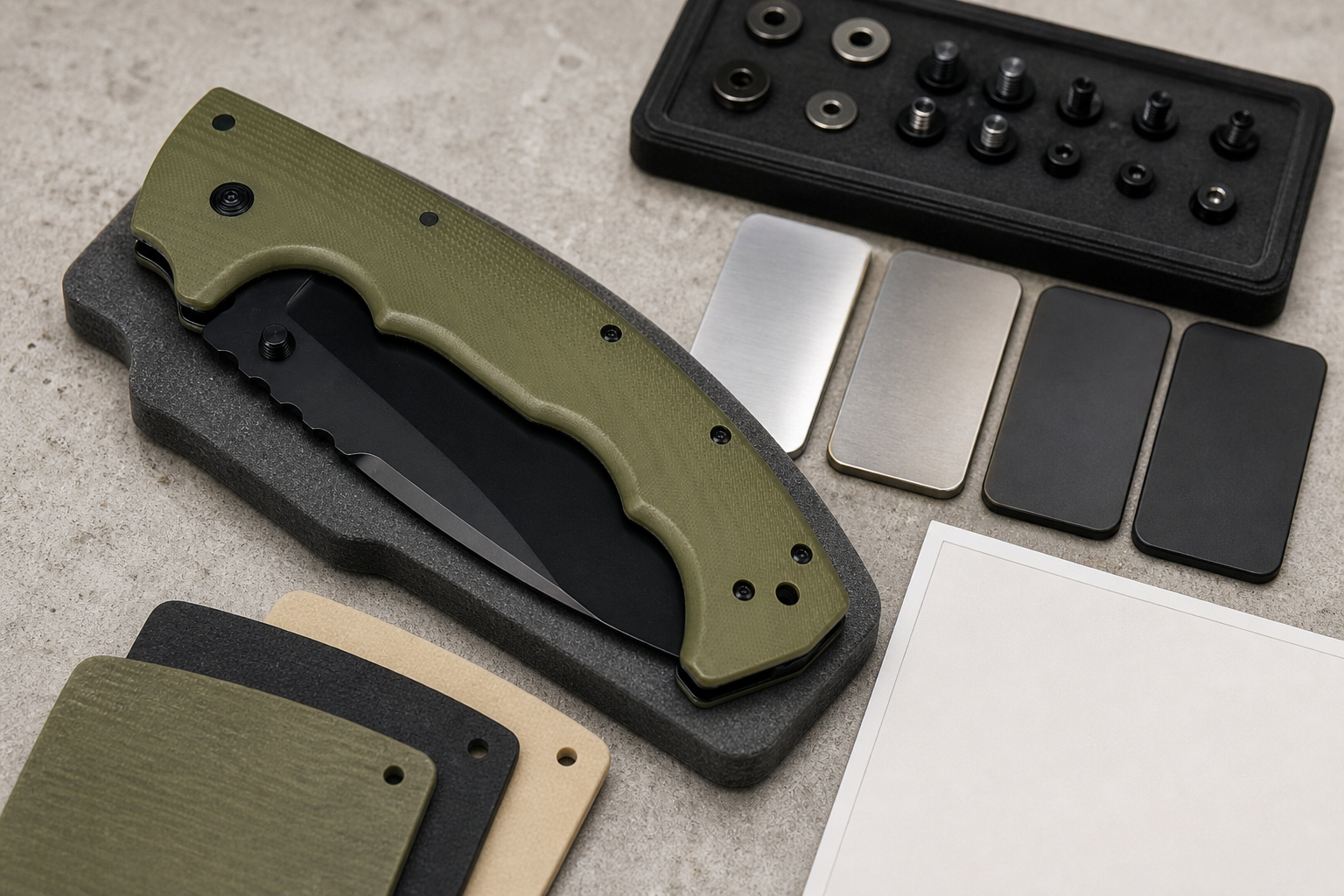
I Balance Performance With Manufacturing Reality
Outdoor knife culture often respects material progress. Stone gave way to metal. Iron and steel improved tool performance. Modern buyers now have many blade and handle options. That choice is powerful, but it also creates risk. A buyer may ask for a steel because the name sounds attractive, while the real user needs easier sharpening, better rust resistance, or a lower target cost.
For example, Alleima 14C28N knife steel is a useful reference because it is positioned around edge performance, hardness, corrosion resistance, and knife applications. That does not make it automatically right for every project. It shows the kind of trade-off buyers should discuss: sharpness, toughness, corrosion resistance, machining, heat treatment, availability, and price.
Handle material is equally important. Wood can support a traditional look, but moisture behavior and batch variation need review. G10 can support grip and color stability. Micarta can create a warm outdoor feel. Aluminum can reduce weight. Stainless steel can feel strong but may add too much weight for some users. Polymer can support value-driven projects. I prefer to connect every material to use and margin.
| Material choice | Outdoor benefit | Production concern |
|---|---|---|
| Stainless blade steel | Better corrosion resistance | Heat treatment and grinding control |
| Carbon steel | Easy sharpening and strong heritage feel | Rust prevention and user guidance |
| G10 or micarta | Grip and outdoor identity | Machining, texture, edge finishing |
| Wood handle | Traditional warmth | Moisture, variation, finishing |
Why Do Carry Method and Format Matter in Outdoor Knife Culture?
A knife that cuts well can still fail if it carries poorly. Users notice weight, access, and storage every day.
Carry method and format matter because outdoor users need the knife to be safe, accessible, secure, and suitable for the task. Fixed blades, folding knives, and multi-tools solve different carry problems.
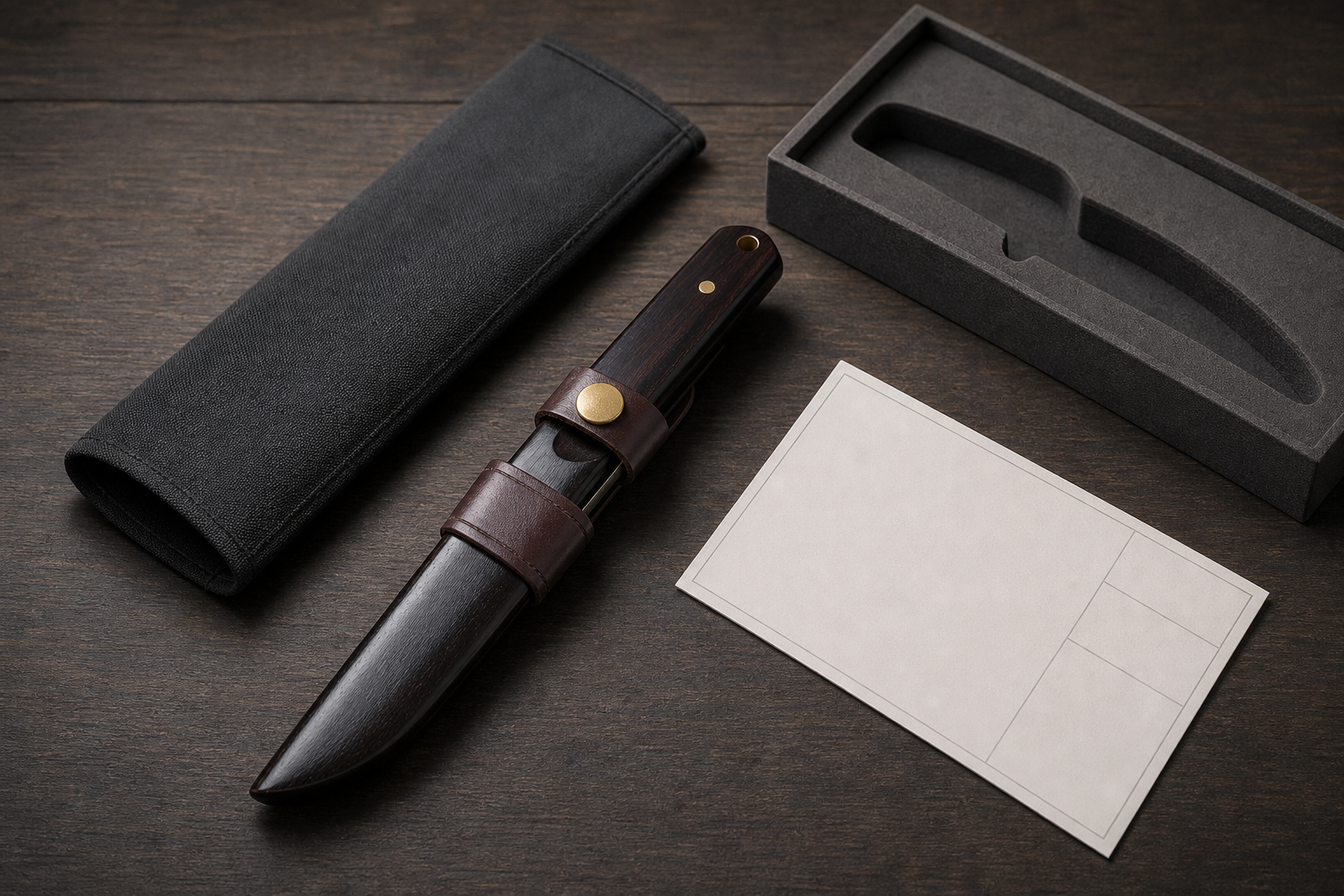
I Separate Fixed Blade, Folder, and Multi-Tool Roles
The National Park Service hiking safety guidance lists a repair kit and tools as part of the Ten Essentials and mentions a knife, scissors, and compact multi-tool for repair needs. I like this source because it treats cutting tools as part of outdoor preparedness, not as a dramatic object. For buyers, this is a useful positioning direction.
A fixed blade can offer strength, easy cleaning, and simple structure. It may suit camping, field prep, and heavier utility tasks. But it needs a reliable sheath and a clear carry plan. A folding knife is compact and easier for many users to carry. But it depends on pivot, lock, blade centering, screw control, and safe closed position. A multi-tool can support repair and travel tasks, but each added function increases structure, tolerance, and assembly complexity.
The best format depends on the line strategy. A brand may use one fixed blade as a campsite product, one folding knife as an everyday outdoor product, and one multi-tool as a gear repair product. The mistake is forcing one knife to do everything.
| Format | Best fit | Buyer should control |
|---|---|---|
| Fixed blade | Camping and stronger utility | Sheath fit, handle comfort, edge geometry |
| Folding knife | Compact outdoor carry | Lock, pivot, clip, closed safety |
| Multi-tool | Repair and mixed tasks | Function layout, tolerance, tool access |
| Small accessory blade | Lightweight kit use | Simplicity, compliance, packaging |
What Does Outdoor Knife Culture Teach About Handle Comfort and Safety?
Outdoor buyers often focus on blade shape first. But the hand is where users judge control, confidence, and fatigue.
Outdoor knife culture teaches that handle comfort and safety are core product features. Buyers should control grip shape, texture, balance, edge exposure, sheath retention, lock reliability, and maintenance instructions.
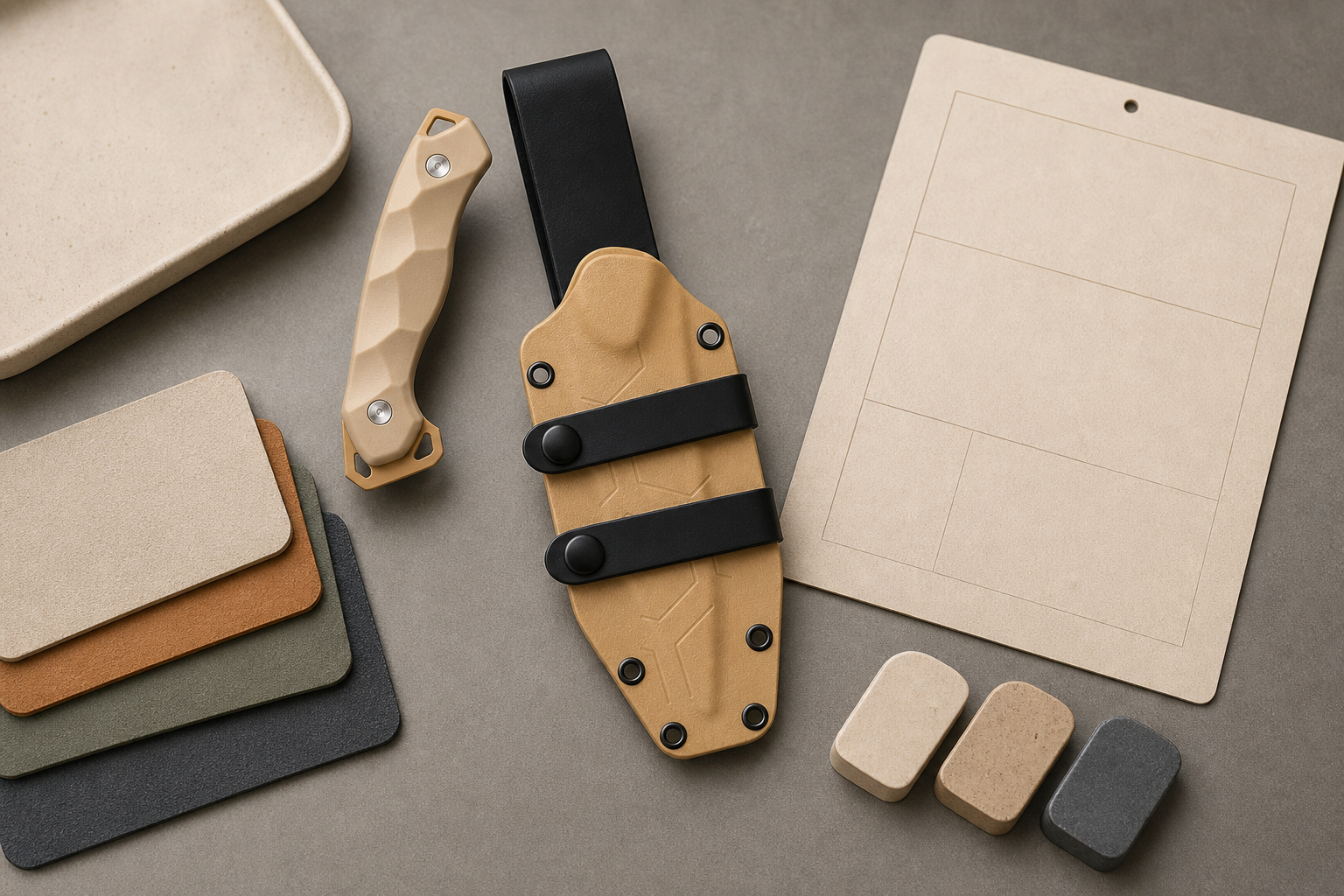
I Design for Controlled Use, Not Only Strong Appearance
Outdoor use can involve wet hands, cold weather, gloves, dirt, sweat, and long handling time. A handle that looks good in a photo may feel slippery or tiring in real use. This is why I check palm swell, finger clearance, guard or front stop, handle edge rounding, texture depth, balance, and screw placement. I also check whether the sheath or clip creates pressure points during carry.
The CCOHS sharp blade safety guidance gives practical points that support product thinking. It advises using the right tool for the job, keeping blades sharp, inspecting tools, and avoiding open-tool pocket carry. These are user-safety ideas, but they also help buyers write better packaging, manuals, and product pages.
The ISO 9241-11 usability standard is also useful because it treats usability as something connected to users, goals, and context. A knife handle should not be designed only for a showroom. It should work for the intended user in the intended context. For OEM/ODM buyers, this means sample approval should include hand feel, not only photos.
| Safety and comfort point | What I check | Why it matters |
|---|---|---|
| Grip shape | Palm fit and control | Reduces slip and fatigue |
| Texture | Wet and dry grip | Supports outdoor use |
| Edge protection | Sheath, lock, closed tip | Supports safer carry |
| Instructions | Use and maintenance wording | Sets responsible expectations |
How Can Buyers Use Historical Inspiration Without Copying Old Products?
Heritage can help a brand stand out. But copying old products can create weak function, unclear positioning, and legal risk.
Buyers can use historical inspiration by extracting functional ideas, then redesigning them for modern materials, production methods, user needs, compliance checks, and brand identity.
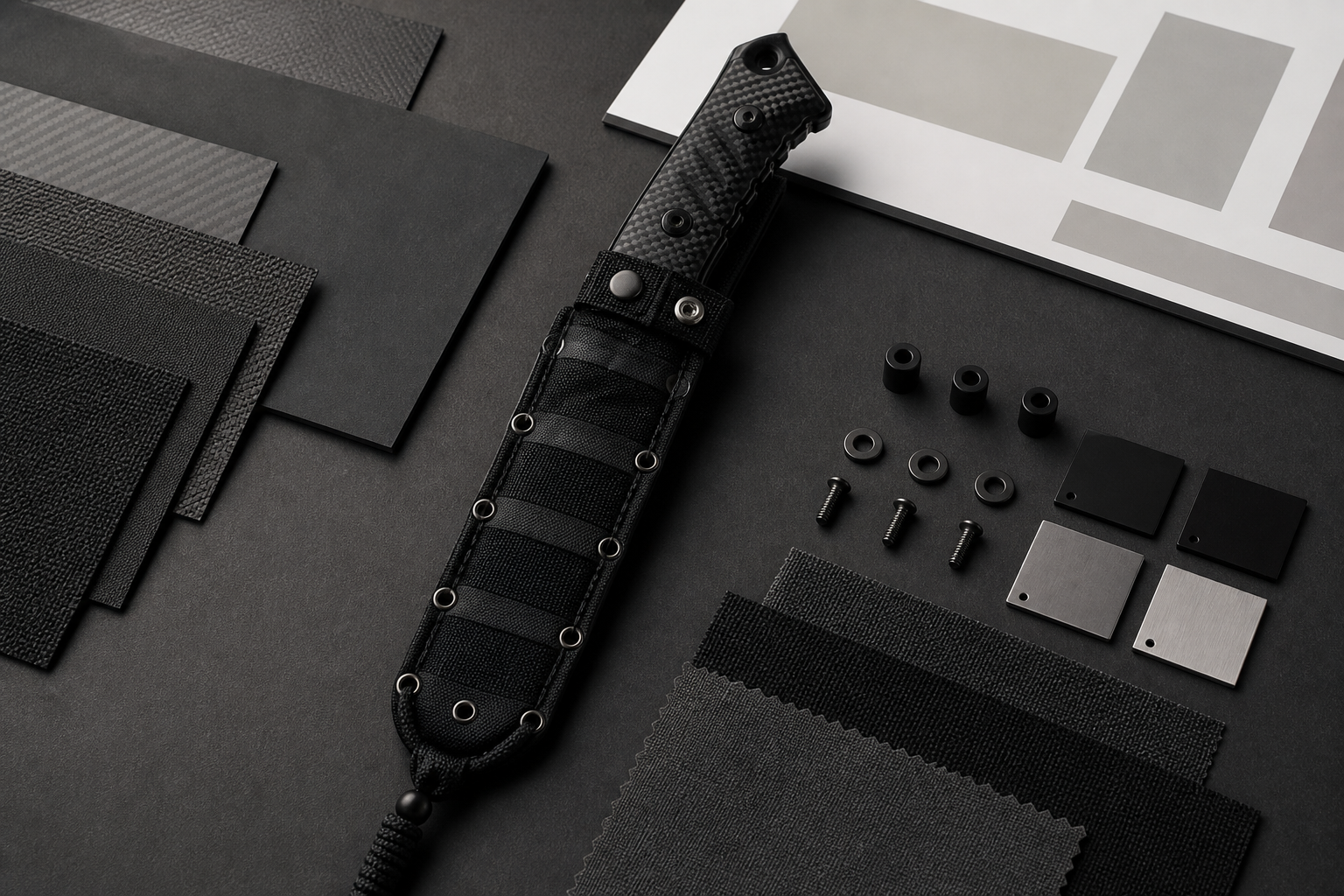
I Translate Old Cues Into Modern Specifications
A buyer may like a traditional handle shape, a classic sheath style, a rustic finish, or a simple outdoor blade profile. That inspiration can be useful. The problem starts when the buyer treats old appearance as a complete specification. Older forms may have been limited by materials, tools, and local habits. Modern customers may expect better corrosion resistance, more consistent finish, safer packaging, and clearer product information.
I prefer to separate the design cue from the engineering requirement. If the buyer wants a heritage look, we can use warmer handle materials, satin or stonewash finish, a simple blade profile, and a practical sheath. But we still need modern thickness control, heat treatment, edge consistency, screw security, package protection, and QC standards. We also need to avoid copying third-party brand signatures, model names, or protected design elements.
This approach gives buyers more freedom. The product can feel culturally grounded without becoming a replica. It can tell a story while still being suitable for mass production.
| Inspiration type | Risk if copied directly | Better OEM/ODM approach |
|---|---|---|
| Traditional profile | Poor fit for modern users | Update size, steel, and edge geometry |
| Rustic material | Batch variation | Define acceptable color and texture range |
| Old sheath style | Weak retention | Add retention and fit tests |
| Heritage wording | Compliance or brand risk | Use responsible utility language |
How Should Brands Position Outdoor Knives Responsibly?
Poor wording can hurt a good product. Outdoor knives should not rely on aggressive claims to look useful.
Brands should position outdoor knives around camping, hiking, field repair, food prep, rope cutting, packaging, maintenance, and outdoor utility. They should avoid self-defense, combat, and unsafe-use claims.
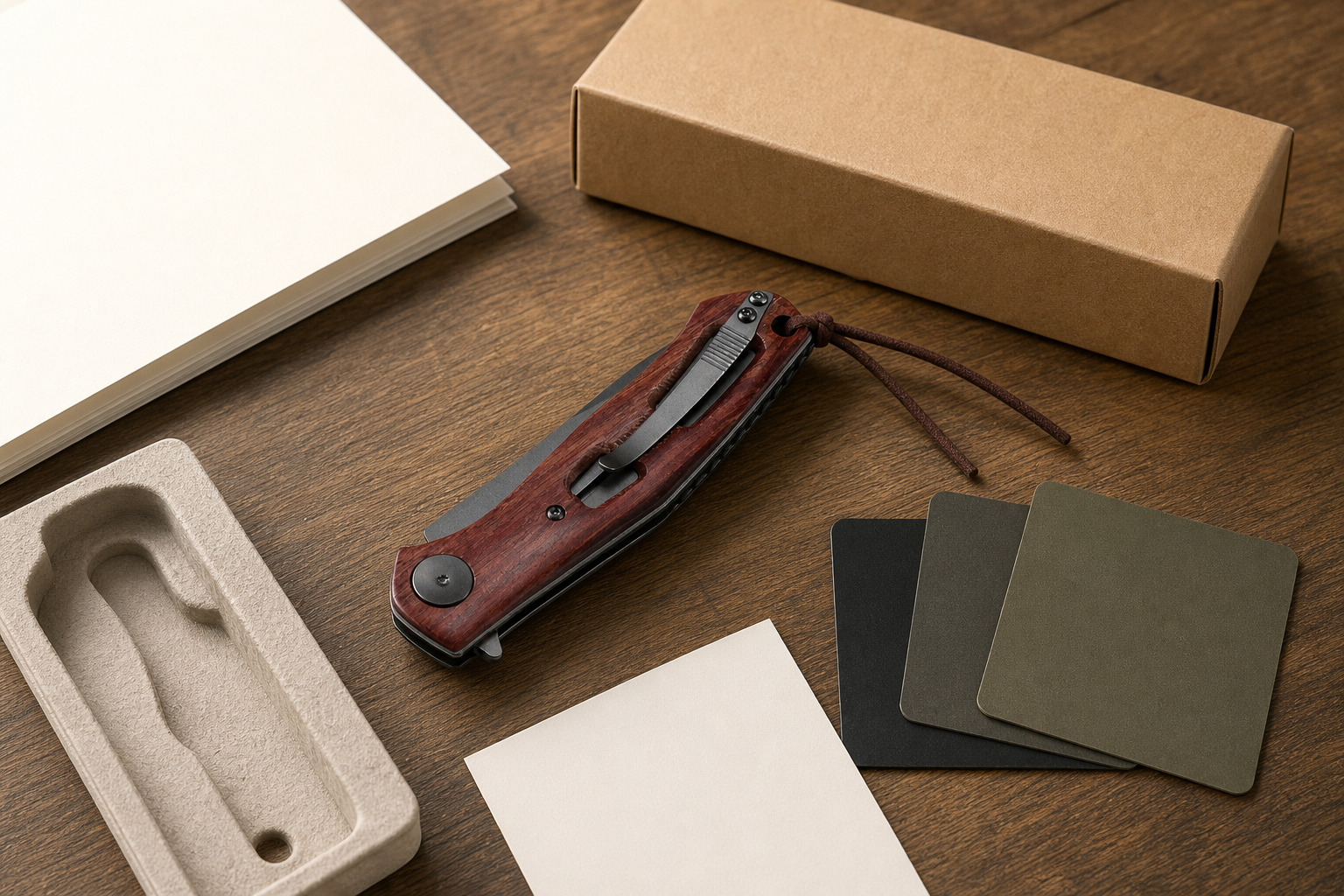
I Keep the Product Promise Practical
Many outdoor customers value confidence, but confidence does not require aggressive marketing. A product page can talk about camping, repair, cutting cord, preparing kindling, opening packaging, trimming material, and maintaining gear. It can explain steel, handle grip, sheath retention, lockup, edge angle, finish, and cleaning. These details build trust.
Responsible positioning also helps B2B buyers. Importers, distributors, and retailers may need to review wording for their target markets. A utility-focused description is usually easier to evaluate than a dramatic one. It also reduces confusion for end users. The product should be understood as a tool, with suitable warnings, instructions, and local compliance checks.
For OEM/ODM projects, I suggest writing the positioning before finalizing packaging. The positioning should guide blade length, product name, instruction insert, photo style, and sales channel. If the product is for camping, the sample should be tested like a camping tool. If the product is for gear repair, the feature set should support repair tasks.
| Positioning angle | Strong message | Avoid |
|---|---|---|
| Camping utility | Cutting cord, food prep, gear tasks | Combat language |
| Hiking kit | Compact repair support | Fear-based claims |
| Outdoor maintenance | Cleaning and sharpening guidance | Unrealistic toughness promises |
| Private label | Clear use case and value | Generic dramatic wording |
What Product Details Turn Culture Into Specifications?
Culture can inspire a mood. Specifications are what factories can actually build, inspect, and repeat.
Product details turn culture into specifications when buyers define blade length, steel, hardness, edge geometry, handle size, carry system, finish, logo, packaging, tolerances, and QC criteria.
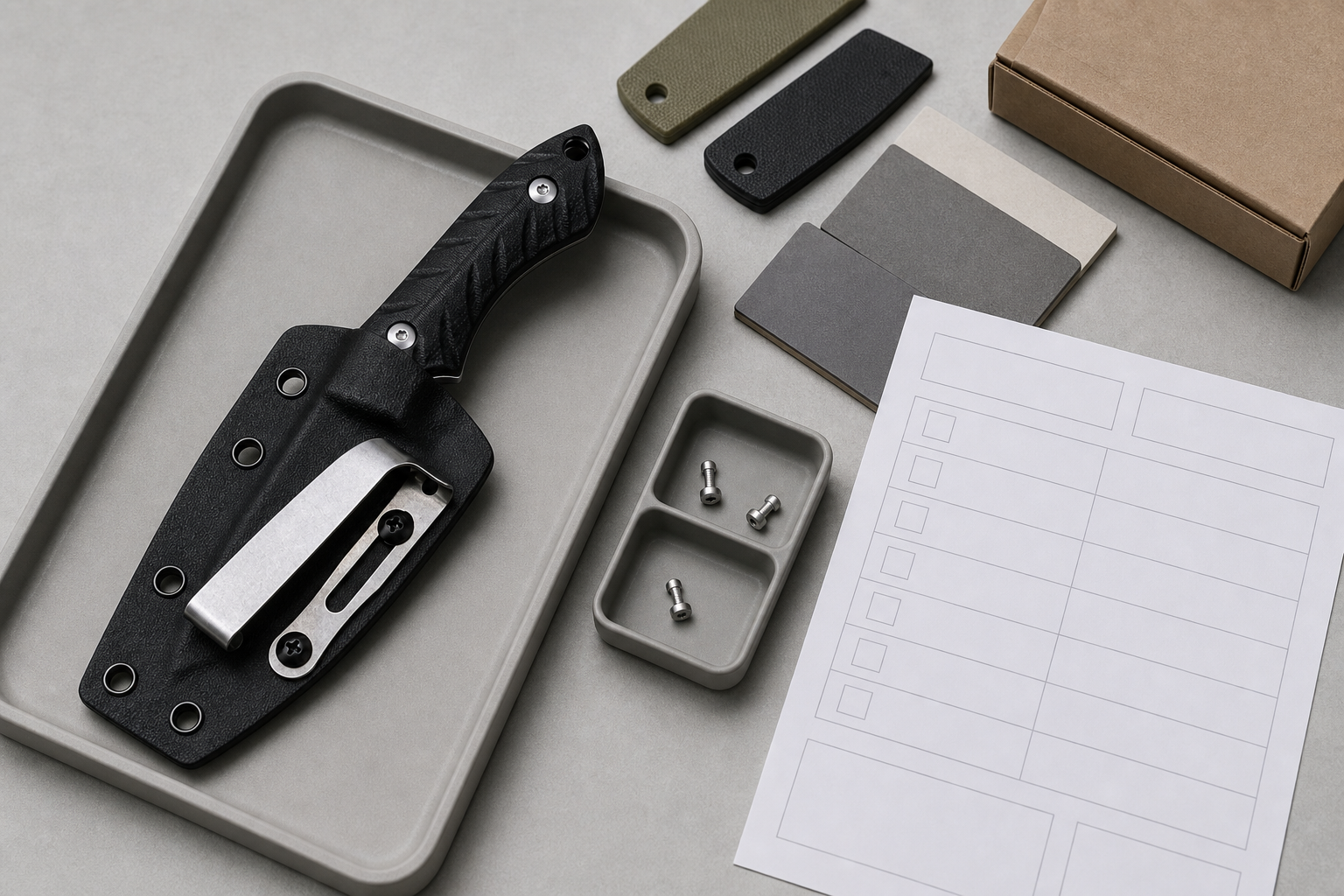
I Convert the Story Into Measurable Controls
A buyer may say, "I want a traditional outdoor knife with modern performance." That is a useful direction, but it is not enough for production. I need to know the blade length, thickness, steel, heat treatment target, handle material, handle thickness, sheath material, belt attachment, finish, logo method, packaging type, target cost, and MOQ. I also need to know the target market and any restricted wording or dimensional limits the buyer wants us to consider.
The ISO 9001 quality management overview is useful here because it connects quality with processes, customer expectations, and continual improvement. In knife manufacturing, this means culture-inspired design still needs stable input checks, in-process checks, and final inspection.
At Vast State, I do not want a buyer to approve only a nice-looking sample. I want the sample to become a repeatable reference. We can define boundary samples for finish, handle color, logo depth, edge sharpness, lock feel, sheath retention, and packaging condition. That is how a cultural concept becomes a practical product.
| Specification area | What to define | Why it matters |
|---|---|---|
| Blade | Length, steel, thickness, edge | Controls cutting and cost |
| Handle | Material, shape, texture | Controls comfort and identity |
| Carry | Sheath, clip, lanyard | Controls safety and usability |
| QC | Hardness, fit, finish, packaging | Controls repeat orders |
What QC Checks Protect Outdoor Knife Orders?
Outdoor products face real use and real weather. Weak QC can turn a good concept into customer complaints.
QC checks protect outdoor knife orders by confirming material, hardness, edge, fit, handle comfort, sheath or lock function, corrosion-sensitive finishes, packaging, and batch consistency before shipment.
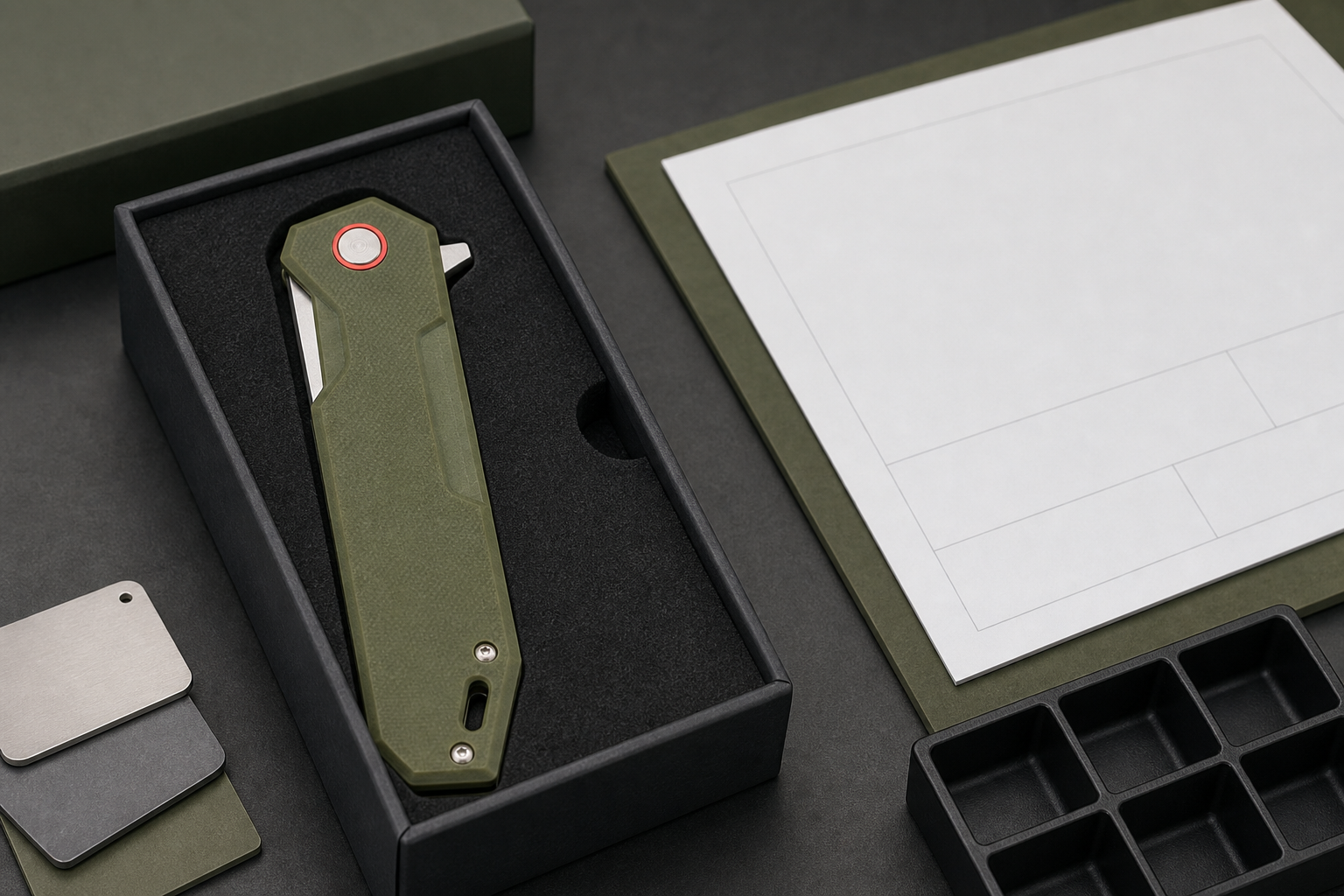
I Check the Product From the User's Point of View
Quality control should not be limited to appearance. Outdoor knife buyers need function checks. For fixed blades, I check blade straightness, handle fit, edge consistency, sheath retention, sheath stitching or molding, finish quality, logo, and packaging protection. For folding knives, I also check pivot action, lock engagement, blade centering, screw tension, clip retention, and closed-tip safety.
The CCOHS hand tool operation guidance supports a simple but important idea: hand tools should be selected for the right job, maintained, inspected, and stored properly. A supplier cannot control the user's behavior after purchase, but a supplier can help the buyer provide a safer and clearer product.
For repeat production, I also watch consistency. One good sample is not enough. Batch control matters. If the first order has a strong sheath fit and the second order is loose, the brand loses trust. If handle color changes without approval, the line looks unstable. If hardness varies too much, edge performance can feel inconsistent. These are manufacturing problems, not only design problems.
| QC stage | Fixed blade check | Folding knife check |
|---|---|---|
| Incoming | Steel, handle, sheath material | Steel, liners, hardware, handle scales |
| In-process | Grinding, heat treatment, handle fit | Pivot holes, lock face, blade centering |
| Assembly | Sheath retention, edge, finish | Action, lockup, screw torque |
| Final | Packaging, labeling, batch consistency | Packaging, safety insert, function check |
What Should Buyers Include in an RFQ for Culture-Inspired Outdoor Knives?
An RFQ that only says "outdoor style" creates guessing. Guessing creates slow samples and unstable pricing.
Buyers should include target user, market, format, blade size, steel, handle material, carry method, finish, logo, packaging, target price, MOQ, sample need, QC priorities, and compliance notes.
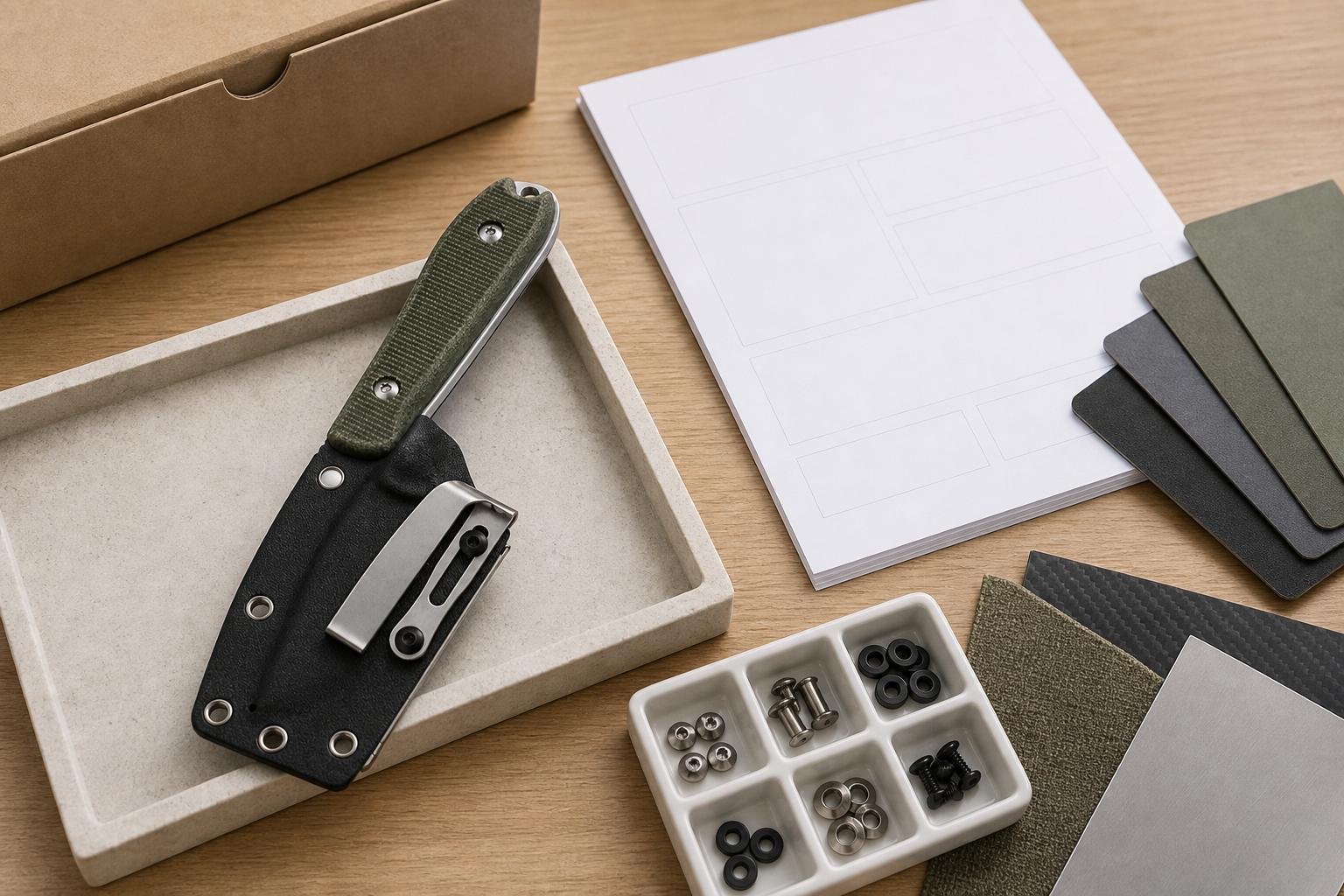
I Help Buyers Turn Ideas Into a Production Brief
The best RFQ gives enough direction for the supplier to think like an engineering partner. It does not need to be perfect. Some buyers already have a finished design. Some only have a rough concept, a target price, or a reference mood. Both can work if the supplier can ask the right questions and give practical suggestions.
For a culture-inspired outdoor knife, I want to know whether the buyer wants heritage appearance, modern EDC utility, camping function, gear repair function, or a gift-ready outdoor product. I also want to know if the product must fit a price point, retail channel, or private label packaging plan. From there, we can suggest steel, handle material, finish, sheath or clip, packaging, and prototype path.
Vast State supports OEM and ODM knife and outdoor tool projects from concept to production. We can help with prototype development, material selection, lock or structure suggestions, finish options, packaging customization, production follow-up, and quality control. My goal is not only to make a knife. It is to help buyers build a product that fits their market, brand, price range, and repeat-order plan.
| RFQ item | Why I need it | Example buyer input |
|---|---|---|
| Target user | Guides structure | Camper, hiker, outdoor gift buyer |
| Target price | Guides materials | Budget, mid-range, premium |
| Format | Guides engineering | Fixed blade, folder, multi-tool |
| QC priority | Guides inspection | Sheath retention, lockup, finish |
Turn this article into a fixed blade project.
Send your target use, blade size, steel, handle direction, sheath needs, quantity, and packaging plan. Vast State can help shape it into a quote-ready project.
Conclusion
Outdoor knife culture helps buyers design better products when its lessons become clear specifications, safe positioning, realistic materials, controlled production, and repeatable quality.