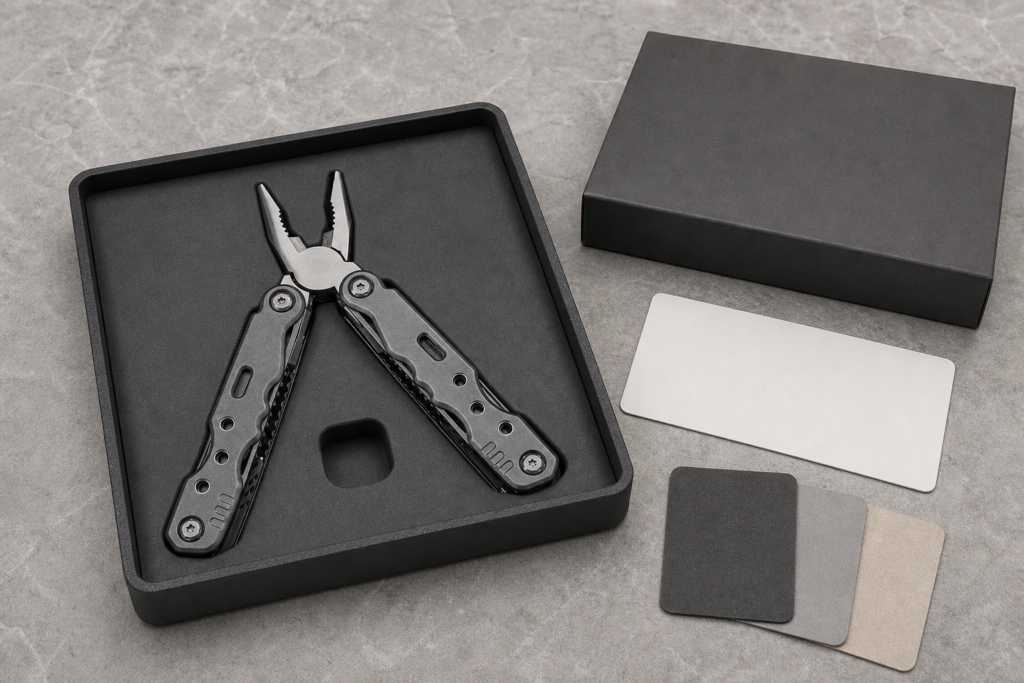
Pliers look basic until they fail. Poor jaws, weak pivots, or uncomfortable handles can turn a useful tool into a return problem.
Buyers should choose pliers by matching the tool type, jaw shape, cutter function, steel, heat treatment, pivot strength, handle comfort, safety limits, packaging, and QC to the target user. The right pliers should grip, cut, and handle repeated use without overclaiming what they can do.
Quick buyer brief:
- Answer: Define the task first, then choose plier type, jaw geometry, cutter detail, material, handle, pivot, packaging, and inspection standard.
- Buyer context: This helps outdoor brands, knife brands, multi-tool brands, importers, wholesalers, distributors, private label buyers, and sourcing managers.
- Key checks: Jaw alignment, teeth pattern, cutter hardness, pivot play, handle comfort, spring action, corrosion resistance, rust prevention, packaging instructions, and safe-use boundaries.
Planning a custom multi-tool project?
Send your function list, reference photo, target quantity, and budget range. Vast State can review materials, tooling, assembly, inspection, and packaging options.
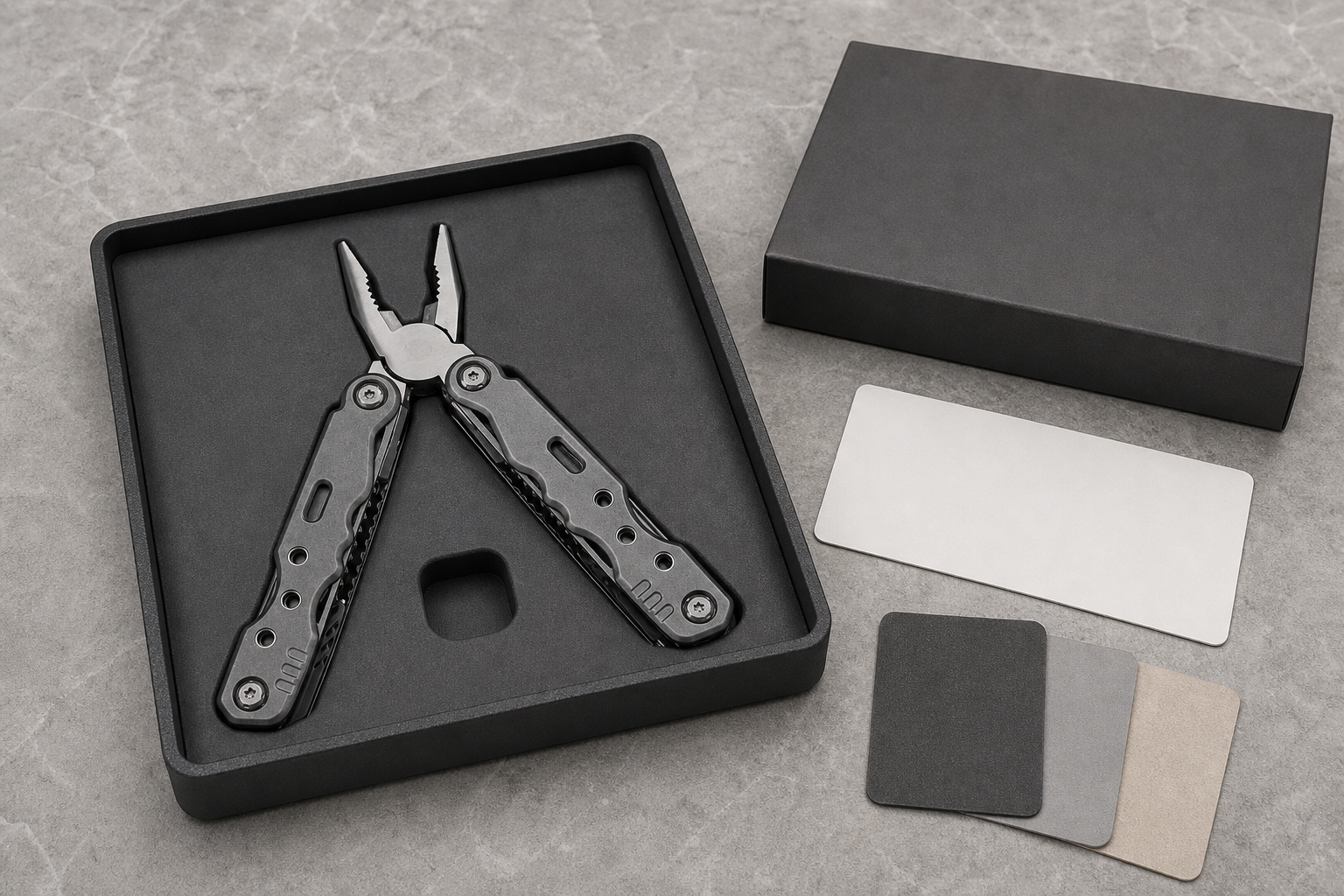
When I work on an outdoor tool or multi-tool project, I do not treat pliers as a small accessory. Pliers are often the part users squeeze, twist, pull, and judge first. If the jaws slip, the cutters chip, the pivot loosens, or the handle hurts the hand, the whole product feels weak. This matters for standalone pliers, compact tool kits, camping tools, rescue kits, and multi-tools with integrated plier heads. For B2B buyers, the best choice depends on real tasks, not only catalog appearance.
Why Should Buyers Define the Plier Task Before Choosing a Style?
Different pliers solve different problems. If the task is unclear, buyers may choose a tool that looks useful but performs poorly.
Buyers should define the plier task before choosing a style because gripping, bending, holding, crimping, cutting wire, and compact multi-tool use require different jaw shapes, cutters, pivots, handles, and safety instructions.
I Start With the Work, Not the Tool Name
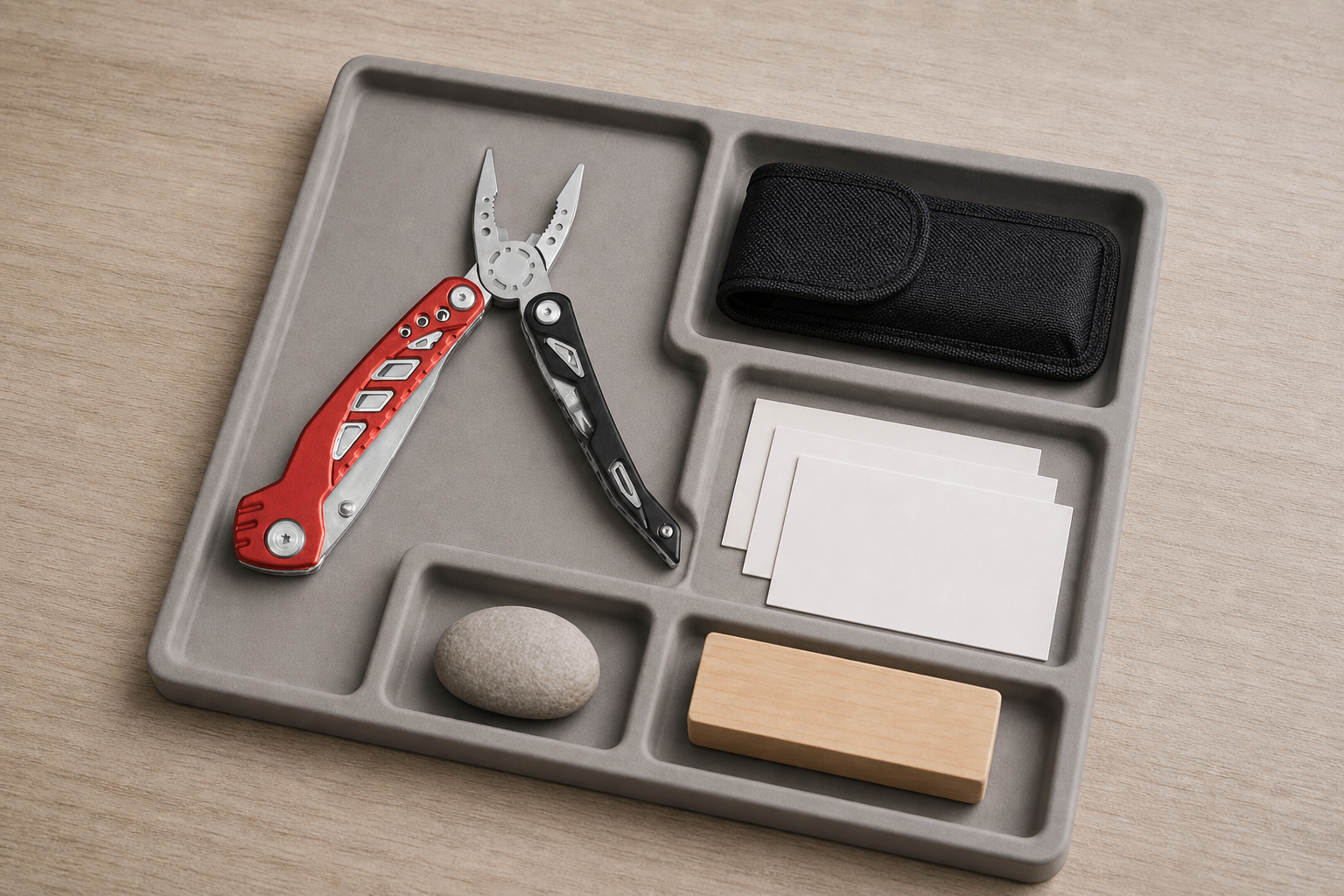
Pliers are not one product. A needle-nose plier reaches into narrow spaces. A combination plier can grip and cut. A diagonal cutter focuses on cutting. A slip-joint plier adjusts to different sizes. A locking plier holds with stronger clamping force, but it is a different product category and carries different safety expectations. A multi-tool plier head must fit inside a compact body and still feel useful.
For B2B buyers, the first question should be simple: what will the customer do with it? A camping kit may need light repair and grip work. A fishing tool may need corrosion resistance and fine jaw control. A bicycle or vehicle emergency kit may need stronger gripping and cutting ability. A compact EDC multi-tool may need a smaller plier head that still aligns well.
The Canadian Centre for Occupational Health and Safety gives general hand-tool guidance that tools should be used for the job they were designed to do. That is exactly the mindset I use in product development. If the buyer tries to make one small plier do every task, the product may disappoint.
The RFQ should define the use case, not only the plier name. This helps the supplier recommend jaw length, tooth pattern, cutter style, pivot design, handle material, finish, and packaging.
| Task | Better plier direction | Buyer caution |
|---|---|---|
| Narrow repair work | Needle-nose pliers | Check tip alignment |
| General gripping | Combination pliers | Do not overclaim cutting range |
| Wire cutting | Diagonal cutters or cutter insert | Define wire type and hardness |
| Compact kits | Multi-tool plier head | Balance size and strength |
OEM/ODM RFQ Checklist
Prepare these details to help Vast State review your project and provide a more accurate quotation.
| RFQ Field | What to Prepare |
|---|---|
| Project type | OEM from drawing / ODM private label / wholesale catalog |
| Product category | Folding knife / fixed blade / multi-tool / outdoor tool |
| Design status | Idea / sketch / 2D drawing / 3D CAD / physical sample |
| Target price | Ex-factory target price or retail price range |
| MOQ expectation | 500 / 1,000 / 3,000 / 5,000+ pcs |
| Logo method | Laser engraving / etching / printing / molded logo |
| Packaging | Standard packaging / custom retail box / Amazon-ready |
| Market | USA / EU / Japan / Korea / Middle East / other |
| Compliance needs | Buyer-specified testing / documentation / labeling |
| Timeline | Sample deadline / mass production deadline |
Which Plier Types Fit Outdoor Tool and Multi-Tool Lines?
A product line may need more than one plier type. Buyers should match each tool to the kit position.
Outdoor and multi-tool lines can use needle-nose pliers, combination pliers, diagonal cutters, slip-joint pliers, compact plier heads, and specialty fishing or rescue pliers depending on user task, size, and price range.
I Match Plier Type to Channel and User Skill
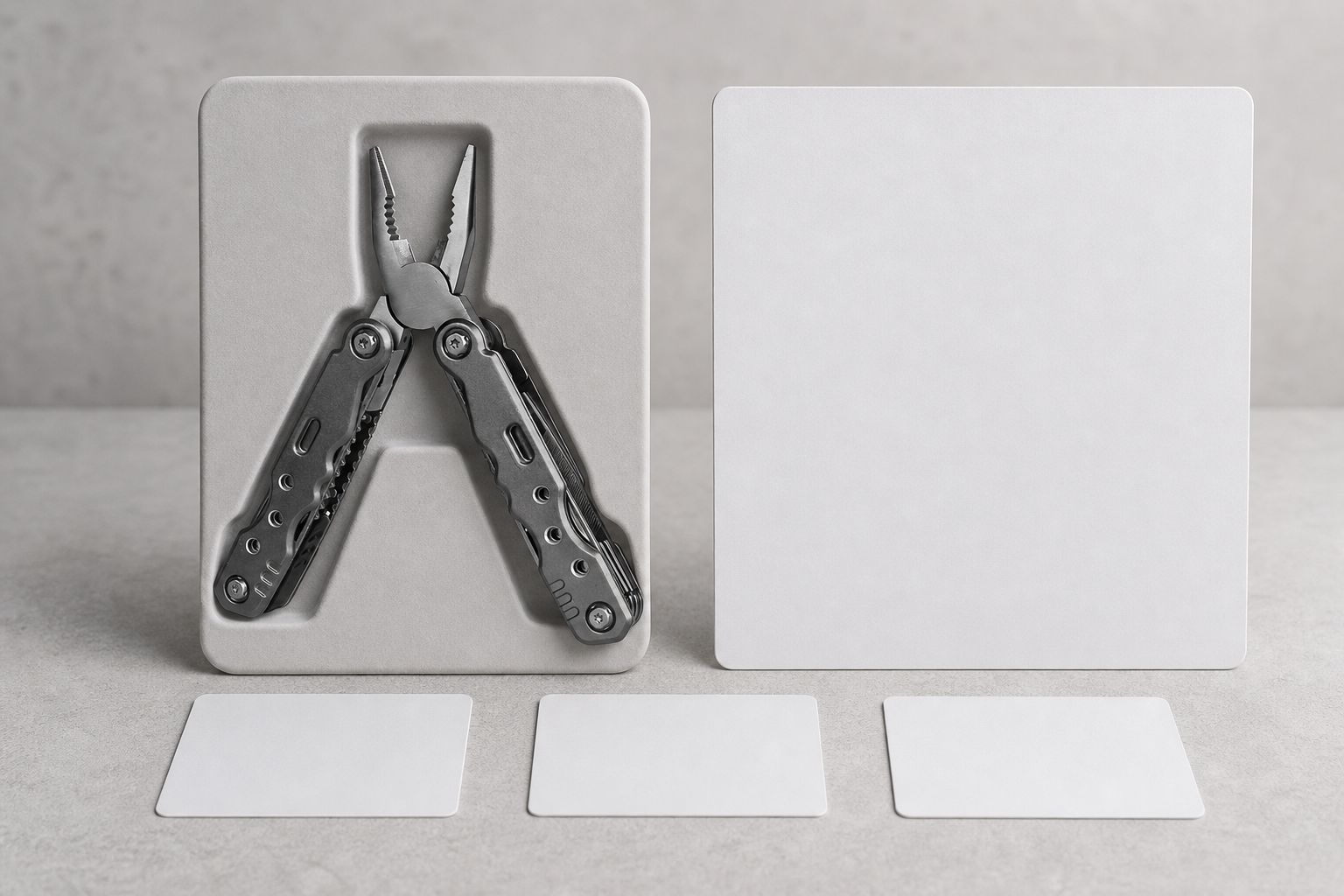
Needle-nose pliers are useful when the user needs reach and precision. They can work in fishing kits, compact repair kits, and multi-tools. The risk is tip strength. A long fine tip can bend if users twist too hard. The buyer should define whether the tool is for light precision work or stronger gripping.
Combination pliers are more general. They can grip, hold, bend, and often cut wire. They are useful in larger tool kits, camping repair sets, and utility products. The buyer should check jaw alignment and cutter performance. A poor cutter can create immediate dissatisfaction.
Diagonal cutters are more specialized. They should be judged by cutting edge hardness, cutting capacity, and handle comfort. If the buyer wants to cut harder wire, the specification must say so. Otherwise, customers may damage the tool.
Slip-joint pliers can fit household and utility kits because the jaw opening adjusts. They are less common inside compact multi-tools because space is limited. Specialty pliers, such as fishing pliers, may need corrosion resistance, split-ring tips, line cutters, and lanyards. The product should not borrow features from another category without a real use case.
For B2B buyers, product line planning matters. A small EDC multi-tool, a fishing tool, and a camp repair kit can all include pliers, but they should not use the same specification.
| Plier type | Best fit | Design focus |
|---|---|---|
| Needle-nose | Fishing, repair, multi-tool | Tip alignment and strength |
| Combination | General utility kits | Jaw teeth and cutter |
| Diagonal cutter | Wire cutting | Edge hardness and handle leverage |
| Slip-joint | Household or repair kit | Adjustment and jaw grip |
What Jaw, Cutter, and Pivot Details Matter Most?
The user may not know the technical terms, but they will feel poor alignment and weak cutting immediately.
Jaw alignment, tooth pattern, cutter geometry, edge hardness, pivot play, pivot smoothness, spring action, and corrosion protection matter most because they decide grip, cut quality, control, and durability.
I Inspect the Contact Points First
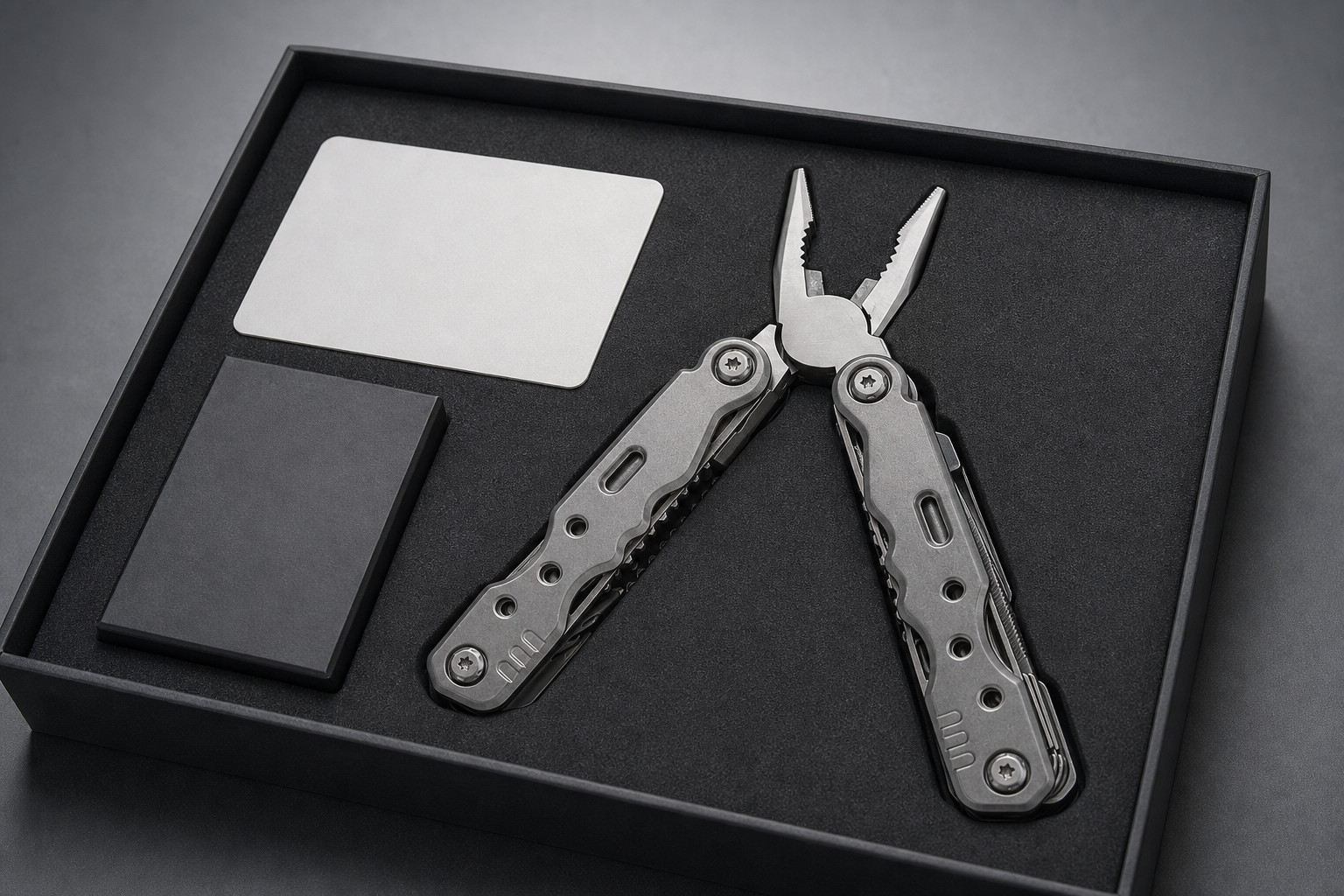
The jaws are the business end of the pliers. If the jaws do not meet correctly, the tool cannot grip well. If the teeth are too shallow, the jaws may slip. If the teeth are too aggressive, they may damage the workpiece. If the tips are uneven, precision work becomes frustrating.
Cutters need a different review. The cutter edges should meet properly and should be hard enough for the intended material. The buyer should define what the cutter is expected to cut. Soft copper wire, fishing line, small cable ties, and harder wire are not the same task. If the buyer does not define the material, the supplier cannot design the cutter honestly.
The pivot controls feel and durability. Too much play feels cheap and reduces control. Too tight a pivot makes the tool tiring. Multi-tool plier heads are especially sensitive because the pivot also relates to the handles, folding body, and spring action. A small error can affect the whole tool.
CCOHS plier guidance warns against using pliers or wire cutters improperly and points to issues such as worn jaws. That supports a simple product rule: the tool must be designed for the task, and the jaw and cutter areas need clear inspection.
| Detail | What to inspect | Why it matters |
|---|---|---|
| Jaw alignment | Tip and tooth contact | Better grip |
| Tooth pattern | Depth and consistency | Less slipping |
| Cutter edge | Meeting line and hardness | Cleaner cuts |
| Pivot | Play and smoothness | Better control |
How Should Handle Design Improve Comfort and Control?
Even good jaws can feel bad if the handle is wrong. Users notice hand pressure fast.
Handle design should improve comfort and control through shape, length, grip texture, material, edge rounding, spring tension, leverage, and fit for gloved or wet hands where the product requires it.
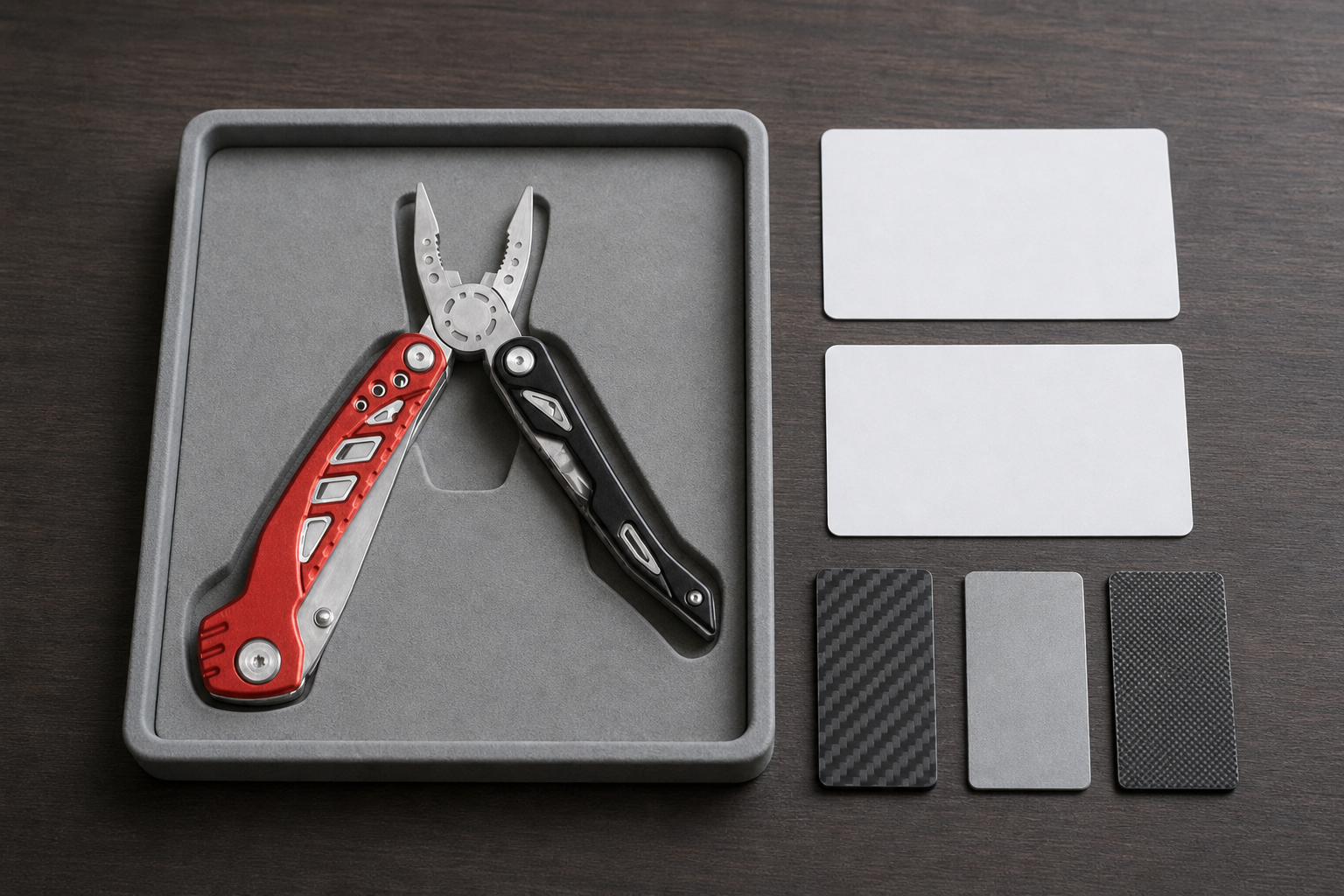
I Design for Repeated Squeezing
Pliers are squeezed. That sounds obvious, but it should guide the design. Handle width, surface texture, edges, and leverage decide how the tool feels after repeated use. A narrow metal handle may be compact, but it can create pressure points. A thick rubberized handle may be comfortable, but it may add bulk and cost. A short handle may fit a pocket kit, but it gives less leverage.
OSHA's electrical contractor eTool discusses using properly designed tools to promote neutral wrist and hand posture and using only as much finger force as needed for control. This is not a product design standard for outdoor tools, but it supports an important principle: handle design affects strain and control.
The buyer should match handle design to the product. A compact multi-tool needs folded handles that do not pinch. A fishing plier may need a non-slip grip and lanyard. A repair kit plier may need longer handles for leverage. A gift-set plier may need a cleaner finish, but comfort should not be sacrificed.
Edges matter too. Sharp seams, burrs, or poorly finished grips can make a tool feel cheap. In QC, I check not only dimensions but also hand feel. A tool can pass a drawing and still feel uncomfortable.
| Handle factor | User effect | Buyer decision |
|---|---|---|
| Length | Leverage and control | Compact vs stronger use |
| Grip material | Comfort and slip resistance | Cost and durability |
| Edge rounding | Hand comfort | Deburr and polish standard |
| Spring tension | Ease of repeated use | Match user task |
What Materials and Finishes Should Buyers Compare?
Pliers may face moisture, dirt, wire, and repeated pressure. Material choice should support the real environment.
Buyers should compare carbon steel, stainless steel, alloy steel, heat treatment, surface coating, plating, rubberized grips, and corrosion protection based on the product's task, budget, climate, and sales channel.
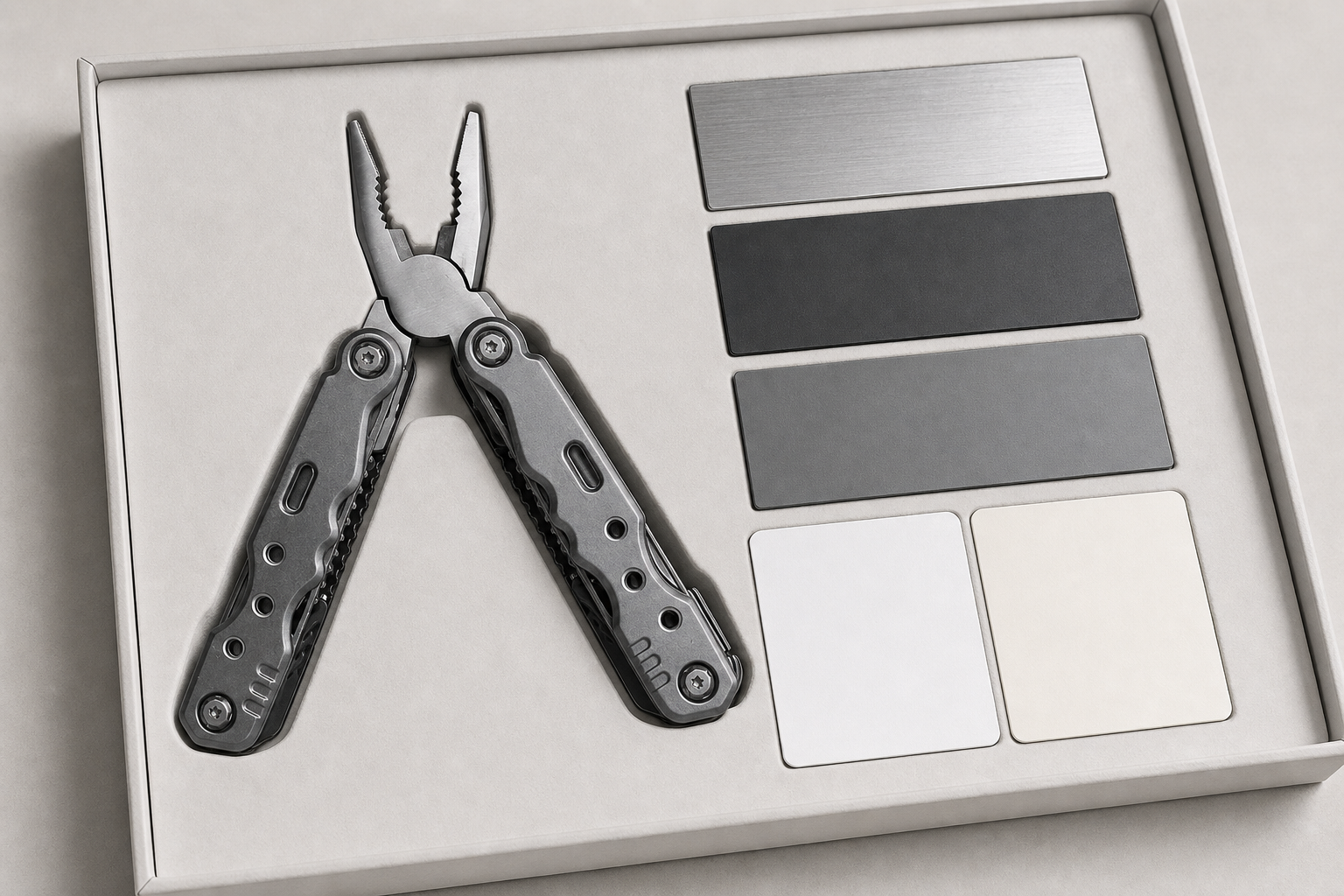
I Match Material to Environment and Price
Material choice depends on product role. Carbon steel can support strength and cost efficiency, but it usually needs surface protection. Stainless steel can help with corrosion resistance, especially for fishing or marine-oriented products, but grade and heat treatment still matter. Alloy steel may support stronger cutting or gripping performance, but it affects cost and processing.
Finish is part of both performance and appearance. Black oxide, nickel plating, polished stainless, bead blast, coating, and oil protection all create different results. A finish should not flake, rust too quickly, or stain packaging. If the product is sold for outdoor use, the buyer should ask how corrosion resistance is being controlled.
Grip materials also affect cost and experience. PVC dip, TPR, rubberized overmold, G10-style scales, and plain metal handles all serve different markets. A dipped handle may be cost-effective. An overmold may feel better but needs tooling and process control. A metal handle can be compact, but it may be slippery or uncomfortable if not shaped well.
For multi-tools, material decisions become more complex because the plier head, handles, blades, screwdrivers, scissors, and springs may use different materials. The buyer should not judge the whole tool by one material claim.
| Material choice | Main benefit | Production concern |
|---|---|---|
| Carbon steel | Strength and cost control | Rust protection |
| Stainless steel | Corrosion resistance | Correct grade and hardness |
| Coated finish | Appearance and protection | Wear and adhesion |
| Rubberized grip | Comfort and control | Bonding and durability |
What Safe-Use Boundaries Should Packaging Explain?
Pliers are often misused because they look strong. Packaging should prevent wrong expectations before the first use.
Packaging should explain safe-use boundaries such as using the right tool for the task, avoiding damaged jaws, not using pliers as hammers or pry bars, wearing suitable eye protection where needed, and storing tools safely.
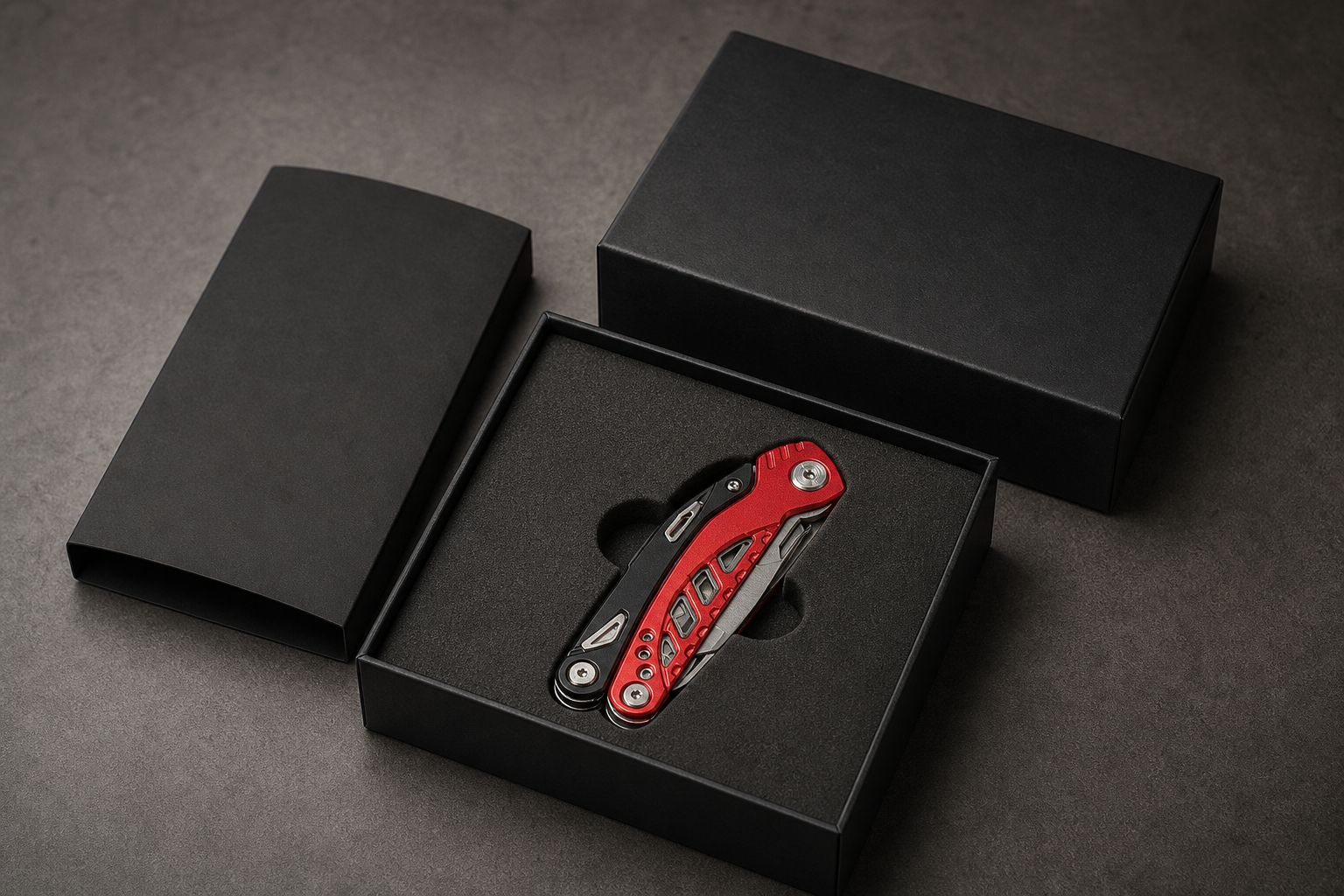
I Use Packaging to Set Expectations
A plier package should not only show the product. It should explain the product's limits. Many users misuse pliers as hammers, pry bars, wrenches, or cutters for materials beyond the tool's capacity. That can damage the tool and create safety issues. If the buyer sells into work, outdoor, fishing, or emergency kits, the packaging should be especially clear.
CCOHS general hand-tool guidance recommends choosing the right tool for the job and replacing worn jaws on tools such as pliers. That is a practical packaging idea. The instruction card can tell users to inspect the jaws, avoid using damaged tools, and use suitable protective equipment for the task.
If the pliers include cutters, the package should define cutting limits. It should not imply the tool can cut hardened wire, hooks, cable, or nails unless the tool has been designed and tested for that. If the tool is part of a knife or multi-tool kit, the package should also include sharp-tool storage and travel reminders where relevant.
For B2B buyers, good instructions reduce returns. They also make the product easier for retailers to accept. A clean instruction card can look professional without making the product feel overly technical.
| Packaging message | Why it matters | Buyer check |
|---|---|---|
| Use the right tool | Prevents misuse | Match product claims |
| Inspect jaws and cutters | Reduces slipping and failure | Add care guidance |
| Define cutting limits | Prevents edge damage | Test if claimed |
| Store safely | Protects users and product | Include pouch or guard if needed |
How Should Buyers Test Pliers Before Approving Samples?
A sample can look good on a desk but fail under simple use. Buyers should test the tool against the promised tasks.
Buyers should test pliers by checking jaw alignment, grip on sample materials, cutter performance, pivot play, handle comfort, spring action, corrosion resistance, packaging fit, and repeat-use consistency before approval.
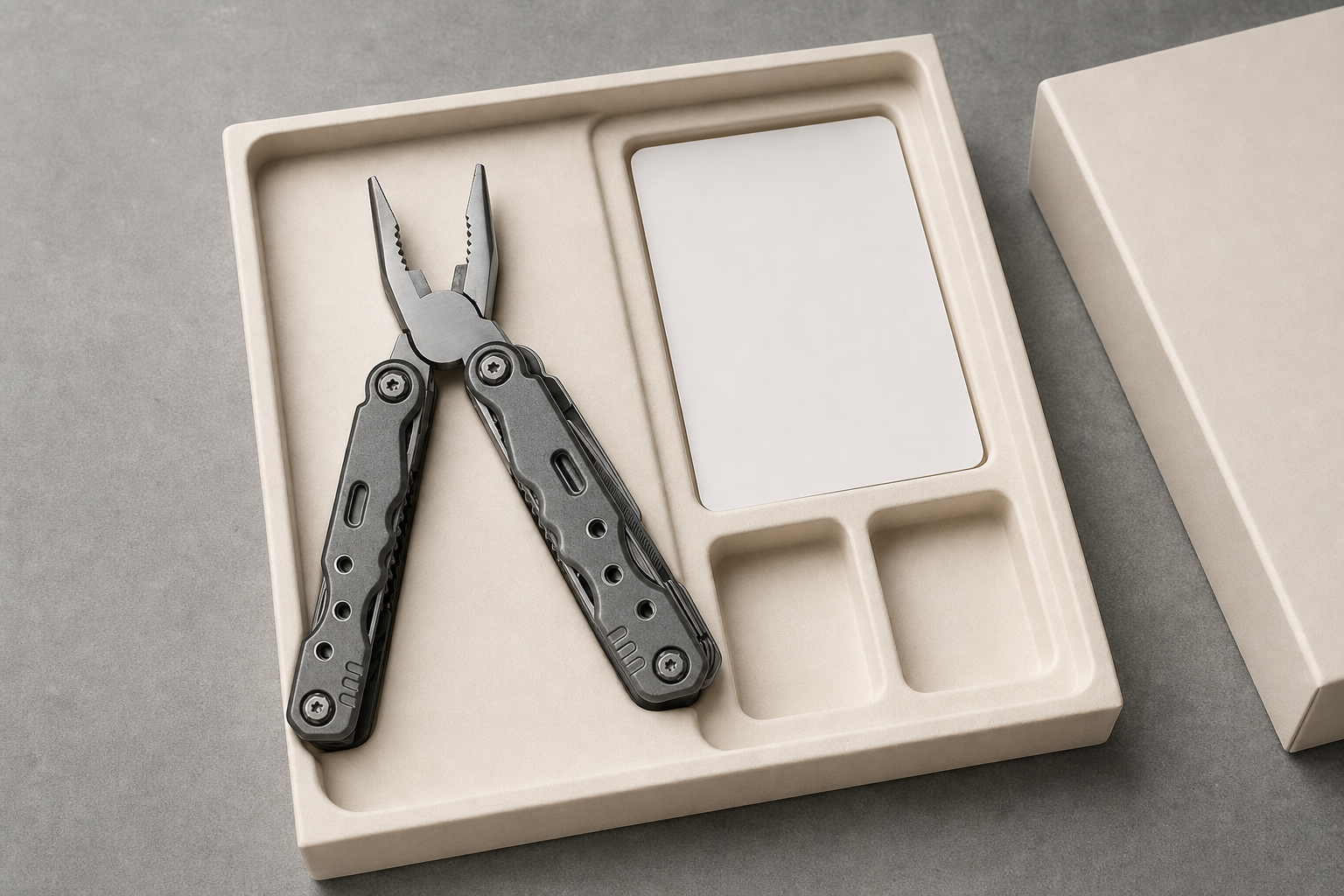
I Test Against the Claim, Not the Catalog Photo
Sample approval should be practical. If the product claims to cut wire, test the intended wire. If it claims outdoor use, check rust protection and grip. If it is a fishing plier, test line cutting, split-ring control if included, lanyard fit, and corrosion resistance. If it is a multi-tool plier, test opening, closing, handle comfort, jaw alignment, and whether other tools are affected.
The buyer should also check the packaging. A plier with sharp jaws or cutters can rub through weak packaging or scratch another tool in a kit. Retail packaging should hold the tool firmly. A pouch should fit the tool without making removal difficult.
Testing should include repeat actions. One cut or one squeeze is not enough. The user may squeeze the tool many times in real use. Pivot play, spring fatigue, grip looseness, and hand discomfort may appear only after repeated use.
For OEM/ODM development, the buyer should keep approved samples and test records. If the supplier changes material, finish, or pivot parts later, the sample should be reviewed again. A small production change can affect the whole tool.
| Test item | What to do | Pass question |
|---|---|---|
| Jaw grip | Grip target material | Does it slip? |
| Cutter | Cut claimed material | Does the edge chip or deform? |
| Pivot | Open and close repeatedly | Does play increase? |
| Packaging | Shake and rub test | Does it protect the tool? |
What QC Standards Matter in Mass Production?
Pliers have many small failure points. Mass production needs simple, repeatable checks.
Mass-production QC should check material, heat treatment, jaw alignment, cutter edge, pivot play, handle finish, grip bonding, spring action, rust protection, logo placement, packaging, and batch consistency.
I Make Inspection Clear Enough to Repeat
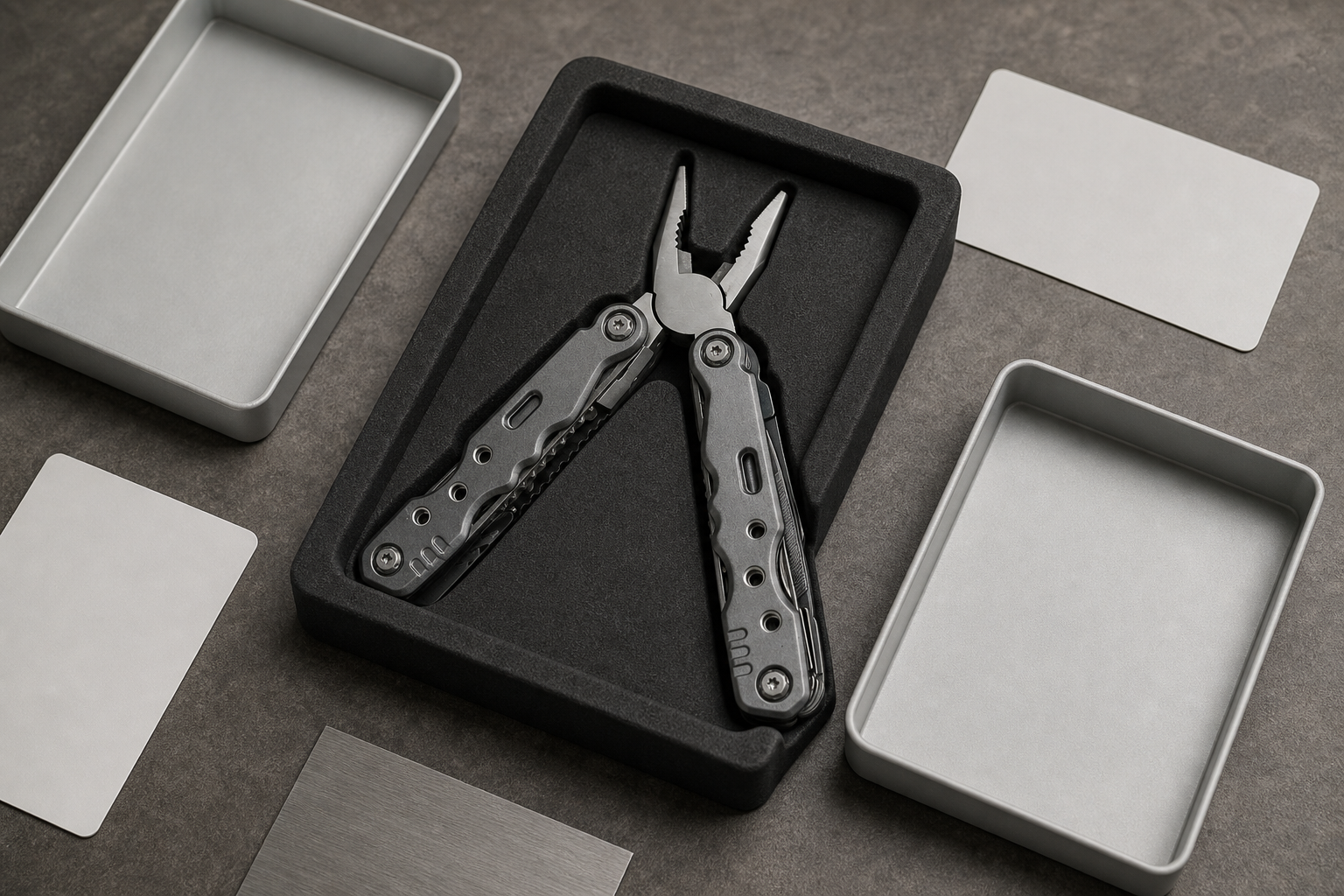
QC should not rely only on a final glance. Incoming material should be checked. Heat treatment and hardness should match the intended function. Jaw teeth should be consistent. Cutters should meet correctly. Pivots should be smooth and stable. Handles should be free from burrs, cracks, loose grips, or rough seams. Packaging should protect the tool and match the approved artwork.
OSHA's hand-tool rule says employers are responsible for the safe condition of tools used by employees. This is a workplace rule, not a consumer plier manufacturing standard, but the idea is useful: tools should be safe and serviceable before use. For buyers, this means QC should focus on function, not only appearance.
For repeat orders, the buyer should keep a golden sample and defect examples. The inspection sheet should define acceptable jaw alignment, pivot play, finish marks, handle defects, package damage, and cutter performance. If the buyer accepts small cosmetic variation, that should be written down. If the buyer does not accept it, that should also be written down.
The inspection standard should fit the product level. A low-cost utility plier and a premium multi-tool plier head do not need the same cosmetic tolerance, but both need safe function.
| QC stage | What to check | Why it matters |
|---|---|---|
| Incoming material | Steel and grip material | Prevents weak inputs |
| In-process | Heat treatment, jaw, pivot | Finds problems early |
| Final function | Grip, cut, spring, play | Protects user experience |
| Packaging | Fit, label, carton | Supports retail quality |
How Can Vast State Support Pliers and Multi-Tool Development?
A strong plier product needs practical engineering, not only a catalog choice. The details must repeat in production.
Vast State can support pliers and multi-tool development through use-case review, jaw and cutter suggestions, material selection, handle design, prototype development, packaging customization, QC planning, and production follow-up.
I Help Buyers Turn Tool Needs Into Specifications
Vast State is an OEM/ODM knife and outdoor tool manufacturer based in Yangjiang, China. We work with folding knives, fixed blade knives, pocket knives, camping tools, rescue tools, and multi-tools for international B2B customers. Pliers often appear in outdoor kits, rescue tools, fishing tools, and multi-tools, so we treat them as a functional product category, not an afterthought.
When a customer asks for pliers, I first clarify the use case. Does the buyer need gripping, wire cutting, fishing use, compact repair, or a multi-tool plier head? Then I look at material, jaw shape, cutter design, handle, pivot, spring, finish, packaging, and QC. If the buyer already has drawings, we review manufacturability. If the buyer only has an idea, we help turn it into a realistic specification.
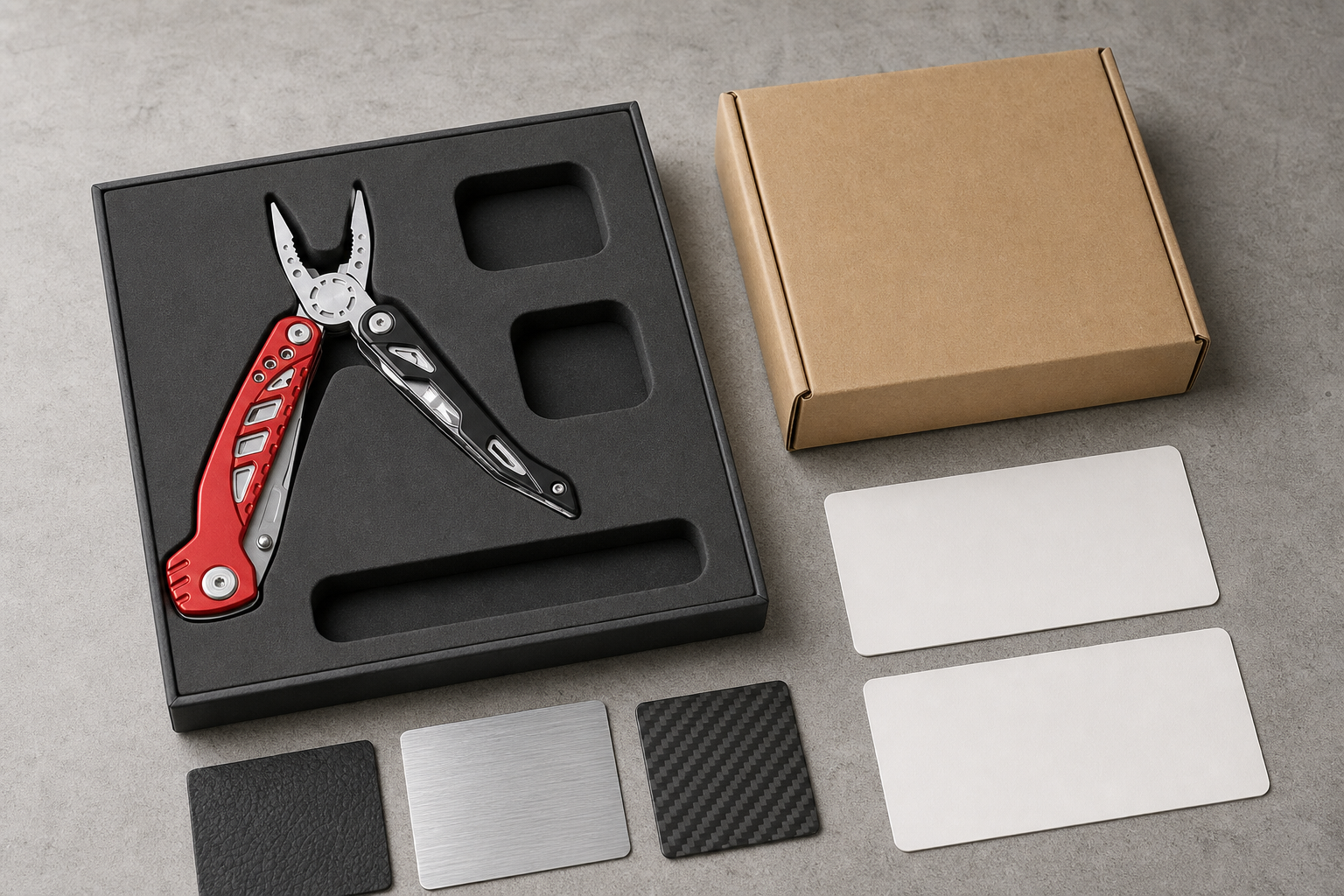
We also support customization. This may include logo marking, handle color, grip material, pouch, retail box, blister packaging, or kit layout. But I always connect customization with function. A good-looking plier that slips or hurts the hand will not help the brand.
Our goal is to help customers build products that fit their target market, price range, and brand positioning. For pliers and multi-tools, that means practical task fit, dependable execution, and stable repeat production.
| Support area | What we help with | Buyer value |
|---|---|---|
| Use-case review | Gripping, cutting, fishing, repair | Better tool direction |
| Engineering input | Jaw, cutter, pivot, handle | Fewer sample problems |
| Customization | Logo, grip, packaging, kit | Stronger brand fit |
| QC follow-up | Function and appearance checks | More stable repeat orders |
Ready to develop a custom multi-tool?
Send your function list, reference photo, target quantity, and budget range. Vast State can help turn it into a manufacturable OEM/ODM specification.
Conclusion
I choose pliers well by matching task, jaw design, cutter function, handle comfort, safety wording, packaging, and QC to the target user.
Source Notes
- OSHA hand-tool guidance supports the general requirement that tools should be kept in safe condition.
- OSHA electrical contractor tool-use guidance supports neutral hand and wrist posture and controlled finger force when using tools.
- CCOHS hand-tool and plier guidance supports choosing the right tool, replacing worn jaws, and using pliers within proper limits.
- CPSC GCC guidance supports early documentation review when applicable consumer product safety rules apply.