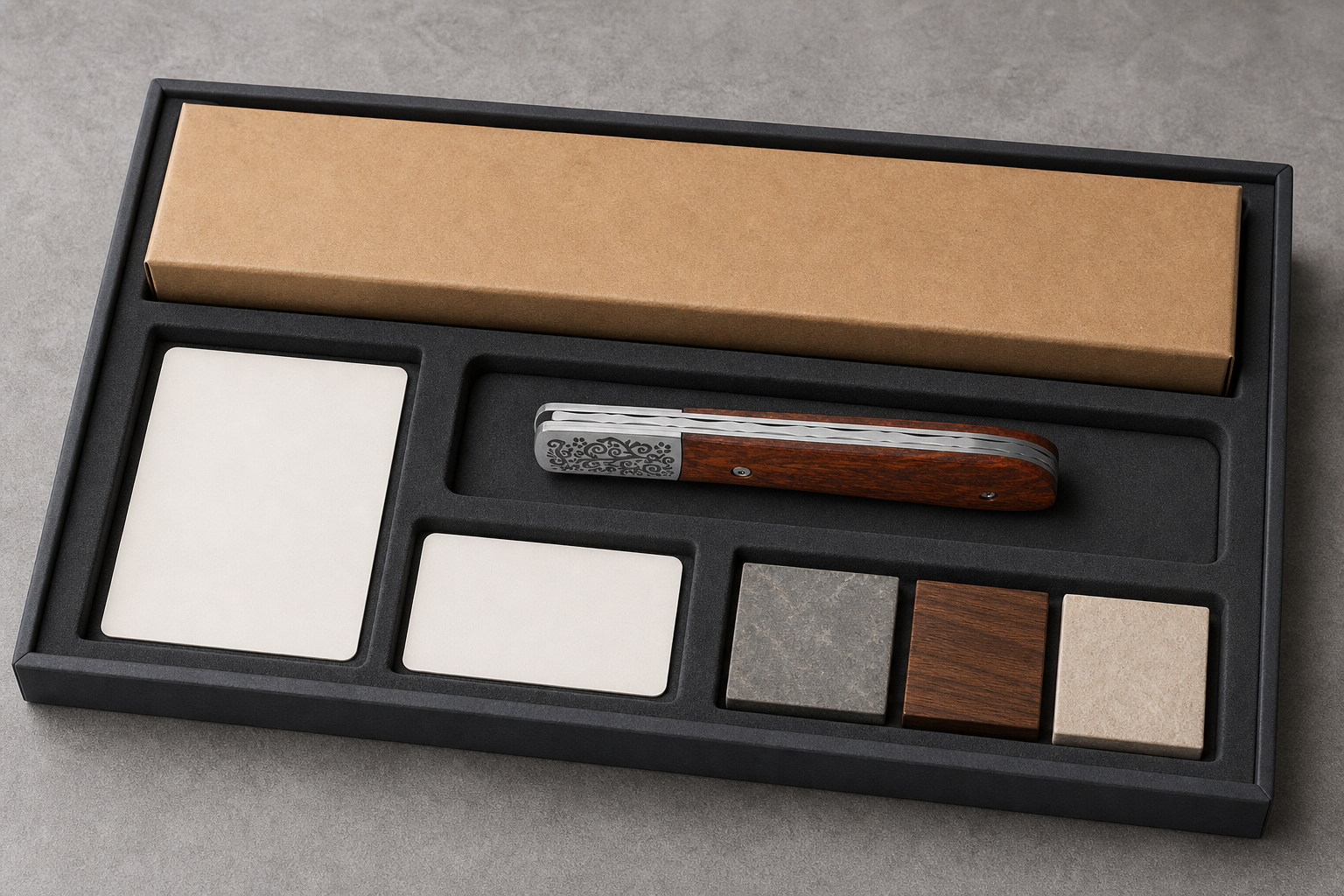
A pocket knife can look simple from the outside. But a vague budget can create wrong materials, weak QC, and margin problems.
Buyers should plan a pocket knife budget by defining target market, expected retail price, MOQ, blade steel, handle material, lock type, finish, packaging, compliance needs, and quality level. The ideal budget range is not universal; it should support both product value and buyer margin.
Quick buyer brief:
- Answer: Start from target market and retail position, then work backward to FOB target, material level, structure, packaging, and QC.
- Buyer context: This helps knife brands, outdoor brands, importers, wholesalers, distributors, private label buyers, and sourcing managers.
- Key checks: MOQ, steel, heat treatment, lock type, handle material, opening method, finish, packaging, inspection level, freight, duty, documentation, and after-sales risk.
Developing a folding knife line for your brand?
Vast State supports OEM/ODM folding knife projects, including blade steel, lock structure, handle material, finish, logo method, packaging, and quality inspection planning.
When a buyer asks me how much a pocket knife costs, I usually answer with another question: what kind of pocket knife are we building? A simple utility folder, a gift-set knife, a work EDC knife, and a premium outdoor folder should not share the same budget. The real cost depends on materials, structure, finishing, packaging, quantity, inspection, and the buyer's sales channel. If the buyer only asks for the lowest price, the project may lose function. If the buyer only asks for premium materials, the product may lose margin. I prefer to plan the budget around the market first.
Why Is There No Universal Pocket Knife Price?
A single price sounds convenient. But it can hide the real decisions that make or break a pocket knife project.
There is no universal pocket knife price because cost changes with steel, handle material, lock structure, opening method, finish, packaging, MOQ, QC level, freight, duty, and target-market requirements.
I Break Price Into Real Cost Drivers
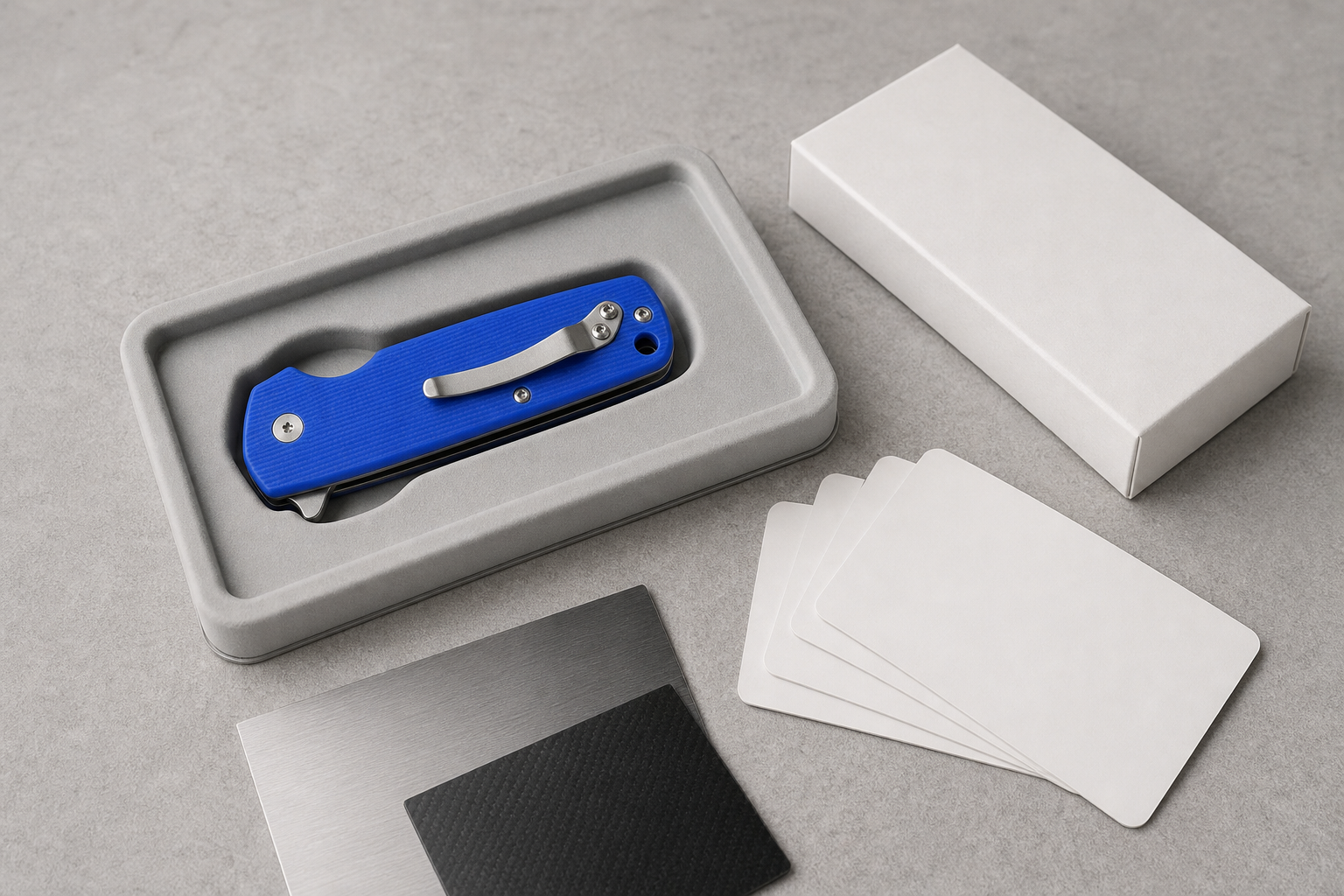
The price of a pocket knife is not one thing. It is a stack of decisions. Blade steel affects material cost and heat treatment. Handle material affects machining, finishing, weight, and feel. Lock type affects tolerance and assembly time. Surface finish affects labor and rejection risk. Packaging affects freight volume and retail presentation. QC affects consistency and after-sales cost.
This is why I avoid giving a universal number in public content. A low-cost pocket knife can be a good product if the structure is simple and the target user is clear. A higher-cost knife can still fail if the buyer spends money on decorative details but ignores lockup, blade centering, or edge geometry. The budget has to match the product role.
Material prices also change. The Bureau of Labor Statistics Producer Price Index exists because producer prices move over time. Buyers do not need to follow every index every day, but they should understand that steel, aluminum, packaging, and logistics are not fixed forever. A quote is tied to a moment, a specification, and an order quantity.
For B2B buyers, the better question is not "what is the cheapest pocket knife?" The better question is "what product level can support my market, margin, and brand promise?"
| Cost driver | What changes the price | Buyer takeaway |
|---|---|---|
| Blade steel | Grade, thickness, heat treatment | Match performance to market |
| Handle material | G10, aluminum, steel, polymer, wood | Balance feel and cost |
| Mechanism | Slip joint, liner lock, back lock, button lock | Complexity affects assembly |
| Packaging | Polybag, box, gift set, insert | Retail value and freight impact |
OEM/ODM RFQ Checklist
Prepare these details to help Vast State review your project and provide a more accurate quotation.
| RFQ Field | What to Prepare |
|---|---|
| Project type | OEM from drawing / ODM private label / wholesale catalog |
| Product category | Folding knife / fixed blade / multi-tool / outdoor tool |
| Design status | Idea / sketch / 2D drawing / 3D CAD / physical sample |
| Target price | Ex-factory target price or retail price range |
| MOQ expectation | 500 / 1,000 / 3,000 / 5,000+ pcs |
| Logo method | Laser engraving / etching / printing / molded logo |
| Packaging | Standard packaging / custom retail box / Amazon-ready |
| Market | USA / EU / Japan / Korea / Middle East / other |
| Compliance needs | Buyer-specified testing / documentation / labeling |
| Timeline | Sample deadline / mass production deadline |
How Should Buyers Set the Target Price Before RFQ?
Many RFQs start with a design but no target price. That makes supplier recommendations less useful.
Buyers should set the target price before RFQ by estimating retail position, distributor margin, landed cost, import duty, freight, packaging, and acceptable factory cost. The supplier can then suggest realistic materials and structure.
I Work Backward From the Sales Channel
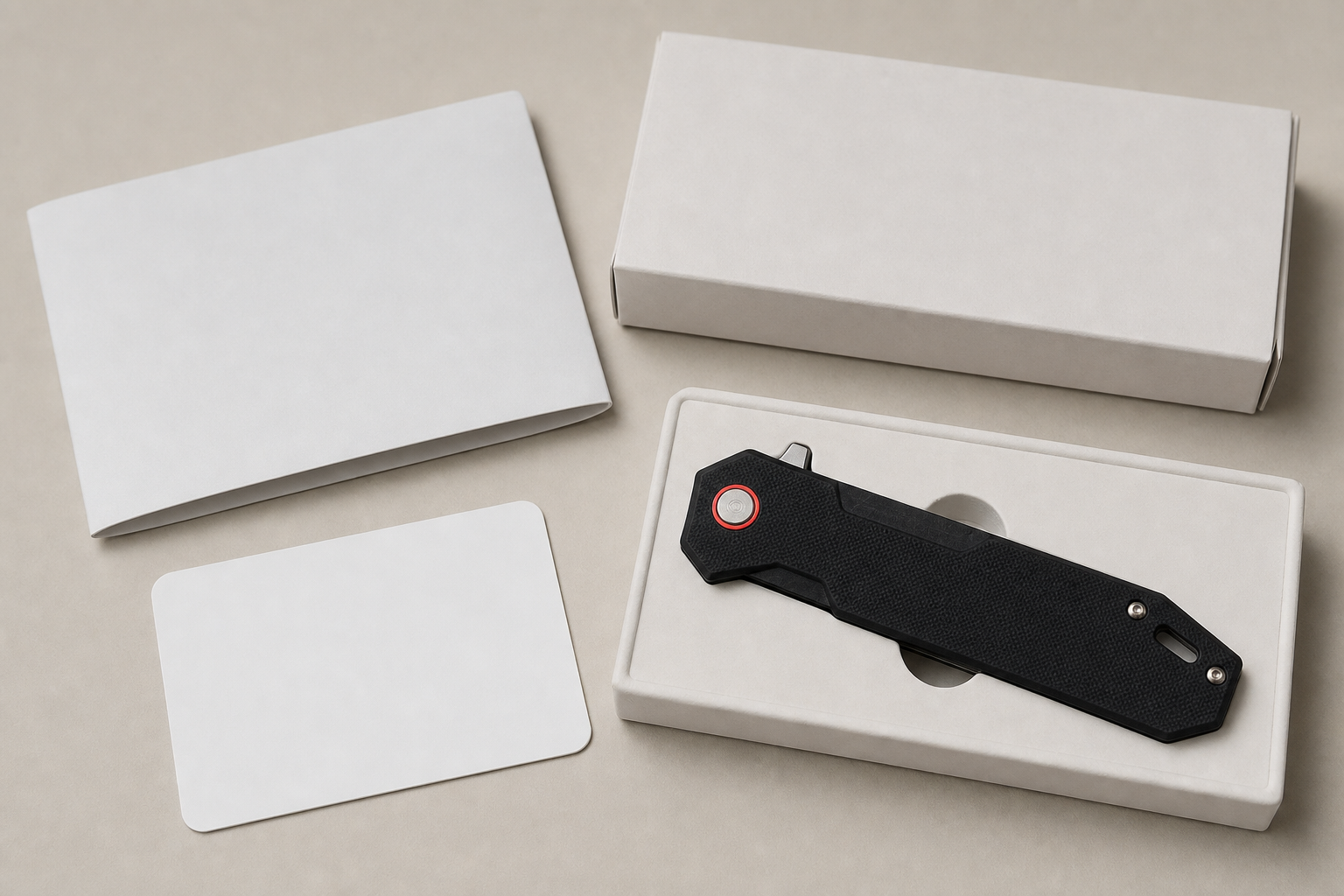
The target price should come from the sales channel. A brand that sells direct-to-consumer has a different margin structure from an importer selling to distributors. A wholesaler may need a lower landed cost. A premium outdoor brand may accept a higher production cost if the retail story supports it. A promotional buyer may need a simple structure and simple packaging.
I usually ask the buyer to define three numbers: expected retail price, target landed cost, and target FOB or EXW range. The factory does not need to know the buyer's full margin model, but a realistic target helps us recommend the right path. If the buyer wants a premium handle, complex lock, stonewash finish, custom box, and low MOQ, the cost will not behave like a basic catalog knife.
Import costs also matter. The United States International Trade Commission provides the Harmonized Tariff Schedule, and CBP's importer tips remind importers that classification, documentation, duties, taxes, and fees are the importer's responsibility. This means the buyer should not judge the project only by factory price.
The RFQ should state the target clearly. A good supplier can then propose tradeoffs. Maybe the buyer keeps the blade steel but changes the handle. Maybe the buyer keeps the packaging but simplifies the lock. Good budget planning is not about cutting everything. It is about spending on what the customer will value.
| Price layer | What it includes | Buyer action |
|---|---|---|
| Factory price | Materials, labor, overhead, QC, packaging | Define product spec |
| Landed cost | Factory price, freight, duty, fees | Work with broker or importer |
| Wholesale price | Landed cost plus margin | Match channel needs |
| Retail price | Brand value and market position | Support with design and copy |
What Does an Entry-Level Pocket Knife Budget Usually Prioritize?
Low budget does not need to mean bad product. But it must be honest about limits.
An entry-level pocket knife budget usually prioritizes simple construction, basic stainless steel, cost-effective handle material, standard finish, simple packaging, and stable basic function over premium materials or complex mechanisms.
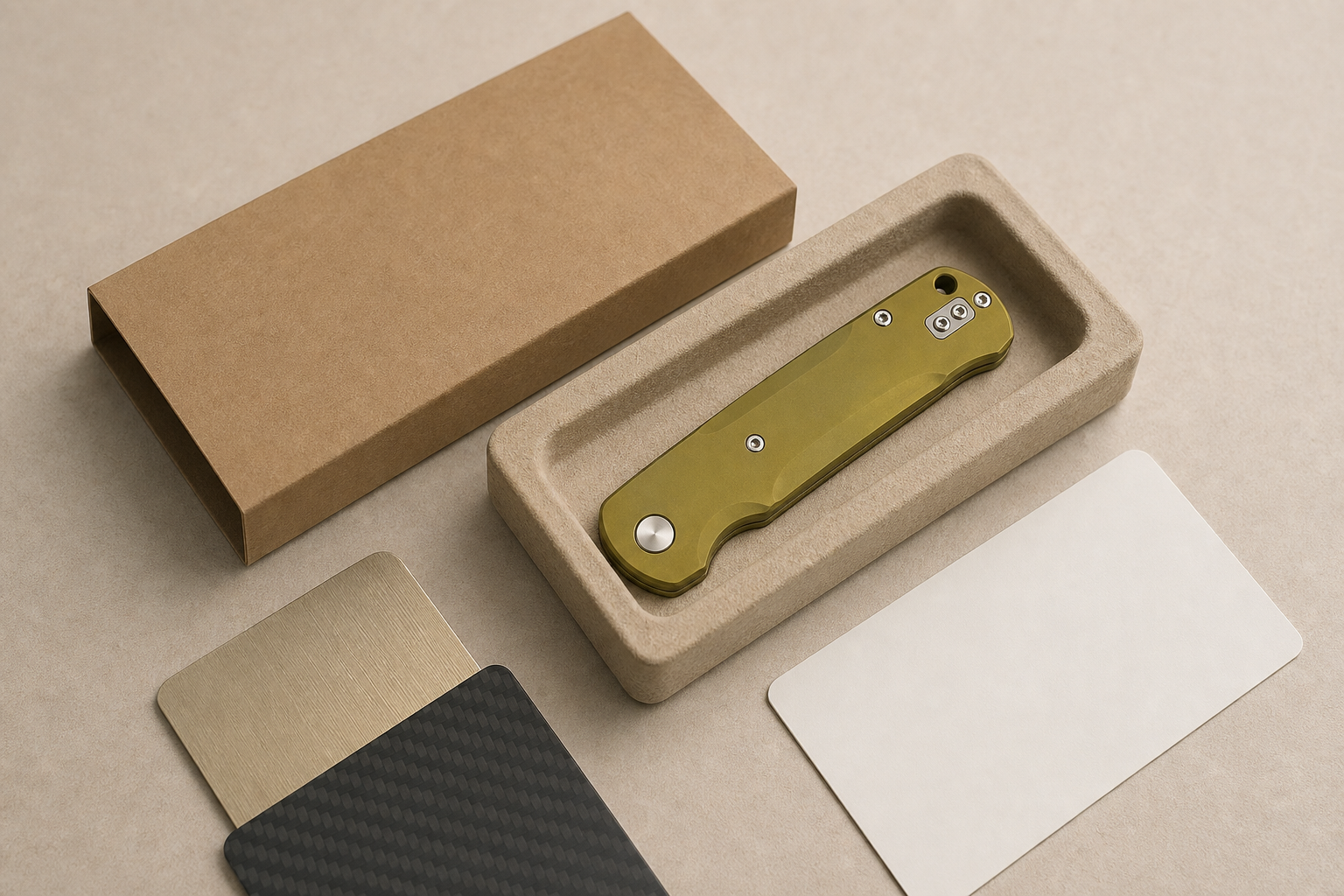
I Keep the Structure Simple and Stable
An entry-level pocket knife can work well when the buyer defines the product honestly. It may use a basic stainless steel, polymer or stainless handle, simple liner lock or slip-joint structure, standard hardware, and simple packaging. The goal is not luxury. The goal is a useful product that fits the price point and does not create obvious function problems.
The danger is false economy. If the buyer cuts cost from heat treatment, lock stability, screw quality, or inspection, the product can become risky. A cheaper handle material may be acceptable. A weak lock or uneven edge is not. Entry-level buyers should protect the user-facing function first.
Packaging should also match the price point. A simple box or card package may be enough. A heavy gift box can make the product look better, but it may absorb budget that should go into the knife. If the buyer sells through wholesale channels, compact packaging can also help shipping efficiency.
For entry-level private label orders, MOQ matters. Very small orders with custom color, logo, and package can be less efficient. A buyer may lower unit cost by accepting standard materials, standard finishes, or shared components. The key is to keep the final product coherent.
| Entry-level choice | Good use | Risk to avoid |
|---|---|---|
| Basic stainless steel | General utility | Poor heat treatment |
| Polymer handle | Cost and color options | Cheap feel if texture is poor |
| Simple lock or slip joint | Easier assembly | Weak or inconsistent action |
| Simple box | Lower packaging cost | Poor edge protection |
What Does a Balanced Mid-Range Budget Improve?
The middle range is often where B2B buyers find the best value. It gives room for function and brand identity.
A balanced mid-range pocket knife budget improves steel choice, handle feel, lock stability, action, finish consistency, packaging quality, customization, and QC without making the product too expensive for repeat orders.
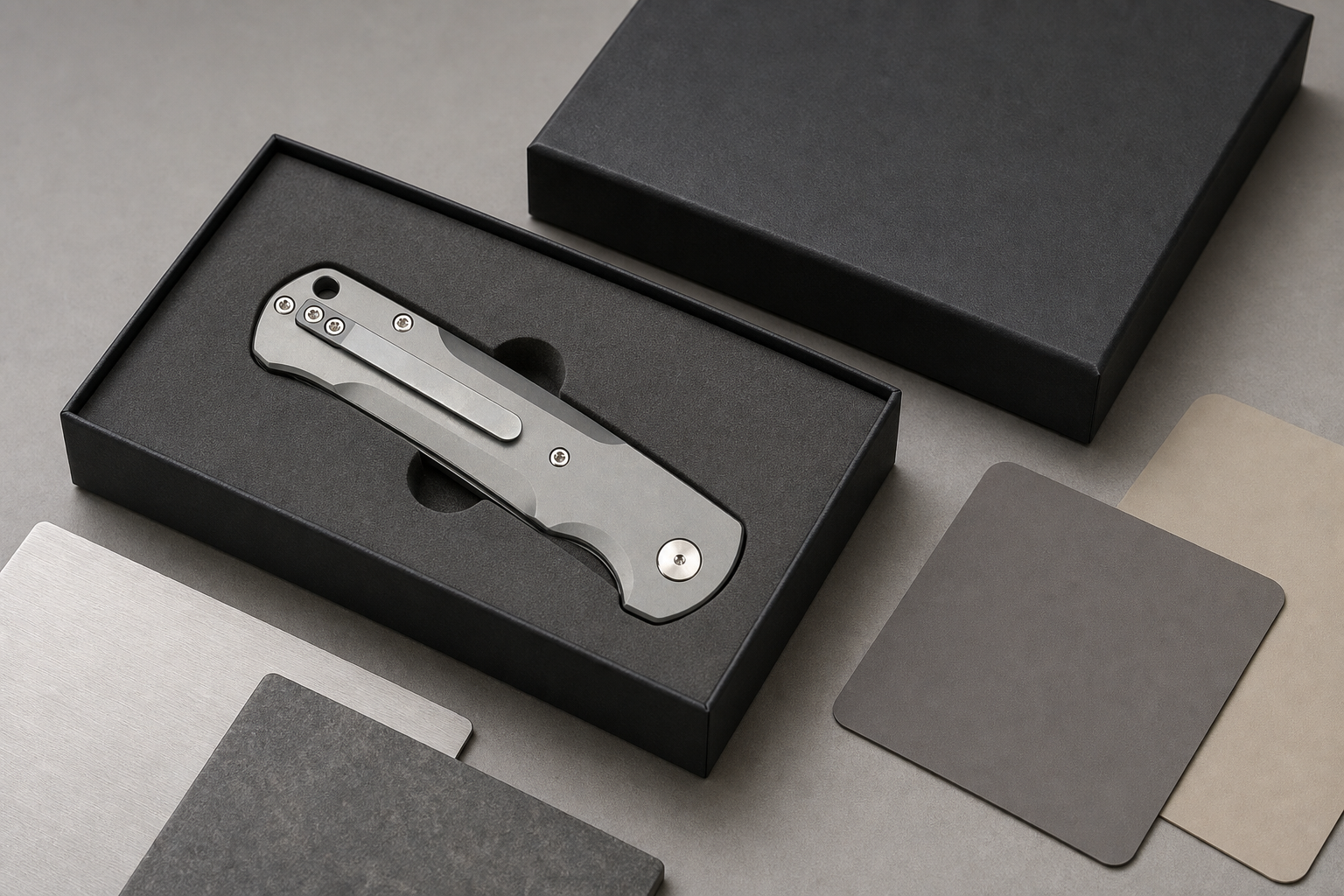
I Spend More Where the User Can Feel It
A mid-range pocket knife gives the buyer more useful choices. The buyer may choose better stainless steel, G10 or aluminum handles, smoother action, more consistent finish, stronger pocket clip, improved hardware, and better packaging. These details are visible and tactile. The customer can feel them immediately.
This budget level is often practical for outdoor, EDC, private label, and retailer-focused products. It gives enough room to build a real product story without moving into a high-risk premium cost structure. A buyer can create a knife that looks good, feels reliable, and supports repeat orders.
The buyer still needs discipline. It is easy to spend money on too many upgrades. A premium coating, custom pivot, complex handle inlay, and elaborate box may not all be necessary. The buyer should decide which features matter most to the target user. If the user values grip, spend on handle material and texture. If the user values edge life, spend on steel and heat treatment. If the user buys as a gift, packaging and finish may matter more.
Quality control should also improve at this level. Blade centering, lock engagement, screw security, edge finish, clip retention, and packaging appearance should be checked clearly. The product should feel stable from batch to batch.
| Mid-range upgrade | User benefit | Buyer control |
|---|---|---|
| Better steel | Edge and corrosion performance | Match steel to use case |
| G10 or aluminum handle | Better grip or premium feel | Control machining and finish |
| Improved action | Better first impression | Check pivot and washers |
| Retail box | Stronger shelf value | Avoid oversized packaging |
When Does a Premium Pocket Knife Budget Make Sense?
Premium pricing can build brand value. It can also waste money if the market will not support it.
A premium pocket knife budget makes sense when the buyer has a clear brand position, higher retail channel, better materials, tighter tolerance needs, refined finish, strong packaging, and customers willing to pay for those details.
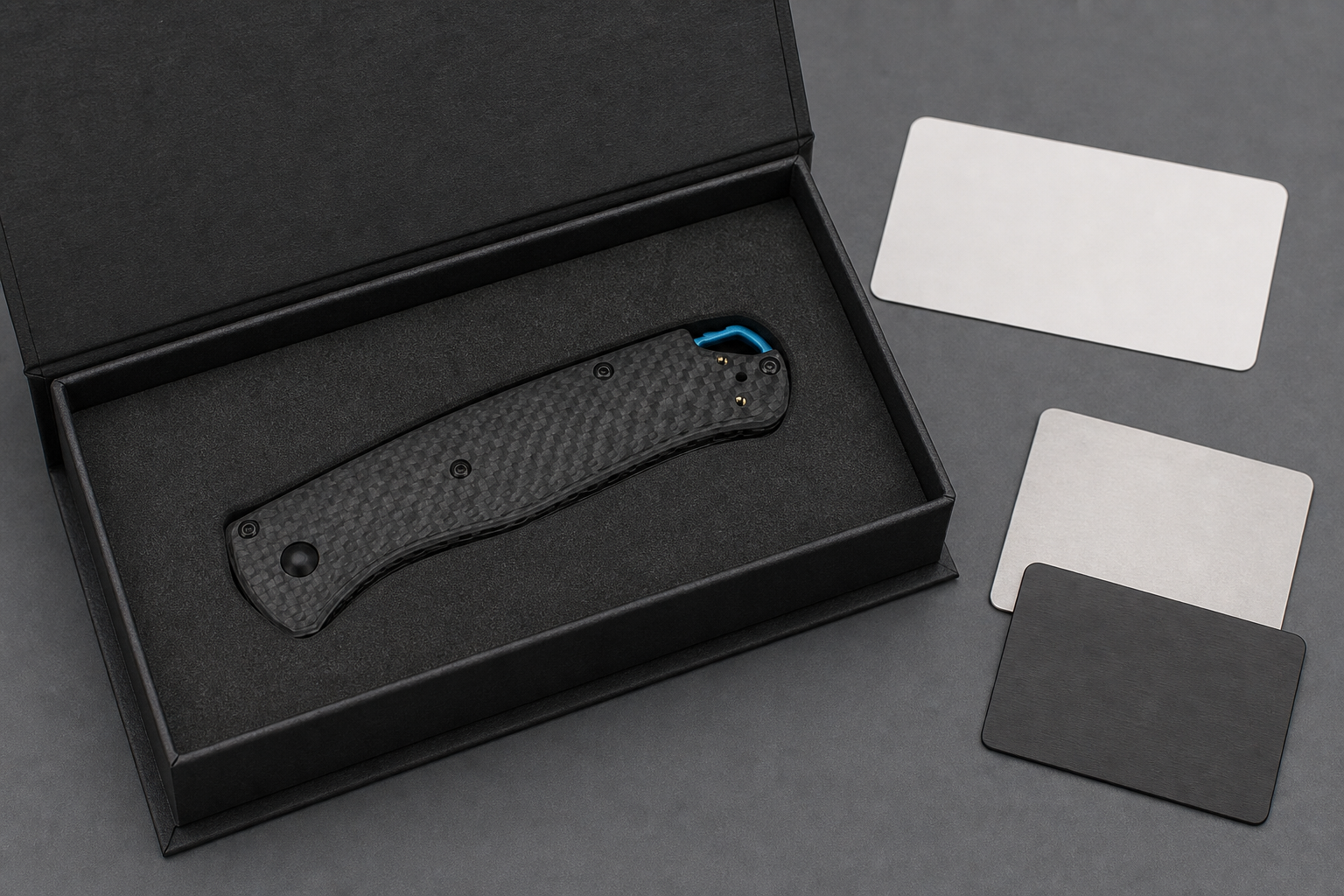
I Require a Strong Reason for Every Upgrade
Premium pocket knives should not be expensive by accident. Every upgrade should support the user or the brand. Better steel should support real edge performance, corrosion resistance, or positioning. Better handle materials should improve feel, weight, or appearance. Tighter tolerances should improve action and lockup. Better finishing should support the retail price. Premium packaging should make the product feel giftable and protect the knife.
The challenge is cost accumulation. A premium blade steel, complex machining, custom backspacer, bearing pivot, premium handle inlay, multiple surface finishes, and magnetic gift box can stack cost quickly. If the target customer will not pay for those features, the buyer may lose margin.
Premium products also need better QC. Small defects become more serious when the customer pays more. A tiny scratch, uneven grind, poor centering, or rough action can create returns. The buyer should define inspection standards before production, not after defects appear.
ISO's ISO 9001 overview explains that ISO 9001 provides requirements for quality management systems. I do not use ISO as a promise that every product is perfect, but the principle matters. Premium products need controlled processes, records, corrective action, and clear customer requirements.
| Premium cost area | Why buyers choose it | Question to ask |
|---|---|---|
| Premium steel | Performance and positioning | Will customers value it? |
| Advanced handle material | Weight, feel, appearance | Can production repeat it? |
| Tight action | Better user experience | Is QC defined clearly? |
| Premium package | Gift and retail value | Does it protect margin? |
How Do MOQ, Customization, and Tooling Affect the Ideal Budget?
The same knife can have different unit costs at different quantities. Custom details also change the math.
MOQ, customization, and tooling affect the ideal budget because small orders carry less efficiency, custom parts may require setup or tooling, and special colors, logos, packaging, or mechanisms add labor and risk.
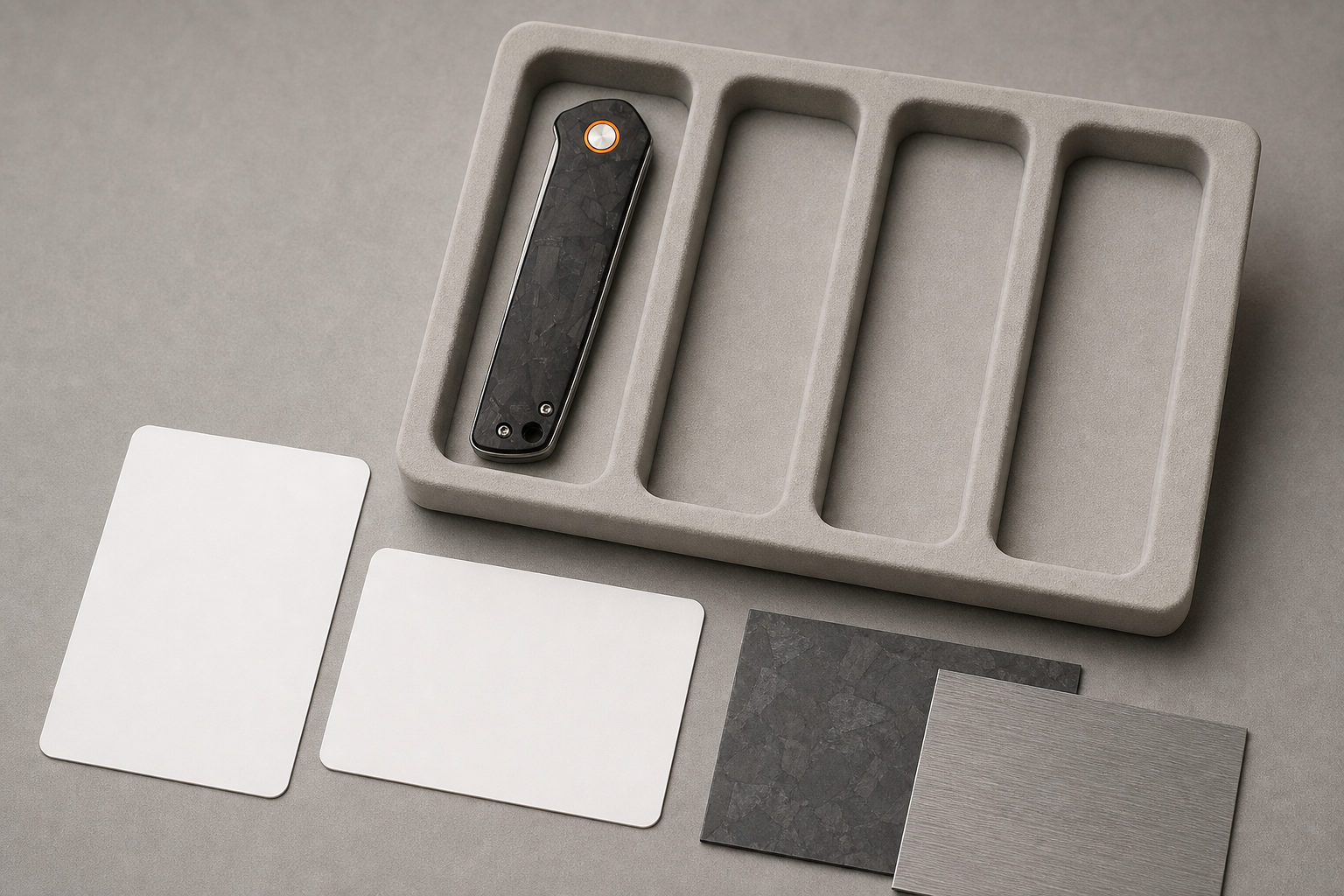
I Separate Flexible Customization From New Development
Not all customization has the same cost impact. Logo marking, standard color selection, packaging artwork, and simple lanyard options may be relatively flexible. New handle molds, new lock structures, new blade profiles, custom hardware, and special coatings can require more development time, testing, and tooling.
MOQ affects efficiency. A small order may be useful for market testing, but it may not achieve the same unit cost as a larger repeat order. Suppliers still need setup time, material purchasing, packaging preparation, inspection, and communication. If the buyer asks for many custom details at low MOQ, the unit cost can rise.
The buyer should decide whether the project is a fast private label order or a true ODM development. A private label order may use an existing structure with custom logo and packaging. An ODM project may involve new drawings, prototypes, testing, tooling, and revisions. Both are valid, but they require different budgets.
I usually suggest starting with the simplest path that supports the market. If the buyer is testing demand, a standard structure with strong packaging may be enough. If the buyer is building a long-term product line, deeper ODM development may be worth the investment.
| Customization type | Budget impact | Best use |
|---|---|---|
| Logo marking | Low to moderate | Private label launch |
| Color and finish | Moderate | Brand identity |
| Custom packaging | Moderate | Retail positioning |
| New tooling | Higher | Long-term differentiated product |
What Hidden Costs Should Buyers Include Beyond Factory Price?
Factory price is important, but it is not the full cost. Many surprises happen after the quote.
Buyers should include freight, duty, customs broker fees, insurance, testing, documentation, samples, packaging revisions, inspection, warehousing, returns, and after-sales risk when planning pocket knife budgets.
I Plan Landed Cost Early
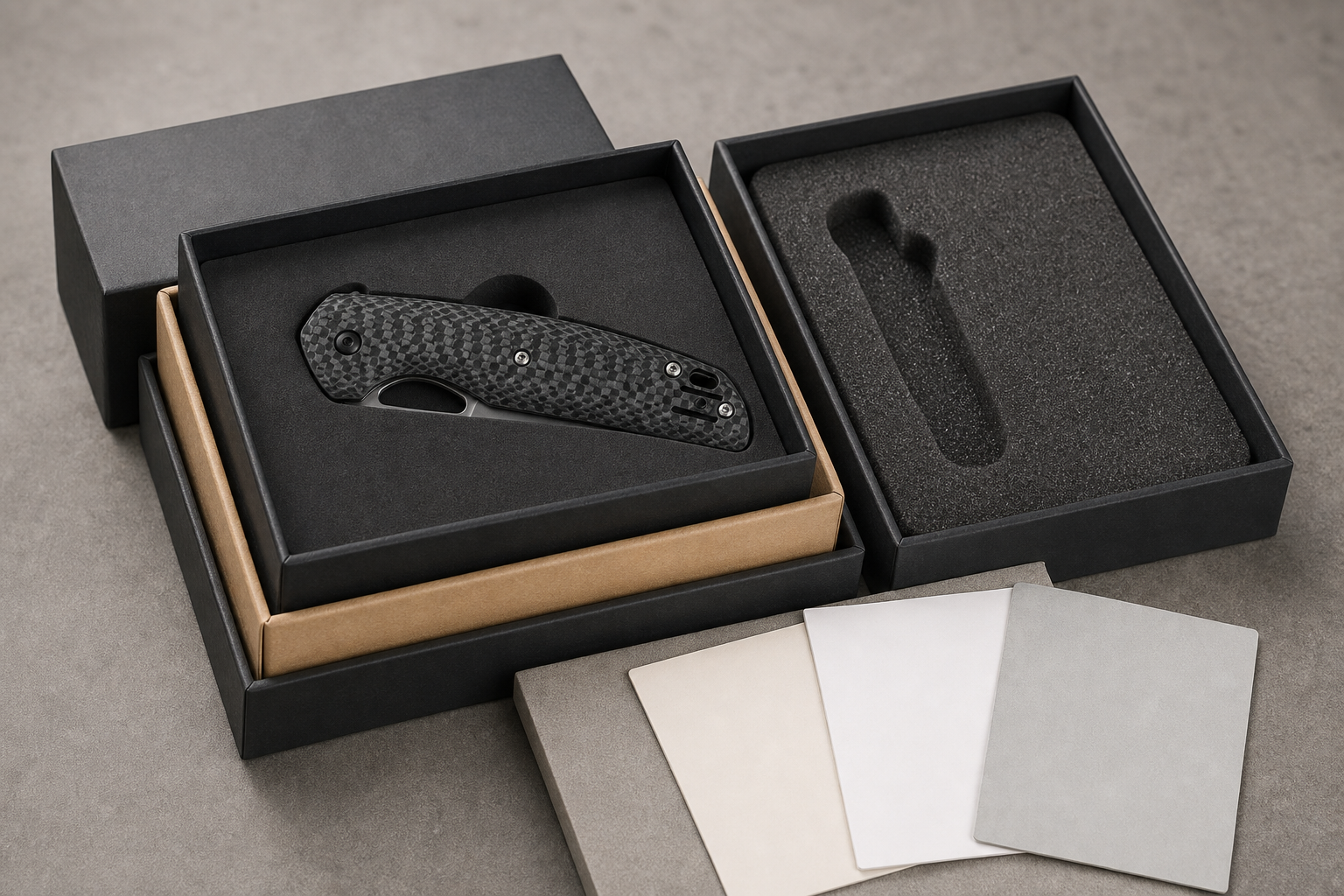
The factory quote is only one part of the project. The buyer also needs landed cost. This may include freight, duty, broker fees, insurance, warehouse handling, domestic shipping, and marketplace fees. If the buyer compares only factory prices, the final margin can be misleading.
Tariff classification matters. USITC's Harmonized Tariff Schedule is the official place to review U.S. tariff classifications and rates, and CBP notes that the importer of record is responsible for correct entry documentation and applicable duties, taxes, and fees. A supplier can help describe the product, but the buyer or importer should confirm classification.
Testing and documentation may also affect cost. If the product is sold through a retailer, the retailer may request documents, inspection reports, packaging warnings, or specific compliance checks. CPSC's General Certificate of Conformity guidance reminds businesses that certain products subject to applicable safety rules require written certification based on testing or a reasonable testing program. Applicability depends on the product and market, so buyers should review it early.
Returns are another hidden cost. A low factory price can become expensive if many knives have loose screws, rough action, poor edge, weak packaging, or inconsistent finish. Good QC is a cost, but bad QC is also a cost.
| Hidden cost | Why it appears | Buyer action |
|---|---|---|
| Freight and duty | Import and logistics | Estimate landed cost |
| Testing and documents | Retail or regulatory needs | Review early |
| Inspection | Quality control | Define standard |
| Returns | Product or packaging defects | Spend on prevention |
How Can Buyers Build a Practical RFQ for Pocket Knife Pricing?
A vague RFQ invites vague quotes. A clear RFQ helps suppliers price the same product, not different guesses.
Buyers can build a practical RFQ by defining target market, target price, MOQ, blade steel, blade length, lock type, handle material, finish, packaging, customization, QC requirements, compliance notes, and delivery expectations.
I Ask Buyers to Price a Real Specification
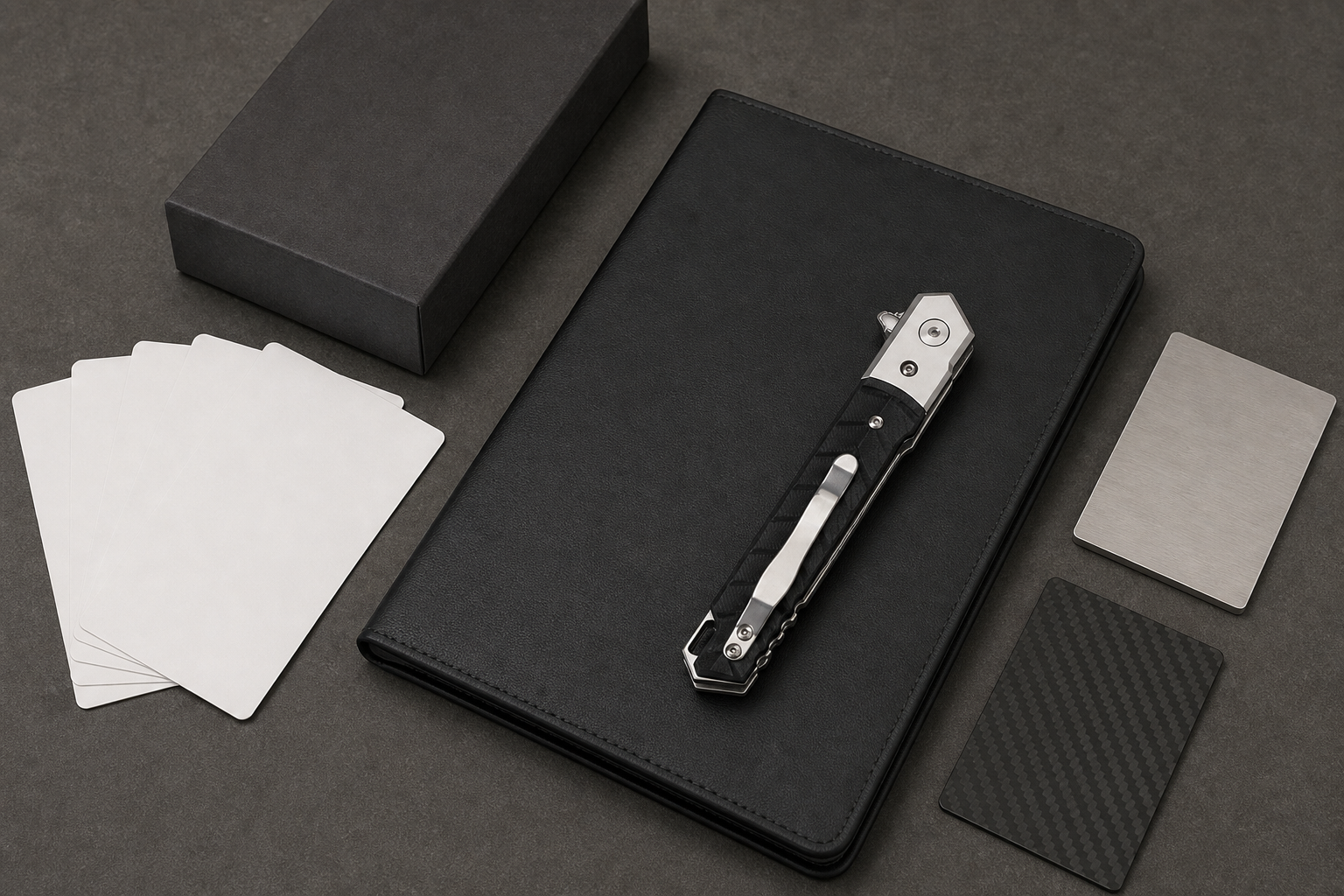
The RFQ should not say only "send best price." It should describe the knife. A basic RFQ should include blade length, blade steel, blade thickness, blade finish, handle material, lock type, opening method, pocket clip requirement, logo method, packaging type, quantity, target price range, and target market. If the buyer has a drawing, the drawing should be shared. If the buyer does not have a drawing, a use-case brief should be shared.
The buyer should also separate "must-have" and "nice-to-have" details. Maybe the blade steel is non-negotiable, but the handle material can change. Maybe the packaging must be premium, but the lock can be simpler. This gives the supplier room to protect the budget.
Quality expectations should be written down. The RFQ should ask for edge sharpness, blade centering, lockup, side play, screw security, finish standard, packaging standard, and sample approval process. If the buyer wants an inspection report, that should be stated.
A good RFQ makes pricing faster and more honest. It also helps the buyer compare suppliers fairly. If each supplier quotes a different steel, different lock, different packaging, and different QC level, the cheapest quote may not be the best quote.
| RFQ field | Why it matters | Example direction |
|---|---|---|
| Target market | Guides compliance and style | Outdoor retail, EDC, gift |
| Target price | Keeps suggestions realistic | FOB target range |
| Knife spec | Defines cost drivers | Steel, lock, handle, finish |
| QC requirement | Controls quality level | Function and appearance checks |
How Can Vast State Help Buyers Match Budget and Product Value?
The best budget is not always the lowest. It is the one that supports the customer's market and repeat orders.
Vast State helps buyers match budget and product value through OEM/ODM review, material suggestions, structure options, prototype development, packaging planning, cost tradeoff discussion, quality control, and production follow-up.
I Help Buyers Spend in the Right Places
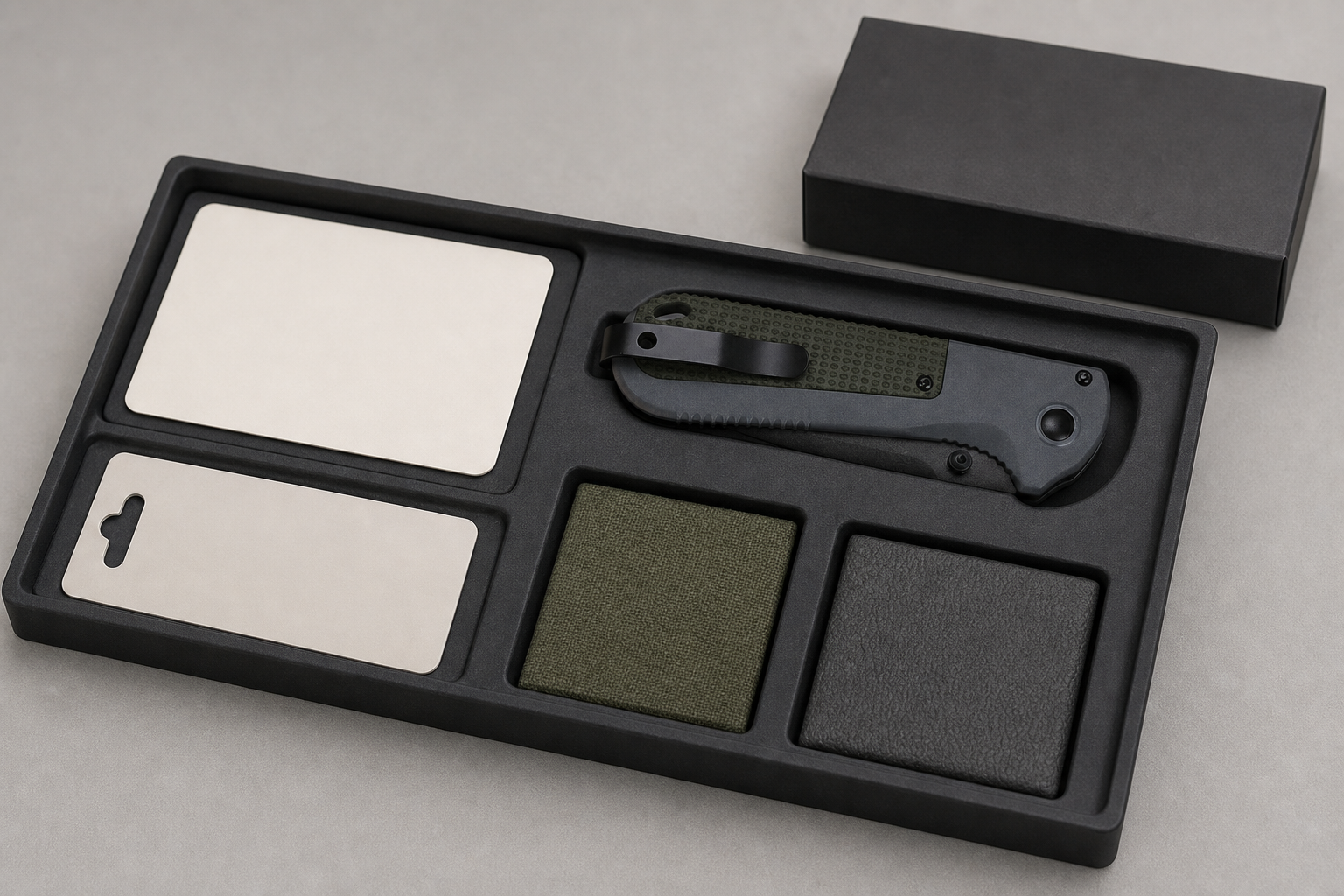
Vast State is an OEM/ODM knife and outdoor tool manufacturer based in Yangjiang, China. We support international B2B customers with folding knives, fixed blade knives, pocket knives, camping tools, rescue tools, and multi-tools. For pocket knife pricing, our role is not only to quote a number. Our role is to help the buyer understand what that number includes.
If a buyer has a target price, I can suggest material and structure options that fit it. If a buyer has a design but no budget, I can identify cost drivers and tradeoffs. If a buyer wants premium positioning, I can help decide which upgrades matter most. If a buyer wants an entry-level product, I help protect basic function and QC while controlling unnecessary cost.
We can support prototype development, material selection, finish options, lock and structure suggestions, packaging customization, and production follow-up. We also understand that B2B buyers care about more than appearance. They care about cost, lead time, consistency, MOQ, communication, and whether the supplier can solve problems during development and production.
The goal is a product that fits the target market, price range, and brand position. A good pocket knife budget should leave room for quality, margin, and repeat orders.
| Support area | What we help with | Buyer value |
|---|---|---|
| Cost review | Materials, structure, packaging | Clearer budget path |
| Value engineering | Keep what matters, simplify what does not | Better margin |
| Samples | Test before production | Lower development risk |
| QC follow-up | Function and appearance checks | More stable repeat orders |
Turn this article into a folding knife project.
Share your blade type, lock direction, steel preference, handle material, quantity, target market, and packaging needs. Vast State can prepare OEM/ODM options.
Conclusion
I plan pocket knife budgets by matching market position, product specification, landed cost, customization, QC, and margin instead of chasing the lowest quote.
Source Notes
- BLS Producer Price Index supports the point that producer prices and material-related costs change over time.
- USITC HTS and CBP importer guidance support the need to include tariff classification, duties, taxes, and fees in landed cost planning.
- CPSC GCC guidance supports early documentation review when applicable consumer product safety rules apply.
- ISO 9001 guidance supports the value of controlled quality management processes for consistent production.