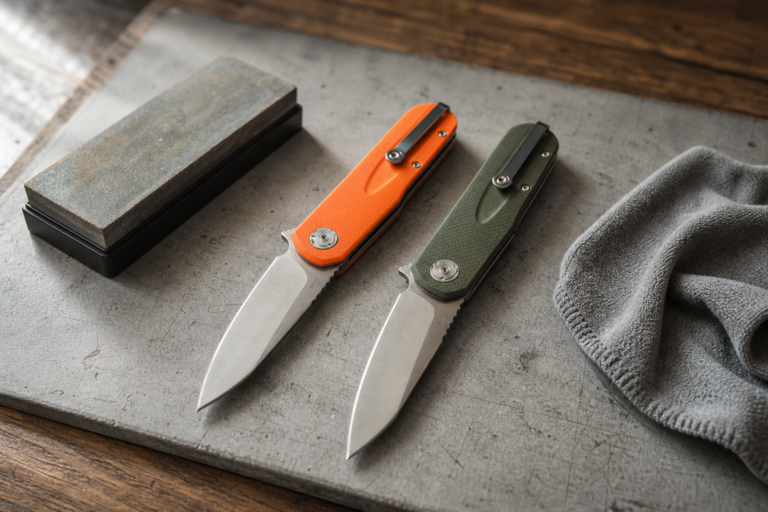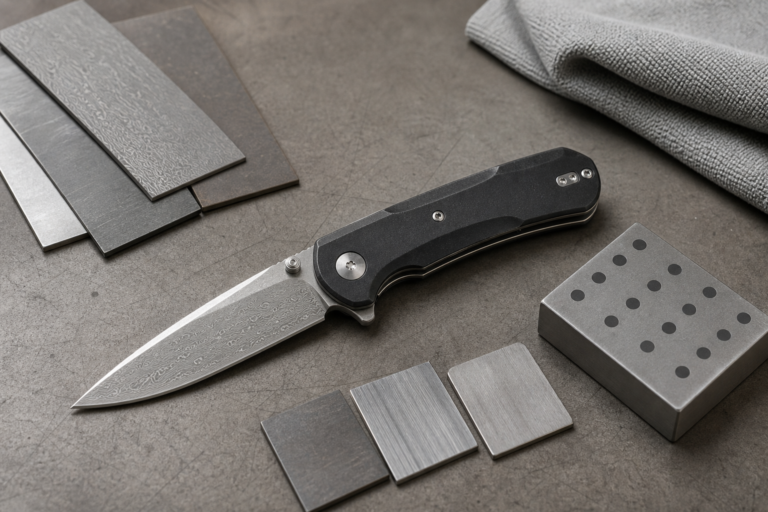
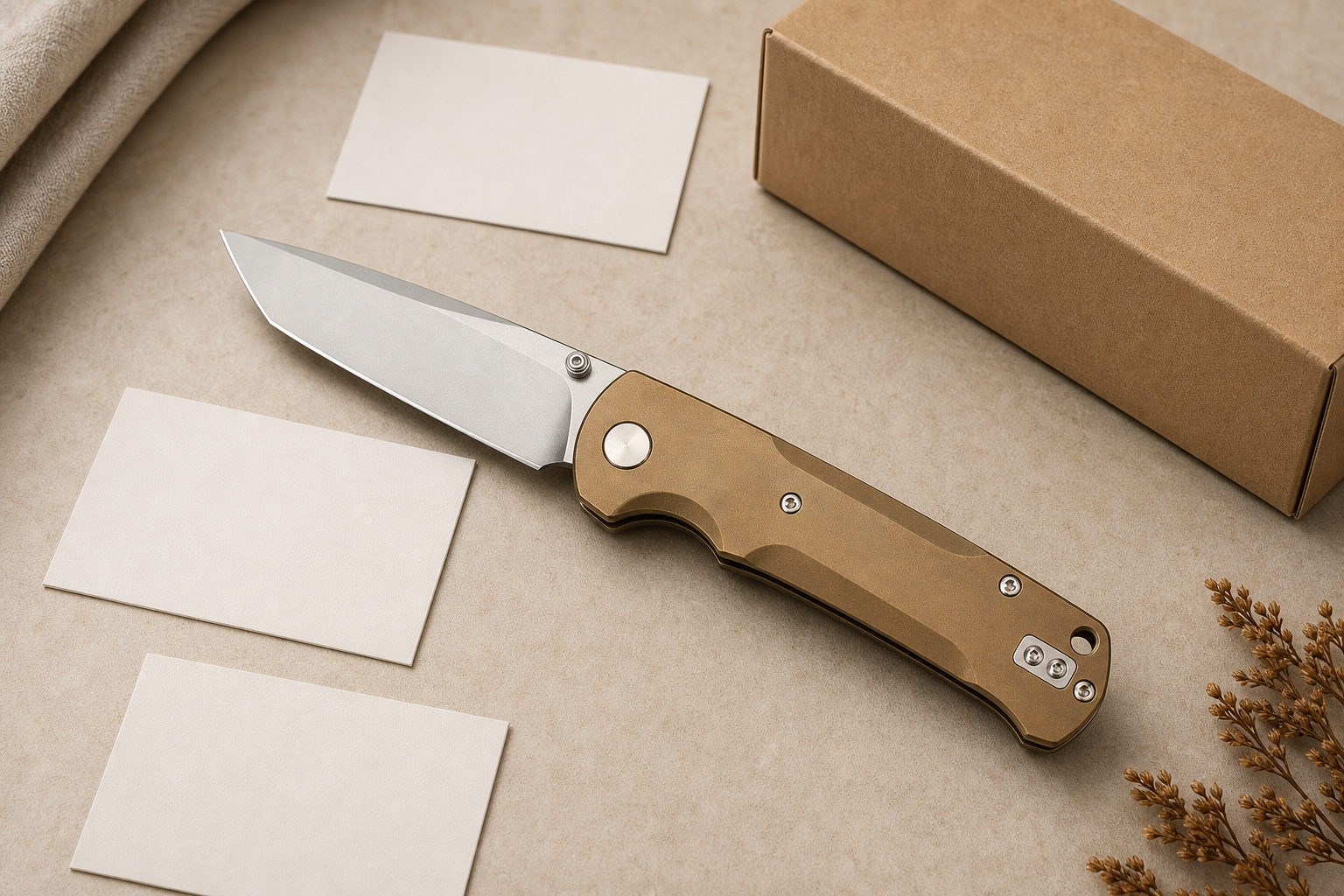
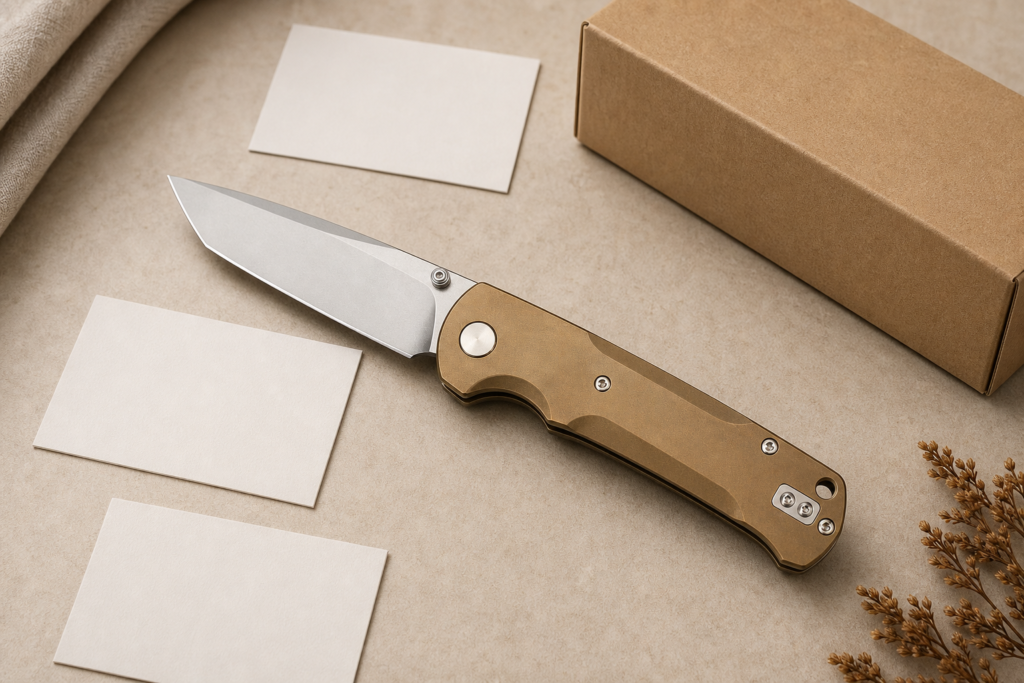
Pocket knife FAQs can reduce confusion, but weak answers can create safety, legal, and quality problems.
Buyers should build pocket knife FAQs around real user questions, clear product limits, safe handling, local-rule reminders, material care, warranty scope, packaging instructions, and QC evidence, so the final page supports sales without making unsafe or unsupported claims.
Quick buyer brief:
- Answer: A good pocket knife FAQ is not a random consumer Q&A list. It is a controlled product communication tool.
- Buyer context: This guide is for knife brands, outdoor brands, EDC brands, importers, distributors, private label buyers, marketplace sellers, and OEM/ODM sourcing teams.
- Key checks: Legal wording, age and sales restrictions, blade length, lock type, opening method, steel claim, maintenance text, safe-use warning, travel disclaimer, warranty scope, product images, packaging insert, and inspection records.
Developing a folding knife line for your brand?
Vast State supports OEM/ODM folding knife projects, including blade steel, lock structure, handle material, finish, logo method, packaging, and quality inspection planning.
When a buyer asks for "common pocket knife FAQs," I do not treat it as a small copywriting task. A FAQ page can shape customer expectations before purchase and reduce returns after purchase. It can also create risk if it promises legal carry, perfect edge retention, zero maintenance, or use cases the product was never designed to handle.
For OEM/ODM projects, FAQs should be written after the specification is clear. Blade length, locking structure, opening method, handle material, steel grade, hardness range, finish, packaging, and target market all affect the right answers. The FAQ should help customers use the product responsibly and help the brand prove that its claims are based on the actual product.
Why Should Pocket Knife FAQs Be Part of the Product Specification?
FAQ copy becomes risky when it is written after production as an afterthought.
Pocket knife FAQs should be part of the product specification because they translate blade size, lock type, steel, care needs, safe handling, and market rules into customer-facing language.
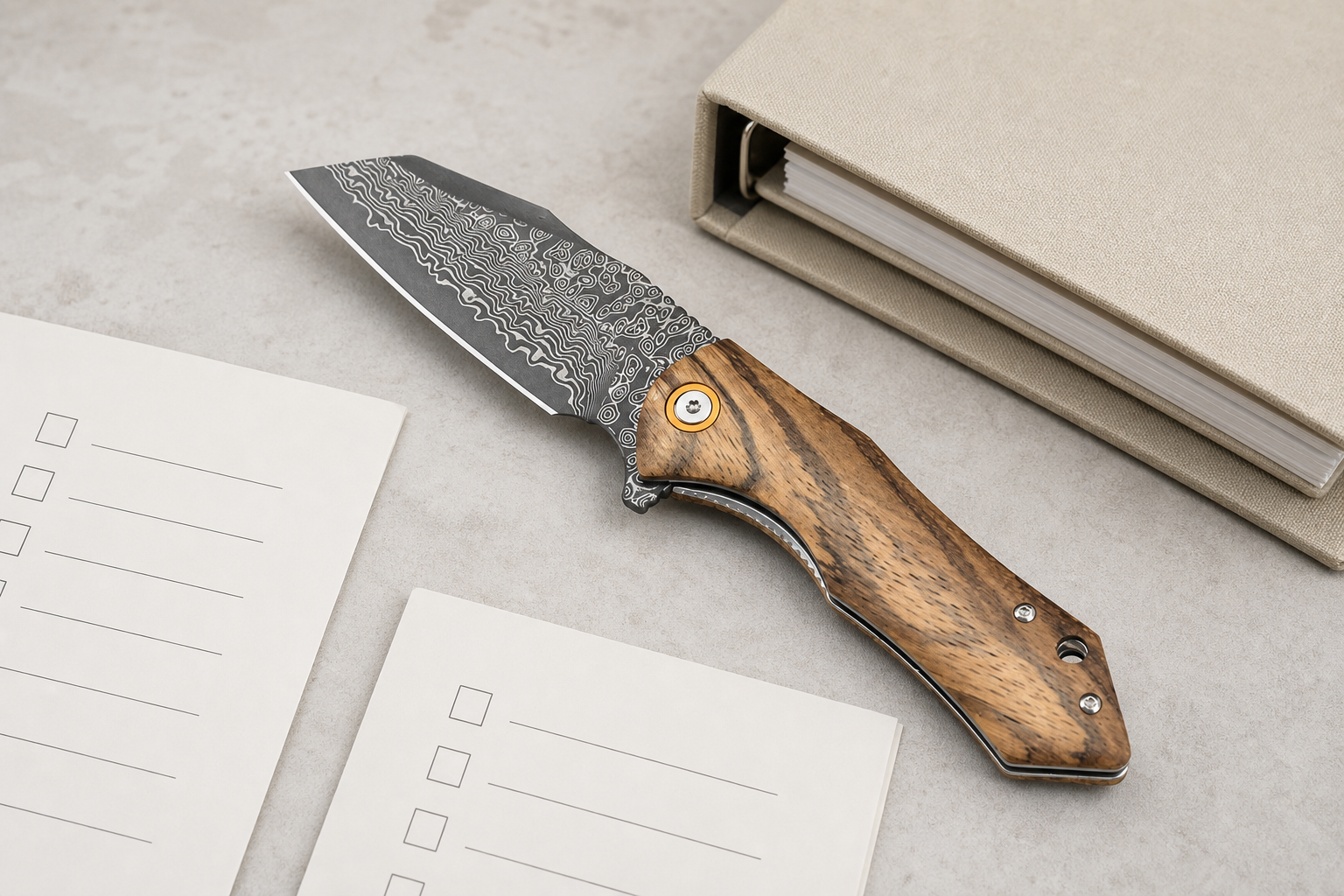
I Treat FAQ Answers as Product Claims
A FAQ answer can look casual, but customers and platforms may read it as a product claim. If the page says the knife is suitable for daily carry everywhere, the brand may create a problem in markets where knife rules depend on blade length, locking structure, age, carry reason, or location. If the page says the steel never rusts, the brand may invite complaints when stains appear. If the page says the knife can pry, chop, or be used as an emergency weapon, the copy moves away from responsible tool positioning.
That is why I like to connect FAQ planning to the RFQ. The buyer should approve a list of questions before final samples. Then the supplier can help confirm which answers are supported by the product. For example, a question about one-hand opening depends on mechanism design. A question about pocket clip carry depends on clip retention, screw security, and local rules. A question about cleaning depends on handle material, pivot access, coating, and steel type.
Clear FAQ writing also improves user experience. The plain language guide on Digital.gov supports direct, audience-focused communication. For pocket knives, that means short answers, concrete limits, and no dramatic language.
| FAQ area | Specification link | Buyer control |
|---|---|---|
| Blade size | Drawing and tolerance | Avoid vague carry claims |
| Lock type | Mechanism and QC | Explain safe operation |
| Steel and finish | Material and treatment | Explain care needs |
| Packaging | Warning and insert | Reduce misuse and returns |
OEM/ODM RFQ Checklist
Prepare these details to help Vast State review your project and provide a more accurate quotation.
| RFQ Field | What to Prepare |
|---|---|
| Project type | OEM from drawing / ODM private label / wholesale catalog |
| Product category | Folding knife / fixed blade / multi-tool / outdoor tool |
| Design status | Idea / sketch / 2D drawing / 3D CAD / physical sample |
| Target price | Ex-factory target price or retail price range |
| MOQ expectation | 500 / 1,000 / 3,000 / 5,000+ pcs |
| Logo method | Laser engraving / etching / printing / molded logo |
| Packaging | Standard packaging / custom retail box / Amazon-ready |
| Market | USA / EU / Japan / Korea / Middle East / other |
| Compliance needs | Buyer-specified testing / documentation / labeling |
| Timeline | Sample deadline / mass production deadline |
What Basic Pocket Knife Questions Should Buyers Answer First?
Customers ask simple questions first. Buyers should answer them without overpromising.
The first FAQ questions should explain what the knife is for, whether it folds, how it opens, whether it locks, what size it is, what materials it uses, and how it should be stored.
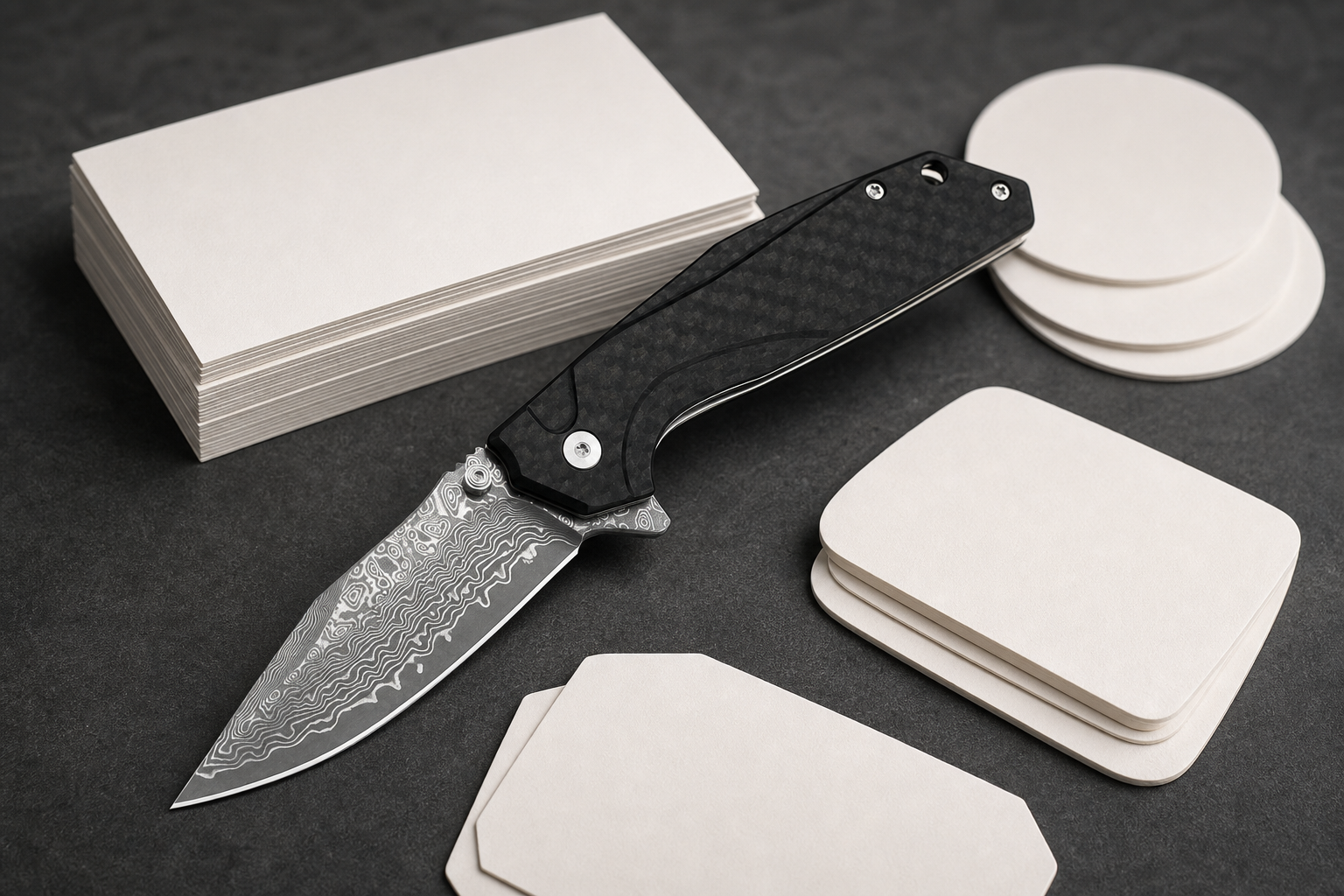
I Start With Clear Product Identity
A pocket knife FAQ should not assume the customer understands knife terms. Many buyers use words like folder, slip joint, liner lock, frame lock, assisted opening, drop point, and stainless steel as if every customer knows them. Some do. Many do not. The FAQ should explain what matters in simple language.
Start with identity. Is this a compact folding knife for everyday utility tasks? Is it an outdoor folding knife for camping kits? Is it a work utility knife? Is it a collectible-style retail item? The answer changes the tone. A utility product should sound practical. An outdoor product should explain lawful and responsible camp tasks. A giftable product should explain care and storage clearly. The National Park Service Ten Essentials includes repair kit and tools as part of outdoor preparation, which supports a practical tool context without turning the knife into a dramatic survival claim.
Then answer basic structure questions:
- Does the knife fold?
- Does the blade lock open?
- How is the blade opened?
- What is the blade length?
- What is the closed length?
- What steel or blade material is used?
- What handle material is used?
- Is there a clip, pouch, or sheath?
- What is included in the package?
These answers should match the final drawings and product photos. If the FAQ says the knife includes a pouch, the packaging BOM should include it. If the FAQ says the blade has a specific finish, final QC should check it.
| Customer question | Better buyer answer style | Avoid |
|---|---|---|
| What is it for? | Utility cutting tasks | Self-defense language |
| How big is it? | Exact blade and closed length | "Pocket friendly" only |
| Does it lock? | Explain mechanism plainly | Vague "safe lock" claims |
| What is included? | List package contents | Unchecked accessories |
How Should FAQs Handle Safety and Responsible Use?
Pocket knives are tools with sharp edges, so safety cannot be hidden in small print.
FAQs should tell users to cut only appropriate materials, keep fingers away from the blade path, close or sheath the knife when not in use, avoid prying, and store it securely.
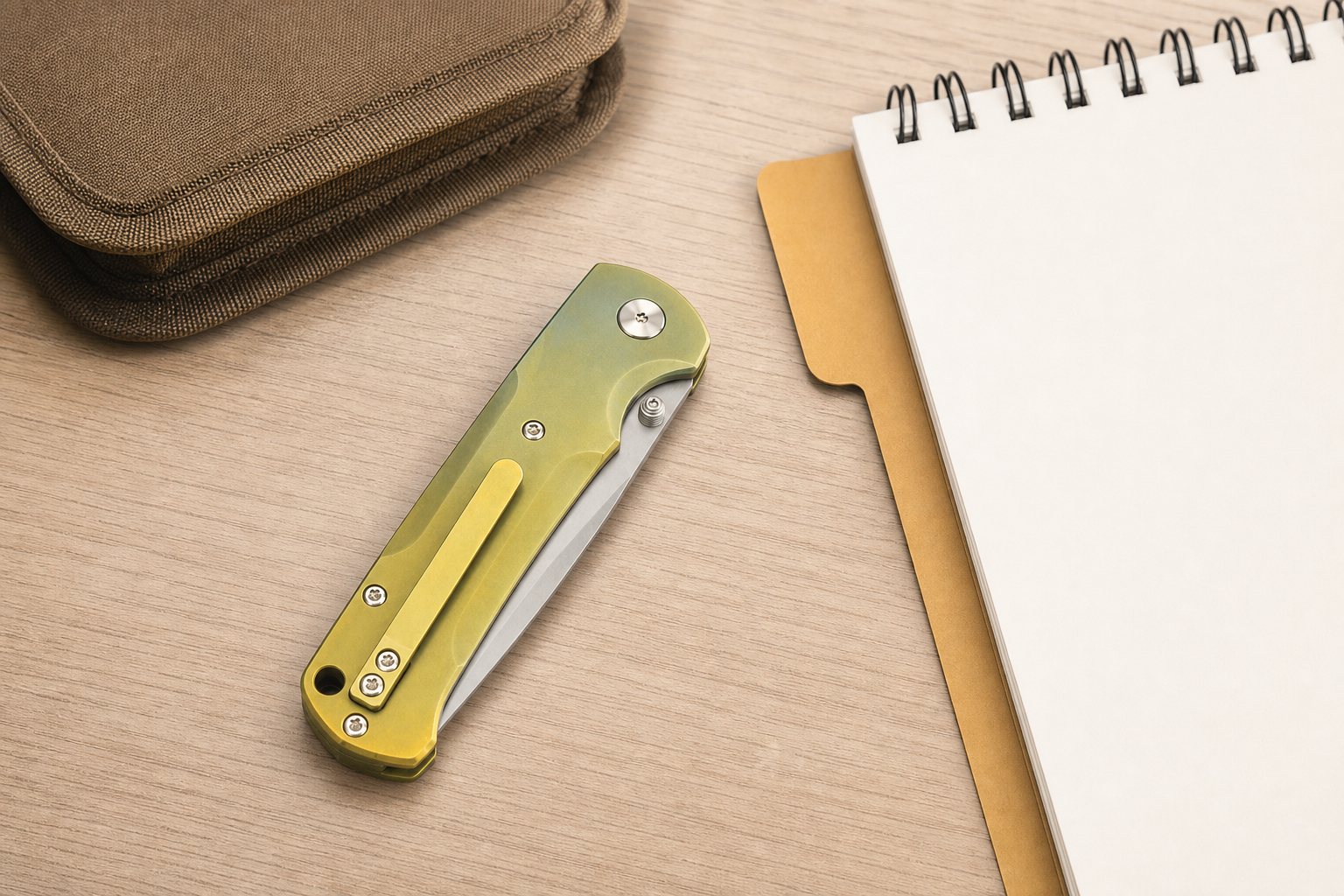
I Keep Safety Practical, Not Fearful
The CCOHS sharp blade safety guidance explains basic risk controls for sharp tools, including using the right tool, inspecting it, keeping blades sharp, cutting away from the body, and storing tools appropriately. A consumer pocket knife page should not copy workplace training word for word, but the safety logic is useful.
Good FAQ safety answers should be short and direct. They should say that the knife is for intended cutting tasks only. They should tell users not to use the blade as a pry bar, screwdriver, punch, scraper, throwing object, or weapon. They should tell users to close the knife before storage and keep it away from children. If the product has a lock, the FAQ should explain that the lock is a safety feature but not a reason to use excessive force.
The tone matters. If safety copy sounds scary, customers stop reading. If it sounds too casual, the brand looks careless. I prefer practical wording:
"Use the knife only for intended cutting tasks. Keep your fingers away from the blade path. Close the blade before carrying or storing. Do not pry, twist, throw, or use the knife as a weapon."
This kind of answer is clear, responsible, and easy to translate into a package insert.
How Should FAQs Discuss Laws, Age Limits, and Travel?
Legal questions are common, but a product FAQ should not pretend to be a lawyer.
Pocket knife FAQs should tell customers that laws vary by location, age, blade length, lock type, carry reason, and transport setting, and that users must check local rules before purchase or carry.
I Never Write "Legal Everywhere"
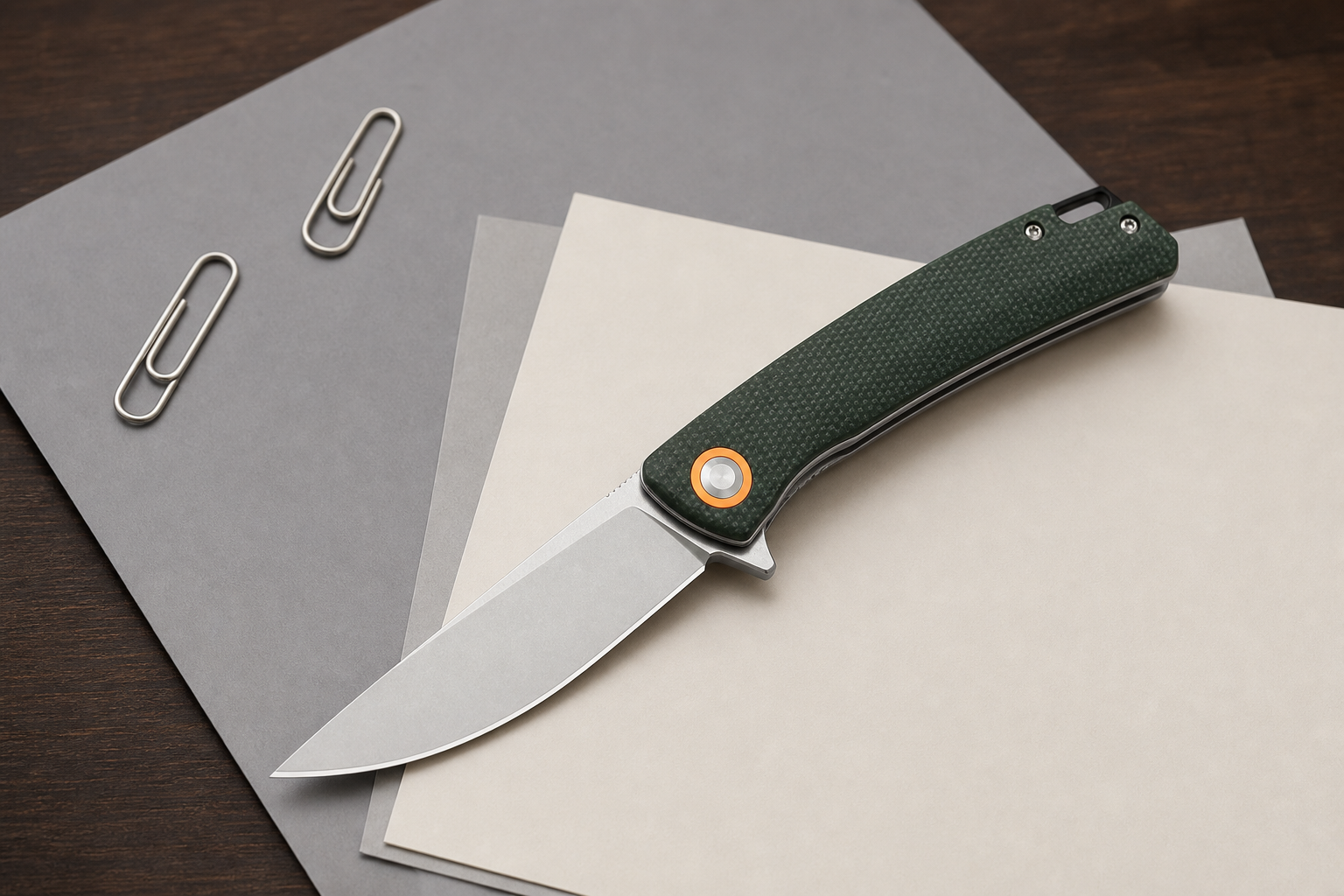
The GOV.UK knife guidance shows how rules can depend on public carry, age, blade length, locking structure, and banned knife types. Even if a buyer does not sell into the UK, this is a useful warning: pocket knife legality is not a single global answer.
The TSA knives page also shows why travel copy must be careful. TSA states that knives are not allowed in carry-on bags and that sharp objects in checked bags should be sheathed or securely wrapped. The final decision can still rest with the officer at the checkpoint.
For buyers, the FAQ should use cautious language:
- "Check local laws before buying, carrying, or transporting this product."
- "Rules may depend on blade length, lock type, opening method, age, location, and intended use."
- "Do not carry into schools, airports, government buildings, events, or restricted places."
- "For air travel, review current airline and security rules before packing."
Avoid these phrases:
- "Legal everywhere"
- "Airport safe"
- "No permit needed"
- "Self-defense carry"
- "Tactical public carry"
The FAQ should help customers pause and check rules. It should not encourage risky behavior.
What Should FAQs Say About Blade Steel, Sharpness, and Edge Retention?
Customers care about sharpness, but buyers should avoid impossible performance promises.
FAQs should explain blade steel, hardness, edge geometry, factory sharpness, sharpening needs, corrosion care, and normal edge wear in simple language that matches the tested product.
I Connect Material Claims to Testable Details
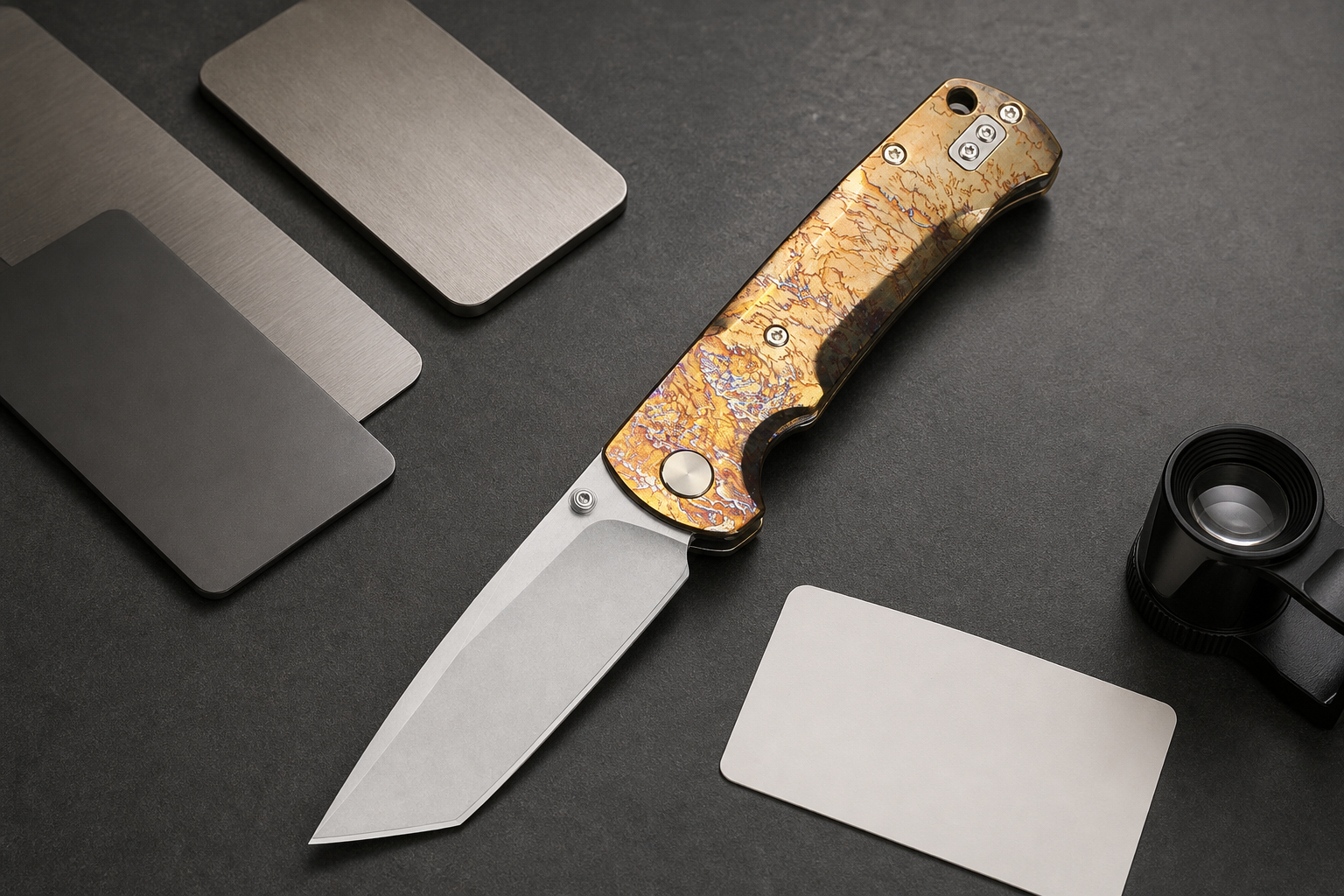
Many FAQ pages use steel names as sales decoration. That does not help the customer. A better answer explains what the steel choice means for care and use. Stainless steel may support better corrosion resistance than many carbon steels, but it still needs cleaning. Carbon steel can sharpen easily and develop patina, but it needs drying and oiling where appropriate. Tool steels, powder steels, or budget stainless grades all need accurate claims.
Sharpness should also be handled carefully. A factory edge can be sharp, but no edge lasts forever. Edge retention depends on steel, heat treatment, edge angle, cutting material, user technique, and maintenance. If the buyer has no cut-test data, the FAQ should not claim extreme edge retention.
Useful FAQ wording:
- "The knife is supplied with a functional factory edge for normal utility cutting."
- "Edge life depends on use, material cut, and maintenance."
- "Sharpen with suitable equipment and follow the edge angle guidance if provided."
- "Clean and dry the blade after use, especially after moisture, food residue, salt, or acidic material."
If the buyer wants stronger claims, the factory and brand should agree on test methods, sample size, and acceptance criteria before production.
How Should FAQs Explain Opening, Locking, and Pocket Carry?
Mechanism questions should be answered with exact product language.
FAQs should explain how the knife opens, whether it has a locking mechanism, how to close it safely, whether it has a clip, and what inspection checks support smooth function.
I Make Mechanism Copy Match the Actual Build
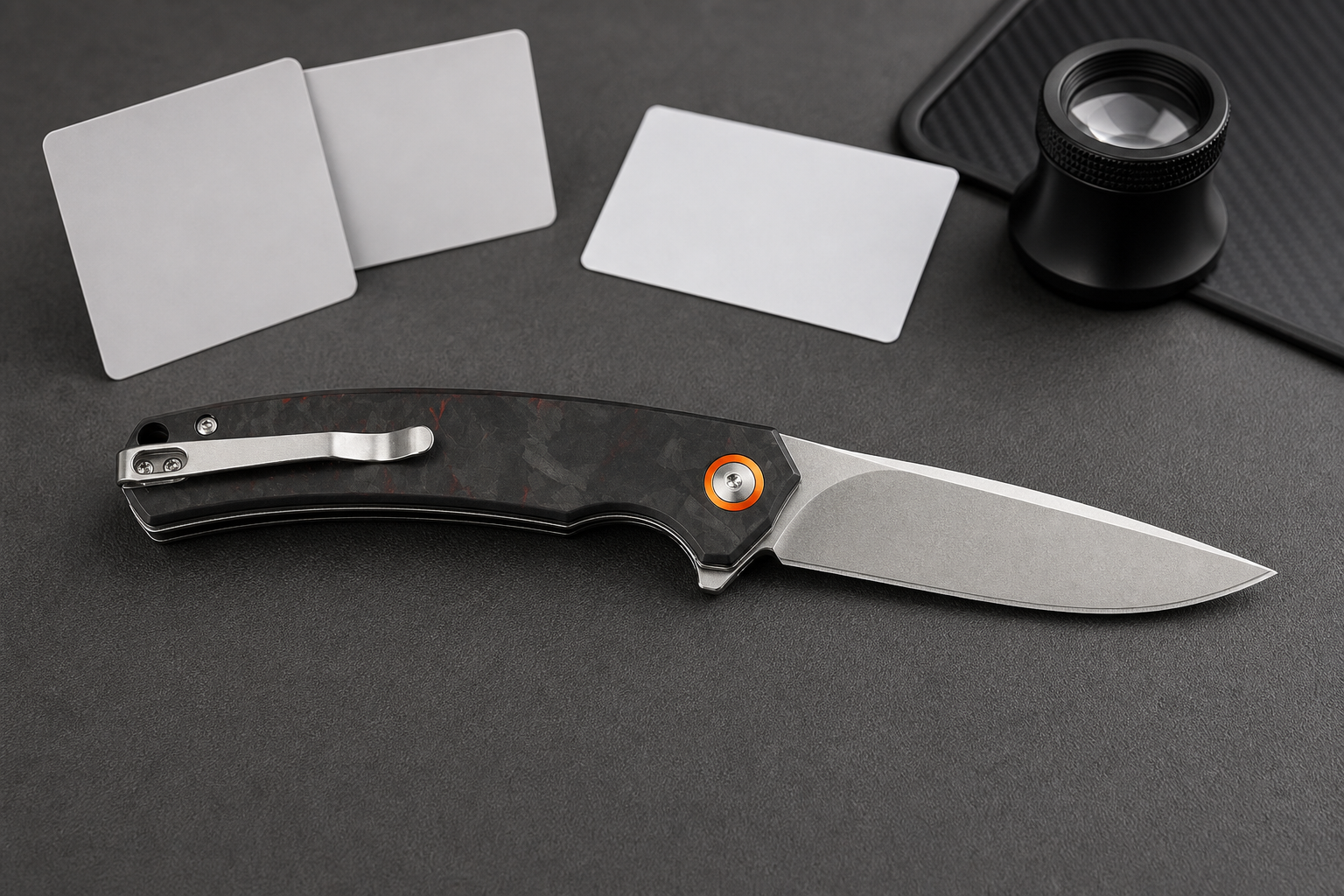
The opening and locking FAQ should be based on the final mechanism, not on generic knife vocabulary. If the product has a thumb stud, the FAQ can explain thumb-stud opening. If it has a nail nick, say that. If it is assisted opening or automatic, the buyer must review target-market rules carefully before using those terms or selling the product.
Locking language needs care. A lock can help keep the blade open during intended cutting, but it does not make the knife safe for abuse. The FAQ should explain how to disengage the lock, where fingers should not be placed, and why users should not force the blade sideways.
Pocket clip copy should also be realistic. The clip can help attach the closed knife to a pocket or pouch, but it does not override local carry rules. The buyer should check clip tension, screw torque, sharp edges around the clip, and whether the clip creates packaging damage during shipping.
| Mechanism area | FAQ should explain | QC should verify |
|---|---|---|
| Opening method | Thumb stud, nail nick, flipper, or other method | Smooth action |
| Lock type | Whether blade locks and how to close | Lock engagement |
| Pivot | Normal care and adjustment policy | Blade play and centering |
| Clip | Intended storage support | Screw security and tension |
What Maintenance and Warranty Questions Should Buyers Include?
Maintenance FAQs can prevent returns when they are specific and honest.
Buyers should include FAQ answers about cleaning, drying, lubrication, sharpening, screw checks, storage, corrosion, coating wear, excluded misuse, warranty scope, and how customers request support.
I Separate Normal Wear From Defects
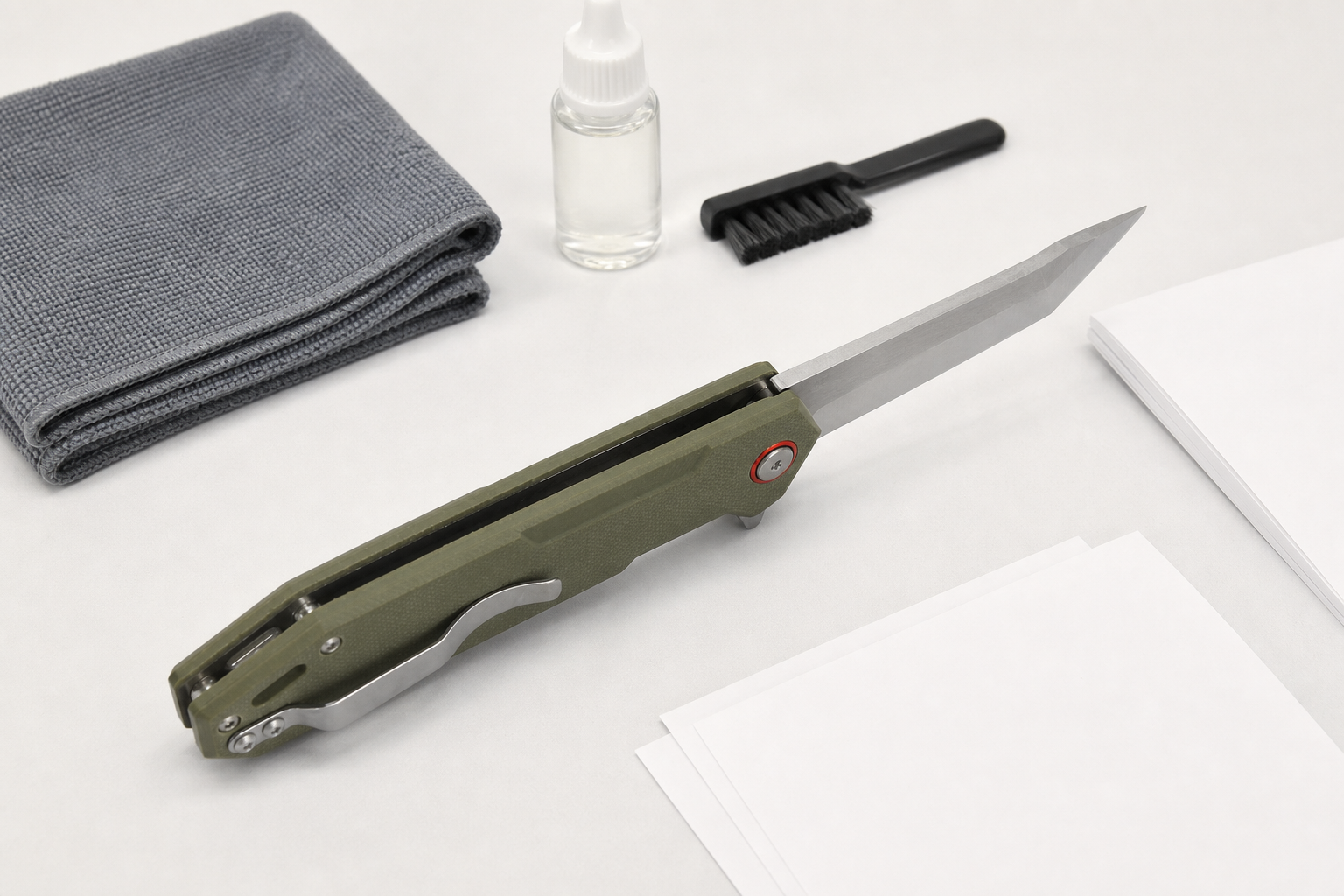
Pocket knives are mechanical tools. They need care. A FAQ should explain that blades can dull, finishes can wear, screws may need checking, pivots may collect dust, and corrosion can happen if a product is stored wet or dirty. This does not mean the product is bad. It means the customer needs clear expectations.
Warranty language should be simple. It should define what the brand may cover, such as manufacturing defects in materials or workmanship. It should also define common exclusions, such as misuse, modification, neglect, disassembly beyond instructions, corrosion from improper care, normal edge wear, coating wear, or damage from prying.
The FAQ should tell customers how to contact support and what information to provide. Good support intake asks for order number, product photos, problem description, and proof of purchase. For B2B buyers, this also helps the factory trace batches and improve future production.
This is where FAQ content meets quality management. The brand should use repeated FAQ and warranty questions to update instructions, packaging, and QC. If many customers ask how to close the knife, the instructions may be unclear. If many customers report clip screws loosening, the factory should review thread treatment and torque checks.
How Should Product Pages, Packaging, and Customer Service Use the Same FAQ?
Different channels should not give different answers.
The FAQ should be consistent across product pages, marketplace listings, package inserts, manuals, QR pages, customer service scripts, and distributor training materials.
I Build One Approved Answer Bank
The European Commission product safety and labelling page reminds businesses that product safety and labelling responsibilities matter. For a pocket knife buyer, the practical takeaway is simple: the answer on the product page should not conflict with the label, package insert, or customer service reply.
An approved answer bank prevents confusion. The buyer can create one master FAQ document. Then each channel can use a shorter version. Product pages may show the most common questions. Packaging may include safety, storage, care, and legal reminders. Customer service can use the fuller answer bank when responding to buyers.
This also helps translation. Knife copy can become risky when translated loosely. A controlled FAQ bank helps translators keep the same meaning across languages. It also helps distributors avoid adding their own claims, especially around legality, self-defense, or performance.
| Channel | FAQ role | Buyer control |
|---|---|---|
| Product page | Pre-sale clarity | Use approved answers |
| Packaging | Safety and care | Keep short and visible |
| Manual or QR page | Full guidance | Update when needed |
| Customer service | Complaint reduction | Track repeated questions |
What QC Records Should Support Pocket Knife FAQ Claims?
FAQ quality depends on proof, not only writing.
Buyers should support FAQ claims with drawings, material records, hardness checks, blade dimensions, lock testing, opening action checks, clip retention, edge inspection, packaging review, and final inspection reports.
I Turn FAQ Answers Into Inspection Points
If the FAQ says the knife has a certain blade length, QC should measure blade length. If it says the clip supports pocket storage, QC should check clip tension and screw security. If it says the lock is stable during normal cutting, QC should inspect lock engagement and blade play. If it says the product includes a storage pouch, QC should confirm the pouch is in the box.
NIST dimensional metrology supports the role of dimensional measurement in manufacturing improvement. ISO 9001 supports the broader idea of defined quality management requirements, customer focus, and process control. For pocket knife buyers, those ideas become a simple rule: do not answer a FAQ with a claim that cannot be checked.
Useful inspection records include:
- Approved drawings and specification sheet
- Material and finish record
- Hardness or heat-treatment report where relevant
- Blade length and closed length checks
- Lock engagement and blade play checks
- Opening and closing action checks
- Edge, burr, and sharpening checks
- Clip, screw, and fastener checks
- Packaging insert and warning placement checks
The FAQ should be updated if the product changes. A new steel, lock, clip, finish, package, or market can change the correct answer.
How Can Vast State Help Buyers Build Pocket Knife FAQs?
Vast State can connect the FAQ with the product, not just the product page.
Vast State helps buyers develop pocket knife FAQs by linking customer questions to OEM/ODM specifications, sample review, safe-use wording, packaging content, material care, QC records, and RFQ requirements.
I Prefer FAQ Planning Before Mass Production
Vast State can help buyers turn a common FAQ idea into a working product communication system. The process starts by reviewing the target customer, sales channel, market, product format, and intended tasks. Then the buyer can decide which questions matter most.
For a simple pocket knife line, the FAQ may focus on size, steel, safe use, lock type, carry rules, and care. For an outdoor utility line, it may also cover camping tasks, corrosion care, sharpening, pouch storage, and maintenance. For a giftable retail line, it may focus on package contents, care, age restrictions, and warranty.
The same FAQ can also improve the RFQ. If customers will ask whether the knife locks, the RFQ should define lock type and lock inspection. If customers will ask whether the knife can be carried daily, the buyer should define legal disclaimer wording and avoid unrestricted-carry claims. If customers will ask about rust, the buyer should define steel, finish, corrosion care, and packaging protection.
Vast State can support:
- FAQ question map
- Product-page answer draft
- Packaging insert text
- Safe-use and care wording
- Specification alignment
- Sample review checklist
- QC record requirements
- RFQ schema for supplier communication
Turn this article into a folding knife project.
Share your blade type, lock direction, steel preference, handle material, quantity, target market, and packaging needs. Vast State can prepare OEM/ODM options.
Conclusion
A strong pocket knife FAQ turns product details into clear, responsible answers that support sales, reduce confusion, and keep OEM/ODM claims grounded in evidence.