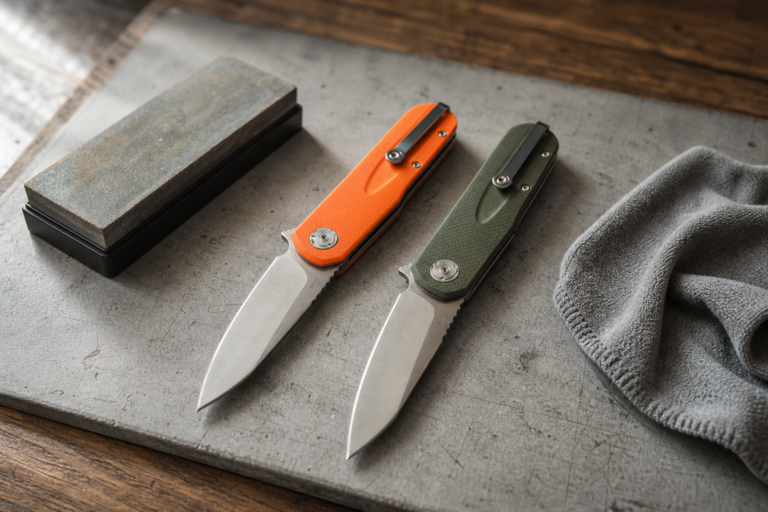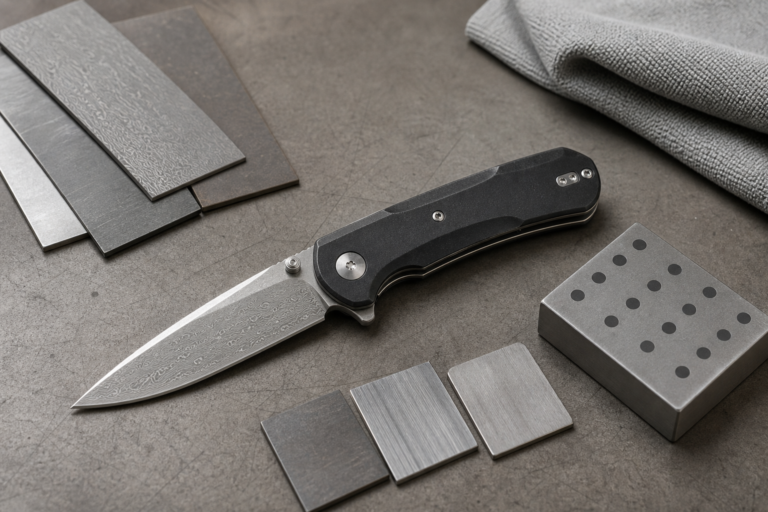
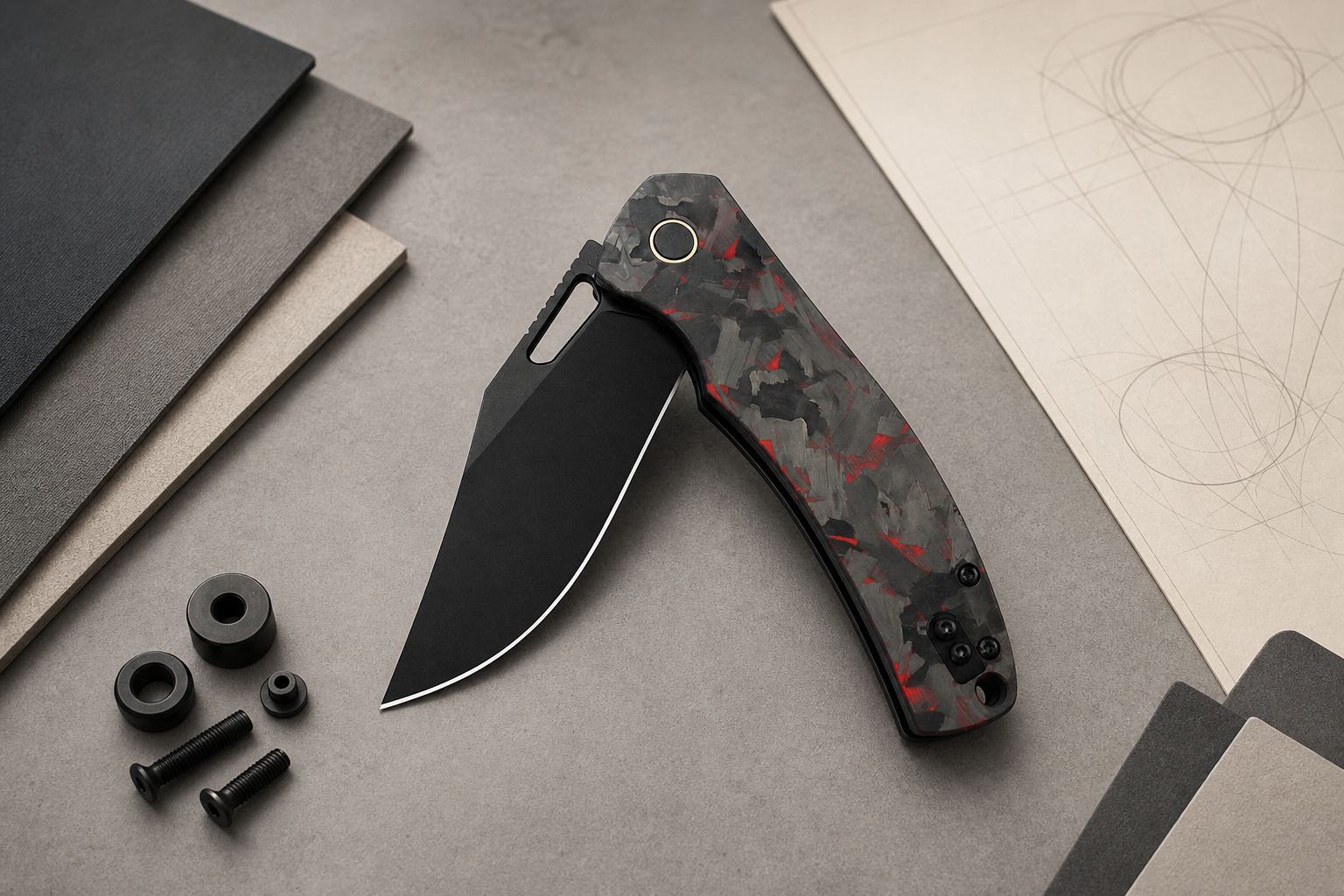
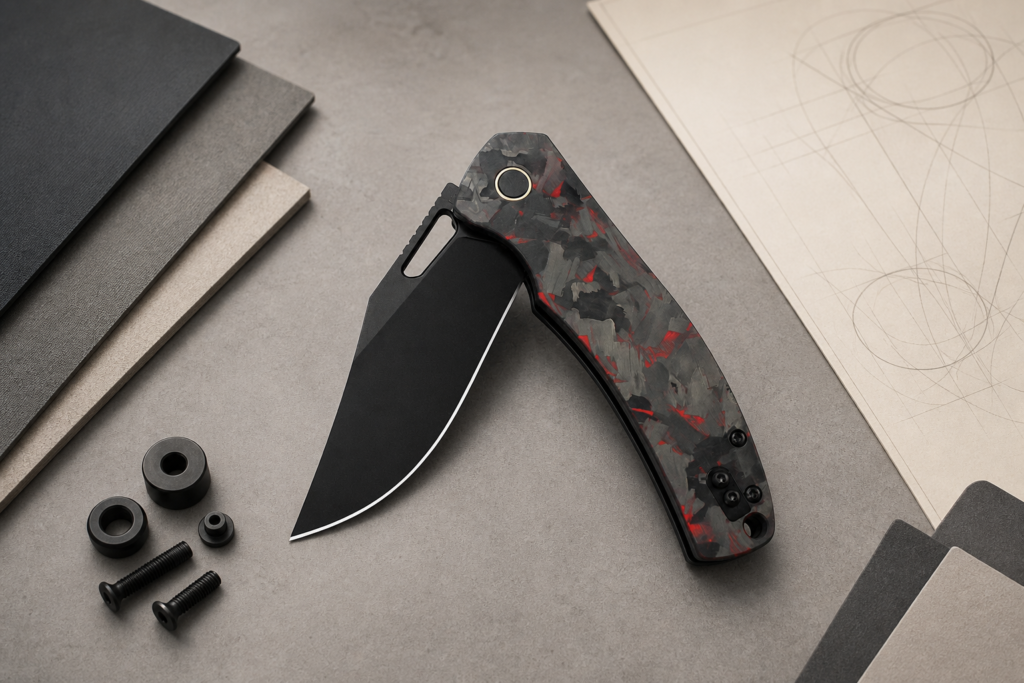
Pocket knife history is not only nostalgia. It explains why users still care about portability, control, safety, repairability, and trust.
Buyers should study pocket knife history to understand how folding tools evolved around portability, everyday utility, regional craft, safer carry, industrial repeatability, legal pressure, and changing user expectations. Those lessons can guide modern OEM/ODM design.
Quick buyer brief:
- Answer: History should not be copied blindly. It should help buyers identify lasting product requirements.
- Buyer context: This guide is for EDC brands, outdoor brands, utility brands, importers, distributors, private label buyers, promotional buyers, and OEM/ODM sourcing managers.
- Key checks: Use case, folding structure, opening method, lock or slip-joint behavior, handle material, blade length, carry comfort, safe-use copy, compliance review, regional market expectations, manufacturing process, and QC records.
Developing a folding knife line for your brand?
Vast State supports OEM/ODM folding knife projects, including blade steel, lock structure, handle material, finish, logo method, packaging, and quality inspection planning.
When I look at pocket knife history, I do not see a museum topic only. I see a product development map. Early folding knives solved a simple problem: how to carry a sharp edge safely and conveniently. Later cutlery centers improved craft, fit, material use, spring behavior, decoration, and repeat production. Modern buyers face a different market, but the same core questions remain. Can the user carry it? Can the user open it? Can the user trust it? Can the factory repeat it? Can the product be sold with responsible wording?
Why Should Buyers Study Pocket Knife History Before New Product Development?
Many buyers start from photos. History helps them start from the reason the product exists.
Buyers should study pocket knife history because it shows that pocket knives survived through portability, everyday usefulness, controlled folding, user trust, craft identity, and continuous production improvement.
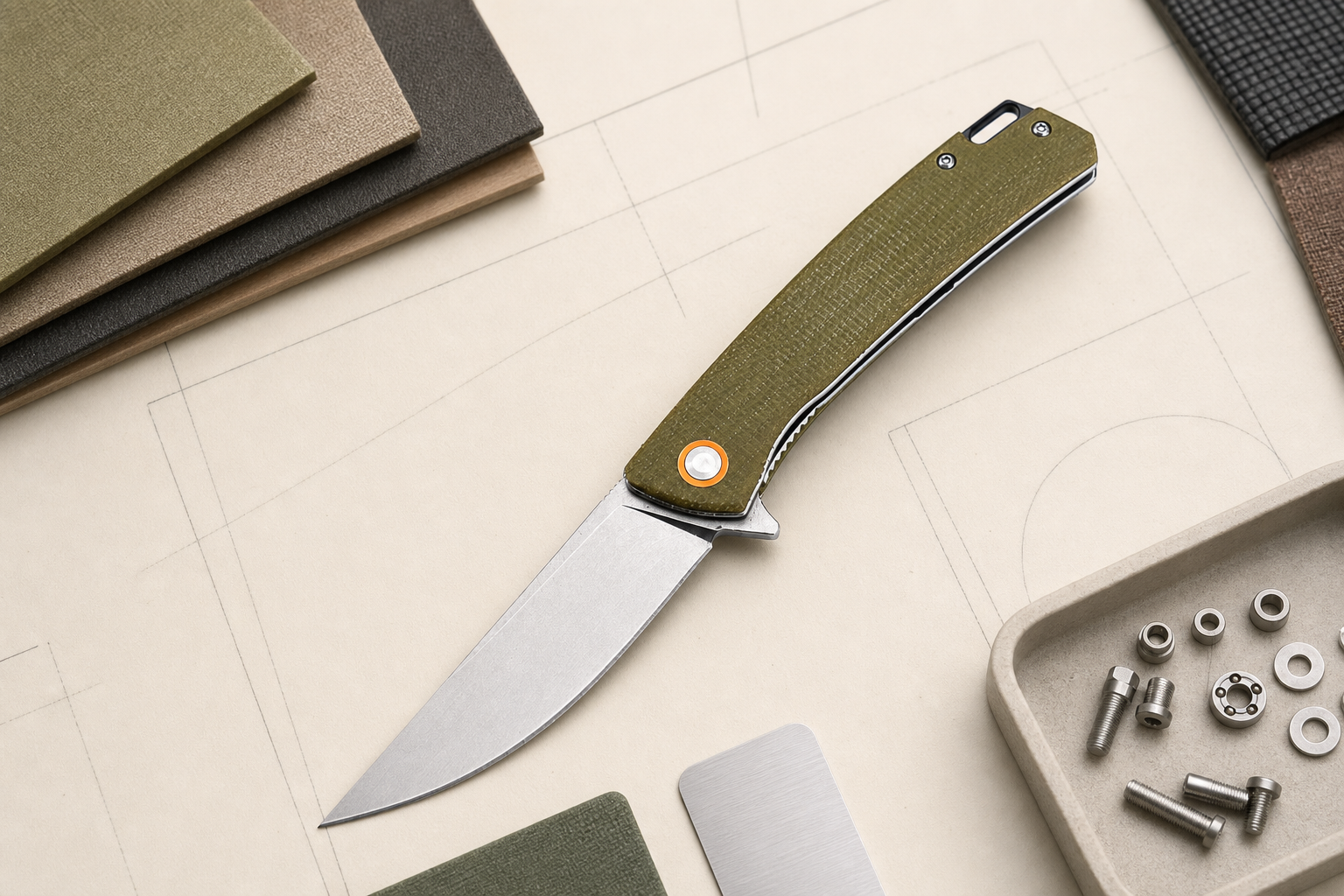
I Use History to Separate Trend From Requirement
A buyer may see an old pocket knife shape and want to copy it because it feels authentic. Another buyer may see a modern pocket knife and want to make it faster, larger, or more complicated. Both instincts can be risky. History is useful only when it helps the buyer understand why a design lasted.
The pocket knife lasted because it solved a real daily problem. Users wanted a cutting edge that could be carried more safely than an exposed blade. They wanted a tool that fit into a pocket, pouch, belt kit, work bag, travel kit, or outdoor kit. They wanted a handle that made the blade usable. They wanted enough retention that the blade did not feel careless. They wanted repairable or affordable construction when the tool was part of ordinary life.
The Britannica knife history overview notes the long historical use of knives and discusses personal carrying practices before household cutlery became common. That broad history matters for buyers. It reminds us that knives were not born as lifestyle decorations. They were daily tools shaped by material, carry, and social use.
For OEM/ODM work, the lesson is practical. Do not start with decoration. Start with the user's daily reason to own the product. A pocket knife history article should lead to a better RFQ, not a romantic copy of the past.
| History lesson | Modern buyer question | Product impact |
|---|---|---|
| Portability mattered | Where will users carry it? | Size, weight, clip, pouch, packaging |
| Control mattered | How will users open and close it? | Opening method and lock behavior |
| Materials changed | What can production repeat today? | Steel, handle, finish, cost |
| Social rules changed | Where will it be sold? | Compliance and product copy |
OEM/ODM RFQ Checklist
Prepare these details to help Vast State review your project and provide a more accurate quotation.
| RFQ Field | What to Prepare |
|---|---|
| Project type | OEM from drawing / ODM private label / wholesale catalog |
| Product category | Folding knife / fixed blade / multi-tool / outdoor tool |
| Design status | Idea / sketch / 2D drawing / 3D CAD / physical sample |
| Target price | Ex-factory target price or retail price range |
| MOQ expectation | 500 / 1,000 / 3,000 / 5,000+ pcs |
| Logo method | Laser engraving / etching / printing / molded logo |
| Packaging | Standard packaging / custom retail box / Amazon-ready |
| Market | USA / EU / Japan / Korea / Middle East / other |
| Compliance needs | Buyer-specified testing / documentation / labeling |
| Timeline | Sample deadline / mass production deadline |
What Did Early Folding Knives Prove About Portability?
The folding structure is old because the problem is old. A sharp edge needs safer storage between uses.
Early folding knives prove that portability is not a modern marketing idea. It is the central reason a pocket knife exists.
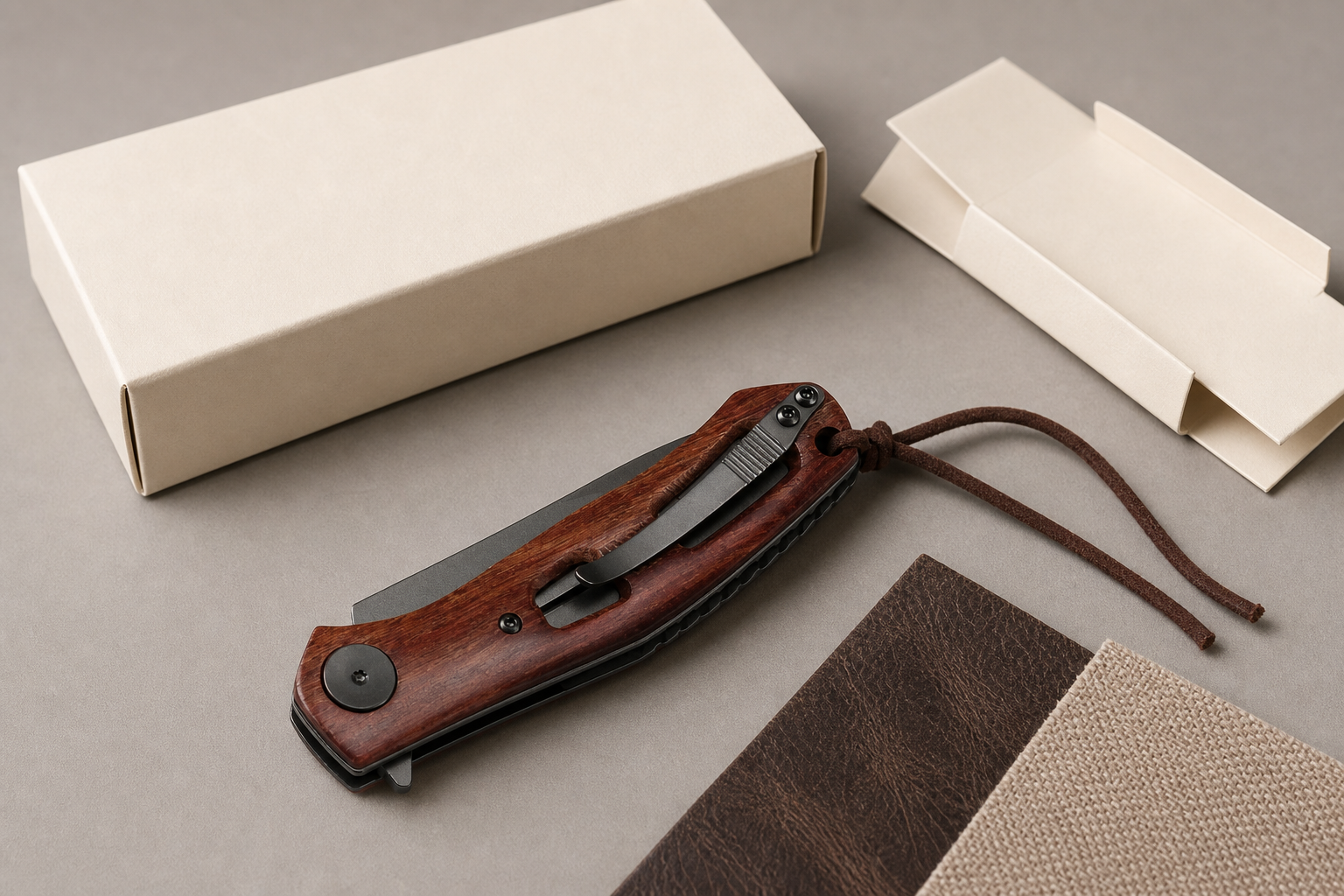
I Treat Closed Form as a Primary Design Feature
The British Museum collection includes a Roman folding knife with an ivory handle and iron blade, probably from the 1st to 2nd century. I do not use that source to claim one direct modern design line. I use it to show that folding-blade ideas are very old and that the portability problem has existed for a long time.
For modern buyers, the closed form matters as much as the open blade. A pocket knife is carried more than it is used. That means closed length, handle thickness, edge coverage, blade retention, pocket comfort, and package protection are not secondary details. They are core product requirements.
If the closed knife is too thick, users may stop carrying it. If the closed blade is not retained well, the product feels unsafe. If the handle has sharp corners, the tool may look good in photos but fail in daily carry. If the clip is poorly placed, the knife may tilt, print, or scratch other items in the pocket. If the package allows pressure on the opening feature, the product may arrive with marks or safety concerns.
Pocket knife history teaches one simple rule: the blade is only half the product. The closed, carried object is the other half.
| Closed-form element | Historical reason | Modern RFQ note |
|---|---|---|
| Folding blade | Safer carry between uses | Confirm closed retention |
| Compact handle | Easier everyday carry | Define closed length and thickness |
| Pivot structure | Repeat opening and closing | Define action and side-play checks |
| Edge coverage | Reduce accidental contact | Review closed blade exposure |
How Did Regional Cutlery Traditions Shape Buyer Expectations?
Pocket knives did not develop in one place only. Regional craft shaped styles, materials, and user expectations.
Regional cutlery traditions show buyers that pocket knives carry local expectations around handle shape, finish, spring feel, decoration, and practical use.
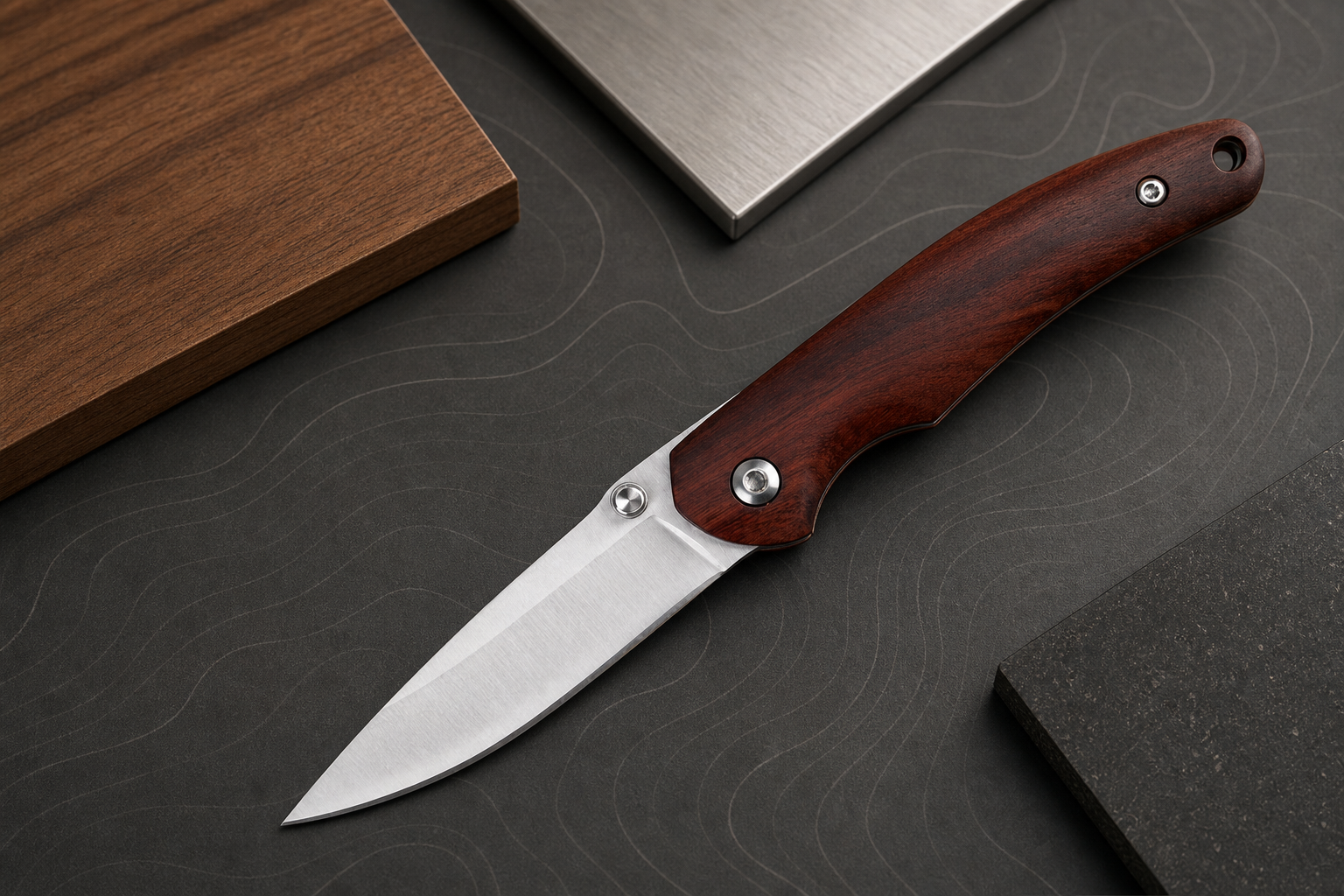
I Read Regional Style as a User Signal
The Museo Municipal de la Cuchillería describes the history of the pocket knife as ancient and universal, with remains associated with Iberian and Roman contexts, and later growth of Spanish pocket knife forms. Sheffield Museums also describes a major metalwork and cutlery collection, including many objects with cutting edges and a long record of design, craft, skill, and technological development.
For buyers, the point is not to copy one region's shape or claim heritage that the buyer does not own. The point is to understand that pocket knives are cultural products as well as tools. Handle shape, blade shape, spring feel, decoration, and finish can signal tradition, utility, refinement, or regional taste.
This matters in OEM/ODM sourcing. A buyer selling in Europe may want a calmer classic pocket tool. A buyer selling an outdoor product in North America may want a different size, clip, and handle texture. A buyer selling a promotional knife may need a safe and simple everyday utility shape. A buyer selling through conservative retail may need traditional language rather than aggressive copy.
Regional history also reminds buyers that craft identity can be built through details. Fit between handle and bolster, smooth edges, consistent pull, clean polishing, and controlled blade centering all create trust. They are not only cosmetic.
| Regional-history lesson | Modern interpretation | Buyer action |
|---|---|---|
| Styles vary by place | Users read visual cues differently | Match target market taste |
| Craft details matter | Small fit issues damage trust | Approve boundary samples |
| Decoration carries meaning | Ornament can help or distract | Keep design relevant |
| Legal history exists | Social rules shape demand | Review market rules early |
What Did Traditional Slip-Joint and Friction Designs Teach Buyers?
Older mechanisms were often simpler than modern locking folders. Simpler does not mean careless.
Traditional slip-joint and friction designs teach buyers to value controlled pull, spring consistency, safe closing behavior, blade seating, and honest product positioning.
I Avoid Calling Simple Mechanisms Low-End
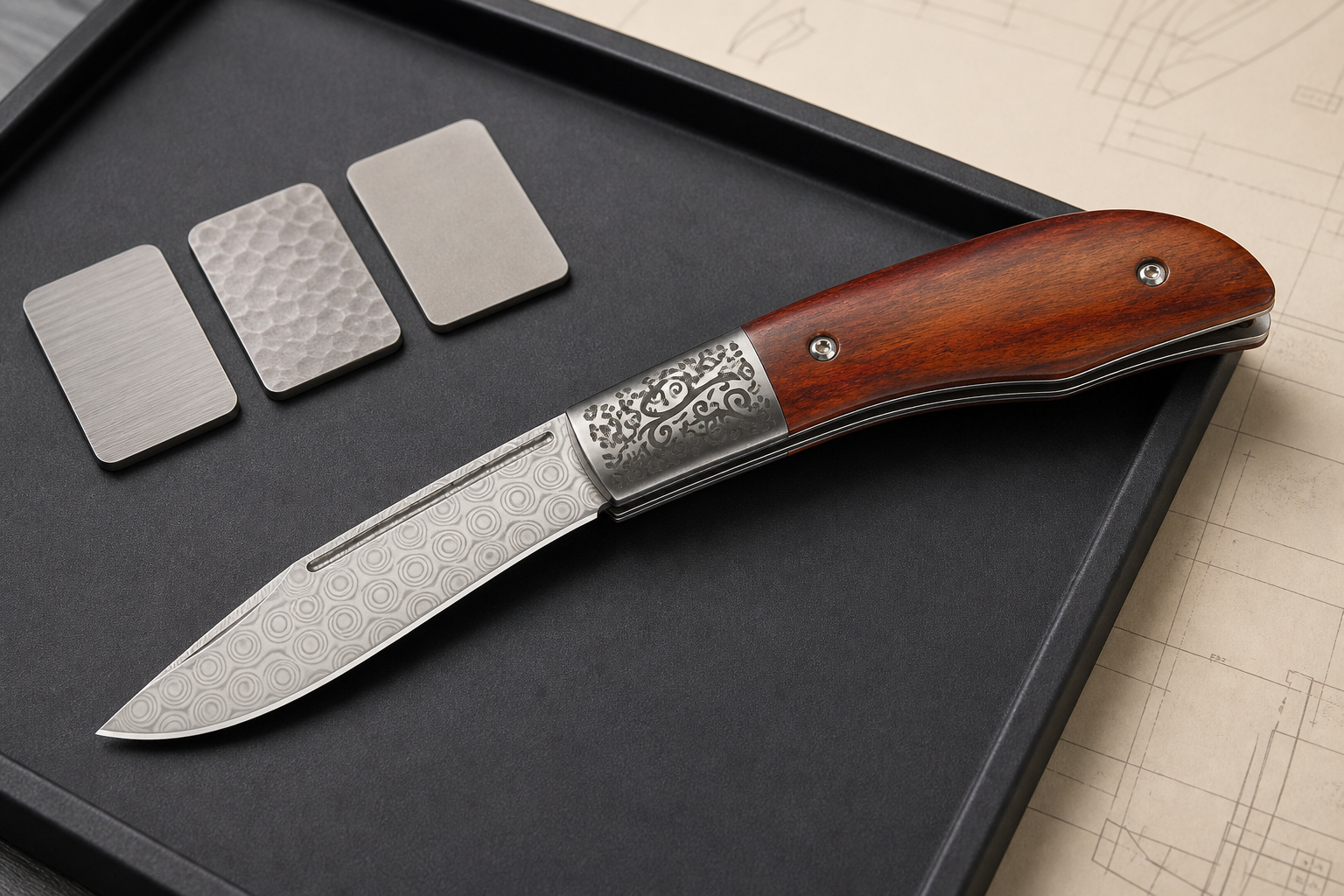
Many buyers assume a locking mechanism is always better because it sounds more advanced. That is too simple. A slip-joint pocket knife can be a very good product when the spring tension, half-stop behavior if used, blade seating, nail nick access, edge finish, and handle comfort are controlled. A simple friction folder can be useful in the right context when the buyer understands its limits and positions it honestly.
The real question is not old versus new. The question is whether the mechanism matches the use case. A small daily utility pocket knife may not need a heavy locking structure. A larger outdoor folder may need stronger retention and clearer lock behavior. A gift knife may prioritize smooth pull and finish. A work utility knife may prioritize one-hand access, grip, and safe storage.
Traditional mechanisms also remind buyers to avoid overclaiming. If the knife is non-locking, product copy should not imply hard-use lock security. If the knife is a light utility folder, copy should not imply prying, twisting, or heavy outdoor abuse. Honest positioning protects the brand and reduces customer complaints.
The ISO 9241-11 usability standard again helps here. Mechanism choice should be judged against the intended user, goal, and context, not by the most impressive feature list.
| Mechanism lesson | Buyer mistake to avoid | Better RFQ direction |
|---|---|---|
| Simple can be useful | Treating old style as weak | Define use limits clearly |
| Spring feel matters | Ignoring pull force | Request pull-force review |
| Closing behavior matters | Only testing opening | Test repeated open-close cycles |
| Copy must match function | Overstating strength | Use practical utility wording |
How Did Industrial Production Change Pocket Knife Quality Expectations?
Industrial production made pocket knives more available. It also raised the need for repeatability.
Industrial production changed buyer expectations by making consistency, interchangeable parts, controlled tolerances, inspection records, material selection, and scalable finishing more important.
I Translate Craft Into Repeatable Process
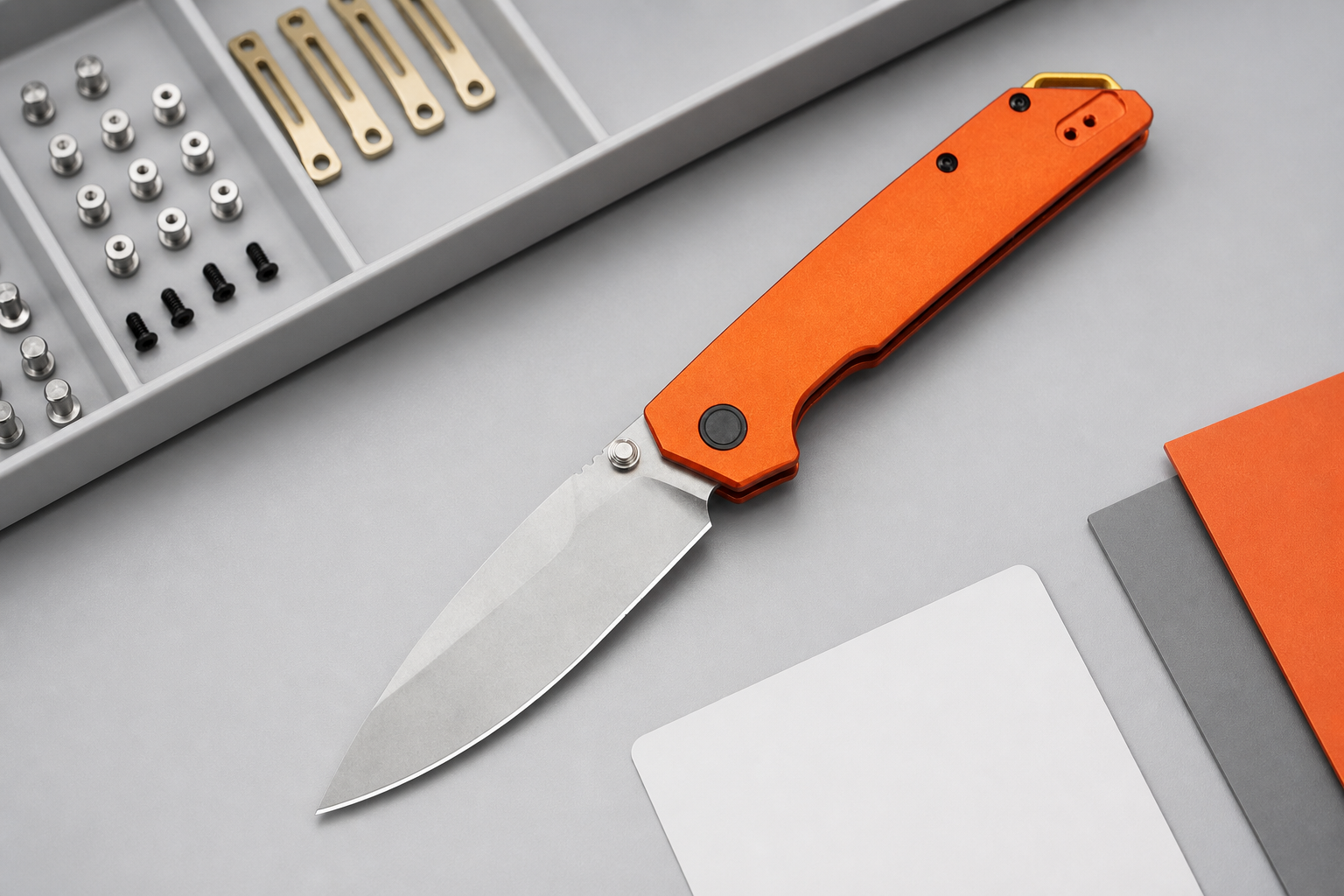
Hand skill still matters in knife production, especially in grinding, polishing, assembly, and final action tuning. But B2B buyers cannot rely on one skilled worker's memory. A factory order needs drawings, work instructions, incoming material checks, in-process inspection, final inspection, and records.
The Sheffield Museums metalwork collection description highlights cutlery objects as functional, decorative, collectible, and connected to design, craft, skill, and technological development. That combination is exactly what modern buyers should understand. A pocket knife is both a practical object and a manufactured product. It must feel good, look right, and repeat across the batch.
The NIST dimensional metrology page describes dimensional measurement as supporting detailed part information and manufacturing process improvement. In pocket knife production, this means pivot hole size, blade tang geometry, backspring fit, liner alignment, handle thickness, screw seating, and blade centering should be measurable.
The buyer should ask the supplier how the historical design idea becomes a modern process. If the answer is only "we can make it," the brief is not finished. Ask for tolerances, inspection points, sample standards, and corrective action.
| Quality expectation | Manufacturing control | Buyer check |
|---|---|---|
| Smooth action | Pivot, spring, detent, lock fit | Sample and batch inspection |
| Clean fit | Handle, liner, bolster, screw alignment | Boundary samples |
| Consistent finish | Grinding, polishing, coating control | Appearance standard |
| Repeatable geometry | Dimensional measurement | Tolerance table |
How Should Modern Buyers Translate History Into Safer Product Positioning?
History includes useful tools, social restrictions, and unsafe myths. Modern buyers should choose the useful parts carefully.
Modern buyers should translate history into practical utility positioning, not weapon imagery, exaggerated heritage, unsafe claims, or legal assumptions.
I Keep Heritage Language Calm and Practical
Some historical pocket knife stories include concealment, defense, or social restriction. That does not mean modern buyers should use those themes in product copy. For most independent-site, retail, and marketplace contexts, the safer and more useful positioning is simple: everyday cutting tool, outdoor utility tool, compact pocket tool, repair-kit tool, or classic folding utility knife.
GOV.UK guidance on buying and carrying knives is a reminder that modern knife rules can distinguish categories such as folding pocket knives, locking behavior, blade length, and restricted knife types. That source is UK-specific, so it should not be treated as a global answer. But it supports the broader sourcing point: history does not remove the need for target-market review.
The CCOHS sharp blades guidance discusses safe handling around sharp blades. For pocket knife buyers, that supports practical packaging and instruction choices: keep the blade closed when not in use, use the tool for suitable cutting tasks, avoid cutting toward the body, store safely, and keep away from children where applicable.
The buyer should avoid terms that turn a utility tool into a weapon story. Heritage can support craftsmanship, portability, repair, outdoor readiness, and classic design. It should not support unsafe use.
| Positioning choice | Good direction | Avoid |
|---|---|---|
| Heritage | Craft and everyday utility | Violent or concealed-use themes |
| Use case | Cutting, camping, repair, EDC | Self-defense claims |
| Packaging | Safe handling and storage | Dramatic weapon language |
| Market review | Local compliance check | Assuming history equals legality |
What Design Lessons Still Matter for OEM/ODM Pocket Knives?
Historical designs lasted because they solved real constraints. Modern buyers should keep the constraints, not copy every shape.
The lasting design lessons are portability, usable opening, reliable retention, comfortable handle shape, maintainable construction, honest materials, safe carry, and clear product purpose.
I Turn Historical Constraints Into Modern Requirements
The first lasting lesson is carry. The knife should be comfortable when closed. That means closed length, handle thickness, weight, clip or pouch choice, and edge coverage deserve early review.
The second lesson is access. The user should open the knife in a way that fits the product. A nail nick, long pull, thumb stud, thumb hole, or flipper can all work. The buyer should not choose the most fashionable mechanism automatically. The right mechanism fits the user and market.
The third lesson is retention and closing behavior. A pocket knife must feel controlled. A slip-joint should have suitable spring behavior. A locking folder should engage consistently. A friction design should be positioned correctly. The blade should sit safely in the handle when closed.
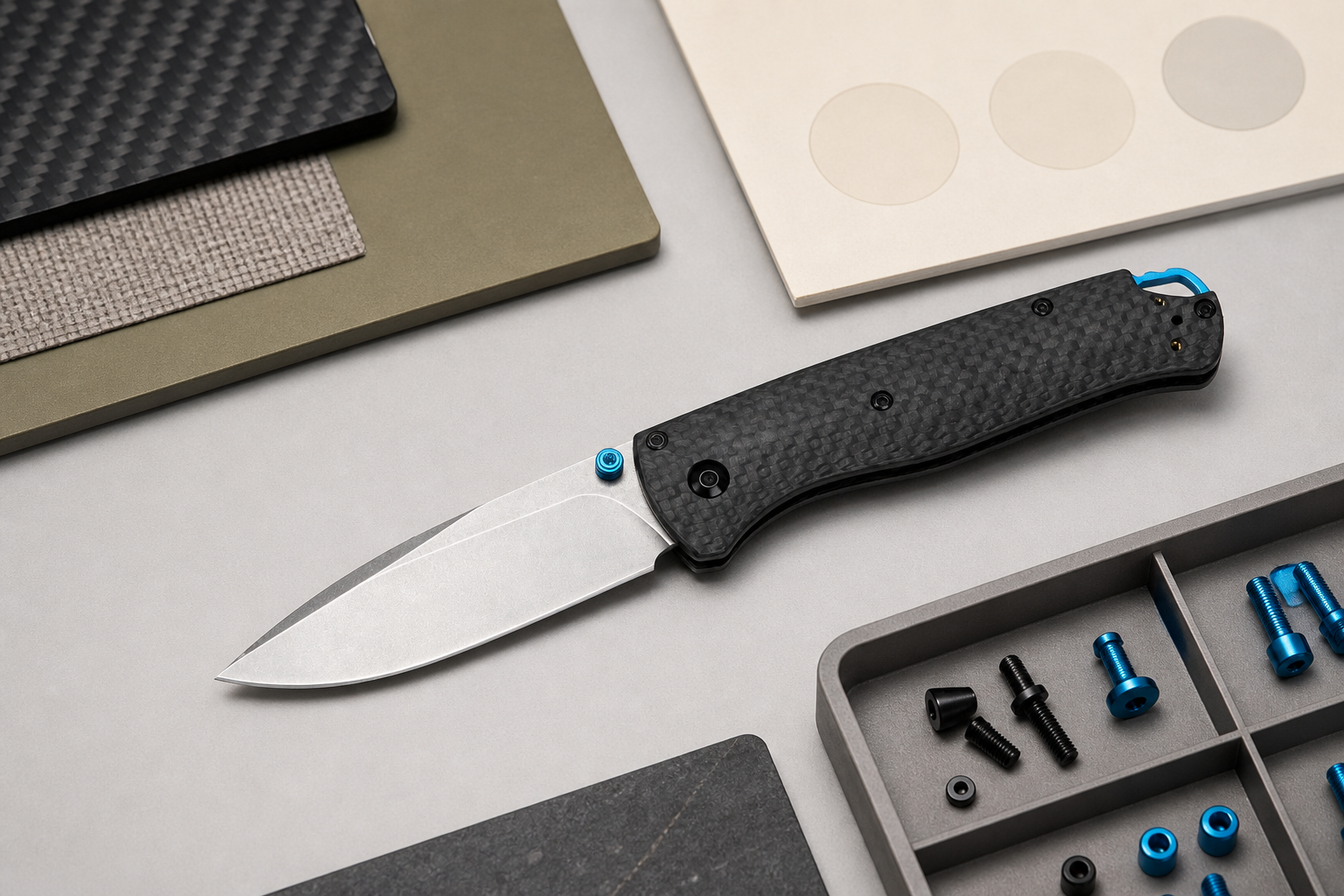
The fourth lesson is material honesty. Traditional materials and modern materials can both work. Wood, metal, polymer, micarta-style composites, G10-style laminates, and other handles all need the right thickness, finish, and assembly control. A heritage look with poor assembly will not satisfy modern buyers.
The fifth lesson is purpose. A pocket knife should not try to be everything. A compact office utility folder, an outdoor repair-kit folder, a traditional gift knife, and a work utility knife need different specifications.
| Historical constraint | Modern design requirement | RFQ field |
|---|---|---|
| Carry | Closed size, weight, clip or pouch | Carry method |
| Access | Opening method and handle relief | Opening feature |
| Retention | Spring, detent, lock, blade seating | Mechanism check |
| Material | Handle feel and durability | Material and finish |
| Purpose | Clear use case | Product positioning |
What QC Checks Turn Historical Design Ideas Into Repeatable Production?
Heritage style is easy to describe and hard to repeat. Inspection turns the idea into a product.
QC should check dimensions, pivot fit, blade seating, pull force or detent, lock or spring behavior, handle fit, screw security, edge finish, packaging fit, and records.
I Do Not Let "Classic" Become an Excuse for Variation
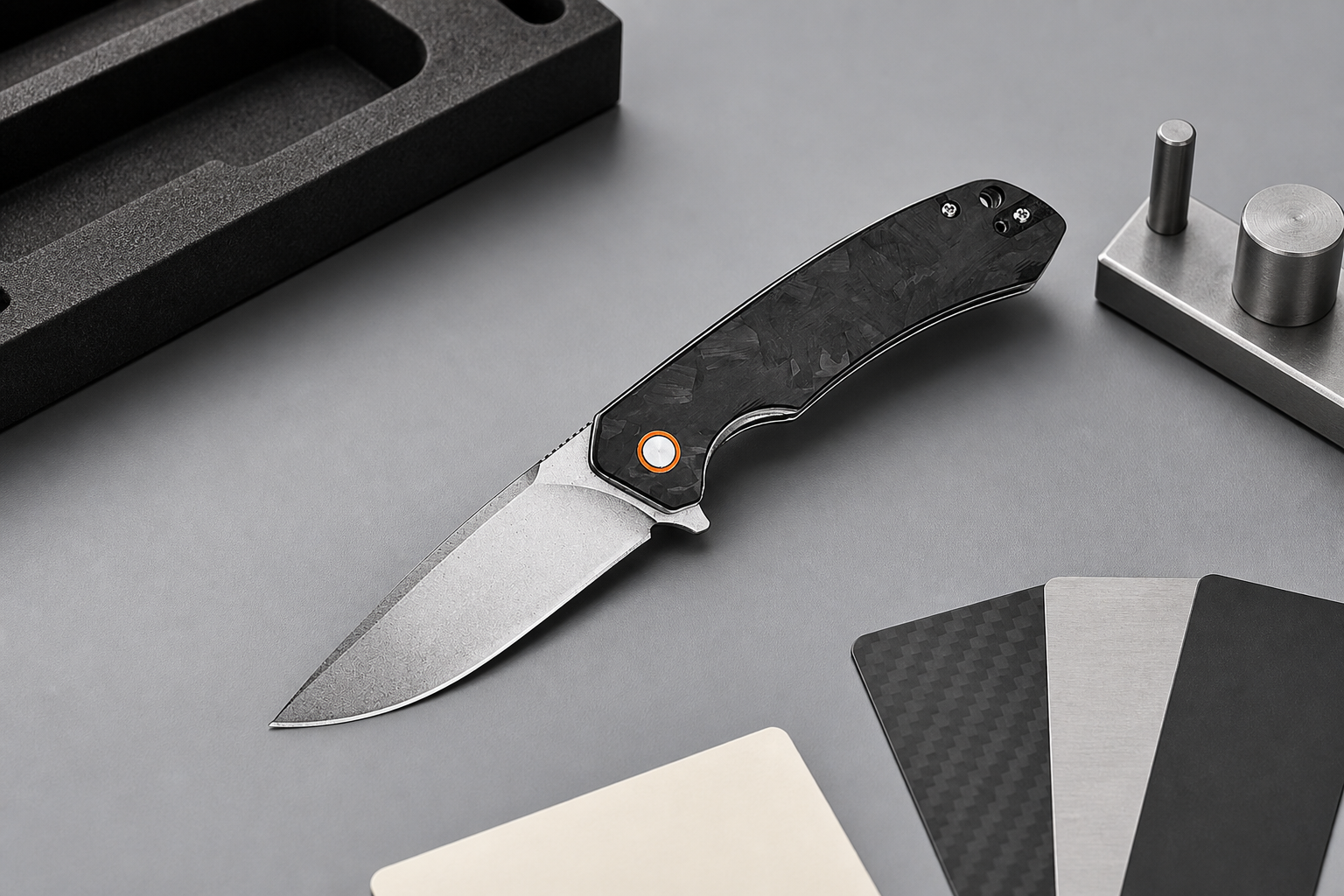
Classic design language does not excuse loose pivots, uneven pulls, rough nail nicks, blade rub, handle gaps, sharp scale edges, inconsistent spring behavior, or poor packaging. If anything, simple designs make defects more visible because the product has fewer decorative features to hide behind.
The ISO 9001 quality management page identifies ISO 9001 as a quality management system requirements standard. For a pocket knife project, I translate that into practical controls: approved drawings, approved samples, material checks, process checks, inspection records, corrective action, and clear responsibility.
QC should include dimension checks for blade length, closed length, handle thickness, and blade centering. It should include action checks for opening pull, detent, spring behavior, lock engagement if any, and closing feel. It should include finish checks for handle gaps, burrs, polish, coating, edge exposure, and screw seating. It should include packaging checks to make sure the knife cannot open or rub during shipment.
The buyer should also approve boundary samples. One sample may show the maximum acceptable pull force. Another may show the loosest acceptable blade feel. Another may show the minimum acceptable cosmetic standard. This keeps "classic" from becoming vague.
| QC area | What to inspect | Why it matters |
|---|---|---|
| Dimensions | Blade, handle, closed length | Consistent carry and fit |
| Action | Pull, detent, spring, lock | User trust |
| Fit and finish | Gaps, burrs, polish, screws | Perceived quality |
| Packaging | Rubbing and accidental opening | Safer shipment |
How Can Vast State Help Buyers Use Pocket Knife History Without Copying Competitors?
History is a good teacher. It should not push buyers into imitation or unsafe claims.
Vast State helps buyers use pocket knife history by translating lasting design lessons into original, compliant, manufacturable, and QC-ready OEM/ODM specifications.
I Turn Historical Inspiration Into a Clean Product Brief
In real projects, I help buyers avoid two mistakes. The first mistake is copying a historical shape without understanding the user's task. The second mistake is ignoring history and adding features that make the knife harder to carry, harder to sell, or harder to produce.
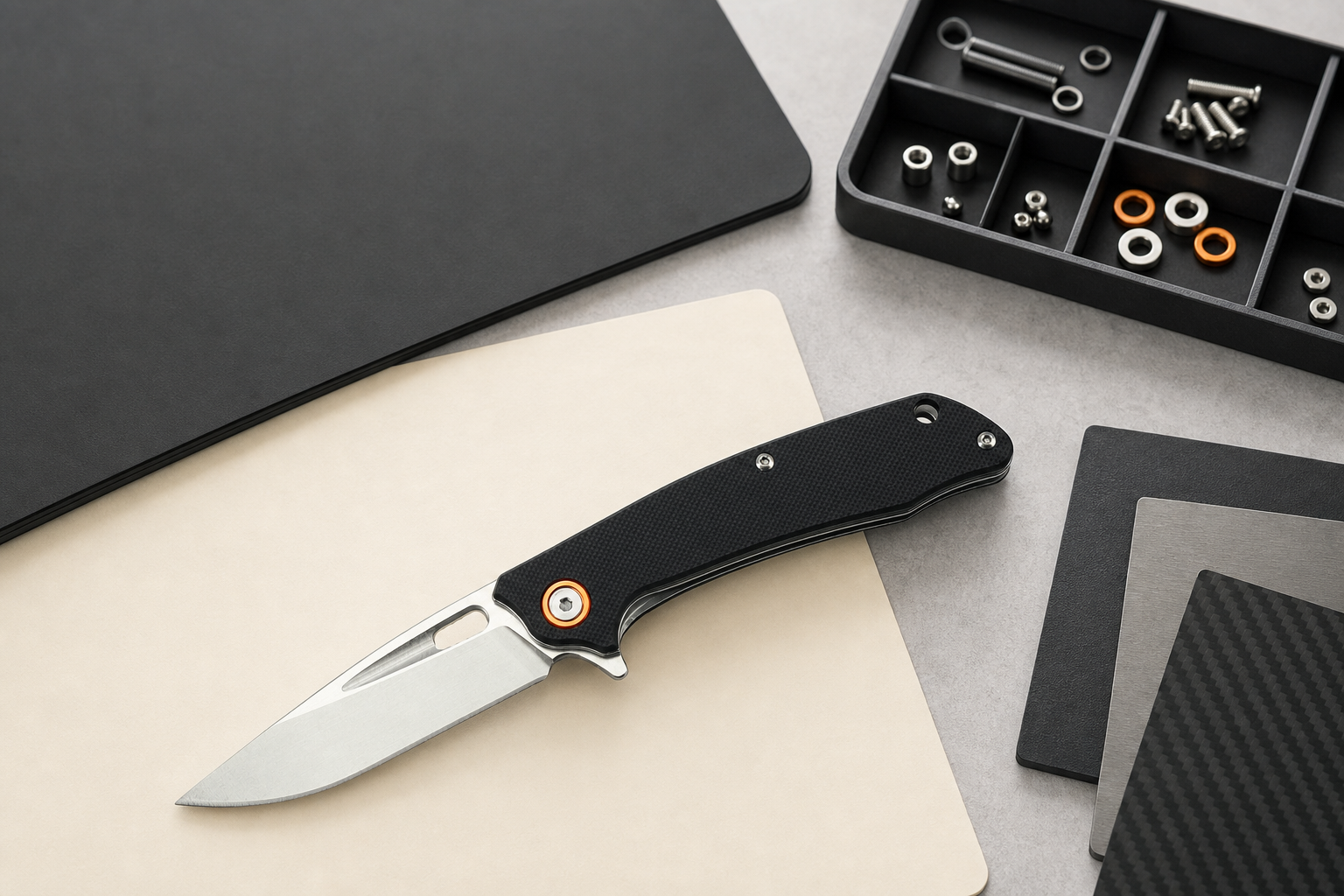
Vast State can help buyers define whether the project should feel classic, practical, modern, outdoor-ready, promotional, or retail-safe. From there, we can translate the direction into blade length, closed length, handle material, opening method, spring or lock behavior, finish level, packaging style, and QC checks.
We can also help keep the article and product copy independent. The buyer does not need to mention third-party brands, rankings, or specific models. The product can stand on its own: a practical pocket knife with a clear use case, accurate mechanism description, responsible safety wording, and repeatable production standard.
The best historical lesson is discipline. Good pocket knives endure because they are useful, portable, understandable, and well made. That is still the right goal for OEM/ODM development today.
| Buyer need | Vast State support | Project result |
|---|---|---|
| Use historical inspiration | Translate into original brief | Less imitation risk |
| Choose mechanism | Match user and market | Better usability |
| Set product copy | Keep wording practical | Lower channel risk |
| Control production | Build QC standards | More consistent batches |
Turn this article into a folding knife project.
Share your blade type, lock direction, steel preference, handle material, quantity, target market, and packaging needs. Vast State can prepare OEM/ODM options.
Conclusion
Pocket knife history helps buyers design practical, portable, responsible, and repeatable products without copying competitors or relying on unsafe nostalgia.