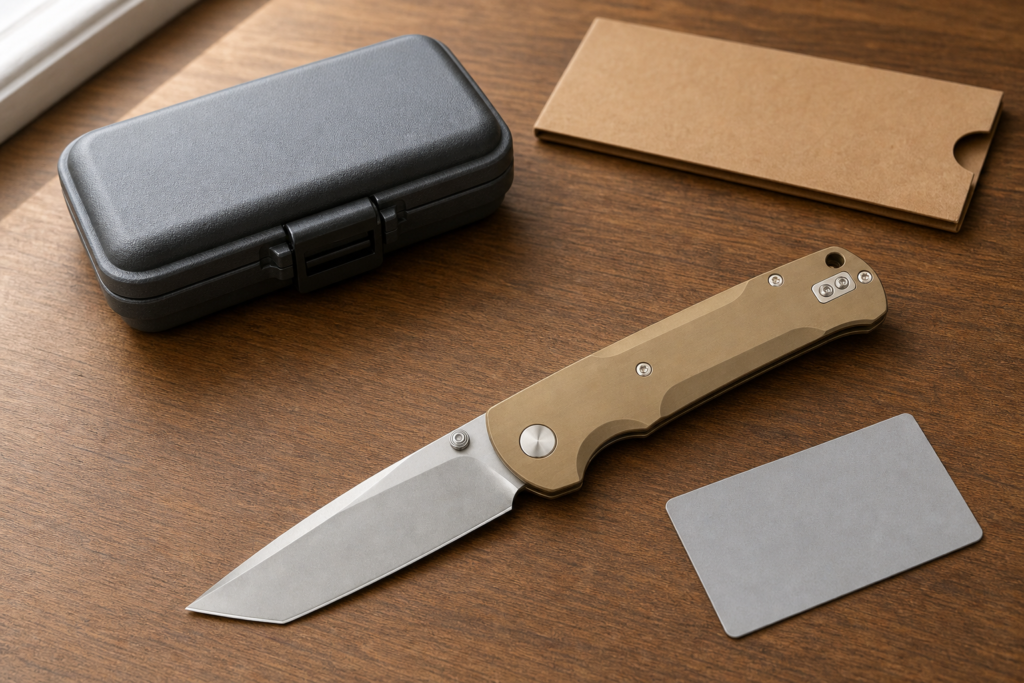
Pocket knife safety for youth markets is not a simple tips list. It is a product positioning, packaging, supervision, and channel-control problem.
Buyers should position pocket knife safety education for youth markets through adult-facing instructions, age-appropriate warnings, lawful-use language, supervised training context, conservative packaging, careful advertising, and retailer policy review before sourcing or launching.
Quick buyer brief:
- Answer: Do not market pocket knives as toys or direct-to-child products. If a buyer serves family outdoor, camping, scouting, farm, or training channels, safety education should be written for parents, guardians, instructors, and retailers first.
- Buyer context: This guide is for outdoor brands, camping brands, EDC brands, sporting-goods buyers, importers, distributors, marketplace sellers, private label teams, and OEM/ODM sourcing managers.
- Key checks: Intended age group, adult supervision language, lawful-use context, non-toy positioning, blade size, opening mechanism, lock type, package warnings, instructions, marketing imagery, retailer policy, privacy rules for youth content, QC inspection, and customer support plan.
Developing a folding knife line for your brand?
Vast State supports OEM/ODM folding knife projects, including blade steel, lock structure, handle material, finish, logo method, packaging, and quality inspection planning.
This article does not teach minors how to use a knife. It helps buyers design safer education, packaging, and channel controls when a pocket knife product may appear in youth-adjacent outdoor markets.
The key sourcing idea is simple: if a product may be seen by parents, guardians, instructors, or teen outdoor customers, the buyer must control how the product is described, packaged, sold, and supported. Safety education should reduce misuse, not make the product look exciting, tactical, or toy-like.
Why Is Youth Positioning Different From General Pocket Knife Marketing?
Youth positioning raises more risk than general EDC marketing.
Youth positioning is different because packaging, ads, imagery, claims, and sales channels can affect whether a product appears age-appropriate, toy-like, supervised, lawful, or unsafe.
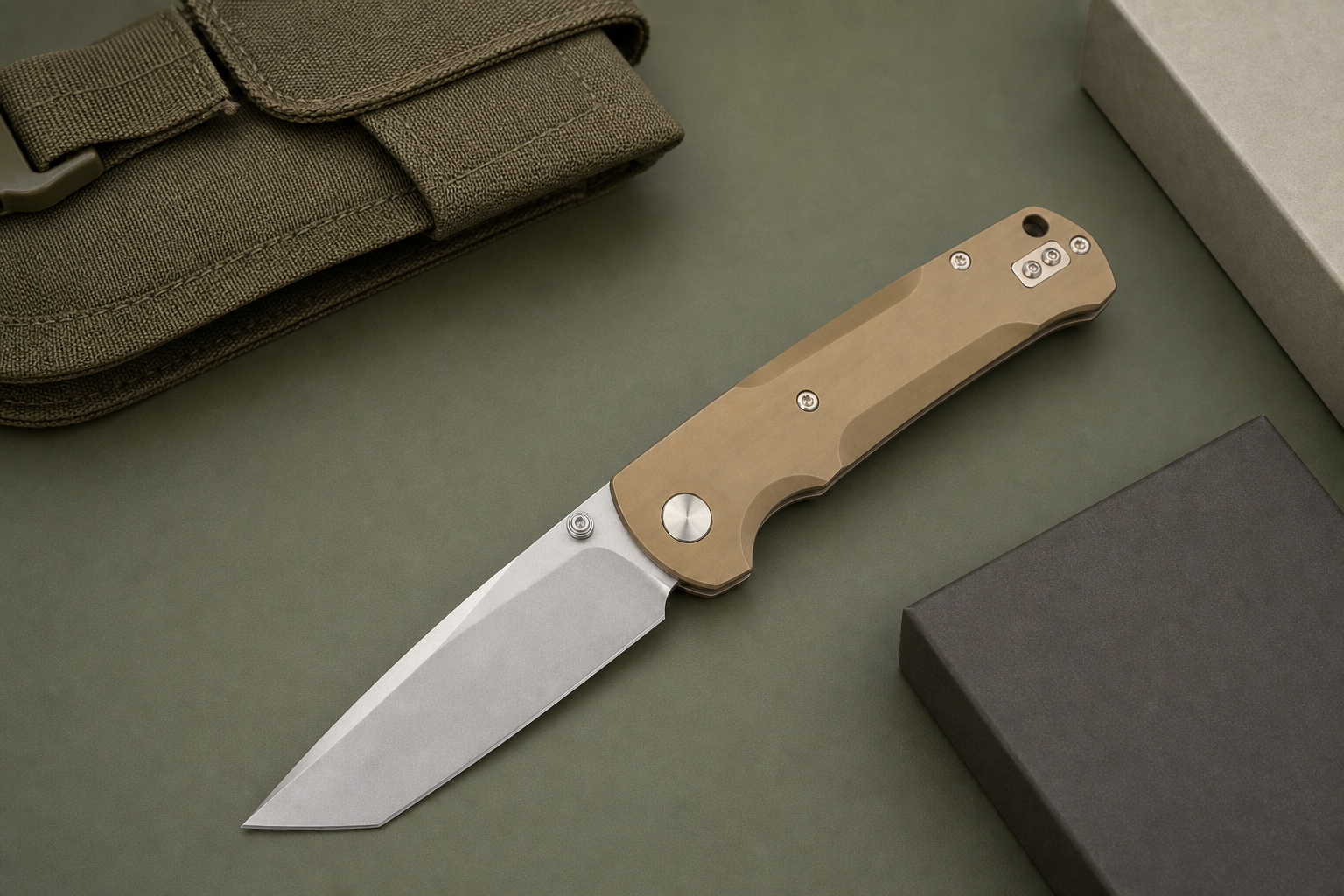
I Avoid Toy-Like and Direct-to-Minor Positioning
A pocket knife is a sharp tool. It should not be positioned like a toy, game accessory, school item, prank product, or impulse gift for children. Even when the target audience includes family camping, outdoor education, or supervised teen training, the buyer should write the product file for adults first.
The CPSC Children's Products page explains that products designed or intended primarily for children 12 years of age or younger can be subject to children's product rules, and that packaging, display, promotion, advertising, and age-determination factors matter. A knife buyer should not casually create child-directed positioning.
This does not mean every product connected to family outdoor activity becomes a children's product. It means the buyer should be deliberate. If the product is for general outdoor use, say that. If it requires adult supervision, say that. If a retailer has age rules, follow them. If a marketplace restricts knife categories, do not try to work around it with soft wording.
Better positioning is guardian-facing:
- For supervised outdoor education
- For lawful general outdoor utility
- For parent or instructor review before use
- For safe storage when not in use
- Not for unsupervised minors
- Not a toy
What Should Safety Education Actually Cover?
Safety education should set boundaries before it describes product features.
Safety education should cover adult supervision, lawful use, safe storage, closed-position handling, sharp-edge awareness, inspection before use, damaged-product removal, and when not to use the product.
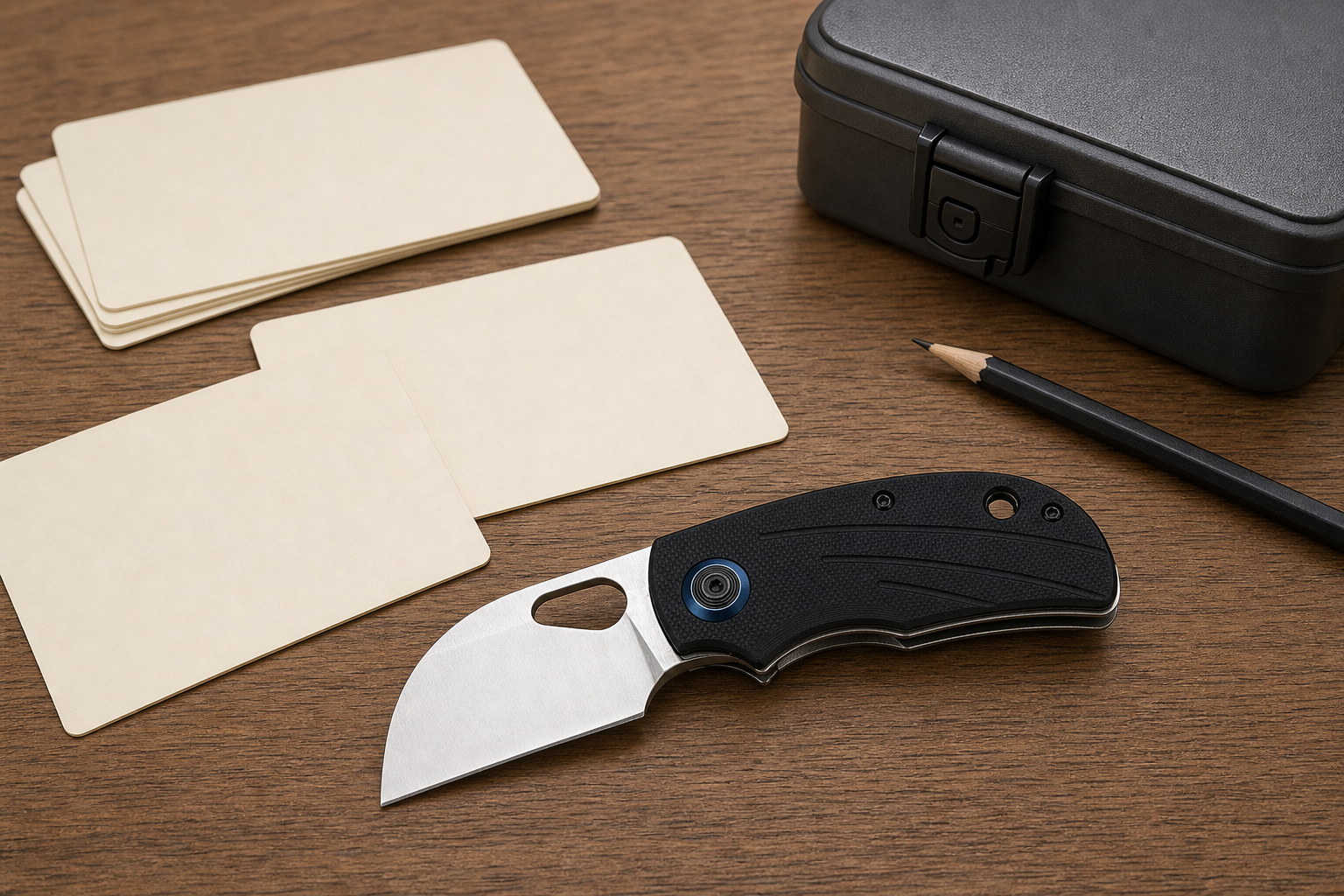
I Write Safety Education for the Adult Who Controls Access
Many safety articles jump straight into user tips. For youth-adjacent markets, that is the wrong order. The first audience should be the adult who buys, stores, supervises, teaches, and decides whether the product is appropriate.
The education card should not be dramatic. It should not make opening, carrying, or showing the knife feel exciting. It should communicate that a pocket knife is a sharp tool and that use depends on lawful context, adult permission, training, and storage.
The CCOHS sharp blades guidance supports general principles such as using the right tool, inspecting sharp tools, and storing sharp tools safely. A buyer can translate that into responsible package copy without giving minors a step-by-step use tutorial.
Safety education topics can include:
- Adult supervision required for youth training contexts
- Follow local laws, school rules, camp rules, and retailer rules
- Store closed and away from unauthorized access
- Inspect the product before supervised use
- Stop using a damaged, loose, or malfunctioning knife
- Keep packaging and instructions for reference
- Use only in appropriate outdoor or utility contexts
- Do not position the product for play, display at school, intimidation, or self-defense
How Should Age and Audience Be Handled on Packaging?
Age language should be conservative and reviewed by market.
Packaging should clearly avoid toy positioning, avoid child-directed design cues, identify the intended audience, use adult-supervision language where relevant, and match the buyer's actual sales channel.
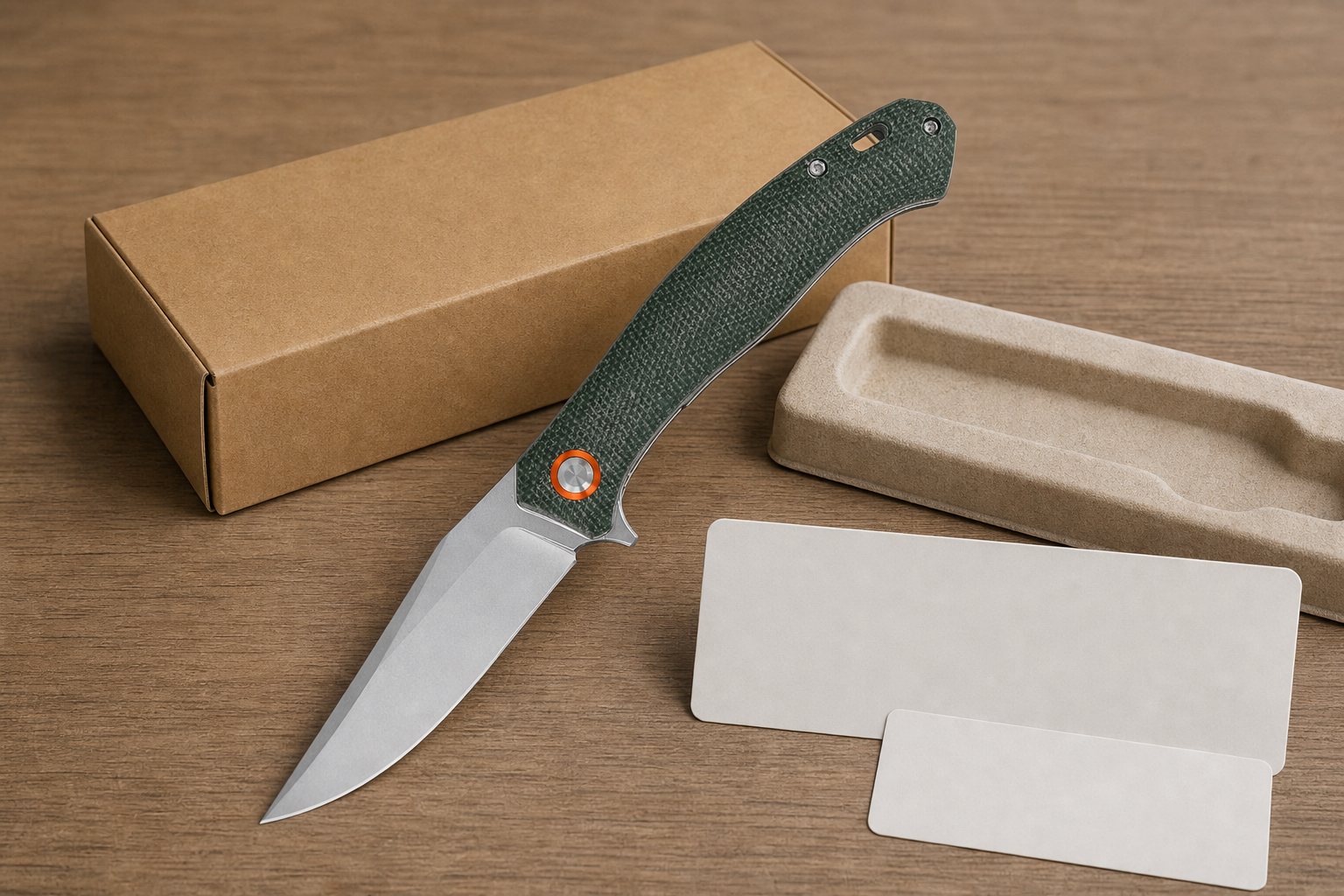
I Review the Package Like a Regulator, Retailer, and Parent
Packaging can accidentally send the wrong signal. Bright toy-like graphics, cartoon mascots, school-themed language, challenge language, or "first knife" copy can create problems. Even when the buyer wants a family outdoor product, the package should not encourage unsupervised youth handling.
The CPSC labeling requirements overview explains that labeling requirements can depend on product type, design, components, and intended age group. The buyer should therefore review warning copy and age positioning by market, not reuse a generic label.
The CPSC Age Determination Guidelines are also useful as a reminder that product characteristics, appeal, and child development can matter when thinking about age positioning. A knife buyer should be especially careful not to use design cues that make a sharp tool seem intended for young children.
Packaging review questions:
| Packaging item | Risk if ignored | Buyer action |
|---|---|---|
| Product name | May imply toy or school use | Use neutral tool language |
| Graphics | May attract children | Avoid cartoon or game-like design |
| Age language | May conflict with rules | Review by market and channel |
| Warning card | May be too vague | Write adult-facing storage notes |
| Claims | May be misleading | Support every claim |
| Instructions | May teach the wrong audience | Address guardians and instructors |
OEM/ODM RFQ Checklist
Prepare these details to help Vast State review your project and provide a more accurate quotation.
| RFQ Field | What to Prepare |
|---|---|
| Project type | OEM from drawing / ODM private label / wholesale catalog |
| Product category | Folding knife / fixed blade / multi-tool / outdoor tool |
| Design status | Idea / sketch / 2D drawing / 3D CAD / physical sample |
| Target price | Ex-factory target price or retail price range |
| MOQ expectation | 500 / 1,000 / 3,000 / 5,000+ pcs |
| Logo method | Laser engraving / etching / printing / molded logo |
| Packaging | Standard packaging / custom retail box / Amazon-ready |
| Market | USA / EU / Japan / Korea / Middle East / other |
| Compliance needs | Buyer-specified testing / documentation / labeling |
| Timeline | Sample deadline / mass production deadline |
How Should Buyers Control Advertising and Online Content?
Youth-adjacent advertising needs extra restraint.
Advertising should avoid direct appeals to children, risky challenges, influencer hype, hidden ads, self-defense themes, school-carry implications, and unsupported safety or legality claims.
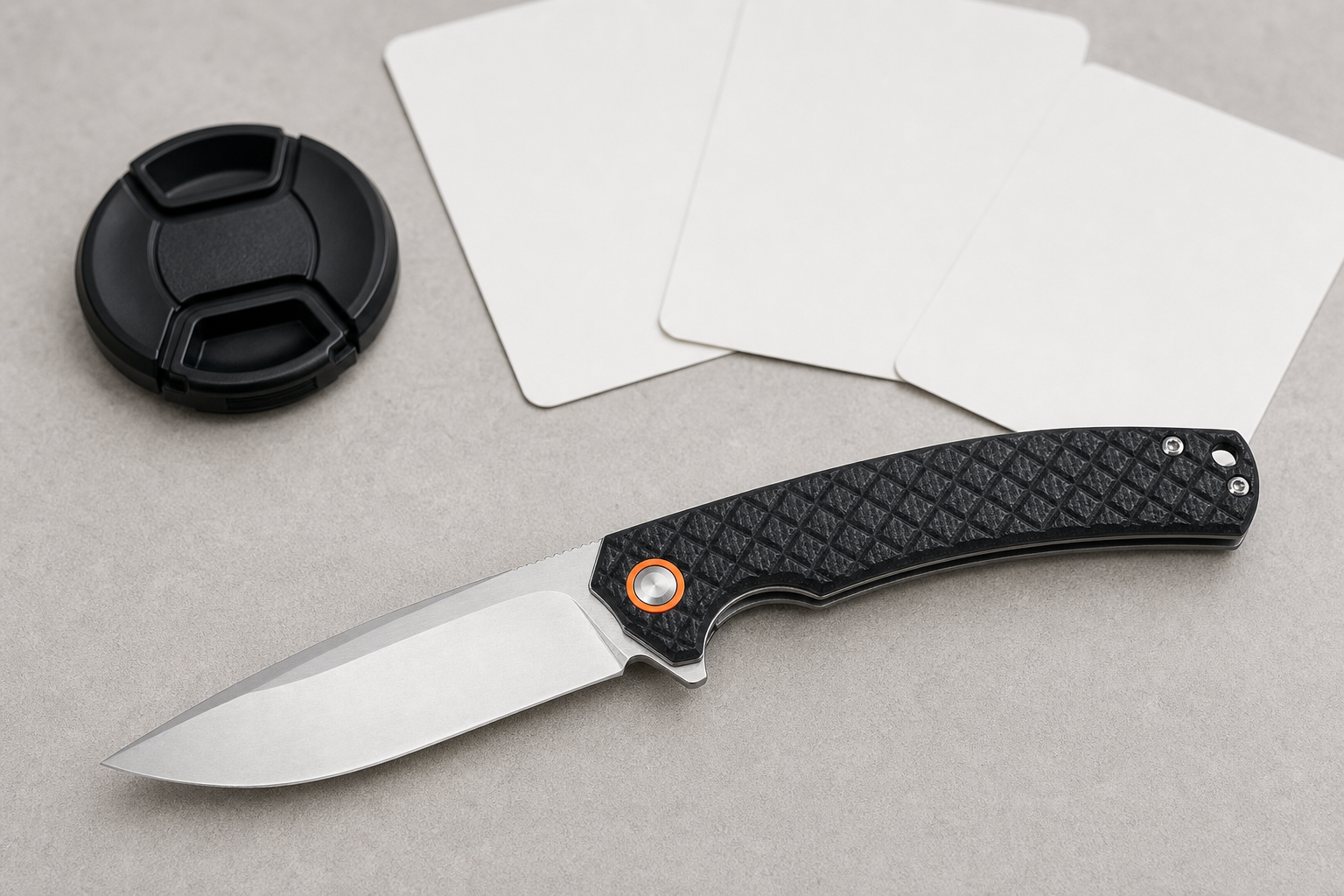
I Keep Marketing Adult-Facing and Evidence-Based
Marketing can create risk even if the product itself is well made. A buyer should avoid slogans that make pocket knives look like status symbols for teens. Avoid challenge language, viral dares, prank use, classroom use, hidden carry, or self-defense messaging. Avoid implying that the product is legal everywhere.
The FTC children advertising page reminds businesses that kid-related marketing and advertising directly to children require truth-in-advertising care. The FTC also warns that the difference between ads and content should be clear when marketing to kids and teens online.
The FTC advertising and marketing basics page states the broader principle that advertising claims should be truthful, not deceptive or unfair, and evidence-based. For knife buyers, this means safety claims, age claims, material claims, and legality claims should be checked before launch.
Content control should cover:
- Product page wording
- Image and video direction
- Influencer brief
- Marketplace listing copy
- Parent or guardian education page
- Email and SMS age targeting
- Comment moderation plan
- Privacy review for youth-related content
What Product Features Should Be Reviewed Before Youth-Adjacent Launches?
Product features must support the safety message.
Before youth-adjacent launches, buyers should review blade size, opening method, lock type, closed retention, handle grip, clip, edge finish, screw security, package retention, and instruction clarity.
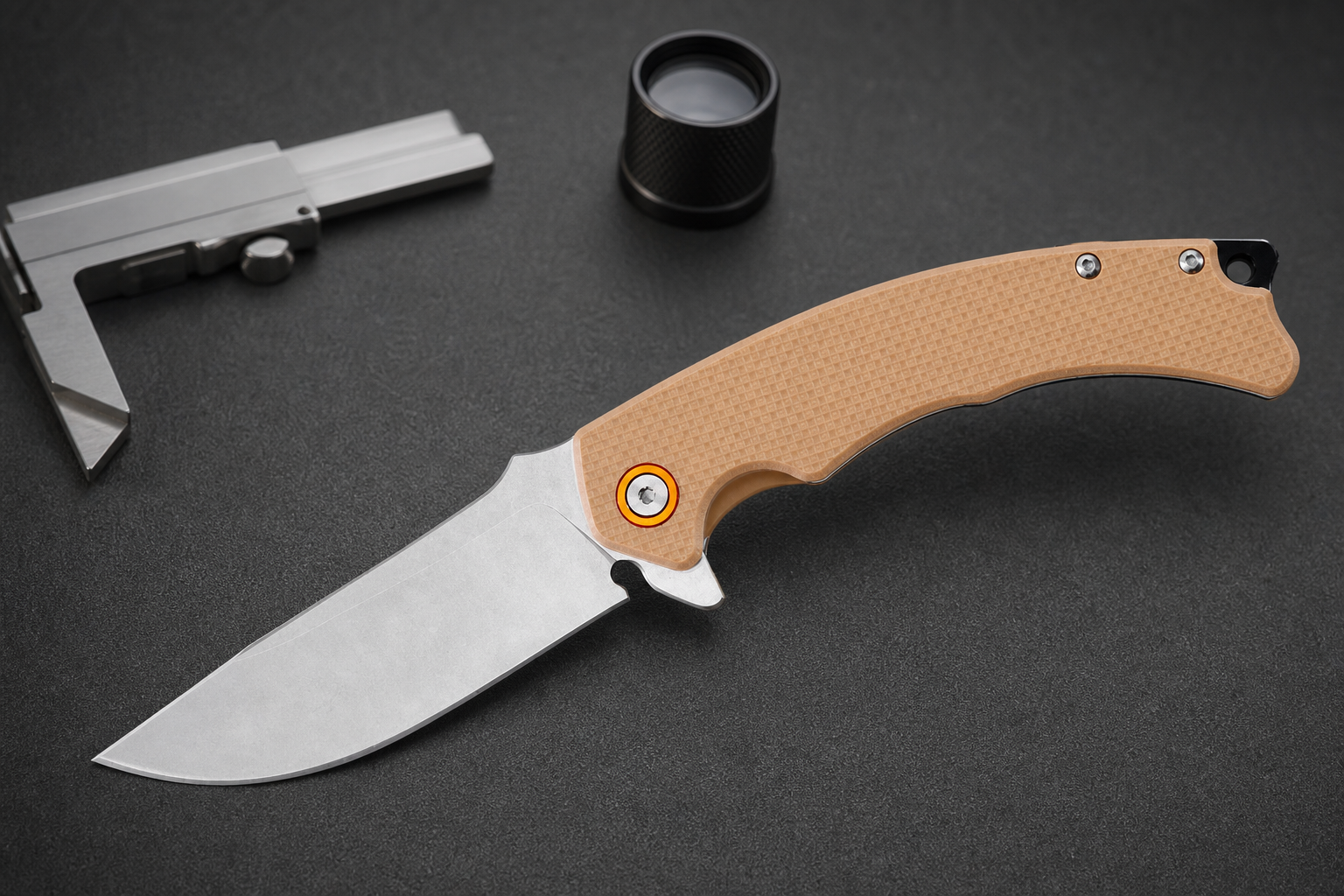
I Do Not Let Design Contradict the Education
If the product copy says "safe, supervised, outdoor tool," the design should not look tactical, aggressive, or toy-like. The buyer should review the whole product: blade length, handle color, opening method, lock, clip, edge, package, and instruction style.
For youth-adjacent education programs, simple and conservative is usually better. A complicated mechanism creates more explanation, more inspection points, and more risk of misuse. A bright toy-like handle may attract the wrong audience. A dramatic blade profile may create channel or parent objections. A strong clip may imply unsupervised carry where that is not appropriate.
Product review fields:
- Manual opening method and mechanism description
- Closed retention and lock function
- Blade length and edge finish
- Handle texture and contour
- Screw retention and hardware inspection
- Clip, pouch, or storage decision
- Package retention and point protection
- Instruction placement inside the package
- Customer service and incident response route
This is not about making the product look boring. It is about making the product credible, lawful, and supportable for the channel.
What QC and Supplier Controls Matter Most?
Safety positioning fails if production changes silently.
QC should confirm the approved sample, lock or closed retention, blade dimensions, edge finish, hardware security, packaging protection, warning placement, instruction sheet, and listing photos match the approved file.
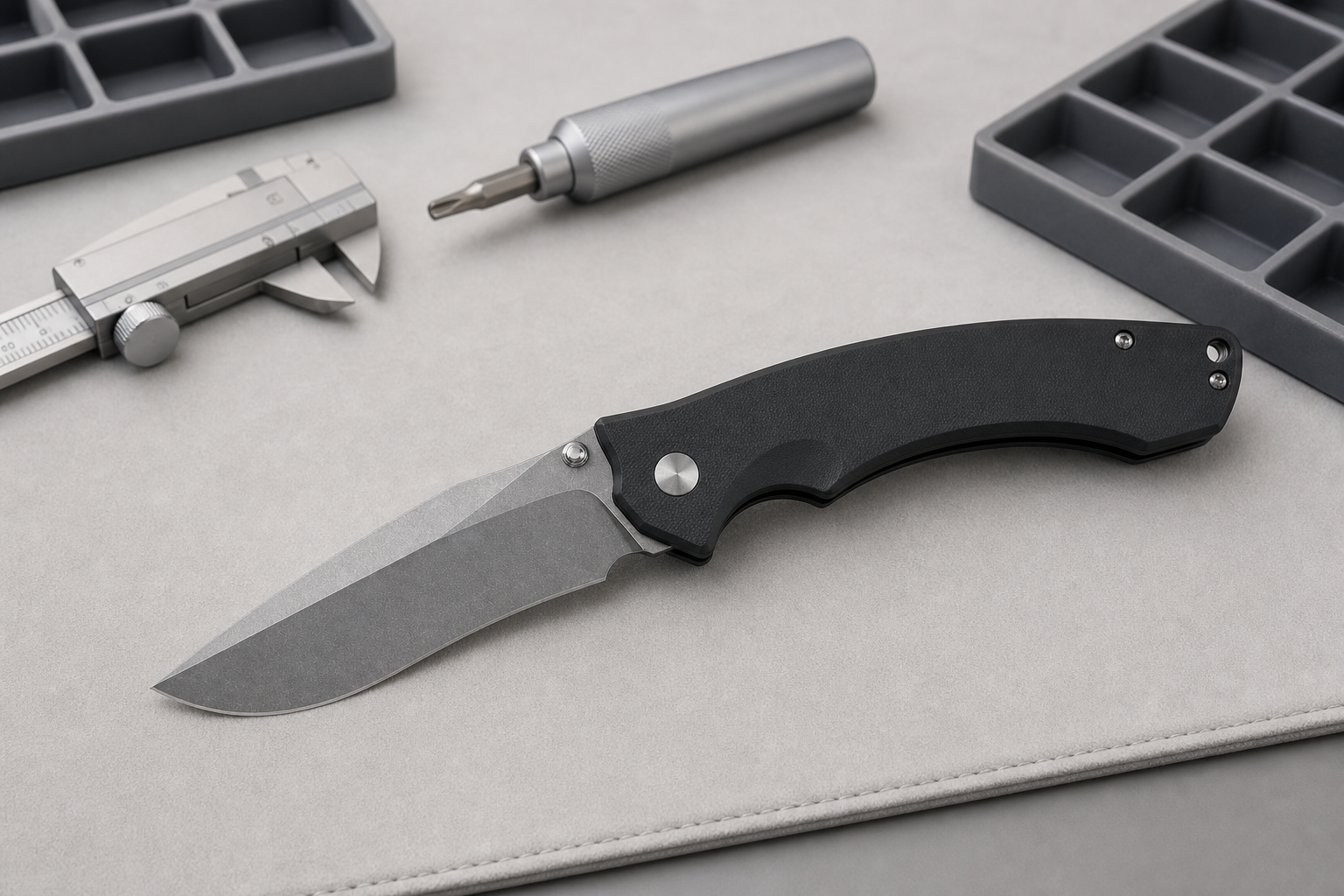
I Tie the Safety File to Final Inspection
A supplier may change a screw, detent, lock part, handle texture, blade finish, or package insert to save cost. In a youth-adjacent product, even small changes can undermine the safety file. The buyer should require change control and compare production against the approved sample.
The CPSC Handbook for Manufacturing Safer Consumer Products supports design review, hazard evaluation, documentation, supplier control, production control, records, and product safety audits. That is the right mindset for pocket knife programs with safety education.
The CPSC manufacturing best practices page also emphasizes supplier due care, documentation, spot checks, and ongoing compliance work. Buyers should treat safety copy, packaging, and instructions as inspected product components, not as optional inserts.
QC checks should include:
- Approved sample match
- Blade length and edge finish
- Lock and closed retention function
- Screw and clip security
- Handle texture and finish
- Packaging retention
- Warning and instruction placement
- Carton and product label wording
- Marketplace image match
- Final inspection photo records
How Should Retailers and Marketplaces Be Managed?
The sales channel may be stricter than the product brief.
Retailers and marketplaces may restrict knife listings by blade type, opening mechanism, age positioning, imagery, wording, shipping method, local law, and category policy.
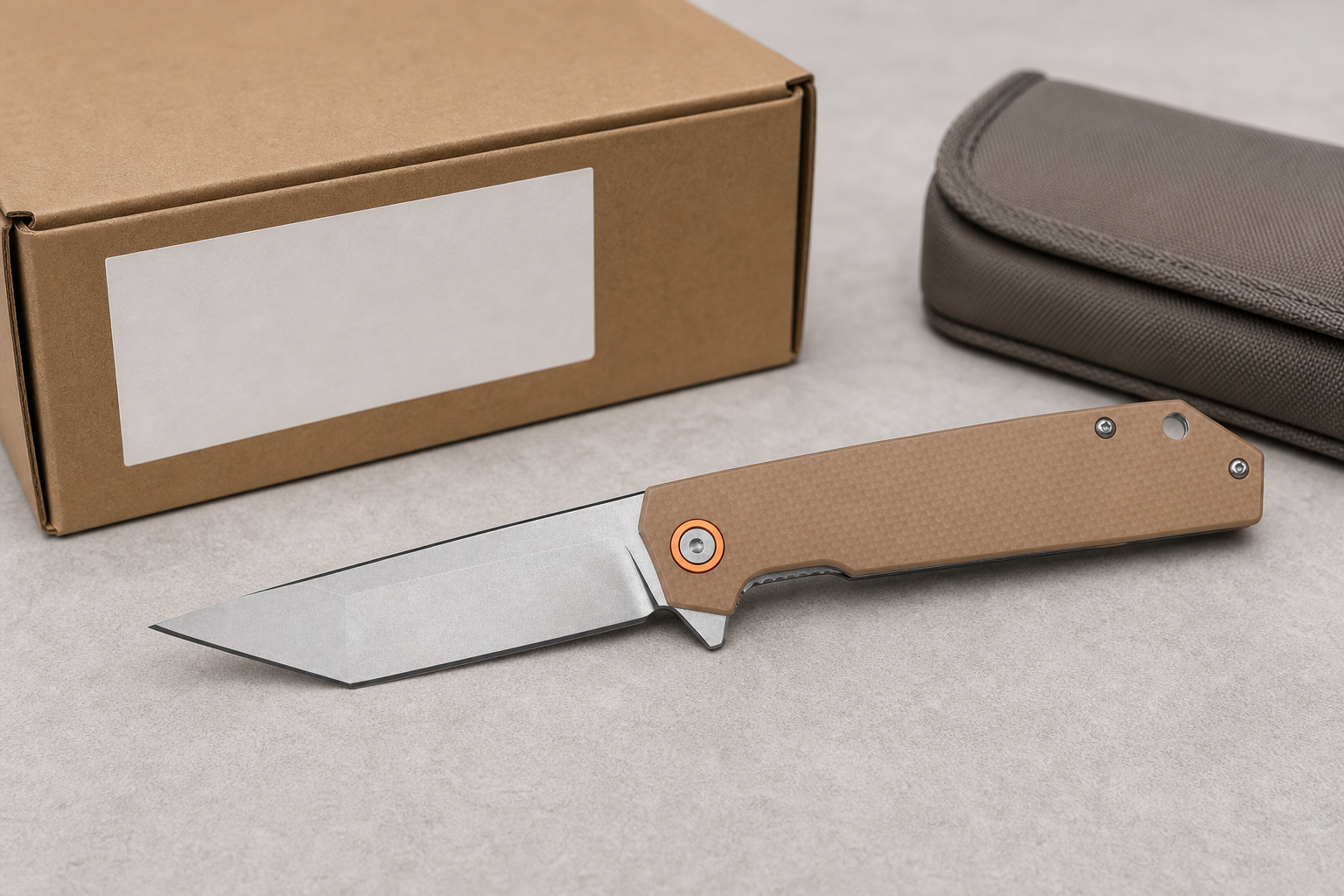
I Check the Channel Before the PO
Some buyers finish the sample and then discover the channel does not allow the listing. That is expensive. The channel check should happen before the purchase order. A marketplace may reject youth-oriented wording. A retailer may require age restrictions. A distributor may require specific warnings. A carrier may have shipping limits.
This article is not legal advice. Knife rules vary by jurisdiction and channel. Buyers should consult counsel, customs brokers, marketplaces, carriers, and retailers before launch.
Retail and marketplace review should cover:
- Product category and blade type
- Opening mechanism
- Age gate or purchase restriction
- Listing images
- Product title and keywords
- Warning copy and lawful-use language
- Shipping method
- Returns and customer support process
- Incident reporting plan
For youth-adjacent positioning, a conservative channel review protects the buyer. It also protects the retailer relationship.
When Should Buyers Avoid Youth Positioning Entirely?
Some products should stay away from youth messaging.
Buyers should avoid youth positioning when the product has aggressive styling, complex mechanisms, unclear laws, weak packaging, no adult-supervision plan, no retailer support, or marketing that could appeal to children.
I Prefer General Outdoor Positioning When the Risk Is Unclear
Not every pocket knife should be connected to youth education. If the product is too complex, too sharp-looking, too tactical, too hard to store, or too hard to explain, the buyer should keep it in general adult outdoor or utility positioning. That may be safer and easier to sell.
Avoid youth positioning when:
- The product looks toy-like or aggressive.
- The opening mechanism is hard to explain.
- The package cannot clearly control storage.
- The retailer will not support the category.
- The buyer cannot review local law.
- The marketing team wants direct-to-teen hype.
- The instruction card is too weak.
- The supplier cannot control production changes.
Sometimes the better business decision is to build a parent-facing outdoor safety article separately from the product page, or to choose a different product for family channels. A safety message should not be used to make a risky product easier to sell.
How Can Vast State Help Buyers Build Safer Education and Packaging?
Vast State can help buyers turn safety positioning into a controlled sourcing file.
Vast State helps buyers prepare adult-facing safety education, packaging copy, RFQ fields, product feature checks, channel review notes, supplier document requests, and QC criteria for pocket knife programs.
I Connect the Message, Product, Package, and QC Plan
Safety education should not live in a separate file that nobody inspects. It should connect to the product specification, packaging design, supplier declaration, listing copy, and final inspection checklist. Vast State can help buyers organize that system before production starts.
For a pocket knife program, we can support:
- Adult-facing safety education card
- Non-toy positioning review
- Packaging and warning copy draft
- RFQ fields for mechanism, storage, and instructions
- Supplier document request
- Product feature risk review
- Marketplace and retailer copy preparation
- QC checklist for package and instruction placement
- Alternative product planning when youth positioning is not suitable
The goal is not to make youth marketing more persuasive. The goal is to make a sharp-tool product line more responsible, more consistent, and easier for retailers and parents to understand.
Turn this article into a folding knife project.
Share your blade type, lock direction, steel preference, handle material, quantity, target market, and packaging needs. Vast State can prepare OEM/ODM options.
Conclusion
Pocket knife safety education for youth markets should be adult-facing, conservative, supervised, well documented, channel reviewed, and tied to product QC before launch.