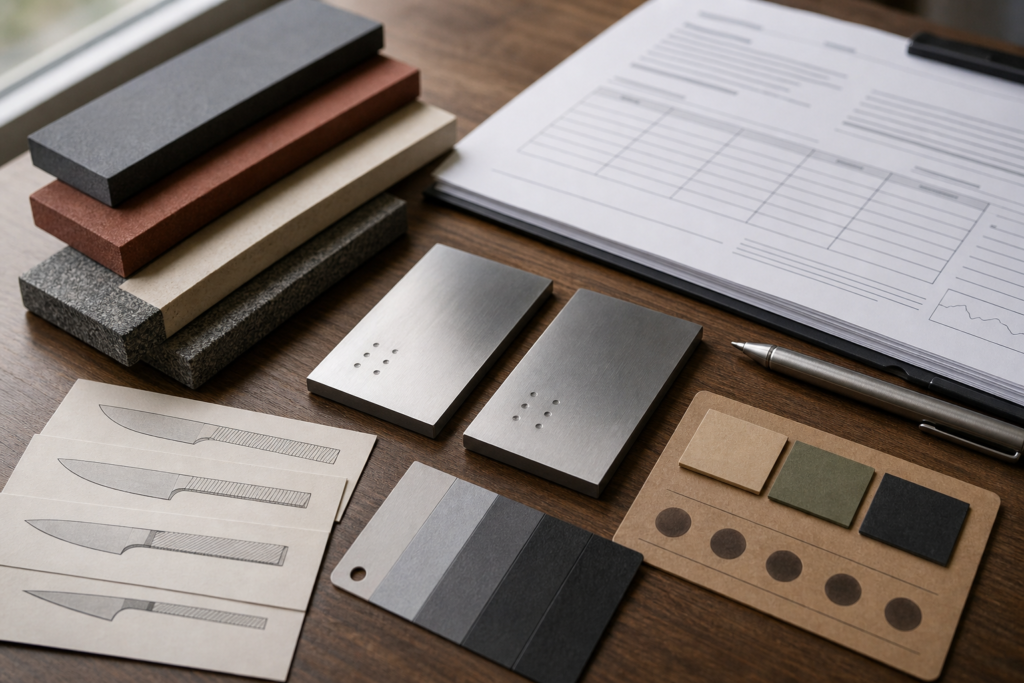
Steel comparisons can sound simple, but the wrong steel can hurt margin, production stability, and customer reviews. I compare S35VN and M390 by project fit.
S35VN often fits OEM/ODM knives that need balanced toughness, easier machining, easier sharpening, and controlled cost. M390 often fits higher-positioned knives that need stronger wear resistance, corrosion resistance, polishability, and market recognition. The better choice depends on use case, heat treatment, edge geometry, finish, and target price.
Quick buyer brief:
- Answer: Choose S35VN for balanced production and user-friendly performance; choose M390 for higher wear and corrosion positioning.
- Buyer context: This helps knife brands, importers, wholesalers, and sourcing managers define steel before sampling.
- Key checks: Alloy design, target hardness, edge geometry, heat treatment, grinding cost, corrosion need, packaging claim, and QC records.
Planning a knife project with this steel?
Send us your target market, MOQ, price range, and blade type. Vast State can help you choose the right steel, HRC range, finish, handle material, and QC requirements for OEM/ODM production.
When a buyer asks me whether S35VN or M390 is better, I first ask what the knife must do and where it will sell. A folding knife for a broad EDC line, a higher-positioned collector SKU, a coastal outdoor model, and a wholesale catalog knife should not use the same steel logic. Steel choice should support the product promise, not simply decorate the product page.
Why Is Better the Wrong Question for S35VN and M390?
The word better can mislead buyers. A more expensive steel can still be wrong if the design and price point do not match.
S35VN and M390 should be compared by product role, not by a single better-or-worse ranking. Buyers should review toughness, edge retention, corrosion resistance, machinability, sharpening, cost, supply, and QC control.

I turn a steel debate into a product decision
In OEM and ODM work, I do not like choosing steel from a ranking chart alone. A ranking can help buyers understand the market, but it cannot tell me the buyer's target price, warranty tolerance, edge angle, finish option, packaging claim, or customer skill level for sharpening. S35VN and M390 are both respected stainless powder metallurgy steels, but they solve different problems.
S35VN is often a practical balanced choice. It can support a strong mid-to-high product line where the buyer wants good toughness, good corrosion resistance, reasonable edge retention, easier machining, and easier sharpening. M390 often works when the product needs a higher-positioned stainless story, higher wear resistance, strong corrosion appeal, and more visible market recognition. The question is not which steel wins in every metric. The question is which steel helps the buyer build a product that customers understand and that production can repeat. This is especially important for private label buyers because a steel upgrade can increase raw material cost, grinding time, inspection needs, and final retail expectations.
| Buyer question | Practical meaning | Better RFQ action |
|---|---|---|
| Which one is better? | Too broad to answer | Define the knife category first |
| Which one cuts longer? | Edge retention and geometry | Set edge angle and HRC target |
| Which one is more forgiving? | Toughness and sharpening | Consider S35VN |
| Which one sounds more premium? | Market recognition and claims | Consider M390 if budget fits |
Quote-ready RFQ Checklist for This Steel
To get an accurate OEM/ODM quote, prepare these details before contacting a knife manufacturer.
| RFQ Field | What to Prepare |
|---|---|
| Product type | Folding knife / fixed blade / multi-tool / kitchen knife |
| Target market | US / EU / outdoor retail / promotional / tactical / EDC |
| Steel option | 4116 / 14C28N / D2 / N690 / Nitro-V |
| Target HRC | Example: 55-57 HRC, 58-60 HRC |
| Blade finish | Satin / stonewash / black coating / bead blast |
| Handle material | G10 / micarta / aluminum / stainless steel / wood |
| Lock or structure | Liner lock / frame lock / slip joint / full tang |
| Estimated quantity | 500 / 1,000 / 3,000 / 5,000+ pcs |
| Packaging | White box / color box / blister / pouch / gift box |
| Required documents | Drawing / sample photo / logo file / packaging artwork |
How Do S35VN and M390 Differ in Alloy Design?
Steel names hide real chemistry. If the alloy direction is unclear, the buyer may expect the wrong performance.
S35VN is designed as a balanced CPM stainless steel with niobium and vanadium carbides, while M390 is a high-chromium powder metallurgy steel with strong wear and corrosion positioning.
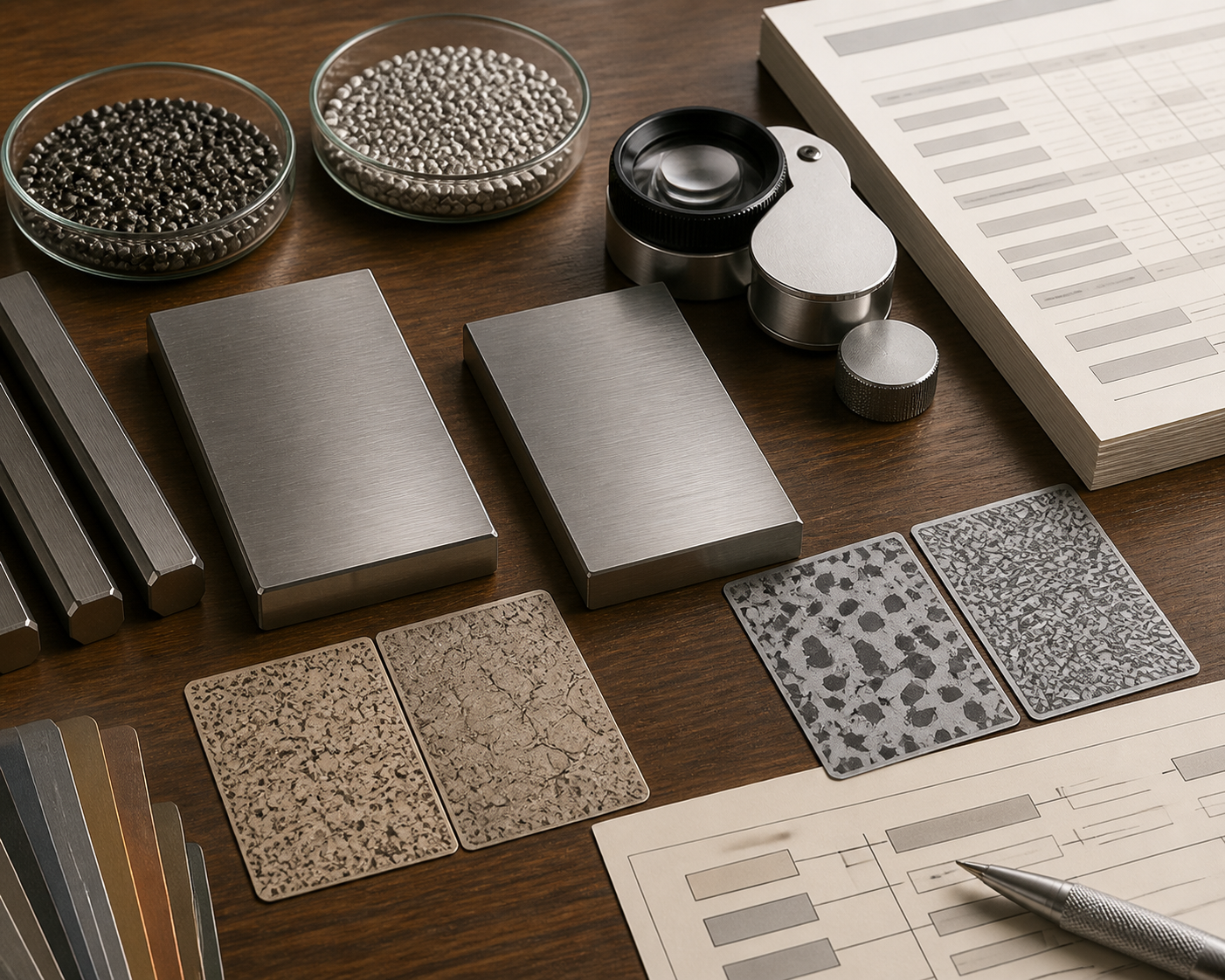
I read the alloy purpose before I read the sales claim
The CPM S35VN data sheet lists a typical composition of 1.40 percent carbon, 14.00 percent chromium, 2.00 percent molybdenum, 3.00 percent vanadium, and 0.50 percent niobium. The sheet says S35VN was designed to offer improved toughness over S30V, with better machining and polishing. It also explains that niobium carbides replace some vanadium carbides, supporting toughness without losing wear resistance compared with S30V.
The Bohler M390 MICROCLEAN data sheet lists 1.9 percent carbon, 20 percent chromium, 1 percent molybdenum, 4 percent vanadium, and 0.6 percent tungsten. It describes M390 as a powder metallurgy corrosion-resistant martensitic chromium steel with very high wear resistance and good corrosion resistance. In practical terms, S35VN is a balanced and forgiving knife steel direction. M390 is a higher-wear and higher-stainless-positioning direction. Both need good heat treatment. Neither steel becomes excellent by name alone.
| Steel | Alloy direction | Practical meaning |
|---|---|---|
| S35VN | Niobium and vanadium carbide balance | Toughness, sharpening, machining, and stable production |
| M390 | High chromium with vanadium, molybdenum, and tungsten | Wear resistance, corrosion story, polishability, and higher positioning |
| Both | Powder metallurgy stainless steels | Need controlled heat treatment and records |
| Main risk | Overpromising from the name | Match steel to product role |
When Does S35VN Make More Sense for OEM/ODM Knives?
A buyer can overspend on steel and still get a worse product-market fit. Balanced steel can be the smarter choice.
S35VN makes sense when buyers need a practical stainless blade with better toughness, easier machining, easier sharpening, controlled cost, and stable performance for broad EDC, outdoor, and private label programs.
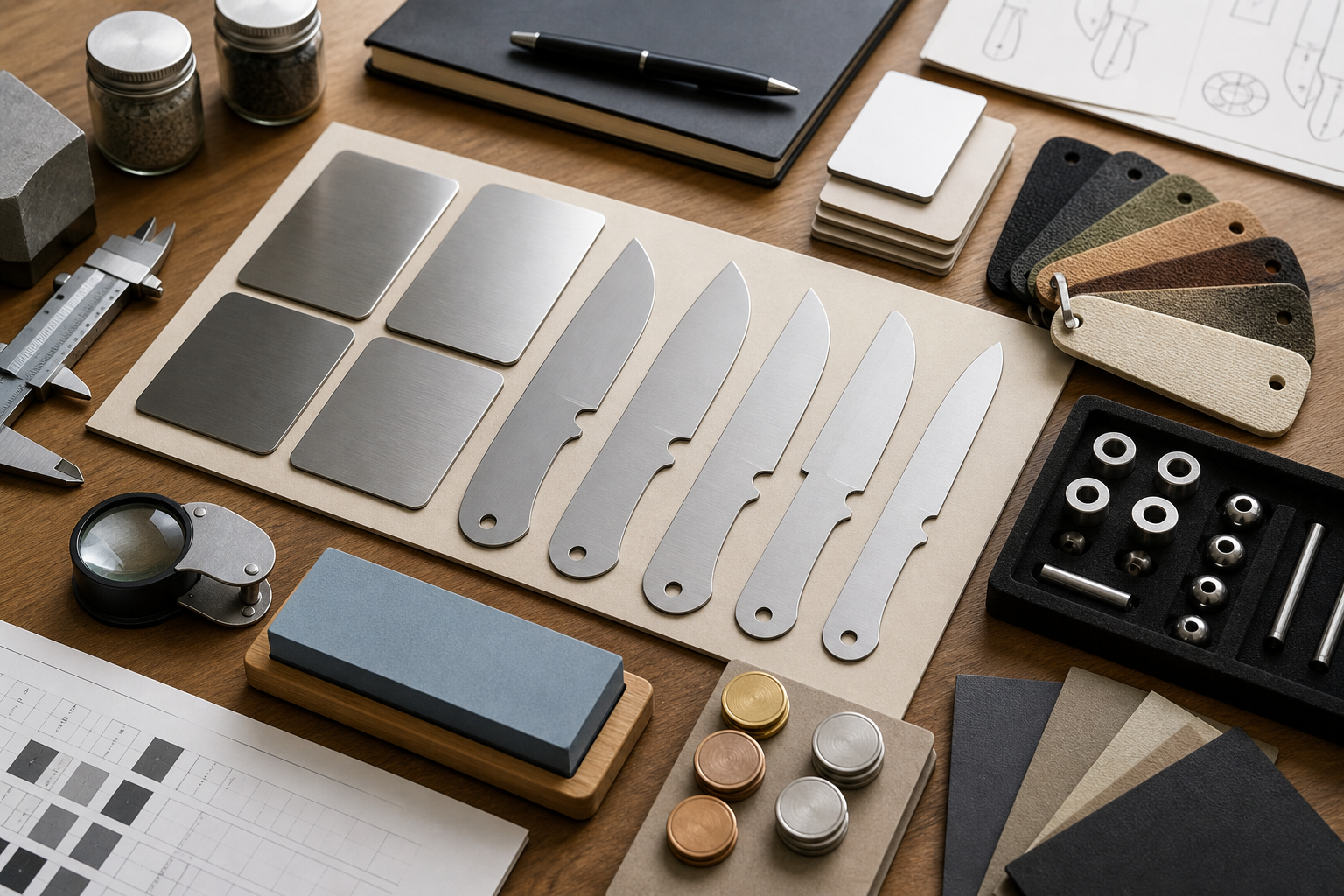
I use S35VN when the product needs balance
S35VN is useful when the buyer wants a knife that is easy to explain, easy to maintain, and easier to produce than more wear-heavy steels. In the S35VN data sheet, Crucible's technical wording focuses on improved toughness over S30V, better resistance to edge chipping, and easier machining and polishing. Those are practical production advantages. They matter when a buyer needs repeat batches, stable finishing, and manageable warranty risk.
For many B2B knife programs, S35VN can support a strong value story without pushing the project into a very high-cost tier. It can fit folding knives, EDC knives, outdoor knives, general utility knives, and private label programs where customers care about real use more than maximum edge retention. It can also fit buyers who want a steel that end users can sharpen with more common equipment. I still need the right hardness target, edge angle, and heat treatment route. But when the buyer wants a balanced stainless product that feels honest and practical, S35VN often deserves serious consideration.
| S35VN project need | Why it fits | Buyer benefit |
|---|---|---|
| Broad EDC line | Balanced toughness and edge retention | Easier to explain to many customers |
| Outdoor folder | Better resistance to edge damage than brittle choices | Lower complaint risk |
| Private label program | Controlled cost and stable production | Better margin control |
| User-friendly sharpening | Less wear-heavy than M390 | Easier after-sale experience |
When Does M390 Make More Sense for OEM/ODM Knives?
Some buyers need a stronger high-end signal. If the customer expects a premium stainless story, S35VN may feel too modest.
M390 makes sense when buyers need a higher-positioned stainless knife with very high wear resistance, good corrosion resistance, strong polishability, broad market recognition, and a product price that can support the process cost.
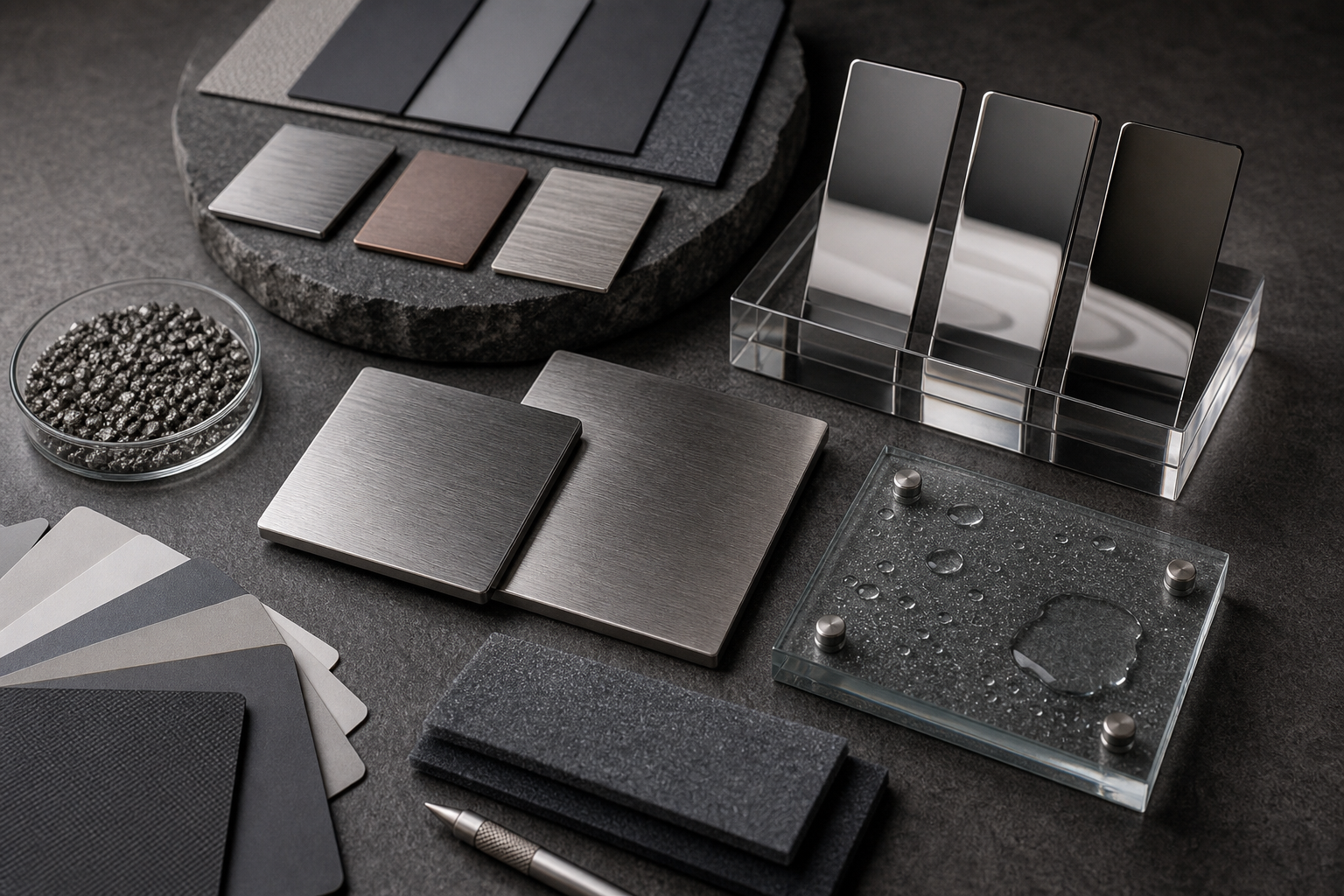
I use M390 when the market will pay for the story
M390 can be a strong choice when the buyer's target customer understands steel names or expects a higher-positioned stainless option. Bohler's M390 data sheet supports that product direction. It describes M390 as powder metallurgy steel with very high wear resistance, good corrosion resistance, very high polishability, and very high dimensional stability. Those points can support a clean premium-style product page when the knife is executed well.
But M390 should not be used only because it sounds expensive. It usually makes more sense when the brand can price the knife correctly, when the buyer wants strong corrosion and edge-life language, and when the factory can control grinding, heat treatment, and final inspection. I also think about finish. M390 can support a high-value visual story when the blade finish, handle material, action, packaging, and QC level match the steel. If the buyer wants a low-price knife with M390 printed on the listing but no inspection plan, I would rather slow down the project. A high-end steel name can make a weak knife more disappointing.
| M390 project need | Why it fits | Buyer caution |
|---|---|---|
| Higher-positioned EDC | Strong name recognition | Product must justify price |
| Corrosion-conscious market | High chromium stainless story | Finish and care still matter |
| Wear-focused cutting | Very high wear resistance | Sharpening may be harder |
| Premium visual SKU | Polishability and finish appeal | QC must match customer expectation |
How Should Heat Treatment and Hardness Be Controlled?
Good steel can fail quietly when heat treatment drifts. Buyers should not approve mass production from steel name alone.
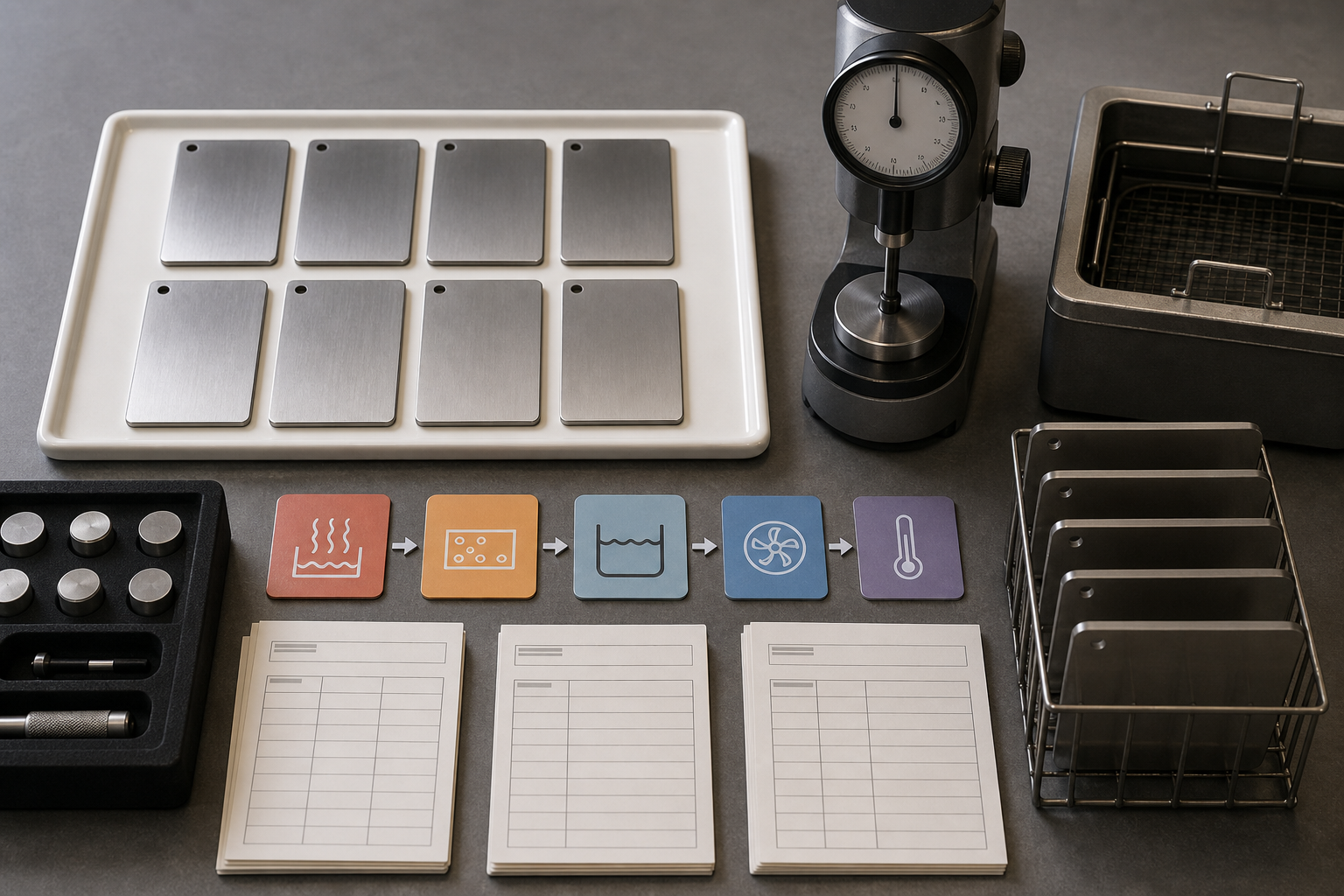
Heat treatment and hardness control should define a target HRC range, process route, quench, tempering, optional freezing treatment, batch testing, and recordkeeping for both S35VN and M390.
I approve steel only with a process target
The S35VN data sheet gives a recommended heat treatment and an aim hardness of 58 to 61 HRC. It also explains that results may vary with hardening method and section size. That is an important production warning. A thin folder blade, thicker fixed blade, and different quench method can produce different results. I need the buyer to approve the target range, and I need the factory to test the batch.
The M390 data sheet gives separate hardening and tempering details. It describes different tempering routes for maximum corrosion resistance or maximum wear resistance. This is the kind of detail buyers often miss. They ask for M390, but they do not say what performance balance they want. For both steels, I use hardness as a control point, not a sales slogan. The NIST Rockwell hardness guide explains that good measurement practice helps reduce Rockwell hardness measurement error. That matters when buyers compare samples, batches, and suppliers.
| Heat treatment item | S35VN concern | M390 concern |
|---|---|---|
| Target hardness | Define realistic HRC range | Define performance direction |
| Tempering route | Balance toughness and corrosion | Choose corrosion or wear priority |
| Testing method | Keep readings consistent | Keep readings comparable |
| Batch record | Link sample to production | Support repeat orders |
What Manufacturing and Sharpening Differences Should Buyers Expect?
Steel choice affects the factory floor. If buyers ignore machining, grinding, and sharpening, the quote can become unrealistic.
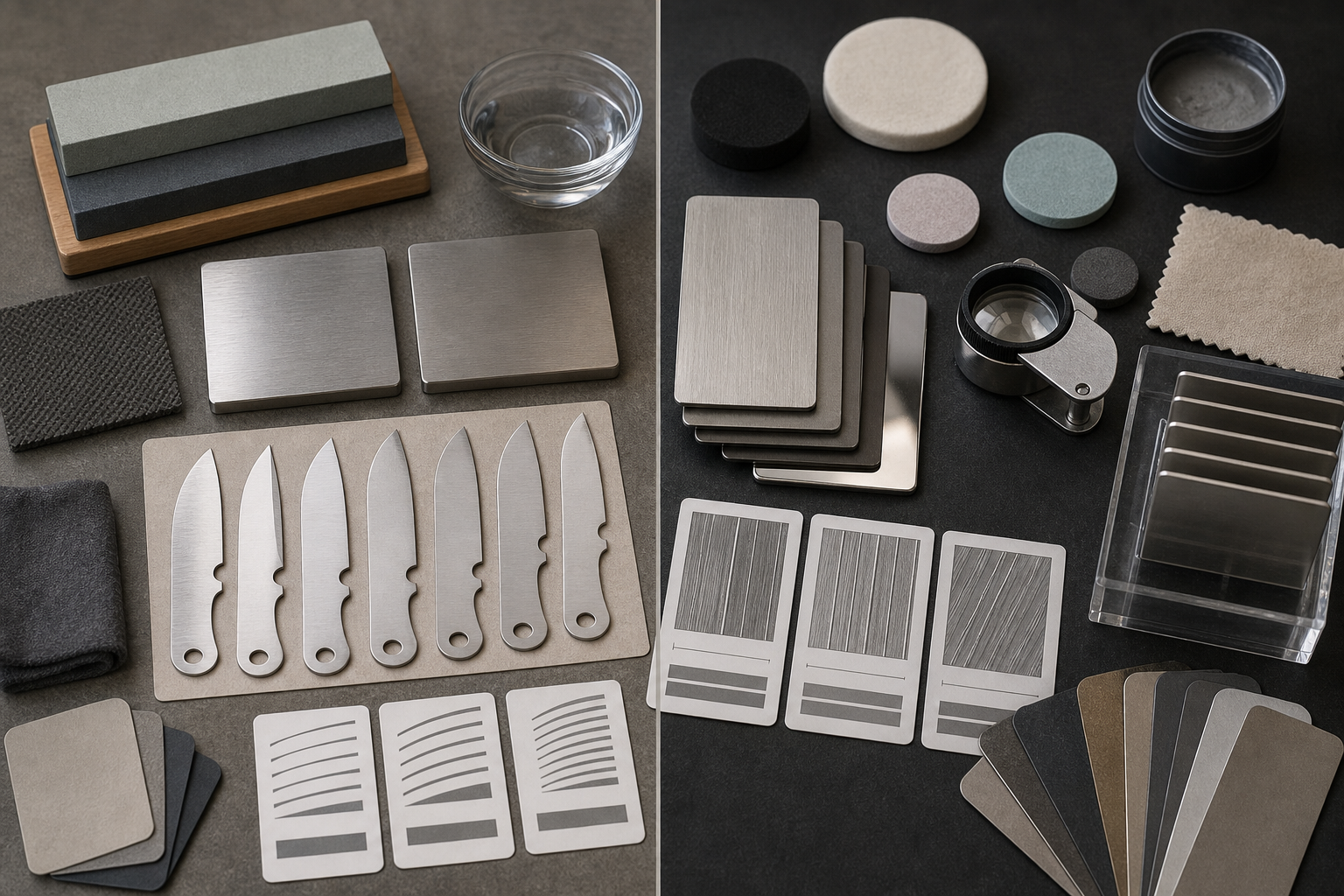
S35VN is generally more production-friendly and easier to sharpen than M390, while M390 may need more careful grinding, finishing, sharpening media, and QC to justify its higher product position.
I quote process cost with the steel cost
S35VN has a practical manufacturing advantage. The S35VN data sheet says it is easier to machine and polish than S30V and much easier to machine than S90V. For buyers, this can mean a more stable production route, better cost control, and less pressure on finishing time. It does not mean S35VN is cheap or simple. It still needs good heat treatment, clean grinding, burr control, and inspection. But it can be a sensible steel when the project needs balance.
M390 is more wear-resistant and higher positioned, but that can create more production burden. Higher wear resistance often means the steel resists abrasion during grinding and sharpening too. The factory may need better belts, cooling, slower passes, and sharper process control. End users may also need better sharpening tools. If the buyer's customers are enthusiasts, that may be acceptable. If the buyer sells to general users, S35VN may create a better after-sale experience. I always ask who will sharpen the knife and how the product will be serviced. A steel that impresses on a specification sheet can still create customer frustration if it is too difficult for the market.
| Production factor | S35VN direction | M390 direction |
|---|---|---|
| Machining | More production-friendly | More demanding |
| Polishing | Good practical finish path | Strong high-end finish potential |
| Sharpening | More user-friendly | Often needs better abrasive media |
| Quote risk | Easier to control | More cost pressure |
How Should Buyers Position These Steels for Different Markets?
The same steel can succeed in one market and fail in another. Product positioning should lead the steel decision.
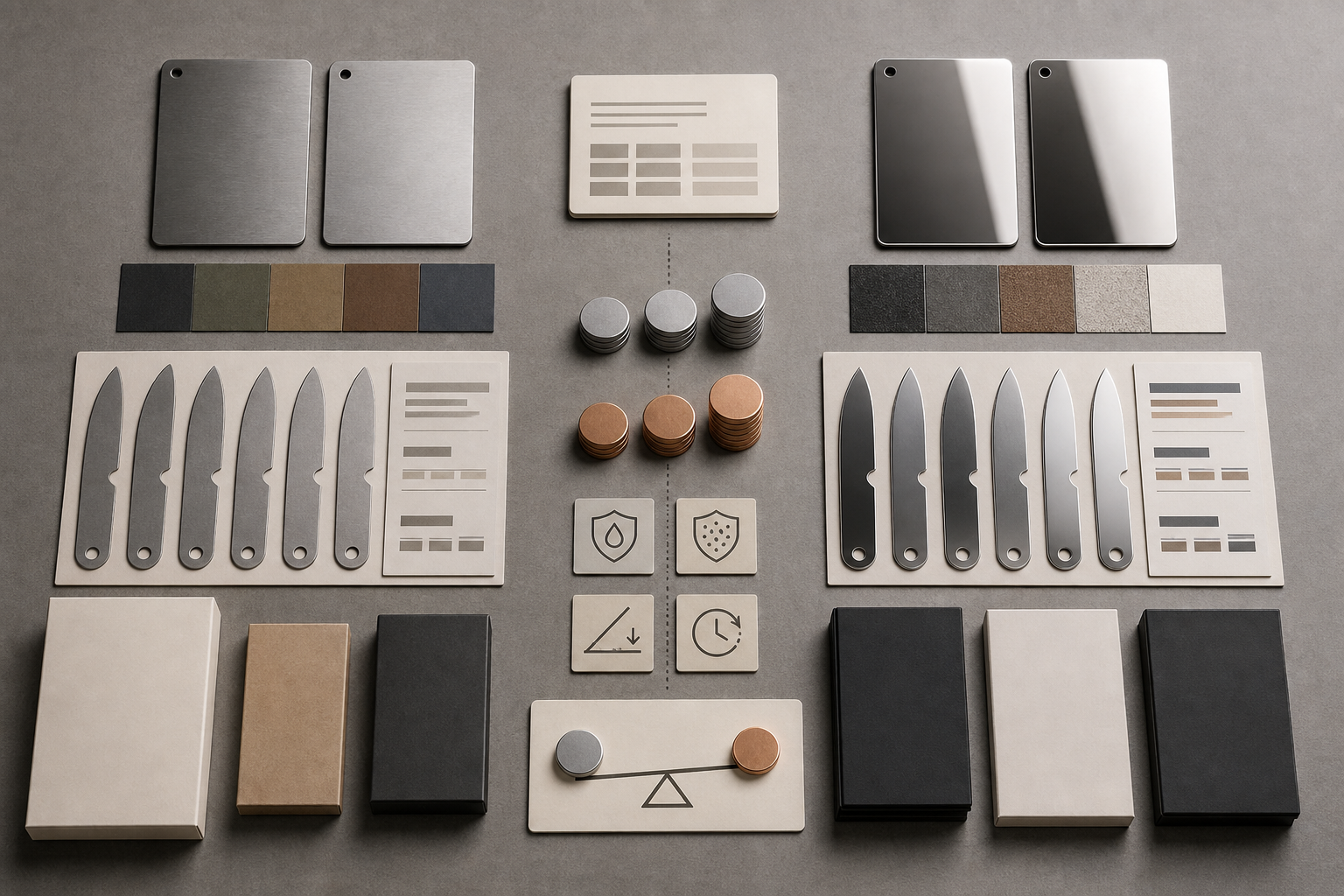
Buyers should position S35VN as a balanced performance steel for practical EDC and outdoor lines, and M390 as a higher-positioned steel for corrosion-conscious, wear-focused, and premium-style SKUs.
I match steel to the buyer's customer, not my preference
For a wholesale-friendly EDC line, S35VN can be easier to position because it is practical and balanced. It gives the buyer a strong steel story without pushing every part of the product into a higher cost tier. It can pair well with G10, micarta, aluminum, titanium, or stainless handle structures depending on the target price. It also supports knives where toughness and user-friendly sharpening matter.
For a higher-positioned private label line, M390 can help the buyer justify a higher retail price if the whole product matches. That means clean machining, strong blade finish, smooth action, good packaging, clear steel naming, and inspection records. I do not like pairing M390 with weak fit and finish. The steel raises expectations. If the lock action, blade centering, packaging, or surface finish looks average, the buyer may not get full value from the steel upgrade. In some cases, the smarter route is S35VN with better finishing and packaging. In other cases, M390 is right because the target customer expects the name and will pay for the performance story.
| Market route | S35VN fit | M390 fit |
|---|---|---|
| Broad EDC retail | Strong balanced choice | Useful if price tier allows |
| Outdoor utility | Good toughness and maintenance balance | Good for corrosion-focused positioning |
| Enthusiast SKU | Less exciting but practical | Stronger recognition |
| Distributor catalog | Easier price control | Higher margin pressure |
What Should Buyers Include in an S35VN or M390 RFQ?
A vague RFQ creates a vague quote. Steel selection needs enough detail for cost, sampling, and inspection to line up.
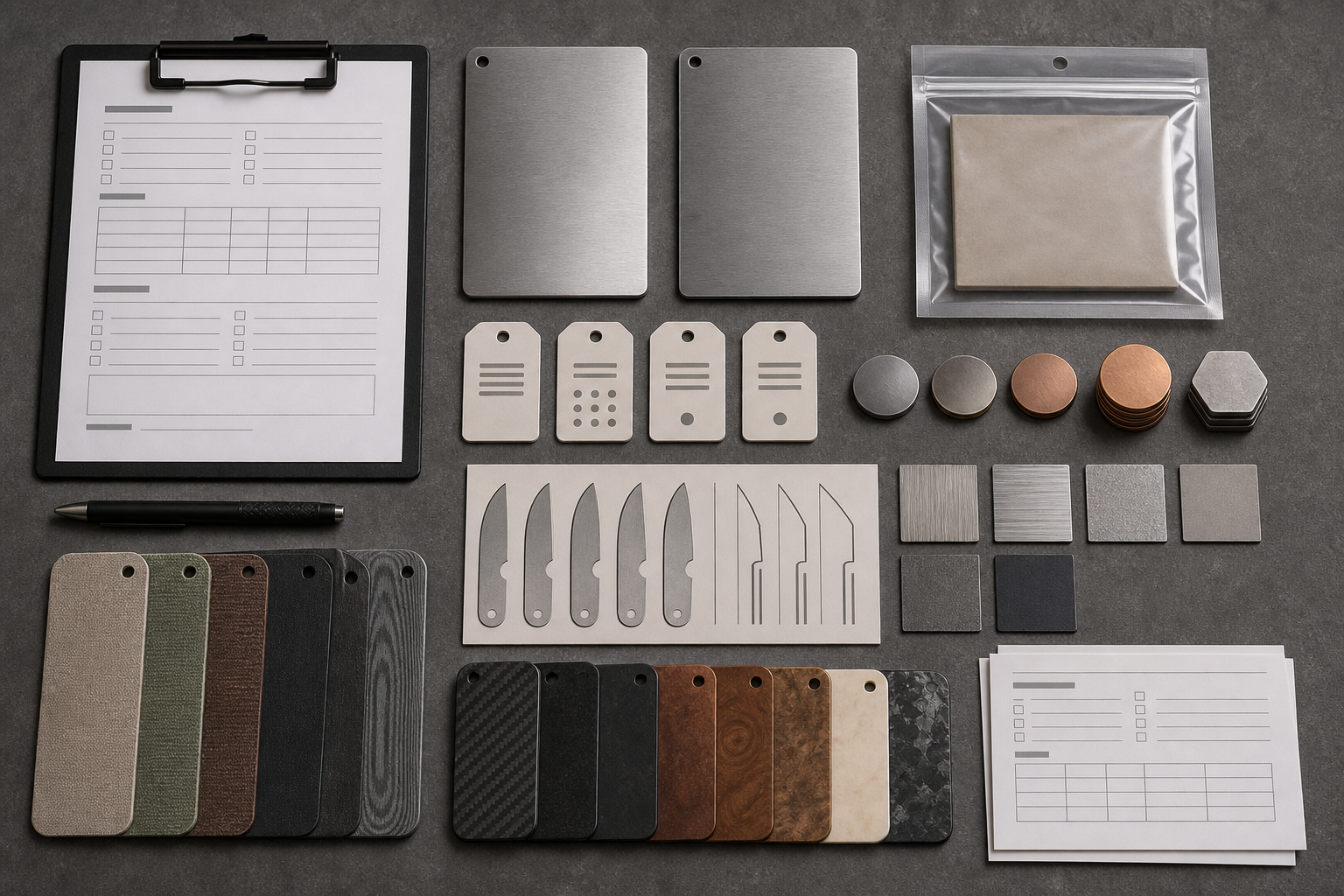
An S35VN or M390 RFQ should include target market, knife type, steel choice, hardness range, heat treatment expectation, edge geometry, finish, handle material, packaging claim, MOQ, target price, and QC record needs.
I make the steel choice quote-ready
When a buyer asks Vast State to quote S35VN or M390, I want the RFQ to answer practical questions. What is the target retail tier? Which market will receive the product? What blade length and thickness are needed? What lock structure, opening structure, handle material, finish, and packaging are planned? What hardness range does the buyer expect? Does the buyer want material certificates, heat treatment batch records, hardness records, cutting checks, or third-party inspection?
I also ask what story the buyer wants to tell. If the product is a balanced EDC knife, S35VN may let the buyer spend more money on action, handle material, finishing, or packaging. If the product is a higher-positioned stainless SKU, M390 may support the marketing promise better. The RFQ should not only say "use S35VN" or "use M390." It should say why. Then the factory can suggest the right process, target cost, MOQ, packaging, and inspection plan. The ISO 9000 family is useful background because it frames quality management around customer expectations and process control. In sourcing terms, that means steel choice should become sample approval, batch control, QC records, and repeat-order change control. This is how steel selection becomes a controlled manufacturing decision instead of a naming contest.
| RFQ field | What to specify | Why it matters |
|---|---|---|
| Target market | EDC, outdoor, distributor, enthusiast, or private label | Guides steel choice |
| Steel and HRC | S35VN or M390 plus target range | Controls performance expectation |
| Edge and finish | Edge angle, bevel, satin, stonewash, coating, or polish | Controls user experience |
| QC records | Material, heat treatment, hardness, and final inspection | Supports repeat orders |
Ready to use this material in your next knife line?
Vast State can help you compare blade steels, heat treatment ranges, handle materials, finishes, packaging options, and QC requirements based on your target market and quantity.
Conclusion
I choose S35VN for balanced, practical production and M390 for higher-positioned stainless performance, but I only approve either steel with process control.
Source Notes
- The CPM S35VN data sheet supports S35VN composition, toughness, heat treatment, aim hardness, and machinability claims.
- The Bohler M390 MICROCLEAN data sheet supports M390 composition, powder metallurgy route, corrosion resistance, wear resistance, and heat treatment claims.
- Knife Steel Nerds supports the article's caution that edge retention, toughness, hardness, carbides, and edge geometry must be considered together.
- The NIST Rockwell hardness guide supports the need for consistent hardness measurement practice.
- The ISO 9000 family supports the process-control and quality-record mindset.