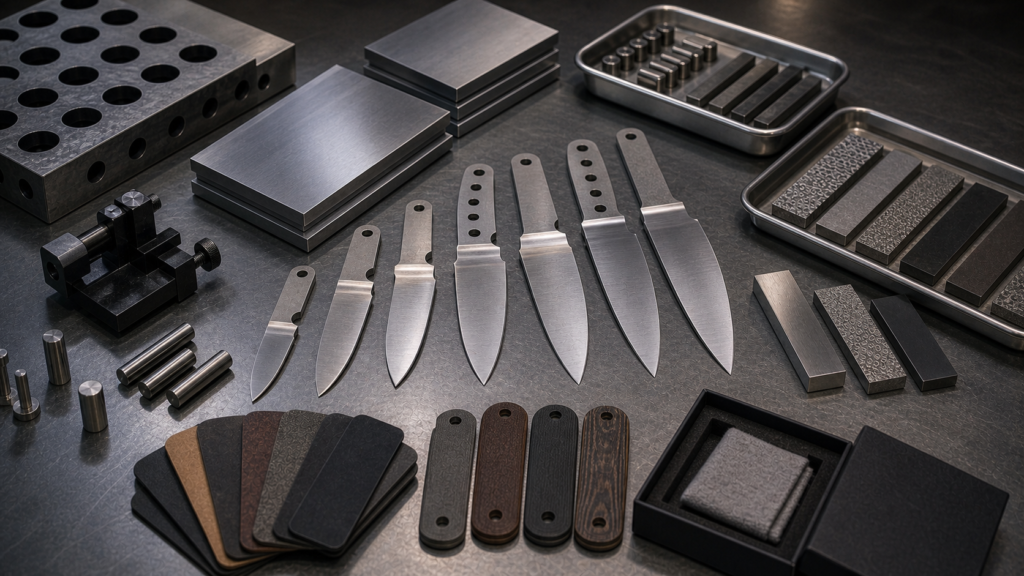
SG2 sounds premium. But a premium steel can still fail if buyers ignore geometry, heat treatment, sharpening needs, and user expectations.
SG2, also called Super Gold 2 or sometimes R2, is a Takefu powder metallurgy stainless blade steel. It can support high hardness, wear resistance, fine structure, and corrosion resistance, but it works best when buyers control design, heat treatment, edge geometry, finish, and after-sales messaging.
Quick buyer brief:
- Answer: SG2 is a premium powder stainless option for buyers who need high edge retention and a stronger material story.
- Buyer context: It fits kitchen, EDC, outdoor, and special edition knives for users who accept careful sharpening and care.
- Key checks: Confirm material source, heat treatment, hardness target, edge thickness, finish, sharpening plan, MOQ, and QC records.
Planning a knife project with this steel?
Send us your target market, MOQ, price range, and blade type. Vast State can help you choose the right steel, HRC range, finish, handle material, and QC requirements for OEM/ODM production.
When I discuss SG2 with a B2B buyer, I always slow the conversation down. The steel has a strong reputation, especially in Japanese kitchen knives and higher-position products. But the steel name alone does not finish the project. SG2 can support a sharp, refined, premium product, but it also raises the bar for heat treatment, grinding, sharpening support, polishing, inspection, and price positioning. For Vast State, the right question is not "Is SG2 good?" The better question is "Can this buyer's product, market, and budget actually use SG2 well?"
What Is SG2 Steel in Practical Knife Manufacturing?
A steel can sound advanced and still be misunderstood. If the buyer cannot explain SG2 clearly, the final product story becomes weak.
SG2 is Takefu Special Steel's powder metallurgy stainless blade steel. Takefu describes Super Gold 2 as blade steel made by powder metallurgy with high hardness, toughness, wear resistance, and corrosion resistance.
I Treat SG2 as a System, Not a Label
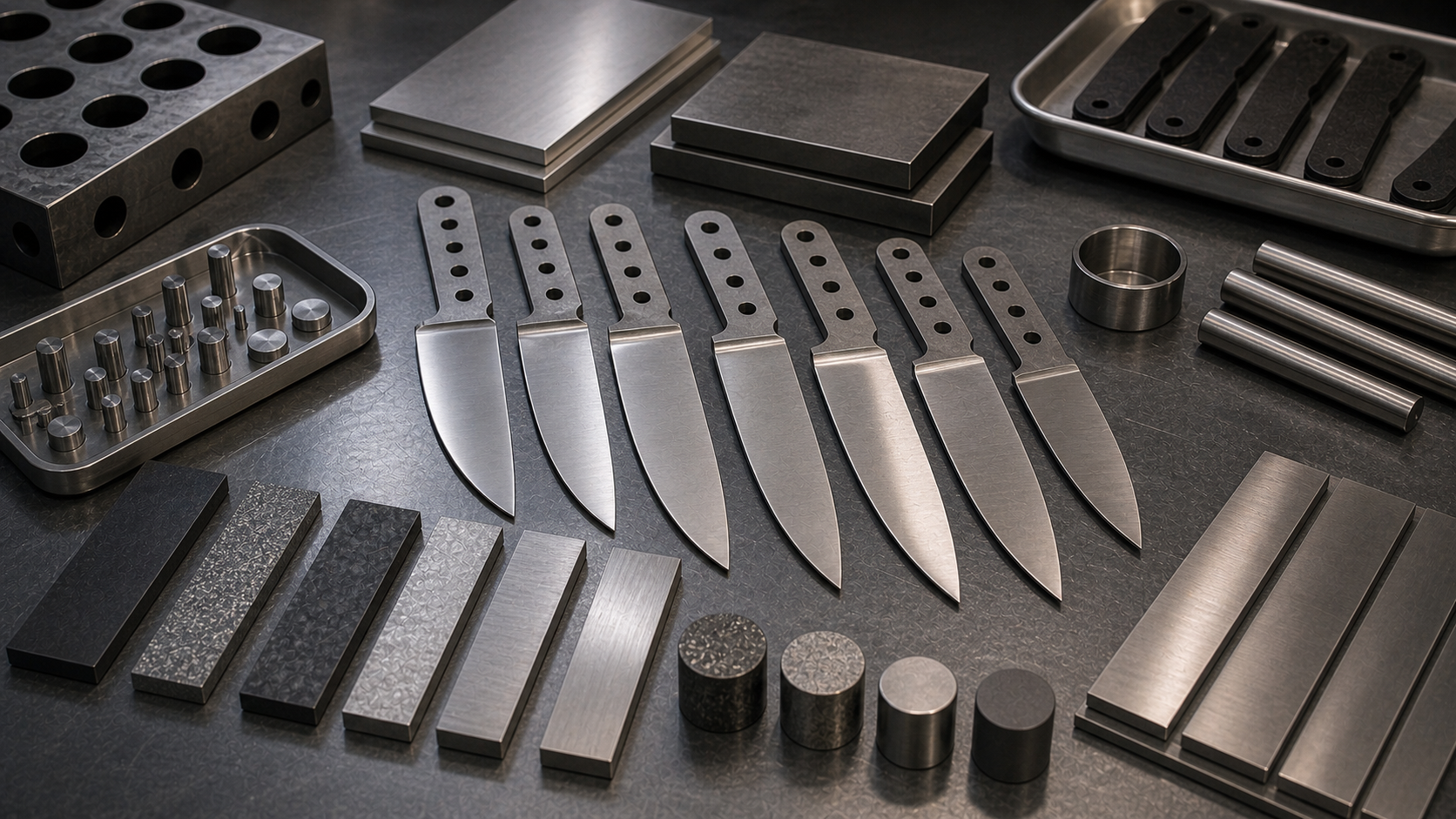
The official Takefu Super Gold 2 page describes Super Gold 2 as Takefu's original blade steel created by powder metallurgy. The same page explains that powder metallurgy uses rapidly solidified steel powder as raw material through compacting, sintering, forging, and rolling. Takefu also says this method creates a uniform fine structure compared with conventional remelted steel and allows many alloying elements to be added.
For a buyer, this tells me two things. First, SG2 is not just a normal stainless steel with a fancier name. Its production route is part of its value. Second, SG2 should be specified carefully. If a buyer wants SG2, the supplier should confirm the material source, stock form, heat treatment plan, and whether the blade is mono steel, laminated, or clad.
I also use cautious language around composition. Takefu's current English page does not publicly disclose the full composition table. A Takefu heat treatment sheet distributed by Barmond lists typical analysis around carbon 1.4%, chromium 15%, vanadium 2.0%, and molybdenum 2.8%. Knife Steel Nerds also discusses SG2 as a Takefu powder metallurgy stainless steel designed for cutlery. These references are useful, but for a real order I still ask for supplier documentation.
| SG2 point | What it means | Buyer takeaway |
|---|---|---|
| Powder metallurgy | Fine, uniform structure is part of the value | Confirm real SG2 source |
| Stainless blade steel | It supports corrosion-resistant positioning | Do not say rust-proof |
| High hardness potential | It can support premium edge performance | Heat treatment must be controlled |
| Often used in laminated blades | Core and cladding may differ | Specify construction clearly |
Quote-ready RFQ Checklist for This Steel
To get an accurate OEM/ODM quote, prepare these details before contacting a knife manufacturer.
| RFQ Field | What to Prepare |
|---|---|
| Product type | Folding knife / fixed blade / multi-tool / kitchen knife |
| Target market | US / EU / outdoor retail / promotional / tactical / EDC |
| Steel option | 4116 / 14C28N / D2 / N690 / Nitro-V |
| Target HRC | Example: 55-57 HRC, 58-60 HRC |
| Blade finish | Satin / stonewash / black coating / bead blast |
| Handle material | G10 / micarta / aluminum / stainless steel / wood |
| Lock or structure | Liner lock / frame lock / slip joint / full tang |
| Estimated quantity | 500 / 1,000 / 3,000 / 5,000+ pcs |
| Packaging | White box / color box / blister / pouch / gift box |
| Required documents | Drawing / sample photo / logo file / packaging artwork |
When Does SG2 Make Sense for a B2B Knife Project?
Premium steel can raise product value. It can also raise cost, MOQ, finishing difficulty, and user expectations.
SG2 makes sense when the buyer wants a premium stainless story, strong edge retention, refined cutting feel, and a target customer who understands careful sharpening and proper use.
I Match SG2 to Buyers Who Can Support the Premium Promise
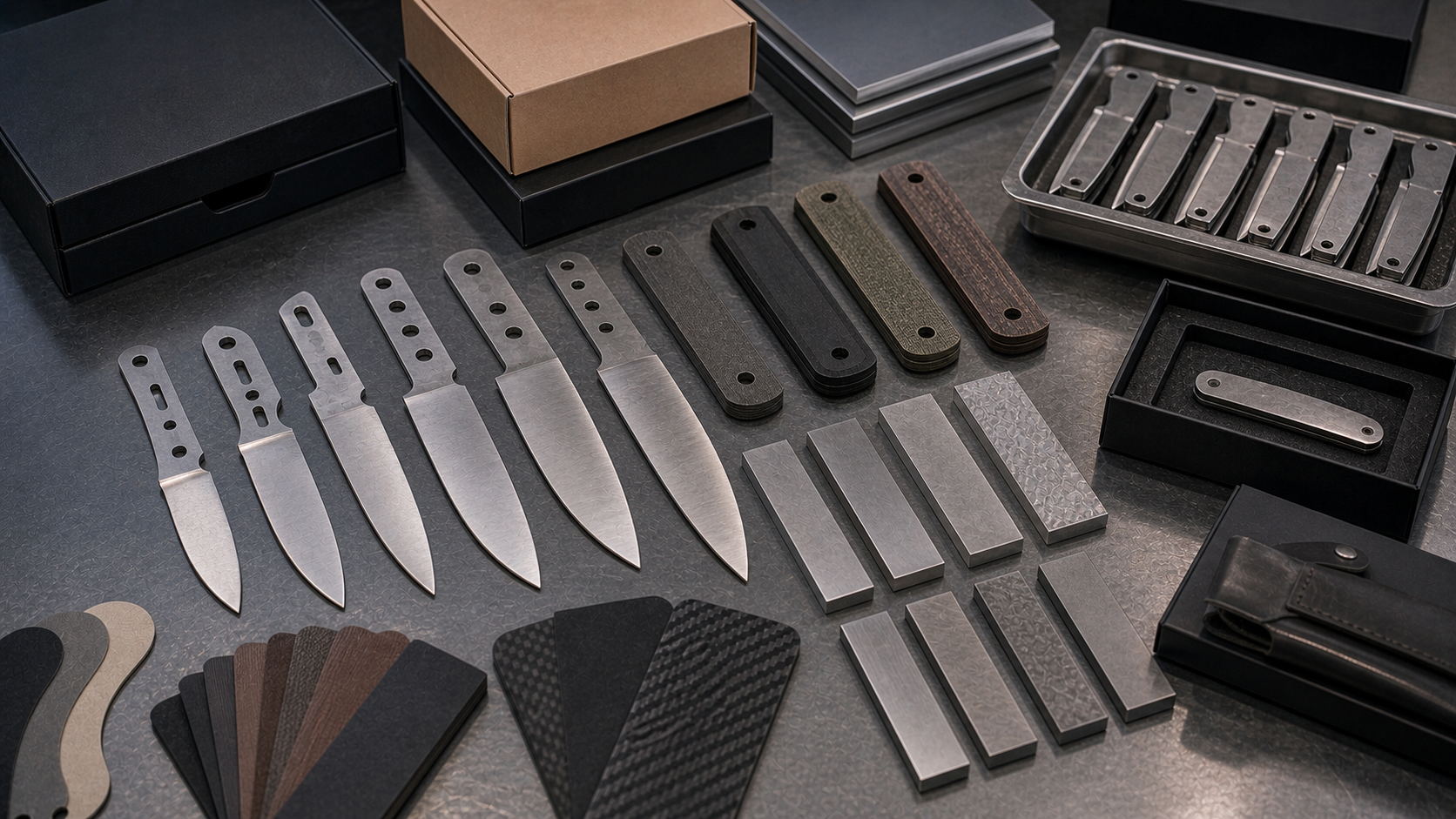
I usually see SG2 as a better fit for premium kitchen knives, Japanese-style chef knives, small high-end EDC knives, special edition folders, and products where the buyer wants a stronger steel story than VG10, 440C, or basic stainless grades. It can help a brand say something specific: powder metallurgy stainless core, high hardness, refined edge, and long cutting performance.
But SG2 is not always the best business answer. A broad retail knife that must be very cheap, easy to sharpen, and tolerant of abuse may be better with a simpler steel. A hard outdoor knife used for twisting, chopping, or rough work may need a different balance of toughness and edge geometry. A beginner kitchen knife may benefit more from a tougher, easier-care steel with a lower price.
This is where I connect steel choice to market reality. Who will buy the knife? How will they use it? Will the product page explain powder metallurgy in simple language? Will the packaging include sharpening and care guidance? Can the buyer accept a higher cost and more careful QC? SG2 is strongest when the whole product supports the steel. If the rest of the project is basic, SG2 may become an expensive label instead of a real advantage.
| Project type | SG2 fit | What to check |
|---|---|---|
| Premium kitchen knife | Strong fit | Edge angle, cladding, finish, sharpening guidance |
| Special edition EDC | Possible fit | Blade thickness, lock design, claim language |
| Budget utility knife | Usually weak fit | Simpler stainless may be better |
| Heavy outdoor knife | Case by case | Toughness target and edge geometry matter |
Why Does Powder Metallurgy Matter for SG2?
Some buyers hear "powder steel" and only think about price. The real value is microstructure and process consistency.
Powder metallurgy matters because it can reduce segregation and create a fine, uniform structure. For knives, this can support high hardness, wear resistance, finishing quality, and consistent cutting behavior.
I Explain PM Steel Without Turning It Into Magic
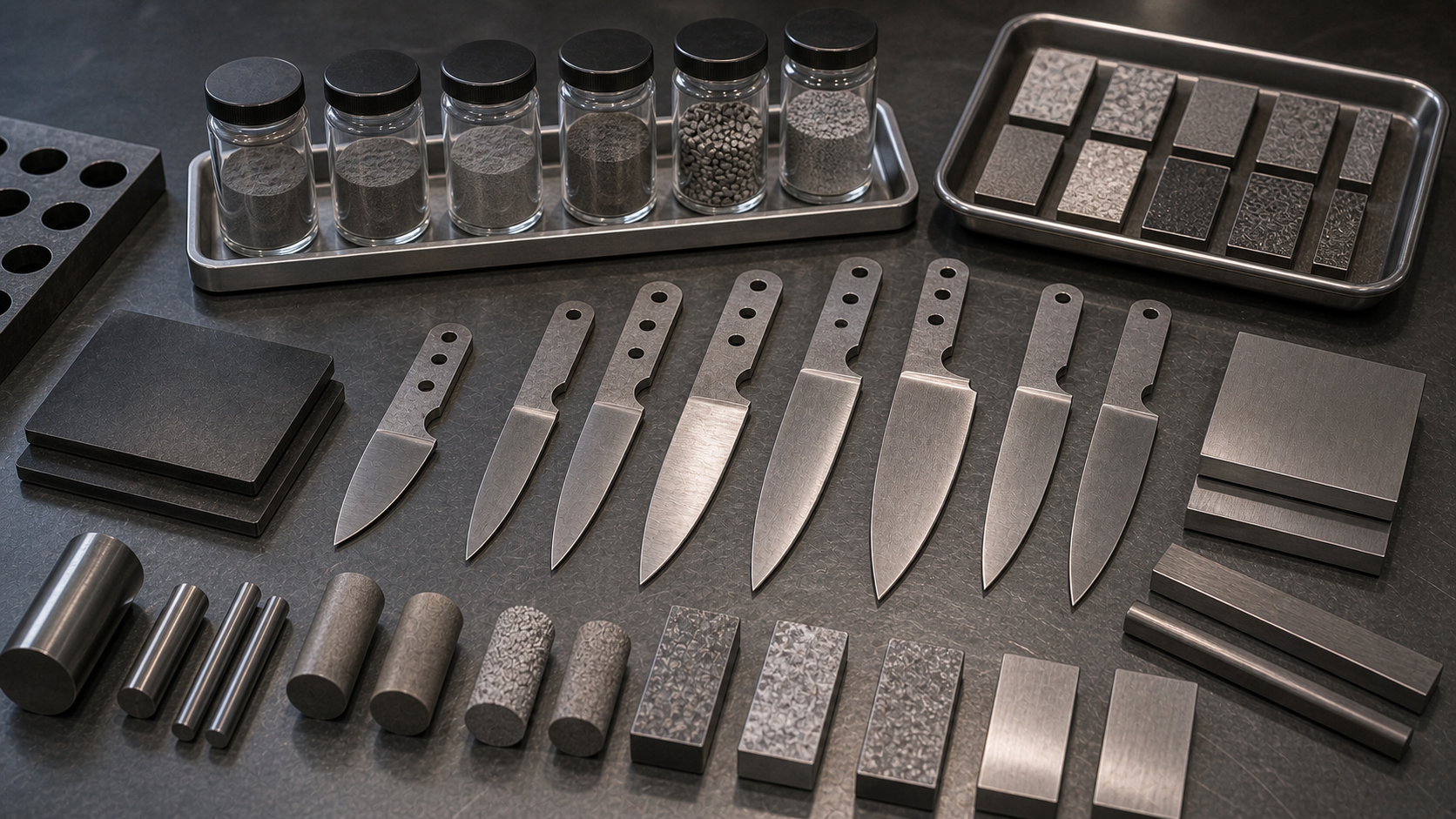
Powder metallurgy is not magic. It is a manufacturing route. Takefu explains that powder metallurgy uses atomized powder and processes such as compacting, sintering, forging, and rolling. It also states that powder metallurgy blade steel has no segregation and a uniform fine structure compared with conventional remelted steel. In simple buyer language, this means the steel can distribute alloy content more evenly than ordinary melting routes.
Knife Steel Nerds gives useful technical context. It explains that SG2 was designed for knives by Takefu and produced with powder metallurgy to have a fine microstructure and good toughness. It also notes that SG2's vanadium contributes to carbides that improve wear resistance and edge retention. At the same time, Knife Steel Nerds does not treat SG2 as unbeatable. Its analysis places SG2 in the same general property range as other powder metallurgy stainless steels such as Elmax and S35VN.
This is the tone I prefer. SG2 is advanced, but it is not a fantasy steel. Its value becomes real only when the blade is designed and produced correctly. If the edge is too thick, SG2 may still cut poorly. If the heat treatment is wrong, the premium material is wasted. If the buyer promises "never chips" or "never rusts," the claim becomes a problem.
| PM benefit | What it can help | What it cannot fix |
|---|---|---|
| Uniform structure | More consistent blade behavior | Poor heat treatment |
| Fine carbides | Refined edge and finish potential | Bad grinding geometry |
| High alloy capacity | Wear and corrosion balance | Wrong product positioning |
| Premium material story | Better brand differentiation | Unsupported marketing claims |
How Should Buyers Think About SG2 Heat Treatment?
High hardness is attractive. But if heat treatment is not controlled, hardness can become chipping, warping, or uneven performance.
Buyers should define SG2 heat treatment by target hardness, blade thickness, quench method, sub-zero or cryo plan if used, tempering plan, sample approval, and batch records.
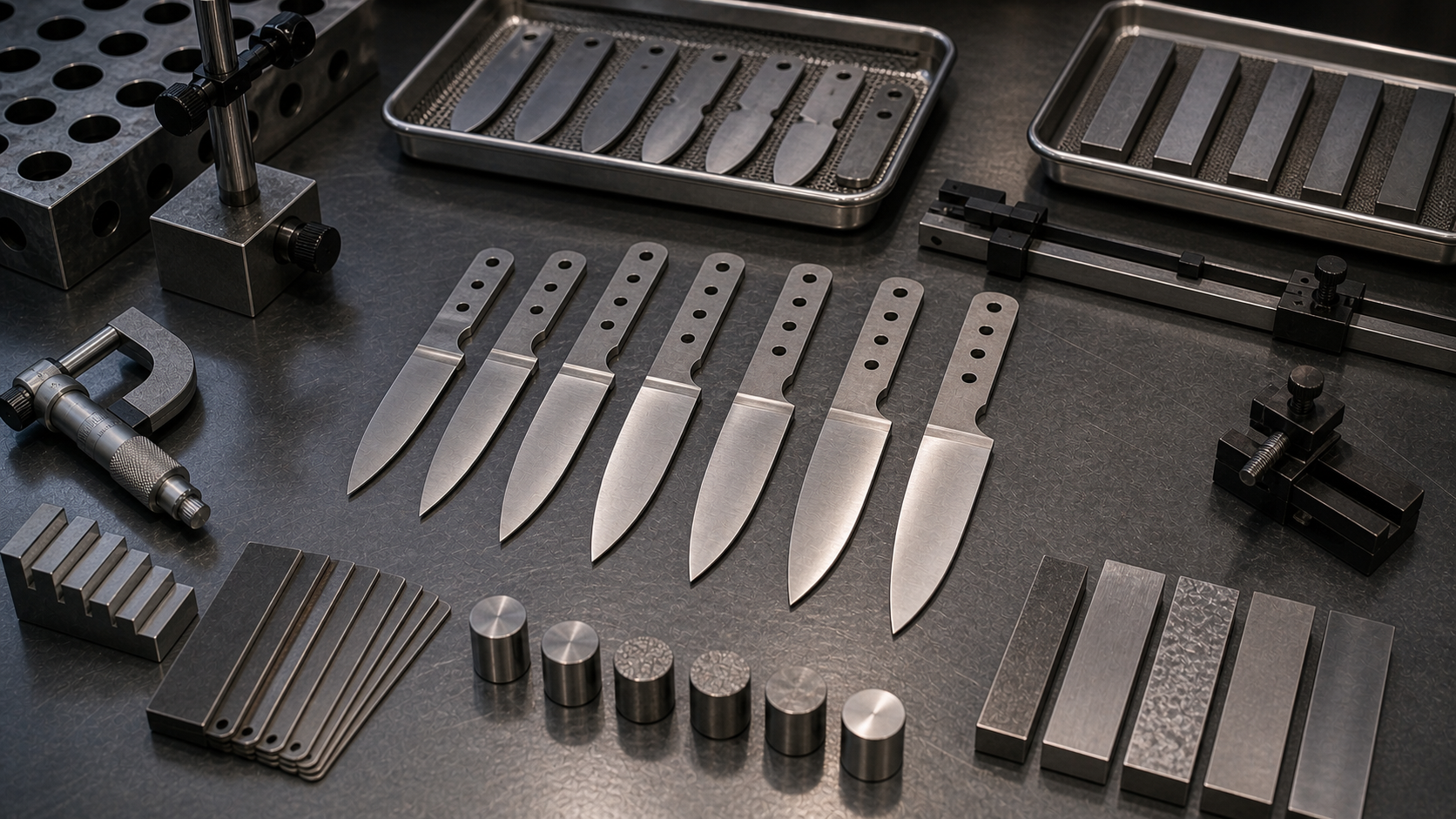
I Approve SG2 Through Samples, Not Through Promises
The Takefu Super Gold 2 page lists hardness as HRC62 or higher. The Takefu heat treatment sheet shared by Barmond shows annealed HRC30, hardening HRC62, and sub-zero HRC62.5. It also lists quenching at 1050 C to 1100 C in oil or air, tempering at 150 C to 250 C, and a note that results may vary with hardening method and section size. I use these as reference information, not as a factory shortcut.
For knives, section size matters. A thin kitchen blade, a thicker EDC blade, and a laminated blade do not behave the same. A blade with holes, a lock face, or a thin tip needs more attention than a simple test coupon. If the heat treatment creates too much stress or distortion, later grinding and assembly become harder.
This is why I ask for sample approval. I want the supplier to confirm target HRC, edge stability, finish result, straightness, and actual cutting feel. If the buyer wants SG2 for a folding knife, I also care about pivot area flatness, detent area condition, blade centering, lock contact, and final action. High hardness is only useful when the whole knife remains stable and usable.
| Heat treatment item | Why it matters | Buyer action |
|---|---|---|
| Target hardness | Sets performance and risk balance | Define HRC range after samples |
| Quench method | Affects response and distortion | Ask for supplier process plan |
| Sub-zero treatment | May affect retained austenite | Confirm if used and why |
| Tempering | Sets final working hardness | Request batch record |
What Performance Trade-Offs Should Buyers Expect From SG2?
Premium steel has trade-offs. If buyers only talk about edge retention, they may create sharpening and chipping complaints later.
SG2 can offer high edge retention, refined cutting feel, stainless behavior, and premium positioning. Its trade-offs include higher cost, more difficult sharpening, less tolerance for misuse, and stricter QC needs.
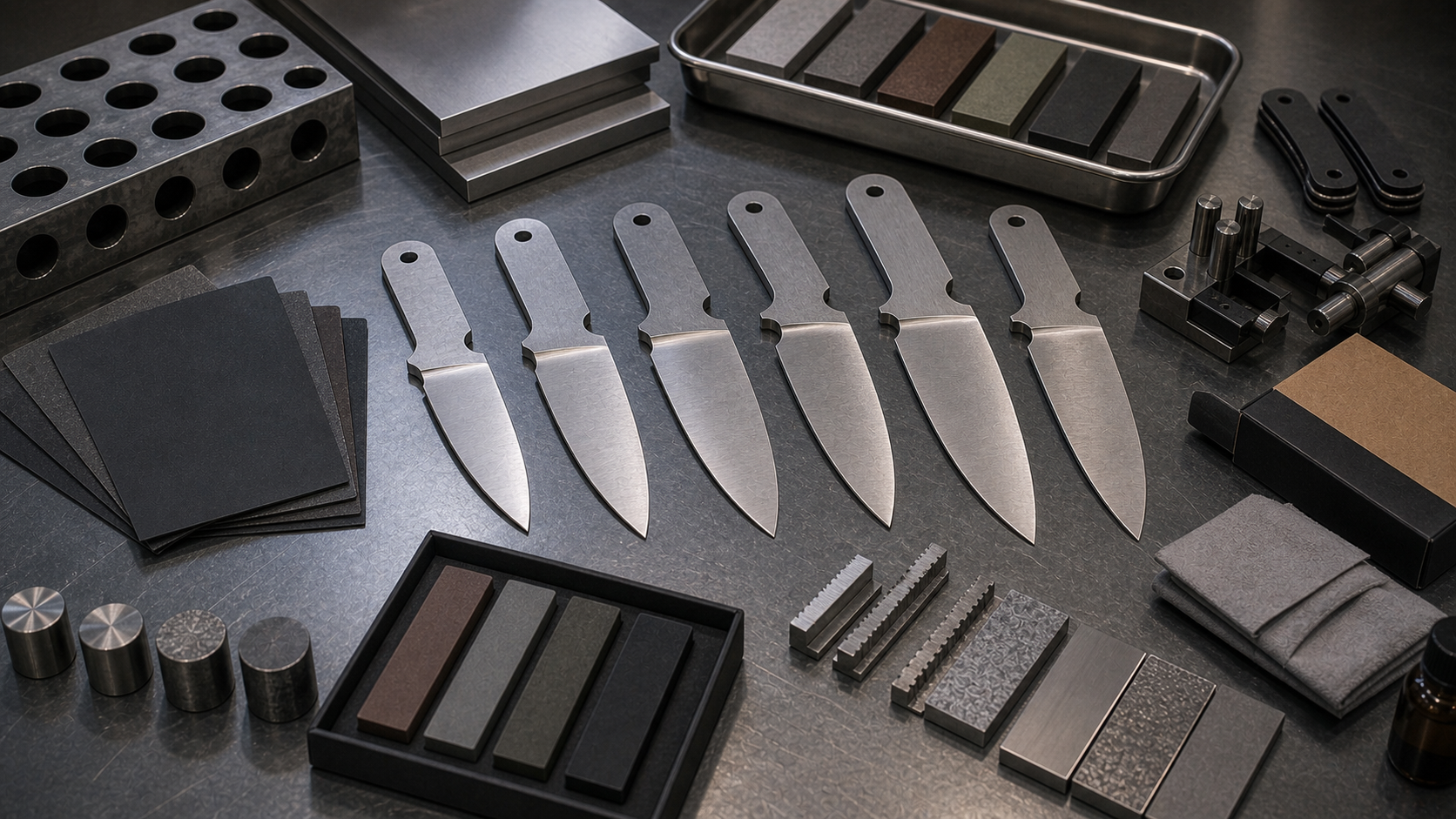
I Present SG2 as Premium, Not Indestructible
SG2 can support a very refined knife. That is why many buyers like it for kitchen knives and special products. The fine structure and high hardness can help the edge feel crisp and stay sharp longer under slicing work. The stainless chemistry helps maintenance compared with carbon steels. The steel also gives the brand a clear story: Japanese powder stainless, high hardness, and premium cutting performance.
But I do not describe SG2 as abuse-proof. Knife Steel Nerds notes that SG2 has good performance but also places it in a realistic range compared with other PM stainless steels. BSSA's discussion of martensitic stainless steels is also helpful here. It explains that these steels can be hardened and strengthened by heat treatment, and that higher carbon grades can reach high hardness while trading ductility and toughness. SG2 should be designed around that reality.
The most common buyer-side mistake is treating SG2 like a simple upgrade. If the buyer keeps the same geometry, same low-end packaging, same sharpening advice, and same target price, the upgrade may not work. SG2 needs a matching design. Edge angle, blade thickness, user care, and product claims should all be adjusted. A premium steel should reduce confusion, not create it.
| Performance area | SG2 strength | Practical caution |
|---|---|---|
| Edge retention | Strong for slicing and fine cutting | Depends on heat treatment and geometry |
| Corrosion resistance | Good stainless behavior | Not rust-proof |
| Sharpness | Can support refined edge feel | Needs correct grinding and sharpening |
| Toughness | Good for its hardness class | Avoid prying and rough misuse |
How Should SG2 Be Specified in an RFQ?
A vague SG2 request creates risk. The supplier may not know whether the buyer needs exact material, laminated construction, or only a premium equivalent.
An SG2 RFQ should define exact steel requirement, equivalent acceptance, blade construction, target hardness, knife type, edge geometry, finish, handle material, packaging claims, quantity, and inspection needs.
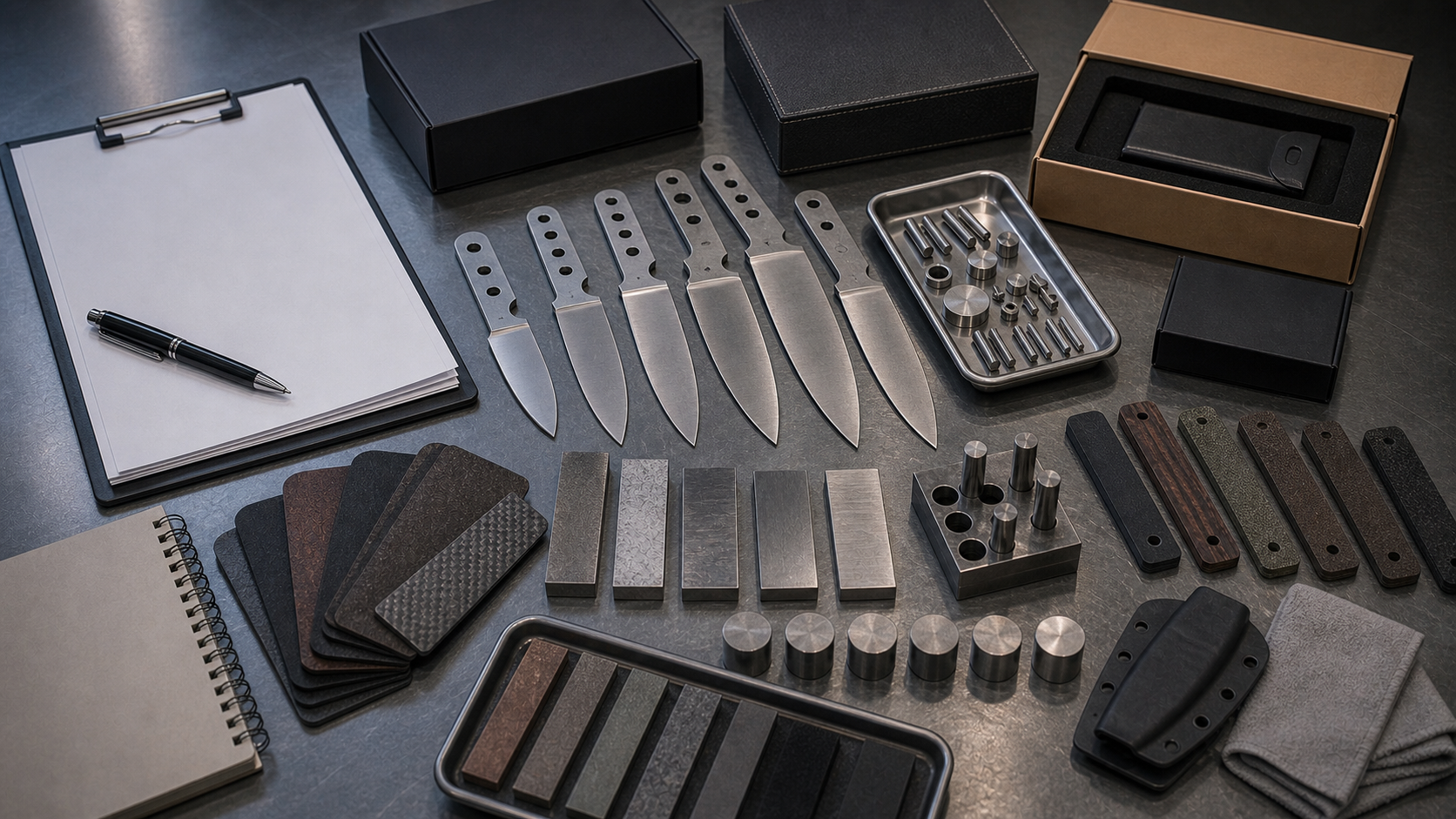
I Separate Exact Steel, Equivalent Steel, and Product Goal
For SG2, the RFQ should start with a clear statement. Does the buyer require Takefu SG2 or SPG2? Is R2 acceptable? Is another powder stainless acceptable if the performance and price fit better? This matters because steel availability, MOQ, and cost can change the project quickly. If the buyer needs the exact steel name for marketing, the documentation must support it. If the buyer needs only the performance level, the supplier can propose a practical option.
The RFQ should also define construction. Many SG2 kitchen knives use a hard SG2 core with softer stainless cladding. That is different from a mono-steel blade. The buyer should state whether the project needs laminated steel, Damascus-style cladding, plain stainless cladding, or a simple visible core line. The finish should be described too. A mirror polish, hairline satin, bead blast, stonewash, or etched cladding all require different process controls.
For Vast State, I also want target market and price early. SG2 may be attractive, but it must fit the buyer's sales channel. If the retail customer does not value powder steel, the buyer may not recover the extra cost. If the customer does value it, then the packaging, web copy, and QC should support the story.
| RFQ field | Why it matters | Buyer input example |
|---|---|---|
| Steel requirement | Controls sourcing | SG2 required or R2 acceptable |
| Construction | Controls material and finish | SG2 core with stainless cladding |
| Target hardness | Guides heat treatment | HRC target after sample approval |
| Edge geometry | Controls user experience | Thin slicer or stronger utility edge |
| Claim language | Protects trust | Powder stainless steel, not rust-proof |
How Should Quality Control Protect SG2 Production?
Premium steel does not remove production risk. It makes the inspection standard more important because buyers expect more.
SG2 QC should confirm material identity, construction, heat treatment records, hardness, straightness, grind symmetry, edge stability, finish consistency, corrosion-sensitive areas, packaging, and claim accuracy.
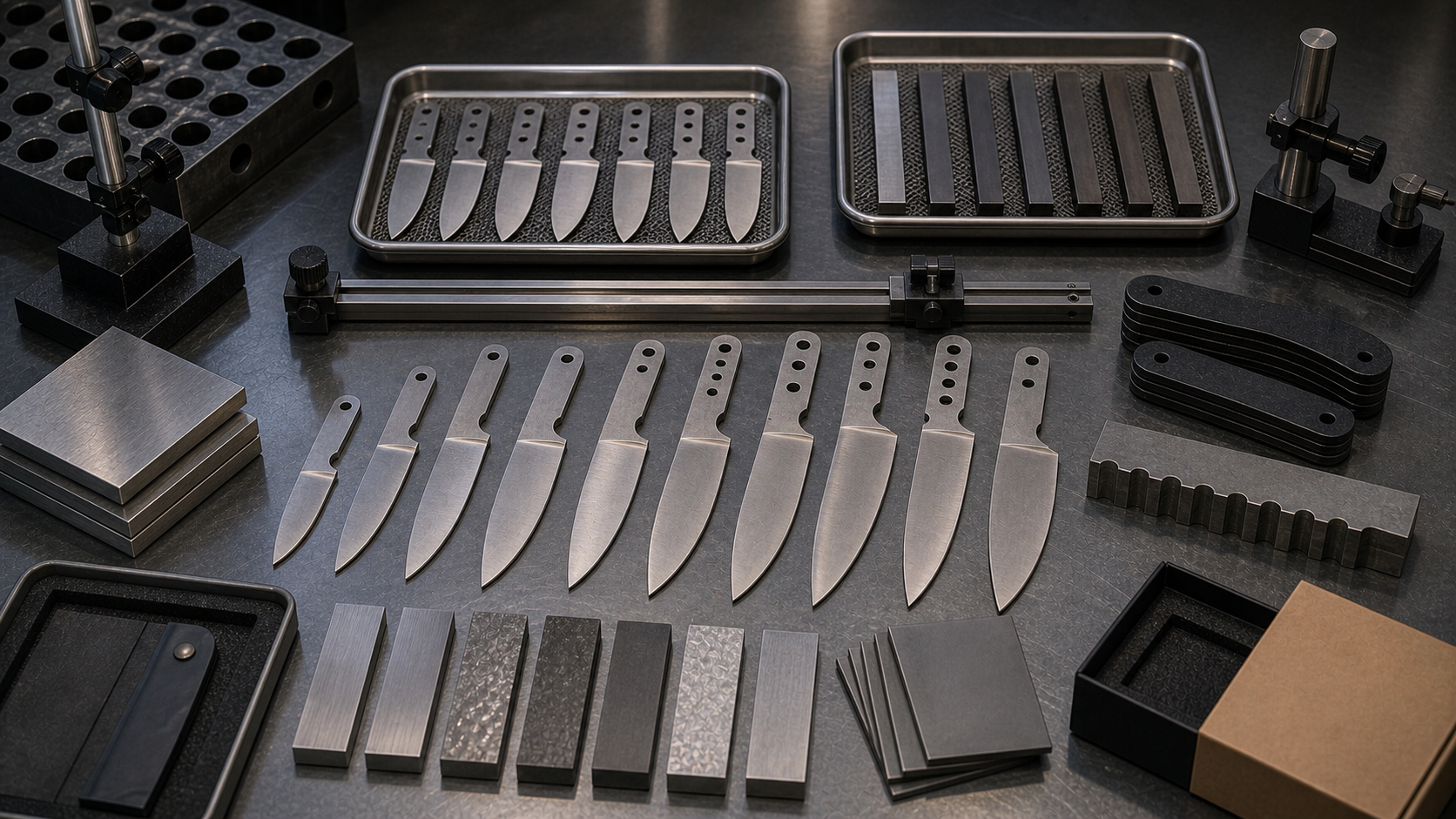
I Inspect SG2 Like a Premium Product, Not Only a Premium Material
SG2 orders should begin with material confirmation. If the product uses SG2 core steel, the supplier should keep records for the core and cladding. If the buyer allows R2 or another equivalent, that approval should be written clearly. The next control is heat treatment. Batch records and hardness checks help connect the sample to mass production.
Hardness testing needs good practice. The NIST Rockwell hardness guide supports the need for careful Rockwell measurement practice. For SG2, this matters because buyers often focus on high HRC values. The number should be measured consistently, not used as a loose marketing claim.
After hardness, I inspect the actual knife. I check straightness, bevel symmetry, edge thickness, burr removal, tip condition, cladding line, polish, scratches, handle fit, lock function if folding, packaging, and care instructions. This also connects with ISO 9001 quality management, which focuses on consistent processes, documented information, monitoring, measurement, and improvement. For SG2, that process mindset is especially useful. The steel is premium, so buyers expect the whole knife to feel premium.
| QC stage | What to check | Why it protects buyers |
|---|---|---|
| Material confirmation | SG2, R2, cladding, or equivalent approval | Prevents wrong-material claims |
| Heat treatment | Batch record and HRC target | Protects real performance |
| Blade finishing | Grind, edge, polish, cladding line | Protects premium appearance |
| Final inspection | Function, packaging, care copy | Protects after-sales trust |
Ready to use this material in your next knife line?
Vast State can help you compare blade steels, heat treatment ranges, handle materials, finishes, packaging options, and QC requirements based on your target market and quantity.
Conclusion
I recommend SG2 when buyers can support its premium promise with correct sourcing, heat treatment, geometry, finishing, QC, and user education.
Source Notes
- Takefu Super Gold 2 supports SG2's powder metallurgy origin, HRC62 or higher hardness, and blade-performance positioning.
- Takefu SG2 heat treatment sheet supports typical analysis, heat treatment ranges, and process caution.
- Knife Steel Nerds on VG10 and Super Gold 2 supports SG2 history, powder metallurgy context, carbide discussion, and balanced performance framing.
- BSSA martensitic stainless steels supports the general heat-treatment and hardness trade-off explanation for martensitic stainless steels.
- NIST Rockwell hardness guide supports careful hardness measurement practice.
- ISO 9001 explained supports process-based quality management ideas for repeatable production.