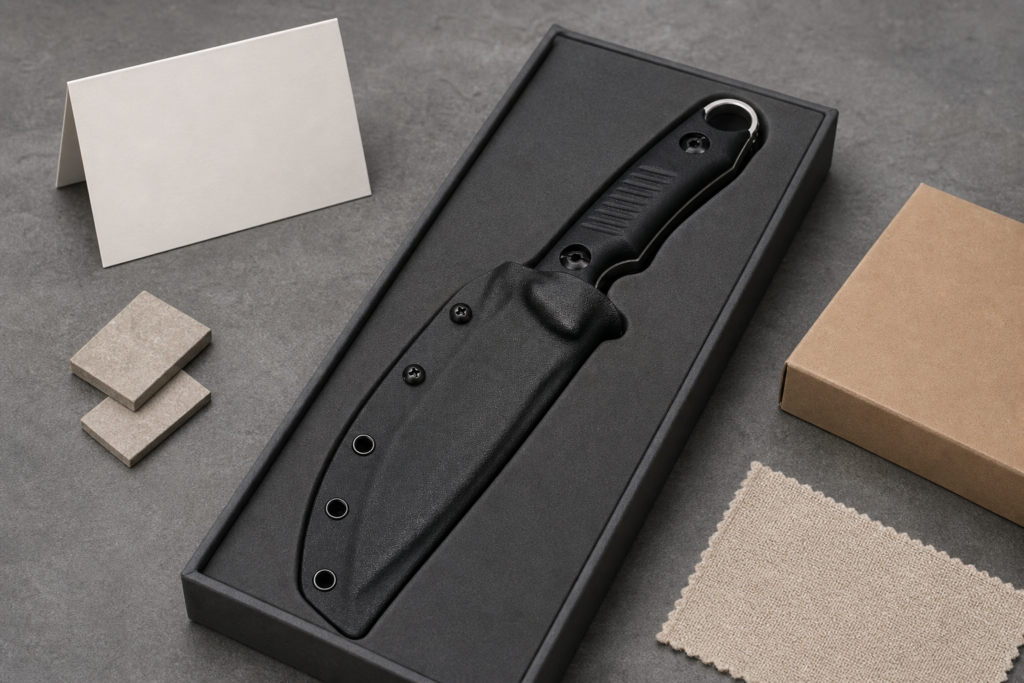
A survival-style knife can be useful outdoors, but vague use claims can create unsafe habits, wrong expectations, and product complaints.
Buyers should build safe use guidance around practical outdoor cutting tasks, stable grip, sharp-edge awareness, correct tool selection, maintenance, storage, sheath safety, and clear limits. A survival-style knife should be positioned as a responsible outdoor utility tool, not as a weapon or all-purpose substitute.
Quick buyer brief:
- Answer: Safe guidance should explain what the knife is for, what it is not for, how to cut safely, how to maintain the edge, how to carry and store it, and how the design supports responsible outdoor use.
- Buyer context: This guide is for knife brands, outdoor brands, camping brands, importers, wholesalers, distributors, private label buyers, and sourcing managers.
- Key checks: Target use, blade length, tip shape, handle grip, guard or finger protection, sheath retention, edge geometry, steel, heat treatment, sharpness, corrosion resistance, packaging, warning language, user manual, QC checklist, and target market compliance review.
Planning a fixed blade or outdoor knife project?
Share your target use, blade size, steel preference, handle direction, sheath needs, quantity range, and packaging plan. Vast State can help turn it into a quote-ready specification.
When I help a customer develop a survival-style outdoor knife, I do not start with dramatic product language. I start with the real user. The user may need to cut rope, prepare kindling, trim cord, open packaging, make basic camp repairs, or handle general outdoor utility tasks. The knife must be strong enough for its purpose, but the product story must also be responsible. For B2B buyers, safe use guidance is not only a manual detail. It affects design choices, packaging, after-sale expectations, and brand trust.
Why Should Safe Use Guidance Be Part of Product Development?
Many buyers treat safety wording as a late packaging step. That is risky because the product design may already send the wrong message.
Safe use guidance should be planned during development because it connects the knife's intended tasks, structure, materials, sheath, packaging, instructions, and quality control into one clear product promise.
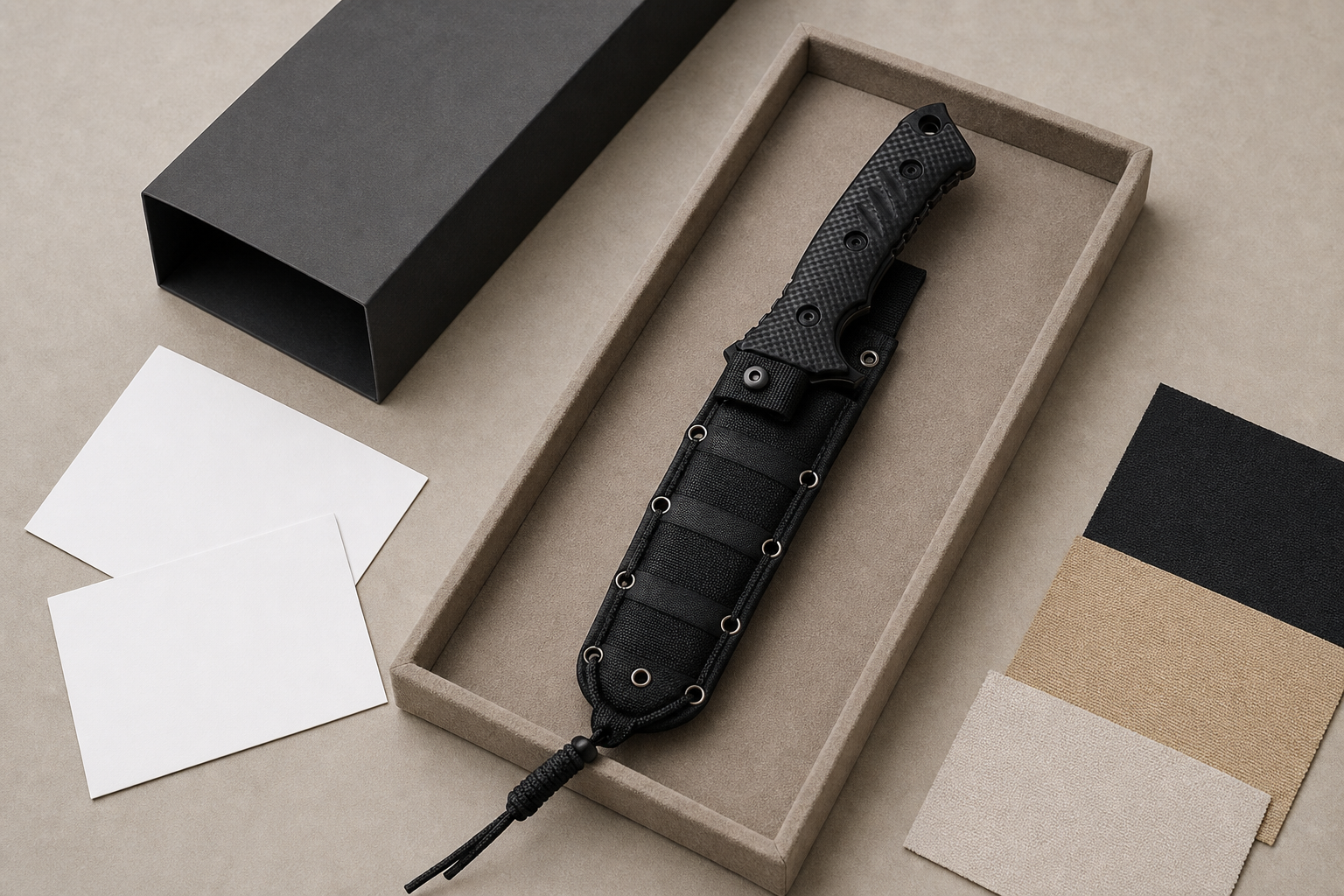
I Treat Safety as a Design Requirement
A survival-style knife can mean different things to different buyers. Some buyers mean a compact fixed blade for camping. Some mean a heavier outdoor utility knife. Some mean a knife with a fire starter, sheath, or lanyard. If the buyer does not define the real use case, the product can drift into vague claims. That is where problems begin.
OSHA notes that hand and power tools can be hazardous when used or maintained improperly, and that special attention is needed to reduce hazards. I apply that idea to outdoor knife development. A knife is a simple tool, but it still has sharp edges, a point, a handle, a carry method, and maintenance needs. If the product is sold internationally, the buyer should also consider how instructions will be understood by users in different markets.
Safe use guidance should shape the product before the first sample. If the knife is meant for general camping utility, the blade shape should support controlled cutting. If the knife is meant to ride in a sheath, the sheath should retain the blade and protect the edge. If the knife has a heavy blade, the handle should help the user keep control. If the knife has a fine point, the packaging should not exaggerate rough-use claims.
| Development area | Safety connection | Buyer decision |
|---|---|---|
| Use case | Defines suitable tasks | Avoid vague "do everything" claims |
| Blade design | Affects control and force | Match edge and tip to real use |
| Handle design | Affects grip stability | Check wet and gloved handling |
| Sheath | Affects carry and storage | Test retention and edge protection |
OEM/ODM RFQ Checklist
Prepare these details to help Vast State review your project and provide a more accurate quotation.
| RFQ Field | What to Prepare |
|---|---|
| Project type | OEM from drawing / ODM private label / wholesale catalog |
| Product category | Folding knife / fixed blade / multi-tool / outdoor tool |
| Design status | Idea / sketch / 2D drawing / 3D CAD / physical sample |
| Target price | Ex-factory target price or retail price range |
| MOQ expectation | 500 / 1,000 / 3,000 / 5,000+ pcs |
| Logo method | Laser engraving / etching / printing / molded logo |
| Packaging | Standard packaging / custom retail box / Amazon-ready |
| Market | USA / EU / Japan / Korea / Middle East / other |
| Compliance needs | Buyer-specified testing / documentation / labeling |
| Timeline | Sample deadline / mass production deadline |
What Should Survival-Style Outdoor Knives Be Used For?
The word survival can be easy to overuse. If the product promise is too broad, users may misunderstand the tool.
Survival-style outdoor knives should be positioned for responsible utility tasks such as rope cutting, camp preparation, kindling work, trimming, light repairs, food-prep support where appropriate, and emergency outdoor readiness.
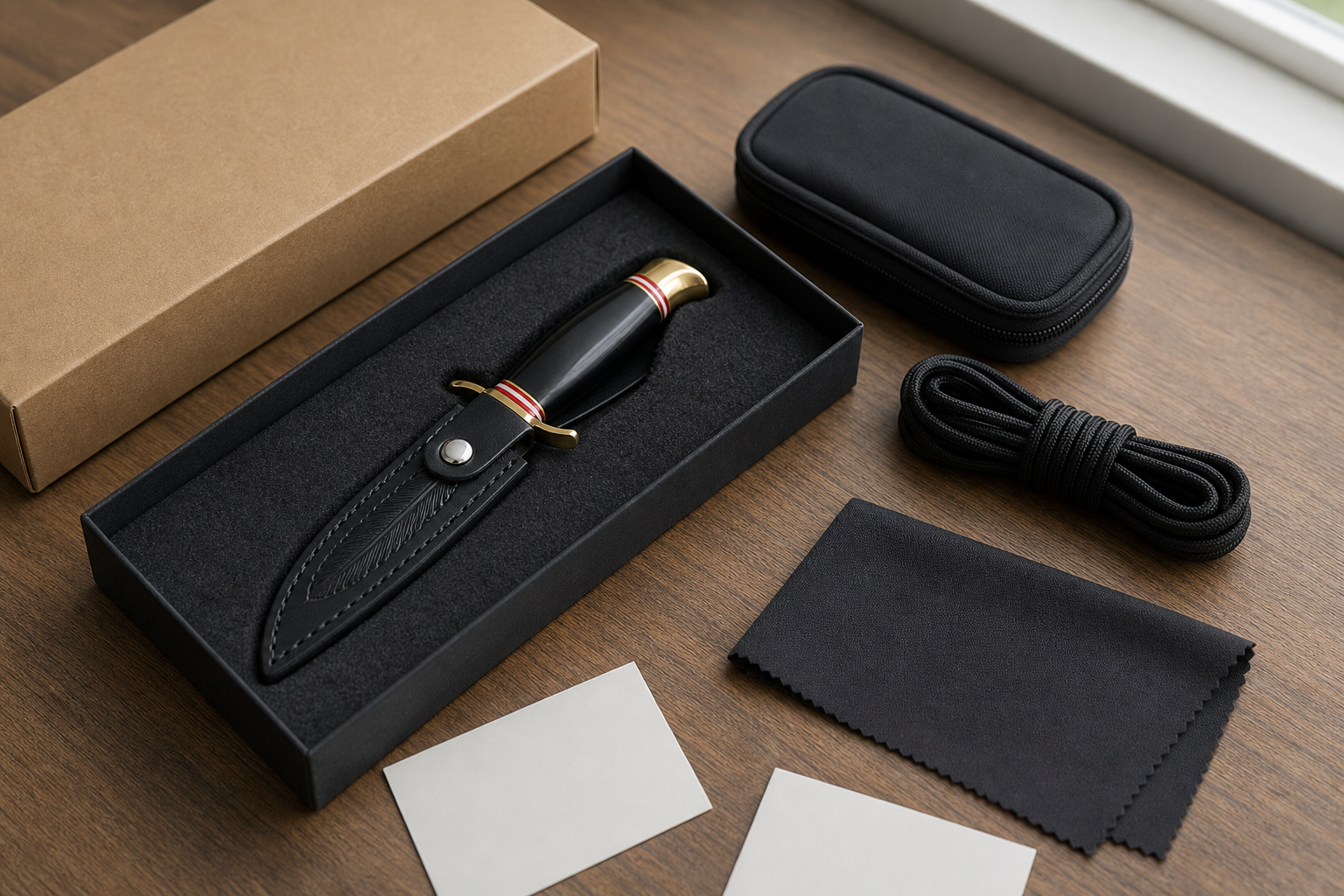
I Define the Main Tasks Before I Define the Look
I prefer to describe these products as survival-style outdoor utility knives. That language keeps the product focused on practical outdoor use. A responsible product page can explain tasks like cutting cord, preparing tinder, trimming small branches, making camp repairs, or handling outdoor utility needs. It should not push self-defense, combat, or unrealistic emergency claims.
For buyers, this matters because the target task controls the design. A knife for light camp cutting can be thinner behind the edge than a heavy outdoor knife. A knife for rougher wood contact may need more robust thickness, stronger tip geometry, and a handle that supports secure pressure. A knife for general kits may need a safer sheath and clearer instructions more than a dramatic blade shape.
The CCOHS guidance on working safely with sharp blades or edges says users should select the right tool for the job and should not use a knife as a pry bar, screwdriver, scraper, or other substitute. This is important for survival-style products. Buyers should not imply that one knife replaces every outdoor tool. If a buyer wants chopping, sawing, prying, or digging functions, we should discuss whether a different tool, thicker structure, or multi-tool set is more honest.
| Outdoor task | Design implication | Guidance note |
|---|---|---|
| Rope and cord cutting | Edge sharpness and control | Use stable cutting direction |
| Kindling preparation | Toughness and handle grip | Avoid excessive force claims |
| Camp repairs | Point and edge access | Use the right tool for the task |
| Kit readiness | Sheath and storage | Keep edge covered when not in use |
Which Safety Precautions Should Packaging or Manuals Explain?
A safe product can still be misused if the instructions are weak. Buyers should not rely on common sense alone.
Packaging and manuals should explain cutting away from the body, using a stable surface, keeping the edge sharp, avoiding excessive force, storing the knife in its sheath, and inspecting the tool before use.
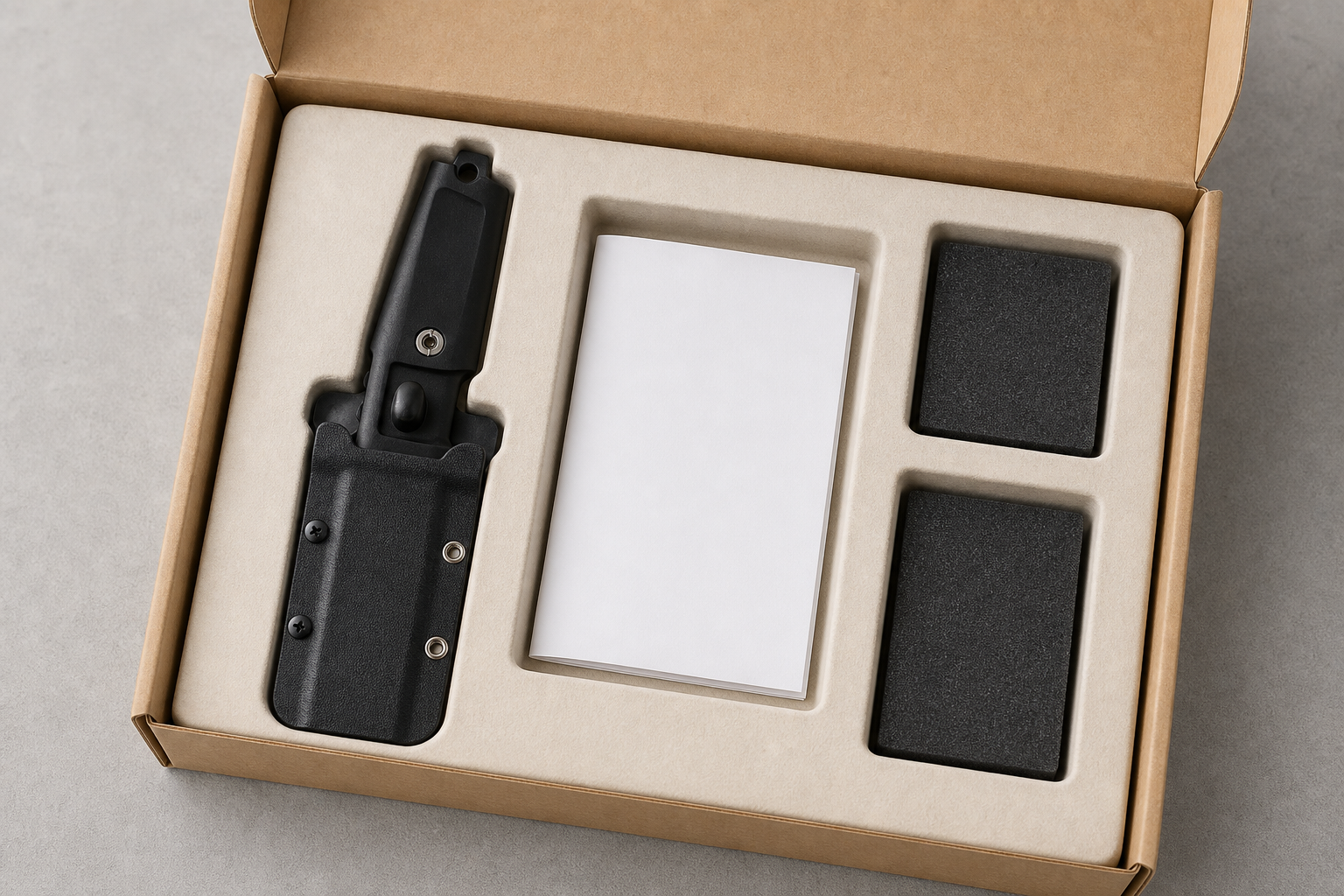
I Keep the Instructions Short and Practical
A buyer does not need a long manual for every outdoor knife, but the user should receive clear basic guidance. The wording should be simple enough for retail packaging, online listings, and a printed insert. It should say that the knife is sharp. It should tell the user to inspect the knife, use a stable work surface, cut away from the body, keep hands out of the cutting path, avoid excessive pressure, and store the blade securely when not in use.
CCOHS gives practical sharp-blade guidance, including cutting away from the body, using a stable surface, keeping the blade sharp, and not trying to catch a falling tool. These points are useful because they are easy to translate into product instructions. I do not copy them as legal text. I use them as a safety framework.
For outdoor products, I also recommend warnings about improper use. A survival-style knife should not be marketed as a pry bar, chisel, screwdriver, can opener, or throwing tool unless the design is truly intended and tested for that specific function. Most knife complaints happen when a user expects one tool to do everything. Clear instructions can reduce that gap.
Buyers should also adapt wording to the target market. Some markets require specific warnings, age restrictions, or product labeling. The buyer should confirm local requirements before launch.
| Instruction topic | Why it matters | Packaging approach |
|---|---|---|
| Cutting direction | Reduces accidental contact | Use short warning language |
| Stable surface | Improves control | Mention secure work area |
| Proper use | Limits misuse claims | State what the knife is not for |
| Storage | Protects user and edge | Show sheath or cover use |
How Should Blade Shape, Size, and Handle Support Safe Utility Use?
Safety is not only written in the manual. It is built into the shape, balance, grip, and sheath.
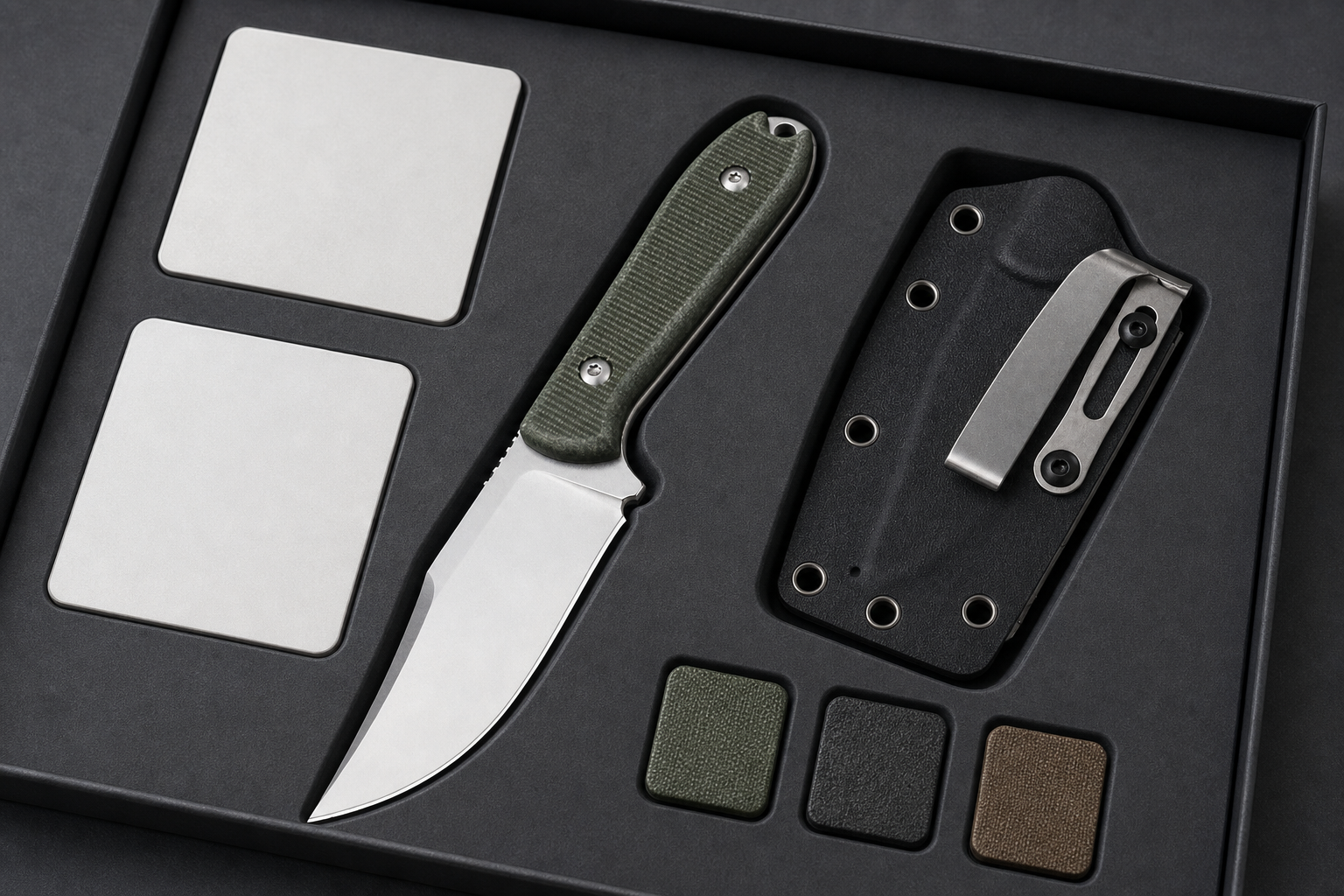
Blade shape, size, and handle should support controlled cutting, stable grip, safe carry, realistic force, easy maintenance, and a clear outdoor utility role.
I Match Control to the Expected Force
For outdoor fixed blades, the handle is as important as the blade. A blade can be strong, but if the handle is slippery or poorly shaped, the user may lose control. I check handle thickness, palm swell, texture, guard area, finger position, and balance. If the buyer wants a compact knife, I check whether the handle is still long enough for the intended user. If the buyer wants a larger knife, I check whether the handle supports stronger pressure without hot spots.
Blade length should also be realistic. A longer blade may look more serious, but it can be heavier and harder to control for fine tasks. A shorter blade may be easier to carry, but it may not support the buyer's outdoor positioning. Tip shape matters too. A very fine point may help detail work, but it can be less suitable for rough contact. A stronger point may fit outdoor utility better, but it may reduce precision.
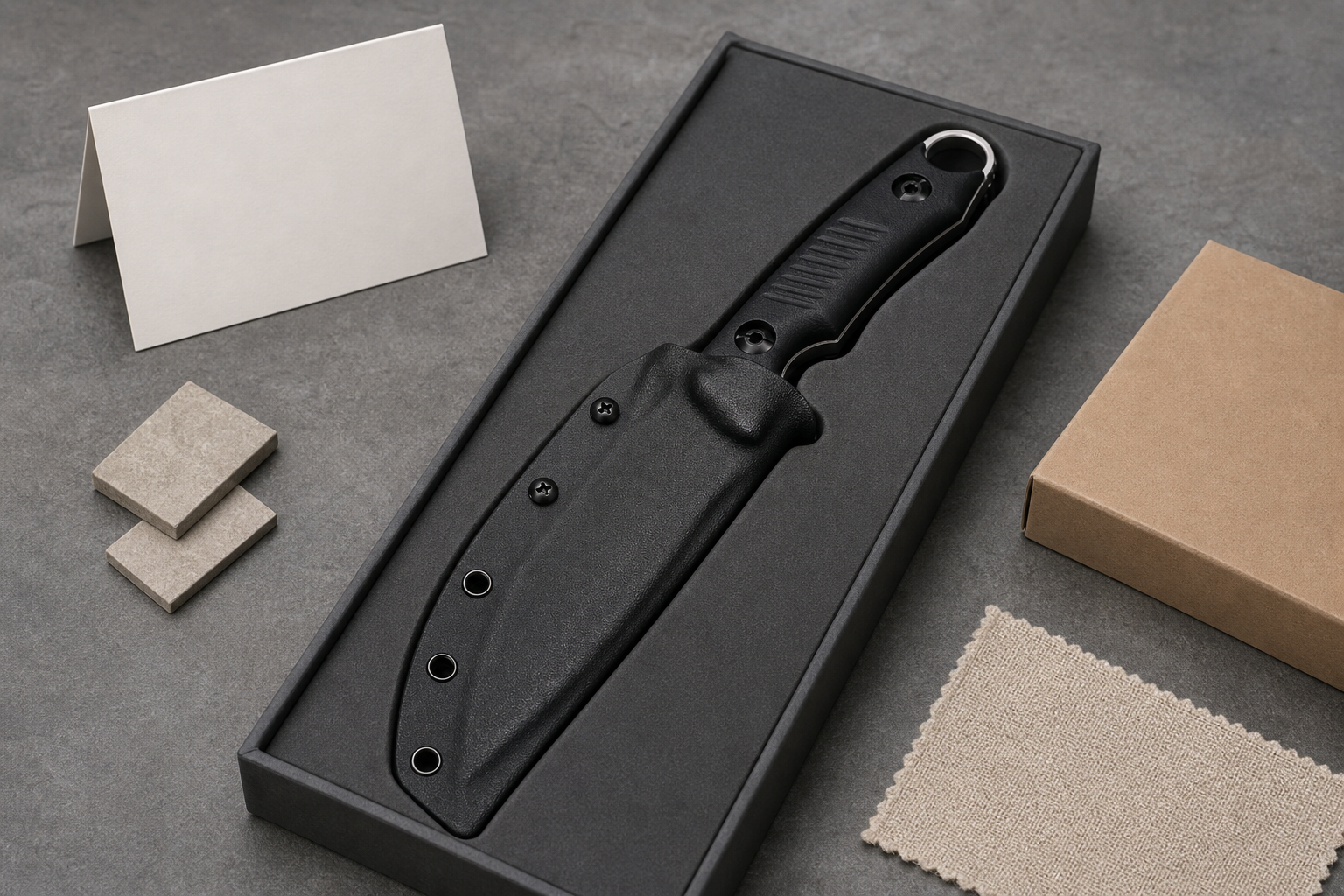
The sheath must fit the design. A loose sheath can create carry risk. A sheath that is too tight can make drawing awkward. A sheath that exposes the edge or point is not acceptable. For B2B projects, I want to test the blade and sheath together, not as separate accessories.
| Design feature | Safe-use role | Buyer check |
|---|---|---|
| Blade length | Affects control and carry | Match size to target user |
| Tip geometry | Affects precision and strength | Avoid unrealistic rough-use claims |
| Handle texture | Affects grip | Test dry, wet, and gloved feel |
| Sheath retention | Affects carry safety | Check draw and storage stability |
How Do Steel, Heat Treatment, and Edge Geometry Affect Safe Use?
Buyers often ask for hardness first. But safe outdoor utility depends on the whole blade system.
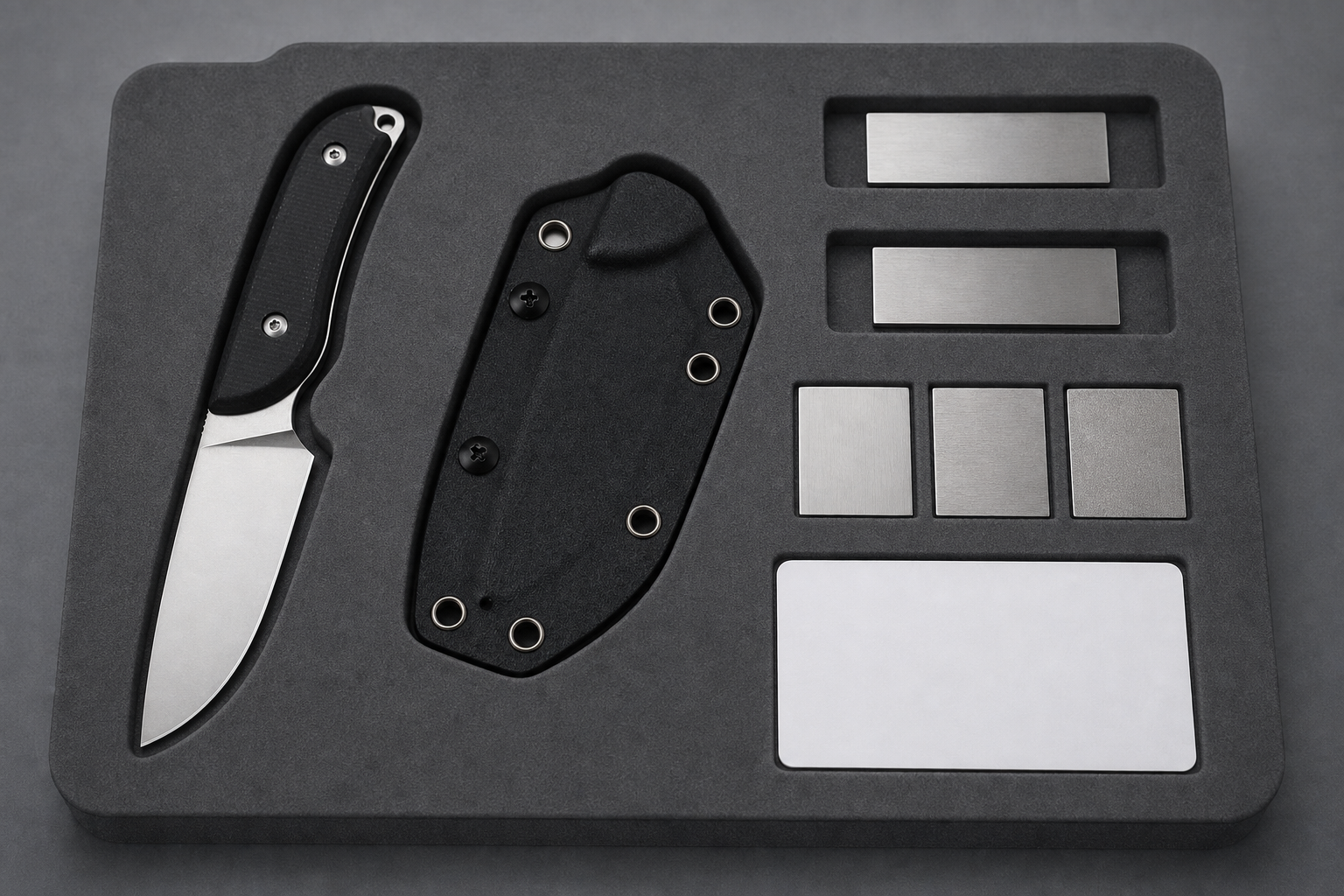
Steel, heat treatment, and edge geometry affect safe use by controlling sharpness, toughness, corrosion resistance, edge stability, maintenance effort, and breakage risk.
I Avoid Maximum-Hardness Thinking
For survival-style outdoor knives, the steel question should not be "What is the hardest?" The better question is "What balance fits the use?" A blade that is too soft may lose edge performance quickly. A blade that is too hard and thin for rough outdoor use may chip. A blade with poor corrosion resistance may disappoint customers in humid or wet markets if care instructions are weak.
Alleima describes Alleima 14C28N as a knife steel made for applications requiring edge sharpness, edge stability, and corrosion resistance, and the same datasheet notes that hardening and tempering are needed to meet end-user properties. I use this kind of material reference to explain the bigger point. Steel grade, heat treatment, and geometry must work together.
Edge geometry also affects safety. A dull knife can require more force. A very thin edge may cut well but may not fit heavier outdoor tasks. A very thick edge may be stronger but can make users push harder. The best edge is not one number. It depends on blade size, target material, steel, hardness, and user expectation.
For OEM buyers, I recommend confirming steel grade, hardness target, edge angle, grind type, and test method before mass production. This keeps the product honest.
| Technical factor | Safe-use effect | Buyer action |
|---|---|---|
| Steel grade | Corrosion and edge behavior | Match market and task |
| Heat treatment | Hardness and toughness balance | Define realistic target range |
| Edge thickness | Cutting force and durability | Approve sample performance |
| Grind type | Maintenance and cutting feel | Match product level |
What Maintenance and Storage Guidance Should Buyers Include?
A knife may leave the factory in good condition but fail in the field because the user stores or maintains it poorly.
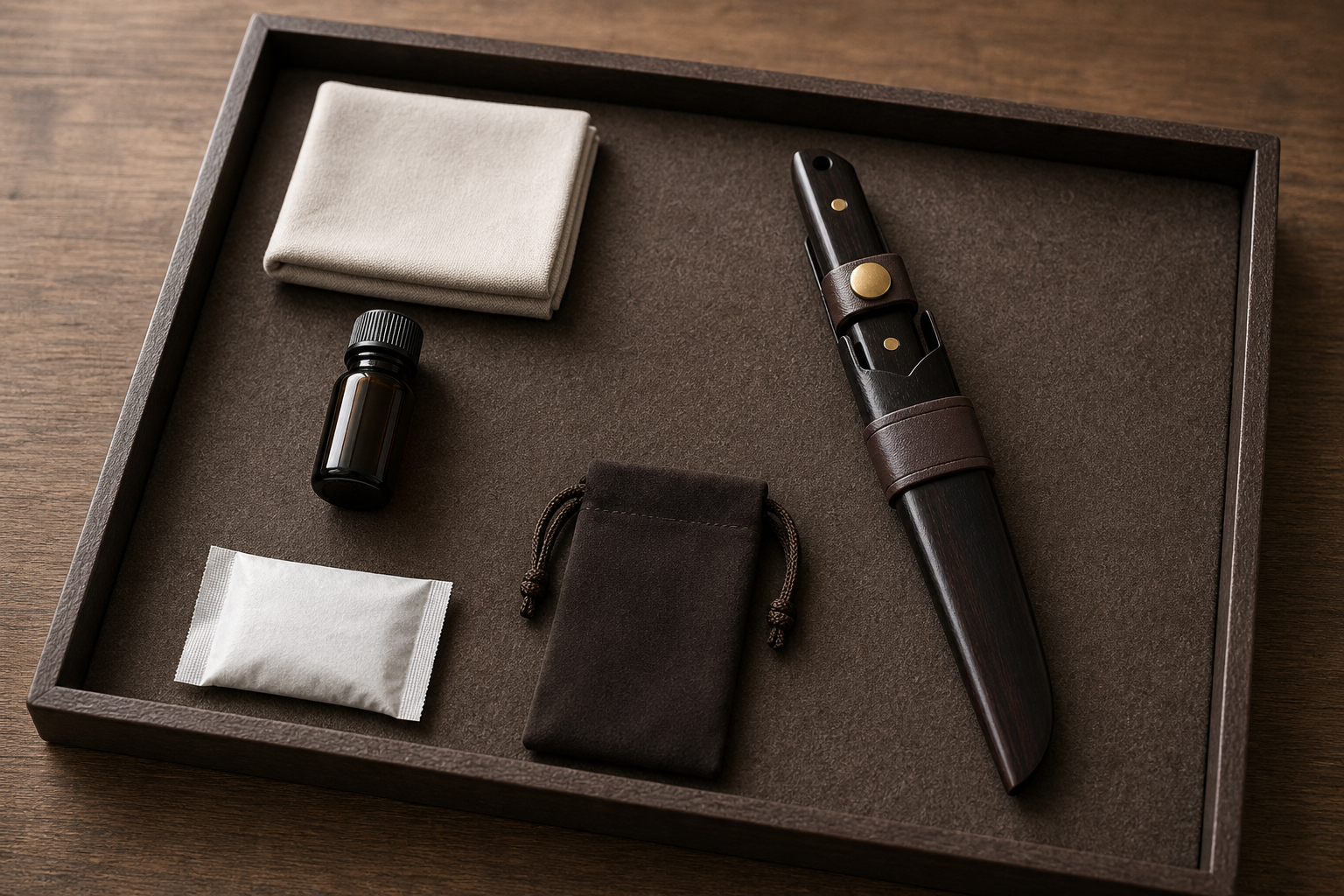
Maintenance guidance should cover cleaning, drying, sharpening, corrosion prevention, sheath storage, edge protection, screw checks where applicable, and inspection before use.
I Make Care Instructions Match the Material
Maintenance guidance should match the knife. A stainless steel blade may need simpler care than a high-carbon blade, but no knife should be stored dirty or wet. A coated blade may need guidance on coating wear. A wooden handle may need different care from G10, micarta, rubber, or polymer. A leather sheath may need different storage advice from a molded plastic or Kydex-style sheath.
CCOHS hand tool guidance says cutting tools should be kept sharp, sharp edges should be covered, tools should be inspected, and tools should be kept clean, dry, and stored properly after use. These points translate well into outdoor knife care. I often suggest a small care card because it reduces user confusion and protects the buyer's brand.
Sharpening language should be realistic. If the buyer sells to beginners, the instructions should recommend appropriate sharpening tools and safe handling. If the knife has a complex edge shape, the buyer should understand that maintenance may be harder for average users. If the knife includes screws, a lanyard hole, fire starter attachment, or sheath hardware, the user should know to inspect those parts before use.
Storage is part of safety. The edge should be covered. The knife should be dry. The sheath should protect the blade and user. The product should not be left loose in a bag.
| Care area | Guidance point | Why it matters |
|---|---|---|
| Cleaning | Remove dirt and moisture | Reduces corrosion and residue |
| Sharpening | Maintain a usable edge | Reduces excessive force |
| Sheath storage | Cover edge and point | Protects user and product |
| Inspection | Check damage before use | Prevents avoidable failure |
What Accessories and Packaging Reduce Field Risk?
Accessories can support safety or create new problems. Buyers should review them before approving a set.
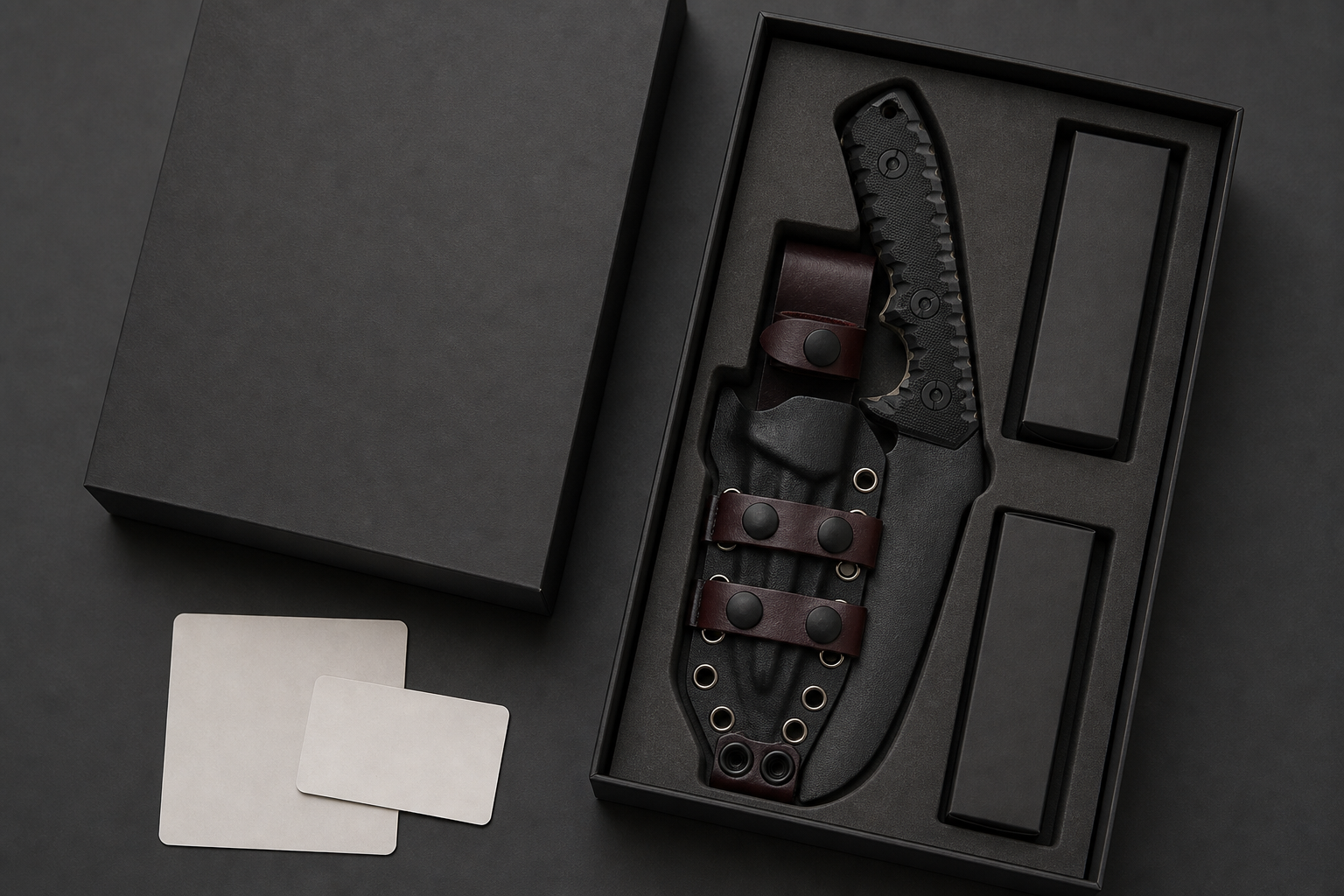
Useful accessories may include a secure sheath, belt attachment, lanyard, edge guard, fire starter, care card, sharpening aid, or packaging insert, but each item must fit the knife and target user.
I Test Accessories as Part of the Product
The sheath is usually the most important accessory for a fixed blade. It should protect the edge, hold the knife securely, allow controlled draw, and avoid unnecessary rattling. If the product is for outdoor use, I also check drainage, material durability, belt attachment, and how the sheath feels when carried. A good knife with a poor sheath can create a weak user experience.
A lanyard can help retention, but it should not interfere with safe cutting. A fire starter can add market value, but it should fit securely and should not scratch the blade or loosen during shipping. A sharpening aid can help users, but the buyer should confirm whether it matches the edge geometry. A care card can be simple, but it should be accurate.
Packaging also matters. The knife should not move freely in the box. The tip should be protected. The edge should not cut the insert. If the blade has oil, coating, or a fine finish, packaging should prevent stains, scratches, and moisture problems. For e-commerce, packaging should survive shipping without the product shifting.
Accessories are part of the quote, not an afterthought. They affect cost, MOQ, inspection time, and customer satisfaction.
| Accessory | Safety role | Buyer check |
|---|---|---|
| Sheath | Covers and retains blade | Test retention and draw |
| Lanyard | Supports handling | Avoid interference with cutting |
| Care card | Guides user behavior | Keep language simple |
| Packaging insert | Prevents movement | Check shipping stability |
What QC Checks Protect Safe Function Before Shipment?
Final inspection cannot fix a weak design, but it can catch problems before delivery. Buyers need clear inspection points.
QC should check sharpness, edge symmetry, tip condition, handle fit, sheath retention, hardware security, corrosion marks, finish defects, packaging protection, and sample consistency.
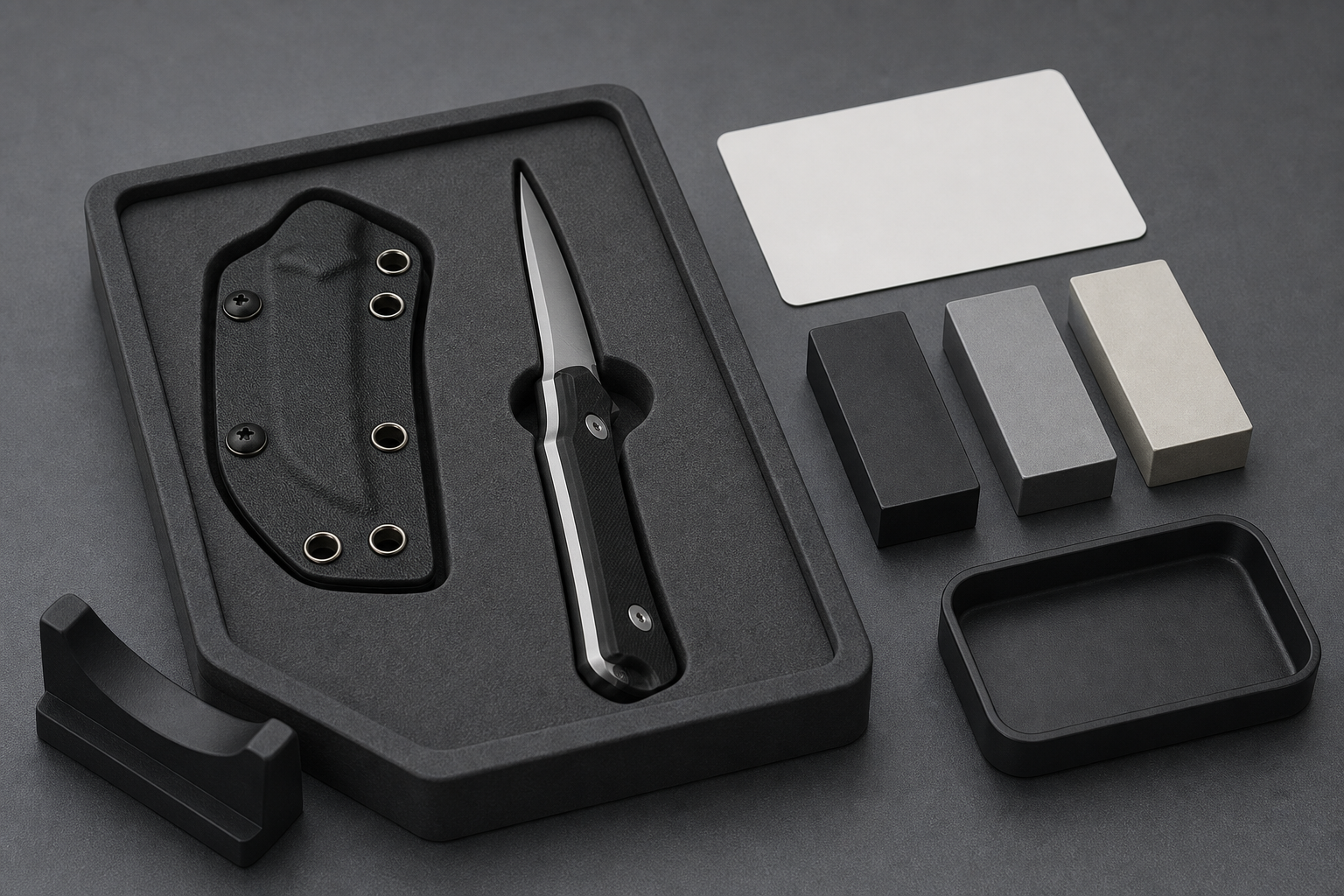
I Check the Knife, Sheath, and Packaging Together
For survival-style outdoor knives, I do not inspect only the blade. I inspect the complete product. The blade should be sharp enough for its intended task, but the edge should be even and clean. The point should match the approved sample. The handle should be secure. The sheath should hold the knife without exposing the edge. The packaging should keep the product stable during shipping.
ISO describes ISO 9001 as a quality management standard that helps organizations improve performance, meet customer expectations, and maintain a quality management system. I mention this because B2B buyers need process thinking. A good supplier should not rely only on final inspection. Incoming material checks, in-process checks, assembly checks, sheath checks, and final packing checks all matter.
Boundary samples are useful. The buyer and factory should agree on acceptable and unacceptable examples for blade marks, handle fit, sheath retention, edge alignment, and packaging defects. This reduces argument during mass production.
For larger orders, I also recommend checking a practical sample from the production batch, not only the best piece from the sample room. Repeatability is what protects the buyer's brand.
| QC item | What I check | Why it protects buyers |
|---|---|---|
| Edge and tip | Sharpness, symmetry, damage | Protects function and safety |
| Handle | Fit, texture, hardware | Protects user control |
| Sheath | Retention and edge coverage | Protects carry and storage |
| Packaging | Movement and abrasion | Protects delivery condition |
What Should Buyers Put in an RFQ for Survival-Style Outdoor Knives?
Vague RFQs create vague quotes. Survival-style products need clear limits, not only strong-looking photos.
Buyers should include target use, blade size, steel, hardness, handle material, sheath type, accessories, packaging, safety guidance, MOQ, target price, market, and QC expectations.
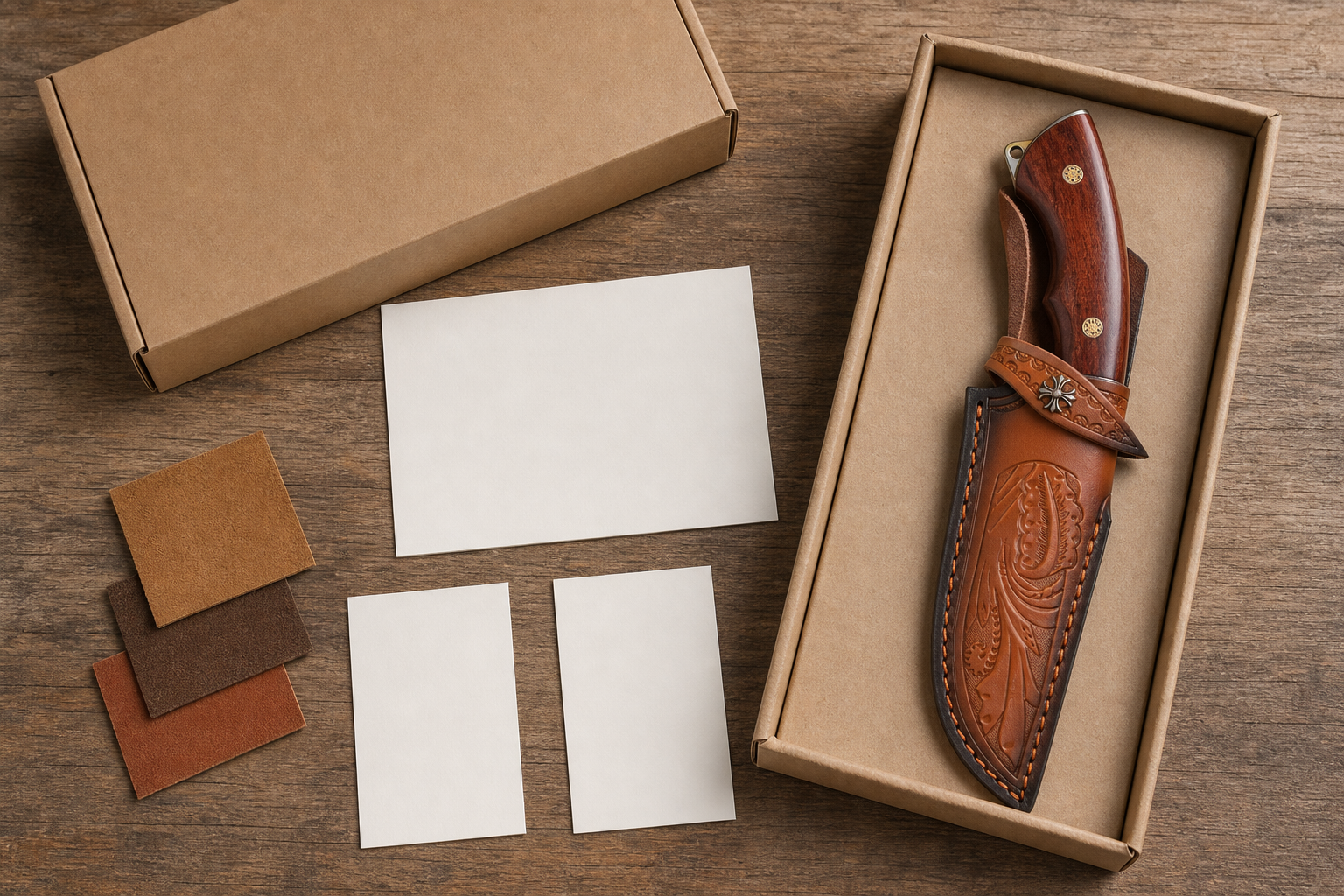
I Ask for the Use Case and the Limits
The most helpful RFQ starts with the target user and task. Is the knife for camping, bushcraft-style outdoor use, emergency kits, general utility, private label retail, or promotional outdoor sets? What materials will the user cut most often? What price range must the product hit? What market will it enter? These answers help me suggest a practical structure.
The RFQ should include blade length, overall length, blade thickness, steel grade, hardness target, grind type, blade finish, handle material, sheath material, carry method, accessories, logo method, packaging, target MOQ, and target price. It should also mention whether the buyer needs a printed insert, care card, warning label, or multilingual packaging.
I also ask what the product should not do. For example, if the buyer does not want a heavy chopping knife, I should not quote a design that implies heavy impact. If the buyer wants a beginner-friendly product, I may recommend a more controlled blade size and simple care guidance. If the buyer wants premium positioning, we can discuss better sheath materials, tighter finish standards, and more detailed QC.
A good RFQ saves time because it turns the conversation from guessing into engineering.
| RFQ field | What to include | Why it helps |
|---|---|---|
| Target use | Camping, kit, utility, outdoor work | Defines design direction |
| Technical spec | Size, steel, hardness, grind | Supports accurate quotation |
| Safety package | Manual, warnings, sheath, care card | Supports responsible positioning |
| Commercial target | MOQ, price, market, packaging | Keeps project realistic |
How Can Vast State Support Safe Outdoor Knife Development?
Buyers need more than a factory that can copy a shape. They need a partner who can connect use, cost, and production.
Vast State supports survival-style outdoor knife projects with OEM/ODM development, material selection, prototype support, handle and sheath suggestions, packaging customization, production follow-up, and practical QC.
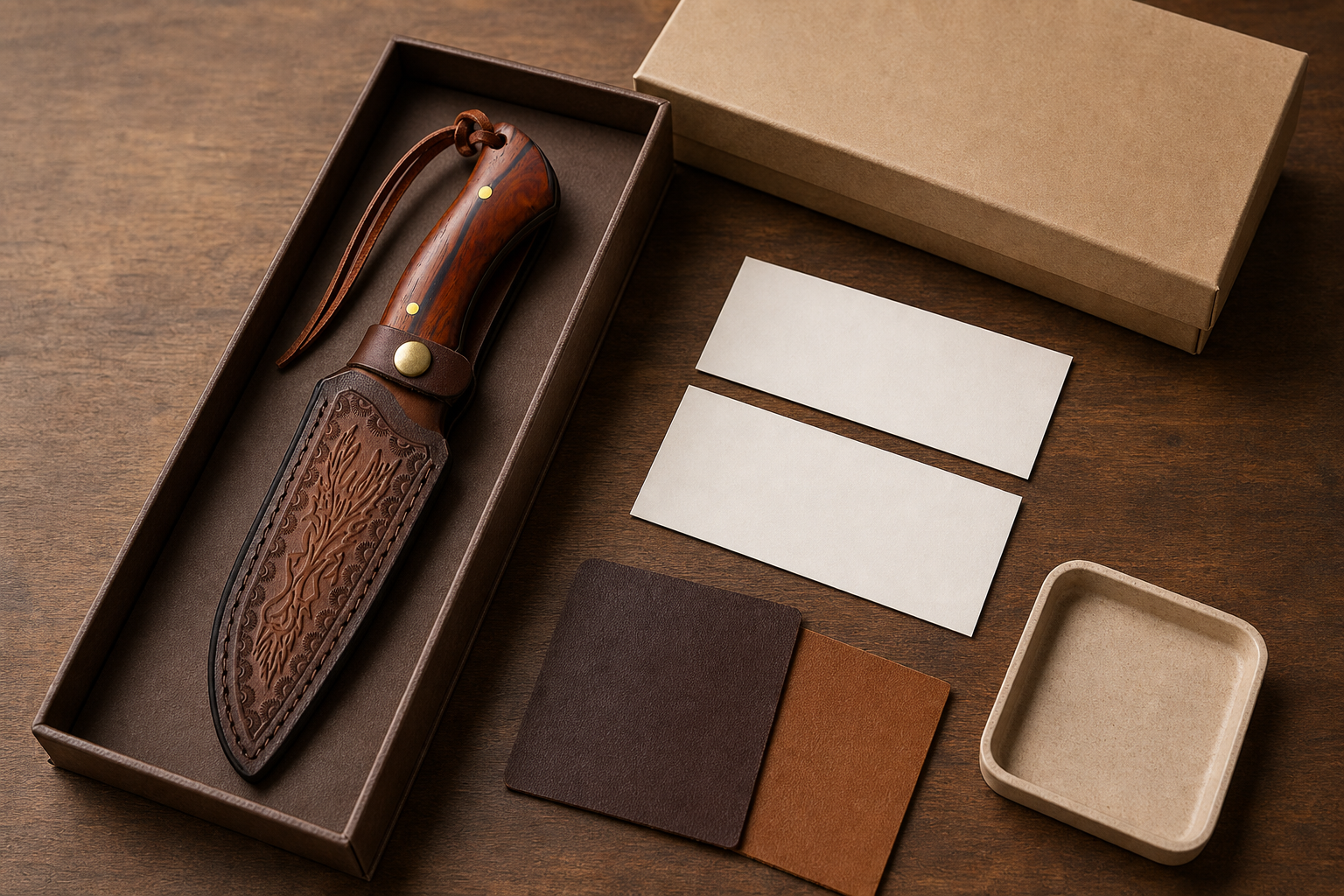
I Help Buyers Build Practical Products, Not Just Strong Claims
At Vast State, I support buyers from concept to production. For survival-style outdoor knives, this means I look at the full product: blade shape, steel, heat treatment, handle material, sheath, accessories, packaging, and inspection. I also look at the buyer's target market, price range, and brand position.
Some customers already have drawings. I review whether the design matches the intended tasks and whether it can be produced steadily. Some customers only have a rough idea. I help turn that idea into a practical product plan. I may suggest a different blade thickness, a more controlled handle shape, a better sheath structure, a more suitable steel, or simpler packaging if that improves cost and reliability.
My goal is to help buyers avoid over-promising. A good outdoor knife can be useful, durable, and attractive without unsafe language. It can be positioned around camping, outdoor preparation, utility cutting, and kit readiness. It can include clear care guidance and a protective sheath. It can also meet the buyer's price and MOQ goals when the design is planned early.
For long-term B2B customers, this practical approach matters. It reduces sample revisions, improves production consistency, and protects repeat orders.
| Support area | What I review | Buyer benefit |
|---|---|---|
| Concept | Use case and market fit | Better product direction |
| Engineering | Blade, handle, sheath, materials | Lower development risk |
| Packaging | Care card, insert, protection | Clearer user experience |
| QC | Edge, sheath, handle, finish | More reliable shipment |
Turn this article into a fixed blade project.
Send your target use, blade size, steel, handle direction, sheath needs, quantity, and packaging plan. Vast State can help shape it into a quote-ready project.
Conclusion
I build safer survival-style outdoor knife projects by defining practical use, realistic limits, stable structure, clear guidance, and repeatable quality control.