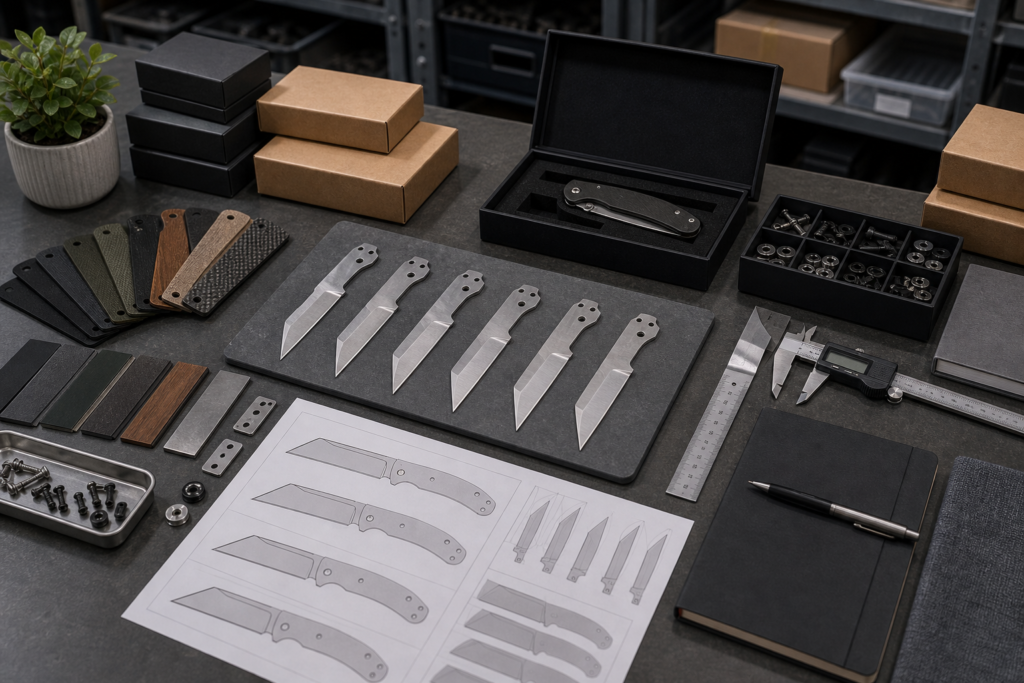
A Wharncliffe blade looks simple, but that can mislead buyers. The shape works well only when its strengths match the product use.
A Wharncliffe blade is a knife blade with a mostly straight cutting edge and a spine that slopes down toward a fine tip. It is useful for controlled utility cuts, box opening, carving, detail work, and EDC designs where precision matters more than deep belly slicing.
Quick buyer brief:
- Answer: Choose Wharncliffe when controlled straight-edge cutting and point accuracy matter.
- Buyer context: This helps knife brands, sellers, importers, and private label buyers plan EDC and utility models.
- Key checks: Confirm blade length, tip strength, edge straightness, steel, grind, handle ergonomics, lock safety, packaging copy, and target-market rules.
Have a knife or multi-tool project in mind?
Send your sketch, CAD file, sample photo, or product idea. Vast State can review manufacturability, suggest materials, estimate MOQ, and prepare a quote for your OEM/ODM project.
When I review a Wharncliffe knife project, I do not treat the shape as decoration. The blade profile changes how the knife cuts, how the tip is used, how easy it is to sharpen, how buyers understand the product, and how the factory must inspect the part. A good Wharncliffe can feel very practical. A poor one can look strange, have a weak tip, or miss the customer's real use case. That is why I connect the blade shape with the target market before moving into sample production.
What Is a Wharncliffe Blade in Practical Terms?
Some buyers know the name but not the geometry. That creates confusion when they compare Wharncliffe, sheepsfoot, reverse tanto, and utility blades.
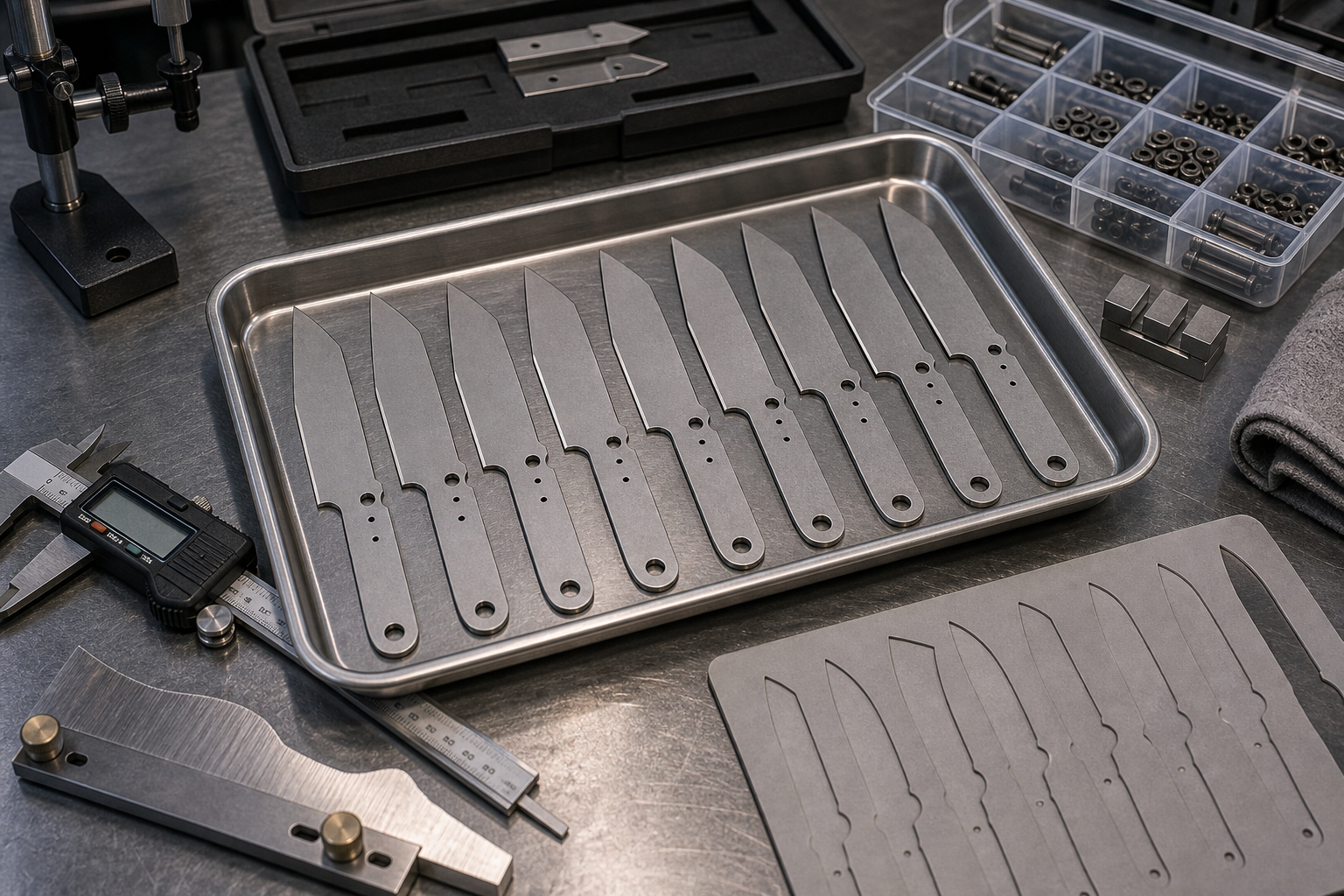
A Wharncliffe blade usually has a straight or nearly straight cutting edge, while the spine curves or slopes down to a pointed tip. The shape favors controlled cuts and visible tip placement.
I Define the Shape Before I Sell It
The simplest way I explain a Wharncliffe blade is this: the edge stays mostly straight, and the back of the blade moves down toward the point. A Boker knife glossary entry describes the Wharncliffe as a blade with a curved spine and straight edge, and it also notes that the shape is often confused with a sheepsfoot blade. I use that kind of industry definition as a starting point, not as a final product rule.
In production, small changes can make the knife feel different. A completely straight edge gives clean push cuts and easy sharpening. A very slight belly can make the knife more general-purpose, but it also moves the design toward a modified Wharncliffe. A fine tip helps detail work, but it may need more steel behind the tip if the target user is rough. A short blade can feel precise. A longer blade can look dramatic but may become less practical for everyday carry.
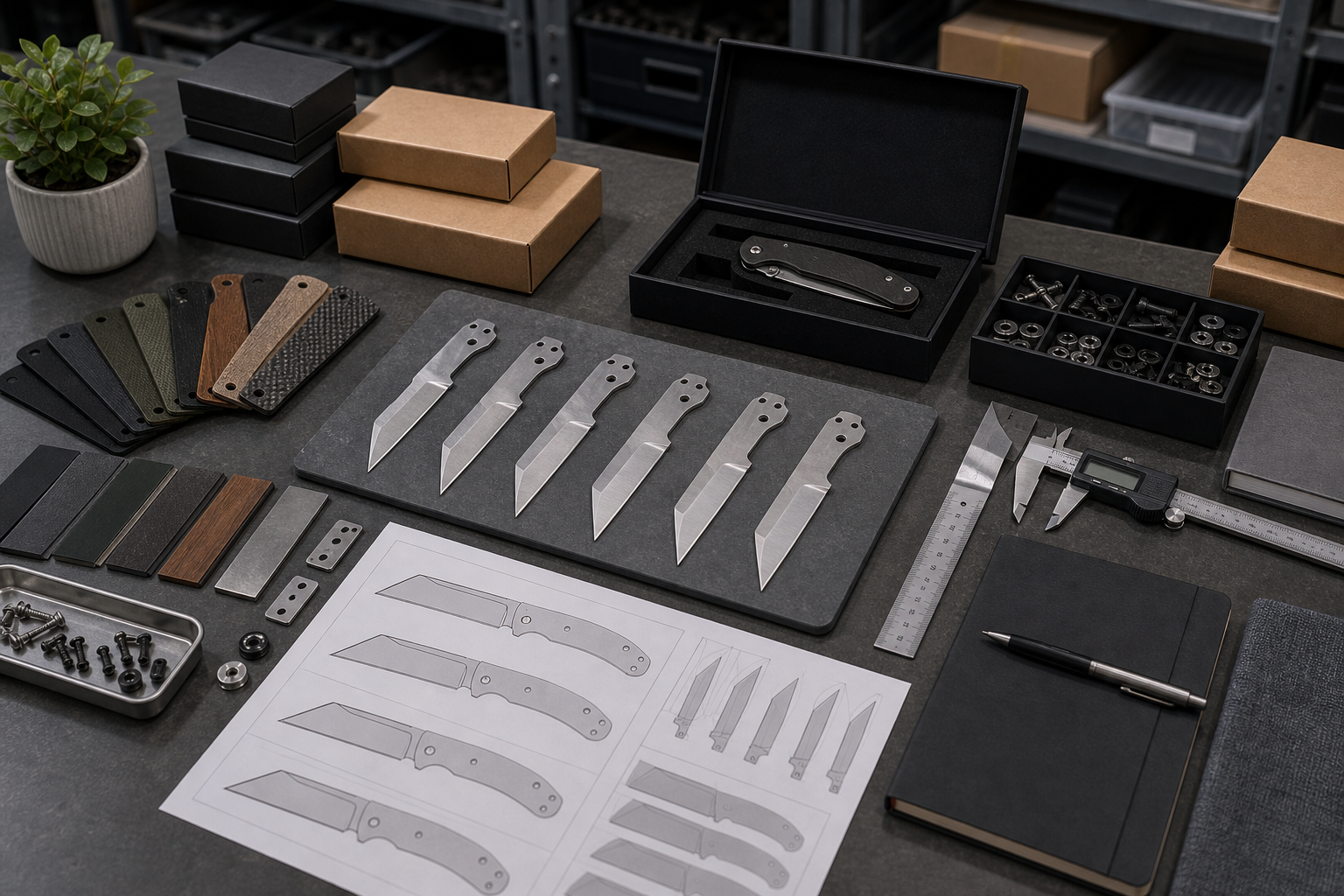
For B2B buyers, the key point is that "Wharncliffe" is not enough for an RFQ. I want the buyer to show or describe the spine curve, tip position, edge line, blade length, blade thickness, grind, and intended use. Then I can judge whether the shape fits the market.
| Geometry point | What it means | Why buyers should care |
|---|---|---|
| Straight edge | Stable push cuts and easy sharpening | Good for utility and controlled cutting |
| Sloping spine | Creates the Wharncliffe profile | Changes tip strength and appearance |
| Fine tip | Helps detail cuts and package opening | Needs correct thickness and heat treatment |
| Little or no belly | Less sweeping slicing motion | Not ideal for all food or skinning tasks |
| Profile variation | Modified Wharncliffe may add slight curve | Product copy should stay accurate |
OEM/ODM RFQ Checklist
Prepare these details to help Vast State review your project and provide a more accurate quotation.
| RFQ Field | What to Prepare |
|---|---|
| Project type | OEM from drawing / ODM private label / wholesale catalog |
| Product category | Folding knife / fixed blade / multi-tool / outdoor tool |
| Design status | Idea / sketch / 2D drawing / 3D CAD / physical sample |
| Target price | Ex-factory target price or retail price range |
| MOQ expectation | 500 / 1,000 / 3,000 / 5,000+ pcs |
| Logo method | Laser engraving / etching / printing / molded logo |
| Packaging | Standard packaging / custom retail box / Amazon-ready |
| Market | USA / EU / Japan / Korea / Middle East / other |
| Compliance needs | Buyer-specified testing / documentation / labeling |
| Timeline | Sample deadline / mass production deadline |
Where Does a Wharncliffe Blade Work Best?
The wrong blade shape can make a good steel feel average. A Wharncliffe works best when the cutting task rewards control.
Wharncliffe blades work well for box opening, rope and strap cuts, carving, scoring, detail cuts, warehouse work, EDC utility tasks, and cutting against flat surfaces where straight-edge control matters.
I Match the Shape to Real Retail Use
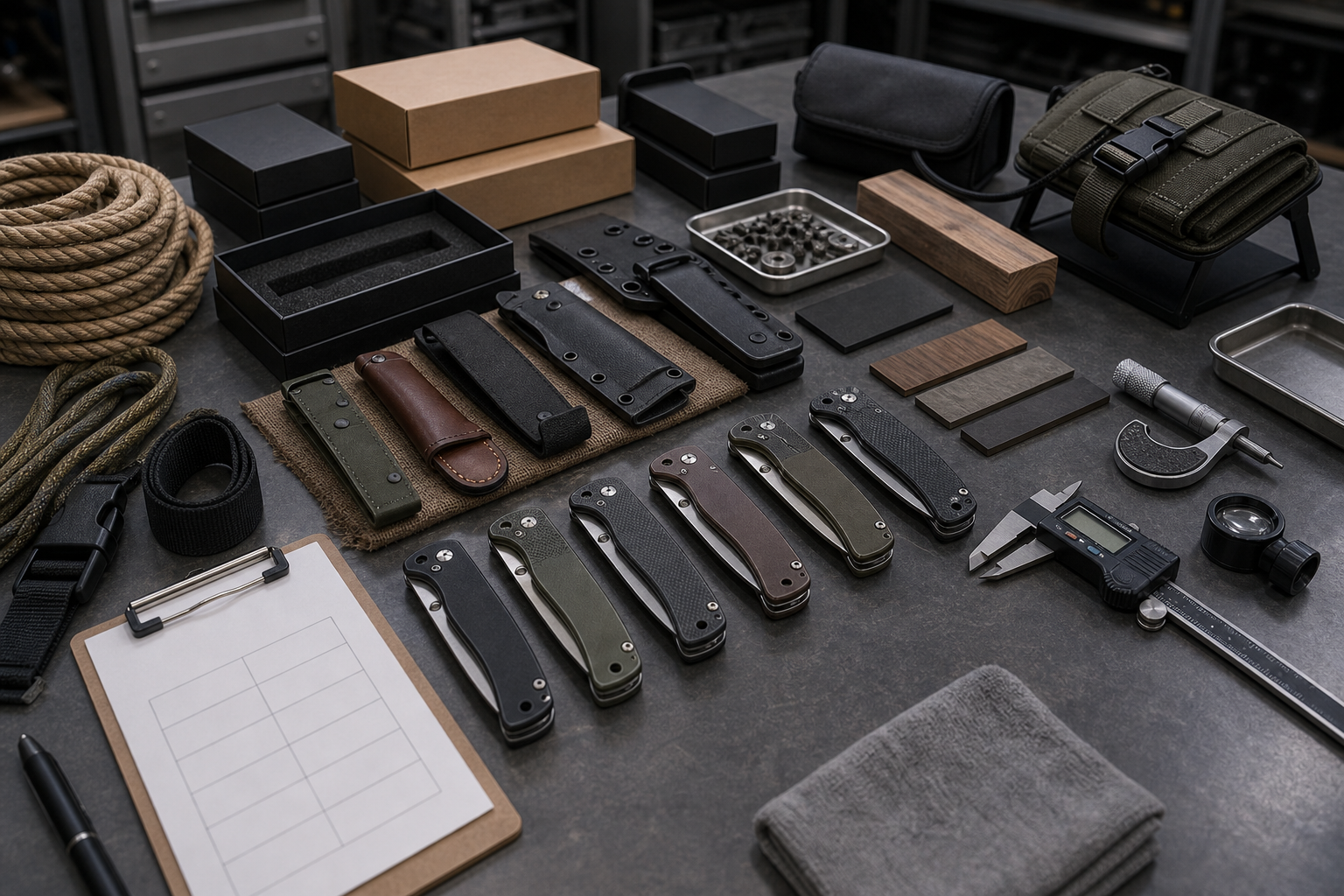
I like Wharncliffe blades for practical product lines because the edge is easy to understand. Many customers use pocket knives for cartons, tape, zip ties, plastic straps, light carving, and general shop tasks. A straight edge can make these cuts feel controlled. The user can see where the point is working, and the edge can contact flat material cleanly.
This does not mean Wharncliffe is the best shape for every knife. A drop point often works better as a general outdoor shape because it gives more belly for slicing. A clip point may appeal to traditional pocket knife buyers. A sheepsfoot may be safer when the buyer wants less piercing ability. A tanto or reverse tanto may fit a stronger tactical-style visual. Wharncliffe sits in a different place. It is a controlled utility shape.
The AKTI knife safety and care guide reminds users that knives are cutting tools, not hammers, screwdrivers, or pry bars. That is especially important for Wharncliffe product positioning. The fine tip can do precise work, but sellers should not imply that the tip is made for prying. Product copy should focus on controlled cutting, not abuse.
For retail channels, I would position a Wharncliffe knife around clean utility, easy sharpening, visible point control, and EDC practicality. I would avoid overselling it as a hunting skinning blade or heavy chopping tool.
| Use case | Wharncliffe fit | Product note |
|---|---|---|
| Box opening | Strong | Straight edge and fine point help control |
| Rope and strap cutting | Good | Edge sharpness and steel choice matter |
| Carving and whittling | Good | Tip control is useful |
| Food slicing | Limited | Less belly than many kitchen shapes |
| Skinning | Usually weak | Belly and rounded tip are often preferred |
| Prying | Poor | Product copy should not suggest this use |
How Is Wharncliffe Different From Sheepsfoot, Drop Point, and Reverse Tanto?
Blade names can blur in online listings. If sellers label the shape badly, buyers may misunderstand the product.
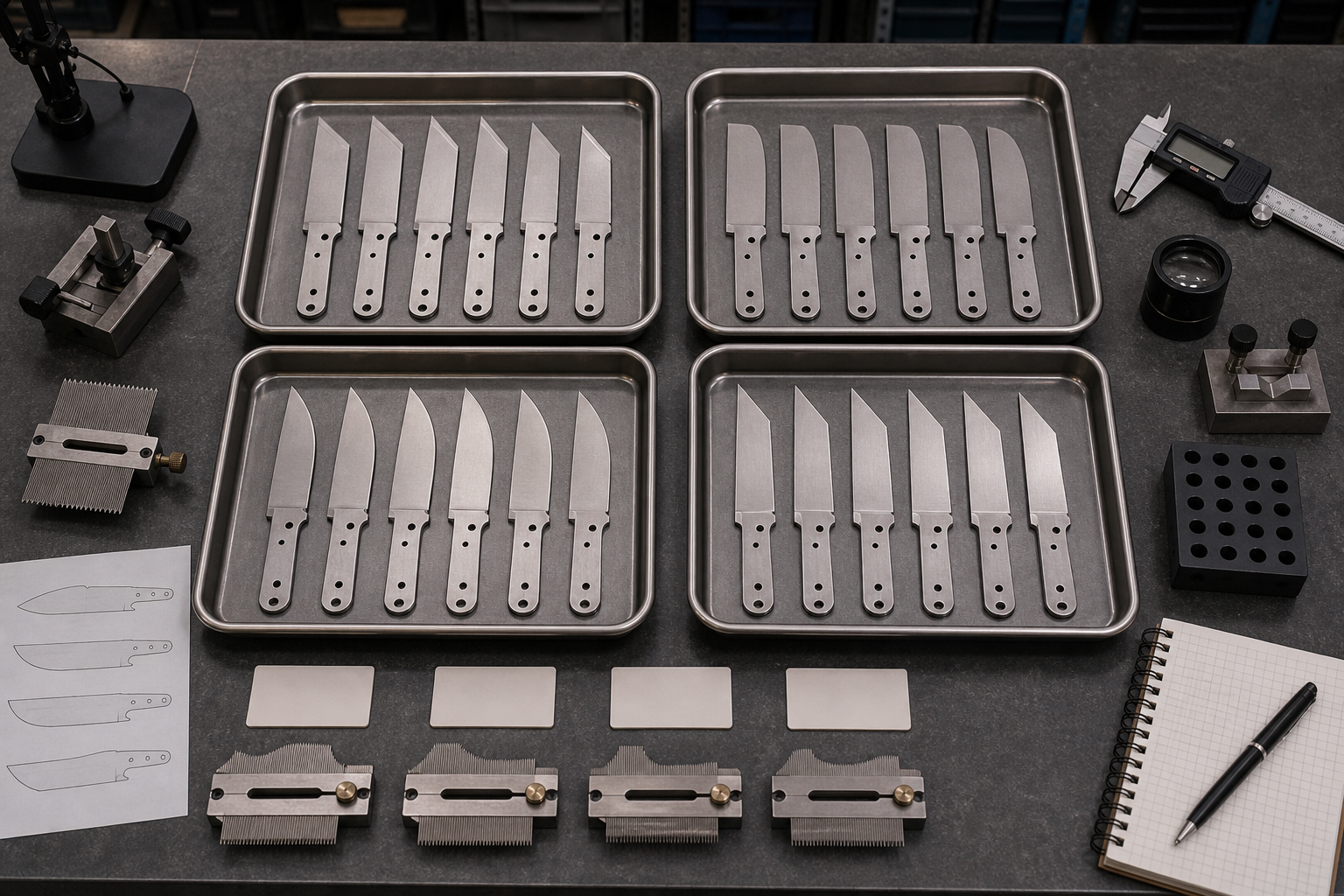
Wharncliffe usually has a straighter edge and a more pointed tip than sheepsfoot. Drop point has more belly and a centered general-use tip. Reverse tanto often looks stronger and more angular.
I Use Shape Language Carefully
Wharncliffe and sheepsfoot are the most common confusion. Both can have a straight edge. The difference is usually the tip and spine behavior. A Wharncliffe normally tapers down to a more acute point. A sheepsfoot usually has a more rounded or less piercing tip, often with the spine staying more parallel to the edge before dropping down. This matters because the buyer's use case changes. A sheepsfoot can be better when the seller wants a safer, less pointed utility tool. A Wharncliffe is better when point accuracy matters.
Drop point is broader in use. It has more belly and a tip that works well for general outdoor tasks. If a buyer is not sure what end users will cut, drop point is often safer. Wharncliffe is more specialized but can feel better for cartons, flat material, and detailed cuts.
Reverse tanto can overlap with modern Wharncliffe designs. It may have a straight edge and angular spine, but the design language is different. Reverse tanto often suggests tip strength and tactical-style appearance. Wharncliffe usually suggests utility and precision. Sellers should not use these names randomly because buyers who know knives will notice.
In OEM development, I ask the buyer to choose the product promise first. Is the knife a box cutter replacement, an outdoor utility folder, a safer work knife, or a premium EDC design? That answer usually decides the shape.
| Shape | Main strength | Main caution |
|---|---|---|
| Wharncliffe | Straight-edge control and precise tip work | Less belly for sweeping slicing |
| Sheepsfoot | Controlled cutting with less piercing tip | May not suit detail point work |
| Drop point | Balanced general-purpose use | Less specialized for straight push cuts |
| Reverse tanto | Stronger angular tip story | Can look more aggressive |
| Modified Wharncliffe | More versatile than pure straight edge | Product naming can become unclear |
What OEM Design Details Matter for a Wharncliffe Knife?
A Wharncliffe looks easy to draw, but production details decide whether it feels useful, strong, and repeatable.
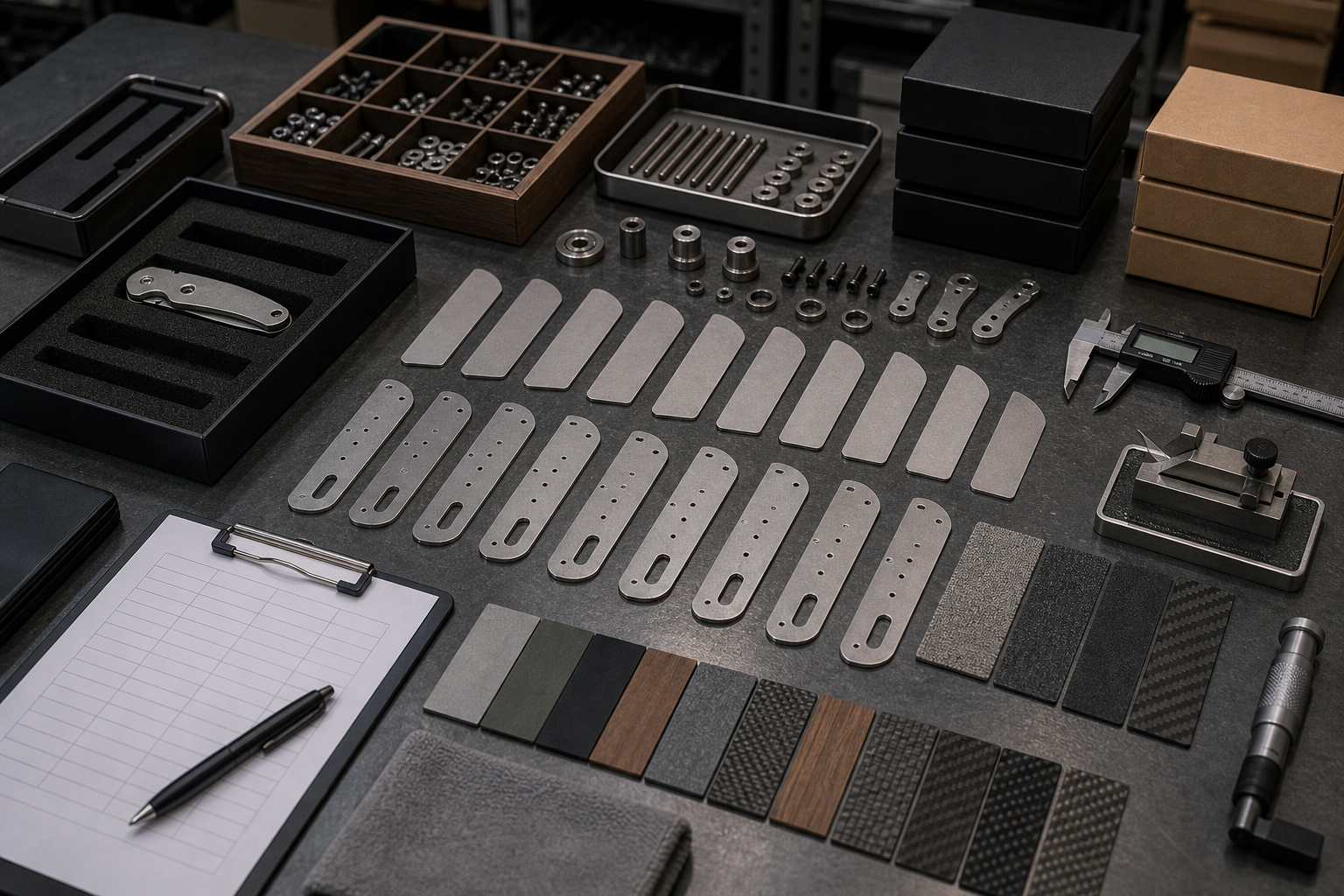
OEM buyers should control blade length, tip thickness, steel, heat treatment, grind, edge angle, handle clearance, lock geometry, opening action, finish, and sharpening consistency on Wharncliffe knives.
I Watch the Tip and Edge Line Closely
The first production risk is the tip. A Wharncliffe tip can look sharp and useful, but it may become too thin if the spine drops too aggressively or if the grind removes too much support. For EDC utility knives, I often prefer a practical tip that still has enough material behind it. The exact choice depends on steel, heat treatment, blade thickness, and target user.
The second risk is edge straightness. A Wharncliffe should look clean along the edge. If grinding creates waves, uneven bevels, or inconsistent sharpening, the blade loses its main visual and functional advantage. A straight edge is honest. It shows mistakes quickly.
The third risk is closed-blade clearance in folding knives. The point must sit safely inside the handle. The edge must not contact the backspacer, stop pin, liner, or handle interior. The lock face and stop geometry must also match the blade tang. If the profile changes after prototype approval, action and lockup can change too.
Handle ergonomics also matter. A Wharncliffe often does push cuts and controlled cuts. The handle should support downward pressure without hot spots. A pocket clip should not create discomfort during firm grip. Packaging should also make the product use clear. If the buyer wants private label, the knife should look intentional, not like a random blade shape on a generic handle.
| Design detail | What I check | Why it matters |
|---|---|---|
| Tip thickness | Enough support behind the point | Reduces breakage risk |
| Edge straightness | No waves or uneven sharpening | Protects the Wharncliffe advantage |
| Grind symmetry | Even bevels and clean plunge area | Improves cutting and appearance |
| Closed clearance | Tip and edge stay safely inside handle | Protects folding knife safety |
| Lock geometry | Stable engagement and release | Supports user trust |
| Handle shape | Comfortable controlled cutting grip | Matches real use |
How Should Sellers Explain a Wharncliffe Blade Without Overclaiming?
Good product copy sells the right expectation. Bad copy makes the knife sound like it can do everything.
Sellers should explain a Wharncliffe blade as a controlled utility shape for straight cuts, package opening, detail work, carving, and EDC use. They should avoid claims about prying, chopping, or universal superiority.
I Keep the Message Practical
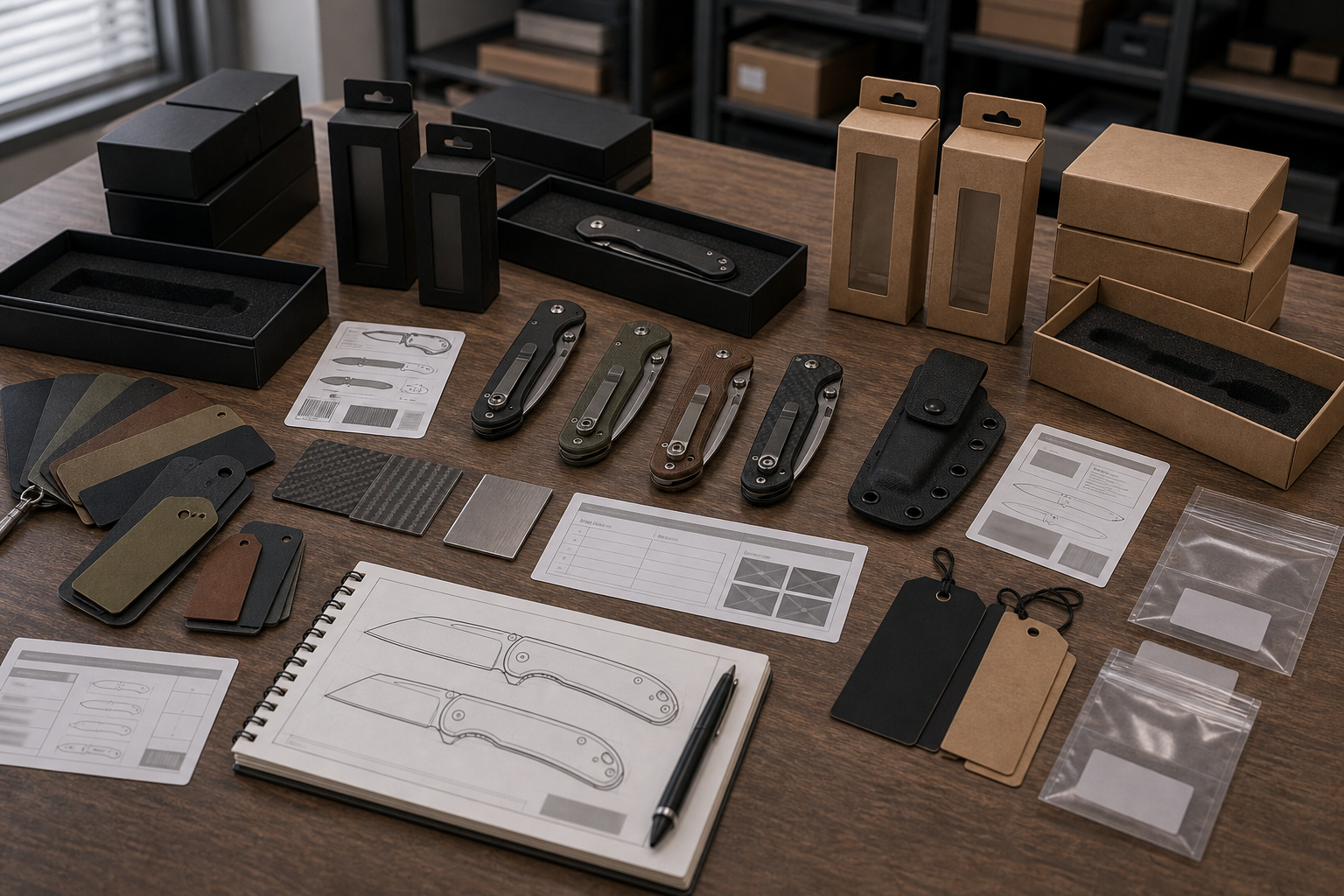
For a seller, a Wharncliffe blade can be easy to market if the copy is honest. I would use phrases such as "controlled utility cuts," "straight-edge cutting," "fine tip for detail work," "easy edge maintenance," and "practical EDC shape." These claims match the geometry. I would avoid saying it is best for every outdoor task, heavy prying, hard twisting, or skinning. Those claims do not fit the blade shape.
The AKTI guide for choosing a knife makes a useful broader point: buyers should define use and check state law, blade length, and mechanism rules. A seller should do the same before choosing product copy. If a Wharncliffe knife has a fine point and a certain blade length, that may matter in some channels or markets. Product pages should not push aggressive use cases when the intended audience is general retail.
The AKTI blade length measurement protocol also reminds sellers that blade length should be described consistently. For B2B product sheets, I like to define blade length, overall length, closed length, blade thickness, weight, steel, hardness target, handle material, lock type, and packaging. Clear data reduces back-and-forth and helps importers prepare listings.
For private label projects, the copy should match the brand. An outdoor brand may say "controlled camp utility." An EDC brand may say "precise package and daily cuts." A hardware channel may say "straight-edge work knife." The same blade can be described differently, but it should not be exaggerated.
| Product-copy point | Better wording | Avoid this wording |
|---|---|---|
| Main use | Controlled utility cutting | Best for every task |
| Tip | Fine point for detail work | Pry-ready tip |
| Edge | Straight edge for push cuts | Superior to all blade shapes |
| Safety | Use responsibly and cut away | Unsafe handling suggestions |
| Specs | Clear length, steel, lock, finish | Vague premium claims |
What RFQ and QC Details Should Buyers Control?
A Wharncliffe sample can look right in photos and still fail in production. Buyers need measurable standards.
Buyers should specify profile drawing, blade length, steel, HRC target, grind, edge angle, tip thickness, edge straightness, lock type, handle clearance, finish, packaging, and inspection criteria.
I Turn the Shape Into Inspection Points
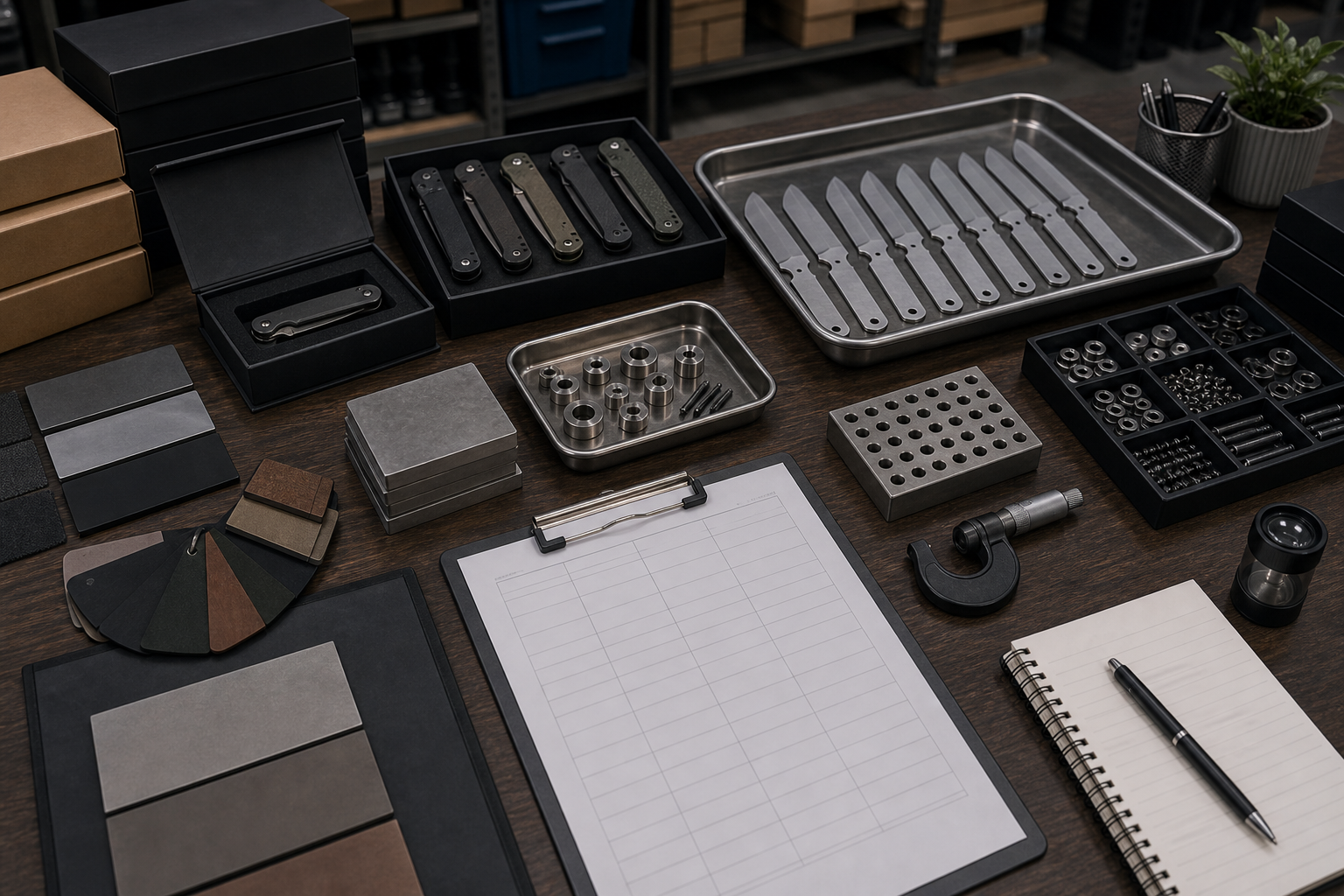
For a Wharncliffe project, the RFQ should include more than "Wharncliffe blade." It should include a drawing or reference profile, blade length, cutting edge length, tip location, spine curve, blade thickness, grind type, steel, hardness target, edge angle, finish, and sharpening requirement. If the buyer wants a folding knife, the RFQ should also include lock type, closed length, handle material, clip direction, opening method, and safety clearance.
Inspection should start with incoming material and continue through blade processing. I check profile accuracy, pivot hole position, tang shape, bevel symmetry, tip shape, edge straightness, heat treatment, finish, sharpening, assembly, lockup, blade centering, side play, screw torque, and packaging. Final inspection is important, but it should not be the only control point.
For international sourcing, commercial terms should be clear. The U.S. International Trade Administration explains that Incoterms define buyer and seller responsibilities, costs, and risks. Quality language also needs structure. The ISO 9001 page explains quality management system requirements and process improvement. I use this as a process reference, not as a supplier certification claim unless documents prove it.
If the buyer gives Vast State a clear product direction, we can help suggest a practical Wharncliffe profile, material choice, finish, lock structure, packaging direction, and inspection plan. That is where OEM/ODM support becomes useful.
| RFQ or QC item | What to define | Why it matters |
|---|---|---|
| Blade profile | Drawing, reference, tip shape, spine curve | Prevents naming confusion |
| Tip thickness | Minimum practical support | Reduces breakage risk |
| Edge straightness | Visual and sharpening standard | Protects cutting performance |
| Closed clearance | Tip and edge position inside handle | Protects folding knife safety |
| Lock and pivot | Engagement, side play, centering | Supports user confidence |
| Packaging | Use case, specs, care note, barcode | Supports retail selling |
Turn your idea into a quote-ready knife project.
Share your drawing, sample photo, target quantity, market, and packaging needs. Vast State will review manufacturability and prepare OEM/ODM options.
Conclusion
I choose a Wharncliffe blade when the product needs controlled utility cutting, clear point placement, honest copy, and measurable OEM inspection.
Source Notes
- Boker knife glossary supports the basic Wharncliffe geometry and sheepsfoot confusion context; it is an industry glossary, not a supplier endorsement.
- AKTI knife safety and care guide supports safe-use guidance that knives are cutting tools, not pry bars or screwdrivers.
- AKTI guide for choosing a knife supports advice to define use and check blade length, mechanisms, and market rules.
- AKTI blade length measurement protocol supports the need to describe blade length consistently in product sheets.
- Trade.gov Incoterms page supports RFQ advice about trade responsibilities, costs, and risks.
- ISO 9001:2015 page supports quality-management context, but it does not prove any supplier certification.