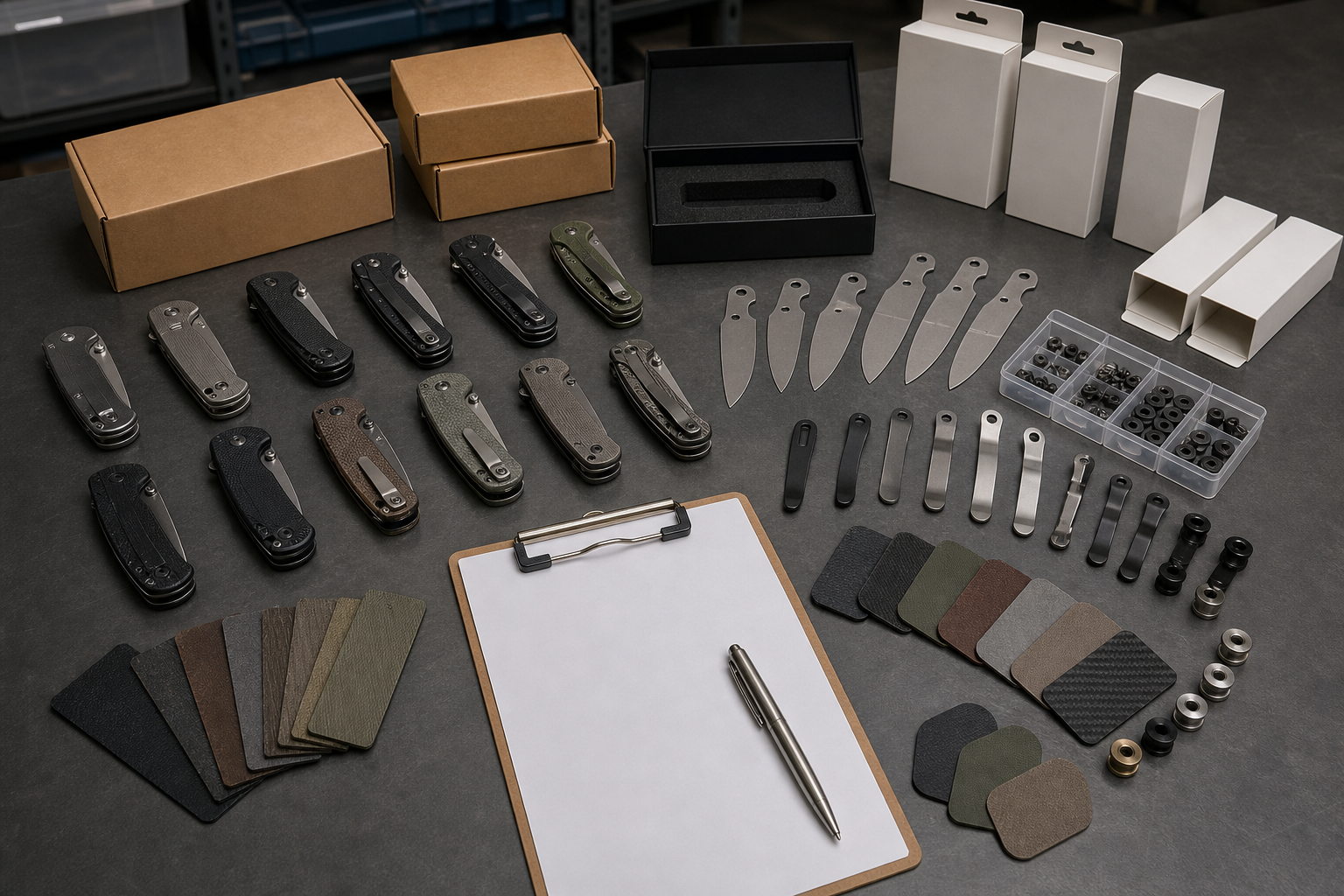
An EDC knife sounds simple. But a poor choice can feel heavy, unsafe, hard to maintain, or wrong for the buyer's market.
An EDC knife is a compact knife designed for everyday carry and common daily cutting tasks. Buyers should choose one by blade size, steel, handle, lock, carry method, weight, legal limits, safety, maintenance, and the user's real tasks.
Quick buyer brief:
- Answer: An EDC knife should be useful, compact, safe to carry, easy to maintain, and matched to daily tasks.
- Buyer context: This helps knife brands, outdoor brands, importers, wholesalers, distributors, and private label buyers.
- Key checks: Blade length, blade steel, lock, handle material, pocket clip, weight, edge type, travel rules, local laws, packaging, and QC.
Developing a folding knife line for your brand?
Vast State supports OEM/ODM folding knife projects, including blade steel, lock structure, handle material, finish, logo method, packaging, and quality inspection planning.
When I talk with B2B buyers about EDC knives, I do not treat EDC as one fixed product. EDC means "everyday carry," but everyday use changes by market. Some users open boxes. Some cut cord. Some want a lightweight pocket tool. Some want an outdoor-ready folder. Some want a premium collector-style knife that still works for daily tasks. A good EDC knife should feel useful, safe, and easy to carry. For knife brands and importers, it should also be easy to explain, easy to inspect, and realistic to repeat in production.
What Does EDC Knife Actually Mean?
Many buyers use EDC as a style word. That can create vague products that look nice but do not solve real daily tasks.
An EDC knife is a practical everyday carry knife for routine cutting tasks such as opening packages, cutting cord, trimming material, light outdoor use, and general utility. It should balance size, safety, comfort, and reliability.
I Define EDC by Use, Not Hype
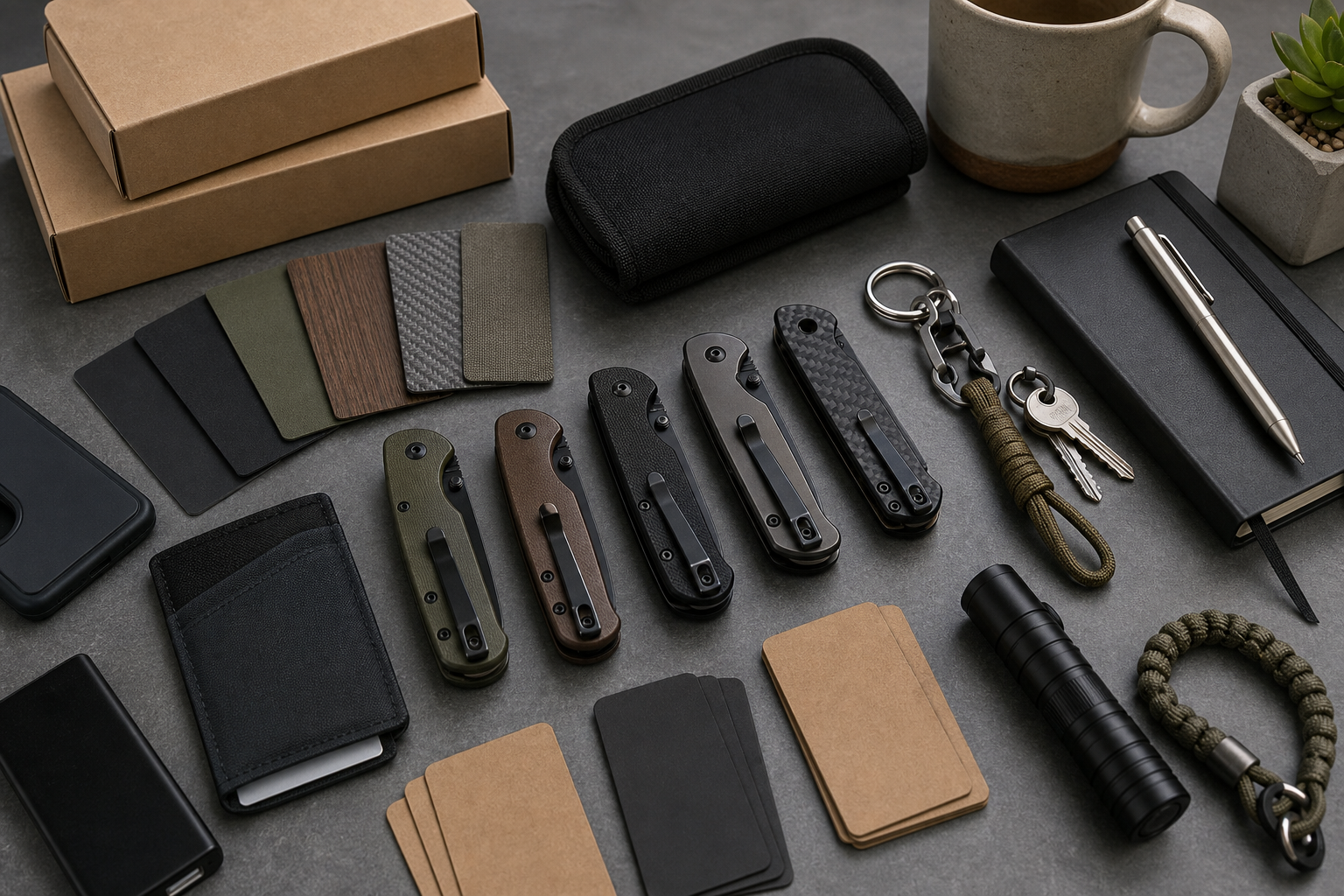
An EDC knife is not automatically tactical, premium, or expensive. It is a knife that a user can carry regularly and use for ordinary cutting needs. That is why the best EDC knife for one market may be too heavy, too large, or too aggressive for another market. A warehouse worker, camper, urban commuter, outdoor buyer, and collector may all use the term EDC differently.
For product development, I start with the task list. Will the user open packages, cut rope, trim plastic, prepare light campsite materials, or carry the knife as part of a broader outdoor kit? The answer changes the blade shape, steel, lock, handle texture, pocket clip, and packaging language. A small sheepsfoot or utility blade can feel safer and more work-focused. A drop point can feel more versatile. A thin slicer can cut well but may not match hard outdoor use.
I also think about comfort. An EDC knife should not fight the user. It should fit the pocket, open predictably, lock securely, cut cleanly, and close safely. If the knife is too thick or heavy, users may stop carrying it. If the edge is too delicate, the product may create complaints. EDC is about repeated daily usefulness.
| EDC factor | What it means | Buyer takeaway |
|---|---|---|
| Daily task fit | The knife handles routine cutting | Define use before choosing style |
| Carry comfort | Size and weight fit pocket use | Avoid overbuilt designs for light users |
| Safe function | Lock, grip, and closing feel are controlled | Inspect action and lockup carefully |
| Clear positioning | The customer understands the knife's purpose | Packaging should explain real use |
OEM/ODM RFQ Checklist
Prepare these details to help Vast State review your project and provide a more accurate quotation.
| RFQ Field | What to Prepare |
|---|---|
| Project type | OEM from drawing / ODM private label / wholesale catalog |
| Product category | Folding knife / fixed blade / multi-tool / outdoor tool |
| Design status | Idea / sketch / 2D drawing / 3D CAD / physical sample |
| Target price | Ex-factory target price or retail price range |
| MOQ expectation | 500 / 1,000 / 3,000 / 5,000+ pcs |
| Logo method | Laser engraving / etching / printing / molded logo |
| Packaging | Standard packaging / custom retail box / Amazon-ready |
| Market | USA / EU / Japan / Korea / Middle East / other |
| Compliance needs | Buyer-specified testing / documentation / labeling |
| Timeline | Sample deadline / mass production deadline |
What Types of EDC Knives Should Buyers Compare?
EDC knives are not one shape. If buyers do not compare types, they may choose a product that misses the market.
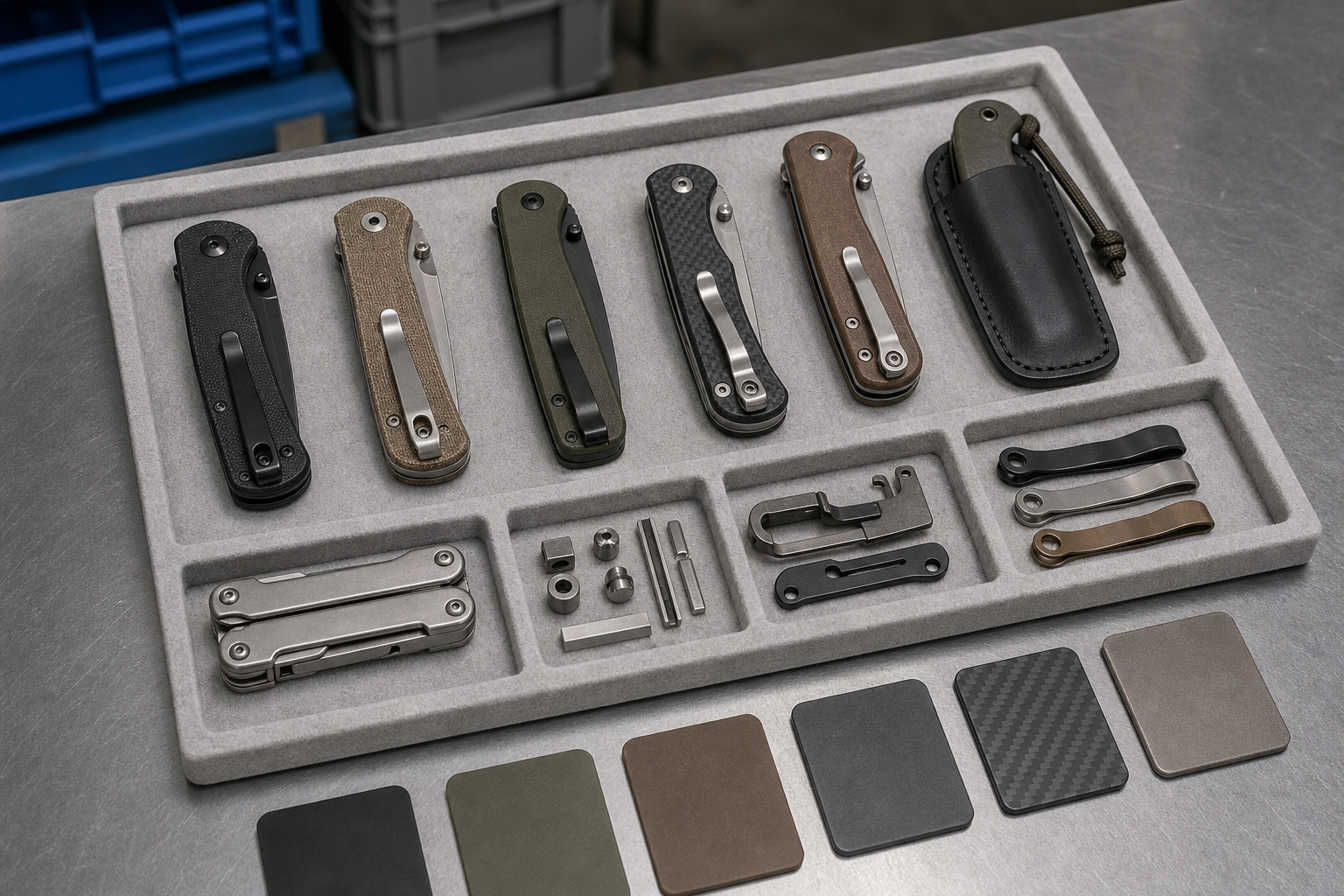
Buyers should compare manual folding knives, assisted-opening knives, slip joints, lockback knives, liner locks, frame locks, button locks, crossbar-style locks, small fixed blades, and compact multi-tools based on target users and laws.
I Choose the Mechanism Around the Market
The most common EDC product is a folding knife. It is compact, easy to package, and familiar to many customers. But the lock style changes the user experience. A liner lock can be practical and cost-effective. A frame lock can support a premium titanium handle story. A lockback can feel traditional and secure. A button lock or crossbar-style lock can feel modern and easy to operate. A slip joint may be useful in some markets where locking knives are less preferred, but the buyer must check local rules.
Small fixed blades can also be EDC products, especially in outdoor or work markets. They can be simple and strong, but sheath design becomes critical. A fixed blade without a good sheath is not a comfortable carry product. Compact multi-tools can fit EDC buyers who value multiple functions, but they need more part control and more inspection.
Assisted-opening or automatic-style products require extra caution. Even when a market allows them, online platforms, shipping policies, local law, or import rules may be stricter. I prefer to discuss these mechanisms early so the buyer does not develop a product that later becomes hard to sell.
For B2B projects, I recommend starting with the most widely acceptable mechanism for the target market. Then the brand can add premium or special versions later.
| EDC type | Best fit | Main control point |
|---|---|---|
| Manual folder | Broad daily carry | Lockup, action, blade centering |
| Slip joint | Traditional or regulation-sensitive markets | Spring tension and closing safety |
| Button or crossbar-style lock | Modern EDC feel | Tolerance, spring, and lock testing |
| Small fixed blade | Outdoor or work use | Sheath retention and carry comfort |
| Compact multi-tool | Utility-focused buyers | Part fit and function checks |
How Should Blade Shape, Steel, and Edge Type Be Chosen?
A blade can look good but cut poorly. The right EDC blade must match daily tasks, user care, and production reality.
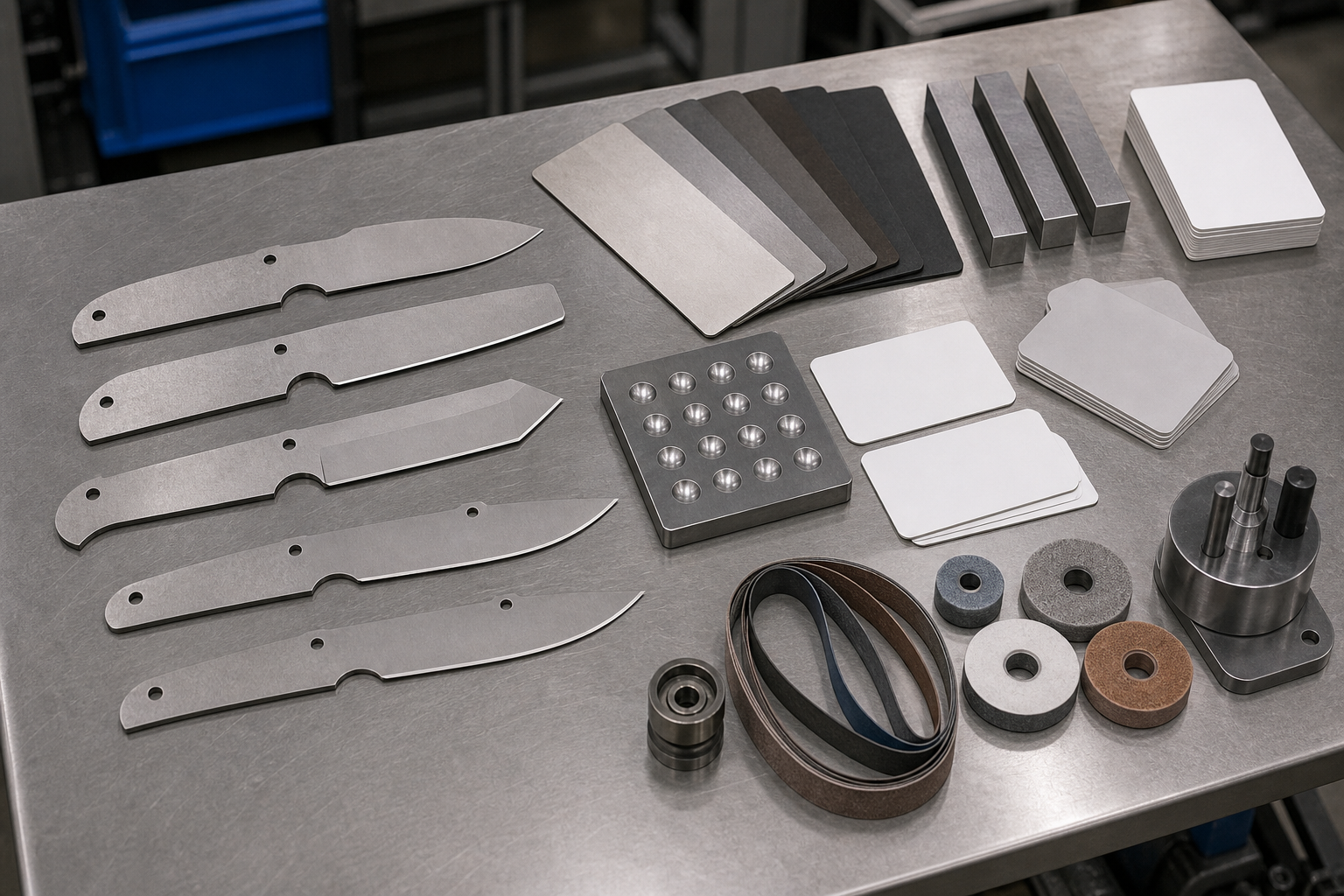
Blade shape, steel, and edge type should match the use case. Drop point is versatile, sheepsfoot supports controlled utility, tanto looks strong, plain edges are easier to sharpen, and serrations help with fibrous materials.
I Balance Cutting Feel With Care Expectations
Blade shape is the first visible decision. A drop point is often the safe all-around choice because it gives a useful tip and belly. A sheepsfoot or modified sheepsfoot works well for controlled utility cuts and a less aggressive tip. A tanto-style blade can create a strong visual identity, but it may not be the best slicer for every customer. A wharncliffe can cut with strong edge contact and a useful point, but the tip design needs care.
Steel is the next decision. A value EDC knife may use 8Cr13MoV, 9Cr18MoV, D2, or 14C28N depending on target price and market expectation. A premium EDC knife may use S35VN, M390, MagnaCut, or another higher-end option. Alleima describes 14C28N knife steel as a grade designed for knife applications with edge performance, high hardness, and corrosion resistance, with a recommended 55-62 HRC range. That makes it a useful example of how steel choice connects to target hardness and use.
Edge type also matters. A plain edge is easier for many users to sharpen and gives clean cuts. A partially serrated edge can help with rope, straps, and fibrous material, but it is harder to maintain. For many private label EDC products, I start with a plain edge unless the buyer has a clear reason for serrations.
| Blade decision | Good for | Watch point |
|---|---|---|
| Drop point | General EDC and outdoor use | Avoid making the tip too delicate |
| Sheepsfoot | Controlled utility cutting | Less belly for sweeping cuts |
| Plain edge | Easy sharpening and clean cuts | Needs good edge geometry |
| Serrated section | Rope and fibrous material | More difficult for users to sharpen |
| Stainless steel | Lower maintenance | Heat treatment still matters |
Which Handle, Lock, and Carry Features Matter Most?
Users judge an EDC knife in the hand and pocket. A good blade still fails if the handle or clip feels wrong.
The most important EDC handle, lock, and carry features are grip texture, handle thickness, weight, edge comfort, pocket clip position, lock safety, opening feel, screw stability, and ease of cleaning.
I Treat Carry Comfort as a Design Requirement
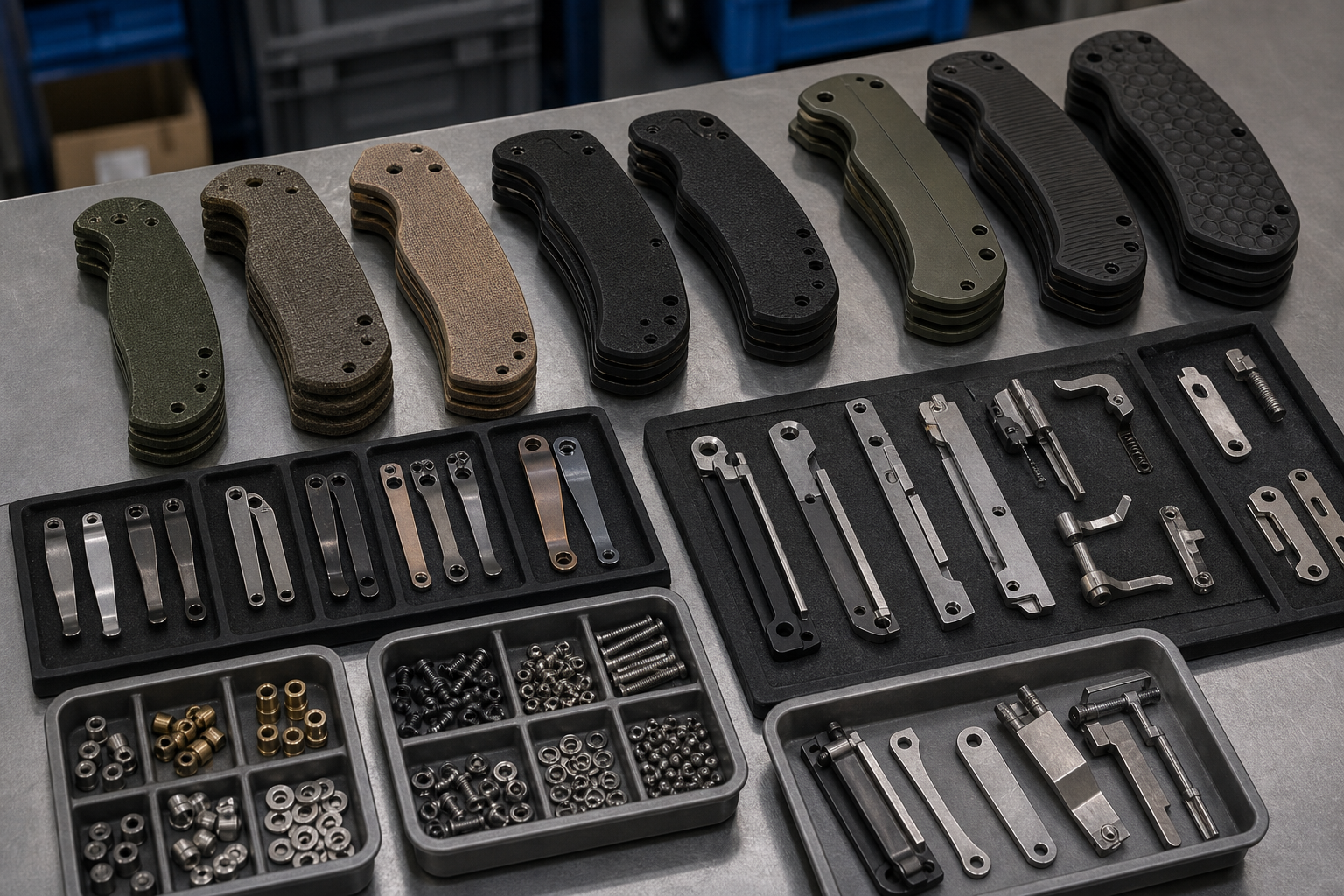
An EDC knife lives in a pocket, bag, pouch, or sheath. That means carry comfort is not optional. Handle thickness, weight, clip design, and texture affect whether the user actually carries the knife. A very aggressive texture can grip well but damage pockets. A smooth metal handle can look premium but feel slippery. A thick handle can feel solid but uncomfortable for daily carry.
Handle material should match the tier. G10 is practical, grippy, and familiar. Micarta gives a warmer, outdoor feel. Aluminum supports color and machining. Titanium supports premium positioning. FRN-style reinforced nylon can be light and cost-effective at volume. Carbon fiber gives a premium lightweight look, but it needs careful surface finish and fit.
The lock should match the user and the price. A liner lock can be simple and efficient. A frame lock can support a titanium premium product. A crossbar-style lock can feel modern, but it requires careful spring and tolerance control. A button lock can be attractive, but it also needs reliable testing. For all lock types, buyers should inspect lockup, blade play, blade centering, opening action, and closing safety.
Pocket clip design matters more than many buyers expect. Clip tension, screw placement, deep carry, left or right carry, and color all affect the user experience. A good clip should hold the knife without tearing pockets or creating hot spots.
| Feature | User effect | Production check |
|---|---|---|
| Handle texture | Grip and comfort | Surface finish and pocket wear |
| Pocket clip | Carry security | Tension, screws, and hot spots |
| Lock type | Safety and confidence | Lockup, release feel, blade play |
| Weight | Daily carry comfort | Material and liner design |
| Screw hardware | Long-term stability | Torque and thread control |
What Legal, Travel, and Safety Limits Should Buyers Consider?
EDC does not mean legal everywhere. Poor claims can create trouble for retailers, distributors, and customers.
Buyers should consider local knife laws, age policies, marketplace rules, shipping limits, workplace rules, travel restrictions, and safe packaging. For U.S. air travel, TSA lists knives as not allowed in carry-on bags but allowed in checked bags.
I Avoid "Legal Everywhere" Product Copy
Knife laws and carry rules vary by country, state, city, workplace, school, and sales platform. I do not advise buyers to write "legal everywhere" or "TSA approved" on an EDC knife page. That kind of claim is too broad and can create risk. A safer product message says the buyer or user should check local laws and follow applicable rules.
Travel is a clear example. TSA's official Knives page lists knives as not allowed in carry-on bags and allowed in checked bags, with narrow exceptions such as plastic cutlery or rounded-blade butter knives. TSA also says sharp objects in checked bags should be sheathed or securely wrapped to protect baggage handlers and inspectors. That does not answer every local law question, but it shows why EDC product pages should avoid careless travel claims.
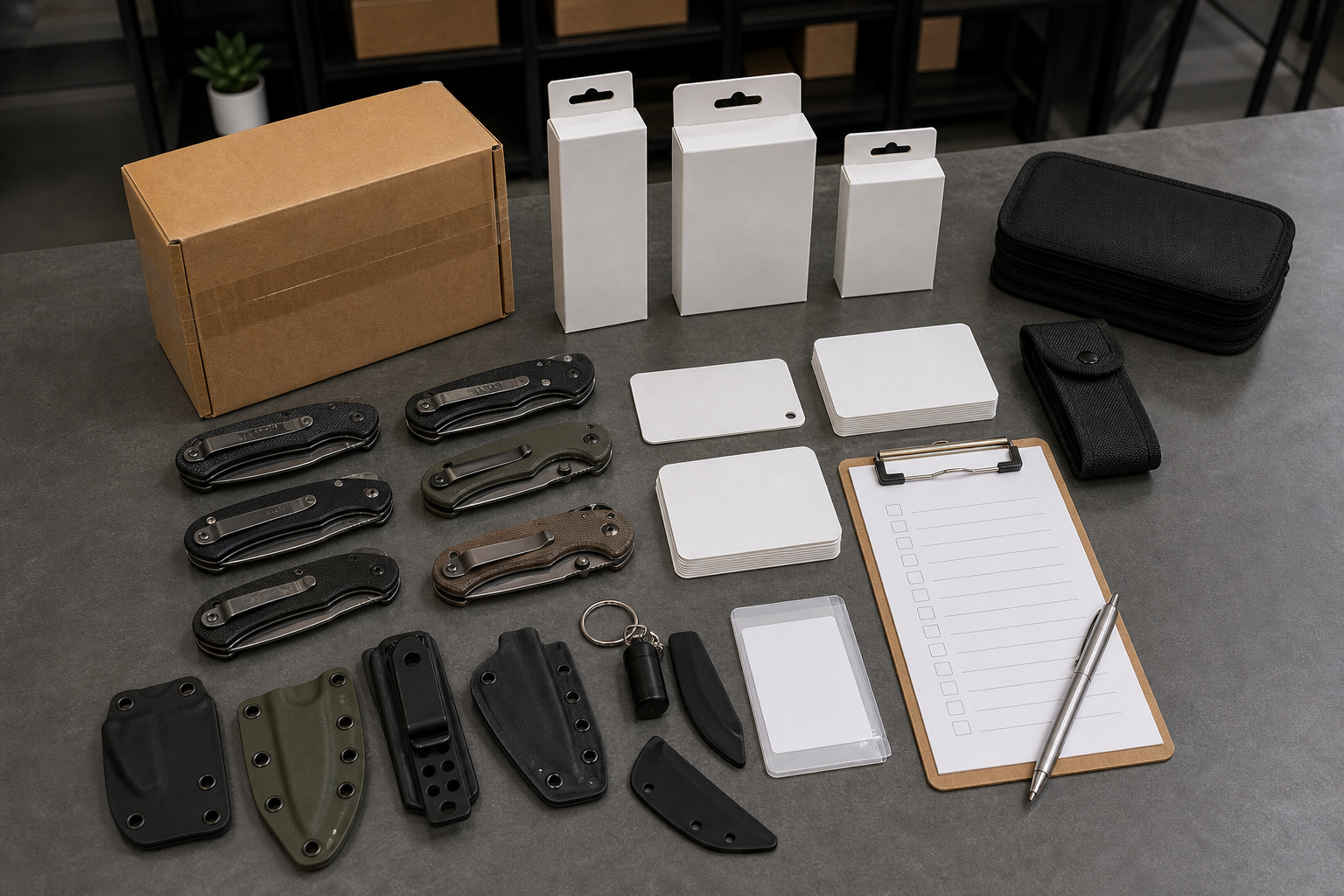
For B2B sellers, legal and safety planning affects packaging. A private label buyer may need age guidance, warning text, care instructions, local compliance review, or sales-channel policy checks. Some marketplaces may restrict automatic knives, assisted-opening knives, butterfly knives, or certain blade styles. Importers may also need to manage product descriptions and documentation carefully.
I am not giving legal advice when I say this. I am saying the product development process should include a compliance checkpoint. The buyer should tell the manufacturer the target market before production.
| Risk area | Why it matters | Buyer action |
|---|---|---|
| Local knife law | Rules vary by market | Review before product launch |
| Travel rules | Carry-on and checked-bag rules differ | Avoid broad travel claims |
| Marketplace policy | Platforms may restrict products | Check channel rules early |
| Packaging warning | Retailers may require clear wording | Prepare approved text |
| Import documentation | Product descriptions need accuracy | Keep specs and invoices aligned |
How Should B2B Buyers Source or Develop an EDC Knife?
A vague EDC request leads to vague quotes. The supplier must know the market, price, materials, and function.
B2B buyers should source an EDC knife by defining target user, price tier, blade length, steel, handle, lock, clip, finish, packaging, compliance market, MOQ, sample plan, and inspection standard.
I Build the RFQ Around the Customer's Real Use
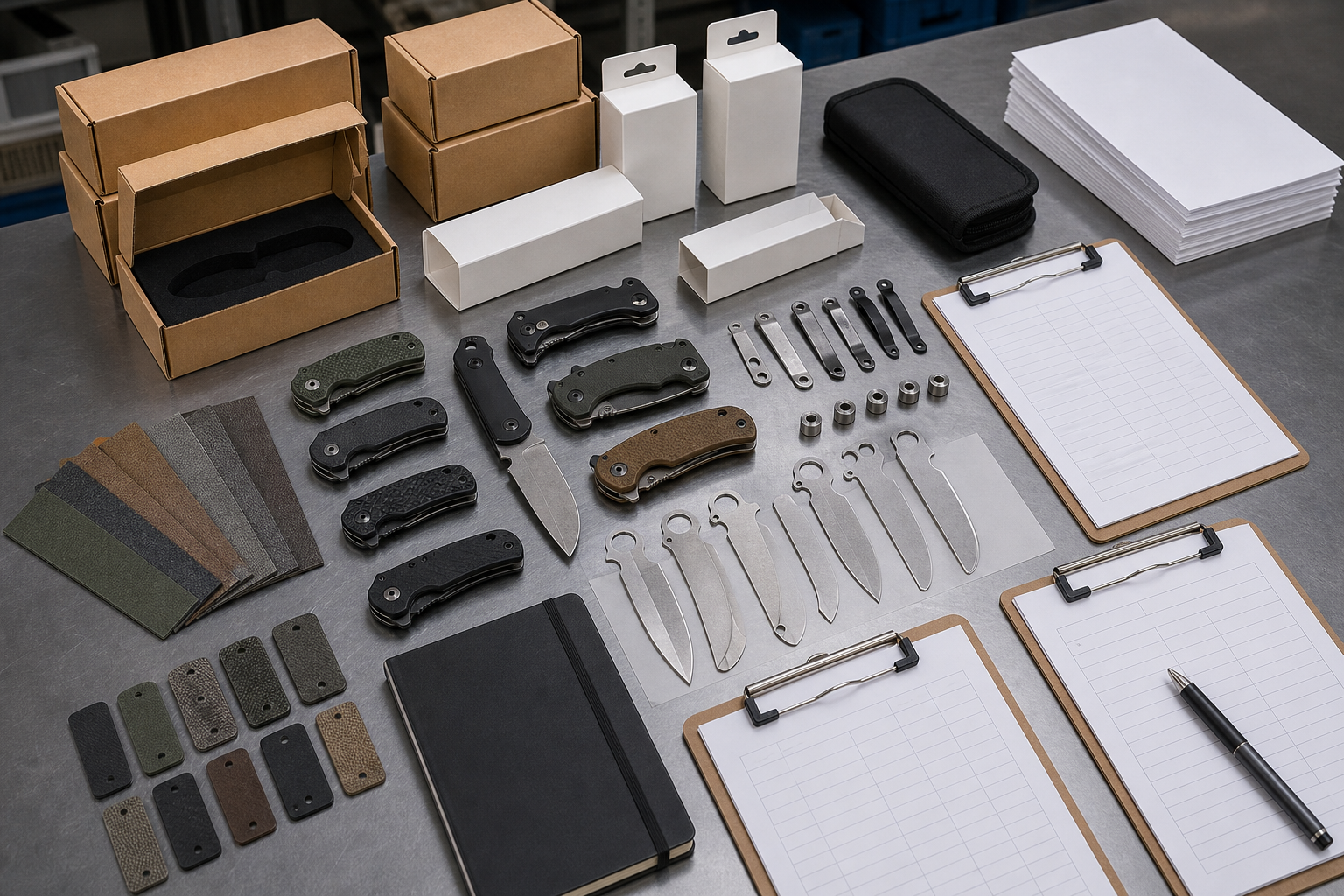
For OEM/ODM EDC projects, I want buyers to give me practical inputs. Who will buy the knife? Is it for budget EDC, mid-range outdoor retail, premium collector-style EDC, work utility, or a private label starter line? What retail price must the product hit? What MOQ can the buyer support? What blade length and lock type does the market accept? Does the buyer need a plain edge, serrated section, pocket clip, lanyard hole, deep-carry clip, or special packaging?
The RFQ should include blade steel options. If the buyer is cost-sensitive, we can compare steels like 8Cr13MoV, 9Cr18MoV, D2, or 14C28N. If the buyer wants premium positioning, we can discuss S35VN, M390, MagnaCut, or other options. The handle material should also fit the tier: G10, Micarta, aluminum, FRN-style polymer, titanium, or carbon fiber.
Quality inspection should not be an afterthought. NIST's Rockwell guidance supports controlled hardness measurement where hardness matters. ISO 9001 supports the broader idea of quality-management systems, customer requirements, and process control. In practical terms, this means the buyer should define inspection points: blade centering, lockup, blade play, sharpness, hardness where needed, finish, clip tension, screw fit, packaging, and carton labels.
At Vast State, this is where we can help. We support customers from concept to production, including prototype development, material selection, finish options, lock suggestions, packaging customization, and production follow-up.
| RFQ field | What to define | Why it matters |
|---|---|---|
| Target user | Work, outdoor, EDC, premium, value | Guides style and structure |
| Blade plan | Length, shape, steel, edge type | Controls function and cost |
| Handle and lock | Material, texture, lock type, clip | Controls carry comfort and safety |
| Packaging | Logo, box, warning text, barcode | Supports retail readiness |
| QC standard | Lockup, centering, hardness, finish | Protects repeat production |
Turn this article into a folding knife project.
Share your blade type, lock direction, steel preference, handle material, quantity, target market, and packaging needs. Vast State can prepare OEM/ODM options.
Conclusion
I choose EDC knives by daily usefulness, carry comfort, safe function, market fit, and repeatable production, not by trend words alone.
Source Notes
- TSA Knives supports the travel-rule caution for carry-on and checked baggage.
- Alleima 14C28N supports the blade-steel discussion around edge performance, hardness, and corrosion resistance.
- NIST Rockwell hardness guidance supports controlled hardness measurement in QC.
- ISO 9001 supports the broader manufacturing point about quality systems, customer requirements, and process control.
- Trade.gov Incoterms supports RFQ and delivery-term clarity for international B2B sourcing.