ZDP-189 sounds exciting on a spec sheet. But a high-hardness steel can become a complaint if the product use is wrong.
ZDP-189 is a Japanese powder metallurgy blade steel known for very high carbon, high chromium, high hardness, and strong edge retention. Buyers should choose it for premium slicing tools, not for rough-use knives that need high toughness, easy sharpening, or forgiving corrosion behavior.
Quick buyer brief:
- Answer: ZDP-189 is best for premium knives where edge retention and high hardness matter more than toughness and easy sharpening.
- Buyer context: This helps knife brands, importers, and sourcing managers decide whether the steel fits the target user and price range.
- Key checks: Confirm steel source, heat treatment target, hardness testing, edge geometry, corrosion expectations, sharpening guidance, and warranty risk.
Planning a knife project with this steel?
Send us your target market, MOQ, price range, and blade type. Vast State can help you choose the right steel, HRC range, finish, handle material, and QC requirements for OEM/ODM production.
When a buyer asks me about ZDP-189, I first ask about the product, not the steel. A thin premium slicer, a collector folding knife, and a hard-use outdoor tool have different needs. ZDP-189 can be impressive when the design supports it. It can also create problems when the buyer only wants a famous steel name. Good steel selection is not about chasing the highest number. It is about matching performance, cost, process control, and user behavior.
What Is ZDP-189 Steel?
A steel name can sound powerful. But if the buyer does not know the material profile, the wrong product decision follows.
ZDP-189 is a Proterial YASUGI stainless blade steel made by powder metallurgy. Proterial lists typical chemistry with 3.00 percent carbon and 20.00 percent chromium, with applications in custom knives and high quality cutlery tools.
I Start With the Steel's Real Identity
The first thing I check is whether the buyer understands what ZDP-189 actually is. The Proterial YASUGI Specialty Steel page for ZDP-189 identifies it as an original stainless blade steel made by powder metallurgy. Proterial lists typical carbon at 3.00 percent and chromium at 20.00 percent. It also lists application areas as custom knives and high quality cutlery tools. That tells us the intended direction: high-end cutting tools, not low-cost general utility knives.
This chemistry creates a very different conversation from common stainless steels such as 8Cr13MoV, AUS-8, 440C, VG-10, or 14C28N. ZDP-189 is not chosen because it is easy, cheap, or forgiving. It is chosen because the buyer wants a premium steel story and long edge life. The powder metallurgy route matters because it supports a more controlled structure than traditional ingot production, but it does not remove all trade-offs.
For B2B buyers, I would not approve ZDP-189 only because the catalog sounds attractive. I would connect it to product type, user expectation, sharpening support, blade thickness, edge angle, and price positioning. A premium steel should support the product story, not become a risk hidden inside the blade.
| Steel identity point | What it means | Buyer takeaway |
|---|---|---|
| Powder metallurgy | Steel is produced through a PM route | Better suited for high-end positioning |
| 3.00 percent carbon | Very high carbon level | Supports hardness but raises trade-offs |
| 20.00 percent chromium | High chromium content | Do not assume easy stainless behavior |
| Listed applications | Custom knives and high quality cutlery tools | Match it to premium use cases |
Quote-ready RFQ Checklist for This Steel
To get an accurate OEM/ODM quote, prepare these details before contacting a knife manufacturer.
| RFQ Field | What to Prepare |
|---|---|
| Product type | Folding knife / fixed blade / multi-tool / kitchen knife |
| Target market | US / EU / outdoor retail / promotional / tactical / EDC |
| Steel option | 4116 / 14C28N / D2 / N690 / Nitro-V |
| Target HRC | Example: 55-57 HRC, 58-60 HRC |
| Blade finish | Satin / stonewash / black coating / bead blast |
| Handle material | G10 / micarta / aluminum / stainless steel / wood |
| Lock or structure | Liner lock / frame lock / slip joint / full tang |
| Estimated quantity | 500 / 1,000 / 3,000 / 5,000+ pcs |
| Packaging | White box / color box / blister / pouch / gift box |
| Required documents | Drawing / sample photo / logo file / packaging artwork |
Why Does ZDP-189 Reach Such High Hardness?
High hardness is attractive. But if buyers only chase HRC, the edge may become brittle or hard to service.
Proterial lists ZDP-189 hardening hardness at HRC 65 over. Its high carbon, high carbide volume, heat treatment, and sub-zero treatment support very high hardness.
I Treat HRC as a Result of the Whole Process
ZDP-189 is famous because it can reach very high hardness. Proterial lists standard heat treatment guidance that includes quenching at 1000 to 1050 degrees C, sub-zero treatment, tempering at 100 to 150 degrees C, and hardening hardness above HRC 65. These numbers explain why buyers notice this steel. Many common production knife steels are used at lower hardness ranges, so ZDP-189 can look special immediately.
But hardness is not a single magic number. It is the result of chemistry, heat treatment, carbide content, retained austenite control, tempering, and measurement practice. Knife Steel Nerds explains that ZDP-189 has very high carbide content and that several factors support its high hardness potential. The same analysis also warns that high carbide content and high hardness reduce toughness. This is exactly the kind of trade-off that a buyer must understand before asking for the highest possible HRC.
In production, I prefer to define a practical hardness target instead of saying "as hard as possible." If the knife is a premium slicer, higher hardness may be acceptable. If the knife is a folding knife used by general consumers, I may suggest a more balanced target and a safer edge geometry. A hard blade still needs to survive real use, shipping, sharpening, and customer habits.
| Hardness factor | Why it matters | Production control |
|---|---|---|
| Austenitizing | Prepares steel for hardening | Match temperature to supplier guidance |
| Sub-zero treatment | Helps control retained austenite | Define process and timing clearly |
| Tempering | Balances hardness and stress | Avoid vague heat treatment instructions |
| HRC testing | Confirms the result | Use controlled measurement practice |
Where Does ZDP-189 Perform Well in Knife Products?
The wrong application can make a good steel look bad. A premium material still needs the right job.
ZDP-189 performs best in premium slicing-focused knives, high-end kitchen knives, collector folders, and products where long edge retention matters more than impact toughness or easy field sharpening.
I Match the Steel to the User's Cutting Behavior
ZDP-189 makes the most sense when the buyer wants long-lasting slicing performance and is willing to accept a more demanding steel. It can fit premium kitchen knives, light-duty EDC folders, collector knives, and high-end private label products where the customer cares about steel identity. In these products, the user usually values a sharp edge, clean slicing, and reduced sharpening frequency.
The design must support that purpose. I would avoid thick, rough-use geometry if the selling point is slicing. I would also avoid marketing it as a hard-use pry-capable outdoor steel. A high-hardness, high-carbide steel can hold an edge well in slicing, but it should not be asked to behave like a tough tool steel. The blade shape, primary grind, edge angle, and handle ergonomics should all guide the user toward the right cutting tasks.
For B2B buyers, the question is not "Is ZDP-189 good?" The better question is "Will my customer understand how to use and maintain this knife?" If the answer is yes, the steel can support a premium story. If the product will be sold to users who sharpen casually, cut dirty materials, twist the edge, or expect stainless convenience, a more balanced steel may reduce complaints and returns.
| Product type | Fit for ZDP-189 | Practical comment |
|---|---|---|
| Premium kitchen knife | Strong fit | Best when used for careful slicing |
| Collector folding knife | Good fit | Steel story supports premium value |
| General utility knife | Mixed fit | User may expect more toughness |
| Heavy outdoor knife | Weak fit | Toughness and serviceability matter more |
What Trade-Offs Should Buyers Expect From ZDP-189?
Every steel has a cost. If buyers hear only the advantages, they may design a product that creates complaints.
ZDP-189 offers high hardness and good edge retention, but buyers should expect lower toughness, more difficult sharpening, careful corrosion expectations, higher cost, and tighter process control.
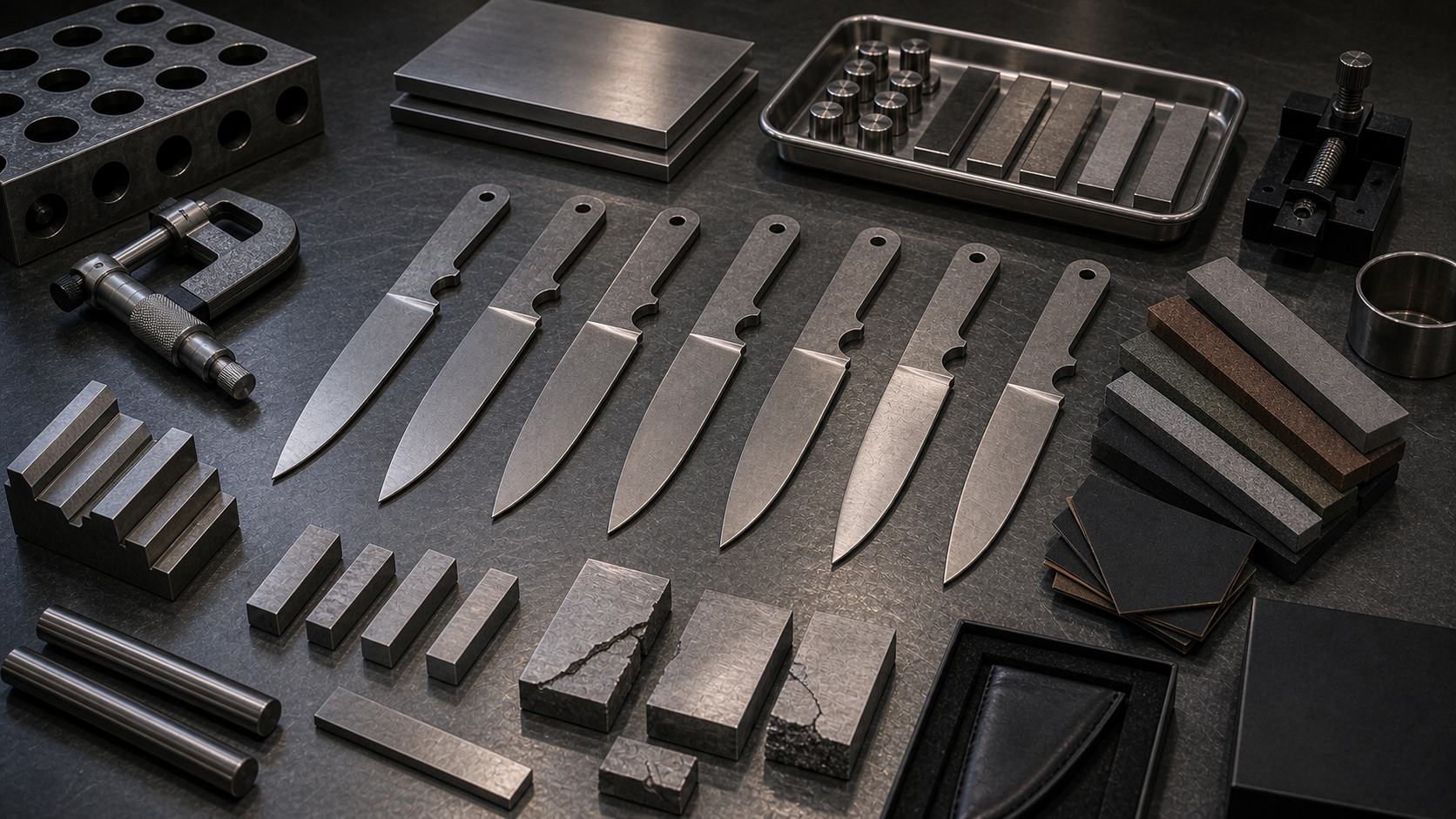
I Explain the Trade-Off Before Sampling
The strongest risk with ZDP-189 is over-promising. Knife Steel Nerds gives a useful technical warning. Its ZDP-189 analysis says the steel has low toughness and that corrosion resistance testing did not support treating it like a highly stain-resistant stainless steel. It also notes good edge retention, but not a free win over every modern option. I treat this as a practical warning: ZDP-189 can be excellent in the right product, but it should not be sold as tough, easy, and fully carefree.
Sharpening is another important point. A hard, wear-resistant steel usually takes more effort to grind and repair. A careful user with diamond abrasives may enjoy it. A casual customer may struggle if the edge becomes damaged. This matters for customer service. If the brand sells ZDP-189 knives, the product page and packaging should explain maintenance in simple words. The warranty policy should also avoid promising what the steel cannot reasonably deliver.
Cost is also part of the trade-off. ZDP-189 steel, heat treatment control, grinding control, and scrap risk can all affect the project budget. For some brands, that is acceptable because the product is positioned as a premium model. For a price-sensitive channel, the same choice may reduce margin without creating enough extra sales value.
| Trade-off | What buyers may expect | What I would clarify |
|---|---|---|
| Toughness | Not a hard-impact steel | Avoid prying and rough twisting claims |
| Sharpening | More difficult than common steels | Recommend correct sharpening tools |
| Corrosion | Not carefree stainless behavior | Give cleaning and drying guidance |
| Cost | Higher material and process cost | Confirm price position early |
How Should Heat Treatment and Hardness Testing Be Controlled?
Good steel can fail through bad process. If heat treatment is weak, the steel name will not save the product.
Buyers should control ZDP-189 through supplier heat treatment records, practical hardness targets, sample testing, edge inspection, and repeat-batch checks. HRC values must be measured with good practice.
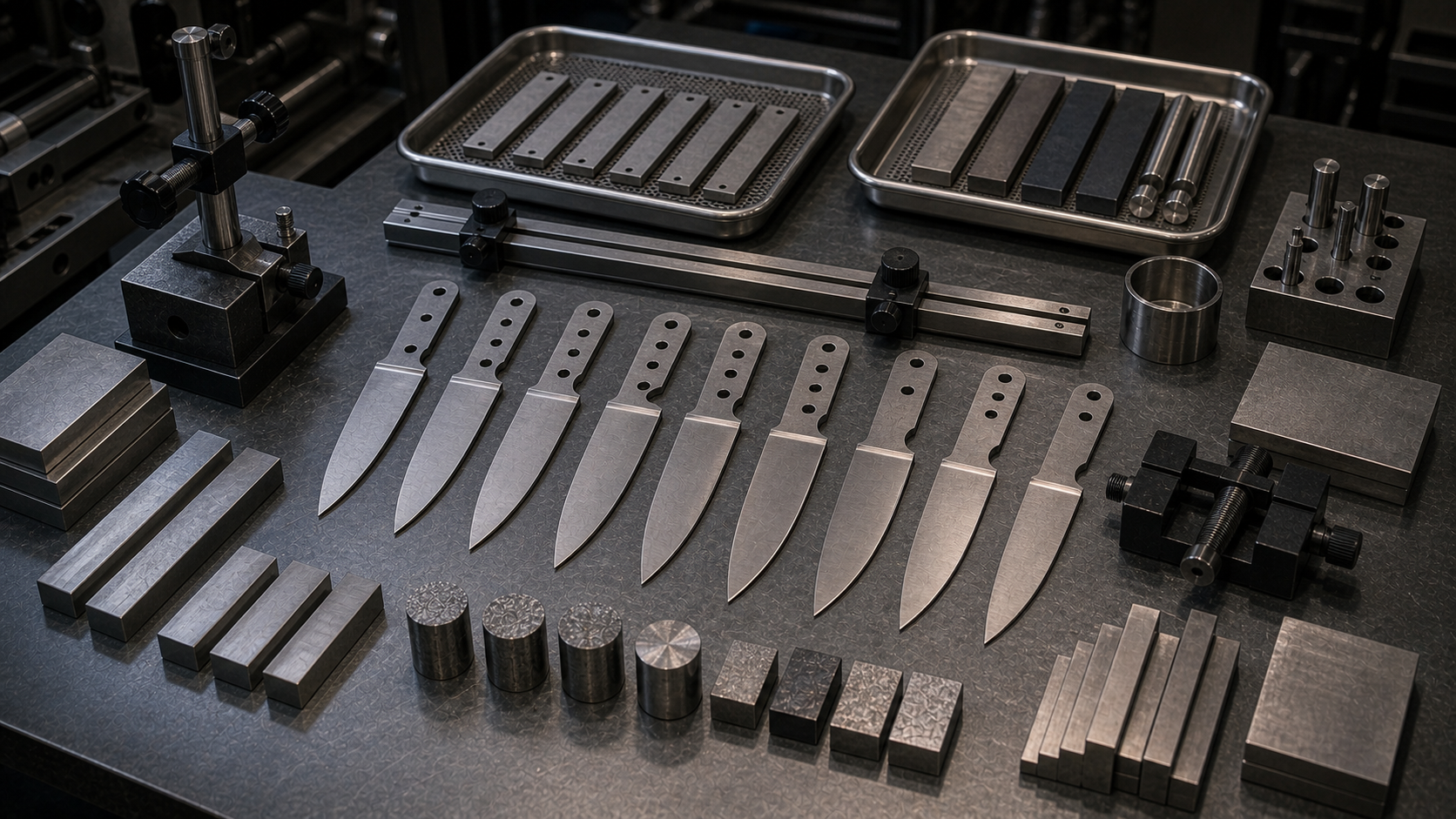
I Put the Process in the Specification
For ZDP-189, I would not leave heat treatment as a loose supplier note. The buyer should define the steel grade, supplier source, expected hardness range, heat treatment route, test method, sample approval rule, and batch inspection plan. This is important because ZDP-189's value depends heavily on process control. If the hardness is too low, the buyer may not get the expected edge retention. If the product is pushed too hard without the right geometry, the buyer may see edge damage.
Hardness testing also needs care. The NIST guide to Rockwell hardness measurement explains that Rockwell testing is widely used for assessing product properties and that good practice helps reduce measurement errors. This matters in knife manufacturing because a few HRC points can change how buyers understand the product. Testing location, surface preparation, calibration, and sample condition all affect the reliability of the reading.
I also connect hardness to edge inspection. A high HRC number does not guarantee a good knife. I still check blade straightness, grinding heat marks, edge consistency, burr removal, tip strength, surface finish, corrosion care notes, lock fitting, and packaging protection. A premium steel requires a premium control plan. Without that, the material name becomes marketing decoration instead of product value.
| Control point | Why it matters | What to request |
|---|---|---|
| Steel source | Prevents substitution | Material certificate or supplier proof |
| Heat treatment | Creates final performance | Process record and target hardness |
| HRC testing | Confirms batch result | Test locations and readings |
| Edge inspection | Protects user experience | Visual and functional edge checks |
How Should OEM and ODM Buyers Specify ZDP-189 in an RFQ?
A vague RFQ slows development. With ZDP-189, unclear requirements can also make the sample expensive and unstable.
An RFQ for ZDP-189 should include knife type, target user, blade geometry, hardness range, finish, handle material, packaging, quantity, target price, sharpening guidance, and inspection requirements.
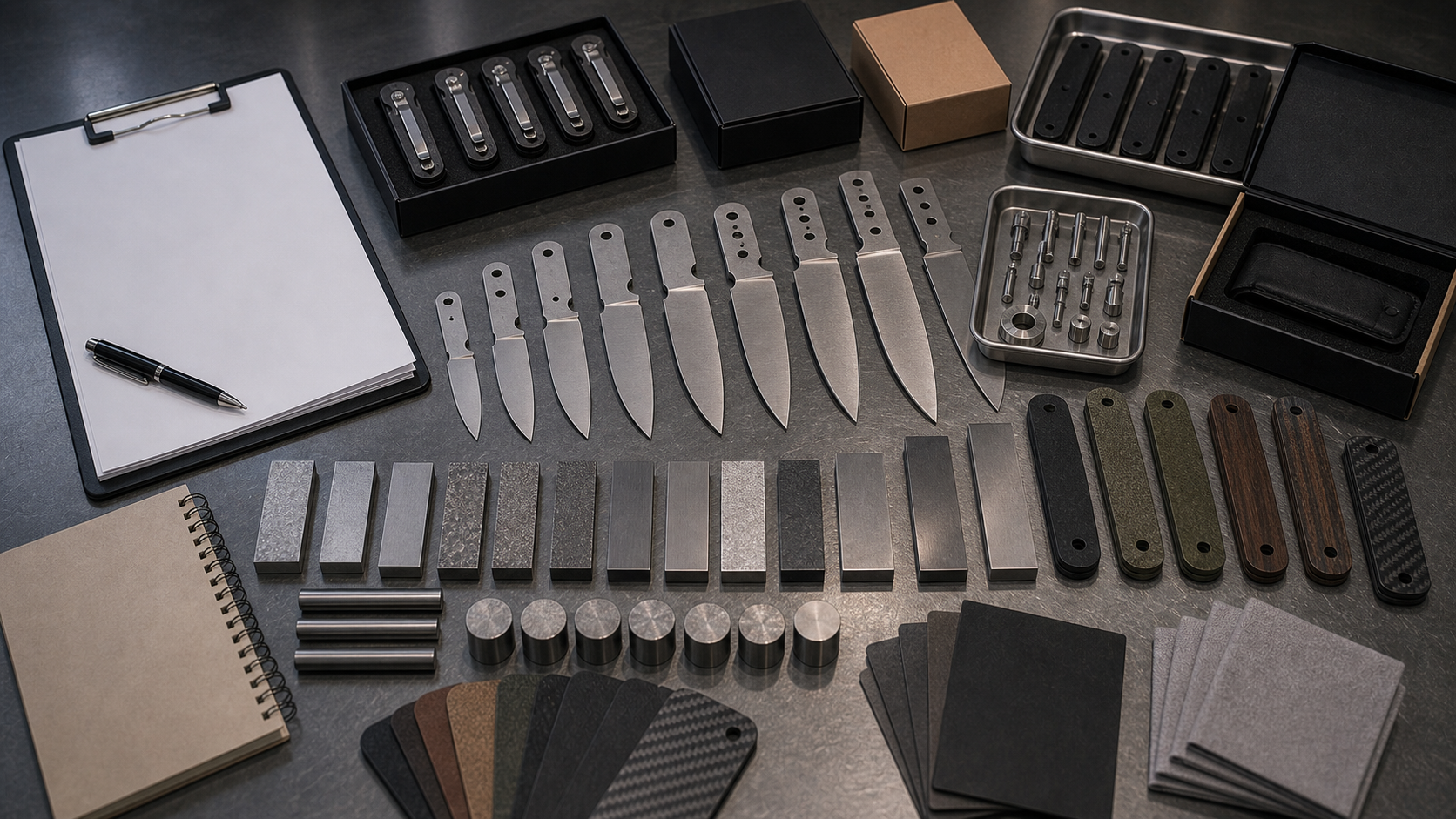
I Ask Buyers to Define the Product, Not Only the Steel
When a buyer sends me an RFQ that only says "ZDP-189 knife," I still need many answers. What is the knife type? Is it a folding knife, kitchen knife, fixed blade, or collector model? What is the target market? What retail price does the buyer want to support? What level of sharpening service can the brand explain? What edge angle and blade thickness are realistic? What packaging will communicate care instructions?
This is where an OEM/ODM partner can help. Vast State can review the concept and suggest whether ZDP-189 fits the target customer. If the target product is a premium slicing knife, we can discuss geometry, finishing, and inspection requirements. If the product is a low-MOQ trial for a value channel, I may suggest testing a more balanced steel first. The supplier's role is not only to say yes. It is to help the buyer avoid a product-market mismatch.
I also recommend a sample validation plan. The buyer should approve not only the appearance, but also the cutting behavior, edge finish, hardness record, corrosion-care message, packaging, and repeat-production controls. A steel like ZDP-189 can become a strong premium story. It can also become an expensive headache if the buyer does not define the product clearly before production.
| RFQ field | Why it matters | Example buyer note |
|---|---|---|
| Knife type | Guides geometry and structure | Premium kitchen slicer or EDC folder |
| Hardness target | Controls performance expectation | Define range, not only maximum |
| Target user | Predicts misuse risk | Enthusiast, chef, collector, general user |
| Care guidance | Reduces complaints | Include sharpening and cleaning notes |
Ready to use this material in your next knife line?
Vast State can help you compare blade steels, heat treatment ranges, handle materials, finishes, packaging options, and QC requirements based on your target market and quantity.
Conclusion
ZDP-189 is a serious premium steel, but it works best when the buyer controls application, heat treatment, geometry, maintenance guidance, and expectations.
Source Notes
- Proterial ZDP-189 material page supports the chemistry, powder metallurgy route, heat treatment guidance, hardness note, and listed applications.
- Knife Steel Nerds ZDP-189 analysis supports the trade-off discussion around carbide volume, hardness, edge retention, toughness, and corrosion caution.
- NIST Rockwell hardness guide supports the point that hardness testing needs good practice to reduce measurement errors.
- ISO 9001 explained supports the general quality-system discussion, not any specific certification claim.