Skip to content
Quote
Category Archive

Knife Knowledge

274 articles in this category

13 min read

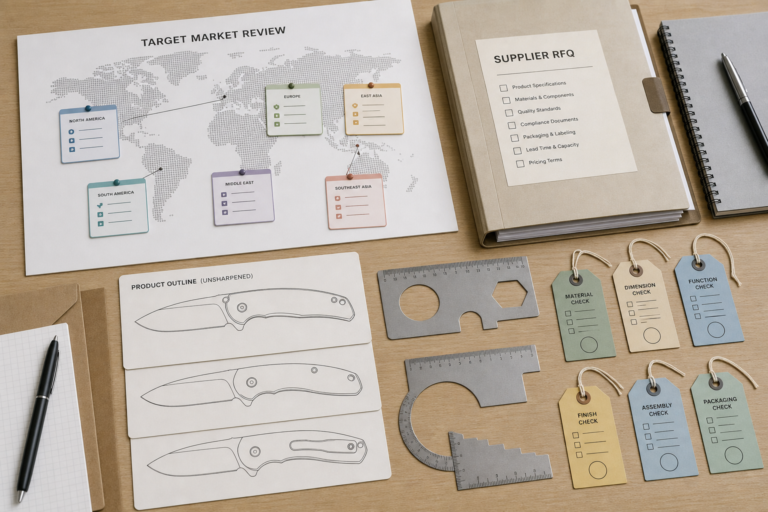
How Should Buyers Segment EDC Tools for Better OEM/ODM Product Planning?

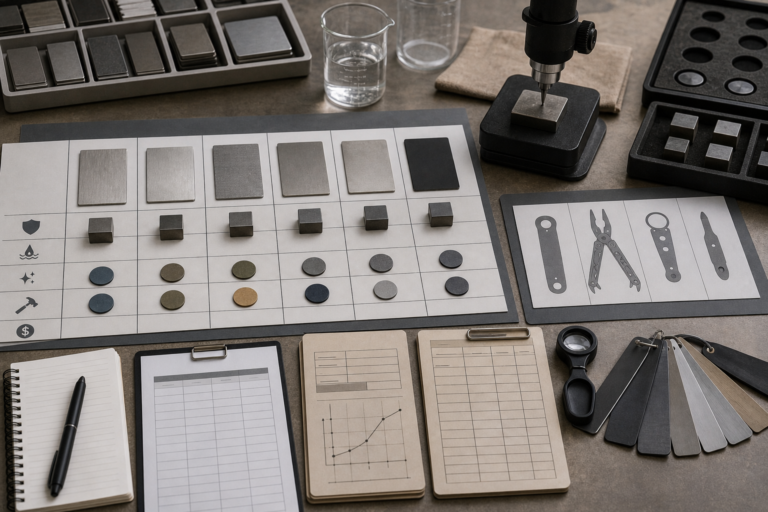
An EDC line can look broad but sell poorly. If every tool targets everyone, the range becomes confusing. Segmentation fixes that. Buyers should segment EDC tools by user scenario, core function, tool type, size, material, price tier, safety requirements, packaging, and sales channel. Clear segmentation helps OEM/ODM suppliers develop practical SKUs instead of random products. […]

Read Article
13 min read

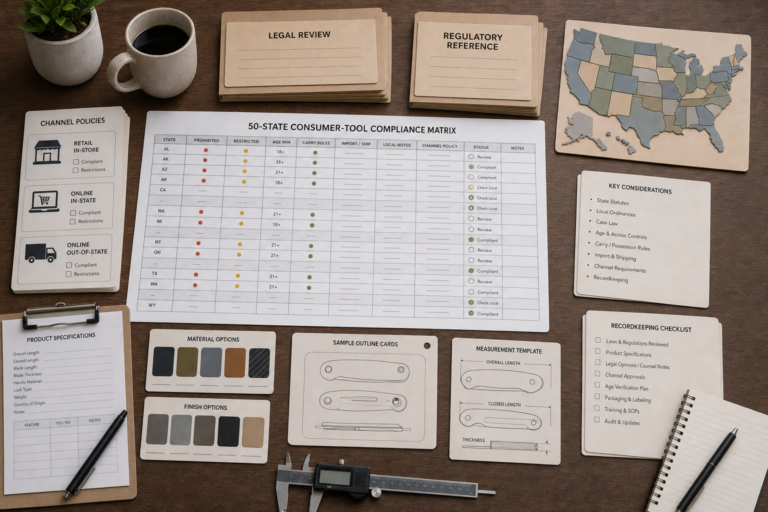
How Should Buyers Build a 50-State Pocket Knife Compliance Matrix Before Launch?

A pocket knife can fit one U.S. state and fail another. A loose legal summary creates risk. A structured matrix keeps decisions traceable. Buyers should build a 50-state pocket knife compliance matrix by checking federal rules, official state sources, local rules, blade length, opening method, lock type, age controls, sales channel, packaging language, and legal […]

Read Article
13 min read

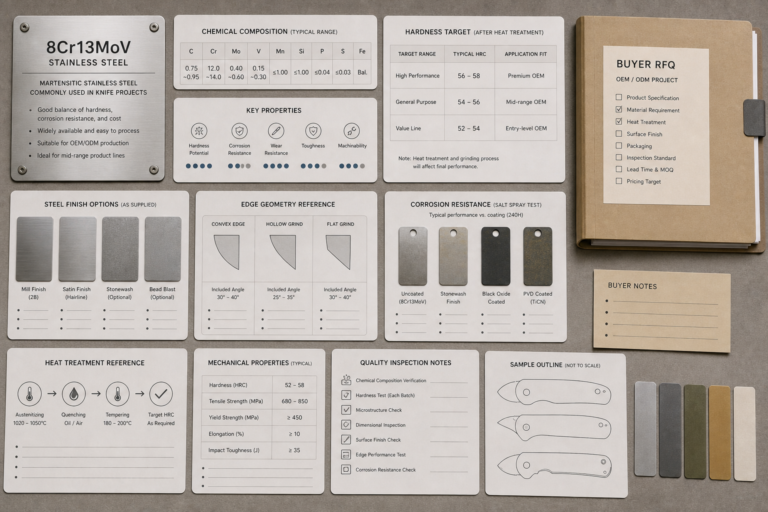
Is 8Cr13MoV Steel a Practical Choice for OEM/ODM Knife Projects?

A steel name can look simple, but a bad match can hurt margin, reviews, and repeat orders. 8Cr13MoV needs the right project. 8Cr13MoV is a practical choice for OEM/ODM knife projects when the buyer needs a value stainless blade steel for budget or mid-entry products, with controlled heat treatment, realistic edge-retention expectations, stable hardness checks, […]

Read Article
13 min read

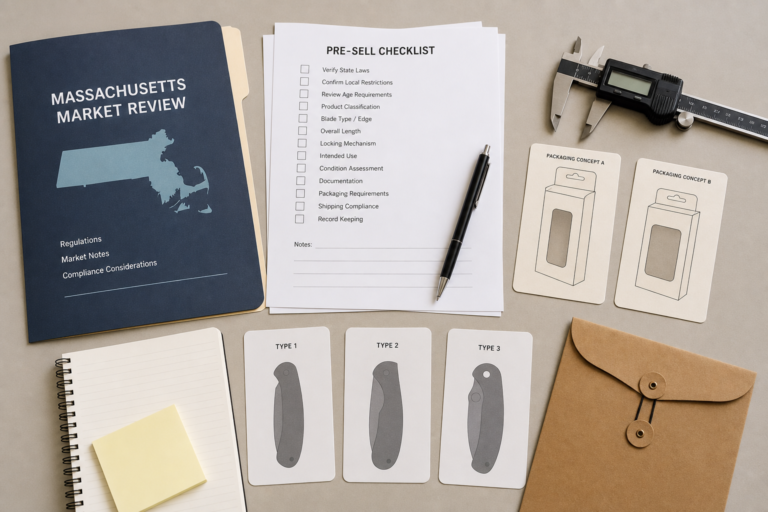
What Should Buyers Check Before Selling Automatic Folding Knives in a Target Market?

Automatic folding knives can fail at the market review stage. One unclear feature can delay sales. A careful target-market check protects the project. Buyers should check the target market, automatic opening definition, state or national rules, import controls, sales channel policy, packaging claims, inspection needs, and RFQ details before sourcing automatic folding knives or OTF […]

Read Article
13 min read

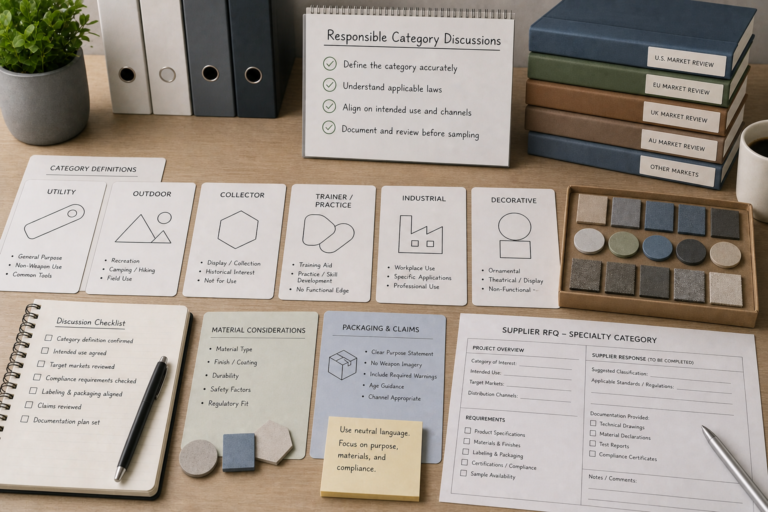
How Should Buyers Discuss Specialty Blade Categories Responsibly?

Risky words can make a product plan harder to approve. Buyers may lose time with unclear claims. Responsible category language keeps sourcing practical. Buyers should discuss specialty blade categories by using neutral product definitions, target-market context, documented legal checks, safe marketing language, and clear RFQ details. This helps suppliers evaluate manufacturability, compliance risk, cost, packaging, […]

Read Article
15 min read

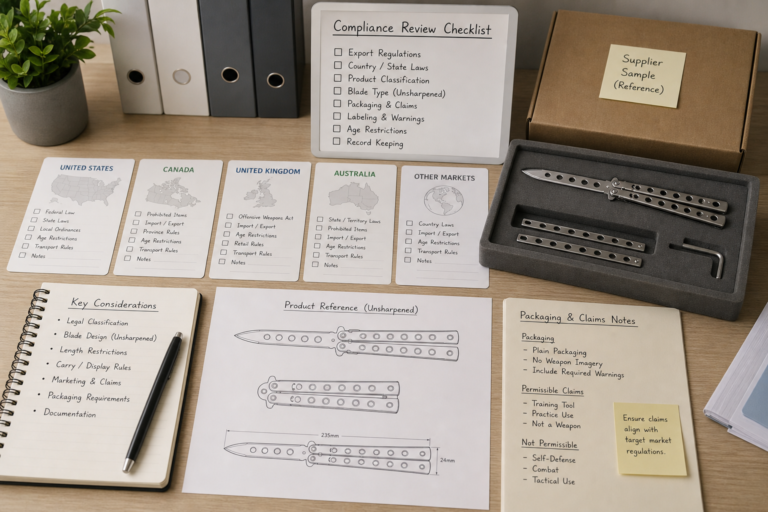
How Should B2B Buyers Check Butterfly Knife Compliance Before OEM/ODM Production?

Butterfly knife projects can fail before sampling if compliance is unclear. I treat this product type as a legal-screening project first. B2B buyers should check butterfly knife compliance by confirming product definition, target countries, state or regional rules, import controls, retail channel policies, trainer status, packaging claims, and legal review before OEM/ODM production. This article […]

Read Article
14 min read

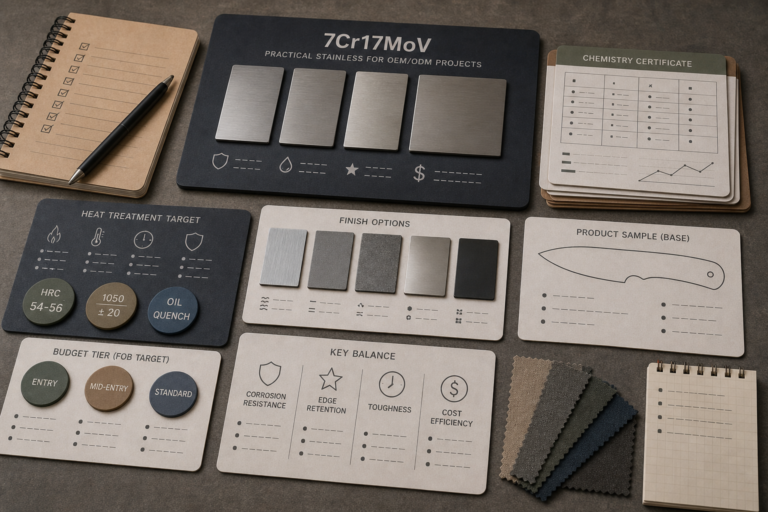
Is 7Cr17MoV a Practical Knife Steel for OEM/ODM Projects?

7Cr17MoV can look like a simple budget steel choice, but vague expectations create trouble. I judge it by project fit, not by name. 7Cr17MoV can be practical for OEM/ODM knives when buyers need a cost-controlled stainless steel for entry or mid-entry products. It should be specified with clear chemistry, heat treatment, target hardness, blade geometry, […]

Read Article
15 min read

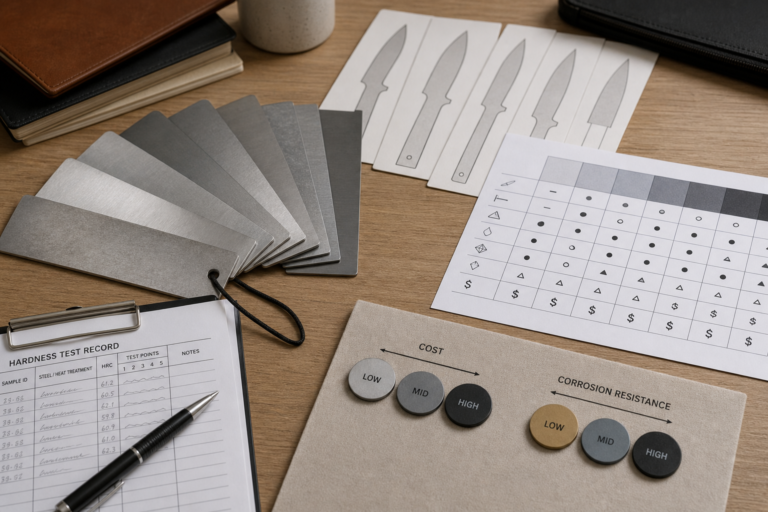
How Should Buyers Use a Knife Steel Guide for OEM/ODM Projects?

A steel list can look helpful, but it can also mislead buyers. I turn knife steel names into product, cost, and production decisions. Buyers should use a knife steel guide by comparing product positioning, target market, toughness, edge retention, corrosion resistance, heat treatment, grinding cost, sharpening expectations, and QC records. The right steel is not […]

Read Article

OEM / ODM Partner

Ready to start your custom knife project?